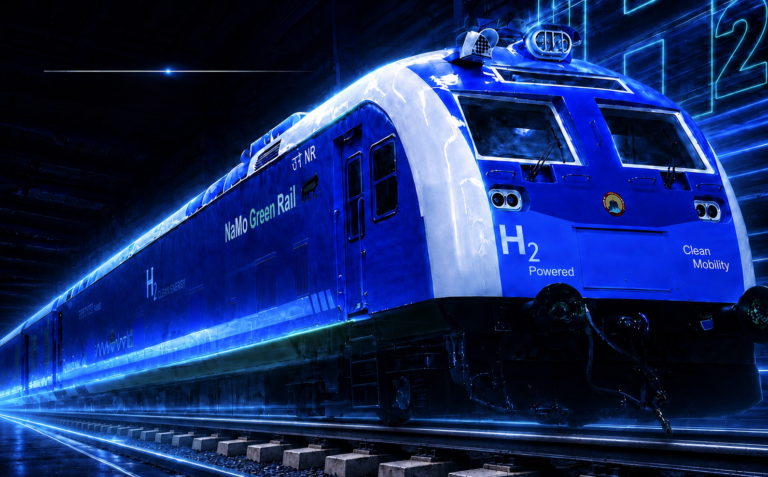
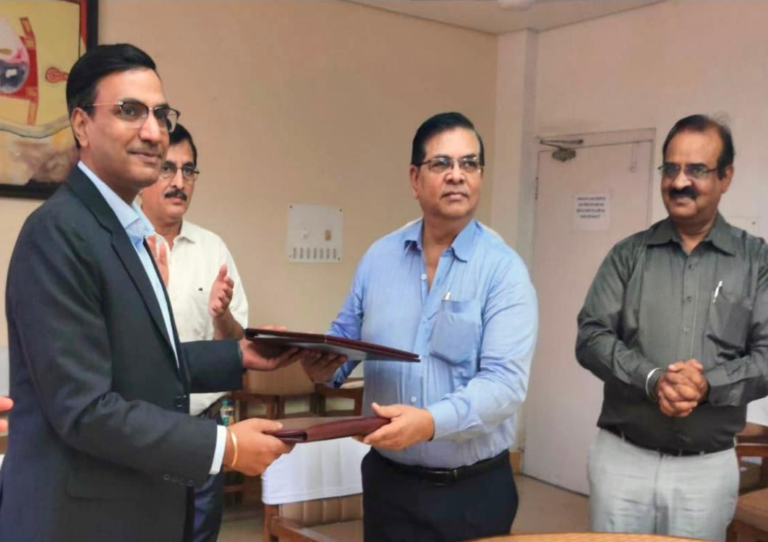
NEW DELHI (Metro Rail News): TÜV SÜD and MEDHA have signed a Memorandum of Understanding (MoU) with Indian Railways to extend their partnership in the hydrogen powered rail vehicles project and Independent Safety Assessments for the Indian railway sector.
Earlier, the companies worked together for India’s first hydrogen-electric multiple unit and an associated hydrogen production and refueling station which is approved for operation by Indian Railways. MEDHA integrated the fuel cell-based drive system into a Diesel Electric Multiple Unit- vehicle platform. Additionally, it conducted static and dynamic tests, and the oscillation and performance trials.
TÜV SÜD executed the Independent Safety Assessments (ISA) of the hydrogen and the traction battery systems of the hydrogen-electric multiple unit system and the associated hydrogen production and refueling station.
Simon Lemin, Chief Executive Officer (CEO) of TÜV SÜD, South Asia expressed confidence in their collaboration with MEDHA and the Indian Railways to develop a sustainable mobility source. He further showed interest in continuing the collaboration as hydrogen technology is getting more important in the country.
Sumit Sehgal, Senior VP of TÜV SÜD, said that the safety requirements for the use of hydrogen in railway are extremely complex and challenging. Further, he said that the company felt honoured for being trusted by the Indian Railways for such challenging work.
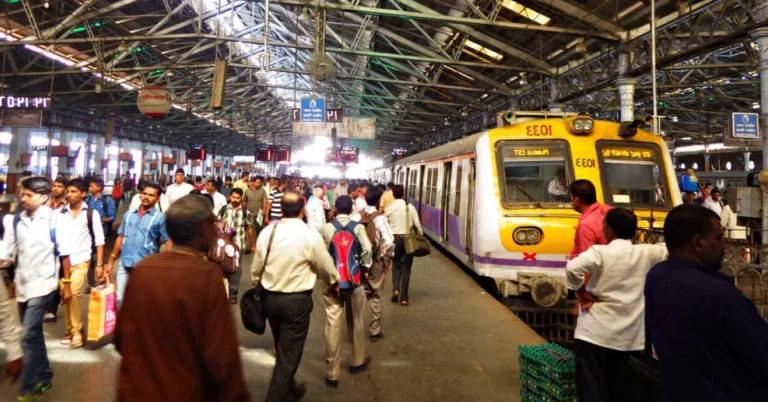
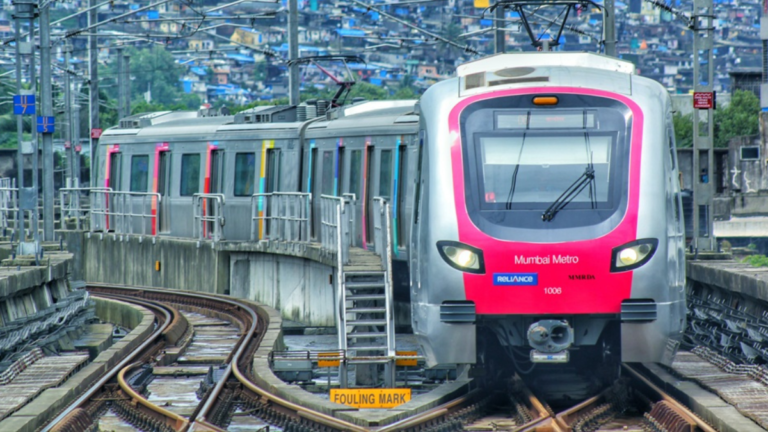
Mumbai (Metro Rail News): In a welcome move to ease overcrowding during peak hours, Central Railway has extended 10 suburban local trains from 12 coaches to 15 coaches, effective from Monday, July 20, 2026.
This upgrade increases each train’s passenger capacity by 25%, offering much-needed relief and greater comfort to thousands of daily commuters on the busy Mumbai suburban network.
Routes and Timings of the Upgraded 15-Coach Trains
The 10 extended services are evenly split between down line, leaving Chhatrapati Shivaji Maharaj Terminus (CSMT) and Up line,heading towards Chhatrapati Shivaji Maharaj Terminus (CSMT) directions:
Down Trains (From CSMT to Suburbs)
CSMT to Ambarnath – 9:15 AM
CSMT to Kalyan – 12:26 AM
CSMT to Badlapur – 3:03 PM
CSMT to Karjat – 6:21 PM
CSMT to Ambarnath – 11:08 PM
Up Trains (From Suburbs to CSMT)
Ambarnath to CSMT – 7:51 AM
Ambarnath to CSMT – 11:03 AM
Kalyan to CSMT – 1:36 AM
Badlapur to CSMT – 4:47 AM
Karjat to CSMT – 8:38 PM
Why Mumbai Needs These Longer Local Trains
By converting existing 12-coach trains into longer 15-coach ones, Central Railway is smartly utilizing current tracks and infrastructure to provide immediate relief without changing the overall timetable. Commuters traveling on critical routes between CSMT, Kalyan, Ambarnath, Badlapur, and Karjat will now enjoy safer and less crowded journeys, especially during rush hours.
This is a practical and quick step by Indian Railways to improve daily travel experience for Mumbai’s suburban passengers.
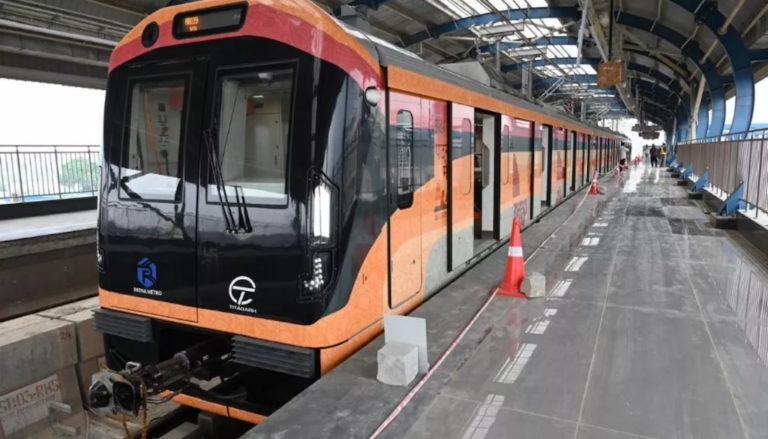
PATNA (Metro rail News): Patna Metro Rail Project has invited bids for the manufacturing and supply of the track fastening system for a section of its Line-2 corridor. The package covers the stretch between Patna Station and Malahi Pakri Ramp. Delhi Metro Rail Corporation (DMRC), acting on behalf of Patna Metro Rail Corporation Limited (PMRCL), has issued the online tender for Contract PT-03R. The procurement will follow JICA’s Single-Stage Two-Envelope Local Competitive Bidding process.
Tender details
Information
Details
Contract Name
PT-03R
Tender Fee
Rs 23,600 (including 18% GST)
Bid Security
Rs 19.1 Lakhs
Pre-bid meeting
24 July, 2026, at 11:00 AM
Bid Submission Deadline
17 August, 2026, at 3:00 PM
Completion Period
12 Months
Scope of work
The contract includes manufacture & Supply of Track Fastening System for Line-02 Corridor (Patna Station to Malahi Pakri Ramp) for Patna Metro Rail Project.
About the Patna Metro Rail Project
The Patna Metro Rail Project is being developed with financial support from the Japan International Cooperation Agency (JICA). The Government of India is using part of the JICA loan to finance this contract. Line-2 is one of the key corridors of the Patna Metro network. The latest tender marks another step in the project’s construction as work moves towards track.
Gurugram (Metro Rail News): Rail India Technical and Economic Service (RITES) Limited, the leading transport consultancy organization, announced on July 20, 2026 that they have signed a Memorandum of Understanding (MoU) with Metallurgical & Engineering Consultants (India) Limited (MECON) Limited, a PSU of Ministry of Steel, to collaborate on the consultancy and infrastructure opportunities across the Indian and International markets for exploring opportunities in Rail, Metro and other infrastructure projects.
RITES has a proficiency in transport infrastructure and engineering consultancy while MECON is commendable in the metal, mining, energy and allied sector. As both the companies excel in their domain their collaboration is sought to bring the strengths of both for unlocking different opportunities across various industries.
Exploring Opportunities in Rail, Metro & other Infra Projects
The MoU emphasizes that both the organizations will partner for exploring consultancy assignments and infrastructure opportunities across various sectors including railways, metro rail, highways, expressways, airports, ports, ropeways, bridges, tunnels, urban transport, energy, water resources, hydropower, wastewater management, and industrial infrastructure.
Significance of the Collaboration
Under the collaboration, both the parties will explore business avenues across a larger domain comprising the expertise of both. It will strengthen their position in seeking opportunities in the Indian market as well as the International market. By merging their experience and technical expertise, both the organizations will be able to provide integrated infrastructural solutions.
West Bengal (Metro Rail News): In a major step towards modernizing urban transport in West Bengal, the state government has appointed RITES (Rail India Technical and Economic Service) to conduct a comprehensive feasibility study for a proposed Aerial Metro connecting Asansol and Durgapur.
The initiative is being led by Urban Development & Municipal Affairs Minister Agnimitra Paul in collaboration with the Asansol Durgapur Development Authority (ADDA). The decision was officially announced after an administrative review meeting held on Saturday, July 18, 2026.
RITES will carry out detailed technical, spatial, traffic, and demographic studies to finalize the elevated metro alignment. Actual construction work will begin only after the state government reviews and approves the final feasibility report.
Proposed Features of the Asansol-Durgapur Aerial Metro
The proposed Asansol-Durgapur Aerial metro is a major 40 to 45 km elevated transit system designed to completely transform travel across West Bengal’s industrial heartland.
Metro will run along the region’s main commercial belt, linking crucial hubs like Asansol, Raniganj, Durgapur, and the Kazi Nazrul Islam Airport in Andal.
Its main goal is to give commuters a fast, smooth alternative to the heavily crowded National Highway 19 (NH 19), effectively cutting down massive traffic jams, clearing up highway bottlenecks, and providing seamless last-mile connectivity for everyday travelers.
Why do Asansol and Durgapur need this Aerial Metro?
The proposed Asansol-Durgapur Aerial Metro is expected to become the backbone of Asansol’s transformation into a modern smart city. With high-capacity public transport, the region aims to attract greater investments in technology, real estate, and retail sectors.
Both Asansol and Durgapur are major industrial and commercial hubs with heavy daily commuter and freight traffic. An aerial metro will significantly reduce road congestion, cut travel time between the two cities, and lower vehicular pollution.
This metro project is not an isolated initiative. It forms part of a larger infrastructure push by ADDA, which also includes a new logistics hub and a recently surveyed bridge over the Damodar River.
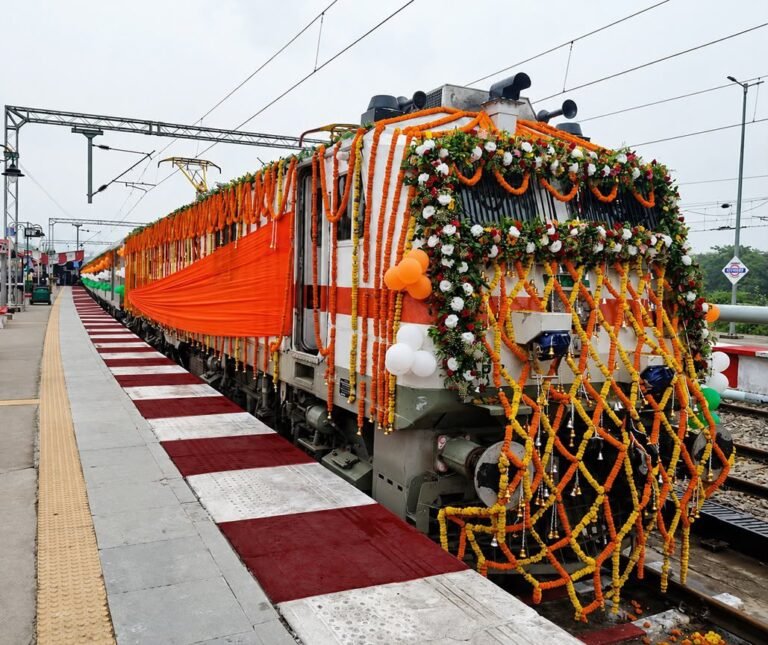
UTTARAKHAND (Metro Rail News): Traveling between Kumaon and Garhwal will soon be easier with a new direct train. Union Railway Minister Ashwini Vaishnaw and Uttarakhand Chief Minister Pushkar Singh Dhami virtually launched the Ramnagar Dehradun Express Train. This train will run twice a week and increase connectivity in Uttarakhand and neighboring Uttar Pradesh.
— Ministry of Railways (@RailMinIndia) July 18, 2026
First direct express between Ramnagar and Dehradun
Speaking through video conferencing from New Delhi, Ashwini Vaishnaw mentioned that this new train is a key step in improving rail connectivity in Uttarakhand. He called it the first direct Express service between Ramnagar and Dehradun, which will provide a faster and more convenient travel option for the Kumaon and Garhwal regions. The minister also mentioned that the train will run twice a week, making travel easier for residents, tourists, and business travelers. The new service will stop at:
Kashipur
Roshanpur
Pipalsana
Moradabad
Najibabad
Haridwar
Boost for Tourism and Pilgrimage
The new train is expected to increase tourism in this area. Visitors who are traveling to Jim Corbett National Park will have a direct rail option. On the other hand, devotees who are going to temples near Ramnagar and Haridwar will benefit from better connectivity. Officials believe this service will make travel more comfortable and attract more visitors to the region.
Indian Railways expansion plans continue
Vaishnaw also said that work on the Rishikesh Karnaprayag rail project is progressing rapidly and described it as one of Uttarakhand’s major railway projects. He also announced that Indian Railways is creating a master plan to improve rail connectivity to Haridwar and Rishikesh. According to the minister, this plan aims to address the growing demand from passengers traveling to these important locations. He added that he recently discussed the proposal with Chief Minister Pushkar Singh Dhami during his visit to Delhi.
Station redevelopment underway
The minister said that Indian Railways will undertake the redevelopment of 11 railway stations in Uttarakhand as a part of its station modernization plan. The works will start in Dehradun, Haridwar, Ramnagar, and Kathgodam. It will involve upgradation of the facilities, development of the infrastructure, and better management of the large number of passengers. Vaishnaw added that the newly started Tanakpur Nanded Express has gotten good response from the passengers.
Goa (Metro Rail News): In a significant boost to Goa’s infrastructure push, Rail Vikas Nigam Limited (RVNL) has signed a Memorandum of Understanding (MoU) with the Goa government to jointly execute multiple infrastructure projects across the state.
Announced on July 17, 2026, the railway ministry’s Navratna PSU will act as the primary Project Executing Agency (PEA) for various state-level initiatives. The partnership aims to modernize Goa’s transport networks, roads, ports, and public utilities by leveraging RVNL’s proven engineering and project execution expertise.
Rail Vikas Nigam Limited (RVNL) has entered into a Memorandum of Understanding (MoU) with the Government of Goa to collaborate on the development and implementation of infrastructure projects across the State.
— Rail Vikas Nigam Limited (@RailVikas) July 20, 2026
Significance of MoU
Goa, one of India’s top tourism destinations and a rapidly growing commercial hub, has been facing increasing pressure on its infrastructure due to rising tourist footfalls and economic expansion. This collaboration is expected to accelerate the development of critical projects potentially integrating roads, railways, ports, and urban infrastructure to improve connectivity, ease traffic congestion, and enhance the quality of life for locals.
RVNL, traditionally known for railway projects, is now expanding its role as a multi-sector infrastructure developer. This marks a strategic shift for the company into broader state-level partnerships beyond pure rail works.
If successful, this model could become a blueprint for other smaller Indian states looking to fast-track infrastructure growth by partnering with experienced central PSUs instead of depending only on local contractors.
While the MoU sets up a strong framework for project identification and execution, details regarding specific projects, total financial value, and timelines are yet to be disclosed.
MUMBAI (Metro Rail News): The Mumbai Metropolitan Region Development Authority (MMRDA) announced that they are taking initiatives to strengthen last mile connectivity across the Mumbai Metro network. They are improving access from various metro stations to the adjoining commercial and residential areas through Foot over Bridges (FOBs). This initiative is expected to encourage commuters to travel via metro and enhance ridership.
As a part of this project MMRDA has recently approved the construction of FOBs to connect Vikroli metro station in Metro Line 4 (Green Line) with the Godrej commercial campuses. Upon completion, this project will improve accessibility for the employees, visitors and other passengers to the Godrej campus without having to cross the busy LBS Road.
Godrej & Boyce is bearing the cost of construction of these FOBs and in addition a developmental fee of ₹10 Cr has been paid by them to MMRDA. Moreover, they will also pay another 6% of the construction cost as supervision charges.
Furthermore, MMRDA is planning another proposal on the Metro Line 2B (Yellow Line) with Bharat Diamond Bourse. The project is expected to benefit more than 40,000 daily commuters.
Mumbai in Minutes
The initiative aligns with the “Mumbai in Minutes” initiative of MMRDA. Under the Mumbai in Minutes initiative, MMRDA is planning to guarantee that the travel time between any two places in the Mumbai Metropolitan Region should be reduced to less than 59 minutes.
A major catalyst in bringing this change will be the Mumbai metro, which is planned to strengthen connectivity across the city upon its completion, currently the metro covers a distance of around 101.43 kilometers.
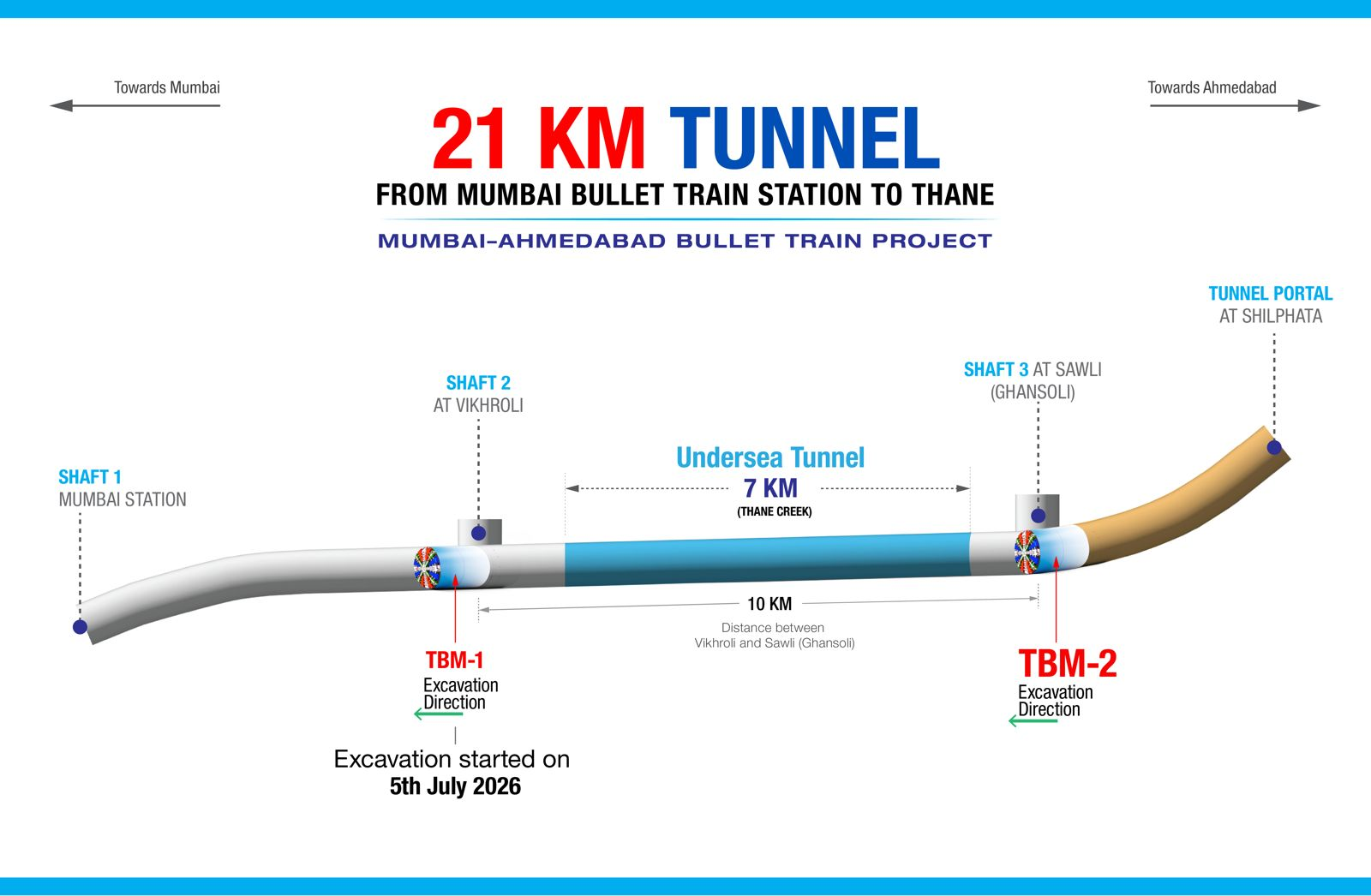
DELHI (Metro Rail News): The Mumbai-Ahmedabad Bullet Train Project has reached another key milestone. The second Tunnel Boring Machine (TBM) has accelerated work on one of the most difficult parts of the project by starting excavation for India’s first undersea rail tunnel beneath Thane Creek.
The TBM started tunneling from Sawli (Ghansoli) towards Vikhroli on July 18. The project includes a 10 km tunnel, with 7 km passing beneath Thane Creek. It will be India’s first undersea railway tunnel.
Two TBMs now working on the underground section
The bullet train project includes a 21-km underground tunnel in Maharashtra. Out of this,
16 km between Sawli and Bandra Kurla Complex (BKC) will be built using Tunnel Boring Machines.
The remaining 5 km has already been completed using the New Austrian Tunneling Method (NATM).
The first TBM began tunneling from Vikhroli towards BKC on July 5, 2026. With the second machine now in operation, work will continue from both ends, helping to speed up construction.
One of the largest tunnel boring machines in the country
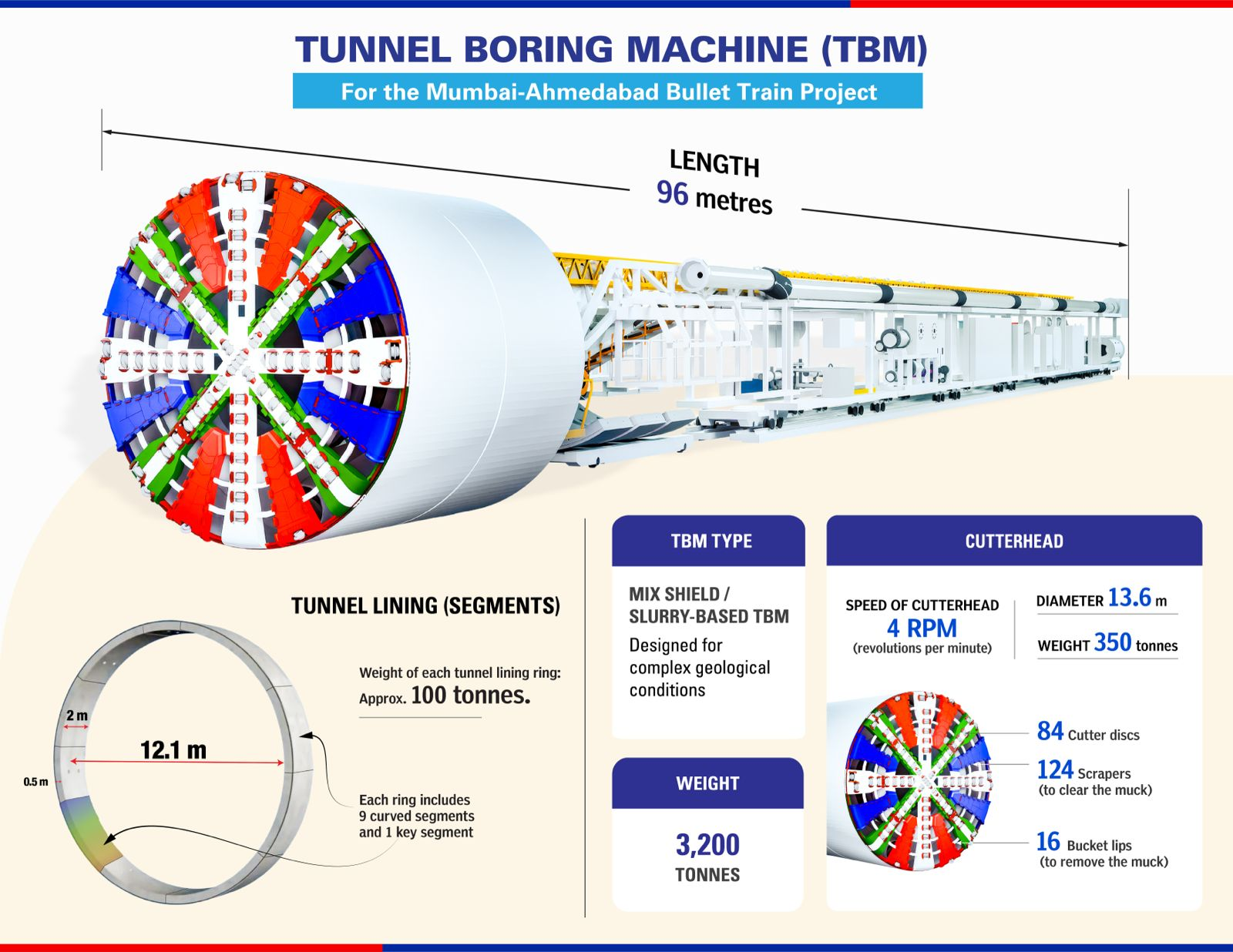
The new TBM ranks among the biggest machines ever used for railway tunnel construction in India. It features:
A 13.6-metre cutter head, almost as tall as a four-storey building
A weight of 3,200 tonnes, equal to nearly 500 Asian elephants
A total length of 96 metres
The machine uses Mixshield slurry technology that pumps pressurised slurry of bentonite to support the tunnel face during excavation. The technology helps control ground movement and reduces surface disturbance, making it suited for tunnelling under busy urban areas like Mumbai. Additionally, the TBM will incorporate a Semi-Continuous Advance (SCA) system that enables excavation and tunnel lining to be conducted simultaneously. This means faster construction, without sacrificing safety.
A challenging launch operation
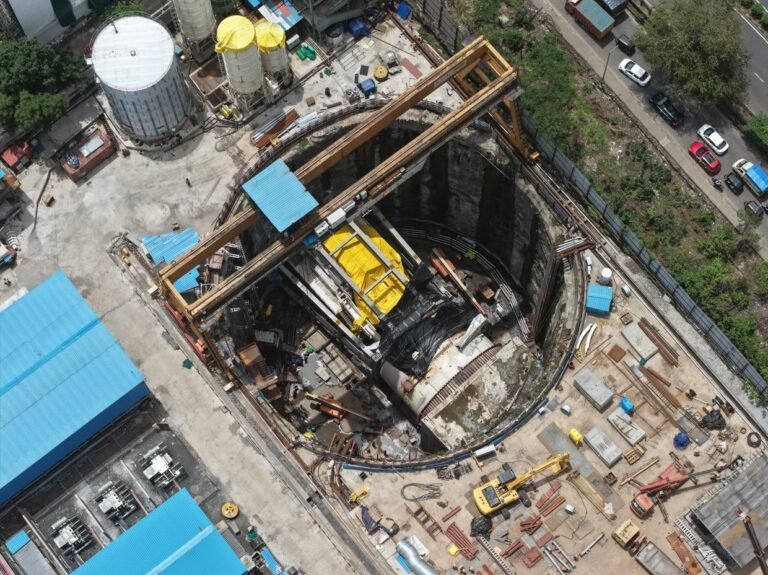
Engineers first built a 39 metre deep launch shaft at Sawli before starting the tunneling work. It is almost as deep as a 12 storey building. Due to limited space in the shaft, workers lowered the machine underground in separate parts. They first placed the gantries inside the completed NATM tunnel, then lowered the cutter head and main shield for final assembly.
Designed with modern safety systems
The TBM includes several up-to-date safety features to protect workers and ensure smooth operations. These include:
Real-time monitoring of methane, oxygen, carbon monoxide, and carbon dioxide
Automatic fire detection and suppression systems
Emergency refuge chambers
Water curtain and sprinkler systems along escape routes
The project site also has supporting infrastructure which includes a slurry treatment plant, a water treatment plant, bentonite storage tanks, a power substation, backup generators, a concrete grouting plant and other logistics facilities. Engineers have also installed real-time monitoring instruments to monitor ground settlement, structural movement and vibrations during tunnelling. These systems protect surrounding buildings and other infrastructure. Engineers will use double-layer, hydrophilic-seal EPDM gaskets to keep water out of the tunnel. These materials will also help keep the tunnel watertight and add to its long-term durability.
CHENNAI (Metro Rail News):Chennai Metro Rail Limited has awarded the Project Management Consultancy (PMC) and Detailed Design Consultant (DDC) contract for its Phase 1 Network Capacity Enhancement Project to AECOM India Pvt Ltd. in a Joint Venture with Nippon Koei India Pvt. Ltd.
Contract Details:
Tender Number
CMRL-P1-PMC-01-2025
Awarded to
M/s AECOM India Pvt Ltd in JV with Nippon Koei India Pvt Ltd
Contract Value
Rs. 35.96 crore
Contract Period
1461 days
Bidder Details:
Bidder
Status
AECOM India Pvt. Ltd. in consortium with Nippon Koei India Pvt. Ltd.
Awarded
Aarvee Engineering Consultants Limited
Rejected-Financial
AYESA Ingenieria y Arquitectura, S.A.U
Rejected-Financial
Balaji Railroad Systems Private Limited
Rejected-Financial
Consulting Engineers Group Ltd.
Rejected-Financial
SYSTRA
Rejected-Financial
Network Capacity enhancement:
Enhancing the capacity of existing metro corridors is essential to meet growing urban mobility demands. To accommodate these demands, the Chennai Metro Rail Corporation Limited has awarded the contract to AECOM India Pvt Ltd. in a Joint Venture with Nippon Koei India Pvt. Ltd. Chennai Metro Phase I covers a length of 45.046 km network and consists of two Corridors i.e Corridor 1 from Washermenpet to Airport and Corridor 2 from Chennai Central to St. Thomas Mount. The Phase 1 extension has 9 stations from Washermenpet to Wimco Nagar.
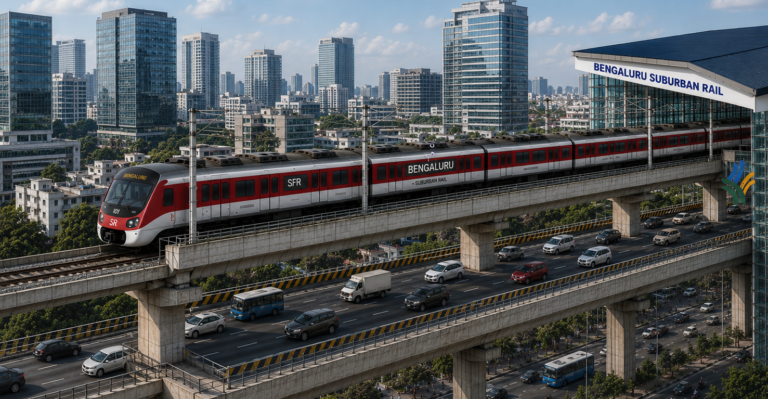
BENGALURU (Metro Rail News): To address the limited urban space issues in densely populated regions of Bengaluru, Rail Infrastructure Development Company (Karnataka) Ltd. (K-RIDE) has come up with a plan that includes building a double decker flyover in Corridor-2 along Mohan Kumar Road. The plan will optimize the limited ‘Right of Way’ which is accessible in the densely occupied region of Bengaluru.
K-RIDE, the implementing agency of the Bengaluru Suburban Rail Project (BSRP) announced that the length of the double decker will be 1.2 Kilometer. It will connect Mathikere and Yeshvanthpur along the Corridor-2 of the BSRP.
2 Levels Flyover
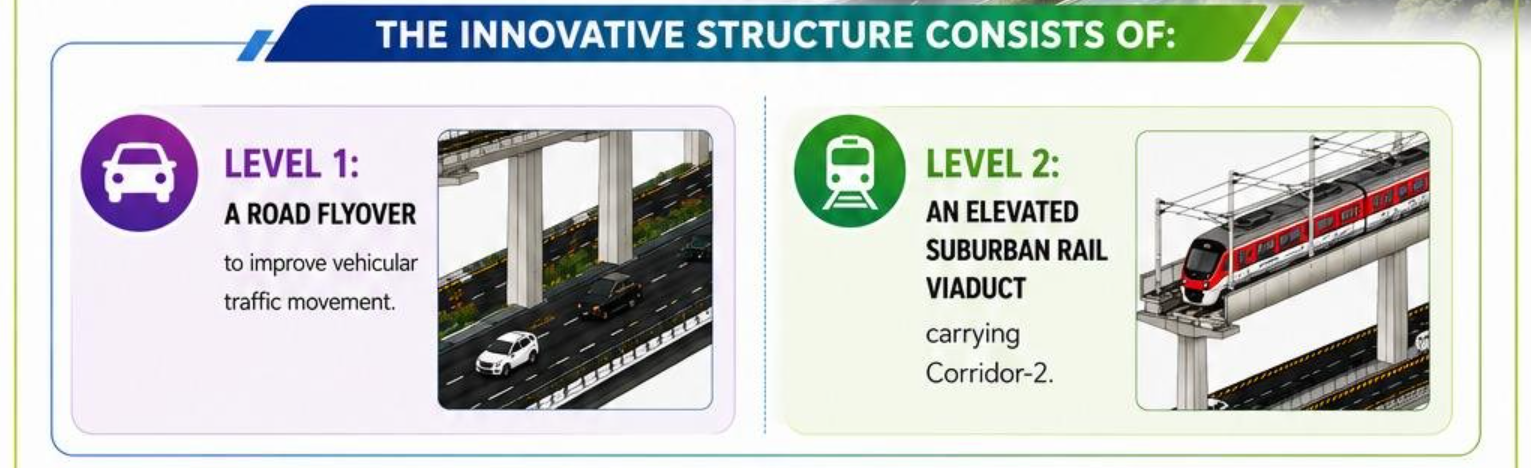
The plan consists of a two level flyover structure:
LEVEL 1: A Road Flyover
The first level of the Double Decker will have a road flyover. This will improve the mobility of vehicles and reduce traffic.
LEVEL 2: An Elevated Suburban Rail Viaduct
The second level of the Double Decker will have an elevated viaduct for the suburban rail transport. The viaduct will be connecting the Corridor-2 of the BSRP.
The structure will reduce the requirement of land acquisition and preserve the urban land for optimizing the land use. It is projected to significantly improve the traffic efficiency and the volume of public transport being carried around the Mohan Kumar Road.
About Bengaluru Suburban Rail
The Bengaluru Suburban Project is expected to improve urban mobility in the city with a proposed route of 148-km along four corridors. The foundation of the project was laid by the Prime Minister Shri Narendra Modi in June 2022. The cost of the project is ₹15,700 Crore.
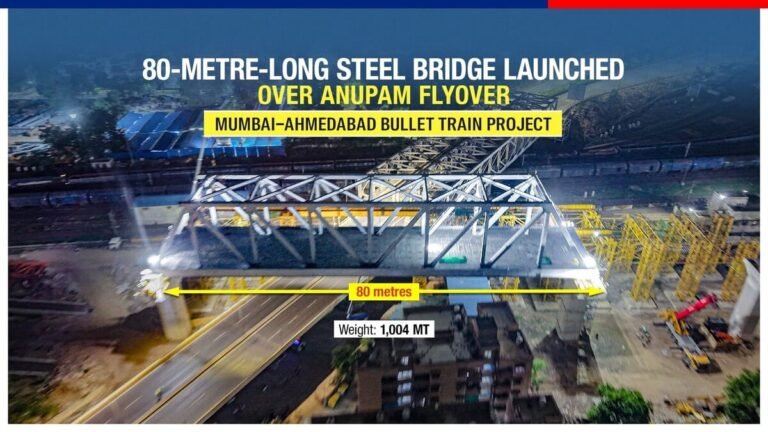
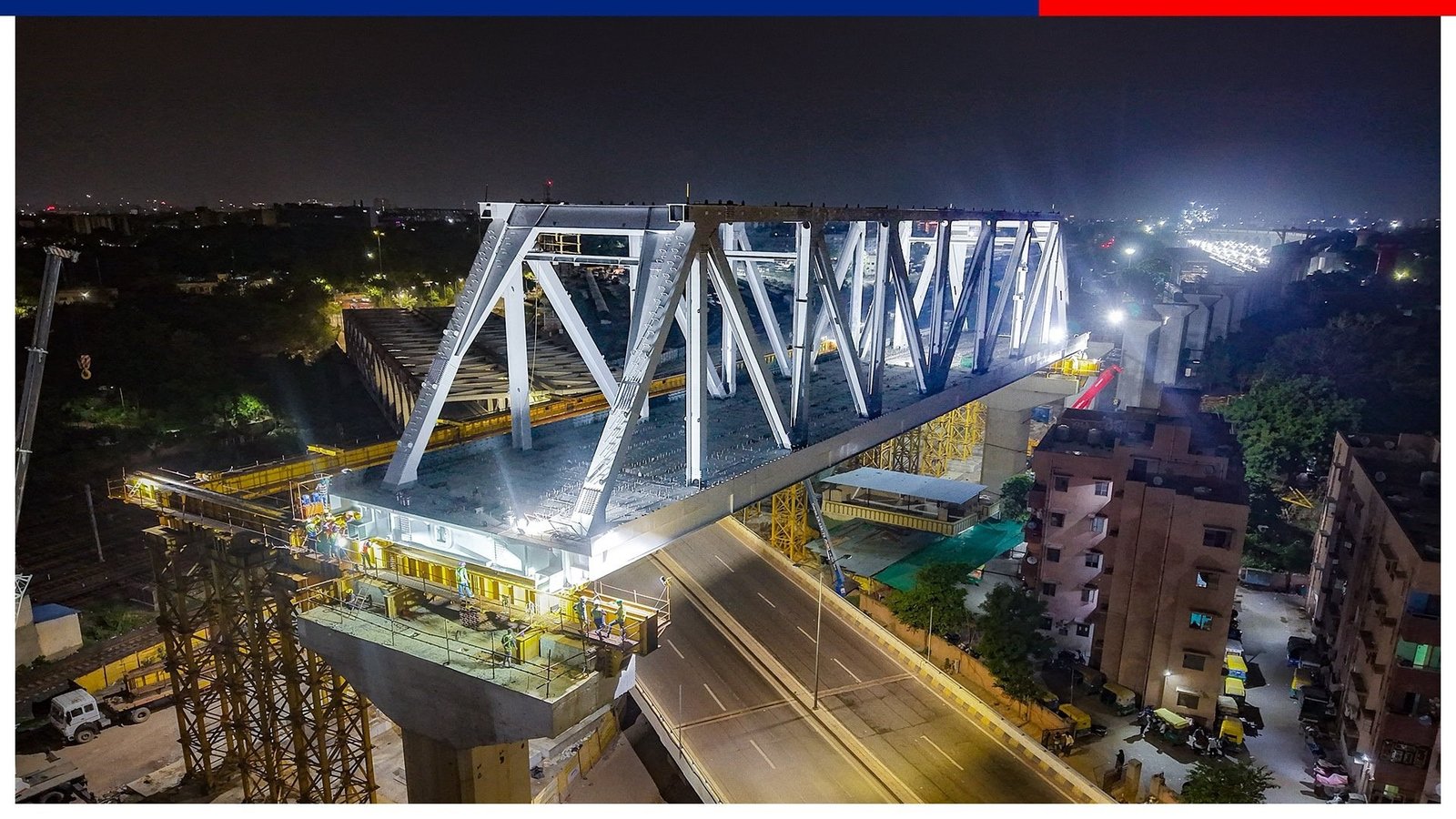
AHMEDABAD (Metro Rail News): Following the successful installation of all 13 heavy portal beams in Ahmedabad, the National High Speed Rail Corporation Limited has positioned an 80 m long steel bridge, weighing 1,004 MT over the Anupam Flyover in Ahmedabad for the bullet train project. With this achievement, 15 of the 17 steel bridges planned in Gujarat have now been completed.
Recent updates on the Bullet Train Project:
Japan to provide E10 Shinkansen series train: TheMinistry of Affairs recently released a statement stating that India-Japan discussions are ongoing and progressing well. The train is still under development and will be delivered in early 2030’s. The first section of the Mumbai-Ahmedabad bullet train will be opened in 2027. Therefore, the operations will be commenced with the Indian High Speed Rail train.
Bilimora Bullet Train Station: Track works on the Bilimora Bullet Train Station have been progressing steadily at station level and construction activities are advancing.
Vapi Bullet Train Station: Structural works, rail and platform-level slab casting, structural steel erection and roof sheeting have been completed. Mock-ups for the station facade, flooring and false ceiling are also finished. The Vapi Bullet Train Station is currently undergoing RC track bed work at the platform level and electrical installations.
The heaviest and last portal beam was launched: Marking another significant engineering achievement, the heaviest portal beam of 34.5 m length, weighing 1,640 MT was launched in just 3 hours over the railway line.
First TBM for the Mumbai-Ahmedabad Bullet Train Project was launched: The first TBM tunneling began from the Vikhroli shaft towards the under-construction Mumbai Bullet Train station for the Mumbai–Ahmedabad Bullet Train Project on 5th July, 2026. This was among one of the largest TBMs deployed for rail tunnel construction in India. The tunnelling work is part of the 20.37 km underground section of the high-speed rail corridor. It includes a 7 km undersea tunnel, which is one of the most challenging parts of the project.
About the Mumbai-Ahmedabad Project:
India’s first high-speed rail corridor, the Mumbai Ahmedabad Bullet Train project spans across 508 km and will provide connectivity between Maharashtra and Gujarat reducing the travel time to 2 hours 7 minutes. The design speed of the bullet train is 350 kmph and an operational speed of 320 kmph, and is being developed using Japanese Shinkansen technology and operational standards. With an estimated cost of Rs. 1,08,000 crore, 81% of the project is being funded by the Government of Japan through Japan International Cooperation Agency (JICA) via an ODA loan. The first high-speed rail service on the corridor is expected to commence in August 2027.
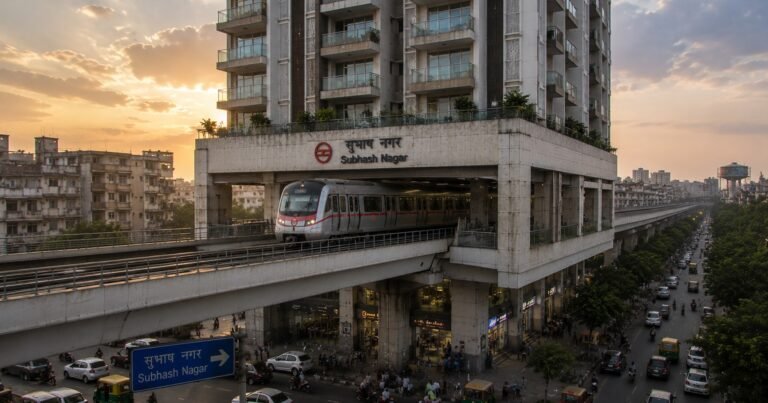
NEW DELHI (Metro Rail News): Recently, Union Minister Shri ML Khattar announced that Delhi Metro will have residential buildings built using the free air space. The idea sparked debate over the feasibility of the project including, but not limited to, issues like load on civic infrastructure, water supply and drainage, and noise pollution.
In a previous article, we explored the financial and housing benefits of the plan. The idea can create a non-fare revenue source for the metro. Additionally, it can provide solutions to the housing problem in the city. This study, however, will assess the feasibility of the project and provide comparison with infrastructure projects around the world including the through-building Metro Station in Liziba, China and a hotel above the Railway Station in Gandhinagar, Gujarat.
Challenges of building residential buildings above metro stations
The plan to build residential buildings involves many infrastructural and social challenges. The primary challenges will be the construction of civic infrastructure such as water supply and drainage issues. The Delhi Development Authority (DDA) will have to tackle these issues before moving forward with the plan.
Along with the infrastructural issues, the plan has social issues like the problem of sound and vibrations through the trains. The residents can have disruptions due to the movements of trains in the stations. The challenge will be to reduce the noise and minimise disturbance to the residence.
Innovation in other places around the World
Liziba, China (The through-building Metro Station)
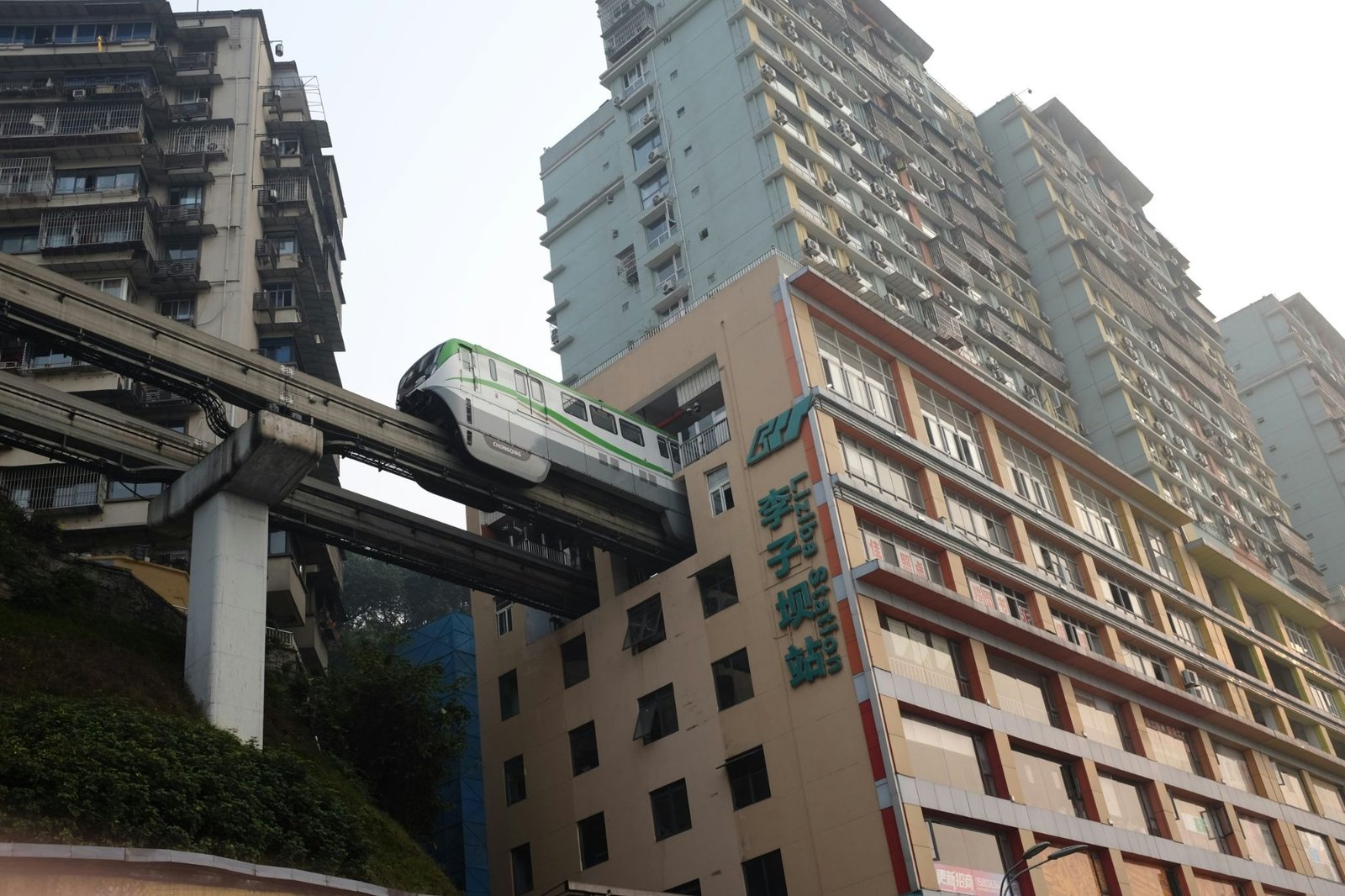
Liziba Monorail Station in Chongqing, China is a modern infrastructural innovation where a through building metro line was constructed when the project faced an obstacle due to a building passing through the route. The station now serves as an engineering innovation setting example around the world. Special materials are applied on the train to reduce noise.
It was a monorail project, so the construction is much different from a metro station. However, it reflects a maneuver that can inspire designing the Delhi Metro’s residential project. The 19-storey building has residential areas on 10 floors from the top while the train passes through the 6th to 8th floor.
The Leela Hotel, Gandhinagar (Hotel above Railway Station)
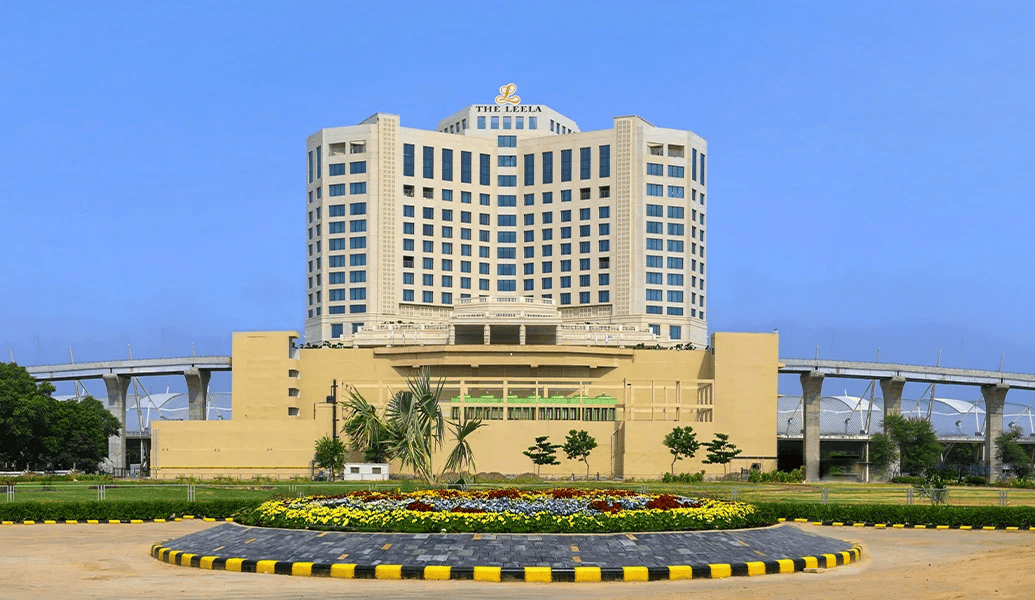
A prime example of utilizing air space above a railway station exists in Gandhinagar, Gujarat where a luxury hotel is built above a railway station. The Leela Hotel in Gandhinagar is constructed above the Gandhinagar Railway Station. During the announcement, Khattar also mentioned this hotel as a model for the Delhi Metro project.
The hotel provides an example of similar projects having been built in the same country strengthening Delhi Metro’s aspirations. Taking inspiration from this, Delhi metro can build a similar structure ensuring all the infrastructural and social issues.
Conclusion
Delhi Metro’s aspirations to build residential infrastructure seems like a fruitful idea in both financial and urban housing aspects. Despite these benefits, the idea is challenging on many infrastructural and social sides. The idea is still in the budding phase, however, it can leap into a big structural change in the metro system. In the past, different systems such as Liziba monorail in China and Gandhinagar Railway Station in Gujarat innovated designs to explore such ventures.
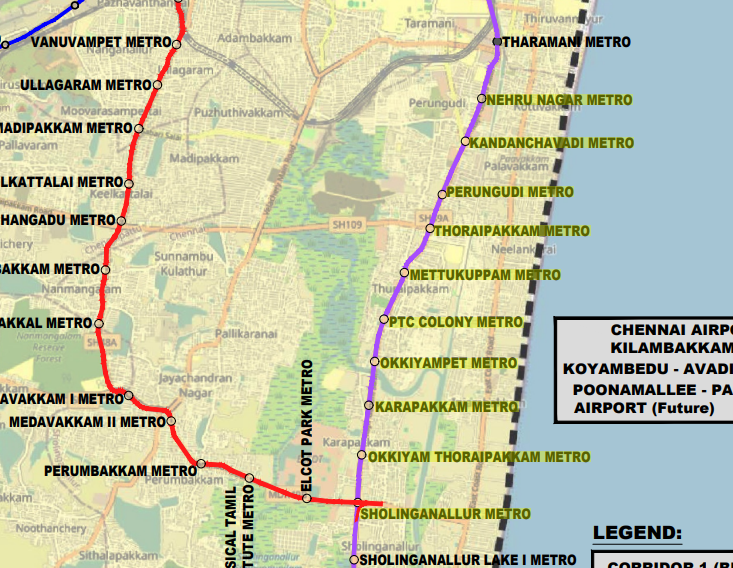
CHENNAI (Metro Rail News): Chennai Metro Rail Limited (CMRL) announced that they have made significant progress on the Phase-II project with the completion of Pilling and U-Gider casting along the Old Mahabalipuram Road (OMR) of the Corridor-3 (Purple Line). The work was carried out by Larsen & Toubro. The work was executed along 10 stations of the corridor connecting Nehru Nagar with Sholinganallur (see Map).
According to officials, the team successfully executed the completion of 100% piling works amounting to 3,066 piles between Nehru Nagar and Sholinganallur along the OMR. Moreover, they also executed the structural casting by completing all 582 precast prestressed U-shapped girders.
Chennai Metro Phase-2 Project Achieves Major Milestone: 100% Piling and U-Girder Casting Completed for OMR Stretch Corridor-3
Chennai Metro Rail Limited has reached two major construction milestones on Corridor-3 (Madhavaram – SIPCOT) under Phase-2 Project Contract Package… pic.twitter.com/0JIjcew7jV
The pilling work along the busy routes required traffic navigating which was critical along the Thoraipakkam and Sholinganallur junction where the requirement was to integrate two metro stations through flyovers while managing the uninterrupted traffic flow in the route.
CMRL awarded the contract to Larson and Tourbo in May, 2022 to construct the elevated viaduct between Nehru Nagar and Sholinganallur. The corridor is expected to improve connectivity along the Eastern region of the city.
Chennai Metro Phase-II
The Phase-II of Chennai Metro is projected to add 118.9 km to the network with 128 stations. Three corridors are planned to improve the connectivity in the city. The Corridor-3 (Purple Line) covers Madhavaram to SIPCOT, Corridor-4 (Yellow Line) stretches from Lighthouse to Poonamalle Bypass and the Corridor-5 (Red Line) from Madhavaram to Sholinganallur. The project is expected to be completed by the end of 2028.