Indore-Budni 205 Km New Railway Corridor: Madhya Pradesh’s Game-Changing Project

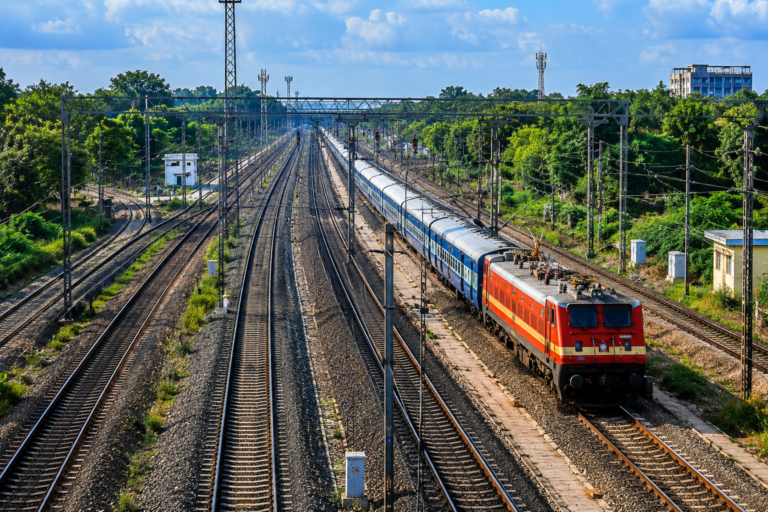
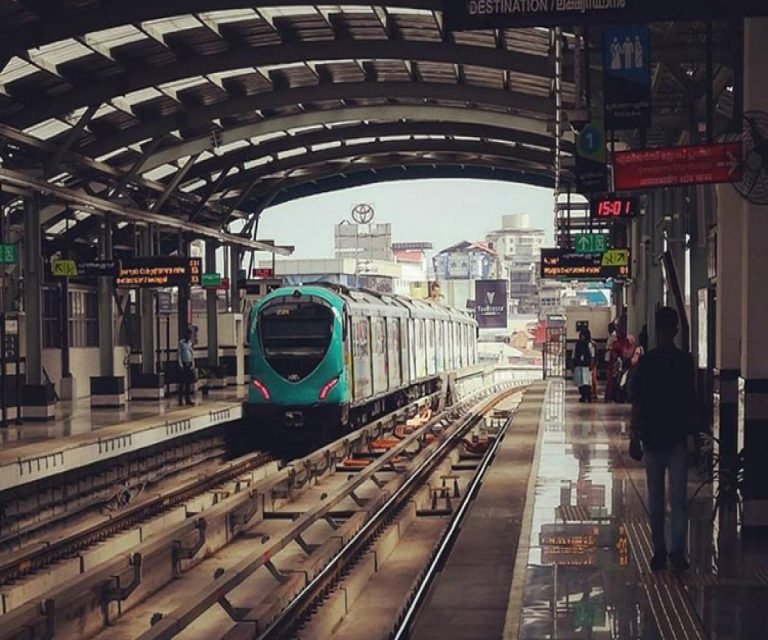
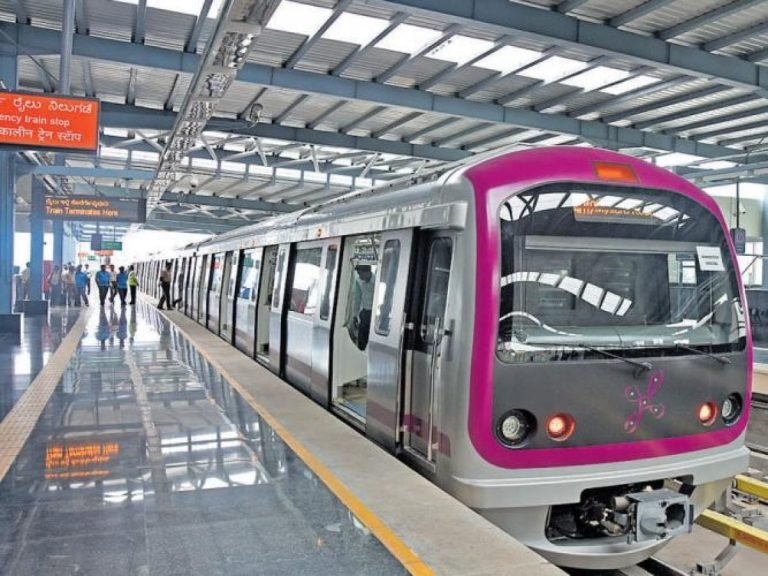
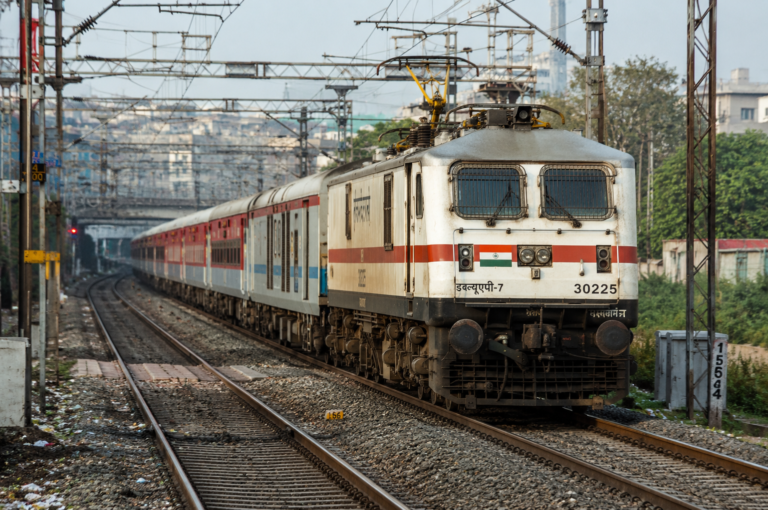
MADHYA PRADESH (Metro Rail News): The Indore-Budni new railway corridor, being constructed by Rail Vikas Nigam Limited (RVNL), is set to transform rail connectivity in Madhya Pradesh. In an official LinkedIn article, RVNL stated that this 205 km long ambitious project will provide a direct and efficient link between Indore, the commercial capital of the state, and Budni, an important junction on the Bhopal-Nagpur rail route.

The new corridor will greatly benefit towns and rural areas in Indore, Dewas, and Sehore districts that have remained disconnected from the main rail network for decades. Once operational, it will shorten the distance between Indore and Jabalpur by nearly 68 kilometres and reduce travel time by approximately two hours.

Central India’s Most Ambitious Rail Corridor

The corridor is going to be a level-crossing-free railway line, the safest and most efficient corridor in Central India. The project includes:

  • 80 major bridges and 96 minor bridges
  • 139 Road Under Bridges (RUBs) and 5 Road Over Bridges (ROBs)
  • 3 viaducts (total length over 10.6 km)
  • 2 tunnels with a combined length of nearly 10 km

Out of which they completed the construction of 6 major bridges, 3 minor bridges, 50 Road Under Bridges, 2161m underground excavation of tunnel-2 and 199m underground excavation of tunnel-1.

Significance of Tunnel-2

The 8.64 km long tunnel-2 is going to be the one of the longest railway tunnel in Madhya Pradesh and Central India. It will pass through the challenging hilly terrain of Dhantalab Ghat in the Vindhya region.

Along Tunnel-2, an 8.64 kilometres long parallel escape tunnel is also being built in addition to the main tunnel, for passenger safety and operational resilience.

Stations on the Corridor

The corridor will have 18 stations, including Mangaliyagaon (Indore end), Budni (terminal), and 16 new intermediate stations. The stations are : 

  • Mangaliyagoan (Indore end)
  • Panod 
  • Samaliya chau 
  • Raghogarh 
  • Chapda 
  • Kheri 
  • Hathnora 
  • Deoli 
  • Kannod 
  • Rehti 
  • Khategaon 
  • Pipaliya Nankar 
  • Bapcha 
  • Nasrullaganj 
  • Ramgarh Barghau 
  • Salkanpur 
  • Balkhera 
  • Budni

Corridor of Regional Development

The Indore-Budni Railway Corridor will connect many underserved towns and villages to the rail network. It will improve access to education, healthcare, and employment opportunities in major cities. The project is also expected to boost trade, agriculture, and industrial growth by providing faster and more reliable transportation across central Madhya Pradesh.

This corridor is a significant step towards balanced regional development in the state.

Also Read: CM Suvendu Adhikari unveils plan to bring Metro Rail to Asansol-Durgapur and Siliguri-Jalpaiguri

CM Suvendu Adhikari unveils plan to bring Metro Rail to Asansol-Durgapur and Siliguri-Jalpaiguri
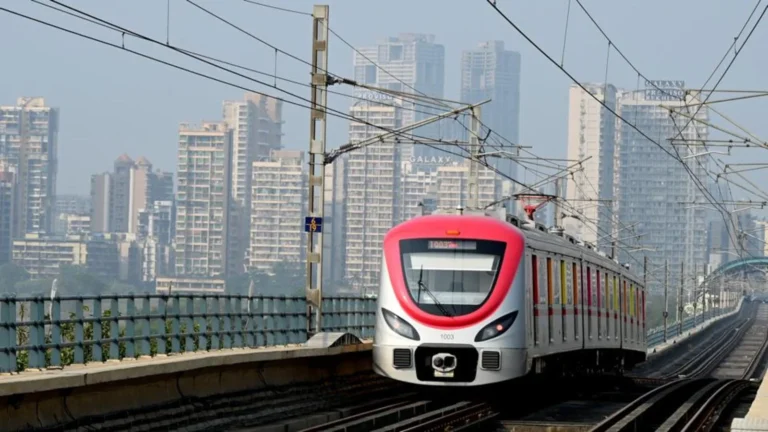
WEST BENGAL (Metro Rail news): West Bengal Chief Minister Shri Suvendu Adhikari has announced plans to expand metro rail services beyond Kolkata. According to a Deccan Chronicle report, he introduced new metro projects in the Asansol, Durgapur, Siliguri, and Jalpaiguri regions. The proposal aims to improve public transport and support the state’s growing urban areas.

Project funding strategy 

The state government wants to develop metro systems under its Transport Department, similar to metro projects in other states. According to Suvendu Adhikari, the government will explore financial support from agencies such as the World Bank, Asian Development Bank (ADB) and Housing and Urban Development Corporation (HUDCO). 

Metro expansion beyond Kolkata

Speaking at an event in Kolkata, Adhikari said the state will ask the Chief Secretary to prepare metro rail projects in partnership with international and financial institutions. He noted that the first priority will be to connect two key urban areas:

  • Asansol
  • Durgapur
  • Siliguri
  • Jalpaiguri

According to the Chief Minister, these two metro systems will improve connectivity between neighboring cities and provide a faster and more reliable mode of public transport.

Focus on Green Mobility

Adhikari also spoke about promoting alternate clean transportation in the state. He said the state Transport Minister had recently held talks with Union Urban Development Minister Manohar Lal Khattar on future projects and cooperation with the centre. He made the announcement while inaugurating 50 new air conditioned buses at Paribahan Bhavan-II in Kasba. 

Also Read: Asansol-Durgapur Aerial Metro: West Bengal Government Appoints RITES for Feasibility Study

MahaMetro invites maintenance tender for Navi Mumbai Metro Line-1 

NAVI MUMBAI (Metro Rail News): Maharashtra Metro Rail Corporation Limited (MMRCL) has invited tenders for providing preventive and corrective maintenance and Intermediate Overhauling (IOH) for Navi Mumbai Metro Line 1. 

Tender Details: 

Tender NumberNM1-O&M-08/2026
Bid Security (EDM) Rs. 7,71,000
Completion Period5 Years (From November 1, 2026) 
Pre-Bid MeetingJuly 27, 2026 (11:00 Hrs)
Bid Submission Opening August 10, 2026 (11:00 Hrs)
Bid Submission DeadlineAugust 17, 2026 (16:00 Hrs)

Scope of Work: 

Providing preventive & corrective maintenance And Intermediate Overhauling (IOH) for Navi Mumbai Metro Line 1’s rolling stock & depot equipment.

Intermediate Overhauling (IOH):

Each train is inspected and maintained through routine monthly, quarterly, half-yearly, and annual checks, along with fitness certification. During this major overhaul, the train is thoroughly dismantled and inspected. Key parts under the train, including wheels and suspension systems, are removed, examined, repaired where required, and repainted. Worn-out components are replaced, wheels are reshaped to ensure a smooth ride, and axles are tested using advanced methods to detect any hidden defects. Important systems such as brakes, electrical equipment, and air-conditioning units are completely serviced. The interiors and exteriors of the train, including air conditioning ducts, are deeply cleaned using environment-friendly materials to ensure hygiene and passenger comfort. After reassembly, the train undergoes a series of detailed safety and performance tests. These include stationary tests and trial runs at different speeds on both test tracks and main lines. Only after meeting all safety and performance standards is the train certified fit for passenger service by the competent authority.

About Navi Mumbai Metro Line 1: 

Navi Mumbai Metro Line-I is an 11.1 km elevated metro corridor connecting CBD Belapur and Pendhar. This line serves as the first operational metro line in Navi Mumbai and features 11 stations.

Also Read: Kasheli Depot for Mumbai Metro Line 5 Achieves 23% Physical Progress

CM Fadnavis pushes feasibility study for Dive Ghat twin tunnel Metro and road link to Purandar Airport

PUNE (Metro Rail News): Maharashtra Chief Minister Shri. Devendra Fadnavis has encouraged authorities to conduct a feasibility study of twin tunnels at Dive Ghat for metro and road corridors that will facilitate connectivity to the upcoming Purandar International Airport. He made the announcement while laying the foundation stones for three major road corridors in Pune district. 

As the land acquisition process of Purandar International Airport is in progress, authorities are exploring the feasibility of metro connectivity to the upcoming airport.

The proposed metro line will pass through the steep and winding Dive Ghat mountains via dedicated twin tunnels. This will completely bypass heavy road traffic on the route.

The metro line is expected to reduce travel time from Hadapsar to Purandar Airport by 30 to 40 minutes, providing smooth and seamless connectivity to the new airport.

Importance of the project

Better Connectivity to Purandar Airport – The new Purandar International Airport (Chhatrapati Sambhaji Raje International Airport) will spread across 2,400 hectares and serve as a major passenger and cargo hub. The land acquisition process for the International Airport is in progress.

More than half of the required land has been acquired with the 91 % of owners’ consent, the land acquisition process is likely to be completed by August, CM Shri Devendra Fadnavis said. The proposed Metro link will offer fast and hassle-free access to the airport, saving passengers from Pune’s heavy traffic congestion.

Cost-Effective Metro Design – Shri Fadnavis stated that provisions have been incorporated in the design of the new elevated road corridors to accommodate future metro viaducts. This forward-looking approach is expected to reduce metro construction costs by nearly 40% compared to building standalone metro corridors later.

He added that these corridors will also significantly improve highway access for residents of Pune and Pimpri Chinchwad.

Bypassing Dive Ghat Bottleneck – The notorious Dive Ghat section on NH 965 is known for steep curves, slow traffic, and frequent congestion. The twin tunnels will bypass this difficult mountainous stretch, ensuring smooth and reliable travel throughout the year.

This Metro link is expected to be a game-changer for Pune’s future transport infrastructure.

Also Read: Symbroj Media Announces InnoBus Expo & Conference 2026- India’s Dedicated Business Platform for Bus, E-Bus, & Commercial Vehicle Ecosystems

Electrical work consultancy tender floated for Delhi Metro & Jaipur Metro

NEW DELHI (Metro Rail News): Delhi Metro Rail Corporation (DMRC) has floated a tender for consultancy of electrical work across multiple corridors in Delhi and Jaipur. The tender includes Lajpat Nagar station to Saket G Block station (Upcoming Golden Line) and Rithala-Narela-Kundli Corridor (Red Line) under Delhi Metro Phase IV and Prahladpura-Todi Mod Corridor under Jaipur Metro Phase II.

Tender Information

InformationDetails
Tender No.D2EDD-02
Approximate Cost of Work₹8.71 Cr.
Completion Period36 Months
Pre-Bid Meeting July 31, 2026 (11:00 Hrs)
Bid Submission Start DateAugust 07, 2026 (09:00 Hrs)
Bid Submission DeadlineAugust 13, 2026 (15:00 Hrs)

Scope of Work

The selected contractor will have to Detailed Design Consultancy for Design of 25 kV Overhead Equipment (OHE) system for the elevated lines, Power Supply & SCADA for both Underground and Elevated lines including checking of Design of Receiving Substations and Design Validation of 2 corridors of DMRC Phase-IV Project and Jaipur Metro Phase-2 Project.

S.NoCorridor DetailsLength of Corridors (km)Underground StationsROCS (km)Elevated StationsFOCS (km)At-Grade StationsFOCS (km)
Jaipur Metro Rail Project
1Prahladpura-Todi Mod Corridor42.823.183439.6200
DMRC Phase-IV Project
2Lajpat Nagar to Saket G Block8.380088.3800
3Rithala-Narela-Kundli Corridor26.46001825.4810.98
TOTAL77.6423.186073.4910.98

About Delhi Metro Phase IV 

Delhi Metro Phase IV is projected to improve the connectivity across the city with inclusion of around 88.375-km of metro line and 69 metro stations. The project will expand the magenta line and the red line. Moreover, it will introduce the Golden Line to  improve connectivity in Southern Delhi.

About Jaipur Metro Phase II

Jaipur Metro Phase II includes a 41-km long Corridor connecting Prahaladpura to Todi Mod. The cost of the project is ₹13,037.66 Cr. The project is expected to improve connectivity between the North and South region of the city.

Also Read: Bengaluru Metro Phase 3A DPR proposes new fare hike formula, annual increase plan faces fresh scrutiny

Bengaluru Metro Phase 3A DPR proposes new fare hike formula, annual increase plan faces fresh scrutiny

BENGALURU (Metro Rail News): Bengaluru Metro’s fare revision policy has sparked new discussion after the revised Detailed Project Report (DPR) for Phase 3A suggested a different way to raise ticket prices. This new plan differs from the fare system that started after the 2025 fare revision.

The revised DPR shows that Namma Metro’s fares will be increased by 12% every three years instead of 5% every year. The change raises questions as Bengaluru Metro follows a fare revision system that began after the first Fare Fixation Committee (FFC) gave its recommendations.

A look at the revised DPR

The revised DPR for Phase 3A indicates that the minimum Metro fare could rise from Rs10 to Rs14 by 2033. The maximum fare could increase from ₹90 to ₹126 when the corridor opens. These fare estimates are part of the financial projections created for the Phase 3A project, which is set to be finished by 2033.

Current fare policy

Bengaluru Metro last changed its fares in February 2025 after the Fare Fixation Committee’s recommendations. Under that revision-

  • Fares increased by an average of 51.55% before discounts.
  • The effective increase after discounts was 46.39%.
  • The new policy allowed for a 5% annual fare increase.

The Fare Fixation Committee’s recommendations are mandatory according to the Metro Railways (Operation and Maintenance) Act of 2002.

Importance of the new proposal 

The revised DPR adopts a different model for calculating fare increases. It projects a 12% rise every three years instead of annual hikes. It is still unclear if this assumption will replace the current fare revision method or if it is simply for planning and financial estimates related to the project.

Also Read: Bengaluru Metro: Bannerghatta Corridor likely to miss August 15 launch as Pink Line faces fresh delay 

Symbroj Media Announces InnoBus Expo & Conference 2026- India’s Dedicated Business Platform for Bus, E-Bus, & Commercial Vehicle Ecosystems

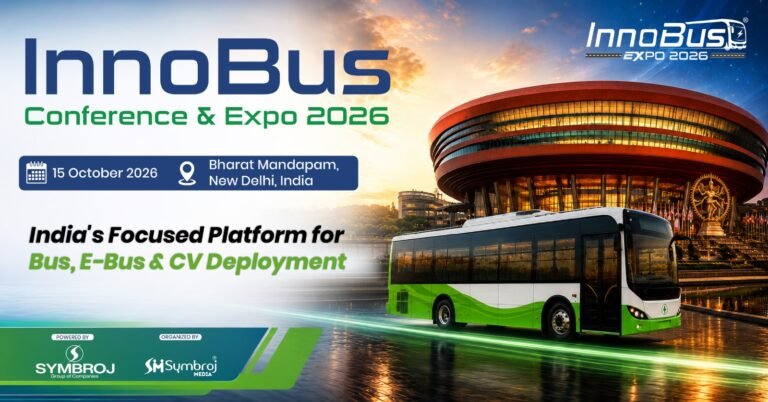
NEW DELHI: Symbroj Media Pvt. Ltd., a New Delhi-based B2B media an events company and publisher of Metro Rail News, announced InnoBus Expo & Conference 2026, a dedicated platform for India’s bus, electric bus, and commercial vehicle ecosystem. The event is scheduled to be held on 15 October 2026 at Bharat Mandapam, New Delhi.

OVERVIEW OF THE EVENT

InnoBus Expo 2026 is structured as a single-day event encompassing an exhibition featuring 30+ innovators and a conference structured around 7 highly impactful sessions, which will cover PM e-Bus Sewa and PM E-DRIVE schemes of the Government of India; charging infrastructure; fleet digitisation; financing of electric fleets; and safety and regulatory compliance. The sessions will be spearheaded by apex authorities of STUs, NBFCs, OEMs, and policymakers. 

The event will additionally feature dedicated formats, including a State Transport Undertaking (“STU”) Buyer Forum, government roundtables, deployment clinics, and finance sessions, intended to facilitate engagement between policy stakeholders and prospective procurement decision-makers.

EXPECTED PARTICIPATION

The event will attract participation of more than 800 business delegates and over 100 government officials, including transport commissioners, leadership from State Transport Undertakings, fleet operators, OEM executives, charging-infrastructure providers, financiers and technology companies. Attendance figures are projections based on registrations and expressions of interest as of the date of this release and are not guaranteed.

PARTICIPATION AND REGISTRATION

A valid registration is required to participate in the event. Delegate passes include conference access, exhibition entry, networking lunch, and a certificate of participation. The Company reserves the right to make reasonable changes to the programme, speakers, schedule, or other event arrangements where necessary. Any such changes will be communicated through the official event website. 

Delegate Registration: https://innobusexpo.com/register/

Exhibition and Sponsorship Enquiries: https://innobusexpo.com/exhibit/

ABOUT SYMBROJ MEDIA PVT. LTD.

Symbroj Media Pvt. Ltd. is a New Delhi-based B2B media, an events company and the publisher of Metro Rail News (metrorailnews.in), a publication covering metro rail, railways, Regional Rapid Transit System (RRTS) and urban mobility in India.

Kasheli Depot for Mumbai Metro Line 5 Achieves 23% Physical Progress

MUMBAI (Metro Rail News): The Mumbai Metro Line 5 is progressing steadily as its technical and operational hub, the Kasheli Depot has achieved 23% overall physical progress. 

Situated near Kasheli Toll Plaza, the Kasheli Depot is designed to accommodate around 30 trainsets, including inspection bays, workshop lines, a test track, a Depot Control Centre, administrative facilities, staff quarters, utility infrastructure and advanced maintenance systems. It is being constructed to support seamless operations, maintenance and stabling requirements of the 32 km Thane-Bhiwandi-Kalyan-Ulhasnagar Metro corridor.

To ensure long term stability, MMRDA has joined hands with IIT Bombay to adopt advanced ground improvement techniques. In the meantime, temporary inspection, testing and commissioning facilities are being established to support phased rollout and operational readiness of Mumbai Metro Line 5. 

Highlighting the progress of the depot Maharashtra Chief Minister Shri Devendra Fadnavis said, “The Kasheli Depot reflects Maharashtra’s commitment to building modern and reliable public transport infrastructure. Metro Line 5 will strengthen connectivity across Thane, Bhiwandi, Kalyan and Ulhasnagar while advancing our vision of a developed, well-connected Maharashtra.”

Maharashtra Deputy Chief Minister and MMRDA Chairman Shri Eknath Shinde said, “The Kasheli Depot will be central to the safe and efficient operation of Metro Line 5. Its steady progress brings the Mumbai Metropolitan Region closer to faster, reliable, and high-capacity public transport connectivity.” 

Once the depot is fully constructed it will power safe, reliable, and efficient metro services across Thane, Bhiwandi, Kalyan and Ulhasnagar.

Also Read: Mumbai Metro: MMRDA plans FOBs to boost last mile connectivity

Western Railway developed AI-Powered Simulator to train Loco Pilots for safer train operations

RAJKOT (Metro Rail News): Western Railway’s Rajkot Division has developed an AI-powered Smart RS Valve Simulator to train loco pilots and assistant loco pilots in real-life railway situations. The new system helps improve railway safety by giving train crews practical experience before they operate trains on the network.

The Smart RS Valve Simulator is an in-house innovation developed by the Rajkot Division. It recreates actual train operations using videos of real railway routes and an AI-based signal control system. The simulator allows loco pilots to practise different situations in a safe environment without affecting regular train services. Railway officials say the system will improve safety, strengthen emergency response and help train crews make quicker and better decisions. Senior Divisional Commercial Manager Sunil Kumar Meena said the simulator recreates real-life railway operations using videos of actual routes and an AI-based real-time signal control system.

How the simulator works

The simulator recreates different operating conditions that loco pilots may face during daily operations, including:

  • Daytime and night-time driving
  • Heavy rain
  • Dense fog
  • Real-time signal changes

Senior Divisional Electrical Engineer (Traction) Manoj Kumar Rao said that It also trains drivers to handle difficult situations such as:

  • Cattle crossing the railway track
  • Person-hit incidents
  • Speed restriction zones
  • Signal Passed at Danger (SPAD) situations

The training focuses on improving reaction time, braking, speed control, signal compliance and decision-making during emergencies.

AI tracks performance

The simulator creates an automatic performance report after every training session. Trainers can use these reports to identify areas where a loco pilot needs more practice and provide focused training. Officials say the system also helps measure individual performance more accurately while building the confidence of train crews before they work on live routes.

Built entirely by Rajkot Division

The Rajkot Division designed and developed the Smart RS Valve Simulator entirely in-house. Railway officials say the project shows how technology can improve safety and operational efficiency without interrupting regular railway operations. The simulator is expected to strengthen the alertness, confidence and response skills of loco pilots, leading to safer and more reliable train operations across the network.

Also Read: Tracking India’s Metro Network: Analysis of MoHUA’s report on the current status of metro rail projects in India

NITI Aayog urges Bengaluru govt. to expedite Airport Metro, PRR and Suburban Rail

Bengaluru (Metro Rail News): NITI Aayog flagged Bengaluru’s traffic congestion as “challenging” in its Investment Friendliness Index report.

To prevent the city’s traffic from hurting investor perception and quality of life, NITI Aayog urged the government to fast-track three major pending projects: the Bengaluru Suburban Rail Project (BSRP), Airport Metro Line, Connecting the city to Kempegowda International Airport, and Peripheral Ring Road (PRR).

NITI Aayog highlighted that chronic traffic delays risk damaging the perception of global companies, inflating logistics and operating costs due to stalled projects. 

Current Status of Key Projects

Airport Metro (Blue Line – Phase 2A & 2B): Overall construction has crossed 50%. Trial runs on the 19.75 km Outer Ring Road (ORR) stretch from Central Silk Board to KR Puram are scheduled to begin later this year, while the full direct connection to Kempegowda International Airport is targeting completion between 2026 and 2027. 

Bengaluru Suburban Rail Project (BSRP): After major delays, deadline targets were formally revised. Construction is currently focused on Corridor-2 (Mallige Line) and Corridor-4 (Kanaka Line), with early priority sections expected to open around 2028 and full network completion set for 2030. 

According to NITI Aayog, traffic congestion in Bengaluru is no longer just a daily commute problem; it has become a serious threat to the city’s economic future. 

Fast-tracking the Peripheral Ring Road, Airport Metro, and Suburban Rail projects will provide much-needed relief to residents, reduce travel time, and strengthen Bengaluru’s appeal as a global investment destination.

Also Read: Tracking India’s Metro Network: Analysis of MoHUA’s report on the current status of metro rail projects in India

Tracking India’s Metro Network: Analysis of MoHUA’s report on the current status of metro rail projects in India

New Delhi (Metro Rail News): On the first day of the Monsoon Session (2026) of the Parliament, the Ministry of Housing and Urban Affairs (MoHUA) stated the current status of development of the Metro Rail Projects across India. The ministry asserted the comprehensive data of the projects including their physical progress as of June 2026 and the project’s financial details. In this article, we will analyze MoHUA’s report and track the progress of India’s Metro network.

In the 271st session of the parliament, the MoHUA was asked to state the following details:

  • The current status of the approved and under implementation metro rail projects across the country as of June 2026 including the data of current physical progress 
  • The details of financial assistance provided by the Centre to the State government and the implementing agencies for the expansion of the metro rail.
  • The information regarding any new cities or corridor being approved under the ongoing metro rail expansion proposals

In answer to the above stated questions, the Ministry provided data asserting the information asked. The data provide insights about the metro rail projects across the country and their financial details. The current metro network in the country is about 1,159 kilometers (including the Delhi-Meerut RRTS) which covers 26 cities across the country. 

Central Govt’s Budget Allocation for Metro Rail Projects

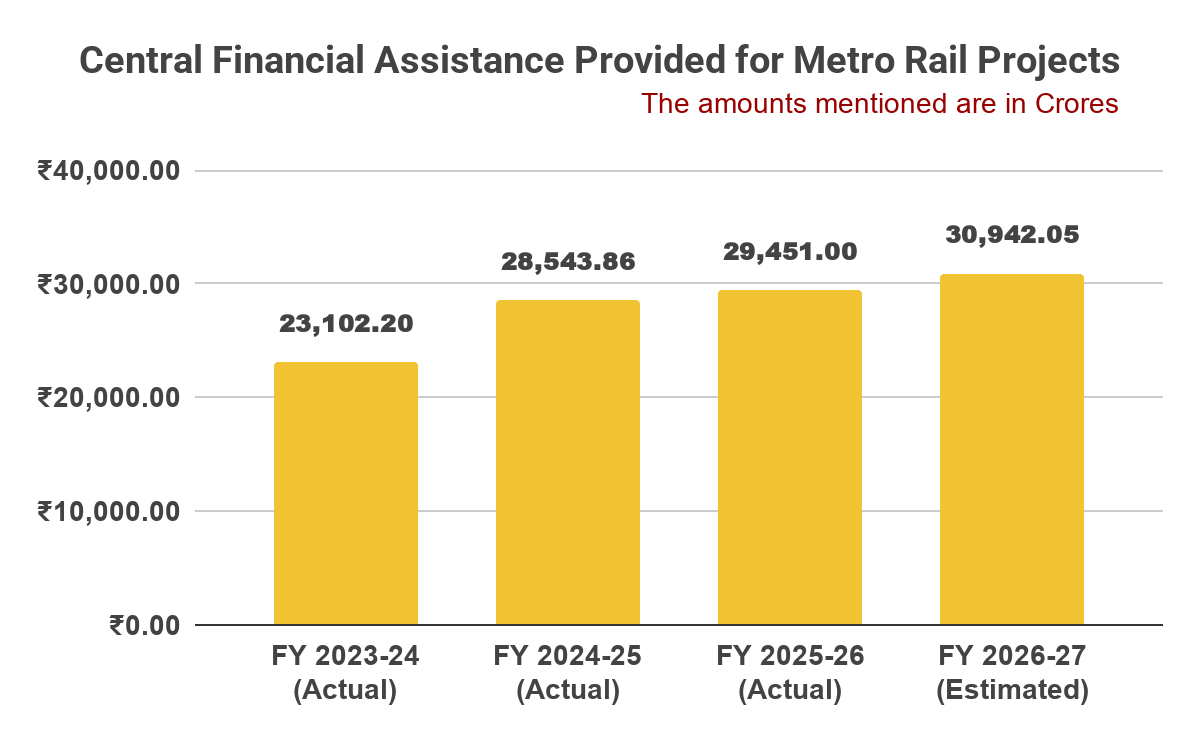
The Ministry asserted the amount provided by the Central Government for the financial assistance of the Metro Projects across the country during the FY 2023-24 to FY 2026-27. The annual budget for the metro projects are as follows:

image 17

According to the Data provided by MoHUA, the budget estimated for the metro rail projects in the FY 2026-27 is ₹30,942 Crore. The data indicate an increasing trend in the investment on metro rail projects. The government investment towards the metro rail projects highlight the advancements in the urban mobility sector with multiple projects on improving the urban transit systems across the country.

Details of Physical Progress of Metro Rail Projects Implemented Under the Ministry of Housing and Urban Affairs

Sl. No.Name of Metro Rail ProjectLength (km)Physical Progress (in % as of June, 2026)
1Bangalore Metro Rail Project Phase-272.0995.70
2Pune Metro Line 3 (Maan-Hinjawadi-Shivajinagar) (PPP)23.295.73
3Delhi Metro Phase IV (03 Priority Corridors)65.20282.20
4Kanpur Metro Rail Project32.482.00
5Surat Metro Rail Project40.3581.10
6Bangalore Metro Rail Project Phase-2A & 2B58.1972.75
7Agra Metro Rail Project29.472.00
8Indore Metro Rail Project31.1564.15
9Bhopal Metro Rail Project30.959.94
10Patna Metro Rail Project32.553.00
11Chennai Metro Rail Project Phase 2118.954.62
12Jaipur Metro Phase 1D1.3549
13Pune Metro Rail Project Phase-1 Extension (PCMC to Nigdi)4.447.17
14Nagpur Metro Rail Project Phase-II43.840.86
15Kochi Metro Phase II11.239.56
16Thane Metro Rail Project299.49
17Pune Metro Rail Project Phase-1 Extension (Swargate to Katraj)5.4646.2
18Delhi Metro Phase V (A)16.0765.63
19Bangalore Metro Rail Project Phase-344.653.60
20Millennium City Centre to Cyber City Gurugram28.53.3
21Delhi Metro Phase IV (02 Remaining Corridors)20.7623.80
22Delhi Metro Phase IV Rithala Kundli Corridor26.4633.02
23Pune Metro Phase 2 (Vanaz to Chandni Chowk & Ramwadi to Wagholi)12.751.88
24Pune Metro Rail Project 2, Line-4 (Kharadi to Khadakwasla)31.631.30
25Extension of Noida Metro from Sector 142 to Botanical Garden11.56Preliminary works under progress
26Lucknow Metro Rail Project Phase 1B11.165Preliminary works under progress
27Extension of Noida Metro Aqua line from Depot Station to Boraki MMTH2.6Preliminary works under progress
28Ahmedabad Metro Phase 2B3.33Preliminary works under progress
29Jaipur Metro Phase 241Preliminary works under progress
30Ahmedabad Metro Phase 2A6.032Preliminary works under progress
Overall (India)- 886.01 km

Details of Metro Rail Projects approved by the Govt. of India since Jan, 2024

Sl. No.Metro Rail ProjectLength (km)Cost (in Crore)
1Delhi Metro Phase IV (2 Balance Corridor)20.7₹8,400
2Bangalore Metro Rail Project Phase 344.65₹15,611
3Thane Integral Metro Rail Project29₹12,200.1
4Pune Metro Rail Project Phase 1 Extension from Swargate to Katraj5.46₹2,954.53
5Chennai Metro Rail Project Phase II118.9₹63,246
6Delhi Metro Rithala Kundli26.43₹6,230.99
7Pune Metro Phase 212.75₹3,626.24
8Extension of Noida Metro Aqua line from Depot Station to Boraki MMTH2.6₹416.34
9Lucknow Metro Rail Project Phase 1B11.165₹5,801.05
10Pune Metro Phase 2 Line 4 Kharadi to Khadakwasla31.63₹9,857.85
11Delhi Metro Phase V (A)16.07₹12,014.91
12Noida Sector 142 to Botanical Garden11.56₹2,254.35
13Ahmedabad Metro Phase 2B3.33₹1,067.35
14Jaipur Metro Phase II41₹13,037.66
15Jaipur Metro Phase ID1.35₹222.15
16Ahmedabad Metro Phase 2A6.032₹2,169.04
Overall (India)328.627₹1,59,109.56

Conclusion

The urban mobility sector of India is advancing with multiple metro rail projects across the country boosting faster and efficient commutation. The Ministry of Housing and Urban Affairs’ report indicates the higher trend on the acceleration of metro connectivity across the country. The report gives insights about the current progress highlighting major investments in the sector and acceleration in the physical progress. However, the road for an advanced urban mobility system is still far but all this can be achieved with steady progress.

Also Read: Assessing Delhi Metro’s idea to build residential buildings above stations

MMRDA awards Rs 40.99 cr FOB contract linking Bandra Metro Station & Bandra Suburban Railway Station

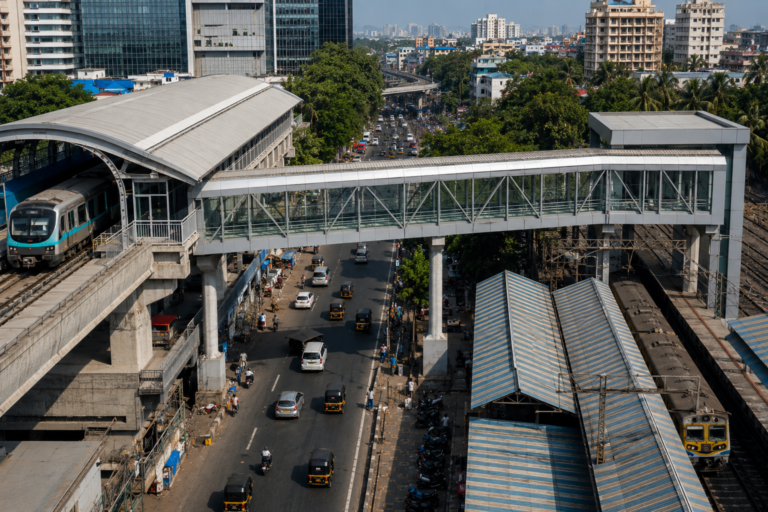
MUMBAI (Metro Rail News): The Mumbai Metropolitan Region Development Authority (MMRDA) has awarded a Rs 40.99 crore contract to RK Madhani & Co. for the construction of a new foot over bridge (FOB) connecting the Bandra Metro Station on Metro Line 2B with Bandra Suburban Railway Station. MMRDA has issued the Letter of Acceptance (LoA) for the project. 

Contract details

InformationDetails
ProjectFoot Over Bridge connecting Bandra Metro Station (Metro Line 2B) and Bandra Railway Station
Awarded ToRK Madhani & Co.
Contract ValueRs 40.99 cr
Construction Period18 months
Defect Liability & Maintenance Period5 years

Bidding details

BidderBid AmountStatus
RK Madhani & Co. (L1)Rs 40.99 croreAwarded
AB Infrabuild Private Limited (L2)Rs 42.60 croreRejected (Financial)
SPECO Infrastructure (L3)Rs 43.50 croreRejected (Financial)
A.P.I. Civilcon Private LimitedRejected (Technical)
RE Infra Pvt. Ltd.Rejected (Technical)
Sai Projects (Mumbai) Private LimitedRejected (Technical)
Shree Manglam Buildcon (I) Pvt. Ltd.Rejected (Technical)

Scope of work

The selected contractor will construct a 278-metre-long foot over bridge connecting the Bandra Metro Station on Metro Line 2B with Bandra Suburban Railway Station. The project aims to provide a safe and convenient interchange for passengers travelling between the metro and Mumbai’s suburban rail network.

About the project

A skywalk earlier connected Bandra Railway Station (West) with the Lucky Hotel junction on SV Road. MMRDA later removed the structure to make way for the construction of Metro Line 2B.

The new foot over bridge will replace the old skywalk and restore pedestrian connectivity in the area. At the same time, it will create a direct link between the upcoming Bandra Metro Station and Bandra Railway Station, making transfers easier for thousands of daily commuters.

Also Read: Locals demand Kochi Metro Link for Angamaly Railway station: Action council files petition

Locals demand Kochi Metro Link for Angamaly Railway station: Action council files petition

Kochi (Metro Rail News): The Angamaly Metro Action Council has submitted a petition to Chief Minister V. D. Satheesan urged the state government to revise the Kochi Metro Phase 3 route. They want the metro line to directly connect with Angamaly Railway Station along the NH 544 corridor.

The council is asking for a revised alignment from Aluva to Angamaly that passes through Cochin International Airport and includes Angamaly Railway Station. All four currently proposed routes focus mainly on airport access but skip the busy railway station.

Massive Public support

A survey run by the Angamaly Metro Action Council showed massive community support, with over 90% of respondents favoring the metro extension along the NH 544 corridor to directly connect with the Angamaly railway station.

Locals want Angamaly to become a full multimodal transit hub connecting metro, railway, buses, and national highways.

Action Council President Seby Varghese has called on local MLA and Minister Roji M. John to intervene and get the route changed before the final design is approved.

Why Connecting Angamaly Railway Station Matters?

Angamaly Railway Station is a busy transport hub that handles nearly 50 express and passenger trains daily and serves over 8,000 to 10,000 commuters every day. Connecting it directly with the Kochi Metro will create a seamless integrated transfer point where passengers can easily switch between trains, metro, local buses, and national highway traffic.

Gateway to North Kerala and Sabarimala

Angamaly serves as the main gateway to North Kerala and is the starting point for the upcoming Angamaly–Sabari rail line. It also acts as a key transit point for millions of Sabarimala pilgrims every year. Linking the station with the Metro will greatly reduce traffic congestion on the overcrowded NH 544 corridor.

The planned ~30 km hybrid extension from Aluva to Karayamparambu (Angamaly) via the airport includes these 15 stations: Thottakkattukara, Kunnampuram, Parambayam, Nedumbassery, Athani, Kariyad, Airport Railway Station, Cochin International Airport, Nayathode, Kavarapparambu, Arikkal Junction, Little Flower (LF) Hospital, Angamaly Town, Kothakulangara, and Karayamparambu.

Integrating the railway station will transform Angamaly into a true integrated transport hub, ease road traffic, and ensure steady ridership for the Kochi Metro.

Also Read: Bengaluru Metro: Bannerghatta Corridor likely to miss August 15 launch as Pink Line faces fresh delay 

Bengaluru Metro: Bannerghatta Corridor likely to miss August 15 launch as Pink Line faces fresh delay 

BENGALURU (Metro Rail News): BMRCL (Bengaluru Metro Rail Corporation Limited) much awaited metro link to Bannerghatta Road has faced another delay. The elevated section of the Pink Line is now expected to open in late August or early September. This pushes back the August 15 target set by Greater Bengaluru Development Minister Krishna Byre Gowda. The delay is due to the signalling system, which still needs to finish its final testing and certification before the required safety inspection can take place.

Project overview

Details Information
ProjectBengaluru Metro Pink Line (Elevated Section)
Route Kalena Agrahara to Tavarekere
Length 7.5 km
Stations 6
Key InterchangeJayadeva Hospital (Yellow Line)

Reasons for the delay

According to the Deccan Herald report, the main reason for the delay is the pending validation of the signaling system. The Research Designs and Standards Organisation (RDSO) is expected to issue the Interim Speed Certificate (ISC) in the next few days. Still, the Independent Safety Assessment (ISA) certificate for the signaling system will take a few more weeks, which will delay the next stage of approvals. Without these certifications, BMRCL cannot apply for the required safety inspection by the Commissioner of Metro Railway Safety (CMRS).  

Most construction work already complete  

The elevated corridor runs from Kalena Agrahara to Tavarekere and includes six stations, such as Jayadeva Hospital, where passengers will be able to switch to the Yellow Line. Once operational, this section will expand Bengaluru Metro’s network to 103.6 km. Civil construction, track laying, and most station finishing work have already been completed. Six trains for the corridor have also been delivered.  

Testing enters final stage  

The trains have successfully finished oscillation trials and Emergency Braking Distance (EBD) tests conducted by the RDSO between April 28 and May 9. These tests establish the maximum safe operating speed and confirm the braking performance of the trains before commercial operations. The remaining work focuses on validating the signaling system. According to sources:  

  • Automatic Train Protection (ATP) testing is complete.  
  • Automatic Train Operation (ATO) validation is still ongoing.  
  • The signaling software is being upgraded before installation on the trains.  

Further testing is scheduled for August 3 and August 5. The Independent Safety Assessment is expected on August 5 and 6.  

CMRS inspection to follow

After receiving the ISA certificate, BMRCL will submit its application to the Commissioner of Metro Railway Safety for the required inspection of the corridor. The inspection will examine the railway systems, rolling stock, and facilities at the Kothanur depot, including the washing plant, underframe water-jet cleaning system, train-lifting pit jacks, and other maintenance infrastructure. Officials anticipate the CMRS inspection will occur during the third week of August. BMRCL will also need to address any observations made during the inspection before opening the line to passengers.

While the elevated section is nearing completion, work is ongoing on the 13.75 km underground stretch between Dairy Circle and Nagawara. According to the current timeline, this section is expected to open in March 2027.

Also Read: TÜV SÜD & MEDHA collaborate with Indian Railways for Hydrogen Train