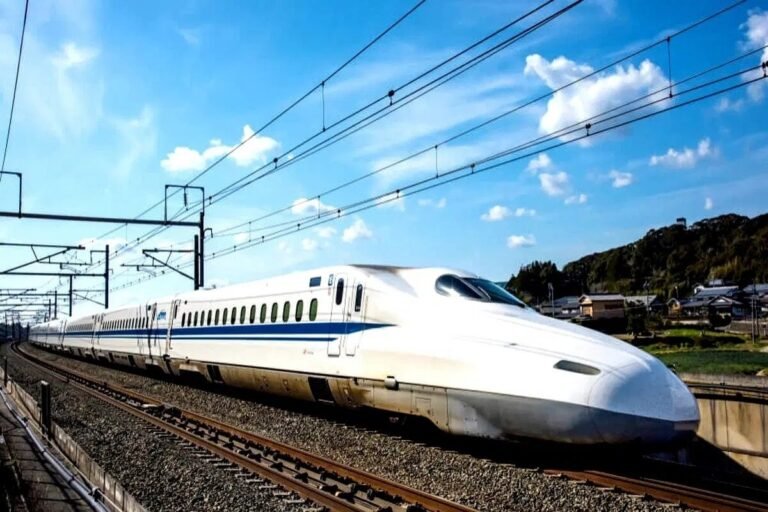
NOIDA (Metro Rail News): Plans are underway to transform Noida International Airport in Jewar, India’s newest aviation hub, which became operational on June 15, 2026, into a major multi-modal transport center where passengers can seamlessly switch between flights, trains, and metros. The first major corridor Ghaziabad-Jewar Namo Bharat (RRTS) corridor, has entered the Detailed Project Report (DPR) stage. Meanwhile, the airport railway station is currently under construction, while the Delhi-Varanasi Bullet train corridor and its further extension to Siliguri are still in the planning phase.
The Ghaziabad-Jewar Namo Bharat corridor is expected to cut travel time to 40-50 minutes and Bullet train infrastructure projects aim to connect the airport to the National Capital Region (NCR), Uttar Pradesh, and Eastern India.
The fourth Nammo Bharat regional rapid corridor cost around Rs. 20,640 Cr.
The Ghaziabad-Jewar RRTS corridor has reached the DPR phase, promising to reduce travel time between Ghaziabad and Jewar to around 40-50 minutes at a speed of 180 kmph and is estimated to cost around Rs 20,640 crore. The stations proposed along the corridor are:
Ghaziabad
Ghaziabad South
Greater Noida West-Sector IV
Greater Noida West-Sector II
Knowledge Park V
Surajpur
Pari Chowk
Ecotech VI
Dankaur
YEIDA North-Sector 18
YEIDA Central-Sector 21
Jewar Airport
India’s second major Bullet Train Route integrates with Jewar
The 813-km long proposed Delhi–Varanasi bullet train corridor will connect Delhi and Varanasi through 13 stations. According to the proposal the train will connect Noida Airport, Mathura, Agra, Lucknow, Prayagraj, and Varanasi.
The proposed Delhi-Varanasi train project is expected to reduce the time between Jewar and Lucknow to 40 minutes and Delhi to Lucknow in two hours. The project was announced by Finance Minister Nirmala Sitharaman in the Union Budget for 2026-2027.
There was an extension plan of Delhi-Varanasi corridor extending to Siliguri. If it happens it will be a major connecting window of the Northern and Eastern part of the country to the Capital city.
This development will not only boost accessibility and reduce road congestion but also accelerate economic growth, attract investments, and enhance the quality of life for residents across the NCR. By positioning Noida at the forefront of India’s modern mobility revolution, these projects mark a significant leap towards a faster, smarter, and more connected future.
PRAYAGRAJ (Metro Rail News): North Central Railway has invited bids for providing Project General Management Services (PGMS) for the Chief Administrative Officer (Construction), Prayagraj. The consultancy contract aims to support the planning, execution and monitoring of railway infrastructure projects being implemented under CAO/Construction, North Central Railway. The estimated cost of the project is Rs 227.40 crore.
Tender details
Details
Information
Tender Number
CEN-HQ-2026-27-01
Estimated Cost
Rs 227.40 crore
Earnest Money Deposit (EMD)
Rs 4.55 crore
Completion Period
60 months
Pre-Bid Meeting
17 July 2026, 11:00 am
Bid Submission Deadline
10 August 2026 up to 3:00 PM
Scope of work
Request for Proposal for Providing Project General Management Services for CAO/CON/ North Central Railway, Prayagraj.
About Prayagraj Junction
Prayagraj Junction, earlier known as Allahabad Junction, opened in 1859. It is one of the oldest railway stations in northern India. The station became an important rail hub because it connects northern and eastern India. Today, it is one of the busiest railway stations in the region. During Mahakumbh 2025, Indian Railways operated more than 17,000 trains, highlighting the station’s key role in handling one of the world’s largest gatherings.
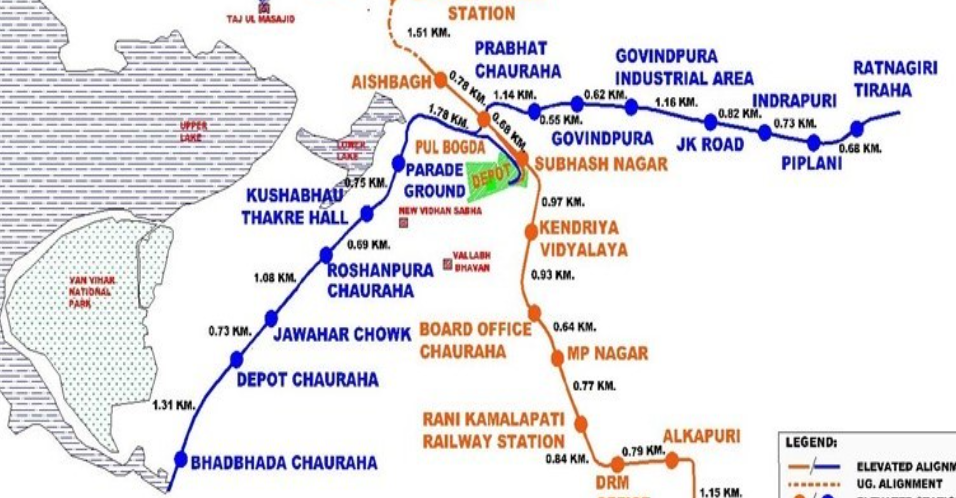
BHOPAL (Metro Rail News): The construction work of Bhopal Metro’s Blue line picked pace with the launching of the first segment of elevated section at the Piplani Chauraha. The entire Blue Line will be an elevated corridor connecting Bhadbhada with Ratnagiri, covering a 12.9 km route. The launching of the segment was undertaken by Afcons Infrastructure Ltd.
The engineering team of Afcons used a launching girder, or launching gantry for the commissioning of the first segment at the Piplani Chauraha. The launching girder is a massive mechanical crane which places the pre-cast concrete for the fast construction of the metro viaduct. During the launch of the segment, S. Nakkiran, the Project Director at Afcons, MPMRCL Director works and other officials were present.
The Madhya Pradesh Metro Rail Corporation Ltd (MPMRCL) awarded the project contract for the construction of the elevated stations along the Blue line to Afcons Infrastructure in December 2024, at a cost of 1006.74 Crore. The company is constructing the Corridor as an Engineering, Procurement and Construction (EPC) contractor.
About Bhopal Metro
Bhopal Metro is a mass rapid transit system projected to serve as an urban mobility solution for the city of Bhopal, the capital of Madhya Pradesh. The project is under construction with two lines proposed. A common depot for these lines has been developed at Subhash Nagar. The metro is currently operating at a priority stretch covering AIIMS to Subhash Nagar in the Orange Line.
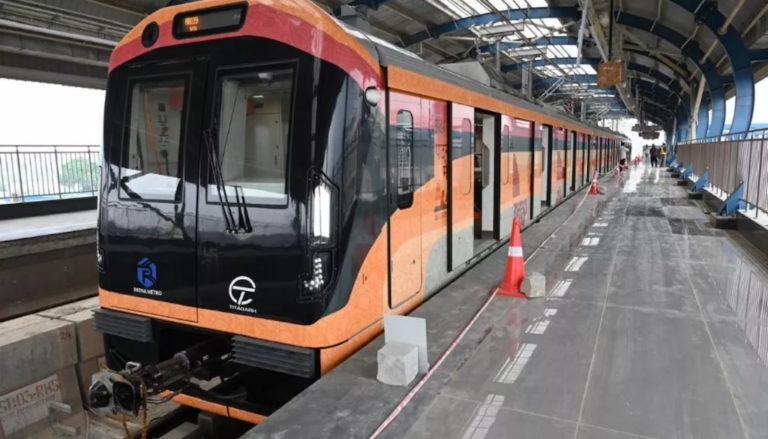
PATNA (Metro Rail News): Rail India Technical and Economic Services (RITES) has bagged a ₹79.22 Crore consultancy contract from the Patna Metro Rail Corporation (PMRC). The contract involves the consultancy for the execution of the construction projects of the Patna Metro.
The scope of the work includes providing consultancy services for the implementation of the Patna Metro construction project. The time period for the execution of the project is 68 months.
Information
Details
Contractor
RITES
Contract Value
₹79.22 Cr.
Completion Period
68 Months
The consultancy project is projected to support the development of the Patna Metro system. The project has been delayed for a long duration and it is operating on a priority corridor consisting of five metro stations. This month on 4th July, two new stations were inaugurated by the Chief Minister Samrat Choudhary extending the network to Malahipakri.
About Patna Metro
Patna Metro Rail Project is a mass rapid transit system projected to connect the city of Patna. The project is under construction with a priority corridor serving as the operational route. The underground section of the project is currently under construction and work on the elevated section is taking place simultaneously. The complete proposed stretch is projected to expand the metro network to 32.5 km, with 24 stations.
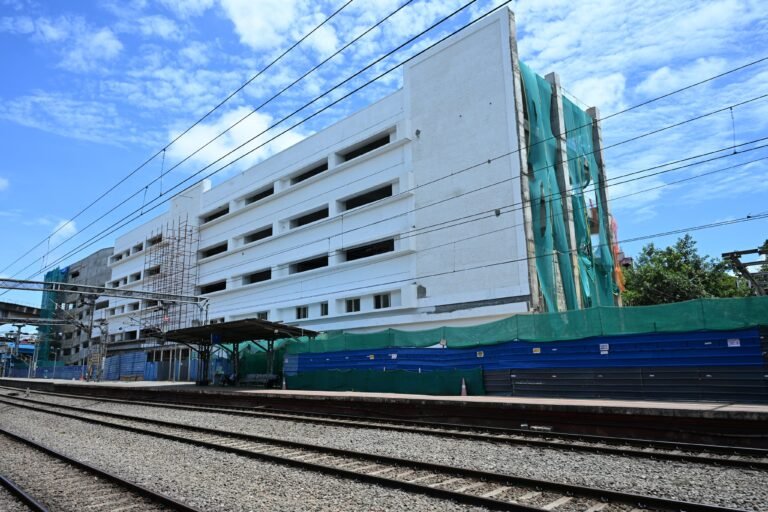
ERNAKULAM (Metro Rail News): Southern Railway has invited open e-tender on an EPC (Engineering, Procurement, and Construction) basis, for Re-development of Ernakulam Town Station(Balance work),carrying an estimated project cost of ₹156.43 Crore.
Tender Information
Information
Details
Tender Number
CE-CN-ERS-SD-01-2026-EPC
Estimated Cost
1564262007.39 (₹156.43 Crore)
Tender Validity
120 days
Pre-Bid Meeting
22/07/2026 15:00
Tender Submission Deadline
12/08/2026 up to15:00 Hrs
Completion Period
20 Months
Scope of work
Re-Development of Ernakulam Town Railway Station’s balance work on EPC (Engineering, Procurement, and Construction)mode.
About the Project
The project aimed at transforming the Ernakulam Town Railway Station into a world-class, airport-like facility. Upgrading the Ernakulam Town Railway station will absorb a significant portion of Kochi’s rail traffic, reducing the burden on the heavily congested Ernakulam Junction (South) station.The modernized hub will create a vibrant commercial zone, generating new retail jobs and boosting local business growth in the Kaloor and Kacheripady areas.The new station is designed to connect different modes of transport. It features a direct skywalk to the nearest Kochi Metro station, as well as easy connections to local bus stops and auto-taxi stands. This is one of the most important ongoing projects for Southern Railway.
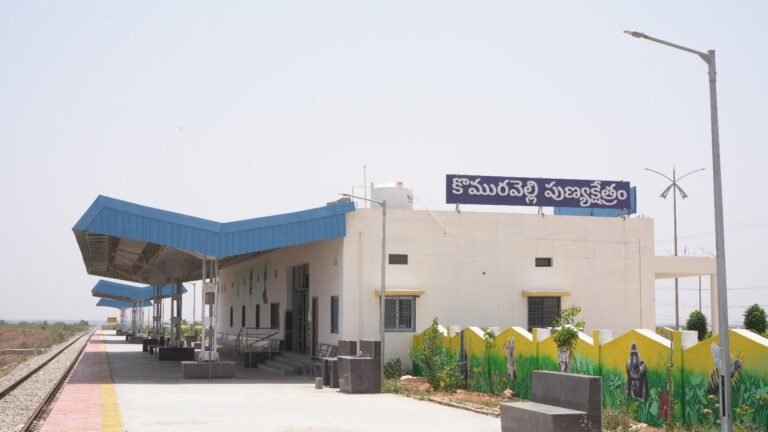
TELANGANA (Metro Rail News): The newly constructed Komuravelli Punyakshetram (KIPK) railway halt station, located in the Siddipet district of Telangana, is all set for its official inauguration. Built at a total project cost of approximately ₹5.63 crore, the station marks a major milestone in regional connectivity. Union Minister For Coal and Mines Mr.G Kishan Reddy shared his happiness through his X post. He further thanked PM Shri. Narendra Modi’s Visionary actions to strengthen regional connectivity , improve passenger convenience, and provide a major boost to religious tourism and local economic development in Telangana.
𝐊𝐨𝐦𝐮𝐫𝐚𝐯𝐞𝐥𝐥𝐢 𝐏𝐮𝐧𝐲𝐚𝐤𝐬𝐡𝐞𝐭𝐫𝐚𝐦 𝐑𝐚𝐢𝐥𝐰𝐚𝐲 𝐒𝐭𝐚𝐭𝐢𝐨𝐧 is set to be inaugurated soon, marking a significant milestone in enhancing connectivity and facilitating seamless travel for devotees visiting the renowned Komuravelli Mallanna Swamy Temple in… pic.twitter.com/7dCA1AwtM3
The new station will provide direct rail access for millions of devotees visiting the revered Komuravelli Mallanna Swamy Temple. Historically, pilgrims relied entirely on road transport, often facing heavy traffic during festive seasons. This direct connection is expected to significantly boost local tourism, religious pilgrimages, and economic activity across the region. To guarantee a smooth journey from train to temple, the station is strategically integrated with the Rajiv Rahadari (State Highway 1), ensuring seamless, hassle-free last-mile connectivity.
The primary features of the station are a high-level passenger platform (450m × 10m) and a station building with an entrance portico. The station also features five platform shelters equipped with three-seater benches. Other key amenities include a spacious waiting hall with mural paintings depicting the local deity, flora, and fauna, as well as parking facilities, drinking water stations, and separate toilet facilities for ladies, gents, and divyangjan.
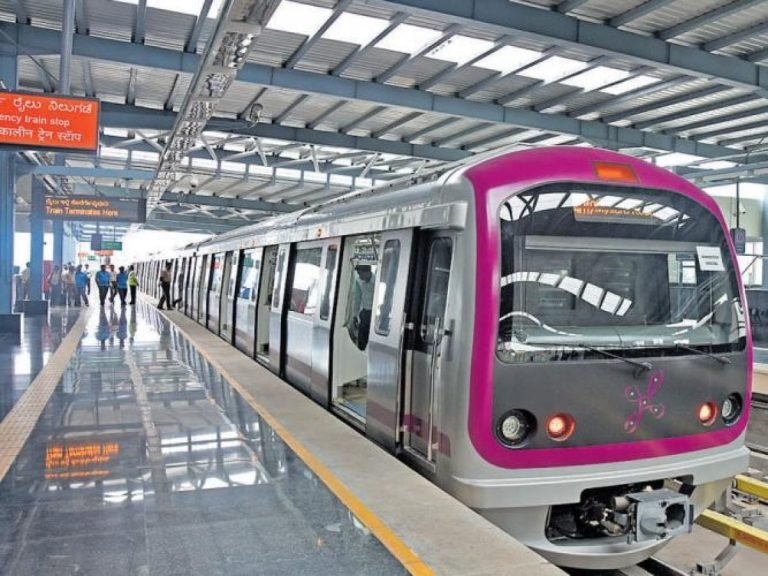
BANGALORE (Metro Rail News): Given the growing passenger safety concern, Bangalore Metro Rail Corporation Limited (BMRCL) has taken a step ahead towards strengthening the safety of passengers by installing Platform Screen Doors PSDs at Bangalore Metro stations. This initiative will add an additional layer of protection for the commuters. BMRCL plans to equip all 191 stations with PSDs at a cost of ₹ 1,274 crore. However, 14 stations, including 12 underground stations on the Pink Line and 2 on the Blue Airport Line, already have provisions built into their budgets. The remaining 177 stations will undergo retrofitting throughout Phases 1, 2, 2A, 2B, 3, and 3A.
The massive ₹1,274-crore proposal to install Platform Screen Doors (PSDs) at rest 177 stations across its entire existing and upcoming network. The proposal was part of Detailed Project Report (DPR) for Phase-3A (Hebbal-Sarjapur), which was submitted to the Karnataka state government during the current state legislative assembly session. Moreover the doors are technically mandatory for driverless trains planned for upcoming corridors.half-height platform screen doors will be in elevated stations and underground stations will receive full-height platform screen doors, which also help reduce wind, noise, and optimize underground air conditioning efficiency.
Why Bangalore Metro is getting a Platform Screen Door upgrade
Over-Crowded platforms and High-Voltage risks
With daily ridership crossing 10 lakh (1 million) passengers, overcrowding has spiked safety risks in the Bangalore Metro. BMRCL highlighted alarming data from the past two years that triggered this urgency.
In 2024, 8 cases of unauthorized track access, 7 suicide deaths, 2 suicide attempts, and 2 accidental falls were reported. In comparison, 5 cases of unauthorized track access, 5 suicide deaths, 2 suicide attempts, 2 accidental falls, and 1 tragic electrocution incident were reported in the year 2025, which increases the urgency for platform screen doors in Bangalore Metro.
Mandatory for corridors, designed forGoA4 (driverless train operations)
Beyond immediate physical safety, these screen doors are technically mandatory for GoA4 (Unattended Train Operation), the fully automated, driverless train system planned for upcoming corridors.
Grade of Automation 4 (GoA4) is the highest level of railway automation, where trains operate without any onboard staff or drivers. Starting, stopping, door operations, and emergency responses are fully managed by computerized signaling systems and central control rooms. Without physical platform doors for preventing track falls, driverless operations cannot legally or safely commence.
Smart doors, Smart revenue
To offset some of the massive capital costs, BMRCL plans to use the glass doors as premium advertising spaces for digital media displays to generate non-fare revenue. By equipping the glass doors with digital media displays, the metro aims to aggressively generate non-fare revenue, effectively turning a vital safety upgrade into a self-sustaining financial asset.
BMRCL has started technical talks with Bharat Electronics Limited (BEL) to build the screen doors locally, to support ‘‘Make in India’’ goals. BEL has already developed indigenous platform gate systems in partnership with India’s regional rapid transit networks (NCRTC).
DELHI (Metro Rail News): Following Mumbai-Ahmedabad Bullet Train project, India has set eyes on 2nd high speed rail project between Chennai-Bengaluru. In this direction, The National High-Speed Rail Corridor Limited (NHSRCL) has invited bids for carrying out pre-construction activities and updating the Detailed Project Report (DPR) for the Chennai-Bengaluru section of the Chennai-Bengaluru High-Speed Rail (CBHSR) corridor.
Project overview
Information
Details
Tender Number
NHSRCL/CBHSR/1276
Tender Security
Rs 14.50 lakh
Pre-Bid Meeting
17 July 2026, 3:00 PM (online)
Bid Submission Deadline
6 August 2026, 9:00 AM to 13 August 2026 up to 3:00 PM
Technical bid opening
14 August 2026 at 3:00 PM
Completion Period
150 days
Scope of work
Under this contract, the contractor will carry out pre-construction activities and updating of Detailed Project Report (DPR) information including alignment modifications, alignment designs, hydrology investigations/surveys, drone surveys, geo-technical investigations at crossing locations, tunnel and preparation of GADs for river, railway, road crossings, tunnels and stations (overhead & underground) for Chennai-Bengaluru section of the Chennai-Bengaluru high-speed rail corridor.
About Chennai-Bengaluru High-Speed Rail Corridor
The planned 306 km Chennai-Bengaluru High-Speed Rail Corridor is one of India’s proposed bullet train projects. It aims to provide high-speed rail connectivity between Chennai and Bengaluru. It will also strengthen economic links between two of South India’s largest cities. The Central Government has also announced this project as a priority corridor in Union Budget 2026. The pre-construction studies covered under this tender will generate the technical data required for detailed engineering and future construction of the corridor.
DELHI (Metro Rail News): National Capital Region Transport Corporation (NCRTC) has announced advertisement opportunities for outdoor advertisement along the Namo Bharat Corridor. The initiative shows NCRTC unlocking ventures for potential non-fare revenue. However, the Corporation has not released any tenders as of now, they informed that further details about the initiative will be communicated soon.
Opportunity for premium outdoor advertising along the Namo Bharat corridor in Ghaziabad and Meerut!
This is your chance to create landmark advertising spaces that enhance the urban landscape while delivering exceptional brand visibility. This is an opportunity for OOH… pic.twitter.com/SuKrgdp38A
— National Capital Region Transport Corporation Ltd. (@officialncrtc) July 14, 2026
The announcement has opened doors for Out of House (OOH) advertising companies, media agencies, and infrastructure branding experts to improve their visibility through commercial partnership with India’s fastest train corridor.
1.25 Lakh Daily Commuters
The Delhi-Meerut Regional Rapid Transit System (RRTS) registered over 1.25 lakh daily passengers on 8th June, 2026. The average daily ridership of the corridor is over 1 Lakh consisting of office employees, students and other daily commuters. The high ridership seals this opportunity as a way to reach a huge number of people for the companies and agencies.
Unlocking Non-Fare Revenue Source
The opportunity unlocks the non-fare revenue sources for NCRTC. Non-fare revenues such as revenue from advertisements, property lending, rent from shops inside the premises and parking, are a major source of revenue for the railway sector to remain financially sustainable. With this initiative, NCRTC can gain revenue from displaying advertisements across the network.
About Delhi-Meerut RRTS Corridor
Delhi-Meerut RRTS is India’s first semi-high speed rail project connecting the capital city of Delhi with the satellite town, Meerut. It provides the fastest train service in India with speed up to 180 kmph. The corridor has strengthened the urban mobility in the National Capital Region (NCR) and is projected to reduce congestion in Delhi.
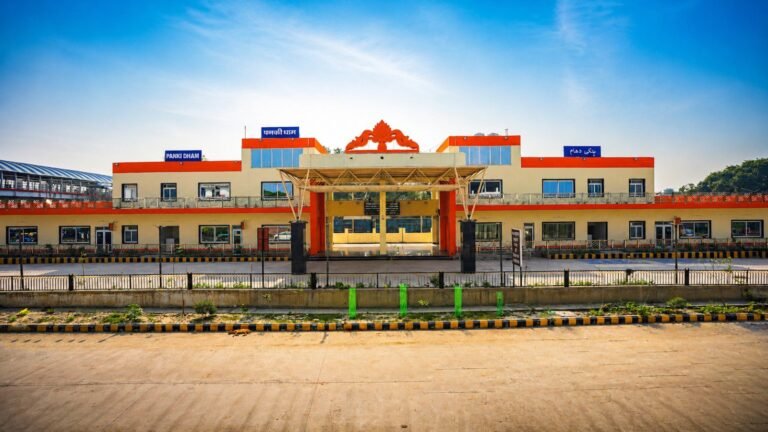
PANKI (Metro Rail News): The upgraded Panki Dham Railway station is scheduled for its official public dedication following the completion of its ₹25 crore modernization project under the Amrit Bharat Station Scheme (ABSS). Prime Minister Shri Narendra Modi will virtually dedicate the modernized station to the nation on July 17, 2026, while simultaneously inaugurating 75 redeveloped railway stations across India under the Amrit Bharat Station Scheme.
The station has been upgraded with a 12-meter-wide Foot Over Bridge and a 6-meter-wide FOB(Foot over bridge), complemented by a 4,500 sqm circulating area featuring distinct entry and exit points, parking, green spaces, and accessible movement for all passengers. The newly upgraded station features a 20-foot-wide ramp and barrier-free access pathways designed for differently-abled and elderly passengers. The station houses standard ticketing counters, waiting restrooms, drinking water facilities, and a planned layout with dedicated entry/exit gates. Moreover, the station section between Tundla and Panki Dham is actively equipped with Kavach 4.0, Indian Railways’ automatic train protection system.
The temple-themed station with internal wall spaces and waiting halls features artwork, murals, and religious iconography dedicated to the history of the Panchmukhi temple, which is the highlight of the redeveloped station.
Panki Dham Railway Station is the fourth-largest railway station in Kanpur, Uttar Pradesh. It operates under the North Central Railway (NCR) zone and primarily serves the industrial suburbs of Panki and western Kanpur. The station was originally established in 1981 under the North Central Railway (NCR) zone. It helps to distribute passenger traffic from heavily concentrated Kanpur Central station and helps in easy access to Panchmukhi Shri Hanuman Temple for thousands of devotees.
Over the last decade, India’s urban transport landscape has undergone a clear structural shift. What began as a limited number of metro rail projects in a few large cities has expanded into a nationwide urban rail programme that is now influencing how Indian cities plan growth, manage congestion, and address environmental pressures. Metro systems are no longer treated as supplementary infrastructure; they are increasingly forming the backbone of urban transport planning.
This transition has been driven by rapid urbanisation and a sharp rise in daily travel demand. As cities expanded, road-based transport systems struggled to manage congestion, rising commute times, and higher emissions. Metro rail emerged as a high-capacity, energy-efficient solution capable of moving large passenger volumes with predictable travel times and lower environmental impact. Over time, metros evolved from city-specific interventions into a standardised model that could be replicated across regions.
India today operates the world’s 3rd largest metro network. Operational length has increased from approximately 250 km in 2014 to over 1,000 km across more than 20 cities. Daily ridership has grown proportionately, reflecting a sustained shift in commuter preference towards mass rapid transit. This growth indicates that metro rail has moved beyond pilot adoption to becoming an accepted and dependable mode of urban transport.
However, the expansion has required more than civil construction and rolling stock procurement. Delivering metro systems at this pace has demanded integrated capabilities across rolling stock, signalling, traction, and power supply, depot infrastructure, operations, and long-term maintenance. As networks expanded into Tier-2 and emerging cities, standardisation, localisation, and system-level integration became critical to maintaining safety, reliability, and performance.
At this scale of expansion, Alstom has emerged as one of the key system partners supporting metro development in India. Over nearly 100 years of engagement in the country, the company’s role has expanded beyond the supply of standalone components to encompass integrated sustainable metro solutions. Its present-day involvement extends across rolling stock, modern signalling technologies, and the development of maintenance frameworks necessary to support high-frequency urban rail operations.
Alstom’s participation across multiple metro projects has supported the deployment of globally benchmarked solutions while progressively building manufacturing and engineering capabilities in India under the ‘Make in India’ &Atmanirbhar Bharat programmes.
The growth of metro systems in India is heavily influenced by its capabilities to deliver the global standard sustainable solutions for the sector. Against this backdrop, Alstom is well-equipped to support the next phase of India’s urban mobility through its integrated capabilities in rolling stock, signalling technologies, and lifecycle support. This cover story examines how Alstom’s presence in India has evolved alongside the country’s metro programme, and how its technologies, manufacturing base, and project experience are contributing to the continued development of metro systems, aligning with India’s broader urban and sustainability objectives.
Realising the Vision of Green Mobility for Viksit Bharat through Modern Rolling Stock
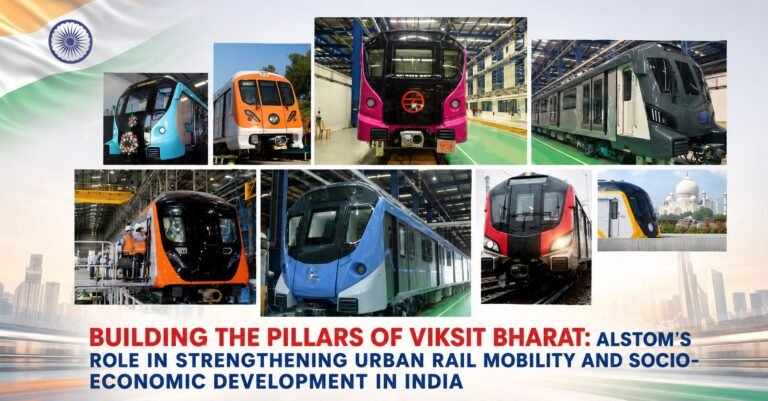
One of the reasons to deploy metro systems in urban centres is to lower the carbon emission which is primarily caused by road-based transport. The Alstom-built trains are taking India closer to the goal of low-carbon mobility. Alstom’s trainsets are today running in major metro systems, including Delhi, Kochi, Kanpur, Indore, Bhopal, and Agra, among others. These trainsets demonstrate lower carbon emissions when compared with conventional road-based modes of transport.
Closing Operational Gaps with Advanced Signalling Solutions
One of the growing operational challenges faced by metro systems in India is overcrowding, particularly on high-density corridors. While physical capacity expansion is possible, it is capital-intensive and requires long planning cycles. In this context, advanced signalling technologies offer a more immediate pathway to increasing operational throughput. Alstom’s latest-generation signalling solutions, including Communications-Based Train Control (CBTC) and ETCS, support higher service frequencies and improved operational flexibility across Indian metro corridors & RRTS corridor.
Ensuring Reliability Through Lifecycle Support
As metro networks mature, asset availability and long-term reliability become critical to system performance. Alstom’s lifecycle-oriented approach to maintenance, robust reliability growth culture and 24×7 fleet support goes beyond initial delivery, which is helping metro authorities sustain high operational efficiency and deliver a reliable travel experience for passengers.
Industrial Base as a Catalyst for India’s Metro Expansion
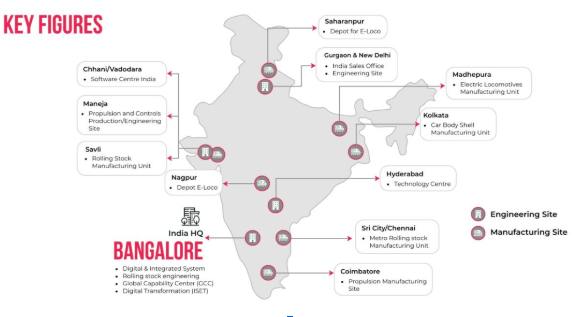
The rapid expansion of metro systems across India has required an industrial ecosystem capable of supporting multiple projects simultaneously, across different geographies, while maintaining consistent quality and delivery timelines. To respond to this requirement, Alstom has developed a strong industrial and engineering presence in India, comprising 6 facilities and 5 engineering centres, aligned directly with the needs of India’s growing metro programme. Today, over 33% of Alstom’s global engineering activities are executed from India, which underlines the country’s strategic role in both domestic delivery and international metro projects.
The Backbone of Rolling Stock Manufacturing in India
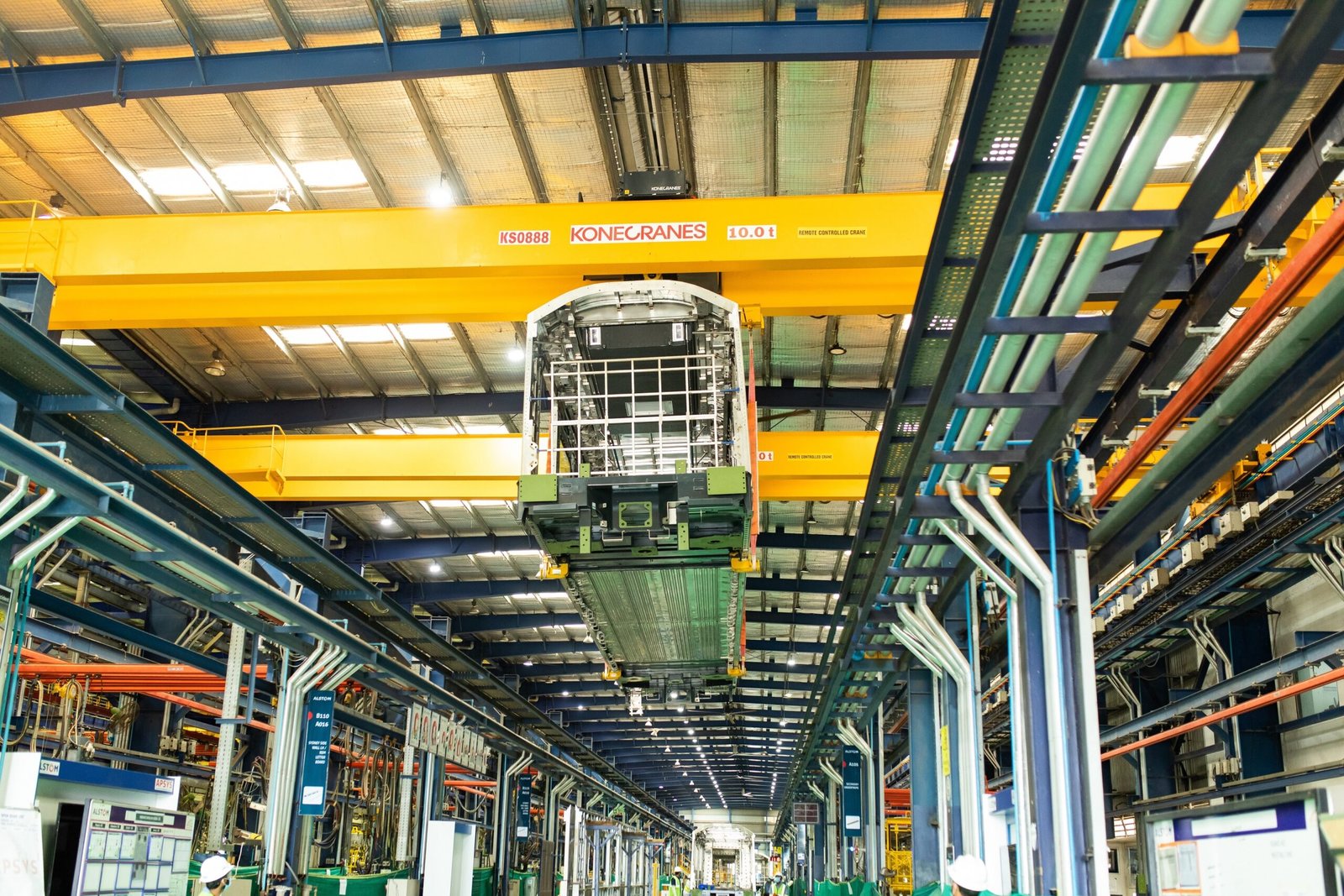
A central pillar of India’s metro manufacturing capability is the Sri City facility in Andhra Pradesh, operational since 2012. The site has a production capacity of up to 480 rail cars per annum and achieves localisation levels of approximately85%. It has supplied metro trainsets for Indian cities including Chennai, Kochi, Lucknow, and Mumbai, while also supporting international projects in Sydney and Montreal. The facility houses India’s longest dynamic test track, enabling end-to-end validation and performance testing prior to commissioning.
Complementing this capability is the Savli facility in Gujarat, which further strengthens India’s metro and rail manufacturing base. In addition to producing metro and commuter rolling stock for domestic projects, the site has delivered 450 metro cars for the Queensland Metro project in Australia. It has also exported over 4000 bogies and supplied more than 4,500 flatpacks and modules to global rail programmes, which reinforces India’s role as a manufacturing and supply hub for metro rolling stock and critical assemblies.
Localisation of High-Value Components and Propulsion Systems
At the component level, Alstom’s Coimbatore facility in Tamil Nadu anchors the localisation of propulsion and electrical systems. Established in 1978 and expanded across three sites, it is today Alstom’s largest components manufacturing facility globally. The site supplies traction motors, converters, and electrical equipment to over 80 projects across five continents, with approximately 50% of output exported, which strengthens both supply resilience and lifecycle performance of metro fleets.
Leading the Charter of Rail Technology Innovation
As metro systems progress towards higher service frequencies and tighter operational margins, signalling and digital systems have become central to network performance and safety. These requirements have elevated the importance of proven engineering, testing, and validation capabilities within the country.
Bengaluru, which anchors Alstom’s India operations, has emerged as a key centre for these activities. The city hosts a signalling laboratory infrastructure spread across approximately 60,000 sq. ft., including a 5,000 sq. ft. Digital Experience Centre. This facility supports the full lifecycle of signalling systems from design and development to integration, testing, and validation across both urban and mainline rail applications.” The infrastructure supports over 40% of the company’s global signalling R&D requirements.
Engineering teams based in Bengaluru contribute to more than 120 projects worldwide. Their work spans Communications-Based Train Control (CBTC), European Train Control System (ETCS), and cybersecurity solutions, which reflects the increasing convergence of safety-critical systems and digital resilience in modern metro operations. These capabilities enable Indian engineering teams to support domestic metro networks while also contributing to complex international deployments. The comprehensive framework strengthens India’s position within the global rail engineering value chain.
Delivering Sustainable Mobility Solutions Across Indian Cities
India today operates the 3rd largest metro rail network, which spans over 1,000 km across more than 20 cities. Delivering systems at this scale requires consistent performance across varied operating environments, timelines, and institutional frameworks.
Across this expanding landscape, Alstom has been involved in a wide cross-section of Indian metro projects. The company has come up with solutions tailored to local operating requirements while aligned with international standards. Its participation covers mature networks in large metropolitan regions as well as newer systems in emerging cities in India, which offer a practical view of how metro technologies are adapted and deployed across different stages of network development.
The following section reviews select metro projects to illustrate how these capabilities have been applied in practice, with due consideration to city-specific operational and design requirements.
Mumbai: India’s First Metro with 75% Motorised Trainsets
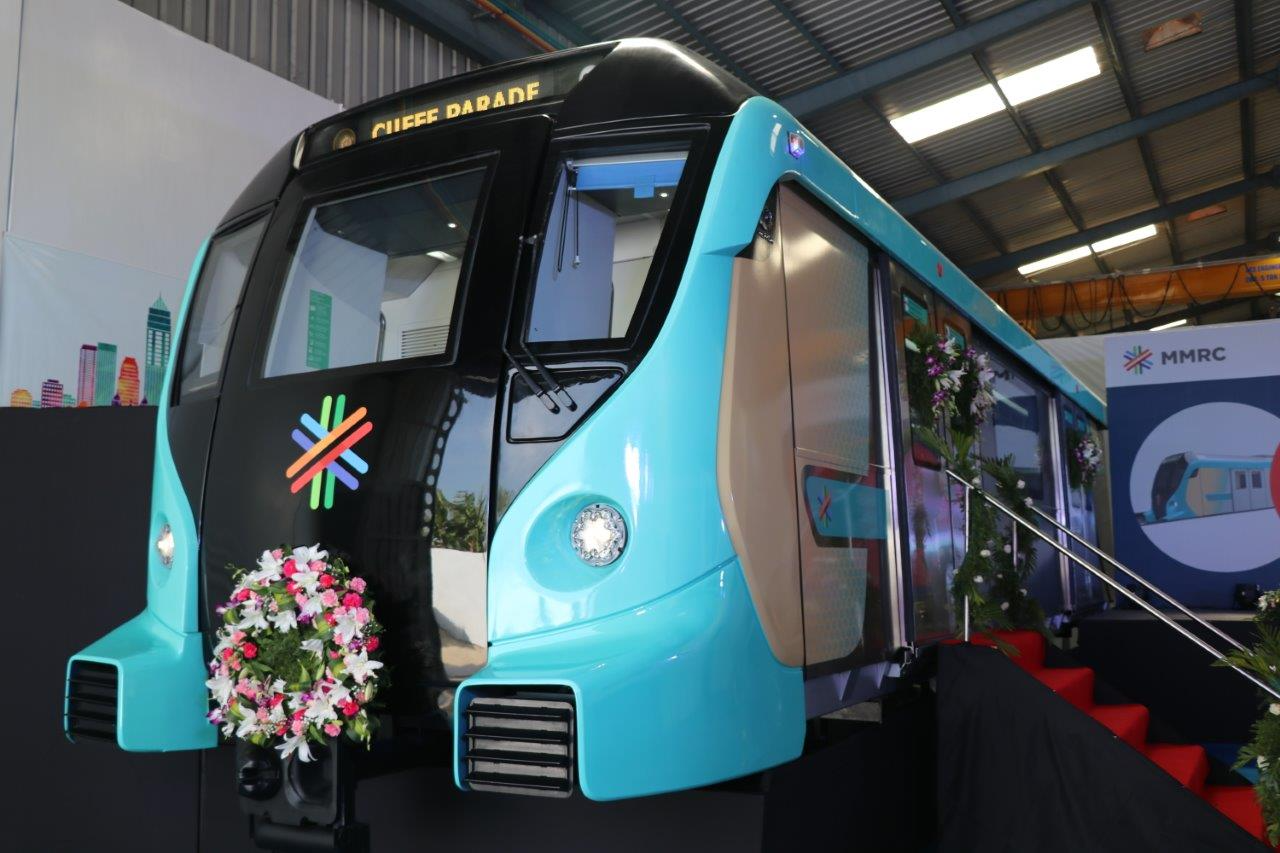
Mumbai Metro Line 3 represents one of the most technically advanced metro projects undertaken in India. The fully underground corridor operates in a dense urban environment, requiring precise system coordination and high operational reliability. Alstom supplied lightweight rolling stock designed with 75% motorisation, a configuration introduced for the first time in the Indian metro context. This enables improved acceleration and braking performance, supporting efficient operations under closely spaced station layouts.
The trains are designed with sustainability considerations integrated into their lifecycle, with 96% recyclability and 99% recoverability of materials. The project also incorporates Urbalis 400 CBTC signalling, which enables high-frequency operations with enhanced safety margins.
Delhi: Scaling India’s Largest Metro Network
Delhi Metro’s growth mirrors the broader trajectory of urban rail development in India. What began as a limited set of corridors has evolved into a dense, multi-line network that now carries millions of passengers daily and operates under increasingly complex service conditions.
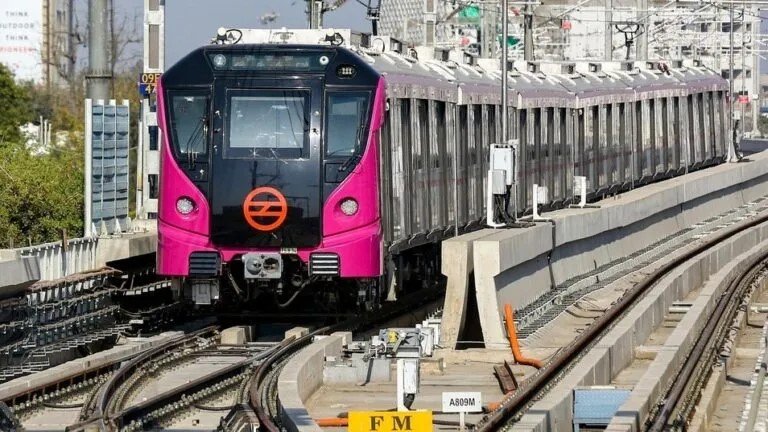
As the network expanded, requirements also changed. New corridors needed to integrate with existing lines, operate at higher frequencies, and maintain reliability under heavy passenger loads. Alstom’s involvement in the Delhi Metro reflects this transition from initial capacity creation to system optimisation at scale. More than 800 metro cars supplied by the company are currently in service across the network, forming a crucial part of the operational fleet. Reinforcing this commitment to long-term operational excellence, Alstom recently secured a 10-year maintenance contract worth €42.1 million from Delhi Metro to ensure the sustained performance and reliability of the network’s assets in Line 1 & 2.
Under Phase IV of the project, the focus has shifted towards enhancing throughput and operational efficiency rather than only adding length. Alstom is supplying 312 standard-gauge metro cars and implementing Communications-Based Train Control (CBTC) signalling on key corridors, including Mukundpur-Maujpur, and Aerocity-Tughlakabad. The signalling architecture integrates Automatic Train Supervision (ATS), allowing operators to regulate train movement more precisely and optimise energy usage across the network.
Chennai: Advancing Automation in Urban Rail Operations
Alstom has a long-standing association with Chennai Metro, marking its first rolling stock contract in India. In 2010, Alstom secured a key contract to supply rolling stock for Phase 1 of the project, delivering reliable trains that have powered the network’s growth. This enduring partnership highlights Alstom’s important role in shaping Chennai’s urban mobility landscape since its inception.
Since the early era of India’s urban mobility journey, automation in metro rail operations is steadily moving from aspiration to necessity, as metro operators across India seek solutions to bridge gaps in service frequency, punctuality, and overall reliability. Growing ridership, denser networks, and the demand for consistent service levels are pushing cities to adopt higher grades of automation not merely as a technological upgrade, but as a strategic operational choice.
Chennai Metro’s Phase II reflects this transition clearly. The project places automation at the core of its operational philosophy. It is within this context that Alstom’s role assumes significance. The company is contributing to Chennai Metro’s move towards driverless operations, aligning technology with the city’s long-term mobility requirements.
Supporting Metro Systems in Emerging Cities: Indore, Bhopal, Agra, and Kanpur
As India’s metro journey moves beyond megacities, the focus is increasingly shifting towards emerging urban centres where systems must be scalable and locally adapted. Cities such as Indore, Bhopal, Agra, and Kanpur represent this next phase of metro expansion networks designed not for extreme density alone, but for long-term urban transformation. In these contexts, adaptability and localisation are no longer optional; they are central to project success.
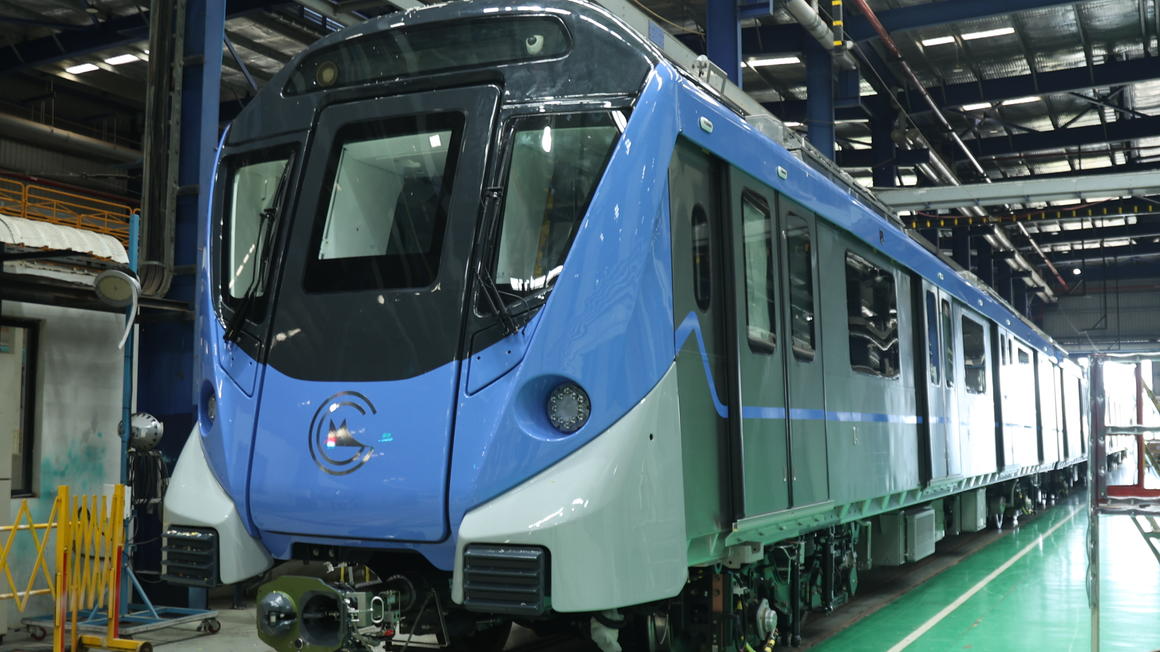
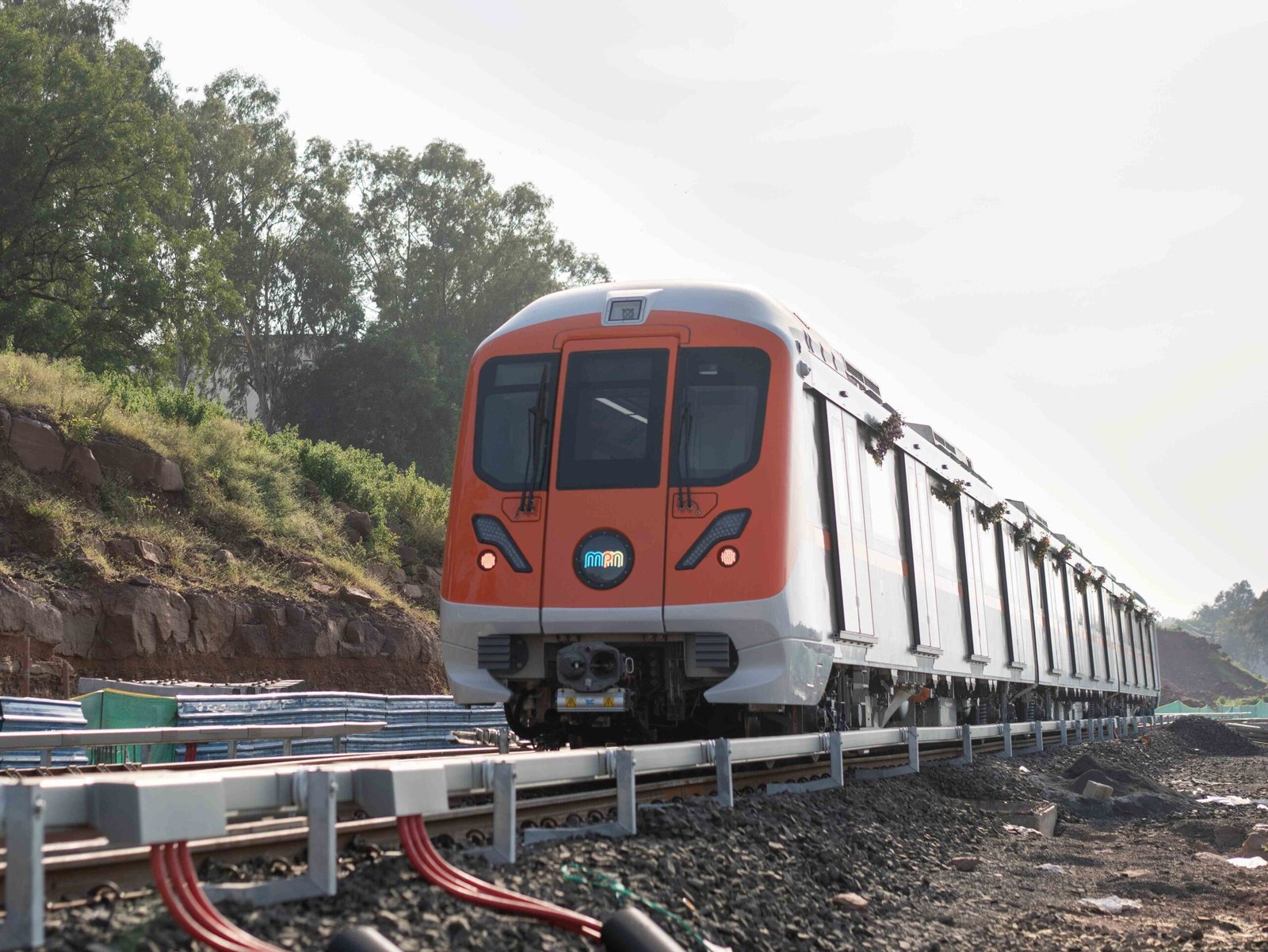
The Indore and Bhopal metro projects illustrate how new-generation metro systems are being shaped with this mindset. For these cities, Alstom is supplying 25 and 27 metro trainsets, respectively, all manufactured in India under the ‘Make in India’ initiative. Beyond localisation of manufacturing, the projects integrate advanced CBTC signalling, train control, and telecommunication systems, to ensure reliable and efficient operations suited to the evolving demands of emerging urban networks. The emphasis is on building systems that can grow with the city, both operationally and technologically.
A similar approach underpins the Agra and Kanpur metro projects. Here, Alstom is executing a combined order for 201 metro cars. These trains are expected to serve a combined population of nearly 5 million residents.
Together, these projects signal a broader shift in India’s metro development strategy. As metro rail becomes a tool for balanced urban growth rather than a megacity-exclusive solution, the ability to deliver reliable, standardised, and locally manufactured systems will define the next chapter of urban mobility in the country.
Meerut: Rolling Out One of the Fastest Metro Trains in India
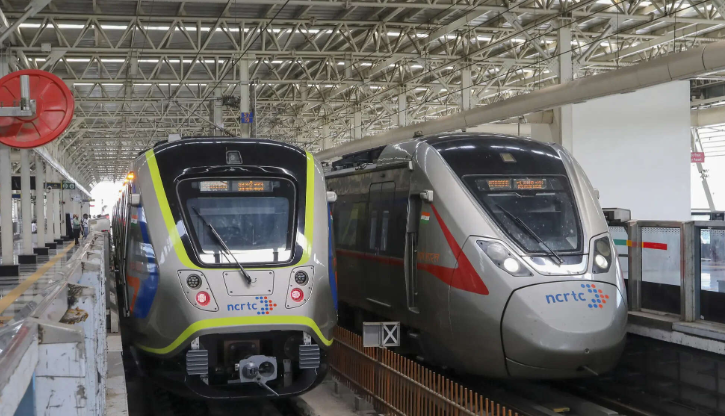
Meerut Metro reflects a distinct shift in how urban rail systems are being conceptualised in India, introducing a model where metro services operate alongside regional rapid transit on shared infrastructure. This integration with the Namo Bharat (RRTS) corridor adds a new operational dimension, one that demands higher speeds, precise system coordination, and uncompromising safety standards.
Given the intricacy of the Meerut Metro project, Alstom has developed rolling stock tailored specifically for higher-speed urban operations, departing from the conventional design philosophy of Indian metro systems. These trains are among the fastest metro rolling stock in the country as they feature a design speed of 135 kmph. The notable thing is that these rolling stocks are completely designed & manufactured under the ‘Make in India’ initiative.
The Meerut Metro trains serve as a clear proof point of India’s growing rail engineering expertise, which demonstrates the ability to deliver rolling stock that is no longer confined to traditional operational limits, but is instead engineered to support faster, more flexible rail operations.
India’s First Semi-High-Speed Regional Train: A Make in India Manufacturing Milestone
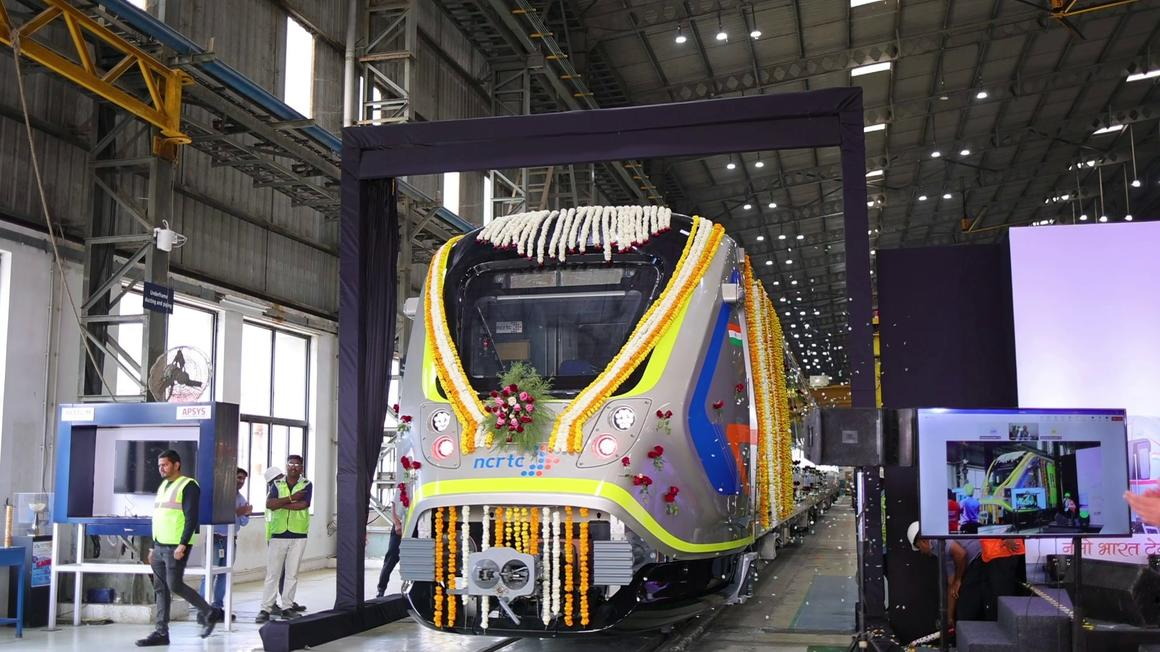
As India transitioned towards a modern era of mobility where speed and safety are paramount, Alstom developed ultra-modern rolling stock that is 100% indigenously designed and engineered for a maximum operating speed of 180 kmph. This development supports India’s first Regional Rapid Transit System (RRTS) project connecting Delhi and Meerut, a key economic corridor within the National Capital Region.
Under a €436 million mega order, Alstom is supplying 210 train cars, which are expected to reduce travel time between Delhi and Meerut by nearly 40%. For this corridor, Alstom has developed a hybrid European Train Control System Level 3 ETCS signalling solution, which is the first deployment of this technology in the world.
This contract also represents a world premiere for the integration of the latest ETCS standard with digital interlocking and Automatic Train Operation (ATO) over Long Term Evolution (LTE) radio. The project sets a new reference for Semi high-speed, safe, and reliable regional rail operations in the country.
Building Capability for India’s Metro Ecosystem: Skills, Workforce, and Inclusion
The rapid expansion of metro rail systems across India has brought with it a parallel challenge: building and sustaining the human capability required to design, deliver, operate, and maintain increasingly complex networks. As metro systems scale up and adopt advanced technologies such as CBTC, automation, and digital asset management, the availability of a skilled workforce is emerging as a critical determinant of long-term system performance. Within this landscape, Alstom’s engagement in India’s metro programme extends beyond project execution to strengthening the broader capability framework that underpins the sector. Recognising that technology alone cannot ensure operational excellence, the company has focused on nurturing talent in India.
Nurturing Young Engineering Talent
Alstom has invested in structured training and knowledge development programmes to support the growing technical requirements of modern urban mobility systems. Engineers, technicians, and operational staff are trained across domains including rolling stock systems, signalling, traction, and digital applications. These programmes combine classroom instruction, on-the-job exposure, and digital learning tools.
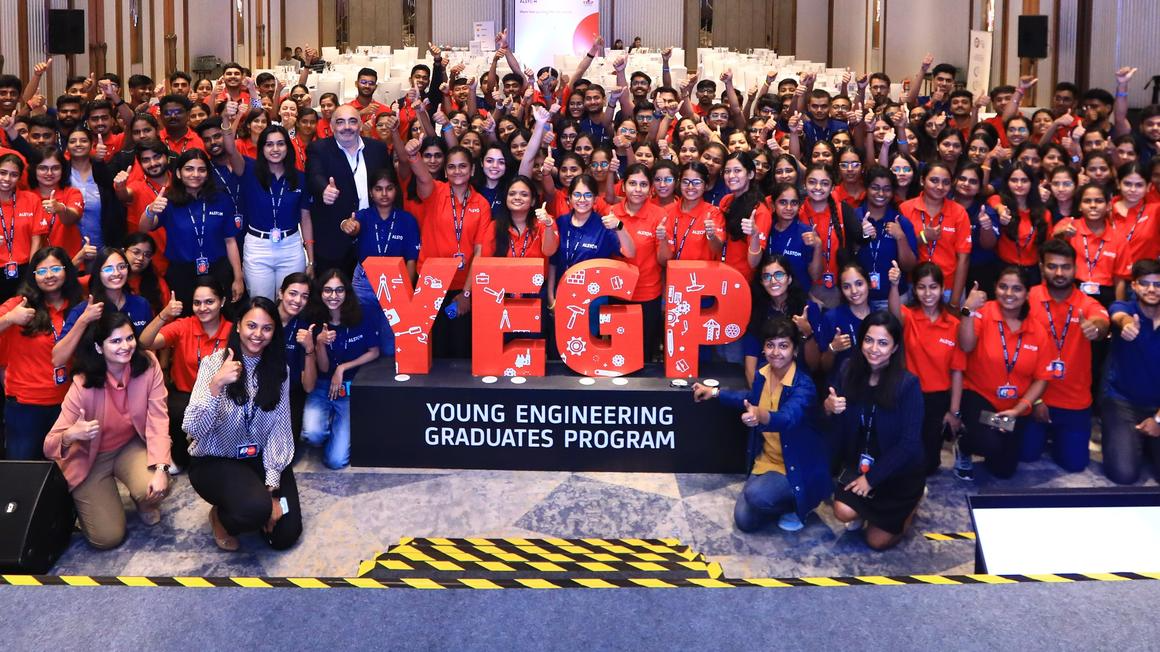
A key component of this effort is the Young Engineering Graduates Programme (YEGP), launched in 2015. The programme recruits engineering graduates from across India and provides structured onboarding, mentoring, and hands-on project exposure. Over the past decade, the diversity profile within the programme has increased from 23% to over 66%, which reflects a broader effort to build an inclusive technical workforce capable of supporting India’s expanding metro ecosystem.
Strengthening Engineering Skills
To support continuous skill upgradation, Alstom encourages higher education through initiatives such as the Work Integrated Learning Programme (WILP), which enables engineers to pursue specialised M.Tech programmes from BITS Pilani in areas including artificial intelligence, machine learning, and data science. These programmes are complemented by regular e-learning modules and in-person technical workshops, strengthening engineers’ ability to manage complex systems and lead cross-functional teams.
Such investments are particularly relevant as metro projects move towards higher levels of automation, data-driven maintenance, and integrated system management. Building in-house expertise in these areas supports both project execution and long-term asset reliability.
Employment Generation and Local Ecosystem Development
Employment creation and local ecosystem development are emerging as integral outcomes of large-scale urban rail projects. Alstom’s manufacturing, engineering, and service operations in India contribute to employment generation across multiple levels, which encompass both direct and indirect jobs spread across various project locations.
With a skilled workforce of over 12500 employees, the company is able to manage complex project requirements across the lifecycle of metro systems from design and manufacturing to operations and maintenance. Beyond direct employment, these activities stimulate regional economic activity by creating sustained demand for ancillary services, logistics, and technical support.
In parallel, Alstom’s operations have supported the steady development of a domestic supplier and service ecosystem. A reliable network of local suppliers has taken shape around key facilities such as Savli, where companies including Integra, Anovi, Hind Rectifier, Hitachi Energy, and ABB are engaged in areas such as fabrication, interiors, and electrical systems.
This engagement has helped suppliers build capability, improve process standards, and meet the technical demands of metro projects. Over time, it has strengthened local value chains and contributed to a more resilient industrial base, supporting India’s broader objective of Aatmanirbhar Bharat through practical capability development rather than short-term sourcing.
Promoting Inclusion and Workforce Participation
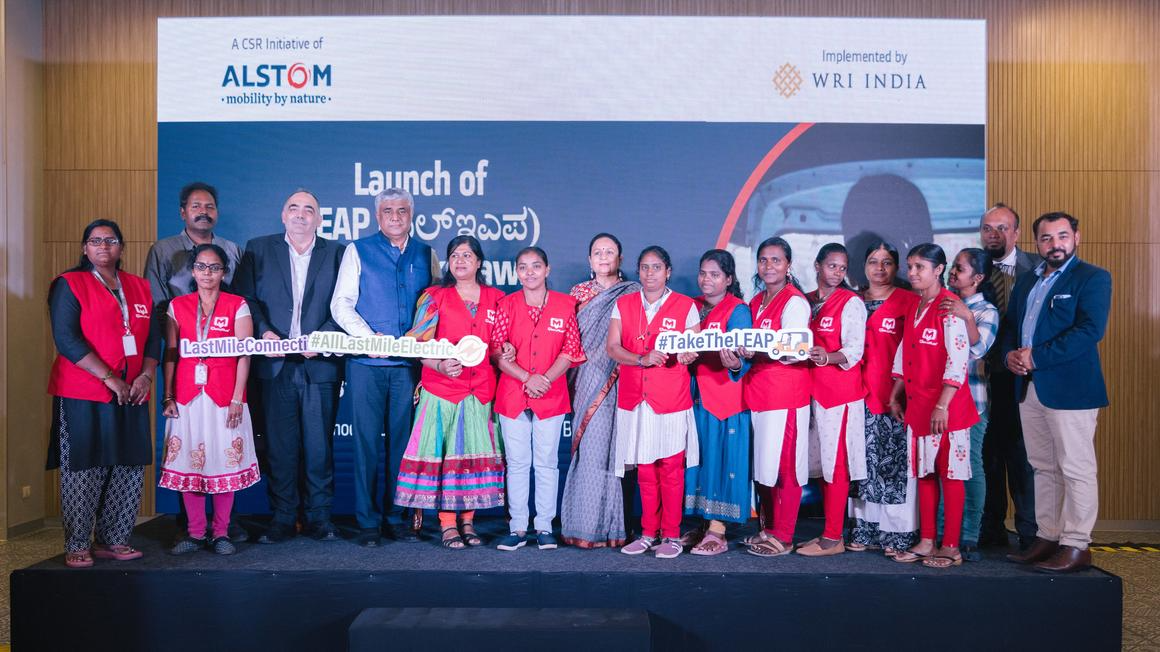
Inclusive workforce participation is increasingly being recognised as an essential component of sustainable urban mobility. In line with this approach, and to promote inclusivity and women’s participation, Alstom introduced the Low Emission Access to Public Transport programme in February 2024.
The initiative deploys electric autorickshaws to provide last-mile connectivity from Namma Metro stations such as Yelachenahalli and Indiranagar to address a practical gap in metro access. At the same time, it supports greater participation of women in the transport workforce. Under the pilot phase, around 25 women drivers were trained and employed, creating new livelihood opportunities while improving connectivity for metro users.
By linking cleaner transport solutions with workforce inclusion, the LEAP programme demonstrates how urban mobility initiatives can deliver social outcomes alongside operational benefits.
Investing in Future Talent and Community Development
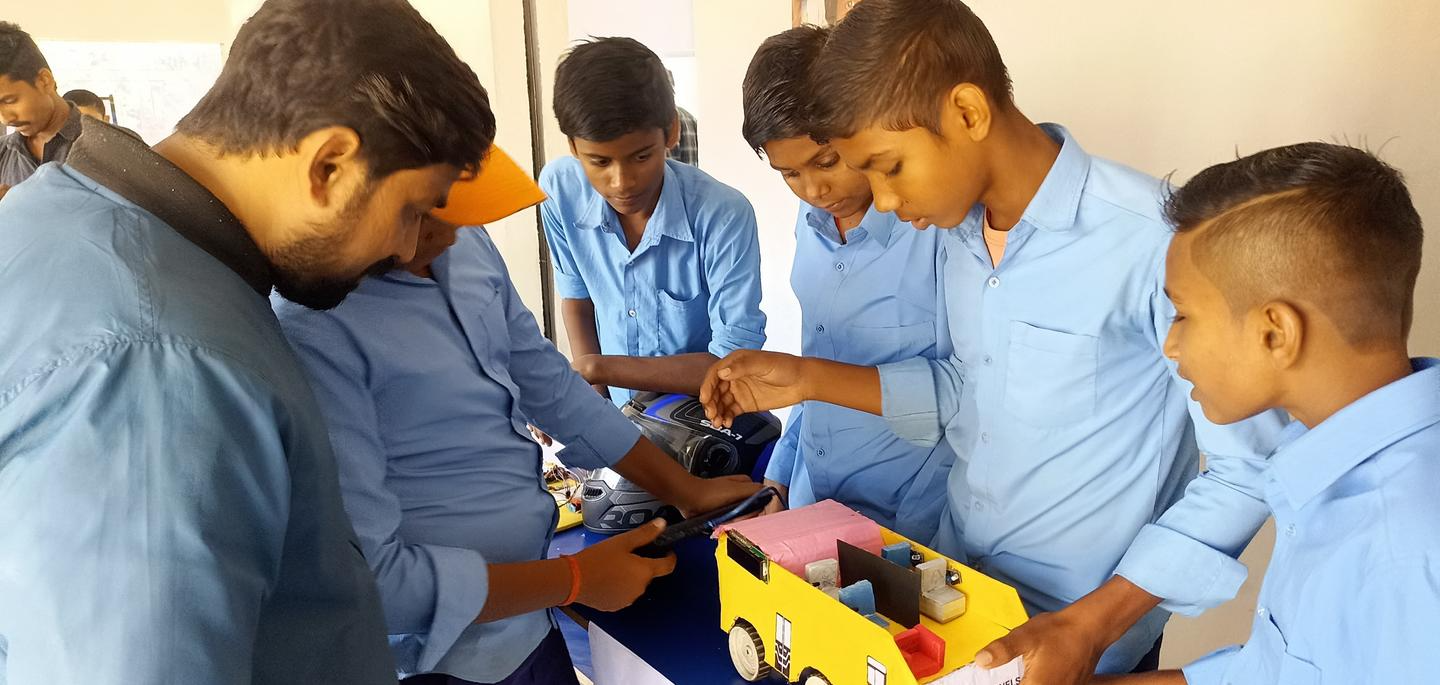
Beyond creating employment, Alstom has also invested in long-term talent development through education-focused initiatives. In regions such as Madhepura, the company has established STEAM laboratories in schools to promote experiential learning in science and engineering.
Complementing this is the Alstom India Scholarship for STEM Education, which provides financial support of ₹75,000 to meritorious students from economically disadvantaged backgrounds pursuing undergraduate or postgraduate studies in STEM disciplines. The programme is implemented in regions surrounding Alstom’s operational hubs, including Coimbatore, Madhepura, Sri City, and Vadodara, reinforcing local capability development aligned with industrial presence.
Conclusion
As the nation charts its path toward Viksit Bharat 2047, the story of its urban mobility is one of transformation and ambition. Today, metro systems are no longer just a mode of transport; they are the backbone of growing cities. In this evolving landscape, Alstom stands out not merely as a supplier of trains and technology but as a key sustainable mobility partner in building the very ecosystem that is well positioned to support India’s metro networks for decades to come.
Be it high-density megacities or emerging urban centres, Alstom’s approach combines technology, sustainability, and local capability. Its leadership is evident not only in the scale and speed of delivery, but in creating systems that are reliable, inclusive, and ready to accommodate future demands of mobility
India’s metro journey is far from complete, but with stakeholders like Alstom that bring innovation, the foundations are being laid for a resilient urban transport ecosystem. In this story of progress, true leadership is measured not merely by the infrastructure delivered, but by the lives it connects, the opportunities it creates, and the cities it enables to flourish for generations to come.
ANDHRA PRADESH (Metro Rail News): Prime Minister Narendra Modi will open the redeveloped Rayanpadu and Mangalagiri railway stations in Andhra Pradesh on July 17. Both stations have been upgraded as part of the Amrit Bharat Station Scheme to provide better passenger facilities, improved accessibility, and modern infrastructure.
The redevelopment will enhance the travel experience for passengers and strengthen railway infrastructure in the Vijayawada region. Rayanapadu Railway Station has been upgraded at a cost of more than Rs 35 crore. The redevelopment of Mangalagiri Railway Station was completed at a cost of Rs 12.5 crore.
Redevelopment of Rayanapadu station
#Rayanapadu Railway Station in Andhra Pradesh has been Redeveloped as #AmritStation with a cost of ₹19.9 crore! 🚉✨
Upgrades at a glance:
🏢 Modern façade 🚶 Improvements to circulating area 🛗 Lifts for easy accessibility 🚉 Cover Over Platforms ♿ Divyangjan Facilities 🚻… pic.twitter.com/mueYDN5z80
— South Central Railway (@SCRailwayIndia) March 16, 2026
Vijayawada MP Kesineni Shivnath (Chinni) stated that the redevelopment of Rayanapadu Railway Station is complete and the station is ready for inauguration. The station will serve as a satellite terminal for Vijayawada Junction, which will help reduce congestion at one of the busiest railway stations in the region. About 12 trains, including several express trains, are expected to run from the station every day. The upgraded station now includes:
Air-conditioned prepaid waiting hall
Modern ticket counters
Drinking water facilities
Modular toilets with facilities for persons with disabilities
Better platform shelters
Landscaped surroundings
Improved accessibility across the station
Major works completed at Rayanapadu
Platform No. 1 has been upgraded at a cost of Rs 13.33 crore. The project covers a platform that is 670 meters long and 8 meters wide. Tactile pathways have also been added to assist visually impaired passengers. A 340-meter platform shelter, built at a cost of Rs 6.38 crore, provides better protection from sun and rain for passengers. The station now features two modern lifts on the foot overbridge. Built at a cost of Rs 5.77 crore, these lifts connect Platform No. 1 with Platforms 2 and 3, making travel easier for senior citizens, persons with disabilities, and passengers carrying luggage.
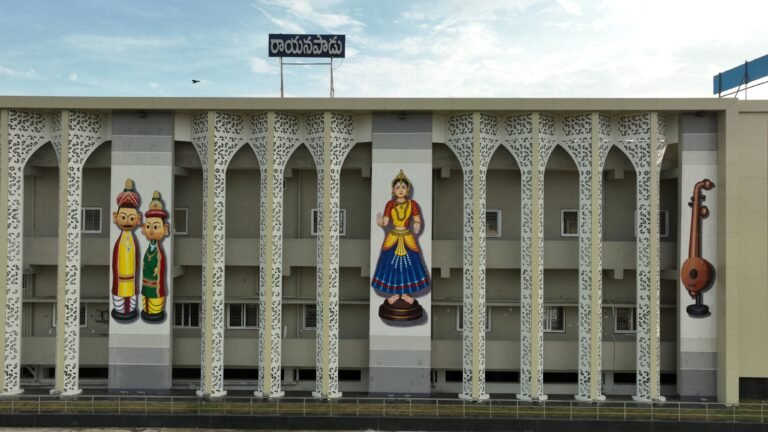
The station building has also been renovated with modern lighting, ramps, tactile tiles, and artwork inspired by the famous Kondapalli wooden toy tradition. The approach area now has wider entry and exit gates, landscaped walkways, improved parking, better traffic movement, lane markings, and street lighting.
Mangalagiri Railway Station also undergoes a makeover
PM Narendra Modi will dedicate the Redeveloped Mangalagiri Railway Station (Guntur Division) to the nation on 17th July 2026
Mangalagiri Railway Station has also been redeveloped under the Amrit Bharat Station Scheme. The Rs 12.5 cr project has added various new facilities to enhance the passenger experience. These include modern waiting areas, upgraded platforms, better parking facilities, improved accessibility, and easier movement within the station. The redevelopment aims to make train travel more comfortable and convenient for both daily commuters and long-distance passengers.
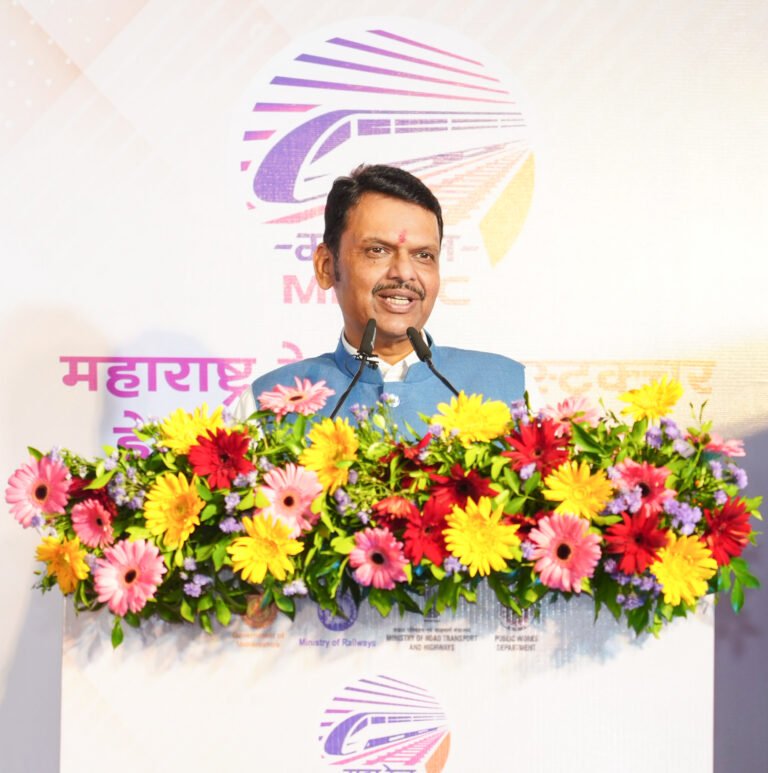
MAHARASHTRA (Metro Rail News): During the unveiling ceremony of 9 key infrastructure projects of Maharashtra Rail Infrastructure Development Corporation (MahaRail) on July 12, 2026, Maharashtra Chief Minister Devendra Fadnavis announced a massive statewide plan to build 145 flyovers over the next three years to eliminate railway level crossings systematically.
🔸Inauguration of 4 Road Over Bridges (ROBs), 4 Underpasses (Subway) and 1 Road Under Bridge (RUB) across Maharashtra jointly developed by Maharashtra Rail Infrastructure Development Corporation (MahaRail), the Government of Maharashtra and the Ministry of Railways, at the hands… pic.twitter.com/Hn2FnyCCAS
Maharashtra aims to become fully “Railway gate-free” by eliminating or replacing all level crossings in the state. Maharashtra has 524 remaining railway level crossings. Among them, 121 crossings handling more than 10,000 vehicles per day have already received approval for flyovers.
According to the 2023 NCRB (National Crime Record Bureau) data, Maharashtra is No. 1 in India for railway accidents with 5,559 railway accidents and a total of 3,445 deaths. Many of these involve track crossings or incidents near level crossings, though exact level-crossing data is unavailable. Over 26,500 deaths occurred on Mumbai tracks from 2015 to May 2025. So this Railway gate-free project will be a huge relief to Maharashtra, India’s second most populated state.
The project will replace all level crossings with Road Over Bridges (ROBs), Road Under Bridges (RUBs), subways, and flyovers. The initial focus of the project was now to replace busy level crossings with bridges or flyovers.
Railway gate-free Maharashtra will be a huge relief for cities like Nagpur, Pune, and Mumbai suburbs, where level crossings cause long gate closures of more than 10–30+ minutes daily. This project is crucial for the economic growth of major industrial hubs such as Mumbai, Pune, Nagpur, and Aurangabad in Maharashtra.
DELHI (Metro Rail News): Ashwini Vaishnaw announced a new ‘Wagon Design Policy’ for railway in a major announcement on Railway Reforms today (July 14). The minister reformed the earlier constrained policy of Wagon Design to a new policy with less restrictions and induction of industry adapted Wagons proposed by industry experts.
The Railway Wagon Design Policy had less scope for innovation because the wagon design was only done by the Research Designs and Standards Organisation (RDSO). Moreover, there were restrictions on components like Coupler, Bogie, and Air Brake System and only the designs approved by the Indian Railway Standard (IRS) could be used.
The minister said that “Now, industries can do their own design for Wagon. For example, if the stream industry or milk industry want to make a special wagon, this will now be possible.”
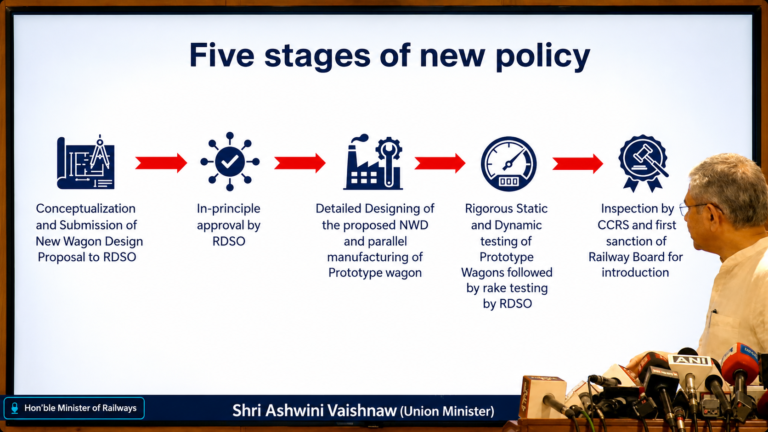
Five Stages for Introduction of New Design
He announced five stages for the introduction of new design:
Conceptualization and Submission of new design to RDSO
In-Principle approval by RDSO
Detailed Designing of the proposed NWD and parallel manufacturing of prototype wagon
Static and Dynamic Testing of prototype wagon, followed by rakes testing by RDSO
Inspection by CCRS and first sanction of the Railway Board for introduction.
“The new wagon designs will be tested for 6 months along a distance of 50,000 kilometers.” said the minister. He informed that the evaluation will be based on Schedule of Design (SOD) and afterwards trials and safety certification will be conducted. Finally, this new wagon design could be introduced after this.