




Abstract
Over the last decade, India’s urban transport landscape has undergone a clear structural shift. What began as a limited number of metro rail projects in a few large cities has expanded into a nationwide urban rail programme that is now influencing how Indian cities plan growth, manage congestion, and address environmental pressures. Metro systems are no longer treated as supplementary infrastructure; they are increasingly forming the backbone of urban transport planning.
This transition has been driven by rapid urbanisation and a sharp rise in daily travel demand. As cities expanded, road-based transport systems struggled to manage congestion, rising commute times, and higher emissions. Metro rail emerged as a high-capacity, energy-efficient solution capable of moving large passenger volumes with predictable travel times and lower environmental impact. Over time, metros evolved from city-specific interventions into a standardised model that could be replicated across regions.
India today operates the world’s 3rd largest metro network. Operational length has increased from approximately 250 km in 2014 to over 1,000 km across more than 20 cities. Daily ridership has grown proportionately, reflecting a sustained shift in commuter preference towards mass rapid transit. This growth indicates that metro rail has moved beyond pilot adoption to becoming an accepted and dependable mode of urban transport.
However, the expansion has required more than civil construction and rolling stock procurement. Delivering metro systems at this pace has demanded integrated capabilities across rolling stock, signalling, traction, and power supply, depot infrastructure, operations, and long-term maintenance. As networks expanded into Tier-2 and emerging cities, standardisation, localisation, and system-level integration became critical to maintaining safety, reliability, and performance.
Get the Daily Metro & Rail Brief
Join 125,000+ metro and rail professionals. Project updates, new tenders and contract awards from across India, in your inbox every day.
At this scale of expansion, Alstom has emerged as one of the key system partners supporting metro development in India. Over nearly 100 years of engagement in the country, the company’s role has expanded beyond the supply of standalone components to encompass integrated sustainable metro solutions. Its present-day involvement extends across rolling stock, modern signalling technologies, and the development of maintenance frameworks necessary to support high-frequency urban rail operations.
Alstom’s participation across multiple metro projects has supported the deployment of globally benchmarked solutions while progressively building manufacturing and engineering capabilities in India under the ‘Make in India’ &Atmanirbhar Bharat programmes.
The growth of metro systems in India is heavily influenced by its capabilities to deliver the global standard sustainable solutions for the sector. Against this backdrop, Alstom is well-equipped to support the next phase of India’s urban mobility through its integrated capabilities in rolling stock, signalling technologies, and lifecycle support. This cover story examines how Alstom’s presence in India has evolved alongside the country’s metro programme, and how its technologies, manufacturing base, and project experience are contributing to the continued development of metro systems, aligning with India’s broader urban and sustainability objectives.
Realising the Vision of Green Mobility for Viksit Bharat through Modern Rolling Stock
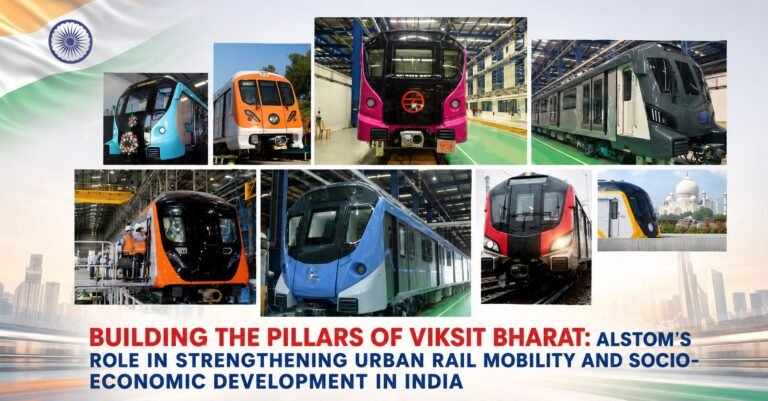
One of the reasons to deploy metro systems in urban centres is to lower the carbon emission which is primarily caused by road-based transport. The Alstom-built trains are taking India closer to the goal of low-carbon mobility. Alstom’s trainsets are today running in major metro systems, including Delhi, Kochi, Kanpur, Indore, Bhopal, and Agra, among others. These trainsets demonstrate lower carbon emissions when compared with conventional road-based modes of transport.
Closing Operational Gaps with Advanced Signalling Solutions
One of the growing operational challenges faced by metro systems in India is overcrowding, particularly on high-density corridors. While physical capacity expansion is possible, it is capital-intensive and requires long planning cycles. In this context, advanced signalling technologies offer a more immediate pathway to increasing operational throughput. Alstom’s latest-generation signalling solutions, including Communications-Based Train Control (CBTC) and ETCS, support higher service frequencies and improved operational flexibility across Indian metro corridors & RRTS corridor.
Ensuring Reliability Through Lifecycle Support
As metro networks mature, asset availability and long-term reliability become critical to system performance. Alstom’s lifecycle-oriented approach to maintenance, robust reliability growth culture and 24×7 fleet support goes beyond initial delivery, which is helping metro authorities sustain high operational efficiency and deliver a reliable travel experience for passengers.
Industrial Base as a Catalyst for India’s Metro Expansion
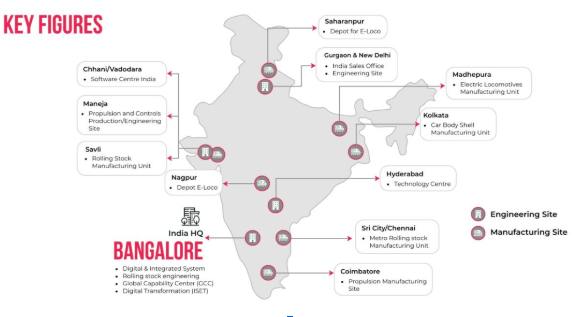
The rapid expansion of metro systems across India has required an industrial ecosystem capable of supporting multiple projects simultaneously, across different geographies, while maintaining consistent quality and delivery timelines. To respond to this requirement, Alstom has developed a strong industrial and engineering presence in India, comprising 6 facilities and 5 engineering centres, aligned directly with the needs of India’s growing metro programme.
Today, over 33% of Alstom’s global engineering activities are executed from India, which underlines the country’s strategic role in both domestic delivery and international metro projects.
The Backbone of Rolling Stock Manufacturing in India
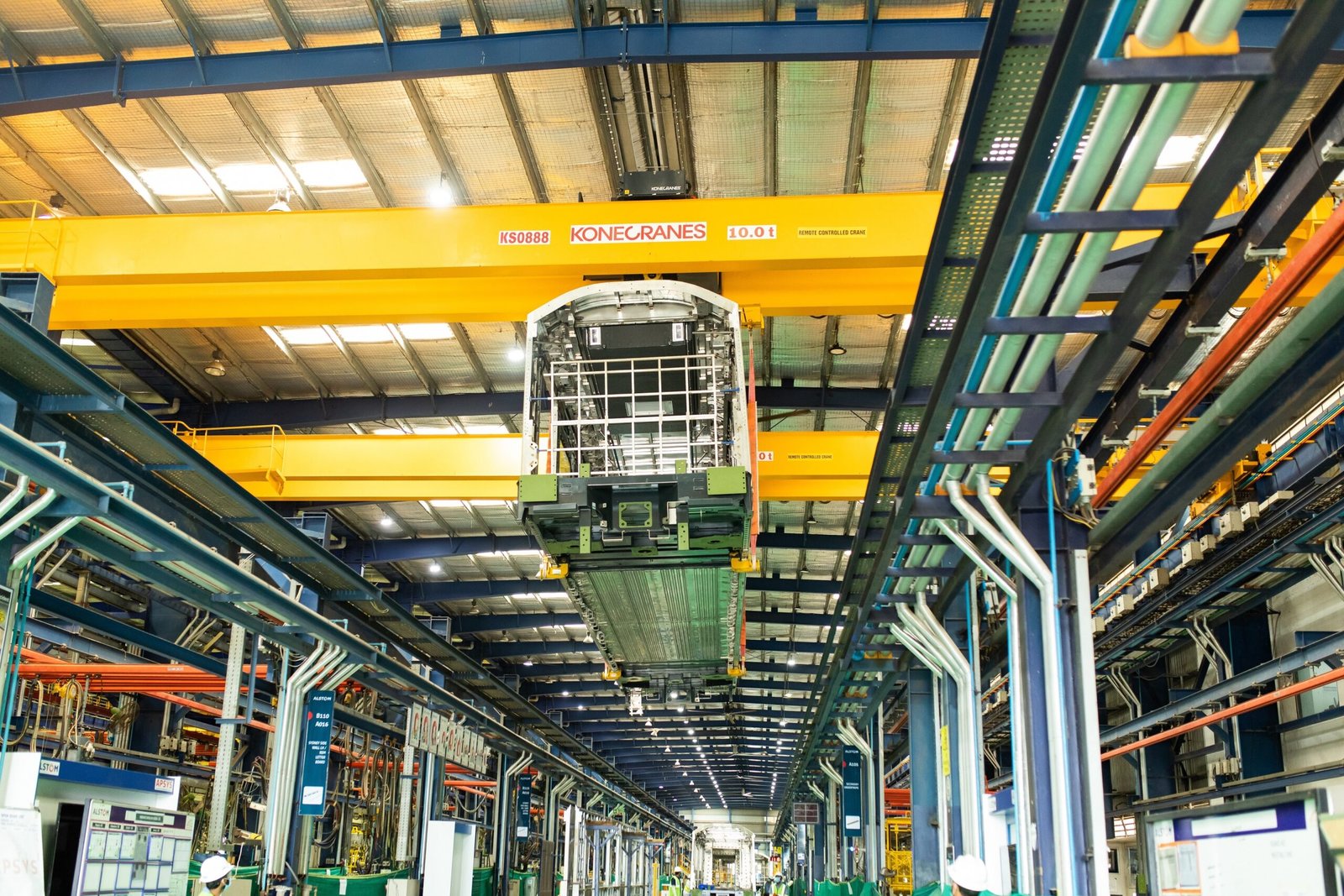
A central pillar of India’s metro manufacturing capability is the Sri City facility in Andhra Pradesh, operational since 2012. The site has a production capacity of up to 480 rail cars per annum and achieves localisation levels of approximately 85%. It has supplied metro trainsets for Indian cities including Chennai, Kochi, Lucknow, and Mumbai, while also supporting international projects in Sydney and Montreal. The facility houses India’s longest dynamic test track, enabling end-to-end validation and performance testing prior to commissioning.
Complementing this capability is the Savli facility in Gujarat, which further strengthens India’s metro and rail manufacturing base. In addition to producing metro and commuter rolling stock for domestic projects, the site has delivered 450 metro cars for the Queensland Metro project in Australia. It has also exported over 4000 bogies and supplied more than 4,500 flatpacks and modules to global rail programmes, which reinforces India’s role as a manufacturing and supply hub for metro rolling stock and critical assemblies.
Localisation of High-Value Components and Propulsion Systems
At the component level, Alstom’s Coimbatore facility in Tamil Nadu anchors the localisation of propulsion and electrical systems. Established in 1978 and expanded across three sites, it is today Alstom’s largest components manufacturing facility globally. The site supplies traction motors, converters, and electrical equipment to over 80 projects across five continents, with approximately 50% of output exported, which strengthens both supply resilience and lifecycle performance of metro fleets.
Leading the Charter of Rail Technology Innovation
As metro systems progress towards higher service frequencies and tighter operational margins, signalling and digital systems have become central to network performance and safety. These requirements have elevated the importance of proven engineering, testing, and validation capabilities within the country.
Bengaluru, which anchors Alstom’s India operations, has emerged as a key centre for these activities. The city hosts a signalling laboratory infrastructure spread across approximately 60,000 sq. ft., including a 5,000 sq. ft. Digital Experience Centre. This facility supports the full lifecycle of signalling systems from design and development to integration, testing, and validation across both urban and mainline rail applications.” The infrastructure supports over 40% of the company’s global signalling R&D requirements.
Engineering teams based in Bengaluru contribute to more than 120 projects worldwide. Their work spans Communications-Based Train Control (CBTC), European Train Control System (ETCS), and cybersecurity solutions, which reflects the increasing convergence of safety-critical systems and digital resilience in modern metro operations. These capabilities enable Indian engineering teams to support domestic metro networks while also contributing to complex international deployments. The comprehensive framework strengthens India’s position within the global rail engineering value chain.
Delivering Sustainable Mobility Solutions Across Indian Cities
India today operates the 3rd largest metro rail network, which spans over 1,000 km across more than 20 cities. Delivering systems at this scale requires consistent performance across varied operating environments, timelines, and institutional frameworks.
Across this expanding landscape, Alstom has been involved in a wide cross-section of Indian metro projects. The company has come up with solutions tailored to local operating requirements while aligned with international standards. Its participation covers mature networks in large metropolitan regions as well as newer systems in emerging cities in India, which offer a practical view of how metro technologies are adapted and deployed across different stages of network development.
The following section reviews select metro projects to illustrate how these capabilities have been applied in practice, with due consideration to city-specific operational and design requirements.
Mumbai: India’s First Metro with 75% Motorised Trainsets
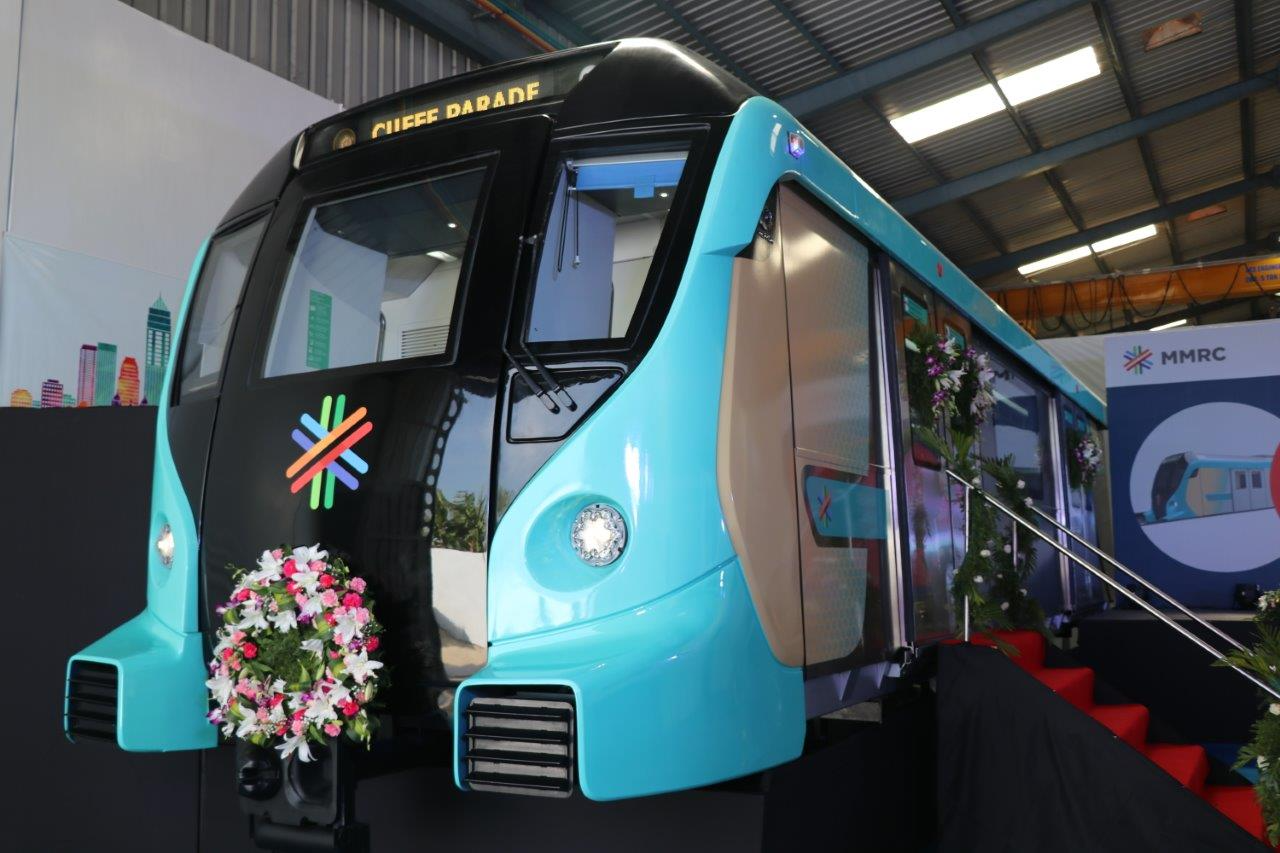
Mumbai Metro Line 3 represents one of the most technically advanced metro projects undertaken in India. The fully underground corridor operates in a dense urban environment, requiring precise system coordination and high operational reliability. Alstom supplied lightweight rolling stock designed with 75% motorisation, a configuration introduced for the first time in the Indian metro context. This enables improved acceleration and braking performance, supporting efficient operations under closely spaced station layouts.
The trains are designed with sustainability considerations integrated into their lifecycle, with 96% recyclability and 99% recoverability of materials. The project also incorporates Urbalis 400 CBTC signalling, which enables high-frequency operations with enhanced safety margins.
Delhi: Scaling India’s Largest Metro Network
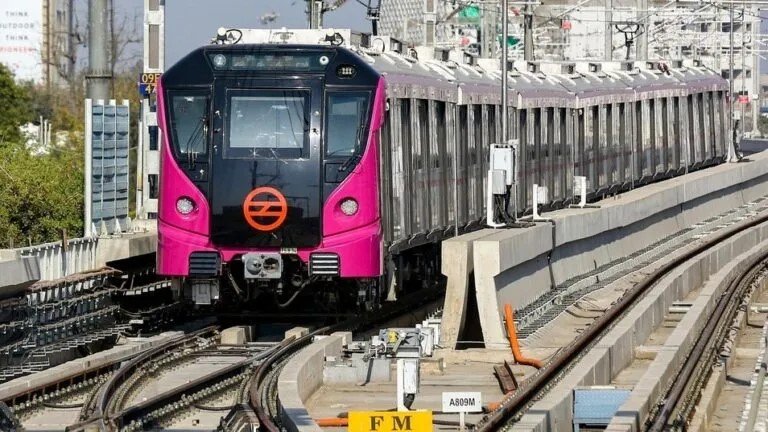
Delhi Metro’s growth mirrors the broader trajectory of urban rail development in India. What began as a limited set of corridors has evolved into a dense, multi-line network that now carries millions of passengers daily and operates under increasingly complex service conditions.
As the network expanded, requirements also changed. New corridors needed to integrate with existing lines, operate at higher frequencies, and maintain reliability under heavy passenger loads. Alstom’s involvement in the Delhi Metro reflects this transition from initial capacity creation to system optimisation at scale. More than 800 metro cars supplied by the company are currently in service across the network, forming a crucial part of the operational fleet. Reinforcing this commitment to long-term operational excellence, Alstom recently secured a 10-year maintenance contract worth €42.1 million from Delhi Metro to ensure the sustained performance and reliability of the network’s assets in Line 1 & 2.
Under Phase IV of the project, the focus has shifted towards enhancing throughput and operational efficiency rather than only adding length. Alstom is supplying 312 standard-gauge metro cars and implementing Communications-Based Train Control (CBTC) signalling on key corridors, including Mukundpur-Maujpur, and Aerocity-Tughlakabad. The signalling architecture integrates Automatic Train Supervision (ATS), allowing operators to regulate train movement more precisely and optimise energy usage across the network.
Chennai: Advancing Automation in Urban Rail Operations
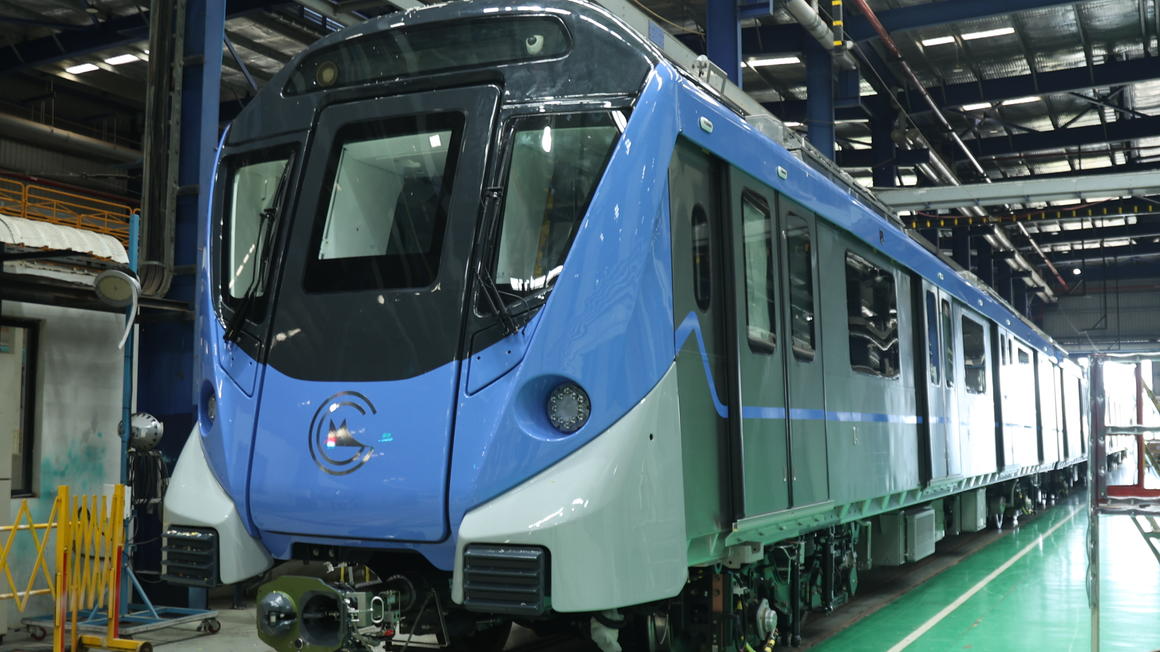
Alstom has a long-standing association with Chennai Metro, marking its first rolling stock contract in India. In 2010, Alstom secured a key contract to supply rolling stock for Phase 1 of the project, delivering reliable trains that have powered the network’s growth. This enduring partnership highlights Alstom’s important role in shaping Chennai’s urban mobility landscape since its inception.
Since the early era of India’s urban mobility journey, automation in metro rail operations is steadily moving from aspiration to necessity, as metro operators across India seek solutions to bridge gaps in service frequency, punctuality, and overall reliability. Growing ridership, denser networks, and the demand for consistent service levels are pushing cities to adopt higher grades of automation not merely as a technological upgrade, but as a strategic operational choice.
Chennai Metro’s Phase II reflects this transition clearly. The project places automation at the core of its operational philosophy. It is within this context that Alstom’s role assumes significance. The company is contributing to Chennai Metro’s move towards driverless operations, aligning technology with the city’s long-term mobility requirements.
Supporting Metro Systems in Emerging Cities: Indore, Bhopal, Agra, and Kanpur
As India’s metro journey moves beyond megacities, the focus is increasingly shifting towards emerging urban centres where systems must be scalable and locally adapted. Cities such as Indore, Bhopal, Agra, and Kanpur represent this next phase of metro expansion networks designed not for extreme density alone, but for long-term urban transformation. In these contexts, adaptability and localisation are no longer optional; they are central to project success.
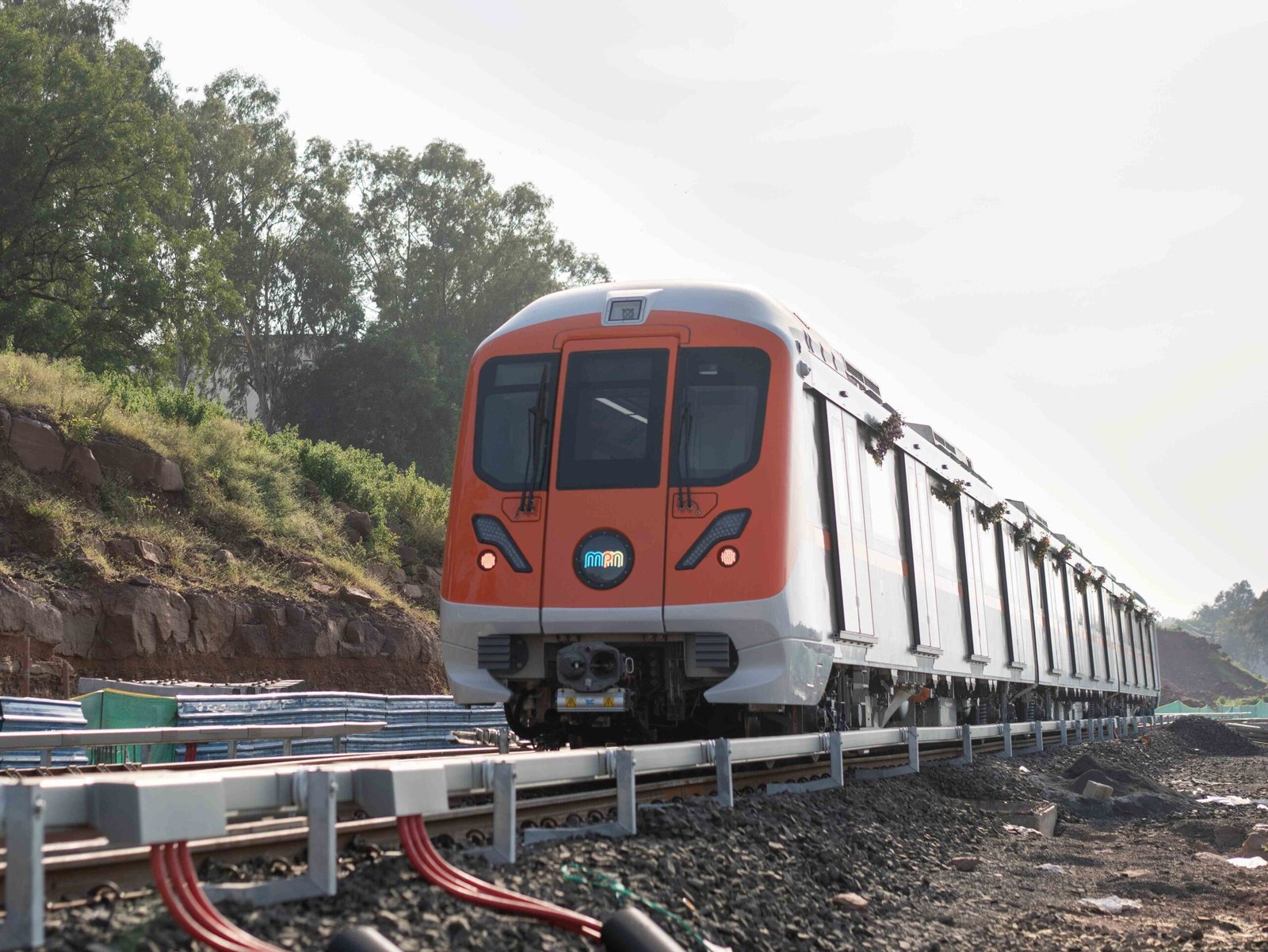
The Indore and Bhopal metro projects illustrate how new-generation metro systems are being shaped with this mindset. For these cities, Alstom is supplying 25 and 27 metro trainsets, respectively, all manufactured in India under the ‘Make in India’ initiative. Beyond localisation of manufacturing, the projects integrate advanced CBTC signalling, train control, and telecommunication systems, to ensure reliable and efficient operations suited to the evolving demands of emerging urban networks. The emphasis is on building systems that can grow with the city, both operationally and technologically.
A similar approach underpins the Agra and Kanpur metro projects. Here, Alstom is executing a combined order for 201 metro cars. These trains are expected to serve a combined population of nearly 5 million residents.
Together, these projects signal a broader shift in India’s metro development strategy. As metro rail becomes a tool for balanced urban growth rather than a megacity-exclusive solution, the ability to deliver reliable, standardised, and locally manufactured systems will define the next chapter of urban mobility in the country.
Meerut: Rolling Out One of the Fastest Metro Trains in India
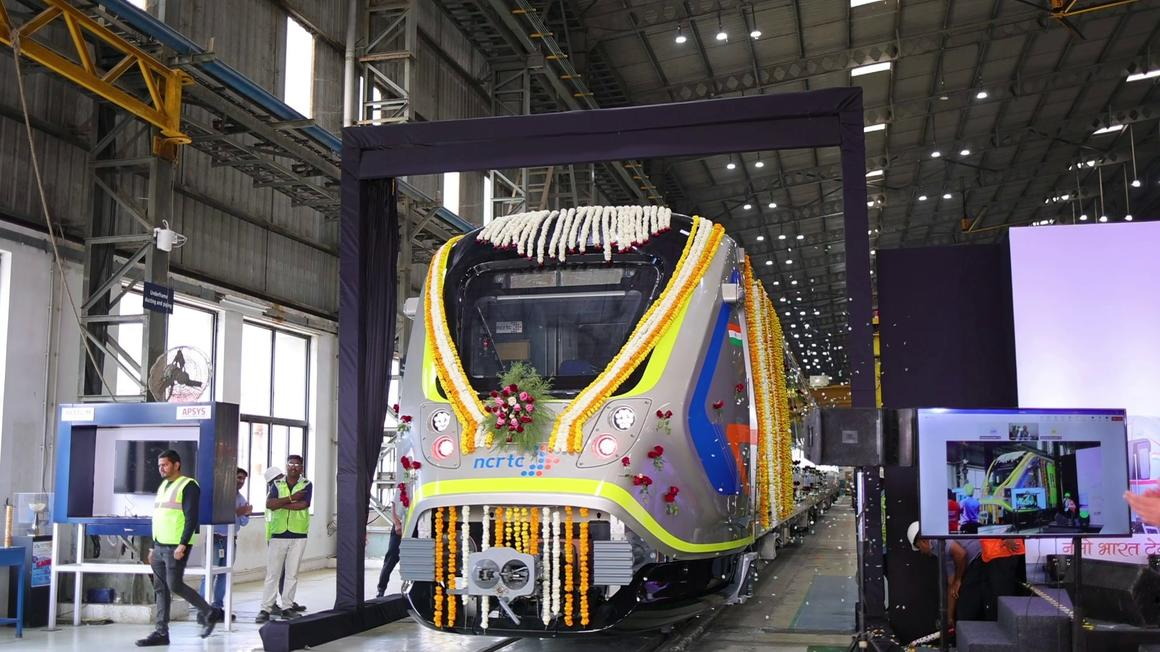
Meerut Metro reflects a distinct shift in how urban rail systems are being conceptualised in India, introducing a model where metro services operate alongside regional rapid transit on shared infrastructure. This integration with the Namo Bharat (RRTS) corridor adds a new operational dimension, one that demands higher speeds, precise system coordination, and uncompromising safety standards.
Given the intricacy of the Meerut Metro project, Alstom has developed rolling stock tailored specifically for higher-speed urban operations, departing from the conventional design philosophy of Indian metro systems. These trains are among the fastest metro rolling stock in the country as they feature a design speed of 135 kmph. The notable thing is that these rolling stocks are completely designed & manufactured under the ‘Make in India’ initiative.
The Meerut Metro trains serve as a clear proof point of India’s growing rail engineering expertise, which demonstrates the ability to deliver rolling stock that is no longer confined to traditional operational limits, but is instead engineered to support faster, more flexible rail operations.
India’s First Semi-High-Speed Regional Train: A Make in India Manufacturing Milestone
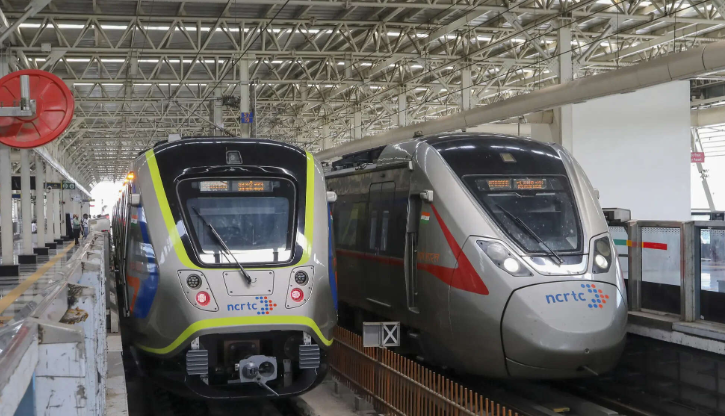
As India transitioned towards a modern era of mobility where speed and safety are paramount, Alstom developed ultra-modern rolling stock that is 100% indigenously designed and engineered for a maximum operating speed of 180 kmph. This development supports India’s first Regional Rapid Transit System (RRTS) project connecting Delhi and Meerut, a key economic corridor within the National Capital Region.
Under a €436 million mega order, Alstom is supplying 210 train cars, which are expected to reduce travel time between Delhi and Meerut by nearly 40%. For this corridor, Alstom has developed a hybrid European Train Control System Level 3 ETCS signalling solution, which is the first deployment of this technology in the world.
This contract also represents a world premiere for the integration of the latest ETCS standard with digital interlocking and Automatic Train Operation (ATO) over Long Term Evolution (LTE) radio. The project sets a new reference for Semi high-speed, safe, and reliable regional rail operations in the country.
Building Capability for India’s Metro Ecosystem: Skills, Workforce, and Inclusion
The rapid expansion of metro rail systems across India has brought with it a parallel challenge: building and sustaining the human capability required to design, deliver, operate, and maintain increasingly complex networks. As metro systems scale up and adopt advanced technologies such as CBTC, automation, and digital asset management, the availability of a skilled workforce is emerging as a critical determinant of long-term system performance. Within this landscape, Alstom’s engagement in India’s metro programme extends beyond project execution to strengthening the broader capability framework that underpins the sector. Recognising that technology alone cannot ensure operational excellence, the company has focused on nurturing talent in India.
Nurturing Young Engineering Talent
Alstom has invested in structured training and knowledge development programmes to support the growing technical requirements of modern urban mobility systems. Engineers, technicians, and operational staff are trained across domains including rolling stock systems, signalling, traction, and digital applications. These programmes combine classroom instruction, on-the-job exposure, and digital learning tools.
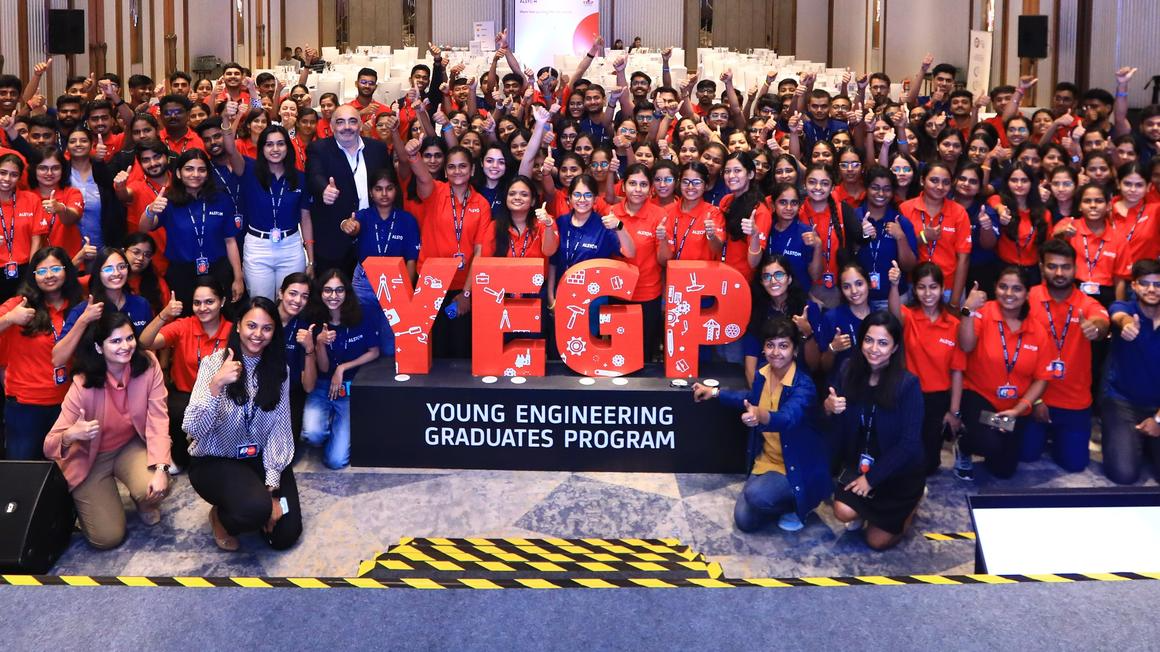
A key component of this effort is the Young Engineering Graduates Programme (YEGP), launched in 2015. The programme recruits engineering graduates from across India and provides structured onboarding, mentoring, and hands-on project exposure. Over the past decade, the diversity profile within the programme has increased from 23% to over 66%, which reflects a broader effort to build an inclusive technical workforce capable of supporting India’s expanding metro ecosystem.
Strengthening Engineering Skills
To support continuous skill upgradation, Alstom encourages higher education through initiatives such as the Work Integrated Learning Programme (WILP), which enables engineers to pursue specialised M.Tech programmes from BITS Pilani in areas including artificial intelligence, machine learning, and data science. These programmes are complemented by regular e-learning modules and in-person technical workshops, strengthening engineers’ ability to manage complex systems and lead cross-functional teams.
Such investments are particularly relevant as metro projects move towards higher levels of automation, data-driven maintenance, and integrated system management. Building in-house expertise in these areas supports both project execution and long-term asset reliability.
Employment Generation and Local Ecosystem Development
Employment creation and local ecosystem development are emerging as integral outcomes of large-scale urban rail projects. Alstom’s manufacturing, engineering, and service operations in India contribute to employment generation across multiple levels, which encompass both direct and indirect jobs spread across various project locations.
With a skilled workforce of over 12500 employees, the company is able to manage complex project requirements across the lifecycle of metro systems from design and manufacturing to operations and maintenance. Beyond direct employment, these activities stimulate regional economic activity by creating sustained demand for ancillary services, logistics, and technical support.
In parallel, Alstom’s operations have supported the steady development of a domestic supplier and service ecosystem. A reliable network of local suppliers has taken shape around key facilities such as Savli, where companies including Integra, Anovi, Hind Rectifier, Hitachi Energy, and ABB are engaged in areas such as fabrication, interiors, and electrical systems.
This engagement has helped suppliers build capability, improve process standards, and meet the technical demands of metro projects. Over time, it has strengthened local value chains and contributed to a more resilient industrial base, supporting India’s broader objective of Aatmanirbhar Bharat through practical capability development rather than short-term sourcing.
Promoting Inclusion and Workforce Participation
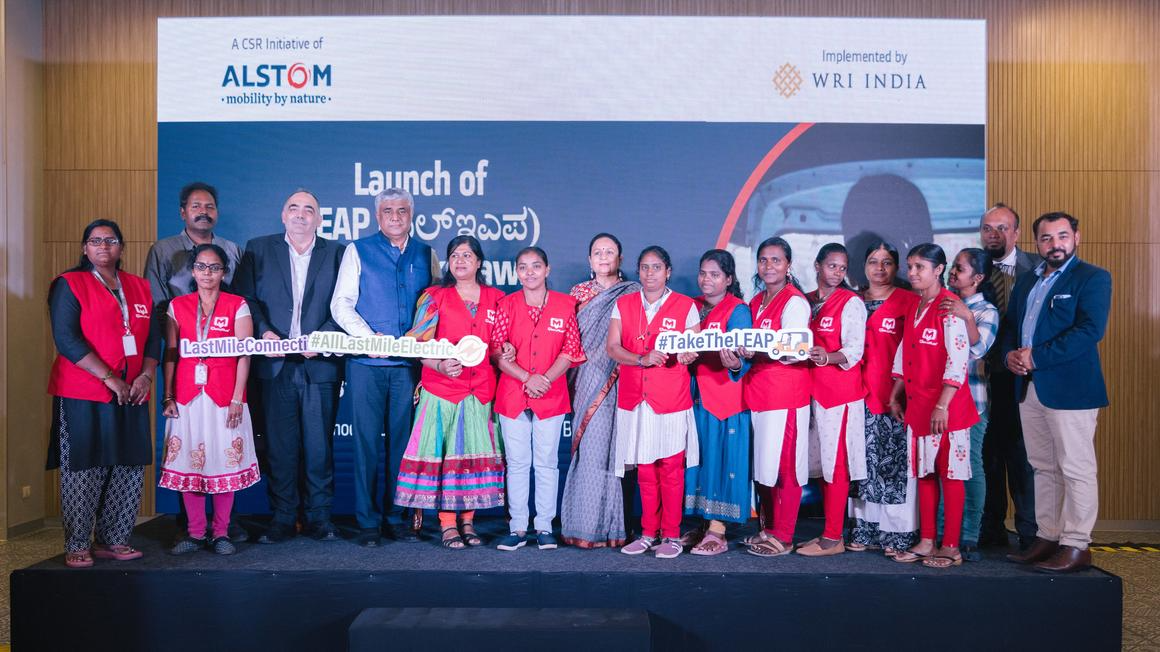
Inclusive workforce participation is increasingly being recognised as an essential component of sustainable urban mobility. In line with this approach, and to promote inclusivity and women’s participation, Alstom introduced the Low Emission Access to Public Transport programme in February 2024.
The initiative deploys electric autorickshaws to provide last-mile connectivity from Namma Metro stations such as Yelachenahalli and Indiranagar to address a practical gap in metro access. At the same time, it supports greater participation of women in the transport workforce. Under the pilot phase, around 25 women drivers were trained and employed, creating new livelihood opportunities while improving connectivity for metro users.
By linking cleaner transport solutions with workforce inclusion, the LEAP programme demonstrates how urban mobility initiatives can deliver social outcomes alongside operational benefits.
Investing in Future Talent and Community Development
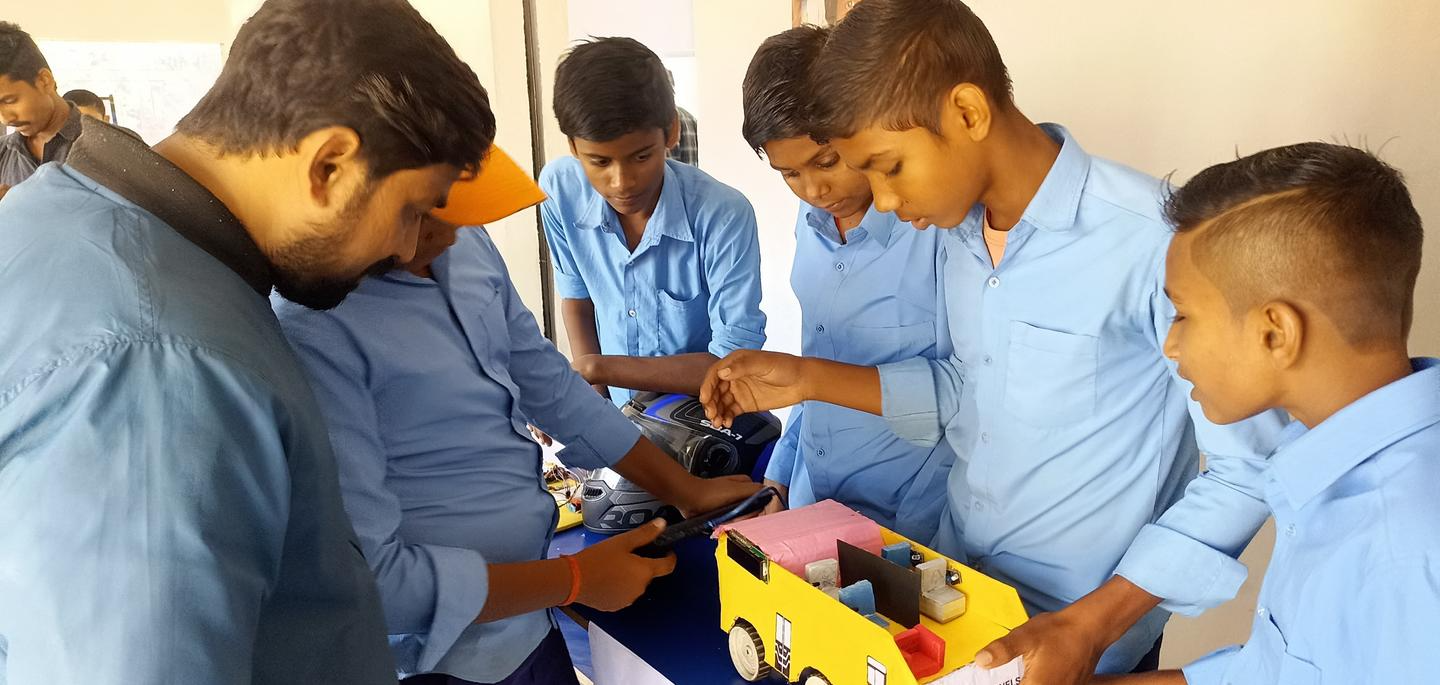
Beyond creating employment, Alstom has also invested in long-term talent development through education-focused initiatives. In regions such as Madhepura, the company has established STEAM laboratories in schools to promote experiential learning in science and engineering.
Complementing this is the Alstom India Scholarship for STEM Education, which provides financial support of ₹75,000 to meritorious students from economically disadvantaged backgrounds pursuing undergraduate or postgraduate studies in STEM disciplines. The programme is implemented in regions surrounding Alstom’s operational hubs, including Coimbatore, Madhepura, Sri City, and Vadodara, reinforcing local capability development aligned with industrial presence.
Conclusion
As the nation charts its path toward Viksit Bharat 2047, the story of its urban mobility is one of transformation and ambition. Today, metro systems are no longer just a mode of transport; they are the backbone of growing cities. In this evolving landscape, Alstom stands out not merely as a supplier of trains and technology but as a key sustainable mobility partner in building the very ecosystem that is well positioned to support India’s metro networks for decades to come.
Be it high-density megacities or emerging urban centres, Alstom’s approach combines technology, sustainability, and local capability. Its leadership is evident not only in the scale and speed of delivery, but in creating systems that are reliable, inclusive, and ready to accommodate future demands of mobility
India’s metro journey is far from complete, but with stakeholders like Alstom that bring innovation, the foundations are being laid for a resilient urban transport ecosystem. In this story of progress, true leadership is measured not merely by the infrastructure delivered, but by the lives it connects, the opportunities it creates, and the cities it enables to flourish for generations to come.