




ఈ వార్తను వినండి
0:00
ప్రజా రవాణా టికెటింగ్ వ్యవస్థః ఒక అవలోకనం
NEW DELHI (Metro Rail News): Ticketing is a tool for implementing a price strategy while keeping operational, commercial, and social goals in mind. The ticketing system converts fares into actual means of payment (for the passenger) and collects fares (for the operator).Several types of tickets are used in public transportation networks (ticket-based price discrimination). In other words, the price depends on the ticket type used. Ticket-based pricing discrimination is pure price discrimination. It makes little difference to an operator's production costs whether a passenger uses a single ticket, a carnet, or a season ticket to make a trip. Indeed, it costs the same for the operator to transport a student, an older person, or a full-fare client. Differential pricing for such tickets is a strategy to segment the market and maximize income - "airline-style pricing."In general, the following types of tickets are used in the public transportation network:- ఒకే టికెట్ః ఒక ప్రయాణం (కాలపరిమితి లేదు)
- ఒకే టికెట్ః పరిమిత వ్యవధిలో అనేక ప్రయాణాలు
- సింగిల్ మోడ్/సింగిల్ ఆపరేటర్ టికెట్
- మల్టీ-మోడ్/మల్టీ-ఆపరేటర్ టికెట్
- తిరిగి వచ్చే టికెట్
- బహుళ-ప్రయాణ టికెట్ (5, 10, 20)
- సీజన్ టికెట్ (రోజు, వారం, నెల, సంవత్సరం)
- విలువ టికెట్ (పే-యాజ్-యు-గో)
- ఆఫ్-పీక్ టికెట్/నైట్ టికెట్
- ఉమ్మడి టికెట్ (ఉదాః పార్క్ & రైడ్)
- గ్రూప్ టికెట్/ఫ్యామిలీ టికెట్
- ప్రత్యేక ఈవెంట్ టికెట్
- నగదు
- టోకెన్లు
- పేపర్ టిక్కెట్లు
- మాగ్నెటిక్ స్ట్రిప్ టికెట్
- సంప్రదింపు-ఆధారిత స్మార్ట్ కార్డులు
- కాంటాక్ట్లెస్ కార్డులు
- మొబైల్ టికెటింగ్
- టోకెన్లు లేదా కాగితపు టిక్కెట్ల పురాతన వ్యవస్థ ఇప్పటికీ ప్రపంచవ్యాప్తంగా విస్తృతంగా ఉపయోగించబడుతోంది.
- 70లలో ప్రవేశపెట్టిన అయస్కాంత టికెటింగ్ వ్యవస్థను రెండు వర్గాలుగా వర్గీకరించవచ్చుః
- 1990లలో, కాంటాక్ట్లెస్ టికెటింగ్ ప్రజాదరణ పొందింది. ఈ సాంకేతికత అనేక ప్రయోజనాలను కలిగి ఉంది మరియు ఇతర రెండు టికెటింగ్ పద్ధతులను వేగంగా భర్తీ చేస్తుంది. కొన్ని ప్రజా రవాణా వ్యవస్థలు అయస్కాంత టికెట్-జనరేషన్ దశను దాటవేస్తూ తమ మొదటి టికెటింగ్-జనరేటింగ్ వ్యవస్థను కాంటాక్ట్లెస్ వ్యవస్థతో భర్తీ చేస్తున్నాయి. కాంటాక్ట్లెస్ టికెటింగ్ రేడియో ఫ్రీక్వెన్సీ ఐడెంటిఫికేషన్ (ఆర్ఎఫ్ఐడి) లేదా నియర్ ఫీల్డ్ కమ్యూనికేషన్ (ఎన్ఎఫ్సి) టెక్నాలజీ ద్వారా కార్డు మరియు ధ్రువీకరణ పరికరం మధ్య కమ్యూనికేట్ చేస్తుంది.
- మొబైల్ టికెటింగ్ వ్యవస్థలు ప్రయాణ ఖర్చులను చెల్లించడానికి ప్రయాణీకుల మొబైల్ ఫోన్పై ఆధారపడతాయి. మొబైల్ టిక్కెట్లను జారీ చేయడానికి ఎస్ఎంఎస్ (చిన్న వచన సందేశం) లేదా మొబైల్ బార్కోడ్లను ఉపయోగిస్తారు. మొదట, గుర్తించదగిన వచనంతో లేదా ఊహించదగిన ప్రతి టికెట్ కోసం నిర్దిష్ట ఫోన్ నంబర్కు నేపథ్య వ్యవస్థకు ఎస్ఎంఎస్ పంపడం ద్వారా టికెట్ ఎంపిక చేయబడుతుంది. అప్పుడు వినియోగదారుకు ఎస్ఎంఎస్ ద్వారా ఎలక్ట్రానిక్ టికెట్ పంపబడుతుంది. పరికరం యొక్క బ్యాటరీ కేసింగ్ లోపల ఆర్ఎఫ్ఐడి సాంకేతికతను పొందుపరచడం ద్వారా వినియోగదారులు కాంటాక్ట్లెస్ స్మార్ట్ కార్డులతో టిక్కెట్లను కొనుగోలు చేయడానికి మొబైల్ ఫోన్లను కూడా ఉపయోగించవచ్చు.
- సంప్రదింపు-ఆధారిత సాంకేతికతలు ప్రధానంగా ISO 7816 ప్రమాణం ప్రకారం వినియోగదారు పరికరాలు (మెమరీ లేదా స్మార్ట్ కార్డులు మాత్రమే) మరియు యాక్సెస్ సిస్టమ్ల మధ్య ప్రామాణిక సమాచార మార్పిడిపై ఆధారపడి ఉంటాయి.
- సామీప్య సాంకేతికతలు తరచుగా ఐఎస్ఓ 14443 యొక్క వివిధ ఉప-ప్రమాణాల ప్రకారం కాంటాక్ట్లెస్ కమ్యూనికేషన్లపై ఆధారపడి ఉంటాయి, దీని ఫలితంగా సుమారు 10 సెంటీమీటర్ల సైద్ధాంతిక ప్రసార దూరాలు ఏర్పడతాయి.
- సమీప సాంకేతికతలు ఐఎస్ఓ 15693 కు సంబంధించినవి మరియు సాధారణంగా 1 మీ వరకు ప్రసార దూరాలను కవర్ చేస్తాయి.
- లాంగ్-రేంజ్ (లేదా వైడ్-రేంజ్) టెక్నాలజీ రేడియో ఫ్రీక్వెన్సీ డేటా ట్రాన్స్మిషన్తో ఇండక్టివ్ కప్లింగ్ను మిళితం చేస్తుంది మరియు యూజర్ డివైస్ (కార్డ్) లో బ్యాటరీ అవసరం. మొదటి కమ్యూనికేషన్ టెక్నిక్ రవాణా వాహనంలోకి ప్రవేశించేటప్పుడు వినియోగదారు పరికరాన్ని సక్రియం చేస్తుండగా, రెండవది వాహనం పైకప్పు వద్ద ఎలక్ట్రానిక్ యాక్సెస్ భాగాలతో సహా వాహనం లోపల అన్ని ప్రదేశాలలో కాంటాక్ట్లెస్ డేటా ట్రాన్స్మిషన్ను అందిస్తుంది. అదనంగా, ఈ వ్యవస్థలో ఎలక్ట్రానిక్ లావాదేవీలు ఢీకొనకుండా నిరోధించడానికి యాంటీ-కొలిజన్ చర్యలు ఉన్నాయి, లేకపోతే ఇది సంభవిస్తుంది.
- డ్యూయల్ ఇంటర్ఫేస్ మరియు ఇఎంవి + స్టాండర్డ్ ఆధారంగా బ్యాంక్ జారీ చేసిన ప్రామాణిక మరియు సురక్షిత చెల్లింపు పద్ధతి.
- పాస్లు మరియు చివరి ట్యాప్ సమాచారం నిల్వ చేయడానికి కార్డుపై సర్వీస్ ఏరియా (రిజర్వు చేసిన స్థలం).
- ప్రీపెయిడ్/డెబిట్ మరియు క్రెడిట్ కార్డులకు వర్తించే సాధారణ చెల్లింపు ప్రమాణం.
- ఆఫ్లైన్లో యాక్సెస్ చేయగల మరియు లావాదేవీలను వేగవంతం చేయగల నిల్వ విలువ (డబ్బు) కార్డులను అందించడం.
- రవాణా వ్యవస్థలను కొత్త వాణిజ్య అభివృద్ధితో అనుసంధానించడానికి విధానాలను రూపొందించారు.
- మెట్రో నెట్వర్క్ బస్సు నెట్వర్క్కు అనుసంధానించబడి ఉంది.
- ట్రాన్సలింక్ అన్ని మోడ్లలో ప్రామాణిక ఛార్జీల కార్డును ఉపయోగించడానికి వీలు కల్పిస్తుంది.
- ఈ ప్రాజెక్టును ఆస్ట్రేలియన్ ఇంటిగ్రేటెడ్ మల్టీమోడల్ ఎకోసిస్టమ్ (ఏఐఎంఈఎస్) అని పిలుస్తారు.
- ఇప్పటికే ఉన్న ఎన్ఎఫ్సీ-ఎనేబుల్డ్ కార్డుల ద్వారా ట్యాప్-అండ్-గో చెల్లింపులు చేయవచ్చు.
- ప్రజలు ఎక్కడ, ఎలా కదులుతున్నారనే దానిపై డేటా సేకరించబడుతుంది.
- నడకతో సహా అన్ని రకాల రవాణా మార్గాల అనుసంధానం పరిగణించబడుతుంది.
 Latest Developments- India is about a decade behind in mass transit payment systems. Card-based payments have been deployed by several public sector enterprises, including Kochi Metro and Delhi Metro; however, they are 'closed-loop' payment instruments. Startups seek to change this by creating more open-loop payment cards that can be used in buses and metros, local stores, and auto-rickshaws. In addition, cities such as London, Dubai, and Hong Kong have created their own "mobility payment cards" that operate on an open-loop payment concept and have been in use for over a decade.- As India gradually restores public transportation, financial businesses such as CityCash and Chalo focus on mass transit payment products. While Covid-19 forced consumers to buy everything from groceries to electronics to clothing online, cash remained the primary mode of payment for mass transit or public transportation systems such as buses, trains, and metro rail.- Payment firms are negotiating with state-owned bus corporations and waterways to mass-adopt NFC-enabled, 'open loop' prepaid cards for transit ticketing. According to industry estimates, more than 68 million commuters use public transportation daily.- Following the Reserve Bank of India's notification permitting online payments even in places with intermittent internet access, mass transit payment startups can experiment with hitherto unrecognized concepts.- There is a vast market opportunity for open-loop payment cards in the bus ticketing space. Almost 200 million Indians use public transportation each year, with 70-80 million using it daily. However, the majority of these payments are done in cash. Since its launch in September 2019, CityCash has issued around 3 million cards to customers and is accepted in 20,000 buses in Maharashtra.- Chalo, a mass transit payment startup, approaches the mobility payment challenge from all angles. It provides payment gear such as an NFC-enabled point-of-sale device, a mobile app that tracks buses and routes in real-time, and an NFC-enabled prepaid card for offline transactions.- Chalo also provides an electronic bus pass that can be obtained through the Chalo smartphone app. It is now available in Indore, Bhopal, Patna, Guwahati, Kolkata, Thiruvananthapuram, Madurai, Vijayawada, and Udupi. The startup is also looking into accepting card-based payments from e-rickshaw drivers. It is also in discussions with the Kochi water transport authority about installing GPS in their water ferries and accepting Chalo cards.- A unified mobility card for Mumbai's local trains, Metro Rail, BEST buses, and other means of transportation has been suggested for several years. There is anticipation that the project will get off to a good start this year. BEST is the first transport company in Mumbai to formally announce that its whole system is now compliant with the National Common Mobility Card (NCMC) and that an NCMC smartcard may be tapped on its portable machines for seamless travel in all AC and non-AC buses.- The Metro rail (Versova-Ghatkopar corridor) may soon follow, with its systems modernized and rendered NCMC-compliant. According to one official, in two months, a standard mobility card may be introduced at all entry/exit gates along the corridor. The Mumbai Railway Vikas Corporation (MRVC) has appointed a consultant to speed up the joint mobility card project, which is expected to begin soon.- IRCTC currently uses I-PAY as its in-house payment gateway. I-PAY permits purchases of the train, bus, and air travel tickets, as well as tour packages, through the IRCTC website and mobile app. This implies that IRCTC already has a user base that may be interested in using its payment gateway. Potential partnerships with retailers could broaden the reach of the railway PSU.- According to the IRCTC's annual general meeting, as a payment aggregator, it will provide, promote, develop, create, and carry on the business of all sorts of electronic and virtual payment system services, payment gateway and aggregator services, prepaid and post-paid payment instruments, payment systems including open, closed, and semi-closed payment instrument systems in India and overseas.- The IRCTC gateway will also serve as a bill payment gateway, accepting payments for utility bills, levies, and municipal taxes by the Bharat Bill Payment System (BBPS) rules.ConclusionTo increase public transportation usage, communities should strive to make the ticketing system appealing and straightforward to grasp everyone. The price structure should be consistent and accessible, with sufficient tickets to meet the users' needs. Fares should be straightforward to understand. Tickets and payment options, for example, should be publicly available.
- నగరం అంతటా పంపిణీ చేయబడిన విక్రయ కేంద్రాల వద్ద
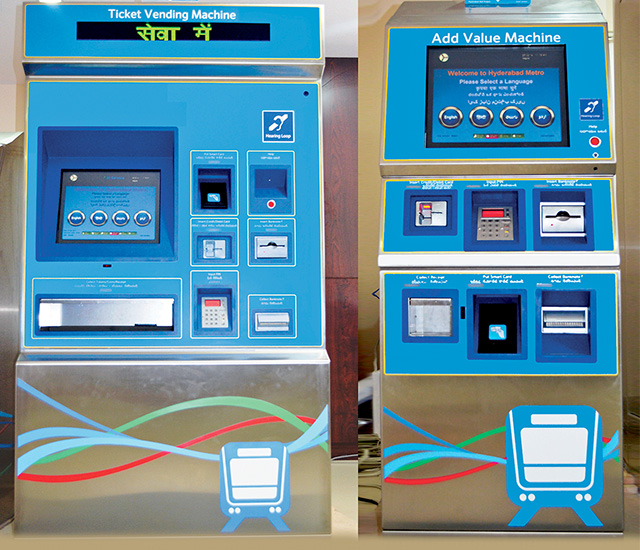
- వివిధ ప్రదేశాలలో టికెట్ విక్రయ యంత్రాల వద్ద (ఉదాహరణకు పార్క్ మరియు రైడ్ స్టేషన్లలో, సెంట్రల్ బస్ స్టాప్లలో లేదా వాహనాలలో)
- ఇంటర్నెట్లో (ఉదాహరణకు తెలివైన కార్డుదారులకు చందా) మొబైల్ ఫోన్ల ద్వారా వివిధ ప్రజా రవాణా ఆపరేటర్ల (ఉదాహరణకు స్థానిక ప్రజా రవాణా మరియు జాతీయ రైల్వే) మధ్య ఇంటిగ్రేటెడ్ టికెటింగ్ మరియు టారిఫ్ విధానాలను అందించాలి, తద్వారా అన్ని ప్రజా రవాణా విధానాలకు మరియు మొత్తం ప్రాంతానికి టిక్కెట్లు చెల్లుబాటు అవుతాయి.
- మొబైల్ ఫోన్ల ద్వారా