



ਇਹ ਖ਼ਬਰ ਸੁਣੋ
0:00
IntroductionWi-Fi is fairly common all around the world. It enables us to wirelessly link our smart devices to the internet. It employs electromagnetic radio waves at various frequencies, namely 2.4 GHz, 5 GHz, and 6 GHz, depending on the supporting WLAN chips. Various WLAN standards have been developed to provide higher data speeds and better coverage. The WLAN adheres to IEEE standards such as 802.11b, 11a, 11g, 11n, 11ac, 11ax, and 802.11be. Wi-Fi networks are generally used for larger data rates with restricted coverage and have been developed to support devices inside buildings, offices, railway stations, airports, and trains, among other places.WLAN (Wireless Local Area Network) standards were created to accommodate smart devices with limited mobility initially. The IEEE 802.11ax version allows for greater mobility, allowing internet connection in automobile-confined devices via Wi-Fi hotspots. Cellular technologies adhere to 3GPP or ETSI standards and are primarily intended for usage in outside areas for fast-moving vehicles. Cellular standards include 2G (GSM), 3G (UMTS or CDMA), 4G (WiMAX, LTE), and 5G NR (New Radio). Wi-Fi service is offered by installing a Wi-Fi Router, which is an 802.11 AP (Access Point). Cellular service is delivered by erecting a cell tower and supporting equipments for PSTN/PSDN interface. Satellite networks provide connection in remote areas where cellular towers are either unavailable or impractical to deploy in rural and steep terrain. Due to placement in higher altitudes and at a greater height above the Earth, satellites provide a much broader coverage of the Earth.Specific cellular standards for railways have been developed, including GSM-R and LTE-R, with the following specifications. The chart below summarises the key aspects of Wi-Fi and cellular standards (GSM-R, LTE-R, and 5G NR).
(Comparison of Wi-Fi and Cellular Technologies)L band (1-2 GHz), C band (3700-4200 MHz in downlink and 5925-6425 MHz in uplink), extended-C band, Ku band (11.7-12.7 GHz in downlink, 14-14.7 GHz in uplink), and Ka band (18.8-19.3 GHz in downlink, 28.6-29.10 GHz in uplink) are the bands used in satellite communication networks. The most common bandwidths for satellite transponders are 36 MHz and 72 MHz. Ground station users employ these whole bandwidths for a number of voice/data calls depending on various multiple access mechanisms.Wi-Fi network architecture: Homes The basic Wi-Fi system consists of a single Wi-Fi router at home that is linked to an ISP (Internet Service Provider) on one side and Wi-Fi Clients (i.e. Stations) on the other. To interface with a Wi-Fi router, a cable modem or a compatible modem is usually required, depending on the technologies used by the ISP. ISPs have been using a variety of technologies to deliver internet access to users over the years, including dial-up internet, ADSL/SDSL, cable internet, ISDN, Ethernet, fibre optic, satellite, Wi-Fi, and cellular broadband.Wi-Fi Network Architecture at HomeA Wi-Fi router enables several wifi-enabled smart devices to share a single internet connection. As a result, a number of individuals can use a single high-speed internet connection comfortably and economically. Connections to ethernet or ethernet ports are available on the Wi-Fi router. With the help of these, desktop PCs or laptops equipped with 10/100/1000 Mbps LAN devices can be readily connected to these ports using ethernet cables. Wi-Fi hotspots are deployed in shopping malls, airports, railway stations, and at business enterprises to provide internet access to customers or passengers using Wi-Fi routers. These Wi-Fi routers are linked to an ISP.Wi-Fi network for moving trains: The Working
 Internet access requires a connection to an ISP via various wired or wireless technologies. Wired technologies are generally ineffective and cannot be used when the train is moving at high or low speeds. As a result, cellular or satellite technologies are required to give internet connectivity to train passengers via EM (Electro-Magnetic) waves.Wi-Fi architecture for onboard trainsEach train compartment has one or more Wi-Fi routers or access points (APs). Using Ethernet cables, all of these APs are linked to a multi-port gigabit switch. The Multimedia Server is linked to a gigabit switch through an Ethernet wire to aid in the configuration and monitoring of all APs and gateways. The WAN gateway is the equipment that connects APs inside the train to the outside network (cellular or satellite). Gateways accomplish this through the use of specifically designed rail antennas mounted on the train's roof. Multiple WAN gateways are deployed in the trains based on user requirements.Wi-Fi/Cellular architecture: Covered metro stations and rail tunnelsIt is difficult to provide internet connectivity on trains when they are in underground stations, covered metro stations, or tunnels. There are numerous approaches that can be used in such situations. Repeater-based applications and solutions were used in tunnels initially. In the method, a series or ordered set of repeaters are placed between APs located on opposite ends of the rail tunnel. These WLAN APs are linked to a cellular tower on the track side.Wi-Fi/Cellular architecture for covered metro stations and rail tunnels
 A different approach is being developed, which shall make use of the most recent 5G NR cellular infrastructure. 5G NR RRUs and BBUs are linked together in this system via Optical Fibre Cables (OFCs) and Optical to-RF and RF to Optical converters. In hyperloop technology, a number of WLAN APs are also installed inside the rail tunnels or capsules. OFC is used to connect these several WLAN APs.Advantages of Wi-Fi on board trainsRailway operators are in a better position than other modes of transportation to provide a more comfortable and convenient passenger experience. The provision of on-board high-speed broadband connection is an important service available to the pasengers. While private passengers shall have the facility of fast internet access, video streaming, and online gaming, business travellers would be benefitted by the ability to work while travelling. Simultaneously, the availability of broadband on trains shall enable rail operators to roll out applications such as video monitoring for greater security, enhanced ticketing and seat reservation services, and other technologies that can access data online to help optimise procedures and decrease operational costs. Onboard broadband connectivity enhances the passenger experience while also contributing to increased railway operating efficiency.On-board Wi-Fi facilities are helping rail operators, personnel and passengers in the following ways: (i) Connected passenger
| ਵਿਸ਼ੇਸ਼ਤਾ | ਵਾਈ-ਫਾਈ-6/6ਈ (ਆਈ. ਈ. ਈ. ਈ. 802.11ਐਕਸ) | ਸੈਲੂਲਰ (ਜੀਐੱਸਐੱਮ-ਆਰ) | ਸੈਲੂਲਰ (ਐੱਲ. ਟੀ. ਈ.-ਆਰ) | ਸੈਲੂਲਰ (5ਜੀ ਐੱਨਆਰ) |
| ਬਾਰੰਬਾਰਤਾ | 2.4 ਗੀਗਾਹਰਟਜ਼, 5 ਗੀਗਾਹਰਟਜ਼, 6 ਗੀਗਾਹਰਟਜ਼ | 876 ਤੋਂ 880 ਮੈਗਾਹਰਟਜ਼, 912 ਤੋਂ 925 ਮੈਗਾਹਰਟਜ਼ | 450, 800, 1400 ਮੈਗਾਹਰਟਜ਼ | 3.5, 28, 34, 66 ਗੀਗਾਹਰਟਜ਼ |
| ਚੈਨਲ ਬੈਂਡਵਿਡਥ | 20 ਤੋਂ 160 ਮੈਗਾਹਰਟਜ਼ | 0.2 ਮੈਗਾਹਰਟਜ਼ | 1.4 ਤੋਂ 20 ਮੈਗਾਹਰਟਜ਼ | 1.25 ਤੋਂ 400 ਮੈਗਾਹਰਟਜ਼ |
| ਡਾਟਾ ਦਰ ਭਾਵ ਥ੍ਰੂਪੁਟ | 600 ਐੱਮ. ਬੀ. ਪੀ. ਐੱਸ. (80 ਮੈਗਾਹਰਟਜ਼, 1 ਸਥਾਨਕ ਸਟ੍ਰੀਮ-ਐੱਸ. ਐੱਸ.), 9.6 ਜੀ. ਬੀ. ਪੀ. ਐੱਸ. (160 ਮੈਗਾਹਰਟਜ਼, 8 ਐੱਸ. ਐੱਸ.) | 172 Kbps ਪ੍ਰਤੀ ਚੈਨਲ | 50/10 ਐਮ. ਬੀ. ਪੀ. ਐਸ | 4 ਜੀ. ਬੀ. ਪੀ. ਐੱਸ ਪ੍ਰਤੀ ਚੈਨਲ |
| ਗਤੀਸ਼ੀਲਤਾ | 300 ਕਿਲੋਮੀਟਰ/ਘੰਟਾ | 350 ਕਿਲੋਮੀਟਰ/ਘੰਟਾ | 500 ਕਿਲੋਮੀਟਰ/ਘੰਟਾ | 500 ਕਿਲੋਮੀਟਰ/ਘੰਟਾ |
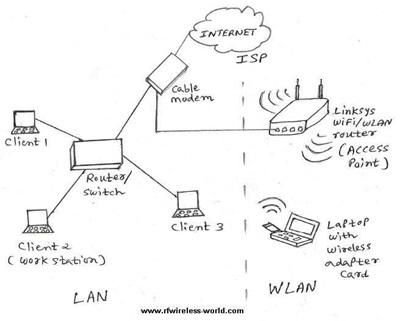 The basic Wi-Fi system consists of a single Wi-Fi router at home that is linked to an ISP (Internet Service Provider) on one side and Wi-Fi Clients (i.e. Stations) on the other. To interface with a Wi-Fi router, a cable modem or a compatible modem is usually required, depending on the technologies used by the ISP. ISPs have been using a variety of technologies to deliver internet access to users over the years, including dial-up internet, ADSL/SDSL, cable internet, ISDN, Ethernet, fibre optic, satellite, Wi-Fi, and cellular broadband.Wi-Fi Network Architecture at HomeA Wi-Fi router enables several wifi-enabled smart devices to share a single internet connection. As a result, a number of individuals can use a single high-speed internet connection comfortably and economically. Connections to ethernet or ethernet ports are available on the Wi-Fi router. With the help of these, desktop PCs or laptops equipped with 10/100/1000 Mbps LAN devices can be readily connected to these ports using ethernet cables. Wi-Fi hotspots are deployed in shopping malls, airports, railway stations, and at business enterprises to provide internet access to customers or passengers using Wi-Fi routers. These Wi-Fi routers are linked to an ISP.Wi-Fi network for moving trains: The Working
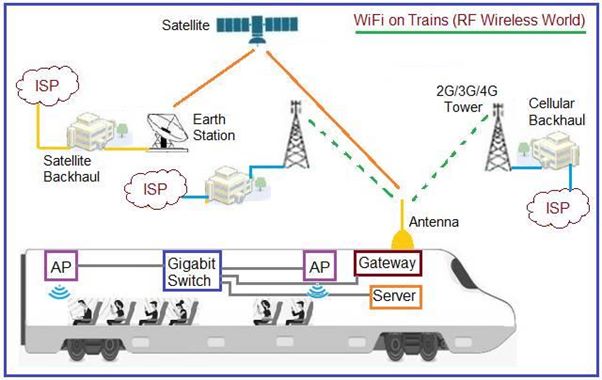 Internet access requires a connection to an ISP via various wired or wireless technologies. Wired technologies are generally ineffective and cannot be used when the train is moving at high or low speeds. As a result, cellular or satellite technologies are required to give internet connectivity to train passengers via EM (Electro-Magnetic) waves.Wi-Fi architecture for onboard trainsEach train compartment has one or more Wi-Fi routers or access points (APs). Using Ethernet cables, all of these APs are linked to a multi-port gigabit switch. The Multimedia Server is linked to a gigabit switch through an Ethernet wire to aid in the configuration and monitoring of all APs and gateways. The WAN gateway is the equipment that connects APs inside the train to the outside network (cellular or satellite). Gateways accomplish this through the use of specifically designed rail antennas mounted on the train's roof. Multiple WAN gateways are deployed in the trains based on user requirements.Wi-Fi/Cellular architecture: Covered metro stations and rail tunnelsIt is difficult to provide internet connectivity on trains when they are in underground stations, covered metro stations, or tunnels. There are numerous approaches that can be used in such situations. Repeater-based applications and solutions were used in tunnels initially. In the method, a series or ordered set of repeaters are placed between APs located on opposite ends of the rail tunnel. These WLAN APs are linked to a cellular tower on the track side.Wi-Fi/Cellular architecture for covered metro stations and rail tunnels
 A different approach is being developed, which shall make use of the most recent 5G NR cellular infrastructure. 5G NR RRUs and BBUs are linked together in this system via Optical Fibre Cables (OFCs) and Optical to-RF and RF to Optical converters. In hyperloop technology, a number of WLAN APs are also installed inside the rail tunnels or capsules. OFC is used to connect these several WLAN APs.Advantages of Wi-Fi on board trainsRailway operators are in a better position than other modes of transportation to provide a more comfortable and convenient passenger experience. The provision of on-board high-speed broadband connection is an important service available to the pasengers. While private passengers shall have the facility of fast internet access, video streaming, and online gaming, business travellers would be benefitted by the ability to work while travelling. Simultaneously, the availability of broadband on trains shall enable rail operators to roll out applications such as video monitoring for greater security, enhanced ticketing and seat reservation services, and other technologies that can access data online to help optimise procedures and decrease operational costs. Onboard broadband connectivity enhances the passenger experience while also contributing to increased railway operating efficiency.On-board Wi-Fi facilities are helping rail operators, personnel and passengers in the following ways: (i) Connected passenger
- ਜਾਣਕਾਰੀ ਅਤੇ ਮਨੋਰੰਜਨ
- ਇੰਟਰਨੈੱਟ ਪਹੁੰਚ
- ਟਿਕਟ ਲਈ ਹੈਂਡਹੋਲਡ ਪੀਸੀ
- ਯਾਤਰੀ ਗਿਣਤੀ ਪ੍ਰਣਾਲੀ
- ਰੇਲ ਗੱਡੀਆਂ ਦੀ ਨਿਗਰਾਨੀ
- ਰੇਲ ਗੱਡੀਆਂ ਦੀ ਨਿਗਰਾਨੀ
- ਨਿਗਰਾਨੀ ਕੈਮਰੇ
- ਡਰਾਈਵਰ ਫੈਸਲੇ ਦਾ ਸਮਰਥਨ
- ਵਾਈ-ਫਾਈ ਸੇਵਾ ਯਾਤਰੀਆਂ ਨੂੰ ਯਾਤਰਾ ਦੌਰਾਨ ਦੋਸਤਾਂ ਅਤੇ ਪਰਿਵਾਰ ਦੇ ਸੰਪਰਕ ਵਿੱਚ ਰਹਿਣ ਦੀ ਆਗਿਆ ਦਿੰਦੀ ਹੈ।
- ਕਾਰੋਬਾਰੀ ਲੋਕ ਰੇਲ ਗੱਡੀਆਂ ਦੀ ਸਵਾਰੀ ਕਰਦੇ ਹੋਏ ਕੰਮ ਕਰਨਾ ਜਾਰੀ ਰੱਖ ਸਕਦੇ ਹਨ।
- ਕਿਉਂਕਿ ਇਹ ਸੇਵਾ ਲਗਭਗ ਮੁਫ਼ਤ ਹੈ, ਯਾਤਰੀ ਆਪਣਾ ਸਮਾਂ ਫਿਲਮਾਂ ਦੇਖ ਕੇ ਜਾਂ ਆਪਣਾ ਪਸੰਦੀਦਾ ਸੰਗੀਤ ਸੁਣ ਕੇ ਬਿਤਾ ਸਕਦੇ ਹਨ।
- ਰੇਲ ਹਾਦਸਿਆਂ ਜਾਂ ਰੇਲ ਗੱਡੀਆਂ ਵਿੱਚ ਮਾਮੂਲੀ ਸਮੱਸਿਆਵਾਂ ਨੂੰ ਦੂਰ-ਦੁਰਾਡੇ ਪਹਾਡ਼ੀ ਖੇਤਰਾਂ ਤੋਂ ਕਿਲੋਮੀਟਰ ਦੂਰ ਸਥਿਤ ਉਨ੍ਹਾਂ ਦੇ ਕੰਟਰੋਲ ਕਰਨ ਵਾਲੇ ਸਟੇਸ਼ਨਾਂ ਤੱਕ ਅਸਾਨੀ ਨਾਲ ਰਿਪੋਰਟ ਕੀਤਾ ਜਾ ਸਕਦਾ ਹੈ।
- ਇਹ ਸਿਸਟਮ ਰੀਅਲ-ਟਾਈਮ ਵਿੱਚ ਰੇਲ ਨਿਯੰਤਰਣ ਨੂੰ ਸਮਰੱਥ ਬਣਾਉਂਦਾ ਹੈ।
- ਇਹ ਸੁਰੱਖਿਆ ਨਾਲ ਸਬੰਧਤ ਐਪਲੀਕੇਸ਼ਨਾਂ ਜਿਵੇਂ ਕਿ ਸੀ. ਸੀ. ਟੀ. ਵੀ. ਸਟ੍ਰੀਮਿੰਗ, ਡੋਰ ਕਲੀਅਰੈਂਸ, ਮਿਸ਼ਨ ਜ਼ਰੂਰੀ ਆਵਾਜ਼ ਅਤੇ ਯਾਤਰੀ ਜਾਣਕਾਰੀ ਪ੍ਰਣਾਲੀਆਂ ਦੀ ਤਾਇਨਾਤੀ ਦੀ ਸਹੂਲਤ ਦਿੰਦਾ ਹੈ।
- ਮੋਬਾਈਲ ਫੋਨ 'ਤੇ ਵਾਈ-ਫਾਈ ਮੋਡ ਚਾਲੂ ਕਰੋ
- ਰੇਲਵਾਇਰ ਵਾਈ-ਫਾਈ ਨੈੱਟਵਰਕ ਚੁਣੋ
- ਮੋਬਾਈਲ ਦਰਜ ਕਰੋ ਅਤੇ ਐਸ. ਐਮ. ਐਸ. ਰਾਹੀਂ ਵਨ-ਟਾਈਮ ਪਾਸਵਰਡ (ਓ. ਟੀ. ਪੀ.) ਪ੍ਰਾਪਤ ਕਰੋ
- ਓ. ਟੀ. ਪੀ. ਦਰਜ ਕਰੋ ਅਤੇ ਹਾਈ-ਸਪੀਡ ਵਾਈ-ਫਾਈ ਤੱਕ ਪਹੁੰਚ ਸ਼ੁਰੂ ਕਰੋ
- ਪਹਿਲਾ ਵਿਕਲਪ ਸੈਲੂਲਰ ਨੈੱਟਵਰਕ ਅਪਰੇਟਰ ਲਈ ਰੇਲਵੇ ਟਰੈਕਾਂ ਦੇ ਨਾਲ ਵਧੇਰੇ ਸੈਲੂਲਰ ਸਮਰੱਥਾ ਸਥਾਪਤ ਕਰਨਾ ਹੈ। ਇਹ ਤਕਨੀਕ ਘੱਟ ਹੀ ਲਾਗਤ-ਪ੍ਰਭਾਵਸ਼ਾਲੀ ਹੁੰਦੀ ਹੈ, ਅਤੇ ਕਿਸੇ ਵੀ ਸਥਿਤੀ ਵਿੱਚ, ਸਿਗਨਲ ਰਿਸੈਪਸ਼ਨ ਅਜੇ ਵੀ ਟ੍ਰੇਨ ਦੇ ਕੋਚ ਵਰਕ ਦੁਆਰਾ ਰੁਕਾਵਟ ਪਾਉਂਦੀ ਹੈ। ਇਸ ਤੋਂ ਇਲਾਵਾ, ਯਾਤਰੀਆਂ ਕੋਲ ਨੈੱਟਵਰਕ ਕਨੈਕਟੀਵਿਟੀ ਪ੍ਰਾਪਤ ਕਰਨ ਲਈ ਵਿਸ਼ੇਸ਼ ਅਪਰੇਟਰ ਨਾਲ ਇੱਕ ਸੈਲੂਲਰ ਇਕਰਾਰਨਾਮਾ ਹੋਣਾ ਚਾਹੀਦਾ ਹੈ।
- ਇੱਕ ਹੋਰ ਸੰਭਾਵਨਾ ਸਿਗਨਲ ਰਿਪੀਟਰਾਂ ਦੀ ਵਰਤੋਂ ਕਰਨਾ ਹੈ (ਜੋ ਰੇਲ ਗੱਡੀ ਵਿੱਚ ਵੀ ਲਗਾਏ ਜਾ ਸਕਦੇ ਹਨ)। ਇਹ ਸਿਰਫ ਉਹਨਾਂ ਥਾਵਾਂ 'ਤੇ ਸੰਭਵ ਹੈ ਜਿੱਥੇ ਸ਼ੁਰੂ ਕਰਨ ਲਈ ਕੁਝ ਸੰਕੇਤ ਹਨ, ਅਤੇ ਨੈੱਟਵਰਕ ਸਮਰੱਥਾ ਗੰਭੀਰ ਰੂਪ ਨਾਲ ਪ੍ਰਭਾਵਿਤ ਹੈ।
- ਰੇਲ ਗੱਡੀ ਵਿੱਚ ਇੱਕ ਸੁਤੰਤਰ ਨੈੱਟਵਰਕ ਸਥਾਪਤ ਕਰਨਾ ਇੱਕ ਬਿਹਤਰ ਹੱਲ ਹੈ। ਐੱਮ2ਐੱਮ ਪ੍ਰਣਾਲੀਆਂ ਨੂੰ ਈਥਰਨੈੱਟ ਤਾਰਾਂ ਰਾਹੀਂ ਜੋਡ਼ਿਆ ਜਾ ਸਕਦਾ ਹੈ ਅਤੇ ਹਰ ਕੋਨੇ ਤੱਕ ਪਹੁੰਚਣ ਲਈ ਵਾਈ-ਫਾਈ ਪ੍ਰਦਾਨ ਕੀਤਾ ਜਾ ਸਕਦਾ ਹੈ। ਇੱਕ ਆਨਬੋਰਡ ਰਾਊਟਰ ਅਪਸਟ੍ਰੀਮ ਕੁਨੈਕਸ਼ਨਾਂ ਦਾ ਪ੍ਰਬੰਧਨ ਕਰਦਾ ਹੈ ਅਤੇ ਫੇਲਸ ਸੇਫ ਅਤੇ ਹਾਈ-ਸਪੀਡ ਕਨੈਕਟੀਵਿਟੀ ਪ੍ਰਦਾਨ ਕਰਨ ਲਈ ਵੱਖ-ਵੱਖ ਨੈੱਟਵਰਕ ਐਕਸੈਸ ਟੈਕਨੋਲੋਜੀਆਂ (ਜਿਵੇਂ ਕਿ ਬਾਹਰੀ ਹਾਈ-ਗੇਨ ਐਂਟੀਨਾ, ਸੈਟੇਲਾਈਟ ਅਤੇ ਟਰੈਕਾਂ ਦੇ ਨਾਲ ਵਾਈ-ਫਾਈ) ਨੂੰ ਏਕੀਕ੍ਰਿਤ ਕਰ ਸਕਦਾ ਹੈ। ਵਧੇਰੇ ਰਿਡੰਡੈਂਸੀ ਨੂੰ ਯਕੀਨੀ ਬਣਾਉਣ ਲਈ ਵਾਧੂ ਰਾਊਟਰ ਵੀ ਰੱਖੇ ਜਾ ਸਕਦੇ ਹਨ।
- ਸੁਰੱਖਿਆ ਉਦੇਸ਼ਾਂ ਲਈ, ਆਨ-ਬੋਰਡ ਕੈਮਰਿਆਂ ਤੱਕ ਰੀਅਲ-ਟਾਈਮ ਕੇਂਦਰੀ ਪਹੁੰਚ।
- ਆਨ-ਬੋਰਡ ਪ੍ਰਣਾਲੀਆਂ ਦਾ ਪ੍ਰਬੰਧਨ ਅਤੇ ਰਿਮੋਟ ਨਿਗਰਾਨੀ। ਹਾਲਾਂਕਿ, ਯਾਤਰੀ ਅਧਾਰਤ ਸੇਵਾਵਾਂ ਨੂੰ ਨਜ਼ਰਅੰਦਾਜ਼ ਨਹੀਂ ਕੀਤਾ ਜਾਣਾ ਚਾਹੀਦਾ।
- ਮੁਫ਼ਤ ਜਾਂ ਘੱਟ ਲਾਗਤ ਵਾਲੀ ਇੰਟਰਨੈੱਟ ਪਹੁੰਚ।
- ਨਕਸ਼ੇ, ਰੇਲ ਦੇ ਕਾਰਜਕ੍ਰਮ ਅਤੇ ਵਿਗਿਆਪਨ ਅੰਦਰੂਨੀ ਸਕ੍ਰੀਨਾਂ ਉੱਤੇ ਪ੍ਰਦਰਸ਼ਿਤ ਹੁੰਦੇ ਹਨ।
- ਆਰਡਰ ਲਈ ਆਨ-ਬੋਰਡ ਰੈਸਟੋਰੈਂਟ ਜਾਂ ਕੈਫੇਟੇਰੀਆ ਤੱਕ ਪਹੁੰਚ.
Hi Narendra Shah,
Thank you for the article. I very much liked the detailing you made on the internet connectivity on moving trains. I would like to discuss many ideas & more thoughts on providing internet access on all trains (from passenger to super-fast express trains) in India with you.