



ଏହି ଖବର ଶୁଣନ୍ତୁ
0:00
India's growing urbanisation has boosted the demand for transportation in cities and surrounding areas, with commuters making many long daily trips. This has resulted in an increased demand for public transportation. Public transportation accounts for 30% of journeys in cities with populations of one to two million, 42% in cities with populations of two to five million, and 63% in cities with more than five million populations.However, due to the insufficiency of public transit in fulfilling demand, reliance on private vehicles has grown tremendously. As a result, between 1961 and 2011, the number of cities in India expanded threefold (from 2,363 to 7,935), and the urban population increased fivefold (from 79 million to 377 million), while the number of private vehicles climbed 200 times (from 0.7 million to 142 million). Metropolitan cities account for most of this private vehicular expansion, with New Delhi at the forefront.In Indian cities, intermediate public transportation (IPT) modes such as auto-rickshaws, cycle rickshaws, battery rickshaws, and taxis account for up to 8% of daily trips. IPT modes are convenient but expensive to utilise; frequently, they cost the commuter more than 50% of the overall fee. Furthermore, compared to public transportation systems, they can only convey a limited number of commuters, taking up more road space.Commuters may also encounter site-specific difficulties. For example, public transit may be too far to reach, necessitate navigating uneven footpaths and dangerous street crossings, or may not be safe, particularly for female passengers. Furthermore, an unfavourable and dangerous pedestrian environment forces commuters to rely on private vehicles.The extra time and hassle involved in travelling from home to a transit station and from the station to the destination is an essential disincentive to public transportation. This is aggravated further by a lack of physical integration for multiple modes at transit terminals, resulting in accessibility concerns that create a mental barrier to public transportation. Deterrents include a need for more information about parking availability, public transportation schedules, and traffic signage.Low-income groups, those with disabilities, the elderly, women, and people with debilitating medical conditions are among India's most vulnerable public transportation users. Furthermore, walkways and other pedestrian facilities are not universally accessible, thus discouraging economic, social, and cultural participation.To address issues and promote public transportation, urban planners and managers have recognised the necessity to develop a city-wide integrated and multimodal transportation system. In India, however, multiple independent agencies plan, administer, and run various kinds of transportation. These agencies need to be accountable to each other and frequently need coordination. At the same time, organisations have yet to be mandated to integrate various public transportation systems and private modes, which is a considerable challenge.Commuters may use one or more modes of transportation to complete a journey. However, commuters must finish the initial and last portions of their excursions on their own—they must walk, drive, or be driven to the nearest station. Public transit organisations usually provide bus and train services that may constitute the core of such trips. This is known as the 'first and last mile of the user's journey, or 'last-mile connectivity.' Last-mile connectivity improves a public transportation system's overall efficiency.Last-mile connectivity emphasises the importance of planning for an improved commuter environment in the larger context of the station catchment area, as opposed to the existing myopic strategy of station-centric infrastructure.Last-mile connectivity is critical for shifting private car users to public transportation. Public mass transit systems meet an expanding city's economic and social needs. As a result, all efforts should be directed at increasing ridership and making it easier for commuters to switch to their preferred mode of transportation. Poor last-mile connectivity forces commuters to rely on private automobiles, exacerbating traffic congestion and increasing journey times, fuel consumption, and pollution.NMT – The Global ScenarioPolluted air, economic losses, and higher stress levels caused by traffic congestion make it critical for communities worldwide to minimise the number of private cars and establish efficient public transportation solutions. However, while metro, bus, and tram networks serve to alleviate traffic congestion, they must also be financially viable for commuters and operators.Globally, several new ways are being used to plan for greater transport network access, focusing on NMT (Non-Motorized Transportation). For example, Singapore is implementing its National Cycling Plan (NCP) to use bicycles to offer last-mile connectivity for mass rapid transit systems in Asia. Given the country's limited land resources, Singapore facilitated a smart first and last-mile strategy by constructing a cycling network as part of the NCP and redesigning streets to allow walkers, cyclists, buses, and cars to cohabit. The Land Transport Authority (LTA) intends to triple the country's bike route network to 1,000 by 2040, up from a 2013 commitment to build 700 kilometres of cycling lanes by 2030. The LTA's ambition of establishing a '45-minute city with 20-minute towns' includes expanding Singapore's bike path network (where commuters need only a 45-minute journey to get to work and 20 minutes to reach amenities within residential towns).Similarly, the UK is investigating the 'travel hub' concept as an alternative to the usual 'park and ride' notion of leaving private automobiles in a designated facility and utilising public transportation for the remainder of the route. A travel hub is a bus, tram, metro, or train station that provides more amenities than existing public transportation stops, with walking and cycling being the primary ways of access. In addition, it offers simple access to public transportation and interchange between different types of transportation.It also provides regular public transportation and clear and thorough travel information. Importantly, when major car parks are required to accommodate private automobiles that are the predominant or exclusive form of access for 'park and ride facilities, this requirement is eliminated with the 'travel hubs idea since connection by other modes such as cycling is strengthened.The European Union supported pilot projects for 'BiTiBi' in Barcelona (Spain), Milan (Italy), Liverpool (UK), and Ghent (Belgium) between 2014 and 2017. As a result, according to data, approximately 10% of bicycle parking users at railway stations were formerly automobile users for the entire distance. In comparison, 15% to 20% stopped driving to the train station.Another project that helps towns develop better transportation strategies is Europe's Sustainable Urban Mobility Plan (SUMP). A city-specific SUMP analyses the entire functional urban area and anticipates collaboration across policy areas, levels of government, locals, and other key stakeholders. It provides various sustainable transportation solutions for commuters and commodities while considering locals and the urban environment.Metro Rail SystemsThe metro rail system has played an essential role in alleviating urban transportation concerns such as traffic congestion, air and noise pollution, and accidents. It is also a more efficient and secure means of mass transportation. As a result, numerous Indian cities have built or planned to build metro rail transit systems.At the same time, despite a growing need for transit options, most of the country's existing metro systems have remained within their planned ridership. Fare increases, poor last-mile connectivity, a lack of integration and operational improvements, and permissive policies for private-vehicle use have all contributed to this deficit (such as the availability of economical or free parking and subsidised road taxes for cars).While feeder services (shared autos, minibuses, shuttle cabs, or app-based bikes and vehicles) exist for functioning metros, they are limited to a few locations. Last-mile connection is primarily fulfilled via IPT services, which can be costly and limited to specific regions. Furthermore, the infrastructure surrounding metro stations, which comprise the last-mile connectivity system, is outside the purview of metro authorities, posing accessibility challenges for travellers. The lack of dedicated walking and cycling pathways complicates access to metro stations even further.Although metro agencies have begun to integrate innovative technology and economic models to improve the level of service at metro rail transportation systems, most of these are small-scale pilot projects that provide feeder services to metro systems. There is also a need for more data on the influence of last-mile connectivity services on metro systems or reducing private vehicle usage. This makes determining the relevance of last-mile connectivity for Indian cities difficult.Last-Mile Connectivity: The Policy framework in India While India's principal transportation policies emphasise public transportation, multimodal integration, and non-motorised transport (NMT), they are generally silent on the issue of last-mile connectivity. As more communities across the country establish metro networks, regulations must prioritise the role of last-mile connections in consolidating the benefits of public transportation and achieving sustainable mobility goals.The 2014 National Urban Transport Policy (NUTP) prioritises human transportation over vehicle movement. First, the movement of pedestrians and people with disabilities, which accounts for zero emissions, is prioritised, followed by NMT (bicycles), public transportation, IPT users, and those who use private modes of transportation. According to the NUTP, this priority structure will assist in minimising congestion and pollution caused by private transportation.Similarly, for metro networks, pedestrians and NMT modes are preferred for first and last-mile connectivity, and the NUTP mandates that these modes be accessible within 50 metres of metro stations. The following essential element is feeder service pick-up and drop-off facilities (should be positioned fewer than 100 metres from metro station entry and exit structures), followed by IPT stops, private car pick-up and drop-off facilities and parking spaces.The 2017 Metro Rail Policy of the MoHUA aims at enhancing metro commuters' last-mile connectivity. The ministry has emphasised feeder bus services, e-rickshaws, clever rentable cycles, e-scooter services, and collaborations with cab aggregators as part of the existing last-mile connectivity measures. Another goal is to ensure that the cheapest mass transit mode is chosen and employed for public transportation. Furthermore, the policy requires that every metro rail design contain plans for feeder networks that increase the catchment area of each metro station by at least five kilometres. The provision of last-mile connectivity via pedestrian walkways, NMT infrastructure, and the inclusion of facilities for IPT modes are necessary prerequisites for receiving any central aid for the planned metro rail projects. To go beyond traditional practises, metro rail executing agencies such as the Delhi Metro Rail Corporation (DMRC), Bengaluru Metro Rail Corporation Limited (BMRCL), and Mumbai Metropolitan Region Development Authority (MMRDA) are beginning to adopt plans focused on first and last-mile connections.
- ଡି. ଏମ. ଆର. ସି. ଶେଷ-ମାଇଲ ସଂଯୋଗକୁ ଉନ୍ନତ କରିବା ପାଇଁ ବିଭିନ୍ନ ବିକଳ୍ପ ପ୍ରଦାନ କରିଥାଏ, ଯାହା ସହର ଏବଂ ଆଖପାଖ ଅଞ୍ଚଳରେ ଯାନବାହନ ଭିଡ଼ ଏବଂ ପ୍ରଦୂଷଣ ବୃଦ୍ଧିକୁ ଦୃଷ୍ଟିରେ ରଖି ଆବଶ୍ୟକ। ଡିଏମଆରସି ୟୁଲୁ (ଏକ ମାଇକ୍ରୋ-ମୋବିଲିଟି ଯାନ କମ୍ପାନୀ), ସ୍ମାର୍ଟଇ (ଇ-ରିକ୍ସା ପ୍ରଦାନକାରୀ), କ୍ୟାବ ଏଗ୍ରିଗେଟର ଉବର ଏବଂ ଅନ୍ୟାନ୍ୟ କମ୍ପାନୀ ସହିତ ଚୁକ୍ତି ମାଧ୍ୟମରେ ବୈଦ୍ୟୁତିକ ଗତିଶୀଲତାକୁ ପ୍ରୋତ୍ସାହିତ କରେ | ଏହା ବ୍ୟତୀତ, ଦିଲ୍ଲୀ ପରିବହନ ନିଗମ ବର୍ତ୍ତମାନ 69ଟି ମେଟ୍ରୋ ଷ୍ଟେସନରେ ଉପଲବ୍ଧ 32ଟି ମାର୍ଗରେ 174ଟି ଅଣ-ଏସି ସିଏନଜି ବସ୍ ଚଳାଉଛି। ତେବେ, ଏଭଳି ଫିଡର୍ ବସ୍ ସେବାର କ୍ଷଣସ୍ଥାୟୀ ପ୍ରକୃତି କାରଣରୁ, ବିଶେଷ କରି ବ୍ୟସ୍ତବହୁଳ ସମୟରେ, ଯାତ୍ରୀଙ୍କ ବ୍ୟବହାର କମ୍ ହୋଇଥାଏ। କଭରେଜ୍ ଏବଂ ପରିଚାଳନା ଦକ୍ଷତାରେ ଉନ୍ନତି ଆଣିବା ପାଇଁ ସମସ୍ତ ମାର୍ଗଗୁଡ଼ିକର ଚାହିଦା ସ୍ତରକୁ ମୂଲ୍ୟାଙ୍କନ କରି ଏହି ସମସ୍ୟାର ସମାଧାନ କରାଯାଇପାରିବ।
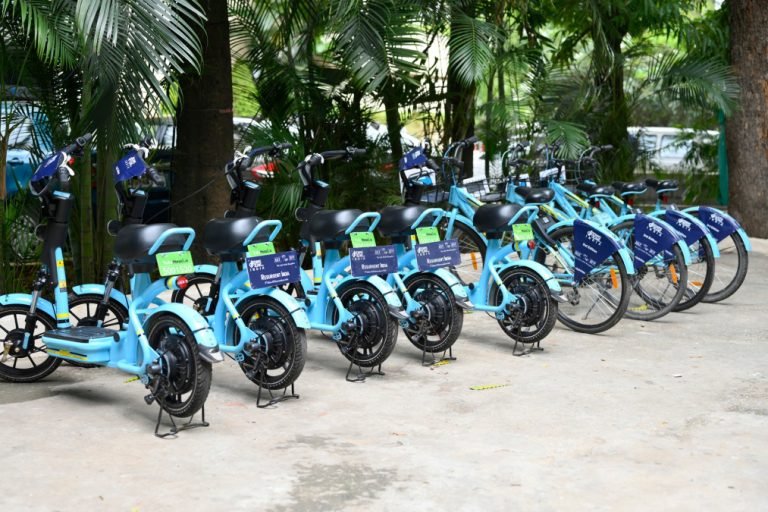
- ବେଙ୍ଗାଲୁରୁରେ, ବି. ଏମ୍. ଆର୍. ସି. ଏଲ୍. ଇ-ସାଇକେଲ୍ ଭଡ଼ା ଏବଂ ଇ-ବାଇକ୍ ଭଳି ସ୍ୱଳ୍ପ ମୂଲ୍ୟର ଗମନାଗମନ ବିକଳ୍ପକୁ ରାଜ୍ୟର ମାଲିକାନାରେ ଥିବା ବେଙ୍ଗାଲୁରୁ ମହାନଗର ପରିବହନ ନିଗମ (ବି. ଏମ୍. ଟି. ସି.) ଦ୍ୱାରା ପରିଚାଳିତ ସହରର ବର୍ତ୍ତମାନର ବସ୍ ସେବାରେ ପ୍ରବର୍ତ୍ତନ କରିଛି। ବି. ଏମ୍. ଟି. ସି. ମେଟ୍ରୋ ଫିଡର୍ ବସ୍ ସେବାଗୁଡ଼ିକର ପରିଚାଳନା କରିଥାଏ ଯାହା ପ୍ରତିଦିନ 1,981 ଯାତ୍ରା ସହିତ 17ଟି ମେଟ୍ରୋ ଷ୍ଟେସନରେ ସେବା ପ୍ରଦାନ କରିଥାଏ। ଏହା ବ୍ୟତୀତ, ବେଙ୍ଗାଲୁରୁର ବାଇକ୍-ସେୟାରିଂ ବ୍ୟବସାୟ ବାଉନ୍ସ ଚାବିହୀନ ସ୍କୁଟର ପରିଚାଳନା କରୁଥିବାବେଳେ ୟୁଲୁ ଅନେକ ମେଟ୍ରୋ ଷ୍ଟେସନରେ ଇ-ବାଇକ୍ ପ୍ରଦାନ କରିଥାଏ।
- ସେହିଭଳି, ମୁମ୍ବାଇରେ ଶେଷ-ମାଇଲ ସଂଯୋଗରେ ଉନ୍ନତି ହେବାର ଆଶା କରାଯାଉଛି କାରଣ ସହରର ବର୍ତ୍ତମାନ ଚାଲୁଥିବା ମେଟ୍ରୋ ଲାଇନ-1 ରେ ନୂତନ ଅଭିନବ ସମାଧାନ ପ୍ରୟୋଗ କରାଯାଉଛି | ଅଧିକ ଲାଇନ କାର୍ଯ୍ୟକ୍ଷମ ହେବା ପୂର୍ବରୁ, ଏମ୍. ଏମ୍. ଆର୍. ଡି. ଏ., ୱାର୍ଲ୍ଡ ରିସୋର୍ସେସ୍ ଇନଷ୍ଟିଚ୍ୟୁଟ୍ ଇଣ୍ଡିଆ, ଏବଂ ଟୟୋଟା ମୋବିଲିଟି ଫାଉଣ୍ଡେସନ୍ ଷ୍ଟେସନ୍ ଆକ୍ସେସ୍ ଏବଂ ମୋବିଲିଟି ପ୍ରୋଗ୍ରାମ ବିକଶିତ କରିଥିଲେ ଯାହା ଭିଡ଼ ପରିଚାଳନା ଏବଂ ଶେଷ ମାଇଲ ସଂଯୋଗକୁ ଉନ୍ନତ କରିବା ପାଇଁ ଅଭିନବ ତଥ୍ୟ ଏବଂ ପ୍ରଯୁକ୍ତିବିଦ୍ୟା ଆଧାରିତ ସମାଧାନ ମାଧ୍ୟମରେ ସରକାରୀ-ବେସରକାରୀ ଭାଗିଦାରୀକୁ ପ୍ରୋତ୍ସାହିତ କରିବ। ଫଳସ୍ୱରୂପ, ମେଟ୍ରୋ ଲାଇନ-1 ଷ୍ଟେସନରେ ସମାଧାନ ଆରମ୍ଭ କରିବା ପାଇଁ ତିନୋଟି ଷ୍ଟାର୍ଟଅପ୍ ଚୟନ କରାଯାଇଥିଲା: ଅର୍ବୋ. ଆଇ. ଆଇ., ଏମ. ୱାଇ. ବି. ୱାଇ. କେ. ଏବଂ ଅଲମାଇଲ୍ସ। ଅର୍ବୋ. ଆଇ. ଆର୍ଟିଫିସିଆଲ ଇଣ୍ଟେଲିଜେନ୍ସ ବ୍ୟବହାର କରି ଭଡ଼ା ସଂଗ୍ରହ ଫାଟକ ଜରିଆରେ ଯାତ୍ରା ସମୟ ହ୍ରାସ କରୁଥିବା ବେଳେ, ଏମ. ୱାଇ. ବି. କେ. ଏବଂ ଅଲମାଇଲ୍ସ ଶେଷ ମାଇଲ ସଂଯୋଗ ପାଇଁ ଆପ୍-ଆଧାରିତ ପରିବହନ ସୁବିଧା ପ୍ରଦାନ କରିଥାନ୍ତି। ଫଳସ୍ୱରୂପ, ମେଟ୍ରୋ ଲାଇନ-1ର ପରିଚାଳକ ମୁମ୍ବାଇ ମେଟ୍ରୋ ୱାନ ପ୍ରାଇଭେଟ୍ ଲିମିଟେଡ୍, ଶେଷ ମାଇଲ ସଂଯୋଗକୁ ଉନ୍ନତ କରିବା ପାଇଁ ଏକ ସାଇକେଲ-ଭଡ଼ା ବ୍ୟବସାୟ ପ୍ରତିଷ୍ଠା କରିବା ପାଇଁ ଏମ. ୱାଇ. ବି. ୱାଇ. କେ. ସହିତ ସହଯୋଗ କରିଥିଲା।