



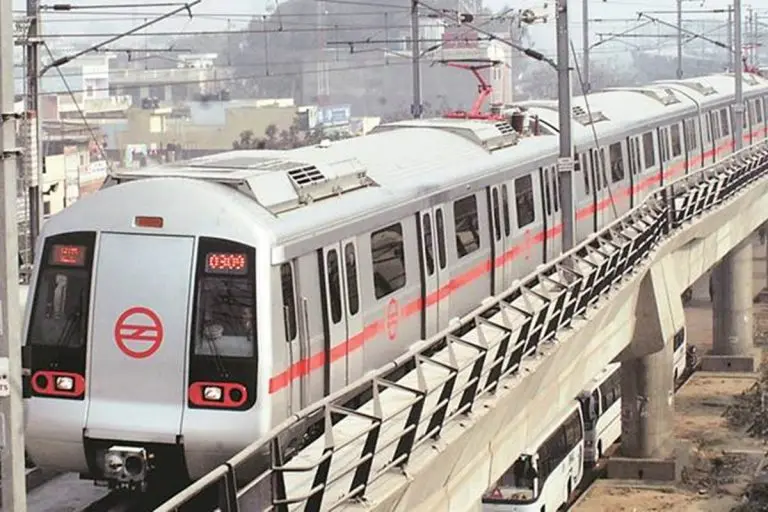
DELHI (Metro Rail News): Delhi Metro recorded its highest-ever passenger boardings on September 17, 2026, with 82,44,903 boardings. More commuters used the Metro as the ongoing DTC bus strike affected bus services.
DMRC increased Metro services to handle the extra passenger demand and manage the pressure on its network. The latest figure crossed the previous record of 81,87,674 passenger journeys, which Delhi Metro recorded on August 8, 2025, ahead of Raksha Bandhan.
DTC strike pushes more commuters towards Delhi Metro
The record came as disruptions to DTC bus services pushed more passengers towards the Metro. DMRC had already expected higher demand and increased services across its network. On September 16, DMRC added 20 train trips and ran eight extra trains based on passenger demand and operational needs.
The additional services mainly helped manage the rush during peak hours. DMRC continued the same arrangements on September 17, with eight extra trains planned between 8 am and 8 pm, depending on passenger demand.
The weekly brief metro & rail professionals read.
Delhi Metro ridership record crosses 82 lakh
The September 17 figure shows a sharp rise in Delhi Metro ridership compared with the levels recorded before the bus strike. The latest record of 82.44 lakh passenger boardings shows how quickly the disruption in bus services increased demand for the Metro. For comparison:
- September 17, 2026: 82,44,903 boardings (new record)
- August 8, 2025: 81,87,674 passenger journeys (previous record)
The additional trains helped DMRC manage the sudden rise in passenger demand. Instead of following only the regular timetable, DMRC increased train trips across the network.The extra services were especially important during peak hours, when the Metro already handles a large share of Delhi’s daily public transport demand.
Delhi Metro takes on added pressure from bus disruption
The record shows how the Delhi Metro can serve as an alternative when a large part of the city’s bus network faces disruption. However, the sudden rise in passengers also puts extra pressure on trains, platforms, interchange stations and staff.
The additional train services can help manage some of the extra demand. However, if the bus disruption continues for a longer period, the Metro could face further pressure on its available capacity.
Also Read: Delhi Metro Golden Line’s Tughlaqabad-Sangam Vihar Stretch Targeted for December 2026 Opening
Project Overview