




இந்தச் செய்தியைக் கேளுங்கள்
0:00
பதுங்கியிருந்து தாக்குதல் நடத்தியதற்கு, நாடு முழுவதும் கடுமையான போக்குவரத்து நெரிசலாக மாறியுள்ளதற்கு நாம் யாரை குற்றம் சாட்ட வேண்டும்? நகர சாலைகள், மாநில சாலைகள் அல்லது தேசிய நெடுஞ்சாலைகள் என தற்போதுள்ள சாலைகளின் நிலை நாளுக்கு நாள் மோசமடைந்து வருகிறது. நாட்கள் செல்லச் செல்ல அதிகரித்து வரும் குழிகளின் அளவை நாம் மறந்துவிடக் கூடாது. இதற்கு காரணம் மக்கள் தொகை பெருக்கம் அல்லது வறுமை மட்டுமல்ல. அத்தகைய சூழ்நிலைக்கு முக்கிய காரணம் லாரிகள் மற்றும் லாரிகளில் ஒரு இடத்திலிருந்து இன்னொரு இடத்திற்கு சரக்கு போக்குவரத்து அதிகமாக உள்ளது. ஆம், நீங்கள் அதை சரியாகப் படிக்கிறீர்கள். தற்போதைய சூழ்நிலையில், மொத்த போக்குவரத்தில் 60 சதவீதத்திற்கும் அதிகமான சரக்கு போக்குவரத்தை சாலைகள் கொண்டு செல்கின்றன. சாலைகளில் ஓடும் வாகனங்களின் எண்ணிக்கை எதிர்பார்த்த எண்ணிக்கையை விட அதிகமாக உள்ளது, எனவே அடுத்த முறை குழிகளை நீங்கள் பார்த்தால், சாலைகளில் சரக்கு போக்குவரத்து அதிகரித்து வருவதால் இது ஏற்பட வாய்ப்பை நீங்கள் நிராகரிக்க முடியாது. இருப்பினும், பிரச்சினைகள் எப்போதும் தீர்வுகளுடன் வருகின்றன.
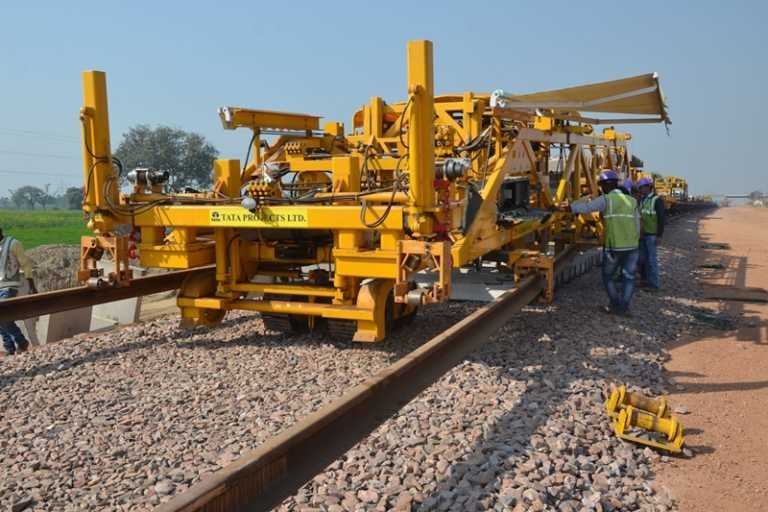
In the year 2005-06, there was this notable reform which came into picture during the presentation of railway budget. It was a propaganda of the government to start working on dedicated freight corridors in the west and the east which shall minimize the traffic from saturated golden quadrilateral, the roadways and shift it to railways. This major reform shall move almost 40 % of the freight traffic from roadways to railways. A special purpose vehicle was established to look only after the eastern (1856 km) and western (1504 km) corridors called the Dedicated Freight Corridor Corporation of India Limited (herein DFCC) on 30th October 2006. There are many properties of DFCC which makes it one of a kind, be it the dimensions of wagon, load carrying capacity of the train, the speed which moves upto 100 kmph from 75 kmph which is the maximum speed of existing trains. Well the most interesting part of the Corridors is execution of the track work activities. New Track Construction Machine (herein NTC) is used for laying of sleepers, rails and the fitting arrangements together in one go. The NTC machine used in one of the project package of DFCC is imported from Austria, being operated by their Indian division. The cost of machine is close to 70 Crores and the efficiency is 1.5 – 2 kms of track works per day which itself is a massive upgradation from the traditional manual method in which a maximum of just 200 meters of track works can be executed in a single day. The manpower required includes the operators and a few labors unlike the manual method wherein the major role is of the highly skilled, skilled & unskilled manpower. The procedure of executing this unique construction activity starts with- இயந்திரமயமாக்கப்பட்ட பாதை கட்டுமானம் நடைபெறும் இடத்திற்கு அருகில் நிறுவப்பட்ட ஸ்லீப்பர் ஆலையில் தயாரிக்கப்படும் ஸ்லீப்பர்கள். பயன்படுத்தப்படும் கான்கிரீட் தரம் எம் 60 ஆகும். கான்கிரீட் அச்சுகளில் போடப்படுகிறது, தயாரிப்பைப் பெற 12 மணி நேர கடுமையான சுழற்சிக்கு உட்படுகிறது, அதாவது ஸ்லீப்பர்கள். விரும்பிய வலிமையை அடைவதற்காக ஸ்லீப்பர்கள் 28 நாட்களுக்கு நீர் தொட்டியில் சேமிக்கப்படுகின்றன. இதைச் செய்தவுடன், ஸ்லீப்பர்கள் குறிக்கப்பட்டு அடுக்கி வைக்கத் தயாராக உள்ளனர்.
- ஸ்லீப்பர்களை தயாரிப்பது எளிதானது என்றாலும், தண்டவாளங்கள் அரசு/தனியார் உற்பத்தியாளர்களிடமிருந்து கொள்முதல் செய்யப்படுகின்றன. தண்டவாளங்கள் அவற்றின் தயாரிப்பு நிறுவனத்திலிருந்து வேகன்களில் அடுக்குக்கு கொண்டு வரப்படுகின்றன.
- அடுக்கு முற்றத்தில் ஸ்லீப்பர் மற்றும் தண்டவாளங்களை இயக்குவதற்கு ஏற்றுதல் ஏற்பாட்டுடன் கூடிய கேண்ட்ரி செய்யப்படுகிறது. பேலஸ்ட் செய்யப்பட்ட படுக்கை தயாராகியவுடன், கேண்ட்ரி கையாளப்பட்ட ஸ்லீப்பர்கள் மற்றும் தண்டவாளங்கள் வேகன்களுக்கு மாற்றப்படும்.
- 1 வேகன் 13 மீட்டர் நீளம் கொண்டது. மொத்தம் 20 வேகன்களில் 4 எண்ணிக்கையிலான 260 மீட்டர் தண்டவாளங்களும் 720 எண்ணிக்கையிலான ஸ்லீப்பர்களும் ஒரே நேரத்தில் அமர்த்தப்படுகின்றன.
- வேகன்களை விரும்பிய இடத்திற்கு எடுத்துச் செல்ல லோகோமோட்டிவ்கள் பயன்படுத்தப்படுகின்றன. விலையுயர்ந்த என். டி. சி .......... ஆக இருக்கக்கூடிய வகையில் பேலஸ்ட் படுக்கை சிறிது நீட்சிக்கு தயாராக இருக்க வேண்டும்