




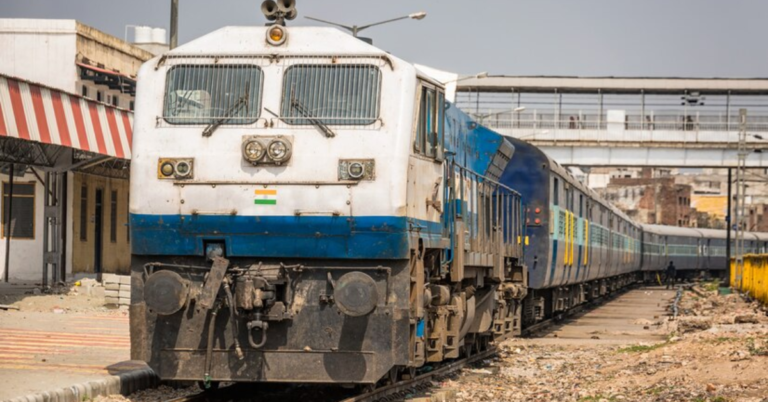
ਦੇਸ਼ ਦੇ ਸਭ ਤੋਂ ਭੈਡ਼ੇ ਰੇਲ ਹਾਦਸਿਆਂ ਵਿੱਚੋਂ ਇੱਕ, ਜਿਸ ਵਿੱਚ ਓਡੀਸ਼ਾ ਦੇ ਬਾਲਾਸੋਰ ਜ਼ਿਲ੍ਹੇ ਵਿੱਚ 2 ਜੂਨ ਨੂੰ ਇੱਕ ਤੋਂ ਬਾਅਦ ਇੱਕ ਤਿੰਨ ਰੇਲ ਗੱਡੀਆਂ ਦੀ ਟੱਕਰ ਵਿੱਚ ਤਿੰਨ ਸੌ ਤੋਂ ਵੱਧ ਲੋਕ ਮਾਰੇ ਗਏ ਸਨ ਅਤੇ ਹਜ਼ਾਰਾਂ ਤੋਂ ਵੱਧ ਲੋਕ ਜ਼ਖਮੀ ਹੋ ਗਏ ਸਨ, ਨੇ ਰੇਲ ਸੁਰੱਖਿਆ ਬਾਰੇ ਕਈ ਸਵਾਲ ਉਠਾਏ ਹਨ ਅਤੇ ਭਰੋਸੇਯੋਗ ਰੇਲ ਸੰਚਾਲਨ ਲਈ ਆਟੋਮੈਟਿਕ ਰੇਲ ਸੁਰੱਖਿਆ ਪ੍ਰਣਾਲੀਆਂ ਦੀ ਤਾਇਨਾਤੀ ਦੀ ਜ਼ਰੂਰਤ ਹੈ। ਭਾਰਤ ਵਿੱਚ ਵੀ ਇੱਕ ਸਵਦੇਸ਼ੀ ਤੌਰ ਉੱਤੇ ਵਿਕਸਿਤ ਏ. ਟੀ. ਪੀ. (ਆਟੋਮੈਟਿਕ ਟ੍ਰੇਨ ਪ੍ਰੋਟੈਕਸ਼ਨ ਸਿਸਟਮ) ਹੈ ਜਿਸ ਨੂੰ 'ਕਵਚ' ਕਿਹਾ ਜਾਂਦਾ ਹੈ। ਕਵਚ ਇੱਕ ਉੱਨਤ ਅਤੇ ਨਵੀਨਤਾਕਾਰੀ ਸਵੈਚਾਲਿਤ ਰੇਲ ਟੈਕਨੋਲੋਜੀ ਹੈ ਜੋ ਕਿ ਜ਼ੀਰੋ ਹਾਦਸਿਆਂ ਨੂੰ ਪ੍ਰਾਪਤ ਕਰਨ ਵਿੱਚ ਭਾਰਤੀ ਰੇਲਵੇ ਦੀ ਸਹਾਇਤਾ ਲਈ ਤਿਆਰ ਕੀਤੀ ਗਈ ਹੈ। ਭਾਰਤੀ ਉਦਯੋਗ ਦੇ ਸਹਿਯੋਗ ਨਾਲ ਰਿਸਰਚ ਡਿਜ਼ਾਈਨ ਐਂਡ ਸਟੈਂਡਰਡਜ਼ ਆਰਗੇਨਾਈਜ਼ੇਸ਼ਨ (ਆਰ. ਡੀ. ਐੱਸ. ਓ.) ਦੁਆਰਾ ਡਿਜ਼ਾਈਨ ਅਤੇ ਵਿਕਸਤ ਕੀਤੀ ਗਈ ਰੇਲ ਸੁਰੱਖਿਆ ਪ੍ਰਣਾਲੀ ਅਤੇ ਦੱਖਣ ਮੱਧ ਰੇਲਵੇ ਦੁਆਰਾ ਕੀਤੇ ਗਏ ਅਜ਼ਮਾਇਸ਼ਾਂ ਨੂੰ ਭਾਰਤੀ ਰੇਲਵੇ ਵਿੱਚ ਰੇਲ ਸੰਚਾਲਨ ਵਿੱਚ ਸੁਰੱਖਿਆ ਪ੍ਰਾਪਤ ਕਰਨ ਦੇ ਕਾਰਪੋਰੇਟ ਉਦੇਸ਼ ਨਾਲ ਲਾਜ਼ਮੀ ਕੀਤਾ ਗਿਆ ਹੈ। ਜੇ ਡਰਾਈਵਰ ਗਤੀ ਸੀਮਾ ਦੇ ਅੰਦਰ ਰੇਲ ਗੱਡੀ ਨੂੰ ਨਿਯੰਤਰਿਤ ਕਰਨ ਵਿੱਚ ਅਸਫਲ ਰਹਿੰਦਾ ਹੈ ਤਾਂ ਇਹ ਆਪਣੇ ਆਪ ਹੀ ਰੇਲ ਬਰੇਕਿੰਗ ਪ੍ਰਣਾਲੀ ਨੂੰ ਸਰਗਰਮ ਕਰ ਦਿੰਦਾ ਹੈ।
ਇਸ ਤੋਂ ਇਲਾਵਾ, ਇਹ ਇੱਕ ਕਾਰਜਸ਼ੀਲ ਕਵਚ ਪ੍ਰਣਾਲੀ ਨਾਲ ਲੈਸ ਦੋ ਇੰਜਣਾਂ ਵਿਚਕਾਰ ਟੱਕਰ ਨੂੰ ਰੋਕਦਾ ਹੈ। ਇਹ ਇੱਕ ਪ੍ਰਮਾਣਿਤ ਸੁਰੱਖਿਆ ਅਖੰਡਤਾ ਪੱਧਰ 4 (ਐੱਸ. ਆਈ. ਐੱਲ.-4) ਟੈਕਨੋਲੋਜੀ ਹੈ ਜਿਸ ਵਿੱਚ 10,000 ਸਾਲਾਂ ਵਿੱਚ ਇੱਕ ਗਲਤੀ ਦਰ ਹੈ। ਜਦੋਂ ਪੂਰੀ ਤਰ੍ਹਾਂ ਕਾਰਜਸ਼ੀਲ ਹੋ ਜਾਵੇਗਾ ਤਾਂ ਕਵਚ ਦੁਨੀਆ ਦੀ ਸਭ ਤੋਂ ਸਸਤੀ ਖੁਦਮੁਖਤਿਆਰ ਰੇਲ ਟੱਕਰ ਸੁਰੱਖਿਆ ਪ੍ਰਣਾਲੀ ਹੋਵੇਗੀ, ਜਿਸ ਨੂੰ ਚਲਾਉਣ ਲਈ 50 ਲੱਖ ਰੁਪਏ ਪ੍ਰਤੀ ਕਿਲੋਮੀਟਰ ਦੀ ਲਾਗਤ ਆਵੇਗੀ, ਜਦੋਂ ਕਿ ਵਿਸ਼ਵ ਪੱਧਰ 'ਤੇ ਇਹ 2 ਕਰੋਡ਼ ਰੁਪਏ ਤੋਂ ਵੱਧ ਹੈ। ਇਹ ਰੇਲਵੇ ਲਈ ਇਸ ਸਵਦੇਸ਼ੀ ਟੈਕਨੋਲੋਜੀ ਨੂੰ ਨਿਰਯਾਤ ਕਰਨ ਦੇ ਮੌਕੇ ਵੀ ਖੋਲ੍ਹਦਾ ਹੈ।
ਜੂਨ ਨੂੰ ਭਾਰਤੀ ਰੇਲਵੇ ਦੀਆਂ ਤਿੰਨ ਰੇਲ ਗੱਡੀਆਂ, ਦੋ ਐਕਸਪ੍ਰੈੱਸ ਰੇਲ ਗੱਡੀਆਂ ਅਤੇ ਇੱਕ ਮਾਲ ਗੱਡੀ ਇੱਕ ਭਿਆਨਕ ਘਟਨਾ ਵਿੱਚ ਸ਼ਾਮਲ ਸਨ ਜਿਸ ਵਿੱਚ 300 ਤੋਂ ਵੱਧ ਵਿਅਕਤੀ ਮਾਰੇ ਗਏ ਅਤੇ 1000 ਤੋਂ ਵੱਧ ਜ਼ਖਮੀ ਹੋ ਗਏ। ਓਡੀਸ਼ਾ ਦੇ ਬਾਲਾਸੋਰ ਜ਼ਿਲ੍ਹੇ ਵਿੱਚ ਬਾਹਨਾਗਾ ਬਾਜ਼ਾਰ ਰੇਲਵੇ ਸਟੇਸ਼ਨ ਦੇ ਨੇਡ਼ੇ 12841 ਸ਼ਾਲੀਮਾਰ-ਚੇਨਈ ਕੋਰੋਮੰਡਲ ਐਕਸਪ੍ਰੈੱਸ ਅਤੇ 12864 ਐੱਸਐੱਮਵੀਬੀ-ਐੱਚਡਬਲਿਊਐੱਚ ਸੁਪਰਫਾਸਟ ਐਕਸਪ੍ਰੈੱਸ ਦੋਵੇਂ ਪਟਡ਼ੀ ਤੋਂ ਉਤਰ ਗਈਆਂ। ਇਸ ਦੁਖਦਾਈ ਘਟਨਾ ਤੋਂ ਬਾਅਦ, ਬਹੁਤ ਸਾਰੇ ਲੋਕ ਹੈਰਾਨ ਸਨ ਕਿ ਸਵਦੇਸ਼ੀ ਐਂਟੀ-ਟੱਕਰ ਤਕਨਾਲੋਜੀ 'ਕਵਚ' ਨੇ ਹਾਦਸੇ ਨੂੰ ਵਾਪਰਨ ਤੋਂ ਕਿਉਂ ਨਹੀਂ ਰੋਕਿਆ
ਕੇਂਦਰੀ ਜਾਂਚ ਬਿਓਰੋ (ਸੀ. ਬੀ. ਆਈ.) ਘਟਨਾ ਦੀ ਜਾਂਚ ਕਰ ਰਿਹਾ ਹੈ, ਅਤੇ ਦੱਖਣ ਪੂਰਬੀ ਚੱਕਰ ਦੇ ਰੇਲਵੇ ਸੁਰੱਖਿਆ ਦੇ ਮੁੱਖ ਕਮਿਸ਼ਨਰ ਦੀ ਅਗਵਾਈ ਵਿੱਚ ਇੱਕ ਉੱਚ ਪੱਧਰੀ ਰੇਲਵੇ ਕਮੇਟੀ ਹੈ। ਰੇਲਵੇ ਸੁਰੱਖਿਆ ਕਮਿਸ਼ਨਰ ਸ਼ਹਿਰੀ ਹਵਾਬਾਜ਼ੀ ਮੰਤਰਾਲੇ ਲਈ ਕੰਮ ਕਰਦਾ ਹੈ ਅਤੇ ਅਜਿਹੀਆਂ ਸਾਰੀਆਂ ਘਟਨਾਵਾਂ ਦੀ ਜਾਂਚ ਕਰਦਾ ਹੈ।
Get the Daily Metro & Rail Brief
Join 125,000+ metro and rail professionals. Project updates, new tenders and contract awards from across India, in your inbox every day.

ਭਾਰਤੀ ਰੇਲਵੇ ਵਿੱਚ ਟੱਕਰ ਰੋਕੂ ਪ੍ਰਣਾਲੀ
ਕਵਚ ਭਾਰਤ ਵਿੱਚ ਵਿਕਸਤ ਇੱਕ ਰੇਲ ਟੱਕਰ ਰੋਕਥਾਮ ਪ੍ਰਣਾਲੀ ਹੈ। ਇਹ ਟੱਕਰ-ਰੋਕੂ ਤਕਨੀਕ 10,000 ਸਾਲਾਂ ਵਿੱਚ ਇੱਕ ਗਲਤੀ ਦੀ ਸੰਭਾਵਨਾ ਨੂੰ ਘੱਟ ਕਰਦੀ ਹੈ। ਰੇਲ ਮੰਤਰੀ ਅਸ਼ਵਿਨੀ ਵੈਸ਼ਨਵ ਨੇ ਪਹਿਲਾਂ ਕਿਹਾ ਸੀ, 'ਸਵਦੇਸ਼ੀ ਤੌਰ' ਤੇ ਵਿਕਸਤ ਐਂਟੀ-ਟੱਕਰ ਪ੍ਰਣਾਲੀ ਐੱਸ. ਆਈ. ਐੱਲ. 4 ਪ੍ਰਮਾਣਿਤ ਹੈ, ਜਿਸ ਦਾ ਅਰਥ ਹੈ ਕਿ ਸਾਲਾਂ ਵਿੱਚ ਇੱਕ ਗਲਤੀ ਹੋਣ ਦੀ ਸੰਭਾਵਨਾ ਹੈ। ਵਧੇਰੇ ਤਕਨੀਕੀ ਸ਼ਬਦਾਂ ਵਿੱਚ, ਕਵਚ ਟੈਕਨੋਲੋਜੀ ਨੂੰ ਟ੍ਰੇਨ ਟੱਕਰ ਤੋਂ ਬਚਾਅ ਪ੍ਰਣਾਲੀ (ਟੀ. ਸੀ. ਏ. ਐੱਸ.) ਜਾਂ ਆਟੋਮੈਟਿਕ ਟ੍ਰੇਨ ਪ੍ਰੋਟੈਕਸ਼ਨ ਸਿਸਟਮ (ਏ. ਟੀ. ਪੀ.) ਪ੍ਰਣਾਲੀ ਵਜੋਂ ਜਾਣਿਆ ਜਾਂਦਾ ਹੈ। ਇਸ ਦਾ ਉਦੇਸ਼ ਰੇਲ ਹਾਦਸਿਆਂ ਦੀ ਗਿਣਤੀ ਨੂੰ ਜ਼ੀਰੋ ਤੱਕ ਘਟਾਉਣਾ ਹੈ। ਇਸ ਤਕਨੀਕ ਨੇ ਐੱਸ. ਆਈ. ਐੱਲ. 4 ਪ੍ਰਮਾਣੀਕਰਣ ਵੀ ਪ੍ਰਾਪਤ ਕੀਤਾ ਹੈ, ਜੋ ਇਸ ਗੱਲ ਦੀ ਪੁਸ਼ਟੀ ਕਰਦਾ ਹੈ ਕਿ ਇਹ ਕਈ ਸਾਲਾਂ ਵਿੱਚ ਗਲਤੀਆਂ ਨੂੰ ਘਟਾ ਕੇ ਇੱਕ ਕਰ ਸਕਦੀ ਹੈ। ਕਵਚ ਟੈਕਨੋਲੋਜੀ ਨੇ ਭਾਰਤੀ ਰੇਲਵੇ ਦੁਆਰਾ ਕੀਤੇ ਗਏ ਕਈ ਟੈਸਟਾਂ ਵਿੱਚ ਆਪਣੀ ਕੁਸ਼ਲਤਾ ਨੂੰ ਸਾਬਤ ਕੀਤਾ ਹੈ ਅਤੇ ਟਕਰਾਅ ਰੋਕੂ ਪ੍ਰਣਾਲੀ ਦੇ ਅਸਫਲ ਹੋਣ ਦੀ ਸੰਭਾਵਨਾ ਲਗਭਗ ਕੋਈ ਨਹੀਂ ਹੈ। ਨਤੀਜੇ ਵਜੋਂ, ਸਵਾਲ ਉੱਠਦਾ ਹੈ ਕਿ ਭਾਰਤੀ ਰੇਲਵੇ ਦੀ ਕਮਾਲ ਦੀ ਟੈਕਨੋਲੋਜੀ ਦੇ ਬਾਵਜੂਦ ਇਹ ਆਫ਼ਤ ਕਿਵੇਂ ਆਈ। ਇਸ ਦਾ ਸਧਾਰਨ ਜਵਾਬ ਇਹ ਹੈ ਕਿ ਕਵਚ ਟੈਕਨੋਲੋਜੀ ਨੂੰ ਅਜੇ ਵੀ ਭਾਰਤ ਦੇ ਸਮੁੱਚੇ ਰੇਲ ਨੈੱਟਵਰਕ ਉੱਤੇ ਸਥਾਪਤ ਕਰਨ ਦੀ ਜ਼ਰੂਰਤ ਹੈ ਅਤੇ ਕਵਚ ਟੈਕਨੋਲੋਜੀ ਵਿੱਚ ਇਸ ਹਿੱਸੇ ਵਿੱਚ ਸੁਧਾਰ ਕਰਨ ਦੀ ਜ਼ਰੂਰਤ ਹੈ।

ਵਿੱਤ ਮੰਤਰੀ ਨਿਰਮਲਾ ਸੀਤਾਰਮਨ ਨੇ ਬਜਟ 2022 ਵਿੱਚ ਐਲਾਨ ਕੀਤਾ ਸੀ ਕਿ ਕਵਚ ਟੈਕਨੋਲੋਜੀ ਵਿੱਤੀ ਸਾਲਾਂ ਵਿੱਚ ਭਾਰਤ ਦੇ ਕਿਲੋਮੀਟਰ ਰੇਲਵੇ ਨੈੱਟਵਰਕ ਦੀ ਰੱਖਿਆ ਕਰੇਗੀ। ਵਿੱਤ ਮੰਤਰੀ ਨੇ ਆਪਣੇ ਐਲਾਨ ਵਿੱਚ ਕਿਹਾ, 'ਆਤਮਨਿਰਭਰ ਭਾਰਤ ਦੇ ਹਿੱਸੇ ਵਜੋਂ, ਸੁਰੱਖਿਆ ਅਤੇ ਸਮਰੱਥਾ ਵਾਧੇ ਲਈ ਰੇਲ ਨੈੱਟਵਰਕ ਦੇ ਕਿਲੋਮੀਟਰਾਂ ਨੂੰ ਸਵਦੇਸ਼ੀ ਵਿਸ਼ਵ ਪੱਧਰੀ ਟੈਕਨੋਲੋਜੀ ਕਵਚ ਦੇ ਤਹਿਤ ਲਿਆਂਦਾ ਜਾਵੇਗਾ। ਹਾਲਾਂਕਿ, ਰੇਲਵੇ ਨੈੱਟਵਰਕ 2,000 ਕਿਲੋਮੀਟਰ ਤੋਂ ਵੱਧ ਫੈਲਿਆ ਹੋਇਆ ਹੈ, ਇਸ ਲਈ ਪੂਰੇ ਭਾਰਤ ਵਿੱਚ ਕਵਚ ਨੂੰ ਤੈਨਾਤ ਕਰਨ ਵਿੱਚ ਕੁਝ ਸਮਾਂ ਲੱਗੇਗਾ। ਇਸ ਲਈ ਰੇਲਵੇ ਦੇ ਤਰਜੀਹੀ ਸੈਕਸ਼ਨਾਂ 'ਤੇ ਕੰਮ ਕੀਤਾ ਜਾ ਰਿਹਾ ਹੈ। ਕਵਚ ਨੂੰ ਇੱਕੋ ਪਟਡ਼ੀ ਉੱਤੇ ਆਉਣ ਵਾਲੀਆਂ ਦੋ ਰੇਲ ਗੱਡੀਆਂ ਦੇ ਇੰਜਣਾਂ ਦਰਮਿਆਨ ਆਹਮੋ-ਸਾਹਮਣੇ ਟੱਕਰ ਨੂੰ ਰੋਕਣ ਲਈ ਵੀ ਤਿਆਰ ਕੀਤਾ ਗਿਆ ਹੈ। ਟ੍ਰੇਨ 12864 ਐੱਸ. ਐੱਮ. ਵੀ. ਟੀ. ਬੰਗਲੁਰੂ-ਹਾਵਡ਼ਾ ਸੁਪਰਫਾਸਟ ਐਕਸਪ੍ਰੈੱਸ ਪਟਡ਼ੀ ਤੋਂ ਉਤਰ ਗਈ ਅਤੇ ਨਾਲ ਲੱਗਦੀ ਪਟਡ਼ੀ ਨੂੰ ਪਾਰ ਕਰ ਗਈ ਜਿੱਥੇ ਕੋਰੋਮੰਡਲ ਐਕਸਪ੍ਰੈੱਸ ਜਾ ਰਹੀ ਸੀ।
ਹਾਲਾਂਕਿ ਸ਼ੁਰੂਆਤੀ ਰਿਪੋਰਟਾਂ ਵਿੱਚ ਕਿਹਾ ਗਿਆ ਹੈ ਕਿ ਕੋਰੋਮੰਡਲ ਐਕਸਪ੍ਰੈਸ ਰੇਲਗੱਡੀ ਇੱਕ ਮਾਲ ਗੱਡੀ ਨਾਲ ਆਹਮੋ-ਸਾਹਮਣੇ ਟਕਰਾ ਗਈ, ਜਿਸ ਕਾਰਨ ਸੁਪਰਫਾਸਟ ਯਾਤਰੀ ਰੇਲਗੱਡੀ ਦੇ ਚਾਰ ਡੱਬੇ ਪਟਡ਼ੀ ਤੋਂ ਉਤਰ ਗਏ, ਰੇਲਵੇ ਅਧਿਕਾਰੀਆਂ ਨੇ ਇਸ ਗੱਲ ਤੋਂ ਇਨਕਾਰ ਕੀਤਾ। ਅਧਿਕਾਰੀਆਂ ਨੇ ਕਿਹਾ ਕਿ ਕਵਚ ਤਕਨੀਕ ਸ਼ਾਇਦ ਇਸ ਸਥਿਤੀ ਵਿੱਚ ਕੰਮ ਨਹੀਂ ਕਰ ਸਕਦੀ ਸੀ ਕਿਉਂਕਿ ਸਾਰੀਆਂ ਰੇਲ ਗੱਡੀਆਂ ਪਟਡ਼ੀ ਤੋਂ ਉਤਰ ਗਈਆਂ ਸਨ।

ਕਵਚ ਦਾ ਕੰਮ
ਟੱਕਰ ਨੂੰ ਰੋਕਣ ਲਈ, ਕਵਚ ਇੱਕੋ ਟਰੈਕ ਉੱਤੇ ਉਲਟ ਦਿਸ਼ਾਵਾਂ ਵੱਲ ਜਾਣ ਵਾਲੀਆਂ ਦੋ ਰੇਲ ਗੱਡੀਆਂ ਉੱਤੇ ਲਗਾਏ ਗਏ ਉਪਕਰਣਾਂ ਦੇ ਇੱਕ ਨੈੱਟਵਰਕ ਦੀ ਵਰਤੋਂ ਕਰਦਾ ਹੈ। ਉਪਕਰਣਾਂ ਨੂੰ ਚਲਾਉਣ ਲਈ ਰੇਡੀਓ ਟੈਕਨੋਲੋਜੀਆਂ ਅਤੇ ਗਲੋਬਲ ਪੋਜ਼ੀਸ਼ਨਿੰਗ ਸਿਸਟਮ (ਜੀ. ਪੀ. ਐੱਸ.) ਦੀ ਵਰਤੋਂ ਕੀਤੀ ਜਾਂਦੀ ਹੈ। ਇਹ ਪ੍ਰਣਾਲੀ 'ਟੱਕਰ ਦੇ ਜੋਖਮ' 'ਤੇ ਦੋ ਰੇਲ ਗੱਡੀਆਂ ਦੇ ਰਸਤਿਆਂ ਅਤੇ ਚਾਲ ਦਾ ਸਹੀ ਮੁਲਾਂਕਣ ਕਰਕੇ ਅਤੇ ਬਰੇਕ ਵਿਧੀ ਨੂੰ ਤੁਰੰਤ ਸਰਗਰਮ ਕਰਕੇ ਟੱਕਰ ਤੋਂ ਬਚਾਉਂਦੀ ਹੈ। ਅਸਲ ਵਿੱਚ, ਇਹ ਪ੍ਰਣਾਲੀ ਕਿਸੇ ਵੀ ਆਉਣ ਵਾਲੀ ਰੇਲ ਗੱਡੀ ਦੇ ਲੋਕੋ ਪਾਇਲਟਾਂ ਨੂੰ ਸੂਚਿਤ ਕਰਦੀ ਹੈ ਅਤੇ ਐਮਰਜੈਂਸੀ ਬ੍ਰੇਕ ਲਗਾ ਕੇ ਆਪਣੇ ਆਪ ਰੇਲ ਗੱਡੀ ਨੂੰ ਰੋਕ ਦਿੰਦੀ ਹੈ। ਇਹ ਉਦੋਂ ਵਾਪਰਦਾ ਹੈ ਜਦੋਂ ਇੱਕੋ ਟਰੈਕ ਉੱਤੇ ਦੋ ਰੇਲ ਗੱਡੀਆਂ ਇੱਕ ਦੂਜੇ ਕੋਲ ਪਹੁੰਚਦੀਆਂ ਹਨ। ਹਾਲਾਂਕਿ, ਇਸ ਮਾਮਲੇ ਵਿੱਚ, ਇੱਕ ਰੇਲ ਗੱਡੀ ਦੂਜੇ ਪਟਡ਼ੀ ਤੋਂ ਪਟਡ਼ੀ ਤੋਂ ਉਤਰ ਗਈ, ਜਿਸ ਦੇ ਨਤੀਜੇ ਵਜੋਂ ਇੱਕ ਹਾਦਸਾ ਵਾਪਰਿਆ।
ਜਦੋਂ ਇੱਕ ਲੋਕੋ ਪਾਇਲਟ ਇੱਕ ਸਿਗਨਲ (ਸਿਗਨਲ ਪਾਸਡ ਐਟ ਡੇਂਜਰ-ਐੱਸ. ਪੀ. ਏ. ਡੀ.) ਛੱਡਦਾ ਹੈ, ਜੋ ਕਿ ਰੇਲਵੇ ਹਾਦਸਿਆਂ ਦਾ ਵੱਡਾ ਕਾਰਨ ਹੈ, ਤਾਂ ਕਵਚ ਇੱਕ ਚੇਤਾਵਨੀ ਭੇਜਦਾ ਹੈ। ਜਦੋਂ ਇਹ ਇੱਕ ਨਿਸ਼ਚਿਤ ਦੂਰੀ ਦੇ ਅੰਦਰ ਉਸੇ ਲਾਈਨ ਉੱਤੇ ਕਿਸੇ ਹੋਰ ਟ੍ਰੇਨ ਦਾ ਪਤਾ ਲਗਾਉਂਦਾ ਹੈ, ਤਾਂ ਸਿਸਟਮ ਤੁਰੰਤ ਲੋਕੋ ਪਾਇਲਟ ਨੂੰ ਸੂਚਿਤ ਕਰ ਸਕਦਾ ਹੈ, ਬਰੇਕਾਂ ਦਾ ਨਿਯੰਤਰਣ ਲੈ ਸਕਦਾ ਹੈ ਅਤੇ ਟ੍ਰੇਨ ਨੂੰ ਰੋਕ ਸਕਦਾ ਹੈ।
ਪਹਿਲਾ ਟੈਸਟ
ਦੱਖਣੀ ਮੱਧ ਰੇਲਵੇ ਦੇ ਗੁੱਲਾਗੁਡਾ-ਚਿਟਗਿੱਡਾ ਰੇਲਵੇ ਸਟੇਸ਼ਨਾਂ 'ਤੇ ਮਾਰਚ 4, 2022 ਨੂੰ ਕਵਚ ਦਾ ਸਫਲ ਪ੍ਰੀਖਣ ਕੀਤਾ ਗਿਆ। ਰੇਲ ਮੰਤਰੀ ਅਸ਼ਵਿਨੀ ਵੈਸ਼ਨਵ ਨੇ ਮੁਕੱਦਮੇ ਦਾ ਨਿਰੀਖਣ ਕੀਤਾ, ਜਿਸ ਨਾਲ ਇੱਕ ਦੂਜੇ ਵੱਲ ਜਾ ਰਹੇ ਦੋ ਇੰਜਣਾਂ ਦੀ ਆਹਮੋ-ਸਾਹਮਣੇ ਟੱਕਰ ਦੀ ਸਥਿਤੀ ਪੈਦਾ ਹੋ ਗਈ। ਕਵਚ ਪ੍ਰਣਾਲੀ ਨੇ ਆਟੋਮੈਟਿਕ ਬ੍ਰੇਕਿੰਗ ਵਿਧੀ ਨੂੰ ਸਰਗਰਮ ਕਰ ਦਿੱਤਾ ਅਤੇ ਇੰਜਣਾਂ ਨੂੰ 380 ਮੀਟਰ ਦੀ ਦੂਰੀ 'ਤੇ ਰੋਕ ਦਿੱਤਾ। ਲਾਲ ਸਿਗਨਲ ਨੂੰ ਪਾਰ ਕਰਨ ਦੀ ਵੀ ਜਾਂਚ ਕੀਤੀ ਗਈ ਸੀ, ਅਤੇ ਲੋਕੋਮੋਟਿਵ ਨੇ ਲਾਲ ਸਿਗਨਲ ਨੂੰ ਪਾਸ ਨਹੀਂ ਕੀਤਾ ਕਿਉਂਕਿ ਕਵਾਚ ਨੂੰ ਬ੍ਰੇਕ ਦੀ ਆਟੋਮੈਟਿਕ ਤਾਇਨਾਤੀ ਦੀ ਲੋਡ਼ ਸੀ। ਜਦੋਂ ਗੇਟ ਸਿਗਨਲ ਨੇਡ਼ੇ ਆਇਆ ਤਾਂ ਆਟੋਮੈਟਿਕ ਸੀਟੀ ਦੀ ਆਵਾਜ਼ ਉੱਚੀ ਅਤੇ ਸਪਸ਼ਟ ਸੀ। ਜਿਵੇਂ ਹੀ ਲੋਕੋਮੋਟਿਵ ਲੂਪ ਲਾਈਨ ਦੇ ਨੇਡ਼ੇ ਪਹੁੰਚਿਆ, ਕਵਚ ਨੇ ਆਪਣੇ ਆਪ ਗਤੀ ਨੂੰ 60 ਕਿਲੋਮੀਟਰ ਪ੍ਰਤੀ ਘੰਟੇ ਤੋਂ ਘਟਾ ਕੇ 30 ਕਿਲੋਮੀਟਰ ਪ੍ਰਤੀ ਘੰਟੇ ਕਰ ਦਿੱਤਾ।
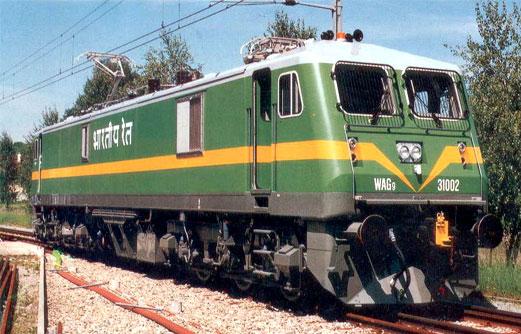
ਕਵਚ ਦੀਆਂ ਪ੍ਰਮੁੱਖ ਵਿਸ਼ੇਸ਼ਤਾਵਾਂ
ਮੰਤਰਾਲੇ ਨੇ ਜਿਨ੍ਹਾਂ ਕੁੱਝ ਵਿਸ਼ੇਸ਼ਤਾਵਾਂ ਨੂੰ ਉਜਾਗਰ ਕੀਤਾ ਹੈ, ਉਨ੍ਹਾਂ ਵਿੱਚ ਸ਼ਾਮਲ ਹਨਃ
- ਸਿਗਨਲ ਪਾਸਿੰਗ ਐਟ ਡੇਂਜਰ (ਐਸ. ਪੀ. ਏ. ਡੀ.) ਰੋਕਥਾਮ
- ਮੂਵਮੈਂਟ ਅਥਾਰਟੀ ਨੂੰ ਸਿਗਨਲ ਤੱਤਾਂ ਅਤੇ ਡਰਾਈਵਰ ਵਿੱਚ ਪ੍ਰਦਰਸ਼ਿਤ ਵਿਸ਼ੇਸ਼ਤਾਵਾਂ ਨਾਲ ਨਿਰੰਤਰ ਅਪਡੇਟ ਕੀਤਾ ਜਾਂਦਾ ਹੈ।
- ਲੋਕੋ ਪਾਇਲਟ ਅਪਰੇਸ਼ਨ ਇੰਡੀਕੇਸ਼ਨ ਪੈਨਲ (ਐੱਲ. ਪੀ. ਓ. ਸੀ. ਆਈ. ਪੀ.)/ਡਰਾਈਵਰ ਮਸ਼ੀਨ ਇੰਟਰਫੇਸ (ਡੀ. ਐੱਮ. ਆਈ.)।
- ਜ਼ਿਆਦਾ ਗਤੀ ਨੂੰ ਰੋਕਣ ਲਈ ਆਟੋਮੈਟਿਕ ਬ੍ਰੇਕਿੰਗ।
- ਲੈਵਲ ਕਰਾਸਿੰਗ ਗੇਟਸ ਦੇ ਨੇਡ਼ੇ ਪਹੁੰਚਦੇ ਹੋਏ ਆਟੋਮੈਟਿਕ ਸੀਟੀ ਵਜਾਉਣਾ
- ਕੰਮ ਕਰਨ ਯੋਗ ਕਵਚ ਨਾਲ ਲੈਸ ਦੋ ਇੰਜਣਾਂ ਵਿਚਕਾਰ ਟੱਕਰ ਤੋਂ ਬਚਾਅ।
- ਐਮਰਜੈਂਸੀ ਦੌਰਾਨ ਐਸ. ਓ. ਐਸ. ਸੁਨੇਹੇ
- ਨੈੱਟਵਰਕ ਮਾਨੀਟਰ ਸਿਸਟਮ ਰੇਲ ਆਵਾਜਾਈ ਦੀ ਕੇਂਦਰੀਕ੍ਰਿਤ ਸਿੱਧੀ ਨਿਗਰਾਨੀ ਪ੍ਰਦਾਨ ਕਰਦਾ ਹੈ।
ਕਵਚ ਲਈ ਤਾਇਨਾਤੀ ਰਣਨੀਤੀ
2022-23 ਦੌਰਾਨ, ਭਾਰਤੀ ਰੇਲਵੇ ਨੇ 2000 ਕਿਲੋਮੀਟਰ ਦੀ ਦੂਰੀ ਨੂੰ ਕਵਰ ਕਰਦੇ ਹੋਏ ਇੱਕ ਕਵਚ ਸੁਰੱਖਿਆ ਪ੍ਰਣਾਲੀ ਸਥਾਪਤ ਕਰਨ ਦੀ ਯੋਜਨਾ ਬਣਾਈ। ਕਵਚ 34,000 ਕਿਲੋਮੀਟਰ ਦੇ ਨੈੱਟਵਰਕ ਨੂੰ ਨਿਯੰਤਰਿਤ ਕਰੇਗਾ। ਰਿਪੋਰਟਾਂ ਦੇ ਅਨੁਸਾਰ, ਭਾਰਤੀ ਰੇਲਵੇ ਉੱਚ-ਘਣਤਾ ਨੈੱਟਵਰਕ ਅਤੇ ਉੱਚ ਵਰਤੋਂ ਵਾਲੇ ਨੈੱਟਵਰਕ ਰੂਟਾਂ ਉੱਤੇ ਲਗਭਗ 96 ਪ੍ਰਤੀਸ਼ਤ ਰੇਲਵੇ ਆਵਾਜਾਈ ਹੁੰਦੀ ਹੈ। ਰੇਲਵੇ ਬੋਰਡ ਇਸ ਆਵਾਜਾਈ ਨੂੰ ਸੁਰੱਖਿਅਤ ਢੰਗ ਨਾਲ ਸੰਭਾਲਣ ਲਈ ਕਵਚ ਕਾਰਜਾਂ 'ਤੇ ਆਪਣੇ ਯਤਨਾਂ' ਤੇ ਧਿਆਨ ਕੇਂਦਰਤ ਕਰ ਰਿਹਾ ਹੈ। ਸ਼ੁਰੂਆਤੀ ਤਰਜੀਹ ਉੱਚ-ਘਣਤਾ ਵਾਲੀਆਂ ਲਾਈਨਾਂ ਹਨ, ਜਿਵੇਂ ਕਿ ਨਵੀਂ ਦਿੱਲੀ-ਮੁੰਬਈ ਅਤੇ ਨਵੀਂ ਦਿੱਲੀ-ਹਾਵਡ਼ਾ ਹਿੱਸੇ ਆਟੋਮੈਟਿਕ ਬਲਾਕ ਸਿਗਨਲਿੰਗ ਅਤੇ ਕੇਂਦਰੀਕ੍ਰਿਤ ਟ੍ਰੈਫਿਕ ਕੰਟਰੋਲ ਨਾਲ 160 ਕਿਲੋਮੀਟਰ ਪ੍ਰਤੀ ਘੰਟੇ ਦੀ ਰਫਤਾਰ ਨਾਲ, ਕਿਉਂਕਿ ਇਨ੍ਹਾਂ ਭਾਗਾਂ ਵਿੱਚ ਡਰਾਈਵਰ ਗਲਤੀ ਦਾ ਵੱਧ ਖ਼ਤਰਾ ਹੁੰਦਾ ਹੈ ਕਿਉਂਕਿ ਰੇਲ ਗੱਡੀਆਂ ਇੱਕ ਦੂਜੇ ਦੇ ਨੇਡ਼ੇ ਚੱਲਦੀਆਂ ਹਨ। ਅਗਲੀ ਤਰਜੀਹ ਆਟੋਮੈਟਿਕ ਬਲਾਕ ਸਿਗਨਲਿੰਗ ਅਤੇ ਕੇਂਦਰੀਕ੍ਰਿਤ ਟ੍ਰੈਫਿਕ ਕੰਟਰੋਲ ਦੇ ਨਾਲ ਉੱਚ ਵਰਤੋਂ ਵਾਲੇ ਨੈੱਟਵਰਕ ਹਨ। ਤੀਜਾ ਆਟੋਮੈਟਿਕ ਬਲਾਕ ਸਿਗਨਲਿੰਗ ਦੇ ਨਾਲ ਹੋਰ ਉੱਚ-ਘਣਤਾ ਵਾਲੇ ਯਾਤਰੀ ਰੂਟਾਂ 'ਤੇ ਹੈ। ਚੌਥੇ ਪਡ਼ਾਅ ਵਿੱਚ ਬਾਕੀ ਸਾਰੇ ਰਸਤੇ ਸ਼ਾਮਲ ਸਨ। ਇਸ ਪ੍ਰਣਾਲੀ ਨੂੰ ਵਿੱਤੀ ਸਾਲ 24 ਵਿੱਚ 4,000 ਤੋਂ 5,000 ਕਿਲੋਮੀਟਰ ਤੱਕ ਵਧਾਇਆ ਜਾਣਾ ਚਾਹੀਦਾ ਹੈ।
ਰੇਲਵੇ ਅਧਿਕਾਰੀਆਂ ਅਨੁਸਾਰ ਭਾਰਤੀ ਰੇਲਵੇ ਨੂੰ 4ਜੀ ਸਪੈਕਟ੍ਰਮ ਮੁਹੱਈਆ ਕਰਵਾਇਆ ਗਿਆ ਹੈ, ਜਿਸ ਨਾਲ ਰੇਲ ਦੀ ਭਰੋਸੇਯੋਗਤਾ ਵਿੱਚ ਸੁਧਾਰ ਕਰਨ ਵਿੱਚ ਮਦਦ ਮਿਲੇਗੀ। ਹਾਲਾਂਕਿ, ਲੋਕ ਸਭਾ ਵਿੱਚ ਮੰਤਰੀ ਦੇ ਜਵਾਬ ਅਨੁਸਾਰ, ਕਵਚ ਟਕਰਾਅ ਰੋਕੂ ਪ੍ਰਣਾਲੀ ਦੇ ਵਿਕਾਸ 'ਤੇ ਕੁੱਲ ਖਰਚ 16.88 ਕਰੋਡ਼ ਰੁਪਏ ਹੈ। ਕਵਚ ਨਵੀਂ ਦਿੱਲੀ-ਹਾਵਡ਼ਾ ਅਤੇ ਨਵੀਂ ਦਿੱਲੀ-ਮੁੰਬਈ ਸੈਕਸ਼ਨਾਂ 'ਤੇ ਸਥਾਪਿਤ ਕੀਤਾ ਜਾਵੇਗਾ, ਜਿਸ ਦੀ ਮੁਕੰਮਲ ਹੋਣ ਦੀ ਸਮਾਂ ਸੀਮਾ ਮਾਰਚ 2024 ਹੈ। ਲਾਗੂ ਕਰਨ ਦੇ ਸ਼ੁਰੂਆਤੀ ਅਨੁਭਵ ਦੀ ਵਰਤੋਂ ਭਵਿੱਖ ਦੇ ਵਿਸਤਾਰ ਲਈ ਸਿੱਖਣ ਦੇ ਨੋਟ ਲੈਣ ਲਈ ਕੀਤੀ ਜਾਵੇਗੀ। ਹੁਣ ਤੱਕ, ਦੱਖਣੀ ਮੱਧ ਰੇਲਵੇ ਵਿੱਚ ਨੈੱਟਵਰਕ ਰੂਟ ਦੇ ਆਰ. ਕਿ. ਮੀ. (ਰੂਟ ਕਿਲੋਮੀਟਰ) ਨੂੰ ਕਵਚ ਦੇ ਅਧੀਨ ਲਿਆਂਦਾ ਗਿਆ ਹੈ, ਜਿਸ ਵਿੱਚੋਂ 576 ਆਰ. ਕਿ. ਮੀ. ਮਹਾਰਾਸ਼ਟਰ ਰਾਜ ਵਿੱਚ ਹੈ, ਜਿਸ ਵਿੱਚ ਮਨਮਾਡ਼ (ਧਮਾਬਾਦ ਨੂੰ ਛੱਡ ਕੇ) ਅਤੇ ਉਦਗੀਰ-ਪਰਭਣੀ ਸੈਕਸ਼ਨ ਸ਼ਾਮਲ ਹਨ। ਰਾਮਟੇਕ ਨਾਗਪੁਰ ਸੰਸਦੀ ਹਲਕੇ ਵਿੱਚ ਕਵਚ ਪ੍ਰਣਾਲੀ ਨੂੰ ਹਾਲੇ ਕਵਰ ਕੀਤਾ ਜਾਣਾ ਬਾਕੀ ਹੈ। ਤਾਜ਼ਾ ਰਿਪੋਰਟਾਂ ਅਨੁਸਾਰ ਕਵਚ ਉੱਤੇ 22 ਕਰੋਡ਼ ਰੁਪਏ ਦਾ ਖਰਚਾ ਆਇਆ ਹੈ।
ਸਿੱਟਾ
ਓਡੀਸ਼ਾ ਦੇ ਬਾਲਾਸੋਰ ਜ਼ਿਲ੍ਹੇ ਵਿੱਚ ਤੀਹਰੀ ਰੇਲ ਟੱਕਰ ਤੋਂ ਬਾਅਦ ਕਵਚ ਸੁਰਖੀਆਂ ਵਿੱਚ ਆ ਗਿਆ ਸੀ। ਘਟਨਾਵਾਂ ਦੀ ਇੱਕ ਲਡ਼ੀ ਵਿੱਚ, ਤਿੰਨ ਰੇਲ ਗੱਡੀਆਂ ਹਾਦਸਾਗ੍ਰਸਤ ਹੋ ਗਈਆਂ, ਜਿਸ ਵਿੱਚ ਲਗਭਗ 300 ਲੋਕ ਮਾਰੇ ਗਏ ਅਤੇ 1000 ਤੋਂ ਵੱਧ ਜ਼ਖਮੀ ਹੋ ਗਏ। ਬਹੁਤ ਸਾਰੇ ਲੋਕਾਂ ਦਾ ਮੰਨਣਾ ਹੈ ਕਿ ਘਟਨਾ ਤੋਂ ਬਾਅਦ ਕਾਵਾਚ ਇਸ ਹਾਦਸੇ ਨੂੰ ਟਾਲ ਸਕਦਾ ਸੀ। ਹਾਲਾਂਕਿ, ਰੇਲਵੇ ਦੇ ਇੱਕ ਬਿਆਨ ਅਨੁਸਾਰ, ਕਵਚ ਇਸ ਮਾਰਗ 'ਤੇ ਉਪਲਬਧ ਨਹੀਂ ਸੀ। ਘਟਨਾ ਤੋਂ ਬਾਅਦ, ਮਾਰਗ 'ਤੇ ਬਚਾਅ ਅਤੇ ਬਹਾਲੀ ਦਾ ਕੰਮ ਪਹਿਲ ਦੇ ਅਧਾਰ' ਤੇ ਪੂਰਾ ਕੀਤਾ ਗਿਆ ਸੀ। ਹਾਦਸੇ ਦੇ ਪੰਜਾਹ ਘੰਟੇ ਬਾਅਦ ਇਸ ਸੈਕਸ਼ਨ ਨੂੰ ਰੇਲ ਸੰਚਾਲਨ ਲਈ ਸਾਫ਼ ਕਰ ਦਿੱਤਾ ਗਿਆ ਸੀ।
ਮਾਹਰ ਕਵਚ ਅਤੇ ਉਡ਼ੀਸਾ ਰੇਲ ਹਾਦਸੇ ਬਾਰੇ ਵਿਚਾਰ ਕਰਦੇ ਹਨ।
ਹਾਲਾਂਕਿ, ਰੇਲ ਮਾਹਰਾਂ ਦਾ ਮੰਨਣਾ ਹੈ ਕਿ ਕਵਚ ਬਾਲਾਸੋਰ ਦੇ ਦੁਖਾਂਤ ਨੂੰ ਰੋਕ ਨਹੀਂ ਸਕਦਾ ਸੀ। ਸੁਧਾਂਸ਼ੂ ਮਨੀ ਦੇ ਅਨੁਸਾਰ, ਵੰਦੇ ਭਾਰਤ ਐਕਸਪ੍ਰੈਸ ਦੇ ਪਿੱਛੇ ਦਾ ਦਿਮਾਗ, ਕਵਚ ਭਿਆਨਕ ਬਾਲਾਪੁਰ ਦੁਖਾਂਤ ਨੂੰ ਰੋਕ ਨਹੀਂ ਸਕਦਾ ਸੀ। ਉਨ੍ਹਾਂ ਨੇ ਭਾਰਤ ਦੇ ਰੇਲਵੇ ਟਰੈਕ ਬੁਨਿਆਦੀ ਢਾਂਚੇ ਨੂੰ ਅਪਗ੍ਰੇਡ ਕਰਨ ਦੇ ਮਹੱਤਵ ਨੂੰ ਵੀ ਰੇਖਾਂਕਿਤ ਕੀਤਾ। 'ਕਵਚ ਇਸ ਹਾਦਸੇ ਨੂੰ ਰੋਕ ਨਹੀਂ ਸਕਿਆ ਸੀ। ਇਹ ਪਹਿਲੀ ਨਜ਼ਰ ਵਿੱਚ ਸਿਗਨਲ ਫੇਲ੍ਹ ਹੋਣ ਦਾ ਮਾਮਲਾ ਨਹੀਂ ਹੈ। ਪਹਿਲੀ ਰੇਲ ਪਟਡ਼ੀ ਤੋਂ ਉਤਰਨ ਦਾ ਮੁੱਖ ਕਾਰਨ ਹੈ। ਸੁਧਾਂਸ਼ੂ ਮਨੀ ਨੇ ਕਿਹਾ, "ਸਰਕਾਰ ਨੂੰ ਇਸ ਗੱਲ ਦੀ ਜਾਂਚ ਕਰਨੀ ਚਾਹੀਦੀ ਹੈ ਕਿ ਪਹਿਲੀ ਰੇਲਗੱਡੀ ਪਟਡ਼ੀ ਤੋਂ ਕਿਉਂ ਉੱਤਰੀ। ਉਹਨਾਂ ਕਿਹਾ ਕਿ ਕੋਰੋਮੰਡਲ ਐਕਸਪ੍ਰੈਸ ਦੇ ਡਰਾਈਵਰ ਨੇ ਜਦੋਂ ਰੁਕਾਵਟ ਵੇਖੀ ਤਾਂ ਉਹ ਬ੍ਰੇਕ ਨਹੀਂ ਲਗਾ ਸਕਦਾ ਸੀ ਕਿਉਂਕਿ ਰੇਲ ਗੱਡੀ ਤੇਜ਼ ਰਫਤਾਰ ਨਾਲ ਚੱਲ ਰਹੀ ਸੀ।
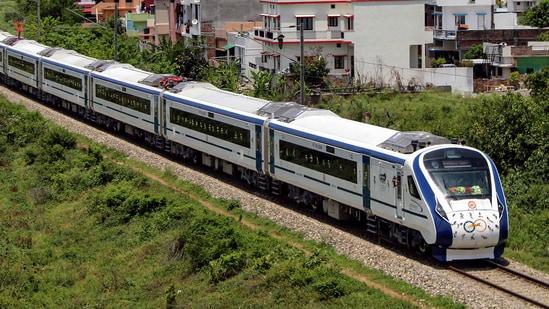
ਭਾਰਤ ਵਿੱਚ ਕਵਚ ਆਟੋਮੈਟਿਕ ਰੇਲ ਸੁਰੱਖਿਆ ਪ੍ਰਣਾਲੀ
ਕਵਚ ਭਾਰਤੀ ਉਦਯੋਗ ਦੇ ਸਹਿਯੋਗ ਨਾਲ ਰਿਸਰਚ ਡਿਜ਼ਾਈਨ ਐਂਡ ਸਟੈਂਡਰਡਜ਼ ਆਰਗੇਨਾਈਜ਼ੇਸ਼ਨ (ਆਰ. ਡੀ. ਐੱਸ. ਓ.) ਦੁਆਰਾ ਵਿਕਸਿਤ ਇੱਕ ਅਤਿ-ਆਧੁਨਿਕ ਇਲੈਕਟ੍ਰੌਨਿਕ ਸੁਰੱਖਿਆ ਉਪਕਰਣ ਹੈ ਜੋ ਲੋਕੋਮੋਟਿਵ ਪਾਇਲਟਾਂ ਨੂੰ ਸਿਗਨਲ ਪਾਸਿੰਗ ਐਟ ਡੇਂਜਰ (ਐੱਸ. ਪੀ. ਏ. ਡੀ.) ਅਤੇ ਓਵਰ ਸਪੀਡਿੰਗ ਤੋਂ ਬਚਣ ਵਿੱਚ ਮਦਦ ਕਰ ਸਕਦਾ ਹੈ। ਇਸ ਤੋਂ ਇਲਾਵਾ, ਇਹ ਖਰਾਬ ਮੌਸਮ ਦੀਆਂ ਸਥਿਤੀਆਂ ਜਿਵੇਂ ਕਿ ਗੰਭੀਰ ਧੁੰਦ ਦੌਰਾਨ ਰੇਲ ਸੰਚਾਲਨ ਦਾ ਵੀ ਸਮਰਥਨ ਕਰਦਾ ਹੈ। ਇਹ ਉਪਕਰਣ ਰੇਲਗੱਡੀ ਦੀ ਗਤੀ ਉੱਤੇ ਬਿਹਤਰ ਨਿਯੰਤਰਣ ਨੂੰ ਸਮਰੱਥ ਬਣਾਉਂਦਾ ਹੈ ਅਤੇ ਲੋਡ਼ ਪੈਣ ਉੱਤੇ ਆਪਣੇ ਆਪ ਬ੍ਰੇਕ ਲਗਾ ਕੇ ਸੰਭਾਵਿਤ ਹਾਦਸਿਆਂ ਨੂੰ ਖਤਮ ਕਰਦਾ ਹੈ।
ਕਵਚ ਨਾ ਸਿਰਫ ਲੋਕੋਮੋਟਿਵ ਡਰਾਈਵਰਾਂ ਨੂੰ ਖੁੰਝੇ ਹੋਏ ਚੇਤਾਵਨੀ ਸੰਕੇਤਾਂ ਤੋਂ ਬਚਣ ਅਤੇ ਗਤੀ ਨੂੰ ਨਿਯੰਤਰਿਤ ਕਰਨ ਵਿੱਚ ਸਹਾਇਤਾ ਕਰਦਾ ਹੈ ਬਲਕਿ ਰੇਲ ਗੱਡੀਆਂ ਨੂੰ ਘੱਟ ਦ੍ਰਿਸ਼ਟਤਾ ਦੀਆਂ ਸਥਿਤੀਆਂ ਵਿੱਚ ਸੁਰੱਖਿਅਤ ਢੰਗ ਨਾਲ ਚਲਾਉਣ ਦਾ ਭਰੋਸਾ ਵੀ ਦਿੰਦਾ ਹੈ। ਰੇਲ ਮੰਤਰੀ ਵੈਸ਼ਨਵ ਨੇ ਨਿੱਜੀ ਤੌਰ 'ਤੇ' ਕਵਚ 'ਵਿਧੀ ਦੀ ਜਾਂਚ ਕੀਤੀ ਅਤੇ ਵਿਸਤਾਰ ਲਈ ਇਸ ਦੀ ਵਰਤੋਂ ਬਾਰੇ ਟਵੀਟ ਕੀਤਾ। 'ਰੀਅਰ-ਐਂਡ ਐਕਸੀਡੈਂਟ ਟੈਸਟਿੰਗ ਇੱਕ ਜਿੱਤ ਸੀ। ਵੈਸ਼ਨਵ ਨੇ ਮਾਰਚ 2022 ਵਿੱਚ ਟਵੀਟ ਕੀਤਾ, "ਕਵਚ ਨੇ ਖੁਦਮੁਖਤਿਆਰੀ ਨਾਲ ਇੱਕ ਹੋਰ ਲੋਕੋਮੋਟਿਵ ਤੋਂ 380 ਮੀਟਰ ਅੱਗੇ ਲੋਕੋਮੋਟਿਵ ਨੂੰ ਰੋਕ ਦਿੱਤਾ।"
ਕਵਚ ਟਰਾਇਲ ਦੱਖਣੀ ਮੱਧ ਰੇਲਵੇ ਦੇ ਲਿੰਗਮਪੱਲੀ-ਵਿਕਾਰਾਬਾਦ-ਵਾਡੀ ਅਤੇ ਵਿਕਾਰਾਬਾਦ-ਬੀਦਰ ਸੈਕਸ਼ਨਾਂ 'ਤੇ ਕੀਤੇ ਗਏ ਸਨ। ਕੇਂਦਰ, ਜਿਸ ਨੇ ਕਵਚ ਨੂੰ ਵਿਕਸਤ ਕਰਨ ਲਈ 16.88 ਕਰੋਡ਼ ਰੁਪਏ ਖਰਚ ਕੀਤੇ ਹਨ, ਨੇ ਨਵੀਂ ਦਿੱਲੀ-ਹਾਵਡ਼ਾ ਅਤੇ ਨਵੀਂ ਦਿੱਲੀ-ਮੁੰਬਈ ਸੈਕਸ਼ਨਾਂ 'ਤੇ ਇਸ ਦੀ ਸ਼ੁਰੂਆਤ ਦੀ ਕਲਪਨਾ ਕੀਤੀ ਹੈ, ਜਿਸ ਦੀ ਮੁਕੰਮਲ ਮਿਤੀ ਮਾਰਚ 2024 ਹੈ।
Good Day,
Please note that Kavach like any other train protection system relies on track embeded speed pick ups and automatic distant signals apply automatic brakes on the locomotive. In the case of the Coromandel Express disaster, the point position was “manually doctored by reversing direction cables either at the location box or relay room ” causing facing point indication lit yellow at control room local panel, fooling the automatic interlock system into allowing the station master to set the home signal, starter signal and advanced starter signal to green for the up main line, thereby allowing incoming Coromandel Express to pass through at 130 t kmph. Unfortunately the Kavach is not idiot proof as does not cater for similar “doctoring of point position” however Kavach has a design weakness because if we assume a situation where the point position was reversed with the correct red indication in control panel and due to some error the automatic interlocking system allowed the SM to set up & lock the main line as above, there would be insufficient breaking distance available to avoid derailment or collision at loop line. The Railways must look into this as the number of incidents involving unauthorised tampering of signals has significantly increased . However, if we consider similar goods train loop line collision at Bankura on 25th June, if Kavach was fitted, it would have prevented SPAD, as Kavach would have automatically applied the brakes and the locomotive would have come to a stop before the red home signal. What is surprising that in this case, that after a very brief inquest the Railways authorities have blamed the loco pilot of SPAD due to “micro sleeping” and have rather hastily closed the case where in-fact there are several unanswered questions on the action of the Station Master as he should have monitored the incoming freight train and alerted the loco pilot on walkie talkie as it hurtled into his railway station without any hint of slowing down. Also there are questions being asked why the facing point was not set to reverse position from the local control panel in control room after the loop line was occupied with a stationary train after the loop line, especially when the operator was aware of an incoming freight train as SPAD was always a possibility …. in-fact the possibility turned into reality ? Too many incidents, near misses which alarming as indicates systemic failure within the Indian Railways Safety management System and responsible stakeholders turning a blind eye . Infact CBI should investigate all related cases and come up with the bitter truth or the Govt should seriously consider in privatising the Indian Railways as with such dismal safety standards we will never be able to compete with the Chinese who ae now operating Maglev at 430 kmps service speeds. The operation of the Shinkansen ( Japanese bullet trains) at 280 kmph service speeds should be handed over to private entity as you need organisations with zero casualty risk status to operate such trains. The common man is now scared to travel by rail and its pathetic to see how a sensational breaking story seeking Indian media seems to have stopped perusing this serous issue once the fever to the Coromandel Express accident has died down …. Will it require another such accident where innocent lives are lost for the media to wake up …. shameful !
Please note like any other train protection system, Kavach relies on embedded speed pick-ups and automatic distant signals to automatically apply emergency brakes on the locomotive causing the train to stop taking into consideration the trains speed and the relative breaking distance. In the case of the Coromandel Express disaster, since the CBI is taking an eternity to complete their investigation, we are of the opinion that the position of the facing point was “manually doctored by reversing direction cables either from the location box or relay room ” causing facing point yellow indication to be lit up in local panel, fooling the so called failsafe automatic interlock system into allowing the station master to set the home signal, starter signal and advanced starter signal for the up main line from red to green, thereby indicating to loco pilot of incoming Coromandel Express to pass through at speed of 130 kmph. Unfortunately, Kavach is not idiot proof as does not cater for similar “doctoring of point position” by idiots belonging to the Indian Railways S&T Dept, although Kavach does have a design weakness because if we are to consider a similar scenario however in this case we assuming an extremely unlikely situation where point is set in reverse position with red indication on the control panel and due to some software error the automatic interlocking system malfunctions without any alarm, thereby allowing an unsuspecting station master to set & lock the main line for incoming Coromandel Express , an active Kavach would get activated only when the train started to pass over the point and by the time emergency brakes came on Coromandel Express would have either derailed at the entry bend of the loop line or would have collided with the stationary goods train due to insufficient breaking distance available on the loop line. The Kavach design must factor in such unlikely situations as there have been several major incidents of late, involving unauthorised tampering of signals. However, for a similar incident involving a major collision of two goods train on loop line at Bankura, on 25th June, if Kavach was fitted it would have prevented SPAD, as Kavach automatically apply emergency brakes well in advance ensuring incoming goods train would come to a stop position well before crossing the red home signal.
The way the Indian Railways have handled the goods train collision incident at Bankura leaves lot to be desired as it seems they were in great hurry to close the case with undue publicity. After a brief inquest by their safety officer, Indian Railways blamed the loco pilot of SPAD due to “micro sleeping” and have rather hastily closed the case without further investigation on the root cause for loco pilots falling asleep on duty, especially since Railways aware of this problem. There are several unanswered questions on the action taken by the Station Master, as he should have monitored the incoming freight train and alerted the loco pilot on walkie talkie as it hurtled towards his railway station without any hint of slowing down and stopping before the red home signal. Also, there are questions being asked why the facing point was not set to reverse position since the loop line was now occupied by another goods train, and why was this abnormal condition not picked up by the Automatic Interlock System and alerted the Station Master on the potential risk prompting SPAD prevention action like using the walkie talkie to communicate with loco pilot? The number of major incidents and near misses within a short span of time indicates systemic failure of the Safety management System and way Indian Railways have reacted highlights complacency which is an extremely dangerous situation as responsible stakeholders starts turning a blind eye. In-fact the CBI should be given the authority to investigate all related cases and come up with the bitter truth or the Govt should seriously consider in privatising the Indian Railways as with such dismal safety standards we will never be able to modernize the Railways and compete with the Chinese who are now operating Maglev at 430 kmps service speeds. The operation of the Shinkansen (Japanese bullet trains) at 250 kmph service speeds should be handed over to separate organization as you need zero risk status on casualty to safely operate such high-speed trains. The common man is now scared to travel by rail and its pathetic to see how a sensational news seeking Indian press & digital media have stopped perusing the authorities on CBI investigation reports and CRS reports on related incidents. Does have to take another Coromandel Express incident to occur for the media to wake up and be responsible in drawing the attention of civil society and other responsible stake holders in pressuring the Govt to seriously investigate alleged systemic failures that seem to have plagued the Indian Railways for a while! Really shameful!
Please note like any other train protection system, Kavach is an intelligent software using a complex array of algorithms which is probably looped in with ML ( machine learning) capable of continuous real time monitoring and predictive analysis of source data from embedded speed pick-ups and automatic distant signals, enabling timely and remote activation of emergency brakes on the locomotive causing the train to come to a stop position before any projected hazard, taking into consideration the relative breaking distance basis time lag to initiate a stop signal and the relative speed of the train. In the case of the Coromandel Express, since the CBI is taking an eternity to complete their accident investigation, we are of the opinion that the position of the facing point was “manually doctored by simply reversing direction cables by using a jumper either at the location box or relay room, causing facing point yellow indication to be lit up on local panel, fooling the so called failsafe automatic interlock system into allowing the not so innocent station master to set and lock the home, starter and advanced starter signals from red to green for the up main line, thereby indicating to the loco pilot of incoming Coromandel Express to safely pass through at a speed of 130 kmph. Unfortunately, Kavach is not idiot proof as does not cater for similar “doctoring of point position” by certain idiots belonging to the Indian Railways S&T Dept. However, if we are to consider recent incidents, Kavach may have a design weakness if we apply similar sequence of events, but altering the cause in order to simulate an unlikely situation where point is set in reverse position which shows up correctly as a red indication on the control panel and due to some software glitch the automatic interlocking system malfunctions without warning indication, thereby allowing an unsuspecting station master to set & lock the main line for incoming Coromandel Express, an active Kavach in place would have recognized a hazard situation only when the train started to ride past the point machine and by the time Kavach initiated emergency stop signal, the Coromandel Express would have already derailed at the entry bend of the loop line or would have collided with the stationary goods train, simply because there was insufficient breaking distance available on an occupied loop line for the given speed at which the train had entered the loop line. The Kavach design will have to factor in such unlikely situations as there have been several major incidents of late, involving unauthorised tampering of signals. However, for a similar incident involving a major collision of two goods train on loop line at Bankura, on 25th June, an active Kavach would have prevented SPAD, as Kavach would have automatically applied emergency brakes well in advance, ensuring incoming goods train would come to a stop position well before the red home signal. In context, the way the Indian Railways have handled the collision incident at Bankura, leaves a lot to be desired as it seemed they wanted to close the case quickly and without any undue publicity. After a brief inquest by their safety officer, Indian Railways blamed the loco pilots of SPAD for “micro sleeping” and closed the case without further investigation on the root cause for loco pilots to fall asleep on duty, f especially since Indian Railways aware of several recent SPAD related incidents. There are several unanswered questions on the action taken by the Station Master, as he should have monitored the incoming freight train and alerted the loco pilot on walkie talkie as it hurtled towards his railway station without any hint of slowing down and stopping before the red home signal. There are also questions being asked why the facing point was not set to reverse position after the loop line was occupied by another goods train and why was this abnormal condition not picked up by the Automatic Interlock System which should have alerted the Station Master on the potential operating risk, prompting SPAD prevention procedures, e.g. making use the of walkie talkie in order to communicate with the loco pilot or the guard ? The frequency of major incidents and reported near misses is an extremely alarming situation as it indicates systemic failure of the Safety Management System and way the Indian Railways have reacted does suggest complacency and with responsible stakeholders turning a blind eye, the common man will keep paying with their lives. In-fact the CBI should be given the authority to investigate all related cases and come up with the bitter truth or the Government should seriously consider in privatising the Indian Railways, as such dismal safety standards will prevent the modernising of our antiquated railway systems as compared to the Chinese who are now operating Maglev at 430 kmps service speeds. Even the Shinkansen (Japanese bullet trains) operation at 250 kmph service speeds should be handed over to organization reputed for extremely high safety standards. The common man is now scared to travel by rail and frankly its rather pathetic to see how the sensational news grabbing press & digital media have now gone silent on CBI investigation reports and CRS reports on recent related incidents. Does have to take another Coromandel Express for the media to wake up and take the responsibility in garnering support from civil society and other responsible stake holders in pressuring the Government to appoint a joint parliamentary committee with the mandate to reform the Indian Railways as deemed necessary
Please note like any other train protection system, Kavach is an intelligent software using a complex array of algorithms which is probably looped in with ML ( machine learning) capable of continuous real time monitoring and predictive analysis of source data from embedded speed pick-ups and automatic distant signals, enabling timely and remote activation of emergency brakes on the locomotive causing the train to come to a stop position before any projected hazard, taking into consideration the relative breaking distance basis time lag to initiate a stop signal and the relative speed of the train. In the case of the Coromandel Express, since the CBI is taking an eternity to complete their accident investigation, we are of the opinion that the position of the facing point was “manually doctored by simply reversing direction cables by using a jumper either at the location box or relay room, causing facing point yellow indication to be lit up on local panel, fooling the so called failsafe automatic interlock system into allowing the not so innocent station master to set and lock the home, starter and advanced starter signals from red to green for the up main line, thereby indicating to the loco pilot of incoming Coromandel Express to safely pass through at a speed of 130 kmph. Unfortunately, Kavach is not idiot proof as does not cater for similar “doctoring of point position” by certain idiots belonging to the Indian Railways S&T Dept. However, if we are to consider recent incidents, Kavach may have a design weakness if we apply similar sequence of events, but altering the cause in order to simulate an unlikely situation where point is set in reverse position which shows up correctly as a red indication on the control panel and due to some software glitch the automatic interlocking system malfunctions without warning indication, thereby allowing an unsuspecting station master to set & lock the main line for incoming Coromandel Express, an active Kavach in place would have recognized a hazard situation only when the train started to ride past the point machine and by the time Kavach initiated emergency stop signal, the Coromandel Express would have already derailed at the entry bend of the loop line or would have collided with the stationary goods train, simply because there was insufficient breaking distance available on an occupied loop line for the given speed at which the train had entered the loop line. The Kavach design will have to factor in such unlikely situations as there have been several major incidents of late, involving unauthorised tampering of signals. However, for a similar incident involving a major collision of two goods train on loop line at Bankura, on 25th June, an active Kavach would have prevented SPAD, as Kavach would have automatically applied emergency brakes well in advance, ensuring incoming goods train would come to a stop position well before the red home signal. In context, the way the Indian Railways have handled the collision incident at Bankura, leaves a lot to be desired as it seemed they wanted to close the case quickly and without any undue publicity. After a brief inquest by their safety officer, Indian Railways blamed the loco pilots of SPAD for “micro sleeping” and closed the case without further investigation on the root cause for loco pilots to fall asleep on duty, f especially since Indian Railways aware of several recent SPAD related incidents. There are several unanswered questions on the action taken by the Station Master, as he should have monitored the incoming freight train and alerted the loco pilot on walkie talkie as it hurtled towards his railway station without any hint of slowing down and stopping before the red home signal. There are also questions being asked why the facing point was not set to reverse position after the loop line was occupied by another goods train and why was this abnormal condition not picked up by the Automatic Interlock System which should have alerted the Station Master on the potential operating risk, prompting SPAD prevention procedures, e.g. making use the of walkie talkie in order to communicate with the loco pilot or the guard ? The frequency of major incidents and reported near misses is an extremely alarming situation as it indicates systemic failure of the Safety Management System and way the Indian Railways have reacted does suggest complacency and with responsible stakeholders turning a blind eye, the common man will keep paying with their lives. In-fact the CBI should be given the authority to investigate all related cases and come up with the bitter truth or the Government should seriously consider in privatising the Indian Railways, as such dismal safety standards will prevent the modernising of our antiquated railway systems as compared to the Chinese who are now operating Maglev at 430 kmps service speeds. Even the Shinkansen (Japanese bullet trains) operation at 250 kmph service speeds should be handed over to organization reputed for extremely high safety standards. The common man is now scared to travel by rail and frankly its rather pathetic to see how the sensational news grabbing press & digital media have now gone silent on CBI investigation reports and CRS reports on recent related incidents. Does have to take another Coromandel Express for the media to wake up and take the responsibility in garnering support from civil society and other responsible stake holders in pressuring the Government to appoint a joint parliamentary committee with the mandate to reform the Indian Railways as deemed necessary.
please refer to this edited version