



ଏହି ଲେଖାଟି ଶୁଣନ୍ତୁ
0:00
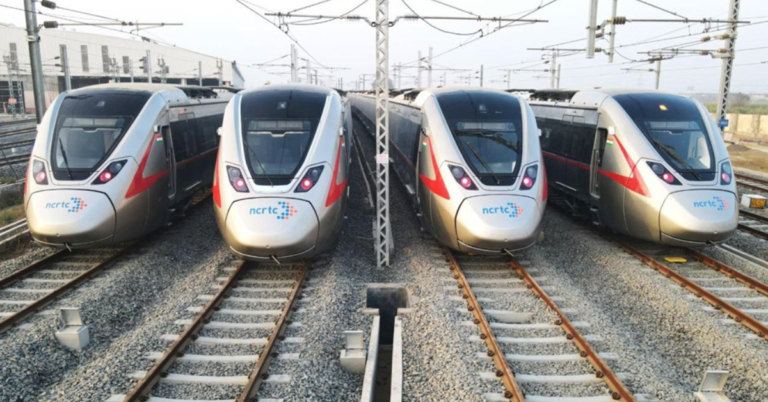
IntroductionThe Delhi-Ghaziabad-Meerut line will soon have a functional Regional Rapid Transport System (RRTS), which would improve connectivity in India's capital city region. The primary goal of this effort is to promote regional connectivity in the area. The system is also expected to promote intermodal connectivity. In a mojor development, the RRTS stations will now have seamless linkages to the Delhi metro stations.NCR & RRTSThe National Capital Region (NCR) is a multi-state area that includes the National Capital, which exists as its centre. This region, which spans over 35,000 km sq. includes the whole National Capital Territory of Delhi as well as portions of the neighbouring states of Haryana, Uttar Pradesh, and Rajasthan. To improve connectivity within the NCR, the National Capital Region Planning Board (NCRPB) has suggested connecting urban, industrial (SEZs/industrial parks), regional, and sub-regional centres via a fast rail-based Regional Rapid Transit System (RRTS). The goal of this system is to minimise commuters' reliance on road-based mobility. The NCRPB conducted a study on the Integrated Transportation Plan for the NCR, predicting statistics through 2032, and proposed eight rail-based fast transit corridors to improve the efficiency of the NCR's transportation system. In addition to the rail system, different arrangements have also been proposed that shall be made for infrastructure, such as road network improvements.The eight identified RRTS corridors are: According to recent updates from the National Capital Regional Transportation Corporation (NCRTC), the rapid rail service between Delhi and Meerut will now be known as RapidX. The 82-kilometre-long Rapid Rail Transit Services (RRTS) line is projected to reduce travel time between Delhi and Meerut. By 2025, the NCRTC hopes to open the full Delhi-Ghaziabad-Meerut corridor to the public. The 17-kilometre priority route between Sahibabad and Duhai is expected to open for public use by the end of June this year.Regarding the name change to RapidX, the NCRTC states that the brand name RapidX is easy to read and pronounce. In addition to speed and progress, the letter X in the name signifies next-generation technology and modern mobility solution. According to NCRTC authorities, the leaf symbol in the transport system's sign is the highlight of the brand's dedication to decarbonisation, not only through decongesting NCR and lowering the number of vehicles on the road, but also by using green energy.Project & Specification DetailsThe goal of the Delhi-Meerut RRTS (RAPIDX) is to minimise commuter reliance on road-based transit and movement while improving regional connectivity within the National Capital Region. The RRTS system will mostly operate underground within Delhi, connect to the Delhi Metro Rail system, and give locals with a speedier alternative option to reach their destination (for example, nonstop service between Sarai Kale Khan and Kashmere Gate on the Delhi-Panipat line). In other parts of the world, equivalent systems include London's Crossrail, Paris' RER, and Munich's S-Bahn. RAPIDX Station[/caption] Earlier this month, officials announced that the stations of India's first regional train - RAPIDX - will be painted in the blue and beige colour spectrum of the peacock feather. The colours of the station's outdoor facade have been an inspiration by the hues of peacock feathers, according to an official statement. The facade structure is painted in two different tones of blue and beige. The external roofs of its stations are curved on both sides to represent the train's speed, which is one of its key attributes.
- ଦିଲ୍ଲୀ-ଗୁଡ଼ଗାଓଁ-ରେୱାରୀ-ଅଲୱାର [ଡିଜିଆରଏ-ପ୍ରକଳ୍ପ କରିଡର]
- ଦିଲ୍ଲୀ-ଗାଜିଆବାଦ-ମିରଟ
- ଦିଲ୍ଲୀ-ସୋନିପତ-ପାନିପଥ
- ଦିଲ୍ଲୀ-ଫରିଦାବାଦ-ବଲ୍ଲଭଗଡ଼-ପଲୱାଲ
- ଦିଲ୍ଲୀ-ବାହାଦୁରଗଡ଼-ରୋହତକ
- ଦିଲ୍ଲୀ-ଶାହଦରା-ବଡ଼ୌତ
- ଗାଜିଆବାଦ-ଖୁର୍ଜା
- ଗାଜିଆବାଦ-ହାପୁର
- ଦିଲ୍ଲୀ-ଗୁଡ଼ଗାଓଁ-ରେୱାରୀ-ଅଲୱାର;
- ଦିଲ୍ଲୀ-ସୋନିପତ-ପାନିପଥ; ଏବଂ
- ଦିଲ୍ଲୀ-ଗାଜିଆବାଦ-ମିରଟ।
- ଦିଲ୍ଲୀ-ଗାଜିଆବାଦ-ମିରଟ ଆର. ଆର. ଟି. ଏସ. କରିଡର ହେଉଛି ଭାରତର ପ୍ରଥମ ଆର. ଆର. ଟି. ଏସ. କରିଡର ଯାହା ଯାତ୍ରୀମାନଙ୍କ ସୁଗମ ଏବଂ ନିରବଚ୍ଛିନ୍ନ ଗତିବିଧିକୁ ସୁନିଶ୍ଚିତ କରିବାରେ ସାହାଯ୍ୟ କରିବା ପାଇଁ ପରିବହନର ଅନ୍ୟ ମାଧ୍ୟମ ସହିତ ସଂଯୋଗ କରିବାକୁ ଯୋଜନା କରାଯାଇଛି।
- ଯାତ୍ରୀଙ୍କ ସୁରକ୍ଷାରେ ଉନ୍ନତି ଆଣିବା ପାଇଁ ସମସ୍ତ ଆର. ଆର. ଟି. ଏସ. ଷ୍ଟେସନରେ ପ୍ଲାଟଫର୍ମ ସ୍କ୍ରିନ୍ ଦ୍ୱାର ସ୍ଥାପନ କରାଯିବ। ଏନ୍. ସି. ଆର୍. ଟି. ସି. ମଧ୍ୟ ପ୍ରକଳ୍ପର ମୂଲ୍ୟର 60 ପ୍ରତିଶତ ମୂଲ୍ୟର ଏକ ଋଣ ପାଇଁ ବୁଝାମଣା କରୁଛି। ଅବଶିଷ୍ଟ 40 ପ୍ରତିଶତ କେନ୍ଦ୍ର ସରକାର ତଥା ଉତ୍ତର ପ୍ରଦେଶ ଓ ଦିଲ୍ଲୀ ସରକାର ବହନ କରିବେ।
- ବେସାମରିକ ବିମାନ ଚଳାଚଳ ମନ୍ତ୍ରଣାଳୟ ଦେଶରେ ପ୍ରଥମ ଥର ପାଇଁ କରିଡରର ଜିଆଇଏସ ମ୍ୟାପିଂ ପାଇଁ ଡ୍ରୋନ ବ୍ୟବହାରକୁ ଅନୁମୋଦନ କରିଛି। ତଥ୍ୟ ସଂଗ୍ରହ, ମ୍ୟାପିଂ ଏବଂ ୱେବ-ଆଧାରିତ ସୂଚନା ପ୍ରଣାଳୀ ପ୍ଲାଟଫର୍ମ କାର୍ଯ୍ୟକାରୀ କରିବା ପାଇଁ ଦୂରରୁ ପରିଚାଳିତ ବିମାନ ପ୍ରଣାଳୀର ବ୍ୟବହାର କରାଯିବ।
- ଘଣ୍ଟାପ୍ରତି 180 କି. ମି. ବେଗରେ ଗତି କରୁଥିବା ଆର. ଆର. ଟି. ଏସ. ରୋଲିଙ୍ଗ ଷ୍ଟକ୍ ଭାରତରେ ଏହି ପ୍ରକାରର ପ୍ରଥମ ହେବ। ଏହି ଏରୋଡାଇନାମିକ୍ ଆର୍. ଆର୍. ଟି. ଏସ୍. ଟ୍ରେନ୍ଗୁଡ଼ିକ ହାଲୁକା, ସମ୍ପୂର୍ଣ୍ଣ ଶୀତତାପ ନିୟନ୍ତ୍ରିତ ଏବଂ ଏକ ଷ୍ଟେନଲେସ୍ ଷ୍ଟିଲ୍ ବାହ୍ୟ ଶରୀର ବିଶିଷ୍ଟ ହେବ। ସିଗନାଲିଂ ପାଇଁ ଇ. ଆର୍. ଟି. ଏମ୍. ଏସ୍. ର ୟୁରୋପୀୟ ଟ୍ରେନ୍ କଣ୍ଟ୍ରୋଲ୍ ସିଷ୍ଟମ୍ (ଇ. ଟି. ସି. ଏସ୍.) ଲେଭଲ୍ 2 ବ୍ୟବହାର କରାଯିବ।
- 25 କେଭି, 50 ହର୍ଜ ଏସି ଓଭରହେଡ୍ କ୍ୟାଟେନାରୀ ବିଦ୍ୟୁତକରଣ ହେବ। ଏନସିଆରଟିସି ଅନୁଯାୟୀ, ସୌର ଶକ୍ତି ଆରଆରଟିଏସ କରିଡରର ମୋଟ ଶକ୍ତି ଆବଶ୍ୟକତାକୁ ସତୁରି ପ୍ରତିଶତରୁ ଅଧିକ ପୂରଣ କରିବ, ଇନ୍ଧନ ସଂରକ୍ଷଣ କରିବ ଏବଂ ବାୟୁ ପ୍ରଦୂଷଣକୁ ହ୍ରାସ କରିବ ଏବଂ କରିଡରର କାର୍ଯ୍ୟ ମାଧ୍ୟମରେ କାର୍ବନ କ୍ରେଡିଟ୍ ମଧ୍ୟ ହାସଲ କରିବ।
- ମେ 2017: ପ୍ରକଳ୍ପର ବିସ୍ତୃତ ପ୍ରକଳ୍ପ ରିପୋର୍ଟ (ଡିପିଆର) ଉତ୍ତର ପ୍ରଦେଶ ସରକାରଙ୍କ ଦ୍ୱାରା ଅନୁମୋଦିତ ହୋଇଥିଲା।
- ଫେବୃଆରୀ 2019:30,274 କୋଟି ଟଙ୍କାର ବଜେଟ ସହିତ କେନ୍ଦ୍ର ଦ୍ୱାରା ଅନୁମୋଦିତ ପ୍ରକଳ୍ପ।
- ମାର୍ଚ୍ଚ 2019: ପ୍ରଧାନମନ୍ତ୍ରୀ ନରେନ୍ଦ୍ର ମୋଦୀ ଏହି ପ୍ରକଳ୍ପର ମୂଳଦୁଆ ପକାଇଥିଲେ ଏବଂ ଭିତ୍ତିପ୍ରସ୍ତର ସ୍ଥାପନ କରିଥିଲେ।
- ମାର୍ଚ୍ଚ 2022: ମିରଟରେ ଏହି ମାର୍ଗର ଭୂତଳ ଭାଗ ପାଇଁ ସୁଡ଼ଙ୍ଗ ନିର୍ମାଣ କାର୍ଯ୍ୟ ଆରମ୍ଭ ହେଲା।
- ଜାନୁଆରୀ 2023: ଗତିଶୀଳ ପରୀକ୍ଷଣ କରିଡର ସହିତ ଚାଲିଥାଏ |
 According to recent updates from the National Capital Regional Transportation Corporation (NCRTC), the rapid rail service between Delhi and Meerut will now be known as RapidX. The 82-kilometre-long Rapid Rail Transit Services (RRTS) line is projected to reduce travel time between Delhi and Meerut. By 2025, the NCRTC hopes to open the full Delhi-Ghaziabad-Meerut corridor to the public. The 17-kilometre priority route between Sahibabad and Duhai is expected to open for public use by the end of June this year.Regarding the name change to RapidX, the NCRTC states that the brand name RapidX is easy to read and pronounce. In addition to speed and progress, the letter X in the name signifies next-generation technology and modern mobility solution. According to NCRTC authorities, the leaf symbol in the transport system's sign is the highlight of the brand's dedication to decarbonisation, not only through decongesting NCR and lowering the number of vehicles on the road, but also by using green energy.Project & Specification DetailsThe goal of the Delhi-Meerut RRTS (RAPIDX) is to minimise commuter reliance on road-based transit and movement while improving regional connectivity within the National Capital Region. The RRTS system will mostly operate underground within Delhi, connect to the Delhi Metro Rail system, and give locals with a speedier alternative option to reach their destination (for example, nonstop service between Sarai Kale Khan and Kashmere Gate on the Delhi-Panipat line). In other parts of the world, equivalent systems include London's Crossrail, Paris' RER, and Munich's S-Bahn.
- କାର୍ଯ୍ୟକ୍ଷମ: 0 କିଲୋମିଟର
- ନିର୍ମାଣାଧୀନ: 82.15 କିଲୋମିଟର
- ଅନୁମୋଦିତ-209 କିଲୋମିଟର
- ପ୍ରସ୍ତାବିତ: 700 କିଲୋମିଟର (ପାଖାପାଖି)
- ଡିଜାଇନ୍ ବେଗ: ଘଣ୍ଟା ପ୍ରତି 180 କିଲୋମିଟର
- କାର୍ଯ୍ୟକ୍ଷମ ବେଗ: ଘଣ୍ଟାପ୍ରତି 160 କିଲୋମିଟର
- ହାରାହାରି ବେଗ: ଘଣ୍ଟାପ୍ରତି 100 କିଲୋମିଟର
- ଟ୍ରାକ୍ ଗେଜ୍: ଷ୍ଟାଣ୍ଡାର୍ଡ ଗେଜ୍ (1435 ମିମି)
- ରୋଲିଂ ଷ୍ଟକ୍: ଏରୋଡାଇନାମିକ୍ (ଷ୍ଟେନଲେସ୍ ଷ୍ଟିଲ୍/ଆଲୁମିନିୟମ୍ ବଡି)
- ସଙ୍କେତ: ଇ. ଆର୍. ଟି. ଏମ୍. ଏସ୍. ର ୟୁରୋପୀୟ ଟ୍ରେନ୍ କଣ୍ଟ୍ରୋଲ୍ ସିଷ୍ଟମ୍ (ଇ. ଟି. ସି. ଏସ୍.) ସ୍ତର 2
- କର୍ଷଣ: 1x25 କେ. ଭି. ଏସି ଓଭରହେଡ୍ କ୍ୟାଟେନାରୀ (ଓ. ଏଚ୍. ଇ.)
- ବସିବା ବ୍ୟବସ୍ଥା: ଆଡ଼ାଆଡ଼ି
- ଶ୍ରେଣୀ-ଅର୍ଥବ୍ୟବସ୍ଥା ଏବଂ ବ୍ୟବସାୟ (ପ୍ରତି ଟ୍ରେନ୍ରେ 1ଟି କୋଚ୍)
- ଦୈର୍ଘ୍ୟ: 82.15 କିଲୋମିଟର
- ପ୍ରକାର: ଉତ୍ତୋଳିତ ଏବଂ ଭୂତଳ
- ଡିପୋ: ଦୁହାଇ ଇପିଇ ଏବଂ ମୋଦୀପୁରମ
- ଷ୍ଟେସନ ସଂଖ୍ୟା: କୋଡ଼ିଏ (22)
- ଷ୍ଟେସନ: ସରାଇ କାଲେ ଖାନ, ନ୍ୟୁ ଅଶୋକ ନଗର, ଆନନ୍ଦ ବିହାର, ସାହିବାବାଦ, ଗାଜିଆବାଦ, ଗୁଲଧର, ଦୁହାଇ (ଇପିଇ), ମୁରାଦ ନଗର, ମୋଦୀ ନଗର ଦକ୍ଷିଣ, ମୋଦୀ ନଗର ଉତ୍ତର, ମିରଟ ଦକ୍ଷିଣ, ପ୍ରତାପପୁର, ରିଠାନୀ, ଶତାବ୍ଦୀ ନଗର, ବ୍ରହ୍ମପୁର, ମିରଟ ସେଣ୍ଟ୍ରାଲ, ଭାଇସାଲି, ବେଗମ ପୁଲ, ଏମଇଏସ କଲୋନୀ, ଦୌରଲି, ମିରଟ ଉତ୍ତର ଏବଂ ମୋଦୀପୁରମ
- ଲମ୍ବ: 199 କି. ମି
- ମୁଖ୍ୟ ଲାଇନ: ଦିଲ୍ଲୀ-ଏସ. ଏନ. ବି.-ଅଲୱାର (164 କି. ମି.)
- ସ୍ପର୍ ଲାଇନ୍: ଏସ୍. ଏନ୍. ବି.-ସୋଟାନାଲା (35 କି. ମି.)
- ପ୍ରକାର: ଉତ୍ତୋଳିତ ଏବଂ ଭୂତଳ
- ଡିପୋ: ଧାରୁହେରା, ଅଲୱାର
- ଷ୍ଟେସନ ସଂଖ୍ୟା: କୋଡ଼ିଏ
- ଷ୍ଟେସନ (ମୁଖ୍ୟ ଲାଇନ): ସରାଇ କାଲେ ଖାନ, ଜୋର ବାଗ (ଆଇ. ଏନ୍. ଏ.), ମୁନିରକା, ଏରୋସିଟି, ଉଦ୍ୟୋଗ ବିହାର, ଗୁଡ଼ଗାଓଁ ସେକ୍ଟର 17, ରାଜୀବ ଚୌକ, ଖେର୍କି ଦୌଲା, ମାନେସର, ପଞ୍ଚଗାଓଁ, ବିଳାସପୁର ଚୌକ, ଧାରୁହେରା ଡିପୋ, ଏମ୍. ବି. ଆଇ. ଆର୍., ରେୱାରୀ, ବାୱାଲ, ଶାହାଜାହାନପୁର-ନିମ୍ରାନା-ବେହରୋଦ (ଏସ୍. ଏନ୍. ବି.), ଖୈରଥାଲ, ଅଲୱାର (ମୋଟ 18)।
- ଲମ୍ବ: 103 କି. ମି
- ପ୍ରକାର: ଉତ୍ତୋଳିତ ଏବଂ ଭୂତଳ
- ଡିପୋ: ମୁରଥଲ ଏବଂ ପାନିପଥ
- ଷ୍ଟେସନ ସଂଖ୍ୟା: ଷୋହଳ
- ଷ୍ଟେସନ: ସରାଇ କାଲେ ଖାନ, ଇନ୍ଦ୍ରପ୍ରସ୍ଥ, କାଶ୍ମୀରୀ ଗେଟ୍, ବୁରାରୀ କ୍ରସିଂ, ମୁକରବା ଚୌକ, ଆଲିପୁର, କୁଣ୍ଡଲୀ, କେଏମପି ଇଣ୍ଟରଚେଞ୍ଜ, ଆରଜିଇୟୁ, ମୁରଥଲ, ବରହୀ, ଗନ୍ନୌର, ସମାଲଖା, ପାନିପଥ ଦକ୍ଷିଣ, ପାନିପଥ ଉତ୍ତର, ପାନିପଥ ଡିପୋ
- ଦିଲ୍ଲୀ-ଫରିଦାବାଦ-ବଲ୍ଲଭଗଡ଼-ପଲୱାଲ (60 କି. ମି.)
- ଗାଜିଆବାଦ-ବୁଲନ୍ଦସହର-ଖୁର୍ଜା (83 କି. ମି.)
- ଦିଲ୍ଲୀ-ବାହାଦୁରଗଡ଼-ରୋହତକ (70 କି. ମି.; ଭବିଷ୍ୟତରେ ହିସାର ପର୍ଯ୍ୟନ୍ତ ସମ୍ପ୍ରସାରଣ ଯୋଜନା)
- ଗାଜିଆବାଦ-ହାପୁର (57 କି. ମି.)
- ଦିଲ୍ଲୀ-ଶାହଦରା-ବାଗପତ-ବଡ଼ୌତ (56 କି. ମି.)
 RAPIDX Station[/caption] Earlier this month, officials announced that the stations of India's first regional train - RAPIDX - will be painted in the blue and beige colour spectrum of the peacock feather. The colours of the station's outdoor facade have been an inspiration by the hues of peacock feathers, according to an official statement. The facade structure is painted in two different tones of blue and beige. The external roofs of its stations are curved on both sides to represent the train's speed, which is one of its key attributes.