Railways towards Privatization! The way ahead

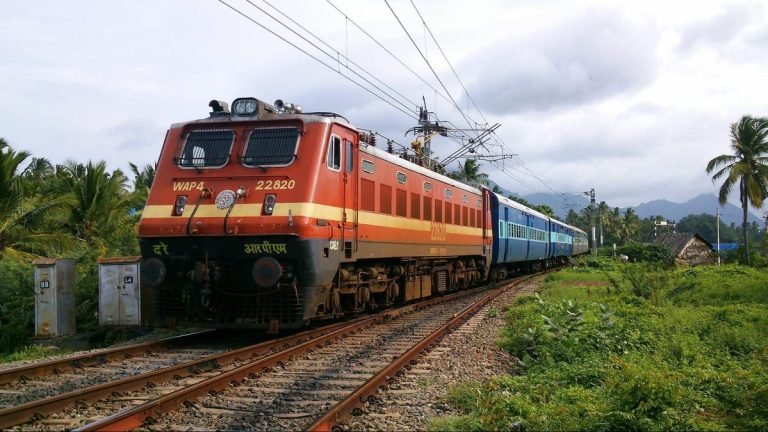
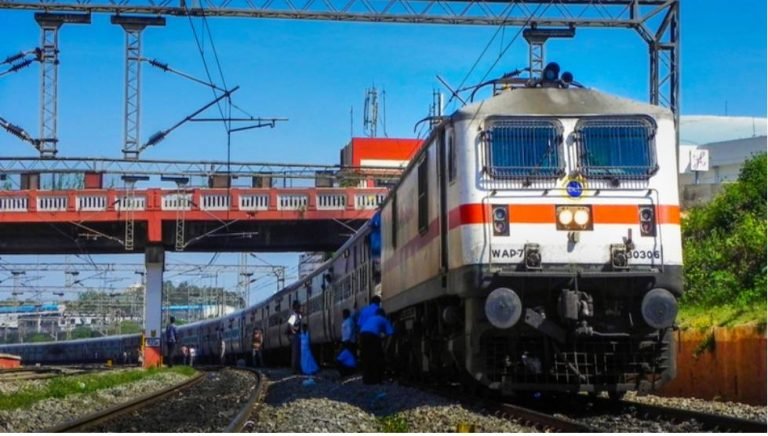
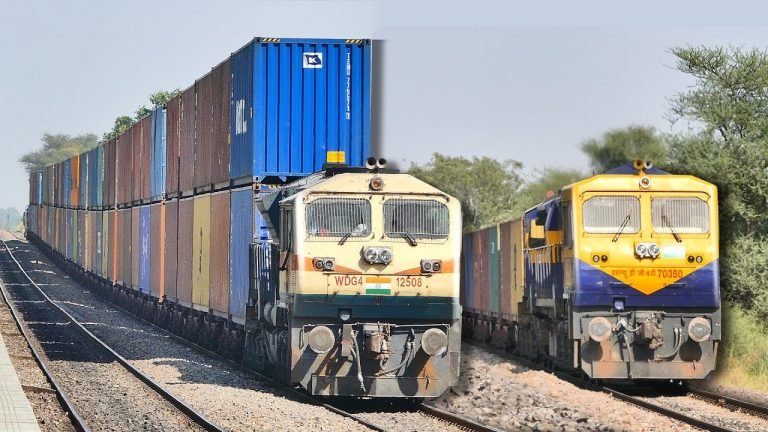
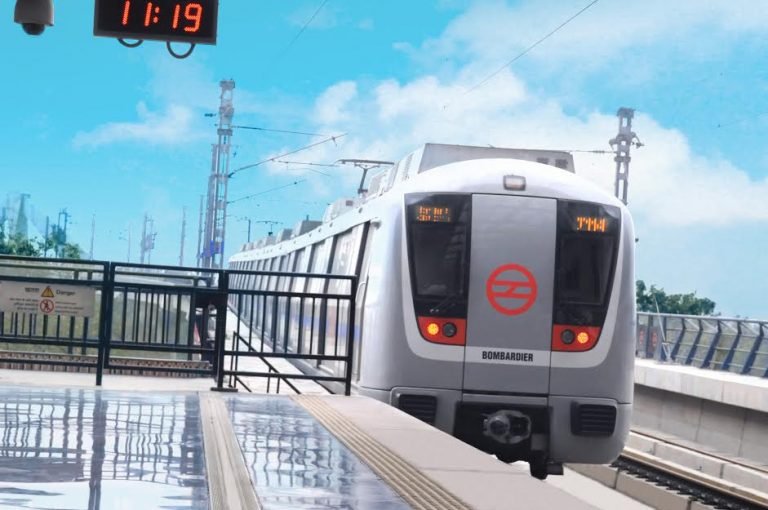
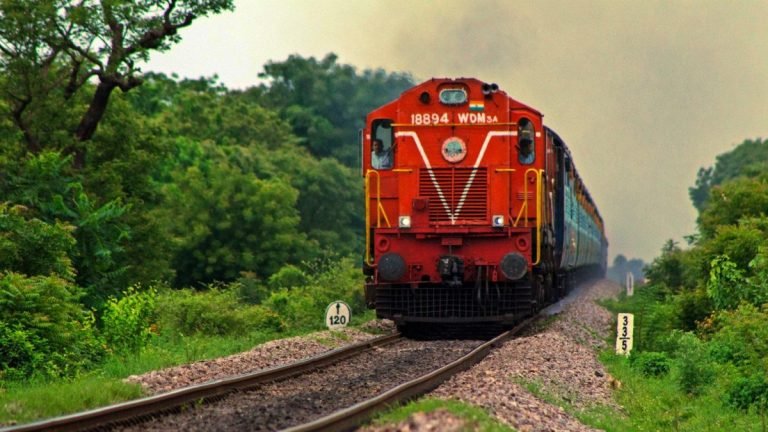
New Delhi ( Metro Rail News): The Railways has recently invited private firms to run private trains on 109 busy routes of the Rail Network. In the progress of the matter, as many as 23 private players are taking part in the process including the biggest players of the World Market of Railways & Metros Alstom and Bombardier.

The documents released by the Railways said that there shall be no regulatory authority to decide the fare of these private trains giving a free hand to the private operators to decide a fare which will probably be higher than the existing fares of Rajdhani and Satabdi trains of the Indian Railways as per different sources.

The entry of the private companies is going to change the whole game of Railway sector in India. If they are successful in operating on these 109 routes which the government is taking as a trial, we may then expect more private trains in the future. As these all firms are not coming to the board of Railways for any charity, it shall be clear that they shall be charging well to make profits.

Everything has its pros and cons. This move too has same thing when we analyse the complete scenerio. A lot of routes are there on the network of Indian Railways which always run with overcrowded trains. The initiative to run private trains will ease travel on these routes and it will be beneficial for those who may afford a good price. The services too will be better in these proposed trains as well as they will provide faster travel than those of the existing trains.

The move is being criticised by many political associations as they term it an anti-poor move. There are chances but as of now, these trains are not going to affect the poors as the Railways will still be running 95% of total trains once these private trains start operation in full swing. However, if the government decides to go for further privatization of the sector then it may create problems for the commoners.

As these corporate sectors plan and prepare to execute their ideas for running these trains, there is both Optimism and Pessimism among the two classes of Indian society. The people who need better & safe travel and have enough money to pay for it , are optimistic about the move while those who can’t pay are pessimistic about the matter as they are taking it as a move to fully privatized Railways.

The reality, however, remains with the future and the success of these private players in running these trains. Speculations are however on that the Railways may get fully privatized but as of current scenario, it doesn’t seem feasible at any cost. The future, however, is unknown and anything may happen. We shall wait and see at least the full operation of these trains to determine whether the Railways is going to be a joint venture of Private & Public trains or gets fully privatized.

The opinions and views expressed are personal.

Stay tuned with us for latest updates on the matter.

FICCI suggests reopening of Metros, foreign air services & cinemas

New Delhi (Metro Rail News): The Industry body FICCI in its roadmap has suggested the government to reopen multiplexes and cinemas and metro rail, and allow international flight services, among others, with adherence to all safety precautions. The industry chamber has also favoured reopening of schools and educational institutions keeping in mind the local situation, as it outlined standard operating procedures for the lifting of several restrictions as part of Unlock 3.0. 

The chamber suggested that Indian and foreign air carriers be allowed to operate between two countries. It also called for permitting usage of restaurant and eateries in hotels, opening up of cinemas and multiplexes and reopening metro rail services. 

As the world continues to battle the effects of the COVID-19 pandemic, it has become clear that a strategy of long-term total lockdown is simply unsustainable for most economies, Ficci mentioned. 

It has recommended that it is now time to consider easing the prohibitions placed on sectors such as aviation, sports and tourism, provided businesses follow the guidelines laid out in this document to the fullest. 

Laying out its suggestions for international air travel of passengers except as permitted by Ministry of Home Affairs, Ficci said, “Indian and Foreign carriers be allowed to operate between two countries”. 

India should allow foreigners to travel to the country on a reciprocal basis while accepting the COVID-19 Negative Certificate issued by the Origin Country. 

It said a Standard Quarantine Protocol should be issued by the Ministry of Health and Family Welfare to be followed by all states to facilitate smooth transit and clarity of rules for passengers. Moreover, clear cut dates should be announced by the states to open tourism, monuments, tourist attractions, hotels, restaurants and bars, said Ficci. 

MMMOCL to explores possibilities of non-fare revenue generation in advertising & land monetisation

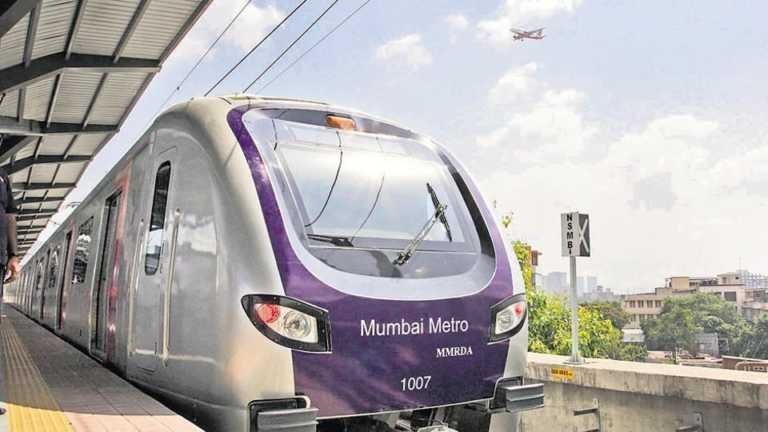
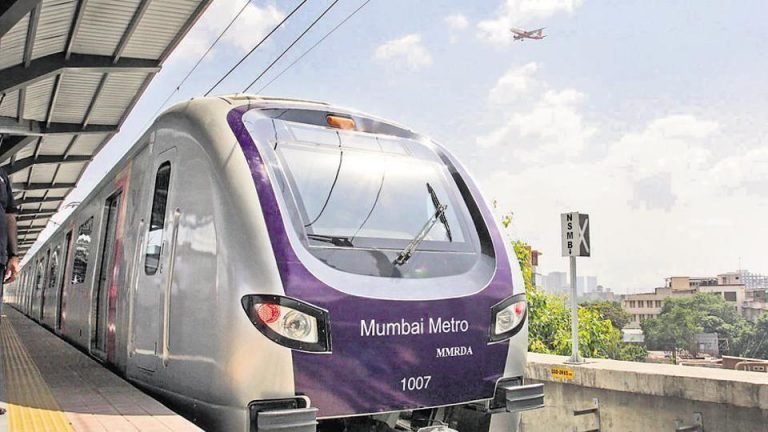
Mumbai (Metro Rail News): As the metros across the country are facing losses owing to the lockdown, the Maha Mumbai Metro Operation Corporation Limited (MMMOCL) is exploring at non-fare revenue sources for the Metro 2A (Dahisar-DN Nagar) and Metro-7 (Dahisar E-Andheri E) corridors, expected to be operational by May 2021 according to official sources.

MMMOCL which will be operating all metro corridors in the future has invited bids to undertake a study of the upcoming 30 stations on the two corridors and suggest measures to “maximise the revenue” in recent development.

The documents released by the MMMOCL states, “Public transport projects like metro are capital and maintenance intensive, hence will not be financially sustainable only depending on farebox revenues. The Metro Rail Policy adopted by the government of India stipulates the exploitation of various alternate revenue sources and opportunities such as advertising, commercial utilisation of land around metro station premises, transit-oriented developments (ToD), value-captured tax/financing, digital marketing etc.”

DK Sharma, managing director, MMMOCL was quoted saying, “We are expecting some out of the box ideas to maximise our revenue sources. The consultant will be expected to do a detailed study of all the stations.” The metro is facing losses worth ₹80 lakh to ₹1 crore each day.

As per a recent study conducted by a consultant appointed by the Mumbai Metro Rail Corporation, metros across India are facing losses owing to various reasons, including sub-optimal monetisation of non-fare revenue options such as commercial space leasing, advertisement space leasing, property development, land monetisation, etc. due to various constraints, including regulatory and contractual restrictions.

Many cities have started exploring ideas around non-fare revenue but have not yet been able to achieve significant revenue. It will depend on the future course of time whether MMRDA makes any significant achievement in this matter or not.

MMRDA may take over operations of Metro One

Mumbai (Metro Rail News): The city’s only operational Metro corridor—Metro One—built on public-private partnership (PPP) with Anil Ambani’s Reliance Infrastructure may be taken over by MMRDA according to sources in the government. The state government has asked the agency to undertake due diligence before moving ahead with it. 

MMRDA has 26% stake in Mumbai Metro One Pvt Ltd (MMOPL), which runs the Metro, while Reliance Infra holds 69%. It has operated the 12-km Versova-Andheri-Ghatkopar corridor since 2014.  “The state has asked MMRDA to come up with the terms and conditions and also ascertain the liabilities before the negotiations can begin or proposal discussed with MMOPL.” a news agency quoted some source familiar with the matter.

Confirming the plan to take over the ownership of the Versova-Andheri-Ghatkopar Metro, MMRDA officials said there have been some discussions, but talks are at “an initial stage”. 

Metro One carries ridership of around 4.5 lakh per day and has an average revenue of Rs 1 crore per day. But losses are weighing heavily on the operator, MMOPL.

MMOPL had said in a plea seeking a revision in fare that the increase was necessary to absorb the escalation in project costs.
The company said it is “bleeding financially” and was suffering a loss of Rs 90 lakh every day of its operations. It is estimated the losses could be Rs 250-Rs 300 crores. 

Railways suffer a huge loss as crores of rail tickets cancelled due to Pandemic

New Delhi (Metro Rail News): An RTI reply has revealed that the Indian Railways has cancelled more than 1.78 crore tickets since March this year due to the coronavirus pandemic and refunded an amount of ₹2,727 crore. A total of 1,78,70,644 tickets have been cancelled so far.

As per the official data, last year, the Railways had refunded ₹3,660.08 crore for the April 1-August 11 period but it had also earned ₹17,309.1 crore in the same period of time.

This is the first time when the refunds were more than the amount earned by the Railways from sale of tickets.

The first three months of this financial year, when the Railways had to suspend all its regular passenger services, the national transporter’s revenue was in the negative — ₹531.12 crore in April, -₹145.24 crore in May and -₹390.6 in June.

In the last fiscal, it had earned ₹4,345 crore in April, ₹4,463 crore in May and₹4,589 crore in June. As of now, the Railways has cancelled all regular passenger services indefinitely. However, the railways now hopes for some recovery as the passengers have started travelling in good numbers through special trains.

Underground tunnel for Kolkata’s Noapara-Barasat Metro in progress

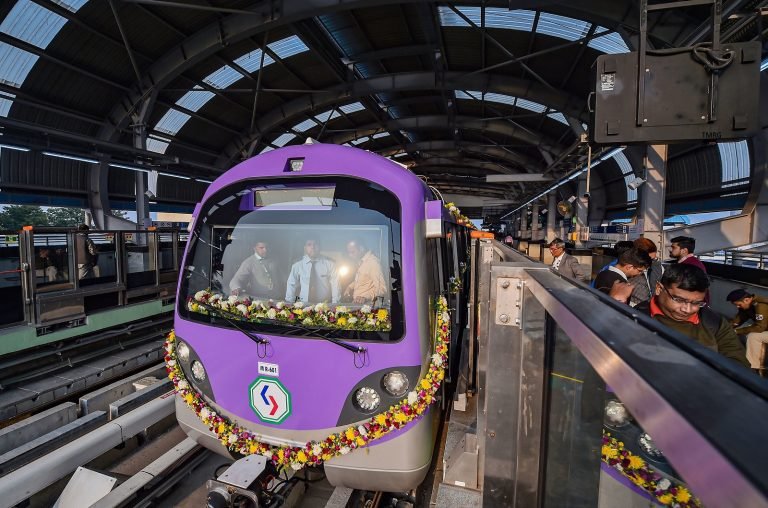
Kolkata (Metro Rail News): – In a big development in the Kolkata Metro projects, the construction works on Noapara to Bimanbandar stretch of Noapara-Barasat Metro extension project has been going on in full swing amidst Covid-19 lockdown. 
On this 7.036 km stretch, the work of RCC underground box tunnel below VIP Road to Airport (Gate No.1) is presently going on.

“For the successful execution of this very important work, this road was required to be diverted,” said one person familiar with the matter.

This Road Diversion Work was accomplished on 21.08.2020-22.08.2020 night with the help of steel barricading and road blinker. 
This diversion will facilitate smooth execution of the tunneling work without hampering vehicular movement during night on VIP Road. This RCC box tunneling work is expected to be over within next two months. 

The construction will help to ease the travel between the city and airport and thus this project is being seen as a VIP corridor.

Western Railway set to run another special train for transporting essentials

Mumbai (Metro Rail News): Amid the hard times of the ongoing pandemic, the Western Railways has said that it will continue to transport the supply of essential commodities across the nation. In continuation of the special train initiative, the Western Railways will run one more parcel special train between Dewas and Mumbai Central. The special train will depart from Dewas on 23 August and reach Mumbai Central on August 25.

“Train No-00931, Dewas to Mumbai Central parcel special train will depart from Dewas at 19.30 hours o­n 23 August to reach Mumbai Central at 04.30 hours o­n 25 August. The train will halt at Geratpur and Ahmedabad station”, Western Railways said.

Western Railway has been running four Parcel Special trains, including a milk special rake which departed on August 21 from Bandra Terminus to Jammu Tawi and Porbandar to Shalimar parcel special. An indented rake left from Karambeli to New Guwahatiand a milk special from Palanpur to Hind Terminal.

A statement issued by the Western Railways said that in the time between 23 March to 20 August, commodities weighing above 1.03 lakh tonnes have been transported by Western Rly through its 480 parcel special trains, which mainly included agricultural produce, medicines, fish, milk, etc.

Delhi Metro may resume on a phase-wise manner: Kejriwal

New Delhi ( Metro Rail News ) – As the Covid-19 situations are not very well in the national capital, the city state’s chief minister Arvind Kejriwal here said that he had requested the Centre to allow Metro Services on a planned manner.

In a press briefing, Kejriwal said, “We have requested Centre to allow re-opening of  Delhi Metro in a phased manner, on a trial basis, as Covid-19 situation in Delhi is under control now. I hope the Centre will take a decision soon.”

He also highlighted the efforts of the residents in bringing the Covid-19 situation in the national capital under control. “The way Delhi has been dealing with COVID-19 situation is being discussed in the country as well as across the world,” he further said.

The chief minister said, “We imposed lockdown in Delhi only once, and then gradually resumed work across fields from June 1 onwards. Probably, Delhi is the only city where lockdown hasn’t been imposed again, as we understand work and COVID management can go hand-in-hand”.

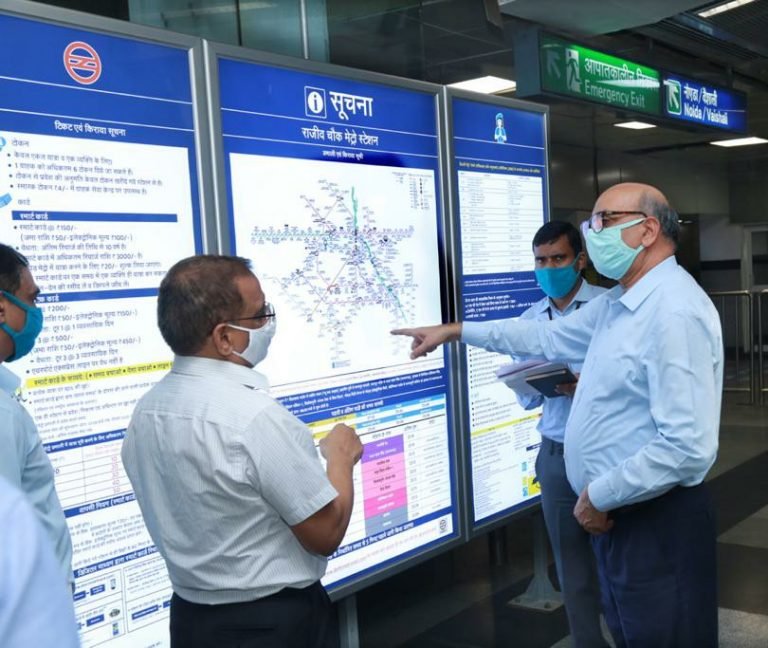
Meanwhile, the DMRC MD Mangu Singh recently visited the Rajeev Chowk metro station which the DMRC said was a routine inspection. The inspection is being seen as preparations for the resumption of metro train services with few changes.

The Delhi Metro Rail Corporation ( DMRC ) has meanwhile suffered a loss of nearly ₹1,300 crores as per different sources since metro services were suspended in March this year.

The Delhi Metro services have been closed since 22 March when the ‘Janta Curfew‘ was imposed in the wake of the coronavirus pandemic, and subsequently the nationwide lockdown.

As most of the economic activities have been opened up, the speculations are on for resumption of metro services in the national capital by the start of September.

Delhi to Meerut going to be a distance of an hour after RRTS corridor is complete


New Delhi:
 The Asian Development Bank (ADB) recently approved a USD $1 billion funding package for the Delhi-Ghaziabad-Meerut RRTS Corridor. The loan will be used for financing civil works, railway tracks, station buildings, multi-modal hubs, maintenance depots, traction and power supply of the corridor as per different sources.

The proposed rapid transit project is critical not only for decongesting Delhi but also for reducing hazardous air pollution by encouraging public transport. The project will result in a better and efficient public transport system in the NCR and its surrounding areas.

The RRTS corridor, under the National Capital Regional Transport Corporation, will let travellers cover the 82-km distance between the two cities in just 60 minutes. 

All you need to know about Delhi-Ghaziabad-Meerut RRTS project:

  • This RRTS is a rail-based, high-speed regional transit system. It will be the fastest, most comfortable and safest model of commuter transport in the National Capital Region (NCR).
  • The rapid rail will have a speed of about 180 Kmph and all the trains will have a state-of-the-art design. Passengers will enjoy aircraft-like seating and other modern facilities. 
  • The rapid rail line will run along the Delhi-Meerut highway. As per Niti Aayog, this project aims to take over one lakh private vehicles of the road. 
  • The project will involve innovative designing, technology and institutional management. The RRTS aims to streamline the urban transportation system which is stressed due to an increase in private vehicles. 
  • Of the total 82.15 km, 68.03 Km would be elevated while the rest 14.12 Km will be underground. 

The 82-kilometre rapid transit system (RRTS) network is the first of three priority rail corridors in the country’s integrated transport network under the NCR Regional Plan 2021. This project will finance the construction of railway tracks, station buildings, maintenance facilities, and traction and power supply as per the data provided by different sources.

In a recent move of Boycott China, Indian Railways cancels tender

New Delhi (Metro Rail News): Indian railways on Friday decided to cancel the tender for manufacturing 44 semi-high speed Vande Bharat Express trains. A fresh tender will be floated next week as per revised public procurement order to prioritise Make in India.

The Ministry of Railways said in a tweet, “Tender for manufacturing of 44 nos of semi high-speed train sets (Vande Bharat) has been cancelled. The fresh tender will be floated within a week as per Revised Public Procurement (Preference to Make in India) order.” 

As per the sources, the tender has been cancelled as a Chinese firm emerged as the only foreign player among the six contenders when the tender was opened last month. 

The five other companies which took part in the bidding are state-owned Bharat Heavy Electricals Limited, Bharat Industries, Sangrur, Electrowaves Electronics (P) Ltd, MEDHA Servo Drives Private Limited, Powernetics Equipment India Private Limited. CRRC Limited is a Chinese government company that took part in the global tender process announced by Integral Coach Factory (ICF), Chennai.

The CRRC has formed a joint venture company, CRRC-Pioneer Electric (India) Private Limited, in association with its Indian subsidiary Pioneer Fill Med Private Limited of Gurgaon, and participated in the bidding process.

Earlier, the Confederation of All India Traders (CAIT) had objected to the bid placed by a Chinese joint venture company for manufacturing Vande Bharat trains. The traders’ body had written to union railway minister Piyush Goyal, urging him to not allow the bid placed by the CRRC Pioneer Electric (India) Private Limited.

The first Vande Bharat express was flagged by PM Narendra Modi in Varanasi last year.

Delhi Metro Resumption: Speculations on as DMRC chief inspects Rajiv Chowk station

New Delhi ( Metro Rail News) – DMRC chief Mangu Singh on Thursday inspected the Rajiv Chowk Metro station to check the functioning of operational systems and maintenance activities as the sources said.

The inspection comes amid expectations of resumption in train services with proper safety protocols. Although, the Delhi Metro Rail Corporation (DMRC) officials described it as a “routine inspection”.

“MD-DMRC Dr Mangu Singh inspected the Rajiv Chowk metro station today.
The routine inspection was part of checking the effective functioning of various operational systems and maintenance activities,” the DMRC said in a tweet.

As per sources, the Delhi Metro has suffered loss of nearly ₹1,300 crore since the non-operation of services late due to ongoing pandemic. The Delhi Metro has been closed since March 22.

Meanwhile, from thermal scanners to test temperature of commuters to stickers on social distancing norms pasted on seats and platform floors, the Delhi Metro has been preparing to handle commuters as per safety guidelines, whenever the services are ordered to be resumed.

Bringing the total riders back seems tough for the DMRC as the pandemic has created demands of social distancing. The DMRC is however hopeful of resumption of services and waiting for government’s nod.

The decision on NRA will benefit Indian Railways: VK Yadav

New Delhi (Metro Rail News): Railway Board Chairman Vinod Kumar Yadav on Thursday hailed the central government’s decision to set up National Recruitment Agency (NRA) and said it will save both time and money and benefit the Railways.

He said every district will have an examination centre and people will be able to save money spent on travel and arranging other logistics.

“Candidates will not have to take multiple exams, not fill multiple forms. Their money and time will be saved,” He was stated saying.

Yadav said the first stage of examination will be conducted by NRA and then technical exam will be conducted under the auspices of Railway Recruitment Board (RRB).

“A lot of applications come for the first stage of RRB recruitment exam. A lot of effort apart from money goes into short-listing candidates. With NRA in place, there will be limited candidates during the second stage of exams,” he said.

The Union Cabinet on August 19 approved setting up of National Recruitment Agency to conduct the Common Eligibility Test to reform the recruitment process for central government jobs.

NRA, a multi-agency body, will encompass the first-level test by the Staff Selection Commission (SSC), the Railway Recruitment Boards (RRBs) and the Institute of Banking Service Personnel (IBPS).

Reliance Infra to sell its stakes in Mumbai Metro -1

Mumbai (Metro Rail News): Reliance Infrastructure (RInfra) led Mumbai Metro One Pvt Ltd (MMOPL) has written to the Maharashtra government, saying that it wants to sell the stakes it owns in the company. Metro-1 has been shut for five months owing to the pandemic and had been suffering losses prior to lockdown.

MMOPL is a special purpose vehicle (SPV) that was constituted to develop and run the 11.
5 km Metro-1 on a public-private partnership model. RInfra owns 69% stake in MMOPL; the Mumbai Metropolitan Region Development Authority’s (MMRDA) owns 26%; and Transdev (formerly Veolia Transport) owns 5%.

Bhushan Gagrani, principal secretary, urban development was stated saying by HT that the department had received MMOPL’s letter. Reply to HT’s query, he said over text message, “Yes, we have just received [the letter]. [We have] not taken any view yet.”

The state government is now seeking MMRDA’s views on the development. MMRDA is the nodal infrastructure authority implementing a 337-km Metro network in the Mumbai metropolitan region (MMR). Recently, MMRDA had invited bids to appoint an independent engineer to monitor the operations of Metro-1. “Since MMRDA is developing the entire Metro masterplan, it will be beneficial if Metro-1 is also under the same authority to provide an integrated and seamless network in MMR,” one official was stated saying.

In March 2019, it was reported that MMOPL was in talks with lenders to tackle its mounting debt of Rs 1,928 crore. MMRDA had then given a go-ahead to MMOPL, provided the authority’s equity was not diluted. Faced with losses since Metro-1 became operational in June 2014, MMOPL had planned to increase fares, but those plans faced roadblocks. In 2019, the second fare fixation committee rejected MMOPL’s proposal to increase fares and asked the company to re-look at innovative non-fare revenue methods.

Lucknow Metro prepares for the New Normal, Metro Services may resume in September

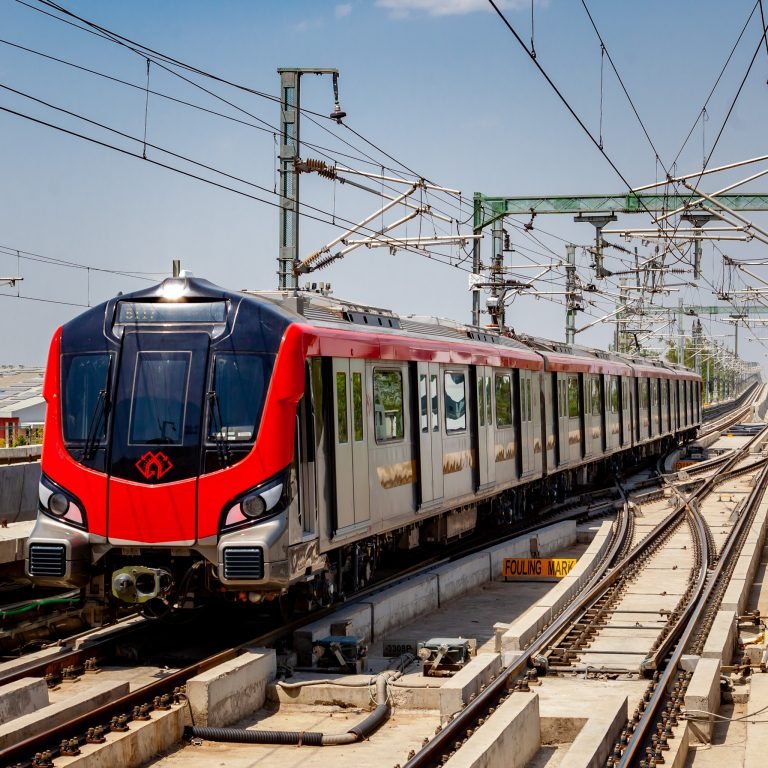
LUCKNOW (Metro Rail News): As the city readies itself to bring back normalcy and life on track post lockdown, Lucknow Metro has left no stone unturned to keep its promise of providing the safest transport experience when the lockdown ends.

With an entirely new set of arrangements that have been done to check the spread of Coronavirus, Lucknow Metro emerges to be the safest mode of public transport with the following features: 

Enjoy Absolutely Contactless travel with GoSmart Card

A passenger using a GoSmart Card enjoys absolute contactless travel as the GoSmart card isn’t required to be tapped on the entry or exit gate. A special sensor reads the card when brought near the machine without tapping on it. This way throughout the journey the passenger comes only in contact with sanitized train seat and sanitized handles. GoSmart Cards will be available for sale at all metro stations post commencement of metro train services. Metro staff will always be present near the TVM to assist the passengers in obtaining tokens themselves. 

Other Benefits of GoSmart Card: 

Go Smart’ card saves both time and money as the users have to no longer stand in queues for buying tickets/tokens, moreover they get a 10% discount on the fare (of journey) each time they travel. Besides these benefits, ‘Go Smart’ card users can also enjoy free Wi-Fi facility at the Metro Stations for which they just have to tap their card at the card reader. Tokens can also be purchased through Token Vending Machine (TVM) using ‘Go Smart’ Card, so a user’s relatives and friends can purchase tickets using the same card.

All Metro stations and Trains are sanitized regularly

Keeping in mind, the health and safety of its commuters, UPMRC will ensure that all station premises, equipment and other points of contact are being sanitized at regular intervals of 4-5 hours. This including the ticket counters (TOMs), TVM (Ticket Vending Machines), Customer Care centres, Entry-Exit gates, handrails inside trains,  handrails at the escalator and seats of trains, platforms etc. 

Lucknow Metro team ensures that all common points of contact like lifts, lift buttons, escalators, handrails of escalators,  Staircase, Baggage Scanning Machines, Metal Detector Machines and door frames, seats, handles of trains and all entry/exit points are deep sanitized regularly.

Station Controllers (SCs), Customer Relation Assistants (CRAs) and security personnel will be wearing masks and gloves while contacting/dealing with commuters. Ample availability of tissue papers and sanitizers for passengers at all the washrooms of Metro stations. Sanitizers have also been kept at all ticket counters for the passengers and at exit points of paid area. This will ensure that every passenger uses sanitizer twice at the time of entering and exiting the station. 

Thermal Scanning of every passenger at metro stations

Amid the novel coronavirus outbreak that has gripped a large number of people, Uttar Pradesh Metro has ramped up safety measures and precautions to contain the deadly disease. In this connection, UPMRC started a strict screening at its metro stations to avoid the further spread of the disease. 

All entry Gates of all metro stations will have Thermal scanning facility. It will be mandatory for everyone to go through thermal Scanning before entering metro premises. Anyone, whose body temperature will be found to be above the set standards, will not be allowed to travel by Metro for their and other passengers’ safety. Lucknow Metro appeals for cooperation in thermal Scanning from all.

Thermal screening is a process of detecting radiation. The amount of radiation emitted by an object increases with temperature; therefore, thermograph allows one to see variations in temperature. If someone has a fever, thermal screening will allow detecting them and they can further be tested for corona virus.

Cleaning and sanitization of AC Filters

Once the lockdown is over and Metro services will resume, concerns are being raised about the spread of the Corona virus disease through air-conditioning and ventilation in metro services but UPMRC is committed to ensure safety of its passengers during the tough times by adhering to norms and guidelines issued by the government as well as expert taskforces.

A COVID-19 taskforce was set up by ISHRAE (The Indian Society of Heating, Refrigerating and Air Conditioning Engineers) which has published guidelines on operation of air conditioning & ventilation to control spread of COVID-19. 

UPMRC will follow the guidelines issued by ISHRAEf or disinfecting and cleaning of filters, grills, diffusers, condensate drain pan, coils, and fans. Maintenance works of Air-conditioning and Ventilation systems being done in accordance with ISHRAE guidelines. All ducts are being cleaned again before restarting of the metro services by an appropriate method including sanitization.

In order to limit risk of COVID-19 infection by air, ISHRAE suggests ventilating indoor environments with outdoor air as much as possible. Accordingly, air-conditioning system at Lucknow Metro stations will be operated a little differently.  During these periods, all station air will be ventilated out from the station and 100% fresh air from outside will be inducted continuously. In normal situations, only 10% fresh air is inducted inside & the rest 90% air from the station was re-circulated to avoid cooling losses. Also, All the tunnels will also be exhausted by fans provided at the station on a daily basis. 

Temperature inside the stations will be maintained around 28 degrees Celsius keeping in mind the ISHRAE guidelines in this regard.

Precautionary steps taken by UPMRC against Covid-19

Uttar Pradesh Metro asked its employees and commuters to take precautionary measures in the wake of novel corona virus outbreak. These are the following steps taken by UPMRC:-

UP Metro Asked everyone to cover their faces with masks at all times–  Face mask is mandatory for all the employees and commuters. No one will be allowed in Metro premises and metro stations without covering their face with masks.

Social Distancing Preparedness- All Metro stations are geared up to ensure everyone follows social distancing at metro stations and inside metro trains. For this, signages and yellow colour  large stickers bearing social distancing messages have been pasted at regular intervals i.e. next to AFC gate, security checking gates, near platform areas, near and inside lifts, near escalators, near Ticket Vending machines and ticket counters. The lifts have also been marked to ensure only a maximum of two persons use the lift at a time. Trains will also have markings on seats to ensure there is a gap of at least one seat between two passengers.

Aarogya Setu App– Aarogya Setu app will be mandatory for all the metro passengers. Uttar Pradesh Metro Rail Corporation will not allow people to travel in metro if they don’t have Aarogya Setu App in their mobile. UPMRC staff will ask metro commuters to install Aarogya Setu app before going for the travelling in Metro trains.

Other Necessary arrangements

To prevent the spread of this infection, UP Metro has asked its commuters to do the followings- 

  • UP Metro appeals its commuters to wash their hands regularly with soap and water, or clean them with alcohol-based hand sanitizer.
  •  Avoid coughing or sneezing in public places.
  • Avoid touching face, nose and eyes.
  • Practice physical distancing by avoiding unnecessary travel and staying away from large groups of people.