Towards decarbonising India’s transport system, freight activity

Introduction

Indian Railways and Rapid Rail Transit (popularly known as Metro) are  one of the major modes of transportation  for passengers and freight in India today. India’s National Rail Plan (NRP) aims to increase the share of rail in freight transport to 45% by 2030, up from the current 27%. This increase will lead to higher emission of GHGs,  if we do not take appropriate action at this moment. 

The transport sector of India is the third biggest emitter of greenhouse gas (GHG), whereas the major contribution comes from the road transport sector. Out of the total carbon dioxide emissions in India, 13% comes from the transport sector. These emissions have more than tripled since 1990. The increasing motorization and demand for mobility in India have contributed to increased levels of air pollution congestion, as well as the increase in the emission of greenhouse gas, specifically in the urban areas.

The International Energy Agency (IEA) and International Union of Railways (Union Internationale des Chemins de fer-UIC) research indicates that Indian Railways produces approximately 11.5 gCO2e per passenger-km travelled and about 9.5 gCO2e per ton-km of freight transported. 

According to the IEA, India’s transport sector is responsible for 13.5% of the country’s energy-related CO2 emissions, with road transport accounting for 90%, rail and domestic aviation accounting for 4%, and waterways accounting for 1%. In 2020, the total CO2 emissions from Indian transportation were 368.72 Mt, with road transport accounting for 87%, railways, airways, and waterways accounting for 7%, 5%, and 1%, respectively.

Decarbonization of the transport sector is essential to reduce the Greenhouse Gases (GHGs) emission and to meet the ambitious target of achieving net-zero emissions by 2070 set by Government of India. 

What is Decarbonization?

Decarbonisation involves increasing the prominence of low-carbon power generation, and a corresponding reduction in using fossil fuels. This involves,in particular, a use of renewable energy sources like wind power, solar power, biomass, etc.

Main Objective

The main objective of decarbonisation is to make the transportation ecosystem more environmental- friendly and sustainable by reducing its carbon footprint. It refers to the process of reducing or eliminating the carbon emissions associated with the transportation sector.

Decarbonisation of the transport sector would create a cleaner, healthier and more affordable future for everyone. 

Decarbonizing India’s transport system

Decarbonizing India’s transport system, particularly in the realm of freight activity, is a significant challenge but also a crucial one for mitigating climate change and improving the air quality. We have summarised some strategies and initiatives that can contribute to decarbonizing freight transport in India.

toward06

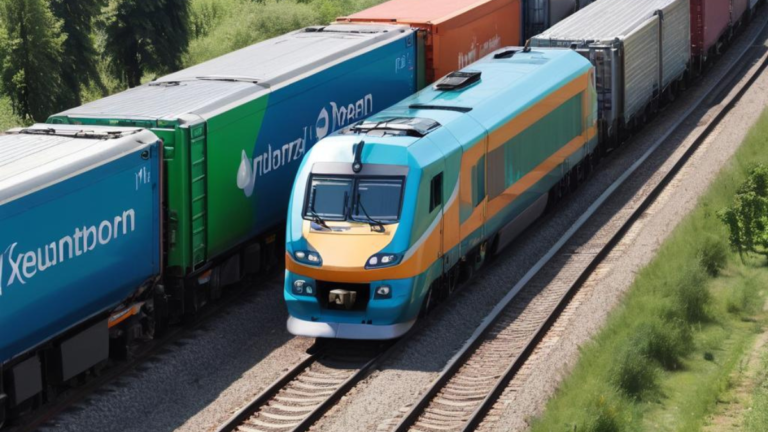
Rail is also the most energy-efficient land-based transport mode for freight. Rail also has a high reliance on electricity, which can be produced from renewables to eliminate GHG emissions. Of conventional passenger rail activity, 54% is powered by electricity (on a passenger kilometre basis), compared to 65% of total freight rail activity.

Understanding Challenges

To tap the potential of freight decarbonisation in India, the most important thing that needs to be addressed is making long-distance freight more efficient through a modal shift to the rail transport system. We need to understand the challenges (technological, behavioural, economic and social) and opportunities specific to the Indian freight transport sector that hinder the implementation of modal shifts from road to rail. We also need to explore alternative solutions for challenges in decarbonization . 

The transport sector faces several barriers to decarbonisation, especially insufficient regulatory incentives, lacking infrastructure, and limited demand from shippers. Achieving complete electrification and deploying renewable energy requires substantial investments. Issues like Climate Change, Energy Security, Air Pollution & Cost efficiency come midway when it comes to policy or strategy formulation. 

Innovative financing mechanisms and public-private partnerships are crucial for resource mobilisation. Technology Development & advancements in battery technology and hydrogen fuel cell technology are essential for powering trains on non-electrified routes.

Decarbonization of the transport sector is essential to reduce the emission of  GHGs, achieving net-zero emissions by 2070. Also, in order to achieve the ambitious goal of 45% share of railway in freight transport, It becomes more important than ever to reduce the emission of greenhouse gases.

Incentivize Rail Transport for Freight Shipping

The Ministry of Railways is also implementing policies and strategies to incentivize rail transport for freight shipping (Parliamentary Standing Committee on Railways 2017-18), and has recently introduced new initiatives to boost railway modal share for freight transport.

  • The National Rail Plan (NRP) of 2020 envisions achieving a rail share of 45% in freight transport by 2030–31.
  • Automatic Freight Rebate Scheme Offers discounted freight on routes where the railway operates empty wagons annually.
  • Long Term Tariff Contract (LTTC) Provides freight stability
  • Non-levy of Terminal Charges at the unloading point of notified alternate goods
  • Zonal Railways have been empowered to get into a long-term contract with customers for short-lead traffic
  • Revised Round Trip Tarif-freight discount is granted to traffic if the customer offers to book traffic onwards as well as return direction
  • Incentive to Fly Ash: 40% discount in freight is granted to fly ash
  • A short lead concession has been re-introduced from 01.07.2020, under which discount in freight at the rate of 50%, 25% and 10% is granted to the traffic booked up to 0-50KM, 51-75KM and 76-90 KM, respectively except Coal & Coke and Iron ore traffic.
  • Stabling charge for privately owned wagons
  • 25% concession on Haulage Charge

There are so many other strategies adopted by IR to incentivise the freight. The main objective behind these all is to promote movement of goods traffic through railways. These incentives are expected to boost the economy of the country through giving railways a boost.

Strategies for Decarbonising India’s transport system

We have summarised some ways through which the decarbonisation of the transport system can be ensured in India.

  1. Promoting Electric Vehicles (EVs)

Encouraging the adoption of electric vehicles for freight transport can significantly reduce carbon emissions. This includes not only electric trucks but also electric two-wheelers and three-wheelers for last-mile delivery. The Indian government has already initiated schemes like FAME (Faster Adoption and Manufacture of Electric Vehicles) to incentivize the adoption of EVs.

  1. Investing in Charging Infrastructure

Building a robust charging infrastructure network across the country is essential for supporting the widespread adoption of electric vehicles. This involves establishing charging stations along key freight corridors and in urban centres to facilitate long-haul and intra-city freight movements.

  1. Promoting Clean Fuels

Apart from electric vehicles, promoting the use of cleaner fuels such as compressed natural gas (CNG) and liquefied natural gas (LNG) for freight transport can also help reduce emissions, especially in heavy-duty vehicles.

  1. Improving Logistics Efficiency

Optimizing freight logistics can lead to reduced fuel consumption and lower emissions. This includes measures such as route optimization, load consolidation, and implementing technology-driven solutions like GPS tracking and real-time monitoring to improve fleet efficiency.

  1. Encouraging Multimodal Transport

Integrating various modes of transport, including road, rail, waterways, and air, can help optimize freight movement and reduce the carbon footprint. Developing multimodal logistics parks and incentivizing intermodal transportation can facilitate seamless cargo movement while minimizing emissions.

  1. Regulatory Measures and Incentives

Implementing stringent emission norms for vehicles and providing incentives such as tax breaks and subsidies for zero-emission vehicles can accelerate the transition towards cleaner freight transport.

  1. Awareness and Capacity Building

Educating stakeholders about the environmental benefits of decarbonizing freight transport and providing training programs to drivers and fleet operators on eco-friendly driving practices can promote sustainable behaviour.

  1. Research and Development

Investing in research and development initiatives to improve the efficiency and affordability of clean transport technologies, such as battery technology and hydrogen fuel cells, can further drive the transition towards decarbonization.

  1. Public-Private Partnerships (PPPs)

Collaborating with private sector stakeholders to develop and implement sustainable freight transport solutions can leverage resources and expertise from both sectors towards achieving common goals.

  1. Policy Support and Long-term Planning

Formulating comprehensive policies and long-term strategies that prioritize decarbonization goals and provide a clear roadmap for the transition can create a conducive environment for investments and innovation in clean freight transport.

toward02

By implementing these strategies in a concerted manner, India can make significant strides towards decarbonizing its freight transport system, contributing to national climate goals and fostering sustainable economic development.

Opportunities for MSMEs & Startups in Indian Railways’ Decarbonisation

The Indian Railways’ ambitious decarbonization journey presents a wealth of opportunities for Micro, Small and Medium Enterprises (MSMEs) and startups. Here’s a closer look at some key areas where these agile businesses can play a vital role:

Renewable Energy Integration:

  • Solar Panel Manufacturing and Installation: As the Indian Railways scale up their solar power capacity, MSMEs can contribute by manufacturing and installing high-efficiency solar panels on railway land and rooftops.
  • Wind Power Solutions: MSMEs can explore developing and supplying smaller-scale wind turbine solutions suitable for on-site wind power generation at railway stations or workshops.

Energy Efficiency Technologies:

  • LED Lighting Solutions: Developing and supplying cost-effective LED lighting solutions for stations, platforms, and train coaches can significantly reduce energy consumption.
  • Sensor-based Automation: MSMEs can develop and implement sensor-based systems for automatic lighting control, air conditioning activation, and other applications in stations and buildings, leading to energy savings.

Green Materials and Equipment:

  • Sustainable Construction Materials: Developing and supplying eco-friendly building materials for railway infrastructure projects can contribute to the overall sustainability goals.
  • Energy-efficient Railway Components: MSMEs can focus on research and development of energy-efficient components for locomotives, coaches, and track infrastructure.

Green Technologies:

  • Battery Storage Solutions: As the Indian Railways explore battery-powered trains, MSMEs can contribute by developing innovative and cost-effective battery storage solutions for various applications.
  • Hydrogen Fuel Cell Technology: MSMEs can participate in research and development of hydrogen fuel cell technology for potential applications in future railway projects.

Data Analytics and Monitoring:

  • Energy Management Platforms: Developing user-friendly platforms that track energy consumption across different railway operations can help identify areas for improvement and optimize energy usage.
  • Predictive Maintenance Solutions: MSMEs can create data-driven solutions for predictive maintenance of locomotives and other railway assets, leading to improved efficiency and reduced energy consumption.

Capitalizing on the Opportunities:

To effectively harness these opportunities, MSMEs and startups need to:

  • Focus on Innovation: Developing novel and cost-competitive solutions tailored to the specific needs of the Indian Railways is crucial.
  • Collaboration: Partnering with larger companies, research institutions, and the Indian Railways themselves can facilitate knowledge exchange and accelerate innovation.
  • Government Support: Leveraging government initiatives and schemes promoting clean technologies and MSME development can provide financial and logistical support.

Conclusion:

The Indian Railways’ decarbonisation journey is long and arduous, but the commitment is unwavering. By implementing the strategies outlined and addressing the challenges head-on, the Indian Railways can achieve a significant reduction in their carbon footprint. This transformation will not only benefit the environment but also enhance the sustainability and competitiveness of the Indian Railways in the long run.Additionally, the success of the Indian Railways’ decarbonization efforts can serve as a model for other railway networks around the world, demonstrating that large-scale decarbonization in the transportation sector is achievable.
From Concept to Reality: The Journey of Meerut Metro Unveiled

Introduction 

The city of Meerut, falling in the state of Uttar Pradesh, finds its space in the tapestry of the Indian subcontinent not only through the epics of Ramayana and the ruins of Mahabharata but also through the spirit of our Independence Struggle in the nineties. The land of Meerut remains the eyewitness of India’s first leap into the independence struggle in 1857 further making it a highly charged political ground for the politicians today. Its historical, geographical & economic layers entail deep intricacies that make it a highly attractive and productive piece of land for India. 

Its historical intricacies entail not only the components of Mahabharata, Ramayana & Buddhism but also the ruins of the ancient Harappan Civilisation which has been inscribed in the books of History as “Alamgirpur”. The excavations held so far have witnessed the Remains of Buddhist Architecture at, major locations in the city. It doesn’t end there. It comes to the formulation of the Constitution-making committee by the Indian National Congress in 1946 at Victoria Park in Meerut, keeping the throbbing of the blood named rebel & revolution alive. 

The city is situated roughly 60 miles to the northeast of the National Capital- Delhi. It is the largest city in NCR after Delhi, holding the title of “Sports City of India”. Besides all this, Meerut is one of the fastest-growing urban centers in India. Meerut isn’t just experiencing rapid growth–it’s a powerhouse of production and commerce. This fast-developing city boasts the title of India’s largest sports goods manufacturer, and its reach extends far beyond the playing field. From gleaming gold markets, one of the largest in Asia, to the intricate craftsmanship of scissors and musical instruments, Meerut’s industries hum with activity.

MjIqSEfaQ 2SgvnIMZJYWJuEC8DY0PQWgOZe7zDcMCzBArHSAjzE JNmzu5yJE vERGl82L0tHincpcAe0YZq0wkiR4atNIAGvQy8MgV rBETSTiXkBRm7FNK1NbaKesir8UeAw9maUS51vdIgL zw

As India’s top producer of refined sugar, the city’s influence extends to the national palate. With major infrastructure projects like the Eastern Dedicated Freight Corridor and expressways connecting it to Delhi, Meerut is poised to become a leading logistics hub in western Uttar Pradesh. In short, Meerut is a city where tradition meets innovation, creating a dynamic environment for business and industry. Other than this, it is among the cities accounting for a transition into the first-world countries that India is pursuing at a rapid pace. 

Having a booming economy and heavy business presence along with multi-fold projects in the pipeline set to transform the city into an urban center underlines India’s commitment to growth and aspirations. Meerut Metro is an ideal epitomisation of the city’s aspirations & possibilities transforming the paradigm of Connectivity in Meerut. Let’s delve into the intricacies of this transformation. 

Approval & DPR 

The traces for the conceptualization of the Meerut metro project can be found in the early 2010s with the Governments of India and Uttar Pradesh proposing the same for the city and also proposing to integrate it with the transport systems of NCR. Later Rail India Technical and Economic Services (RITES) completed the feasibility study for the same in 2015 and also submitted the reports further in 2016. Further, UPMRC was given the responsibility of bringing all the stakeholders into one place and further operationalizing it once completed. 

The project officially commenced following the laying of the foundation stone by Prime Minister Narendra Modi on 8 March 2019, concurrent with the Delhi–Meerut Regional Rapid Transit System (RRTS). Construction for both initiatives commenced in June of the same year. The slated completion date for the project is June 2025.

Proposal            ->            DPR Submission       ->           Foundation Stone          ->       Operationalization     2010                                  2016                                     2019                                         2025 

Metro Lines 

  1. Line-1: Meerut South– Modipuram

Length: 23.6 km

Owner: National Capital Region Transport Corporation (NCRTC)

Status: Under Construction

Type: Elevated 14.8 km & Underground 8.8 km

Depot: Modipuram Depot

Number of Stations: 13

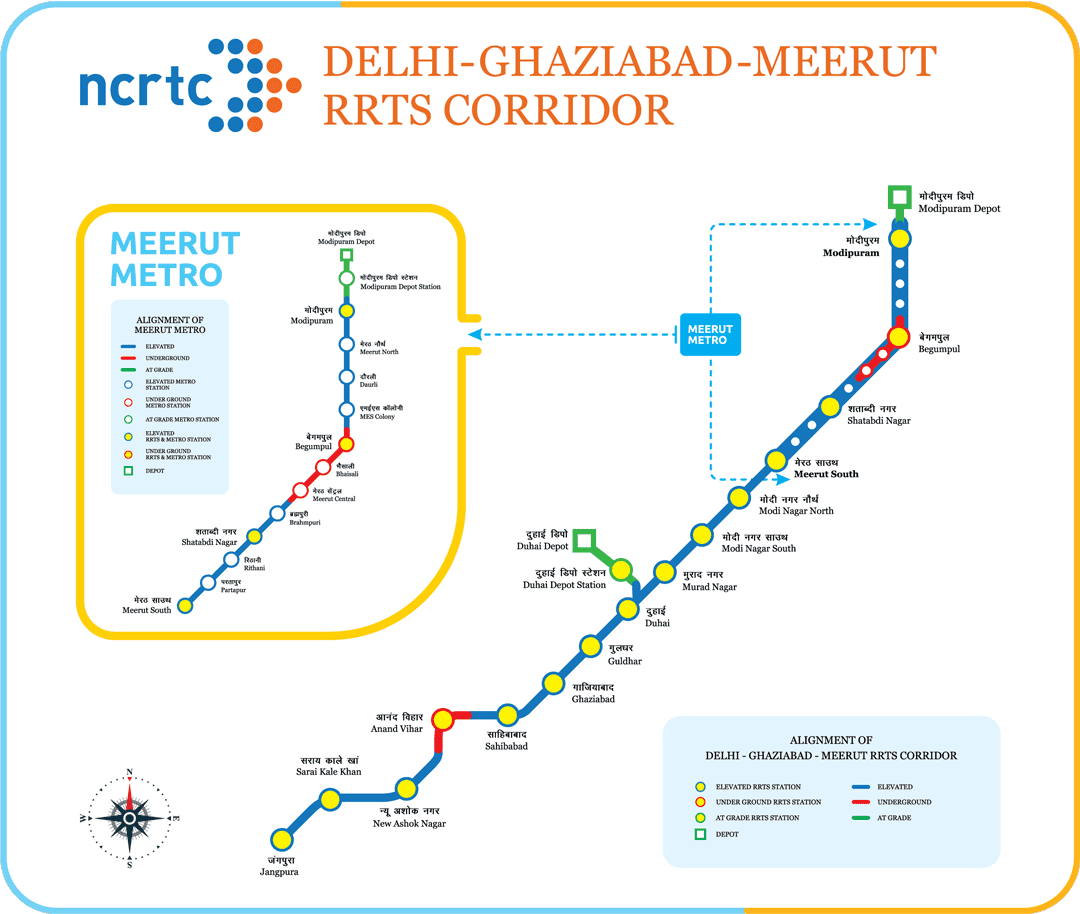
Station Names: Meerut South, Partapur, Rithani, Shatabdi Nagar, Brahmapuri, Meerut Central, Bhaisali, Begum Pul, MES Colony, Daurli, Meerut North and Modipuram.

Note: This line’s construction will be integrated with the construction of the 82 km Delhi–Meerut Smart Line (RRTS). The stations highlighted in bold will be incorporated into the RRTS system, while local metro trains will serve the others.

Latest Update: 

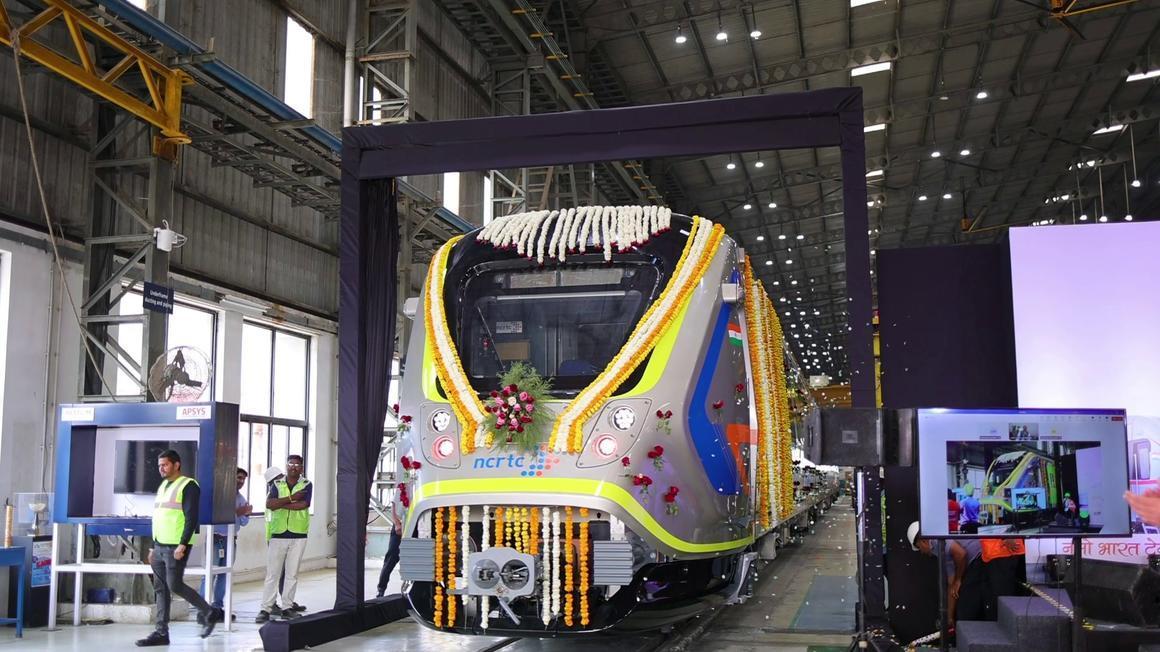
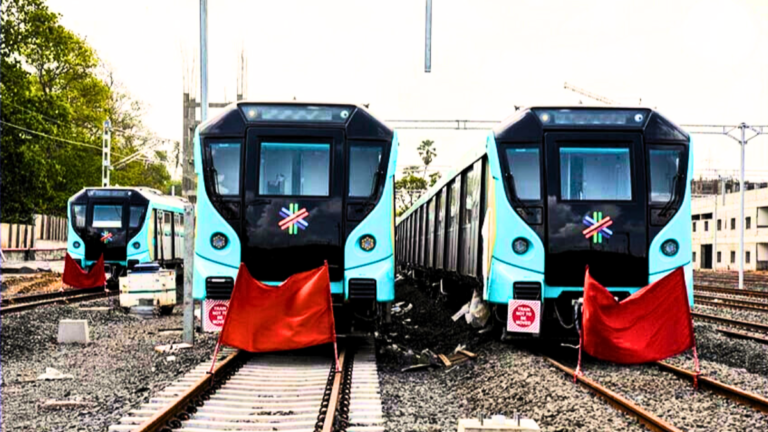
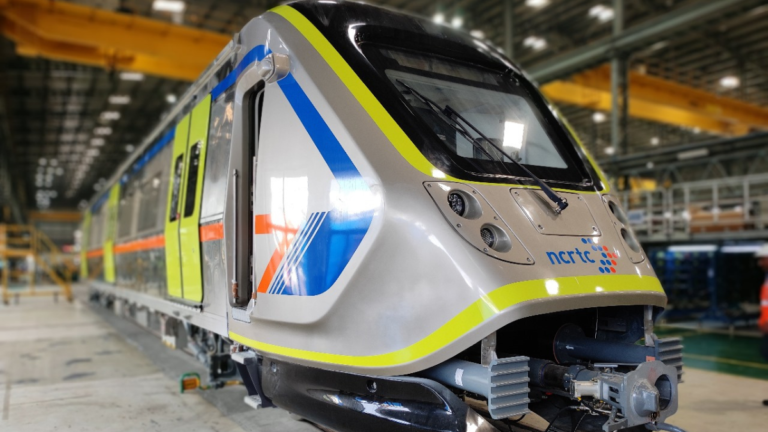
As of the latest update, Alstom has successfully delivered the first trainsets to be used on the line for Commercial Operations on 16th Feb 2024. It is one of the fastest metros and the first with an aerodynamic front in India. 

While the Meerut South station was slated for inauguration in the series of inaugurating RRTS stretch from Duhai to Meerut South Station, only the stretch from Duhai to Modinagar was inaugurated leaving the Meerut South station owing to some work pending on the stretch. 

  1. Line-2: Shradhapuri Phase II – Jagriti Vihar

Length: 15 km

Owner: Uttar Pradesh Metro Rail Corporation Limited (UPMRCL

Status: Proposed

Type: Elevated (10.7 km) and Underground (4.3 km)

Number of Stations: 13

Station Names: Sharadhapuri Phase 2, Kanker Khera, Meerut Cantt. Railway Station, Rajban Bazar, Begumpul, Baccha Park, Shahpeer Gate, Hapur Adda Chauraha, Gandhi Ashram, Mangal Pandey Nagar, Tej Grahi, Medical College, Jagruti Extension

Latest Update: 

As of the latest update, “the project is on hold pending approval of the new DPR tender.”

YVnHicECH7LQXFzuZP HSEFmjNeOwguVcvKuNInBA67rHBplsyvc0fbBBXSSbkuQUnB 5fHJCKJczBYVK3BmRkN84HQN5kdfDJF15T867ZAkV7FlRWQEu8MZEQCYYqONwQg8h7lYAzRCBDvoMs3qXA

Latest Development 

One of the notable developments that the Meerut metro has witnessed in the past few months is the delivery of its rolling stock by Alstom after it (formerly Bombardier- as Alstom acquired it) was awarded the contract in 2020 by NCRTC. It took the designated company more than 3 years to produce and deliver the train sets for the Meerut metro which has got some amazing features. Some of these are: 

T0ep3crNWTQ31kl1KbsoVIGWEQlBcQyIIeaBuR1C33Dh fLGxw3Qi6IjIJuKILPUQ vOMo5ymy0WJZAT3ytg diB1UhCVV6opFDjZBnbdR9HH
  1. The train has 10 sets, each with 3 cars, for a total of 30 cars.
  2. These resemble the appearance of conformist metro trains. 
  3. These have been designed for a maximum speed of 135 km/h (84 mph) and an operational speed of 120 km/h (75 mph)- making them the fastest metro in India. 
  4. Offer designated parking for wheelchairs and a dedicated space for emergency medical transfers
  5. The Meerut Metro trains will have selective door openings via Push buttons. 

The rolling stock is being manufactured by Alstom at an average cost of Rs. 2577 crore by NCRTC. French railway giant Alstom is manufacturing and delivering the metro trains from its Savli facility in Vadodara, Gujarat.

Notable Features of the Metro 

This section will get you a stroll into the notable features of the Meerut Metro ranging from its platforms to integration with the RRTS and being the fastest metro of India. 

  1. Integration with RRTS System:  The metro will be the first rapid transit system in India to be directly integrated and merged with a regional transit system on one single corridor. This means it Will run parallel along the RRTS on a single corridor. As a matter of operations & execution, 4 Stations will be integrated with the RRTS, while the rest will be serviced by local metro trains. This will increase the accessibility & interoperability of the Metro and also make it a first choice among commuters because of integration. This would also benefit the commuters of the Entire NCR as the RRTS further connects with the Delhi Metro’s Blue & Pink Line. 

The step aims to benefit the RRTS towards reaching an effective operational threshold by connecting to the major locations in Meerut. This would increase the attractiveness of the entire RRTS system and also its ridership & revenue figures. 

  1. The Fastest Metro: The metro would be the fastest metro to run in India. It would run at an operational speed of 120 km/h (75 mph). This aims to align the metro system to be logically integrated with the RRTS system using its speed. While it doesn’t equalize the speed of RRTS but reaches the maximum that a metro can in India owing to its limitations of distance between the stations and also the clearances. 

Reaching Speed of 120 km/h (75 mph) in operation and designed for a maximum of 135 km/h (84 mph), these trains become India’s second-fastest rapid transit system, trailing only the Delhi-Meerut RRTS’ Namo Bharat trains with their top speed of 180 km/h (110 mph).

  1. Unique Rolling Stock: The Meerut Metro trains are designed with both comfort and innovation in mind. Borrowing design elements from the Namo Bharat trains, they boast a sleek, aerodynamic structure and comfortable seating – a first for India in terms of metro train design. Accessibility is a priority, with dedicated seating and onboard wheelchairs catering to passengers with physical challenges. 

Passenger safety and awareness are ensured through CCTV cameras, informative displays, fire alarms, and window blinders. Spacious interiors with enhanced passage space contribute to a comfortable and less crowded travel experience. The rolling stock, built upon Alstom’s globally renowned Adessia commuter train family, incorporates advanced technology. To further enhance passenger flow and efficiency, the trains feature selective door operation activated by push buttons.

Challenges & Considerations 

The Meerut Metro project presents several exciting features but also some potential operational challenges to consider, which are: 

1. Coordination Between NCRTC and UPMRC: The project is built by the National Capital Region Transport Corporation (NCRTC) but will be operated by the Uttar Pradesh Metro Rail Corporation Limited (UPMRC). This division of responsibility between two separate entities could lead to challenges in:

a. Standardization of Procedures: Ensuring smooth operations requires consistent protocols for maintenance, ticketing, and customer service across both NCRTC and UPMRC systems.

b. Information Sharing: Effective communication between NCRTC (owner) and UPMRC (operator) is crucial for efficient decision-making and addressing operational issues.

Conflict Resolution: Any disagreements between NCRTC and UPMRC regarding operations or maintenance could lead to delays or disruptions.

2. Integration with RRTS: Meerut Metro’s integration with the Delhi-Meerut RRTS is a unique feature, but it could also pose challenges:

a. Scheduling Coordination: Aligning train schedules for both Metro and RRTS to ensure seamless transfers and avoid delays requires careful planning.

b. Ticketing Integration: Establishing a unified ticketing system for passengers transferring between Metro and RRTS would enhance convenience.

c. Differing Passenger Needs: The RRTS is designed for longer distances and higher speeds, while the Metro caters to intra-city travel. Balancing the needs of both sets of passengers within a single corridor might be complex.

3.  Line 2 Approval and Development: While Line 1 is under construction, Line 2 is still in the proposed stage and awaits a new DPR tender approval. This delay in Line 2 development could:

a. Limit Overall Network Impact: Without Line 2, the Metro’s reach and ability to serve a wider population in Meerut might be restricted.

b. Disrupt Future Expansion Plans: Delays in Line 2 could potentially impact the timeline and feasibility of further Metro network expansion in Meerut.

4.  Unique Rolling Stock: The Meerut Metro trains boast several innovative features, but these might also present operational challenges:

a. Maintenance Expertise: Ensuring proper maintenance of these trains with their advanced technology and features might require specialized training and expertise for UPMRC staff. 

b. Spare Parts Availability: Maintaining a readily available stock of spare parts specific to these trains could be crucial to minimize downtime in case of repairs or replacements.

These are just some potential operational challenges the Meerut Metro might face. Careful planning, strong communication, and a focus on operational efficiency will be key to ensuring the success of this ambitious project.

The Way Forward 

To ensure the Meerut Metro’s success, we urge you to join us in prioritizing the following:

  1. Streamlining the Handover Process:  Let’s work together to establish clear communication channels and procedures to facilitate a smooth transition from construction to operation. 
  2. Optimizing RRTS Integration: Close collaboration with RRTS is vital for creating a seamless passenger experience. This includes developing a unified ticketing system, well-coordinated schedules, and efficient interchange facilities. 
  3. Expediting Line 2 Development:  By prioritizing the approval of Line 2’s DPR tender, we can maximize the Metro’s reach and connectivity benefits for a wider population in Meerut.
  4. Investing in Staff Training and Spare Parts Management: Equipping UPMRC staff with the necessary expertise to maintain the advanced rolling stock is crucial.  Let’s establish a robust system for procuring and maintaining readily available spare parts to minimize downtime.

Conclusion 

As decision-makers for the Meerut Metro project, we stand at a pivotal juncture. The project holds immense promise to revolutionize Meerut’s urban landscape, fostering economic development, alleviating traffic congestion, and enhancing the quality of life for its citizens.  The Meerut Metro project is a testament to our collective vision for a thriving Meerut. It has the potential to promote economic growth, decongest roads, and enhance the overall quality of life for residents.  We are confident that the Meerut Metro will be a resounding success story, serving as a model for future urban transportation projects across India.

This document has outlined the project’s significant milestones, including the groundbreaking integration with RRTS, the introduction of India’s fastest metro trains, and a focus on passenger comfort and accessibility. We have also acknowledged the potential challenges that lie ahead, emphasizing the importance of a collaborative approach between NCRTC and UPMRC. The Meerut Metro project is more than just a transportation system; it is a catalyst for positive change. Through your unwavering support and commitment to these key action points, we can transform this vision into reality. Together, let’s make the Meerut Metro a shining example of collaborative urban development, not just for Meerut, but for the entire nation. 

Need and Importance of Freight Corridors

Introduction

In the Indian transportation infrastructure, the concept of freight corridors has emerged as a crucial component in enhancing the efficiency and speed of freight services. Dedicated freight corridors, operated by the Dedicated Freight Corridor Corporation of India (DFCCIL), represent a focused network of broad gauge railway lines designed exclusively for freight trains. Let’s delve deeper into the features and importance of these corridors.

A Dedicated Freight Corridor (DFC) is a specialized railway corridor dedicated solely to the transportation of goods and commodities. The primary objective behind establishing these corridors is to optimize freight movement, thereby facilitating faster, dedicated and more efficient freight services across the country.

Under the auspices of the Ministry of Railways, the DFCCIL serves as the nodal agency responsible for the planning, development, financing, construction, maintenance, and operation of dedicated freight corridors in India. Headquartered in New Delhi, DFCCIL operates as a Public Sector Undertaking (PSU), ensuring focused attention and resources towards the realization of its objectives.

Components of Dedicated Freight Corridors

Eastern Dedicated Freight Corridor (EDFC)

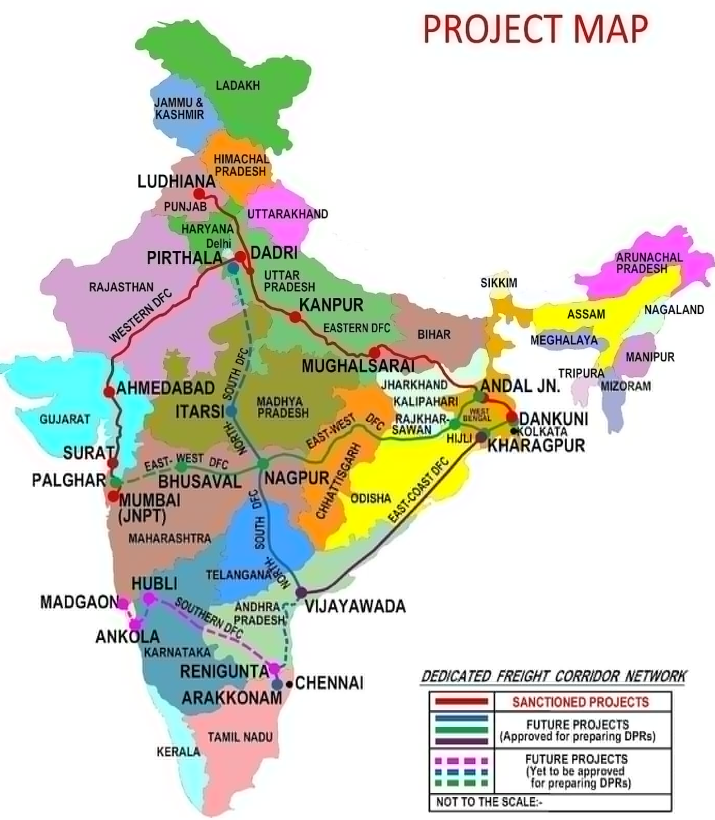
The EDFC spans from Sahnewal (Ludhiana) in Punjab to Dankuni in West Bengal, covering a distance of approximately 1,840 kilometers. This corridor traverses through key industrial and economic hubs, including Punjab, Haryana, Uttar Pradesh, Bihar, Jharkhand, and West Bengal. Designed to cater the growing demand of freight transportation, the EDFC integrates seamlessly with feeder routes connecting coal mines, thermal power plants and industrial cities along its route.

One of the notable features of the EDFC is the 351-kilometer-long ‘New Bhaupur-New Khurja section’, which has played the critical role of decongesting the existing Kanpur-Delhi main line. This section, funded primarily by the World Bank, is aimed at enhancing the operational efficiency of freight trains. It allows for the freight carriage to reach a speed of 75 Km/hr, enhancing the operations by a 3x magnitude.   

qTghC dUkkjX

Source – https://www.drishtiias.com/daily-news-analysis/dedicated-freight-corridor-1

Western Dedicated Freight Corridor (WDFC)

The WDFC extends from Dadri in Uttar Pradesh to Jawaharlal Nehru Port Trust in Mumbai, covering a distance of around 1,500 kilometers. This corridor traverses through major states such as Haryana, Rajasthan, Gujarat, Maharashtra, and Uttar Pradesh, connecting crucial industrial centers and ports along its route.

Funded by Japan International Cooperation Agency (JICA), the WDFC plays a pivotal role in facilitating the movement of goods and commodities between the northern hinterlands and the western coast of India. Notably, the corridor serves as a vital link in the industrial corridor of Delhi-Mumbai, bolstering trade and economic activities across regions.

The development of the EDFC and WDFC holds immense significance for India’s economic growth and infrastructure modernization. By providing dedicated pathways for freight trains, these corridors alleviate congestion on existing railway networks, thereby enhancing overall operational efficiency. Moreover, the integration of advanced technology and infrastructure ensures faster and more reliable transportation of goods, benefiting industries, businesses, and consumers alike. By fostering seamless connectivity and facilitating the movement of goods across vast distances, the EDFC and WDFC are poised to play a transformative role in shaping India’s logistics landscape for years to come.

Meeting the Urgent Demand – The Need For Freight Corridors

The Indian Railways system, spanning approximately 68,442 kilometers, has been the backbone of the nation’s economy, facilitating transportation of significant volumes of goods and commodities. However, with freight traffic witnessing an unprecedented surge over the years, the existing infrastructure is under immense strain, necessitating the urgent development of dedicated freight corridors (DFCs) to address these challenges effectively.

Growing Demand And Infrastructure Challenges

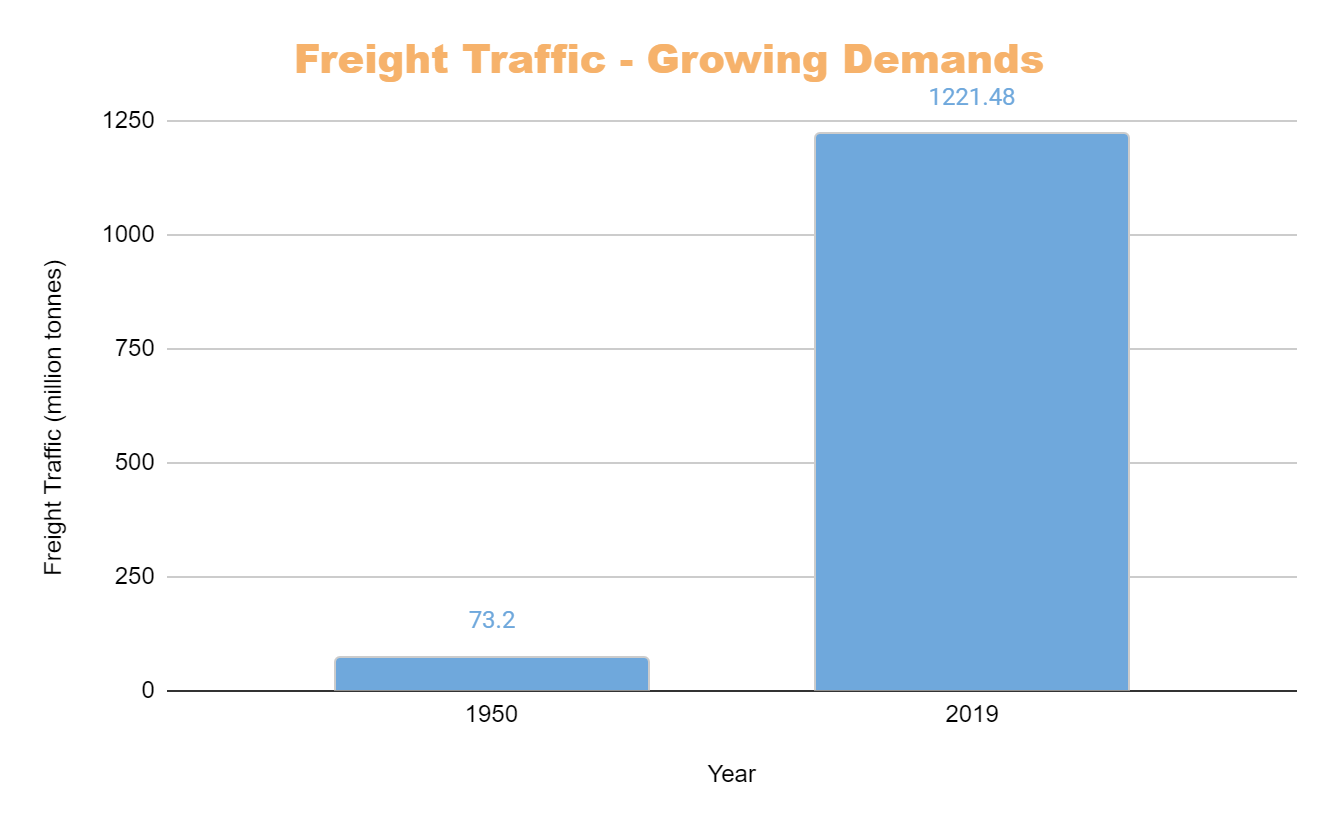
The Indian Railways witnessed a remarkable increase in freight traffic, from 73.2 million tonnes in 1950-51 to a staggering 1221.48 million tonnes in 2018-19. This exponential growth, however, has strained the existing infrastructure, particularly on critical arteries like the Golden Quadrilateral, leading to congestion and operational inefficiencies. The coexistence of passenger and freight trains on the same tracks further exacerbates the situation, with freight trains often facing delays and reduced operational speeds.

In response to these challenges, the Ministry of Railways explored various options to augment capacity and enhance efficiency. While the augmentation of the existing network and the creation of dedicated passenger corridors were considered, the establishment of dedicated freight corridors emerged as the most viable and effective solution.

Chart

Addressing Challenges

The government’s resolve to expedite work on under-construction DFCs received a significant boost following incidents like the April 2022 power outages, where DFCs played a crucial role in rushing coal from eastern mines to mitigate the crisis in the North and West regions. Despite facing challenges such as missed deadlines, project extensions, and increased project outlays, the construction of DFCs remains on firm ground.

Shri. Ravindra Kumar Jain, MD of DFCCIL, emphasized that despite pandemic-induced challenges and delays in clearances and land acquisition, construction progress remains steady. Significant milestones include track laying, construction of level crossings, stations, feeder routes, and logistics parks, all of which contribute to the overarching goal of enhancing freight transportation efficiency.

Transformative Impact of DFCs

As India aspires to transition into a global manufacturing hub, the implementation of DFCs is poised to yield significant benefits. Rampraveen Swaminathan, MD & CEO of Mahindra Logistics, highlights the potential for substantial savings in transit time, efficiency, and cost savings through effective utilization of DFCs. Additionally, the National Logistics Policy aims to halve logistics costs by 2030, with rail-based solutions playing a crucial role in achieving this objective.

J.B. Singh, Director of MOVIN Express, underscores the importance of transparency in DFC operations to build trust among logistics providers and shippers. He emphasizes the need for data sharing on train schedules, freight volumes, and transit times to optimize operations and foster collaboration within the logistics ecosystem.

oxhlO6OsExT7PDfjsNTu6l56Y5PE31jSfDFbTc6ZRIbAv6tJFjLnGEJaWssFyMRwFYqCwWVk1xfbotmk FQws33pJpMgG WSW62z Wim10 guoTD6HSt4ERCkET9ug45yiz UqfDoqZ4JlqpOkVCTA

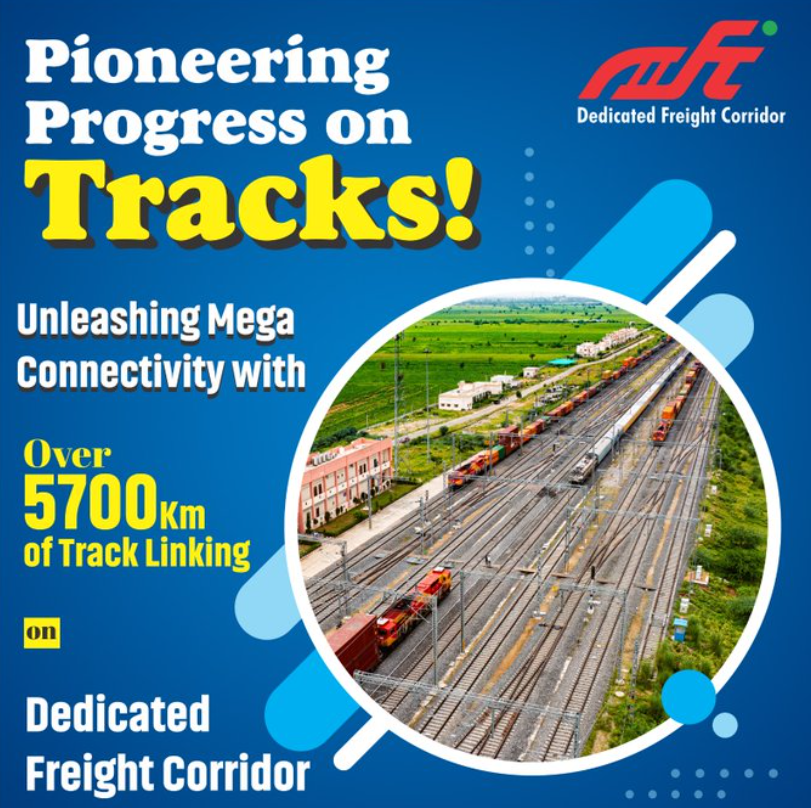
DFCCIL’s ambitious plans to ring-fence the entire country with railway corridors spanning from east to west coast, covering a distance of 4,300 kilometers, signify a significant step towards revolutionizing freight transportation in India. As the logistics sector gears up to meet the growing demand, DFCs are poised to reclaim the railways’ share in freight traffic and usher in a new era of efficiency, sustainability, and economic growth.

Unblocking Opportunities – Significance of Freight Corridors

Streamlined Cargo Movement

The implementation of Dedicated Freight Corridors (DFCs) promises to revolutionize cargo movement, offering seamless and cost-competitive transportation solutions. With dedicated pathways for freight trains, DFCs ensure uninterrupted movement of goods, reducing transit times and enhancing efficiency in freight transportation. This enhancement in logistics infrastructure is set to have a profound impact on trade dynamics, facilitating smoother and more reliable supply chains.

Accurate Travel Time Prediction

One of the significant benefits of DFCs is the ability to provide accurate travel time predictions for freight transports. By offering reliable schedules and minimizing delays, DFCs enable businesses to plan and execute their logistics operations more effectively. This predictability not only enhances operational efficiency but also fosters confidence among stakeholders, leading to improved trust and collaboration within the logistics ecosystem.

Enhanced Capacity and Efficiency

The Dedicated Freight Corridors (DFCs) are set to revolutionize cargo transportation by multiplying the capacity to carry heavier loads and volumes. With the capability to operate 480 heavy-haul freight trains daily, these corridors promise quicker cargo transit and alleviate congestion on existing rail and road networks. Such enhancements in capacity and efficiency are poised to streamline logistics operations and boost overall economic growth.

Reduction in Logistics Costs

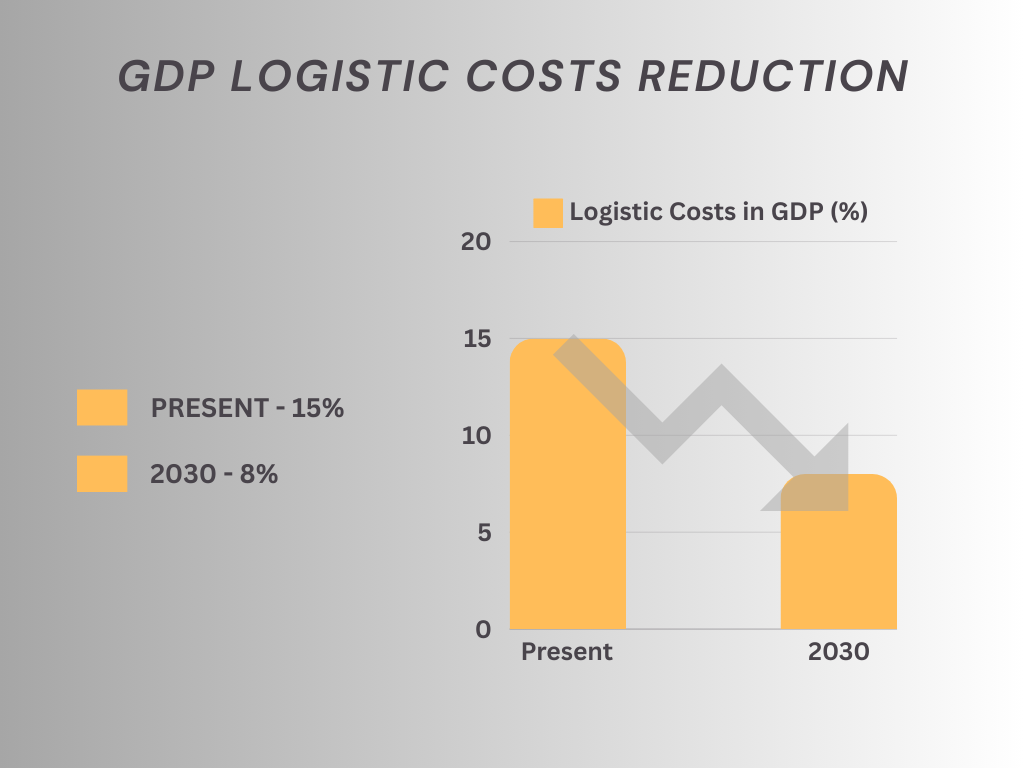
A World Bank report highlights the transformative impact of DFCs in reducing India’s high logistics costs, estimated at 13-15% of the GDP to sustainable 8% by 2030. By aligning with global standards, DFCs aim to achieve significant cost savings and efficiency gains. 

Additionally, each kilometer-long freight train on the Eastern Dedicated Freight Corridor (EDFC) is expected to replace approximately 72 trucks, easing congestion on roads and highways and further contributing to cost reduction efforts.

QQWkWdhMlEVGMlKbyYMRrpPuk 6VALka2XjHKM

Environmental Sustainability

DFCs pave the way for a shift from diesel-operated trucks to electrified rail, significantly reducing India’s fossil fuel consumption and carbon footprint. The transition to energy-efficient corridors underscores the commitment to environmental sustainability and aligns with global efforts to combat climate change. Such initiatives highlight the role of DFCs in fostering sustainable development and ensuring a greener future for generations to come.

Coal Corridor Development

The operationalization of the Eastern Dedicated Freight Corridor (EDFC) marks a significant milestone in addressing acute coal shortages and power outages across the country. By connecting North India to coal mines in the eastern regions, EDFC reduces transit times by 30-40%, thereby lowering inventory costs for power plants. The corridor also alleviates congestion on critical routes like the Delhi-Howrah Grand Chord, enhancing the speed and efficiency of passenger trains.

Infrastructure Development for Economic Growth

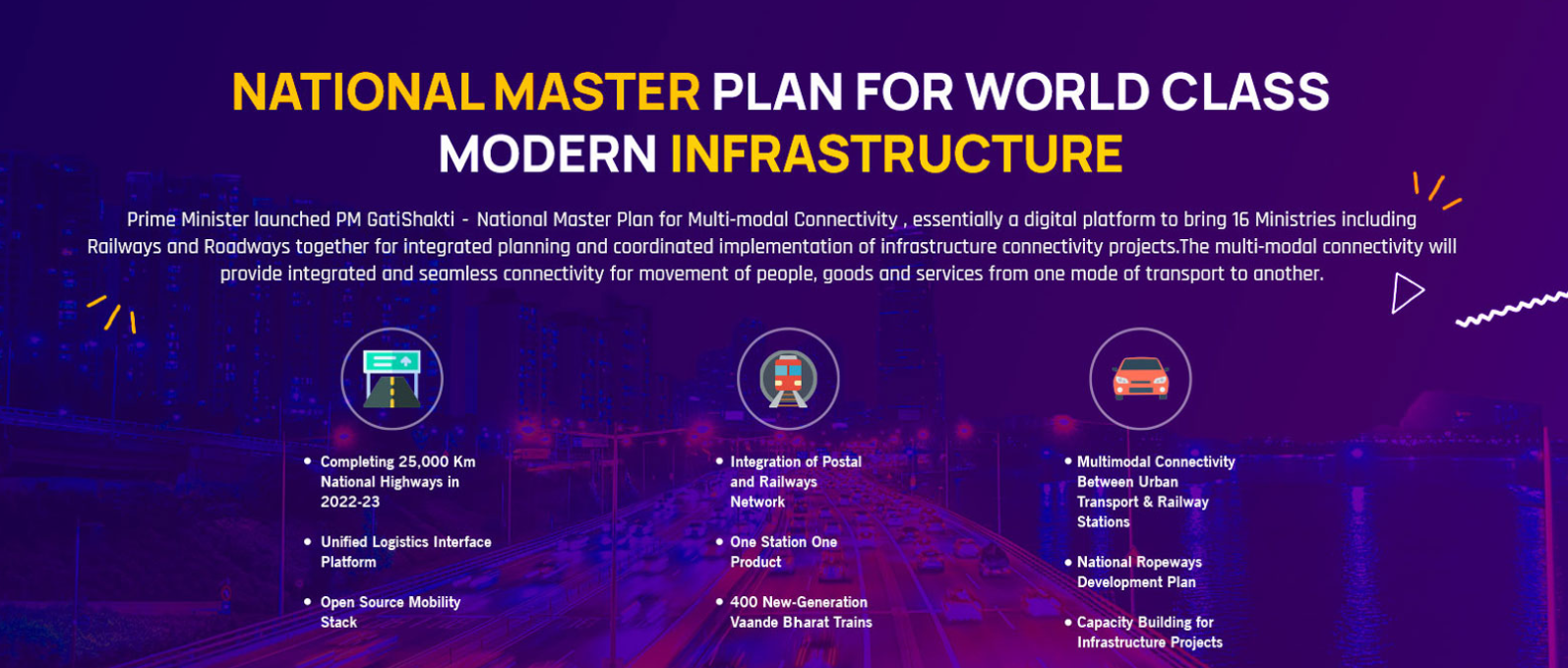
DFCs serve as catalysts for infrastructure development, facilitating the establishment of multi-modal logistics parks (MMLPs) along their routes. These parks, integral to the PM Gati Shakti National Master Plan, aim to enhance economic growth and infrastructure development by providing seamless connectivity and lowering logistics costs. By integrating various modes of transport, MMLPs optimize freight logistics, reduce warehousing costs, and improve consignment tracking and traceability, thereby fostering a conducive environment for investment and economic prosperity.

Source – https://pmgatishakti.gov.in/pmgatishakti/login

Towards Global Standards

DFCs represent India’s commitment to aligning its logistics infrastructure with global standards. By incorporating best practices in freight transportation and infrastructure development, DFCs elevate India’s position as a key player in the global trade landscape. The focus on efficiency, reliability, and cost-effectiveness underscores India’s aspiration to enhance its competitiveness and attract investments in the logistics sector, ultimately driving sustainable economic growth.

Conclusion

The emergence of Dedicated Freight Corridors (DFCs) heralds a new era of efficiency, sustainability, and economic growth for India’s transportation infrastructure. By streamlining cargo movement, reducing logistics costs, and promoting environmental sustainability, DFCs are poised to unlock immense opportunities for trade and industrial development. With initiatives like the Eastern Dedicated Freight Corridor (EDFC) addressing critical challenges such as coal shortages and power outages, and the development of multi-modal logistics parks (MMLPs) enhancing connectivity and lowering logistics costs, India is on track to realize its vision of becoming a global logistics hub. As the nation embraces these transformative initiatives, the future of freight transportation in India shines bright with promise and prosperity.

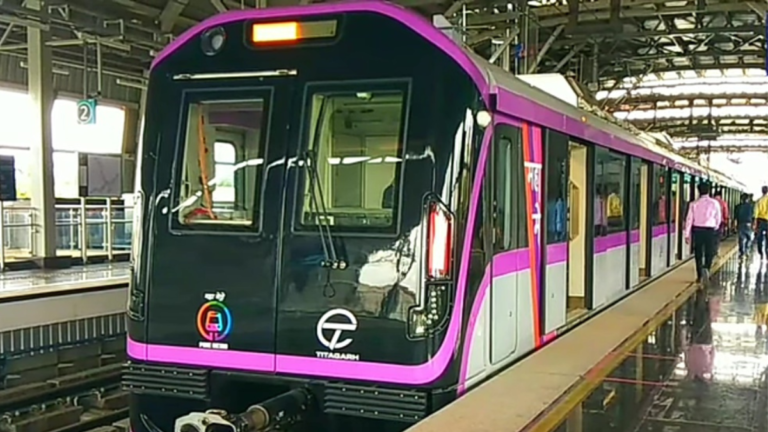
Pune Metro: Civil Court to Swargate Stretch Set to Open in July

PUNE (Metro Rail News): Pune Metro is gearing up to inaugurate its latest development, the underground stretch connecting Civil Court to Swargate, this July. This crucial segment will mark the completion of phase 1, which includes both line 1 and line 2 of the network.

Following the commencement of services on line 2 from Vanaz to Ramwadi on March 6, Pune Metro has shifted its focus to the final segment of its first phase. The 3.34-kilometre underground route promises to enhance connectivity and ease commutes in one of the city’s busiest districts.

A senior official from Pune Metro revealed that substantial progress had been achieved on the underground stations, with Swargate station nearing completion and Budhwar Peth and Mandai stations 85% done. “We expect to finish construction on all three stations by June,” the official stated. “Subsequently, we will invite the Commissioner of Metro Railway Safety (CMRS) for inspections, which should take around 15 to 20 days. We are on track to launch services in July.”

In preparation for the launch, extensive testing is being conducted along the stretch to ensure smooth operations from day one.

The operational stretch will improve the daily commute for thousands, offering a fast, reliable alternative to road transport in a region plagued by traffic snarls. With the entire line now operational, Pune Metro anticipates a significant increase in daily ridership, which recently surpassed 70,000 passengers.

Pune Metro’s phase 1 has laid down two main corridors: the north-south corridor (purple line) and the east-west corridor (aqua line), covering a combined length of 33.2 kilometres and incorporating 30 stations. The network features an elevated section stretching 27.2 kilometres and a smaller, 6-kilometre underground portion. With this new section, nearly all of the proposed routes will be operational, except for the last 3.34 kilometres currently under construction.

The minimum fare on the newly operational sections ranges from ₹10 to ₹35, making it an affordable option for daily travellers.


Discover the endless possibilities of our city’s Metro at InnoMetro, our flagship Expo and Conference. Be an active participant in shaping its future towards a more sustainable tomorrow. Stay informed and join us to take a step towards a brighter future.

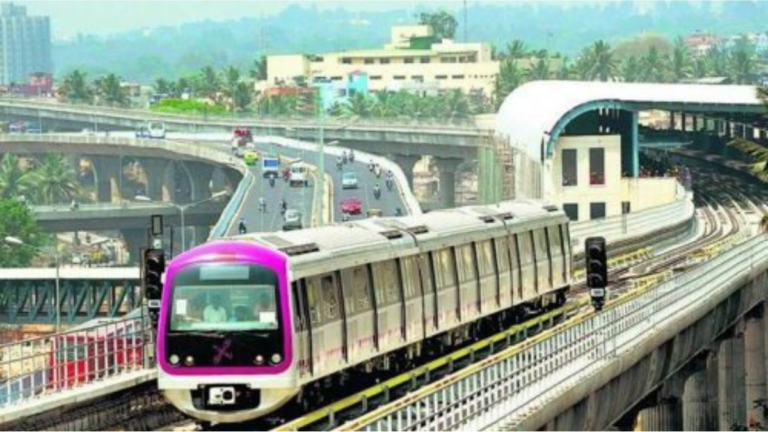
Bangalore Metro Expansion: 16 New Interchange Stations to Transform City’s Transit Network

BANGALORE (Metro Rail News): The Bangalore Metro Rail Corporation Limited (BMRCL) is set to introduce 16 new interchange stations as part of its Phase 2 and Phase 3 projects. Currently, the Nadaprabhu Kempegowda Interchange station at Majestic is the city’s only interchange station, facilitating transfers between the Purple and Green lines. This hub supports approximately 50,000 commuters daily, making it a vital point in Bangalore’s metro network.

Future Developments: A Network of Interchanges

The planned expansion includes strategically located interchange stations across the city. These will link the existing Purple and Green lines with the new Yellow, Pink, and Blue lines, significantly expanding the network’s reach. Key upcoming stations will be at Jayadeva Junction, M.G. Road, K.R. Puram, and others, spanning critical areas from Mysuru Road to Nagavara.

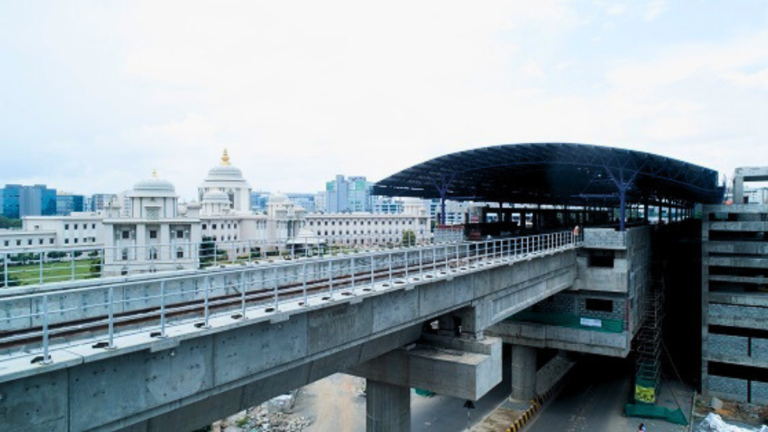
Set to open by the end of this year (Partially), the Jayadeva Junction station is anticipated to be Bangalore’s largest interchange metro station. It is located on Bannerghatta Road and will connect the Yellow Line (R.V. Road to Bommasandra) with the Pink Line (Kalena Agrahara to Nagawara). This station is uniquely designed with a double-decker flyover, accommodating both metro and road traffic, significantly reducing transit times for commuters coming from Ragigudda towards Silk Board.

Operational Phases and Impact

The Jayadeva interchange station is slated for a partial opening to coincide with the inauguration of the Yellow Line later this year, with full operations commencing upon the completion of the Pink Line. BMRCL officials project that once fully operational, the station could see between 80,000 to 90,000 daily users, potentially making it the busiest metro interchange station in Bangalore following Majestic.


Discover the endless possibilities of our city’s Metro at InnoMetro, our flagship Expo and Conference. Be an active participant in shaping its future towards a more sustainable tomorrow. Stay informed and join us to take a step towards a brighter future.

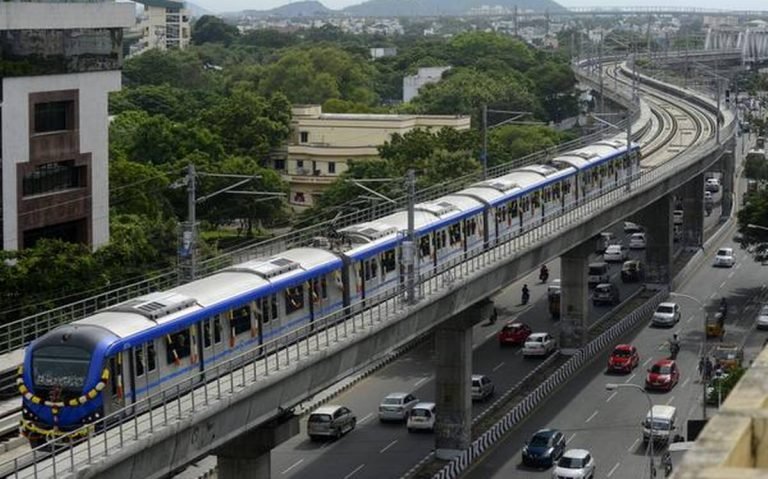
Chennai Metro Rail Halts Extension Plan from Siruseri to Kilambakkam Due to Feasibility Concerns

CHENNAI (Metro Rail News): Chennai Metro Rail Limited (CMRL) has shelved its plans to extend the Metro Rail line from Siruseri to Kilambakkam bus terminus via Kelambakkam. This decision was influenced by lower-than-expected traffic levels and concerns about the extension’s economic viability.

A Detailed Feasibility Report (DFR), submitted in September 2023, highlighted that the proposed extension does not meet the essential criteria for Metro Rail development. The evaluation pointed to a much lower Peak Hour Peak Direction (PHPD) traffic than is viable for such projects. While the standard PHPD level required is 12,000 passengers per hour, the findings from the initial study reported only 5,000 PHPD.

Economic Feasibility

“The inadequate PHPD is attributed to the presence of forested areas and industrial zones, rendering the stretch economically unviable,” explained a CMRL spokesperson. Given these factors, the government has halted further advancements, including preparing a Detailed Project Report (DPR) for this stretch.

Project Details and Financial Implications

The now-abandoned project was to cover a 23.5 km stretch with approximately 12 elevated stations, estimated to cost around Rs 5458.06 crore. This significant investment is now redirected as CMRL evaluates other potential areas for development that promise higher returns and feasibility.

This development reflects CMRL’s strategic approach to expansion, focusing only on routes that guarantee sufficient traffic and economic benefits. Though disappointing to some stakeholders, the decision underscores the importance of strategic planning and resource management in public transportation projects.


Discover the endless possibilities of our city’s Metro at InnoMetro, our flagship Expo and Conference. Be an active participant in shaping its future towards a more sustainable tomorrow. Stay informed and join us to take a step towards a brighter future.

Kanpur Metro Expansion Milestone: Upline Track Completion Boosts Connectivity

KANPUR (Metro Rail News): The Kanpur Metro Rail Project has achieved a significant milestone with the completion of the upline track construction from Nayaganj to Chunniganj. This development marks a crucial phase in the tunnel section of Corridor-1 (Orange Line), which stretches between IIT Kanpur and Naubasta.

The recently finished upline track spans a 3 km tunnel starting at the under-construction Nayaganj underground station and ending at Chunniganj underground station.

Kanpur Metro Coach

Current Work and Next Steps

Construction efforts have now shifted towards the section from Chunniganj station to the ramp at McRobertganj. The completion of this segment will finalize the track layout from IIT to Nayaganj on the upline.

Meanwhile, the downline track from Nayaganj station to Bada Chauraha station has also been completed, doubling this metro line’s potential throughput.

Work is not limited to Corridor-1. Construction activities have also begun in the Rawatpur-Double Puliya underground section of Corridor-2. Moreover, the task of laying and welding rails continues towards the tunnel’s end at McRobertganj. Additionally, track slab casting has commenced in this section, indicating steady progress towards the project’s completion.

Kanpur Metro Overview

Corridor 1 of the Kanpur Metro is the Orange Line, spanning 23.8 km with seven underground and 14 elevated stations. This corridor starts at IIT Kanpur and extends to Naubasta. It is expected to be operational by November 2024, catering to over 1.5 lakh commuters daily.

On the other hand, Corridor 2 is the Blue Line, covering 8.9 km with 8 stations from Agriculture University to Barra. It is anticipated to be completed by December 2025.


Discover the endless possibilities of our city’s Metro at InnoMetro, our flagship Expo and Conference. Be an active participant in shaping its future towards a more sustainable tomorrow. Stay informed and join us to take a step towards a brighter future.

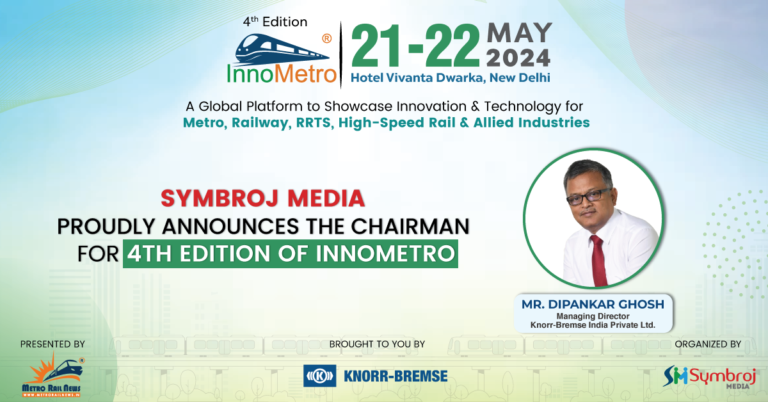
Announcement of Chairman of the Conference: Mr. Dipankar Ghosh to Lead InnoMetro 2024

NEW DELHI: Symbroj Media is delighted to announce Mr. Dipankar Ghosh, Managing Director of Knorr Bremse India and Member of the Knorr Bremse India Board, as the Chairman for the 4th Edition of InnoMetro.

Mr. Dipankar Ghosh possesses 30+ years of diverse experience encompassing manufacturing, engineering management, and business development. As an ex-IRSEE officer and former CEO of Escorts Railways Division, he led major global initiatives, facilitating technology transfers and adopting frugal innovation strategies. Holding a postgraduate engineering degree from BITS Pilani and a management qualification from the Indian School of Business, he is also an Advanced Global Leadership alumnus of the London School of Economics. Mr. Ghosh is passionate about new technologies and a dedicated proponent of value engineering.

The event is scheduled for May 21st and 22nd, 2024, at Hotel Vivanta Dwarka, New Delhi. Presented by Metro Rail News, InnoMetro is the premier global conference and exhibition dedicated to showcasing innovations and technology in the rail transportation industry.

Since its inception in 2021, InnoMetro has established itself as the premier platform for rail transportation officials (Government and Private) to converge, ideate, and discuss policies and innovations. This year’s event is expected to draw over 1500 industry leaders from 18+ countries, including participants from the USA, UK, Russia, Japan, France, Germany, Canada, and more.

InnoMetro provides a perfect platform for industry leaders to exhibit their innovations, technologies, products, and services in a 20,000 sq ft exhibit area, facilitating their implementation in rail transportation projects. Advocacies made on this platform have been appreciated and implemented in several projects.

The appointment of Mr Dipankar Ghosh as Chairman highlights the event’s commitment to driving innovation and excellence in rail transportation. With his extensive experience and leadership in the sector, Mr Ghosh is set to lead discussions on the future of rail innovation in India and beyond.

For more information and to register for InnoMetro 2024, visit https://www.innometro.com/

About Symbroj Media:
Symbroj Media is a leading media organization that provides comprehensive coverage and insights into the Metro, Railway, RRTS, High-Speed Rail & Allied Industries. Through events like “InnoMetro” and its prominent publication “Metro Rail News,” Symbroj Media strives to promote innovation and excellence in the sector.

Media Contact:
Narendra Shah
Managing Editor, Metro Rail News
Mob: +91 9990 4545 05
Email: editor@metrorailnews.in

NCRTC Launches First EV Charging Station at Sahibabad RRTS

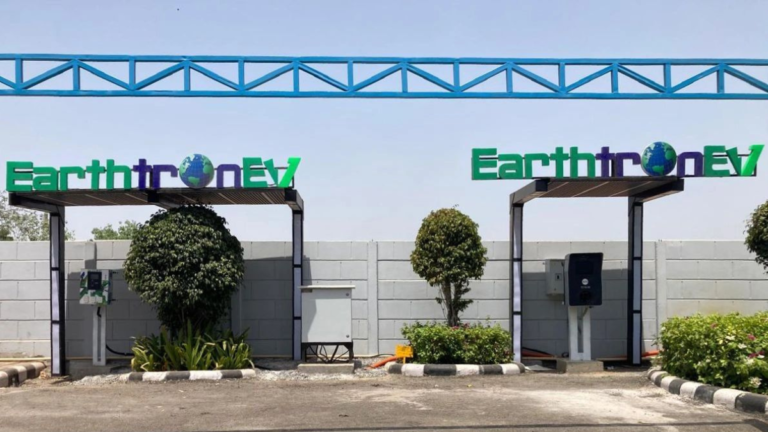
NEW DELHI (Metro Rail News): National Capital Region Transport Corporation (NCRTC) sets up the first Electric Vehicle (EV) Charging Station at Sahibabad’s Regional Rapid Transit System (RRTS) station. Positioned strategically at Gate No. 1, this facility is designed to accommodate the diverse charging needs of various electric vehicle models.

Sahibabad station on RRTS route.

The charging station has three slow charging units, each offering 3.3 kW power and a fast charging unit that delivers 30 kW, ensuring that commuters can quickly and efficiently power their vehicles. The inclusion of both slow and fast charging options caters to different user needs and vehicle specifications.

Electric vehicle owners can access the charging services through a dedicated mobile application to facilitate ease of use. This app allows users to monitor their electricity consumption in real-time and handle payments electronically, simplifying the process and enhancing user convenience.

The NCRTC highlighted that this initiative is a crucial part of their comprehensive strategy to ensure seamless last-mile connectivity for RRTS passengers. Commuters can now enjoy the convenience of charging their electric vehicles within approximately one hour using the fast charging option or opt for a slower charge, depending on their time and needs.

Delhi-Ghaziabad-Meerut RRTS Corridor.

Looking ahead, the NCRTC plans to expand these facilities to other operational RRTS stations, including key locations such as Ghaziabad, Guldhar, Duhai, Duhai Depot, Murad Nagar, Modi Nagar South, and Modi Nagar North. This expansion will serve daily commuters and local residents, significantly enhancing the accessibility and utility of the RRTS network.

Further Goal of NCRTC 

In addition to promoting electric mobility, the NCRTC is committed to increasing its use of renewable energy. As part of the National Solar Mission, the corporation has implemented a solar policy in 2021, aiming to cover 70% of the total energy requirements of the Delhi-Ghaziabad-Meerut RRTS corridor through solar power. Plans include installing solar panels at all elevated stations and depots to generate approximately 11 MW peak of in-house solar power, primarily for non-traction purposes over the next five years.


Discover the endless possibilities of our city’s Metro at InnoMetro, our flagship Expo and Conference. Be an active participant in shaping its future towards a more sustainable tomorrow. Stay informed and join us to take a step towards a brighter future.

Noida Metro Expansion Projects Awaits Green Light from State Government

NOIDA (Metro Rail News): The Noida Metro Rail Corporation (NMRC) is excited to rapidly progress on two major metro expansion projects in the Noida region as soon as the model code of conduct concludes with the election period. The anticipated projects include the Greater Noida West metro extension and the metro corridor from Sector 142 to the Botanical Garden, both pending cabinet approval.

Greater Noida West Metro Extension

In February, the Delhi Metro Rail Corporation (DMRC) presented a revised Detailed Project Report (DPR) for the Greater Noida West extension to NMRC. This report outlines an expanded route with 11 stations, increasing from the previously proposed nine, and features an interchange at the Blue Line’s Sector 61 station.

The extension will now cover a length of approximately 17 kilometres, adding 2 kilometres to the initial plan. This extension is divided between 7 kilometres in Noida and 10 kilometres in Greater Noida. Four stations will be situated in Noida and seven in Greater Noida. The estimated cost for this project is Rs 2,990 crore.

Sector 142 to Botanical Garden Corridor

Another significant undertaking is the corridor connecting Sector 142 to the Botanical Garden, comprising eight stations. This route will include key stops at the Botanical Garden, Sector 44, the Noida Authority office in Sector 96, Sector 97, Sector 105, Sector 108, Sector 93, and Panchsheel Balak Inter College in Sector 91. Spanning 11.56 kilometres, the project is budgeted at Rs 2,254.35 crore.

Approval and Progress

NMRC’s Managing Director, Lokesh M, stated, “The DPR has been submitted to the state government and is currently awaiting approval. We will expedite the project once the approval comes in.” Following state approval, the DPR for the Greater Noida West extension will be forwarded to the Ministry of Housing and Urban Affairs for final sanction. Subsequent steps will include issuing a tender to select a developer for the project. Similarly, the Sector 142 to Botanical Garden corridor awaits state government approval before moving forward.

Additional Developments

The NMRC also plans a third extension of the Aqua Line, a 2.6 km segment comprising two stations—Junpat and Bodaki—in Greater Noida. This extension is currently waiting for approval from the Central government.

In an effort to enhance passenger convenience, NMRC is developing an application to facilitate easy bookings of taxis, auto-rickshaws, and e-rickshaws from metro stations to final destinations. “Work on all these projects will accelerate post-election, following government approval,” confirmed NMRC officials.


Discover the endless possibilities of our city’s Metro at InnoMetro, our flagship Expo and Conference. Be an active participant in shaping its future towards a more sustainable tomorrow. Stay informed and join us to take a step towards a brighter future.

Bengaluru Metro’s Green Initiative: 15,000 Saplings to Counter Phase 2 Expansion Impact

BENGALURU (Metro Rail News): The Bengaluru Metro Rail Corporation Limited (BMRCL) has committed to a large-scale greening initiative. This project, involving the planting of 15,000 saplings, responds to the ecological impact of the Namma Metro Phase 2 expansion. With an investment of approximately Rs 76.9 crores, the project aims to restore the green cover affected by recent urban development.

Planned Planting and Locations

The initiative will kick off in Dabus Town, where approximately 5,000 saplings will enhance the landscape of the 4th Industrial Area and nearby government properties in the Bengaluru Rural District. This area was specifically chosen to begin the reforestation, addressing the urgent need for greenery amidst heavy industrialisation.

Following the initial phase, the project will extend to Doddaballapur‘s KIADB lands, specifically targeting the 2nd, 12th, and 13th garden and buffer zones. 

Past Efforts, Maintainance and Community Participation

From 2021 to 2022, BMRCL undertook significant efforts to mitigate the impact of tree removal due to metro construction. A total of 856 trees were relocated, and an additional 1,193 were transplanted to safer locations.

Anticipating the upcoming monsoon, BMRCL is set to trim over 750 trees along the East-West Corridor and 380 along the North-South Corridor. This preventive measure aims to safeguard the metro operations and the city’s greenery from potential damage caused by falling branches during heavy rains.

The reforestation initiative has garnered attention from various environmental groups as many actively participate in the tender process of planting, which is currently under evaluation. This collaboration highlights the community’s vested interest in the success of this green project.

Future Planting Plans

The saplings will be planted during the monsoon season, leveraging the favourable weather conditions for optimal growth and sustainability. BMRCL’s strategic planning ensures that the newly planted saplings will have a higher chance of thriving, contributing to the city’s long-term ecological health.


Discover the endless possibilities of our city’s Metro at InnoMetro, our flagship Expo and Conference. Be an active participant in shaping its future towards a more sustainable tomorrow. Stay informed and join us to take a step towards a brighter future.

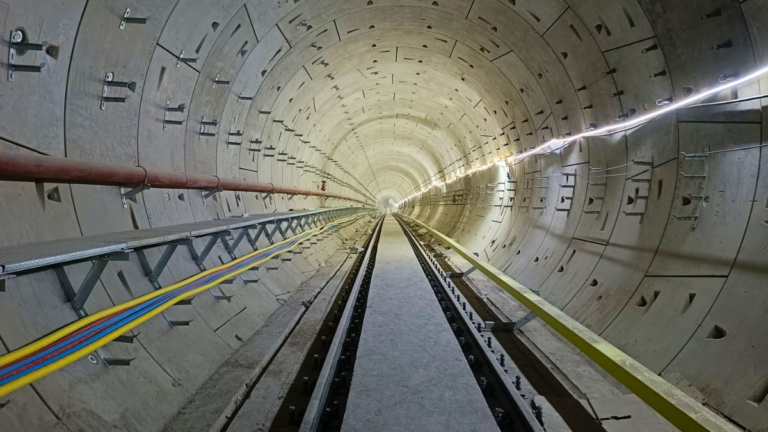
Bangalore Metro Phase III: Geotechnical Investigation To Begin on 45 Km Corridor

Bangalore (Metro Rail News): The Bangalore Metro Rail Corporation Limited (BMRCL) is set to commence the geotechnical investigation for the expansion of the Bangalore Metro system under its Phase III project. This new phase aims to add 44.65 km of metro lines across the city, encompassing two elevated corridors and 31 metro stations in total.

Phase III of the metro expansion includes two main corridors:

  • Western Corridor: Spanning 32.15 km from J P Nagar’s fourth phase to Kempapura, this corridor will connect 22 stations and link directly to the Airport Line.
  • Eastern Corridor: This segment will have nine stations and cover 12.5 km from Hosahalli to Kadabgere on Magadi Road.

The Karnataka government approved the Phase III expansion earlier this year, with plans to integrate the new lines into the existing network by 2028. The project, estimated to cost Rs 15,611 crore, will be primarily funded by the state government, covering 80-85% of the total cost. The remainder will be financed by the central government, which has already approved the project and finalised the Detailed Project Report (DPR).

Geotechnical Investigation

The geotechnical investigation, which has a budget of Rs 6 crore, is scheduled to start next week. Officials from BMRCL highlighted that the investigation will focus on examining the physical properties of soil and rock along the proposed routes. This process is essential for determining the depth and design of the foundations needed for metro pillars.

Current Metro Network

Untitled design 57
Bangalore Metro Rail

Bangalore’s metro, currently the second longest operational network in India, spanning 73.81 kilometres after Delhi, consists of two operational corridors:

  • East-West Corridor: Runs 43.49 km from Whitefield Station east to Challagatta Terminal west.
  • North-South Corridor: Extends 30.32 km from Nagasandra Station north to Silk Institute Station south.

With the initiation of Phase III, Bangalore is poised to significantly enhance its metro connectivity, further easing the city’s transportation woes and contributing to its urban development.


Discover the endless possibilities of our city’s Metro at InnoMetro, our flagship Expo and Conference. Be an active participant in shaping its future towards a more sustainable tomorrow. Stay informed and join us to take a step towards a brighter future.

RITES Partners with ItalCertifier for Safety Assessments of Vande Bharat Sleeper Trains

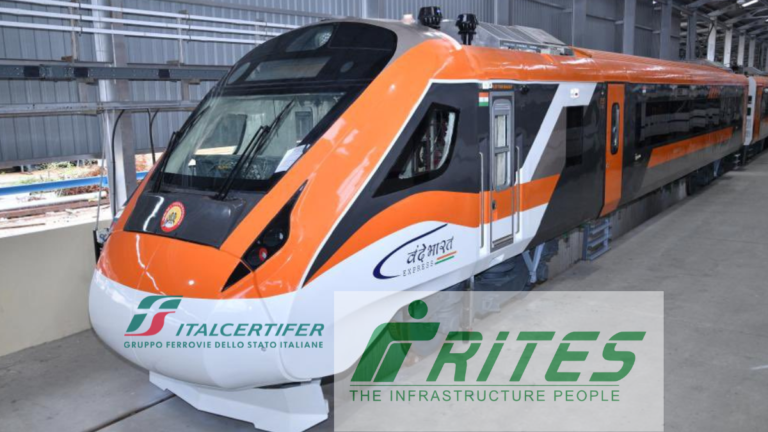
NEW DELHI(Metro Rail News): RITES Limited, a Navaratna central PSU(public sector undertaking) under India’s Ministry of Railways and a top transport consultancy in India partnering with ItalCertifier SPA from Italy, has won a contract for safety assessments of Vande Bharat sleeper trains. This marks a significant step for RITES as it expands into new business in safety assessments.

This contract was awarded to the Integral Coach Factory (ICF) in Chennai, part of the Ministry of Railways. The agreement includes design reviews, final safety acceptance assessments, and test result reviews, ensuring the highest standards of safety and reliability for the sleeper versions of the Vande Bharat trains.

RITES has over fifty years of experience and has worked in over 55 countries. This project adds to their growing portfolio as the only ISA-certified public sector company in India focused on safety assessments.The ItalCertifier SPA(Founded: 2001) is an Italian company that provides certification, inspection, and testing services, primarily in the railway sector.

About the Vande Bharat Express

Launched as a flagship initiative under the ‘Make in India’ campaign, the first Vande Bharat Express was inaugurated on February 15, 2019, serving the New Delhi-Kanpur-Allahabad-Varanasi route. Known for its semi-high-speed capability, the train reaches speeds of up to 160 kmph. It offers facilities superior to those found in Shatabdi trains, including two executive-class coaches with rotating chairs, automatic doors, a GPS-based passenger information system, and onboard Wi-Fi.

This initiative will ensure improved safety measures and boost passenger confidence in Indian train travel. With RITES and ItalCertifier working together, passengers can look forward to safer and more reliable journeys on the Vande Bharat trains.


Discover the endless possibilities of our city’s Metro at InnoMetro, our flagship Expo and Conference. Be an active participant in shaping its future towards a more sustainable tomorrow. Stay informed and join us to take a step towards a brighter future.

Mumbai Metro Line 3 to Launch in Phases, Initial Operations Expected by June-July

MUMBAI (Metro Rail News): Mumbai’s much-anticipated Line 3 is about to enter its operational stage. The initial plan is to operate the train up to Dadar station to set the stage for trial runs. This initial operation is crucial for collecting important data before starting the official trial runs, which are planned to extend till Acharya Atre Chowk in Worli.

Essential infrastructure tasks, including overhead electrification (OHE) and track installation, have been finalised up to Dadar station. “While not a trial run in itself, this step is crucial for the project’s progress,” said a Mumbai Metro Rail Corporation Ltd (MMRCL) senior official.

Phased Implementation and Timeline

The Metro Line 3 project is structured to roll out in three phases:

– Phase 1 (Aarey to BKC): This vital stretch includes strategic stops such as the Chhatrapati Shivaji Maharaj International Airport and major business districts. It aims to drastically reduce travel times and offer a reliable alternative to the city’s congested roadways. Originally scheduled to open by April 2024, Phase 1 of Metro Line 3 is anticipated to become operational by June-July, following several missed deadlines.

– Phase 2 (BKC to Worli): Following the operation of Phase 1, Phase 2 will connect BKC to Worli, including stops at cultural and residential areas. This phase was initially targeted to launch shortly after the completion of Phase 1 but may face delays depending on the completion and operational success of the earlier phase.

– Phase 3 (Worli to Cuffe Parade): The final phase aims to complete the southern extension of the metro line, linking it with southern Mumbai. This phase was scheduled for completion shortly after Phase 2, aiming for a seamless expansion of the network.

Operational Capacity and Commuter Benefits

Upon completion, Metro Line 3 will serve about 17 lakh passengers daily, with trains every three to four minutes during peak times. Each train can accommodate approximately 2,500 passengers, enhancing the system’s capacity to manage large volumes of commuter traffic efficiently.

Metro Line 3 will connect major business and employment centres and link over 30 educational institutions, 13 hospitals, and several recreational and religious places. It will also integrate with other Mumbai Metro lines, the Monorail, Suburban Rail, and ST Bus Services, aiming to reduce congestion on suburban railways by up to 15%.

Progress Already Achieved

The Mumbai Metro Rail Corporation Limited (MMRCL) has begun integrated trial runs for the underground Metro Line-3. Final approval from the Commissioner of Metro Railway Safety is pending, which is the last regulatory hurdle before the service can begin.

The phased rollout of Mumbai’s Metro Line 3 is keenly awaited by the city’s residents and commuters. Once operational, it promises to significantly cut down travel times and improve the overall quality of urban transportation in Mumbai, marking a major stride forward in the city’s infrastructure development.


Discover the endless possibilities of our city’s Metro at InnoMetro, our flagship Expo and Conference. Be an active participant in shaping its future towards a more sustainable tomorrow. Stay informed and join us to take a step towards a brighter future.