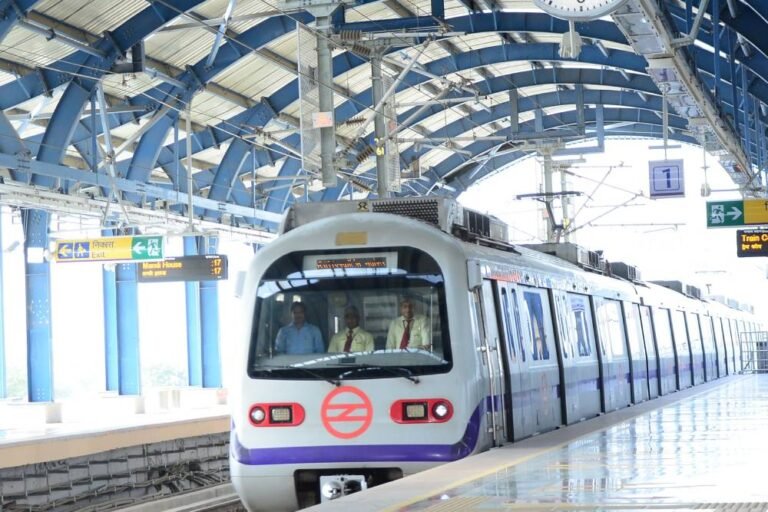
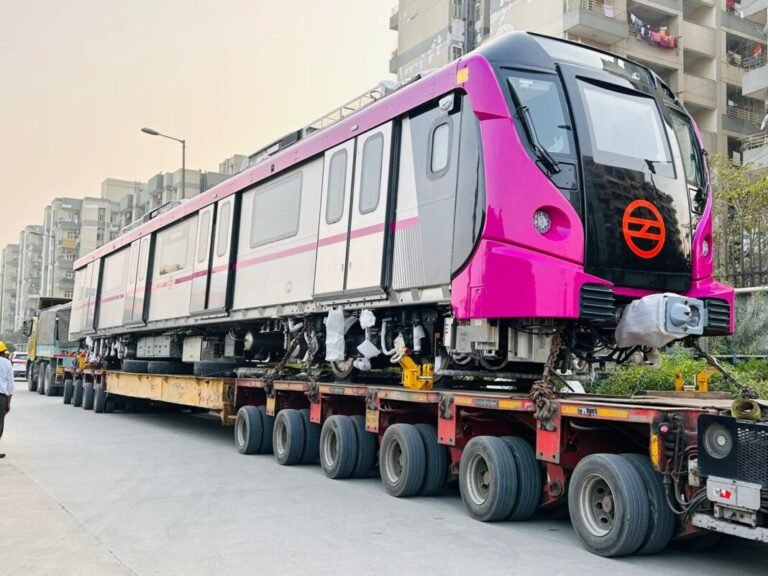
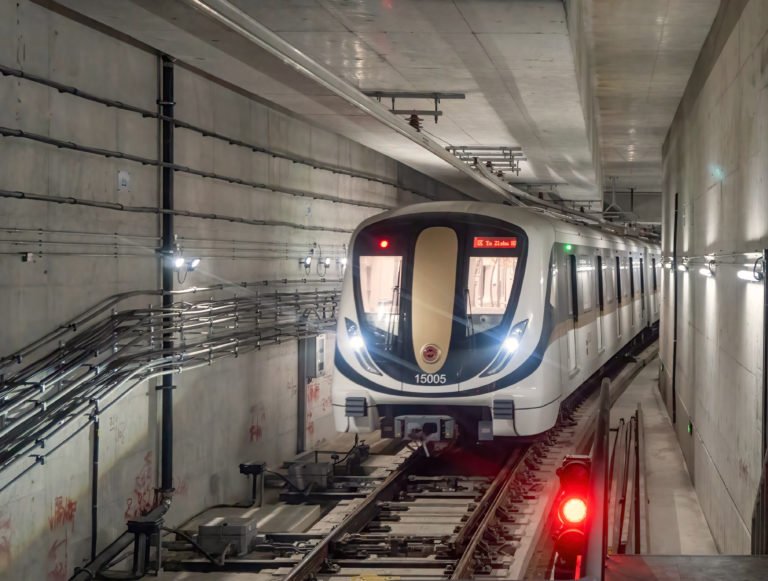
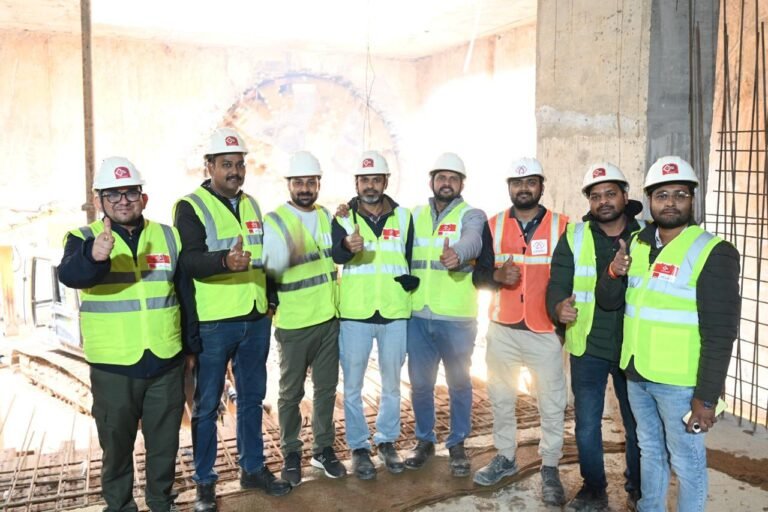
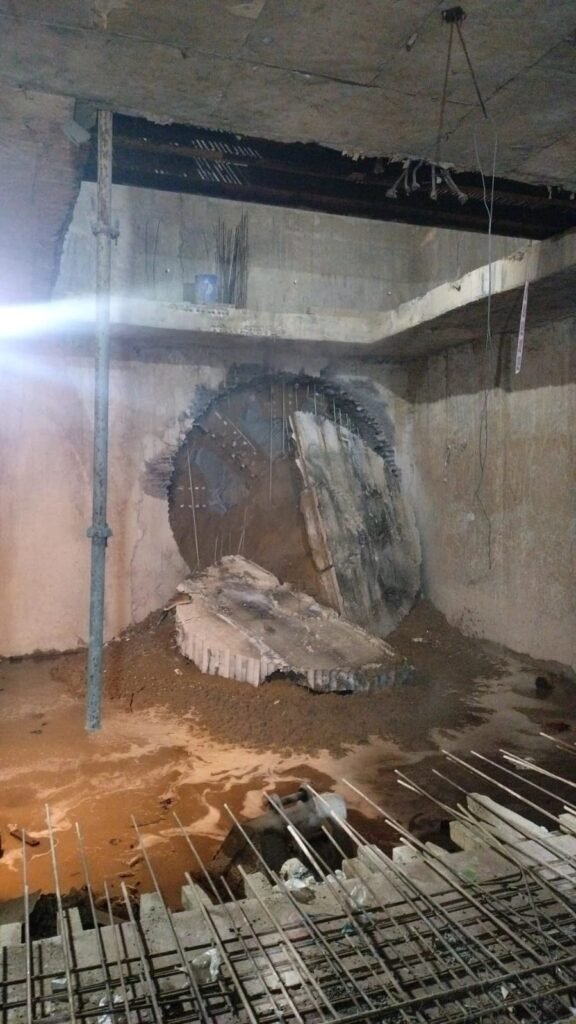
DELHI (Metro Rail News): Delhi Metro Rail Corporation Limited (DMRC) has awarded Himcon Engineers India Pvt Ltd a ₹61.29 crore contract for architectural finishing works at four underground stations on the Aerocity-Tughlakabad corridor, part of Delhi Metro’s Phase IV expansion. The stations included are Chhattarpur, Chhattarpur Mandir, IGNOU, and Neb Sarai.
This significant package involves comprehensive finishing tasks to prepare the stations for public use, enhancing passenger experience and infrastructure quality. The contract, spanning 730 days, aims to ensure these key metro stations are ready to support the expanding network’s operational demands.
Bidding Process:
DMRC opened the tender for this contract in October 2024. After a rigorous technical and financial evaluation, Himcon Engineers emerged as the lowest bidder among nine competitors.
Financial Bid Summary:
Himcon Engineers India Pvt Ltd – ₹61.2 crore (L1)
Kamal and Associates Private Limited – ₹64.9 crore (L2)
SS. SS. Constructions Pvt. Ltd – ₹67.2 crore (L3)
M/s B. Rai Construction Company – ₹67.4 crore (L4)
Metcon India Realty and YFC-BBG (JV) were disqualified during the technical evaluation phase.
With this contract, DMRC continues its push to complete Phase IV projects, enhancing connectivity across Delhi. Construction activities are expected to begin soon, marking a critical milestone in the city’s metro expansion.
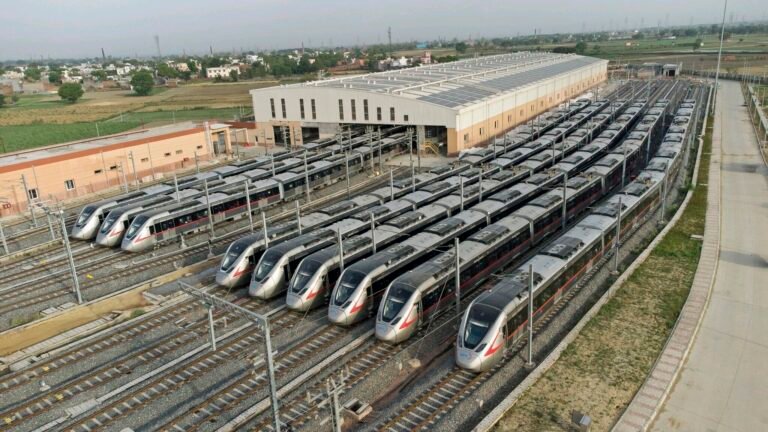
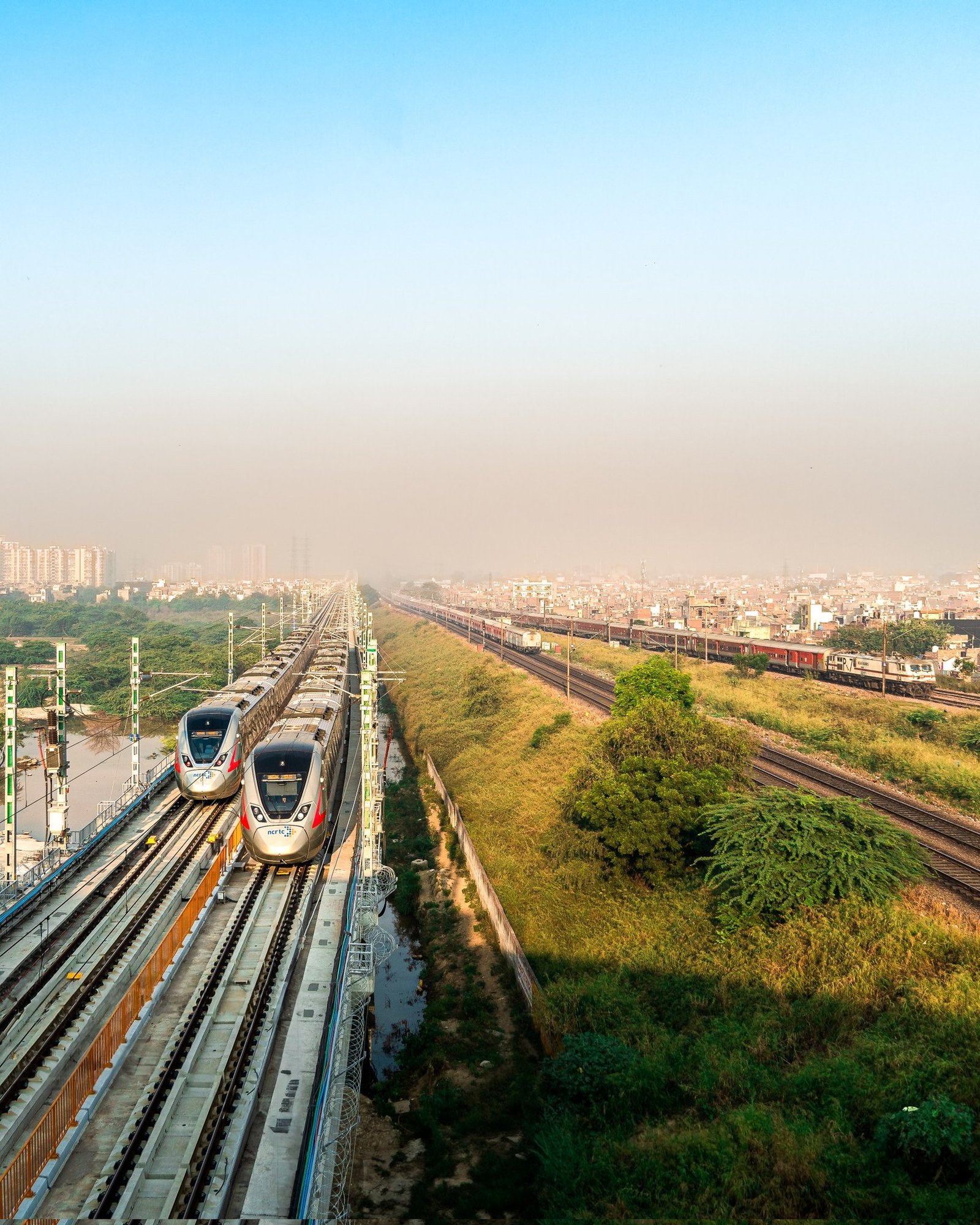
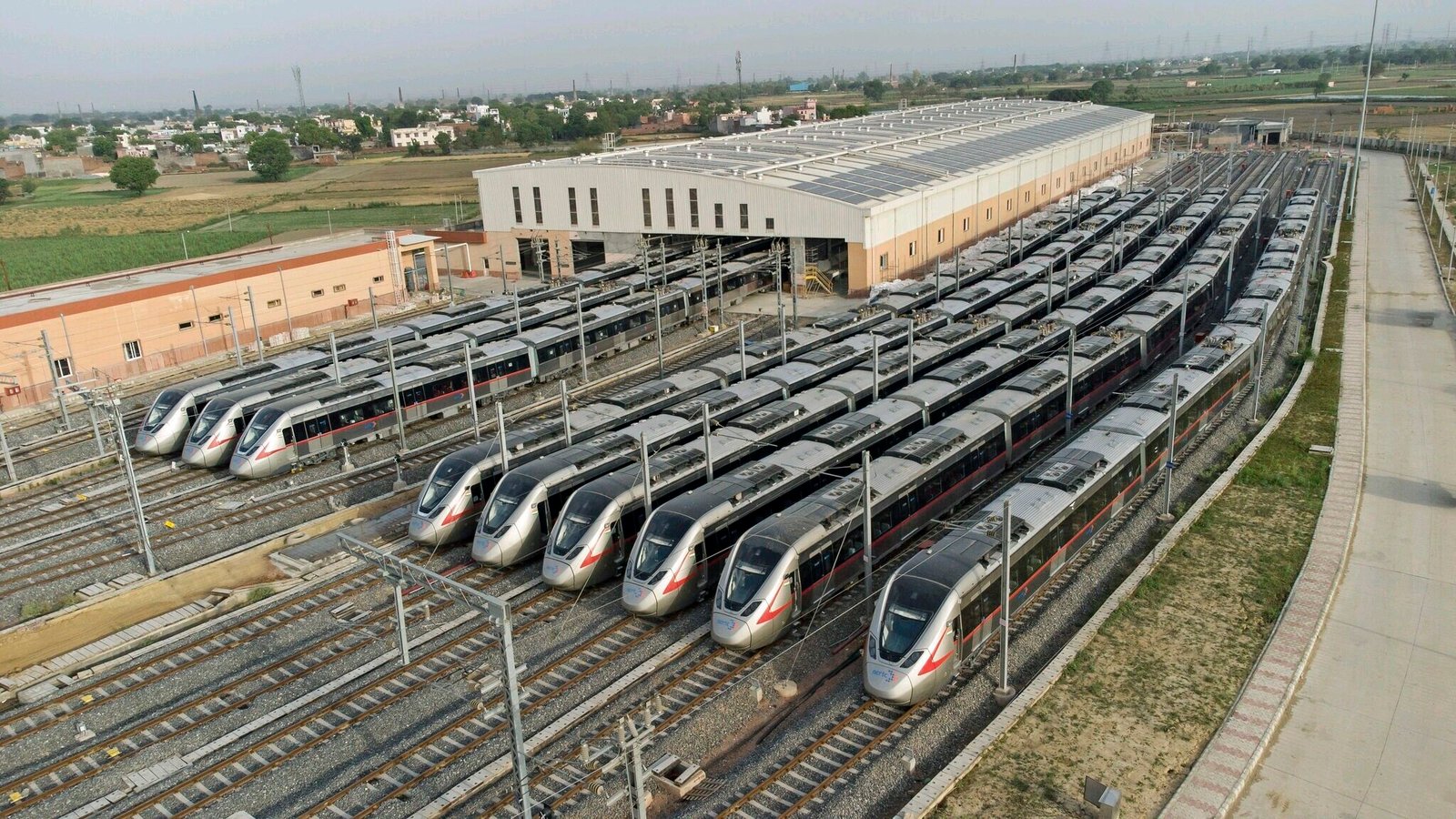
The Regional Rapid Transit System (RRTS) is a semi-high-speed rail system, designed to enhance connectivity across the National Capital Regions (NCR) of India. The RRTS allows for better commuter services, enhanced safety, and shorter travel time due to its high speed and frequency. The RRTS aims to provide an advanced and efficient alternative mode of transportation for intercity travel. Through RRTS, one can cover about 100 km in around 40-45 minutes.
Phase 1 of the RRTS project covers 3 prioritised corridors.
Delhi-Ghaziabad-Meerut
Delhi-SNB-Alwar
Delhi-Panipat
Delhi – SNB – Alwar RRTS
To improve connectivity and reduce travel time between Delhi and Alwar, the Delhi–Alwar Regional Rapid Transit System (RRTS) was proposed in 2005. This initiative came after the Planning Commission formed a task force to develop a multi-modal transit system for the National Capital Region (NCR). The task force identified three key corridors for implementation, including Delhi–Alwar, and assigned the Urban Mass Transit Company to conduct a feasibility study.
The National Capital Region Transport Corporation (NCRTC), a joint venture of the Government of India and the states of Haryana, Rajasthan, Uttar Pradesh, and Delhi, was tasked with developing the RRTS. The NCRTC is responsible for implementing the project.
The RRTS project aims to increase the overall productivity of the National Capital Region as the RRTS corridor will cross the urbanised and industrialised regions of Haryana and will link the Delhi airport with the RRTS network.
Overview
The Delhi- Alwar RRTS is a semi- high-speed rail line spanning 164 Km connecting Delhi – Gurgaon – Dharuhera – Rewari – SNB (Shahjahanpur – Neemrana – Behrod) – Alwar.
December 2018: The NCRTC’s board approved the Detailed Project Report (DPR) for the Delhi – SNB section of the Delhi- Alwar RRTS project.
February 2019: The Delhi – SNB section got the approval from Haryana Government.
June 2019: The Rajasthan Government approved the Delhi – SNB section of the Delhi- Alwar RRTS project.
Key Specification:
Authorised Authority
National Capital Region Transport Corporation (NCRTC)
Speed and track
Average Speed: 100 kmphOperational Speed: 160 kmphMaximum Speed: 180 kmphTrack Gauge: Standard Gauge – 1435 mm
Rolling Stock:
Aerodynamic, 3.2 m wide x 22 m long, stainless steel/aluminium body.
Signalling:
European Train Control System (ETCS) Level 2 of ERTMS
Traction
1 x 25 KV AC overhead catenary (OHE)
Classes:
Economy and Business (1 coach per train)
Realignment in Routes of Delhi- Alwar RRTS
Originally, the Delhi-Alwar RRTS route was divided into three 3 phases spanning 199 km.
Phase 1: Delhi – SNB (106 km)
Phase 2: SNB to Sotanala (35 km)
Phase 3: SNB to Alwar (58 km)
Earlier, the line was planned to navigate through old Gurgaon with stations at Udyog Vihar, Gurgaon Sector 17 and Rajiv Chowk.
Update: In late 2023, the changes were made in alignment with the route. Now, the RRTS corridor will traverse through National Highway 48 (NH-48) with stations at Cyber City, IFFCO Chowk, Rajiv Chowk and Hero Honda Chowk.
Route Information:
Operational: 0 km | Under Construction: 0 km | Approved: 96 km | Proposed: 93 km
Phase 1: Sarai Kale Khan – Gurgaon – Dharuhera
Length: 70.72 km
Phase 2: Dharuhera – SNB
Length: 36 km
Phase 3: SNB – Behror – Sotanala
Length: 35 Km
Phase 4: SNB – Alwar
Length: 58 Km
Type: Elevated, Underground & At-Grade
Depot: Dharuhera & Alwar
Total number of Stations: 22
Benefits of Delhi-Alwar RRTS
Enhanced connectivity: The Delhi-Alwar RRTS will be able to enhance connectivity across the National Capital Regions (NCR). Through an RRTS, the travel time between Delhi and Alwar will be reduced from approximately 3.5 hours to just 104 minutes which will facilitate a quicker and more convenient journey for the commuters.
Economic Growth: The RRTS will link the Delhi and outskirt regions of Alwar. This enhanced connectivity will attract more business setups, increasing the employment rate in these regions. This will boost the local economies, flourishing the economic growth of these regions.
Infrastructure development: Through the RRTS project, the Delhi and outskirts regions of Alwar will witness major advancement in the infrastructure sector enhancing the economic development of these regions. Additionally, The Delhi-Alwar RRTS stations will be equipped with modern technologies like digital information systems, and enhanced security features providing passengers a more convenient and reliable mode of transport.
Multi-Modal Hub: The Delhi Alwar RRTS corridor will be integrated with the other RRTS corridors. Additionally, it will provide connectivity with the Delhi metro system. For Instance, The cyber city Hub located in Gurgaon will link the RRTS station with the existing Rapid metro and the proposed Gurgaon metro line enhancing the connectivity.
Challenges in the Delhi-Alwar RRTS Project
Environmental Concerns: The proposed route passes through sensitive ecological zones, including the Aravalli Biodiversity Park and ridge areas in South Delhi. A Supreme Court-appointed committee has permitted construction without tree felling; however, potential impacts on biodiversity and air quality remain critical issues.
Land Acquisition Delays: The project requires significant land acquisition along the proposed route. Although land parcels have been identified, delays in land transfer to NCRTC could hinder progress. Timely acquisition and efficient collaboration with local authorities are necessary to maintain the construction schedule.
Conclusion
The Delhi-Alwar RRTS project aims to improve regional connectivity and commuter efficiency. Its success depends on addressing challenges such as environmental impacts, funding constraints, land acquisition issues, and construction complexities. Ensuring integration with existing transport networks and maintaining clear communication with stakeholders will be important for smooth implementation. By using technical solutions to manage disruptions and following timelines, the project can meet its goals of better mobility and transport infrastructure.
New Challenges of Sustainable Mobility
Introduction
Sustainable mobility encompasses transport systems which are environmentally friendly, economically viable and socially equitable. More than ever, with the rapid urbanization and critical problems of climate change, the need for sustainable mobility solutions is on the rise. Transportation is about 24-30% of global CO2 emissions.
Sustainable rail transit is a very effective and necessary mode of addressing urban mobility and climate change. Rail systems are among the most energy-efficient transport modes. However, their advantages have a new challenge that they have to address for their sustainability.
Population Growth and Urbanization: As the cities become overcrowded with people, the demand for an improved public transportation network will also increase. Rail already has a good network, but it is getting stretched further as the city spreads to accommodate the growing population. Improvements and extensions to address increased passenger per unit service must be made in order to maintain the quality of service levels.
Advances in Technology: With all the advancements, rail travel is at its best in terms of access and efficacy. Changing from diesel engines to electric and hydrogen engines has also achieved great environmental emission reductions. India’s first hydrogen-powered train is slated for a trial run in December 2024 between Jind and Sonipat railway stations in Haryana. Additionally, Integrating smart rail technologies, such as predictive maintenance and automated train operations into rail transit increases efficiency and safety.
Changing Consumer Behavior: The consumers’ attitude is apparently changing- increasingly towards the means of transport. Commuters are opting for transport means that are sustainable in nature due to the spreading awareness about the environment, and thus more and more people in urban areas have started giving preference to rail rather than private vehicles. For Instance, Delhi Metro achieved the highest-ever passenger journey on 18 November 2024 with 78.67 lakh commuters reflecting that Metro is a preferred mode of travel by the residents.
Issues in Implementing a Sustainable Transport System
Infrastructure Deficiencies: Indian Railways needs to modernise its ageing infrastructure to enable efficiency and safety. Poor investment in maintenance and upgrading takes a further toll on service disruptions, already raising costs of operation.
Regulatory Barriers: Existing regulations may not adequately support the transition to sustainable rail systems. Challenges such as restrictive land-use policies and limited funding mechanisms often hinder the development and expansion of new rail lines.
Financing and Investment Gaps: Transitioning towards sustainable rail transport systems would involve massive investments into infrastructure and technology. The PPP models in India have not been successful due to a lack of necessary support from the government.
Megatrends Shaping the Future Rail Transit
Regulation for Sustainability: The government in India is implementing policies that support low-emissions public transport systems as a part of climate action strategies. India’s Metro Rail Policy 2017 is one such example which encourages sustainable urban mobility through the development of efficient and eco-friendly metro systems.
Smart Devices and Infrastructure: Real-time information on train schedules and related conditions goes a long way to improve operational efficiency and passenger experience as the rail system incorporates smart technologies like IoT and CBTC.
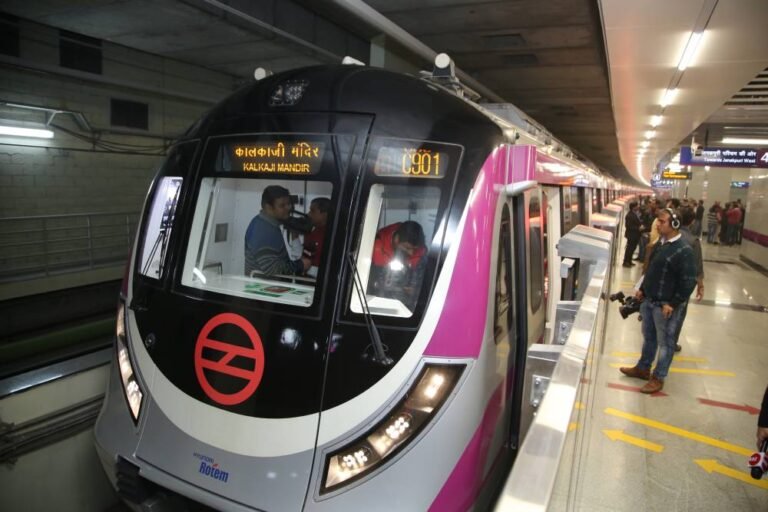
Connected Autonomous Vehicles: The development of autonomous trains and the implementation of the CBTC signalling system can improve safety and reduce delays. DMRC has currently instituted this type of operation on the Magenta Line within Delhi Metro with Unattended Train Operation (UTO) at present.
Strategies for Overcoming Challenges
Integrated Mobility Solutions: It is critical to encourage multi-modal transportation options that smoothly connect to other modes of public transportation to enhance accessibility and reduce dependency on private vehicles. For instance, the new Delhi-RRTS offers connectivity to the Delhi Metro.
Innovative Financing Models: New funding models such as green bonds or public-private partnerships could be adopted to ensure financing for improvements in infrastructure with the least risks associated with investment.
Successful Stories in the Pursuit of Sustainability
Electrification of Railway: Indian Railways has electrified 97% of its broad gauge. This development reinforced Indian Railways’ Ambitious 2030 target of becoming net zero carbon.
Solar Infrastructure at RRTS stations: NCRTC has launched a solar policy which will encourage renewable energy use by producing more than 11 MW of solar power through the Delhi-Meerut RRTS corridor. As part of this initiative, solar panels have been installed at stations, depots, and other facilities. At present, solar plants at Sahibabad, Guldhar, Duhai, and Duhai Depot stations, Ghaziabad and Muradnagar receiving substations, and the RRTS depot together produce more than 3 MW of electricity.
Conclusion
The challenges involved in sustainable mobility, particularly in sustainable rail transit require immediate attention from stakeholders in the industry. There is a need to invest in advanced infrastructure, technology innovation, and public-private partnerships that would consolidate rail transport as a backbone for sustainable mobility. Challenges that need to be addressed to create efficient, environmentally friendly transportation systems that will cater to the needs of the growing urban population and serve the global sustainability goals.
Overview of Urbanisation and Transportation Needs in India
India stands as the most populous country globally. It is experiencing rapid urbanization as people increasingly migrate to major cities like Bengaluru, Mumbai, Delhi, and Kolkata in search of better educational and employment opportunities. This migration is gradually expanding urban areas and increasing the demand for efficient infrastructure. According to SBI Research, India’s urban population, which was 31.1% of the total population in the 2011 Census, is expected to reach 35-37% by the 2024 Census.
As urban centres attract more people, cities are becoming more congested and polluted. Infrastructure expansion is struggling to match the speed of urbanisation. By 2030, India’s urban population will reach 600 million people, twice the size of America’s entire population. Additionally, India is projected to have 60 cities with a population of over 1 million and 6 megacities with a population of over 10 million by 2030. The share of the Indian population in urban agglomerations of more than 1 million has increased from 14.3% in 2014 to 16.6% in 2023.
With this shift, the need for efficient and sustainable transportation systems has become critical. The growing urban population requires an efficient public transport network to reduce congestion, pollution, and travel time and achieve sustainable urban growth.
Importance of Modernising Urban Mobility
Conventional modes of transport are incapable of managing the increasing number of commuters in cities. As a result, city roads are flooded with personal vehicles, which are causing higher congestion and pollution. India will need to invest nearly $60 billion per year in urban infrastructure, totalling approximately $900 billion over the next 15 years, to meet the demands of its urban population. Implementing efficient transport systems like Metro, RRTS, and High-Speed Rail is imperative to keep cities free from traffic. These systems will not only reduce traffic and pollution but also strengthen economic activities by attracting businesses to support city growth.
Historical Context and Evolution of Urban Transportation in India
The roots of urban transportation in India can be traced back to the 18th century with the introduction of tramways in cities like Bombay (Mumbai), Calcutta (Kolkata), and Madras (Chennai). To streamline connectivity, the first bus service in India was launched on July 15, 1926, in Mumbai. The first electric tramcar in Kolkata began operations in 1902, with services starting between Esplanade and Kidderpore on March 27, followed by the Esplanade to Kalighat route on June 14. Later, the foundation stone for the Kolkata Metro was laid on 29 December 1972 by Indira Gandhi, the Prime Minister of India. It stands as the first metro rail system in India. It began operation on October 24, 1984.
Decadal Growth Between 2000-2010 in India’s Urban Transportation Network
Metro
In the early stages of India’s urban mobility journey, infrastructure projects often struggled due to bureaucratic roadblocks and a lack of strategic planning. A turning point came with the conceptualisation of the Delhi Metro, which introduced a more strategic approach to urban transportation development.
To overcome the challenges that hampered the Kolkata Metro’s progress, a Special Purpose Vehicle (SPV) called the Delhi Metro Rail Corporation (DMRC) was established. This SPV was granted full autonomy to ensure the smooth execution of the project. As a result, Delhi Metro’s first section became operational on December 24, 2002, just 4 years after construction commenced on October 1, 1998.
The success of Delhi Metro not only addressed the mobility challenges in the capital but also set the standard for metro rail projects across the country. By 2010, Delhi Metro had an operational network of 167.33 kilometres.
Expansion of Suburban Rail Networks
Between 2000 and 2010, the suburban rail network in India experienced growth, particularly in major metropolitan areas such as Mumbai, Chennai, and Hyderabad. Here’s an overview of the developments during this period:
Chennai Suburban Railway:
Phase II Expansion: The second phase of the MRTS, connecting Thirumayilai to Velachery, was sanctioned in 1998. The first section of this phase opened on January 26, 2004, with subsequent extensions completed by November 19, 2007.
Mumbai Suburban:
The Mumbai suburban railway system continued to expand its services to accommodate the growing population and commuter demand. By 2010, it was one of the busiest suburban rail networks in the world, carrying approximately 7.5 million passengers daily.
Hyderabad Multi-Modal Transport System
The 44km first phase 1 of the project was completed at a cost of ₹1.62 billion (US$22 million). It was inaugurated on August 9, 2003, by the then Deputy Prime Minister of India, L. K. Advani, at Bhoiguda. In May 2010, Indian Railways decided to undertake Phase II, covering 104 kilometers (65 miles) at an estimated cost of ₹641 crore.
Urban Transit Evolution (2011-2020): Emergence of Metro Era, Monorail, RRTS & High-Speed Rail Corridor
Between 2011 and 2020, India underwent a dramatic shift in its transportation infrastructure through the proliferation of metro rail systems, the emergence of Regional Rapid Transit Systems (RRTS), and high-speed rail development. As urbanisation rapidly increased, the need for efficient, sustainable, and accessible transportation became a critical focus. In response, the government rolled out several initiatives, policies, and projects, which will be covered in the below sections.
The Rise of New Metro Systems
The success of the Delhi Metro highlighted the role of metro systems in improving urban connectivity and reducing traffic congestion in metropolitan cities. Its implementation inspired other cities to adopt metro systems as an efficient solution for addressing urban mobility challenges. Between 2011 and 2020, several cities introduced metro networks to enhance public transportation. Below is an overview of the metro systems established during this period.
Bangalore Metro (Namma Metro): It began operations on October 20, 2011, and as of now, It covers 75.2 km of operational route.
Gurgaon Rapid Metro: The first privately financed Mass Rapid Transit System in India, operational since November 14, 2013.
Mumbai Metro: Developed under a Public-Private Partnership (PPP) model, operations began on June 8, 2014, with an operational length of 59.19 km.
Chennai Metro: Inaugurated on June 29, 2015, Chennai Metro now covers 54.1 km, with another 116.1 km under construction.
Kochi Metro: Operational since June 19, 2017, it spans 27.96 km.
Lucknow Metro: Launched on September 6, 2017, with an operational length of 22.9 km.
Hyderabad Metro: The world’s largest MRTS developed under PPP, operational since November 29, 2017, with a network of 67 km.
Ahmedabad Metro: Phase I opened on March 6, 2019, and currently spans 58.66 km.
Other cities, including Bhopal, Indore, Kanpur, and Agra, initiated metro projects during this period.
Regional Rapid Transit Systems (RRTS): Connecting Urban and Peripheral Areas
Unlike Metro Systems, which focus on short-distance travel within urban areas, the Regional Rapid Transit System (RRTS) is designed to provide a high-speed, long-distance travel option for commuters between regional nodes in the National Capital Region (NCR). The Trains for RRTS routes are designed to run at a maximum speed of 180 kmph and an operational speed of 160kmph.
Establishment of NCRTC:
National Capital Region Transport Corporation (NCRTC) was established on 21 August 2013 to develop, operate, and maintain the RRTS project.
Delhi-Meerut RRTS Corridor:
The Delhi–Meerut Regional Rapid Transit System (RRTS) is an 82.15 km semi-high-speed rail corridor, partially operational, designed to connect Delhi, Ghaziabad, and Meerut within the National Capital Region (NCR). This is one of the three priority corridors identified for implementation by India’s Planning Commission.
Timeline
May 2017: Uttar Pradesh State Government approved the Detailed Project Report DPR.
February 2019: Approval from the Government of India
March 2019: Prime Minister Narendra Modi laid the foundation stone for the Delhi – Meerut
2024: Ongoing ConstructionOf 82 km Delhi Meerut RRTS, a 42 km segment from Sahibabad to Meerut South is operational with 9 stations.The entire corridor is expected to become fully operational by June 2025
The Impact of Delhi Meerut RRTS Route
Annual CO2 Reduction:
The RRTS is expected to reduce approximately 2.5 lakh tons (250,000 tons) of CO2 equivalent emissions annually.It is also expected to increase the share of public transportation usage along the corridor from 37% to 63%.
Solar Power Contribution
Current Solar Power Generation
2.21 MWp of in-house solar power generation is operational along the RRTS corridor.
This capacity currently saves over 2,300 tons of CO2 emissions annually.
Future Solar Power Target
The NCRTC aims to achieve a total solar power capacity of 11 MW.
Once this target is reached, annual CO2 emissions savings are projected to increase to approximately 11,500 tons.
Thus, it is evident that the implementation of RRTS will have multifaceted benefits, as it will not only streamline connectivity but also help achieve environmental sustainability.
The Mumbai-Ahmedabad High-Speed Rail (MAHSR) corridor covers 508 kilometres of distance, connecting Mumbai in Maharashtra and Ahmedabad in Gujarat.
The bullet trains on this corridor, operating at a speed of 320 km/h, will reduce travel time and enhance economic integration among Mumbai, Vapi, Surat, Anand, Vadodara, and Ahmedabad. This substantial project is being constructed at a cost of INR 1,08,000 crore (USD 17 billion)
Timeline:
2013: Initial groundwork for the project began during the visit of India’s Prime Minister to Japan, where a joint feasibility study for high-speed rail technology was proposed.
July 2015: The Japan International Cooperation Agency (JICA) submitted the final feasibility report.
December 2015: The Government of India approved the MAHSR project after a detailed review by a committee under Niti Aayog.
February 12, 2016: The National High-Speed Rail Corporation Limited (NHSRCL) was established to implement the project.
September 14, 2017: The foundation stone for the MAHSR corridor was laid.
2024: Ongoing WorkThe foundation work for all eight stations in Gujarat has been completed, and the construction of superstructures is progressing rapidly.So far, 12 river bridges have been completed out of the 20 planned in Gujarat.The first section of the MAHSR in Gujarat is expected to open in 2026.
Monorail Systems
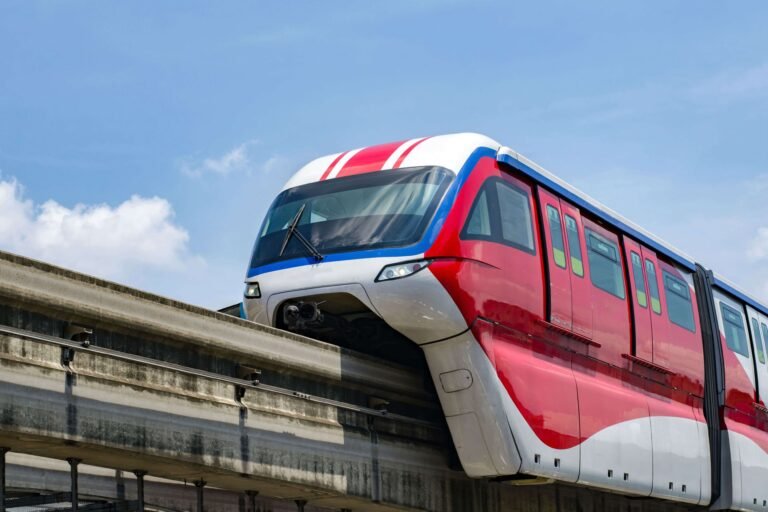
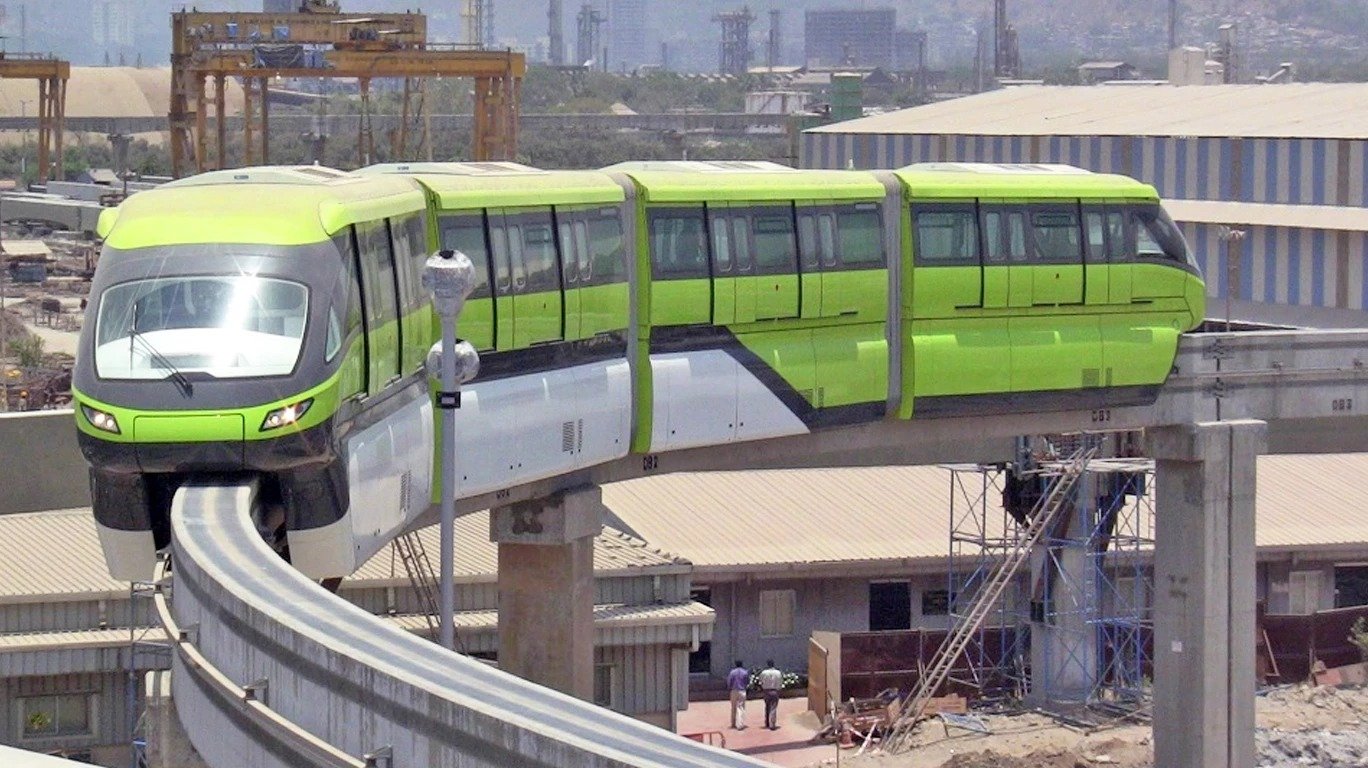
The monorail system is also a type of Mass Rapid Transit System (MRTS). In India, Mumbai Monorail is the country’s first and only operational monorail project. Additionally, it is the world’s second-longest monorail, following the Osaka Monorail Main Line in Japan. Unlike the metro, it operates on a single track, typically elevated above ground level. The Mumbai Monorail has a total length of 20 kilometres. The project was constructed by a consortium of Larsen & Toubro (L&T) and Scomi Engineering. The first phase was inaugurated and opened to the public on February 2, 2014, while Phase II commenced operations on March 4, 2019.
Significance of Mumbai Monorail
Lower Emissions: Monorails are an eco-friendly mode of transport as they are typically powered by electricity. The Mumbai monorail is estimated to reduce carbon emissions by around 200 tons of CO2 daily.
Interconnectivity: The Mumbai Monorail enhances interconnectivity by linking key suburban railway stations, including Mahalaxmi, Lower Parel, Curry Road, Dadar, and Wadala.
Lower Construction Costs:The construction of monorails tends to be more cost-effective than traditional metro systems. The estimated investment in the Mumbai Monorail project is ₹24.6 billion ($501.9 million).
Key Dynamics Shaping New-Age Urban Transportation
Technological Advancements: The modern transport system incorporates advanced technologies that increase operational efficiency and reduce the risk of human error. For example, the Delhi Metro has implemented driverless and unattended train operations on the Magenta Line using Communication-Based Train Control (CBTC) signalling.
On the other hand, the Delhi-Meerut RRTS is equipped with the European Train Control System (ETCS) Level 2 over the LTE backbone for the first time in the world. This system includes Automatic Train Protection (ATP) and Automatic Train Supervision (ATS) sub-systems. Additionally, digital payment solutions are becoming increasingly prominent in urban transit systems.
Sustainable Mobility: Urban transport projects are increasingly adopting sustainable practices, such as installing solar panels on station roofs for energy generation and implementing water conservation measures. The RRTS stations are designed with eco-friendly features to minimise environmental impact. NCRTC received the prestigious IGBC Net-Zero Energy (Operations) rating at the Green Building Congress 2024 for the platinum-rated Sahibabad and Guldhar stations on the Delhi–Ghaziabad–Meerut RRTS corridor.
Government Policies and Initiatives: The Indian government has implemented several recent policies and initiatives to improve the urban transit system.
National Urban Transport Policy (NUTP): This policy was launched in 2006. It aimed to promote sustainable urban mobility by prioritising investment in public transport and non-motorised transport (NMT). The policy advocated for an integrated transport framework rather than merely expanding road infrastructure.
Metro Rail Policy 2017: The Union Cabinet introduced this policy under Prime Minister Shri Narendra Modi on August 16, 2017. The policy was designed to facilitate the expansion of metro systems across India’s cities.
Key Features of the Metro Rail Policy 2017
Requirement of Public-Private Partnership (PPP): The policy mandates the inclusion of a Public-Private Partnership (PPP) component to ensure efficient utilisation of private resources, expertise, and entrepreneurship.
Low-Cost Mass Transit Mode: The policy demands an Alternate Analysis to evaluate other mass transit options like the Bus Rapid Transit System (BRTS), Light Rail Transit, Tramways, Metro Rail, and Regional Rail.
Innovative Funding Mechanisms: To support the financing of metro projects, the policy recommends the use of creative funding solutions, which include Corporate bonds, Value-capture funding
Last Mile Connectivity: The policy stresses the importance of last-mile connectivity. It proposes a 5km catchment area on both sides of the metro stations.
One Nation One Card (ONOC) initiative: The Government of India introduced the One Nation One Card (ONOC), also known as the National Common Mobility Card (NCMC), on March 4, 2019. This card allows users to conveniently access multiple modes of transportation, including buses, metros, and trains, with a single payment solution.
Public-Private Partnerships: Despite their potential benefits, PPPs in urban mass transit have faced challenges, including low financial viability, long payback periods, and high capital expenditure, which have limited private investment in metro rail projects.
Case Study: Some of the metro projects executed on PPPs are below:
Mumbai Metro Line One: This is India’s first metro project implemented through a Public-Private Partnership (PPP). The project was entrusted to a consortium headed by Reliance Infrastructure in 2007. In the fiscal year 2022-2023, Mumbai Metro One Private Limited (MMOPL) reported a loss of ₹345.26 crore, following a loss of ₹388.70 crore in the previous fiscal year (2021-2022). IDBI Bank and SBI have initiated bankruptcy proceedings against MMOPL, with IDBI seeking to recover ₹133.37 crore. Additionally, Reliance Infrastructure Ltd reported a total principal debt of ₹1,711 crore for the MMOPL consortium in an exchange filing on January 15, 2024.
Hyderabad Metro Rail: L&T Metro Rail Hyderabad Limited (LTMRHL) executed the Hyderabad Metro Rail project. It operates on a Design-Build-Finance-Operate-Transfer (DBFOT) model. It stands out as the world’s largest metro project implemented under the Public-Private Partnership (PPP) framework. Nevertheless, the project has faced critical financial losses. In the fiscal year 2021-22, L&TMRH reported a loss of ₹1,745 crore on revenue of ₹475.37 crore. In 2022-23, losses decreased to ₹1,315.95 crore, with fare collection revenue reaching around ₹500 crore.
Funding and Investment Trends: Over the past decade, the funding and investment landscape for urban transit projects in India has evolved. India’s growing transportation sector has attracted substantial support from agencies such as the Japan International Cooperation Agency (JICA), European Investment Bank (EIB), and Asian Development Bank (ADB).
In August 2020, the Asian Development Bank (ADB) approved a $1 billion loan to support the construction of the Delhi–Meerut Regional Rapid Transit System (RRTS).
The Agra Metro project is supported by a €450 million loan from the European Investment Bank (EIB).
The European Investment Bank (EIB) has sanctioned $540 million for the Lucknow Metro Rail project.
The Nagpur Metro project received a $580 million loan from Germany’s KfW Development Bank.
Challenges and Barriers in the Path of Urban Transportation Development
Financial and Funding Constraints: Implementing metro systems, suburban rail systems, RRTS, monorails, or high-speed rail projects requires substantial funding and strong financial backing. Despite India being the 5th largest economy ($3.89 trillion) in the world, securing adequate funding for these projects remains a critical challenge for authorities.
Bengaluru Suburban Rail Project (BSRP): The project has struggled to secure funding to procure 306 coaches, which resulted in repeated tender cancellations.
Due to funding constraints in Chennai Metro Phase 2, underground stations have been scaled down by 40%, with lengths reduced from 240 meters in Phase 1 to 150 meters. This change is expected to result in cost savings of ₹2,000 crore in systems procurement.
Land Acquisition and Regulatory Hurdles: Urban transit projects in India face challenges related to land acquisition and regulatory approvals. These issues often lead to project delays, increased costs, and complications in implementing essential infrastructure.
Kolkata Metro: The East-West corridor of Kolkata Metro encountered land acquisition challenges, which led to delays and a 30% cost escalation.
MAHSR Corridor: The Mumbai-Ahmedabad High-Speed Rail (MAHSR) corridor, originally targeted for completion by 2023, has faced delays due to similar issues.
Sustainable Development and Infrastructure Balancing: Acritical challenge in urban transit is achieving sustainable development while creating efficient, equitable, and environmentally friendly transportation systems, as it requires meeting the transportation needs of growing urban populations without compromising environmental goals. This often involves overcoming obstacles such as limited funding, land acquisition issues, and ensuring that new systems reduce carbon emissions while maintaining affordability and accessibility for all.
Future Outlook: Vision for Urban Transportation in India
Connected and Integrated Mobility: The future urban transportation systems aim to create multi-modal systems which shall integrate metros, buses, and other transit modes for efficient and connected journeys.
Last-Mile Connectivity: Providing last-mile connectivity shall be a priority for authorities to ensure urban transit systems are accessible to commuters in all parts of cities.
Smart and Data-Driven Mobility: The incorporation of advanced technologies, such as IoT and advanced signalling systems, in urban transit systems will transform urban mobility by increasing operational efficiency and reducing the need for infrastructure expansion.
Conclusion
India’s urban transportation landscape is undergoing a transformative shift, and it is imperative to accommodate rapid urbanisation, growing populations, and increasing commuter demands. From the historical roots of tramways and suburban rail to the metro systems, RRTS corridors, and high-speed rail projects, the country is heading towards a more connected and sustainable future.
Key developments, such as the Delhi Metro, Mumbai-Ahmedabad Bullet Train, and Delhi-Meerut RRTS, exemplify India’s commitment to modernising urban mobility. These projects not only alleviate traffic congestion and reduce carbon emissions but also promote economic growth by improving accessibility and promoting regional development. Technological advancements, sustainable practices, and innovative funding models are shaping these endeavors to ensure efficiency and eco-friendliness in operations.
However, achieving this ambitious vision requires continued investments, policy support, and public-private collaboration. By prioritising intelligent, sustainable, and inclusive transportation solutions, India can achieve equitable urban growth while addressing the challenges of climate change and urban sprawl. As the nation progresses, these advancements in urban transit highlight India’s resilience and its resolve to usher in a new era of mobility.
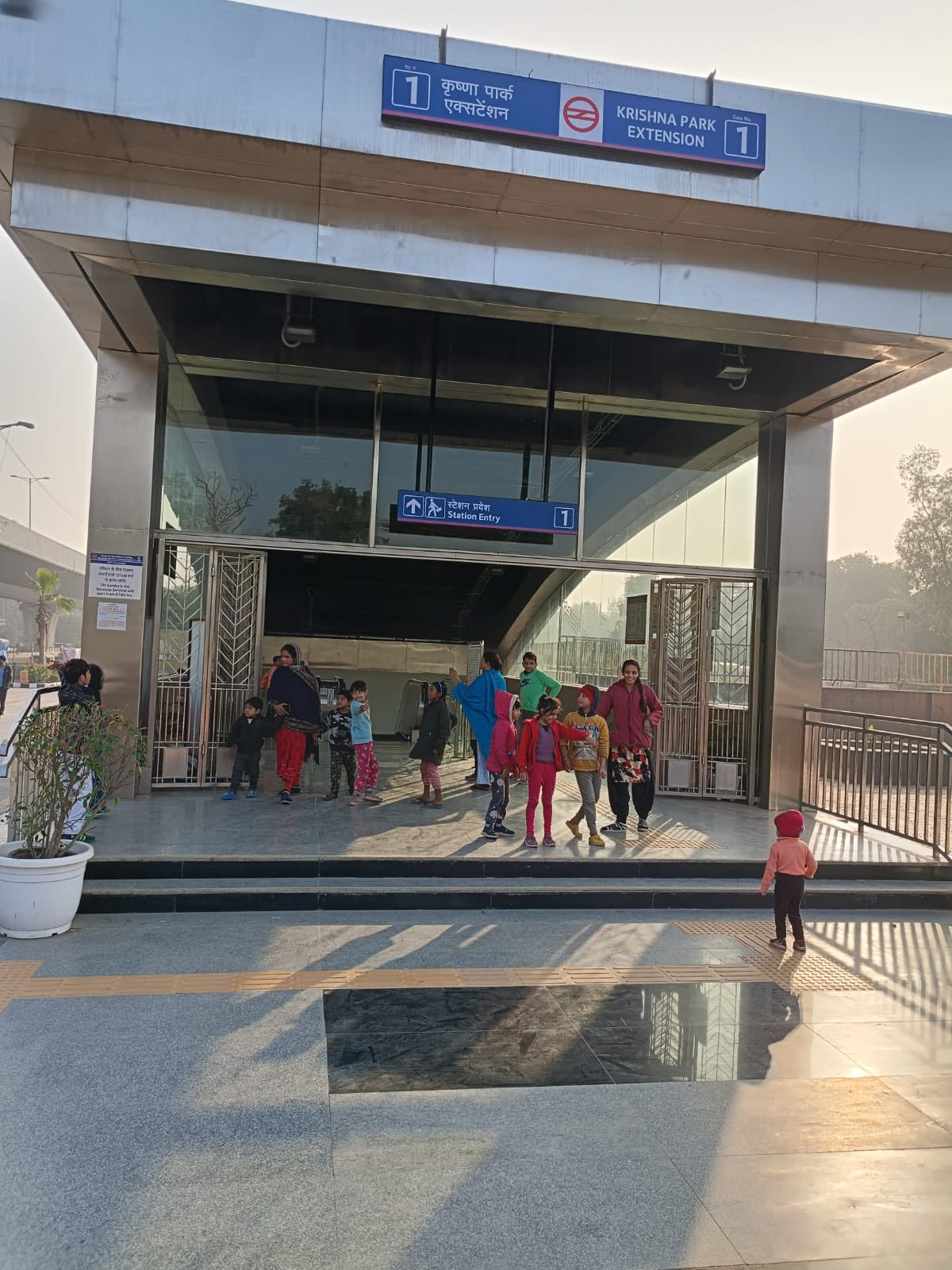
Delhi (Metro Rail News): Delhi Metro Phase 4 progressed as The Hon’ble Prime Minister, Shri Narendra Modi inaugurated the Magenta Line extension spanning 2.8 km from Janakpuri West to Krishna Park on 5 January 2025.
The passenger services have commenced on this section marking it as the first section of Delhi Metro Phase 4 to become operational.
As Per the Release, train services between Janakpuri West and Krishna Park Extension will be available at a frequency of 16 minutes initially.
Foundation Stone for Delhi Metro Phase 4 Red Line Extension
The Hon’ble Prime Minister, Shri Narendra Modi has also laid the foundation stone for the Delhi Metro Phase 4 Red Line Extension from Rithala to Nathupur (Kundli) spanning 26.463 km
About Delhi Metro Phase 4 Magenta Line Extension
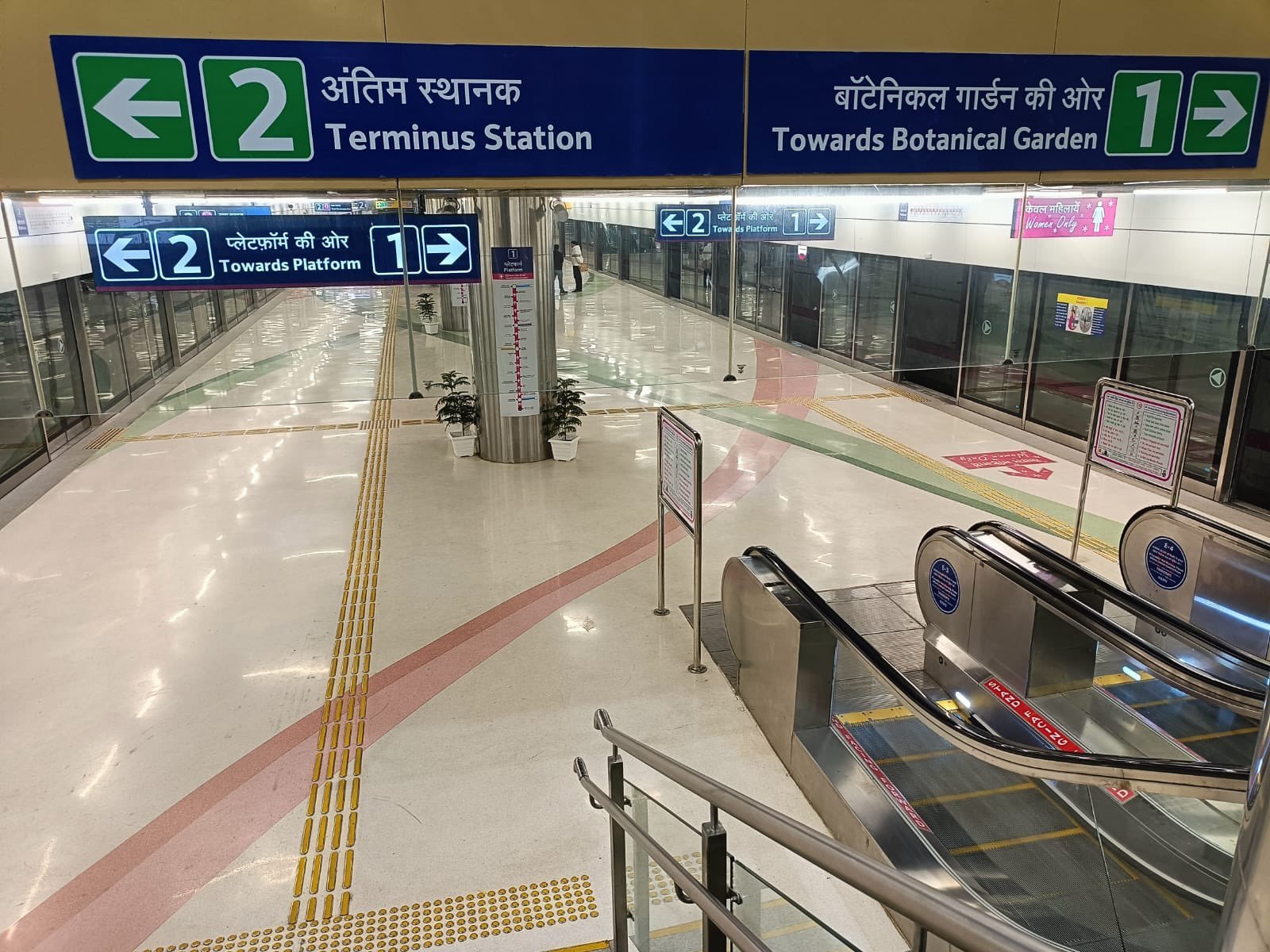
The Magenta Line of Delhi Metro from Botanical Garden to Janakpuri West was already operational. Later on, The extension of the Magenta Line spanning 2.8 km with 1 new station, Krishna Park Extension Station, was planned for Delhi Metro phase 4.
With the inauguration of the Magenta Line Extension, the metro services will now run from Botanical Garden to Krishna Park Extension.
Delhi Metro Network
With this section becoming operational, the Delhi Metro’s operational network spans 394.448 km with 289 stations.
Light Rail or Light Rail Transit (LRT) is a modern urban rail public transport system that offers a balance between the capacities and costs of heavy rail (like metro systems) and traditional streetcars (trams). It incorporates the features of both heavy rail systems and streetcars. Light Rail Vehicles (LRVs) are referred to as a technological evolution of streetcars which incorporates advanced features and flexibility to meet contemporary urban transit needs. These systems typically use electric trains that run mostly on tracks separated from other traffic. However, in some cases, they may share city streets with other vehicles.
Historical Context
The first light rail transit system began operation in 1978 in Edmonton, Alberta, Canada. This system adopted the German Siemens-Duewag U2 technology. Following Edmonton, other cities such as Calgary and San Diego also established their light rail systems in subsequent years.
Comparison To Other Rail Transit Modes
Light Rail Transit (LRT) , with its combination of different Right-of-Way (ROW), offers flexibility in design, engineering, and operations compared to other rail systems.
Rapid Rail Transit (RRT):
Light Rail Vehicles (LRVs) differ from Rapid Rail Transit (RRT) vehicles primarily in their ability to operate in mixed-traffic environments. Due to their design LRVs can easily navigate through city streets which makes them suitable for shared traffic use. In contrast, RRT vehicles, with their larger size are unsuitable for street operation.
One major advantage of LRT systems is their ability to utilise existing streets, which can reduce costs by avoiding the need for expensive subway tunnels or elevated tracks required for RRT systems.
Trams
Light Rail Vehicles (LRVs) are generally superior to streetcars or trams in terms of capacity, speed, and operational flexibility. Modern LRVs often support multiple-unit operations, which enables them to carry more passengers and achieve higher speeds.
Light Metro (LRRT)
A variation of Light Rail Transit (LRT) is Light Rail Rapid Transit (LRRT), frequently known as Light Metro. These systems utilise exclusive Rights-of-Way, advanced train control systems, and floor-level boarding for easy access. These systems can handle passenger volumes similar to full metro systems but are often less expensive to build. This is because Light Rail Vehicles (LRVs) are capable of navigating tighter curves and steeper grades, which reduces the need for extensive and costly infrastructure compared to standard RRT vehicles.
Train Operations
Unlike Rapid Rail Transit systems, which often use automatic train operation (ATO), Light Rail Transit relies on a trained operator because its tracks frequently run alongside roads with car traffic. In these situations, having an operator is essential to maintain safety and ensure high-quality service.
Traction
Most light rail systems are powered by overhead lines, which is a safer option as compared to electrified third rail. The Docklands Light Railway, however, uses an inverted third rail, which is covered for safety, and the power is drawn from the underside.
Tracks
Light Rail Transit (LRT) systems utilise various types of rights-of-way (ROW). In certain cases, LRT operates on fully dedicated tracks, which helps minimise the impact on and from surrounding traffic. However, in urban areas, LRT vehicles sometimes operate in mixed traffic, sharing the road with cars and buses.
Speed
The average operational speed of LRT systems typically ranges from 30 to 50 kilometres per hour (km/h) (about 19 to 31 miles per hour (mph)). However, some modern LRT systems can reach speeds of up to 80 km/h (50 mph) when operating on dedicated rights-of-way. For example, Kuala Lumpur LRT (Malaysia) operates at 80 km/h.
Capacity
LRT systems can transport between 3,000 and 30,000 passengers per hour in one direction, depending on factors such as train frequency and the number of cars in operation.
Development of LRT Systems in India
Hubballi-Dharwad Light Rail Transit: The twin cities of Hubballi-Dharwad in Karnataka will likely become the first in India to have a Light Rail Transit (LRT) system. This project is planned to be built through a Public-Private Partnership (PPP).
Labour Minister and Dharwad district in-charge Santosh Lad shared that the LRT system is being proposed as a replacement for the current Bus Rapid Transit System (BRTS) to offer better and more sustainable transportation for the people.
Limitations of Light Rail Transit Systems:
Lower Capacity:
LRT systems are typically deployed in cities with populations ranging from 1 to 3 million people. However, in densely populated areas with high passenger volumes, LRT may not be sufficient to meet the demand.
Traffic Interactions:
In mixed-traffic scenarios, LRT systems can be delayed by road traffic, affecting punctuality.
Substantial Initial Investment:
LRT necessitates large initial infrastructure investments. On average, the cost of LRT ranges from $20 million to $80 million per mile. The total cost relies on factors such as the properties of the stations, whether the constructing agency already owns the right-of-way, and the extent to which the rail line is elevated, at ground level, or underground.
Land Acquisition:
At-grade alignments often require the acquisition of land, which can be challenging in dense urban areas.
Advantages of Light Rail Transit Systems
Cost-Effectiveness: LRT systems are more affordable to build and operate compared to heavy rail systems due to their lighter infrastructure and rolling stock.
Reduced Traffic Congestion: LRT systems provide an efficient and attractive alternative to private vehicles
Environmentally Friendly: LRT systems operate on electricity, which helps reduce greenhouse gas emissions and urban air pollution. It makes them a more environmentally friendly transportation option.
Urban Development: LRT systems encourage transit-oriented development (TOD) around stations, increase real estate values and promote urban renewal in surrounding areas.
Conclusion
Light Rail Transit (LRT) systems offer a practical and cost-efficient solution for urban transportation. They provide flexibility by operating on both dedicated tracks and shared roadways, making them suitable for cities with varying traffic conditions. Although LRT systems have limitations in terms of capacity and potential delays in mixed-traffic areas, they are still an effective alternative to other forms of public transport. LRT features potential to address local transportation needs while promoting environmental sustainability and urban development without the high costs of heavy rail infrastructure
The Development and Impact of Rubber-Tyred Metro Systems in Urban Transport
A rubber-tyred metro is a type of rapid transit system that incorporates both road and rail technology. These trains are equipped with rubber tyres, which provide traction as they run on specially designed pathways supported by guide bars. Additionally, the trains have traditional flanged steel wheels that run on rail tracks. These steel wheels guide the trains through track switches and serve as a safety backup in case of tyre failure. Rubber-tyred metros are typically purpose-built and customized to meet the specific requirements of the transit system they operate on.
Historical Background of Rubber-Tyred Metro Systems
Rubber-tyred metro technology was first introduced on the Paris Metro. It was developed through a collaboration between Michelin, which supplied the tyres and guidance system, and Renault, which provided the vehicles. In 1951, an experimental train called the MP 51 began operating on a test track between Porte des Lilas and Pré Saint Gervais.
First Operations of Rubber Tyred Metro
The rubber-tyred technology was first deployed on Line 11 (Châtelet – Mairie des Lilas) of the Paris Metro in 1956. Subsequently, the other metro lines including Line 1(Château de Vincennes – Pont de Neuilly) in 1964 and Line 4 (Porte d’Orléans – Porte de Clignancourt) were converted in 1967 to adapt to rubber-tyred technology as both these lines carried heavy traffic in Paris Metro. Due to the high cost of converting existing rail-based lines such conversions are no longer carried out. Instead, Rubber-Tyred metros are now launched for new systems and lines.
First Complete Rubber-Tyred Metro System
The first completely rubber-tyred metro system was introduced in Montreal, Quebec, Canada, in 1966.
Automated Rubber-Tyred Metro System
The first automated rubber-tyred metro system began operations in Kobe, Japan, in February 1981
Vehicle and Power Supply
In a rubber-tyred metro system, vehicles are typically electric multiple units (EMU) which are powered by a guiding bar which serves as a third rail system.
Power Supply and Current Flow
Power Supply: The vehicles are powered through the guide bars, with current picked up via a lateral pickup shoe.
Return Current: The return current is directed through a return shoe which sends current to the top of one or both rails or to the other guide bar.
Types of Guideways
The type of guideway used can vary across systems. Common guideways include:
Concrete Rollways: These are typically two parallel concrete rollways, each the width of a tyre. This design is used in systems such as the Montreal Metro, Lille Metro, Toulouse Metro and Santiago Metro.
H-shaped Hot-Rolled Steel: This design is used particularly in the Paris Metro, Mexico City Metro and non-underground sections of the Santiago Metro.
Guidance and Steering
Steel Wheels on Steel Tracks: Like traditional railways, rubber-tyred metro systems use redundant steel wheels with flanges on steel tracks for guidance.
Advantages
Smooth Ride Quality: Rubber tyres provide a smoother ride by absorbing shocks and vibrations.
Adaptability to Steep Gradients: Rubber-tyred metros can navigate steeper slopes (up to 13% gradient which makes them suitable for cities with critical topographies.
Reduced Noise Levels: The operation of rubber-tyred metros tends to be quieter than that of steel-wheeled systems.
Lower Rail Wear: Rubber tyres cause less wear on the tracks compared to steel wheels which reduces maintenance costs for rail infrastructure.
Disadvantages
Higher Energy Consumption: Rubber-tyred metros generally consume more energy than their steel counterparts due to increased rolling resistance and friction between the tyres and the guideway. This also increases the operational costs.
Higher Initial Costs: The construction and installation of rubber-tyred metro systems are more expensive due to the need for specialised guideways and dual-wheel designs.
Frequent tyre Replacement: Rubber tyres wear out more quickly than steel wheels which results in more frequent replacements. This not only increases maintenance costs but also contributes to environmental waste from discarded tyres.
Conclusion
The rubber-tyred metro systems offer a range of benefits over traditional steel-wheeled metros, including smoother rides, quieter operations, and the ability to navigate steeper gradients. These benefits make them suitable for cities with challenging topographies. However, they come with drawbacks such as higher energy consumption, frequent tyre replacements, and higher initial construction costs. Nevertheless, Rubber-tyred metro systems remain in operation in several cities worldwide, including Montreal, Paris, and Mexico City. As cities continue to seek efficient and sustainable transit options, rubber-tyred metros are likely to remain a viable choice alongside conventional rail systems.
A Comprehensive Overview of Rolling Stock Components
Rolling stock is a critical element of the rail transit system. It refers to the vehicles that move on a railway track, it includes both powered and unpowered vehicles.
Types of Rolling Stock
Locomotives:A locomotive is a powerful vehicle that pulls or pushes trains along railway tracks. It provides the primary source of propulsion for the train. It is usually powered by either diesel engines or electric motors.
Passenger Coaches: Passenger coaches are specialised railcars that are designed to carry people from one place to another.
Freight Wagons: These are used for transporting goods, these come in various designs suited for different types of cargo, including flatcars, boxcars, and tankers.
Components of Rolling Stock
Rolling stock encompasses a wide range of components that are critical for its functionality, safety, and efficiency. Here’s a detailed breakdown of the key components:
1. Car Body: The elementary component of rolling stock, the car body serves as the main structure that accommodates passengers, is designed to meet operational criteria and consists of major elements.
The critical element of the car body:
Underframes: The primary structure that provides support to the entire car body.
Side walls/End walls: Provide structural integrity and help in maintaining overall structural length.
2. Car body Fittings: Car body fittings are additional components attached to the car body. They enhance the overall performance of the car body by contributing highly in the structural integrity, security and functionality of the rolling stock. These include doors, windows and interior fittings.
Types of car body fitting:
Structural fitting: Provides lateral support through side frames while end frames are designed with the aim of resisting the loads and impacts.
Joining Fitting: The joining fittings connect the various panels and frames of the rolling stock together through welding flanges.
Support fitting: The support fitting forms the underframe of the car body through various components like sole bars and cross beams supporting the floor of the rolling stock.
3. Guidance System: The critical component of rolling stock, the guidance system ensures the efficient and safe operations of the train by navigating the tracks.
Components of guidance system:
Bogies: Bogies, a wheeled frame that supports the railcard body and allows smooth navigation over both straight and curved tracks.
Key elements include:
Wheels: Provide contact with the track.
Axles: Connect the wheels and facilitate rotation.
Suspension Systems: Absorb shocks from track irregularities.
4. Power system: The power system in rolling stock provides the energy required for the functioning and operation of trains. The system comprises various elements,which ensure the systematic distribution of energy all over the train.
Elements of the power system
Traction Control Unit (TCU): It manages power distribution to traction motors.
Power converter: The power converter ensures that an accurate voltage of energy is supplied to each part of the train by managing the conversion of electrical power from one to another.
Auxiliary Power Systems: Auxiliary systems supply power for non-propulsion functions like lighting, heating, ventilation, air conditioning (HVAC), and passenger information systems.
Energy Storage Systems: During braking an excessive amount of energy is generated. The energy storage systems like batteries and supercapacitors store this excessive energy for later use.
5. Propulsion System:
Traction Motor: The traction motor converts the electrical energy into mechanical energy for the functioning of the wheels of the trains.
Gearbox: It transmits power from the motors to the wheels.
6. Auxiliary system: Auxiliary systems are designed to supply power for the non propulsion functions like (HVAC), lighting, and passenger information systems, necessary for efficient management of operations and passenger convenience.
Components of Auxiliary System
Auxiliary Power Unit (APU) : Through APU’s the energy generated for the non propulsion functions gets converted from high voltage electricity to low voltage ensuring a systematic power supply for various onboard systems.
Static Inverters: the static inverters convert the Direct Current ( DC) power to Alternating Current (AC) from the main power supply ensuring frequency outputs.
Cooling and heating systems: The auxiliary systems comprise HVAC units to ensure the accurate temperature of trains within coaches for passengers. The system facilitates the functioning and operation of fans, compressors and various heating elements.
Lighting system: the lighting system of the train relies on an auxiliary system. The energy generated by the auxiliary system powers the interior and exterior lighting on trains ensuring efficient operation.
Passenger Information Systems: The passengers information system provides passengers with the real time updates about the train and journey.
Control system: To ensure the effective functioning of the auxiliary system, the Control system manages the operation of auxiliary components by monitoring the power consumption and adjusts outputs if required.
7. Door System
The door system in rolling stock refers to the mechanisms and controls that are employed for the opening and closing of train doors.
Types of Train Doors
Manually Operated Doors: These doors are opened and closed by passenger or train crew.
Automatic Sliding Doors: Automatic sliding doors are essential components of rolling stock; they are most commonly used in metros.
Configurations of Sliding Doors
Single-Panel Sliding Doors
Double (Bi-Parting) Sliding Doors
Sliding Plug Doors: In this door system the door leaf moves perpendicular to the train body, “unplugging” from the door frame to clear the seal. After unplugging, the door slides parallel to the car body to open.
Configurations of sliding plug doors
Single Panel
Double Panel
7. Braking system: A railway braking system refers to the set of components and mechanisms used to slow down or stop a train safely. When a braking force is applied to stop a train, the force must be transmitted to something other than the cars themselves, such as the rails. There are two main methods to achieve this: adhesion braking and non-adhesion braking.
Adhesion Braking: Relies on friction between the train’s wheels and the rails to slow down the train.
Non-Adhesion Braking: Non-adhesion braking methods do not rely on friction at the wheel-rail interface. These systems include air resistance.
Types of Braking System
Mechanical Braking Systems: Mechanical braking systems rely on friction-based components, such as brake shoes and discs, to reduce the train’s speed.
Types of Mechanical Brakes:
Wheel-Tread Brakes: The brake shoe applies friction directly to the wheel tread to slow the train.
Axle-Mounted Disc Brakes: These brakes are mounted on the axle of the train and are used in systems like trailer bogies (the non-motorized part of a train).
Wheel-Mounted Disc Brakes: These are mounted directly on the wheel, often in motor bogies (the motorized part of the train).
Electric Brake Systems: In electrical braking systems, the braking force is transmitted to the wheels through gears. The traction motor (acting as a generator) generates electricity, which is then used to adjust the braking force.
Dynamic Braking: In dynamic braking, the train’s traction motor acts as a generator during braking. The kinetic energy of the train is converted into electricity, which is dissipated as heat through a main resistor.
Regenerative Braking: This is similar to dynamic breaking but instead of dissipating the electricity as heat, the generated electricity is fed back into the overhead wire.
Pneumatic Brakes: This breaking method uses compressed air to apply pressure to the brake components. This system is widely used in railway transport due to its reliability, ease of control, and ability to apply braking force to all parts of the train simultaneously. Types of Pneumatic Brake Systems include:
Direct Air Brake: This is a simple system where the release of air directly applies the brakes to the train’s wheels.
Automatic Air Brake (Westinghouse Brake): This system automatically applies the brakes when air pressure drops.
Electropneumatic Brakes: This system combines electronic control with pneumatic braking, which ensures quicker and more synchronized braking across multiple carriages.
8. Pantograph:The pantograph is a spring-loaded device on the train’s roof that maintains consistent contact with the overhead wire it ensures uninterrupted current collection.
Types of Pantograph
Single-Arm Pantographs
Double-Arm Pantographs
9. Coupler System:
A coupler, or coupling, is a mechanism that connects rail vehicles to form a train.
Types of Coupler
Manual Couplers
Semi-Automatic Couplers
Automatic Couplers
10. Suspension System in Rolling Stock: The suspension system is a critical component of rolling stock. It is designed to absorb and mitigate vibrations and shocks generated by the interaction between the wheels and railway tracks.
Types of Suspension in Rolling Stock
Primary Suspension: It is Positioned between the wheelset and the bogie. It improves lateral stability by controlling vertical and lateral forces directly from the track.
Secondary Suspension: It is located between the bogie and the car body. It isolates the carbody from vibrations transmitted via the bogie.
Conclusion
Rolling stock is an essential component of the railway system It consists of locomotives, passenger coaches, and freight wagons. It is made up of various systems, including the power, suspension, guidance, and braking systems, each contributing to the safe and efficient operation of trains. Components like doors, pantographs, and couplers play important roles in passenger convenience. The technological advancements are further strengthening the evolution of rolling stock to improve performance, reduce maintenance, and ensure reliability. Overall, it remains a fundamental aspect of the railway infrastructure, supporting both passenger and freight transport.
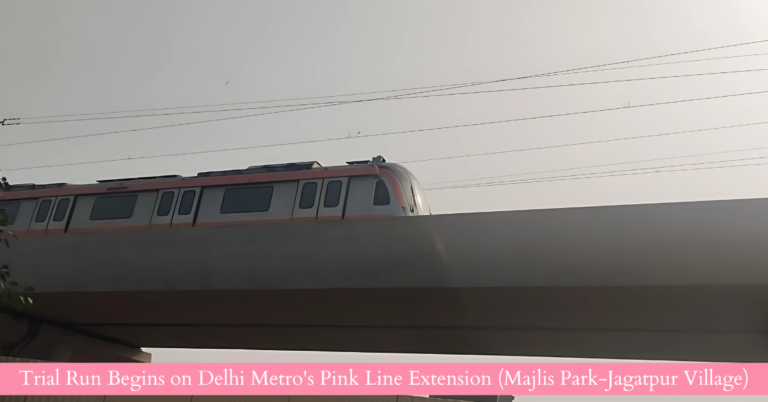
Delhi (Metro Rail News): Delhi Metro Phase 4 progressed as DMRC conducted trials on the Pink Line Extensions spanning 12.098 km between Majlis Park and Maujpur.
This development was recorded under Delhi Metro Phase 4’s package DC-02. This contract was awarded to Longjian – KEC JV by DMRC at Rs. 1,080 crore in November 2019
About the Trials on Delhi Metro’s Pink Line Extension
The trials have been conducted between a 5km section from Majlis Park to Jagatpur Village, comprising 3 elevated stations at Burari, Jharoda Majra and Jagatpur Village.
To execute the trial DMRC deployed a 6-coach Hyundai Rotem train at a speed of 5 kmph. During the trial the train ran from the siding line at Majlis Park Station, heading eastward and then returned.
Aim Behind Trials
Through trials, DMRC’s main objective was that trains operated within the prescribed Schedule of Dimensions (SOD) clearances. This involved examining the train’s interaction with the civil structure. The goal was to confirm that there were no physical obstructions that could affect the train’s safe operations, ensuring full compliance with safety standards.
Delhi Metro Phase 4
With the Central Government’s approval of the Red Line extension from Rithala to Nathupur (Kundli), covering a distance of 26.463 km, the total length of the Delhi Metro Phase 4 project has now increased to 112.32 km. The Delhi metro Phase 4 includes development of a new corridor (Golden Line) spanning between Aerocity – Tughlakabad and extension of the existing Pink Line, Red Line, Green Line and Magenta Line.
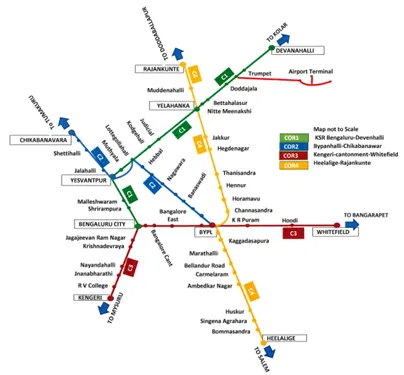
Bengaluru (Metro Rail News): The Bengaluru Suburban Rail project (BSRP) advanced as NCC Ltd. was awarded Package C2-A by Karnataka’s Rail Infrastructure Development Company (K-RIDE) at Rs. 501.25 crore.
In June 2024, K-Ride floated a tender for Package C2-A with a 2 years deadline. On September 4, technical bids were opened revealing 3 bidders for the package. On October 30, financial bids were opened revealing that NCC was the lowest bidder for the contract.
Final Contract Value: Rs. 501,25,26,713 (including GST)
Scope of Work
The scope of work under Package C2-A includes the construction of 8 stations on Corridor 2 (Mallige Line) spanning 25.57 km from Benniganahalli to Chikkabanavara through 12 stations.
Stations
Stations
Type
Benniganahalli
Interchange station
Kasturi Nagar
At- grade station
Seva Nagar
At- grade station
Banaswadi
At- grade station
Nagawara
At- grade station
Kanaka Nagar
Elevated station
Hebbal
Elevated station
Mathikere
Elevated station
The scope of work of Package C2-A also includes systems installation work such as electrical & mechanical (E&M), pre-engineered building (PEB) roof, and architectural finishing work.
Further Information
Under Package C2 B, the construction of the other 4 stations ( Yeswanthpur, Shettyhalli, Mydarahalli and Chikkabanavara ) of corridor 2 will be carried out.
In December, KPC Projects and URC Construction bid to construct the line’s Soladevanahalli Depot.
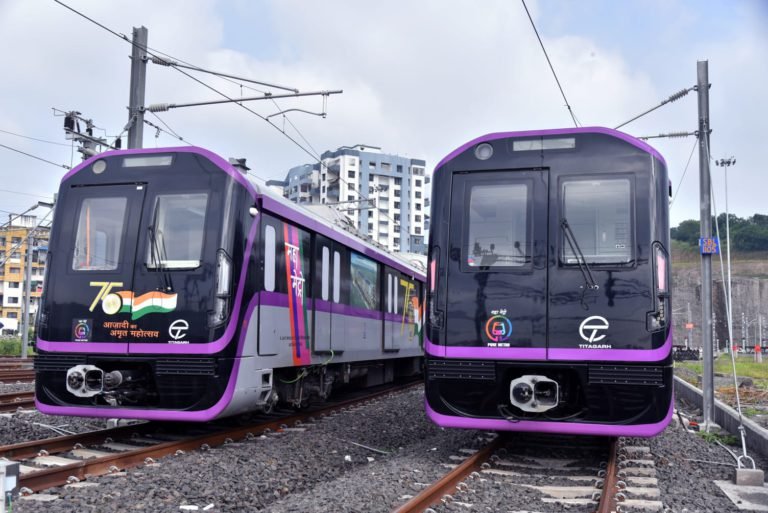
Pune (Metro Rail News): Pune Metro Phase 1 Extension progressed as Maha-Metro announced that 3 bidders have qualified for Package P1A-C-02 of Purple Line’s extension spanning 4.519 km between Pimpri Chinchwad Municipal Corporation (PCMC) and Nigdi’s Bhakti Shakti.
Package P1A-C-02 is the second construction contract of the Pune Metro Phase 1 Extension project.
Qualified Bidders
Godrej and Boyce Mfg. Co. Ltd.
Rail Vikas Nigam Ltd.
YFC – BBG JV
Disqualified Bidder
Vikram Infratech Developers Pvt Ltd.
Bidding Process
In August 2024, Maha-Metro floated a tender for Package P1A-C-02 with an unrevealed estimated cost and a 1.7-year (90-week) deadline.
On 7 November, technical bids were opened revealing that 4 firms had bid for the contract. The technical evaluation of the submitted bids was completed on December 30. A total of 3 firms have qualified for the contract.
On 30 December, Maha-Metro opened the Financial bids of all 3 qualified bidders.
Scope of Work
The scope of work under Package Package P1A-C-02 includes the civil construction of 4 new elevated stations on the Pune Metro Purple Line‘s extension along Old Mumbai Road’s eastern service road.
Stations
Chinchwad
Akurdi
Nigdi
Bhakti Shakti
LKT Engineering has designed all four stations through a Detailed Design Consultant (DDC) contract awarded by Maha-Metro at Rs.1.11 Crore in December 2024.
Contracts Awarded so far for Purple Lines’s PCMC- Nigdi extension
Metro Rail News:During the trials, the Vande Bharat sleeper train reached a top speed of 180 kmph. Railway Minister Ashwini Vaishnaw shared a video demonstrating the train’s smooth ride at higher speed. The trials were carried out by the Research Designs and Standards Organisation (RDSO) to evaluate the train’s safety and performance
The Ministry of Railways mentioned, “The trials will continue till this month end before the facility is made available to the rail commuters,”.
Railways Officials stated “These trials will continue for the month of January under the supervision of Research Designs and Standards Organisation (RDSO).
On January 1 2025, the trial runs were conducted on a 40km route between Rohal Khurd and Kota. During the trial, the train touched the peak speed of 180 km per hour.
On the same day, the sleeper train also went through trials on the Kota-Nagda and Rohal Khurd-Chau Mahla sections and achieved speeds of 170 km/hr and 160 km/hr.
On 2 January 2024. trials runs conducted between Kota and Laban in Bundi district of Rajasthan spanning 30 km achieving a maximum speed of 180 Kilometers.
Vande Bhaat Sleeper Trains
Current Vande Bharat Operations At present, 136 Vande Bharat trains operate across the country, primarily serving medium and short-distance routes. These trains feature chair car seating, which makes them ideal for comfortable, day-long journeys.
Introduction of Sleeper Trains In response to the growing demand for premium long-distance travel options, Indian Railways is developing a sleeper version of the Vande Bharat trains. The sleeper variant of Vande Bhart Train will provide passengers with a luxurious travel experience on extended routes.
Key Features of Vande Bharat Sleeper Trains: The sleeper trains will incorporate advanced features, including:
Automatic doors for easy access
Ultra-comfortable berths for restful overnight travel
On-board Wi-Fi for continuous connectivity
A modern, aircraft-like interior design that enhances passenger comfort
Engineering Challenges: As per the officials the primary challenge involved in the development of Vande Bharat Sleeper was incorporating berths into the train design while ensuring structural integrity and maintaining the peak speed of 180 km/h.
Future Prospection
After the completion of successful trials, the Commissioner of Railway Safety (CRS) will evaluate the sleeper trains at maximum speed. Only after the successful evaluation, the trains will be officially certified and Indian Railways will be capable of deploying the trains for operations.
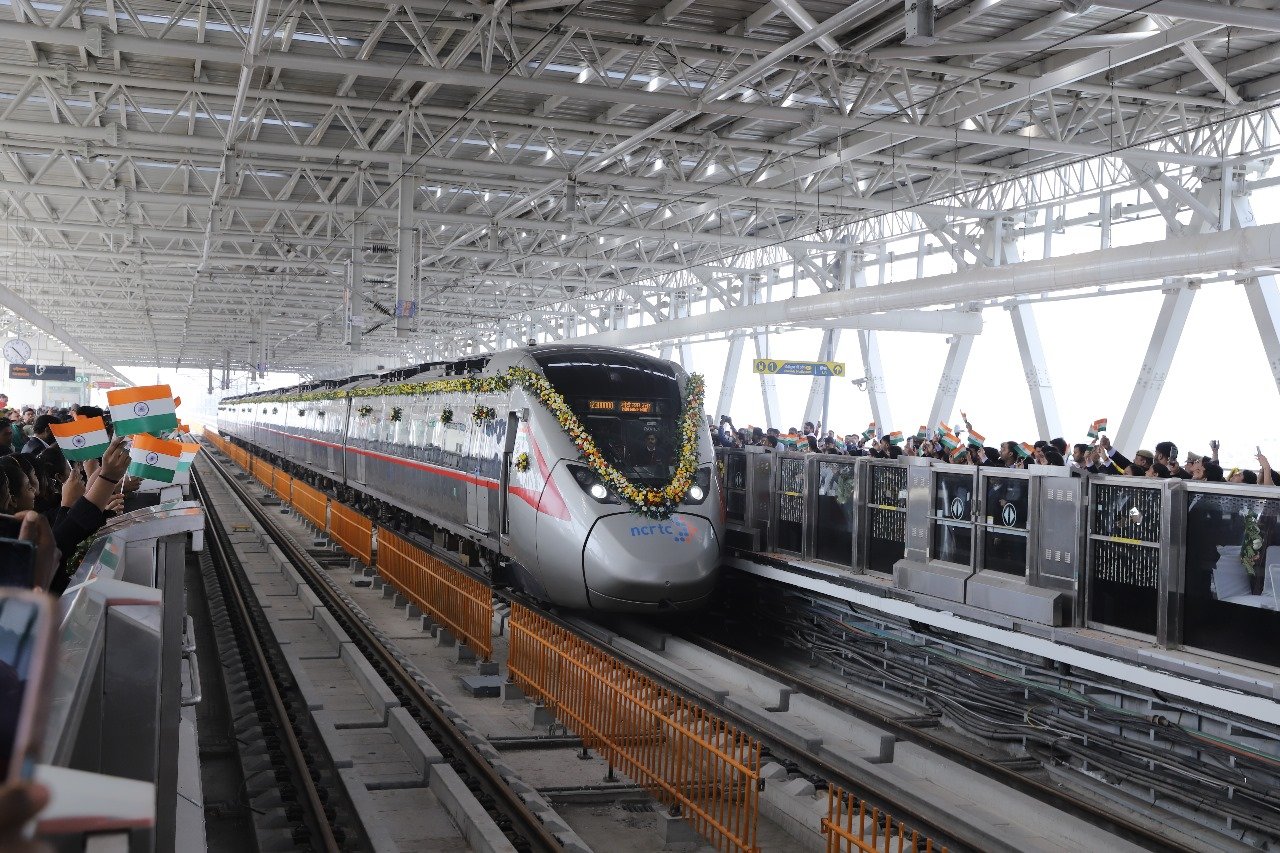
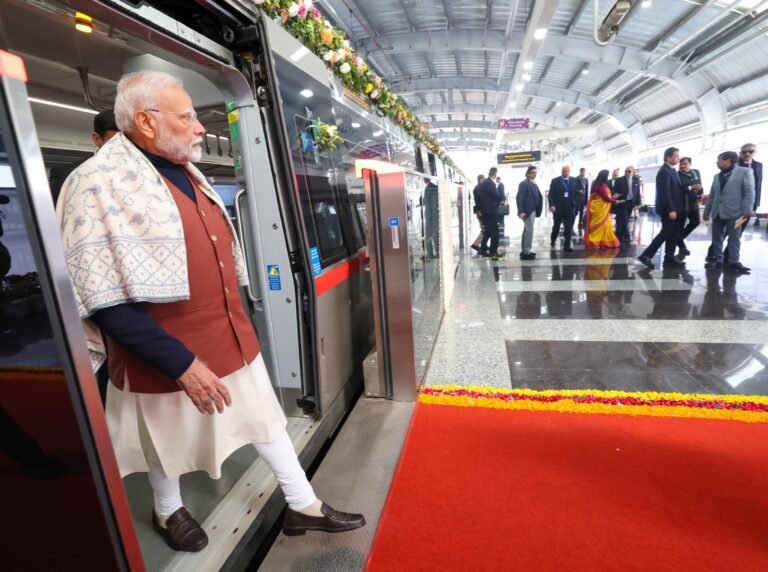
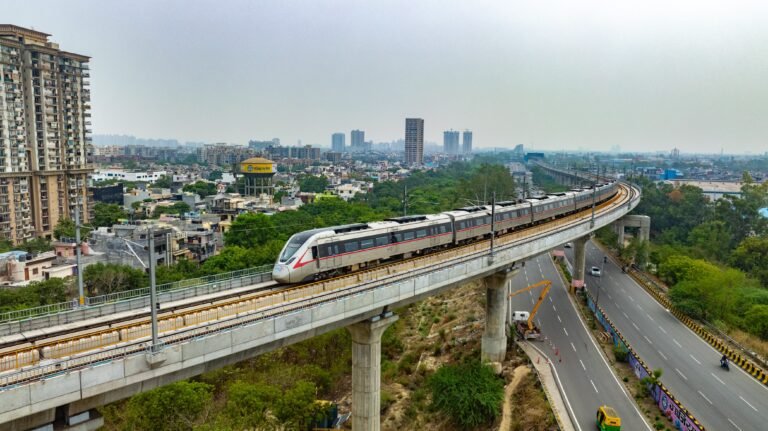
DELHI (Metro Rail News): Today, Prime Minister Shri Narendra Modi inaugurated a new 13-km section of the Delhi-Ghaziabad-Meerut Namo Bharat Corridor, extending from Sahibabad to New Ashok Nagar. This milestone marks the debut of Namo Bharat Trains in Delhi, introducing a new era of high-speed regional connectivity for the National Capital. The operational stretch now expands to 55 km with 11 stations, adding to the existing 42-km segment between Sahibabad and Meerut South.
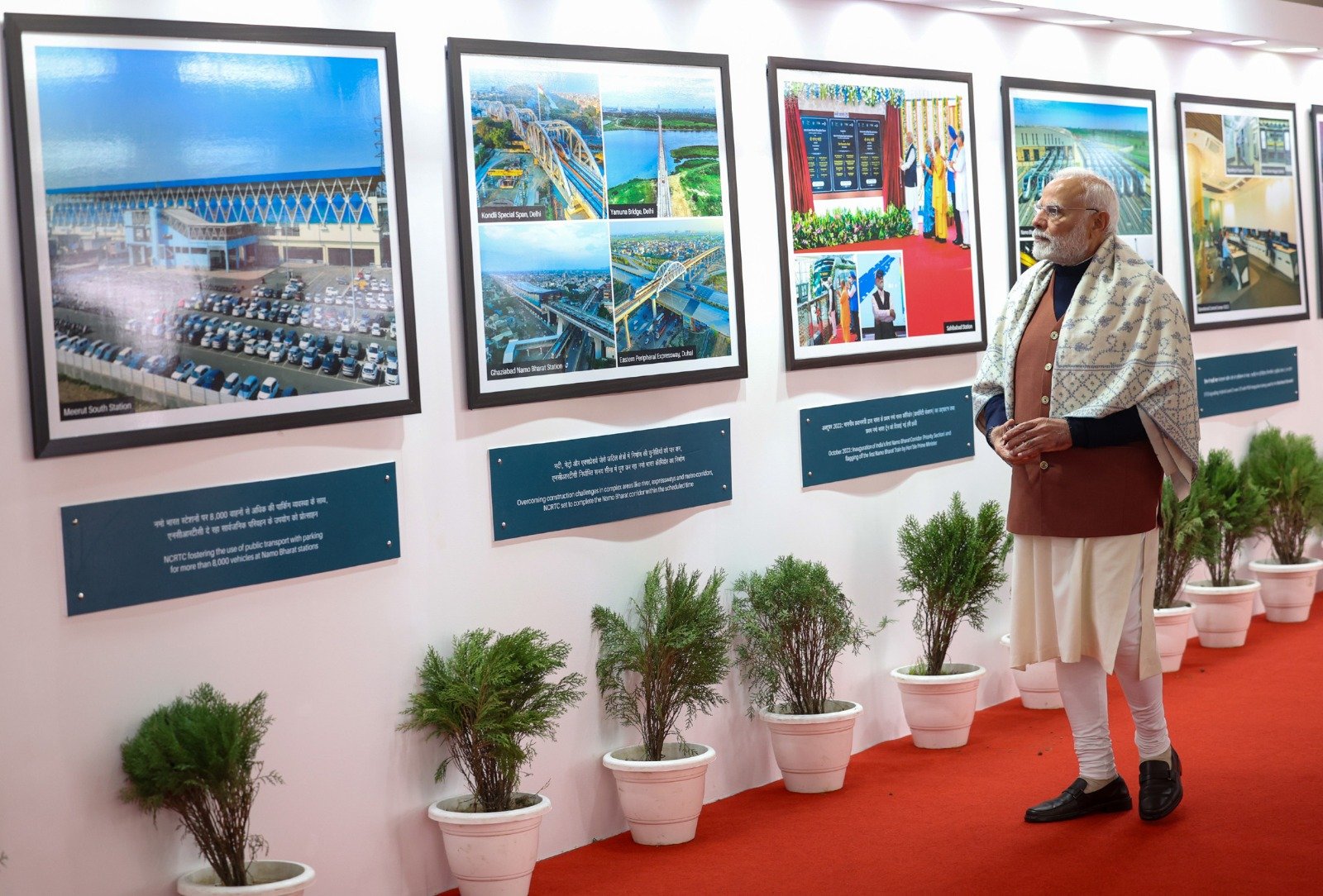
The Prime Minister embarked on a journey aboard the Namo Bharat Train from Sahibabad to New Ashok Nagar. At Sahibabad Station, he toured a photo exhibition titled ‘नमो भारत – यात्रा राष्ट्र निर्माण की,’ showcasing the project’s nation-building impact. He also received an overview of NCRTC’s advanced Asset Management System, designed to optimize operational efficiency and infrastructure sustainability.
Emphasizing digital integration, the Prime Minister purchased an NCMC (National Common Mobility Card) using UPI, demonstrating the seamless digital payment options available. He interacted with various passengers, including beneficiaries of NCRTC’s vocational training supported by the JFPR grant, engineering students, school children, and women trained in self-defense. Their stories highlighted the corridor’s broad social impact.
Commending the contributions of women train operators and station controllers, the Prime Minister underscored their essential roles in the operations. He also flagged off the trains from Rohini, marking the commencement of operations on the new section.
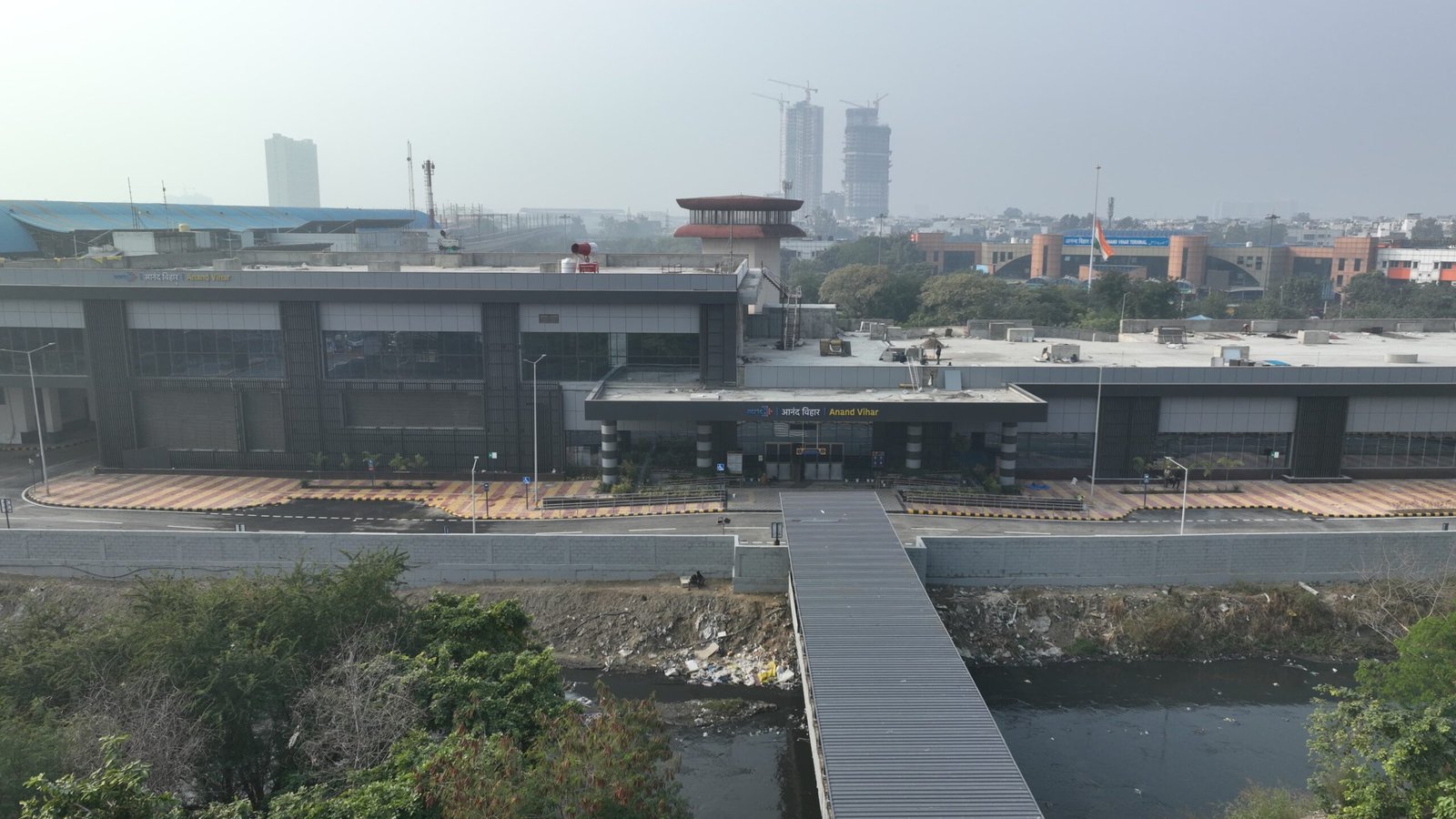
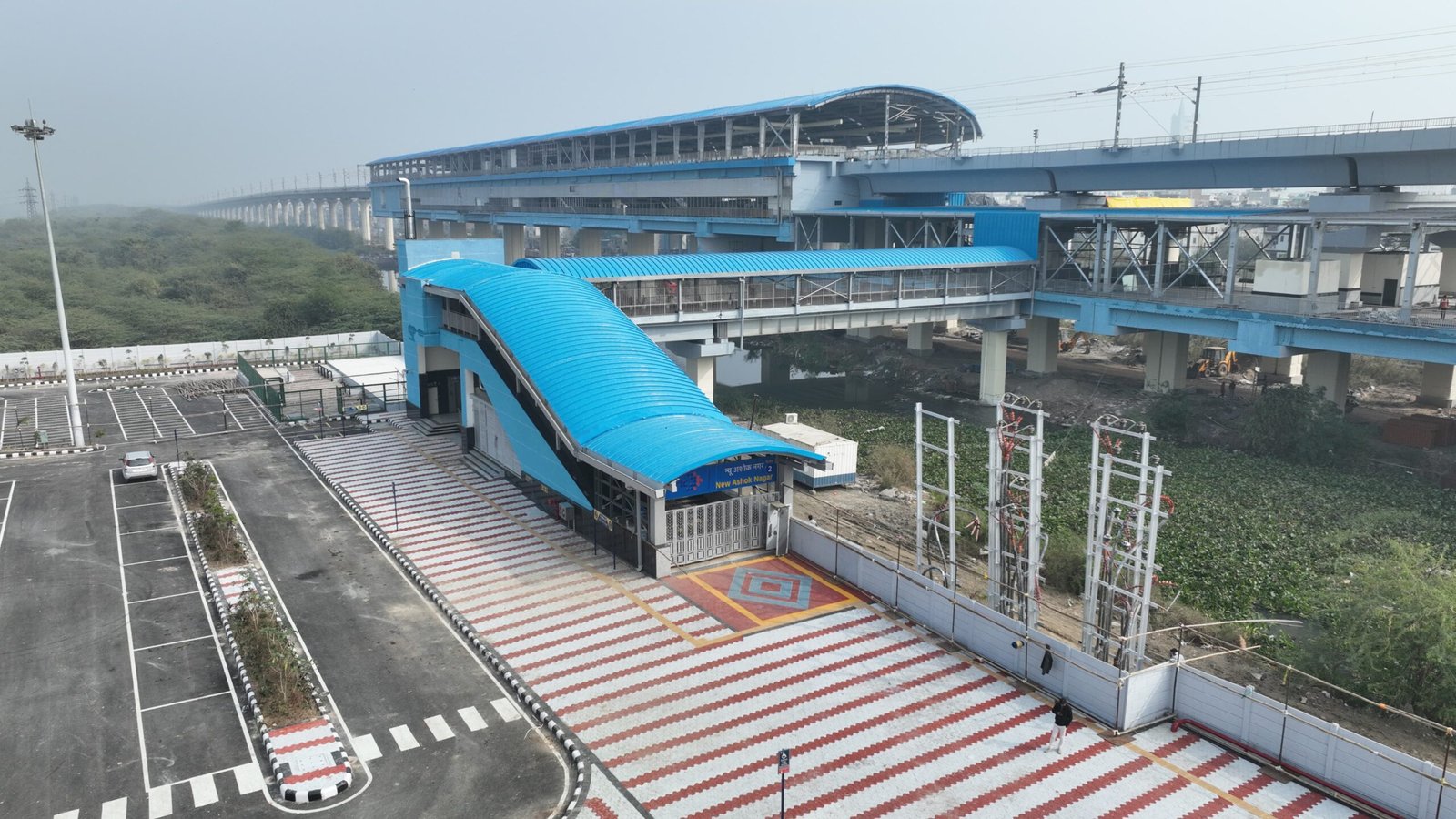
Starting at 5 PM today, the newly opened section from Sahibabad to New Ashok Nagar will be operational. This extension reduces travel time between New Ashok Nagar and Meerut South to under 40 minutes, enhancing regional connectivity. The 13-km section includes 6 km of underground tracks, featuring Anand Vihar as a key station—the first underground Namo Bharat station—and an elevated station at New Ashok Nagar, both in Delhi.
Namo Bharat trains have already served over 50 lakh commuters, reflecting their significant impact and popularity. Construction is rapidly progressing on other segments, including New Ashok Nagar-Sarai Kale Khan and Meerut South-Modipuram.
The Hon’ble Prime Minister, Shri Narendra Modi, will inaugurate an additional 13-km section of the Delhi–Meerut Namo Bharat Corridor between Sahibabad and New Ashok Nagar on Sunday, January 5, 2025, marking a significant development in regional connectivity. With this inauguration, Namo Bharat Trains will now arrive in Delhi, ushering in a new chapter of high-speed mobility options for the National Capital.
Current Status of Delhi-Meerut RRTS
Currently, a 42-km stretch of the corridor between Sahibabad and Meerut South, featuring 9 stations, is operational. With this inauguration, the operational stretch of the Namo Bharat Corridor will expand to 55 km, with a total of 11 stations.
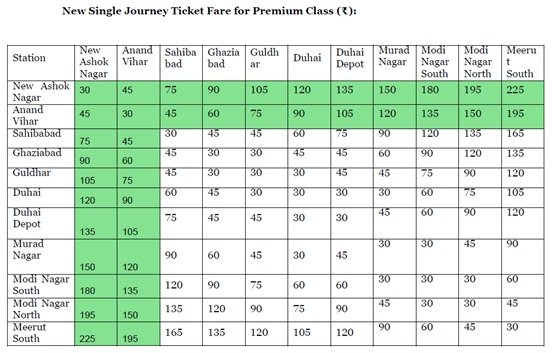
Starting Sunday at 5 PM, Namo Bharat trains will be available to the public at a frequency of 15 minutes. The fare from New Ashok Nagar Station, the first operational station going from Delhi to Meerut, to Meerut South is Rs 150 for standard coach and Rs 225 for Premium Coach.
Namo Bharat Linking Meerut City with National Capital
With the commencement of operations on this section, Meerut city is now directly connected to the national capital, Delhi, through Namo Bharat. This will reduce travel time by one-third, enabling commuters to travel from New Ashok Nagar to Meerut South in just under 40 minutes. To date, Namo Bharat trains have served over 50 lakh commuters, highlighting their popularity and impact. Further construction in other sections i.e. New Ashok Nagar-Sarai Kale Khan and Meerut South-Modipuram is progressing at a rapid pace.
Delhi Section of RRTS Corridor
Of the newly inaugurated 13 km section, 6 km is underground and includes a prominent station on the corridor, Anand Vihar. This marks the first time that Namo Bharat Trains will operate in an underground section. The other station on this stretch is an elevated station at New Ashok Nagar. Both stations are located in Delhi.
Multi-modal integration has been the tenet of the Namo Bharat project. In line with the PM Gati Shakti-National Master Plan, it aims to make travel seamless and convenient for the passengers, encouraging modal shift in favour of public transport. Namo Bharat Stations are designed and constructed in a way to be seamlessly connected with existing modes of public transport, such as bus stands, railway stations, and metro stations, wherever possible. To make this possible, NCRTC faced numerous technical challenges during construction, including complex engineering hurdles, but successfully overcame them to ensure commuter convenience.
Key Features of Anand Vihar Station
Anand Vihar underground station is one of the largest stations on the Namo Bharat corridor. Commuters will be able to travel from here to Meerut South in just 35 minutes.
This station has been designed to facilitate Multi-Modal Integration between the existing six modes of public transport in the area. These include two ISBTs at Swami Vivekananda (Anand Vihar) and Kaushambi, two corridors of Metro (Pink and Blue Line), Anand Vihar Railway Station, and the City Bus Stand.
Through this station, commuters from Meerut and Delhi will be able to travel seamlessly to any corner of the country by Metro, ISBT, and Railway Station.
Separate entry and exit gates, along with FOB facilities, have been provided at the station to ensure seamless, convenient, and safe travel for commuters.
For the convenience of commuters, Anand Vihar station has been built at a depth of just 8 meters below ground level. To make the corridor possible at such a depth, it has been constructed beneath the basement of the metro lines passing through Anand Vihar. This is a complex task from the perspective of construction and civil engineering, but NCRTC, committed to passenger convenience, has made it possible by using new technologies, strategic planning, and innovative methods.
As a special arrangement for the movement of vehicles and pedestrians at this station, three bridges have been built over the Ghazipur drain. Two of these bridges are to be used for vehicle entry and exit, while one is exclusively for pedestrians.
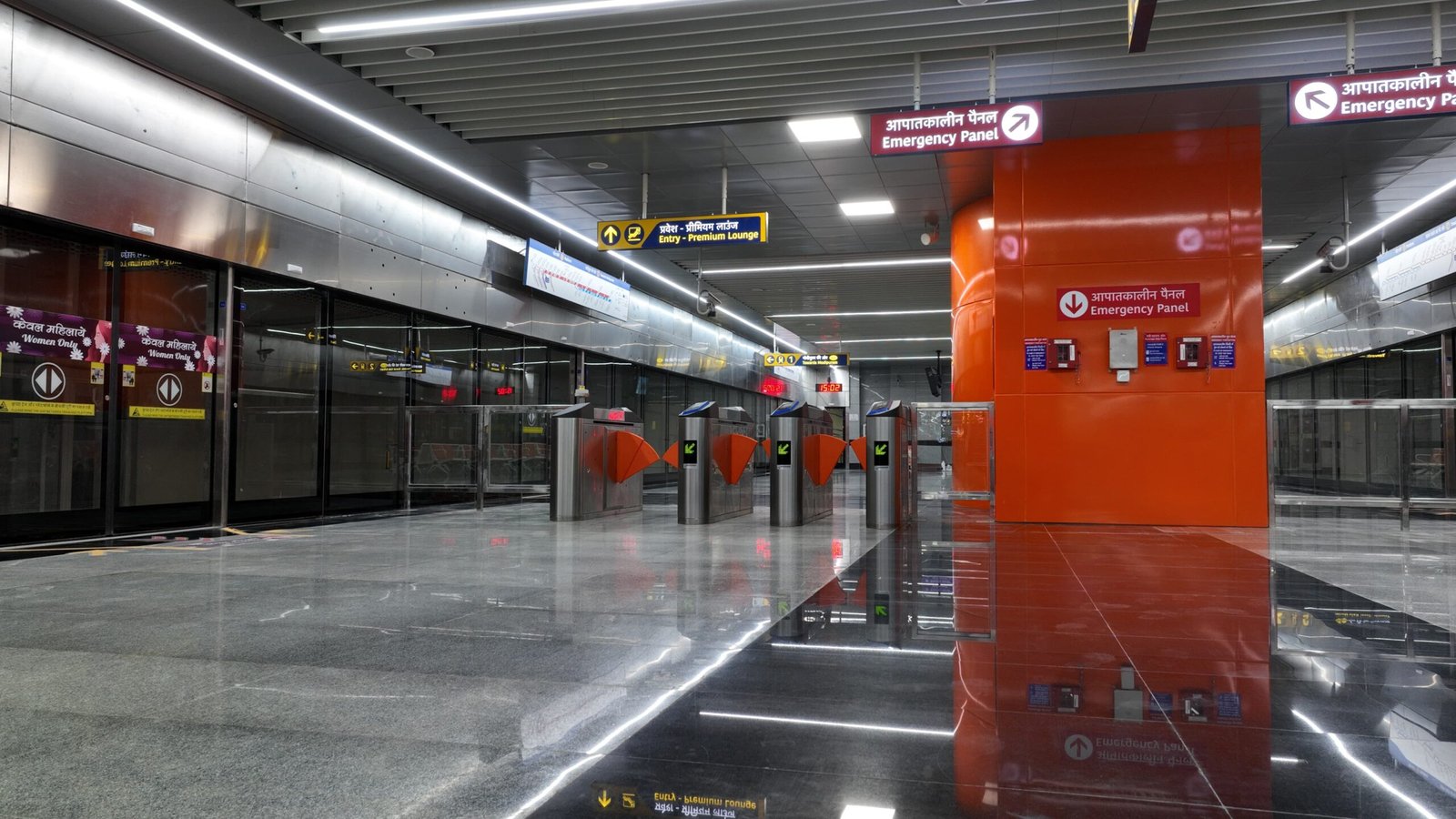
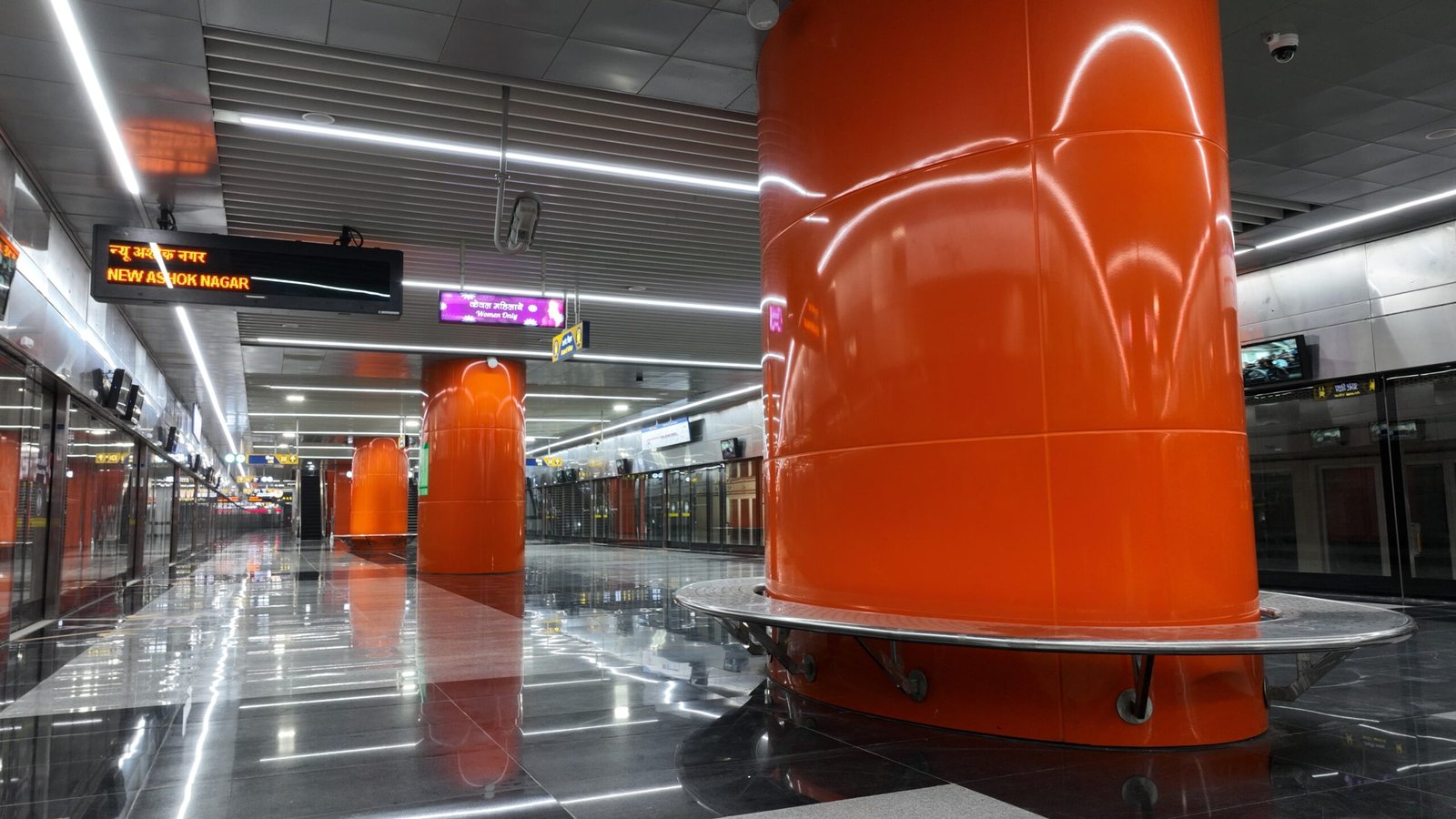
The outer structure of this 297-meter-long and 35-meter-wide station is covered with a grey-colored facade, and the walls and pillars inside the station are decorated with vitreous enamel panels. Inside the station, stairs, lifts, and escalators have been provided for passengers to move from the concourse to the platform level.
This station will provide convenience to commuters coming from nearby areas like Shrestha Vihar, Ramprastha, Brij Vihar, and Surajmal Vihar, as well as from different parts of Delhi and the country.
Key Features of New Ashok Nagar Station
New Ashok Nagar is the first elevated Namo Bharat station to be operational on the Delhi section. Here, the Delhi-Ghaziabad-Meerut Namo Bharat corridor crosses the New Ashok Nagar metro station at a height of 20 meters. Construction at such a height above an already existing and operational metro station, without disrupting service, is a significant achievement from an engineering perspective.
This station is being connected to the Blue Line of Delhi Metro through a 90-meter-long FOB.
Two entry-exit gates have been constructed for the convenience of commuters from nearby areas such as New Ashok Nagar, Mayur Vihar, Vasundhara, and Chilla Village.
To further enhance convenience and promote the use of public transport, two parking lots have been constructed here, with a total vehicle capacity of more than 500 vehicles.
Along with train services, a commercial center has also been planned at the station for the convenience of commuters.
The Namo Bharat project has been designed with passenger convenience at its core. To ensure accessible and safe access for all sections of the population, special attention has been given to the needs of various demographics, including the elderly, children, Divyaangjans, and women. Namo Bharat station premises offer free drinking water and washrooms. CCTV cameras have been installed for 24/7 surveillance in and around the stations.
Additionally, dedicated pick-up and drop-off areas have been created at the stations. Ramps and large, special lifts have been installed to facilitate easy access for wheelchairs and stretchers. For the convenience of visually impaired passengers, tactile paths have been incorporated into the station design to aid navigation and ensure safety.
One coach in each train is reserved for women, and other coaches also have reserved seats for women, the elderly, and Divyaangjans. Inside the Namo Bharat trains, specific spaces have been provided for wheelchairs and stretchers. A train attendant is available on each train to assist and ensure the convenience of all passengers. Additionally, a panic button has been provided inside the coach and on the platform screen doors to request help in case of an emergency.
Namo Bharat is a strategic intervention by the Government to decongest the National Capital, reduce vehicular traffic, and curb air pollution. Once the entire Delhi-Meerut Namo Bharat Corridor becomes operational, it is projected to remove over one lakh private vehicles from the roads and reduce carbon emissions by 2.5 lakh tonnes annually.
About Delhi-Ghaziabad-Meerut RRTS
Covering 82 km, the Delhi–Ghaziabad–Meerut Namo Bharat Corridor originates at Sarai Kale Khan in New Delhi and terminates at Modipuram in Meerut. It features 16 Namo Bharat stations along with 9 additional stations for the Meerut Metro, making it a comprehensive and transformative regional transit solution.
This inauguration represents a major milestone in India’s journey toward improved public transport and sustainable urban mobility, reinforcing the Government’s commitment to fostering connectivity and reducing environmental impact.
Delhi ( Metro Rail News): Delhi Metro Phase 4 advanced as the 4 firms submitted bids to install ballastless standard gauge tracks on the Golden Line (Line 10) after the opening of technical bids by Delhi Metro Rail Corporation (DMRC).
Initially, DMRC invited the bids for the track work under Package DC-10 in July 2023. However, the contract was cancelled in August. In September 2024, DMRC re-invited the bids under DT-10R with a 2.95-year (1080-day) deadline.
Bidders
Apurvakriti Infrastructure Pvt. Ltd.
Paras Railtech Pvt. Ltd.
Rahee Infratech Ltd.
Texmaco Rail and Engineering Ltd.
DMRC’s Brief Scope: The awarded contractor will be responsible for the Installation, testing and commissioning of the ballastless track including the supply of MSS and Buffer Stop for Golden Line ( Line 10) of Delhi Metro Phase 4.
About Delhi Metro’s Golden Line
The Golden Line of Delhi metro phase 4 is an under-construction metro line spanning 23.622 km from Aerocity to Tuglakabad through 15 stations. The construction of Golden is being carried out under the following packages:
Package
Type
Contractor
DC-07
Elevated
Afcons
DC-08
Elevated
J Kumar
DC-09
Elevated
L&T
DC-04
Underground
YFC Projects
Further Information
The bids submitted by 4 firms have now been sent for technical evaluation. After the completion of the technical evaluation, the bids of the technically qualified bidders will be opened to announce the lowest bidder for the contract.
Thane (Metro Rail News): Thane Metro has progressed as the Maharashtra Metro Rail Corporation Ltd. (Maha-Metro) revealed the 3 bidders for the General Consultant (GC) contract after opening technical bids.
In October 2024, Maha-Metro floated a tender for General Consultant work under package Consul-01. The contract comes with a 4-year ( 48 months ) deadline. The bids submitted by 3 firms have now been sent for technical evaluation. In coming months, Maha Metro will reveal the financial bids of technically qualified bidders.
Bidders for GC Contract
AECOM India Pvt. Ltd
DB Engineering and Consulting GmbH
SYSTRA MVA Consulting (India) Pvt. Ltd.
Note: Some of the bidders may be in a joint venture with other partners.
Thane Metro’s Package Consul-01
Scope of work: The contract entails appointing a General Consultant for Thane Metro. The awarded contractor will be assisting MahaMetro with design, supervision, safety, quality control and contract management for the Thane Integral Ring Metro Project
The Thane Metro’s Package Consul-01 is a second major contract after the Detailed Design Consultant contract DDC-01 for the Thane Metro Project.
Thane Integral Ring Metro Project
Thane Metro is a Mass Rapid Transit System (MRTS) spanning 29 km with 22 stations in total. Out of 29 km, the elevated route spans 26 Km with 20 stations while the remaining 3 km underground section consists of 2 underground stations.
Agra (Metro Rail News): On 1 January, the Agra Metro project reached another milestone with the breakthrough of TBM S-718 at Agra College Station on 14.25 Line 1 which connects Sikandra with Taj East Gate.
TBM Breakthroughs for Agra Metro Project
Package Details: This breakthrough was part of Package AGCC-02, which connects the RBS Ramp to the Taj Mahal Ramp.
TBM Details: With its final drive TBM S-718C achieved its 5th breakthrough for Agra Metro.
Overall Progress: So far 16 breakthroughs have been achieved for the Agra Metro Phase 1 project.
TBM S-718C’s Journey
Assignment
Segment
Length
2 Assignments
Taj Mahal Station to Taj Mahal Ramp
228m upline + 236m downline (twin tunnels)
3rd Assignment
RBS Ramp to RBS College Station
734m
4th Assignment
RBS College to Raja Ki Mandi Station
685m
5th Assignment (current assignment)
Raja Ki Mandi Station to Agra College Interchange Station
535m
Package AGCC-02
In March 2022, Afcons – Sam India Consortium secured package AGCC-02 from Uttar Pradesh Metro Rail Corporation at Rs. 1819.79 crore. The deadline for this contract is 48 months.
Upcoming Developments
The remaining 2 breakthroughs for Agra Metro Phase 1 are planned at Mankameshwar Station (formerly known as Jama Masjid), involving Tunnel Boring Machines (TBMs) 215 and 324.