NEW DELHI (Metro Rail News): Kalpataru Projects International Limited (KPIL) has strengthened its position in the EPC(engineering, procurement, and construction) space after securing fresh orders worth Rs 2471 crores across key infrastructure segments. Most of these orders come from underground metro rail projects in India, making KPIL expand its presence in the urban mobility market.
KPIL has also secured several contracts in the power transmission and distribution (T&D) segment in both domestic and international markets. The company has also received new orders on its building and factories (B&F) business, which focuses on industrial and commercial construction projects.
“These orders have further strengthened our order book, clearly indicating the buoyancy in the T&D, urban infra and B&F business,” Manish Mohnot, MD & CEO, KPIL, said in a statement.
He added that the company has secured orders worth 22,000 crores in the current financial year so far.
Discover how AI is bringing the next phase of sustainable urban rail mobility for Viksit Bharat at InnoMetro 2026, India’s prime exhibition and conference for metro & railways, which is going to be held on 21-22 May 2026 at Bharat Mandapam, New Delhi.
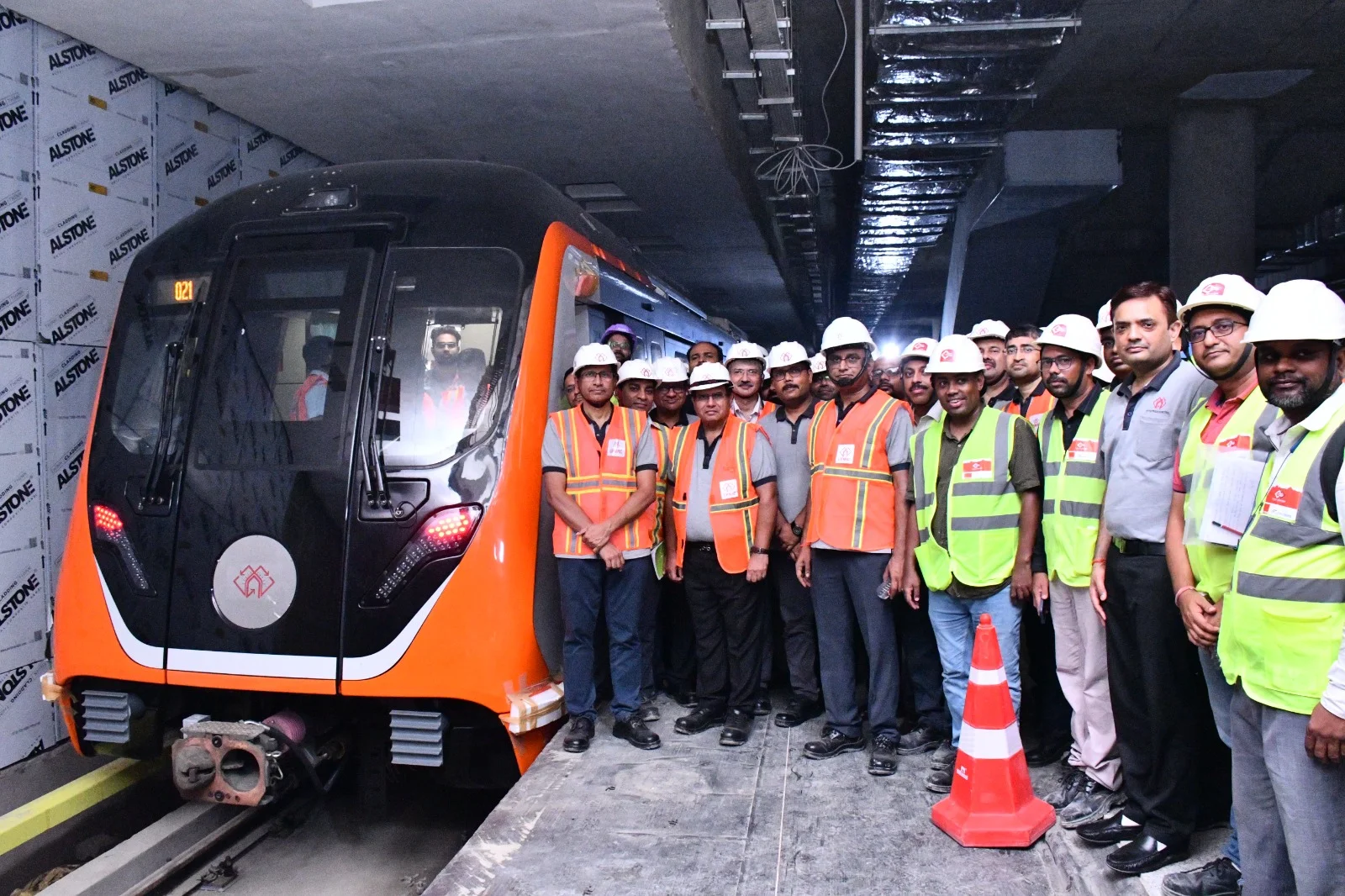
INDORE (Metro Rail News): The Commissioner of Metro Rail Safety concluded an extensive 4-day inspection of the remaining stretch of the Indore Metro, covering approximately 11.5 km between Super Corridor Station No. 2 and Radisson Square, on 18 March.
As part of the inspection process, high-speed trials were conducted, during which the metro train attained a speed of 80 km/h. In addition, a ‘Speed Brake Test’ was carried out four times to assess braking performance and system safety under controlled conditions. A team of experts used ultrasonic testing to verify the structural integrity of tracks and viaducts, particularly focusing on curves near Lavkush Square.
This development represents a crucial expansion rather than a marginal upgrade. Upon commissioning, the corridor will extend the reach of the Indore Metro into some of the most densely trafficked areas of the city. It will establish a direct connection between the Super Corridor, which serves as a major technology and commercial hub, and high-density urban zones such as Vijay Nagar, which function as key centres for retail, residential, and institutional activity.
The existing Indore Metro currently operates on its Super Priority Corridor, a 5.9-kilometre stretch between Gandhi Nagar and Super Corridor Station 3. The recently inspected section forms part of the extended Phase 2 network, which covers an 11-kilometre route from Super Corridor Station 3 to the Malviya Nagar intersection near the Radisson Hotel Indore. This extension includes 11 new stations, namely Super Corridor 1, Bhorasla Square, MR 10 Road, ISBT, Chandragupt Square, Heera Nagar, Bapat Square, Meghdoot Garden, Vijay Nagar Square, and Malviya Nagar Square.
The physical safety checks are complete, and the Madhya Pradesh Metro Rail Corporation Limited (MPMRCL) is now awaiting the formal No Objection Certificate (NOC) from the CMRS. The commercial operations are expected to start in the first week of April.
Discover how AI is bringing the next phase of sustainable urban rail mobility for Viksit Bharat at InnoMetro 2026, India’s prime exhibition and conference for metro & railways, which is going to be held on 21-22 May 2026 at Bharat Mandapam, New Delhi.
CHENNAI (Metro Rail News): Chennai Metro Rail Limited (CMRL) has issued a Letter of Acceptance to M/s Saraswathi Engineering Construction (P) Ltd for a civil contract, which involves executing the construction of entry/exit structures to enable additional escalator facilities at elevated stations under the Corridor-5 (ECV-02 package) of Phase-2 of the Chennai Metro Rail Project.
Tender Overview
Tender Number
CMRL/CP/TDR-64-CON/2026
Project Value
₹23.70 crore (including GST)
Contract Duration
120 days
Bidders’ Details
Firm
Bid Price
Saraswathi Engineering Construction (p) ltd
Rs 23.8 Crore
Priya Engineering Projects Private Limited
₹ 25.3 Cr
Chennai Metro Line 5 (also known as the Red Line) is an under-construction 44.6 km corridor under Phase II that connects Madhavaram Milk Colony to Sholinganallur.
Discover how AI is bringing the next phase of sustainable urban rail mobility for Viksit Bharat at InnoMetro 2026, India’s prime exhibition and conference for metro & railways, which is going to be held on 21-22 May 2026 at Bharat Mandapam, New Delhi.
DELHI (Metro Rail News): Indian Railways has commenced deployment of advanced Artificial Intelligence and Machine Learning technologies across its vast network to substantially enhance safety protocols and operational efficiency through comprehensive smart monitoring systems.
Key technologies include the TRI-Netra enhanced vision system for locomotive pilots, Machine Vision Inspection Systems detecting defects in moving trains, Integrated Track Monitoring Systems for comprehensive track inspection, Wheel Impact Load Detectors and Online Monitoring of Rolling Stock for real-time health monitoring, and drone-based thermal monitoring of overhead equipment.
Supporting this technological transformation, Railway Minister, Shri Ashwini Vaishnaw launched Rail Tech Policy on February 26, 2026, launching a dedicated portal to facilitate startup participation and innovation in railway technologies.
TRI-Netra Enhanced Vision System
The Research Designs and Standards Organisation (RDSO) is developing TRI-Netra (Terrain Imaging for Locomotive Drivers – Infra-Red, Enhanced Optical and Ranging Device Assisted), an advanced vision system designed to assist locomotive pilots during low-visibility conditions including fog, heavy rain, and adverse weather. The technology addresses a longstanding operational challenge in Indian Railways where visibility restrictions force speed reductions or service suspensions during monsoon and winter fog seasons.
The integrated system creates an enhanced vision display for locomotive pilots combining information from multiple sensors, enabling detection of signals, track features, obstacles, and other trains even in conditions where human vision is severely restricted.
Machine Vision Inspection System (MVIS)
Machine Vision Inspection System employs Artificial Intelligence and Machine Learning to automatically detect hanging, loose, or missing components on moving trains which is a critical safety function addressing defects that could lead to component failures, track obstructions, or accidents.
Current Deployment Status:
Three (3) MVIS units installed in Northeast Frontier Railway
Two (2) units in Dedicated Freight Corridor Corporation of India Limited (DFCCIL)
One (1) unit in South East Central Railway
Wheel Impact Load Detector (WILD) and Online Monitoring of Rolling Stock (OMRS)
Indian Railways has installed 24 Wheel Impact Load Detector (WILD) systems across its network for real-time wheel health monitoring. WILD technology measures impact forces as train wheels pass over instrumented track sections
Complementing WILD systems, 25 Online Monitoring of Rolling Stock (OMRS) systems provide wayside inspection of bearing and wheel health through thermal imaging and vibration analysis.
Integrated Track Monitoring System (ITMS)
Three Integrated Track Monitoring Systems (ITMS) have been deployed for comprehensive AI-based inspection and monitoring of track components. ITMS utilizes machine learning and advanced image processing to detect defects in railway track infrastructure including rails, sleepers, and fastening systems.
Drone-Based Thermal Monitoring of Overhead Equipment
Indian Railways has initiated pilot testing of drone-based thermal monitoring for Overhead Equipment (OHE) inspection in Raipur Division. The project employs unmanned aerial vehicles equipped with thermal imaging cameras to detect overheating conditions in overhead catenary systems, pantograph contact surfaces, and electrical connections conditions indicating deterioration, poor contact, or impending failures.
Rail Tech Policy and Innovation Portal
Indian Railways adopted the Rail Tech Policy on February 26, 2026, establishing a comprehensive framework to accelerate development and deployment of cost-effective, implementable, and scalable solutions including AI and data-driven technologies.
Key Policy Features:
Single-stage detailed proposal submission process reducing bureaucratic complexity
Provision for self-initiated challenge proposals allowing innovators to identify and address railway problems proactively
50:50 cost-sharing funding model between Indian Railways and innovators for prototype development and trials
Discover how AI is bringing the next phase of sustainable urban rail mobility for Viksit Bharat at InnoMetro 2026, India’s prime exhibition and conference for metro & railways, which is going to be held on 21-22 May 2026 at Bharat Mandapam, New Delhi.
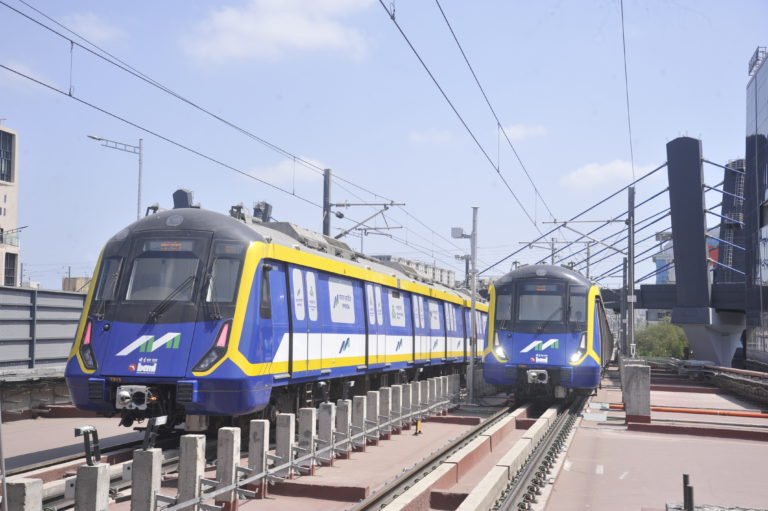
MUMBAI (Metro Rail News): Mumbai Metropolitan Region Development Authority has floated the tender worth Rs 103 crore to implement the Automatic Fare Collection system on Line 6 of the Mumbai Metro project. Mumbai Metro Line 6 (Pink Line) is a 15.31 km elevated corridor connecting Swami Samarth Nagar to Vikhroli via Jogeshwari, WEH, and Powai.
Tender Details
Tender Id
2026_MMRDA_1286455_1
Tender No
CA 307
Cost of Work
Rs 103 crore
Pre-Bid Meeting
24-March-2026
Bid- Submission Deadline
15 April 2026
Completion Period of Work
a) Design-Build Period: 52 weeks), Comprehensive Maintenance – 7 years inclusive of 02 years of Defects Liability Maintenance Period
Scope of Work: Design, Manufacture, Supply, Installation, Integration, Testing, and Commissioning Of Automatic Fare Collection System, including 5 Years Of Comprehensive Maintenance After 2 Years Of Defect Liability Maintenance Period For Mumbai Metro Line 6 [Swami Samarth Nagar To Vikhroli (Eeh)] Of Mumbai Metro Rail Project of MMRDA.
Mumbai Metro Line 6 is being developed by the MMRDA to strengthen east-west connectivity between the western suburbs and the central railway corridor. The line will link major residential and commercial areas and provide interchange opportunities with other metro corridors in the city.
Once operational, the Pink Line is expected to reduce travel time across the city’s suburban belt and improve access between key employment hubs such as Powai and Jogeshwari.
Discover how AI is bringing the next phase of sustainable urban rail mobility for Viksit Bharat at InnoMetro 2026, India’s prime exhibition and conference for metro & railways, which is going to be held on 21-22 May 2026 at Bharat Mandapam, New Delhi.
MUMBAI (Metro Rail News): Private Limited has secured a Letter of Acceptance for a telecommunication contract for Mumbai Metro’s Line 7A, Line 9, and Dongri Depot. Under this contract, the company will design, manufacture, supply, install, and commission the telecommunication system for these lines.
A total of three bidders, Efkon India, Alstom Transport India Limited, and L&T Technology Services Limited, participated in the bidding process for the contract. During the technical evaluation stage, the bid submitted by L&T Technology Services Limited was rejected. Subsequently, in the financial bidding round, Efkon India emerged as the lowest bidder by quoting a bid of ₹103 crore, which was lower than the bid of ₹150.6 crore submitted by Alstom Transport India Limited. Following the completion of the evaluation process, Delhi Metro Rail Corporation issued a Letter of Acceptance (LoA) to Efkon India for the contract.
Scope of Work: Design, Manufacture, Supply, Installation, Testing and Commissioning of Telecommunication System (Except Tetra System) of Line 9 (From Dahisar East To Rai) And 7A (Andheri East To CSMIA) Corridor of Mumbai Metro, including Dongri Depot.
Mumbai Metro Line 7A and 9
Mumbai Metro Line 7A (3.42 km) and Mumbai Metro Line 9 (11.38 km) are key extensions of Mumbai Metro Line 7. These lines aim to improve connectivity between the suburbs of Mumbai, the Mira-Bhayandar region, and the Chhatrapati Shivaji Maharaj International Airport. Mumbai Metro Line 7A will connect Gundavali (Andheri East) with Chhatrapati Shivaji Maharaj International Airport (CSMIA) and provide a direct metro link to the airport. Meanwhile, Mumbai Metro Line 9 extends Mumbai Metro Line 7 from Dahisar East to Mira-Bhayandar and improves transit access for commuters in this suburban corridor.
Discover how AI is bringing the next phase of sustainable urban rail mobility for Viksit Bharat at InnoMetro 2026, India’s prime exhibition and conference for metro & railways, which is going to be held on 21-22 May 2026 at Bharat Mandapam, New Delhi.
Metro Rail News held an exclusive interaction with Shri Sushil Kumar, Managing Director, UPMRC, to discuss the progress of the Kanpur Metro Project. During the interaction, Shri Kumar highlighted the shift in commuter behaviour since the start of metro operations, with a growing preference for the metro over private modes of transport. He outlined UPMRC’s approach to non-fare revenue generation, noting that current levels are nearly 95% higher than those seen in other Tier-II city metro systems.
He also discussed ridership trends, pointing out that passenger numbers have improved following the extension of operations up to Kanpur Central. Shri Kumar stated that ridership is expected to increase multi-fold once both corridors become fully operational. He concluded by underlining the role of metro systems in improving urban mobility.
Below are the edited excerpts:
Question 1.Could you walk us through your distinguished professional Journey spanning over 30 years? How does your experience and expertise support your responsibilities in your current role?
My journey with Uttar Pradesh Metro Rail Corporation has been a very fruitful and enriching experience for me. Needless to say, in every ongoing as well as operational project, there are many challenges which we face on a day-to-day basis and overcome successfully.
I am a graduate from IIT Roorkee & a postgraduate from IIT Delhi. Previously, I have served in the Ministry of Railways as Director/Power and was a member of different committees in the fields of Energy Conservation and Energy Planning under the Railway Ministry. Before that, I served as Additional General Manager for Delhi Metro Rail Corporation and set up state of the art maintenance facilities for maintenance and overhauling of trains.
I hold expertise in project management, design specification, technical support, operations and maintenance in Indian Railways and urban transit & metros for Rolling Stock/Trains, Signalling, Traction Power System, and Telecommunication, including operations. I have also worked as Chief Electrical Inspector General to the Government of India, besides working as National Project Director for the UNDP project for Energy Conservation.
Before taking the responsibilities of Managing Director in UPMRC, I served as a Director (Operations) and was responsible for day-to-day Operation & Maintenance activities. I was also bestowed with the “National Award for Outstanding Service” from the Ministry of Railways and the Outstanding Performance Award for DMRC.
My aim is to urge more and more people to opt for metro services as it is a cost-effective and environmentally friendly means of transport.
We adhere to our motto of ‘Transporting Happiness’ where we aim to transport not just passengers, but also their comfort and happiness. Over the past one year, we have engaged in almost 200 events and passenger engagement activities at Lucknow, Kanpur and Agra Metro Projects in the past year and we have witnessed an increase in ridership and passenger engagement at all our stations.
Question 2.What is the latest progress on both corridors of the Kanpur Metro Project? What major milestones are expected to be achieved in the near future?
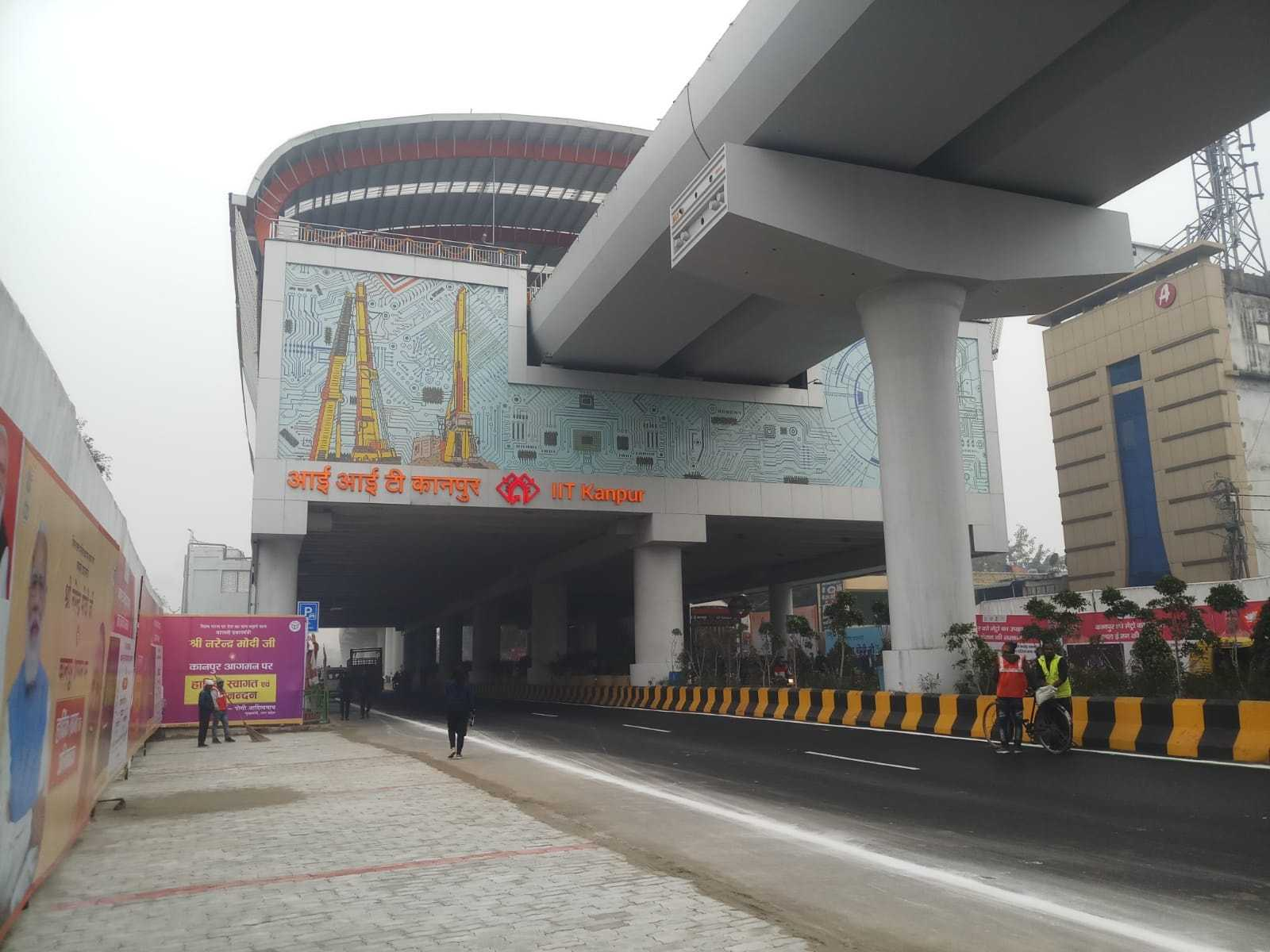
Answer: The Kanpur Metro Rail Project is progressing steadily across both its proposed corridors and is entering an important phase of network expansion. The project is designed to serve a city of nearly 40 lakh population through two metro corridors. Corridor-1 runs from IIT Kanpur to Naubasta with a total length of 23.78 km, while Corridor-2 connects Chandra Shekhar Azad Agricultural University (CSA) to Barra-8 over a length of 8.60 km.
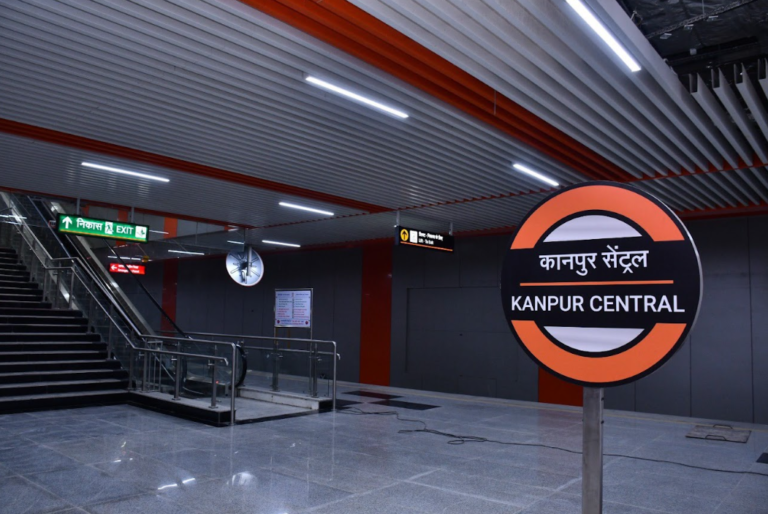
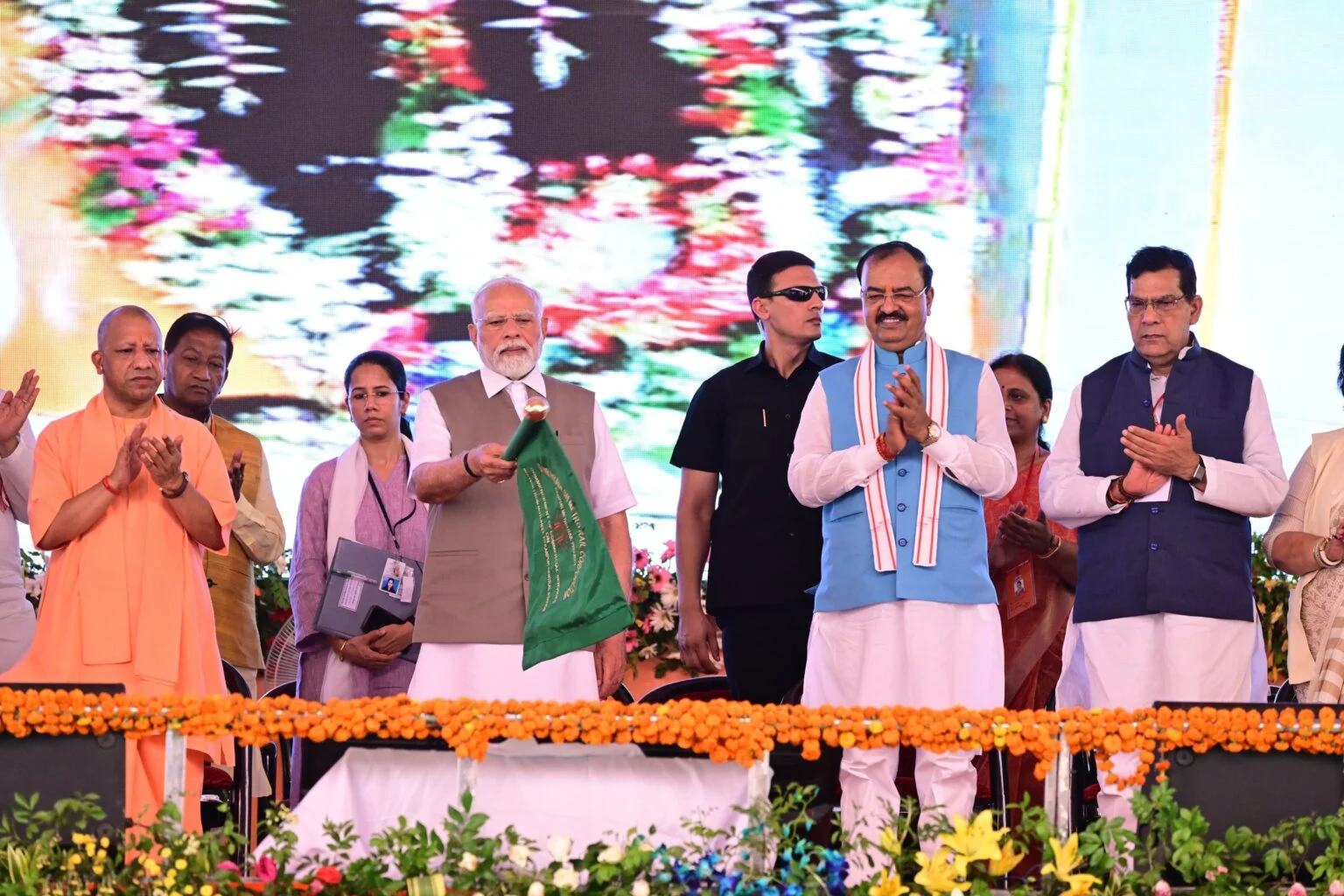
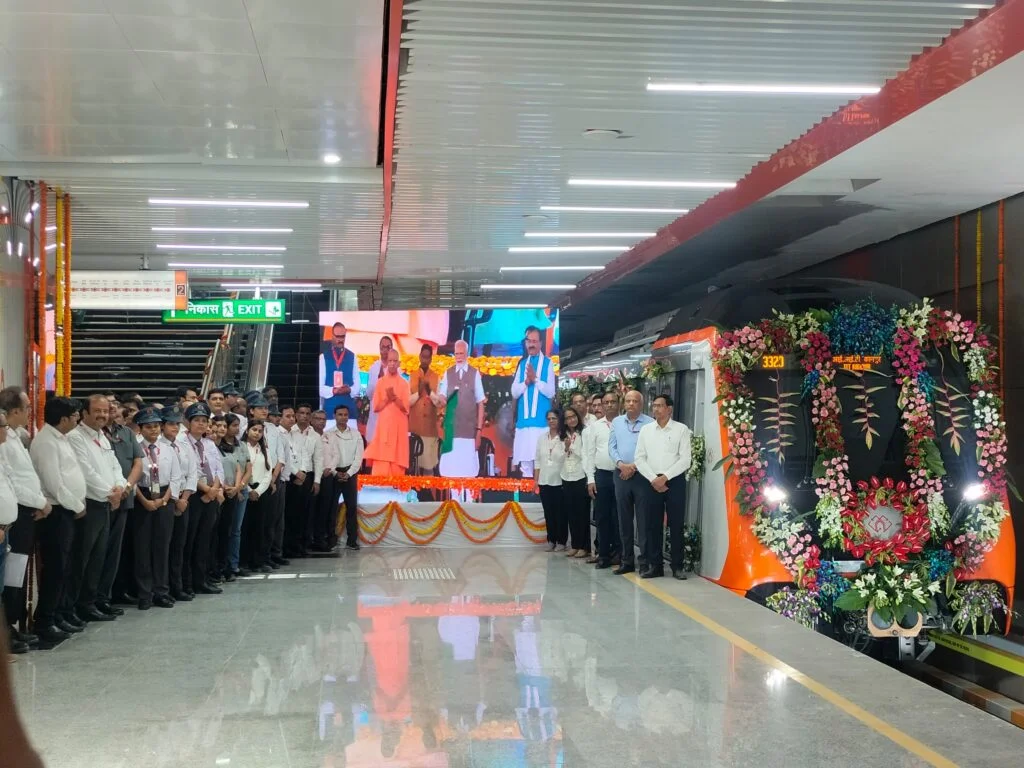
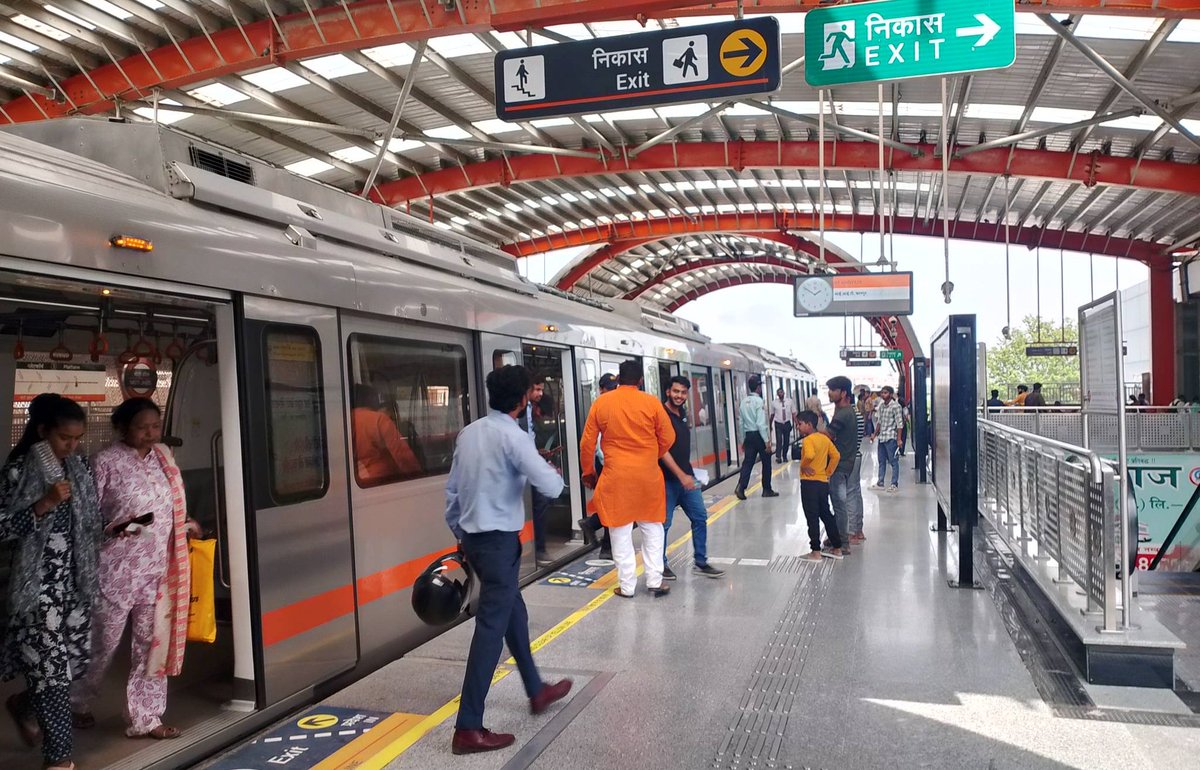
At present, passenger services are operational on a 16 km section of Corridor-1, between IIT Kanpur and Kanpur Central. Metro services on this corridor were inaugurated in a phased manner. In the first phase, the Hon’ble Prime Minister inaugurated metro operations from IIT Kanpur to Motijheel on 28 December 2021. This 9 km priority section was completed and commissioned in a record time of just about 2 years and 1.5 months, making it one of the fastest metro project executions in the country. In the second phase, on 30 May 2025, passenger services were extended from Motijheel to Kanpur Central, again flagged off by the Hon’ble Prime Minister. With this extension, metro operations on Corridor-1 expanded to a total operational length of 16 km, covering 14 stations.
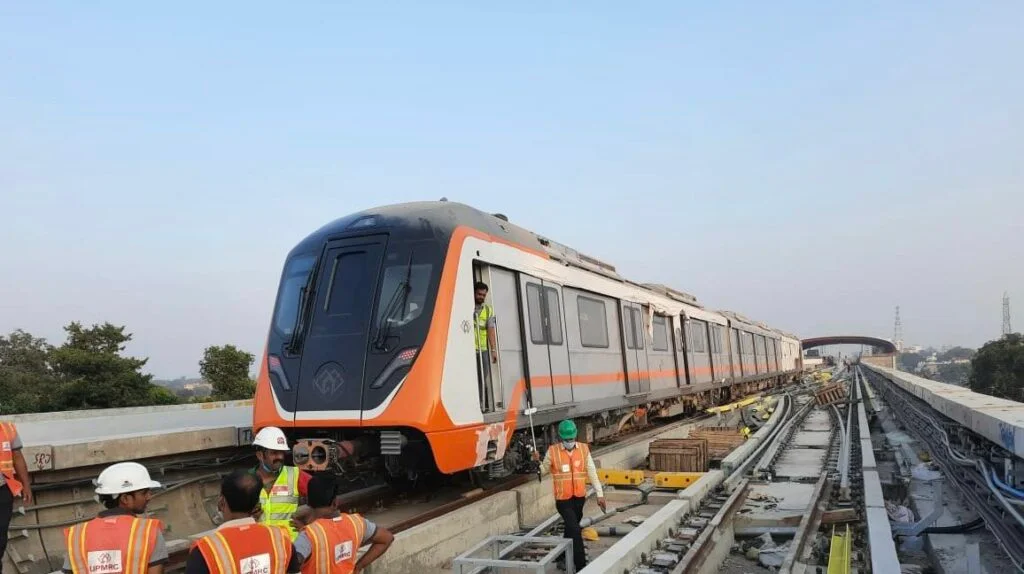
Construction work on the remaining balance section of Corridor-1, stretching about 8 km from Kanpur Central to Naubasta, is now in an advanced stage, and preparations for passenger service extension are moving rapidly toward completion. Once this section becomes operational, seven new stations – Jhakarkati, Transport Nagar, Baradevi, Kidwai Nagar, Vasant Vihar, Bauddh Nagar, and Naubasta will be added to the existing network. This will increase the total number of stations on Corridor-1 from the current 14 to 21. Test runs on this section are expected to begin around January 2026.
Work on Corridor-2, which runs from CSA to Barra-8 over a length of 8.60 km, is also advancing well. Tunnelling for the underground portion of approximately 4.10 km is expected to be completed within the next two months. For the elevated sections of this corridor, piling work is nearly complete, with about 98% progress already achieved. With construction and system works moving ahead as planned, it is expected that commercial metro services on Corridor-2 will commence by the end of next year.
Overall, the Kanpur Metro Project has already achieved major milestones with the successful commissioning of a substantial part of Corridor-1 and is now poised for further expansion. In the near future, key milestones include the commencement of test runs on the Kanpur Central–Naubasta section, the addition of seven new stations to Corridor-1, completion of tunnelling and structural works on Corridor-2, and the start of revenue operations on the second corridor. Together, these developments will significantly enhance metro connectivity across Kanpur and mark an important step toward a comprehensive metro rail network for the city.
Question 3.As Kanpur Metro completes nearly four years of operations, what measurable impact has the system had on reducing traffic congestion and improving urban mobility in the city?
Answer: As Kanpur Metro approaches nearly four years of commercial operations, it has begun to demonstrate a clear and measurable impact on urban mobility, even as the network continues to expand. One of the most visible effects has been the reduction of pressure on road traffic along operational corridors such as IIT–Kanpur Central. A significant share of daily commuters has shifted from private vehicles like two-wheelers and cars, as well as intermediate public transport such as autos and e-rickshaws, to the metro. This shift has helped ease congestion on parallel arterial roads, particularly during peak office and institutional travel hours, and has reduced dependence on road-based travel for students, office-goers, and other daily commuters in dense parts of the city.
Another major contribution of the metro has been the improvement in travel time reliability. Kanpur Metro offers predictable and faster end-to-end travel times that are not affected by road congestion. Commuters using metro corridors commonly experience substantial time savings compared to peak-hour road travel. For instance, a journey from IIT Kanpur to Kanpur Central can take up to 1 hour and 15 minutes by road during congested periods, whereas the same trip by metro takes approximately 27 minutes. This consistency and reliability have enhanced daily productivity and commuting comfort, which are important indicators of improved urban mobility.
The system has also encouraged a noticeable modal shift toward public transport, particularly among office commuters and students, especially in areas around IIT Kanpur and central Kanpur. Improved integration with feeder services, e-rickshaws, and pedestrian access has strengthened last-mile connectivity, making metro travel a more convenient and preferred option for many residents. As a result, public transport usage has become more attractive compared to private vehicle travel along metro corridors.
In addition to mobility benefits, Kanpur Metro has generated environmental and congestion-related co-benefits. The reduction in vehicle kilometres travelled on metro corridors has contributed to lower vehicular emissions, reduced fuel consumption, and decreased noise pollution. When combined with the metro’s own energy-efficient operations, these factors support a cleaner and more sustainable urban transport system for the city.
Kanpur Metro has also emerged as a strong backbone of the city’s public transport network. It functions as a high-capacity transit spine that complements buses and intermediate public transport, improving connectivity between residential neighbourhoods, educational institutions, commercial hubs, and major transit nodes. This enhanced connectivity has reduced the need for multiple road-based transfers and made urban travel more seamless.
Although the metro is still in a phased expansion stage, its existing operations have already laid a solid foundation for long-term congestion reduction. Reduced dependence on private vehicles along metro corridors and better passenger dispersal during peak hours are already evident. As additional sections become operational, the cumulative impact on citywide congestion relief and overall mobility efficiency is expected to grow significantly.
Overall, in its first four years of operations, Kanpur Metro has improved travel time certainty and comfort, reduced congestion pressure on key road corridors, encouraged a shift toward sustainable public transport, and established a strong base for long-term traffic decongestion and enhanced urban mobility. With continued network expansion, these benefits are likely to scale up further, positioning Kanpur Metro as a key driver of a more efficient, inclusive, and sustainable transport system for the city.
Question 4.Could you provide an overview of the financial performance of the Kanpur Metro Project so far?
Answer: The financial performance of the Kanpur Metro Project reflects a balanced and progressively improving trajectory, closely aligned with its phased commissioning strategy and expanding operational footprint. The project is being implemented by the Uttar Pradesh Metro Rail Corporation (UPMRC), which operates as a 50:50 joint venture between the Government of India and the Government of Uttar Pradesh. Its funding structure follows an approved mix of equity contributions from both governments and long-term loans from multilateral funding agencies.
Metro is often seen as a capital-intensive project, but I want to give a picture of the funding pattern, which would certainly clarify some doubts. Let me clarify that in metro operations UPMRC is in operational profit. This means we are able to earn more from our farebox and non-farebox revenue sources than the operational cost. The second question that arises is how much money we need to build metro infrastructure. In simple words, it is costly, no doubt, but the concept here is the same as buying a house on EMI.
The policy of the government is very unique. In other countries, when it comes to construction, governments pay for it directly. Here, the money comes through loans. If we want to build a 25-30 km metro, then the cost is around ₹10,000 crore over a five-year timeline. We get 50% from foreign funding institutions as loans. The rest of the money is given by the state government and the central government in almost equal contribution. In this scenario, we require ₹2,500 crore from the state government over a span of five years. Annually, the state government has to spend only ₹500 crore.
In most states, where the annual state budget is between ₹6-8 lakh crore, the government has to give a mere ₹500 crore. This is not a big figure.
Capital expenditure for the Kanpur Metro Project has remained within the sanctioned project cost, supported by strong project management practices, centralized procurement, and the use of standardized designs across UP Metro projects, all of which have helped control costs and improve efficiency.
Since the commencement of passenger services, operational revenue performance has shown steady improvement. Farebox revenue has grown consistently in line with the gradual expansion of the network, increasing ridership, and rising public acceptance of metro services. In parallel, non-fare revenue streams such as station retail spaces, advertising within trains and stations, and property development rights are being actively developed.
Kanpur Metro has also benefited from a strong focus on operating cost efficiency. This has been achieved through the adoption of energy-efficient systems and technologies, centralized maintenance practices, and lean staffing models. As a result, UPMRC’s metro systems, including Kanpur Metro, record among the lowest energy consumption per kilometre when compared to other metro systems in India, which directly contributes to reduced operating expenses and improved financial performance.
Further financial gains have been realized through energy and sustainability-linked savings. Significant operational savings have been achieved through reduced overall energy consumption, the use of regenerative braking, and solar power generation. Since inception, UP Metro systems have reduced energy usage by approximately 39%, translating into substantial annual cost savings.
Given that Kanpur Metro is still under phased development, its financial performance is being evaluated with a long-term perspective rather than short-term profitability. Ridership and revenue have already risen significantly following the extension of the metro route from Motijheel to Kanpur Central. Once the entire network becomes operational, ridership and associated revenues are expected to increase manifold.
Strong governance and financial controls further underpin the project’s financial health. UPMRC follows robust financial oversight mechanisms, conducts regular audits, and maintains transparent reporting systems. These practices ensure financial discipline, accountability, and optimal utilization of public funds.
The most important and progressive aspect of this policy is that, for the first time, UPMRC is adopting and modifying the Singapore model. As the metro enters the real estate business, a practice followed in many countries, the revenue generated from such developments can be used to fund metro construction and future expansion.
Question 5.What strategies is UPMRC adopting to ensure the long-term financial sustainability of Kanpur Metro? How are you working to strengthen non-farebox revenue streams?
UPMRC is pursuing a multi-pronged, long-term strategy to ensure the financial sustainability of the Kanpur Metro, with a strong focus on cost efficiency, sustained ridership growth, and diversification of revenue beyond fares. This approach is aligned with national and global best practices and is designed to balance affordable commuter services with long-term financial resilience.
Cost-efficient operations form a core pillar of this strategy. UPMRC has adopted advanced energy-efficient technologies such as regenerative braking, VVVF drives, LED lighting, and optimized HVAC systems to reduce operating expenses. Extensive use of solar power has further lowered dependence on grid electricity and insulated operations from energy price volatility. In addition, standardized designs, shared depots, and centralized procurement across UP Metro projects enable economies of scale, while lean staffing models supported by automation and digital systems ensure that recurring costs remain firmly under control.
Ridership-led revenue growth is another key focus area. The phased expansion of the Kanpur Metro network is improving citywide connectivity and attracting higher daily ridership. This is supported by commuter-friendly fare structures, smart cards, QR-based ticketing, and digital payment systems that make metro travel convenient and accessible. Continuous improvements in last-mile connectivity further enhance the attractiveness of metro services, supporting steady and sustainable growth in farebox revenue.
A major strength of UPMRC’s financial model lies in its strong performance in non-farebox revenue generation. As per the Key Performance Index released by I-Metro, UPMRC’s non-farebox revenue ratio is nearly 95% higher than that of other Tier-II citymetro systems, reflecting high levels of financial self-sufficiency and managerial efficiency. Advertising and branding through station premises, train interiors, and digital assets have become important revenue contributors, while station-level commercial development, such as shops, kiosks, food outlets, and service centers has been implemented through transparent and competitive processes. Currently, about 20 shops are operational across Kanpur Metro stations, and additional kiosk facilities have been introduced to further expand revenue opportunities. Semi-naming and co-branding contracts for prominent metro stations in Kanpur have also added to the revenue pool. Together, fare and non-fare revenues enable UPMRC to comfortably meet its operational and maintenance expenses, reducing reliance on external financial support.
In the long term, UPMRC aims to evolve the Kanpur Metro from a fare-dependent system into a balanced and financially resilient urban transport enterprise. By tightly controlling operating costs, expanding ridership in line with network growth, and ensuring that non-farebox revenue and TOD-based development become significant and stable contributors to overall income, this integrated approach ensures that Kanpur Metro remains financially sustainable, service-oriented, and future-ready while continuing to deliver affordable and reliable public transport to the city.
Question 6.Once the entire network becomes operational, how do you anticipate ridership patterns to evolve? What initiatives are being implemented to encourage wider public adoption of the metro?
Answer: Once the entire Kanpur Metro network becomes fully operational across both corridors, ridership is expected to grow substantially and in a sustainable manner, driven by expanded network coverage, improved connectivity, and a range of targeted, passenger-centric initiatives. At present, ridership on the operational IIT Kanpur to Kanpur Central section of Corridor-1 is around 25k-30k passengers per day. With network completion, this figure is expected to increase multi-fold, with growth spread across the entire day rather than being limited mainly to peak hours. Full network connectivity will link major residential areas, commercial centres, educational institutions, industrial zones, and key transit interchanges, making the metro a natural and convenient choice for daily travel across the city.
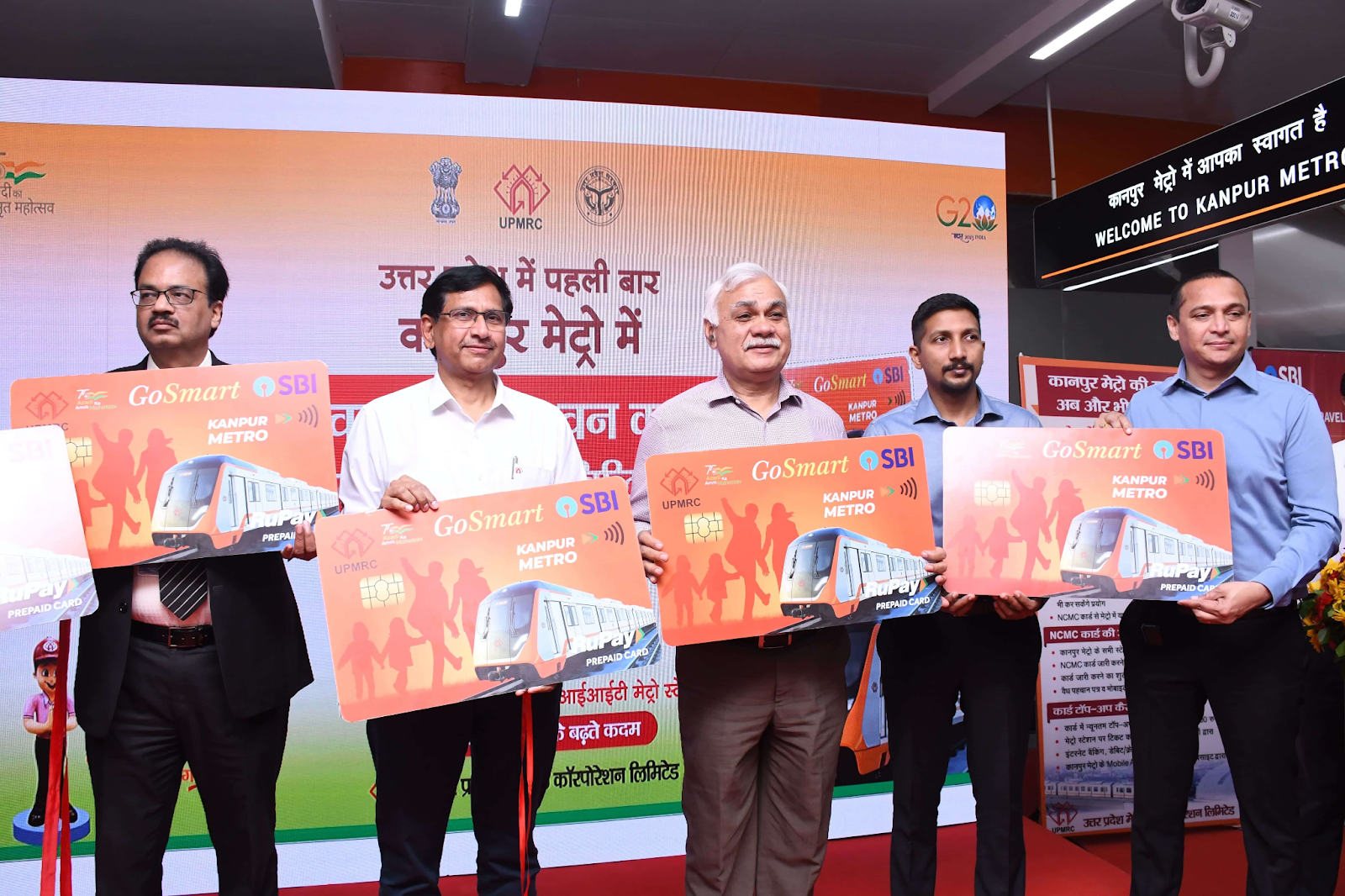
To encourage wider public adoption, UPMRC is focusing on affordable fare options. The fare structure remains highly competitive compared to private and intermediate transport modes. For example, the current fare from IIT Kanpur to Kanpur Central, covering 14 stations over a distance of about 16 km, is only ₹40, making it a very economical travel option. The use of NCMC GO smart cards offers an additional 10% discount on each journey, while periodic promotional offers and commuter-friendly schemes are designed to encourage regular and repeat usage.
Improved last-mile connectivity forms another important pillar of ridership growth. Coordination with city bus services, shared mobility providers, and e-rickshaws is being strengthened, and park-and-ride facilities are being planned at selected stations to attract users who currently rely on private vehicles. Passenger comfort and service reliability are also being emphasized through high standards of cleanliness, safety, and security, air-conditioned trains and stations, predictable and on-time services, and real-time passenger information systems that enhance the overall travel experience.
Public awareness and outreach campaigns play a key role in shaping travel behaviour. These initiatives highlight the time savings, cost efficiency, and environmental benefits of metro travel, while targeted engagement with educational institutions, offices, and residential communities helps promote regular metro usage. A seamless digital experience further supports ridership growth, with mobile applications offering journey planning, ticketing and recharge options, and service updates, along with future integration into broader urban mobility platforms as they evolve.
Question 7.What steps is UPMRC taking to strengthen last-mile connectivity around Kanpur Metro stations?
Answer: UPMRC is placing strong emphasis on seamless last-mile connectivity to ensure that Kanpur Metro is convenient, accessible, and attractive for daily commuters. A key focus area is the integration of the metro system with feeder and city transport services. UPMRC is coordinating closely with city bus operators to align routes and stopping points with metro stations, enabling smoother transfers for passengers. Designated feeder service areas and shared mobility zones are being developed near stations to facilitate easy interchange, while the organised use of e-rickshaws and auto-rickshaws as station-linked last-mile options is being encouraged to provide reliable connectivity to surrounding neighbourhoods.
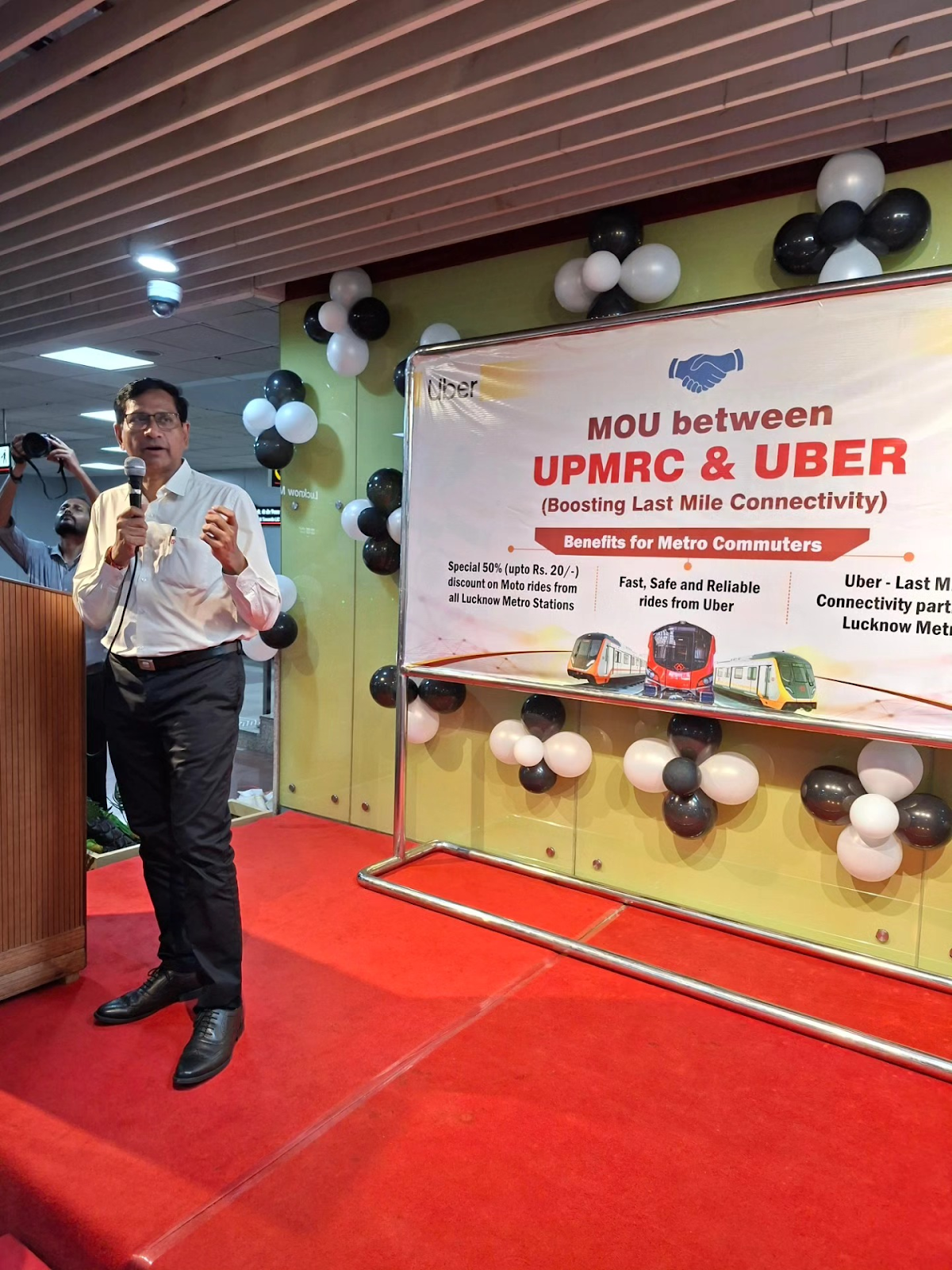
MoUs have been signed with various aggregators to provide last- and first-mile connectivity. Aggregators such as Uber, Rapido and Ajivika E-Mobility are providing last-mile connectivity. Lucknow Metro has also tied up with Lucknow City Transport Service Limited (LCTSL) to rationalise city bus routes to strengthen last- and first-mile connectivity. Many other MoUs with mobility partner aggregators are under process.
Park-and-ride facilities are another important element of this strategy. Designated parking areas for two-wheelers and cars have been developed at metro stations, particularly to cater to commuters traveling from peripheral and suburban areas. By providing structured parking, these facilities help reduce roadside congestion near stations and encourage commuters to shift to metro travel for longer trips into the city.
UPMRC is also working closely with local civic authorities on station-area planning and improvements. This includes coordination on road reorganisation, traffic management measures, and the removal of encroachments around station precincts to ensure smooth pedestrian and vehicular movement.
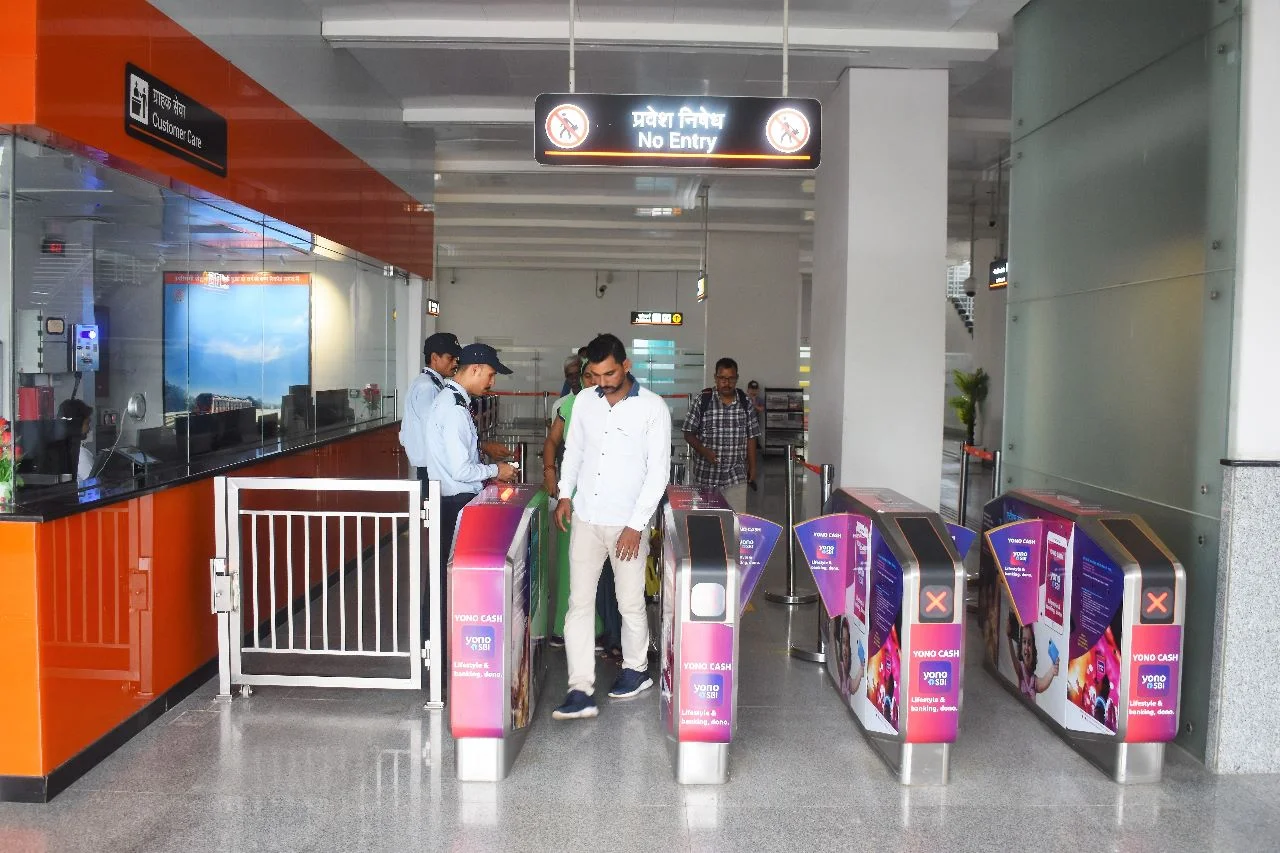
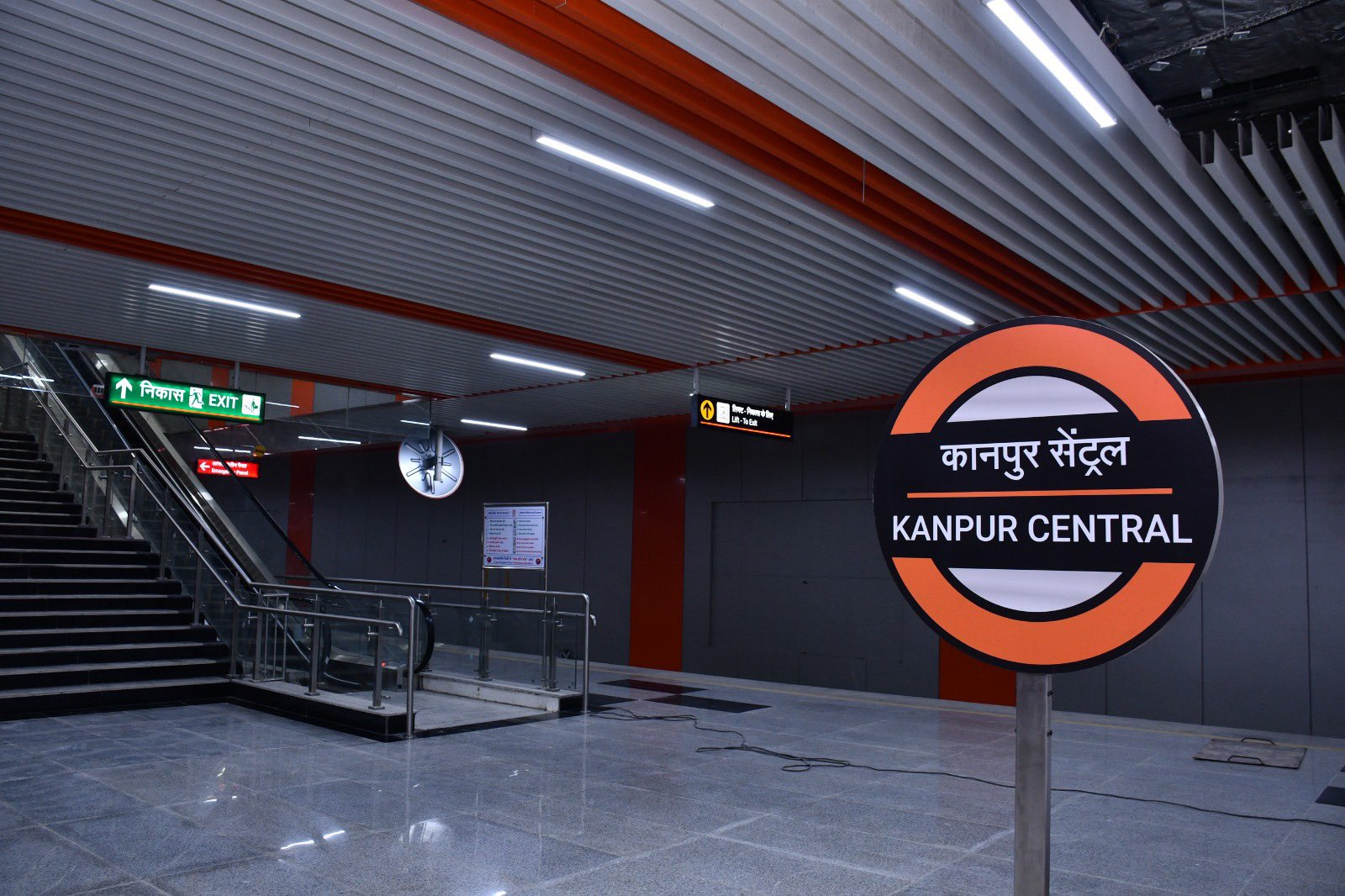
Clear passenger information and effective wayfinding systems further support seamless last-mile connectivity. Stations are equipped with clear signage guiding passengers to exits, feeder services, and nearby landmarks. Digital platforms and mobile applications are also being used to provide real-time information on routes, connectivity options, and journey planning, helping passengers make informed travel decisions.
Question 8.Could you explain the sustainability initiatives implemented in the Kanpur Metro system?
Answer: Kanpur Metro has embedded sustainability into both its system design and day-to-day operations, with a strong emphasis on energy efficiency, renewable energy adoption, and the reduction of environmental impact. From the planning stage itself, the project has adopted best-available technologies to minimize energy consumption across stations and rolling stock. Regenerative braking systems have been installed in metro trains as well as in elevators, enabling the recovery and reuse of braking energy. All stations are equipped with LED lighting, while energy-efficient HVAC systems use CO₂ sensor-based controls to optimize ventilation based on occupancy. Escalators are designed with crawling or sleep modes and reduced-speed operation during periods of low passenger load. These systems are further supported by Building Management Systems and timer-controlled lighting, along with real-time monitoring of all major electrical load points to ensure optimal energy use.
Beyond technology adoption, Kanpur Metro has strengthened sustainability through smart operational practices. Equipment room temperature settings have been optimised and maintained at 27–28°C instead of the conventional 24°C, significantly reducing cooling loads without compromising performance. Chiller operations are rationalised based on ambient weather conditions, and energy consumption patterns are continuously monitored and fine-tuned to identify further efficiency gains.
Renewable energy integration forms another cornerstone of the sustainability strategy. Rooftop solar power plants have been commissioned at metro depots and stations to reduce dependence on conventional grid electricity. At present, UPMRC has an installed solar capacity of 4.41 MW, with an additional 5 MW under implementation across the Kanpur, Lucknow, and Agra metro systems, further strengthening the shift toward clean energy.
Green building and design standards have also been rigorously applied across the network. Kanpur Metro stations comply with the Indian Green Building Council (IGBC) Platinum standards, which represent the highest level of green certification. Notably, UPMRC is the first metro network in India where all stations across the network have achieved IGBC Platinum ratings, setting a national benchmark for sustainable urban transport infrastructure.
These initiatives have delivered measurable environmental benefits. Since its inception, UP Metro systems, including Kanpur Metro, have achieved an overall reduction of approximately 39% in energy consumption. This translates into savings of nearly 70 lakh electricity units annually, amounting to about ₹5 crore per year, while also significantly reducing carbon emissions and contributing to a cleaner urban environment.
The sustained focus on sustainability has earned national recognition. Kanpur Metro received the National Energy Conservation Award 2025 (Certificate of Merit) for the IIT Kanpur Metro Station, underscoring the effectiveness of its energy management practices.
In summary, Kanpur Metro’s sustainability strategy integrates advanced technologies, smart operational practices, renewable energy, and green building standards to deliver a clean, efficient, and environmentally responsible urban transport system that supports long-term sustainable development.
Question 9.Could you outline the key technological systems being used in Kanpur Metro for improving operational efficiency and system reliability?
Answer: Kanpur Metro has deployed a comprehensive suite of advanced and proven technologies to ensure high levels of operational efficiency, safety, and system reliability, fully aligned with international metro standards. At the core of its operations is a Communication-Based Train Control (CBTC) signalling system, which enables precise train movements, shorter headways, and a high degree of operational safety and reliability. This system allows continuous, real-time monitoring of train location, speed, and performance from the Operation Control Centre, ensuring smooth and tightly controlled train operations across the network.
The rolling stock used on the Kanpur Metro is based on modern, energy-efficient technology. Metro coaches are equipped with regenerative braking systems and advanced propulsion and braking controls that reduce energy consumption while maintaining high performance. Onboard diagnostic systems continuously monitor equipment health, enabling early fault detection and predictive maintenance, which in turn improves reliability and reduces service disruptions.
All operations are centrally managed through a state-of-the-art Operations Control Centre (OCC). The OCC integrates and supervises train operations, power supply, signalling, telecommunications, station systems, and passenger information services. This centralized control enables quick decision-making, efficient incident response, and continuous service optimization, ensuring high punctuality and operational resilience.
Power supply and energy management are supported by Supervisory Control and Data Acquisition (SCADA) systems, which provide real-time monitoring and control of both traction and auxiliary power systems. In addition, energy monitoring systems track consumption at all major load points, helping operators identify efficiency improvements and optimize energy use across the network.
Station infrastructure is managed through a centralized Building Management System (BMS), which controls lighting, HVAC systems, escalators, and lifts. The use of BMS and timer-based controls ensures that energy consumption is optimized without compromising passenger comfort, particularly during off-peak hours.
A robust telecommunications network underpins all metro operations. An optical fiber-based communication backbone connects stations, depots, and the OCC, supporting train radio communication, public address and passenger information systems, and extensive CCTV and security networks. This integrated communication framework ensures seamless coordination and reliable information flow throughout the system.
Safety and security are reinforced through comprehensive CCTV surveillance with centralized monitoring, along with advanced fire detection and suppression systems, platform safety installations, and emergency communication facilities. These safety systems are fully integrated with the OCC, enabling rapid response and coordinated action during any emergency situation.
Kanpur Metro also employs intelligent escalators fitted with VVVF drives and sleep or crawling modes. These features enhance equipment reliability, reduce mechanical wear and tear, and significantly lower energy consumption during periods of low passenger usage.
Passenger convenience is further enhanced through a modern digital ticketing and fare collection system. The Automated Fare Collection (AFC) system supports smart cards, QR-code-based tickets, and multiple digital payment platforms, reducing queuing time, improving passenger throughput, and generating valuable travel data for service planning and improvement.
By integrating these advanced technologies, Kanpur Metro delivers high service reliability and punctuality, optimised energy use with lower operating costs, and enhanced passenger safety, comfort, and access to information. At the same time, the system remains scalable and future-ready, capable of supporting network expansion and increasing ridership, thereby ensuring that Kanpur Metro operates as a modern, efficient, and dependable urban transit system.
Question 10. What message would you like to convey to the readers of Metro Rail News?
Answer: Kanpur Metro is more than just a transport project it represents a new shift in urban mobility in Tier-II cities of India. The experience so far clearly shows that with the right planning, strong governance, use of modern technology, and a focus on sustainability, metro systems can be delivered efficiently, operated cost-effectively, and made financially resilient even beyond metropolitan cities.
Through phased implementation, energy-efficient operations, strong non-farebox revenue models, and Transit-Oriented Development, UPMRC is demonstrating that metro rail can be a catalyst for cleaner mobility, planned urban growth, and economic opportunity. Kanpur Metro, along with Lucknow and Agra Metro systems, reflects how public transport can be inclusive, reliable, and environmentally responsible while remaining financially disciplined.
To the readers of Metro Rail News, the message is clear: the future of urban transport in India lies in integrated, sustainable, and commuter-centric systems. Metro rail projects, when aligned with smart city planning and long-term financial strategies, have the potential to transform cities, improve the quality of life, and set new benchmarks for infrastructure development. Kanpur Metro is a step in that direction, and its journey has only just begun.
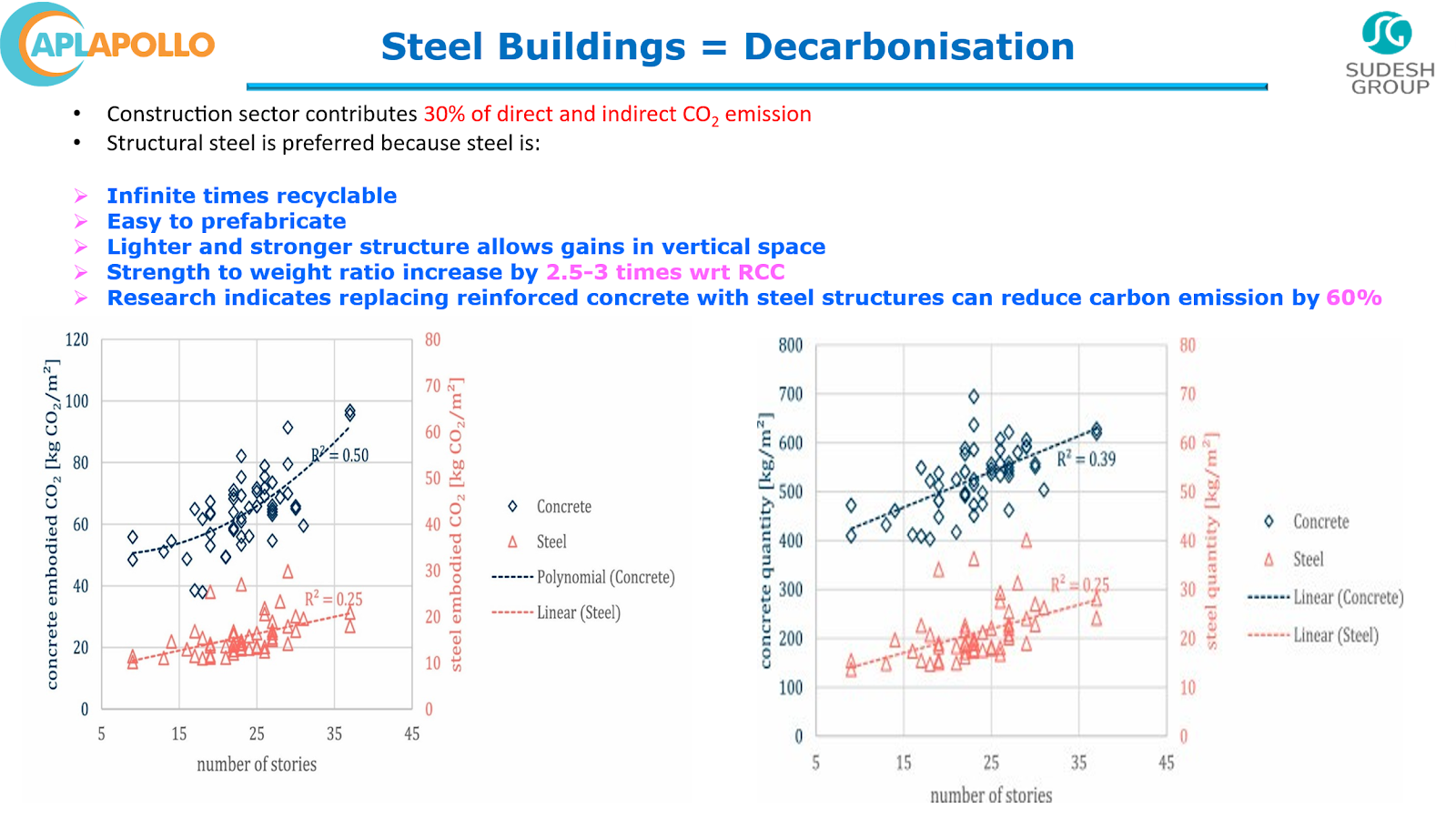
Steel has always been more than just a material for construction. It is the backbone of industrialization, the foundation of infrastructure, and the silent partner in every nation’s growth story. India today is standing at the threshold of unprecedented expansion, with 150 new airports planned by 2030, 2,500 hospitals, redevelopment of 1,000 railway stations, nearly 1 billion square feet of commercial workspaces, and around 70 million new homes. The scale is extraordinary, and steel will be the core enabler of this transformation. But growth cannot come at the cost of our environment. The construction sector alone contributes nearly 30 percent of direct and indirect carbon dioxide emissions, and if we continue down the conventional path, we risk compromising our climate goals and future generations’ well-being. The National Mission on Sustainable Steel challenges us to change this equation, to ensure that the very material driving growth also becomes the force that decarbonizes our economy.
At APL Apollo, we have embraced this mission by embedding sustainability into every layer of our operations. We have not treated it as a compliance requirement but as a responsibility and an opportunity. Our efforts begin at the resource stage. Through a 56 MW open-access solar plant, we are reducing dependence on fossil energy. By deploying 30 electric vehicles for inbound raw material logistics and in-plant movement, we are cutting emissions in transportation. Water, one of the most precious resources, is conserved through two large rainwater harvesting ponds of 45,000 and 50,000 kilolitres capacity and is supported by 18 recharge pits, ensuring that our plants in Raipur, Murbad, and Mallur operate as zero-liquid discharge facilities. These initiatives are not symbolic; they are measurable and impactful actions that directly contribute to national sustainability targets.
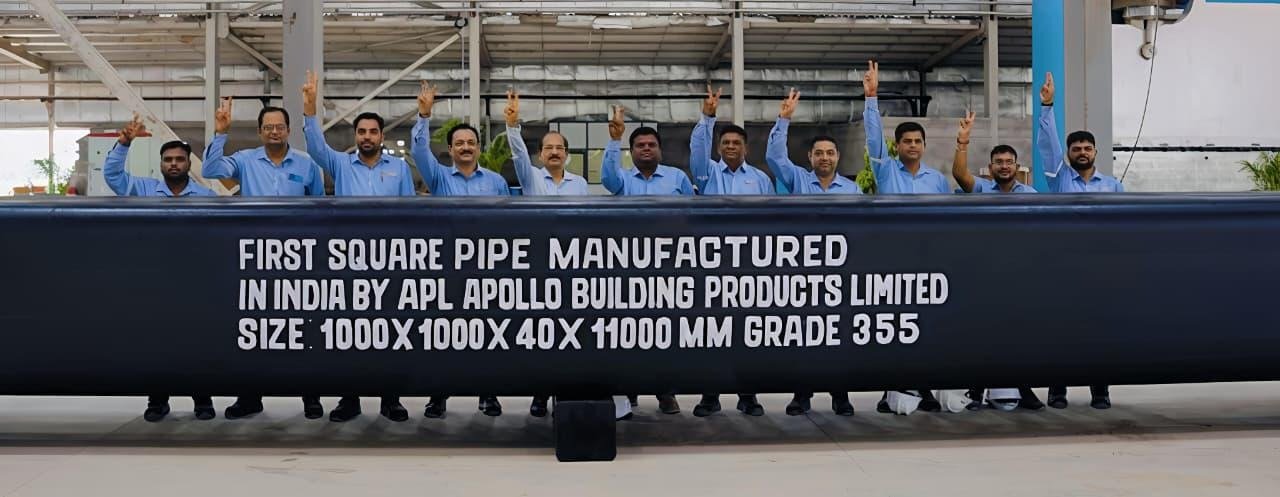
Sustainability for us is also about innovation in steel products themselves. We take pride in being pioneers under the “Steel for Green” concept. Our readymade steel solutions like chaukhat, planks, fences, and handrails have replaced traditional wooden applications, saving nearly 400,000 trees every year. This is not just a product substitution; it is an example of how steel can become a protector of forests and biodiversity. Our journey has also been defined by groundbreaking product innovations. India’s first 500x500x20 mm structural steel tubes, India’s first and the world’s second 1,000×1,000×40 mm structural steel tubes.
The world’s first color-coated Flat Product with marble, wood, wrinkle, and camouflage finishes, and the world’s first thicker color-coated flat steel products up to 3.0 mm are all examples of how we are reimagining steel for sustainability. Each of these innovations contributes to reducing reliance on high-emission reinforced concrete, as research confirms that switching from RCC to steel structures can cut carbon emissions by up to 60 percent. With a strength-to-weight ratio nearly three times higher than RCC, steel allows us to build taller, lighter, and faster, optimizing both resources and emissions.
Our patented tubular solutions and products like Purlio purlins are further advancing sustainable construction. With multi-layered protection, durability, and aesthetic finishes, they provide not only structural strength but also long-lasting sustainability benefits. In the emerging field of renewable energy infrastructure, our pre-painted galvanized and galvalume solar structures are setting new standards. They offer greater strength, flexibility, corrosion resistance, and reliability while supporting the growth of clean energy in India. In this way, steel is not only becoming greener but is also enabling the very industries that will drive India’s low-carbon transition.
While manufacturing and innovation are critical, the final test of sustainability lies in how the market embraces it. Consumers and industries today are demanding products that align with environmental and social responsibility. At APL Apollo, we have integrated ESG – environmental, social, and governance principles – at the heart of our business. This means that along with reducing our environmental footprint, we create a positive social impact through employment, community development, and support for sports.
We ensure workplace safety, inclusivity, and fairness in governance, building trust with all our stakeholders. These practices are not only about doing good but also about strengthening our competitiveness in global markets. With 11 plants, 4.3 million tonnes of annual capacity, and presence in 30 countries, our sustainability journey gives us both a domestic advantage and a global footprint. Awards such as Sustainable Organization of the Year by ET Edge and Brand of the Decade at the Goal Fest Conclave reaffirm that sustainability and profitability can go hand in hand.
The National Mission on Sustainable Steel is, however, not a responsibility of one company or one sector. It is a collective national movement. Policymakers must create enabling frameworks, industry players must invest in cleaner technologies and innovation, and markets must reward sustainable products. If we succeed, we will not only meet India’s domestic infrastructure goals but also position ourselves as a global leader in green steel. The world is already demanding low-carbon materials, and India, with its scale and innovation, has the potential to become a global hub for sustainable steel production and exports. Imagine Indian green steel not only building our airports and metros but also becoming the backbone of sustainable construction in cities across the world.
If we embed sustainability into every stage of this journey, the structures we build will not only stand as symbols of progress but also as testaments of our responsibility towards the planet. At APL Apollo, we are committed to this journey with innovation as our strength, responsibility as our guiding principle, and sustainability as our legacy. Together, let us ensure that the National Mission on Sustainable Steel becomes not just a vision but a reality, one that builds an India that is stronger, smarter, and greener.
Brajesh Nahar
Director & COO
APL Apollo Building Products Ltd.
Disclaimer-The views and opinions expressed in this article are solely those of the author and are intended for informational purposes only. Certain data, research inputs, and graphical representations have been sourced from publicly available open sources on the internet and are used here for reference and illustrative purposes.
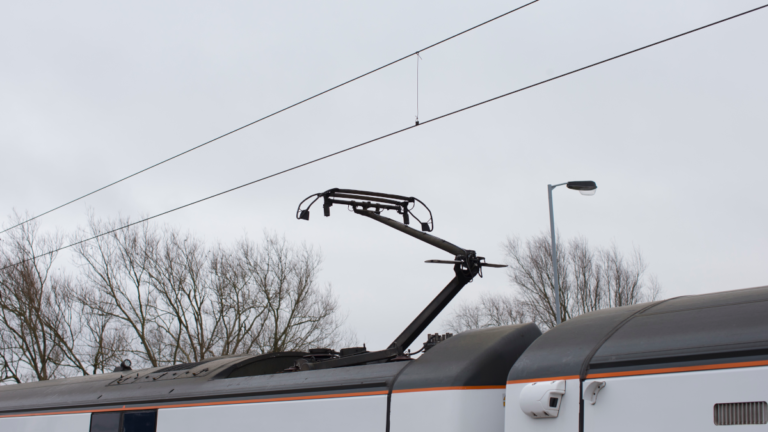
NEW DELHI (Metro Rail News): Wabtec Corporation has secured multiple contracts to supply more than 680 pantographs for six major commuter rail and metro projects across India, the company announced on March 13, 2026. The advanced pantograph systems will improve overall fleet availability for the projects while providing more reliable, efficient, and sustainable rail operations across India’s rapidly expanding electrified rail network.
Under these contracts, Wabtec will supply pantograph systems for Chennai Metro Phase-II, Mumbai Metro Lines 4, 5, and 6, and Indian Railways’ Mainline Electric Multiple Unit (MEMU) and Vande Bharat Sleeper programs. The company will manufacture the systems at its state-of-the-art transit facility in Hosur, Tamil Nadu, with deliveries scheduled to begin in late 2026.
Project Breakdown
Metro Projects:
Chennai Metro Phase-II
Mumbai Metro Line 4
Mumbai Metro Line 5
Mumbai Metro Line 6
Indian Railways Projects:
Mainline Electric Multiple Unit (MEMU) program
Vande Bharat Sleeper program
Industry Significance and Strategic Importance
“India continues to make substantial investments in modernizing and expanding its commuter rail infrastructure,” said Ajay Mani, Managing Director, Wabtec Transit India (FTRTIPL). “These orders underscore the trust our customers place in Wabtec and our longstanding commitment to the country’s rail ecosystem. Our proven pantograph technology is designed for modern mobility needs and capable of operating in even the most demanding service conditions.”
Discover how AI is bringing the next phase of sustainable urban rail mobility for Viksit Bharat at InnoMetro 2026, India’s prime exhibition and conference for metro & railways, which is going to be held on 21-22 May 2026 at Bharat Mandapam, New Delhi.
Railways and urban rail systems are among the largest institutional consumers of electricity in India. As the networks expand, train frequencies increase, the share of electric traction and energy demand across Indian Railways and metro systems has risen steadily over the past decade. At the same time, the rail sector faces mounting pressure to reduce operational costs and align with national commitments on climate change and carbon reduction.
Against this backdrop, solar power has emerged as a practical option. Falling module prices, improved efficiency, and supportive government policies have made solar energy increasingly viable for large infrastructure operators. For rail systems, which possess extensive roof space at stations, depots, workshops, and land along corridors, solar power offers a decentralised and scalable energy solution.
Over the years, Indian Railways and several metro operators have begun integrating solar power into their energy mix, primarily for non-traction loads and auxiliary systems. Since 2014, the nation has invested more than USD 5.5 billion (INR 464.25 billion) in railway electrification. Today, Indian Railways’ BG rail network is 99.2% electrified. The pace of electrification of railways in India has far outpaced other regions like China, the UK, and Japan.
While solar energy alone cannot meet the entire power requirement of rail operations, its role in reducing grid dependence and improving energy sustainability is becoming paramount. The focus is now shifting from pilot installations to systematic adoption across the rail ecosystem.
Relevance of Solar Energy in Rail Infrastructure
Availability of Rooftop and Right-of-Way Assets
Rail infrastructure presents a unique operational environment where solar power can be deployed efficiently without disrupting core services. One of the primary advantages lies in the availability of large, underutilised surfaces. Railway stations, maintenance depots, workshops, administrative buildings, and parking structures offer high rooftop potential, while land parcels along tracks and yards can support ground-mounted installations where feasible.
Alignment Between Daytime Energy Demand and Solar Generation
From a demand perspective, rail systems consume substantial electricity during daylight hours for station operations, signalling, workshops, and auxiliary services. This aligns well with solar generation profiles, allowing a higher share of power to be consumed on-site and reducing transmission losses. As a result, solar installations can directly offset grid electricity drawn during peak daytime periods.
Cost Competitiveness and Tariff Predictability
Cost considerations further strengthen the case. Over the past decade, solar tariffs in India have declined sharply, which makes solar power competitive with conventional grid supply. For rail operators, long-term power purchase agreements and captive solar plants provide tariff predictability and insulation from future electricity price volatility.
Decentralised Generation and Energy Resilience
Additionally, decentralised solar generation improves energy resilience. By diversifying power sources, rail networks can reduce exposure to grid disruptions while gradually progressing toward sustainability targets. These factors together explain why solar power is increasingly being viewed as a strategic energy asset rather than a peripheral initiative.
Contribution to Sustainability and Emission Reduction Goals
IR is commissioning hundreds of megawatts of solar capacity for both traction (629 MW for trains) and non-traction (269 MW for stations and buildings) needs. These efforts are central to IR’s goal of becoming a Net Zero Carbon Emitter by 2030, complementing other measures like route electrification and energy efficiency.
Adoption of Solar Power in Rail Systems in India: Progress on Green Rail Mobility
Indian Railways: Solar Power Extending into Traction and Non-Traction Applications Indian Railways has moved beyond pilot-scale renewable energy initiatives to a more structured deployment of solar power across its network. As of the current phase of implementation, the IR has commissioned a total solar capacity of 898 MW, which reflects the IR’s effort to integrate renewable energy into core railway operations.
Solar power is no longer limited to auxiliary consumption. Around 629 MW, accounting for nearly 70% of the commissioned solar capacity, is being utilised for traction purposes. This outlines an important shift, as solar-generated electricity is now contributing directly to the power requirements of electric train operations, thereby reducing dependence on conventional grid electricity for traction energy.
The remaining 269 MW of solar capacity is dedicated to non-traction applications, including station lighting, service buildings, workshops, maintenance depots, hospitals, and railway residential colonies. By meeting these requirements through solar power, Indian Railways has been able to lower electricity costs, minimise conventional energy consumption, and improve overall energy security across its infrastructure.
This dual utilisation covering both traction and non-traction loads indicates a growing maturity in renewable energy planning within Indian Railways. Solar power is increasingly being positioned as an integral component of the railways’ long-term energy strategy rather than a peripheral sustainability measure.
Solar on Track
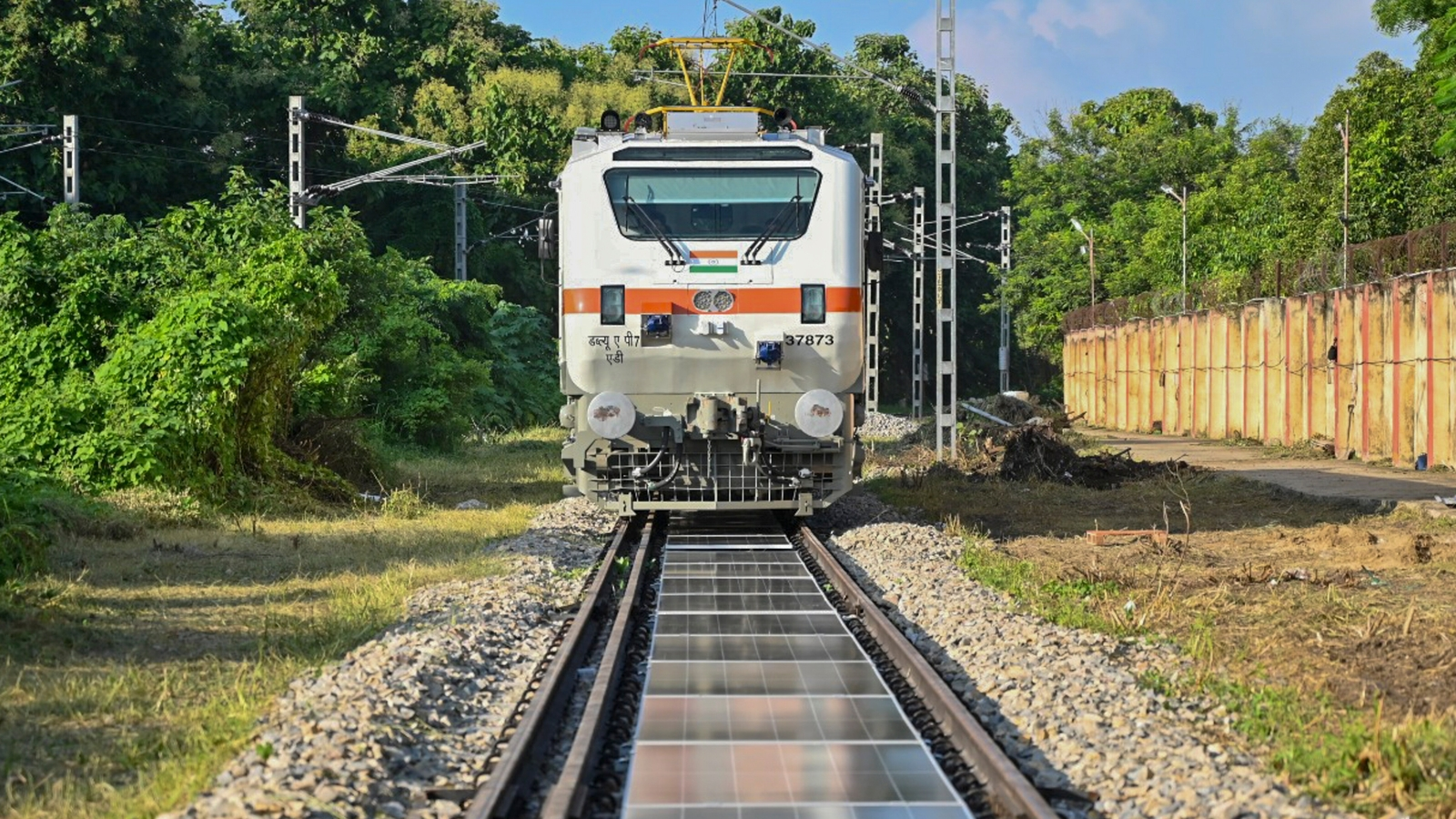
The Solar Track initiative (also referred to as “Solar on Track”) represents a major shift in how Indian Railways and rapid transit systems utilise existing infrastructure to generate renewable energy. This involves installing solar panels in the previously unused space between the rails.
BLW Rolls Out India’s First Removable Solar Panel System Between Tracks
Indian Railways, through Banaras Locomotive Works (BLW) in Varanasi, successfully launched its first removable solar panel system between tracks in August 2025. It features 28 bifacial panels on a 70m stretch, generating 15 kWp (around 67 units daily) of clean energy without land acquisition, using vibration-resistant mounts for easy maintenance.
NCRTC: Exploring Track-Level Solar Deployment
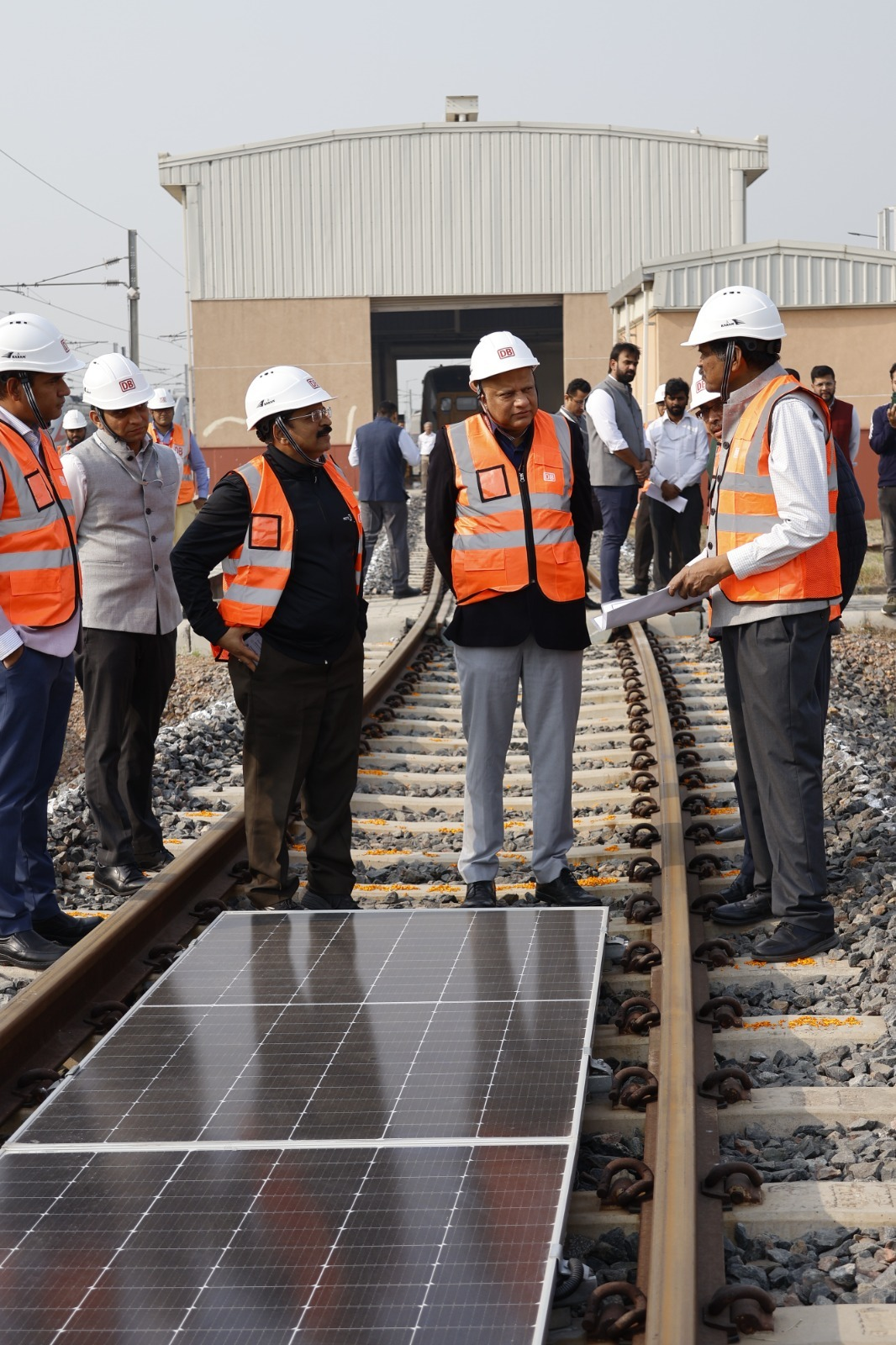
The National Capital Region Transport Corporation (NCRTC) has taken a distinct approach to renewable energy adoption through the implementation of a ‘Solar on Track’ initiative at the Namo Bharat Depot in Duhai. Unlike conventional rooftop or ground-mounted installations, this project involves installing solar panels directly on railway track infrastructure.
The pilot project has been executed on the Pit Wheel Track within the depot premises. It comprises 28 solar panels, each rated at 550 Wp, resulting in a total installed capacity of 15.4 kWp, spread across approximately 70 metres of track length. The system is designed to generate around 17,500 kWh of electricity annually, which will be utilised to meet depot-level energy requirements.
Beyond energy generation, the initiative demonstrates the potential for optimising limited infrastructure space in high-density transit systems. The project is expected to lead to an annual reduction of about 16 tonnes of CO₂ emissions, contributing to NCRTC’s broader sustainability objectives. While the installation remains at a pilot scale, it provides a valuable proof of concept for alternative solar deployment models in rail environments where land and rooftop availability may be constrained.
This experiment reflects a growing willingness among rail operators to explore unconventional yet practical solutions for integrating renewable energy into operational assets.
If these pilot projects remain successful and this initiative is expanded across the 1.2 lakh km national rail network, especially in yard lines, the system could generate up to 3.21 lakh units of electricity per kilometer annually.
NCRTC’s Broader Solar Adoption Across the RRTS Corridor
Beyond pilot initiatives, NCRTC has been steadily integrating solar infrastructure across operational assets on the Delhi-Ghaziabad- Meerut RRTS corridor. At present, 6 RRTS stations, along with 2 depots and associated receiving substations, are operating with on-site solar installations. These deployments shows NCRTC’s systematic approach to renewable energy adoption at both passenger-facing and core operational facilities.
Current Operational Solar Infrastructure on Delhi-Ghaziabad-Meerut Corridor
Asset / Location
Type of Facility
Installed Solar Capacity
Sahibabad Station
RRTS Station
729 kWp
Guldhar Station
RRTS Station
729 kWp
Ghaziabad Station
RRTS Station
Approx 1 MWp
Duhai Depot
Depot
585 kWp
Duhai Depot Station
Depot Station
108 kWp
Murad Nagar Receiving Sub Station (RSS)
Receiving Sub Station
43 kWp
Ghaziabad Receiving Sub Station (RSS)
Receiving Sub Station
20 kWp
Meerut South Station
RRTS Station
717 kWp
Metro Rail Systems: Integration at Stations and Depots
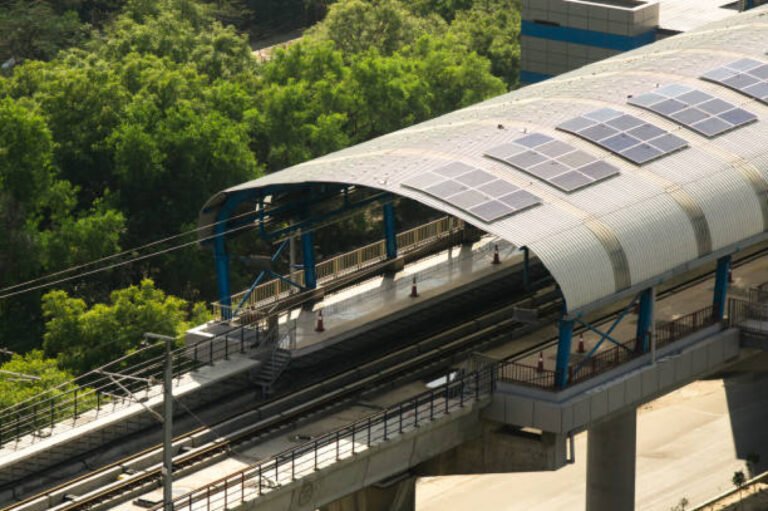
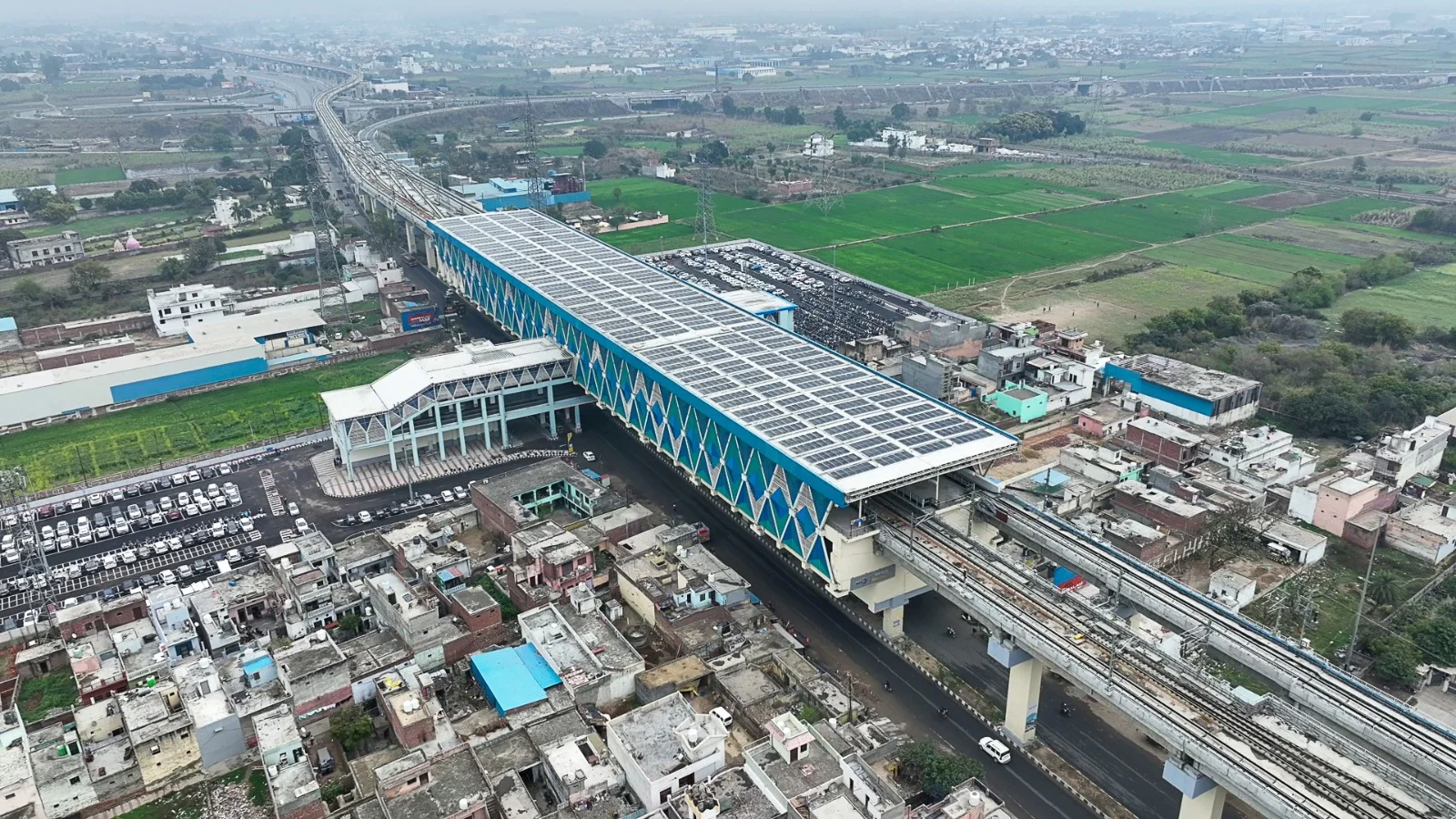
Metro rail operators, including those in Delhi, Hyderabad, Bengaluru, Jaipur, Kochi, Mumbai, Nagpur, and Pune across Indian cities, have actively incorporated solar power into their infrastructure planning. In addition to this, the rooftop solar installations at stations, depots, and OCC buildings are increasingly being integrated at the design stage itself, particularly in newer metro projects. In several operational networks, solar energy contributes to station-level power needs, escalators, lifts, ventilation, and administrative functions. DMRC meets a significant portion of its energy demand (over 35%) through renewable sources. The Delhi Metro installed a vertical bi-facial solar plant on an elevated viaduct at Okhla Vihar and a 1 MW rooftop solar plant at Khyber Pass depot.
Unlike mainline railways, metro systems operate within dense urban environments where rooftop solar remains the most viable option. While land constraints limit large-scale installations, consistent adoption across stations has enabled metro operators to offset a portion of their electricity demand and demonstrate measurable reductions in operational emissions.
Operational and Economic Benefits of Solar-Powered Rail Infrastructure
The growing deployment of solar installations across Indian Railways, metro systems, and the RRTS network highlights a clear shift toward structured energy planning. As reflected in NCRTC’s operational assets listed in the table above, solar power is no longer confined to symbolic installations but is being applied across stations, depots, and traction-support infrastructure in a measurable manner.
Reduction in Electricity Costs and Exposure to Tariff Volatility
One of the most immediate benefits is a reduction in electricity expenditure. On-site solar generation allows rail operators to offset grid consumption during peak daytime hours, when commercial tariffs are typically higher. For large networks with predictable daily energy demand, this translates into tangible cost savings over the lifecycle of the asset.
Measurable Contribution to Carbon Emission Reduction
Beyond economics, solar adoption supports emission reduction objectives without compromising operational efficiency. By substituting conventional electricity with renewable energy for both traction and non-traction applications, rail systems are able to lower their carbon footprint in a measurable and verifiable manner. This balanced integration of sustainability with operational practicality underscores why solar power is increasingly viewed as a strategic approach rather than an optional add-on.
Limitations in Deploying Solar-Powered Rail Infrastructure
Intermittency and Mismatch with Round-the-Clock Operations
The primary limitation of solar energy lies in its intermittent nature. Rail systems operate continuously, with traction and auxiliary loads extending well beyond daylight hours. Solar generation, by contrast, is restricted to daytime and is subject to seasonal and weather-related variability. As a result, solar power cannot function as a primary energy source for rail operations and must remain integrated with grid-based supply. The limited deployment of large-scale energy storage solutions further constrains the ability to fully use solar power for continuous rail services.
Land Availability and Structural Constraints
Indian Railways possesses infrastructure assets, however not all locations are suitable for solar deployment. Rooftop installations depend on structural strength, orientation, and available surface area, which can vary widely across stations and legacy buildings.
Safety, Maintenance, and Operational Considerations
Solar installations within active rail environments must comply with stringent safety norms. The proximity to overhead equipment, traction systems, and moving rolling stock necessitates careful design, insulation, and maintenance planning.
Integration with Traction Power Systems
Although solar power is increasingly being used for traction through off-site and captive arrangements, direct integration with high-voltage traction systems remains challenging. Traction power networks are designed for reliability and stability, and integrating variable renewable energy sources requires strong grid coordination and regulatory approvals. These factors add more complexity to implementation timelines and institutional frameworks.
Conclusion
The integration of solar power into rail infrastructure shows a pragmatic response to rising energy demand, cost pressures, and sustainability commitments across the rail sector. The available data from Indian Railways, metro systems, and the RRTS network shows that solar energy has moved beyond pilot initiatives to become an operational resource supporting both traction and non-traction requirements. The scale of deployment, particularly in traction-linked applications, indicates growing capability in renewable energy as part of long-term rail energy planning.
At the same time, solar power remains a supplementary source rather than a standalone solution. Its effectiveness depends on careful integration with grid supply, appropriate deployment models, and adherence to operational and safety requirements.
The role of solar energy in rail systems will rely on multiple factors, including policy frameworks, technological improvements, and effective execution. In the long term, solar-powered rail infrastructure is expected to play a crucial role in steering rail transit systems toward greater sustainability, operational efficiency, and lower carbon emissions.
Explore how AI-integrated systems are improving comfort, connectivity, and accessibility for passengers across metro and rail networks at the 6th edition of InnoMetro, India’s leading expo for the Metro & Railway industry which is going to held on 21-22 May 2026 at Bharat Mandapam, New Delhi