




Home Latest Articles Transport Infrastructure in India: Challenges & Opportunities

भारतातील वाहतूक पायाभूत सुविधाः आव्हाने आणि संधी

भारतातील वाहतूक पायाभूत सुविधाः आव्हाने आणि संधी
ही बातमी ऐका
0:00
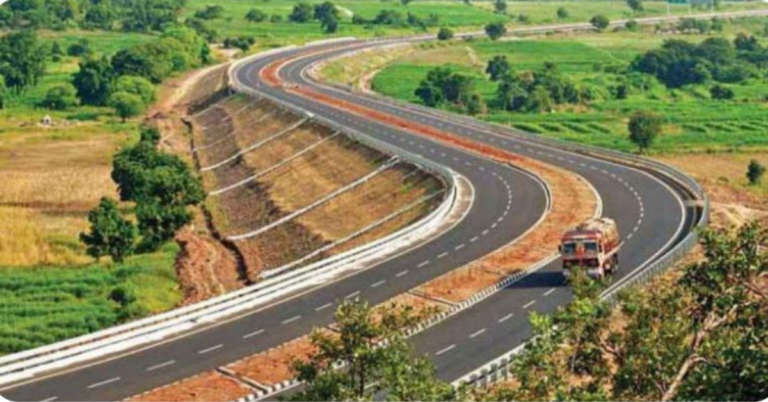
In the new millennium, India's transportation infrastructure has expanded by leaps and bounds. The Golden Quadrilateral national highway network, the Delhi Metro rapid transit system, and several public-private partnership airport projects in India's major metropolitan regions, including New Delhi, Mumbai, Bengaluru, and Hyderabad, to name a few, have not only revolutionised the capacity and quality of the country's transportation infrastructure but have also fueled the growth of other major infrastructure projects, including the Bharatmala project national highway project, high-speed and semi-high-speed rail projects, dedicated freight corridors, rapid-transit metro railways across significant cities and airport modernisation.Although India has significantly improved its transportation infrastructure over the last two decades, the country still has a long way to go to guarantee that it can meet the country's needs now and in the future. Therefore, it becomes imperative to size the investment opportunities and explore the most prominent issues that are crippling India's transportation infrastructure. Additionally, a closer look at the challenges that three groups of stakeholders—government agencies, concessionaires and contractors, and financiers—will face in capturing those opportunities also needs to be ascertained. Finally, the strategies these stakeholders can adopt to overcome the challenges can be summarised.Major ObstaclesIndia spends less money on transportation infrastructure than other developing nations. India, for example, has historically invested about 1% of its GDP in transportation infrastructure, whereas China increased its investments from 4.7 per cent of its GDP in 2014 to 6.5 per cent in 2017. Even developed countries with more mature infrastructure, such as France and Japan, spend roughly 1% of their GDP on transport infrastructure annually. Four significant problems are crippling India's transportation infrastructure as a result of this lack of investment:
  • अपुरे रस्तेः महामार्ग हा कोणत्याही विकसनशील क्षेत्राचा किंवा अर्थव्यवस्थेचा कणा असतो. असे असूनही, भारताने 2014 ते 2018 दरम्यान महामार्गाच्या विकासावर केवळ 38 अब्ज डॉलर्स किंवा त्याच्या जीडीपीच्या सुमारे 1 टक्के खर्च केले. याउलट, चीनने सातत्याने आपल्या जी. डी. पी. च्या सुमारे 1 टक्के महामार्गांमध्ये गुंतवणूक केली आहे. मागणीच्या तुलनेत पायाभूत सुविधांच्या गुंतवणुकीचा अपुरा पुरवठा देशाच्या रस्त्यांवर ताण आणत आहे. याव्यतिरिक्त, रस्ते हे भारतातील वाहतुकीचे सर्वात महत्वाचे मार्ग आहेत, जे एकूण मालवाहतुकीच्या 65 टक्के आहेत. यामुळे रस्ते आणि महामार्गांवर प्रचंड दबाव येतो आणि मर्यादित क्षमतेमुळे महामार्गांवर गर्दी होते आणि कामाचा वेग कमी होतो. प्रवासाच्या वाया गेलेल्या वेळेपैकी 8 ते 10 टक्के वेळ गर्दीच्या रस्त्यांमुळे जात असल्याने, गर्दीच्या मार्गिकांची क्षमता वाढविण्यासाठी नवीन मोटार मार्ग, नवीन आर्थिक मार्गिका आणि शहरी गर्दी कमी करणे यासारख्या जाळे सुधारणांची खूप गरज आहे.
  • सामाजिक कल्याण जबाबदाऱ्याः व्यवसायांच्या किंमतीवर सार्वजनिक सेवांना अनुदान देण्यासाठी सरकार वारंवार सामाजिक कल्याण जबाबदाऱ्यांखाली असतात; उदाहरणार्थ, मालवाहतूक व्यवहार रेल्वेवरील प्रवाशांच्या प्रवासाच्या खर्चाला अनुदान देतात. हे लक्षात घेतले जाऊ शकते की मालवाहतूक रेल्वे वाहतुकीचा खर्च वाढल्याने त्याचे आकर्षण कमी होते, परिणामी रेल्वेकडून एक सामान्य बदल होतो, महसूल निर्माण करण्याची सरकारची क्षमता मर्यादित होते आणि क्षमता वाढवू शकणारी गुंतवणूक मर्यादित होते, परिणामी प्रमुख मार्गांवरील सेवा खराब होते.
  • अपुरी विमानतळ क्षमताः येत्या काही वर्षांत भारताच्या विमान वाहतूक पायाभूत सुविधांमध्ये पुरवठा आणि मागणीतील मोठी तफावत असेल. उडान प्रादेशिक विमानतळाच्या विकासासारख्या उपक्रमांमुळे प्रादेशिक दळणवळणाच्या समस्या सोडवल्या जात असल्या तरी, विशेषतः भारतातील एकूण हवाई वाहतुकीच्या सुमारे 55 टक्के वाटा असलेल्या दिल्ली आणि मुंबई या महानगरांमध्ये विमानतळाची क्षमता वाढवणे हे एक आव्हान राहिले आहे. मोठ्या शहरांमध्ये गर्दीच्या समस्यांचे निराकरण करण्यासाठी आणि प्रवाशांना जागतिक दर्जाच्या सुविधा पुरवण्यासाठी भविष्यात किमान दोन ते तीन विमानतळांची आवश्यकता भासेल असा अंदाज आहे. नवी मुंबई आणि जेवर येथे नवीन ग्रीनफिल्ड विमानतळ विकसित करणे हा या धोरणाचा पुरावा आहे आणि योग्य दिशेने टाकलेले एक पाऊल आहे.
  • सार्वजनिक-खाजगी भागीदारीचा अभावः भारत ही मर्यादित आर्थिक संसाधने असलेली विकसनशील अर्थव्यवस्था असल्याने, जलद वाहतूक पायाभूत सुविधांच्या विकासासाठी खासगी सहभाग आवश्यक आहे. तथापि, 'वापरकर्ता-भरणा तत्त्व' लागू करण्यातील अडचणी आणि अनिश्चितता तसेच करारांची अंमलबजावणी करण्याशी संबंधित जोखीम, महसुलाची अनिश्चितता निर्माण करते. याव्यतिरिक्त, सार्वजनिक-खाजगी भागीदारीतील (पी. पी. पी.) यशाच्या संमिश्र नोंदीसह देशाच्या विकसित सवलतीच्या परिसंस्थेने पायाभूत प्रकल्पांमध्ये खाजगी सहभाग मर्यादित केला आहे-एकूण पायाभूत गुंतवणुकीच्या केवळ 15 टक्के खाजगी गुंतवणुकीचा वाटा आहे. भारताच्या पायाभूत सुविधांच्या वातावरणात गुंतवणूक टिकवून ठेवण्यासाठी, सामाजिक स्वीकृती आणि वापरकर्ता शुल्काची अंमलबजावणी, तसेच कंत्राटाची कठोर अंमलबजावणी आणि सवलतीच्या परिसंस्थेत निरंतर सुधारणा करणे आवश्यक आहे.
These are some of the primary causes of India's poor logistics efficiency. India's ranking on the World Bank's Logistics Performance Index has deteriorated over time, falling from 35 in 2016 to 44 in 2018—underscoring the importance of addressing the infrastructure deficit. For example, India's freight cost, which is one component of the Logistics Performance Index, is 13 to 14 per cent of GDP, whereas it is 9 to 10 per cent of GDP in other developed countries, highlighting the need for and potential economic effect of improving the country's transportation infrastructure.Addressing ChallengesThree groups of stakeholders—government agencies, concessionaires, and financiers—can address these challenges through a concerted and coordinated effort that addresses the following elements: sizing and evaluating the investment opportunity across sectors to identify the most appealing areas, understanding the challenges associated with capturing this opportunity, and strategising to overcome the challenges in order to maximise the opportunity entirely. 
  • सरकारी अधिकारीः प्रकल्पासाठीच्या वित्तपुरवठ्याचे प्रश्न, मंजुरीला होणारा विलंब, भूसंपादनास होणारा विलंब आणि सवलतीधारक आणि कंत्राटदाराची गैर-कामगिरी हे सर्व अपुऱ्या पायाभूत सुविधा व्याप्ती आणि गुणवत्तेला हातभार लावतात. रस्ते, रेल्वे, हवाई आणि बंदर या पायाभूत सुविधांमधील भारताच्या वाहतूक पायाभूत सुविधा व्यापक आणि अकार्यक्षम आहेत, ज्यामुळे पायाभूत सुविधांची गुणवत्ता आणि व्याप्ती वाढवण्याची तातडीची गरज अधोरेखित होते. प्रकल्प वित्तपुरवठ्याचे प्रश्न, वेळेवर भूसंपादन आणि मंजुरी आणि कंत्राटदाराच्या अकार्यक्षमतेमुळे परिस्थिती आणखी चिघळली आहे.
  • मोठ्या आगाऊ भांडवली खर्चाची आवश्यकता असल्यामुळे, सरकारी संस्थांसाठी प्राथमिक आव्हान म्हणजे प्रकल्पासाठी निधी मिळवणे. सामान्यतः, पायाभूत सुविधा विकास खर्च पहिल्या दोन ते तीन वर्षांत केला जातो, तर प्रकल्प सुरू झाल्यानंतर 20 ते 30 वर्षांच्या कालावधीत वापरकर्ता शुल्काच्या स्वरूपात प्रकल्पातून उत्पन्न गोळा केले जाते. परिणामी, मोठ्या प्रमाणात पायाभूत सुविधांना चालना देण्यासाठी आगाऊ सार्वजनिक आणि खाजगी क्षेत्राच्या मिश्र वित्तपुरवठ्याची आवश्यकता भासेल. पायाभूत सुविधांच्या विकासातील तांत्रिक हस्तक्षेपाच्या वेगवान उत्क्रांतीमुळे, आवश्यक असलेल्या आगाऊ गुंतवणुकीऐवजी एकूण जीवनचक्र खर्च आणि प्रकल्प परताव्याच्या आधारे गुंतवणुकीचे मूल्यांकन करणे आणि प्राधान्य देणे आवश्यक आहे.
Finding the right partners for efficient, timely, and cost-effective project execution, as well as assuring high-quality asset maintenance and operations, are also essential and demanding works. For example, several significant transportation infrastructure projects have been delayed in the past due to poor performance by contractors and concessionaires. Additionally, poor pre-project preparation that results in a shift in scope during execution can lead to disagreements between government officials and concessionaires, disrupting project execution.Monitoring the execution of ongoing projects is also a significant challenge for government agencies, given the country's enormous size and the broad spectrum of infrastructure projects. Moreover, there is a lack of emphasis on monitoring execution quality using objective metrics. In addition, the absence of strong project management skills (aside from a few high-profile projects such as the Delhi Metro's initial phases) leads to poor planning and delays. Defining the right metrics to review and monitor progress, as well as implementing cutting-edge technology, are essential components of monitoring on-the-ground execution. Delays in project execution also result in an increase in the costs needed to complete a project. For example, according to a Ministry of Statistics and Program Implementation report, delays in executing 205 Ministry of Railways projects have resulted in a $30 billion cost escalation, a 130 per cent increase over the original estimate.The need for multiple statutory approvals from various agencies is also a significant bottleneck for any infrastructure initiative in India. For example, in March 2019, the Supreme Court suspended the environmental clearance for the Mopa Airport in Goa, and work was halted. The court ultimately lifted the ban in January, but the delay pushed the project back by nearly a year. Similarly, road, rail, and metro projects require collaboration among numerous government agencies to relocate utilities and construct railway overbridges, underpasses, and tunnels. Projects are sure to be delayed in the absence of a well-thought-out master plan with a cross-functional steering team or a single window approval.Approvals from tribunals and litigations have been another issue that government agencies frequently encounter. Many urban infrastructure projects, such as metro rail systems, face difficulties in engaging local residents in order to alleviate their concerns about safety, pollution, and privacy. Delays in land purchase and clearance also result in project cost overruns, which leads to claims and arbitration by concessionaires. Several metro rail projects in Indian cities have escalated costs due to excessive land acquisition and construction delays. For example, the first section of the Bangalore metro can be considered a case in point, which was delayed by more than six years, resulting in approximately a $1.1 billion cost overrun.The Right to Fair Compensation and Transparency in Land Accession, Rehabilitation, and Resettlement Act of 2013 resulted in a rise in the average land purchase cost for greenfield projects. As a consequence, those costs increased from 10% to 25% of total capital costs for road projects. This has had a major impact on the government's capital requirements. Track doubling and tripling, as well as the laying of new railway tracks, are examples of how rising land costs affect project commercials, making them unviable. Multiple railway projects have become unviable as land prices have risen, accounting for roughly half of the total capital cost of laying a new route.
  • सवलतीदार आणि कंत्राटदारः सवलतीदार आणि कंत्राटदारांच्या व्यवहार्यतेवर प्रकल्पाचे वित्तपुरवठा, वेळेवर मंजुरी, परिचालनातील व्यत्यय आणि वापरकर्ता शुल्क संकलन यासारख्या समस्यांचा परिणाम होतो. सवलतीच्या रकमेसाठीचा प्राथमिक मुद्दा म्हणजे प्रभावी भांडवली व्यवस्थापन. नफा वाढवताना जोखीम कमी करणारा संपूर्ण पोर्टफोलिओ दृष्टीकोन असणे आवश्यक आहे. याव्यतिरिक्त, मोठे प्रकल्प राबवण्यासाठी वित्तीय संस्थांकडून पतपुरवठा होणे हा पायाभूत प्रकल्पांमध्ये स्वारस्य निर्माण करण्यात मोठा अडथळा आहे. बाजारातील पत टंचाईमुळे सवलतधारकांना, विशेषतः लहान ते मध्यम आकाराच्या सवलतधारकांना, पैसे गोळा करण्याच्या बाबतीत नुकसान होत आहे, ज्यामुळे प्रकल्पाला विलंब होत आहे.
Concerns about timely approvals remain, as does the need for a robust structural mechanism to mitigate risks beyond concessionaires' control. Delays occur at various project stages due to the need for approvals and clearances from an array of government entities, as well as unforeseen arbitration concerns. Given the size of the projects, excessive delays have frequently led to concessionaires going bankrupt.The infrastructure construction sector employs more than 33 million people, second only to agriculture. However, the vast majority of this labour force is untrained. With this mix of labour and India's expanding infrastructure projects, there is a severe shortage of trained labour to perform complex tasks such as tunnelling, boring, project planning, and design, particularly in urban areas. To achieve the desired level of quality in a cost-effective way, these complex activities necessitate extensive knowledge and expertise.Another significant issue is enforcing fee collections and raising fares on time. An increase in user fees is a sensitive issue that can affect concessionaires' recovery. Metro train fare increases, for example, have drawn widespread public and media scrutiny and, at times, resulted in lengthy arbitration and dispute resolution. Tolling disruptions in highway projects are also a concern. For example, a suspension in tolling during the recent COVID-19 pandemic has an effect on project revenues and concessionaire viability. Additionally, many initiatives have encountered difficulties in enforcing and collecting tolls. However, this is believed to be partly resolved with automated toll collections on highways via FASTag, NHAI's electronic toll collection system.Unpredictable occurrences also disrupt project planning, logistics, and feasibility. Natural disasters, such as floods, can cause initiatives to be delayed for years. For example, airport operations have recently been suspended due to flooding, resulting in substantial revenue loss for concessionaires. Similarly, as a result of geopolitical issues and trade conflicts, port viability can change dramatically in a short period of time due to a shortfall in the total quantity of commodities shipped through the port. A recent example is the COVID-19 pandemic, during which construction activities were stopped, causing most infrastructure projects to be delayed, resulting in higher project completion costs and lower returns.
  • वित्तीय संस्थाः लवकर आणि कार्यक्षम विवाद निवारणासाठी मजबूत कायदेशीर आणि नियामक चौकटीचा अभाव तसेच पायाभूत सुविधांच्या मूल्यांकनातील आव्हाने यामुळे वित्तीय संस्थांचा सहभाग मर्यादित आहे.
Investing in assets with revenue realisation risks is generally a source of constant concern for financiers. It is a difficult job to identify possible risks associated with infrastructure projects and to value the risk factor in the project appraisal. Non-performing assets can result from overlooking an essential risk or overvaluing the project. The problem of stalled projects and non-performing assets is well-known, and it continues to plague infrastructure-focused financial organisations. Revenue forecasts under various conditions must be carefully evaluated in novel scenarios such as greenfield airports in tier 2 cities and greenfield corridors of national highways with no history of tolls.Despite the fact that large marquee projects requiring significant investments have been conceptualised, the government continues to finance the majority of the projects despite a constraint on overall spending power. In addition, there has been a lack of a stable regulatory model and a strong governance mechanism to create investor trust, resulting in a lack of interest from financial institutions in proactively designing new products for infrastructure funding for both the government and private concessionaires.One of the primary causes of the mismatch between infrastructure demand and supply is financiers' absence of visibility into the long-term pipeline of projects. Infrastructure financing is a complicated legal and financial process that necessitates extensive knowledge. Developing this level of expertise is expensive, and financial institutions will only engage in it if there is a clear pipeline of possibilities. Otherwise, the expense of building the capabilities will outweigh the benefits that financiers hope to gain by investing in infrastructure rather than other less complex asset classes. The government will need to define a long-term strategy with strong legal support that allows a variety of financial institutions with varied portfolios to join the infrastructure market without fear of arbitrary exercise of political power. Creating a national infrastructure pipeline is a positive move that should be accompanied by stronger financial and legal safeguards for financial investors.ConclusionIndia has attractive transport infrastructure possibilities, but there is much to be done across the spectrum of stakeholders to close the infrastructure gap. Successful projects must be studied and held up as models, with critical lessons learned shared among government agencies, concessionaires, contractors, and financiers. The supply-demand imbalance is too significant to close without effective collaboration, rapid execution, and rigorous monitoring and tracking. Today's challenges can be transformed into opportunities that will not only boost organic development but also drive job creation and benefit a wide range of sectors. Still, they will also help fulfil one of the most fundamental tenets of economic and social activity: mobility to serve the common good with concerted and dedicated efforts.

Join the Discussion

Have a correction, an on-the-ground update, or a question about this project? Engineers, operators and consultants across the metro, rail and RRTS sector read these threads.

Every comment is read by our editorial team before it appears.

Please enter your comment!
Please enter your name here