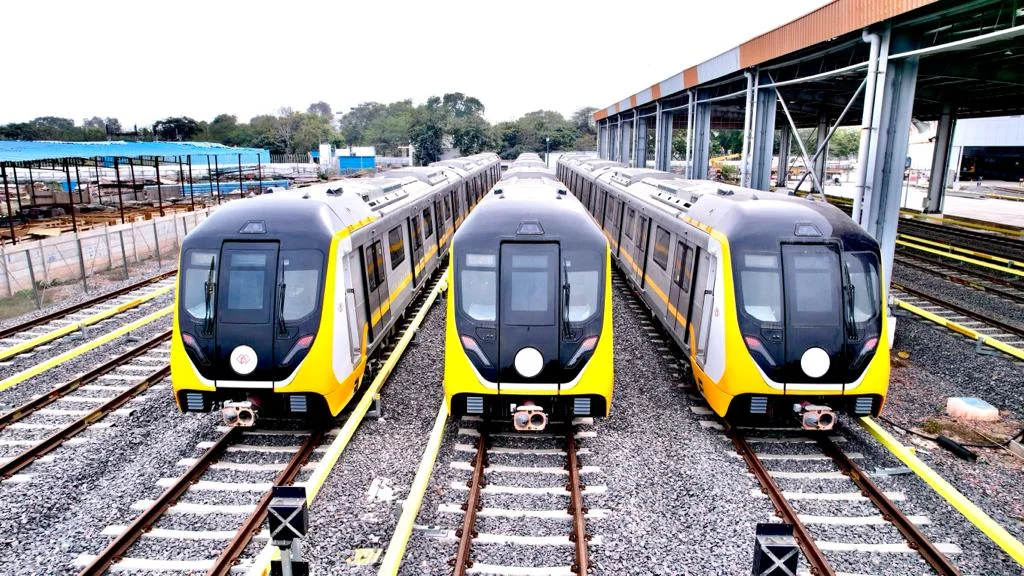
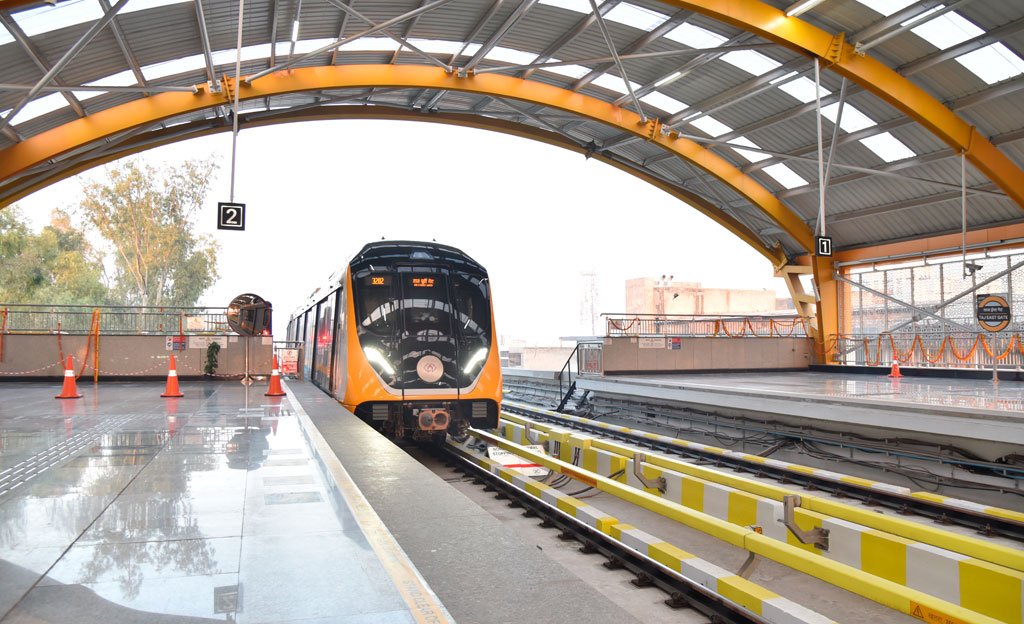
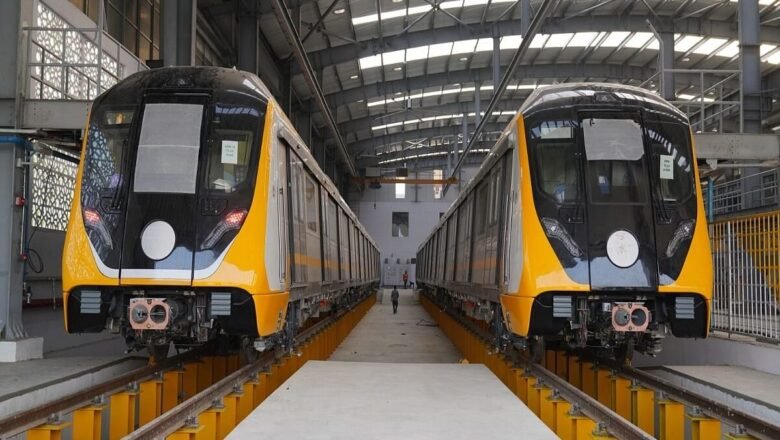
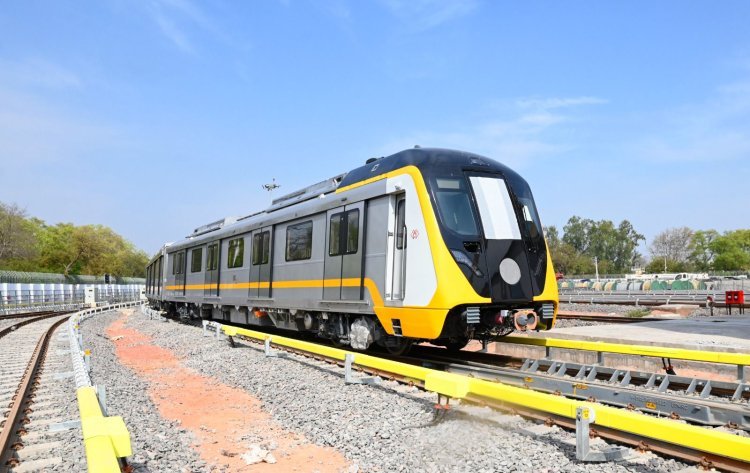
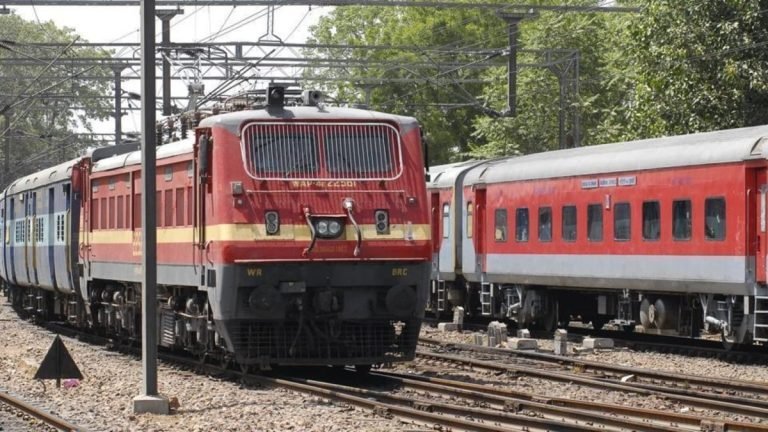
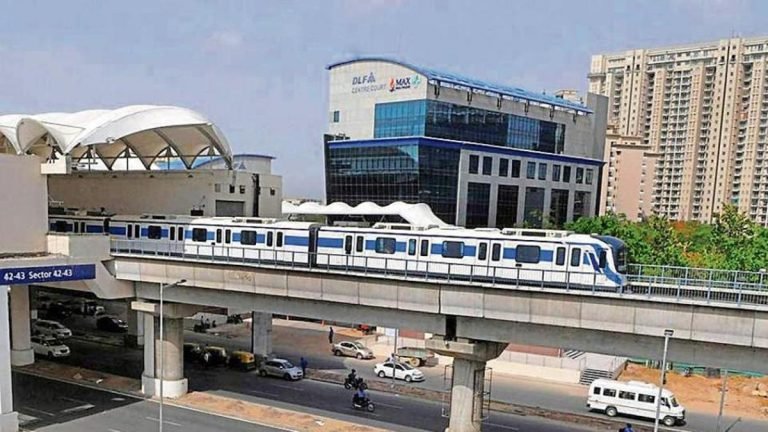
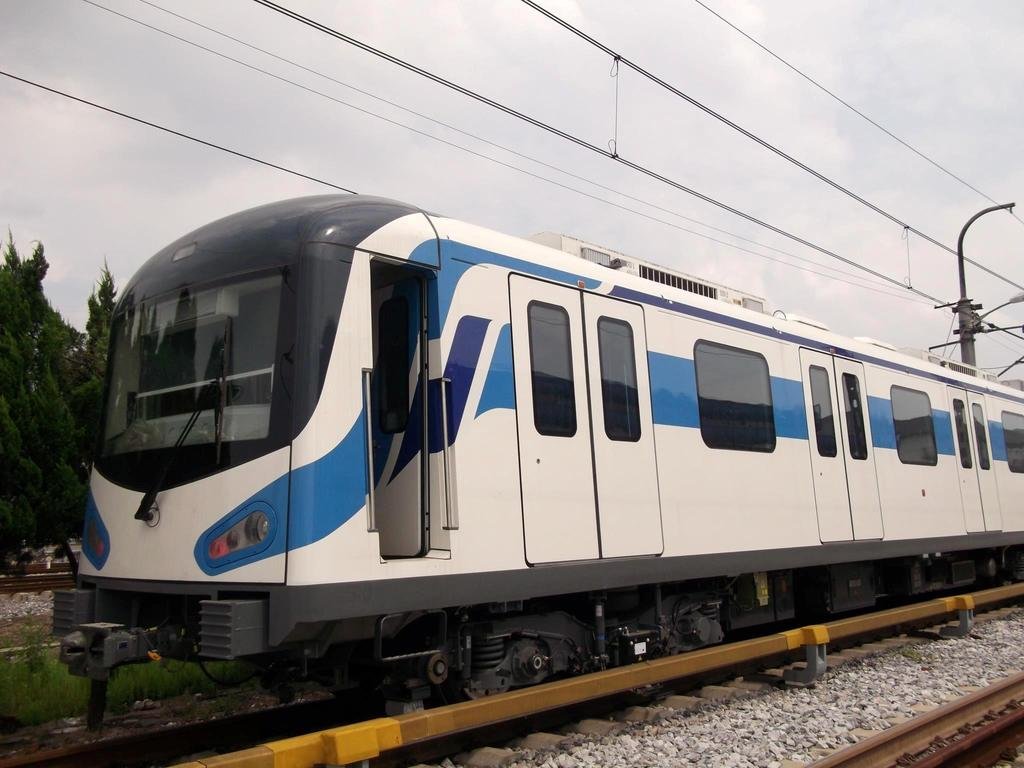
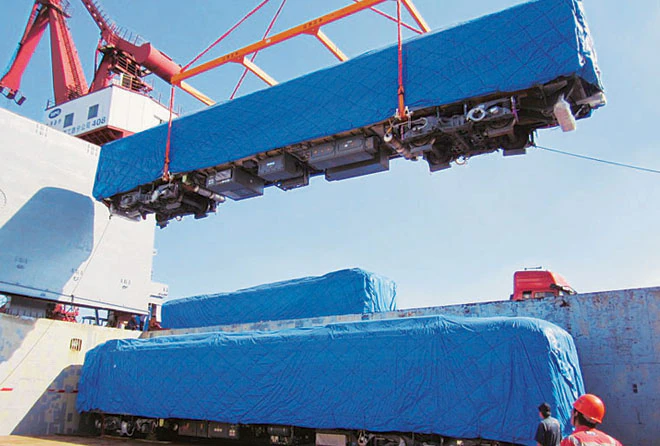
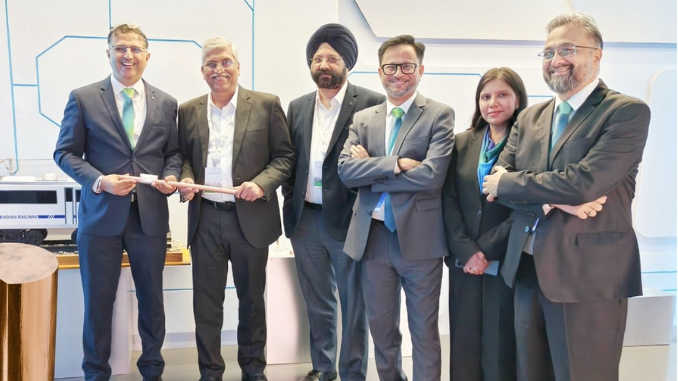
The Madhya Pradesh Government has approved the allotment of 60.063 hectares (approximately 148 acres) of land to Bharat Earth Movers Limited (BEML) in Umeria, Raisen district.
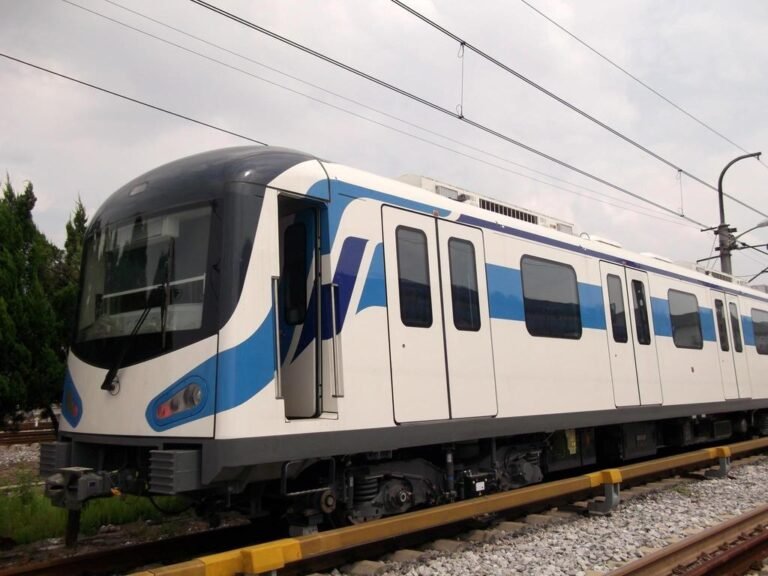
The land allotted to BEML will be used for setting up a facility for the manufacturing of rolling stocks and coaches for the Railways and Metro projects.
Recent Rolling Stock Contract Awarded to BEML
In April 2025, Bangalore Metro Rail Corporation Limited (BMRCL) awarded BEML an additional rolling stock contract worth ₹405 crore.
The contract included the supply of 7 additional metro trains consisting of 42 coaches in total for the Reach 6 of the Bangalore Metro Rail Project Phase 2.
Further Information
The Chhattisgarh cabinet has also given the green light for the allocation of 100 acres of land in the Janjgir-Champa district to BEML at a nominal rate of Re. 1 per acre.
This land will be used to set up a manufacturing plant for Heavy earth-moving equipment in the state.
Visit InnoMetro 5th Edition: India’s Leading Expo for the Rail Transportation Industry and Experience the Latest Technologies & Innovations in Rail Safety, Infra, Signalling, and AI.
Metro systems play a crucial role in meeting the transportation needs of rapidly urbanising cities. To improve efficiency and passenger convenience, operators are adopting technological solutions. One such development is the Automatic Fare Collection (AFC) system, which automates the payment process, facilitates cashless transactions and helps to streamline transit operations.
The AFC system eliminates the need for cash handling and manual ticketing, which saves time for passengers and reduces operational costs for transit authorities.
Moreover, AFC systems furnish valuable data and insights that help improve transit planning and management. The metro operators can gain a deeper understanding of travel patterns, peak hours, and popular routes from the data collected by AFCs. This information can further assist operators to optimise service schedules, allocate resources efficiently, and identify areas for improvement
In an AFC system, passengers can use smart cards, mobile devices, and contactless bank cards to complete their journeys faster and more efficiently.
The global AFC market is estimated at $11.6 billion in 2024 and is expected to grow to $45.1 billion by 2034
Key Components of an Automatic Fare Collection System
Automatic Fare Collection (AFC) systems rely on a network of interconnected components that work together to facilitate fare transactions. The key components of an AFC system include:
Fare Media: The term “fare media” refers to the methods employed by passengers to remit payment for their transportation services. Within an Automatic Fare Collection (AFC) system, the predominant fare media options include both open-loop and closed-loop solutions:
Contactless Smart Cards: Smartcards enable passengers to pre-load monetary value, which facilitates tap-in and tap-out transactions at the commencement and conclusion of their journeys. These prepaid smart cards use RFID technology and are widely adopted in modern metro systems.
Mobile Ticketing & QR Codes: Contemporary automated fare collection (AFC) systems now facilitate ticketing through mobile applications that generate QR codes. Additionally, the implementation of contactless EMV cards enables passengers to complete their travels without the need to pre-load funds onto specifically designed transport cards.
Magnetic Stripe Cards: Older AFC systems used magnetic stripe cards that required swiping through a reader. These cards are primarily used in the New York and Paris Metro Systems.
Validation Devices: Validation devices ensure that only authorised passengers enter & exit the transit system.
Turnstiles & Automated Gates
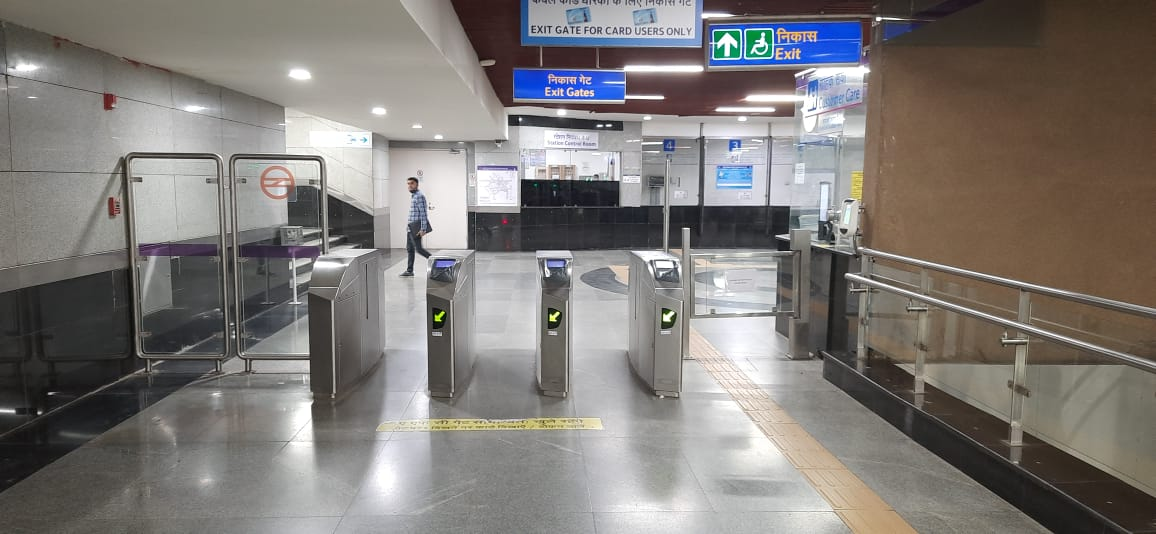
These are physical barriers installed at metro stations to validate tickets before allowing entry.
They use RFID, QR, or NFC readers to authenticate fare media.
Some metro systems are testing biometric authentication for seamless travel.
Example:China and Japan are experimenting with facial recognition-based entry systems.
Transaction Processing & Back-End System: The central processing system serves as the core element of any Automatic Fare Collection (AFC) system. It is tasked with performing fare calculations, processing transactions, and managing data from fare validation devices. The integration of these functions is essential for ensuring the efficient and secure operation of the entire system.
Interoperability & Integration: Interoperability allows a single payment method to work across different transport modes.
National Common Mobility Card (NCMC)
Introduced by the Government of India to enable seamless travel across metros, buses, suburban rail, and even toll plazas.
Multi-Modal Integration: This ensures that AFC systems are linked across various transport networks.
Open Loop Payment Systems: This allows passengers to pay using regular bank-issued debit/credit cards instead of metro-specific smart cards.
Example: London’s TfL (Transport for London) allows contactless payments with Visa, Mastercard, and Apple Pay
Benefits of Automated Fare Collection System
Improved Efficiency: One of the primary advantages of an Automated Fare Collection (AFC) system is its capacity to enhance operational efficiency. It diminshesh the dependence on manual collection methods, these systems effectively minimize the potential for human error, and eliminate queues.
Enhanced Passenger Experience: Automated Fare Collection (AFC) systems enhance the overall efficiency of transit services. The availability of contactless payment cards, smartphones, and EMV payment methods simplifies the process for passengers. It eliminates the necessity of purchasing tickets in advance or reloading fare cards at designated locations
Data-Driven Decisions: The AFC systems collect data from passenger journeys reveals which enables metro operators to perform in-depth analyses of their networks. Operators use this data to gain insights into ridership patterns, identify strategies for service optimization, and understand passenger routes.The authorities can utilise this data to effectively plan new routes and improve overall operational effectiveness
Cost Savings: Although Automated Fare Collection (AFC) systems necessitate a significant initial investment, they ultimately contribute to reduced labor costs and lower maintenance expenses compared to traditional fare collection machines. Furthermore, AFC systems are designed with scalability in mind, which enables them to adapt and grow alongside the expansion of the transit network.s
Roadblocks in Implementing Automated Fare Collection Systems
Although there are numerous benefits associated with the implementation of an automatic fare collection solution, there are specific challenges that may arise during its adoption.
High Set-up costs: The high initial setup cost is the most common obstacle to implementing AFC systems. These systems necessitate numerous interdependent components, leading to higher costs. These components include equipment like gates and validators, software updates, and ensuring compatibility between existing infrastructure and various fare media. Nevertheless, these initial costs are frequently mitigated by substantial long-term savings.
Integration with Legacy Systems: Upgrading Automated Fare Collection (AFC) systems presents a challenge, as it necessitates integration with existing fare collection systems. It is imperative to ensure compatibility and facilitate smooth data transfer between the legacy and modern systems.
Data Privacy Concerns: An Automated Fare Collection (AFC) system is responsible for gathering extensive passenger data. Therefore, safeguarding the security and privacy of this information is of paramount importance. That’s why AFC systems require heavy investment in strong cybersecurity measures to protect sensitive data effectively.
Case Study: MTR Hong Kong’s AFC System Upgrade – A Model for Modern Metro Fare Collection
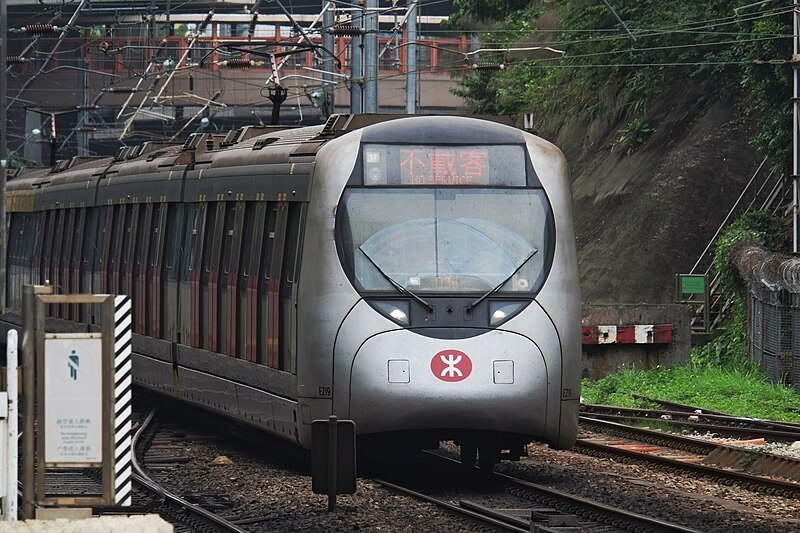
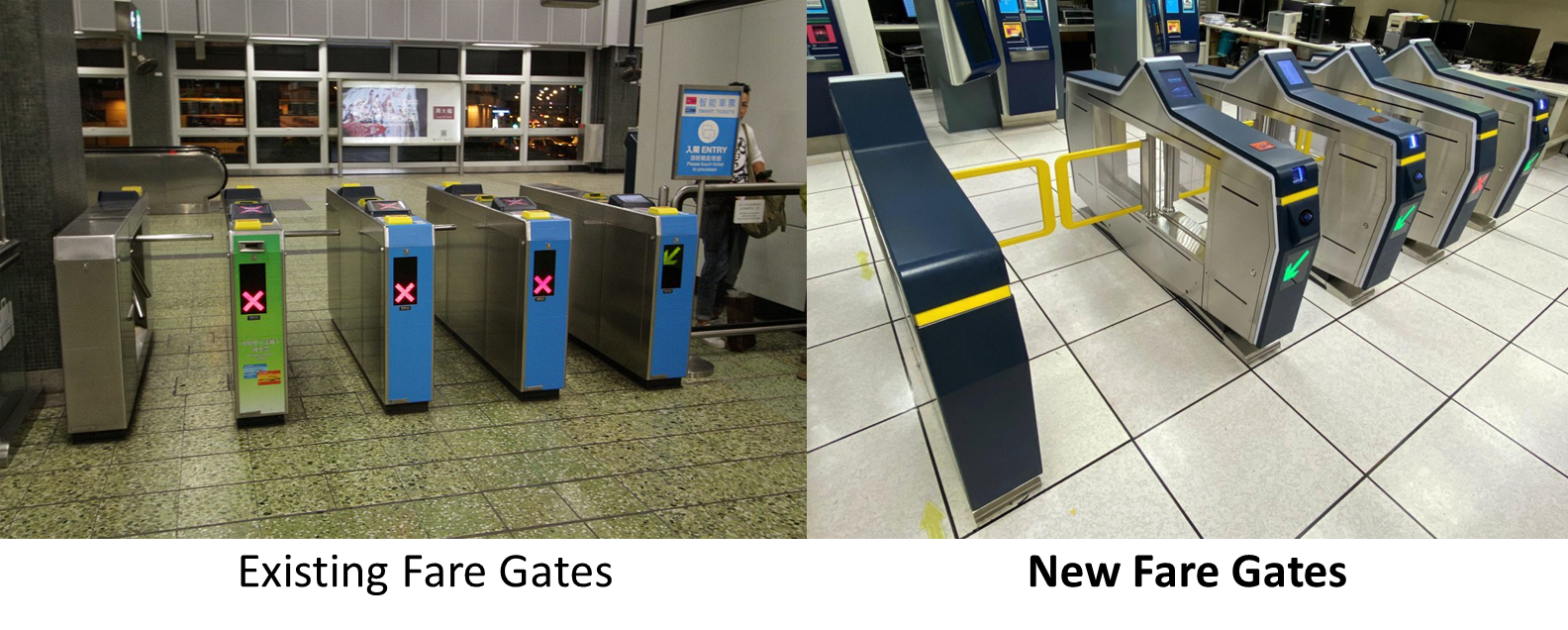
Formed in 1975, MTR Corporation Limited of Hong Kong is among the world’s most efficient metro networks. The organization has 10 operating railway lines and 93 railway stations in Hong Kong. The organization has revealed investment ofover $1.3 billion in its Automatic Fare Collection (AFC) system enhancement. This modernization program seeks to bring in new gates with a credit card payment facility, thus enhancing passenger convenience and transaction speed.
Current AFC System and Need for Upgradation
The current AFC system is mainly dependent on the Octopus card, a contactless smart card accepted throughout Hong Kong’s transport network. The current system was inflexible in the payment method. With this new upgrade, MTR hopes to diversify its fare collection system by adding open-loop payments such as Visa, Mastercard, and mobile wallets, keeping with international transit payment trends
Upgrades in the New System
Advanced Sensors
The new AFC gates are provided with sophisticated sensors and quicker response systems to allow unproblematic access. The inclusion of credit card payments also favors tourists and occasional users who do not carry an Octopus card, thus promoting access to the metro system by more people.
Improved Security
From a safety point of view, the newer AFC system contains end-to-end encryption and real-time validation of transactions in order to prevent secure and hassle-free payment acceptance. With this shift to open-loop, MTR has a better interoperability feature, under which passengers utilize their normal cards instead of holding stored-value ones. This removes the necessity of having large amounts of physical hardware for card issues and re-charge kiosk stations.
Lesson for Indian Metro Systems
The model used by MTR showcases the benefits of a successful Automatic Fare Collection (AFC) system. The experience of MTR Hong Kong in revamping its AFC system is a relevant reference point for Indian metro systems that are increasingly implementing similar technologies.
Integrating Smart Ticketing in Delhi Metro: AFC System Upgrade
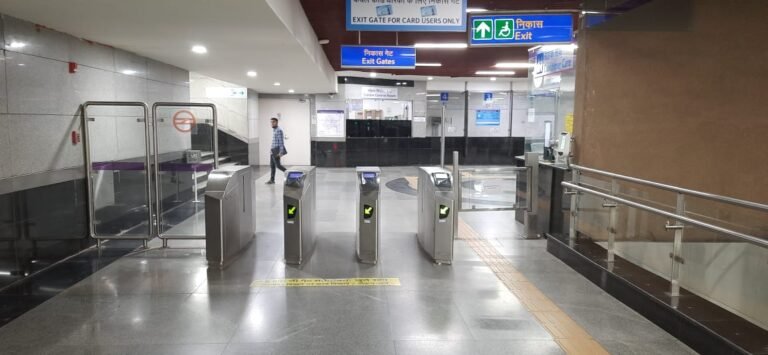
Delhi Metro, India’s largest metro system, operates across a 390.14 km network with 288 stations, 12 operational corridors, and 367 trainsets. It serves a daily ridership of 6.7 million passengers. With increasing passenger volumes and the adoption of advanced ticketing methods such as smart cards,QR-based ticketing, and the National Common Mobility Card (NCMC), DMRC decided to upgrade its existing Automatic Fare Collection (AFC) system. This upgrade aims to enhance transaction speed, improve system interoperability, reduce congestion at entry and exit points, and integrate with emerging digital payment technologies.
Need for Upgradation
The Delhi Metro Rail Corporation (DMRC) upgraded the Automatic Fare Collection (AFC) system to accommodate the following:
Interoperability: DMRC uses DESFire-based contactless smart cards (ISO-14443) and contactless smart tokens, which work only within the DMRC network. The upgraded AFC system enables an integrated ticketing solution for seamless travel.
Introduction of Digital Tickets: DMRC has introduced mobile-based QR-Ticketing, allowing passengers to buy tickets online. This reduces reliance on physical ticketing and helps manage queues at stations. To facilitate this transition, DMRC upgraded its AFC system to support secure QR code validation.
Implementation of the National Common Mobility Card (NCMC): The NCMC, based on EMV (Europay, Mastercard, Visa) standards, works under the “One Nation, One Card” initiative. It allows passengers to use a single card for metro, bus, and other transit payments, improving convenience.
Intricacies in Upgrading the Existing AFC System
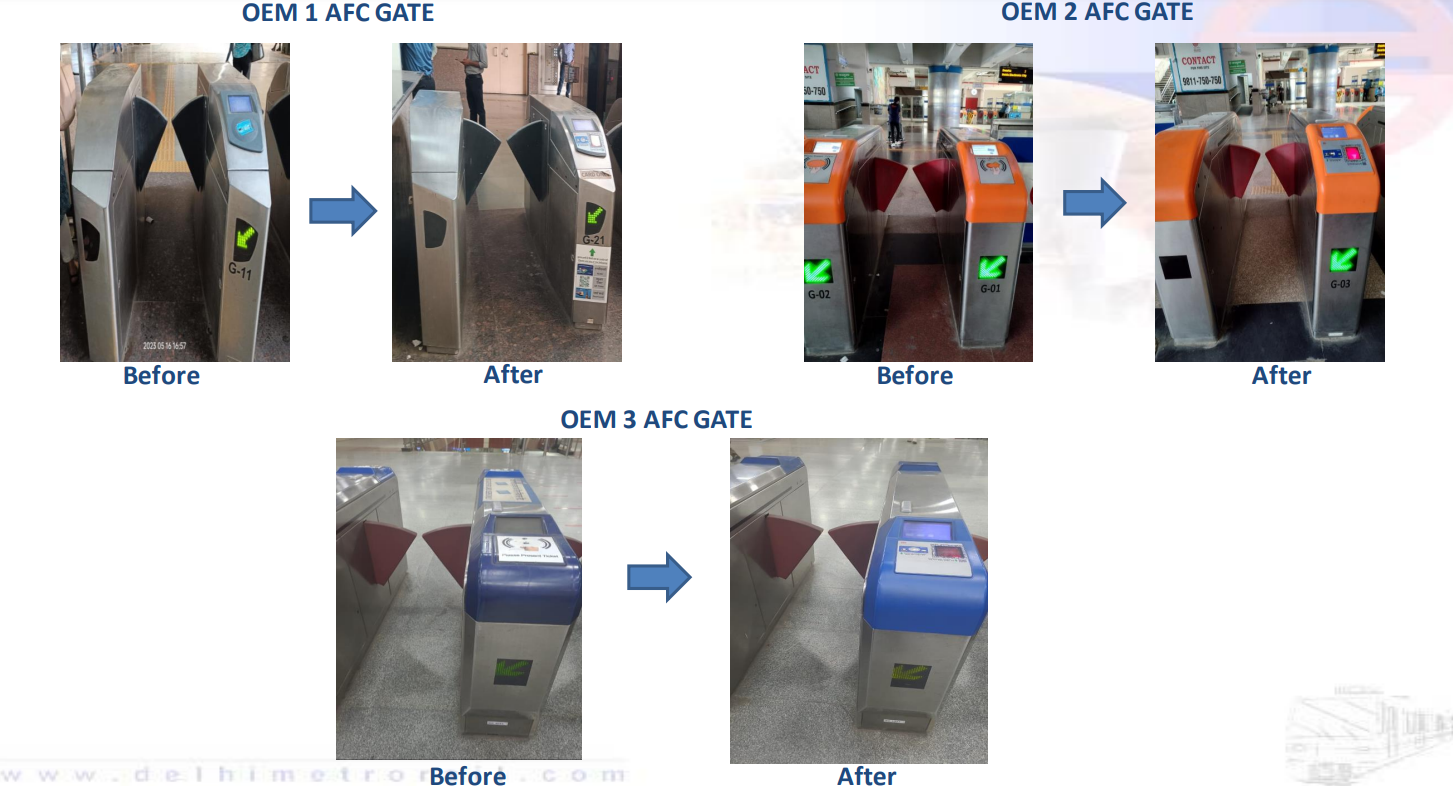
Technical Complexity: The Delhi Metro Rail Corporation (DMRC) operates Automatic Fare Collection (AFC) equipment from three different Original Equipment Manufacturers (OEMs). Each OEM utilises distinct hardware and software specifications as well as proprietary protocols. This diversity introduced a level of complexity that hindered the uniform integration of new functionalities across all variants.
Operational Continuity: Another key challenge for DMRC was maintaining continuous metro operations while upgrading the AFC system.
Staff Training and Passenger Awareness: An additional task for DMRC was training staff to operate the upgraded system and informing passengers about new features to ensure a smooth transition.
Upgrade Details:
A total of 2,889 Automatic Fare Collection (AFC) gates have undergone upgrades, encompassing 9 distinct variants from 3 different Original Equipment Manufacturers (OEMs).
Given the diverse hardware and software configurations associated with each gate type, the upgrade process necessitated reverse engineering and modifications to accommodate new functionalities, including the National Common Mobility Card (NCMC) and Quick Response (QR) ticketing, in addition to the existing DMRC smart card.
DMRC carried out the upgrade in phases, beginning with two gates at each station to maintain regular operations.
Modernisation of Ticket Vending Systems
The Delhi Metro Rail Corporation (DMRC) has completed the upgrade of 1,170 Ticket Vending Machines (TVMs). This process involved updating both hardware and software components.
The upgraded TVMs now include:
Dispensing of Paper QR Tickets.
Dispensing of Contactless Smart Cards and National Common Mobility Cards (NCMC) (under implementation).
Recharge functionality for Contactless Smart Cards and NCMC (under implementation).
Upgradation of Add Value Machines (AVMs)
DMRC has upgraded 1,130 Add Value Machines (AVMs), which were primarily designed for the online recharge of smart cards.
The upgraded AVMs now offer:
Online recharge for Contactless Smart Cards (CSC) and National Common Mobility Cards (NCMC) using cashless payment modes.
Issuance of Paper QR Tickets through cashless transactions (under development).
Conclusion
The introduction of Automatic Fare Collection (AFC) systems is an important milestone towards the modernization of metro travel, improving efficiency and passenger convenience. Through the incorporation of contactless payment, digital ticketing, and interoperable solutions such as the National Common Mobility Card (NCMC), metro operators can optimize fare collection and enhance commuter convenience. Yet, deploying and upgrading AFC systems is fraught with challenges, such as high capital expenditure, integration with the existing infrastructure, and data security issues.
In the future, ongoing developments in AFC technology will increasingly improve transit performance, assisting metro rail systems in coping with rising ridership and enhancing service delivery.
Agra, a city in the northern Indian state of Uttar Pradesh, is situated along the banks of the Yamuna River. It holds historical significance due to its association with the Mughal era and is known for its architectural heritage. The city is home to several notable monuments, including the Taj Mahal, Agra Fort, and Fatehpur Sikri, which reflect its rich cultural and historical legacy.
Agra is also famous for its renowned Mughal architecture, such as Agra Fort and Fatehpur Sikri, which make it a major tourist hub. The city is recognised for its thriving tourism sector and its production of leather goods and handicrafts. Geographically, Agra is situated approximately 230 kilometres southeast of Delhi and 378 kilometres west of Lucknow, the capital of Uttar Pradesh.
The economy of Agra is predominantly sustained by small-scale industries, commercial enterprises, and tourism. Lately, the city has been taking major infrastructure development initiatives like the Agra Metro Rail Project, which aims at transforming the urban mobility and transportation landscape of the city.
Agra’s Growing Population: The Need for a Metro System
Agra, the 3rd most populous city in Uttar Pradesh, has experienced massive population growth and urban development over the decades. The city’s role as an industrial and tourism hub has significantly contributed to population growth, particularly due to the influx of migrant workers over the years.
However, the increase in population, combined with insufficient infrastructure, gave rise to several challenges for the city. This article highlights the major issues which led to the implementation of a Metro Rail System as a sustainable solution for the city.
Population Growth and Urban Expansion
According to the 2011 Census, the population of Agra was approximately 1.59 million. The average decadal growth rate from 1921 to 2011 was approximately 27.0%, with an average annual growth rate of 2.4%.
The average annual population growth rate increased to 3% during the period from 1991 to 2001, compared to an average annual growth rate of 2.4% during the preceding decade of 1981 to 1991. The decadal population growth of Agra from 1921 to 2011 is shown below:
Decadal Population Growth Trends In Agra City
S. No.
Year
Population
Average Annual Growth Rate (%)
Decadal Growth (%)
1
1921
185,532
–
–
2
1931
229,764
2.2
23.8
3
1941
284,149
2.1
23.7
4
1951
375,665
2.8
32.2
5
1961
508,680
3.1
35.4
6
1971
634,622
2.2
24.8
7
1981
747,318
1.6
17.8
8
1991
948,063
2.4
26.9
9
2001*
1,275,000
3
34.5
10
2011*
1,585,704
2.2
24.4
According to the Detailed Project Report (DPR) prepared for the Agra Metro project, the population within the study area was recorded at 2.37 million in the base year of 2017. The projected population figures for the study area for the horizon years 2017, 2021, 2031, and 2041 are detailed in the following table.
Year
Population (Lakh)
2017
23.7
2021
25.5
2031
31.3
2041
36.2
The data presented above indicates that the rapid population growth in Agra has exerted substantial pressure on the city’s infrastructure. Additionally, the increasing urban expansion also resulted in major traffic congestion on the roads of the city as the number of private vehicles increased in Agra due to insufficient public transportation options.
In response to these challenges, the Agra Metro Rail Project was proposed for the city to enhance the urban mobility of the city and resolve issues like traffic congestion.
Agra Metro Rail Project: From Research to Reality
June 2016: The Detailed Project Report (DPR) for Phase 1 of the Agra Metro was prepared by RITES and submitted to the Uttar Pradesh State Government.
2017: The Uttar Pradesh Metro Rail Corporation (UPMRCL) was assigned as the ‘coordinator’ to bring all stakeholders together and get the project started.
December 2017: RITES revised and prepared the final DPR of the Agra Metro Rail Project.
January2019: The supplementary DPR of the project was prepared.
February 2019: The Central Government’s Cabinet approves the Agra Metro Rail Project.
July 2020: The Supreme Court cleared the project for construction with a list of 11 conditions that have to be followed by UPMRCL.
March 2019: The Hon’ble Prime Minister of India Shri Narendra Modi laid the foundation stone of the Agra Metro Rail Project.
Agra Metro: A New Era of Urban Transit
Overview
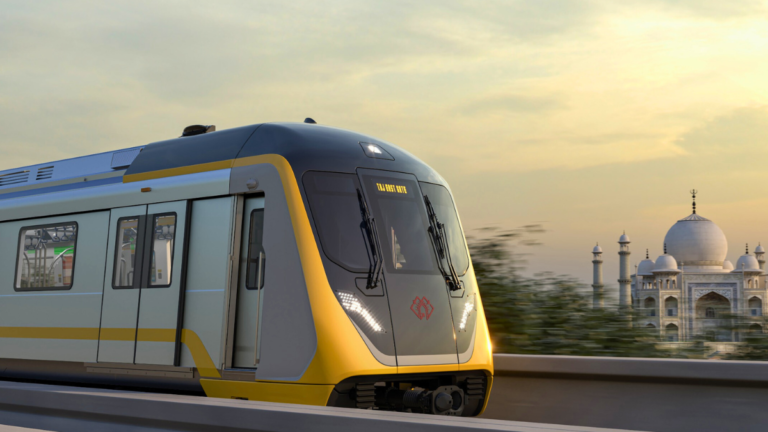
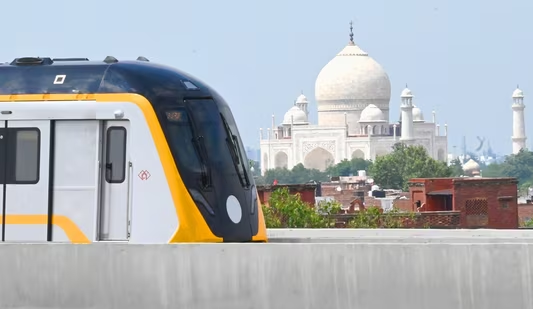
Agra Metro is an urban Mass Rapid Transit System (MRTS) spanning 29.40 km comprising 2 corridors and 28 stations. The Agra Metro Rail Project is managed by the Uttar Pradesh Metro Rail Corporation Limited (UPMRC) which is a Special Purpose Vehicle (SPV) created for the management and execution of all Metro projects in Uttar Pradesh.
Currently, the 5.2 km priority corridor of Phase 1 is operational which was inaugurated by Hon’ble Prime Minister of India Shri Narendra Modi in March 2024. The entire Phase 1 of the Agra Metro project is expected to be completed in 2026.
Key Specification
Speed and Track
Top Speed: 80 kmphAverage Speed: 34 kmphTrack Gauge: Standard Gauge – 1435 mm
Electrification
750 V DC Third Rail
Signalling
Communications-Based Train Control (CBTC)
Estimated Ridership
7.36 lakh/day (2031)
Funding Mechanism
Estimated cost of the project:Rs. 8,379.62Cr
The Agra Metro Rail project will be financed partly by the Government of India and the Govt of Uttar Pradesh on an equal equity basis and a loan from the European Investment Bank ( EIB).
Loan from EIB
In December 2021, an approx Rs. 4860 Crore ( 450 million Euro) loan from the European Investment Bank was approved for the Agra Metro Rail Project.
Contractor’s List
Contract
Contract Details
DDC: Detailed Design Consultant for Agra Metro Line-2
AGCC-01: construction of 3 stations between Taj East Gate and Taj Mahal Ramp and 3 km viaduct.
Sam (India) Builtwell Pvt. Ltd.
AGCC-02: Construction of 7 stations between Khandari Ramp and Taj Mahal Ramp and a 7.9 km Ramp
Afcons – SAM India JV
AGCC-03: Construction of PAC Grounds Depot for Line-1
Lisha Engineers Pvt. Ltd.
AGCC-07: Construction of 14 stations between Agra Cantt. and Kalindi Vihar and a 15.09 km viaduct
Larsen & Toubro (L&T)
KNPAGRS-01: Supply of 201 standard gauge cars (rolling stock) including Train Control & Signalling System
Alstom Transport
AGE-1 & 2: 750 V DC 3rd Rail Traction System, 33kV Cable Network, ASS, TSS and SCADA System
Larsen & Toubro (L&T)
Agra Metro Route Information
Operational:
5.2 Km
Under Construction:
9 Km
Approved:
15.4 km
Phase 1
Line-1: Sikandra – Taj East Gate
Length: 14.25 km
Type: Elevated (6.569 km) and underground (7.681 km)
Depot: PAC Depot (16.3 hectares) – shared with Line-2
Number of Stations: 14
Station Names: Sikandra, Guru Ka Taal, ISBT, Shastri Nagar (future), RBS College, Raja Ki Mandi, St. John’s (Agra University), Medical College, Mankameshwar (Jama Masjid), Agra Fort, Taj Mahal (Purani Mandi), Fatehabad Road, Basai & Taj East Gate
Status: 5.2 km Taj East Gate – Mankameshwar section was inaugurated on March 6, 2024.
Recent Update: TBM Breakthrough Afcon-Sam India Consortium’s TBM S-115 recorded the final breakthrough at Agra College station under Package AGCC-02 of Agra Metro’s Line 1.S115 is a refurbished Terratec Earth Pressure Balance (EPB) machine and Afcons’ fourth TBM. This was TBM S-115’s third and final breakthrough for the Package AGCC-02.
Recent Update: In February 2025, Larsen & Toubro (L&T) made significant progress on the Agra Metro Phase 1 project by pouring concrete for the first set of four U-girders under Package AGCC-07 of Line 2 Additionally, L&T also poured concrete to cast the first pile cap for the same package AGCC-07.
Recent Update on the Agra Metro Rail Project
Cabinet Approval for Land Transfer
In March 2025, the State Finance Minister, Suresh Kumar Khanna announced that the cabinet had sanctioned the free transfer of land from the Horticulture and Food Processing Department to the Housing and Urban Planning Department for the initial corridor of the Agra Metro Rail Project, as managed by the Uttar Pradesh Metro Rail Corporation Limited. This decision was made during a cabinet meeting presided over by Chief Minister Yogi Adityanath.
Minister Khanna indicated that 8,684.68 square meters of land, which was previously allocated to the Horticulture and Food Processing Department, will be leased to the Housing and Urban Planning Department for a duration of 90 years at a token rate of Rs 1. The lease agreement includes provisions for renewal every 30 years.
Furthermore, the cabinet has approved the transfer of 20,753 square meters of land from the Home Department for the second corridor of the Agra Metro Rail Project. This land will similarly be leased for 90 years under identical terms and conditions.
Impacts of the Agra Metro Project
1. Improved Connectivity
Once fully operational, the Agra Metro project will enhance the connectivity in the city by linking the major key tourist destinations with the suburb areas of the city. The extensive metro network will provide residents with a more convenient and reliable mode of public transportation. Furthermore, the metro system will reduce the traffic congestion on the roads of the city by improving intra-city connectivity.
2 Economic Growth
The metro system will increase the economic rate of the city as more businesses and industries will be established near the metro stations. This will furthermore generate more employment in the city hence boosting the local economies.
4. Ridership Level: A Concern for Agra Metro
Although the metro connectivity in the Taj City is strategically planned to increase connectivity and support the city in multifaceted ways, achieving adequate ridership remains a concern for the project.
According to a whitepaper by The Infravision Foundation, metro systems across India are operating far below their projected ridership levels:
Delhi Metro – 47% of projected ridership
Mumbai & Kolkata Metros – 30% of projected ridership
Bengaluru Metro – 6% of projected ridership
A Parliamentary Committee reviewing the Lucknow Metro found that while the project requires 200,000 daily riders to remain financially viable, actual ridership stands at only 85,000.
These figures raise serious concerns about the financial sustainability and optimal utilisation of the Agra Metro Project. Ensuring adequate ridership will be critical for the project’s long-term success.
Conclusion
The Agra Metro project is a key initiative to improve urban mobility in the city. Covering 29.4 km with two corridors, it aims to provide a reliable public transport system, reducing road congestion and travel time. The project is funded by the European Investment Bank and is being executed by UPMRCL, with the priority corridor already in operation.
Once fully operational, the metro is expected to improve public transport accessibility and reduce reliance on private vehicles. Challenges remain in execution and integration with existing transport systems, but the project represents a crucial step toward a better-organized urban transport network for Agra.
West Central Railway’s Bhopal division has achieved a major milestone by implementing a state-of-the-art signal control technology that operates entirely on optical fibre at its Nishatpura yard, effectively replacing the traditional wiring system
Senior Divisional Commercial Manager Saurabh Kataria indicated that this cutting-edge technology has recently been commissioned on two signal posts within the Nishatpura yard.
About the New Signal Technology
The newly deployed system utilises optical fibre cables, which enable faster, more secure, and highly reliable signal transmission in comparison to conventional methods. The fundamental component of this upgrade is the ‘Lamp Output Module’ (LOM), which transmits signal commands directly from the control room to the signal posts via optical fibre.
This innovative approach allows for signal management along the railway track to occur directly through fibre lines rather than through conventional wiring. Importantly, even in the event of a component failure, the signal remains visible to approaching trains.
The system also incorporates an automatic cooling fan that activates as necessary to prevent equipment overheating. In the case of a failure in the primary fibre line, an auxiliary line immediately assumes responsibility, guaranteeing uninterrupted service.
Future Projection
A phased implementation has commenced along the Bhopal-Bina railway section. According to current plans, the entire section is anticipated to be fully upgraded with this new system by June 2026.
Visit InnoMetro 5th Edition: India’s Leading Expo for the Rail Transportation Industry and Experience the Latest Technologies & Innovations in Rail Safety, Infra, Signalling, and AI.
Gurugram, previously known as Gurgaon, is a prominent city situated in the southeastern region of Haryana, India. It is located approximately 30 kilometres southwest of New Delhi and serves as a vital component of the National Capital Region (NCR). The city has transitioned from its agricultural origins to emerge as an industrial and financial centre, commonly referred to as the “Millennium City”.
Gurugram is recognised as one of the largest hubs for information technology and business process outsourcing (BPO) in India. This city serves as the headquarters for numerous multinational corporations operating across various sectors, including finance, technology, and manufacturing. Additionally, Gurugram has emerged as a significant centre for automobile manufacturing, hosting prominent companies such as Maruti Suzuki and Hero MotoCorp.
*
Over the past few decades, Gurugram has experienced rapid urbanization and industrial growth. The Gurugram Metro Project also known as Rapid Metro is a major initiative aimed at enhancing urban transportation in Gurugram, Haryana. The metro connectivity boosts the infrastructure of the city and effectively links the city with Delhi and other neighbouring regions.
Delhi Metro Yellow Line: The First Expansion into Gurugram
To increase connectivity between Delhi and Gurugram , Delhi Metro Rail Corporation ( DMRC) planned to extend the Yellow Line of Delhi Metro which was operating from Samaypur Badli to Saket.
A 14.47 km extension from Qutab Minar Station to Millenium City Centre ( formerly known as Huda City Centre) covering 10 stations was planned was DMRC. Out of 14. 47 km, the 7.5 km falls in Haryana covering 5 elevated stations while the 7.42 km stretch falls under Delhi.
In 2010, this section finally became operational marking the first metro connectivity in the Gurugram City.
Stations:
Stations Located in Delhi
Stations located in Haryana
Qutab Minar
Guru Dronacharya
Chhatarpur
Sikanderpur
Sultanpur
MG Road
Ghitorni
IFFCO Chowk
Arjangarh
Millenium City Centre
Funding Mechanism of this Section
Total cost Segment
Cost
Delhi Segment
Rs. 734 crore
Haryana Segment
Rs 743 crore
Total
Rs 1477 crore
Haryana Segment’s Cost Breakdown (Rs in crore)
Particulars
GOH
GOI
DMRC
Total
Cost of land
20
–
–
20
Cost of the network (excluding taxes in the ratio of 80:20)
456
1114
–
570
Interest-free SD for Central taxes to be shared between GOH & GOI in the ratio of 20:80
11
44
–
55
State Taxes
Exempted by GoH
–
–
–
Cost of rolling stock
–
–
98
98
Total
487
158
98
743
Delhi Segment’s Cost Breakdown (Rs in crore)
Particulars
Amount
Cost Of Construction
734 Crore
Land Cost
49 Crore (Shared by GNCTD and GoI as subordinate debt)
Main Debt
352 Crore
Equity by GNCTD/GoI
333.00 Crore
Rapid Metro: The Feeder Connection
Overview
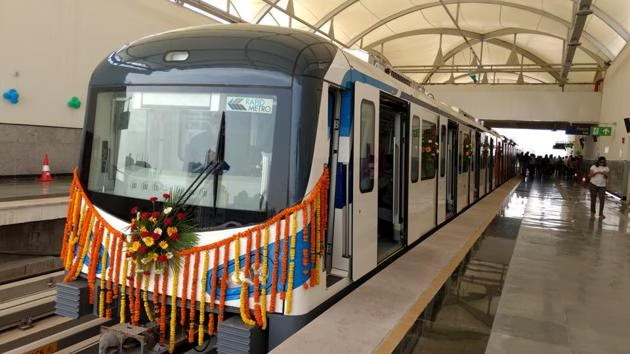
Gurugram Metro, also known as Rapid Metro, is a Light Rail Transit System (LRTS) and consists of one corridor spanning 12.1 km from Moulsari Avenue (Cybercity) to Sector 55-56. The first corridor of the Rapid Metro was developed into 2 Phases.
In Phase 1 of the project, a 5.1-kilometre line was constructed to connect the Delhi Metro’s Sikanderpur Station, situated on the Yellow Line, with the DLF Cybercity business district. This line commenced public commercial operations on November 14, 2013.
In Phase 2 of the project, a 7-kilometer extension of the line was inaugurated on March 31, 2017. This extension linked Sikanderpur Station to Sector 55-56 via five new stations along Golf Course Road.
Historical Background of Rapid Metro
The Rapid Metro was initially developed and operated by Rapid MetroRail Gurgaon Limited (RMGL) and Rapid MetroRail Gurgaon South Limited (RMSGL), both of which acted as the subsidiaries of Infrastructure Leasing & Financial Services (IL&FS).
This project is distinguished as the world’s first fully privately financed modern light metro system, without any financial contribution from the Union Government, the Government of Haryana, or any public sector enterprise.
However, RMRG started facing financial crises and was unable to run operations due to low footfall and financial challenges.
To ensure effective operations the Delhi Metro Rail Corporation (DMRC) took over the operations on 22 October 2019.
Incorporation of HMRTC and GMRL
The Haryana Mass Rapid Transport Corporation Limited (HMRTC) was incorporated on 24 March 2012 as a special-purpose vehicle (SPV) to plan and implement mass rapid transit systems in Haryana, including Gurugram.
The Gurugram Metro Rail Limited (GMRL) was incorporated on 9 February 2024 as a joint venture between the Government of India (GoI) and the Government of Haryana (GoH) to implement the new metro corridor in Gurugram.
Key Specification
Speed and Track
Top Speed: 80 kmphAverage Speed: 35 kmphTrack Gauge: Standard Gauge – 1435 mm
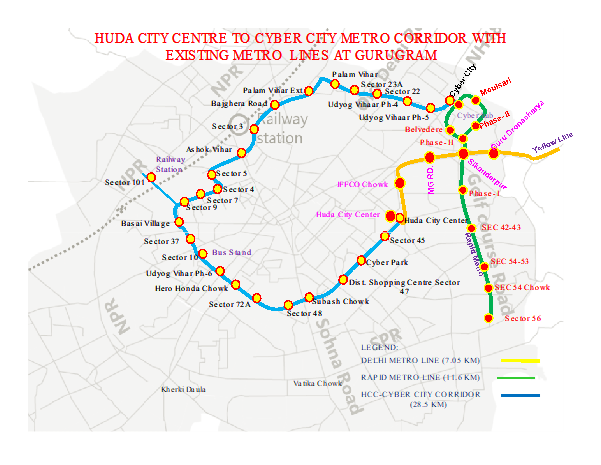
To link the old Gurugram with the new Gurugram and enhance metro connectivity, a new corridor spanning 28.8 km from Huda City Centre to Cyber City with a spur to Dwarka Expressway has been under implementation. This section will feature 27 stations.
The total completion cost of the project will be Rs.5,452 crore. Additionally, the route will have a spur from Basai village that will provide connectivity to the depot.
Corridor Name
Length (in KM)
No. of Stations
Type
Huda City Centre to Cyber City – Main Corridor
26.65
26
Elevated
Basai Village to Dwarka Expressway – Spur
1.85
1
Elevated
Total
28.5
27
Elevated
Key Approvals & DPR
The DPR of this routes was prepared by a consortium of RITES and the School of Planning and Architecture (SPA).
HMRTC’s board of directors approved this route in December 2019.
This new metro corridor received approval from the Haryana state government’s cabinet in August 2020.
The Union Cabinet, chaired by the Hon’ble Prime Minister Shri Narendra Modi approved this new corridor on 7 June 2023.
Key Specifications
Speed and Track
Design Speed: 80 kmphAverage Speed: 34 kmphTrack Gauge: Standard Gauge – 1435 mm
Proposed Completion Cost
Rs.5,452 crore.
Completion Time
4 years from the date of Sanction of the project
Implementing Agency
Haryana Mass Rapid Transport Corporation Ltd. (HMRTC)
Funding Mechanism
Proposed Completion cost: Rs.5,452 crore.
GoI share
Rs. 896.19 cr
GoH share
Rs. 1,432.49 cr
Local Bodies Contribution (HUDA)
Rs. 300 cr
PTA (Pass through Assistance- Loan component)
Rs. 2,688.57 cr
PPP (Lift & Escalator)
Rs. 135.47 cr
Additionally, the project will receive financial assistance from the European Investment Board (EIB) and the World Bank (WB).
Estimated Ridership
Year
Estimated Ridership
Year 2026
5.34 Lakhs
Year 2031
7.26 Lakhs
Year 2041
8.81 Lakhs
Year 2051
10.70 Lakhs
Recent Update on this Route
Gurugram Metro Rail Limited (GMRL) has recently issued a tender valued at INR 1286 Crores for the construction of the initial segment of this new Gurugram Metro Line.The contract entails the construction of a 15.221-kilometer metro rail viaduct, accompanied by 14 elevated stations, which will connect the Millennium City Centre to Sector 9.
Announcement of 2 new Corridors
In order to bridge the longstanding gap between the old Gurugram and the developing Gurugram, HMRTC has recently issued a tender for the development of a Detailed Project Report (DPR) for two new metro corridors.
Millennium City Centre-Cyber City line at Subhash Chowk and Sector 5 stations, Rapid Rail Corridor interchange at Rajiv Chowk
Corridor 2
13.6 km
Golf Course Extension Road, Hong Kong Market (Sector 57), Ardee City, Millennium City Centre, Signature Tower, Maharana Pratap Chowk, Atul Kataria Chowk, Sheetla Mata Road
—-
Impacts of New Metro Route in Gurugram
1. Enhanced Connectivity: The expansion of the Gurugram Metro will improve the urban mobility of the Millennium City by linking major business hubs and residential zones. This connectivity will enable residents and professionals to commute more efficiently to their offices, reducing travel time and enhancing accessibility across the city.
2.Reduced Traffic Congestion: Due to rapid urbanisation the city started witnessing major traffic congestion on the roads. The metro system provided the residents with a more convenient, fast and effective mode of public transportation and reduced the dependency of the residents on private vehicles, thereby alleviating the traffic on the roads. The upcoming metro corridor will further help the city to lower its carbon footprint.
3. Economic Growth: The city serves as a major commercial and business hub in Delhi. The establishment of a new metro system in Gurugram will generate more employment opportunities in the city which will result in increasing economic growth of the city. Furthermore, the metro system will also result in infrastructure development of the city and attract more business setups and investments in the city thereby boosting local economies.
4.The Multi-Modal Hub: The route is designed to feature an interchange facility that integrates various modes of transportation, including a railway station located near Sector 5. Furthermore, this corridor will intersect with the forthcoming Regional Rapid Transit System (RRTS) route at Sector 22, as well as connect to the existing Millennium City Centre Station of the Delhi Metro’s Yellow Line.
Conclusion:
The expansion of the metro system in Gurugram is integral to enhancing urban mobility and connectivity within the city and the National Capital Region (NCR). The new corridors in Gurugram will provide unified access between its residential, commercial, and industrial areas. With its connection to the Delhi Metro and the addition of new corridors, the city hopes to tackle the increasing need for integrated public transport, less congestion on the roads, and eco-friendly movement. To maximize the utilization of infrastructure, it is essential for the authorities to facilitate key components such as accessibility, last-mile connectivity, and affordability. These measures will contribute to achieving the anticipated footfall and ensuring the financial sustainability of the project. As Gurugram evolves as a global business center, its metro infrastructure will be key to its future as a smart and sustainable city.
Mumbai, formerly known as Bombay, is the capital of Maharashtra and is situated along the Konkan coast adjacent to the Arabian Sea. It serves as the central hub of the Mumbai Metropolitan Region. The city is distinguished for its vibrant culture and diverse characteristics. Mumbai is recognized as India’s primary financial and commercial center, often referred to as the “Economic Capital of India”.
The Need for a Railway System in Bombay
In the early 19th century, Mumbai was evolving as a commercial and administrative center under the British East India Company. The city’s economy was heavily reliant on the port, textile mills, and trade industries, which led to a surge in the population of the city. In the absence of an efficient mode of transport, the British faced challenges in transporting the goods, workers and officials across the city’s surrounding regions.
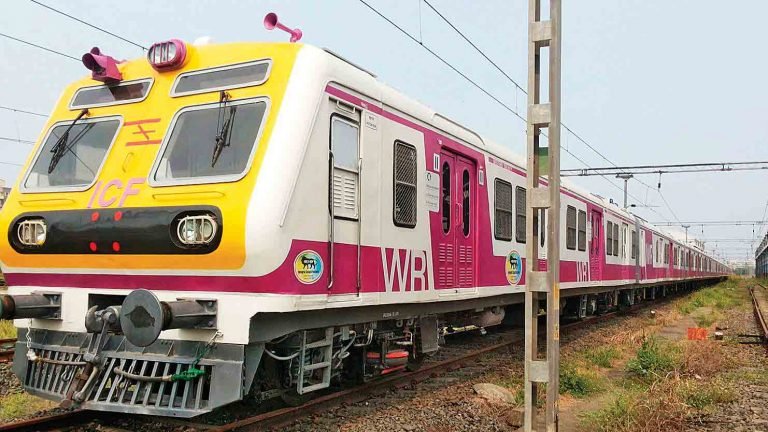
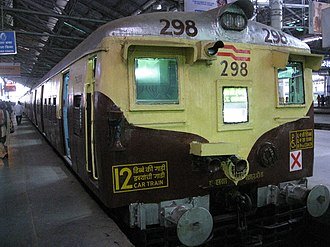
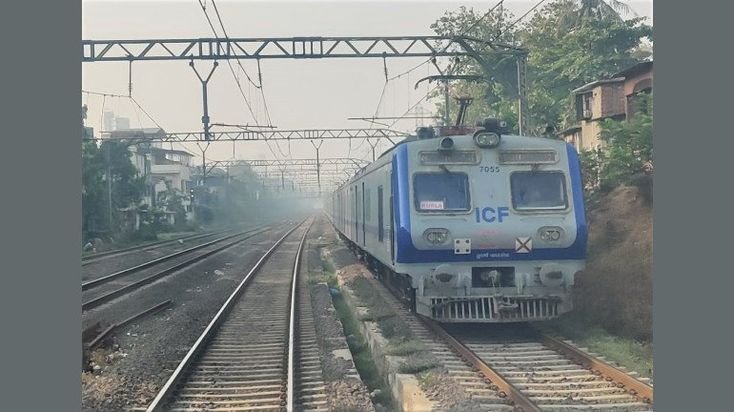
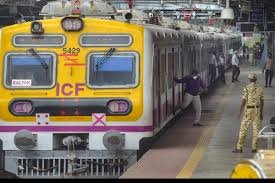
To resolve this issue, the Britishers focused on developing a rail network that was heavily influenced by the Industrial Revolution in England. Known as the “Lifeline of Mumbai,” the Mumbai Suburban Railway has undergone over 120 years of evolution to meet the growing demand for efficient transportation solutions.
Advent of the First Railway Network in India
March 1840- The investors and British engineers proposed the idea of the railway network.
1 August 1849: The Great Indian Peninsula Railway Company was incorporated for the construction and operation of a 56km long rail line connecting Bombay to inland regions.
16 April 1853 – The first train was operated by the Central Railways ( formerly known as Great Indian Peninsula Railway) between Bori Bunder Chhatrapati Shivaji Maharaj Terminus (formerly known as Bori Bunder) and Thane, covering a distance of 34 km in 57 minutes. The train had three steam locomotives (Sahib, Sultan, and Sindh) and 14 carriages.
1855: The Bombay, Baroda & Central India Railway (BB&CI) was formed to construct and operate lines on the western side, facilitating travel between Bombay and Baroda.
April 1867: The Bombay, Baroda & Central India Railway (BB&CI) company started the inaugural operation of dedicated suburban trains between Virar and Bombay Backbay; later, it was extended to Churchgate in 1870.
3 February 1925 – The first EMU service started from Victoria Terminus to Kurla ( formerly known as Coorla Harbour) on the Central line.
5 January 1928 – The EMU service started on the Western line between Churchgate and Borivali.
1 January 1942:Bombay, Baroda & Central India Railway Company became part of the Indian State Railway system, directly under the Railway Board.
5 November 1951: The Great Indian Peninsula Railway Company was incorporated into the Central Railway
12 November 2007: Western Railways inaugurated the first of 129 new 12-coach trains equipped with enhanced facilities as part of the Mumbai Urban Transport Project.
21 November 2009 -To alleviate the problems of overcrowding,15-coach trains were introduced.
April 2014 – New Electrical Multiple Units (EMUs) featuring Bombardier technology, procured under the Mumbai Urban Transport Project-2, have commenced arriving in Mumbai.
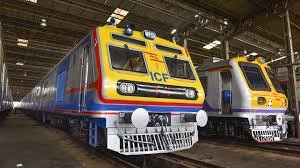
5 April 2016 – The first air-conditioned rake built by Integral Coach Factory in Chennai–BHEL EMU at a cost of over ₹50 crore, ICF–BHEL arrived in Mumbai.
2016: The entire network of Mumbai Suburban Railways was converted to 25 kV 50 Hz AC traction.
25 December 2017 – The first AC local train began operation on the Western Railway.
6 November 2019 – The Uttam rake (5533-5536) of Mumbai Suburban Railways, which was manufactured by ICF, was introduced and operated on the Western Line.
30 January 2020 – The fourth AC rake and the first for Central Railway was commissioned on the Trans-Harbour Line from Thane to Panvel/Vashi.
Mumbai Suburban Railways: The Lifeline of Mumbai
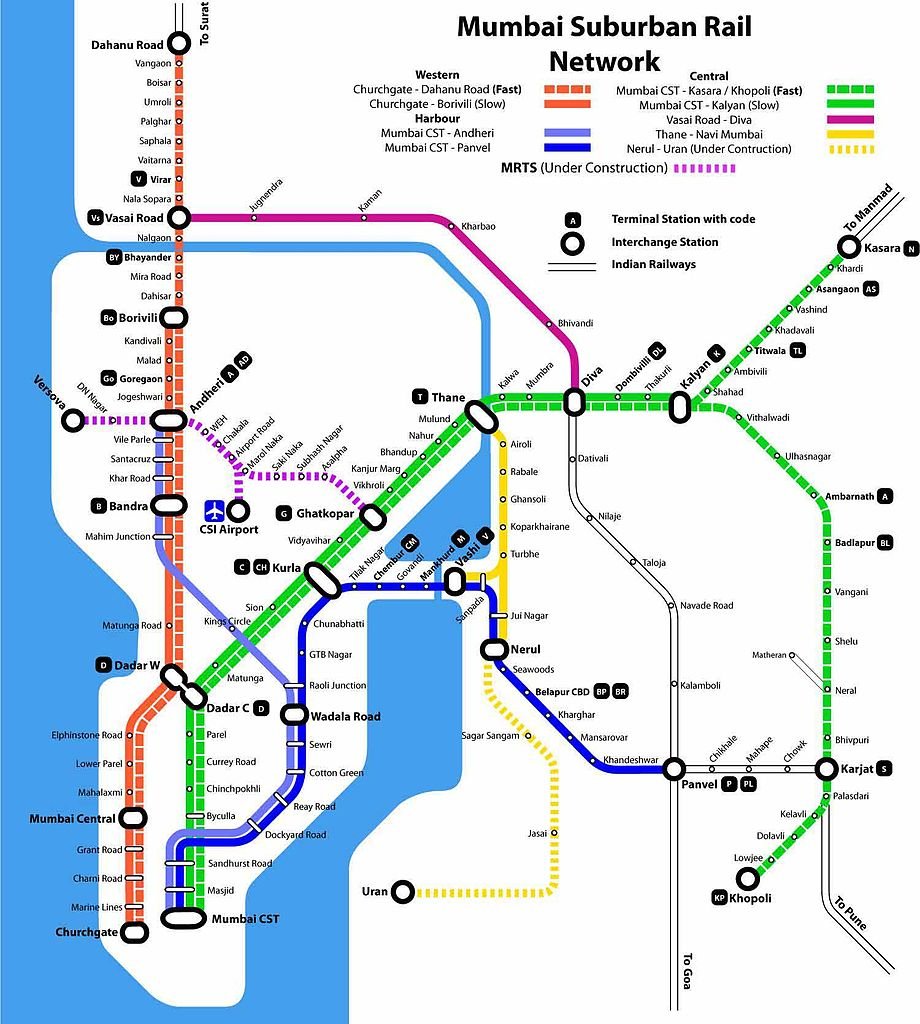
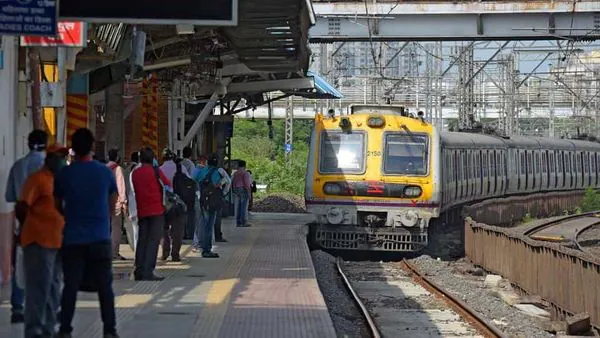
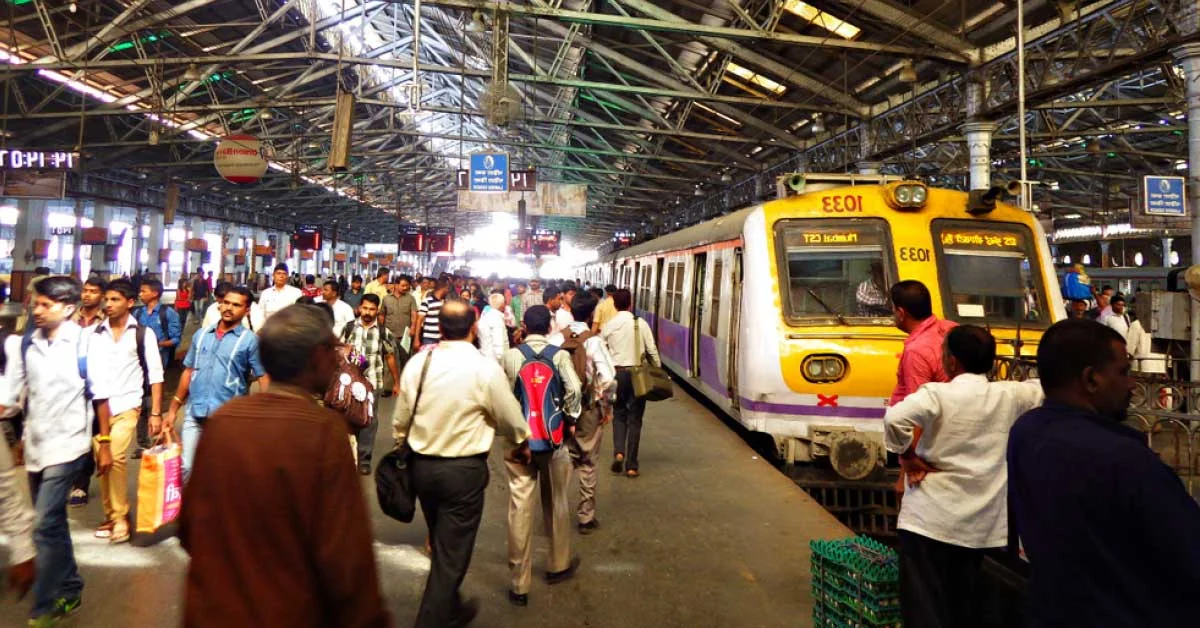
Mumbai Suburban Railways is the oldest railway network in Asia. Established in 1853, it is operated by the Central Railway (CR) and Western Railway (WR) zones of Indian Railways. Spanning approximately 450.6 kilometres, the Mumbai Suburban Railway network is the busiest in the world, serving over 7.06 million commuters on a regular basis. The Mumbai Suburban Railway Project consist of 7 corridors in total, out of which 5 corridors are currently operational and 2 corridors are under construction.
The normal capacity of each train during peak hours is 1,700 passengers; however, it is not uncommon for over 5,000 individuals to occupy these trains. Over the years, commercial activities in Mumbai have expanded, primarily due to the influx of population from neighboring states. As the commercial capital of India, Mumbai presents employment opportunities, which has resulted in a substantial migration of individuals from rural and semi-urban regions of the country.
The Incorporation of Mumbai Railway Vikas Corporation (MRVC)
The Mumbai Railway Vikas Corporation (MRVC), established on July 12, 1999, is a public sector enterprise under the purview of the Ministry of Railways. MRVC is primarily responsible for implementing phases of the Mumbai Urban Transport Project (MUTP). Additionally, it aims to streamline suburban rail transportation by segregating the suburban train operation from the main line passenger and freight services.
Phases of Mumbai Urban Transport Project (MUTP)
Phase 1
The Mumbai Urban Transport Project (MUTP) Phase-1 was approved as part of the Railway Budget for the fiscal year 2003-04, with an initial estimated cost of Rs. 3,125 crore. This cost has since been revised to Rs. 4,174 crore. The project was successfully completed in June 2011. It was the first MUTP project to receive funding from the World Bank. The project involved the provision of 5th & 6th lines between Kurla and Thane (segregating long-distance and suburban trains) and a Harbour Line extension to Panvel for better suburban connectivity.
Phase 2
The Ministry of Railways has identified eleven projects under the Mumbai Urban Transport Project Phase II (MUTP), with an estimated budget of Rs. 3,502 crores. The work on Phase 2 started in April 2008 and is expected to be completed by March 2027.
Cost Escalations: The Mumbai Urban Transport Project Phase II (MUTP-II) has experienced a significant cost escalation since its initial approval.
Cost Escalation in MUTP Phase II
Status
Remarks
Project Component
Initial Cost (₹ crore)
Revised Cost (₹ crore)
DC to AC Conversion (Central Railway)
293
730
Andheri-Goregaon Harbour Line Extension
106
146
5th & 6th Lines (CST-Kurla)
659
920
6th Line (Mumbai Central-Borivali)
522
1,044
Total Estimated Cost of MUTP-II
5,300
7,300
As of March 2025, the status of the Mumbai Urban Transport Project (MUTP) Phase II components is as follows:
MUTP Phase 3 was approved by the Indian government in December 2016 with an estimated cost of ₹10,947 crore. It is jointly funded by Indian Railways and the Government of Maharashtra through the Mumbai Railway Vikas Corporation (MRVC), with about ₹3,500 crore in financial assistance from the Asian Infrastructure Investment Bank (AIIB).
Project Component
Details
Estimated Cost (₹ crore)
Virar-Dahanu Quadrupling
Addition of 2 new lines for long-distance and suburban trains
3,555
Airoli-Kalwa Elevated Link
New suburban railway corridor for better connectivity
476
Panvel-Karjat Suburban Corridor
Extension of suburban services to Karjat, reducing travel time
2,782
Procurement of AC EMUs
47 new AC local train rakes
3,491
Station Modernization & Infrastructure Upgrades
Upgrades to platforms, FOBs, and improved passenger amenities
693
Current Status of MUTP Phase 3
Project
Current Status
Virar-Dahanu Quadrupling
33% work completed
Panvel-Karjat Corridor
67% work completed.
Airoli-Kalwa Link
46% work completed
Recent Update
Central Approval for 238 Local Trains
In March 2025, the central government approved the acquisition of 238 local air-conditioned (AC) trains for the Mumbai Suburban Railway. The Mumbai Urban Transport Project (MUTP) Phase 3 plans to secure 47 AC local trains at an estimated expenditure of ₹3,491 crore, whereas MUTP Phase 3A is projected to procure 191 AC trains at a total cost of ₹15,802 crore.
Operational Lines of Mumbai Suburban Railway
1. Central Line
The Central Line of Mumbai Suburban Railways consists of 3 major corridors. The main corridor runs between Chhatrapati Shivaji Maharaj Terminus and Kalyan. It then subsequently splits into two corridors. One corridor operates in the northeast part, while the other runs in the southeast part of Mumbai. The Central Line is managed and operated by Central Railways.
Corridor
Route
Length
Central Line
Chhatrapati Shivaji Maharaj Terminus – Kalyan
55 Km
North-East Line
Kalyan – Kasara
67 Km
South-East Line
Kalyan – Khapoli
61 km
2. Western Line
The Western Line of Mumbai Suburban Railways consists of one corridor which spans 124 km from Churchgate to Dahanu Road through 37 Stations. The Western Line is managed and operated by Western Railways.
Corridor
Route
Length
Total no. of Stations
Western Line
Churchgate – Dahanu Road
124 Kms
37 stations.
3. Harbour Line
This Line began operations on December 12, 1910. The Harbour Line of Mumbai Suburban Railways is operated by Central Railways. It primarily serves the eastern suburbs of Mumbai and the fast-developing Navi Mumbai region, providing essential connectivity to residential, commercial, and industrial hubs. Unlike the Central and Western lines, the Harbour Line has a separate track system between CSMT and Panvel.
The Trans-Harbour Line serves as a branch corridor of the Harbour Line. The line provides direct connectivity between Thane and Navi Mumbai. Its role is significant in decongesting the harbour line and central line. It offers an alternative route for the commuters who are traveling between Thane, Vashi, Nerul and Panvel. This line also supports the freight movement in Taloja and Jawaharlal Nehru Port Trust (JNPT).
Corridor
Route
Length
Trans-Harbour Line
Thane – Vashi/Nerul
23.36 km
Nerul – Panvel
16.10 km
5. Vasai Road–Roha Line
The Vasai Road – Roha Line of Mumbai Suburban Railway connects the Western line, Central line and Harbor line of the Western Railway zone and Central Railway zone. This Line consists of one corridor which operates between Vasai Road and Roh, covering 23 stations. Central Railway operates and manages this line.
Corridor
Route
Length
Total no. of Stations
Corridor 1
Vasai Road – Roha
101 km
23 Stations
Under Construction Lines of Mumbai Suburban Railways
Port (Nerul–Uran) Line
The Nerul–Uran line, commonly referred to as the Port line, serves to connect Navi Mumbai with Uran. This railway infrastructure is poised to facilitate the accelerated development of Navi Mumbai, the Jawaharlal Nehru Port, and the recently established areas of Mumbai. The construcion of this line is being carried out in 2 Phases:
Phase I:Bamandongari and Kharkopar stations operational; Targhar station under construction.
Phase II: Stations between Kharkopar and Uran completed and inaugurated on January 12, 2024.
Corridor
Route
Length
Port (Nerul–Uran) Line
Nerul–Uran
22.5 km
Panvel-Karjat Line
The Panvel-Karjat Railway Corridor is a suburban railway infrastructure project under the Mumbai Urban Transport Project (MUTP-III). The Panvel-Karjat line spans a 29.6-kilometer corridor and is being developed by the Mumbai Rail Vikas Corporation (MRVC). This line will be operated by the Cenral Railways.
Corridor
Length
Total no. of Stations
Panvel-Karjat
29.6 km
5 Stations
Recent Updates on the Mumbai Suburban Railways Project
1. Upgraded EMU Rakes Ashwini Vaishnaw, the Minister of Railways, recently announced that the Mumbai suburban railway system is set to receive upgraded electric multiple unit (EMU) rakes, which will feature enhanced ride quality and ventilation comparable to that of the Vande Bharat Express. Minister Vaishnaw indicated that the designs for these modern rakes are currently under development. 2. Expansion of Suburban Train Services Minister Ashwini Vaishnaw also stated that Indian Railways is planning to increase the number of suburban train services by a minimum of 10%, expanding from the existing 3,000 daily services.
Significance of Mumbai Suburban Railways
1. Affordable Public Transport: The Mumbai Suburban Railway offers one of the most economical modes of commuting within the city, ensuring accessibility for individuals from diverse economic backgrounds. The affordable ticket prices provide substantial financial savings compared to alternative modes of transportation, such as taxis and private vehicles.
2. Reduction in Traffic Congestion: By accommodating over 7.5 million passengers on a daily basis, the Mumbai local trains play a crucial role in reducing the traffic on the roads of the city. The extensive network of Mumbai Suburban Railways reduced the dependency of residents on private vehicles by providing them with a more efficient and affordable mode of public transportation.
3. Enhanced Connectivity: The vast network of Mumbai Suburban Railways ensures connectivity between all major commercial and residential areas of the city. The Mumbai local trains provide the residents of Mumbai with a more convenient and affordable mode of public transport.
4. Boost to Economic Growth: The suburban railway is integral in supporting daily wage workers, office employees, and small business owners by providing a dependable commuting alternative. The extensive network encourages business establishments to develop offices throughout the city, thus contributing to overall economic growth.
5. Multi-Modal Connectivity: The lines of Mumbai Suburban Railway seamlessly connects with other modes of transportation in the Mumbai Metropolitan Region (MMR), including Mumbai Metro, Mumbai Mono Rail, Buses and Railway to facilitate the smooth flow of commuters.
Limitations in the Mumbai Suburban Railway Project
1. Aging Infrastructure: The ageing infrastructure of the Mumbai Suburban Railways is a major concern for Indian Railways. The outdated infrastructure of local trains has not been able to keep pace with the growing population and demand. For Example, Many railway tracks are over 50 years old, leading to frequent wear and tear. This raises concerns regarding the safe operations and passengers’ safety.
2. Capacity Constraints: The increase in suburban train services in Mumbai has also not kept pace with the rising passenger demand, which has led to overcrowding in existing trains. As a consequence, traveling conditions for commuters have become increasingly challenging. A substantial number of individuals rely on suburban trains due to the lack of affordable alternative transportation options. Despite catering to over 7.5 million commuters regularly, Indian Railways is facing considerable difficulties in managing the escalating passenger volume.
Conclusion
Mumbai Suburban Railway has played a crucial role in shaping the city’s urban mobility since its inception in 1853. Spanning approximately 450.6 km, it remains the busiest railway network, serving over 7.06 million commuters daily. The introduction of AC local trains, MUTP phases, and network expansions like the Virar-Dahanu and Panvel-Karjat corridors highlight continuous modernisation efforts. Despite challenges like overcrowding (where trains carry up to 5,000 passengers per trip), projects under MUTP Phase 3 and 3A aim to enhance efficiency and commuter experience, securing Mumbai’s transportation future.
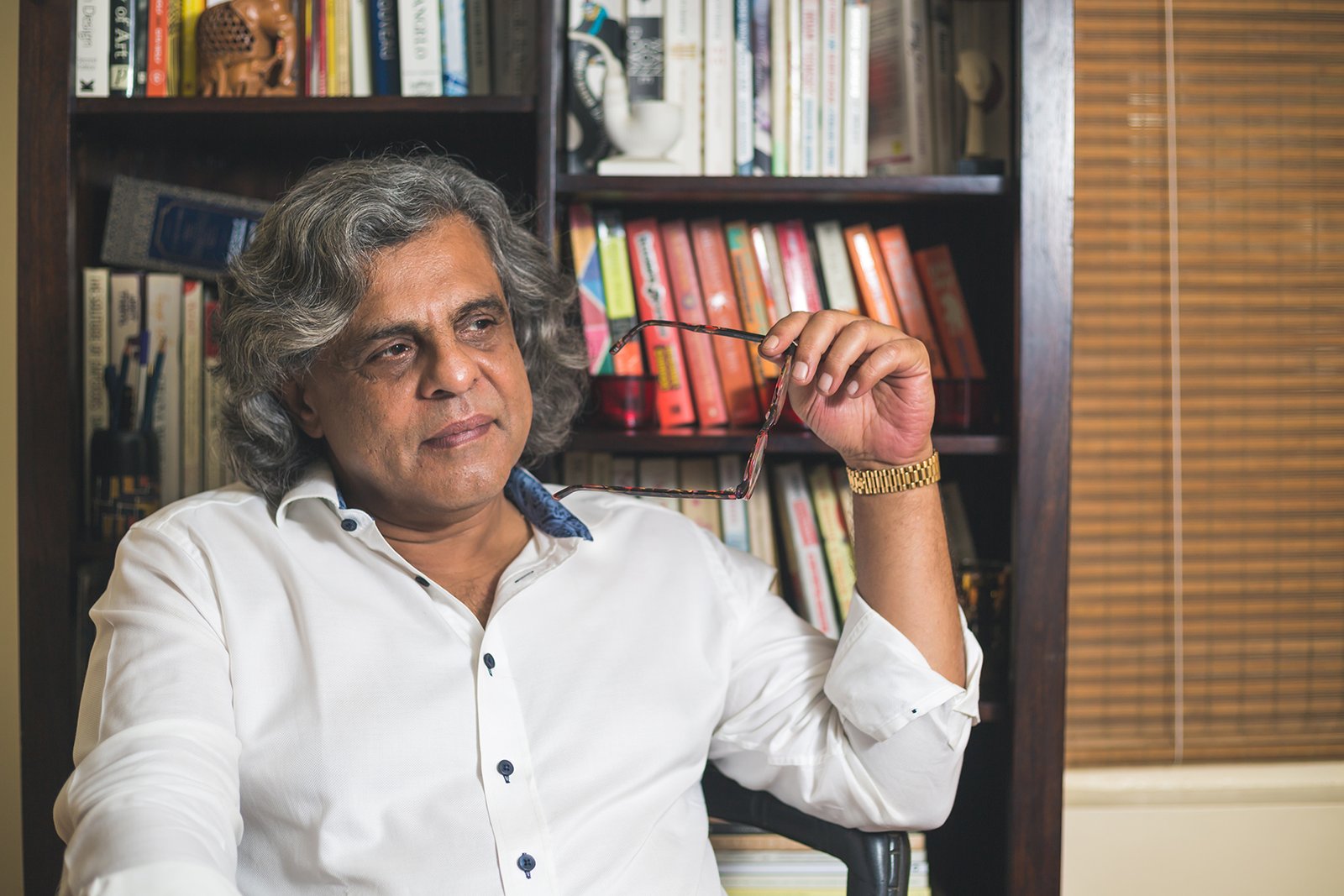
Metro Rail News interviewed Mr.Atul Khanna, Director and Founder of Tooltech Global Engineering Pvt.Ltd, to discuss Tooltech’s journey, expertise and vision to design Rolling Stock for world markets from India. He highlighted the need for India to build a realisable ambition, advocating for policy changes in procurement and tendering. Here are the edited excerpts:
1. Tooltech has a strong legacy of 25 years in engineering. Can you briefly introduce Tooltech’s journey and its core expertise?
I began my journey as a startup manufacturer of carbide-cutting tools.I had the dream to build German quality products at an Indian price and export. To cut a long, earlier painful but super exciting story short—we succeeded. Today, that unit is in the region of a thousand crores, though not in my hands, with strong exports, based on the foundations we built. Sadly, our German partner got sold internationally.
I retained The design department . I didn’t then think beyond tools, services were getting big, engineering R&D was nascent, Europe as a market was nearly non-existent for India. In all this, I had built experience. I said, if we can manufacture to European standards, we can design too. So, we entered engineering services and named ourselves, Tooltech. As a five-person company with no experience in car engineering, we won the BMW account due to our familiarity with German engineering. Others followed. Thus began our entry into mobility engineering. We then moved focus to public transportation with a mission to help the Indian RS product modernise and be exported. A Rolling Stock Revolution has long come. Our efforts to put India in the game, with first global level design engineering has been long, arduous and is continuing. Manufactured export from India needs to expand, our children need jobs and Rolling Stock is an easy pick which offers humongous possibilities. We have a great railway but not great products.
2. You have led Tooltech in executing over 2,300 transportation engineering projects globally. How has the company evolved over the years?
Nonstop ups in the first decade, then, like Europe, volatile. The big question they ask in Europe is, “What new can you do?” as opposed to in India, “What old have you done?” Such a mindset, to wait for someone to offer you precedence is exact opposite of how they build their Industry abroad. India will not create the jobs needed, at the speed needed, If we Indians can’t reference our own public expenditure. Instead, offering it mostly to foreign owned firms, who may employ Indians but keep the reference to themselves for world markets. In product design, if the core knowhow resides or is developed abroad, then only contract manufacturing is going on. If we don’t use our fantastic legacy and infrastructure to build knowhow, design depth, value added, then we will not add quality jobs and the wealth to create new jobs. Besides condemning our bright and young towards being assistants. All for what? A file that looks safe, over, a country that can be safer.
The world has developed more discerning tools for selection and building innovation. Somehow in India, those who pass exams, whose entrance tests—I would fail—are unable to do so. The Government policies and spending are there. It is in the manner of execution that we lose the full potential. Our own story has been like many others. Success overseas, failure to change the paradigm in India. It will remain my life long effort. It has gone beyond being a business goal.
3. Tooltech is global in rolling stock know-how. What is your vision for the company’s role in modernizing India’s railways?
We do this in collaboration with our German partner, Hoermann, with whom we share a strong, seamless delivery relationship. In Europe and Rest of World, they buy from know-how provider. In Indian public sector, we buy from OEMs. When I started working, China and India were nearly equal in Rolling Stock. Today, India’s rolling stock (RS) share is less than 1% globally—if that—while China holds over 50%. You could say that India’s railway engineering leadership has over decades, acted not with commission but with deliberate omission, in offering no competition to China.
I have no kinder way to say this. We want to play our role to change this. I am frequently asked abroad: Why is India sleeping? Not everyone who buys from China does so willingly. There is admiration for India, respect for Indians and a genuine need for diversified sources—only, there is no product being created to meet this demand.
4. What unique advantages does Tooltech bring to the table compared to traditional OEMs and system providers?
First, Tooltech starts with 50% know-how local content and builds local engineering talent that can advance further. Now with new products coming, all vendors are buying from design firms, but, for now from foreign firms. Secondly, rolling stock is a visible barometer of a country’s technical prowess. Our trains are undermining the perception of Indian quality, despite India’s enormous talent. People see the source of a product, not where it is fabricated, so transplant wouldn’t help, unless the foreign OEM itself finds it conducive to export. But those volumes will remain small compared to self-exports.
No OEM has ever built another OEM, nor given its best technology. It’s too much work. An international buyer will rarely go to buy from a transplant factory. With small exceptions, buyers usually prefer to go to the original.
Thirdly, the accumulated experience of operations, which should be reflected in the product, is rarely present in a transplant.
Lastly, if you are not the original designer, you cannot rapidly industrialise production or adequately support an international buyer. These advantages we forsake. There is a reason why, globally, nations create their own products, export them, and generate wealth far beyond their domestic market.
5. Globally, system integrators play a crucial role in rolling stock development. Why has Indian Railways been slow to adopt this model?
Fifteen years ago, I was told, “You are ahead of the curve” and I still hear the same today. This reflects a fundamental issue, officers in power do not trust fellow officers to execute quality projects or are unwilling to take responsibility.
It is unfortunate, because every few years, someone does make well-researched recommendations that acknowledge this need for change. There is ample talent around. Yet, decisions are either cancelled or indefinitely delayed. The best progress we have achieved in the nth attempt for a small transformational project is 29 positive approvals, but never the final one. The mindset of “It has never been done before” has become a reason to never do it. Where there is no collective pride, ambition or willingness to take such responsibility, meaningful progress becomes difficult.
Reasons why people like us exist is:
• Internationally experienced employees,
• Restriction-free vehicle solutions,
• Access to a wide range of R&D results,
• Free choice of components and suppliers for the customer
• Support for specific localization,
• Worldwide patent license-free solutions,
• Handover of new intellectual property,
• Use of cross-industry synergies,
• Customized design incorporating operating experience and
adaptability to existing tracks/tunnels
• No export restrictions
• Integration of the OEM into the engineering process.
I guess, focus, variable costs, freshness, global experience. Why do you go to an external lawyer?
Unfortunately, in India, it is preferred to buy so-called “proven” products which are already operating elsewhere, citing safety concerns, as if other countries are compromising passenger safety. This mindset reflects an outdated, almost non-engineering approach to decision-making. The reality is that new, safer products emerge regularly, with safety at the core of design through simulation.
6.Indian Railways is both an operator and an OEM. What challenges does this create in modernising rolling stock production?
It hurts their factories in multiple ways. Already, these factories are being turned into contract workshops, which reflects an internal belief that design, engineering, and leadership capabilities within the organization are irretrievably lacking or not trusted This gradual decline mirrors what happened with Air India, which did not lose its prominence overnight, but through a slow erosion that seems to have begun here. What fine infrastructure and fine young people they have. Even if you want to sell these units, sell them as stars and to the Indian public, who have been invested in them for decades. Don’t dwarf them. If the operator controller of IR doesn’t approve the improvement in the factories for decades, then later believes they are not good enough for the modernisation needed, he sidelines them. Set them free, buy from them for ten years and after ten years, buy as an operator from anybody in India. Technology, supply chains, MSMEs, and exports will soar.
7. You have advocated for integrating systems integrators into rolling stock tenders. What specific changes do you recommend in the tendering process?
Simply make them eligible instead of explicitly making them ineligible. Across the world, architects and contractors exist for a reason. Btw, civil engineering prowess in the same organisation is wonderful. These specialist roles catapult a product sky-high. Here, the fear is: what if the contractor doesn’t deliver? It’s so negative, non-engineering, a mindset.
Secondly, IR has armies of procurement people. Instead of insisting on material being purchased by vendors, establish, SOPs to buy directly and build modern supply chains. Only technological OEMs can do that. There is immense talent among MSMEs.
Design engineering and management capability to build supply chains are the critical value-added parameters, that these tenders jump over, to avoid handling this responsibility directly. Being a buyer is more fun than being a developer. As private sector participation in rolling stock manufacturing grows, tenders demand unrealistic financial figures. Instead, assess credit ratings and provide support Letters of Credit. This so-called fear of financial capability will vanish. How can domestic firms show turnover when they have never been given opportunities? This structure favours few firms. Most procurement is based on elimination rather than selection. If you want to go to the moon and have never been, you can’t be prescribing how many times one has gone to the moon. The people who built the great Indian Railway had every quality except precedence. Put it back in the system.
8. How would the inclusion of know-how providers reduce costs and enhance IR’s competitiveness in the global railway industry?
See, 51% in RS is easy to achieve by just steel. The Hon’ble PM has given a great direction, we have to add our own jurisprudence to it. Bring a hundred other factors, subsystems and design engineering, also into 51% evaluation at the start. More importantly cross industry collaboration is crucial for innovation and expansion. All this adds up to a lot. Integrated cost optimisation is a process, that looks at content, design, purchasing with hand holding engineering and streamlining own operations. Some worry that weak bidders may enter the market. There are established processes to filter them out at one glance, in engineering terms, but it involves application of mind and reason.
9. There is a massive price gap between IR’s internal rolling stock costs and external procurement. Can you highlight how technology upgrades can bridge this gap?
From we (IR) won’t pay more than Rs. 2 CR per coach from our own factory, as passenger is a loss business; they went up to Rs. 8 CR from the same factory finally realising that modernisation was overdue. Only outside design engineering and leadership were added to ensure delivery. Even IR’s labor and equipment were deployed. Had the progress within IR been calibrated, the stitch in time would have saved nine. This cost would be some Rs. 5 CR number per coach, multiply that by thousands of coaches and you see it’s effect. That said, ₹8 crore per coach from vendors is not an unjustified cost—it reflects the heavy transfer of design, risk and operational realities, plus the cost centre and profit centre’s legitimate realities.
10. There is increasing interest in aluminium and articulated trains for efficiency and speed. How can Tooltech contribute to their development in India?
There is adequate reference of our precedence on record, but what I would like is, to create new innovation. We create buzz words out of technology. There are many issues such as social cost of carbon, speed, track wear, energy consumption, maintenance, workmanship, that need attention.
11. What lessons can India learn from European and Chinese rolling stock development models?
Both build their home industry, even if local companies buy imported know- how—which is fine; that’s how you grow up. They rarely give references to foreign companies but instead force them to cooperate locally. Those home references then build export eligibility. Nothing succeeds like success. When the adrenalin flows, confidence grows. ‘Can do’ attitude sets in, everything moves skywards.
12. What are the key technical and financial considerations in developing high-speed rail in India?
The development of high-speed rail in India involves multidisciplinary technical and financial considerations. I don’t know how it is being done here. I know in RS, a single-party order has been placed, then some core subcontract to a competent entity. That entity has either given or been asked to give the design work to a foreign design firm. What I do know, nobody does it this way. Know-how must be co-developed and reside here. Historically, in India industries like television manufacturing followed similar models, but where are they today? High-speed rail is more than just manufacturing to print of electromechanical components to reduce costs. It’s a deep ecosystem, where the widest participation should be sought.
13. Tooltech’s expertise in Whole Life Cost Analysis ensures long-term savings. Can you elaborate on its significance for Indian Railways?
We buy based on specifications and L1. It’s a curse. Some maintenance is factored in the outsourced products. But there is so much more. Cost below the iceberg can be scientifically measured. Why should any OEM invest in technology that’s costly upfront but saves nine stitches over time, if you don’t measure it, understand it? London underground gives 25% weightage to capital cost and 75% weightage to life-cycle or whole life costs, called total cost of ownership. We give 100% weightage to capex cost, wrongly thinking specifications take care of it all. Who will innovate? We define specs not the problem to be solved.
Yes, it’s a complex topic but closing our eyes to it, will not make the costs go away. Public procurement worldwide is moving towards it. The fact that an officer serves for three years while costs emerge decades later is a non-issue abroad; here, it is the biggest issue.
14. India currently does not export rolling stock at large scale. How can Tooltech help Indian Railways expand its footprints as an exporter rolling stock supplier?
Create a world-class product. Don’t block energies. Our own expertise in just one area, interior design for example has in principle approval since 2010, which is validated every three years by new teams, but has remained unattended. The same applies to new train technologies.
The key is to start somewhere. If India develops a strong rolling stock product, international buyers will line up, creating production and performance pressure. But who is willing to take on this challenge? The RITES team has demonstrated its ability to sell, engage them and see the results. There are so many segments in rolling stock that India can and should capture.
15. Do you think India has the potential to compete with global giants like CRRC, Alstom, and Siemens in rolling stock manufacturing? What needs to change?
You don’t have to challenge anyone. First enter the ring. Competition will come only after we reach say € 5 billion in annual exports; we perhaps do Euro 50 million!
16. With increasing metro, RRTS, and high-speed projects in India, how does Tooltech plan to utilise the potential of the growing urban mobility sector?
I have adequately answered the lack of interest in the ‘own product’ issue. Till this vision develops, we are actively engaged in advising on key operational areas such as:
a. Civil project planning, time and cost overrun prevention, forensic analysis, and people flow control. This is a science. The recent tragedy in people flow traffic planning has highlighted its importance. Overcrowding and large gatherings, especially during festivals, are a reality of Indian life. As is time and cost overruns. We try to control these.
b. We also provide expertise in rolling stock design, procurement, in-stage inspections, whole-life cost analysis, and operations and maintenance planning.
c. Our next goal is to work on the ‘O’ – operations, the passenger mobility experience beyond the ride and non-fare revenue.
The scope to reach global best practices in each area is high, particularly as infrastructure has now taken centre stage. Old ways will lead to avoidable waste. A modernism in system approach is needed.
17. If you had one key message for Indian Railways and policymakers regarding rolling stock modernization, what would it be?
Transform Indian Railways’ factories into global OEMs, with proprietary know-how, a distinct design identity and a brand. For metro systems, establish a unique city-specific design identity just as other global players have done and focus not only on hard assets and general consultants but on know-how of own people. People have talent, they have to brought up to speed.
18. What is your message to the readers of Metro Rail News?
Whether you are a buyer, or a seller, it’s just this. Be less servile, the country has been good to you; have bigger dreams for India and its children. Service exports from India here on will progress slowly. Now it’s just manufactured products which can build export, employment and what better place to start than in India’s oldest and biggest industry- Railways.
In 36 years of working with the best abroad, I have met better systems, less rigour and more respect for Entrepreneurs and ideas; But man-to-man seldom, cleverer people abroad. Combine your cleverness with courage and compassion. You have great potential, don’t spare yourselves.ur next goal is to work on the ‘O’ – operations, the passenger mobility experience beyond the ride and non-fare revenue. The scope to reach global best practices in each area is high, particularly as infrastructure has now taken centre stage. Old ways will lead to avoidable waste. A modernism in system approach is needed.
Gurugram (Metro Rail News): Gurugram Metro Rail Limited (GMRL) has sought clearance to acquire 5,800 sqm of land for the construction of 10 stations of Gurugram Metro Phase 1.
The GMRL has now been waiting for a no-objection certificate from Haryana Shehri Vikas Pradhikaran (HSVP) so that they can use these land parcels for constructing stations.
The GMRL has submitted the drawing of all 10 stations to the Haryana Shehri Vikas Pradhikaran (HSVP).
Millennium City Centre (574 sqm)
Sector 45 (889 sqm)
Subhash Chowk (518 sqm)
Sector 33 (370 sqm)
Udyog Vihar Phase 6 (628 sqm)
Sector 10 (720 sqm)
Sector 37 (323 sqm)
Basai Village (930 sqm entry and 183.5 sqm median)
Sector 9 (279 sqm)
Sector 101 (371 sqm)
A GMRL official said, “Most of the entrances will come up on the road right of way (ROW), but there are small patches required for staircases or lifts. For this, we have asked HSVP to grant permission.”
Visit InnoMetro 5th Edition: India’s Leading Expo for the Rail Transportation Industry and Experience the Latest Technologies & Innovations in Rail Safety, Infra, Signalling, and AI.
The new Railway Line in Sikkim proposed between Melli and Dentam through Jorethang and Legship progressed as the Railway Minister, through an official statement, declared that the final location for the new line has been approved by the Centre.
The Railway Minister highlighted that the new Railway Line in Sikkim will expand the rail connectivity in the southern and western regions of Sikkim.
About the New Railway Line in Sikkim
The new railway line, projected to have an approximate length of 75 kilometres during the initial feasibility survey, is intended as a strategic extension of the Sivok-Rangpo railway line, which is anticipated to become operational by 2027.
About the Survey
As per the Ashwini Vaishnav statement, the survey for the new railway line in Sikkim will be conducted by Northeast Frontier Railway at a cost of ₹2.25 crore.
Objective Behind Survey
The final location survey is designed to yield comprehensive technical and feasibility insights that are essential for determining the final alignment, engineering design, and cost estimation for the project.
Future Projection
It is expected that the work tenders associated with the execution of the survey will be issued shortly.
Visit InnoMetro 5th Edition: India’s Leading Expo for the Rail Transportation Industry and Experience the Latest Technologies & Innovations in Rail Safety, Infra, Signalling, and AI.
KEC International, in collaboration with Hindalco Industries Limited, has successfully developed India’s first-ever 150 sq. mm Copper-Silver (Cu-Ag) contact wire tailored for metro rail applications. This innovation has been created jointly with the Delhi Metro Rail Corporation (DMRC).
Mr. Vimal Kejriwal, MD & CEO – KEC International, and Mr. Rohit Pathak, CEO Copper, Hindalco Industries Limited, came together with Team KEC and Team Hindalco to successfully develop India’s first Copper-Silver (Cu-Ag) contact wire for metro rail systems.
This collaboration between KEC International, Hindalco Industries, and DMRC exemplifies the strength of Indian engineering and the efficacy of cross-industry partnerships.
The newly developed Copper-Silver (Cu-Ag) contact wire has been designed to ensure high-speed and high-temperature performance, thereby reducing operational wear and tear.
Furthermore, the indigenously developed Copper-Silver (Cu-Ag) contact wire will improve the water resistance and provide higher strength.
This initiative aligns with India’s vision of Aatma-Nirbhar Bharat, further advancing the nation’s capacity for self-reliance in critical infrastructure development.
Visit InnoMetro 5th Edition: India’s Leading Expo for the Rail Transportation Industry and Experience the Latest Technologies & Innovations in Rail Safety, Infra, Signalling, and AI.
Over the decades, the evolution of train manufacturing has been a journey of continuous innovation, driven by the objective of increasing efficiency, safety, and performance. In the early stages of rail transport, trains were manufactured primarily from steel and cast iron materials, which are known for their strength and durability. However, their considerable weight severely limited the potential for achieving faster and more energy-efficient travel. As rail networks expanded and advancements in materials science progressed, a shift occurred toward the manufacturing of trains that are not only reliable but also lighter and more cost-effective.
Currently, lightweight materials are emerging as a critical element in train manufacturing. The railway industry has embraced lightweight materials as an efficient solution to optimize the overall efficiency and performance of rolling stock. These materials not only reduce the weight of trains but also enhance their durability, performance, and safety.
This paper examines the importance and benefits of lightweight materials in contemporary train manufacturing, addressing the obstacles that impede their integration.
Why Lightweight Material in Train Manufacturing?
Initially, train manufacturers prioritised the use of materials such as steel and iron, which are renowned for their durability and strength. However, the significant weight of these materials created several challenges, including increased fuel consumption, heightened wear on railway tracks, and limitations in design flexibility. In response to the growing demands for improved speed, energy efficiency, and environmental sustainability within the transportation sector, the railway industry has actively adopted lightweight materials.
Financially Viable: In major manufacturing organisations under Indian Railways such as ICF (Integral Coach Factory), DLW (Diesel Locomotive Works), CLW (Chittaranjan Locomotive Works), RCF (Rail Coach Factory), RWF (Rail Wheel Factory), and DMW (Diesel Loco Modernisation Works), materials alone account for approximately 70% to 80% of the total manufacturing costs.
Given this proportion, even a 10% reduction in component or structural weight enabled through the use of lightweight materials such as aluminum alloys or composites can lead to a 4% or more reduction in overall manufacturing costs when materials constitute 40% of the total expenditure.
Energy Efficient: A study by Bombardier Transportation indicates that a weight saving of up to 30% is feasible using lightweight materials, such as aluminium or composites. This weight saving has the potential to reduce energy consumption by 20% or more.
Environmentally Sustainable: The trains, which are manufactured using lightweight materials, are environmentally sustainable because they reduce energy consumption by using less fuel or electricity for operations. Some lightweight materials, like aluminum, are highly recyclable, and they contribute to a circular economy.
Key Lightweight Materials in Train Manufacturing
Aluminum & Aluminum Alloys
The utilisation of aluminum alloys reduces the net weight of rail passenger cars while simultaneously adhering to stringent safety requirements regarding strength and rigidity.
The density of aluminum alloys is approximately one-third that of steel. When considering structural optimisation through material substitution, the overall weight of the railcar body is reduced by up to 50% with the implementation of aluminum.
Additionally, aluminum alloys exhibit superior corrosion resistance compared to steel. This material offers a balanced performance characterized by a light weight, excellent corrosion resistance, favorable formability, high specific strength, and relatively low cost.
Carbon Fiber Reinforced Polymers (CFRP)
Carbon fiber-reinforced polymers are increasingly becoming a preferred material in the high-speed rail market due to their outstanding strength-to-weight ratio. As per the insights from CRRC (A chinese rolling stock manufacturer), each carbon fibre train can cut down CO2 emissions by about 130 tons per year.
The use of CFRP in the structural design of rail vehicles facilitates substantial mass reductions relative to traditional metals, owing to the remarkable specific stiffness and strength associated with CFRP.
The development of lightweight bogie frames employing CFRP materials is particularly advantageous for enhancing attributes such as energy efficiency, maximum payload capacity, as well as running dynamics and acoustic performance.
Magnesium Alloys
According to a report by Semantic Scholar, magnesium alloys possess excellent high strength and damping properties, making them suitable for critical components of high-speed trains.
Magnesium alloys are distinguished by their low density, rendering them the lightest structural metal available for practical applications. They offer significant advantages, including high specific strength and specific stiffness, as well as effective electromagnetic shielding.
Global Trends in Lightweight Materials for Train Manufacturing
The World’s First Carbon Fiber Subway Train: CETROVO 1.0
The launching ceremony of CETROVO 1.0
On January 10, 2025, the CETROVO 1.0 train, which was developed collaboratively by CRRC and Qingdao Metro Group, was introduced into regular service on Line 1 of the Qingdao Metro. This rollout is noted for being the first commercial application of carbon fiber composite materials in the main structural load-bearing components of a metro train.
Weight Reduction Metrics of CETROVO 1.0
Car body: Approximately 25% lighter compared to conventional metal-bodied vehicles.
Bogie structure: The Weight was reduced by about 50%.
Overall train weight: Decreased by around 11%.
Energy Efficiency Improvements
The weight reduction directly contributes to operational efficiency. The CETROVO 1.0’s energy consumption is lowered by approximately 7%.
Environmental Impact
By improving energy efficiency and reducing mass, each CETROVO 1.0 train is expected to achieve an annual carbon dioxide emission reduction of approximately 130 metric tons as per CRRC’s estimates.
On 10 September 2024, the world’s first lightweight carbon fiber composite heavy-duty freight train rolled out at the assembly line in Qiqihar. The train was manufactured by the CHN Energy Railway Equipment Company and the CRRC Qiqihar Company.
The carbon fiber composite material exhibits strength and modulus characteristics that are 3 to 5 times and 1.5 to 1.8 times greater than those of aluminum alloys.
Application of Aluminum Alloy in Shinkansen (Bullet Train)
Aluminum alloy sheets are being extensively used in the manufacturing of Shinkansen (Bullet Train) and other high-speed railcars to optimize high-speed performance while maintaining a structure that is both lightweight and possesses high strength.
The properties of aluminum alloys provide an advantageous balance of reduced weight, elevated strength, excellent corrosion resistance, and relatively low cost, positioning them as an ideal material for high-speed train applications.
The Applications of Lightweight Materials in Indian Train Manufacturing
Aluminium Body for Vande Bharat Trains: A Challenge Yet to Overcome
In the future, Indian Railways intends to enhance the speed capabilities of Vande Bharat Trains to 250 kilometers per hour, with an operational speed of 220 kilometers per hour. However, the challenge of achieving higher speeds while utilising a steel body necessitates the adoption of lightweight materials such as aluminum. In light of this, Indian Railways issued a tender for the procurement of 100 Vande Bharat Trains, in which Alstom emerged as the lowest bidder. Despite this, Indian Railways cancelled the contract, valued at Rs 30000 crore, for the 100 aluminum Vande Bharat Trains due to the high manufacturing cost.
Current Scenario
The tender panel of Indian Railways had proposed a maximum price of Rs 140 crore; however, despite Alstom India’s readiness to finalise the agreement at approximately Rs 145 crore per trainset, an accord could not be reached, which led to the cancellation of the tender.
However, aluminium is being used on a small scale in the Vande Bharat Project in the following components:
The engineered aluminium has played a vital role in the Vande Bharat project. This material is employed in essential components, including seats, pantographs, braking systems, luggage carriers, electrical panels, and doors.
Specialised aluminium alloys, such as 6063 and 6005, have been utilised due to their superior strength, lightweight characteristics, and corrosion resistance.
In October 2022, the first indigenously manufactured aluminium goods train rake, developed in collaboration with Besco Limited Wagon Division and Hindalco, flagged off from Bhubaneswar in Odisha by the Railway Minister Ashwini Vaishnaw.
The Rake is 180 tonnes lighter than traditional steel rakes, resulting in increased speed and reduced power consumption. These rakes save 14,500 tonnes of CO2 emissions, have more carrying capacity, consume less energy and are corrosion-resistant.
Analysing the Feasibility of Lightweight Materials in the Indian Rolling Stock Ecosystem
The use of Lightweight materials in train manufacturing offers several operational and lifecycle benefits, including reduced energy consumption, better acceleration performance, and lower emissions; however, exposing them to the Indian railway ecosystem is a cumbersome task which comes with financial and technical challenges. This transition necessitates a comprehensive overhaul of existing design, manufacturing, and supply chain frameworks.
Stainless steel the best fit?
In the late 1990s, Indian Railways adopted the German Linke-Hofmann-Busch (LHB) coach design, using stainless steel as the primary material. These coaches have demonstrated considerable durability and effectiveness in terms of safety and economic viability.
As a result of their success, Indian Railways transitioned to the complete production of 100% stainless steel coaches across all three coach manufacturing facilities, including:
Integral Coach Factory (ICF),
Rail Coach Factory (RCF), and
Modern Coach Factory (MCF).
Established Stainless Steel Coach Manufacturing Ecosystem
The use of stainless steel coach shells based on the LHB (Linke Hofmann Busch) platform is now well established in India. This manufacturing approach benefits from fully localised production with no dependency on imports for core materials, which enables efficient coach manufacturing.
Domestic Supply Chain and Vendor Development
Over the years, coach manufacturing units have developed a reliable network of domestic vendors who are capable of supplying stainless steel assemblies and components.
Support from Indian Stainless Steel Industry
The growth of this ecosystem further gains strength from the domestic stainless steel industry and allied sectors, which have scaled their capabilities to meet the stringent requirements of modern railway coach production. As a result, coach factories and their vendors are not reliant on imported stainless steel.
Lack of Domestic Expertise in Aluminium Structure
The leading manufacturers of rail and metro coaches in India, including BEML, Alstom, ICF, RCF, and MCF, currently lack experience in the development of aluminum coaches. Moreover, the honeycomb-type box sections, which are essential for the structural integrity and weight efficiency of aluminium-bodied trains, are not fabricated in India, which will create high dependency on imports.
Environmental Considerations: Stainless Steel vs Aluminium
Stainless Steel offers 100% recyclability with high end-of-life recovery value. In contrast, the production of aluminum involves energy-intensive electrolytic processes, which leads to heightened CO2 emissions that are approximately 5-6 times higher per tonne compared to those associated with stainless steel.
Lifecycle Performance and Maintenance Implications
In terms of structural durability, stainless steel coach shells typically offer a lifecycle exceeding 50 years. Aluminium shells, on the other hand, have a relatively shorter operational life due to fatigue concerns and camber deformation over time.
Conclusion
The integration of lightweight materials in train manufacturing holds potential for improving the energy efficiency, operational performance, and environmental footprint of railway systems. Materials such as aluminum alloys, CFRPs, and magnesium alloys offer measurable advantages in terms of specific strength, corrosion resistance, and overall mass reduction.
In the Indian context, while stainless steel continues to be the predominant material due to its well-established supply chain and performance in diverse climatic conditions, a gradual transition towards advanced lightweight materials may be necessary to meet the requirements of next-generation rail transport. This transition will depend on factors such as lifecycle cost analysis, manufacturing readiness, and compatibility with Indian Railways’ existing infrastructure.
Technological adaptation will also require capacity building across the industry, including material testing, design standardisation, and development of localized supply chains for composite materials. A phased, application-specific approach may serve as a practical pathway for the broader adoption of lightweight materials in India’s rolling stock ecosystem
In a vast country like India, which is home to approximately 144 crore people, the railway network is no less than a lifeline. Serving as the backbone of the country, Indian Railways holds the 4th position among the world’s largest rail networks. It not only serves as a mode of transport but also stimulates economic growth, bridges the social gap between different communities, and caters to critical industries, including minerals and logistics.
Over the past decade, the rail network in India, including metro systems, has seen unprecedented growth. This extensive expansion stems from the need to accommodate the increasing number of commuters in cities that act as commercial hubs, propelling the nation toward sustainable economic growth and its long-term vision of becoming a developed nation by 2047.
However, the rail infrastructure faces inherent limitations, including infrequent service, congestion, high expansion costs, and bureaucratic obstacles, which impede its capacity to efficiently serve a wider geographical area. These constraints, coupled with projected future growth and funding challenges, give rise to several industry issues related to affordability, asset sustainability, capacity, and performance.
This is where modern technological solutions, including advanced signalling systems, predictive maintenance systems, and innovative payment solutions, come into play to enhance operational efficiency and improve the overall passenger experience.
The inclusion of intricate modern digital rail infrastructure enables the safe, fast, and efficient movement of large volumes of passengers and goods between major economic centres, their catchment areas, and international gateways. However, modern digital rail systems are vulnerable to cyber-attacks, which can not only disrupt operations but also lead to massive financial losses and passenger inconvenience.
This study examines the challenges and vulnerabilities associated with digital rail infrastructure. It investigates the security threats and attack methodologies that railway operators will encounter as they increasingly digitize their operational technology systems and automate their processes. Additionally, it addresses the urgent necessity for railway operators to commence the establishment of quantum-safe networks by integrating encryption measures within a comprehensive defense-in-depth security framework.
Cybersecurity: An Integral Part of Modern Railways
Railway operators worldwide are modernizing their infrastructure by integrating digitalisation, automation, and the Internet of Things (IoT) into their operations. This transition has increased their reliance on communication networks, making them more vulnerable to cyber threats. Modern railway systems consist of interconnected digital components across onboard systems, wayside infrastructure, stations, and control centers, facilitating real-time data exchange and operational efficiency.
However, this interconnected nature exposes railway networks to risks such as data interception (eavesdropping), unauthorized access (man-in-the-middle attacks), and service disruptions (denial-of-service attacks). Ensuring cybersecurity in railway operations is necessary to maintain data integrity, system reliability, and operational safety. Implementing secure communication protocols, intrusion detection mechanisms, and network segmentation can mitigate potential threats and enhance the resilience of railway infrastructure against cyber risks. Below are some of the examples of cyber attacks that were executed by hackers:Staf
Italian Railway Ransomware Attack (March 2022): A ransomware attack on an Italian railway company disrupted real-time passenger information systems, which led to a complete halt in train operations.
Denmark’s Supeo Ransomware Attack (October 2022): A cyberattack on Supeo, a critical railway software provider, disabled essential applications used by Denmark’s train operators, forcing a countrywide train suspension.
These incidents highlight the growing dependence of rail systems on digital infrastructure and the need for cybersecurity measures to minimize risks and ensure uninterrupted operations.
Digital Railway Infrastructure
The increasing demand for railway capacity, passenger convenience, and safety has led to the digitalization of railways. This transformation has led to a heavy reliance on digital technologies, subsequently increasing the vulnerability of railway systems to cyber threats.
Digital rail infrastructure comprises several critical components, including:
Signal Control System: The Signal control systems combine signaling equipment, level-crossing protection, and Automatic Train Protection (ATP) systems to regulate train movement and maintain safe operating speeds. These systems enable automatic speed control. Modern rolling stock, especially in metro systems, is increasingly equipped with advanced signaling technologies such as Communications-Based Train Control (CBTC). CBTC operates through a complex network of interconnected IoT (Internet of Things) sensors that continuously collect real-time data. This data enables operators to make informed decisions, optimise train operations, and take immediate action in emergencies.
The digital infrastructure supporting IoT-driven signaling consists of several key components, including:
Onboard and Wayside Sensors – Monitor train location, speed, and track conditions.
Wireless Communication Networks – Facilitate data exchange between trains, control centers, and trackside equipment.
Supervisory Control Systems – Analyse collected data and optimise train scheduling and movement.
Edge and Cloud Computing Platforms – Store and process vast amounts of real-time data for predictive maintenance and operational efficiency.
The cybersecurity of these interconnected elements is crucial to preventing disruptions, data breaches, or malicious attacks that could compromise railway operations and passenger safety. In August 2023, for example, a group of state-sponsored hackers compromised the integrity of the Polish national railway network’s radio signaling system and then issued a false command that stopped 20 trains.
2. Integrated Passenger Information Systems (PIS)
Passenger Information Systems (PIS) are essential for real-time communication with passengers. These systems provide important details, including:
Train schedules, expected arrival times, and delays.
Emergency alerts and service disruptions.
Audio-visual announcements in stations and trains.
These systems are vulnerable to attacks from hackers through various methods, including Data Manipulation Attacks, Denial-of-Service (DoS) Attacks, and Unauthorized Access. Such breaches can result in disruption at operational stations, potentially leading to substantial financial losses.
3. Smart Ticketing and Revenue Collection Systems
Modern railway ticketing has evolved from paper-based systems to digital and contactless solutions, including:
Cybersecurity Risks Associated with Smart Ticketing System
Data Breaches and Privacy Violations: Ticketing systems frequently store sensitive information, including user credentials, payment details, and personal data, rendering them appealing targets for cybercriminals.
Malware Attacks: Malware or ransomware attacks have the potential to disrupt ticketing systems, which can result in service outages, delays, and financial losses.
Denial-of-Service (DoS) Attacks: Cybercriminals may overwhelm ticketing systems with excessive traffic, thereby rendering them inaccessible to legitimate users.
4. Cyber-Physical Control Systems (SCADA & PLCs)
Most control centers use SCADA (Supervisory Control and Data Acquisition) systems to manage critical railway operations. These include communication networks, signal control systems, passenger information systems, and power control systems. The SCADA is a centralised system which is used for monitoring, controlling, and automating railway infrastructure.
Meanwhile, A Programmable Logic Controller (PLC) is an industrial computer used for automating electromechanical processes in railway systems. These both are integral parts of Digital Rail Infrastructure
Cybersecurity Risks
The firmware of Programmable Logic Controllers (PLCs) exhibits vulnerabilities that can be exploited through unsecured remote repositories. This situation poses the risk of allowing malicious code to penetrate the system, thereby compromising its integrity and security.
One of the most prominent attacks on programmable logic controllers (PLCs) is Stuxnet, which was identified in 2010. This malware was specifically engineered to target supervisory control and data acquisition (SCADA) systems.
Remote Exploits: Unprotected access points can be exploited to manipulate train speeds, disrupt operations, or shut down power grids.
Supply Chain Risks: Vulnerabilities introduced by compromised third-party vendors can create security backdoors, which can expose critical infrastructure to cyber threats.
5. Rail Network Communication Systems (5G & Private LTE)
The adoption of 4G LTE and 5G networks has transformed the railway sector. These networks enable the efficient transmission of data at high speeds, supporting modern railway operations.
In South Korea, the Korea National Railway (KR) has implemented an extensive LTE-based railway communication network to enhance connectivity and operations.
Similarly, the National Capital Region Transport Corporation (NCRTC) is deploying a 700 MHz private LTE network for the Delhi-Meerut Regional Rapid Transit System (RRTS). This network is intended to support voice and data communication, as well as facilitate signaling through the European Train Control System (ETCS) Levels 2 and 3 and Automatic Train Operation (ATO) functionalities.
However, these systems are vulnerable to cyber threats which are following
Unauthorised Access & Network Intrusions
Weak Authentication Mechanisms: Rail networks often use SIM-based authentication for LTE/5G access. If SIMs are cloned or compromised, attackers can gain unauthorized access to the railway’s core network.
Insufficient Mutual Authentication (MA) between network components (UE, eNodeB, Core) can allow rogue base stations to intercept communications.
Data Interception & Spoofing Risks
Man-in-the-Middle (MitM) Attacks on LTE/5G Links: The Unprotected railway network endpoints can allow attackers to intercept or modify GTP-C (GPRS Tunneling Protocol-Control) messages.
LTE’s Paging Message Injection vulnerability can be exploited for location tracking and session hijacking.
Signaling Spoofing in ETCS & CBTC Networks:
The ETCS Level 2 & 3 use GSM-R and LTE-based signaling. Attackers can exploit the Diameter Signaling Protocol to inject false movement authorities, which can lead to incorrect braking or acceleration commands.
CBTC (Communications-Based Train Control) relies on continuous wireless communication; a spoofed access point can introduce incorrect train positioning data, causing potential derailments.
Big Data in Railways
Big data in railways originates from connected components that feed intelligence to the rail system. The entire big data infrastructure consists of cyber-physical systems, the Internet of Things (IoT) and Cloud computing, which, when combined, form ‘smart railways‘. The goal of railway big data is to make predictive algorithms possible from diverse data sources, scalable data structures, real-time communications, and visualisation methods.
Potential Vulnerabilities of Big Data Solutions in Railways
The growing interconnectedness of railway systems facilitated by Internet of Things (IoT) devices introduces vulnerabilities to cyber threats, including ransomware attacks, which have the potential to disrupt operational activities.
Furthermore, the collection and analysis of substantial volumes of data, particularly pertaining to passenger information, raises privacy concerns related to data breaches and unauthorized access.
Intrinsic Risks to Data Confidentiality, Integrity, and Availability
Railway operators encounter three primary security risks when transmitting operational data over wide-area networks (WANs). The first is unauthorised access to data, which affects confidentiality. The second is data modification or tampering, which impacts integrity. The third is unauthorised interaction with connected devices and management systems, potentially affecting system availability.
To address these challenges, railways require security measures that ensure the confidentiality, integrity, and availability (CIA) of critical operational data and systems.
The Basic Cyber Threats to Railway Communication
Eavesdropping for Harvest Now, Decrypt Later (HNDL): In this type of attack, an unauthorised entity intercepts communication between two parties, such as messages exchanged between the operations control center and a field asset like an interlocking (IXL) unit. The “Harvest Now, Decrypt Later” (HNDL) attack is a growing concern as quantum computing advances. Hackers, even without immediate access to a cryptographically relevant quantum computer (CRQC), can intercept and store encrypted railway communications for future decryption. By tapping into fiber networks between railway control centers, bad actors could accumulate vast amounts of encrypted data. This could lead to targeted cyberattacks against railway infrastructure, exposing vulnerabilities in operational control systems.
Man-in-the-Middle (MITM) Attack: An MITM attack goes beyond eavesdropping by not only intercepting communications but also modifying them. Railway interlocking (IXL) systems, which control signaling and switching equipment, are critical to operational safety. However, cybercriminals can exploit vulnerabilities to conduct Man-in-the-Middle (MITM) attacks by injecting spoofed commands that manipulate signals or track switches. By mimicking legitimate data traffic, attackers could alter train routes, create dangerous situations, or even cause collisions.
Denial-of-Service (DoS) Attack: A Denial-of-Service (DoS) attack on a railway Traffic Management System (TMS) can cripple train operations by overwhelming critical control centers with an excessive volume of fake data traffic. If communication with the TMS lacks strong encryption or is vulnerable to quantum decryption, attackers can inject massive amounts of malicious traffic disguised as legitimate data exchanges. This could cause severe congestion in server networks, which can reduce the availability of TMS applications and obstruct the railway operator’s ability to efficiently manage train movements.
Protecting In-Flight Data with Encryption
In-flight data refers to data that is actively being transmitted between two points in a network. Railway networks use digital communication to send important information between trains, control centers, and other systems. However, this data can be at risk from cyber threats like eavesdropping, data tampering, and unauthorized access. To protect it, rail operators use encryption, which is a way of scrambling data so only authorized people or systems can read it.
Cryptography Techniques in Railway Networks
Cryptography involves algorithmic methods to protect data during transmission. There are three primary cryptographic techniques used today: Hash functions, Public key encryption and Pre-shared, Symmetric Key Encryption
Hash Functions: Hash functions are mathematical algorithms like MD5, SHA-1, and SHA-2 that take an input message and generate a unique, fixed-length output. This output, or hash value, is designed to represent the original message.
Objective: The primary purpose of a hash function is to authenticate received messages and verify that they have not been tampered with during transmission.
Note: Hash functions can confirm whether the data has been altered but they cannot protect the actual content of the message itself.
Public Key Encryption (Asymmetric Encryption / PKI): Public key encryption, also known as asymmetric key encryption or Public Key Infrastructure (PKI), relies on two distinct keys: a public key and a private key. The public key is shared openly and can be used by anyone to encrypt a message intended for the key’s owner. After receiving the encrypted message, the recipient uses their private key to decrypt it.
Algorithm: This technique utilises common algorithms like RSA (Rivest–Shamir–Adleman) and Diffie–Hellman, the latter of which includes an elliptic curve variant known as ECDH (Elliptic Curve Diffie–Hellman). These algorithms are vital components in protocols such as Transport Layer Security (TLS) and HTTPS, which are widely used to secure online communications.
Objective: This system allows secure communication even over untrusted networks since only the recipient can decrypt the message using their private key.
Symmetric Key Encryption (Pre-Shared Keys): Symmetric key encryption uses the same key for both encryption and decryption of data. This key is known as the session association key (SAK) and is shared between the sender and the recipient before any communication takes place, typically through a secure channel. The security of symmetric key encryption depends on the strength of the key used and the randomness, or entropy, of the key generation process. The longer and more complex the key, the more secure the encryption.
Algorithm: One of the most widely used algorithms in symmetric encryption is the Advanced Encryption Standard (AES), which comes in several variations such as AES-128, AES-192, and AES-256
Note: Since sharing this key safely is tricky, another layer of encryption (Key Encryption Key) is used to protect it.
Quantum Computing: The Next Big Threat to Cybersecurity
The advent of Quantum Computing has emerged as a critical challenge for traditional cryptographic security. The existing encryption methods are effective in protecting the communications in railway networks; however, quantum computers have the potential to intrude on these systems.
Quantum Computing vs Conventional Computing
Traditional computers process data using binary bits (0s and 1s); on the other hand, Quantum computers use quantum bits, or qubits. In simple words, qubits work on quantum principlessuch as superposition and entanglement, which enables them to perform multiple calculations simultaneously. This parallelism enables quantum computers to solve complex calculations exponentially faster than classical systems.
Shor’s Algorithm and the Threat to Public Key Encryption: One of the biggest concerns in quantum cryptography is Shor’s algorithm, which efficiently solves integer factorization and discrete logarithm problems. It can easily break widely used encryption schemes like RSA and Diffie–Hellman (including its elliptic curve variant, ECDH).
Grover’s Algorithm: Quantum computing also threatens symmetric encryption through Grover’s algorithm, which accelerates the search for encryption keys and reduces their security strength by half.
For instance,AES-128 encryption is considered highly secure against classical attacks, but its security would be reduced to the equivalent security of AES-64 in a quantum-powered attack.
As quantum computing continues to evolve, railway operators have to be proactive to protect their networks from threats of future. Upgrading to post-quantum cryptography, enhancing encryption processes, and integrating sophisticated cybersecurity tactics are paramount in maintaining operational integrity.
Increasing Cyber Attacks In The Last Decade
A 220% increase in railway-associated cyberattacks has been observed over the last five years, according to Col. Cedric Leighton, CNN Military Analyst; USAF (Ret.); Chairman, Cedric Leighton Associates, LLC.
2015
Ukraine – DoS Attack: In Ukraine, An Advanced Persistent Threat (APT) targeted power stations, mining, and railway infrastructure, aiming to disrupt critical systems by disabling industrial control systems (ICS).
2016
United Kingdom – Intrusion & Reconnaissance Operation: Between July 2015 and July 2016, four cyberattacks were executed on the UK railway network, likely as part of reconnaissance for a future APT attack.
2017
Germany – Ransomware (WannaCry on Deutsche Bahn): Deutsche Bahn was impacted by WannaCry ransomware. The attack caused failures in passenger information displays, though train services remained operational.
2018
Denmark – DDoS Attack On April 13, DSB, the Danish state rail operator, experienced a Distributed Denial-of-Service (DDoS) attack, which disrupted its network connectivity. As a result, 15,000 passengers were unable to purchase tickets through ticket machines via mobile apps, or at station kiosks.
2020
United Kingdom – C3UK Data Breach
In early 2020, C3UK, a provider of free Wi-Fi services at UK railway stations, left a database unsecured online, which exposed the personal data of approximately 10,000 passengers. The exposed database contained 146 million records, including dates of birth, email addresses, and travel plans.
2021
Switzerland – Ransomware Attack on Stadler Rail Hackers stole sensitive data from the Swiss train manufacturer Stadler Rail, demanding ransom and threatening to release the information if it was not paid.
2022
Denmark – Cyber Attack on Danish State Railways Hackers breached an IT subcontractor’s software testing environment, causing a major train network breakdown.
A data breach on December 27, 2022, compromised the personal data of approximately 30 million individuals associated with Indian Railways
2023
Israel – Phishing Attack on Railway Electrical Infrastructure: Iranian hackers targeted Israel’s railway network through a phishing campaign which hit the electrical infrastructure, attempting to disrupt operations.
Poland – Radio Signaling System Hack (August 2023): Hackers exploited an unencrypted communication link in the radio signaling system, issuing unauthorized stop commands that disrupted the movement of over 20 trains.
2025
Ukraine – Cyberattack on Railway Ticketing System (March): The Ukrainian government attributed a cyberattack on 23 March 2025 to Russian-backed hackers. The attack disrupted Ukrzaliznytsia’s online ticketing system.
Cyber Security Challenges & Measures for Railway Operators
The cybersecurity challenges in the railroad industry arise from the complexity, scale, and critical nature of rail systems.
Real-Time Requirements: Rail operations rely on real-time monitoring and control, which requires cybersecurity measures that do not introduce latency or disruptions.
Legacy Systems: Most of India’s rail network continues to operate on outdated technology that was not designed with cybersecurity in mind. These legacy systems often have vulnerabilities that are difficult to patch, making them prime targets for cyber threats. This highlights the need to transition from older systems to modern, secure infrastructure to enhance cybersecurity and operational resilience.
Network Complexity: Indian Rail network is very vast and interconnected, which involves multiple subsystems like signaling, control, communications, and passenger information systems. This complexity makes it difficult to monitor and secure all components.
Adopting Predictive Security Measures: Railways must transition from reactive security approaches to proactive threat anticipation. With the help of AI and Machine Learning models rail operators can detect the anomalies and potential cyberattacks before they occur. This can mitigate the risk of costly downtime and breaches.
Securing Supply Chain: The signaling systems and data management software are critical components of digital infrastructure. However, The Railway systems are dependent on third – parties for the procurement of these systems. The railway operators must scrutinize the cybersecurity practices vendors ensure end-to-end security across the entire supply chain.
Industry-Wide Cybersecurity Collaboration: Successful railway cybersecurity needs collaboration between operators, cybersecurity companies, regulatory agencies, and other stakeholders. Through the exchange of threat intelligence, the implementation of common security standards, and collaboration on cybersecurity efforts, the sector can strengthen its defenses against constantly changing cyber threats
Conclusion
As the railway infrastructure undergoes digital transformation, cybersecurity has emerged as an essential support in facilitating secure and efficient operations. The adoption of IoT, AI, and cloud-based control systems has optimized railway infrastructure while presenting vulnerabilities for cybercriminals to attack. Collaboration between rail operators, cybersecurity experts, and regulatory bodies is also essential to implementing global cybersecurity standards and ensuring resilience against cyber threats. As cyber threats grow more sophisticated, railway authorities need to remain one step ahead by embracing next-generation cybersecurity infrastructures and multi-layered defense mechanisms. A secure rail infrastructure is not a technological requirement; it is crucial for the safety of the people, the efficiency of operations, and the future of smart transportation.
Mumbai (Metro Rail News): Mumbai Metro progressed as the Chief Minister Devendra Fadnavis and deputy CM Eknath Shinde inaugurated the 2A phase of Mumbai Metro Line 3 spanning 9.77 km from Bandra Kurla Complex (BKC) to Acharya Atre Chowk, featuring 6 stations.
Stations
Dharavi
Shitaladevi
Dadar West
Siddhivinayak
Worli
Acharya Atre Chowk
The commercial operations on the Mumbai Metro 3 Phase 2A between BKC and Acharya Atre Chowk has began from 10th May, 2025.
Moments that mark a milestone: Phase 2A of Mumbai Metro 3 takes off from BKC to Acharya Atre Chowk — a big leap towards seamless urban mobility…
मुंबईच्या सार्वजनिक वाहतूक व्यवस्थेमध्ये नवा इतिहास रचणाऱ्या मेट्रो मार्ग 3, टप्पा 2-अ बीकेसी ते आचार्य अत्रे चौक सेवेच्या… pic.twitter.com/x5zFPnsas0
The Mumbai Metro 3, also known as the Aqua Line of Mumbai Metro, spans 33.35 km connecting Cuffe Parade – BKC – SEEPZ – Aarey Colony through 27 stations.
Earlier, Phase 1 of Mumbai Metro 3 between BKC and Aarey spanning 12.69 km has been operational since October 7, 2024, in this section.
With this development, out of 33.35 km the 20 km of the Mumbai Metro 3 has become operational between Aarey and Acharya Atre Chowk.
Visit InnoMetro 5th Edition: India’s Leading Expo for the Rail Transportation Industry and Experience the Latest Technologies & Innovations in Rail Safety, Infra, Signalling, and AI.
Bangalore (Metro Rail News): Bangalore Metro Rail Corporation Limited (BMRCL) has deployed an advanced CCTV surveillance system across six stations of the Purple Line. The Purple Line of the Bangalore Metro spans 18.10 km between Baiyyappanahalli and Mysore Road through 17 stations.
Stations
MG Road
Trinity
Halasuru
Indiranagar
Swami Vivekananda Road and
Baiyappanahalli
As per the Release, the advanced CCTV Surveillance will enable comprehensive perimeter monitoring and AI-driven threat detection to ensure a safer commuting environment for passengers.
About the Advanced Surveillance System Deployed by BMRCL
The advanced surveillance system, implemented on May 6, 2025, extends its capabilities beyond the interiors of metro stations by providing continuous monitoring of the surrounding areas. This enhancement is designed to improve situational awareness for metro authorities.
A crucial aspect of this upgrade is the incorporation of Automatic Number Plate Recognition (ANPR) technology, which captures and analyses vehicle number plates in proximity to metro stations. When coupled with artificial intelligence-based video analytics, this system facilitates the real-time identification of potential threats, anomalies, and suspicious activities, thereby proactively strengthening security throughout the metro corridor.
Self-Service Ticket Machines Introduced by BMRCL
BMRCL has deployed 10 Self-Service Ticket Machines at Baiyappanahalli Metro Station of the Purple Line. The self-ticketing machines are equipped with modern features which will enable more convenient contactless issuance of QR-based tickets, subsequently replacing the traditional single journey tokens.
Official Statement from BMRCL, MD
Shri M Maheshwar Rao, MD, BMRCL, said, “Security remains a top priority for BMRCL. We continuously work towards implementing cutting-edge technologies that promote the safety and security of our passengers. The introduction of AI-powered surveillance and ANPR technology allows us to proactively monitor station environments, detect threats swiftly, and ensure a safer, more secure metro network for Bengaluru. This initiative reflects our commitment to operational excellence and public safety.”
Visit InnoMetro 5th Edition: India’s Leading Expo for the Rail Transportation Industry and Experience the Latest Technologies & Innovations in Rail Safety, Infra, Signalling, and AI.