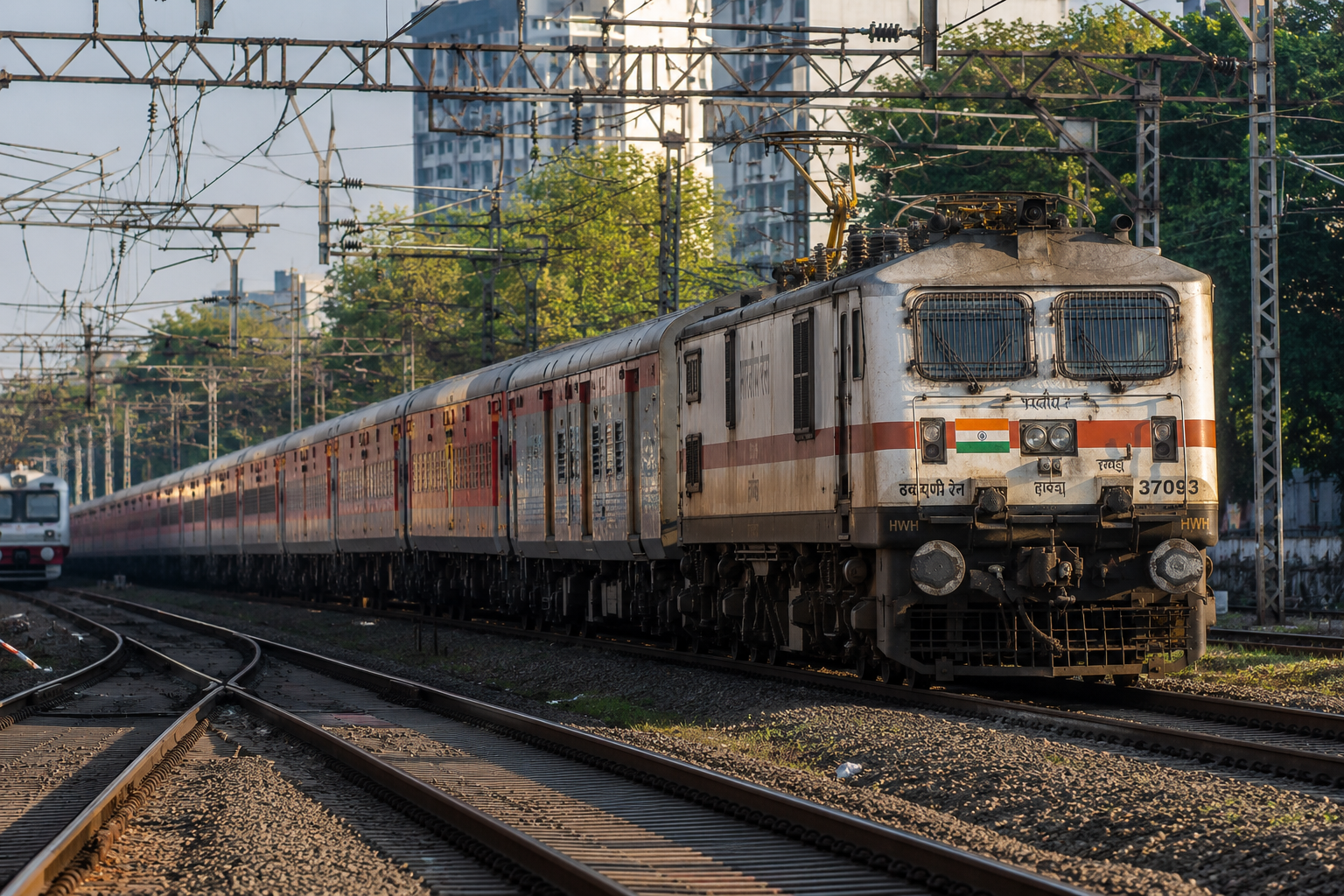
Indian Railways sanctioned Rs 135 cr flyover project to ease conjunction on Rourkela-Bondamunda section

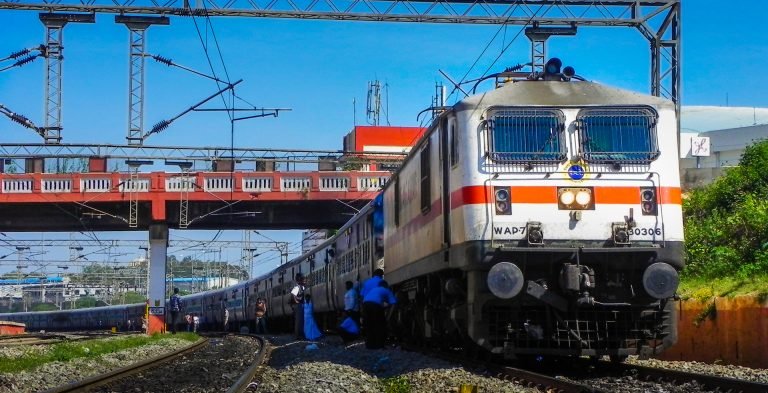
ODISHA (Metro Rail News): Indian Railways has approved a Rs 135 crore rail flyover project at Bondamunda in Odisha. The project aims to improve train movement on the busy Rourkela-Bondamunda section. It will separate freight and passenger trains, allowing Indian Railways to handle the traffic more efficiently. 

The new flyover will stretch 4.9 km from Bondamunda ‘A’ cabin to Bondamunda Link ‘B’ cabin under South-Eastern Railway. Indian Railways has planned this project to meet the rising demand for freight transportation from the region’s mining and steel industries.

The need of this project 

The Rourkela-Bondamunda section is an important industrial rail corridor. Freight traffic on this route is expected to rise in the coming years because of:

  • Expansion of SAIL’s Barsua-Taldih-Kalta mining complex  
  • Higher production at Rourkela Steel Plant  
  • Planned doubling of this High-Density Network (HDN) route  

It is expected that in coming years more freight trains will run on this corridor. That’s why Indian Railways decided to build the flyover to improve traffic flow and avoid delays. The new structure will separate freight trains from passenger train operations. This will reduce congestion at Bondamunda Yard and improve train movement on the route. It will increase line capacity and enhance operational efficiency. This project will also help in making train operations more reliable by reducing conflicts between passenger and freight trains.

Major boost for freight movement

Once this project becomes operational, the corridor will handle an additional 8 million tonnes of freight traffic every year. The extra capacity will support the transportation of minerals, steel products and other industrial cargo. Indian Railways has included the project under its Energy, Mineral, and Cement Corridor program. This program focuses on strengthening rail infrastructure in industrial regions and improving logistics for industries that depend heavily on freight transportation.

Also Read: Bengaluru-Mumbai Vande Bharat Sleeper moves closer to launch with arrival of trainsets
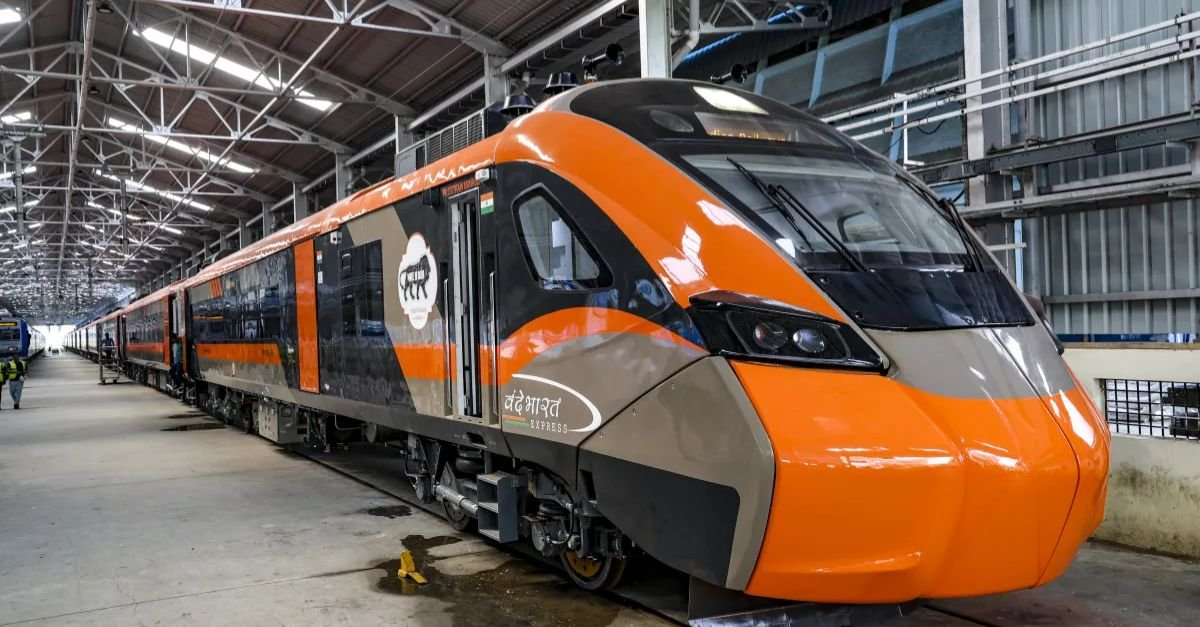
Bengaluru-Mumbai Vande Bharat Sleeper moves closer to launch with arrival of trainsets
NEW DELHI (Metro Rail News): Indian Railways is planning to expand Vande Bharat Sleeper operations between Bengaluru, and India’s financial capital, Mumbai. Against this backdrop, the premium Vande Bharat Sleeper trainsets have arrived at Bengaluru. This train will connect the KSR station in Bengaluru with Chhatrapati Shivaji Maharaj Terminus in Mumbai. Bengaluru-Mumbai Vande Bharat Sleeper will improve the connectivity between Bengaluru and Mumbai via Raichur, Yadgir, and Kalaburagi before heading toward Solapur and Pune.

As per The Indian Express, the new trains are manufactured by BEML, through an Integral Coach Factory (ICF) technology based in Chennai. Before entering passenger services, the train will undergo trials and safety checks. The train’s technical systems, ability to brake, communication facilities, and safety mechanisms will be checked by railway experts. 

The train is currently stabled at SMVT station in Bengaluru, it is expected to be launched after receiving the tests approvals and successful trial results. 

This will be the second Vande Bharat Sleeper train after the Howrah-Kamakhya Vande Bharat Sleeper Express, which was launched in January, 2026. The first train reduced the travel time between the stations by almost 6 hours. 

Features of Bengaluru-Mumbai Vande Bharat Sleeper Trains

The train will have 16 coaches in total, comprising eleven 3-tier coaches, four 2-tier coaches and one 1st AC Coach. The total passenger capacity will be 823, with 611 in 3T, 188 in 2T and 24 in 1AC. 

The semi-high speed train is designed with an operational speed up to 180 kmph. Moreover, the train is equipped with the Kavach automatic train protection system, ensuring collision prevention and safe train operations.

The train is designed for long overnight travelling, covering around 800 to 1200 km. The train offers ergonomically designed berths for comfortable long journeys.

Also Read: Titagarh and TuTr Hyperloop partners to develop Freight Hyperloop Tech

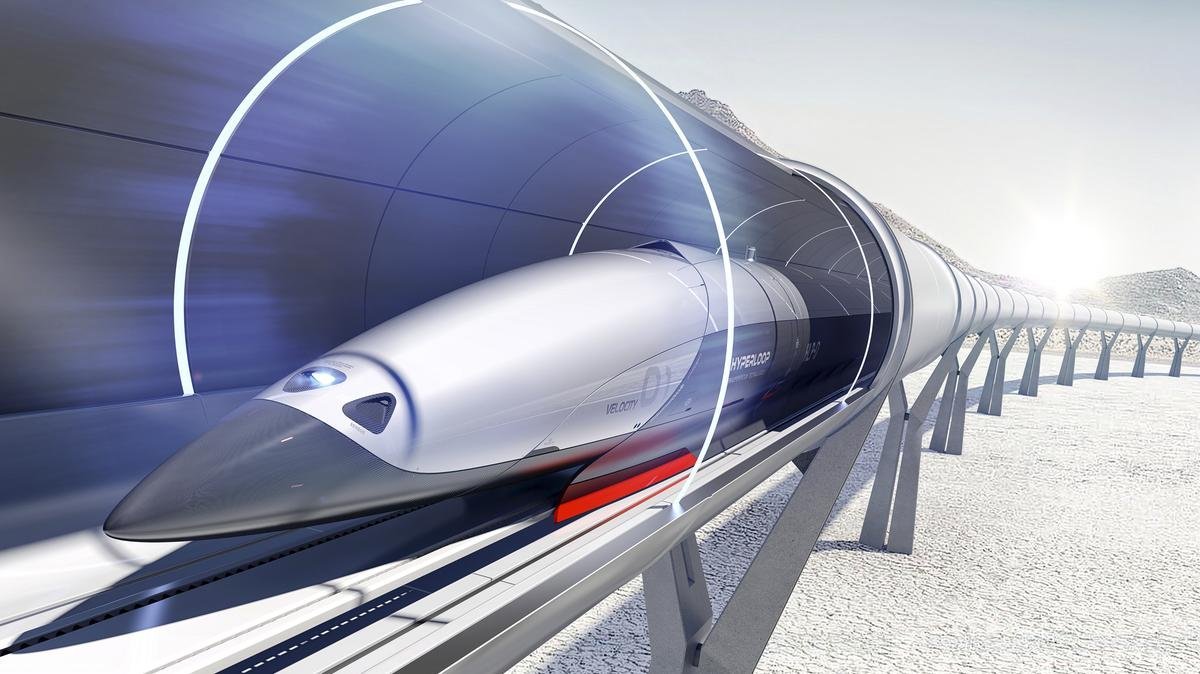
Titagarh and TuTr Hyperloop partners to develop Freight Hyperloop Tech

KOLKATA (Metro Rail News): Titagarh Rail System Limited, India’s leading rolling stock manufacturer, and TuTr Hyperloop, an IIT Madras based startup focused on freight Hyperloop systems, entered a strategic collaboration on Thursday (2nd July). The objective of this partnership is to develop India’s first Hyperloop technology equipped freight transportation system.

The scope of this collaboration includes the evaluation, designing, development, integration, and exploring the commercialization of high-speed and energy-efficient freight transportation systems in view of future requirements of transportation and infrastructure.

The Hyperloop technology can have practical solutions for the future of transportation. The focus of this agreement is to set up a structured framework to evaluate the application of Hyperloop technology for cargo and freight transportation across both national and international markets. Through this initiative, the companies aim to promote India’s growth through advanced indigenous technology, under the Made in India and Aatmanirbhar Bharat initiatives.

Mr. Prithish Chowdhary, Deputy Managing Director at Titagarh, talked about the technology driven future of transportation and the strategic alliance with TuTr Hyperloop for the freight Hyperloop technology. Moreover, he showed commitment to produce advanced indigenous technologies and India’s goal of Viksit Bharat.

Dr Aravind Bharadwaj, Co-Founder at TuTr Hyperloop, showed confidence in the alliance with Titagarh and said that they will create next-generation solutions for cargo transportation. He further expressed his vision to reach the global market with our indigenous technology.

What is Hyperloop Technology?

A conventional high-speed train can move at an exceptional pace; yet factors like ground friction and aerodynamic force limit them to a certain maximum speed. The Hyperloop technology presents a solution to this drawback.

It envisions pods moving through near-vacuum tubes at supersonic velocities. However, currently, this technology is at a developing stage, and several institutions are working to turn this vision into a reality. It is often seen as a major technology in shaping the future of transportation.

Also Read: Evolving High-Speed Rail: The Maglev and Hyperloop Era

Gurgaon Metro: DPR finalised for Sector 56 to Pachgaon metro corridor

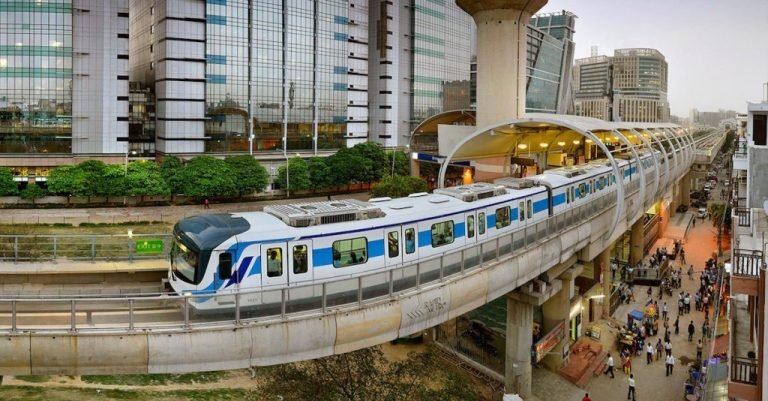
GURGAON (Metro Rail News): The Haryana Mass Rapid Transport Corporation Limited (HMRTC) has finalised the DPR for a new Gurgaon Metro corridor linking Sector 56 on Golf Course Extension Road to Pachgaon on the Delhi-Jaipur Highway. The estimated cost of the project is Rs. 10,428 crore. The DPR includes 28 stations and the length of the corridor is 35 km. The Haryana State Industrial and Infrastructure Development Corporation (HSIIDC) will provide Rs 1,500 crore towards the implementation of this metro project.

A dedicated metro station is proposed to be constructed in the underdeveloped Global City, a mixed land use township in Sector 36A, Gurugram, which is being developed across 1000 acres by HSIIDC. 

This new metro corridor will be connected to three major transit points, i.e Rapid Metro and two proposed Namo Bharat Line. At Sector 56, the new line will directly link to the existing Rapid Metro, which currently operates from Cyber City to Sector 56. 

At sector 61, this new metro line is planned to intersect with the proposed Namo Bharat line running between Gurgaon and Greater Noida via Faridabad and Noida.

At Pachgaon, which is the southern end of the line, an intersection station is planned that will connect the passengers to the proposed Delhi-Bawal Namo Bharat corridor. At Vatika Chowk, an additional interchange is also planned where a future metro corridor from Bhondsi to Rajiv Chowk is proposed to pass through.

The funding structure of the project includes the Centre covering 10% of the project cost. The remaining cost will be divided between 20 per cent equity from the Haryana government and 80 per cent through institutional borrowing from banks.

The DPR has been submitted by the HMRTC to the Haryana Government. Once the Chief Minister approves the DPR, the construction will begin once the project receives statutory clearances.

Also Read: DMRC submits DPR of Thiruvananthapuram Metro Project

Jaipur Metro Phase II: RMRCL floats Rs 1,131 cr civil works tender 

JAIPUR (Metro Rail News): The Rajasthan Metro Rail Corporation Limited (RMRCL) has invited bids for constructing a significant segment of the Jaipur Metro Phase II project. This package covers the design and construction of an elevated metro corridor alongside 12 elevated stations, including architectural finishing works. The estimated cost of the project is Rs 1,331.58 cr.

Tender Information 

InformationDetails
Tender ID2026_RMADB_571803_1
Estimated CostRs 1,331.58 crore
Pre-Bid Meeting20 July 2026, 4:30 PM 
Last Date for Bid Submission18 August 2026 
Bid Opening Date29 August 2026  
Bid Validity180 days

Scope of work

The chosen contractor will design and construction of elevated viaduct and 12 elevated stations (including architectural finishing) viz. Collectorate, Panipech, Ambabari, Chomu Puliya, Vidhya Nagar Sec-2, Vidhya Nagar, VKI Road No 5, VKI Road No 9, VKI Road No. 14, Harmada, Harmada Ghati & Todi Mod under Jaipur Metro Phase- II MRTS. 

About Jaipur Metro Phase II

Jaipur Metro Phase-II will expand the city’s metro network and improve public transport connections in growing areas of Jaipur. This project is part of a program funded by the Asian Development Bank (ADB) and it is being implemented by Rajasthan Metro Rail Corporation Limited (RMRCL). It is approximately 41 km long North-South transit corridor, which connects Prahladpura to Todi Mod. Prime Minister Shri Narendra Modi is expected to lay the foundation of this project on 4th of July. 

Also Read: PM Modi to lay foundation stone for Jaipur Metro Phase II on July 4

DMRC submits DPR of Thiruvananthapuram Metro Project

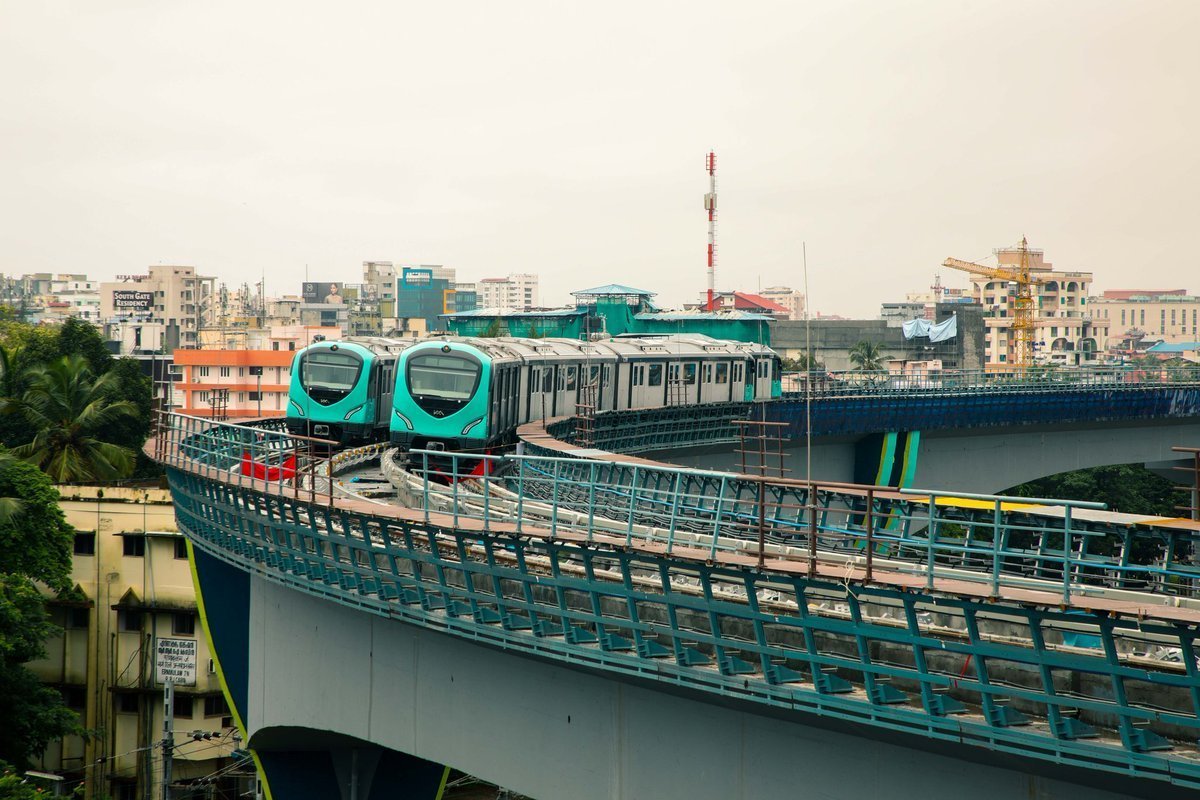
THIRUVANANTHAPURAM (Metro Rail New): The Detailed Project Report (DPR) of the long-awaited Thiruvananthapuram Metro project has been submitted by Delhi Metro Rail Corporation (DMRC) to Kochi Metro Rail Limited (KMRL), the project’s implementing agency.

According to the Times of India, KMRL is currently reviewing the DPR. Afterwards, they will send it to the state government for approval, which is expected to be done in 30 days and later after the state government approves the project, it will move on to the central government for the final approval and work sanctions.

Earlier, the state government of Kerala had approved the alignment of the first phase of the metro in November, 2025. The cost of the project was estimated at a cost of approximately Rs 8,000 Crores.

Phase 1 corridor 

The alignment of the first phase has not changed from the previously approved route. It will be a 31 km long corridor running between Pappanamcode and Enchakkal via Pattom, Government Medical College, Kazhakkoottam, Akkulam and Thiruvananthapuram International Airport. Kazhakkoottam is proposed for the maintenance depot of the Phase 1 corridor.

There will be 27 stations in the first phase. It includes the busiest areas, comprising the Techopark, major residential and commercial areas, the secretariat, railway station and airport.

Need for a Metro in Thiruvananthapuram

The Thiruvananthapuram metro project has been delayed for a long time. The city’s increasing number of vehicles and urban traffic congestion require a transportation upgrade. The city is a major commercial and technological hub in Kerala and it also serves as the administrative capital of the state. The project had faced uncertainty due to the population criterion under the National Metro Rail Policy, 2017.

Also Read: Centre approves direct metro line from Kalyani Nagar Station to Pune International Airport

Centre approves direct metro line from Kalyani Nagar Station to Pune International Airport

PUNE (Metro Rail News): The highly awaited Kalyani Nagar-Pune Airport Metro route received final in-principle approval. This new metro line will be integrated with all 4 Pune Metro lines, providing a direct connection to Pune International Airport.

Union Minister of State for Civil Aviation and Cooperation, Shri Murlidhar Mohol, chaired a review meeting where the route received its final approval. The meeting was attended by senior officials including MahaMetro’s Managing Director Shrawan Hardikar, Pune Municipal Corporation Commissioner Nawal Kishor Ram, MahaMetro Directors Atul Gadgil and Vinodkumar Agarwal, City Engineer Aniruddha Pawaskar, along with senior officials from Pune Municipal Corporation, corporators, and local citizens. 

During the Union Minister’s visit he reviewed the important proposed metro corridors, including Vanaz to Chandani Chowk, Ramwadi to Wagholi, S.N.D.T. College Metro Station to Warje-Manikbaug, and the Airport Connectivity project. He also asked the officials to expedite the work on pending metro lines and ensure better coordination between Maha-Metro and the PMC for seamless project implementation. 

Pune Metro currently has an operational length of 33.1 km across two fully functional corridors: 

Metro LineStations Length 
Line-1 (Purple Line)PCMC (Pimpri-Chinchwad Municipal Corporation) to Swargate17.4 km
Line-2  (Aqua Line)Vanaz to Ramwadi15.7 km

Underconstruction Lines 

Metro LineStations Length 
Line 3Hinjawadi to Civil Court23.20 km
Line 4Kharadi to Khadakwasla31.63 km

The Civil Court Station at present serves as the interchange station for Line 1 and 2 and will also link to Line 3. The proposed Line 4 corridor will link to the Kalyani Nagar Metro Station which comes under Line 2, providing airport connectivity to all four Metro lines, enhancing metro connectivity and improving overall urban mobility of the city.

Once this line receives approval from Pune Municipal Corporation, the proposal will be sent to the Maharashtra government and then the Centre for final approval.

Also Read: PM Modi to lay foundation stone for Jaipur Metro Phase II on July 4

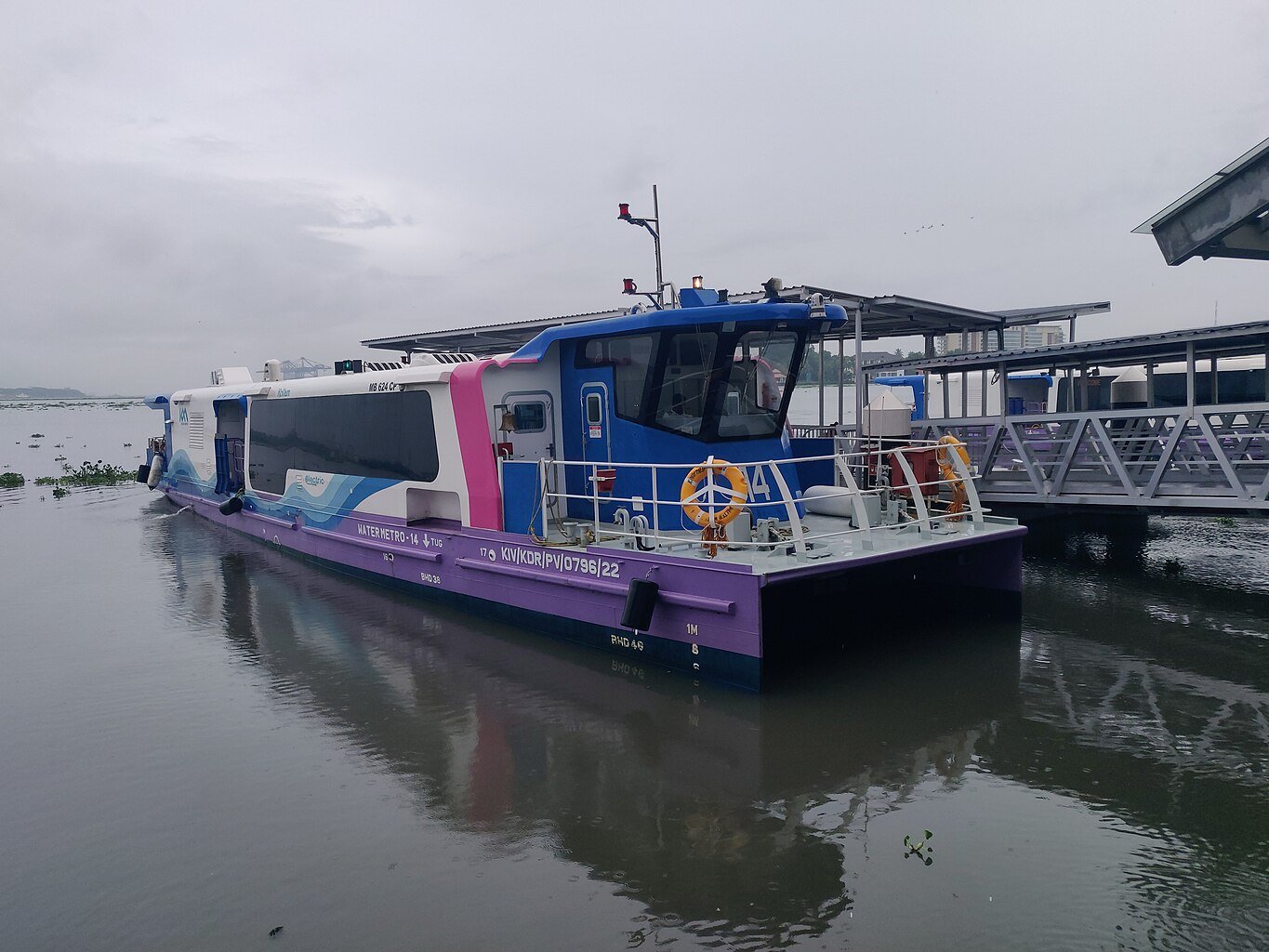
Kerala plans to expand Kochi Water Metro plan in Alappuzha and Kollam 

KERALA (Metro Rail News): After the success of the Kochi Water Metro, the Kerala government is now planning to introduce similar services in other districts as well including Alappuzha and Kollam. Transport Minister C.P. John said in the Assembly that Kochi Metro Rail Limited (KMRL) conducted a feasibility study. The government has already submitted the reports to Inland Waterways Authorities of India (IWAI). The State Government wants to utilise Kerala’s vast network of waterways for improving public transport and reducing burden on roads. 

Expansion is taking shape

Alappuzha, Kollam have been identified for the upcoming phase. Officials believe water transport could be a faster, more convenient way for transportation in districts with extensive networks of rivers, canals, backwaters. The government also intends to increase cargo movement through waterways rather than roads.

Government pushes cargo movement through waterways

The government also wants to move more goods through waterways instead of roads. To support this plan, the Kerala State Inland Navigation Corporation has prepared 10 barges for cargo transportation. Officials expect this move to reduce heavy truck traffic on roads while promoting inland water transport. 

Green transport goal by 2031

The Transport Minister also mentioned that the water transport department has set a target to become environmentally friendly by 2031. The department aims to achieve:

  • Zero energy consumption
  • Zero emissions
  • Zero fuel costs

As part of this plan:

  • 60% of its boats will run on solar power.
  • 50% of its stations will use solar energy.

The Vaikom Water Transport Station has already become India’s first fully solar-powered water transport station. 

Solar boats brings recognition 

C.P. John also highlighted the achievements of Aditya, which is India’s first eco-friendly solar-powered passenger boat. Aditya won the Gustav Trouvé as the world’s best electric boat, a recognition that the minister described as a major achievement for Kerala. Solar-powered boats such as Aditya and Indra have also helped reduce pollution and operating costs. He further mentioned that water-based tourism projects such as Kuttanad Safari, Vega, Sea Kuttanad and Sea Ashtamudi have also been initiated to boost the tourism sector. Infrastructure upgrades are being carried out in state, and the service is now equipped with more steel and fibre catamaran boats to enhance speed and efficiency. 

Also Read: Srinagar, Guwahati and Kolkata soon to get Water Metro networks: IWAI floats DPR and consultancy tenders

PM Modi to lay foundation stone for Jaipur Metro Phase II on July 4

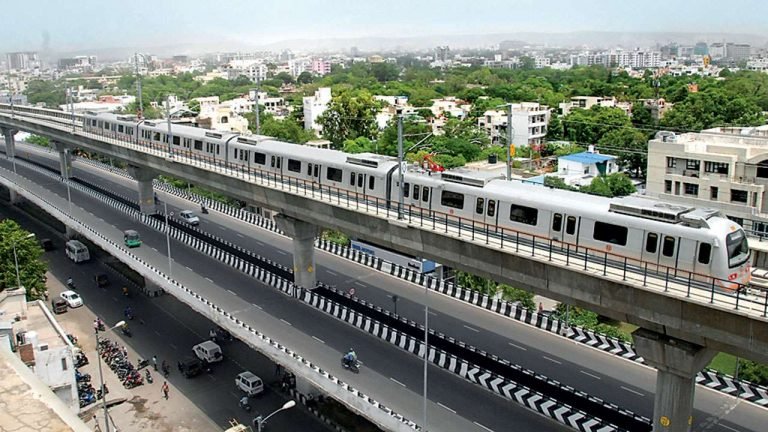
JAIPUR (Metro Rail News): After facing long delays, Jaipur Metro Phase II is finally closer to its implementation. Prime Minister Shri Narendra Modi will visit Jaipur to lay the foundation stone for the project on 4th July, 2026. This 41 km long North–South corridor from Prahladpura to Todi Mod consists of 36 stations (34 elevated and 2 underground) and will be implemented by Rajasthan Metro Rail Corporation Limited (RMRCL), a 50:50 joint venture of the Government of India and the Government of Rajasthan. The total estimated cost of the project is ₹13,037.66 crore. 

The Phase II corridor will provide smooth connectivity to major parts of Jaipur such as Sitapura Industrial Area, VKIA, Jaipur Airport, Tonk Road, SMS Hospital and Stadium, Ambabari and Vidhyadhar Nagar. The stations will be integrated with the operational Phase 1 and connect with the airport. 

The Jaipur Metro Phase II is aligned with the Rajasthan TOD Policy-2025, and the targeted year of completion is September 2031. Once operational, this corridor will provide better traffic management and enhance connectivity for the residents, workers and tourists.

Jaipur Metro Phase 1 operates on 11.64 km track, with 11 stations connecting important residential and commercial areas with the Central Business District of Jaipur. Jaipur Metro Phase II will complement the existing corridor and significantly reduce traffic and improve overall urban mobility of the city. 

Also Read: Indian Railways sanctions Rs 200 Cr for OFC project across SE Railway

RITES, CONCOR enter into MoU for Logistics Infrastructure Consultancy 

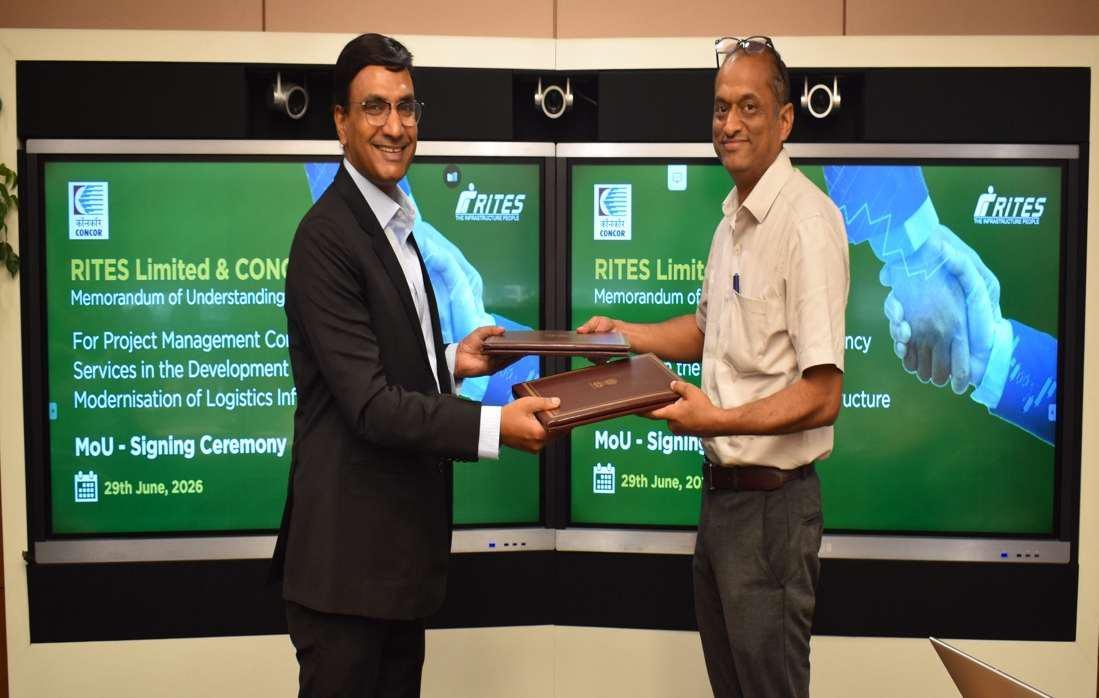
GURUGRAM (Metro Rail News): On June 29, 2026, RITES Ltd., a leading transport infrastructure consultancy and engineering company, today signed a Memorandum of Understanding (MoU) with Container Corporation of India Limited (CONCOR), a Navratna Public Sector Enterprise under the Ministry of Railways, to collaborate on Project Management Consultancy (PMC) services from concept to commissioning for the development and improvement of CONCOR’s terminals and establishments. The partnership will leverage RITES’ multidisciplinary engineering and project management expertise to support the planning, design, execution and supervision of infrastructure projects undertaken for CONCOR.

Under the MoU, CONCOR may entrust RITES, on a work-to-work basis, with Project Management Consultancy services from concept to commissioning. These services will include feasibility studies, preparation of Detailed Project Reports, detailed engineering, architectural and structural design, project supervision, quality assurance, and construction management etc. The collaboration will support the development and improvement of infrastructure including multimodal logistics parks, inland container depots, rail-linked terminals, warehouses, railway infrastructure, administrative buildings, roads, utilities and allied facilities. Through this partnership, both RITES and CONCOR aim to leverage their respective strengths to facilitate the timely execution of logistics infrastructure projects and contribute to the development of efficient multimodal logistics facilities in the country. 

About RITES Limited

RITES Limited is a Navratna Public Sector Enterprise and a leading player in the transport consultancy and engineering sector in India, having diversified services and geographical reach. The company has an experience spanning 52 years and undertaken projects in over 55 countries in Asia, Africa, Latin America, South America, and the Middle East region. 

-RITES Press Release

Also Read: Indian Railways sanctions Rs 200 Cr for OFC project across SE Railway

Indian Railways sanctions Rs 200 Cr for OFC project across SE Railway

DELHI (Metro Rail News): The Indian Railways has approved a project at the cost of Rs 200 Crore to enhance the digital communication across the South Eastern Railways. The Ministry of Railways declared this through a press release, issued on Tuesday (June 30). The project will supply 48-Fibre Optical Fibre Cable (OFC) connectivity to four major divisions of South Eastern Railways. The overall coverage area will be 1696.2 Route Kilometers (RKm). 

Project at glance

The project has approved a total 1696.2 RKm of communication infrastructure to be integrated across the South Eastern Railways. The major divisions and their sanctioned work are:

DIVISIONSANCTIONED WORK
Adra Division545.4 RKm
Chakradharpur Division392.3 RKm
Kharagpur Division339.9 RKm
Ranchi Division418.6 RKm
Total1696.2 RKm

How will this OFC connectivity promote safe and modern railway operation?

The advanced fibre will improve railway operations with a strong high capacity communication network. The project will boost resilience and reliability of the railway communication system, carry out faster operational data transmission, and enhance coordination between stations, control offices and field units.

Moreover this project will facilitate modern railway technology, enhance operational efficiency and strengthen the digital structure for the future expansion in the South Eastern Railways. This approval will modernise the railway infrastructure by providing advanced transmission systems, giving way to secure, advanced and more efficient train operations.

Also Read: Indian Railways approves Rs 432 cr signalling upgrade for busy Eastern Railway routes

Indian Railways approves Rs 432 cr signalling upgrade for busy Eastern Railway routes

DELHI (Metro Rail News): Indian Railways has approved a Rs 432 crore project to update signalling systems on some of Eastern Railway’s busiest routes. The project will introduce modern Electronic Interlocking technology at 27 locations in the Asansol Division, enhancing safety and train operations.

The focus of the project is to replace older relay-based interlocking systems with Electronic Interlocking (EI).  It is a modern computer-based signalling technology. Indian Railways is planning to implement this work on High Density Network (HDN) and Highly Utilised Network (HUN) routes, where train traffic is high throughout the day.

Project Overview

DetailsInformation
Project CostRs 432 cr
Railway ZoneEastern Railway 
DivisionAsansol Division
Locations Covered27 stations/cabins and 1 IBS location
TechnologyElectronic Interlocking (EI)

Under the approved plan,Indian Railways will replace 28 existing relay-based interlocking installations. These include 27 Panel Interlocking (PI) and Route Relay Interlocking (RRI) systems  and 1 Intermediate Block Signalling (IBS) location. The new Electronic Interlocking system will manage train movements using computer-based technology, replacing outdated signalling equipment.

Importance of this upgrade

The Asansol Division handles significant passenger and freight traffic. As train movements continue to rise, Railways aims to strengthen the signalling system to enhance safety and efficiency. Electronic Interlocking offers several benefits:

  • Better reliability in train operations  
  • Faster fault detection and troubleshooting  
  • Easier maintenance  
  • Greater operational flexibility  
  • Improved safety standards  
  • Support for handling increased train traffic on busy routes  

Part of a larger modernisation plan

The project is part of Indian Railways’ broader effort to modernise signalling infrastructure on high-traffic corridors. The upgraded system will also support modern railway technologies such as:

  • Kavach train protection system  
  • Automatic Block Signalling (ABS)  
  • Centralised Traffic Control (CTC)  

Indian Railways expects these technologies to enhance train management and streamline operations across the network.

Also Read: V Somanna announced quadruple railway lines around 100-km of Bengaluru

V Somanna announced quadruple railway lines around 100-km of Bengaluru

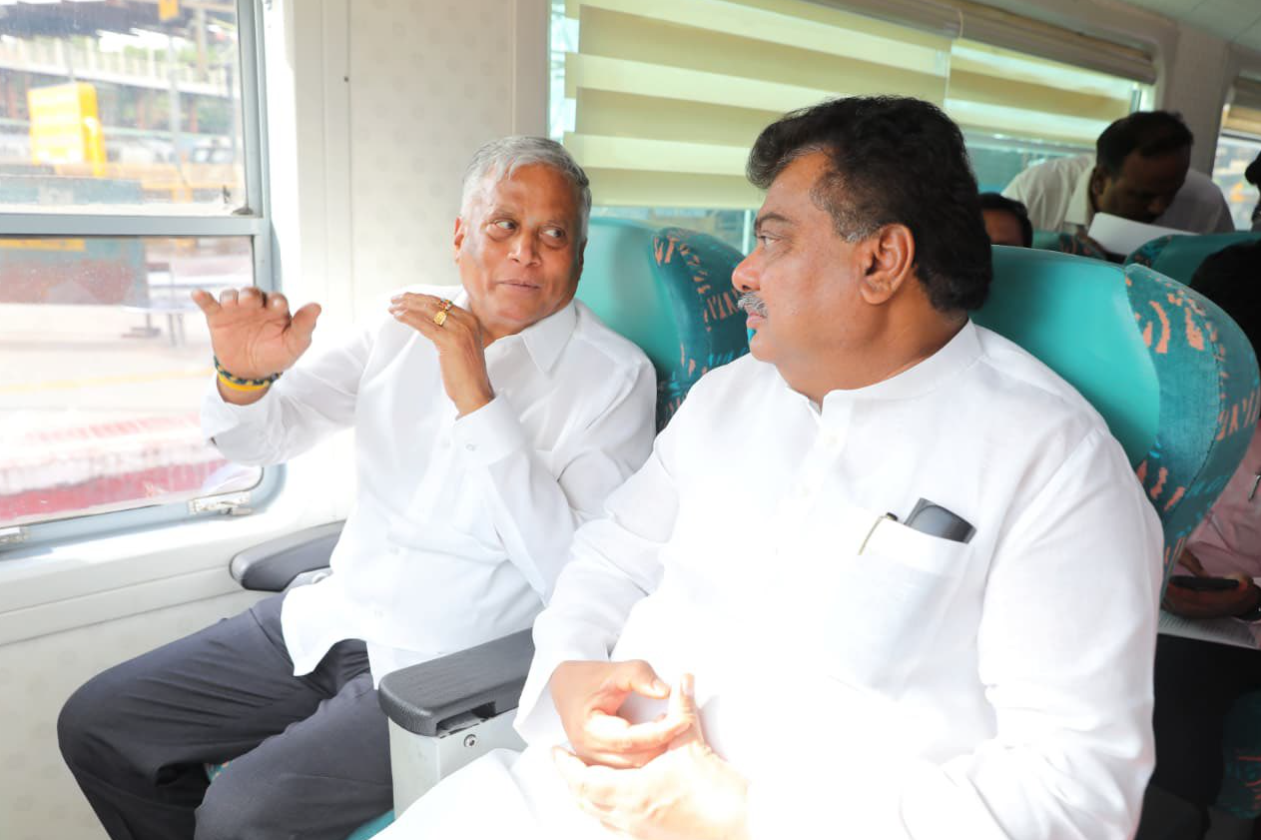
BENGALURU (Metro Rail News): Shri. V Somanna, the Union Minister of State for Railways, announced on Monday (June 29) that quadruple railway lines will be developed between Bengaluru and cities located within a 100-km radius of Bengaluru, and between Bengaluru and Mysuru. This announcement came when the minister was inaugurating a road overbridge at Channapatna.

Shri Patil urged four-track railway corridors linking the capital city of Bengaluru with Tumakuru, Mysuru, Hindupura through Gauribidanur, and Kolar. Somanna said that the survey of the Bengaluru-Tumakuru quadruple railway line has been concluded, and the tender process will begin soon. It is expected that the project will be completed within 18-24 months.

Shri Somanna further announced that the Central government has decided to conduct a survey on the route connecting Bengaluru and the port city of Mangaluru for the proposed Bengaluru-Mangaluru quadruple railway line. Shri Patil also demanded for an improved connection between Bengaluru and Kolar, regarding this Somanna said that a direct route will be constructed by extending the current four-track railway line beyond Whitefield.

Shri Patil also proposed to enhance the connectivity of Bengaluru and Mangaluru through a parallel corridor of road and railway between Sakleshpur and Gundya. Shri Somanna endorsed the proposal and said that improved connectivity with the port city would be economically beneficial.

Also Read: Delhi Metro Rail Corp. Awarded for Operational Excellence by UITP

Delhi Metro Rail Corp. Awarded for Operational Excellence by UITP

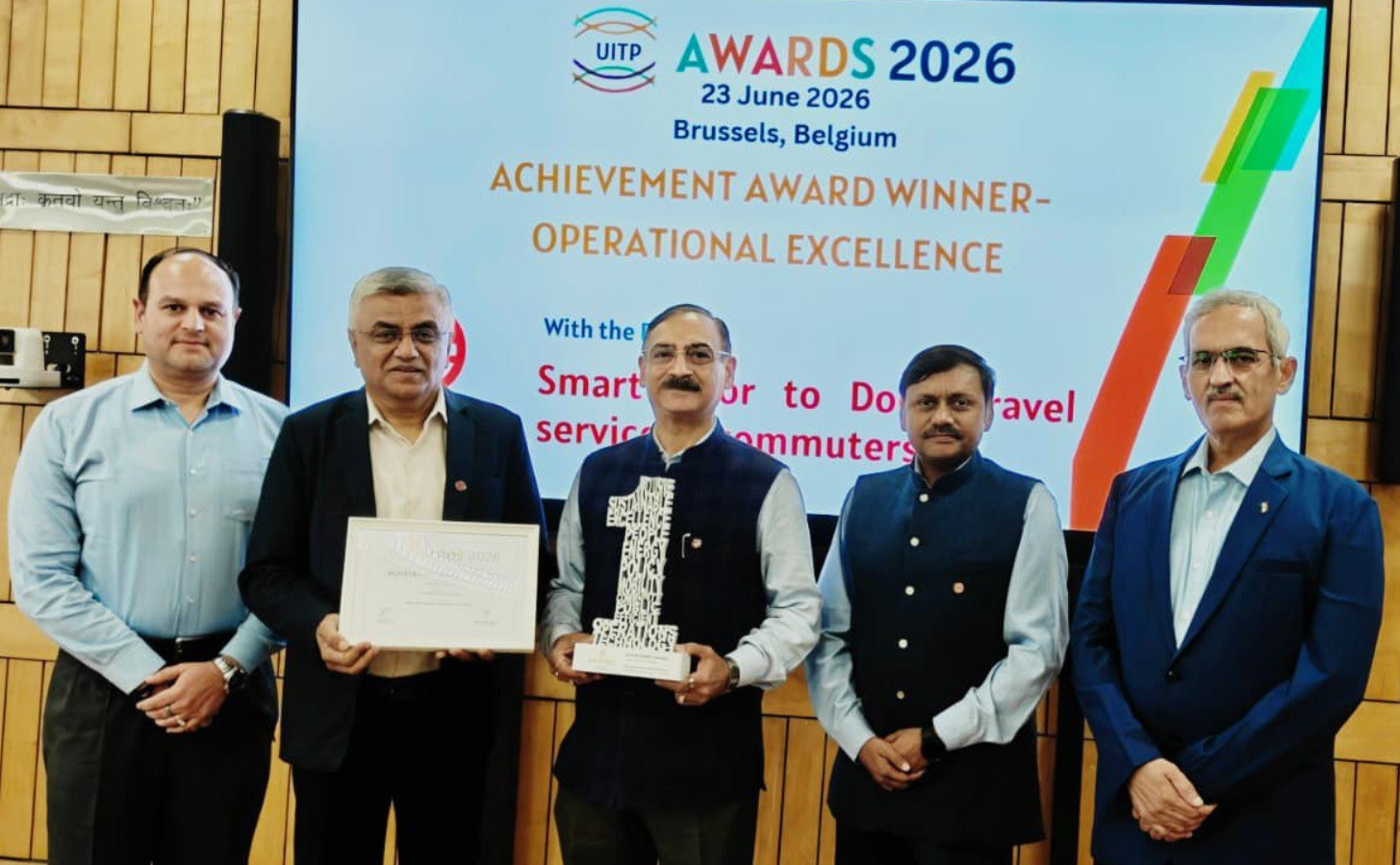
DELHI (Metro Rail News): Delhi Metro Rail Corporation (DMRC) received the Achievement Award in the Operational Excellence category by UITP, the International Association of Public Transport.

The honour was awarded to DMRC during the UITP award ceremony in Brussels, Belgium, on June 23, 2026. Dr Amit Kumar Jain, the Director of Operations and Services and Mr Rajnish Rana, Additional General Manager, DMRC received the award.

The award recognizes DMRC’s accomplishments in advancing sustainable urban transport and smart door-to-door connectivity for travellers. DMRC renders this service through an integration of providing first/last mile connectivity, transmission of real-time information, and a smooth ticketing system. DMRC Sarthi App, an AI-integrated mobile application to access all the DMRC services, provides seamless support to connect the metro with first/last mile transport.

This integration allows commuters to have seamless connectivity from their origin location to the place of destination. Commuters can plan everything, including travel from their home to metro station, the metro ride and from the metro station to the place of destination. The commuters will have to pay a single integrated fare for the entire trip.

About Delhi Metro

Delhi Metro has driven a revolution in the city’s transportation system. It has expanded to a massive network covering approximately 416 km with 303 stations (including the Rapid Metro in Gurugram and the Noida-Greater Noida Corridor). The Delhi Metro carries over 7 million passengers a day on average. The Delhi Metro has transformed the city’s urban mobility with seamless connectivity and affordable yet advanced commutation.

Also Read: Anand Vihar Skywalk to Connect Namo Bharat, Delhi Metro, Railway Station & ISBT