Table of Contents
The advancement of artificial intelligence (AI) and increased computational power has significantly impacted industrial applications. High-speed railway (HSR) systems require maximum safety, reliability, availability, and cost-effectiveness. However, traditional maintenance systems, reliant on human judgment and historical data, struggle with the complexity of HSR networks. They often fail to detect faults in real-time, resulting in unexpected downtime, decreased performance, and higher maintenance costs.

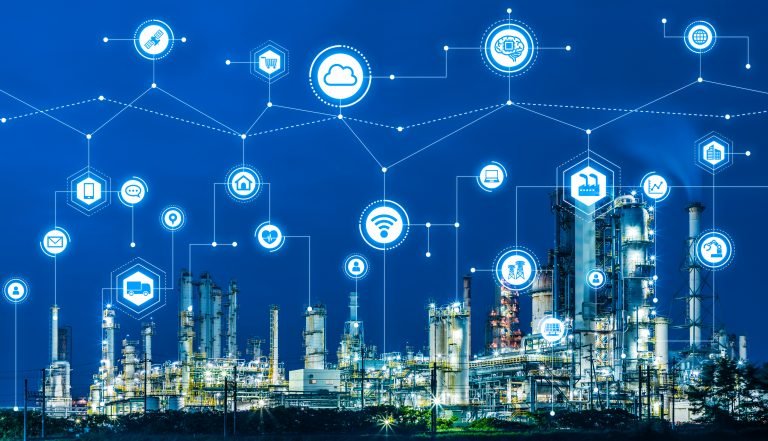
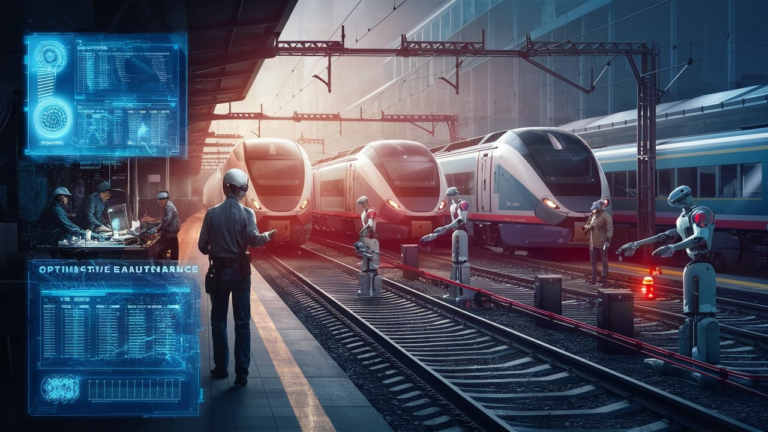
To address these challenges, a new framework proposes creating “cyber twins” for critical HSR subsystems and components. These digital replicas utilise AI-driven predictive health management (PHM) to enhance transparency and decision-making efficiency. By continuously monitoring real-time performance and predicting faults, cyber twins play a crucial role in maintaining HSR operational integrity.
Additionally, integrating edge computing enables real-time feature extraction and anomaly detection, further enhancing maintenance responsiveness and overall system reliability.

The Role of Artificial Intelligence in Predictive Health Management
The rapid advancement of artificial intelligence (AI) and increasing computational power has facilitated its application in predictive health management (PHM) within high-speed railway (HSR) systems. AI-enabled PHM utilises machine learning algorithms, data analytics, and IoT sensors to monitor real-time performance, detect anomalies, and predict potential faults. This proactive approach to maintenance reduces downtime and enhances overall system reliability and availability.
The Concept of “Cyber Twins”
To overcome the limitations of traditional maintenance systems, a framework proposes creating “cyber twins” of critical physical subsystems and components in HSR systems. Cyber twins are digital replicas that simulate the behaviour, performance, and characteristics of their physical counterparts. These digital models are constructed using advanced techniques such as finite element analysis, computational fluid dynamics, and system dynamics.

Benefits of Cyber Twins
Cyber twins significantly improve condition transparency and decision efficiency in HSR systems by:
- Real-time Performance Monitoring: Continuously monitoring performance data from sensors and IoT devices to provide a comprehensive view of system behaviour.
- Predictive Analytics: Using machine learning to analyse real-time data and predict faults, anomalies, and potential performance degradation.
- Anomaly Detection: Identifying deviations from normal behaviour, enabling early warning systems and proactive maintenance.
- Decision Support: Providing actionable insights and recommendations for maintenance, repairs, and component replacements.
Edge Computing for Real-Time Feature Extraction and Anomaly Detection
The system leverages edge computing to facilitate real-time feature extraction and anomaly detection. This approach processes data closer to the data source, reducing latency and improving decision-making speed. In HSR systems, edge computing enhances:
- Real-time Data Processing: Processing data from sensors and IoT devices promptly for immediate insights.
- Reduced Latency: Minimising delay in data processing and decision-making.
- Improved Security: Lowering the risk of data breaches by minimising data transmission to centralised servers or the cloud.
Implementation and Integration
The proposed framework can be implemented and integrated into existing HSR systems through:
- Sensor Integration: Incorporating IoT sensors and devices to gather real-time data.
- Data Analytics: Developing machine learning algorithms and analytics tools for data processing.
- Cyber Twin Development: Creating accurate digital models using advanced simulation techniques.
- Edge Computing Deployment: Installing edge computing infrastructure for efficient real-time data processing.
- System Integration: Integrating the framework with current maintenance systems, SCADA systems, and other relevant infrastructure.
Introduction to High-Speed Rail Systems
High-speed rail systems have transformed modern transportation by providing efficient and rapid connections between cities. These systems are crucial components of contemporary infrastructure, with substantial investments made by many countries to develop and expand their networks.
Adoption of AI in Maintenance

Japan, a pioneer in high-speed rail technology, has recently embraced artificial intelligence (AI) for maintenance. This adoption indicates a notable shift in how they inspect and manage their trains, aiming to enhance efficiency and reliability.
Global Growth of High-Speed Rail Networks
The growth of high-speed rail networks has been remarkable, led by China in terms of network size and expansion. As these networks continue to expand, the efficient operation and maintenance of high-speed trains become increasingly critical. These trains have stringent safety, reliability, and availability requirements, where even minor disruptions can have significant impacts.
Challenges with Traditional Maintenance Approaches
Traditional preventive maintenance often relies on fixed-time windows for part replacements, irrespective of their actual condition. This approach can result in unnecessary maintenance costs, particularly as the fleet size increases.
Role of Prognostics and Health Management (PHM)
Prognostics and Health Management (PHM) technologies use advanced analytics and machine learning algorithms to predict potential faults and optimise maintenance schedules in high-speed rail systems. By continuously monitoring the condition of critical components, PHM enhances operational efficiency by:
- Predicting Potential Faults: Using historical data and real-time analytics to forecast equipment failures before they occur, thereby minimising unexpected downtime.
- Optimising Maintenance Schedules: Tailoring maintenance activities based on actual component health rather than fixed schedules, reducing unnecessary servicing and associated costs.
- Improving Safety and Reliability: Enhancing the overall safety and reliability of high-speed rail operations through proactive maintenance interventions.
- Minimising Maintenance Expenditures: By optimising maintenance schedules and focusing resources where they are most needed, PHM helps minimise operational costs while maximising system availability.
AI-enabled PHM for High-Speed Rail (HSR)

To tackle the challenges faced by high-speed rail systems, a Cyber-Physical Systems (CPS) framework integrates AI technologies into Prognostics and Health Management (PHM). This framework consists of three essential components:
- Cyber Twins
Cyber twins are digital replicas of physical subsystems and components. They enhance transparency and decision-making by continuously monitoring real-time performance data and predicting potential faults. This proactive approach enables maintenance teams to address issues preemptively, minimising the risk of unexpected downtime. Additionally, cyber twins facilitate scenario simulation, allowing for the testing and optimising of maintenance strategies in a virtual environment.

- Edge Computing
Edge computing optimises decision-making processes by performing real-time feature extraction and anomaly detection at the edge of the network. This method contrasts with traditional cloud-based approaches that involve analysing extensive raw data. By reducing latency and ensuring swift responses to emerging issues, edge computing enhances system reliability and minimises the likelihood of faults and failures. Critical systems benefit from timely updates and alerts, enhancing overall operational efficiency. - Data-Driven Solutions
Data-driven methods are pivotal for developing predictive maintenance models for critical subsystems. These models use historical data and domain expertise to predict potential faults and optimise maintenance schedules. Furthermore, data-driven solutions enable the identification of trends and patterns, empowering maintenance teams to proactively manage and mitigate emerging issues before they escalate.
By integrating these components, AI-enabled PHM offers a range of benefits for high-speed rail systems, including:
Applications and Benefits of AI-Enabled PHM
- Safety Enhancement: AI-driven PHM plays a crucial role in enhancing safety within high-speed rail systems by ensuring timely fault detection. By continuously monitoring the real-time performance of critical components through cyber twins and leveraging predictive analytics, potential faults can be identified early. This proactive approach allows maintenance teams to intervene before issues escalate, thereby preventing unexpected downtime and enhancing the overall safety of high-speed train operations. Early detection also mitigates the risk of accidents, ensuring passengers travel with peace of mind.
- Cost Reduction: Integrating AI-enabled PHM leads to cost reductions for high-speed rail operators. By shifting from traditional fixed-interval maintenance schedules to targeted maintenance based on actual component health, operators can minimise redundant costs associated with unnecessary repairs and part replacements. Predictive analytics and data-driven insights enable maintenance teams to prioritise resources effectively, optimising the allocation of manpower and materials. This maintenance approach not only reduces operational expenses but also improves the financial viability of maintaining high-speed rail networks.
- Reliability and Availability: AI-enabled PHM provides real-time monitoring and predictive analytics to enhance the reliability and availability of high-speed rail systems. Cyber twins facilitate early detection of potential faults and anomalies by continuously assessing the health status of critical subsystems. This capability allows maintenance teams to implement preemptive measures, ensuring that high-speed trains operate reliably and efficiently without unplanned interruptions.
Japan’s Innovative Approach: AI-Based Inspection Systems
Japan’s railways, particularly the Tokaido-Shinkansen line operated by JR Central, have pioneered adopting AI-based systems for inspecting catenaries (overhead wires and poles). This approach represents a significant departure from traditional methods, utilising advanced technology to enhance the quality, efficiency, and safety of rail maintenance.
AI-Driven Inspection System
Traditionally, rail inspections relied on visual checks during the day and diagnostic trains at night, which had limitations in accuracy and efficiency. In contrast, JR Central’s advanced system employs in-line cameras, laser scanners, and near-infrared lighting to capture high-resolution images of catenaries under any lighting conditions. This technology enables the system to detect even minor faults and anomalies accurately.
AI algorithms analyse the captured data to identify and flag potential faults promptly. This real-time capability allows maintenance teams to receive accurate information swiftly, facilitating targeted responses to emerging issues. Data is transmitted directly to maintenance centres, ensuring efficient decision-making and proactive maintenance interventions.
Expected Benefits
The deployment of this AI-driven inspection system is anticipated to yield several benefits:
- Enhanced Quality and Efficiency: AI-powered analytics enable maintenance teams to prioritise and conduct targeted repairs, thereby reducing downtime and improving overall operational efficiency.
- Improved Reliability and Safety: Real-time fault detection allows for proactive measures to prevent accidents and ensure the safe operation of high-speed trains, enhancing the reliability and safety of rail operations.
- Innovative Industry Standard: This approach sets a new benchmark for integrating AI into transportation infrastructure, demonstrating its potential to transform the industry’s maintenance practices.
Deployment Timeline
Full deployment of the AI-driven inspection system is scheduled by 2027, coinciding with the introduction of mm frequency radio transmissions on the network.
Indian Context: Mumbai–Ahmedabad High-Speed Rail (MAHSR)

India’s ambitious Mumbai–Ahmedabad High-Speed Rail (MAHSR) project aims to connect Mumbai and Ahmedabad, drawing valuable lessons from Japan’s expertise in implementing high-speed rail systems.
Key Developments and Milestones
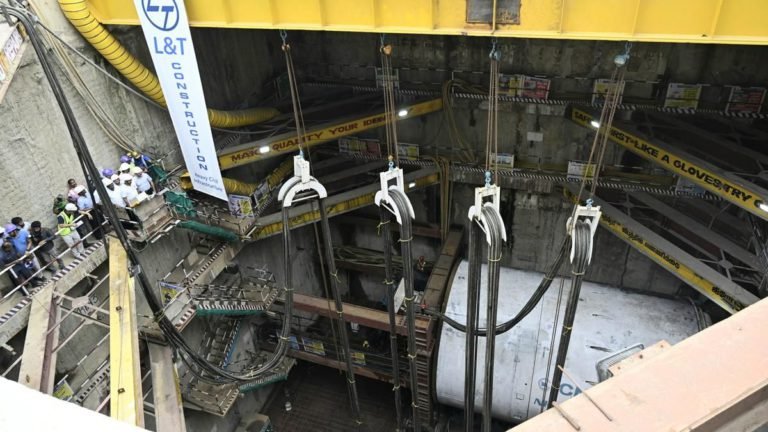
Contract Award: India’s National High-Speed Rail Corporation Ltd. (NHSRCL) awarded Larsen & Toubro (L&T) a contract worth Rs. 15,697 crore for constructing Package C-3 of the MAHSR project. This package spans 135.45 km and includes elevated stations at Thane, Virar, and Boisar in Maharashtra.
Land Acquisition and Commencement: The project achieved a milestone with the completion of land acquisition for the entire corridor, including the undersea rail tunnel between BKC and Shilphata in Maharashtra. Excavation work has commenced for the Mumbai HSR station, laying the groundwork for critical infrastructure development.
L&T’s Role: Larsen & Toubro (L&T) plays a major role in the MAHSR project. The company is responsible for constructing 469.32 km (92.35%) of the main line from Shilphata Ramp (Mumbai outskirts) to Ahmedabad’s southern outskirts. This includes constructing main-line tracks, stations, and associated infrastructure.
Lessons Learned and Best Practices: The MAHSR project benefits from lessons learned from earlier packages (C4, C5, C6), informing and optimising the approach for Package C-3. By utilising these insights, L&T aims to streamline construction processes, minimise delays, and ensure timely completion. This strategic approach is crucial for the overall success of the MAHSR project.
Transformative Impact: By adopting best practices and leveraging international experiences, particularly from Japan, India aims to ensure the successful implementation of the MAHSR project.
Here are some examples of AI-based systems for rail maintenance in India, highlighting startups that are utilising AI and analytics to enhance efficiency, safety, and reliability in high-speed rail operations:
- Apital – Communication-Based Train Control (CBTC): Apital utilises AI-powered predictive analytics to optimise train control systems. By analysing real-time data from sensors and cameras, Apital’s system detects potential faults and predicts maintenance needs, thereby reducing downtime and improving overall rail efficiency.
- RailState – Rail Network Transparency: RailState provides real-time visibility into rail network operations using AI-based analytics. By analysing data from sensors, cameras, and IoT devices, RailState identifies issues and predicts maintenance requirements, enabling proactive maintenance and minimising downtime.
- Safety4Rails – Analytics for Rail Safety: Safety4Rails enhances rail safety through AI-powered analytics. By analysing data from various sources, including sensors and cameras, Safety4Rails identifies safety risks and predicts maintenance needs, thereby reducing accidents and improving overall rail safety.
- RailVision Analytics—GHG Emissions Reduction for Rail: RailVision Analytics uses AI-powered analytics to reduce greenhouse gas emissions from rail operations. By analysing data from sensors and IoT devices, It identifies energy-saving opportunities and optimises rail operations for sustainability.
- 4AI Systems – Rail Vision Systems: 4AI Systems improves rail safety and efficiency through AI-powered computer vision. By analysing data from cameras and sensors, 4AI Systems detects issues and predicts maintenance needs, reducing downtime and enhancing overall rail efficiency.
- Ci4Rail – Edge Computing for Rail: Ci4Rail utilises AI-powered edge computing to improve rail operations efficiency. By analysing data from sensors, cameras, and IoT devices at the edge of the network, Ci4Rail identifies potential issues and predicts maintenance needs in real-time, minimising downtime.
- upBUS – Hybrid EVs for Rail Transportation: upBUS optimises hybrid electric vehicle operations in rail transportation using AI-powered analytics. UpBUS identifies opportunities to reduce energy consumption and improve operational efficiency for sustainable rail operations by analysing data from various sensors and IoT devices.
- Cervello—Rail Cybersecurity Solutions: Cervello enhances rail cybersecurity through AI-powered analytics. By analysing data from sensors, cameras, and IoT devices, Cervello identifies cybersecurity risks and predicts maintenance needs, thereby reducing the risk of cyber-attacks and ensuring overall rail safety.
These startups are leveraging AI and analytics to improve the efficiency, safety, and reliability of high-speed rail operations in India.
Conclusion
As India accelerates its High-Speed Rail (HSR) ambitions, adopting AI-enabled prognostics and maintenance can enhance safety, reliability, and efficiency. The country’s vision to develop a robust HSR network, connecting major cities and economic hubs is a significant step towards transforming its transportation landscape. However, to ensure the success of this endeavour, it is crucial to leverage cutting-edge technologies that can optimise maintenance operations, reduce downtime, and improve overall performance.
Lessons from Japan’s Success Story:
Japan’s experience in developing and operating HSR systems serves as an inspiring model for India. The Japanese bullet train, also known as the Shinkansen, is renowned for its exceptional safety record, punctuality, and reliability. The secret to its success lies in its rigorous maintenance regime, which is supported by advanced technologies, including AI-powered predictive analytics. By adopting similar strategies, India can ensure that its HSR network operates at optimal levels, providing passengers with a safe, comfortable, and efficient travel experience.
The Future of HSR: Smart, Data-Driven Maintenance:
The future of HSR lies not only in speed but also in smart, data-driven maintenance. As India’s HSR network expands, it is essential to adopt proactive maintenance strategies that can detect potential issues before they occur. AI-enabled prognostics and maintenance systems can play a critical role in achieving this goal, enabling rail operators to reduce downtime, improve efficiency, and enhance safety. By leveraging these technologies, India can ensure that its HSR network operates at optimal levels, providing passengers with a safe, comfortable, and efficient travel experience.