




This article has not been translated yet, so the English original is shown below. Translate now (takes a few seconds).
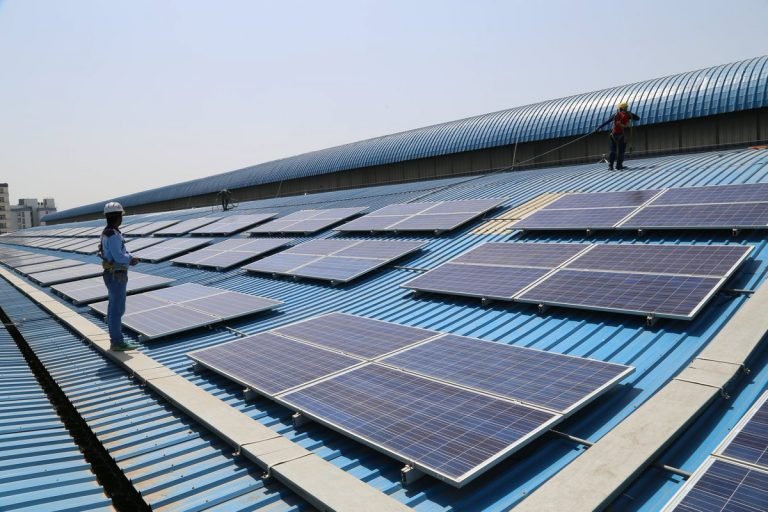
CHENNAI, INDIA (Metro Rail News): On Friday, TEDA has floated a subsidiary company, Tamil Nadu Renewable Energy Park Ltd (TREP), to generate and aggregate renewable energy and supply to captive consumers in the joint venture model.
It was a project to demonstrate the technical feasibility of the battery storage system for renewable energy, said TEDA officials.
“Energy generated through the wind-solar hybrid plant would be protected within the batteries and can be employed by the Metro during evening peak hours. It will be the first-of-its-kind within the megawatt-scale project within the state,” the official said, adding that it had been TEDA’s demonstrative wind park in Kayathar within the 1980s that attracted massive investment in the windmills in the State.
Get the Daily Metro & Rail Brief
Join 125,000+ metro and rail professionals. Project updates, new tenders and contract awards from across India, in your inbox every day.
The official added that a 75-acre land in Kayathar, Thoothukudi that TEDA owns would be its equity contribution, while CMRL and SECI would contribute the project’s cost as per their share in the JV agreement.
The power produced from the project would be sold to CMRL at a price mutually agreed between the JV partners. And the profits would be distributed as per the equity of each partner in the JV.
Two years. Ago, CMRL had planned to acquire renewable energy to satisfy 80 per cent of its power requirement through Repower at a price cap of Rs. 3.5 per unit. Tangedco is currently charging CMRL Rs. 6.35 per unit for the Railway traction consumption. In contrast, other loads like ATM kiosks, stalls and hotels within the Metro premises are charged Rs. 8 per unit.
“When energy might be procured at a less expensive rate, it is sensible to lose the chance. Moreover, CMRL is facing a financial burden considering the upper tariff paid by it as against Rs. Three per unit envisaged during the detailed project report supported which load schedule was figured out,” said CMRL officials.