Home Blog Page 81

Bhubaneswar Metro: An Approach Towards Sustainable Growth

0
Metro
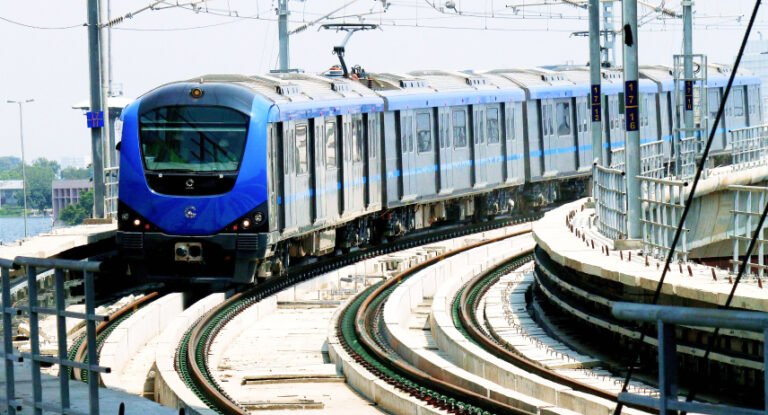
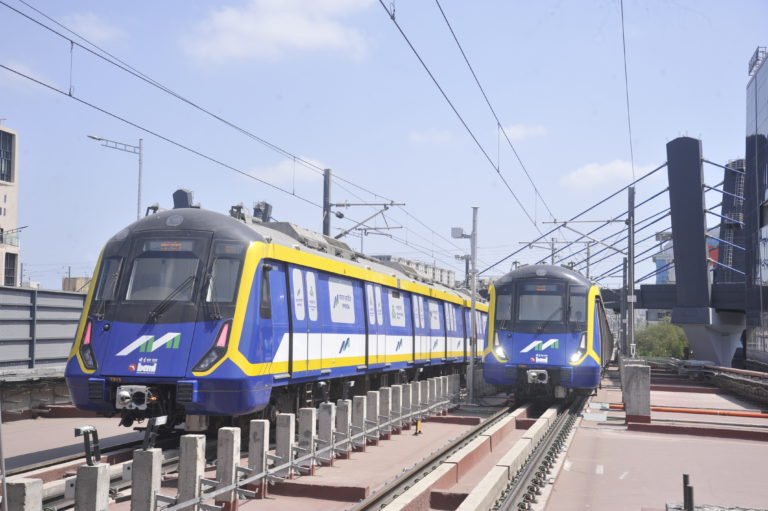
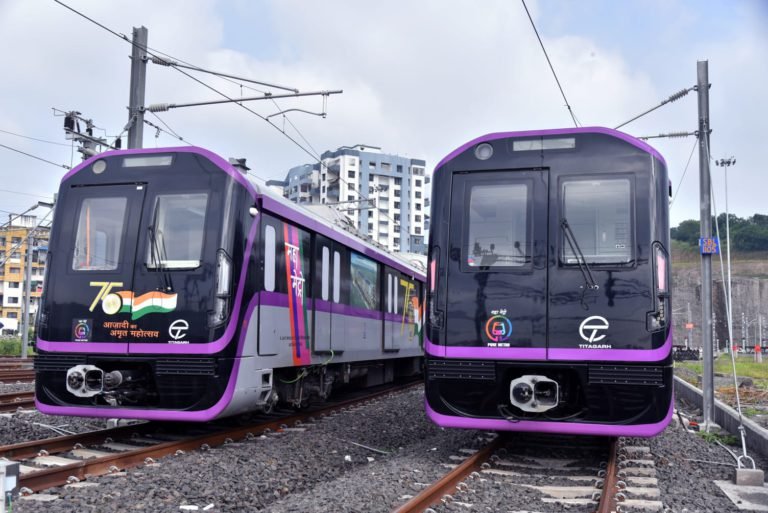
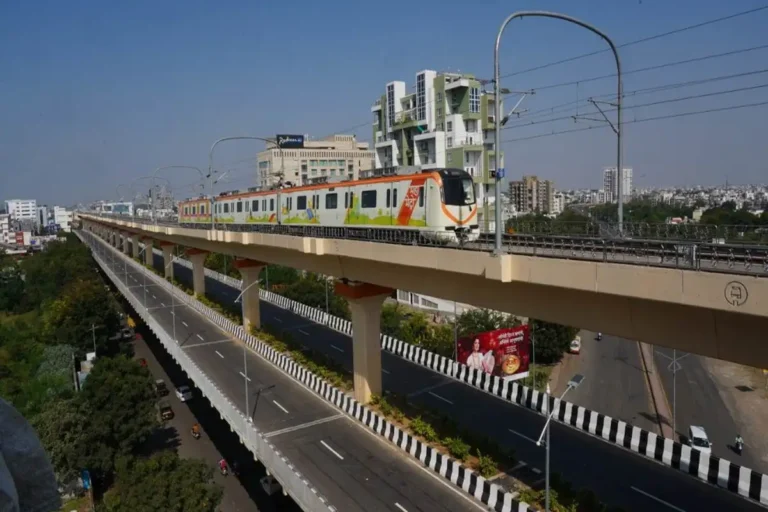
For Representational Purpose Only

Introduction

Bhubaneswar, the capital city of Odisha, is known for its rich cultural heritage and modern infrastructure. Bhubaneswar is emerging as a hub for IT, education, and healthcare. The economy of the city is majorly driven by the tertiary sector, which involves trade, commerce, and tourism. The city is also emerging as a tech hub due to the establishment of “Infocity” which resulted in attracting several IT companies. 

Currently, Bhubaneswar is witnessing a growth rate of 2.8% with a population of approximately 1,321,000. The city is projected to have a population of 1,649,410 in the next 10 years. However, this growing population resulted in numerous challenges like traffic congestion on the roads of Bhubaneswar. To conquer these challenges and address the demands of the growing urbanisation the city acknowledged the need for a metro system, a more reliable and efficient mode of public transportation. To address this need, the Bhubaneswar Metro Project was developed to upgrade the transport infrastructure in the city while efficiently catering for the increasing population.                                 

Bhubaneswar Metro: From Idea to Implementation 

27 July 2010: Delhi Metro Rail Corporation (DMRC) was appealed by The Odisha State Transport Department to conduct a survey regarding the possibility of a metro rail between Bhubaneswar and Cuttack.

8 January 2013: E. Sreedharan, Principal Advisor of DMRC, stated that establishing a metro rail is not feasible for Bhubaneswar as the city’s population is below 2 million.  

9 January 2013: Engineering Projects India Ltd. proposed to the state government to establish a monorail system from Bhubaneswar to Cuttack. 

23 August 2014: The Odisha state government inked a contract with Balaji Railroad Systems Ltd. (BARSYL) to prepare a Detailed Project Report (DPR) for a Mass Rapid Transit System (MRTS) spanning 30 km between Bhubaneswar and Cuttack.  BARSYL was allotted ₹2.52 crore and a 10-month deadline for the preparation of DPR. 


June 2019: The Governor of Odisha stated that the government would investigate the possibility of connecting Cuttack and Bhubaneswar through a metro system.

April 2023: Odisha CM Naveen Patnaik approved the idea of a metro train between Cuttack, Bhubaneswar, Khordha, and Puri. 

August 2023: Delhi Metro Rail Corporation (DMRC) was appointed to prepare the DPR for the metro project. 

October 2023: The DPR of the project received approval from Odisha CM Naveen Patnaik with a total project cost of ₹ 6255.94 Crore. 

November 2023: Delhi Metro Rail Corporation (DMRC) was appointed as the consultant for the Bhubaneswar Metro project. 

 1 January 2024: The former CM of Odisha, Mr Naveen Patnaik, laid the foundation stone for the Bhubaneswar Metro project. 

AD 4nXfjkCzgqh9l0FoKAQx1t3pfJ7oDZL3bmFtGV3UWaXD7v0JJLyQHn 7Nh57uiyBWjTRQ

Financing Mechanism 

  • The estimated cost of the Bhubaneswar Metro Project is  ₹ 6255.94 Crore.  
  • The entire project will be funded by the Odisha Government. 
BM NoV 02 4 2

Key Specification of Bhubaneswar Metro 

Rolling Stock Composition3 Coach Train Set
Carrying Capacity of Each Train Set:764 Persons
Speed and Track:

Maximum speed: 80 Km/h 
Average speed: 34 Km/h 
Track Gauge: Standard Gauge Track measuring 1435 mm
Electrification:750V DC Third Rail
Signalling: Continuous Automatic Train Control System (CATC)
Estimated Cost:₹ 6255.94 Crore.
Deadline 48 Months 

Bhubaneswar Metro Project Timeline 

1 April 2023The project was officially announced by Odisha Chief Minister Naveen Patnaik.
26 April 2023DMRC was officially appointed to prepare the DPR for the project  
July 2023: DMRC initiated soil testing for Bhubaneswar Metro.
16 August 2023: DMRC submitted the complete DPR to the Bhubaneswar Metro Rail Corporation ( BMRCL). 
1 January 2024The foundation stone for Phase 1 of the Bhubaneswar Metro was laid at Trisulia Square. 

Contractor’s list: 

Contractor name Contract detail 
General Consultant Delhi Metro Rail Corporation (DMRC) 
SYSTRA MVA Consulting (India)Package BCDD-01: Detail Design Consultant (DDC) for Standardisation of U-Girder, precast post-tensioned pier caps and bearings along with design and drawings.
Intercontinental Consultants and Technocrats (ICT)Package BCDD-02: Detail Design Consultant (DDC) for Architectural and Building Services including E&M, Traction works and Civil works for Depot and OCC building including proof checking of substructure for the viaduct, special span including its superstructure and stations.
MIA Construction Pvt. Ltd.Package BBC-02: Construction of Phulapokhari Depot’s Cum Workshop, OCC Buildings including Plumbing, Drainage, External Development Works ETC. 
Ranjit Buildcon Ltd.Package BBC-03: Design and construction of an elevated viaduct and 6 stations from Capital Hospital to Acharya Vihar Square.
Ranjit Buildcon Ltd.Package BBC-04: Design and construction of the elevated viaduct and 7 stations from Acharya Vihar Square to KIIT Square.
Ceigall India Ltd. (CIL)
( Subcontracted to IL&FS )  
Package BBC-05:  Design and construction of the Elevated Viaduct and 6 Station from KIIT Square to Trisulia Square, excluding architectural finishing work.
3 Bidders submitted bids rolling stock contractTitagarh Rail Systems AlstomBEML
Package BRS1:Design, manufacture, supply, testing, commissioning and training of 39 no. standard gauge cars 13 Trainsets.

Route Information 

Phase 1

Line 1 : Biju Patnaik International Airport- Trisulia

Length: 26.024 km

Depot: Phulapokhari Depot

Total Stations: 20

Stations: Biju Patnaik International Airport, Capital Hospital, Bapuji Nagar, Bhubaneswar Railway Station, Ram Mandir Square, Vani Vihar, Acharya Vihar, Jaydev Vihar, Xavier Square, Rail Sadan, District Centre, Damana Square, Patia Square, KIIT Square, Nandan Vihar, Raghunathpur, Nandan Kanan Zoological Park, Barang, Phulapokhari and Trisulia Square

Recent Updates on the Project:

Land Acquisition Progress

For the Phase I implementation of the Bhubaneswar Metro project, approximately 92.5 acres of land, including 34 acres of private land, will be acquired. According to Bhubaneswar MP Aparajita Sarangi, around 77 acres have already been secured, with efforts underway to acquire the remaining 15 acres.

Financial Progress

  • BMRC officials reported that approximately ₹460 crore has been spent on the Bhubaneswar Metro project so far.
  • This includes ₹250 crore released in October 2024.
  • An additional ₹350 crore is expected to be released by the state government by March 2025.

Construction Activities

  • Work on the metro depot and casting yard has begun at Ratagada and Malipada, located on the city outskirts.

Soil Testing Progress

  • Soil testing is underway, with 10% of the process already completed.

Advantages of Bhubaneswar Metro

1. Reduced Traffic Congestion: Bhubaneswar has been witnessing a major increase in population rate due to the growing urbanization. The current metro area population of Bhubaneswar in 2025 is 1,321,000, a 2.48% increase from 2024. Projections indicate that by 2035, the population is expected to reach approximately 1,649,410. The construction of a metro system will minimize the traffic congestion on the roads of the city by offering a more efficient and reliable mode of public transport to the residents, and also reducing the reliance on private vehicles. 

2. Enhanced Connectivity: The city has been becoming a major centre for both education and economic activities. A well-established metro system will enhance the connectivity in the city by linking the key destinations with residential areas. Through enhanced connectivity,  the residents of the city will be able to commute to prominent places of the city like educational and economic centres more conveniently and smoothly. 

3. Economic growth: The introduction of the metro system in the city will create more employment opportunities in the city which will contribute to enhancing the economic growth of the city. Furthermore, The construction of metro stations will also attract more business setups in the city which will alleviate the local economics of the city. 

Challenges in Bhubaneswar Metro

1. Ridership Concerns: The sustainability of the Bhubaneswar metro will also depend on the ridership level. However, many metro systems in India are failing to meet their ridership projection which raises a concern about the long-term sustainability of the metro project. To make the Bhubaneswar metro project successful it is very crucial to achieve the projected ridership.    

2. Financial constraints: The estimated cost of the Bhubaneswar Metro Project is ₹6255.94 Crore. While the Odisha Government has pledged to fully finance the project, ensuring financial sustainability throughout its execution remains a key challenge. Effective budget management is crucial for the efficient implementation of a project. 

4. Integration with other modes of transport: One of the crucial elements is integrating the Bhubaneswar metro system with the existing transportation options like buses and railways for the maximum use of transport infrastructure. This enhanced connectivity will contribute to the smooth transition of commuters to different modes of transport making the journey more convenient for them. In addition to this ensuring last-mile connectivity will be necessary so more commuters can opt for the metro system. 

Conclusion: 

The Bhubaneswar metro project is an initiative taken by the Odisha government in order to meet the city’s increasing urbanization and transportation demands. With an emphasis on improving connectivity, lowering traffic, and boosting economic expansion, the project is expected to transform the infrastructure of Bhubaneswar. However, issues including fare affordability, site acquisition, ridership concerns, and financial sustainability must be carefully managed. 

Overcoming these obstacles while guaranteeing effective integration with other forms of transportation will be essential to the Bhubaneswar metro’s success. The Bhubaneswar Metro could improve the city’s transit system and citizens’ quality of life if it is well implemented.

Advertisement1
InnoMetro_2026

GMRL Floats Civil Work Contract for Gurugram Metro’s New Line

0
Gurugram Metro
Gurugram Metro/Representational Image

Gurugram ( Metro Rail News): Gurugram Metro Rail Limited (GMRL) has announced a tender valued at INR 1286 Crores for the construction of the initial section of the new Gurugram Metro Line. This section will extend 15.221 kilometers from the Millennium City Centre to Sector 9. 

Key Highlights of the Tender:

Tender Details Information 
Tender No.GMRL/PROJ/2025/CC-01/04
Approximate Cost of WorkRs.1286 Crores 
Tender Security AmountRs.3.29 Crores 
Contract Duration 24 months
Pre-bid Meeting21.03.2025
Tender Submission Deadline22.04.2025

Contract’s Scope Of Work 

The contract’s scope of work includes the construction of a 15.221 km metro rail viaduct and 14 elevated stations from Millennium City Centre to Sector 9.

The awarded contractor will also be responsible for the construction of a 1.85 km spur to Dwarka Expressway and a ramp to the proposed depot in Sector 33.

Additionally, the contract excludes Pre-Engineered Building (PEB) and Architectural finishing works of the Gurugram Metro Corridor between Millennium City Centre and Cyber City.

GMRL Brief Scope: Construction of Viaduct and 14 Elevated Stations from Millennium City Centre to Sector 9 (inclusive) from chainage (-)594 m to 12603 m, Spur to Dwarka Expressway (1.85 km) and ramp to Depot at Sector 33 excluding PEB and Architectural finishing works of Gurugram Metro Corridor between Millennium City Centre and Cyber City (26.65 Km) and Spur from Basai Village to Dwarka Expressway (1.85 Km) with total 27 Stations.

About Gurugram Metro’s New Corridor

The complete length of this metro line will reach 28.8 kilometers, establishing connectivity between HUDA City Centre and Cyber City (Moulsari Avenue), encompassing a total of 27 stations along the route.

Advertisement1
InnoMetro_2026

 India’s Efforts in Millennial Railways  

0

Introduction 

Indian Railways is a state-owned enterprise under the Ministry of Railways, Government of India, and operates the country’s national railway system. The idea of Indian Railways was first proposed in 1832 in Madras. The Indian Railways is the fourth largest network in the world in terms of size.  It has a total track length of 132,310 kilometres (82,210 miles). The running track length is 106,493 kilometres (66,172 miles), and it covers a route length of 68,584 kilometres (42,616 miles).  

 Indian Railways has not only enhanced the movement of people but has also made the transport of goods more convenient thereby reducing the logistic cost. 

India’s Efforts in Millennial Railways refers to modernising and transforming India’s railway system to meet the demands of the 21st century, catering to technological advancements, growing passenger numbers, sustainability, and future-ready infrastructure. Millennial Railways emphasises the need to adapt Indian Railways to the expectations of modern society, with a focus on innovations, technology, speed, and efficiency. 

Efforts by India to Modernise the Indian Railways 

The Indian Railways has been putting striking efforts to modernise and upgrade one of the world’s largest railway networks. Over the years, the Indian Railways has taken major initiatives to enhance safety, improve passenger services, and advance infrastructure. This article reflects the key elements driving the modernisation of Indian Railways:                

Increased Capital Expenditure 

In the last decade, Railways’s Capital Expenditure has increased substantially. It grew from Rs 93,520 crore in 2015-16 to Rs 2,65,200 crore in 2024-25. This is an annual growth rate of 12%. The central government grants and additional borrowing have financed this increase.

AD 4nXc4uBg7KN79vEH8q2uO9xZyT8sjt6qqyq1 YUagpTcg2VZgdzFSRZjNY8LofCLRfLcMigpQlV2O03ch2 1u7kYMJdeaMAbqPjXab1kBD7MqQuQxqBUILCcaJVkuqnAGfY49rG h HDRTK plt3eYDE?key=Quo9h2EHcFESa5K2iStmTfjl
  1. Technological Upgrades 

The Indian Railways has been introducing and implementing a wide range of technological upgrades to enhance the efficiency of the operation by real-time monitoring of trains and train tracks. Moreover, the integration of technology in the railway system has also contributed in improving the passengers’ experience by providing services like automated ticketing systems and real-time updates about the trains. Some of the major technological revolutions that contributed to modernising the railway systems are mentioned below: 

1. Digitalisation and Automation: Indian Railways, one of the largest railway networks globally, is undertaking a major initiative towards digitalisation and automation of railway systems to modernise operations and enhance passenger services. Some major initiatives by railways towards digitalisation and modernisation are: 

  • Introduction of Advanced Signalling System: The most critical step taken by the Indian Railways is the introduction of advanced and modern signalling systems. These systems utilise technologies which contribute to the effective management of operations.
ICBTC 1
  • For example, the automatic block signalling (ABS) system is deployed on railways, and the movement of the trains is controlled by automatic stop signals, preventing trains’ collisions.
  • GPS and Tracking Systems: Another major step taken by Indian railways towards modernisation is the adoption of GPS-enabled tracking systems. The Global Positioning System (GPS) technology provides real-time data about trains. Train tracking permits the railway operator to monitor the location and speed of trains accurately. This data allows the operator to schedule the trains, ensuring that they operate on time.  
  • Online Ticket Booking System: One of the major technological adoptions is the computerised reservation system that Indian Railways has implemented to enhance passengers’ experience. Through this, commuters can purchase reserved or unreserved train tickets, cancel train tickets and claim refunds online at any time according to their convenience.
    • One India – One Ticket Initiative: The Indian Railway Catering and Tourism Corporation Limited (IRCTC), Delhi Metro Rail Corporation (DMRC) and Centre For Railway Information Systems (CRIS) joined hands to promote the ‘One India – One Ticket’ initiative, streamlining the travel experience for Main Line Railway and Metro passengers in the Delhi NCR area.
AD 4nXfEiL9R Vr2RJY7YmYVSCm7CLomF0XG8Cgyemw2CgvRaKKAnK4KdhirRh6UgQPiuCk z2lZo42g6M2mhEr92rAUcA5z98jSxUv gJrJDZRAsNzb8vHMWs58fK DY6jj6al7isYm J6vYB9aVRO WSI?key=Quo9h2EHcFESa5K2iStmTfjl
  • Collaboration with NCRTC: Indian Railways and the National Capital Region Transport Corporation (NCRTC) have collaborated to provide passengers with a convenient travel experience. This collaboration allows travellers to seamlessly book and use both Indian Railways and Regional Rapid Transit System (RRTS) services.    
AD 4nXfiu2FeqTRTGp2MetRHgqludwTIL0W 6JxdqLfP4P7MhSohvRBmibx8Pqc11 Spah5h1YLP M02yP8FaDav BAF0yY9As3fdX7mRa
  • Digital platforms for Real-Time Updates: The Indian Railways has improved the efficiency and convenience of travel by creating several digital platforms which provide passengers with real-time updates about the trains.
  •  For example,  RailYatri is an app and website which provides real-time information about the train’s positions, delays and train arrival times.  

2. Infrastructure Development 

In order to modernize operations, increase safety, and improve passenger facilities, Indian Railways is implementing a number of important infrastructure development projects. The following are the main projects that are underway at the moment:

1. Amrit Bharat Station Scheme: The Amrit Bharat Station Scheme aims to modernize railway infrastructure stations throughout the Indian Railways network. Under this scheme, a total of 1, 337 railway stations have been identified for redevelopment to improve passengers’ amenities and services.

Rani Kamlapati station 2 1 1
  • Several stations like Rani Kamlapati Station and Gandhinagar Capital Station have been redeveloped so far and are currently operational. 
  • Meanwhile, Indian Railways has already started work on 1,198 stations out of 1,337 stations under the Amrit Bharat Station Scheme.

2. Introduction Of Dedicated Freight Corridors: The share of railways in freight traffic dropped from 83% in 1950-51 to 35% in 2011-12. To increase this share, railways started a plan to build Dedicated Freight Corridors (DFCs) in 2005. It is intended to increase the effectiveness and speed of goods transportation by constructing railway lines that are only used for freight traffic. 

images 3

Eastern & Western Dedicated Freight Corridors (DFC)

CorridorLength (km)
Eastern DFC1,337
Western DFC1,506
Total Length (excluding Sonnagar-Dankuni)2,843

Completion Target: December 2025. 

Current Status of Western Dedicated Freight Corridor

Section/PackageLength (km)Commissioning DateFinancial Progress
Dadri – Rewari12725.01.202493%
Rewari – Madar30607.01.2021
Madar – Palanpur35318.06.2022
Palanpur – Makarpura29030.09.2022, 30.10.2023
Makarpura – Sachin13512.03.2024
Sachin – Vaitarna193Commissioned
Vaitarna – JNPT102To be Commissioned on 31.12.2025

Current Status of Eastern Dedicated Freight Corridor

Section/PackageLength (km)Commissioning DateFinancial Progress
Sahnewal – Pilkhani17912.03.202495%
Pilkhani – Khurja22212.03.2024
Khurja – Dadri4625.01.2024
Khurja – Bhaupur35129.12.2020
Bhaupur – DDU40218.12.2023
DDU – Sonnagar13707.07.2023

Note: Indian Railways loaded 1,473 MT of freight in 2024, achieving a 3.86% growth, with EDFC and WDFC facilitating over 72,000 train runs.

3. Electrification of Railway Tracks: The Indian Railways has been making continuous efforts towards enhancing railway track infrastructure in order to increase train running efficiency and support high-speed rail and freight transportation in India. The major step taken by Indian Railways in order to achieve this is the electrification of railway tracks. 

  • In Year 2024, a total of 3,210 route kilometres (RKM) were electrified, extending electrification to approximately 97% of the Broad Gauge (BG) network.

3. Passenger- Centric Services 

Indian Railways’ top most priority is the passengers’ convenience and overall journey experience. In order to enhance the overall travel journey of Passengers, Indian Railways has been improving its infrastructure and striving hard to provide modernised and advanced amenities like wifi connectivity, and an online ticket booking system to commuters. Key initiatives and amenities introduced by Indian Railways to enhance overall passenger experience are mentioned below: 

  • Wi-Fi Connectivity: The Indian Railways has been providing passengers with free wifi facility at stations. Currently, Wi-Fi services are available at 6,112 stations across the Indian Railways network.
  • Water Vending Machines (WVMs): To maintain the hygiene protocol the Indian Railways installed Water Vending Machines ( WVMs) at various stations to provide passengers with clean drinkable water. 
  • Installation of CCTV Camera: The safety of passengers is the main concern of Indian Railways. In response to this Indian Railways installed CCTV cameras at all stations (except halt stations). 

4. Safety Measures and Innovations :

In the last decade, Railways’ Efforts to reduce train accidents and provide safer travel to passengers have been unparalleled. The organisation has implemented multiple initiatives that have established Railways as a safer mode of transportation for travellers.

AD 4nXcbbB9H3a9lM6MnAWPDYXej4JQ0QglDzFKvrvoqQJpedNqzr 9LAfysM KvSaP GRPLzRQ08SfGJllZgNBkg6eYYEhtaBPvQ6jjGqrflhYFLa4 L3qufo3raAMT2aaE5TCS0dLwd3PpdEW01eAeX7w?key=Quo9h2EHcFESa5K2iStmTfjl

The Key Initiatives Include

1. Deployment of Kavach System

 Kavach is an Automatic Train Protection System (ATP), the thing that makes Kavach stand out among other safety systems is that it was developed indigenously by the Research Design Standard Organisation in collaboration with Medha Servo Drives, Kernex Microsystems and HBL Power Systems. The cost for the Track Side and Station equipment of Kavach is about Rs. 50 Lakhs per kilometre, while the cost for Kavach equipment on locomotives is around Rs. 80 Lakhs per locomotive.

Kavach system 1 1
  • Railways aims to equip 10,000 locomotives with Kavach in the coming years.
  • To facilitate the Kavach installation Railways is preparing 69 loco sheds.
  • Working Mechanism

It’s a high-tech system that meets the highest safety standards (SIL-4). Its main purpose is to prevent trains from passing a red signal, which indicates danger, and to prevent collisions. If the driver doesn’t manage the train’s speed properly, the system can automatically activate the brakes. The system also helps prevent crashes between two trains that have the system installed.  

  • Progress on the Kavach System
AspectDetails
Funds Utilized (so far)₹1,547 Crores
Allocation of Funds (2024-25)₹1,112.57 Crores
Kavach VersionVersion 4.0 (Approved by RDSO on 16.07.2024)
Deployment Completed1,548 RKm (South Central & North Central Railway)
Current Work in ProgressDelhi–Mumbai & Delhi–Howrah corridors (~3,000 RKm)
Trackside Works Completed1,081 RKm
Trackside Works Details– 705 RKm (Delhi–Mumbai section)
– 376 RKm (Delhi–Howrah section)

Comparative Analysis of Track Maintenance Enhancements: 

2004-14 vs. 2014-24

Item2004-05 to 2013-142014-15 to 2023-242014-24 Vs. 2004-14
Expenditure on Track Renewal (₹ in Cr.)47,0381,09,5772.33 times
Rail Renewal Primary (Track Km)32,26043,3351.34 times
Use of high-quality rails (60 Kg) (Km)57,4501,23,7172.15 times
Longer Rail Panels (260m) (Km)9,91768,2336.88 times
USFD (Ultra Sonic Flaw Detection) Testing of Rails (Km)20,19,63026,52,2911.31 times
USFD (Ultra Sonic Flaw Detection) Testing of Welds (Nos.)79,43,9401,73,06,0462.17 times
New Track KM added (Track Km)14,98531,1802.08 times
Weld Failures (Nos.)2013-14: 3,6992023-24: 48187% reduction
Rail Fractures (Nos.)2013-14: 2,5482023-24: 38385% reduction
Thick Web Switches (Nos.)Nil21,127
Track Machines (Nos.)As of 31.03.14: 748As of 31.03.24: 1,661122% increase
AD 4nXeadJL4c8XjBjskA6tnurJZj2Q QNjyZcobDnSeeQC9fjfeU wMMwO1O0z7WqjMtub TeEjJeS5LLOAVmHabac1zXRJMCheR7HK7XalUQ2LCktrMS4LeKGnSfD eh4jWoSAEvb61c mgTOIqAcYNw?key=Quo9h2EHcFESa5K2iStmTfjl

Signalling and Rolling Stock Enhancements: 2004-14 vs. 2014-24

SNItem2004-05 to 2013-142014-15 to 2023-242014-24 Vs. 2004-14
Signaling Works
1Electronic Interlocking (Stations)8372,9643.52 times
2Automatic Block Signaling (Km)1,4862,4971.67 times
3Fog Pass Safety Devices (Nos.)As on 31.03.14: 90As on 31.03.24: 19,742219 times
Rolling Stock
1Manufacture of LHB Coaches (Nos.)2,33736,93315.80 times
AD 4nXcNq 3n9rp eg1zGVb3d2Qmx0vg8IPBKYNu3Zqe 2Gt1drzPZ uKPDgpgOb9Sd9P V46StyTQdLFArZYmkgjZu3oKspiHB

Paradigm Shift Towards Green Energy

Indian Railways is committed to achieving net-zero emissions by the year 2030. In alignment with this goal, the organization is actively employing renewable energy sources to fulfil its power supply requirements.

Renewable Energy SourceCapacity (as of November 2024)Description
Solar Power487 MWIncludes both rooftop and ground-mounted solar power plants commissioned by Indian Railways.
Wind Power103 MWWind power plants are installed to contribute to renewable energy generation.
Renewable Energy – Round the Clock (RE-RTC)100 MW100 MW of RE-RTC began supplying continuous renewable energy.
Total Renewable Capacity Tied Up2,014 MWTotal secured renewable energy capacity, covering various sources including solar, wind, and RE-RTC.

Development of High-Speed Rail Corridor

The Mumbai- Ahmedabad High-Speed Rail Corridor is India’s first high-speed rail corridor. The National High-Speed Rail Corporation Limited (NHSRCL) is implementing this 508 km long project at an estimated cost of  Rs. 1,08,000 crore. The first section, spanning 50 km between Surat and Bilimora of this corridor, will become operational by August 2026 as mentioned by Railway Minister Shri Ashwini Vaishnaw. The remaining corridor will be opened between 2028 and 2030. The corridor is designed for bullet trains running at a maximum speed of 320 kmph. The significance of this project lies in the fact that the MAHSR corridor will reduce travel time between the two economic hubs, Ahmedabad and Mumbai, from the current 7 hours to just 2 hours

Modern Trains: Giving Edge to Rail Transportation

Vande Bharat Express around Mumbai 1 1

To make journeys more comfortable, smooth, fast and safe, IR has taken various initiatives and one of them is developing smart trains that can provide a better travel experience at affordable costs. In recent years Railways has launched the following trains:

  • Train 18

Initially known as “Train 18”, Vande Bharat Train became the first semi-high-speed train in India that was manufactured indigenously aligning Indian government’s Make in India initiative. The Vande Bharat is also the fastest train in the nation as it can run at a maximum speed of 180 kmph. The first Vande Bharat train ran on February 15, 2019, on the New Delhi-Kanpur-Allahabad-Varanasi route. Currently, Indian Railways is operating 136 Vande Bharat trains running across the country on medium & short distances. Union Minister Shri Jyotiraditya Scindia said that there will be 4500 Vande Bharat Trains in India by 2047. 

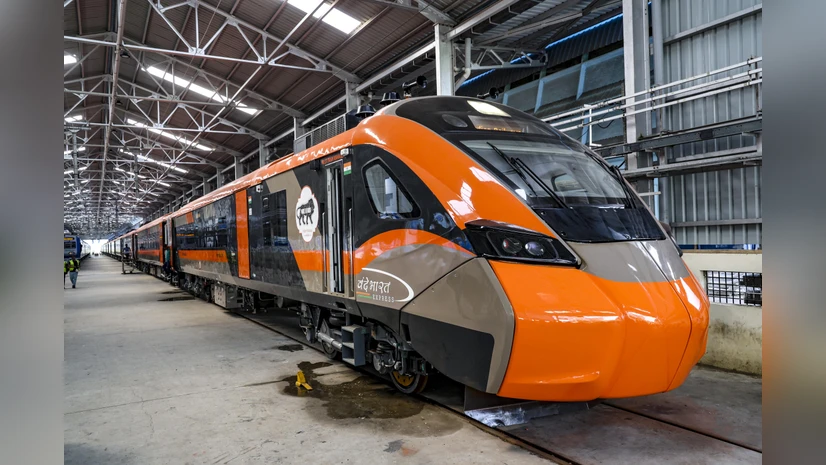
  • Vande Bharat Sleeper Train

India’s first sleeper version of Vande Bharat is gearing up for the launch. The Research Design Standard Organisation conducted multiple trials in January 2025. During the trials, the Vande Bharat sleeper train achieved a peak speed of 180 km per hour in a 40 km long trial run between Rohal Khurd to Kota.

Vande Bharat Sleeper Train 1 1 1
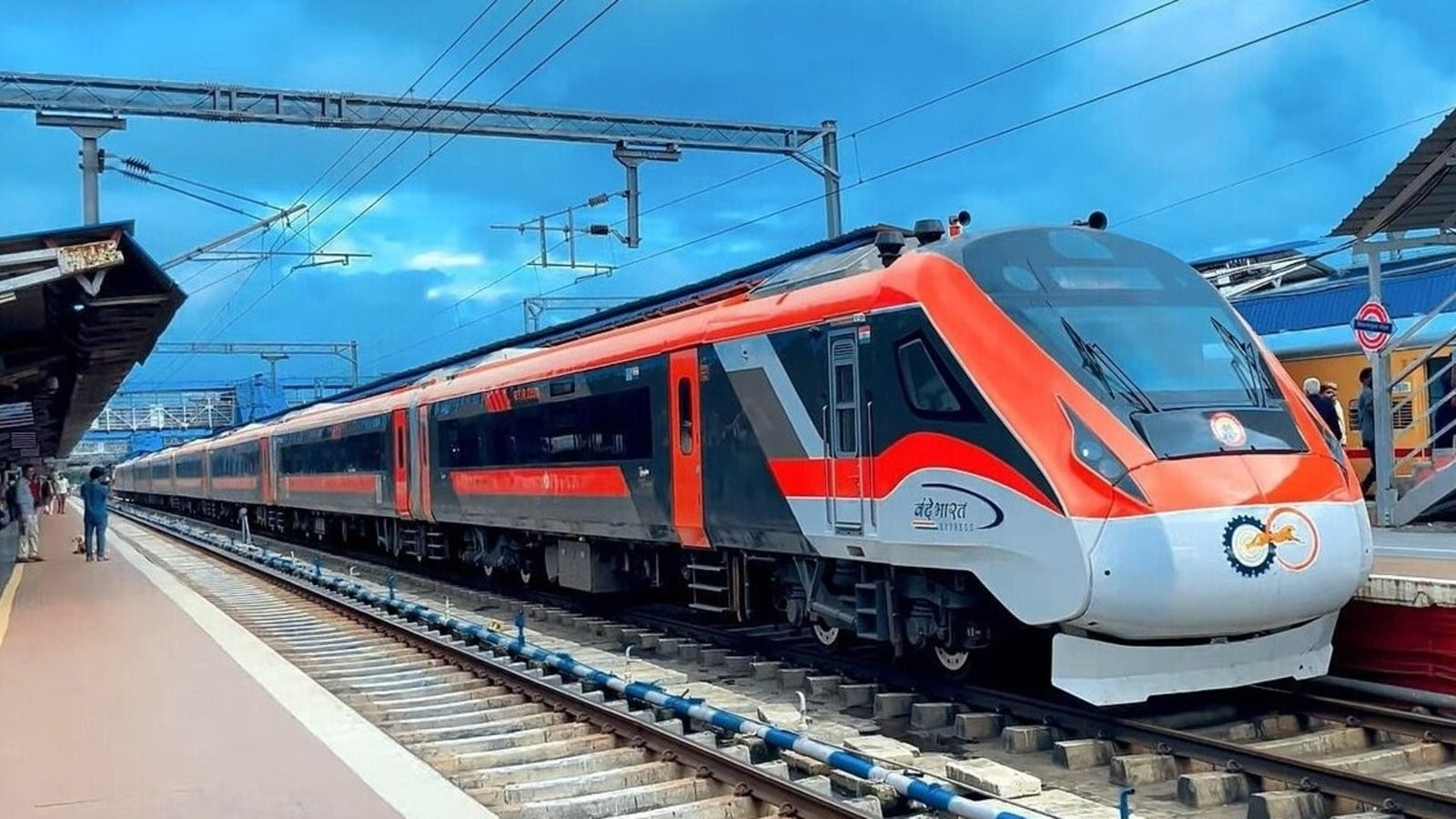
  • Namo Bharat Rapid Rail (Vande Metro) 

To enhance connectivity between cities Indian Railways launched Vande Metro. The train was renamed Namo Bharat Rapid Rail.  The train was initially launched between Bhuj and Ahmedabad.

FeaturesDetails
Number of Coaches12
Seating Capacity1,150 passengers
Maximum Speed110 km/h
  • Amrit Bharat Train Services:

Amrit Bharat services provide quality travel with non-AC trains. Each train has 12 Sleeper Class coaches and 8 General Class coaches. In 2024, two new Amrit Bharat Express services were launched: the Darbhanga–Anand Vihar (T) Express and the Malda Town–SMVT Bengaluru Express. More services are planned for the future.

Conclusion

Indian Railways is using a multifaceted approach to support the growth of nation. With increased budgetary assistance from the central government, railways is not only upgrading its infrastructure but also striving to provide an efficient mode of transport to its passengers at affordable prices. The electrification of 97% of the broad gauge network, commissioning of 2,843 km of Dedicated Freight Corridors, and introduction of advanced safety systems like Kavach highlight these efforts. With ₹2.65 lakh crore allocated in 2024-25 for infrastructure and technological upgrades, Indian Railways is steadily progressing toward a more sustainable and efficient future, aligning with global railway standards while addressing the growing demands of freight and passenger transport.

Advertisement1
InnoMetro_2026

Successful Implementation of AI & IoT-based Solutions in Metro Systems

0

Introduction 

In the last decade, urban infrastructure growth has been incredible worldwide, especially in developing countries like India. The heightened urban infrastructure also increased the population in emerging urban centres. The rapid growth of urbanisation has placed tremendous pressure on metro systems. This necessitated innovative solutions to ensure efficient, safe, and reliable public transportation. The integration of technologies such as Artificial Intelligence (AI) and Internet of Trains (IoT) into metro infrastructure has not only increased efficiency and frequency but also reduced human errors through the automation of critical systems such as rolling stock. This paper explores the role of IoT and AI in transportation infrastructure, particularly Metro Systems. With cities striving to build smarter transit networks, AI and IoT have become indispensable in creating intelligent metro systems that can adapt to the demands of modern urban mobility.

internet of trains header 16x9 1

Internet of Trains (IoT)

The concept of the Internet of Trains emerged from the Internet of Things. It refers to the integration of intelligent onboard devices and cloud-based applications that facilitate improved communication, control, and data exchange within railway networks. This digital interaction allows for real-time monitoring and management of train operations, infrastructure, and passenger services.

Key Components 

  • Connected Devices: Trains are equipped with various sensors and devices that collect data on performance, location, and environmental conditions.
  • Cloud Computing: Data from trains is transmitted to cloud-based platforms for analysis, which enables real-time decision-making.
  • Communication Networks: High-speed communication systems (such as LTE and 5G) facilitate seamless data exchange between trains, control centres, and infrastructure.
1715591776572

The Need for AI & IoT in Metro Systems

Metro systems are lifelines to an urban area, but traditional systems always seem to struggle to manage increasing passenger numbers, inefficient operations, and maintenance-related issues. 

Digital Rail Tracks Overhead Lin

Challenges in Traditional Metro Systems: 

  1. Overcrowding

Overcrowding is the most common problem of the metro, especially during rush hour. Tozai, Japan’s metro line, has a congestion rate of 199%. A 100% congestion rate would mean that there is not a single free seat in the train; 199% is almost double this capacity. New Delhi is to emerge as the world’s largest agglomeration with a mind-boggling population of 37.2 million people by 2028. In such a scenario where expanding the infrastructure is tough and costlier, the integration of advanced technology like IoT may make the metro systems even more efficient by increasing the efficiency & safety of their operations.

  1. Unpredictable Breakdowns

Mechanical or electrical failures in trains or infrastructure lead to service interruptions. Frequent breakdowns can strain operational resources and require additional maintenance efforts. These issues can be addressed by implementing IoT technologies as they provide real-time monitoring of assets which helps to identify the issues before the fault escalates.

  1. Higher Operational Costs

The frequent breakdowns increase the operational costs of metro systems. Unexpected breakdowns necessitate immediate repairs, which can be costly. The cost of maintaining an inventory of spare parts also increases as systems strive to minimise downtime.

IKT 1

Key Applications AI & IoT in Metro Systems

1. Predictive Maintenance: IoT sensors are applied to critical components, which are tracks, wheels, and signalling systems to obtain real-time data on their condition. AI algorithms analyze such data for anomalies and predictive potential in issues, hence allowing maintenance on time. Machine learning analyzes historical data and real-time data, identifying patterns in maintenance activities and when specific components will fail. This approach has reduced the amount of downtime associated with these systems, averted some unexpected failures, and maximized resource usage. Integrating IoT with AI enables metro systems to be reliable, efficient, and at low maintenance cost, making them operate more smoothly and safely.

Example: Metro systems in Hong Kong use predictive maintenance to avoid unexpected breakdowns, and reduce delays and operational disruptions. Similarly, Delhi Metro’s Phase 4 is set for the integration of artificial intelligence (AI) into its operations and project management.

2. Smart Ticketing and Fare Collection: AI makes it possible to have dynamic fare pricing, while IoT allows for contactless payments via mobile apps, smart cards, or digital wallets. This provides a seamless experience for passengers and reduces the time spent in queues.

Example: London Underground has an Oyster card system that integrates IoT for efficient and smooth fare collection.

3. Traffic and Crowd Management: Traffic and Crowd Management: Using data from IoT-enabled cameras and sensors, the AI-powered tools analyze the flow of passengers. Therefore, operators can change train frequencies and reroute traffic in real time to prevent bottlenecks during peak hours.

Example: Hong Kong’s Mass Transit Railway or MTR uses AI to forecast congestion levels and move more trains proactively into that area.

4. Energy Efficiency: AI-driven systems analyze train schedules and passenger density to optimize energy consumption. IoT-enabled devices manage station utilities such as lighting, air conditioning, and escalators based on real-time usage. 

AI-Enabled Metro Systems

  1. Enhanced Passenger Travel Experience

Artificial Intelligence (AI) has the potential to upgrade passenger experiences. It can offer smarter, safer, and more accessible train journeys. Here’s how AI-driven technologies transform train travel:

  • Accessibility Support: AI-powered computer vision systems can enhance the boarding process for passengers with mobility challenges. For instance, object detection algorithms can identify wheelchair users and guide them to designated accessible sections of the train. 
  • Empty Train Check: At the final station of a metro or train network, AI-driven computer vision systems can perform an “empty train check” to ensure no passengers remain onboard. These systems can scan each compartment and promptly alert station staff if any individuals are still inside, thus improving operational efficiency and passenger safety.
  • Abandoned Luggage Management: Abandoned luggage poses a potential security threat and inconvenience to passengers. AI-based computer vision systems can identify unattended items, analyze their location, and flag them to security teams. 
  1. AI for Last-Mile Connectivity

Artificial Intelligence (AI) offers practical solutions for improving last-mile connectivity, helping passengers transition smoothly from metro stations to their destinations. By integrating AI into bike-sharing stations, ride-hailing services, and shuttle systems, transport networks can make these services more efficient and responsive.

  1. Optimising Resource Availability

AI systems can analyze real-time data to predict demand for last-mile services, ensuring that resources like bikes, shuttles, or ride-hailing vehicles are available when needed.

  1. Applications of YOLOv8 in Last-Mile Solutions

AI models like Ultralytics YOLOv8 contribute to last-mile solutions through real-time object detection and tracking. YOLOv8’s capabilities include:

  • Passenger movement tracking: Monitor the flow of passengers to assess demand for last-mile services.
  • Congestion analysis: Identify crowd patterns through video feeds from station cameras.
  • Resource planning: Count passengers exiting a station to predict requirements for nearby services.
  1. Implementing AI for Track Inspection

AI enhances track inspection and maintenance by streamlining monitoring processes. Systems like the Duos Technologies Railcar Inspection Portal (RIP) use AI to capture and analyse 360-degree images of train cars at regular operating speeds. These systems identify potential maintenance issues and provide timely notifications to railway personnel for prompt intervention.

  1. Energy Management

AI plays a crucial role in optimising energy usage in metro system.  For instance, Metro de Madrid (Spain) employs an AI-based system to improve ventilation efficiency. The system manages 891 ventilation fans, which consume up to 80 gigawatt-hours of energy annually, using an optimisation algorithm inspired by the foraging behaviour of bee colonies. This approach has enabled Metro de Madrid to reduce energy costs for ventilation by 25% and cut CO2 emissions by approximately 1,800 tons annually. 

Concerns Associated with AI-Driven Systems

AI has brought several benefits to metro systems. It enhances efficiency by ensuring that trains run on schedule. It minimises delays, and optimise operations for smoother services. AI also improves safety by providing continuous monitoring, while predictive maintenance helps identify potential issues before they lead to accidents or malfunctions. However AI-driven systems face some challenges which are as follows:

  • Data Privacy: Collecting passenger data raises privacy concerns. Proper measures are needed to protect personal information.
  • Integration with Existing Infrastructure: AI systems may require changes tp the current metro infrastructure, which can be complex and costly.
  • High Implementation Costs: The initial cost of installing AI technology can be high, which may be a barrier for some metro systems.
  • Need for Skilled Professionals: Implementing and maintaining AI systems requires skilled professionals, which may be a challenge to find and retain.
blueprint futuristic monorail system track design station layout energy efficient transportation image

Case Studies of Successful AI and IoT Applications in Metro Rail Systems

  1. China’s AI-Driven Train Operations: China’s high-speed rail network uses AI to manage train scheduling and operations which contributes to improving efficiency and punctuality across the extensive network.
  2. India’s Smart Railway Stations: Indian Railways is integrating IoT and AI at major stations to enhance passenger services, including automated ticketing and real-time platform information.
  3. Japan’s AI-Powered Safety Systems: Japan employs AI-driven drones and robots for safety inspections, which enables more accurate monitoring of track conditions and reduces human error.
  4. US Freight Railways Adopting IoT: In the United States, freight rail companies use IoT to track cargo, monitor train health, and optimise fuel usage, which results in cost savings and improved operational efficiency.

Conclusion

The integration of Artificial Intelligence and the Internet of Trains introduces practical solutions to challenges faced by metro systems, such as overcrowding, maintenance issues, and energy efficiency. Predictive maintenance, automated ticketing, energy management, and crowd control are some of the key applications that improve operational efficiency and passenger services.

While these developments have been instrumental, there are still challenges: data privacy, the cost of implementation, and the need for highly skilled professionals to manage the systems. Case studies from China, and Japan are examples of how these technologies can be effectively implemented.

As urbanisation continues to grow, adopting AI and IoT in metro systems can help improve efficiency and reliability, but careful planning and addressing associated concerns will be crucial for sustainable progress in public transportation.

Advertisement1
InnoMetro_2026

Delhi Metro: Bids Invited for Architectural Finishing Work for 4 Stations of Golden Line

0
Delhi Metro

Delhi (Metro Rail News): Delhi Metro Rail Corporation (DMRC) has issued a tender for the architectural finishing contract for 4 stations of Delhi Metro Phase 4’s Golden Line. The Golden Line spans 23.622 km from Aerocity to Tughlakabad through 15 stations. 

Key Highlights of the Tender:

Tender Details Information 
Tender Id2025_DMRC_852379_1
Tender NoDC-29
Contract ValueApprox.INR 88.22 Crores (inclusive of all taxes)
Contract Duration15 Months 
Pre-bid Meeting18 March 2025 
Tender Submission Deadline7 April 2025 

Contract’s Scope of Work 

The contract’s scope of work includes the architectural finishing contract for 4 stations of Delhi Metro Phase 4’s Golden Line.

Stations: 

  • Sangam Vihar
  • Khanpur
  • Ambedkar Nagar
  • Saket-G block 

DMRC Brief Scope: Pre-Engineered Building (PEB) Structures and Design & Construction of External facade, Water Supply, Sanitary Installation, Drainage, Site development works at Four (04) Elevated stations namely Sangam Vihar, Khanpur, Ambedkar Nagar and Saket-G block, Line-10 of Delhi MRTS Phase-IV Project” 

Recent Updates on Delhi Metro’s Golden Line 

The Golden Line (Line 10) of the Delhi Metro recently achieved a major milestone with the successful breakthrough of the Tunnel Boring Machine (TBM) Sonakshi at Vasant Kunj Station. This breakthrough was followed by TBM-4’s breakthrough at the IGNOU station. 

This tunnel breakthrough was achieved in Package DC-08, which was awarded to J Kumar Infraprojects (JKIL). Notably, this breakthrough represents the 8th tunnel breakthrough on the Golden Line.

Advertisement1
InnoMetro_2026

Bids Invited for Rolling Stock Contract of Nagpur Metro Phase 2

0
Nagpur Metro
Nagpur Metro

Nagpur (Metro Rail News): Maharashtra Metro Rail Corporation Limited (MMRCL) has issued a tender for the design, manufacture, and supply of 16 train sets for Nagpur Metro Phase 2.

Key Highlights of the Tender:

Tender DetailsInformation
Tender Notice No.N2-57/RS-01/2025
Contract Duration156 Weeks (approx. 3 years) from LOA
Pre-bid Meeting26 March 2025
Bid Security (EMD)₹4.79 crore
Tender Submission21 April 2025
Technical Bid Opening29 April 2025

MMRCL Brief Scope: Design, Manufacture, Supply, Testing, Commissioning of Passengers’ Rolling Stock ( 16 nos of trainset ) and training of Personnel with a comprehensive annual maintenance contract ( 15 Years) for Nagpur Metro Rail Project Phase 2. 

Nagpur Metro Phase 2 

Nagpur Metro

Nagpur Metro Phase-II includes four extensions of the two corridors from Phase I, covering a total distance of 43.8 km:

Corridor ExtensionLength (km)
Khapri – MIDC ESR (Orange Line)18.5 km
Automotive Square – Kanhan River (Orange Line)13 km
Prajapati Nagar – Transport Nagar (Aqua Line)5.6 km
Lokmanya Nagar – Hingna (Aqua Line)6.7 km
Advertisement1
InnoMetro_2026

Namo Bharat Trials at Sarai Kale Khan to Begin Next Month

0
RRTS

The Delhi-Ghaziabad-Meerut- RRTS project is going to witness a major milestone as Trial Runs between New Ashok Nagar and Sarai Kale Khan are expected to begin next month. According to officials, these trial runs are expected to start by the end of April.

Currently, Namo Bharat trains are operating along a 55-kilometer segment of the corridor, spanning from New Ashok Nagar in Delhi to Meerut South and encompassing 11 stations. Additionally, three more stations—Shatabdi Nagar, Begumpul, and Modipuram—are currently under development.

Infrastructure Update  

An official from the National Capital Region Transport Corporation (NCRTC) overseeing the corridor stated that the track work between the New Ashok Nagar and Sarai Kale Khan stations has been completed. The installation of overhead electrical masts and cabling associated with the electric traction system is currently in its final stages. The overhead electrical masts between New Ashok Nagar and Sarai Kale Khan will be energized in the near future.”

Sarai Kale Khan, recognized as the largest station on the Delhi-Ghaziabad-Meerut Namo Bharat corridor, is nearing completion and designed to serve as a crucial transportation hub. This facility will facilitate the integration of various transit systems, including Delhi Metro and ISBT.

Meerut Metro trials

An Official from NCRTC confirmed that trial runs from Meerut South to a section before Meerut Central are in progress. Extensive trial runs from Meerut South to a section before Meerut Central are already underway. Apart from that, civil construction work on all three stations is in its final stages, and finishing work is being carried out at a rapid pace.” 

Trial runs for the Meerut Metro have started on a section between Meerut South and the underground Meerut Central station. The metro will share its infrastructure with Namo Bharat trains.

Advertisement1
InnoMetro_2026

Tunnel Breakthrough Achieved at Vasant Kunj Station of Delhi Metro Line 10

0
TBM Breakthrough at Vasant Kunj Station of Delhi Metro's Golden Line

Delhi (Metro Rail News): The Golden Line (Line 10) of the Delhi Metro witnessed another milestone with the breakthrough of TBM Sonakshi at Vasant Kunj Station. This tunnel breakthrough was achieved in Package DC-08, which was awarded to J Kumar Infraprojects (JKIL). 

GlWEv9KbkAAdmuS
GlWbIoBbUAAOIXg
GlWbIn3awAEFDNJ

About TBM Sonakshi 

TBM S63B, nicknamed Sonakshi, is 1 of 4 TBM machines deployed by J Kumar on DC-08. In October 2023, TBM Sonakshi started its drive from Kishangarh Station to construct a 1550m long tunnel toward Vasant Kunj Station. 

GlWbIokWcAA0nfU

According to a press release from the Delhi Metro Rail Corporation (DMRC), Tunnel Boring Machine (TBM) Sonakshi has constructed a total of 1,107 rings, with each ring measuring 1.4 meters. The inner diameter of the constructed tunnel is 5.8 meters, achieved at an average depth of 23 meters. The press release further indicates that the new tunnel has a minimum depth of 15.7 meters and a maximum depth of 30.2 meters.

GlWbVesaIAAiio2
GlV9Bt0akAE4iTS

Package DC-08

J Kumar Infraprojects Ltd. secured the contract for Package DC-08 under Phase 4 of the Delhi Metro expansion project in March 2022. The contract, valued at ₹1,611.74 crore, comes with a 42-month completion deadline from the date of award.

Package DC-08 includes the construction of a 6.116 km-long underground section on the Golden Line’s western end, which runs between Aerocity and Kishangarh. This section consists of twin tunnels and four underground metro stations located at:

  1. Aerocity
  2. Mahipalpur
  3. Vasant Kunj
  4. Kishangarh

Tunnel Breakthroughs on Line 10 of Delhi Metro

This breakthrough marks the 8th tunnel breakthrough on the Golden Line.

Contract PackageContractorNumber of Tunnel BreakthroughsGolden Line Sections
DC-07Afcons Infrastructure2Eastern Section
DC-09Larsen & Toubro (L&T)5Central Section
DC-08J Kumar Infraprojects1Western Section
Total8

Advertisement1
InnoMetro_2026

TuTr Hyperloop & SYSTRA Sign MoU to Advance Hyperloop Technology in India

0
Hyperloop Technology

TuTr Hyperloop Private Limited, a technology startup formed at IIT Madras, has entered into a partnership with SYSTRA, a company with expertise in transportation engineering and mobility solutions, to support the development of high-speed transportation, particularly hyperloop technologies, in India.

MoU signed between SYSTRA and TuTr Hyperloop 

To further expedite research, testing, and the development of scalable and energy-efficient transportation systems suited to India’s rapidly evolving mobility landscape, the two organizations have formalized their agreement by signing a Memorandum of Understanding (MoU).

Aim Behind the  SYSTRA and TuTr Hyperloop Partnership 

This collaboration combines TuTr Hyperloop’s specialized knowledge in hyperloop technology and high-speed transit solutions with SYSTRA’s extensive international experience in infrastructure planning, engineering, and implementation. Both entities aspire to develop a scalable framework for future mobility, thereby facilitating advancements in both passenger and cargo transportation across the nation.

Hyperloop Technology

Hyperloop is a proposed high-speed transportation system that uses low-pressure tubes and magnetically levitated pods to reduce travel time between cities. The concept was introduced by Elon Musk in 2013 and has been under research and development by various organizations worldwide.

How Hyperloop Works

  1. Vacuum Tube System: The system operates within sealed, low-pressure tubes to minimise air resistance.
  2. Magnetic Levitation (MagLev): Hyperloop pods use magnetic levitation technology to travel without direct contact with the track. This reduces friction and improves efficiency.
  3. Propulsion System: Linear electric motors or magnetic accelerators propel the pods forward..
  4. Speed and Travel Time: Theoretical speeds range between 800 and 1,200 km/h, depending on infrastructure and design. For instance, a journey of 350 km could take around 30 minutes, significantly reducing travel time compared to conventional transport.

In accordance with the agreement, both parties shall collaborate to establish a pilot project aimed at demonstrating the viability of the Hyperloop in real-world conditions. To facilitate practical implementation, comprehensive feasibility studies and route planning will be conducted to assess potential hyperloop corridors 

Advertisement1
InnoMetro_2026

Kernex Microsystems Bags KAVACH Contract worth Rs 325 Crores

0
Indian Railway
Indian Railways (Representational Image)

Kernex Microsystems (India) Ltd announced that the KERNEX-MRT consortium has received a Letter of Acceptance (LOA) from the South Eastern Railway for the KAVACH contract worth Rs 325 Crores. 

Contract Details 

Contract Value: Rs 325 Crores (including GST).

Contract Duration: 1,000 days from the appointed date.

Scope of Work: The contract scope includes the supply, installation, testing, and commissioning of the Kavach safety system. The project will focus on “GO & GO” routes, which span 688 route kilometers (RKM) in the Kharagpur and Chakradharpur divisions. 

Kernex’s Official Statement 

In a regulatory filling Kernex Microystem stated “…we would like to inform you that the ‘South Eastern Railways, Kolkata’ has issued a letter of Acceptance (LOA) to KERNEX-MRT CONSORTIUM for the project viz, Supply, Installation, Testing & Commissioning of Kavach on GO & GO routes (688 RKM) including associated works on section of Kharagpur & Chakradharpur division of South Eastern Railway,” 

Rise in Kernex’s Shares 

Following the announcement by Kernex Microsystems (India) Limited regarding the contract, the company’s share price concluded at Rs 854.70, reflecting an increase of Rs 40.65, or 4.99%, on the Bombay Stock Exchange (BSE).

Advertisement1
InnoMetro_2026