Metro Rail News conducted an exclusive interview with Shri Rajesh Kaushal, Vice President, Energy Infrastructure Business Group. In the interview, Shri Rajesh Kaushal, Vice President of the Energy Infrastructure Business Group at Delta Electronics India, spoke about Delta’s journey from a power-electronics company to a complete energy-infrastructure provider. He explained how Delta is supporting Indian Railways’ Net Zero 2030 vision through reliable and efficient power systems. Shri Kaushal mentioned the High Tension Power Quality Restorer (HTPQR), developed in India to improve grid stability. He also talked about Delta’s work in automation, EV charging, and local manufacturing at its Krishnagiri facilities in Tamil Nadu. Shri Kaushal also highlighted new technologies like Green Hydrogen Rectifiers and Solid-State Transformers, showing Delta’s focus on clean and smart railway power solutions. Here are the edited excerpts:
1.You have been associated with Delta Electronics India for nearly two decades and spearheaded multiple business units. How has your journey prepared you for your current role as Vice President of the Energy Infrastructure Business Group?
My association with Delta Electronics India spans almost two decades, during which I have witnessed the company’s evolution from a power-electronics pioneer into a comprehensive energy-infrastructure provider. Leading diverse businesses from industrial display solutions to renewable and EV solutions has helped me understand how power conversion, control, and digitalization converge to deliver sustainable outcomes. Today, as Vice President of EISBG, my focus is on integrating these competencies into a unified platform that supports India’s transition toward cleaner, more resilient, and digitally intelligent infrastructure.
2.What are the strategic priorities of EISBG in supporting India’s fast-expanding railway network?
Our foremost priority is to empower Indian Railways with reliable, efficient, and digitally connected power systems. Delta’s offered solutions follow RDSO guidelines making it easily adoptable to Railway requirements. High Tension Power Quality Restorer (HTPQR) is a prime example for a Made in India medium-voltage solution that dynamically compensates reactive power, eliminates harmonics, and stabilizes substation voltage.
The successful deployment of Power Quality solutions, running successfully for more than 5 years in multiple sites has eliminated harmonic penalties and achieved unity power factors, directly improving operational efficiency. Alongside, we are advancing with Advanced Chemistry Cells for our energy-storage solutions that align with Indian Railways’ Net Zero 2030 vision. Our strategy is clear: deliver technology that strengthens grid reliability while supporting decarbonization and smart-energy management across the rail ecosystem.
3.How can Delta’s automation solutions address the multiple segments of the railway supply chain to make it smarter and more resilient?
Railway networks demand seamless coordination across power, signalling, and station systems. Delta’s display solutions and control portfolio including PLCs, HMIs, the DIALink SCADA platform, and DIAView Block Control System creates a digital spine for end-to-end visibility. Integrated with our power-quality and conditioning systems, these solutions enable real-time monitoring of electrical parameters, predictive maintenance, and data-driven decision-making. By linking substations, depots, and passenger facilities through one secure digital layer, Delta helps operators achieve higher uptime, faster fault response, and measurable energy savings that are key enablers for “Smart Rail 2.0.”
4. Delta Electronics India has invested in six factories at Krishnagiri, Tamil Nadu. How are these facilities contributing to “Make in India” for railway and metro-specific solutions?
The Krishnagiri complex is Delta’s largest manufacturing investment in India and a cornerstone of our Make in India commitment. The six factories produce a full spectrum of energy-infrastructure solutions – HTPQR systems, Power Conditioning Systems, EV Chargers, Solar Inverters, and Display Solutions that are all designed, engineered, and manufactured locally. Each product complies with global standards such as IEEE 519-2014 and IEC norms while being optimized for Indian grid and climatic conditions. Beyond import substitution, these facilities enable technology export to global railway and industrial customers, positioning India as a high-value innovation and manufacturing hub for Delta Electronics.
5. Delta Electronics India provides MV Power Quality Solutions (2MW to 7.5MW) for industries and railways. Could you explain how these solutions help improve reliability and efficiency in railway operations?
Power-quality fluctuations are a major challenge in large station networks. Delta’s HTPQR addresses this by providing dynamic reactive-power compensation and current-harmonic suppression up to the 13ᵗʰ order. The system operates at 11 kV / 33 kV and delivers up to 7.5 MVA with transformer-less, high-efficiency architecture.
At multiple sites in India, our installations reduced Total Demand Distortion, eliminating a monthly harmonic surcharge. Similar success in industrial applications where grid-voltage variation improved by 71% demonstrates how Delta’s power-quality technology enhances energy reliability, extends asset life, and ensures compliance with grid standards.
6.With a team of over 500 engineers in R&D, how is Delta Electronics India evolving to align with Indian Railways’ push for sustainability, digitalisation, and smart grid integration?
Delta’s R&D centers in Bengaluru and Gurgaon serve as the innovation nucleus for our India operations. Our engineers are developing AI-driven control algorithms, IoT-enabled communication architectures, and simulation platforms for grid-interactive products such as HTPQR, Battery Energy-Storage Systems with Advanced Chemistry Cells technology, and Solid-State Transformers.
Delta has the capability to customise the products for Indian Railway considering the unique requirement of single-phase Mega Watt Scale infrastructure, as we have regional dedicated RD. This localization ensures faster customization for railway applications while meeting global compliance benchmarks. Our R&D roadmap also integrates renewable-energy coupling and smart-grid protocols, enabling Indian Railways to adopt cleaner power with intelligent monitoring and control that is an essential step toward a digital, carbon-neutral network.
7.In the highly competitive EV charging infrastructure domain, what differentiates Delta Electronics India from other players?
Delta stands apart through its end-to-end capability covering AC chargers, DC Fast and Ultra-Fast chargers up to 360 kW and beyond, cloud-based energy-management platforms, and nationwide service coverage. We have deployed more than 9,000+ chargers across India, supported by our 24×7 unified technical-support network. Our chargers are interoperable, renewable-ready, and backed by local manufacturing. For fleet and railway ecosystems, this means scalable, reliable, and digitally manageable charging infrastructure that complements India’s shift to electric mobility.
8.Delta Electronics India provides isolated DC/DC power converters for railway applications under the European Standard EN 50155. Could you explain how compliance with this standard ensures reliability and safety in railway operations?
EN 50155 compliance ensures that Delta’s DC/DC converters deliver consistent performance under vibration, shock, humidity, and temperature extremes encountered in rolling stock. These converters guarantee galvanic isolation for passenger and equipment safety and are validated for electromagnetic compatibility and long service life. Meeting this standard underscore Delta’s commitment to safety, reliability, and global best practices that attributes that rail operators value when deploying mission-critical electronics.
9.What role do you see EV charging infrastructure playing at railway stations, parking hubs, and feeder services in supporting sustainable rail transport? How can Delta’s EV charging solutions contribute to this?
Railway stations are fast emerging as multimodal energy hubs. Integrating EV-charging infrastructure at these nodes supports first- and last-mile connectivity while reinforcing India’s clean-mobility vision. Delta’s range of AC and DC chargers, combined with smart load management and renewable integration capabilities, allows stations to operate partially or fully on green power. This reduces operational carbon footprint, supports passenger convenience, and enhances the overall sustainability profile of India’s rail ecosystem.
10.Delta Electronics India is developing modern solutions such as Green Hydrogen Rectifiers and Solid State Transformers (SST). How relevant are these for India’s rail ecosystem?
Green Hydrogen Rectifiers and SSTs represent the next stage of power-infrastructure evolution. Delta’s rectifiers facilitate efficient DC conversion for electrolysers, enabling green-hydrogen generation that can eventually power hydrogen-based locomotives or auxiliary systems. Our Solid-State Transformers, on the other hand, provide compact, high-efficiency, bidirectional power flow better suited for advanced RE integrated Substations. Both technologies will be instrumental as Indian Railways experiments with smart substations, and microgrid integration in the coming decade.
11.How does Delta Electronics India ensure that its solutions and products meet global standards while remaining affordable and competitive in the market?
Delta combines global quality processes with local value engineering. Every product, whether HTPQR, PCS, or EV Charger undergoes validation against IEC, EN, and BIS standards. Local R&D, supply-chain integration, and large-scale manufacturing optimize costs while maintaining world-class reliability. This “Global Standards + Local Value” approach allows Delta to offer advanced technology at competitive price points, giving customers the best total-ownership economics in the industry.
12.What message would you like to give to the readers of Metro Rail News Magazine?
IREE 2025 reflects India’s transformation into a global rail-manufacturing powerhouse. Delta Electronics India is proud to be part of this journey delivering Power Quality, Display Solutions, Battery Energy Storage, and EV Infrastructure Solutions that empower railways to become greener, smarter, and more self-reliant. Our message to the industry is simple: reliability and sustainability are no longer choices; they are design principles. We invite our partners and customers to collaborate with Delta in shaping the next era of intelligent, carbon-neutral rail infrastructure for India and beyond.
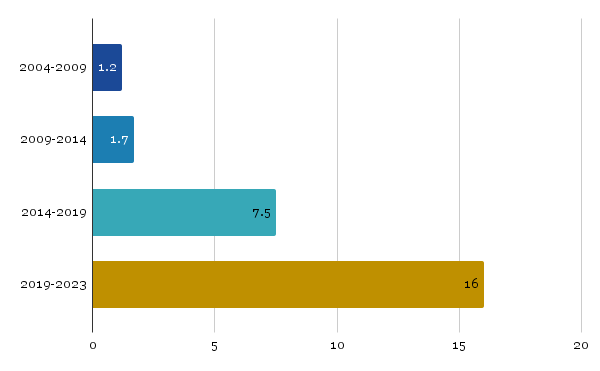
3 February 1925 was the day when Indian Railways began its journey of electrification. After 100 years, today this journey is nearing completion. Railway electrification now stands as a major component in Indian Railways’ strategy to lower its carbon footprint. As of August 2025, approximately 99.1% of the broad-gauge network has been electrified, which covers 69,154 route kilometres out of a total of 69,800. This rapid progress reflects an accelerated pace of electrification, which has increased from 1.42 kilometres per day during 2004–2014 to 19.7 kilometres per day in 2023–2024.
The transition from diesel to electric traction offers multiple advantages. It reduces greenhouse gas emissions, increases energy efficiency, and decreases operational costs in the long run. Moreover, electrified railways facilitate the integration of renewable energy sources, which aligns with India’s broader goal to achieve sustainable development. Indian Railways plans to meet its projected traction power requirement of 10,000 MW by 2030 through a diversified energy mix, including solar, wind, and nuclear power. This comprehensive approach outlines the critical role of electrification in India’s journey toward a low-carbon future.
In this article, we will delve into the technical aspects of railway electrification, examine its environmental and economic benefits, and assess its impact on the decarbonisation of railways.
Key Factors of Railway Electrification and the Transition from Diesel Locomotives
Railway electrification in India commenced in 1925 with the commissioning of a 16 km section in Mumbai. This was the first operational use of electric traction in the country, which laid the foundation for energy-efficient and higher-capacity rail transport.
Between 1947 and the early 21st century, electrification progressed in a phased and strategic manner, and focused on high-density commuter corridors, key intercity routes, and freight-heavy sections. These initiatives were integrated into Indian Railways’ five-year planning cycles, which necessitated systematic expansion, operational efficiency, and the adoption of technological standards for electric traction.
Many financial, technical, operational, and environmental factors have driven the transition from diesel locomotives to electric traction. These factors include:
Dependence on Oil Imports
The first diesel locomotive was introduced in India in 1954. Despite this, steam locomotives, powered by domestic coal reserves, continued to dominate operations until the 1980s. The large-scale adoption of diesel traction modernised the railway network but also increased dependence on imported crude oil. India sources nearly 80% of its petroleum requirements from abroad. This dependence exposed railway operations to fluctuations in international oil prices, creating pressure to manage operational costs while keeping fares and freight charges affordable. In response to the oil crisis, Indian Railways began to accelerate its electrification programs from the 1980s onward.
Note: Indian Railways reduced traction fuel consumption by 136 crore litresbetween the 2018–19 and 2023–24 fiscal years. This reduction is largely due to the ongoing “Mission 100% Electrification” initiative, which has accelerated the transition from diesel to electric traction across the network.
Higher Energy Efficiency
Electric locomotives use energy more efficiently than diesel engines. About 95% of the electricity generated is converted into motion at the wheels, while diesel engines only use around 30% of the fuel energy. This means electric trains consume less energy and cost less to run, which makes them more economical and effective for the railway system. Modern electric locomotives can also use regenerative braking, saving an additional 15–20% of energy.
Greenhouse Gas Emissions
Diesel locomotives produced high levels of greenhouse gas emissions. In 2017–18, diesel combustion alone contributed over 7.5 million tons of carbon dioxide equivalent, accounting for more than 90% of the railway network’s total emissions. Studies by the IEA and UIC in 2015 reported that Indian Railways emitted approximately 11.5 grams of CO₂ per passenger-kilometre and 9.5 grams of CO₂ per ton-kilometre of freight. The high level of emissions has been one of the critical factors that has accelerated the pace of electrification.
The Pace of Railway Electrification in India Over a Century
India electrified 45% of its railway network in just five years. Between 2014 and 2019, Indian Railways electrified approximately 30,000 route kilometres.
In January 2015, a major shift occurred when the National Railway Board established an Environment Directorate to coordinate environmental and sustainability initiatives across the Indian Railways network. At that time, the railway network operated a mix of diesel and electric locomotives, with approximately 45% of routes electrified.
The centralised investment and planning through the Environment Directorate accelerated electrification. Between 2019 and 2023, the network was electrified at a rate of 16 route kilometres per day, nearly double the rate of the previous five-year period and nine times faster than earlier efforts.
Electrification Rate of Indian Railways (Average Route Kilometres per Day, RKM/Day)
Since 2014, about 40,000 km of railway lines have been electrified in India, compared to 21,801 km electrified in all the years before 2014. This shows that the pace of railway electrification has been the fastest in the last 15 years. Between 2011 and 2020, around 20,000 route kilometres (rkm) were electrified. This progress has continued steadily, with another 20,000 rkm electrified between 2020 and November 2023.
Current Status of Railway Electrification
As of August 2025, Indian Railways has electrified 69,154 route kilometres out of a total of 69,800 km, achieving a 99.01% electrification of its broad gauge network. A total of 646 Route Kilometres (RKM) remains unelectrified, which lies in five states: Assam, Rajasthan, Karnataka, Tamil Nadu, and Goa. Assam has the highest proportion of unelectrified tracks, with 269 RKM, which constitutes nearly 10% of its total railway network. Rajasthan follows with 93 RKM, which is less than 1% of its overall network pending electrification.
The Impact of Railway Electrification
Decarbonisation of Railways
Electrification of railway lines is a central component of the Indian Railways’ long-term strategy to modernise its infrastructure and reduce environmental externalities associated with diesel traction. The Indian Railways operates one of the largest transport networks in the world. A portion of this operation is still dependent on diesel locomotives, which generate considerable quantities of carbon dioxide (CO₂), nitrogen oxides (NOₓ), particulate matter (PM), and other pollutants. The transition to electrification directly addresses these issues by shifting to electric traction, which not only lowers greenhouse gas emissions but also improves efficiency of operations, given that electric locomotives provide higher power-to-weight ratios and faster acceleration.
A main driver for railway electrification is India’s stated objective of achieving net-zero carbon emissions from the railway sector by 2030. This target requires a comprehensive approach, where complete electrification is a prerequisite. When Electric locomotives are powered by grid electricity, which is sourced from renewable energy, they have negligible direct emissions. Electric traction systems achieve efficiency levels above 90%, which directly reduces energy demand per unit of transport service delivered. This efficiency results in less primary energy consumption, lower operational costs, and a substantial decline in the overall carbon footprint of railway operations.
Integration of Renewable Energy
Another critical dimension of electrification’s role in decarbonisation is its integration with India’s renewable energy sector, particularly solar power. The Government of India is scaling up renewable capacity nationwide, and Indian Railways has aligned its energy strategy to directly source clean electricity for traction and non-traction purposes. Installed solar capacity across the railway network has already crossed 4,500 MW, combining both rooftop and land-based installations. IR has commissioned rooftop solar panels at 2,427 stations, 1,295 service buildings, and 673 residential quarters, which contribute to a cumulative 236 MW of generation capacity.
An additional 224 MW of rooftop capacity is under implementation. To ensure a reliable supply of renewable power for its high-demand operations, Indian Railways is also deploying 2,301 MW of round-the-clock renewable energy (RE-RTC) capacity in Rajasthan and Maharashtra. These measures enable the electrified railway network to progressively decouple from coal-based power generation and transition to a cleaner, more stable energy mix. The integration of solar energy with electrification not only reduces the system’s dependence on fossil fuels but also enhances long-term energy security by lowering exposure to fluctuations in global fuel markets while simultaneously reducing the carbon footprint of railway operations.
Limitations of Electrification: The Gaps in Net-Zero Carbon Emission Pathway
Electrification Alone Does Not Equal Decarbonisation
Even if Indian Railways achieves 100% electrification in the coming months, this milestone will not in itself result in full decarbonisation of operations. Electrification primarily eliminates the direct use of diesel traction but does not automatically address the carbon intensity of the electricity that powers the railway network. At present, a proportion of India’s grid electricity is still generated from coal-based thermal plants, which remain the dominant source in the national energy mix. As a result, while the shift from diesel to electric traction reduces local air pollution and improves energy efficiency, the overall carbon footprint of the railway system continues to be linked to fossil-fuel-based electricity generation.
This creates a gap between electrification and decarbonisation. Electrification represents the transition of traction power supply from internal combustion to electric systems, but true decarbonisation requires that the electricity used be sourced from non-fossil-fuel-based renewable energy such as solar and wind. Without this transition, the indirect emissions associated with coal-based power generation persist, thereby limiting the environmental gains of electrification.
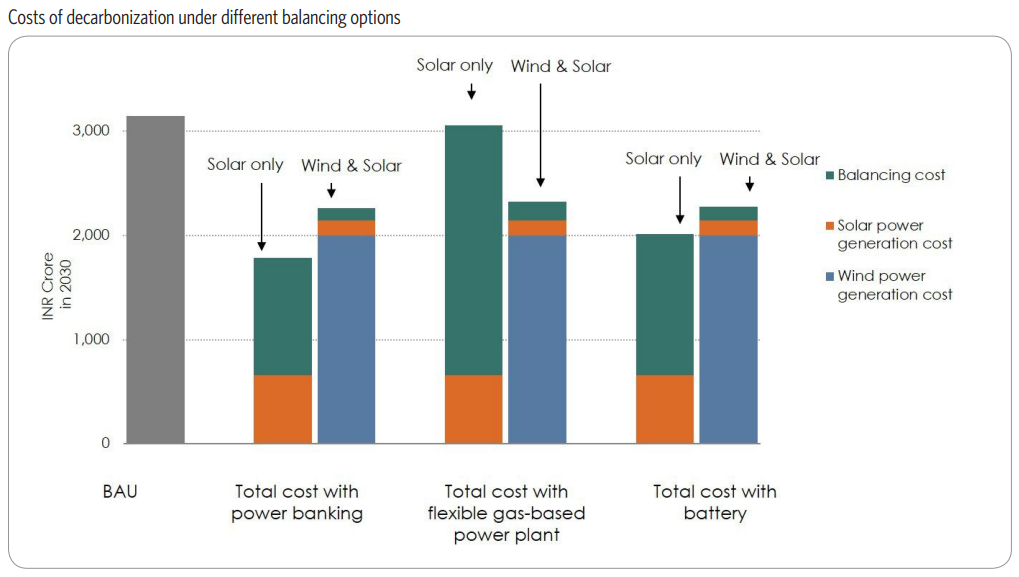
Increase in Balancing Costs The Climate Policy Initiative’s study (2017) on the decarbonisation of Indian Railways highlights this gap clearly. The study found that full decarbonisation of traction power by sourcing electricity from renewable energy could be 26–28% cheaper than the business-as-usual pathway by 2030. However, this transition requires more than just connecting to the grid; it demands a deliberate shift in sourcing electricity from coal-based supply to a diversified renewable mix. The report highlights that relying solely on solar power would make the system heavily dependent on balancing mechanisms, which will increase the balancing costs to as much as 63–78% of the total cost. An optimal mix of wind and solar, where wind capacity is nearly 8 times greater than solar, can limit balancing costs to just 5–8% by 2030 and ensure a better match between supply and demand.
Renewable Integration and Balancing Challenges
Source: CPI Study
This brings out a second gap. Decarbonisation is not simply about installing solar panels or building wind farms, but about ensuring uninterrupted supply reliability. Wind and solar power are variable, with generation depending on time of day and seasonal patterns. The CPI study mentions that Indian Railways would require renewable capacity about 6 times its electricity demand, as well as power banking or energy storage mechanisms, to manage variability. Without these systems, the Railways would remain dependent on coal-heavy grid supply to cover shortfalls, which would undermine its decarbonisation goal.
Policy and Regulatory Barriers
Another gap is in policy and rules. The CPI study pointed out that current laws and regulations make it harder for Indian Railways to use renewable energy. Some states do not recognise the Railways’ rights to transmit and distribute electricity, which slows down the creation of a national system to balance electricity supply. It is also difficult for the Railways to set up affordable storage or power banking to manage changes in renewable energy supply. These problems make it harder for Railways to buy renewable electricity and keep a steady power supply.
Conclusion
The electrification of the railway network is not an isolated infrastructure upgrade but a systemic intervention that closely aligns with the broader climate and sustainability objectives of Indian Railways and the nation. Currently, 69,154 route kilometres out of a total of 69,800 km of the broad gauge rail network have been electrified, which accounts for 99.1% of the network. The strategy to electrify the railway network forms the backbone for decarbonisation, as it provides multifaceted benefits such as a reduction in carbon emissions and lower operational and maintenance costs. In addition, the transition to electric traction from diesel will ease the burden of crude oil imports and make the Railways economically sustainable.
Although electrification is important, it is not enough. To really reduce carbon emissions, Indian Railways needs to source large amounts of renewable energy, use an optimal mix of wind and solar power, invest in storage and backup systems, and address policy and regulatory barriers. Only when these gaps are filled can electrification lead to real decarbonisation and help Railways reach net-zero carbon emissions by 2030.
Explore how AI-integrated systems are improving comfort, connectivity, and accessibility for passengers across metro and rail networks at the 6th edition of InnoMetro, India’s leading expo for the Metro & Railway industry.
Braking systems form one of the most critical subsystems in railway engineering. They directly influence the safety, reliability, and operational efficiency of train operations. The ability to control train speed and ensure a predictable stop within a defined braking distance is fundamental for both passenger and freight operations. As the demand grows for high-speed train operations, traditional braking methods such as vacuum and conventional pneumatic brakes have proven inadequate in meeting modern performance and safety requirements.
Modern rail vehicles now rely on advanced braking technologies that combine mechanical, pneumatic, and electrical principles to deliver better responsiveness, energy efficiency, and fail-safe operations. These systems not only reduce stopping distances but also integrate with train control and protection mechanisms, such as Automatic Train Protection (ATP) and India’s indigenous Kavach system, to prevent accidents arising from human error or equipment failure.
Additionally, energy recovery through regenerative braking, widespread adoption of disc-based systems, and the use of contactless braking solutions such as eddy current and magnetic track brakes have converted braking into a multi-functional system that ensure safety while contributing to sustainability.
This paper explores the critical role of modern braking systems in enhancing the safety, efficiency, and reliability of rail transit operations. As metro rail, high-speed rail, and suburban transit systems expand globally, the demand for advanced braking technologies is increasing proportionally. Modern brakes are no longer limited to mechanical stopping functions, as they now incorporate regenerative energy recovery and electronic control. They are aligning with the industry’s push for efficiency and sustainability.
Along with technical improvements, the development of modern braking systems is also creating business opportunities for manufacturers. Investments in new metro and high-speed rail projects, the replacement of older rolling stock, and the enforcement of stricter safety standards are increasing the demand for reliable and efficient braking solutions. This paper looks at both the technical side of braking systems and the market potential.
Evolution of Railway Braking Systems
The development of railway braking technology has been closely linked to the increase in train speeds, axle loads, and passenger safety requirements over the last century. Early railways primarily relied on hand-operated mechanical brakes, which were applied by guards or brakemen stationed in individual wagons. This system was highly inefficient, inconsistent, and unsafe, particularly for long freight trains.
To overcome the limitations of mechanical brakes, vacuum brakes were introduced in the mid-1860s. Vacuum brakes, while simpler in construction, suffered from limited braking force and slower response times, especially on long rakes. Their performance under adverse weather conditions and at higher speeds also created challenges.
The invention of the compressed air brake by George Westinghouse between 1869 and 1872, turned out to be a major technological leap. Pneumatic air brakes allowed for simultaneous braking across the entire train. This reduced stopping distances and improved safety. Over time, this system evolved into electro-pneumatic (E-P) brakes, which use electrical signals for faster actuation and more uniform brake application.
As the modern rolling stock entered operations, further innovations were introduced. Disc brakes provided superior performance compared to tread brakes, especially at higher speeds, while regenerative and rheostatic braking systems enabled energy recovery and reduced wear on mechanical components. In parallel, contactless technologies such as eddy current and magnetic track brakes were developed to provide additional emergency braking capacity, particularly for high-speed rail applications.
This gradual progression from manual to highly automated, multi-modal braking systems reflects the increasing emphasis on reliability, safety, and efficiency in modern railway operations.
Types of Modern Brake Systems
Modern rail vehicles employ a combination of mechanical, pneumatic, and electrical braking technologies to meet the demands of higher speeds, improved safety, and operational efficiency. The main systems in use today include:
Electro-Pneumatic Brakes
Electro-pneumatic (E-P) brakes are an improved form of the conventional air brake. They were first used in the United States on the New York Subway in 1909 and later on the London Underground in 1916.
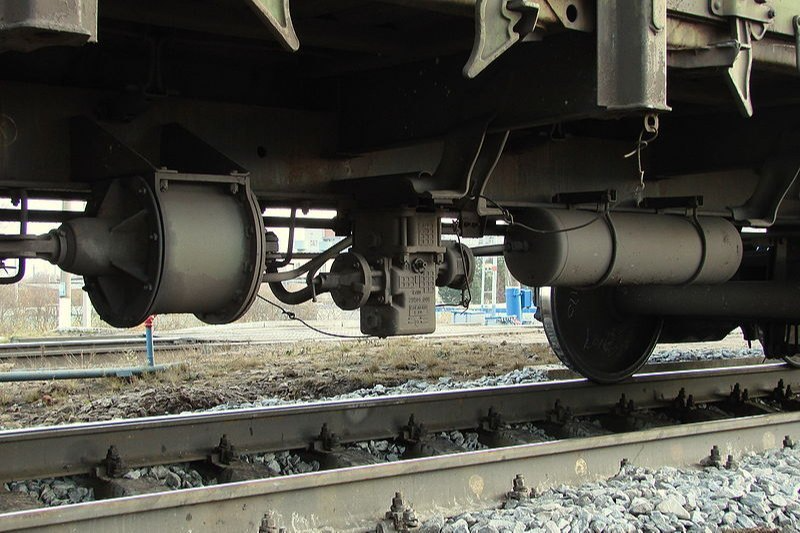
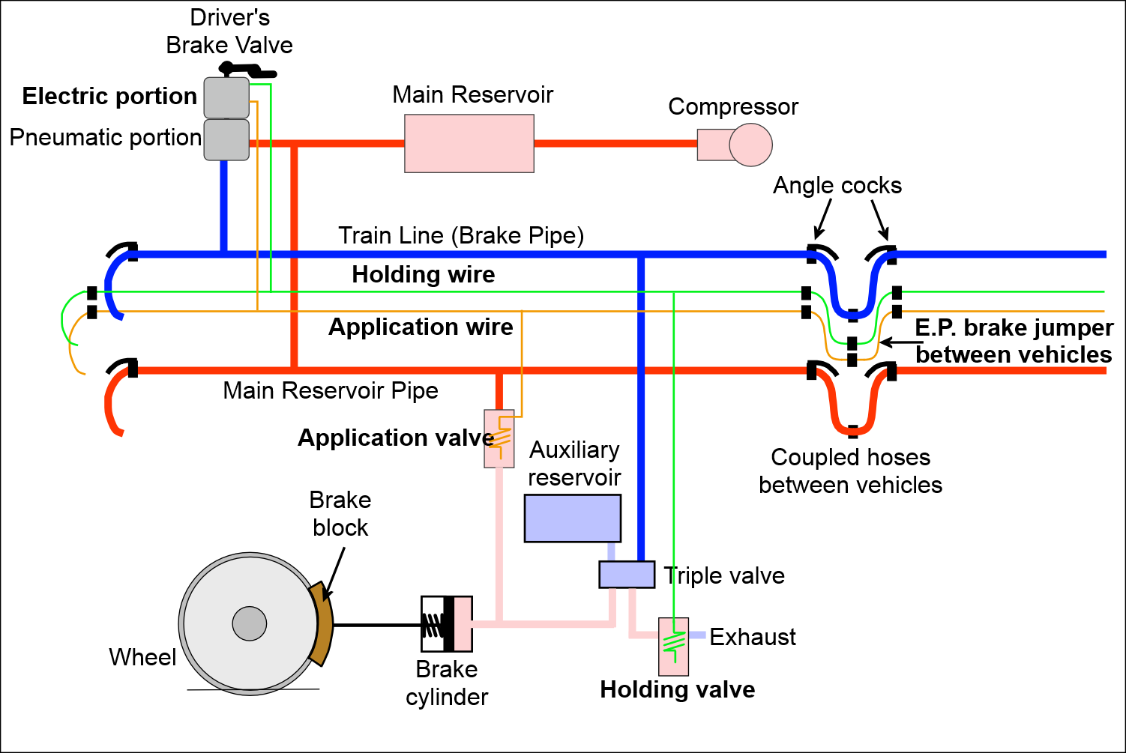
In this system, the main braking power still comes from compressed air acting on the brake cylinders, but the control of the brakes is done electrically. Instead of relying on air pressure changes to travel through the brake pipe, electrical signals are sent along the train. These signals reach electro-pneumatic valves on each vehicle, which then allow compressed air from the reservoirs to enter the brake cylinders. This makes the brakes apply and release almost instantly and at the same time across the whole train.
E-P brakes are mainly used in multiple-unit passenger trains and metro systems, where quick and reliable braking is required. Their main benefit is faster response compared to conventional air brakes, which improves train handling, reduces stopping distance, and allows closer train spacing. The system is also suitable for use with automatic train operation (ATO) and train protection systems.
For safety, the conventional pneumatic brake system is usually kept as a backup. If the electrical control fails, the air brake still works to bring the train to a stop in an emergency situation.
Regenerative and Rheostatic Braking
Modern rail systems increasingly rely on energy-efficient braking technologies that not only slow the train but also recover or dissipate energy. Regenerative braking captures the kinetic energy of a moving train and converts it into electrical energy, which can be fed back into the power supply system or reused.
Working Principle: During braking, the train’s traction motors operate as generators. The kinetic energy of the train is converted into electrical energy, which flows back into the traction power network if the infrastructure allows. If the network cannot absorb all the generated energy, it is dissipated as heat through rheostatic braking, where resistors onboard the train convert the energy into thermal energy. Rheostatic braking ensures that braking remains effective even when regeneration is not possible, such as during low power demand or network faults.
Many metro systems, including the Delhi Metro, Kolkata Metro, Pune Metro (Metro Line 3), and Indore Metro, utilise regenerative braking technology to convert the train’s kinetic energy into electricity.
Disc Brakes
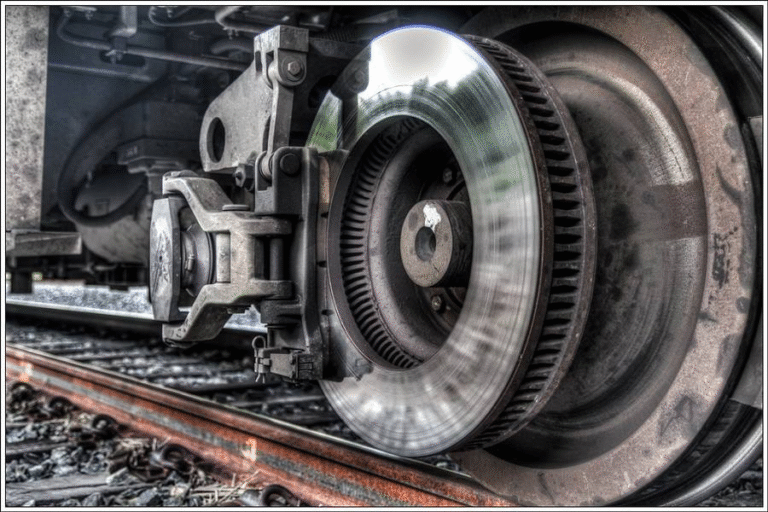
As the speed of rail transportation increased with technological progress, the demands on braking systems also grew. Higher speeds mean greater kinetic energy, which must be converted into heat during braking. Traditional block (or tread) brakes, which press brake blocks directly against the wheel tread, were adequate for lower speeds but became less effective as trains got faster and heavier.
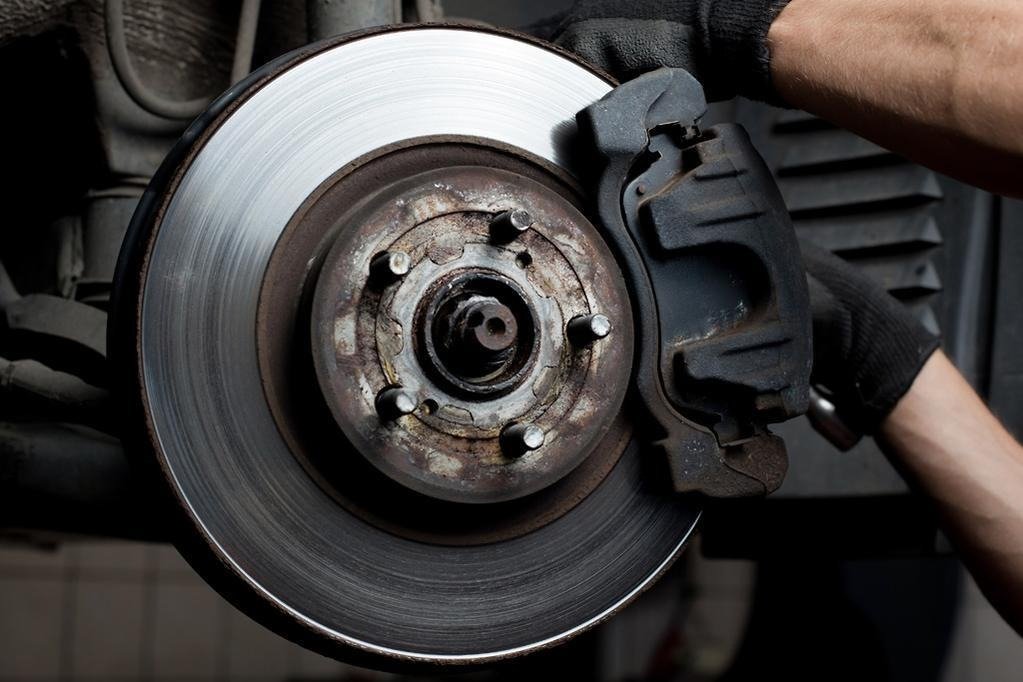
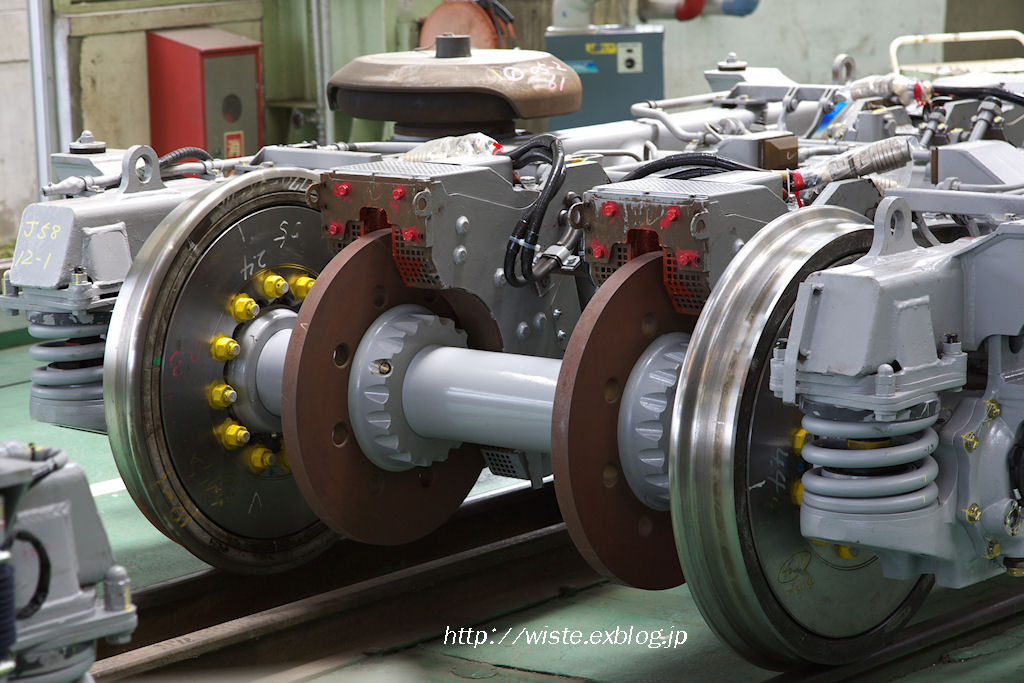
Disc brakes emerged as a response to these challenges. In a disc brake system, friction pads press against a disc mounted on the wheel or axle, rather than directly on the wheel tread. This design allows better heat dissipation, consistent braking performance, and reduced wear on wheels.
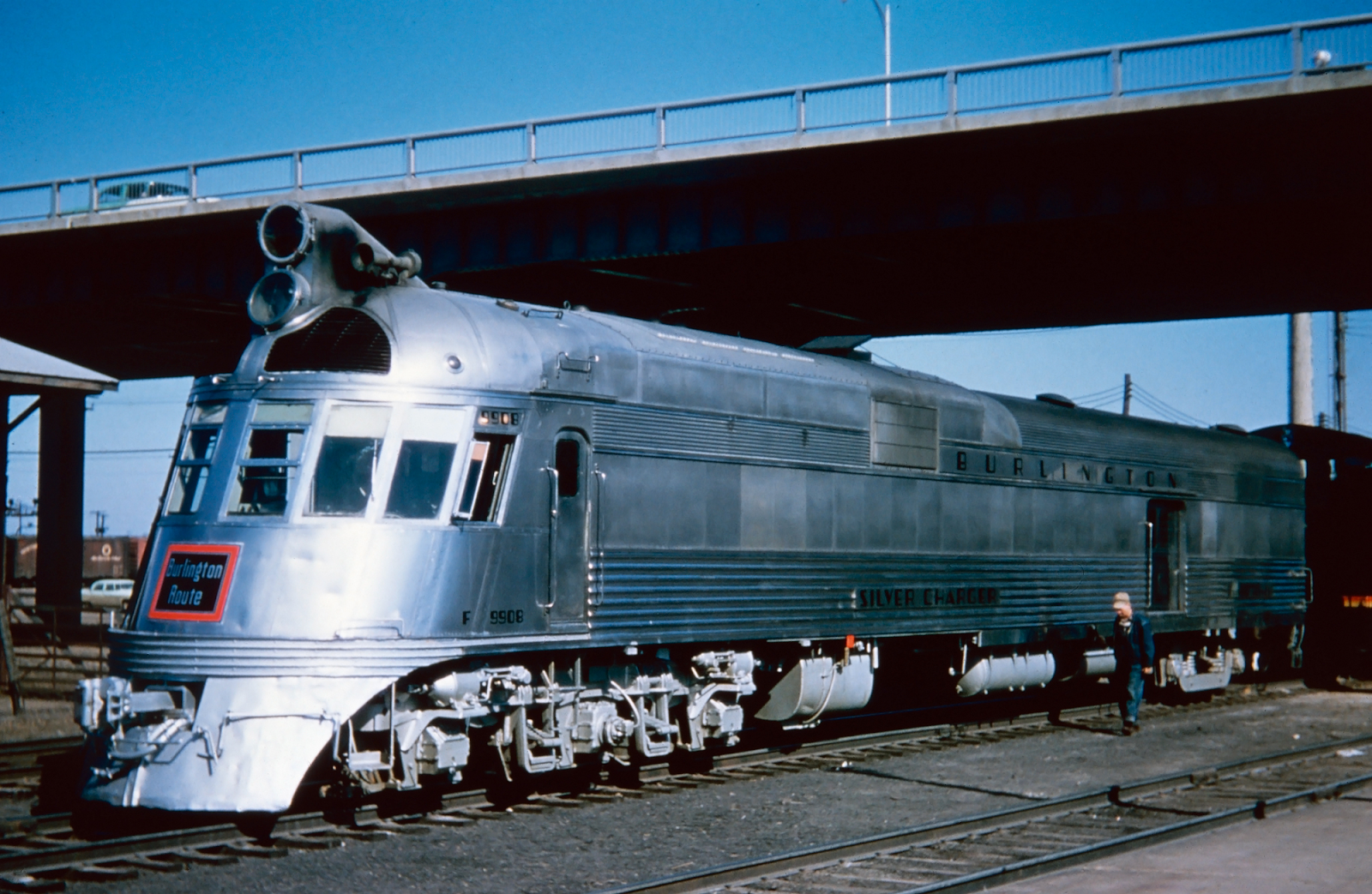
The practical applications appeared in the 1930s. In the United States, the Budd Company introduced disc brakes on the General Pershing Zephyr, which was a passenger train built in 1938 and placed into service in 1939. By the 1950s, disc brakes had become standard on new-generation passenger coaches and were later essential for high-speed trains such as the Shinkansen and TGV.
Modern Applications of Disc Brakes
Metro and EMU Systems
Disc brakes are widely used in modern metro trains and electric multiple units (EMUs), where frequent stops and starts demand reliable and consistent braking. In these systems, disc brakes are often combined with regenerative braking to recover energy and reduce wear on mechanical components.
LHB Coaches in India
In India, LHB (Linke-Hofmann-Busch) coaches have replaced older ICF coaches, which used traditional tread brakes. LHB coaches employ disc brakes to handle higher speeds
Eddy Current Brakes
Eddy current brakes are a type of non-contact braking system that uses electromagnetic induction to slow down a train without physical friction. They are commonly used in high-speed trains, magnetic levitation (maglev) systems, and as supplementary braking systems where conventional mechanical brakes are less effective.
Working Principle of Eddy Current Brakes
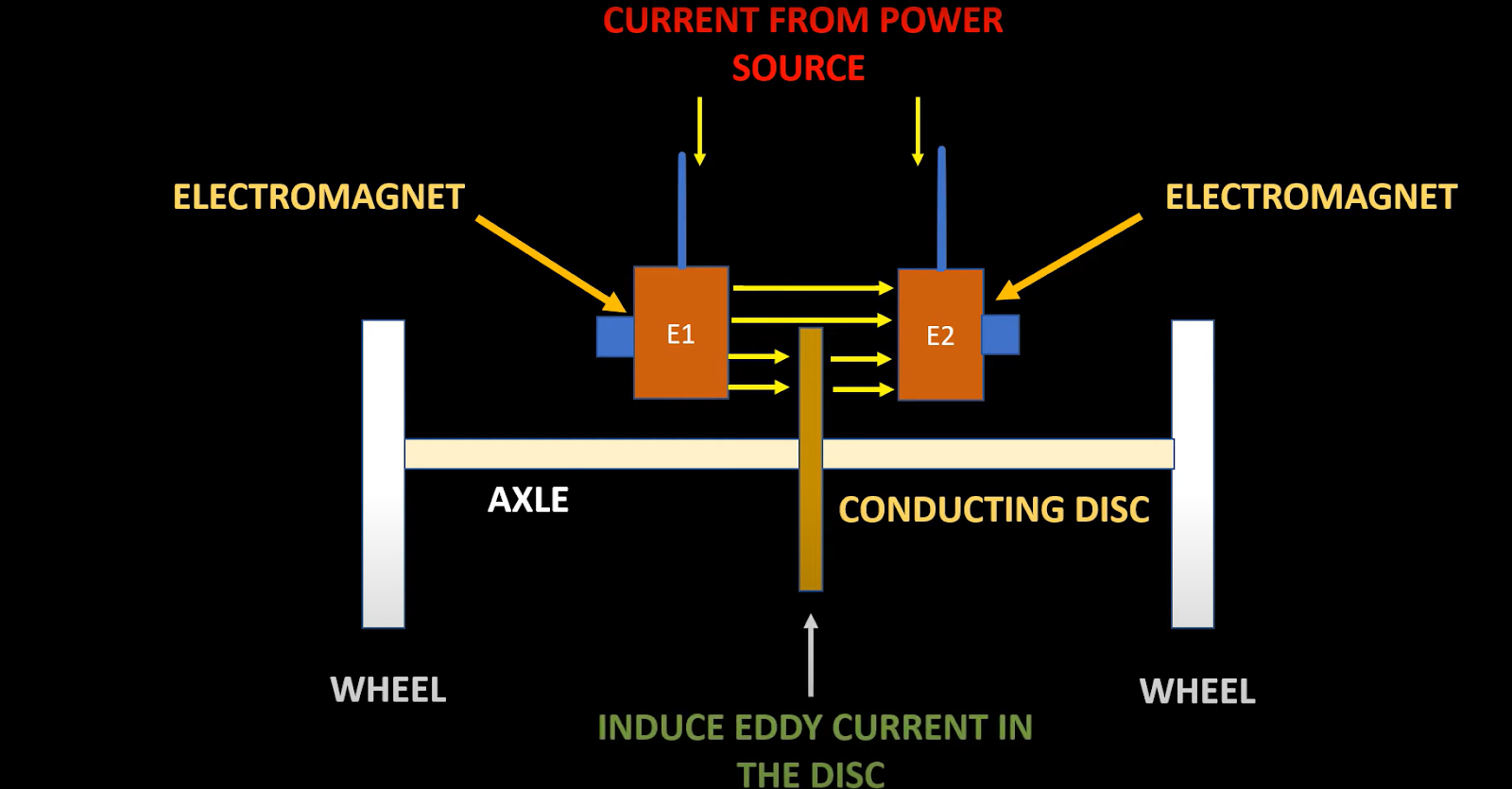
Eddy current brakes operate on the principle of electromagnetism and provide contactless braking. A conductive disc is mounted on the axle, with electromagnets positioned near it. When the driver applies the brakes, the electromagnets are energised, creating a magnetic field. As the disc rotates through this field, eddy currents are induced in the disc. These currents generate an opposing magnetic field according to Lenz’s Law and produce a resistive force that slows the train without any physical contact.
Because braking is achieved through electromagnetic forces rather than friction, there is no wear on the wheels or brake pads. This makes the system especially suitable for high-speed trains and maglev vehicles. Eddy current brakes are generally used as supplementary brakes alongside mechanical brakes, particularly at high speeds where conventional brakes may overheat or become less effective.
Eddy current brakes offer several advantages, especially for high-speed rail applications. Since they operate without physical contact, there is no wear on wheels, brake pads, or discs, which reduces maintenance requirements. They perform efficiently at high speeds and provide smooth and consistent braking even when mechanical brakes might overheat. Additionally, because no friction is involved, the system operates quietly and vibration-free.
However, the Eddie Currentbrake system has some limitations. Eddy current braking force decreases at low speeds, so mechanical brakes are still needed for final stopping. Unlike regenerative braking, the energy is dissipated as heat and not reused in this system.
Magnetic Track Brake
Magnetic track brakes are a type of electromagnetic braking system commonly used in metros, light rail, and trams to provide rapid and reliable stopping, particularly in emergency situations. Unlike conventional brakes that act on wheels, magnetic track brakes act directly on the rail itself. MTBs are not the primary braking system but serve as a powerful, supplementary brake during emergencies or when adhesion between the wheel and rail is low.
Magnetic Track Brakes (MTBs) can deliver adhesion forces of up to 100 kN, which makes them effective even under challenging conditions. Modern MTBs are designed with a low profile, as small as 130 mm in height, to minimise space requirements and integrate easily into vehicle bogies. They are used as supplementary braking systems in high-speed trains, such as Germany’s ICE, where they operate alongside disc and regenerative brakes to ensure safe and reliable deceleration. MTBs are also extensively employed in metro and tram systems for emergency stops or rapid deceleration. Primary examples include the Delhi Metro, London Docklands Light Railway (DLR), and Munich U-Bahn, where they provide consistent braking performance even on wet or slippery tracks.
Integration with Safety and Train Control Systems
Modern braking systems do not operate in isolation. They are closely integrated with train safety and control mechanisms to ensure predictable and fail-safe operations. This integration allows braking systems to respond automatically to potential hazards to avoid any human error.
Automatic Train Protection (ATP) and Automatic Train Operation (ATO):
ATP systems continuously monitor train speed, track conditions, and signal aspects. If a train exceeds the permitted speed or approaches a danger point, the ATP system automatically triggers braking to prevent collisions.
ATO systems, used in metros and high-speed rail, control train acceleration and deceleration, including braking, to optimise schedules and maintain safe headways. Electro-pneumatic brakes and regenerative systems are particularly suited for ATO due to their fast response and precise control.
Indigenous Safety System in India:
India’s Kavach system integrates with braking mechanisms to enhance train safety. If the driver fails to respond to a signal or an obstacle is detected on the track, Kavach can automatically activate the brakes, including E-P and disc brakes, to ensure that the train stops within a safe distance.
Limitations of Modern Braking Systems
Electro-Pneumatic (E-P) Brakes E-P brakes rely on electrical signals to achieve fast and uniform braking across the train. This dependence on electricity makes them vulnerable to power failures or faults in the control wiring. While conventional pneumatic brakes serve as a backup, any malfunction in the electrical system can affect responsiveness, leading to a threat to safety.
Disc Brakes Disc brakes perform well at higher speeds and provide consistent braking, but prolonged use generates heat that can lead to thermal stress and potential brake fade. In metro and suburban operations with frequent stops, friction pads experience accelerated wear, necessitating periodic replacement. Noise and vibration may also occur under certain conditions, although modern materials mitigate these issues to some extent.
Eddy Current Brakes
Eddy current brakes are highly effective at high speeds but lose efficiency at low speeds makes it necessary to rely on supplementary mechanical brakes for final stopping. The energy generated is dissipated as heat rather than recovered, which limits overall energy efficiency.
Magnetic Track Brakes (MTBs) MTBs are designed primarily for emergency or supplementary braking rather than continuous service braking. They require high electrical power to achieve strong magnetic adhesion and, if they are used frequently, they can cause localised wear or damage to the rail surface.
Regenerative and Rheostatic Brakes: Regenerative braking efficiency depends on the ability of the power network to absorb returned energy. When regeneration is not possible, rheostatic braking dissipates energy as heat, which creates thermal stress on resistors. Both systems require careful coordination with mechanical brakes to ensure safe stopping distances, particularly at low speeds or during emergency braking situations.
Emerging Business Opportunity in the Railway Braking Market
Global Market
As per the report released by Cognitive Market Research, the global railway braking systems market was valued at USD 9.25 billion in 2024 and is expected to grow at a compound annual growth rate (CAGR) of 4.0% from 2024 to 2031. North America is the largest market, contributing over 40% of global revenue (USD 3.69 billion), followed by Europe with more than 30% (USD 2.76 billion). The Asia-Pacific region holds around 23% of the market (USD 2.12 billion) and is expected to grow the fastest, at a CAGR of 6.0%. Latin America and Middle East & Africa account for smaller shares, with market sizes of USD 460.76 million and USD 184.30 million, growing at CAGRs of 3.4% and 3.7%, respectively.
India Market for Railway Brake Systems
The railway brake systems market in India was valued at USD 254.34 million in 2024 and is expected to grow at a CAGR of 7.8% during the forecast period. This growth rate is higher than both the global and regional averages. However the another research by Verified Market Reports suggests that
The main reasons for this increase are urbanisation, population growth, and government investment in railway infrastructure. Large projects such as high-speed rail, Dedicated Freight Corridors, and the rapid growth of metro networks in many cities are creating more demand for modern braking systems.
Older technologies, such as tread brakes on ICF coaches, are being replaced with disc brakes and electro-pneumatic brakes in LHB coaches and metro trains. At the same time, there is a move toward regenerative braking and integration with Automatic Train Operation (ATO) in new systems.
The focus on safety, efficiency, and reliability is influencing the market. India is gradually adopting braking systems that match international standards. This market trend creates opportunities for brake system manufacturers, suppliers, and rail operators to adopt and provide modern braking solutions across different regions.
Conclusion
As India enters a new era of mobility where speed and safety take the centre stage, modern braking systems are now a key part of railway safety and operations. Over time, brakes have moved from manual and vacuum systems to electro-pneumatic, disc, regenerative, eddy current, and magnetic track brakes. These changes have come with the need for higher train speeds, heavier loads, and stricter safety requirements. Modern systems also work with train protection and control systems, and in some cases, recover energy, which makes them more efficient than older brakes.
The global railway brake systems market was valued at USD 9.25 billion in 2024 and is expected to grow at a CAGR of 4.0% up to 2031. In India, the market was about USD 254.34 million in 2024 and is projected to grow faster, at a CAGR of 7.8%. This is driven by new metro projects, high-speed rail, and freight corridors. The demand for reliable and modern brakes will keep increasing as India and other countries expand their rail networks. For manufacturers and operators, this means there is a clear opportunity to supply advanced systems that meet both safety and performance needs.
Explore how AI-integrated systems are improving comfort, connectivity, and accessibility for passengers across metro and rail networks at the 6th edition of InnoMetro, India’s leading expo for the Metro & Railway industry.
THIRUVANANTHAPURAM (Metro Rail News): Kerala Chief Minister Pinarayi Vijayan has approved the first-phase alignment of the Thiruvananthapuram Metro Rail project.
The 31-km phase 1 alignment of the Thiruvananthapuram Metro rail project will be implemented by Kochi Metro Rail Limited (KMRL). The phase 1 alignment will cover 27 stations.
Stations: Pappanamcode (Terminal station), Kaimanam, Karamana, Thampanoor, Secretariat, Palayam, Plamoodu, Pattom, Murinjapalam, Medical College, Ulloor, Pongumoodu, Sreekaryam, Pangappara, Gurumandiram, Karyavattom, Technopark Phase 1, Technopark Phase 3, Kulathoor, Technopark Phase 2, Akkulam Lake, Kochuveli, Venpalavattom, Chaakka, Airport, Eanchakkal (Terminal station). The project will feature three interchange stations — Kazhakoottam, Technopark Phase 1 and Karyavattom.
The proposed alignment will link key IT, administrative, transport, and healthcare hubs across the city.
Officials said As part of preparatory works for the Thiruvananthapuram Metro, KMRL has been entrusted with the construction of flyovers at Sreekaryam, Ulloor, and Pattom to ease traffic congestion along key stretches. Of these, the construction of the Sreekaryam flyover is progressing rapidly. As reported by India Today.
Once operational, the Thiruvananthapuram Metro will provide efficient, sustainable, and modern mobility to commuters, transforming the city’s transport landscape.
Explore how AI-integrated systems are improving comfort, connectivity, and accessibility for passengers across metro and rail networks at the 6th edition of InnoMetro, India’s leading expo for the Metro & Railway industry.
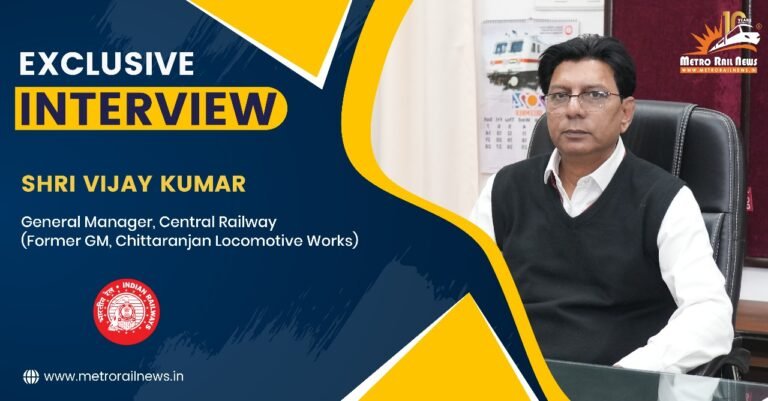
Metro Rail News conducted an exclusive interview with Shri Vijay Kumar, General Manager of Chittaranjan Locomotive Works (CLW). During the discussion, Shri Kumar outlined CLW’s role in supplying locomotives for Indian Railways and supporting the country’s transport infrastructure. He highlighted key milestones achieved by CLW in his leadership, including setting a record in locomotive production, and shared the organisation’s target of manufacturing 777 locomotives for FY25-26. Shri Kumar also discussed advanced technologies implemented at CLW, such as the DPWCS (Distributed Power Wireless Control System) and the IP-based Video Surveillance System (VSS), as well as projects in development, including the Drive Gear System and Remote Monitoring System. Additionally, he touched upon CLW’s initiatives to enhance sustainability . Here are the edited excerpts.
1.Could you please elaborate on your Professional journey? What are the milestones CLW has achieved under your leadership?
When I joined CLW on 10thDecember 2024, CLW, including its Dankuni Unit, had manufactured 431 WAG-9 Locomotives and converted 12 WAP-5 locomotives for Amrit Bharat Trains. In the remaining timeframe of the financial year 2023-24, a total of 269 new locomotives and 28 conversion locomotives were required to be manufactured to achieve the target fixed by the Railway Board. CLW was struggling to achieve the target as there were major constraints in the supplies of important items such as Transformers, Locomotive Shell and Propulsion System, etc . The major achievements till 31st March, 2025, are as follows:
CLW and its Dankuni Unit achieved the target of production of 700 new locomotives in the financial year 2024-25. In this, the Chittaranjan Unit produced 544 locomotives and the Dankuni Unit produced 156 locomotives. These are the best ever annual figures for both the Units since their inception.
Earlier, the best-ever figure of locomotive production in a month was 65 locomotives achieved by CLW in the month of July 2023 in the FY 2023-24. This record was continuously surpassed in the month of January’25, February’25 and March’25 by producing 66, 69 and 75 locomotives respectively.
In addition to meeting the target of manufacturing new locomotives, CLW also achieved the Railway Board’s target of converting 40 WAP-5 locomotives.
Considering the above performance, the Railway Board enhanced the target of production of new locomotives to 777 and conversion of WAP-5 locomotives to 64 locomotives in the financial year 2025-26. Till the end of August 2025, CLW has already manufactured 347 new locomotives and converted 30 WAP-5 conversion locomotives. In new locomotives, 267 have been manufactured in Chittaranjan and 87 locomotives in Dankuni. The trend clearly shows that this year, the Chittaranjan and Dankuni units of CLW are likely to surpass their best-ever targets achieved in the financial year 2024-25. Moreover, the conversion target of 64 WAP-5 locomotives will also be adhered to.
On the technology implementation front, Waterless Units were installed in WAG-9 locomotives in May 2025, following their earlier installation in WAG-9 EF12K Twin locomotives in October 2024.
The 360-degree driver seat was installed in the driver’s cab in May 2025, and subsequently, the Inspector seat in August 2025.
This has been possible only due to the sheer hard work, team spirit, and total dedication and devotion of each and every employee of Chittaranjan and Dankuni, be it staff, supervisors or officers.
2.CLW created history by producing 700 locomotives in FY 2024-25, which is the highest number of locomotives produced by any production unit in India. What factors contributed to this increased capacity?
It was a proud moment for this country as well as Chittaranjan Locomotive Works (CLW) to achieve a production capacity of 700 electric locomotives, which was approximately 21% higher than FY 2023-24. Chittaranjan Locomotive Works (CLW) has been strongly determined to cater to increased demand due to a strong push for railway electrification across India. There were many factors such as timely and adequate availability of all the materials required for loco production, redistribution of available manpower to achieve the production targets, ensuring availability of required machines and infrastructure, enhancing the moral of staff and supervisors by ensuring their timely promotions and redressal of their grievances, close monitoring of various critical activities to avoid any disruption, enforcing the habit of doing first time right and ensuring availability of better tooling and measuring gadgets for enhancing the efficiency.
3. As Indian Railways moves toward complete electrification, what is the roadmap for CLW to further scale up its production capacity to meet the growing demand for electric locomotives?
Electrification of railway tracks reduces dependency on fossil fuels and decreases diesel consumption, resulting in lower carbon emissions. The demand for locomotives has also increased due to projects such as the Dedicated Freight Corridor and Multi-Modal Cargo Terminals. It is evident that CLW has ramped up its production. For instance, the Dankuni unit contributed 156 locomotives in FY 2024–25, and its expansion is in the pipeline to further boost capacity. State-of-the-art new infrastructure facilities, such as CNC machining, Coordinate Measuring Machine, etc. are being created to increase production and improve reliability of the loco.
We are aware that Railways are carrying out electrification at a rate of 3,000 RKM or more every year, and 99% of the broad-gauge track has already been electrified, requiring more electric locomotives. This year, it is targeted to produce 777 locomotives, out of which 347 WAG-9 locomotives and 30 Amrit Bharat locomotives have been produced till August 2025, and we are committed to achieving the production target given by the Railway Board. We are also expanding the vendor base rapidly, especially for critical components like IGBT-based propulsion systems, blowers and motors, transformers, etc., to ensure availability of materials.
4.What new locomotive models or variants has CLW introduced recently? How do they address the specific needs of modern Indian Railways?
In recent times, Indian Railways has undergone a huge transformation. Keeping with the key objective of the National Rail Plan to provide high-haulage locomotives for the Dedicated Freight Corridor and high-speed locomotives for passenger transport, CLW has produced 57 nos. of 9,000 HP WAG-9 locomotives and 125 EF12K twin locomotives of 12,000 HP, which are suitable to haul higher tonnage loads. Also, CLW has developed DPWCS (Distributed Power Wireless Control System), which enables five locomotives to work in unison with a single set of loco pilots in the front locomotive and only one loco pilot in the last locomotive. In this way, five goods trains can be joined together and hauled in certain sections, such as the Dedicated Freight Corridor, which increases the throughput of the line with less manpower. A “Super Anaconda,” consisting of three rakes with 177 loaded wagons amounting to 15,000 tons, was run successfully from Lajkura to Rourkela. “Sheshnag,” consisting of 251 wagons and five rakes, was run in the Nagpur Division.
5.CLW has played a key role in developing locomotives for the Amrit Bharat Express, particularly the WAP-5 model. Could you elaborate on the unique features and capabilities of these locomotives?
CLW has developed the WAP-5 push-pull aerodynamic locomotive for the Amrit Bharat Express, which is a state-of-the-art locomotive developed to meet the current requirements of modern Indian Railways. The configuration of Amrit Bharat trains has one locomotive at the front and one at the back of the train, but the traction and braking of both locomotives are controlled by the front locomotive, resulting in better acceleration and deceleration with reduced turnaround time. The locomotive is equipped with a redesigned driver desk, provision of air conditioning, and a comfortable seat, enabling loco pilots and assistant loco pilots to work in a comfortable environment. The aerodynamic cab, with an impact-resistant windshield, improves energy efficiency and safety. A Remote Monitoring System (RMS) has also been installed, which provides real-time parameters of the locomotive, helping in assessing its health, which can further be used for predictive maintenance and thus reduce downtime. There is a HOG (Head-on Generation) unit inside the locomotive, which powers onboard systems in the train and eliminates the need for a separate power car, saving fuel and space.
6.What new technologies are being integrated into the latest locomotives being manufactured at CLW?
With the advent of new technologies, Indian Railways has also adopted them across different verticals to increase operational efficiency and provide passengers with higher standards of comfort and safety. CLW has introduced many new technologies in recent times. A few important ones are as follows:
Push-pull compliant locomotives have been developed based on the FSK methodology for the Amrit Bharat locomotive. This gives better acceleration and higher speed to the train.
A Remote Monitoring System has been provided in the locomotive, which monitors the health of locomotive components and aids in predictive maintenance of equipment, thereby reducing online failures of the locomotive.
In Head-on Generation, the capacity is being increased to 600 KVA to facilitate passengers by introducing more charging points, light points, etc. Two extra coaches can be added to the train, which will increase the berthing capacity.
For goods trains, DPWCS (Distributed Power Wireless Control System) is being installed in locomotives, which has the advantage of hauling multiple rakes and enhances the throughput of the section with fewer loco pilots..
An IP-based Video Surveillance System (VSS) is another technological advancement, which monitors crew behaviour and later helps in taking corrective action
Ergonomically designed seats for the crew, air conditioning, and a waterless urinal (WLU) have been provided for the comfort of loco pilots.
7.As a major manufacturing unit, how is CLW using automation to optimise its production processes, improve quality control, and enhance supply chain management?
CLW is planning to introduce robotic welding, automatic torqueing devices, and coordinate measuring machines to achieve a better-quality product. CLW is already an IRIS-certified organisation, and well-established check sheets and processes are being followed. IMMS and UDM modules are being utilized to monitor the supply of components and take preventive action in advance for the smooth supply of materials. To maintain a regular supply of material, we are developing new vendors for critical components who are having good quality standards in manufacturing. For quality control at vendor premises, STRs have been defined, and test protocols have been provided in the specifications themselves. Also, reviews of the manufacturing processes at vendor premises are being conducted from time to time by CLW.
8.How is CLW preparing to upgrade its locomotives? What research and development initiatives are currently being undertaken to support this effort?
At present, CLW is working on some new projects like the development of the Drive Gear System, which will increase the speed of the locomotive, and the Remote Monitoring System, which will help in improving the reliability of locomotives and predicting failures beforehand. Another project is the development of the Smart TM Bearing Monitoring System, which will predict the failure of traction motors beforehand so that locomotives can be attended to in time, reducing failures on the Line. CLW has given a project to IIT Kanpur for AI-based health monitoring and predictive maintenance of locomotives, for which a dedicated server setup has been finalized and will be set-up at CLW. CLW is also doing a developmental project with CDAC and MeITY for the development of a new propulsion system with the latest technology, with very high availability and reliability.
9.What initiatives is CLW taking to make the manufacturing process more sustainable? Can you provide details on your efforts in areas like renewable energy, waste management, and reducing the carbon footprint of your operations?
CLW has already installed solar rooftop units with a capacity of 6.5MW and is planning to add 1.5MW. CLW will be providing a battery storage system of 5MWh capacity, which will store energy during the daytime for use in night hours. This will reduce the maximum demand during the daytime, which will save energy bills. CLW has also provided 4,000 BLDC energy-efficient fans and is planning to add a further 8,000 to reduce energy consumption. A 5S management system is in place, and contracts have been awarded for proper segregation and regular disposal of waste. CLW has banned the use of single-use plastic in the CLW township as a commitment to save nature.
10.Are there any plans for CLW to tap into international markets and expand its footprint?
CLW is actively exploring international market entry by participating in global tenders through RITES, the export arm of Indian Railways. It is seen that there is a demand for electric cape-gauge and standard-gauge locomotives in the African continent. This is not a regular product of CLW, as Indian Railways works on broad gauge only. However, we are now planning to develop electric cape-gauge as well as standard-gauge locomotives in coordination with RITES to explore the international market.
11.What message would you like to convey to the readers of Metro Rail News?
CLW is well aware of the requirements and expectations of our travellers and is continuously striving to produce locomotives with higher hauling capacity and higher speed with improved reliability. We will produce locomotives which will meet the growing demand of Indian Railways
India’s urban landscape is undergoing a steady transition. The rapid expansion of cities is leading to challenges such as higher population density, traffic congestion, and rising demand for efficient mobility. These pressures are stretching existing transport networks to their limits and outlining the need for sustainable, high-capacity transit systems that can meet the mobility needs of a growing urban population. While the Government of India and state authorities have played a critical role in the expansion of metro rail, suburban rail, and high-speed corridors, the sheer scale of investment required far exceeds the fiscal capacity of the public sector. According to estimates, India’s urban transport sector will require trillions of rupees in funding over the coming decades to keep pace with demand.
Against this backdrop, Public-Private Partnerships (PPPs) have emerged as a potential solution to bridge the financing and operational gaps. A PPP in rail transit allows the government to use private capital, technical expertise, and efficiency while retaining oversight of strategic public assets. If we take Global examples, cities such as Hong Kong, London, and Dubai have demonstrated how private sector participation, when structured effectively, can accelerate infrastructure delivery, improve service standards, and unlock innovative financing models such as land value capture and transit-oriented development.
In India, however, PPPs in rail-based transit have witnessed mixed results. The Hyderabad Metro Rail and Delhi Airport Metro Express are successful examples of the PPP model. However, cost overruns, contractual disputes, ridership uncertainties, and regulatory complexities have often hindered their sustainability. This raises a critical question: Is PPP a feasible and scalable model for India’s rail transit development, or should public investment remain the dominant driver?
This article explores the dynamics of PPPs in India’s rail sector and examines their opportunities, limitations, and future potential. By evaluating global best practices alongside domestic experiences, the discussion seeks to highlight whether PPPs can provide a balanced pathway for India’s transit expansion or whether a hybrid, India-specific approach is more viable.
Areas for PPP Implementation in Rail Transit Projects
The rail transit sector presents diverse opportunities for Public–Private Partnership (PPP) models, provided responsibilities and risks are appropriately allocated. While large-scale civil works such as viaducts and tunnels usually require public financing due to their high capital intensity and long gestation, several critical components of rail systems are well-suited for private participation.
1. Rolling Stock Procurement and Maintenance PPP models are particularly effective in rolling stock supply and lifecycle maintenance. Under such arrangements, the private sector can manufacture, finance, and maintain metro coaches or trainsets. This process can ease the financial burden on public agencies. An effective example is the Mumbai Metro Line 1, where rolling stock was supplied and maintained by CSR Nanjing Puzhen (China) under the PPP concessionaire Reliance Infrastructure.
2. Station Development Stations are the primary component of railway projects. They require extensive upfront capital. This makes them particularly suitable for PPP participation, as they offer potential for non-fare revenue generation through commercial development. The Indian Railways Station Redevelopment Programme, under which stations like Habibganj (Bhopal) and Gandhinagar Capital were redeveloped, showcases how private entities can integrate retail, hospitality, and office spaces with transport facilities. On the metro front, Hyderabad Metro Rail, developed under a PPP with L&T Metro Rail Hyderabad Ltd., heavily relies on the commercial exploitation of station space to make the project viable. Globally, Hong Kong MTR’s “Rail + Property” model is a classic success story of integrating station development with real estate to sustain rail finances.
3. Operation and Maintenance (O&M) Contracts Private participation in operations and maintenance helps improve service delivery and efficiency. The Hyderabad Metro, India’s largest PPP metro project, is a prime case where L&T Metro Rail Hyderabad operates the network along with commercial components for 35 years under a concession agreement.
4. Logistics and Freight Terminals PPP models can be extended to freight infrastructure such as multimodal logistics parks, terminals, and associated warehousing functions. For example, the Multi-Modal Logistics Park (MMLP) Nagpur at Sindi is being developed under the PPP (DBFOT) model at an estimated cost of Rs 673 crore with a 45-year concession.It includes facilities such as warehouses, cold storage, cargo handling, and value-added services
Why PPPs in Railways are Failing in India?
PPPs hold potential to effectively support the expansion and modernisation of India’s rail transit sector; however, their implementation in India’s rail sector has been constrained by multiple challenges.
1. Revenue and Ridership Uncertainty
Rail transit projects, especially metro and suburban systems, face unpredictable ridership levels due to factors like competition from road transport, low fare affordability, and changing travel patterns. Since fares in India are usually regulated by authorities to keep them socially acceptable, private players cannot freely adjust tariffs to recover costs. For example, the Delhi Airport Express Metro was initially developed as a public-private partnership between DMRC and Reliance Infra’s subsidiary, DAMEPL. However, the project became financially unviable when passenger traffic fell far short of projections, leading to disputes and the eventual takeover of operations by DMRC. This case highlights how demand risk remains the single largest deterrent for private investment in rail transit projects.
2. High Capital Intensity and Long Gestation
Rail infrastructure requires huge upfront capital expenditure in land, tunnels, viaducts, and rolling stock, with returns spread over decades. Unlike toll roads or airports, rail projects have longer payback periods and relatively lower financial returns. This discourages private players who prefer quicker, visible returns on investment. Moreover, financing costs in India are relatively high.
3. Policy and Regulatory Risks
The frequent changes in project scope, approval delays, or shifting policy priorities create uncertainty. Lack of a uniform national PPP framework for metro and railways means contracts are often customised, which increases negotiation time and legal complexity. For instance, land acquisition delays have frequently stalled station redevelopment projects and directly impacted private investors’ timelines and returns. The delay in the execution of projects increases the overall cost of the project. The absence of strong dispute resolution mechanisms adds to the perception of regulatory risk.
4. Contractual and Risk-Sharing Imbalances
PPP projects often suffer from poorly structured concession agreements that place disproportionate risks on private entities while limiting their flexibility in revenue generation. For instance, if land monetisation rights or commercial space development are delayed by public agencies, private players still bear the financial losses. In many cases, the government retained control over key decisions (like fare revision), but did not share risks equally, leading to litigation and early contract termination.
Delhi Airport Express Metro (DAMEPL – Reliance Infra and DMRC): In the case of the Delhi Airport Express Metro, fare revision was under the jurisdiction of the Fare Fixation Committee (FFC) and not within the control of the private concessionaire, DAMEPL (Reliance Infra). The fares were kept low to maintain affordability, but the ridership revenues were insufficient to cover costs. At the same time, DAMEPL had to bear the operational and financial risks. The mismatch in risk allocation led to financial losses, disputes, and eventual takeover by DMRC in 2013.
Mumbai Metro Line 1 (Reliance Infra and MMRDA): Reliance Infra (Mumbai Metro One Pvt Ltd) sought to increase fares, and the reason behind this was higher operational costs and lower ridership. However, fare regulation remained with MMRDA and the Fare Fixation Committee. This led to prolonged legal disputes over fare-setting powers, undermining the financial sustainability of the project
Hyderabad Metro Rail (L&T Metro Rail Hyderabad Ltd.): The Hyderabad Metro Rail, often cited as the world’s largest PPP in urban transit, is also facing similar challenges. The project has been incurring sustained financial losses, with revenues falling far short of projections, particularly after the pandemic. Larsen & Toubro, which holds a majority stake through L&T Metro Rail (Hyderabad) Ltd., has expressed interest in reducing its exposure by divesting up to 90% of its equity stake, either to the Government of Telangana or to the Government of India through an SPV mechanism. This situation highlights the difficulties private players face in recovering investments and discourages further PPP participation in large-scale railway projects.
5. Institutional Capacity Constraints
Many public agencies lack the technical and legal expertise to design, negotiate, and monitor complex PPP contracts. This results in ambiguities in project agreements, weak enforcement of performance standards, and inadequate mechanisms for mid-course corrections. International investors, in particular, are wary of Indian projects because of these governance gaps.
A primary example of this is the Indian Railways’ Station Redevelopment Programme. Several high-profile stations, including New Delhi, Chandigarh, and Pune, initially faced limited interest from developers due to unclear risk allocation, unrealistic revenue assumptions, and regulatory uncertainties. By the time the Request for Qualification (RFQ) bids opened in February 2021, the list of contenders had narrowed to nine firms both domestic and international including Adani Railways Transport, Anchorage Infrastructure Investments Holdings, Arabian Construction Company, BIF IV India Infrastructure Holding (DIFC), Elpis Ventures, GMR Highways, ISQ Asia Infrastructure Investments, Kalpataru Power Transmission, and Omaxe. The limited participation highlights how insufficient institutional readiness and complex contractual frameworks can deter even experienced investors from engaging in large-scale urban transport PPPs.
6. Limited Non-Fare Revenue Opportunities
Globally, successful PPP rail projects rely heavily on non-fare revenue streams such as real estate development, advertising, and retail. In India, regulatory hurdles, land acquisition challenges, and bureaucratic approvals often restrict the commercial exploitation of station areas. Hyderabad Metro attempted to use real estate as a financial lever, but delays in approvals and market conditions limited returns, putting additional pressure on farebox recovery.
7. Macroeconomic and Financing Risks
Private players also face risks from currency fluctuations, inflation, and rising interest rates, which affect project financing. Since many components (signalling, rolling stock parts) are imported, exchange rate volatility increases costs. Additionally, Indian banks remain cautious in funding large PPP metro projects due to past cases of stress and defaults. This limits access to affordable financing for private concessionaires.
8. Reputation and Political Risks
Public transport is politically sensitive. Any attempt by private operators to raise fares or cut services for financial viability often faces resistance from governments and the public. This reputational and political risk discourages private firms from making long-term commitments in passenger-centric projects, unlike freight or logistics PPPs, which are relatively less sensitive.
Global Examples in Rail PPPs
Public-Private Partnerships in rail transit have been implemented successfully in several countries, which can offer valuable lessons for India. Globally, the key to successful PPPs lies in clear risk allocation, diversified revenue streams, strong institutional oversight, and innovative financing mechanisms.
Hong Kong’s Rail + Property Model: A Global Benchmark
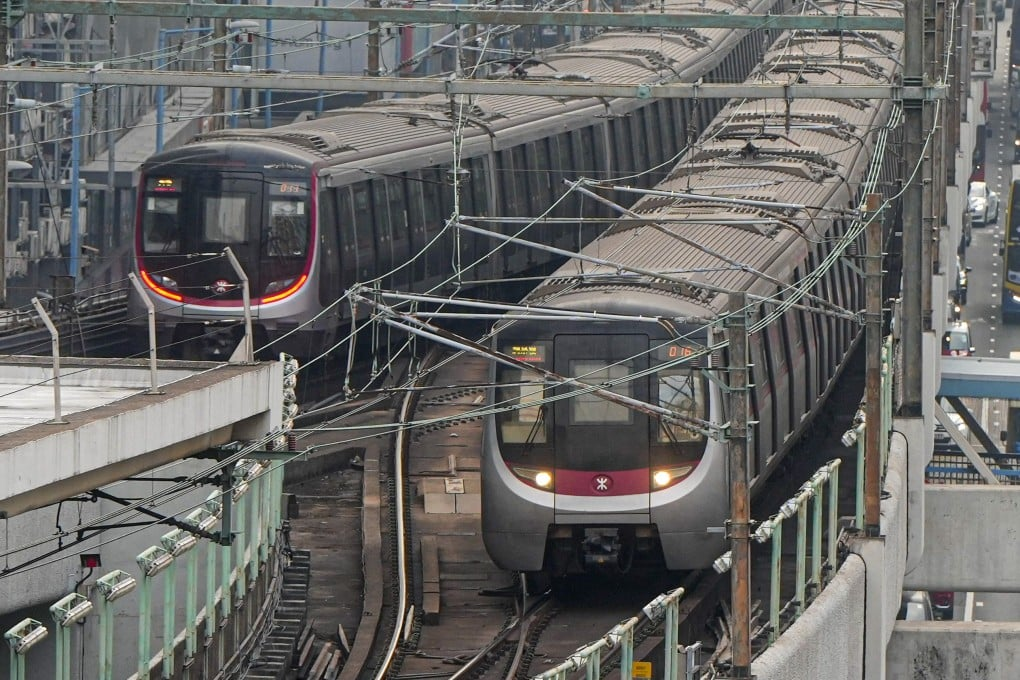
Hong Kong’s Mass Transit Railway (MTR) is often referred to as the gold standard for rail Public-Private Partnerships (PPPs) due to its innovative Rail + Property (R+P) model. The MTR Corporation (MTRC) integrates rail operations with property development around stations, creating a self-sustaining revenue model that reduces reliance on government subsidies.
Under this development-based Land Value Capture mechanism, MTRC is granted exclusive development rights for master planning, construction, and management of residential, commercial, and mixed-use projects around its stations. Through this approach, MTRC generates substantial revenues from real estate sales, property leasing, station retail, and consultancy services, in addition to farebox income. This model demonstrates how strategic integration of transit infrastructure with property development can enhance financial sustainability, attract private participation, and enable continuous investment in service quality and network expansion.
Positive profit performance: As of mid-2025, MTR Corporation has a substantial property development portfolio, amounting to around 13 million square meters of floor area across half of its 87 stations, which ensures a steady revenue stream to finance both operations and network expansion. In 2024, MTR reported revenues of HK$60 billion (approx. USD 7.6 billion) and a net profit of HK$15.8 billion. MTR reported HK$5.5 billion in profit from property development in the first half of 2025, a substantial increase over the same period in 2024.
Funding the Future: This property income remains a key part of MTR’s strategy for funding future railway development in Hong Kong. In mid-2025, MTR announced major new investments, including the Northern Link, worth a projected HK$140 billion.
This case illustrates how the integration of transit development with land and property management can ensure long-term financial sustainability, attract private capital, and deliver continuous improvements in service quality.
Bangkok BTS Skytrain: A Pioneering Yet Evolving PPP Model
The Bangkok BTS Skytrain, launched in 1999, stands as a pioneering example of a large-scale urban rail public-private partnership (PPP) in Southeast Asia. It was among the first major metro projects in the world to be entirely financed by the private sector under a Build-Operate-Transfer (BOT) model. The Thai government awarded a 30-year concession to the Bangkok Mass Transit System Public Company Limited (BTSC), which was responsible for financing, constructing, and operating the system.
At its inception, the project was considered successful, with BTSC raising capital through a mix of domestic and international loans, private equity, and bond issues. Unlike many global metro systems, the BTS Skytrain was launched without direct government subsidies for construction.
However, the project also exposed key risks in PPP ventures. In its early years, passenger ridership fell well below projections, which had put financial strain on BTSC and forced a debt restructuring process in the mid-2000s. To address this, the Thai government and Bangkok Metropolitan Administration (BMA) later took a more active role in system expansion and integration, while BTSC retained rights to operate the core system and benefit from non-fare revenues such as advertising, retail concessions, and real estate ventures.
Today, after more than two decades, the BTS Skytrain has become the backbone of Bangkok’s urban mobility. It carries more than 750,000 passengers daily (pre-pandemic levels). Its financial model has evolved into a hybrid approach, with the state now co-financing expansions while BTSC continues to manage operations. The long-term concession, extended to 2042, gives BTSC operational stability and the ability to generate revenues from farebox and non-farebox sources.
The BTS Skytrain case demonstrates both the promise and pitfalls of private-led PPPs in urban transit. The BTS Skytrain cannot be labelled a full success or a failure it is a mixed case. On one hand, it demonstrated that large-scale rail systems could be delivered by the private sector without upfront government funding. On the other hand, it highlighted the risks of over-optimistic demand forecasts, limited fare flexibility, and weak multimodal integration.
The eventual shift to a hybrid PPP approach reflects the reality that urban transport requires sustained government involvement to ensure long-term financial and social viability. Importantly, the BTS model is still evolving, with ongoing renegotiations of contracts, network expansions supported by the state, and adjustments in its business model to balance financial performance with public accessibility.
From Expectations to Reality: PPP Performance in India’s Metro and Rail Projects
India’s implementation of Public-Private Partnerships (PPPs) in the Metro and Railway sectors presents a mixed picture. The Indian government has taken multiple initiatives to promote PPPs in India’s rail transit sector.
Active PPPs in Metro Rail
Policy push: India’s Metro Rail Policy of 2017 strongly encourages private participation for metro projects to be eligible for central government assistance. This includes various models like those leveraging Viability Gap Funding (VGF) from the central government, equity sharing (50:50), and full private funding models.
Potential areas for PPP: Despite the issues, opportunities exist for private players in areas like operations and maintenance (O&M), development of Automated Fare Collection (AFC) systems, and creating infrastructure for last-mile connectivity.
1. Hyderabad Metro
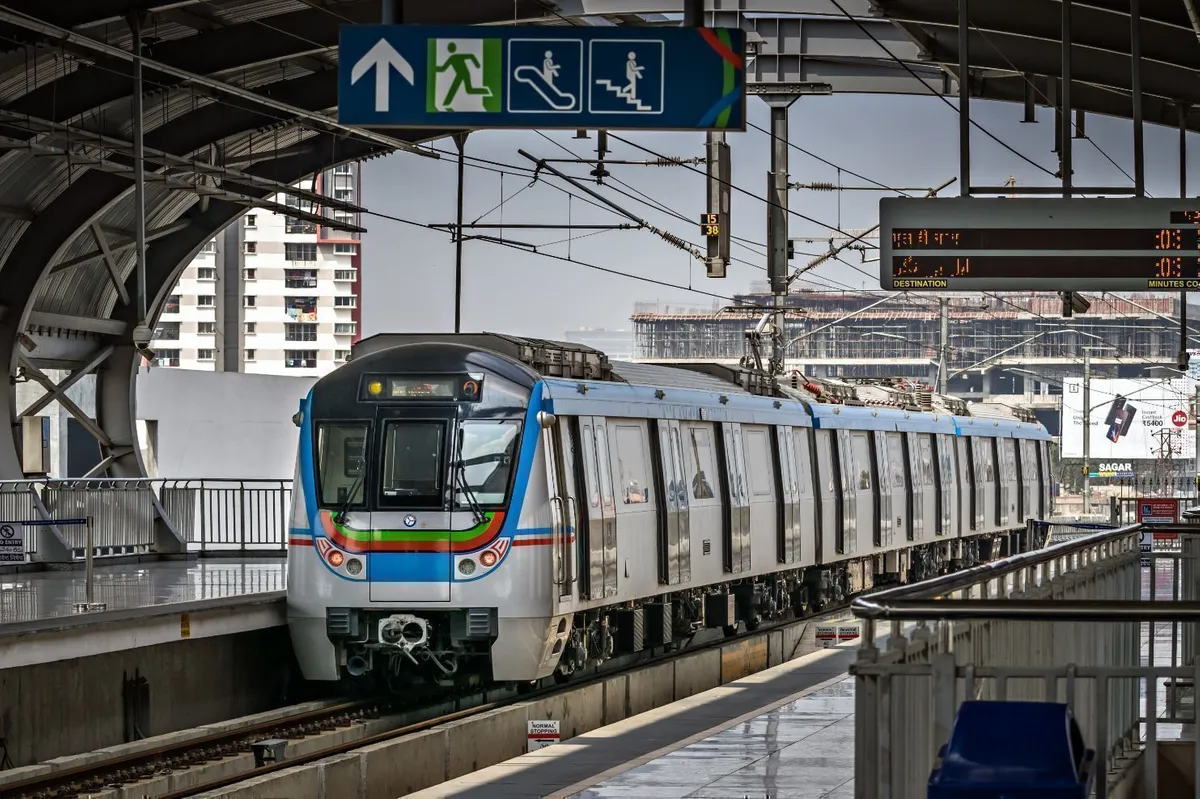
The Hyderabad Metro is the world’s largest metro project developed as a Public-Private Partnership (PPP), based on a Design-Build-Finance-Operate-Transfer (DBFOT) model. L&T Metro Rail (Hyderabad) Limited (L&TMRHL), a subsidiary of L&T, was established to implement the project. The company signed a concession agreement with the government in 2010 to finance, build, operate, and maintain the metro for a 35-year concession period (five years for construction and 30 years for operation).
Operations and Maintenance (O&M): L&TMRHL outsourced the day-to-day O&M to the French transport operator Keolis.
Financial distress: L&T has incurred massive financial losses, which reached ₹625.88 crore in FY 2024–25. In September 2025, L&T announced its intention to exit the project.
The model’s reliance on projected ridership and commercial revenues proved unsustainable for the private partner. This has led to a major shift in India, where metro projects are now moving toward hybrid or gross-cost O&M contracts that better share risk and avoid the financial burdens seen in comprehensive PPPs.
2. Pune Metro Line 3
The 23.3-kilometre Pune Metro Line 3 is being implemented through a Public-Private Partnership (PPP), but unlike the comprehensive Hyderabad Metro model, it has a more balanced and unbundled structure. The project is led by the Pune Metropolitan Region Development Authority (PMRDA) in a partnership with a consortium of the Tata Group and Siemens.
Concessionaire:A special-purpose vehicle (SPV) named Pune IT City Metro Rail (PITCMRL) was set up by a consortium of TRIL Urban Transport Private Limited (a Tata Group company) and Siemens Project Ventures GmbH. The concession agreement is for 35 years.
Funding: The project is estimated to cost over ₹8,100 crore, and it uses Viability Gap Funding (VGF) to mitigate risk. The central government will contribute up to 20% of the initial project cost, with the Maharashtra state government providing the rest of the VGF.
Operational partnership (O&M): The concessionaire, PITCMRL, has awarded a separate 10-year Operations and Maintenance (O&M) contract to the French multinational transport operator Keolis.
The Pune Metro Line 3 model is designed to deliver a high-quality public service while minimising the risk of financial distress for the private partner. Unlike Hyderabad Metro, where the private player L&T had to bear significant demand and revenue risks, Pune’s model includes VGF from the government. This financial support reduces the long-term demand risk for the private partner.
PPP in Indian Railways
The Indian railway sector is actively exploring Public-Private Partnerships (PPPs) as a key strategy to bridge funding gaps, modernise infrastructure, and enhance operational efficiency.
Station Redevelopment Programme
The Government of India launched the station redevelopment programme. This programme aims to turn the railway stations into modern, world-class transport hubs that offer a superior travel experience. The programme is implemented mainly under the Amrit Bharat Station Scheme (ABSS). As of March 2025, the Ministry of Railways has identified 15 stations, out of a total of 1,337, for redevelopment through the public-private partnership (PPP) model under the ABSS.
Performance of PPP in Station Redevelopment
Rani Kamalapati Station (Bhopal) is considered the most successful station redevelopment project completed under the PPP model. However, the model has not proven to be sustainable in all cases. For instance, projects at New Delhi Railway Station and Chhatrapati Shivaji Maharaj Terminus (CSMT, Mumbai) were initially planned as PPPs, but high bid prices and limited interest from private investors led to these projects being reverted to the EPC (Engineering, Procurement, and Construction) model.
Opportunities for EPC Contractors
According to a report by ICRA published on 23 December 2024, engineering, procurement, and construction (EPC) companies are expected to see business opportunities worth approximately ₹30,000 crore over the next two years in railway station redevelopment projects.
New PPP Policy Framework for Railways to Make the Model Sustainable
Indian Railways has formulated a new Public-Private Partnership (PPP) policy, which is expected to receive Union Cabinet approval soon. It will replace the Participative Policy for Rail Connectivity and Capacity Augmentation Projects, 2012. The updated PPP framework plans to bring approximately 50 railway projects under private sector participation, compared to 17 projects under the previous policy. The policy will focus on commercially viable corridors, which include port connections and mineral transport routes, which are expected to generate strong returns and attract further private investment.
Working of the New PPP Framework: The revised PPP framework allows private investors to recoup their expenditures by imposing tariffs on freight operations along the infrastructure they develop. Indian Railways will, in parallel, receive a fixed payment and a portion of the revenue generated
This initiative follows the suggestions of a recent Standing Committee on Railways, which recommended:
Encouraging the use of modern technologies in coach manufacturing through private sector participation.
Expanding the production of train coaches, wagons, and containers using the PPP model.
Copying successful PPP station projects, like Rani Kamalpati Station, at other stations across India.
Over the past three years, Indian Railways has earned only modest profits, mainly due to lower passenger revenue and heavy dependence on freight. The government aims to fill funding gaps, improve efficiency, and reduce the financial load on the public sector by bringing in private investment and expertise.
Conclusion
India’s rail transit sector is undergoing major changes and needs ongoing investment to expand infrastructure and improve efficiency for both passenger and freight services. The Public-Private Partnership (PPP) model can support this process by allowing private companies to bring in capital, technical expertise, and operational efficiency, which can reduce the financial burden on the government.
Global examples, like Hong Kong’s Mass Transit Railway, show that PPPs can help generate stable revenues and maintain high service standards. In India, however, PPPs in railway and metro projects have had limited success due to gaps in institutional capacity and uneven sharing of risks between public and private partners.
To make PPPs work on a larger scale in India, there is a need for a clear framework that provides regulatory support, financial mechanisms, and fair risk-sharing, allowing private companies to participate effectively in large infrastructure projects.
Prime Minister Narendra Modi flagged off four new Vande Bharat Express trains from Banaras railway station, expanding the semi-high-speed train network to new regions across the country.
Uttar Pradesh Chief Minister Yogi Adityanath, Union Railway Minister Ashwini Vaishnaw, Kerala Governor Rajendra Arlekar, and several senior ministers, including UP Deputy Chief Minister Brajesh Pathak also attended the ceremony.
The new Vande Bharat Express trains will operate on the following routes:
Banaras-Khajuraho
Lucknow-Saharanpur
Firozpur-Delhi
Ernakulam-Bengaluru
Prime Minister Narendra Modi flagged off the Varanasi–Khajuraho Vande Bharat Express train and virtually flagged off the Delhi–Firozpur, Lucknow–Saharanpur, and Ernakulam–Bengaluru trains.
PM Modi said that over 160 Vande Bharat trains are now operational nationwide. These trains symbolise India’s engineering capability and self-reliance. As reported by The Indian Express.
According to officials, the newly launched Banaras–Khajuraho Vande Bharat Express will enhance connectivity between major cultural and religious destinations such as Varanasi, Prayagraj, and Chitrakoot.
Ashoka Buildcon Limited has announced that it has received a Letter of Acceptance (LoA) from the North Western Railway, Ajmer, for a major railway electrification project.
Contract Value: Rs 539.35 Crore
Contract Duration: 24 calendar months from LoA issuance
Contract Scope of Work: The contract involves upgrading 660.81 Route Kilometers from 1x25kV to 2x25kV electric traction system and modifying existing Overhead Equipment for 160 kmph speed in the Ajmer Division. The project, to be completed in 24 months, covers AII-COR, COR-UDZ, MD-BWA & BWA-PNU Sections.
This comprehensive electrification upgrade is part of Indian Railways’ broader modernization drive aimed at enhancing traction efficiency, achieving higher train speeds, and improving overall operational performance across key routes.
BANGALORE (Metro Rail News): Hitachi Rail Gts India Private Limited has received a Letter of Acceptance (LoA) from Bangalore Metro Rail Corporation Limited (BMRCL) for a ₹76 Cr contract which involves the supply of Automatic Fare Collection System for the Bangalore Metro Phase 2A and 2B.
BMRCL invited bids for the contract with a completion deadline of 441 days. Technical bids were opened on 28 May 2025, revealing that five firms had submitted their proposals. The technical evaluation was conducted on 22 September 2025, during which bids from three firms were rejected.
Subsequently, financial bids were opened on 24 September 2025, and the financial evaluation of the technically qualified bidders took place on 7 November 2025. During the evaluation process, one more bid was disqualified, and Hitachi Rail GTS India emerged as the lowest bidder. The same day, the firm was issued the Letter of Acceptance (LoA) for the contract.
Financial Bid Values
Firm
Bid Value
Hitachi Rail Gts India Private Limited
₹ 76 Cr
TVM Signalling and Transportation Systems Pvt Ltd
₹ 99.2 Cr
Contract Scope of Work: Design, Manufacture, Supply, Installation, Testing and Commissioning of Automatic Fare Collection System (SLE, SC & CCS) for Phase2A & 2B and Integration with Existing AFC System.
KANPUR (Metro Rail News): Efkon India Private Limited has received a Letter of Acceptance (LoA) from Uttar Pradesh Metro Rail Corporation Limited (UPMRCL) for the electrical and mechanical system works contract of Line 2 of Kanpur Metro which spans 8.38 km connecting Agriculture University-Barra-8.
UPMRC issued a tender for this contract. Technical bids were opened on 29 April 2025 revealing that 5 firms have submitted bids for the contract. On 24 September 2025, technical evaluation of the submitted bids occurred and during the evaluation round one firm’s bid was disqualified.
On 3 October 2025, financial bids were opened and financial evaluation of the technically qualified bids took place on 24 October 2025. During the financial evaluation round, 3 firm’s bid was rejected revealing that Efkon India is the lowest bidder for the contract. On 7 Nov 2025, the firm received LoA from UPMRC for the contract.
Contract Scope of Work: Design Verification, Detail Engineering, Supply, Installation, Testing & Commissioning of Electrical and Mechanical System, DG Sets, Environment Control System, Tunnel Ventilation System and Building Management System for three underground metro stations (viz. Double Pulia, Kakadeo and Rawatpur Railway Station) of Corridor-2 of Kanpur MRTS Project at Kanpur, Uttar Pradesh.