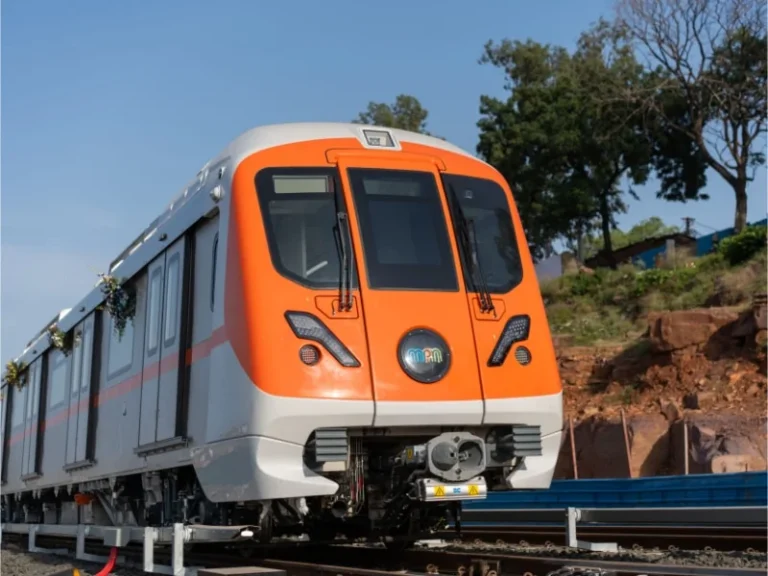
BHOPAL (Metro Rail News): The cost of Bhopal Metro Phase 1 project has seen a major increase since it was proposed. The cost escalation occurred due to various reasons including delays in execution, rising prices of construction materials, higher taxes, and changes in design.
When first proposed in 2017-18, the 27.9 km metro project was estimated to cost Rs 6,941 crore, translating to an average of Rs 249 crore per kilometre. However, due to the delay in the project, the budget has since escalated to Rs 10,033 crore in 2025. This revised estimate now places the per kilometre cost at Rs 371.6 crore which is about Rs 122 crore higher than the original projection.
To put it in perspective, the current budget for the city’s much-publicised Metro Phase-I project is now nearly equal to the combined cost of ten bus rapid transit (BRT) systems, highlighting the extent of cost escalation.
The Bhopal Metro, also referred as Bhoj Metro, is an under-construction Mass Rapid Transit System (MRTS) aimed at improving urban connectivity in the Madhya Pradesh capital. The project is being implemented and overseen by Madhya Pradesh Metro Rail Corporation Limited (MPMRCL).
Phase 1 of the Bhopal Metro includes two corridors covering a total of 28 stations. The first phase is expected to become operational by 2027, offering a major boost to the city’s public transport infrastructure.
Bhopal Metro Phase 1
Corridor
Route
Length
Total No. of Stations
Line-2 (Orange Line)
Karond Circle – AIIMS
14.99 km
16 Stations
Line-5 (Blue Line)
Bhadbhada Square – Ratnagiri Tiraha
12.91 km
14 Stations
Discover how AI is bringing the next phase of sustainable urban rail mobility for Viksit Bharat at InnoMetro 2026, India’s prime exhibition and conference for metro & railways which is going to be held on 21-22 May 2026 at Bharat Mandapam, New Delhi.
Thane, formerly known as Thana, is a metropolitan city situated in the northwestern part of Maharashtra, India, and to the northeast of Mumbai. It forms part of the Mumbai Metropolitan Region and serves as a neighbourhood and residential suburb of Mumbai. The city is located in the northeastern section of Salsette Island. According to the 2011 census, Thane was ranked the 15th most populous city in India with a population of approximately 1.89 million. Over time, Thane’s economy has shifted from manufacturing-based industries such as engineering, textiles, and chemicals to a more service-oriented structure.
Thane’s Urban Growth and the Critical Need for Metro Transit
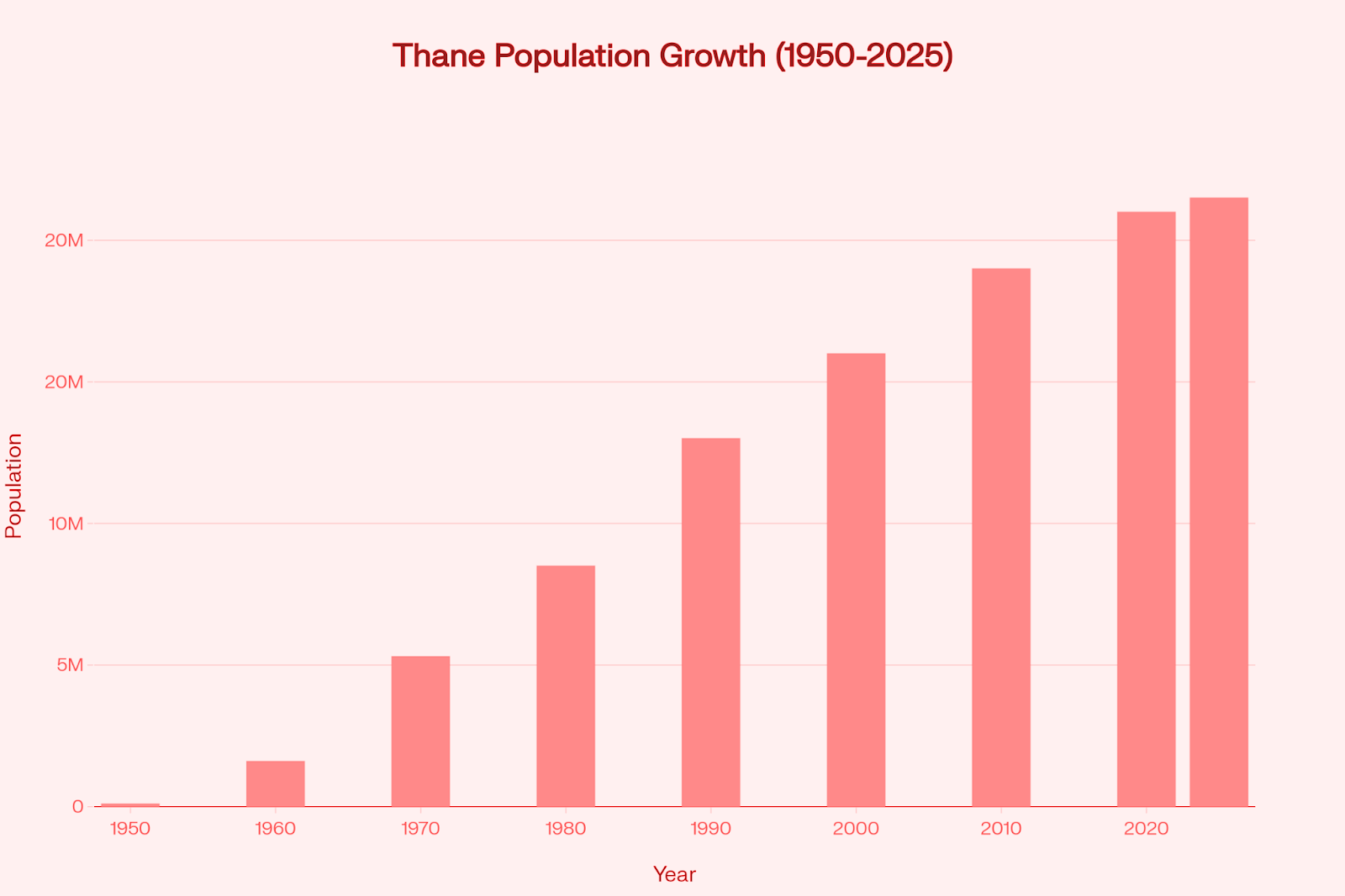
Over the years, the population of Thane has increased dramatically from 1950 to 2025, with numbers rising from around 100,000 to more than 21 million. This rapid urban expansion reflects Thane’s transformation into a major metropolitan hub, which has increased the pressure on the infrastructure and transportation systems of the city. The population increase and economic diversification have put additional strain on the city’s transport system. Road congestion and longer travel times have highlighted the need for efficient public transit. In response, the establishment of a metro system was considered the best solution to support this growth. The metro system will provide reliable connectivity, which will reduce road traffic and improve the quality of life for residents.
Thane Metro: A Journey from Heavy Metro to Metrolite and Return
The Thane Metro project was initially planned as a regular heavy metro line, with the foundation stone laid by the Prime Minister in December 2018.
However, due to cost concerns, the heavy metro plan was scrapped in 2019. Subsequently, in early 2020, the project was resurrected as a metrolite or light rail transit (LRT) system to reduce expenses. This redesign involved reducing the train coach count and other cost-cutting measures.
Yet, in 2023, the project was again reassessed and redesigned back into a regular heavy metro line to better meet the city’s transportation demands.
Thane Metro: Improving Connectivity and Urban Mobility
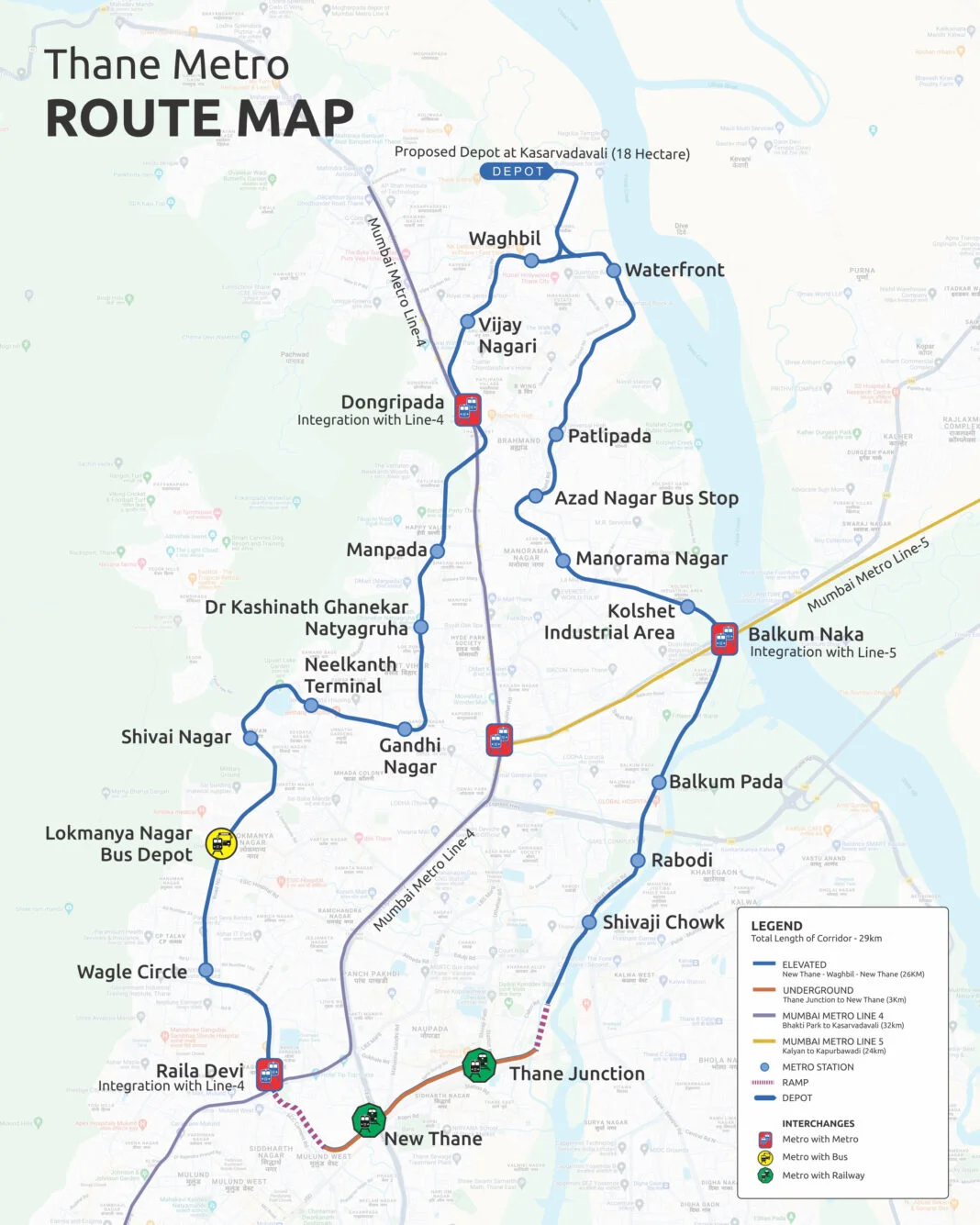
The Thane Metro Phase 1 project, officially named the Thane Integral Ring Metro, is a 29 km mass rapid transit system (MRTS) designed with a single circular line encompassing 22 stations. The 29-km corridor will run along the periphery of the west side of Thane city.
The project is being executed by the MahaMetro (Maharashtra Metro Rail Corporation Limited). The project received formal approval from India’s Central Government in August 2024. The project is estimated to cost ₹12,000 crore. The Project is likely to be completed by 2029.
Key Features of Thane Metro Project
Authorised Authority
Maharashtra Metro Rail Corporation Limited
Estimated Cost
Rs. 12,000 Crore
Track
Standard Gauge: 1435 mm
Electrification
25 kV, 50 Hz AC OHE
Signalling
Communication-based Train Control (CBTC)
Estimated Ridership
6.47 lakh in 2029
7.61 lakh in 2035
8.72 lakh in 2045
Route Details of Thane Metro
Operational
0 km
Under Construction
0 km
Proposed
29 km
Length: 29 km
Type: Elevated (primarily) and Underground (2-3 km)
Number of Stops/Stations: 22
Station Names: Raila Devi, Wagle Circle, Lokmanya Nagar Bus Depot, Shivaji Nagar, Neelkanth Terminal, Gandhi Nagar, Dr. Kashinath Ghanekar Natyagraha, Manpada, Dongripada, Vijaynagari, Waghbil, Waterfront, Patlipada, Azad Nagar Bus Stop, Manorma Nagar, Kolshet Industrial Area, Balkum Naka, Balkumpada, Rabodi, Shivaji Chowk, Thane Junction (underground) and New Thane (underground).
Contractor’s List
Contract
Contractor
Consul-01: General Consultant (GC) for Thane Metro
AECOM India
Geo-01: Geotechnical Investigation for Thane Metro
Renuka Consultants
DDC-01: Detailed Design Consultancy Services for 6 (Six) elevated stations at Dr. Kashinath Ghanekar Natyagraha, Manpada, Dongripada, Vijay Nagari, Waghbil and Waterfront, of Thane Integral Ring Metro Project
STUP Consultants Pvt. Ltd.
Update on Thane Metro Project
All the preliminary works for the Thane Metro Rail Project have been successfully completed. This includes utility mapping using Ground Penetrating Radar (GPR), UAV surveys for precise aerial mapping, detailed geotechnical investigations to assess soil and ground conditions, comprehensive topographic surveys to capture terrain features, and the preparation of the alignment design.
Impacts of the Thane Metro Project
Traffic Decongestion: The Thane Metro project is projected to ease traffic congestion and enhance connectivity, particularly for daily commuters, students, and office workers. According to traffic studies, the system is expected to handle a Peak Hour Peak Direction Traffic (PHPDT) of 23,320 and a daily ridership of approximately 647,000 by its anticipated completion in 2029. By 2035, ridership demand is projected to increase to a PHPDT of 29,489 and a daily ridership of 761,000. Further growth is estimated by 2045, with projections indicating a PHPDT of 31,393 and a daily ridership of around 872,000.
Travel Time: The project will connect major residential and commercial hubs like Wagle Estate, Ghodbunder, Kolshet, and Saket. This connectivity will drastically reduce commuting time for thousands of daily commuters.
Multi-Modal Integration: The metro will be integrated with the Mumbai Metro Line 4 (Wadala–Kasarvadavali) and Line 5 (Thane–Bhiwandi–Kalyan), as well as the existing suburban railway network at Thane Station. This multimodal integration will create a comprehensive transit system, improving regional connectivity.
Real Estate Dynamics: The Thane Metro is expected to influence the city’s real estate dynamics across residential, commercial, and land-use segments. On the residential side, areas such as Wagle Estate, Kolshet, Balkum, LBS Road, and Rabodi are likely to see higher demand due to better accessibility and reduced commuting time to employment hubs in Thane and Mumbai. This may encourage the development of affordable and mid-segment housing, while also supporting the adoption of transit-oriented development (TOD) models that promote higher-density and mixed-use projects around station precincts.
Boost to Economic Activity: In terms of commercial activity, enhanced connectivity will make Thane more viable for corporate offices, IT parks, and service-based enterprises. MSMEs and startups in particular are expected to benefit from better workforce access. Key commercial corridors, including Ghodbunder Road and LBS Road, may also experience stronger absorption of retail and office spaces as footfall and connectivity improve.
Conclusion
The Thane Metro Project is a strategically planned infrastructure initiative which aims to address the city’s growing urban mobility challenges. This metro line will be the third to operate across Thane City. Once operational, it will connect residential neighborhoods, industrial zones, commercial hubs, and key transport nodes, forming a high-capacity transit corridor. By integrating with Mumbai Metro Lines 4 and 5 and the suburban rail network at Thane Station, the project is designed to create a seamless multimodal transport system that will enhance regional connectivity. Beyond easing congestion, the metro is expected to support transit-oriented development, facilitate organised urban expansion, and improve access to employment, education, and essential services. With projected ridership rising from 6.47 lakh in 2029 to 8.72 lakh by 2045, the Thane Metro shows potential to sustainably manage future transport demand and contribute to the city’s economic and social development within the Mumbai Metropolitan Region.
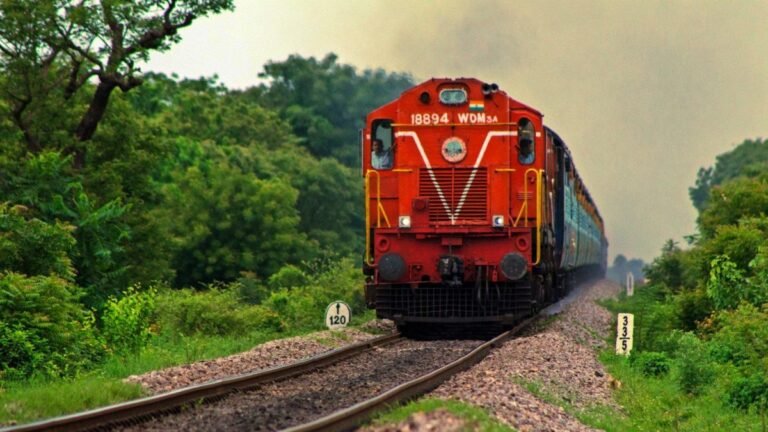
Indian Railways, the backbone of India’s transportation infrastructure is the fourth largest railway network in India. Indian Railways serves billions of passengers annually and is a crucial part of India’s transportation infrastructure. Indian Railways not only supports the mobility of millions of passengers daily but also facilitates the movement of goods, contributing majorly to the economic growth of the country.
The Indian Railways network is expanding rapidly with new lines, doubling and tripling of existing routes, as well as electrification projects to enhance capacity and efficiency. In recent years, Indian Railways has embarked on an ambitious journey of modernization and expansion to meet the demands of a fast-growing economy and an increasing population.This transformation includes the adoption of advanced technologies, improved safety measures, sustainable practices such as large-scale electrification, and the introduction of modern rolling stock.
default
Not only this, Indian Railways recognised the importance of station infrastructure as part of the passenger experience. In response, a series of comprehensive station redevelopment initiatives were introduced by Indian Railways. The Railways launched numerous schemes for station redevelopment which represents a profound and strategic shift in India’s approach to its vast rail infrastructure.
This article explores the transformative journey of station redevelopment in India, analyzing its objectives and its long-term impact on the nation’s rail infrastructure and passenger experience.
Key Initiatives by Indian Railways for Redeveloping Stations
Indian Railways has launched several key initiatives to revamp railway stations across the country, aimed at modernizing infrastructure and enhancing passenger experience.
Model Station Scheme: The Model Station Scheme was an initiative of Indian Railways that operated from 1999 to 2008, under which 594 railway stations were identified and upgraded with enhanced passenger amenities.
‘Adarsh’ Station Scheme: Launched in 2009-10, the Adarsh Station Scheme was an initiative by the Ministry of Railways which aimed at upgrading and modernizing railway stations. Around 1253 stations were identified and redeveloped under this scheme.
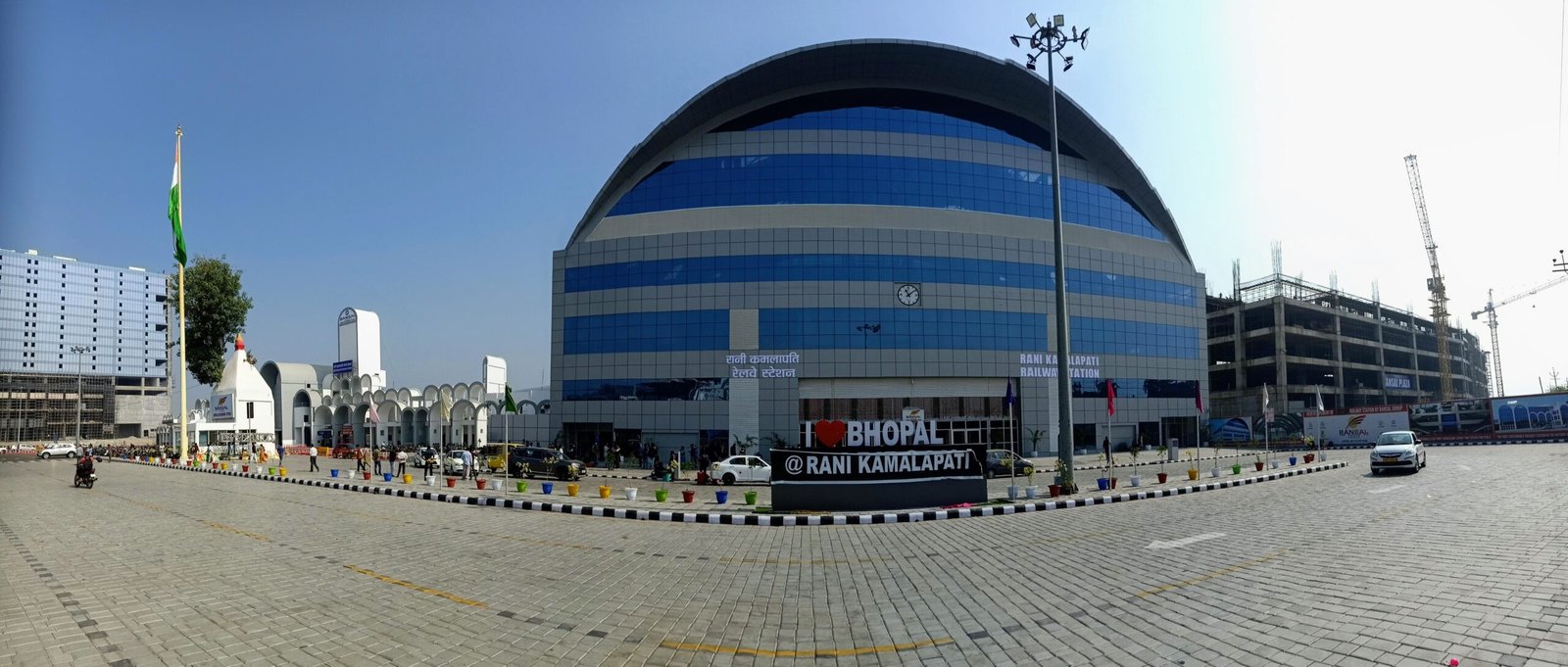
Rani Kamalapati & Gandhinagar Station Redevelopment: In 2021, Gandhinagar became the first railway station in India to undergo comprehensive modernization. Later in the same year, Rani Kamalapati Railway Station, formerly known as Habibganj, was also revamped with a completely new look and upgraded passenger amenities.
oppo_4
Amrit Bharat Station Scheme: The Amrit Bharat Station Scheme, launched by the Ministry of Railways in December 2022, aims to redevelop more than 1300 railway stations across India. So far, 105 stations have been redeveloped under the Amrit Bharat Station Scheme.
Station Revamping : A New Paradigm for India’s Rail Infrastructure
The redevelopment of railway stations in India represents a new paradigm for the country’s rail network, where stations are being transformed from mere transit points into modern, integrated urban hubs. The recently launched Amrit Bharat Station Scheme aims to redevelop and modernize over 1,300 railway stations across India with the primary objective of elevating the passenger experience to modern standards. This scheme adopts a phased and need-based approach, tailoring redevelopment plans according to the unique requirements and potential of each station.
The Rail Land Development Authority (RLDA), a statutory authority under the Ministry of Railways, has also been entrusted with the redevelopment of railway stations under this scheme. RLDA is responsible for planning, developing, and executing the redevelopment of railway stations to transform them into modern, world-class transport hubs. This includes upgrading station infrastructure, improving passenger amenities, and enhancing urban connectivity.
default
Amrit Bharat Station Scheme: Modernizing India’s Railway Stations
The Amrit Bharat Station Scheme, launched by the Ministry of Railways in December 2022, aims to redevelop 1,337 railway stations across India. This ambitious initiative seeks to transform these stations into modern, integrated transport hubs that enhance passenger experience and urban connectivity.
The foundation stones for the redevelopment were laid by Prime Minister Shri Narendra Modi in two phases, on 6th August 2023 and 26th February 2024. The scheme emphasizes long-term development, focusing on multimodal integration, improved amenities for differently-abled passengers (Divyangjans), sustainability, and the evolution of stations into future-ready urban centers.
Key Features of Amrit Bharat Station Scheme
Enhanced Passenger Amenities: The stations will be redeveloped with spacious waiting halls, clean and upgraded toilets, roofed platforms, lifts, escalators, free Wi-Fi, executive lounges, and designated spaces for business meetings enhancing passengers’ experience.
Culturally Inspired Architecture: One of the major features of the Amrit Bharat Station Scheme is that the designs of redeveloped station buildings are inspired from local culture, heritage and architecture.
For Example: The Ahmedabad railway station is inspired from the Modhera Sun Temple while the Dwarka station is inspired from the Dwarkadheesh Temple.
One Station One Product Scheme: The One Station One Product initiative under the Amrit Bharat Station Scheme is designed to promote India’s unique local crafts and traditional products by setting up dedicated outlets at railway stations nationwide, where these specialties can be showcased and sold.
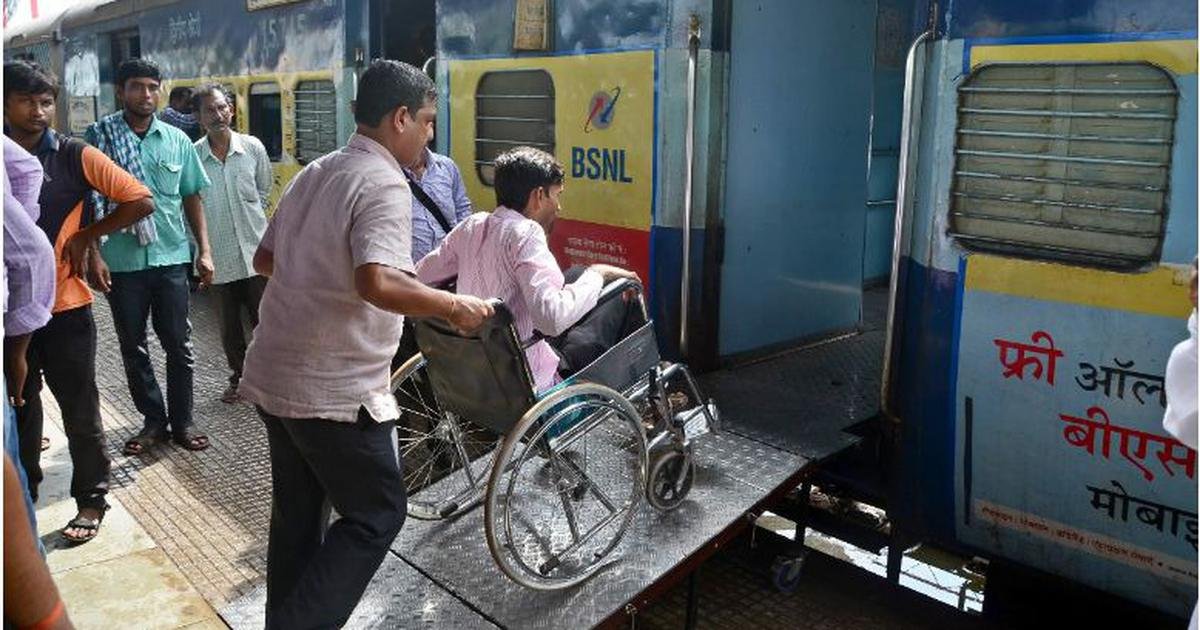
Accessibility and Inclusivity: The Amrit Bharat Station scheme aligns with the Accessible India Campaign and provides facilities such as ramps, lifts, Braille signage, tactile pathways, and accessible toilets to ensure ease of travel for persons with disabilities.
Progress on Amrit Bharat Station Scheme
Till now, 105 stations have been redeveloped under this Amrit Bharat Station Scheme. In May 2025, Prime Minister Narendra Modi inaugurated 103 railway stations across the country that were upgraded under this Scheme, out of a total of 1,337 stations identified for development. These stations have been modernized with state-of-the-art, passenger-friendly facilities at a total cost of over ₹175 crore.
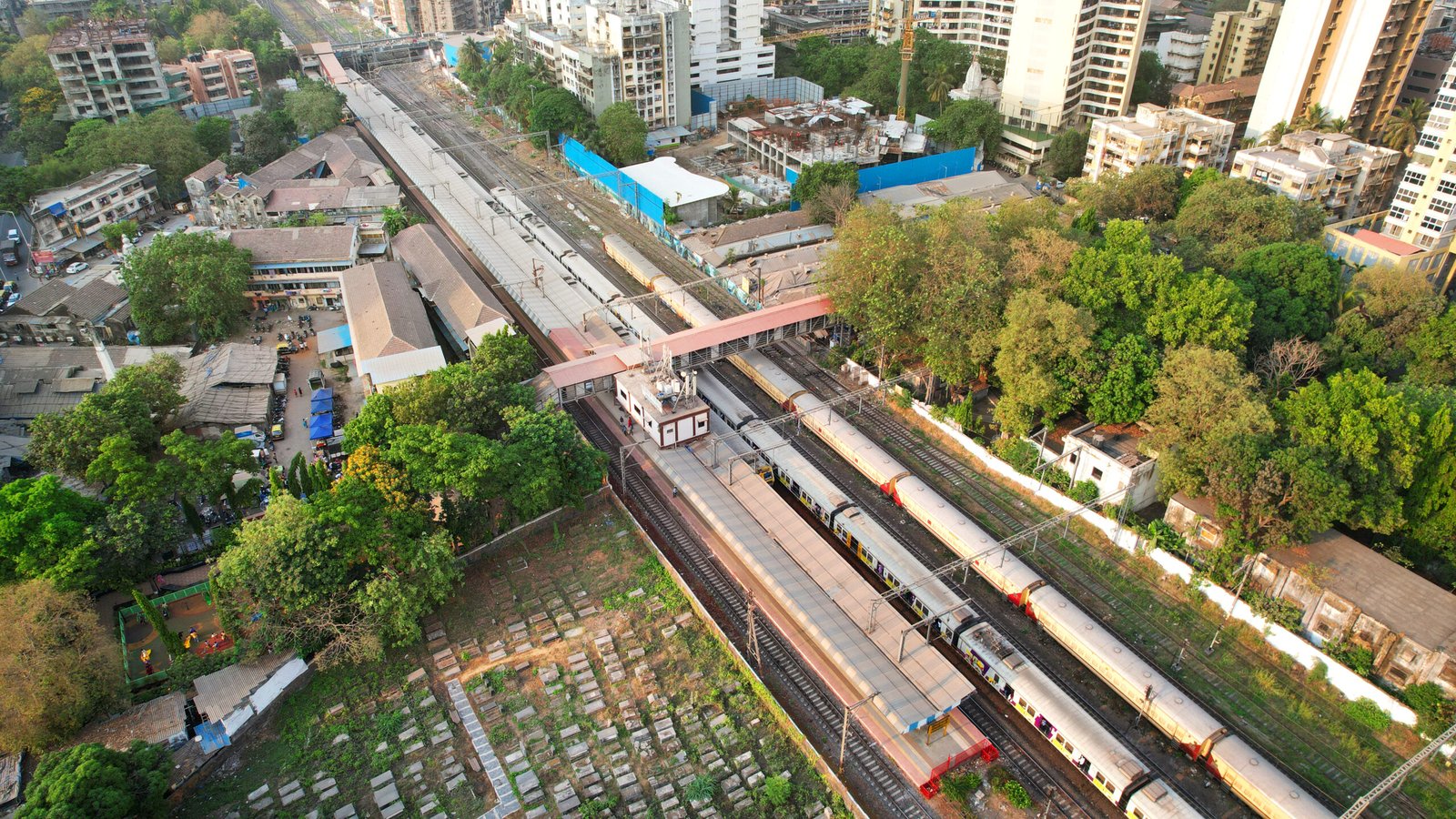
Among them are 15 key stations in Maharashtra, including Parel, Chinchpokli, Vadala Road, Matunga, Shahad, Lonand, Kedgaon, Lasalgaon, Murtizapur Junction, Devlali, Dhule, Savda, Chanda Fort, NSCB Itwari Junction, and Amgaon.
The details of the stations redeveloped in Maharashtra has been mentioned below:
Station Name
Division
Project Cost
Chinchpokli
Mumbai Division of Central Railway
11.81 Cr
Parel
Mumbai Division of Central Railway.
19.41 Cr
Vadala Road station
Mumbai Division of Central Railway
23.02 Cr
Matunga station
Mumbai Division of Central Railway
17.28 Cr
Shahad station
Mumbai Division of Central Railway
8.39 Cr
Lasalgaon
Bhusawal Division of Central Railway
30.14 Cr
Devlali
Bhusawal Division of Central Railway
10.44 Cr
Savda
Bhusawal Division of Central Railway
8.11 Cr
Dhule
Bhusawal Division of Central Railway
9.13 Cr
Murtizapur
Bhusawal Division of Central Railway
7.68 Cr
Kedgaon
Pune Division
12.55 Cr
Lonand
Pune Division
10.48 Cr
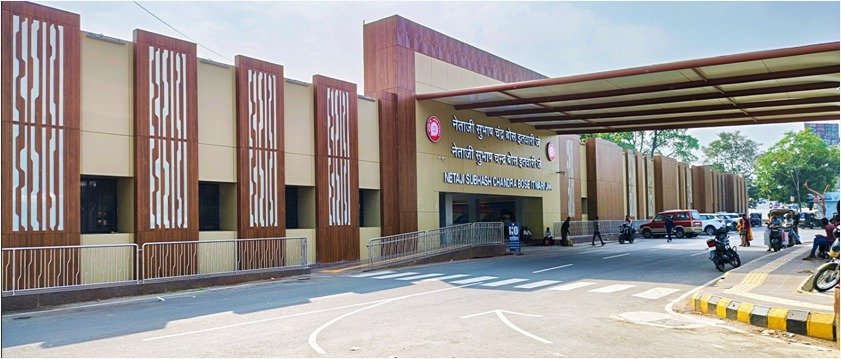
Netaji Subhash Chandra Bose Itwari
Nagpur Division
12.39 Cr
Chanda Fort
Nagpur Division
19.30 Cr
Amgaon Station
Nagpur Division
7.17 Cr
Impacts of Amrit Bharat Station Scheme
Economic Development
The Amrit Bharat Station scheme drives local economic development by promoting commercial activities within stations, such as kiosks under the ‘One Station One Product’ initiative that showcase indigenous crafts and regional specialties which boosts the local artisans and small businesses.
The construction and redevelopment of stations also generate employment which promotes job creation for the residents. Furthermore, the construction of stations with modern amenities enhances trade, tourism, and business opportunities in the region which boosts the regional economies.
Infrastructure Development
The scheme serves as a transformative initiative that promotes infrastructure development by modernizing railway stations with state-of-the-art facilities, advanced technology, and improved accessibility to enhance passenger’s experience.
Many stations now offer airport-like facilities including food courts, roof plazas, executive lounges, kids’ play zones, business meeting areas, and better landscaping which provides passengers with a world class experience
Improved Passenger Facilities
The Amrit Bharat Station scheme provides modern amenities such as clean waiting areas, upgraded toilets, high-speed Wi-Fi, escalators, enhanced lighting, advanced passenger information systems, and clear signage which enhances passengers’ experience.
Under this scheme, the Entry and exit points, platforms, and circulating areas have become more functional, accessible, and aesthetically appealing, with a major focus on comfort, cleanliness, and convenience.
Conclusion
The transformation of India’s railway stations through comprehensive redevelopment initiatives outlines a major milestone in the evolution of the country’s transportation infrastructure.The launch of many schemes shows that Indian Railways has shifted its focus from basic functionality to delivering a world-class passenger experience. The recently launched Amrit Bharat Station Scheme aims to redevelop 1,337 railway stations across India.The scheme represents a forward-looking and inclusive approach to modernization by integrating cultural heritage, sustainable design, and accessibility while fostering economic development through initiatives like ‘One Station One Product’. The involvement of institutions like the Rail Land Development Authority (RLDA) further underscores the government’s commitment to transforming railway stations into vibrant, multi-modal urban hubs.
In a major push to expand train-handling capacity, the Ministry of Railways is set to develop Mega Coaching Terminals in 20 cities across India. The initiative aims to decongest existing railway stations and ensure smoother operations.
According to the Railways, these dedicated terminals will come up at key locations in major cities including Delhi, Mumbai, Chennai, Kolkata, and Ahmedabad.
Currently one Mega Coaching Terminal is already under construction in Ahmedabad. Presently, around 45 trains originate from the city, but upon completion of the new facility, this number is expected to rise to nearly 150.
During his recent visit to Gujarat, Railway Minister Ashwini Vaishnaw said, “…major stations such as Delhi, Mumbai, Chennai, Kolkata, and Ahmedabad receive high demand for new trains. In Gujarat, Ahmedabad and Surat face the highest demand. To address this and enhance operational capacity, a Mega Coaching Terminal will be developed at Vatva, where 10 pit lines will be built. This will add capacity for about 45 additional trains, enabling Ahmedabad to operate nearly 150 trains in total.” as reported by The Indian Express.
The Mega Coaching Terminals project reflects Indian Railways’ larger vision of infrastructure modernization and capacity augmentation to meet India’s growing mobility needs.
Discover how AI is bringing the next phase of sustainable urban rail mobility for Viksit Bharat at InnoMetro 2026, India’s prime exhibition and conference for metro & railways which is going to be held on 21-22 May 2026 at Bharat Mandapam, New Delhi.
Rail Vikas Nigam Limited (RVNL) announced that it has secured a Letter of Acceptance (LoA) from the Secunderabad Division of South Central Railway for the modernization and upgrading of the existing Overhead Equipment (OHE) system.
Contract Value: Rs 144.44 Crore
Contract Duration: 18 Months
Contract Scope of Work: The contract involves design, supply, erection, testing, and commissioning for the upgradation of the existing 1x25kV system to a 2x25kV AT feeding system, including feeder and earthing works, in the Ramgundarn (RDM) Kazipet (KZJ) section of Secunderabad division under South Central Railway.
Rail Vikas Nigam Limited (RVNL) undertakes a wide range of railway infrastructure projects, including the construction of new lines, track doubling, gauge conversion, railway electrification, metro systems, workshops, major and cable-stayed bridges, as well as institutional and other related buildings.
Discover how AI is bringing the next phase of sustainable urban rail mobility for Viksit Bharat at InnoMetro 2026, India’s prime exhibition and conference for metro & railways which is going to be held on 21-22 May 2026 at Bharat Mandapam, New Delhi.
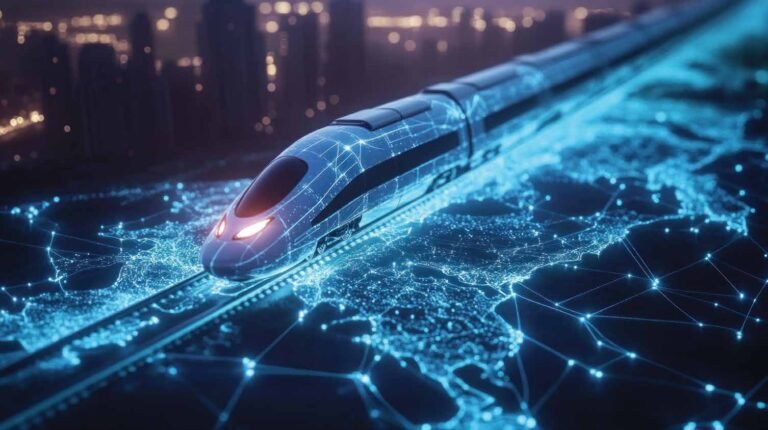
Rail operations worldwide reflect an industry pursuing digital rail transformation. Operators continuously modernize aging infrastructure, expand networks, and upgrade systems while navigating workforce transitions and rising customer expectations for faster, comfortable, secure, and sustainable rail solutions. Rail organizations are making substantial investments in technology advancement and rail operational excellence to meet these evolving demands. The breakthrough comes when rail organizations keep up with the digital innovation pace, especially where it translates into measurable operational improvements through AI in rail systems. Quest Global’s extensive Class 1 railroad experience and deep understanding of rail data and industry use cases create the foundation for collaborative partnerships with railroads. Quest Global has been working collaboratively with rail OEMs for decades in design and engineering, signaling, operations and maintenance, testing and validation, digitization and modernization. Our teams combine domain expertise with technology specialists to build predictive maintenance applications, computer vision in rail systems that accelerates inspections, and intelligent rail operations tools that optimize performance. Rail leaders recognize that as networks, signaling, and operations become increasingly automated through rail safety technology, their experienced workforce requires additional support to work e ectively with these sophisticated systems. While automation delivers the speed and reliability customers expect through rail travel innovation, organizations benefit from solutions that help their operational teams leverage these advanced technologies to their full potential.
The new opportunity landscape
Rail organizations have established solid foundations through predictive maintenance systems, asset monitoring, and fleet management platforms. These implementations demonstrate the industry’s commitment to technological advancement, yet they represent just the beginning of what’s possible with contemporary AI capabilities. The challenge varies significantly across global markets. US freight operators manage extensive networks built decades ago, requiring solutions that work within existing infrastructure constraints while maximizing asset utilization. India’s rapid rail expansion creates opportunities to integrate advanced technologies from the ground up, particularly in urban mobility projects across tier-one and tier-two cities. Meanwhile, much of Asia continues developing basic rail capabilities, though regions like China and Japan set benchmarks for high-speed and urban transit innovation.
The transformation of rail operations with AI These diverse market conditions create unique opportunities for organizations leading AI innovation. Success requires deep industry understanding combined with technical capabilities that can adapt to di erent operational contexts and infrastructure realities. The next decade will belong to rail operators who can bridge current capabilities with emerging AI technologies, building systems that address today’s challenges while preparing for the complex demands that lie ahead.
AI beyond digital
Enhancing safety with computer vision
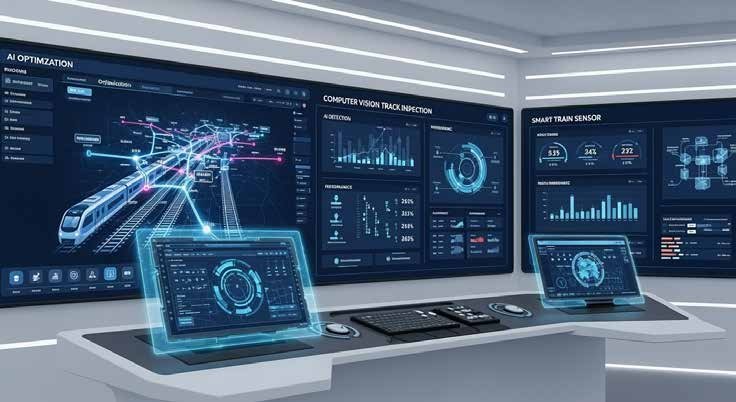
Rail organizations have invested significantly in digital infrastructure including sensors, dashboards, and connectivity platforms. The next evolution involves accelerating the pace of technology adoption to match rapid AI advancements. Rail operators recognize they need to move faster from data collection to intelligent action, where AI transforms existing digital infrastructure into dynamic systems that continuously learn, predict, and optimize. Computer vision systems exemplify this evolution from digital monitoring to intelligent analysis. While many routine inspections still require human oversight, AI can handle substantial portions of visual inspection tasks that currently consume significant time and resources. Advanced systems process hundreds of component images through object detection, classification, segmentation, and defect detection models, completing thorough analysis in minutes rather than hours. Depth data creates detailed point clouds, generating precise 3D models for analyzing corrosion, wear, and structural damage. Human-in-the-loop systems keep experienced inspectors at the center of critical safety decisions while AI manages routine analysis tasks. The result combines human expertise with machine e ciency, maintaining safety standards while cutting inspection time significantly.
Intelligent applications in rail systems Similar intelligent applications extend across rail operations. The operational impact becomes measurable when AI applications address real rail challenges beyond data collection. Predictive maintenance systems don’t just alert operators to potential failures; they optimize maintenance schedules based on actual asset condition, operational demands, and resource availability. This evolution from digital monitoring to intelligent optimization enables rail operators to move from reactive crisis management to proactive operational excellence, where technology serves operational needs rather than generating more data to manage.
Operational impact
Quest Global’s experience with building digital products for OEMs and large freight railroads demonstrates how intelligent systems translate into measurable operational improvements across critical rail functions. Rolling stock condition monitoring uses computer vision systems with trackside and train-mounted cameras to inspect wheels, brakes, axles, and undercarriage components. These systems provide 360-degree railcar analysis, processing component images through detection models that identify defects human inspectors might miss. Machine learning algorithms, including Support Vector Machines (SVM), Convolutional Neural Networks (CNN), and Artificial Neural Networks (ANN), detect point machine failures and analyze train acceleration responses for potential component failures before they occur. Track monitoring applications use vision analytics to detect cracks, misalignments, and structural issues with precision impossible through manual inspection. These systems process operating and health data from various devices to provide real-time recommendations directly to operational crews.
Predictive maintenance and operational excellence Predictive maintenance systems forecast equipment failures, while just-in-time spare parts management reduces inventory costs without compromising reliability. Machine learning integration extends to planning systems, including trip planning, yard planning, and maintenance scheduling. Supply chain disruption prediction helps ensure freight delivery on schedule with minimal cost escalations, improving reliability and availability while reducing operating costs. Central dashboards consolidate operational data with machine learning recommendations, creating unified platforms that manage train operations in real-time. These systems integrate data from signaling and train control systems, delivering actionable insights directly to crews. The result is a transformation from reactive crisis management to proactive operational excellence that delivers measurable improvements in reliability, availability, and cost performanceacross rail networks.
Exponential returns
The true power of intelligent rail systems emerges through network e ects, where improvements in one operational area amplify benefits across entire systems. Central dashboards consolidating data from thousands of assets with real-time machine learning insights create operational visibility, enabling proactive decision-making. Asset performance optimization scales across networks, where lessons learned from one route apply to similar operational contexts throughout the system. Customer experience enhancement through operational excellence creates competitive advantages that compound over time as service reliability improves and costs decrease. These improvements generate self-reinforcing cycles where enhanced data quality enables better AI performance, generating more accurate insights that improve operational decisions. Each optimization creates data feeding back into the system, enabling continuous improvement and adaptation to changing conditions. AI improvements cascade through rail operations. Better signaling systems deliver precise train timing data, enabling maintenance teams to optimize work schedules. Delays decrease, service improves, and additional data becomes available for further operational enhancements. Future-proofing occurs through continuous learning systems that adapt to evolving requirements without complete technology replacements. These systems build institutional knowledge, remaining accessible even as workforce transitions occur, preserving operational expertise through digital systems that learn and improve over time.
The role of AI in sustainable rail solutions
Environmental considerations increasingly drive rail decisions as operators position themselves as the lowest carbon transportation option. AI-driven optimization reduces energy consumption through intelligent scheduling that minimizes empty miles and optimizes power usage patterns. Smart maintenance scheduling prevents unnecessary component replacements, extending equipment lifecycles while maintaining safety standards. Quest Global’s energy management systems analyze consumption across operational scenarios, identifying reduction opportunities without compromising performance or safety.
Why global rail leaders choose Quest Global
Rail transformation requires partners who understand both the operational complexities of moving freight and passengers safely and the potential of advanced technologies to solve real problems. Quest Global brings deep rail engineering experience spanning decades of work with rolling stock, signaling, and infrastructure systems. This operational knowledge combined with AI capabilities ensures solutions address real rail challenges e ectively. The technology portfolio reflects this dual expertise. AI accelerators like QAI enable generative AI-based test case generation, while ThirdEye vision analytics, Asset Performance Management, and Fleet Management systems are built specifically for rail deployment use cases. These aren’t generic AI tools adapted for rail; they’re purpose-built solutions that understand how trains operate, how components fail, and when interventions deliver maximum value. Digital documentation automation through Digidoc and intelligent chatbots demonstrates how AI can streamline administrative processes while maintaining operational focus.
Strategic partnerships with technology leaders, including Nvidia for digital twin development and major cloud providers,ensure access to the latest capabilities while maintaining rail-specific applications. The ecosystem approach enables holistic solutions from edge devices processing trackside data to cloud analytics optimizing network-wide operations. The result is an innovation partnership that goes beyond traditional vendor relationships, providing proven accelerators and frameworks that reduce implementation risk while delivering measurable operational improvements.
Roadmap to intelligent rail systems
Successful rail AI transformation follows a systematic approach, managing risk while building capabilities progressively. Phase one focuses on high-impact applications like condition monitoring and basic predictive maintenance, demonstrating value while building organizationalconfidence. Phase two integrates advanced analytics and dashboard consolidation, extending capabilities into operational decision-making. Phase three enables network-wide deployment with integrated planning systems, leveraging previous experience for sophisticated applications. Building AI-ready foundations requires attention to data quality, secure implementation frameworks, workforce development, and partnership ecosystems. Generative AI opens new possibilities through specialized models trained on rail-specific data, while legacy modernization using large language models supports application migration to modern platforms.
Seizing the opportunity for rail transformation
Rail leaders understand the pressures they face daily. Customer expectations continue rising while infrastructure ages and experienced teams approach retirement. These converging forces create both opportunity and urgency for rail organizations ready to transform challenges into competitive advantages. The path forward doesn’t require revolutionary changes overnight. Early adoption of intelligent systems can help establish superior operational capabilities, better asset utilization, and enhanced customer experiences. The advantages build over time as AI systems learn and improve, creating increasingly valuable operational insights.
Success requires partners who understand both rail operational realities and AI potential. The goal is building capabilities that preserve institutional knowledge while creating new operational advantages. Rail networks of the future will be data-driven, sustainable, and secure, built through intelligent systems that enhance critical transportation services. The opportunity to lead this transformation exists today.
Author: Abhijeet Marathe Vertical Solutions Leader for Hi-Tech, Quest Global
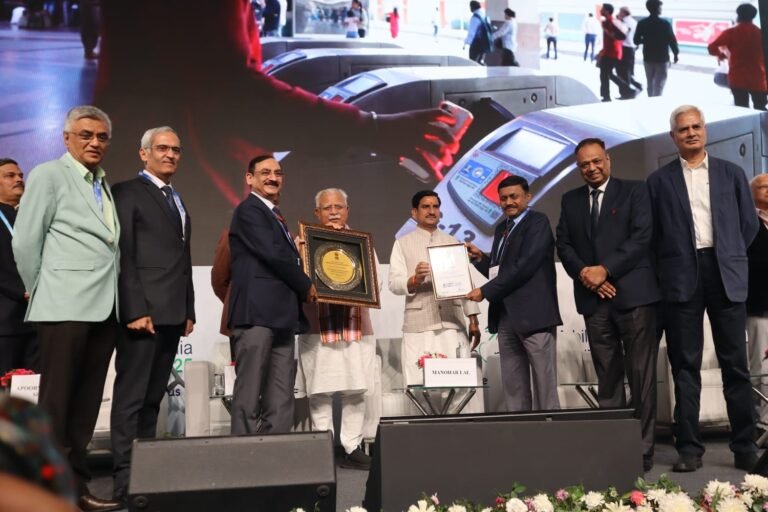
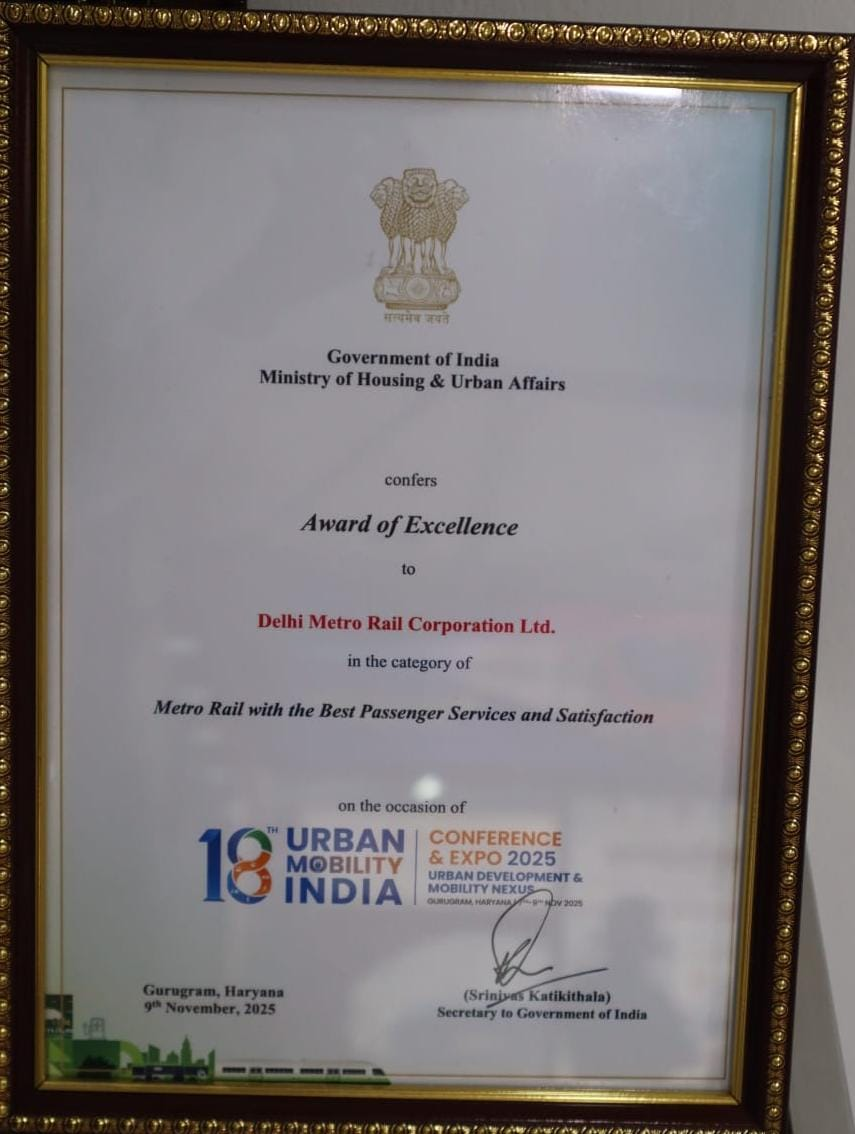
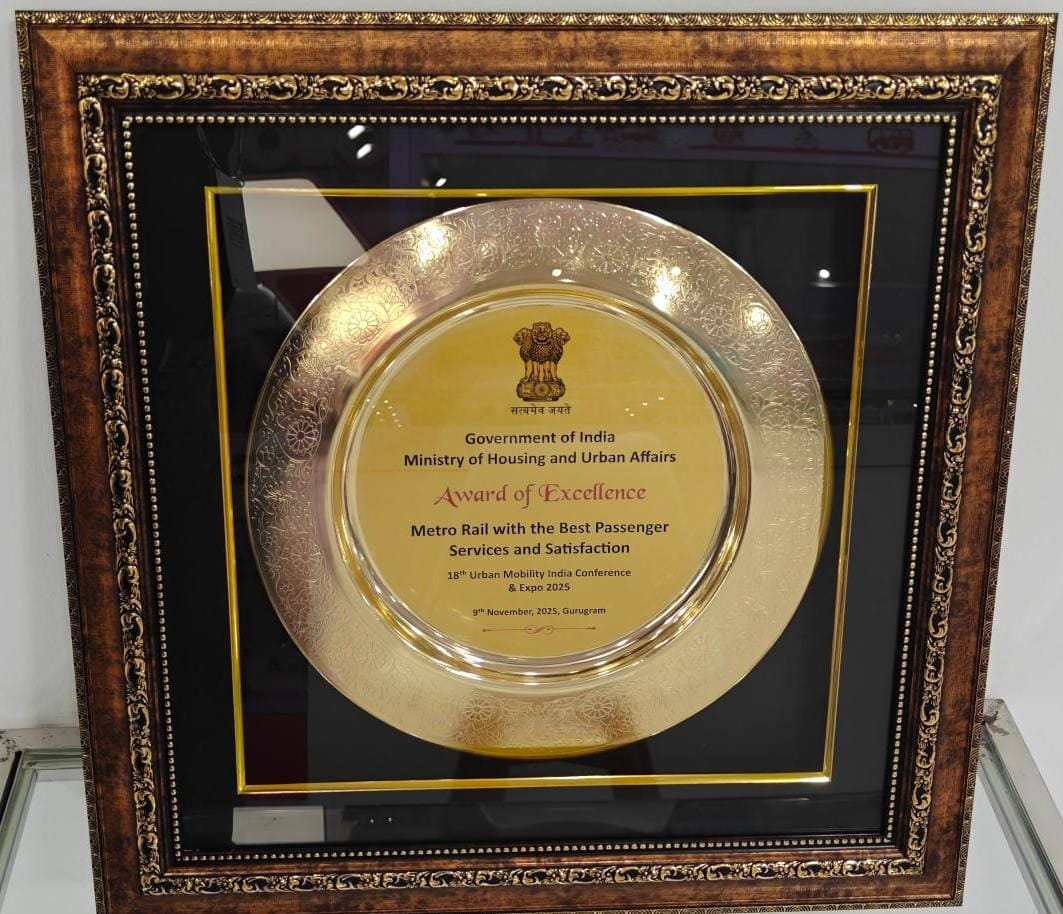
NEW DELHI (Metro Rail News): The Delhi Metro Rail Corporation (DMRC) has been honoured with the prestigious Award of Excellence in the category of “Metro Rail with the Best Passenger Services and Satisfaction” at the 18th Urban Mobility India (UMI) Conference & Expo 2025. The three-day event was held in Gurugram from November 7 to 9, 2025.
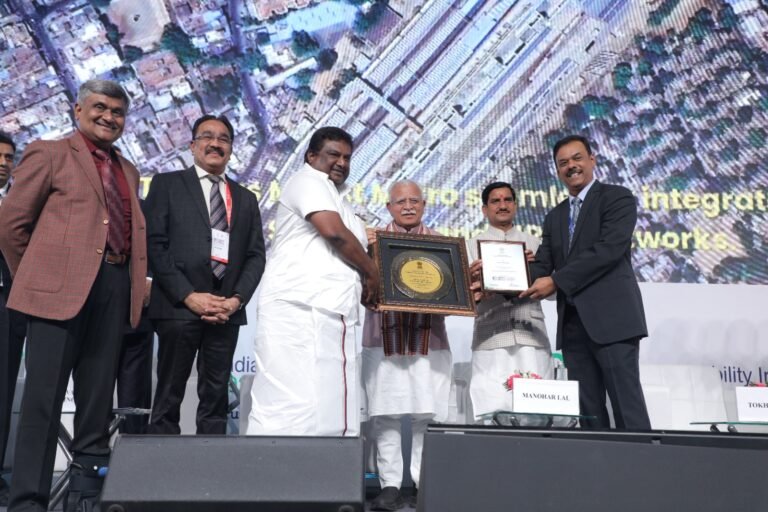
The award was presented by Sh. Manohar Lal, Hon’ble Union Minister of Housing and Urban Affairs & Power, to Dr. Vikas Kumar, Managing Director of DMRC, in recognition of DMRC’s outstanding commitment to delivering efficient and passenger-centric urban transit services.
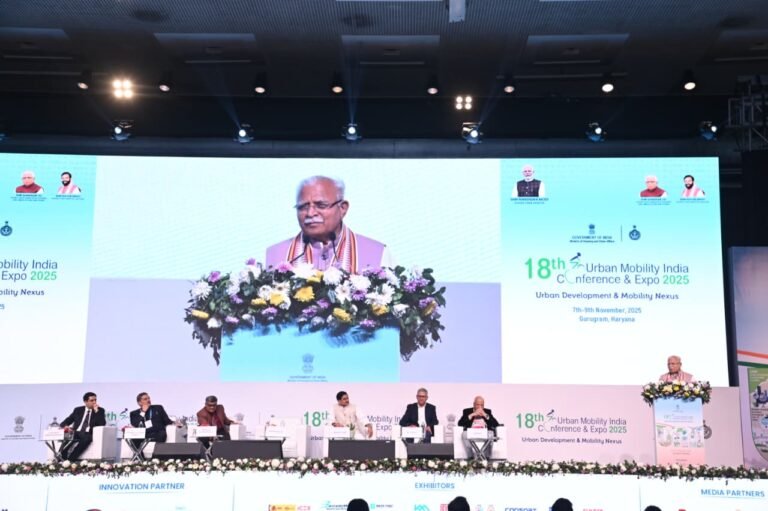
The Urban Mobility India Conference & Expo is an annual event organized under the aegis of the Ministry of Housing and Urban Affairs, Government of India to deliberate upon the issues of Urban Mobility.
CMRL also received “Award of Excellence in Urban Transport” under the category “Metro Rail with the Best Multimodal Integration” and “Commendation Award in Urban Transport” under the category “Metro Rail with the Best Passenger Services and Satisfaction at the 18th Urban Mobility India (UMI) Conference & Expo 2025. To know more about this news: Click Here.
Witness the innovations & AI- powered solutions in railway & metro systems from over 200 exhibitors at the 6th edition of InnoMetro. Join India’s dedicated show for the rail transit sector which is going to be held on 21-22 May 2026 at Bharat Mandapam, New Delhi.
CHENNAI (Metro Rail News): Chennai Metro Rail Limited (CMRL) has received two prestigious awards from the Ministry of Housing and Urban Affairs (MoHUA), Government of India, at the Urban Mobility India (UMI) Conference 2025 held on November 9, 2025, at Hotel Hyatt Regency, Gurugram, Haryana.
CMRK received “Award of Excellence in Urban Transport” under the category “Metro Rail with the Best Multimodal Integration” and “Commendation Award in Urban Transport” under the category “Metro Rail with the Best Passenger Services and Satisfaction.
The awards were presented by Thiru. Manohar Lal Khattar, Honourable Union Minister of Power & Housing and Urban Affairs, and Thiru. Tokhan Sahu, Honourable Minister of State (Housing and Urban Affairs).
The awards were received by Thiru. S.S. Sivasankar, Honourable Minister for Transport and Electricity, Government of Tamil Nadu, Dr. K. Gopal IAS., Additional Chief Secretary to Government (Special Initiatives Department), Government of Tamil Nadu and Thiru. M.A. Siddique, I.A.S., Principal Secretary to Government and Managing Director of Chennai Metro Rail Limited.
CMRL’s recognition at the UMI Conference 2025 underscores its commitment to delivering safe, efficient, passenger-centric, and seamlessly integrated urban mobility solutions to the people of Chennai. The honours reaffirm CMRL’s continuous efforts towards enhancing urban transport standards and ensuring sustainable mobility for a growing metropolis.
Witness the innovations & AI- powered solutions in railway & metro systems from over 200 exhibitors at the 6th edition of InnoMetro. Join India’s dedicated show for the rail transit sector which is going to be held on 21-22 May 2026 atBharat Mandapam, New Delhi.
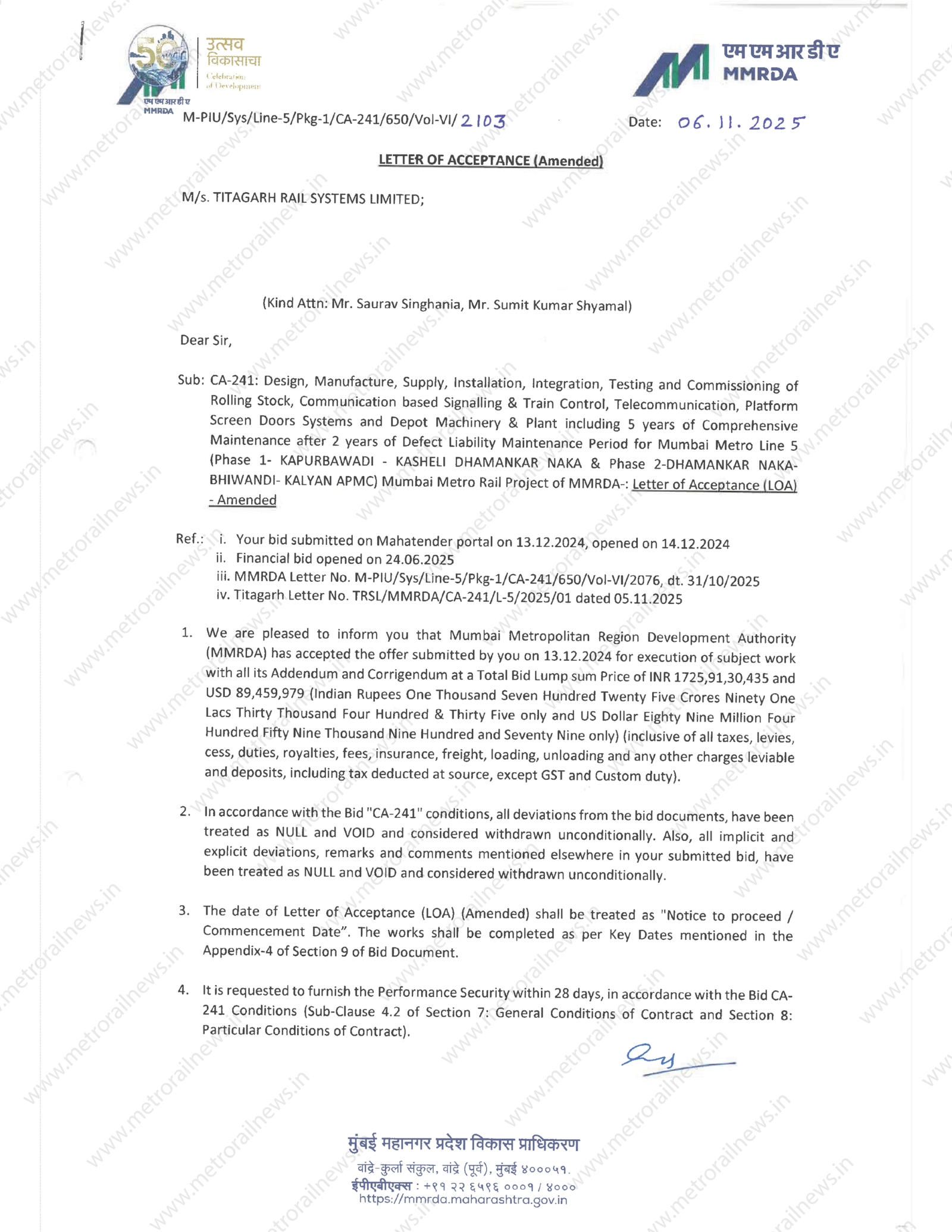
MUMBAI (Metro Rail News): Titagarh Rail Systems Limited has received a Letter of Acceptance (LoA) from Mumbai Metropolitan Region Development Authority (MMRDA) for the design, manufacture, supply, and commissioning of 132 metro coaches, along with associated systems, for the Mumbai Metro Line 5 project.
The Line 5 of Mumbai Metro spans 24.90 km Thane to Bhiwandi through 15 stations. The Line 5 of Mumbai Metro Project will be implemented in 2 phases.
Phase
Route
Phase 1
Kapur Bawdi – Kasheli – Dhamankar Naka
Phase 2
Dhamankar Naka – Bhiwandi – Kalyan APMC
MMRDA floated a tender for this contract in 2024 with a completion deadline of 1825 days. Technical bids were opened on 17 December 2024 announcing that 3 firms have submitted bids for the contract. On 24 June 2025 the technical evaluation of the submitted bids occurred; however during the technical evaluation round one firm bid was rejected.
On 24 June 2024, financial bids were opened for the technically qualified bidders. The financial evaluation of the submitted bids occurred on 10 Nov 2025. However, during the financial evaluation round one firm bid was also rejected announcing Titagarh Rail Systems as the lowest bidder for the contract. On the same day, the company received LoA from the MMRDA.
Financial Bid Values
Firm
Bid Value
Titagarh Rail Systems Limited
₹ 2481 Cr
Larsen & Toubro Limited
₹ 2994 Cr
Contract Scope of Work: Design, Manufacture, Supply, Installation, Integration, Testing and Commissioning of Rolling Stock, Communication based Signalling & Train Control, Telecommunication, Platform Screen Doors Systems and Depot Machinery & Plant including 5 years of Comprehensive Maintenance after 2 years of Defect Liability Maintenance Period for Mumbai Metro Line 5.
According to the tender schedule, the delivery timeline for Mumbai Metro Line 5 has been structured in two stages corresponding to the project’s phases.
Phase
Train Type / Batch
Delivery Week (from Contract Signing)
Approx. Timeframe
Number of Trains
Phase 1
Prototype Train
Week 56
1.1 years
1
Phase 1
Next Batch
Week 78
1.5 years
2
Phase 1
Subsequent Batch
Week 96
1.85 years
9
Phase 2
First Batch
Week 180
3.45 years
2
Phase 2
Final Batch
Week 196
3.75 years
8
Witness the innovations & AI- powered solutions in railway & metro systems from over 200 exhibitors at the 6th edition of InnoMetro. Join India’s dedicated show for the rail transit sector which is going to be held on 21-22 May 2026 atBharat Mandapam, New Delhi.
NEW DELHI (Metro Rail News): The Delhi Metro Rail Corporation (DMRC) is gearing up to go global with the formation of Delhi Metro International Limited (DMIL), aimed at expanding India’s metro expertise to international markets.
Union Minister for Housing &Urban Affairs, and Energy, Shri Manohar Lal Khattar, announced the initiative on 7 November while inaugurating the 18th Urban Mobility India Conference and Exhibition in Gurugram.
Union Minister Shri Manohar Lal stated that the Delhi Metro Rail Corporation (DMRC) will take on an expanded role through its subsidiary, Delhi Metro International Limited (DMIL). Acting on behalf of the Ministry of Housing and Urban Affairs (MoHUA), DMIL will be responsible for a broad spectrum of activities, including consultancy, construction, turnkey execution, project management, and operation and maintenance for metro and urban transport systems both in India and overseas.
He further mentioned that another subsidiary of DMRC will assist MoHUA in overseeing Mass Rapid Transit Systems (MRTS) across the country. This subsidiary will focus on planning, coordination, and management support, helping ensure greater uniformity, efficiency, and expertise in implementing mass transit projects nationwide.
Highlighting the country’s growing influence in urban transit development, Minister Khattar said, “DMIL will take India’s metro networks beyond national borders.
He further announced several initiatives like the establishment of more Mass Rapid Transit System (MRTS) projects in collaboration with DMRC, the launch of a Delhi Metro Rail Academy for skill development, and the creation of a Centre of Excellence.
Manohar Lal Khattar said “DMIL will take metro networks beyond India. MRTS will strengthen interconnectivity and ensure safe, reliable transport with strict safety and cybersecurity standards. The academy will accelerate capacity building, and a Centre of Excellence will give new direction to metro services through innovative approaches”, as reported by The Indian Express.
Explore how AI-integrated systems are improving comfort, connectivity, and accessibility for passengers across metro and rail networks at the 6th edition of InnoMetro, India’s leading expo for the Metro & Railway industry.