Home Blog Page 75

Mumbai Metro Line 4 Trials to Begin Soonย 

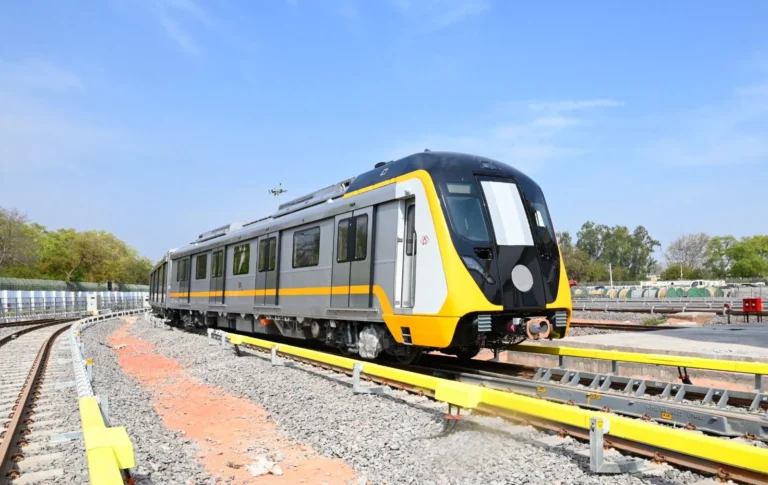
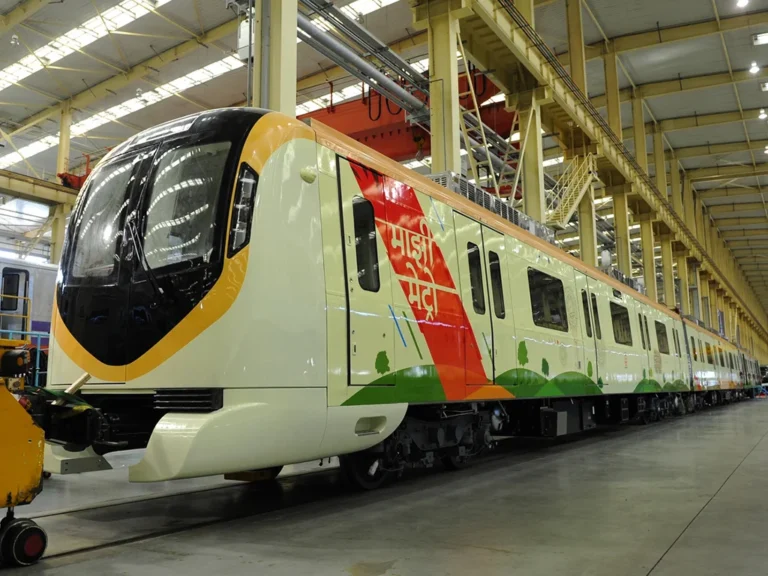
MUMBAI (Metro Rail News): The Mumbai Metro project progressed as the first trial train coaches for Line 4 have been successfully lifted and positioned on the tracks near Anand Nagar in Thane. As per the officials, the trials for Line 4 are expected to begin in September.ย 

Line 4 of Mumbai Metro is an under-construction line that spans 32.32 km between Wadala and  Kasarvadavali, featuring 30 stations. Line 4A of the Mumbai Metro is the extension of Line 4, which spans 2.7 km from Kasarvadavali to Gaimukh through 2 stations.

Alstom Transport is supplying the rolling stock for the Mumbai Metro Line 4 under Package CA-234 of the Mumbai Metro. The train coach, which will be used for the trials, is not the final train; it only matches the final specifications for the trains that will be used on this line.

Initially, the Mumbai Metropolitan Region Development Authority (MMRDA) awarded Larsen & Toubro ( L&T) the contract. Under this contract, L&T was responsible for supplying 5 major systems for Mumbai Metro Line 4, but L&T has partnered with Alstom Transport for the rolling stock and signalling solution. 

MMRDAโ€™s Brief Scope: Design, Manufacture, Supply, Installation, Integration, Testing and Commissioning of Rolling Stock, Communication Based Signaling & Train Control, Telecommunication, Platform Screen Doors Systems, and Depot Machinery & Plant including 15 Years of Comprehensive Maintenance After 2 Years of Defect Liability Maintenance Period of Line 4 and Extension Corridor (4A) [Wadala โ€“ Kasarvadavali โ€“ Gaimukh] of Mumbai Metro Rail Project of MMRDA.

 โ€œEarly in the morning on Monday, Yellow Line train coaches were picked up and set on girders with heavy cranes near Anand Nagar in Thane,โ€ an official associated with the project said as reported by The Indian Express. 


To get real-time updates on metro and railway tenders, join our WhatsApp Community: https://chat.whatsapp.com/EzkphM7r0eaGtWJXi59CLb

Building on a decade of trust, Metro Rail News is pleased to announce the Metro Rail News Awards to recognise organisations and leaders for their outstanding contributions to the rail transit industry. The awards will be presented across 30+ categories, with the ceremony scheduled for 19 September in New Delhi.

Get Recognised for Your Contribution & Innovations โ€“ Nominate Now

RDSO Safety Trials Completed for Rolling Stock of Chennai Metro Phase 2ย ย 

CHENNAI (Metro Rail News): Chennai Metro Project progressed as โ€‹Chennai Metro Rail Limited has completed the Research Designs and Standards Organisation (RDSO) safety certification trials of the Rolling Stock of Phase 2. The trials were conducted between the  Poonamallee Bypass Metro Station and Porur Junction Metro Station. 

The safety certification trials were conducted by a team of officials from the external independent agency, Research Designs and Standards Organisation (RDSO) of the Ministry of Railways, Government of India. 

The trials commenced on August 16, 2025, to assess the passenger ride comfort at various speeds, reaching the design maximum of 90 km/h. The evaluation included a comprehensive examination of the traction system’s performance as well as extensive testing of braking performance across different operational modes. 

In May 2025, Alstom Transport India received a Letter of Acceptance (LoA) for the rolling stock Contract ARE04A of Chennai Metro Phase 2. CMRL plans to run 96 coaches as part of this rolling stock agreement. To know more about this new: Click Here.ย 

The Chennai Metro Phase 2 spans 118.9 km and comprises three new corridors. The Tamil Nadu government approved Phase 2 in 2019 at an estimated cost of Rs. 69,180 crore.

CorridorRoute Elevated Underground Total Length 
Corridor 3Madhavaram โ€“ SIPCOT 219.10 km 26.70 km 45.80 km
Corridor 4Light House โ€“ Poonamallee Bus Depot16 km 10.10 km 26.10 km 
Corridor 5Madhavaram โ€“ Sholinganallur41.20 km 5.80 km 47 km 

To get real-time updates on metro and railway tenders, join our WhatsApp Community: https://chat.whatsapp.com/EzkphM7r0eaGtWJXi59CLb

Building on a decade of trust, Metro Rail News is pleased to announce the Metro Rail News Awards to recognise organisations and leaders for their outstanding contributions to the rail transit industry. The awards will be presented across 30+ categories, with the ceremony scheduled for 19 September in New Delhi.

Get Recognised for Your Contribution & Innovations โ€“ Nominate Now

Mumbai Metro: Alstom to Supply Rolling Stock & Signalling Solution for Line 4ย 

MUMBAI (Metro Rail News): Alstom Transport, a global leader in rolling stock manufacturing, has received a major order for the Mumbai Metro Project. Alstom Transport will supply 39 driverless trainsets and a CBTC Signalling solution, along with 5 years of maintenance services for Mumbai Metro Line 4 under Package CA-234. The Mumbai Metro Line 4 spans 35.3 km between Wadala and Kasarvadavali through 32 stations.

Initially, the Mumbai Metropolitan Region Development Authority (MMRDA) awarded Larsen & Toubro ( L&T) the Package CA-234 of Mumbai Metro Line 4. Under this contract, L&T was responsible for supplying 5 major systems for Mumbai Metro Line 4, but L&T has partnered with Alstom Transport for the rolling stock and signalling solution. 

  •  Supplying rolling stock (39 trains (234 coaches) consisting of 6 coaches)
  •  CBTC signaling & train control (S&T)
  • Telecommunication System 
  • Platform screen doors (PSDs)
  • Depot machinery & plant (M&P) for Mogharpada Depot.

MMRDAโ€™s Brief Scope: Design, Manufacture, Supply, Installation, Integration, Testing and Commissioning of Rolling Stock, Communication Based Signaling & Train Control, Telecommunication, Platform Screen Doors Systems, and Depot Machinery & Plant including 15 Years of Comprehensive Maintenance After 2 Years of Defect Liability Maintenance Period of Line 4 and Extension Corridor (4A) [Wadala โ€“ Kasarvadavali โ€“ Gaimukh] of Mumbai Metro Rail Project of MMRDA.

As per the tenderโ€™s schedule, Alstom will deliver the 39 trainsets according to the timeline mentioned below: 

Batch No.Number of TrainsDelivery Timeline (Weeks from Contract Signing)Delivery Timeline (Years & Months)
1st Batch1 Prototype TrainWeek 521 Year
2nd Batch9 TrainsWeek 701 Year 4 Months
3rd Batch10 TrainsWeek 881 Year 8 Months
4th Batch10 TrainsWeek 1042 Years
5th Batch9 TrainsWeek 1122 Years 2 Months

Speaking on the occasion, Ling Fang, Region President, APAC, Alstom said, โ€œWe are honoured to be chosen for the prestigious Mumbai Metro Line 4 project, further strengthening our long-standing association with the city of Mumbai. Alstom-built trains and signalling solutions are already serving on other Mumbai Metro lines. This ambitious new project presents more opportunities for us to provide best-in-class solutions to the commuters and contribute to elevating the financial capitalโ€™s infrastructureโ€.


To get real-time updates on metro and railway tenders, join our WhatsApp Community: https://chat.whatsapp.com/EzkphM7r0eaGtWJXi59CLb

Building on a decade of trust, Metro Rail News is pleased to announce the Metro Rail News Awards to recognise organisations and leaders for their outstanding contributions to the rail transit industry. The awards will be presented across 30+ categories, with the ceremony scheduled for 19 September in New Delhi.

Get Recognised for Your Contribution & Innovations โ€“ Nominate Now

Green Metro: Towards Decarbonised Transit Systems

Abstract

The world is transitioning toward a future that is quite promising if seen from afar; however, the road is long. Climate change and global warming are the terms that have become the most well-known in the past few years due to their drastic impact on the world, and they are hovering over the future that is envisioned for the generations to come. The countries around the world are striving to boost their economies by upgrading their infrastructure; however, this process has also expedited the growth of urbanisation. With increased urbanisation, the cities are expanding in every aspect to meet the demands of the increasing number of people. The cities consume a substantial amount of energy to meet the industrial, transportational, commercial and residential demands, which results in an increase in greenhouse gases GHG, as most of the energy comes from fossil fuels. 

Climate change is triggered by an elevation in greenhouse gas concentrations in the environment, which include carbon dioxide, methane (CH4), and nitrous oxide (N2O). Carbon dioxide (CO2) constitutes 74% of total greenhouse gas emissions. About 92% ofย  CO2 is emitted by the burning of fossil fuels. The cities around the world consume about 70% energy, which accounts for 75% GHG emissions.

The transport sector, a major subsector of the energy domain, is responsible for a substantial share of global energy consumption and greenhouse gas emissions. It plays a vital role in sustaining urban functionality; however, it is also contributing to GHG emissions. There is an urgent need to decarbonise urban environments by implementing sustainable mobility solutions that reduce dependence on private vehicles and promote the use of efficient public transport systems. 

Metro rail networks, in particular, have the potential to address the mobility demands of rapidly growing urban populations. Additionally, by integrating renewable energy sources into their operations, such as solar power, metro systems can contribute to lowering greenhouse gas emissions.

This paper primarily addresses the escalating concern of rising global temperatures due to greenhouse gas (GHG) emissions, with a specific focus on the emerging role of metro systems as a key solution for urban decarbonisation.


Global Emission Trends: An OverviewAD 4nXcscrQW2QrC zlpPl8K7AoLCQFTlcYjruZ f0kk1TATfyQxVM kOWaqP9aLjDmpMnBXEVtHowxOl5dZ2dtwdPYdp5 ycbym6m09GK7DHbPc1yauedv4PEDxZYkDkyY49yFKtuGwW1NxFQDT73SovzE?key=yhYNDyRkQe5SW1bnRO vYg

According to the latest data from the World Resources Institute, greenhouse gas (GHG) emissions originate from five primary economic sectors: Energy, Agriculture, Industrial Processes, Waste, and Land Use, Land-Use Change, and Forestry (LULUCF).Among these, the energy sector is the largest contributor, encompassing emissions from:

  • Electricity and heat production โ€“ 29.7% of total global emissions
  • Transportation โ€“ 13.7%, with road transportation alone accounting for 12.2%.
  • Manufacturing and construction โ€“ 12.7%
  • Buildings โ€“ 6.6%

CO2 Emissions Per Capita

AD 4nXfPTgpc5 grhZBilfApG23t0ooetKdCatzhQ4Fk nk6 UEOPJGFvJuWddQTqzmOSxsKJz2EnaV76k82Ko xzc3docR8vGONOKGZdq7TEJygm1628L2jGTmCn4ZvFylnANvoDYkFeZOV9VlY6RDAhvA?key=yhYNDyRkQe5SW1bnRO vYg

Global Urbanisation: A Concern for Sustainable Mobility

A report by the United Nations states that the world population is projected to reach 9.8 billion in 2050 and 11.2 billion in 2100. The situation gets more concerning because, as per the projections, by 2050 the one-third population of the world will reside in the cities, which accounts for 3.26 billion people. If we talk about India, then India’s towns and cities are projected to be home to 600 million people, accounting for approximately 40% of the countryโ€™s total population by 2036, as per a report by the World Bank Group. 

The IPCC Sixth Assessment Report highlights a shift in global demographics, citing that between 2015 and 2020, the worldโ€™s urban population expanded by nearly 400 million people, with the vast majority, over 90% of this growth, occurring in emerging and developing economies (EMDEs). 

The statistics mentioned above show that in the coming years the urbanisation will expand at an even greater pace. However, much of the existing urban mobility infrastructure is not adequately equipped to keep pace with this rapid growth. As cities continue to expand, the increased influx of population will place considerable pressure on transport systems, potentially leading to congestion, reduced quality of life, and increased environmental impact if sustainable measures are not implemented.

This growth will also lead to higher energy consumption to power the megacities. Currently, as per the report of the Energy Institute on world energy, fossil fuels accounted for 82% of global energy production, while the share of renewable energy sources remained at 15% in 2023, a level still insufficient to mitigate the impacts of global warming. It is imperative to make cities more self-sustaining by transitioning existing infrastructure into green infrastructure and by promoting the widespread adoption of renewable energy sources across all sectors to reduce dependence on fossil fuels. 

To ensure a sustainable urban future, it is imperative to accelerate investments in green infrastructure and clean energy systems before the transition to a low-carbon world becomes even more challenging and costly.

The Need to Decarbonise Transit Systems 

The increasing pace of urbanisation will have a significant impact on the transport sector. The growing population in cities will fuel the demand for efficient transport modes, which can lead to an increase in private vehicles if public transport fails to meet the demand of commuters.

AD 4nXf3tQ s2up5qmvQIwrCF3 oOiN3r12STlPNyVkZ1r5YpQ0Jb 36tvKSG2T0BGWnz9cwT0 4JYvpkhe ghkghkh8 KxVEAVg0d0pMoKSCx6n4IMatSJcmHR8ycZwFbiyVfFvqlFtJnSwMVZ1xfiaJ w?key=yhYNDyRkQe5SW1bnRO vYg

The Increase in GHG Emissions

As per the statistics released by the IEA in 2022, global COโ‚‚ emissions from the transport sector increased by over 250 million tonnes (Mt), reaching nearly 8 gigatonnes (Gt) COโ‚‚, which represents a 3% rise compared to 2021. However, aligning with the Net Zero Emissions (NZE) by 2050 Scenario would require transport-related emissions to decline by approximately 25% which accounts for 6 Gt COโ‚‚ by 2030, despite the expected increase in global transport demand. According to the Ministry of Environment, Forest and Climate Change (MoEFCC, 2021), the transport sector in India is responsible for nearly 12.1% of energy-related COโ‚‚ emissions and contributes 9.7% to the nationโ€™s overall greenhouse gas emissions, which makes it a key area for targeted climate action.

AD 4nXcYos 8CFqsvER4UoIkSGvtT8Qa6Nl6SmiUEB5EwZ PC nVM1u53fBWxy6JgNNkQFGBcLhLcoKFjacY7SCenUHBpybnCoMxfngBHQMEgpm5ljjrOhXSzfM7RXb6Hk9 9IxMSYti9KvQre4jGCvLYg4?key=yhYNDyRkQe5SW1bnRO vYg

CO2 emissions in Gt by mode 

Transport Sectorโ€™s Reliance on Fossil Fuels

According to the most recent data, the transport sector accounts for approximately 23% of global energy-related COโ‚‚ emissions. Despite growing efforts toward electrification and sustainable mobility, the sector remains heavily reliant on oil, which fulfils nearly 92% of its total energy demand. 

AD 4nXdT5DwjpBzfTINBtuf5Apjw7fKT2TQQY2kglnVDS44VMPk2X4liTC3Jbc9adPe qImnXCTWj3gGXzIOthRSgSu 2 GLC iy8DCV iHGJ9cUyJ led9obShYGdwNDmc1V6qbp 9kPqWTwrrm9nv298?key=yhYNDyRkQe5SW1bnRO vYg

Rail Transit: An Efficient Approach for Reducing Carbon Footprint in Urban Areas

In 2022, the transport sector contributed nearly 8 gigatonnes of COโ‚‚ emissions, making up over one-third of total emissions. While the sector remains a major emitter, rail transport stands out as a low-carbon alternative. Although it currently handles around 7% of global passenger traffic and 6% of freight movement (in tonne-kilometres), rail is responsible for only about 1% of transport-related emissions.ย 

AD 4nXc4z3 1p21xs3lLvELEmD8jdZrBl3vtNxAqTTiiMIRaOAiv2kj6OCyuoSC7sqBn9rFm39eqPIWiK hkWQMeSlKdDSH0sw4jLZ1X599xrcMWcRMpfa1HIpACXGKuW2l py8uQySnnzaUc7ZXJ6IljG8?key=yhYNDyRkQe5SW1bnRO vYg

CO2 emissions in MT from the rail transport sector in the Net Zero Scenario, 2010-2030.

Metro Systems: A Sustainable Urban Mobility Solution

AD 4nXdVcDa4SZENP19blEkri5cH fxD03Rft5HG1fvw49 wzJwjrGZZCtwzy4K70PzpQ37ZyajrVUkPc55ooFTZ1a9xQehk5 yLuf26qfgoCr aC2EC5Kr4xNxa2K9vHaScWSbTGL56XQX3VOTkVRSsDg?key=yhYNDyRkQe5SW1bnRO vYg

The metro systems have emerged as an alternative for effectively addressing the transportation needs in urban areas, as well as reducing the carbon footprint. 

1. Meeting Urban Transportation Demand

India’s urban population is projected to reach 600 million by 2036, which will account for around 40% of the total population. This rapid urbanisation has increased the demand for reliable and efficient public transport. Metro systems, with their fixed-route, high-capacity infrastructure, are well-positioned to relieve pressure on overcrowded roads and buses, particularly in Tier-1 cities like Delhi, Mumbai, Bengaluru, and now expanding into Tier-2 cities like Nagpur, Kochi, and Indore.

2. High Passenger Carrying Capacity

One of the key advantages of metro systems over traditional road transport is their superior passenger-carrying capacity. A typical six-coach metro train can carry over 2,000 passengers per trip, making it far more efficient than a fleet of buses or cars covering the same distance. This helps reduce congestion on roads and optimises land use in dense cities like Delhi and Mumbai. 

3. Speed and Efficiency

Metro systems operate on grade-separated tracks, which eliminate delays due to traffic congestion. Average speeds range from 32โ€“40 km/h. This enables faster travel times and greater reliability in comparison to surface transport systems. The high frequency of services further contributes to shorter waiting times.

4. Safety Standards

Metro systems are designed with advanced safety features, including platform screen doors, surveillance systems, and real-time monitoring. Additionally, segregated tracks and controlled access zones contribute to a safe commuting environment, which minimises the risks associated with mixed-traffic road conditions.

5. Contribution to Emissions Reduction

Road transport is a major contributor to climate and air quality concerns, accounting for approximately 17% of global energy-related COโ‚‚ emissions and around 10% of total greenhouse gas (GHG) emissions. In addition to its climate impact, road transport is responsible for up to 90% of urban air pollution. By encouraging a shift from private vehicles to public transport, metro systems help reduce fuel consumption and lower greenhouse gas (GHG) emissions. Electrified metro networks, particularly those powered by renewable energy sources, play a crucial role in creating low-carbon urban transit systems. According to the International Association of Public Transport (UITP):

  • A fully occupied metro emits up to 75% less COโ‚‚ per passenger-km than cars.
  • The Nagpur Metro and Pune Metro are designed as green metro systems, sourcing up to 65% of their power from solar energy.

The Growth of the Metro Sector 

  1. Indiaโ€™s Metro Rail Expansion:
Parameter2013โ€“14 / Pre-20142025 / Post-2014Change
Operational Metro Network248 km1,013 km765 km+
Cities with Metro (Operational/Under Construction)~5 cities23 cities18 cities+
Global Ranking (by network size)โ€”3rd globally
Approved Metro Projectsโ€”34 projects (992 km)โ€”
Daily Ridership28 lakhOver 1.12 crore~4x increase
Monthly Commissioning Rate0.68 km/month6 km/month~9x faster
Annual Metro Budgetโ‚น5,798 croreโ‚น34,807 crore~6x increase
  1. Global Market Trends and Investments in Metro Rail

The metro rail sector has seen steady expansion over the past few years. Between 2020 and 2024, global investments in metro infrastructure amounted to over $500 billion, which reflects consistent public and private sector interest in improving urban mobility.

According to recent estimates, the global metro rail infrastructure market was valued at approximately USD 43.98 billion in 2023, with projections indicating a rise to USD 81.04 billion by 2033. This corresponds to a Compound Annual Growth Rate (CAGR) of around 6.30% over the ten-year period. In 2023, the Asia-Pacific region accounted for the largest share of the global metro rail infrastructure market, representing approximately 53.31% of total market revenue.

AD 4nXf5mc5ObaiSuPmy0BEixrnGQUeTChHdiVTR5URhKrDvH29vZxdgIfjG9wtzCrDKkVubzLDdxtji3us9Pljl7JcS3e96PxETOqjhCGYb6MDwN0oRpEDw6fx9PIb7L17pO2RJIymIzc0AmNpTAcND4g?key=yhYNDyRkQe5SW1bnRO vYg

Limitations and Constraints in Metro System Expansion in Future 

EV Growth A Challenge to Metro Expansion

India aims to have 80 million EVs by 2030, targeting 30% of private cars, 70% of commercial vehicles, 40% of buses, and 80% of two- and three-wheelers, with full domestic production under the โ€˜Make in Indiaโ€™ initiative. Globally, the EV market is projected to grow from USD 255.54 billion in 2023 to USD 2,108.80 billion by 2033. As EV adoption becomes more widespread, particularly in middle-income and high-income urban households, there may be a gradual shift away from public transit, especially in areas where metro connectivity is limited or less efficient. This could flatten projected ridership growth for metro systems, impacting their financial viability and cost recovery.

High Capital Costs vs. Shifting Investment Trends

One of the major constraints in metro expansion is the high capital cost associated with construction, land acquisition, and advanced signalling systems. Metro projects typically require long-term investment and have longer gestation periods.

At the same time, the cost of electric vehicles (EVs) is expected to decline steadily due to advancements in battery technology, increased domestic manufacturing, and supportive government policies. The Indian EV battery market is projected to grow from USD 16.77 billion in 2023 to USD 27.70 billion by 2028.

As EVs become more affordable and accessible, private and institutional investment may increasingly shift toward EV infrastructure, which offers quicker returns and lower capital risks compared to metro systems.

This divergence in investment appeal may undermine financial support for new metro corridors, particularly in Tier-2 and Tier-3 cities, where the cost-benefit ratio of metro infrastructure is already under scrutiny.

Increasing Energy Demand & the Need for Green Infrastructure

India is expected to witness the highest growth in energy demand globally, with projections estimating a rise to 15,820 TWh by 2040. While the country targets net-zero emissions by 2070 and aims to source 50% of electricity from renewables by 2030, this transition introduces challenges for metro rail expansion.

However, metro systems are fully electrified, and they rely heavily on a stable and high-capacity power supply. As energy demand surges across sectors, particularly in industry, residential, and electric mobility, competition for clean and reliable electricity will intensify. This may:

  • Delay metro expansion in areas where grid upgrades lag behind demand.
  • Increase operational costs due to variable electricity pricing.
  • Divert policy and investment focus toward grid-scale renewable projects, limiting metro-specific energy infrastructure.

To support India’s broader energy transition, there is a growing need to develop and invest in green infrastructure within the metro sector. It is imperative to reduce metros’ reliance on external grid-based energy as national electricity demand intensifies. One practical approach is the integration of solar photovoltaic (PV) systems across metro infrastructure such as depot rooftops, stations, and parking areas, to partially meet operational energy requirements.

This not only improves energy self-sufficiency but also contributes to lowering the carbon footprint of metro operations. However, scalability, land availability, and cost of storage solutions remain technical and financial constraints that must be addressed for effective implementation.

Initiatives Towards Green Energy for Metro Systems

  1. Delhi Metroโ€™s Progress in Solar Energy Utilisation

Delhi Metro has continued to expand its solar energy infrastructure as part of its broader sustainability initiatives. On 18 January 2025, the Union Minister for Housing and Urban Affairs, Shri Manohar Lal Khattar, inaugurated the countryโ€™s first vertical bi-facial solar plant at Okhla Vihar Metro StationAD 4nXfFGmrFtqMbldUwzXqfQnFsS3v1sv94KUBo0nXbOVOe8lwKcvfJKWCSk3bpOr ycI6AKje28R3jdpa8Ihy4dc5Jbq7D9cZyQSy4ky1 spxQKZFAMdrmFrSyowaJpfiz8PZ2CyvZo8Sgkyp7Urhnv0?key=yhYNDyRkQe5SW1bnRO vYg

According to DMRC Managing Director Vikas Kumar, the network has now exceeded 50 MW of rooftop solar capacity and is targeting 60 MW upon the completion of Phase IV.

With the recent installation at Khyber Pass Depot, the total rooftop solar capacity currently stands at 51 MW, distributed across:

  • 93 metro stations
  • 15 depots

Renewable Energy Share :

  • 35% of DMRCโ€™s total electricity consumption is currently met through renewable sources:
    • 32% from the Rewa Solar Plant in Madhya Pradesh (via open access model).
    • 4% from rooftop solar plants installed across stations and depots.
    • 1% from a waste-to-energy plant in Ghazipur.
  1. Nagpur Metroโ€™s Steps for Green Energy

Nagpur Metro has adopted several green infrastructure measures. Although the original plan envisioned full solar power operation, this objective is still pending approval from the Maharashtra State Electricity Distribution Company Limited (MSEDCL). Presently, 20% of the systemโ€™s energy requirements are met through solar power, with a target to scale this to 50% in the coming years.

  1. Pune Metroโ€™s Integration of Solar Plants at Stations

As part of its sustainable energy strategy, Pune Metro has implemented solar power systems across 10 stations and two depots along Lines 1 and 2. These installations collectively generate approximately 15,557 kilowatt-hours (kWh) of electricity per day. The solar energy produced is utilised to meet a portion of the metro systemโ€™s operational energy requirements, thereby reducing dependency on conventional grid electricity.

Conclusion

Metro systems today serve a greater purpose than just easing urban traffic; they are emerging as critical pillars of climate action in cities. As urbanisation accelerates, greenhouse gas emissions are expected to rise, with the transport sector playing a decisive role in facilitating a sustainable future. Metro networks offer a viable solution by supporting infrastructure expansion while promoting low-emission mobility. Through the integration of renewable energy and a modal shift from private vehicles to public transport, metros can substantially lower urban carbon footprints. However, realising this potential will require overcoming challenges such as high capital investment, competition from electric vehicles, and increasing energy demands. These issues can be effectively addressed with supportive policy frameworks, technological innovation, and long-term investment in green infrastructure. Metro systems can play a major role in building decarbonised, inclusive, and climate-resilient cities, both in India and globally.

Systra MVA Consulting Begins Preparing DPR for Kochi Metro Phase 3ย 

KOCHI (Metro Rail News): Kochi Metro Rail Project progressed as Systra MVA Consulting India Pvt Ltd has commenced the preparation of the Detailed Project Report (DPR) for Kochi Metro Phase 3.ย 

The awarded contractor will be responsible for submitting the DPR of Kochi Metro Phase 3, which is prepared for Rs 1.03 crore to Kochi Metro Rail Ltd (KMRL) in six months.

Kochi Metro Phase 3 involves the 14 km northern extension of the already operational Line 1 of Kochi Metro, which spans 27.96 km, connecting Aluva to Tripunithura. This northern extension is planned to pass through Cochin International Airport (COK) at Nedumbassery. 

KMRL Managing Director Loknath Behera said, โ€œThe initial work towards realisation of the long-standing demand of extending the Metro to Angamaly via Kochi airport has now begun. The Central and state governments have already approved the DPR study for Metro third phase, which will ensure world-class travel facilities to the people of this region and the growth of this region,โ€ as reported by The New Indian Express. 

โ€œExtensive field investigation, surveys, engineering studies, etc., will be carried out as part of the DPR. The cost of the DPR study will be met from the Central Financial Assistance Scheme of the Union Ministry of Housing and Urban Development,โ€ Behera added.

In January 2025, KMRL floated the tender for this consultancy contract with a 180-day deadline and RITES (Rail India Technical and Economic Service) was declared as the lowest bidder for the contract. However, the tender submitted was cancelled due to budget overruns, leading to re-tendering. 


To get real-time updates on metro and railway tenders, join our WhatsApp Community: https://chat.whatsapp.com/EzkphM7r0eaGtWJXi59CLb

Building on a decade of trust, Metro Rail News is pleased to announce the Metro Rail News Awards to recognise organisations and leaders for their outstanding contributions to the rail transit industry. The awards will be presented across 30+ categories, with the ceremony scheduled for 19 September in New Delhi.

Get Recognised for Your Contribution & Innovations โ€“ Nominate Now

PM Modi Likely to Inaugurate Patna Metroโ€™s Priority Corridor Next Month

PATNA (Metro Rail News): As Bihar approaches the assembly elections, the government is expediting efforts to commence metro services in Patna. As per the sources, Prime Minister Narendra Modi is likely to visit Bihar next month for the inauguration of Patna Metroโ€™s priority corridor.ย 

The priority corridor is part of the 14.45 km Corridor 2 (Patna Junction Railway Station โ€“ New ISBT). This section covers 6.49 km of distance via five elevated stations:ย 

  • Malahi Pakri
  • Khemnichak
  • Bhoothnath
  • Zero Mile
  • New ISBT.

To support the upcoming operations, three metro coaches arrived in Patna last month from Pune. The construction of 3 stations is expected to be completed by mid-September. To check the readiness of the project, Chief Minister Nitish Kumar recently visited the project sites, including the Metro depot at Bairiya and the Zero Mile station. The corridor was originally planned to be inaugurated on August 15, but the event was postponed due to delays in completing the necessary works.

According to officials, the metro depot is likely to receive an electricity supply within the next three days. Once connected to the power grid, the system will be ready for trials, which are expected to start from the 1st week of September.

At the same time, the Patna Metro Rail Corporation (PMRC) is awaiting a formal confirmation from the Prime Ministerโ€™s Office regarding the date of inauguration. 


To get real-time updates on metro and railway tenders, join our WhatsApp Community: https://chat.whatsapp.com/EzkphM7r0eaGtWJXi59CLb

Building on a decade of trust, Metro Rail News is pleased to announce the Metro Rail News Awards to recognise organisations and leaders for their outstanding contributions to the rail transit industry. The awards will be presented across 30+ categories, with the ceremony scheduled for 19 September in New Delhi.

Get Recognised for Your Contribution & Innovations โ€“ Nominate Now

Delhi Metro Fare Hike: A Move to Balance Operational Costs or a Burden on Commuters?

NEW DELHI (Metro Rail News): Travel on the Delhi Metro, Indiaโ€™s largest metro network, has become costlier following the Delhi Metro Rail Corporationโ€™s (DMRC) announcement of a fare revision. The new fares will come into effect from 25 August 2025. DMRC has increased its fares after almost 8 years.

Depending on the distance travelled, fares will rise by โ‚น1 to โ‚น4, with the minimum fare now set at โ‚น11 and the maximum at โ‚น64. The revision aims to address rising operational expenses and ensure the financial sustainability of the network, which serves over 7 million commuters daily.

The revised fare structure, applicable from 25th August 2025, is as follows:

AD 4nXdTppZCo wKyvPeez1koZzdIcLO12Fkg79kopkjxAymhxjDthxs3Sw9QNwUXmRwn98N4gRTfOdPzrnH0Czr cJTZcDeXd7uJG4F8RIlpOSEzneW7B1bQOg mWUhdjwvtetn94NX?key=r0llifduDgB632ni6Z6qYQ

DMRC also highlighted that passengers who are using smart cards will continue to benefit from fare concessions. A 10% reduction will apply to every trip made with a smart card, while an extra 10% concession will be available during off-peak hours.

According to the DMRC, the decision to revise fares has been taken to strike a balance between rising operational costs and maintaining service quality. The corporation emphasised that the increase has been kept minimal to limit the impact on daily commuters. In a post on X, DMRC stated, โ€œThe passenger fares of the Delhi Metro services have been revised with effect from today, that is, 25th August 2025 (Monday) onwards. The increase is minimal, ranging from โ‚น1 to โ‚น4 only depending on the distance of travel (up to โ‚น5 for the Airport Express Line)โ€.

However, DMRCโ€™s sudden decision to revise fares has sparked backlash among commuters. Many commuters expressed concern that instead of making public transport more affordable, such measures are gradually placing it beyond the reach of the common man. One commuter remarked that the government should focus on ensuring metro travel remains accessible, especially for daily wage earners, students and office-goers. Others pointed out that the announcement came with little prior notice, which left the passengers unprepared to adjust their monthly travel budgets.

BLW Commissions Indiaโ€™s First Removable Solar Panel System Between Railway Tracks

VARANASI (Metro Rail News): The Banaras Locomotive Works (BLW) deployed Indiaโ€™s first removable solar panel system between railway tracks. The 70-metre-long installation comprises 28 solar panels with a total capacity of 15 kWp. This pioneering project is designed to promote sustainable energy use within railway operations. If replicated on a wider scale, the initiative could play a crucial role in supporting Indian Railwaysโ€™ vision of achieving net-zero carbon emissions by 2030.

https://twitter.com/RailMinIndia/status/1957332886756946250

This initiative will ensure flexibility, as it will help integrate renewable energy solutions within the railway network without interfering with the movement of trains. As part of the design, the solar modules have been attached to the concrete sleepers with the help of epoxy resin, while rubber padding has been used to absorb shocks and vibrations caused by trains running over the tracks.

The removable nature of the system offers many advantages, as it simplifies routine maintenance and allows necessary work to be carried out without interrupting train services. If implemented on a larger scale, the concept holds the potential to generate nearly 321,000 kWh of electricity per kilometre annually.


To get real-time updates on metro and railway tenders, join our WhatsApp Community: https://chat.whatsapp.com/EzkphM7r0eaGtWJXi59CLb

Building on a decade of trust, Metro Rail News is pleased to announce the Metro Rail News Awards to recognise organisations and leaders for their outstanding contributions to the rail transit industry. The awards will be presented across 30+ categories, with the ceremony scheduled for 19 September in New Delhi.

Get Recognised for Your Contribution & Innovations โ€“ Nominate Now

Pune Metro: A Strategic Approach to Decongesting the Queen of Deccan

Pune: The Cultural Capital of Maharashtra

Pune, the cultural and historical capital of Maharashtra, is also known as the “Queen of the Deccan” due to its scenic beauty, rich natural resources, and vibrant legacy. It is the birthplace of the revered saint Sant Tukaram, and the capital of Chhatrapati Shivaji Maharaj, the legendary warrior king who laid the foundation of Hindavi Swarajya. The city continues to attract talent from across the country, resulting in rapid population growth and increased urban migration in recent decades.

However, this surge has placed significant pressure on Puneโ€™s infrastructure, particularly its public transportation system. With the average daily commute on public transport exceeding 100 minutes, many residents increasingly rely on private vehicles. This has led to severe traffic congestion, longer travel times, and increased environmental pollution in Pune. 

To address these challenges, the Pune Metro has been envisioned as a transformative step toward creating a sustainable urban mobility solution. Designed to reduce travel time by up to 75%, the Metro will provide a comfortable, efficient, and eco-friendly mode of transport for Pune residents. 

Pune Metro: Driving the City Toward Smarter Mobility

Overview 

  • Pune Metro is an under-construction urban Mass Rapid Transit System (MRTS) comprising 3 lines in the city of Pune, Maharashtra.ย 
  • The Pune Metro project has been undertaken by MAHA Metro, a SPV (Special Purpose Vehicle) of the Government of India and the Government of Maharashtra and the Pune Metropolitan Region Development Authority (PMRDA).ย 
  • Currently, Phase 1 of Pune Metro, which comprises 2 lines, is operational.
Pune metro
Pune metro

Key Specification 

Speed and Track Top Speed: 80 kmph
Average Speed: 34 kmph
Standard Gauge: 1435 mm
Electrification 25 kV, 50 Hz AC OHE
SignallingCommunication-based Train Control (CBTC)
Fare CollectionAutomatic fare collection system with a combination of smart cards & computerised paper tickets
DJI 0076 1
DCIM\100MEDIA\DJI_0076.JPG

Phase 1 of Pune Metro 

Overview 

  • Phase 1 of the Pune Metro project consists of two operational corridors spanning a total length of 31.254 km.
  • ย In July 2009 when the Delhi Metro Rail Corporation (DMRC) prepared and submitted the initial Detailed Project Report (DPR).ย 
  • Over the following years, the DPR underwent multiple revisions, first in January 2013, again in August 2014, and a third time in November 2015 to reflect the project cost.ย 
  • The project received formal approval from the Government of Maharashtra in 2012, and in December 2016, it gained final clearance from the Union Cabinet of India.
  • The foundation stone for Pune Metro Phase 1 was laid by Honโ€™ble Prime Minister Shri Narendra Modi on 24th December 2016. The project work commenced on 3rd May 2017.
img1.4e07341e 1

Funding Mechanism  

Pune Metro Phase 1, with a total project cost of โ‚น11,420 crore, is funded through a balanced mix of government equity and international loans. 

  • GoI & GoM- Equity and Subordinate debt (50:50) โ€“ โ‚น 1,954.00 Crore each
  • Grant from GoM Entities โ€“ โ‚น 28.50 Crore
  • GoM Grant for land and taxes โ€“ โ‚น 302.20 Crore
  • Loan from EIB, Luxembourg โ€“ โ‚น 4,140.71 Crore (Euro 600 million)
  • Loan from AFD, France โ€“ โ‚น 1,690.79 Crore (Euro 245 million)
  • SD for Land including R&R and State Taxes from ULB โ€“ โ‚น 1,210.80 Crore
  • IDC to be borne by GOM & ULBs โ€“ โ‚น 139.00 Crore
route map english1 1

Route Detail of Phase 1 

Line-1 (Purple Line): Pimpri Chinchwad Municipal Corporation (PCMC) โ€“ Swargate

  • Length: 16.589 km
  • Number of Stations: 14
  • Station Names: PCMC, Tukaram Nagar, Bhosari, Kasarwadi, Fugewadi, Dapodi, Bopodi, Khadki, Range Hill, Shivaji Nagar, Civil Court, Budhwar Peth, Mandai, Swargate

Line-2 (Aqua Line): Vanaz โ€“ Ramwadi

  • Length: 14.665 km
  • Number of Stations: 16
  • Station Names: Vanaz, Anand Nagar, Ideal Colony, Nal Stop, Garware College, Deccan Gymkhana, Sambhaji Park, PMC, Civil Court, Mangalwar Peth, Pune Railway Station, Ruby Clinic, Bund Garden, Yerawada, Kalyani Nagar, Ramwadi.ย 

Timeline of Phase 1

Line Route Length Operational Date 
  Purple LinePCMC โ€“ Phugewadi6 km6 March 2022
Aqua LineVanaz โ€“ Garware College 4.35 km6 March 2022
Purple LinePhugewadi โ€“ Civil Court8.03 km1 August 2023
Aqua LineGarware College โ€“ Ruby Clinic Hall 5.45 km1 August 2023
Aqua LineRuby Clinic Hall โ€“ Ramwadi 5.94 km6 March 2024
Purple LineDistrict Court โ€“ Swargate 3.30 km29 September 2024

Phase 1 Extensionย 

Overview

Phase 1A of the Pune Metro involves the extension of Pune Metro Phase 1โ€™s Purple Line in both directions. SYSTRA MVA Consulting prepared the Detailed Project Report ( DPR) of the Pune Metro Phase 1 Extension. 

Pune Metroโ€™s Purple Line 
Line Route Length Stations Status 
Orignal Line PCMC โ€“ Swargate 16.59 km12 StationsOperational 
Northern Extension PCMC to Bhakti Shakti4.519 km4 Stations Under Construction 
Southern Extension Swargate โ€“ Katraj(5.464 km3 Stations Under Implementation

Purple Lineโ€™s Northern Extension

  • The Purple Lineโ€™s under-construction northern extension spans 4.519 km from PCMC to Nigdi through 4 stations.
  • The central government cabinet approved this extension in October 2023 with an estimated cost of Rs. 910.18 crore.

Purple Lineโ€™s Southern Extension

  • The Purple Lineโ€™s under implementation southern extension spans 5.46 km from Swargate to Katraj, covering 3 underground stations.ย 
  • The central government cabinet approved this extension in August 2024 with an estimated cost of Rs. 2954.53 crore.

Route Detail of Phase 1 Extension 

Purple Line: Pimpri Chinchwad Municipal Corporation (PCMC) โ€“ Bhakti Shakti

  • Length: 4.519 km
  • Type: Elevated
  • Number of Stations: 4
  • Station Names: Chinchwad, Akurdi, Nigdi and Bhakti Shakti

Purple Line: Swargate โ€“ Katraj

  • Length: 5.464 km
  • Type: Underground
  • Number of Stations: 3
  • Station Names: Market Yard (Gultekdi), Saibaba Nagar and Katraj
Latest Update: 
Purple Lineโ€™s Northern Extension
In June 2025, YFC Projects โ€“ BBG Infrastructure JV received a Letter of Acceptance (LoA) from Maha-Metro for the civil contract of Pune Metro Purple Lineโ€™s northern extension, which includes the construction of all 4 stations located on this section. 
Stations:  Chinchwad, Akurdi, Nigdi and Bhakti Shakti
Purple Lineโ€™s Southern Extension
In April 2025, Maha-Metro invited bids for the first civil contract of Pune Metroโ€™s Southern Extension. The contract includes the Design and Construction of Underground Stations at Market Yard, Padmavati, Katraj Stations & Associated Tunnels in Stage I And Stations at Bibwewadi & Balaji Nagar in Stage II. 

Phase 2 of the Pune Metro Project

AD 4nXfMaSgnF7fQLoWMpYYAaxfnWUZTNIdOWqUqIl2zZiuTdbs7s7e Vn4sR FCzn3n1jqJlxsQv3Z sl k5J9LNSvX9ZYbvEcD9IKdo0i3yyH5AmEKY0JLd0WcQnrUTeCRZpeLWqyI e0t13WYcVGGl8Y?key=RScZ SovfUoQKolZh9S PA

Overview 

Originally, Maha Metro proposed an 82.5 km network within Phase 2 of Pune Metro. It includes the extension of the existing Aqua Line in both directions, along with 2 new metro corridors. So far, 44.09km routes have been approved for construction. 

Approved Routes in Phase 2

  1. Aqua Line Extension: The Central government approved the extension of Line 2 in June 2025. The extensions will cost Rs 3626.24 crore, which will be equally shared by the Government of India, the Government of Maharashtra, and external bilateral/multilateral agencies.

Corridor 2A: Vanaz โ€“ Chandni Chowk

  • Length: 1.12 km
  • Type: Elevated
  • Number of Stations: 2
  • Station Names: Kothrud Bus Depot & Chandni Chowk

Corridor 2B: Ramwadi โ€“ Wagholi

  • Length: 11.63 km
  • Type: Elevated
  • Number of Stations: 11
  • Station Names: Viman Nagar, Somnath Nagar, Kharadi Bypass, Tulaja Bhavani, Ubale Nagar, Upper Kharadi Road, Wagheswar Temple, Wagholi, Siddharth Nagar, Bakori Phata and Vitthalwadi

Ridership Trends on the Entire Aqua Line After Commissioning of The Project

YearProjected Ridership
20270.96 lakh
20372.01 lakh
20472.87 lakh
20573.49 lakh
  1. Khadakwasla โ€“ Swargate โ€“ Hadapsar โ€“ Kharadi Route: ย This corridor will come up as Line 5 within Pune Metro Phase 2 project. Maharashtra government approved this route in October 2024 at an estimated to cost โ‚น8,131 crore.ย 
  • Length: 25.518 km
  • Type: Elevated
  • Number of Stations: 22
  • Station Names: Khadakwasla, Dalvewadi, Nanded City, Dhayari Phata, Manik Baug, Hingane Chowk, Rajaram Bridge, Deshpande Udyan, Dandekar Pul, Swargate North, Seven Loves Chowk, PCB, Race Couse, Fatima Nagar, Ramtekdi, Hadapsar, Magarpatta South, Magarpatta Main, Magarpatta North, Hadapsar Railway Station, Sainath Nagar and Kharadi Chowk
  1. ย SNDT โ€“ Warje โ€“ Manik Baug: ย This section will act as spur line of Khadakwasla โ€“ Swargate โ€“ Hadapsar โ€“ Kharadi corridor. This section will span 6 km from Nal Stop to Manik Baug via Warje. This section will be constructed at an estimated cost of Rs 1,765 crore.ย 
Update: Line 5 of the Pune Metro, along with its proposed spur, is still awaiting final clearance from the central government. In the meantime, Maha Metro has initiated preliminary works, including the design development for 14 out of the 22 planned elevated stations along the Kharadiโ€“Khadakwasla corridor.

Proposed Route 

High Capacity Mass Transit Route (HCMTR or Ring Line): Ambedkar Chowk โ€“ Siddhi Garden โ€“ Lulla Nagar โ€“ Viman Nagar- Deccan College โ€“ Kirloskar

  • Length: 36 km
  • Type: Elevated
  • Number of Stations: 44
  • Station Names: Ambedkar Chowk, University Back Gate, University Main Gate, JW Marriott, Patrakar Nagar, Kelewadi, Paud Phata, Alankar Police Chowk, Saket Society, Siddhi Garden, Senadatta Police Chowk, NS Phadke Chowk, Sanas Ground, Laxmi Narayan Chowk, City Pride, Market Station, Market Yard Bus Depot, Gangadham Chowk, Bibewadi, Lulla Nagar, Samvidhan Chowk, Jambhulkar Chowk, Fatima Nagar, Kalubai, Ghorpodi, Pingle Vasti, Tadigutta Junction, East Avenue Road, Vadgaon Sheri, Viman Nagar, Clover Park, Sakore Nagar, Pune Airport, 509 Junction, Shahu Maharaj Chowk, Vishrantwadi, Sathe Biscuit, Vishrantwadi Police Station, Home Guard, Deccan College, Holkar Jal Shuddi, Kirkee Methodist Church, Kirkee and Kirloskar

Line 3 of Pune Metro 

Overview 

Pune Metro Line-3, also known as the Puneri Metro, is a 23.3 km elevated metro corridor designed to connect Hinjewadi with Shivajinagarโ€™s Civil Court through 23 elevated stations. 

On October 3, 2018, the Pune Metropolitan Region Development Authority (PMRDA) awarded the project to a consortium comprising:

  • TRIL Urban Transport Private Limited (a Tata Group company)
  • Siemens Project Ventures GmbH

The consortium subsequently formed a Special Purpose Vehicle (SPV) named Pune IT City Metro Rail Limited on March 14, 2019, which is responsible for the projectโ€™s execution.

A 35-year concession agreement was signed between PMRDA and Pune IT City Metro Rail Limited in September 2019, outlining the terms for development, operation, and transfer of the metro line.

The project is being developed under the Public-Private Partnership (PPP) model on a Design, Build, Finance, Operate, and Transfer (DBFOT) basis, with an estimated budget of โ‚น8,100 crore.

  • The Government of Maharashtra approved the project on February 9, 2018.
  • The Government of India granted in-principle approval for providing 20% Viability Gap Funding (VGF) on March 7, 2018.
  • The State Government’s VGF contribution was approved on August 27, 2019, primarily through land transfers from various state agencies (e.g., Dairy Development, Pune Police).
AD 4nXfPbtdusAzImLkTtwCTYRjiIJLC tuVI0QVrgK0bissqSOGLf TlKRRGD0rxQJL5WSr92wB27Jj5lZ2ZWl8Z eQlSrI2psRkdEynoeAplOpGAQdyVKYN1DNxXFutEecgjk2n ueZHKYsFoF3c5oxg?key=RScZ SovfUoQKolZh9S PA

Route Details 

Line-3: Hinjawadi โ€“ Civil Court

  • Length: 23.33 km
  • Type: Elevated
  • Depot: Maan Village (20 hectares)
  • Number of Stations: 23
  • Station Names: Megapolis Circle, Embassy Quadron Business Park, Dohler, Infosys Phase II, Wipro Phase II, Pall India,ย  Shivaji Chowk, Hinjewadi, Wakad Chowk, Balewadi Stadium, NICMAR, Ram Nagar, Laxmi Nagar, Balewadi Phata, Baner Gaon, Baner, Krushi Anusadhan, Sakal Nagar, University, R.B.I., Agriculture College, Shivaji Nagar and Civil Court.

Line 4 (Civil Court – Loni Kalbhor)

Pune Metropolitan Region Development Authority (PMRDA) proposed a 18 km metro corridor that will extend from Civil Court and conclude at Loni Kalbhor. The detailed project report of this line was prepared by Delhi Metro Rail Corporation. This Line is likely to serve as the extension of existing Pune Metro Line 3. This line is planned to be executed on PPP model.

PMC Approves 2 New Metro Routes for the Expansion of Pune Metro

In February 2025, the Pune Municipal Corporation (PMC) approved two proposed metro corridors Hadapsar to Loni Kalbhor and Hadapsar to Saswad Road. The implementation of both lines is expected to be undertaken by the Pune Metropolitan Region Development Authority (PMRDA) at Rs 5,704 crore. As per the approved terms, PMC will not provide any financial guarantee for loan repayments. Instead, its role is limited to a specific allocation of โ‚น3.6 crore towards land acquisition required for the project, as stated by Municipal Commissioner Rajendra Bhosale..

Approved Routesโ€™ Details

Hadapsar โ€“ Loni Kalbhor

  • Length: 11.352 km
  • Type: Elevated
  • Number of Stations: 10
  • Estimated Cost: Rs. 3445.42 crore

Hadapsar Bus Depot โ€“ Sasvad Road

  • Length: 5.573 km
  • Type: Elevated
  • Number of Stations: 4
  • Estimated Cost: Rs. 1340.85 crore

Progress on Pune Metro Rail Project 

1. Addition of Rolling Stock

Pune Metro is set to expand its fleet with 15 new trains (45 coaches). This move will increase the total number of operational trains from 34 to 49 and the number of coaches from 102 to 147. Each train will consist of three coaches.

These additional trains are being procured to support the recently approved extension of the Vanaz-Ramwadi corridor (Aqua Line) in both the eastern and western directions under Phase 2.ย ย 

Impact of Pune Metro Expansion

Traffic Patterns and Ridership Trends:  

As Pune is becoming hub for educational and economic actives the traffic congestion has emerged a major challenge for the city. The Pune Metro was envisioned as a high-capacity public transport system to reduce dependency on private vehicles and improve urban mobility. As per the Detailed Project Report (DPR) prepared in 2015, the system was projected to handle approximately 600,000 daily riders upon full operation of Phase 1. However, as of May 2025, the average daily ridership stood at approximately 1.53 lakh passengers, representing around 25% of the projected figure. According to the World Population Review, the Pune Metropolitan Region including Pimpri-Chinchwad  is estimated to have a population of 7.5 million in 2025. Concurrently, vehicle registration data from the cityโ€™s two Regional Transport Offices (RTOs) indicate that the number of registered vehicles has surpassed 6.5 million. These figures highlight the current underutilisation of the metro system relative to its designed capacity and underline the need for continued efforts in network expansion. However, the metro connectivity to key IT Hubs is expected to increase the ridership in future with commencement of new corridors including Line 3 and Line 5 of Pune Metro. 

Impact of Pune Metro on Urban Real Estate Market: Opportunity for Investors

The ongoing expansion of the Pune Metro network is expected to improve accessibility across several key residential and commercial zones, particularly in areas such as Kharadi, Hinjewadi, Baner, Katraj, Chandni Chowk, and Wagholi. These regions, which host prominent IT parks and residential clusters, stand to benefit from the metro connectivity which will influence the real estate market along the routes. 

Residential properties located within close proximity (typically within 500โ€“800 metres) of metro stations are experiencing increased interest from both end-users and investors. According to market data, areas such as Hinjewadi have shown an annual appreciation of approximately 7% in residential property values, a trend expected to strengthen with the operationalisation of the Pune Metro Line 3. Similarly, the state approval of Khadakwaslaโ€“Kharadi metro corridor has increased the pricing in the Kharadi region. .

Baner and Balewadi have also observed a 15โ€“20% increase in property prices since the metro projectโ€™s announcement, attributable to improved connectivity. Available data indicates that improved metro connectivity has a measurable impact on real estate markets and it will create opportunities for investors through increased property demand and value appreciation in well-connected urban zones.

Reduction in Carbon Emission

Maharashtra Metro Rail Corporation Ltd. (Maha Metro) has undertaken a structured approach to incorporate green infrastructure into the Pune Metro system with aim to decrease the carbon footprint. As part of its Green Metro initiative, Maha Metro aims to install solar photovoltaic (PV) systems across all elevated operational metro stations and depots to partially meet energy requirements through renewable sources.

A key installation includes a 750 kW rooftop solar plant on the Integrated Workshop Building at the Range Hill Depot, which is capable of generating approximately 2,800 kWh of electricity per day. Furthermore, on 25 January 2024, Maha Metro commissioned a larger 4,300 kWp solar power plant at the same depot. Across Lines 1 and 2, a network of solar power systems installed at 10 stations and two depots collectively generates around 15,557 kWh of electricity per day.

As per the latest available data, this solar integration currently accounts for approximately 40% of Pune Metroโ€™s total electricity consumption. According to Maha Metro estimates, the solar initiative could lead to an annual cost saving of approximately โ‚น6.53 crore in electricity expenses. As the ridership will increase with decrease of private vehicles, the Pune Metro will lead the city towards a sustainable future. 

Conclusion

The Pune Metro project signifies a strategic shift in the cityโ€™s approach to urban mobility, responding to rising population, congestion, and environmental concerns with a technically strong and sustainable mass transit solution. The project will help the city evolve in multiple aspects. Upon the completion of all the under-construction corridors, the city will have strong connectivity, which will propel it toward achieving its SDGs and economic goals. However, there is a pressing need to address the ridership issues, which rely on multiple factors, to fully leverage the potential of the project with attractive policies curated around a commuter-centric approach.

Pune Metro is laying the foundation for a well-connected metropolitan region. As the system expands to 100+ km in the coming years, it will play a vital role in shifting modal preferences, improving air quality, optimising urban land use, and promoting inclusive access to economic and social opportunities across Pune.

Big Data Insights: Building Smarter Urban Transport Systems

Abstract

The world is experiencing a paradigm shift towards digitalisation, which is enabling more efficient and intelligent use of infrastructure. Across industries, digital transformation is being embraced to enhance operational speed and accuracy, optimise production and service delivery processes, and improve decision-making through real-time data tracking. This digital momentum is also facilitating the identification of emerging trends, supporting the development and launch of new products, and enabling businesses to expand their service offerings. The integration of digitalisation within the transport sector is helping to read and predict the traffic trends and make strategic approaches to manage the passenger flow across various transport modes, including bus, metro. In addition, it empowers the passengers to plan their journey accordingly by providing them with real-time data. Today, digitalisation is acting as the foundation stone for the establishment of smart cities, where everything is connected. 

To develop an optimised model for passenger transportation modes, a transport operator must integrate a diverse set of data, including passenger demographics, residential and workplace locations, secondary travel patterns, transportation costs, and other contextual factors. By integrating real-time fare data, GPS tracking, weather conditions, and workforce productivity metrics, it becomes possible to predict demand and identify high-traffic routes with greater accuracy. 

The rail transport sector is progressively adopting digitalisation to enhance operational efficiency, increase service frequency, and improve asset management. By integrating technologies such as Internet of Things (IoT) devices, automated signalling, and real-time monitoring systems, railway operators are generating large volumes of operational and maintenance data. This data is used for condition-based and predictive maintenance, allowing for early detection of potential failures and more effective resource planning. 

Digitalisation involves converting processes, operations, and records into digital formats. As organisations digitise their workflows through IoT sensors, automated systems, smart devices, online platforms, etc., they continuously generate large volumes of structured and unstructured data. This data forms the raw material of big data

This study explores the role of big data in developing smart infrastructure for urban transport systems, with a particular focus on the rail transport sector. This article outlines an approach to strategic decision-making in rail transportation systems using big data insights.

Screenshot 2024 03 21 at 9.07.38 AM

Introduction of Big Data in the Context of Railways

In the rail transport sector, big data refers to the large-scale collection, processing, and analysis of data generated across various operational, infrastructural, and passenger-related systems. This data comes from diverse sources such as signalling equipment, GPS-enabled locomotives, automated fare collection (AFC) systems, rolling stock sensors, maintenance records, ticketing platforms, surveillance systems, and passenger feedback mechanisms. With the integration of modern technologies like AI and machine learning, this data can be analysed and utilised in various ways, including predictive maintenance, managing passenger flow during peak hours and increasing the operational frequency. 

iot for operations and maintenance

Stages of Big Data Analysis
AD 4nXeAi eavT9iduYizzPshqbY62HCgI790TijrFSgewoMu3Q53LPSivGe QSO9sBXcKhHNeYsP N1Jidp2KTYeUKRlUDRuUtZxIi3RFI5x0rJEowM4Uv42hTbB leTXtB8J msKuq1KxjI4GhMl6FX2Y?key=LNRF TIXLoSLXzprsXAb3g

AD 4nXc4AJEEVhLRgi8vfA7k1qCG8cS2XLz3VLPtuud47Qab69 udDzXqyKrJin mgI1f57f1edUbJ9NNavTuxJhX BQ2rMMZs8vYdGgSqXwCfKAjBamKbqiQ0 xkX ysV0Ua0FgVmNwPWPRXo F83Nkyuk?key=LNRF TIXLoSLXzprsXAb3g

Example of Railway Big Data (Track Data) 

Need for Big Data in Creating Smart Rail Ecosystem

As cities continue to develop, they attract increasing numbers of people drawn by factors such as employment opportunities, safety, and an improved lifestyle. This rapid urban influx places pressure on existing infrastructure, much of which is unable to keep pace with the growing population.

 India currently operates the fourth-largest railway network in the world and possesses the 3rd largest metro network. Despite this extensive infrastructure, the rail transport sector continues to face challenges in meeting rising demand. 

Untitled design 27 1024x576 1

Operational Frequency: Indian Railways is operating about 13,169 passenger trains daily, and still, it records approximately 5 crore (50 million) wait-listed passengers annually due to the unavailability of reserved berths, highlighting a substantial gap between capacity and demand. This gap can only be bridged with increased operational frequency of trains. With the help of big data, the busy routes can be identified, which can help the authorities to adopt a practical approach to accommodate the passengers.

Asset Monitoring: It is imperative to monitor the asset health to avoid sudden breakdowns and downtime, which can result in financial losses.

Technologies such as the Internet of Things (IoT) enable the collection of data from railway assets, including both wayside and onboard equipment, through the use of embedded sensors. The integration of big data analytics enables the processing and analysis of large volumes of data generated by sensors installed on railway infrastructure and rolling stock. Through this analysis, operators can identify operational patterns, detect anomalies, and make data-driven predictions regarding asset health and maintenance requirements.

Predictive Maintenance: Effective asset management is essential to addressing capacity constraints in rail operations. By using big data and machine learning, operators can continuously monitor and analyse patterns in asset performance. These technologies enable the detection of subtle changes in equipment behaviour, allowing for the early identification of wear or potential failures.

Optimise Resource Allocation: Data collected from Automated Fare Collection (AFC) systems, along with the analysis of ridership trends and station-level footfall, can support more effective resource allocation. This includes optimising staff deployment, planning train compositions based on demand, and managing energy consumption more efficiently across the network.

Future Model: Historical data collected over the years can reveal patterns of annual growth in ridership and operational demand. These insights can be used to inform strategic planning and guide the development of future models for addressing current inadequacies in capacity, infrastructure, and service delivery. Long-term data trends enable more accurate forecasting, fund allocation, and infrastructure scaling.

0002250 railway maintenance of electrical and electronic systems in trains

Limitations of Big Data in Rail Transport

Non-Homogeneous Dataset

 Track monitoring systems generate multiple data streams, including rail defect measurements, track geometry parameters, and cumulative tonnage data. However, these datasets are often non-homogeneous and differ in structure, temporal resolution, sampling frequency, and measurement units. 

For instance, rail defect data may be event-based, geometry data may be recorded at fixed spatial intervals, and tonnage data may be aggregated over time. In some analyses, simplified metrics such as defect frequency are used without incorporating the actual severity or spatial correlation of defects, which can compromise analytical accuracy.

This heterogeneity creates challenges for integrated data analysis, particularly when investigating interdependencies between rail defects and geometry anomalies. To enable meaningful, interactive analytics, it is essential to develop data transformation and fusion algorithms capable of:

  • Temporal and spatial alignment of asynchronous datasets.
  • Normalisation of heterogeneous variables to a common scale.

Inconsistency and Incompleteness in Data Collection

Data collected in railway systems, particularly through methods such as video-based inspections, often contains uncertainty, missing values, and measurement errors. These issues are further compounded when data is aggregated from various spatial and geographical locations across the network. The integration of such data to derive generalised insights about track conditions introduces challenges due to variability in data sources, formats, and quality.

To enable a more holistic and accurate analysis, it is essential to develop methodologies capable of handling both quantitative (objective) and qualitative (subjective) information. This includes:

  • Data imputation techniques to handle missing values.
  • Hybrid models that integrate sensor data with human observations.

Merging Heterogeneous Datasets

Big Data analytics in the railway domain extends beyond the management of large-scale datasets. It fundamentally involves the integration of heterogeneous data sources to enable more insightful and actionable analysis. A critical challenge lies in the effective merging of disparate datasets such as ballast condition data, track geometry measurements, tonnage records, and rail defect logs, each of which varies in structure, sampling frequency, resolution, and storage format.

For instance, correlating ballast degradation with track geometry irregularities requires a coherent spatial and temporal alignment of datasets that are typically captured through different inspection mechanisms and at different intervals. Similarly, integrating cumulative tonnage data with rail defect occurrences demands a reliable mapping between the load history and the defect manifestation timeline. To address these challenges, there is a need for a standardised data integration framework.

Privacy Concerns

As the rail transport sector transitions to digitalisation, privacy and cybersecurity emerge as critical challenges. The widespread deployment of digital technologies such as IoT sensors and electronic ticketing platforms introduces new vulnerabilities to unauthorised access, data breaches, and cyberattacks. Such intrusions could potentially disrupt train operations, compromise system integrity, and endanger passenger safety.

The adoption of electronic ticketing systems has improved service efficiency but also raised privacy concerns. The collection and storage of passenger information, including travel history, payment details, and location data, creates the potential for sensitive personal data to be linked across domains, including financial and even health-related information through behavioural inference. Without appropriate safeguards, this could lead to misuse or unintended exposure of personally identifiable information (PII).

Currently, privacy research in the rail domain remains limited, particularly concerning passenger data protection. Most existing literature addresses general big data challenges such as data capture, storage, transmission, and analysis, with few studies focusing on context-specific risks in public transportation systems.

To address these issues, it is essential to:

  • Implement end-to-end encryption for all data flows.
  • Establish privacy-by-design frameworks during system development.
  • Comply with applicable data protection regulations such as the Digital Personal Data Protection Act (DPDP), 2023.

Compatibility with Existing Infrastructure

The effective application of big data analytics in the rail sector relies heavily on the integration of enabling technologies such as IoT (Internet of Things), Artificial Intelligence (AI), and Machine Learning (ML). However, most existing railway infrastructure, particularly in older or legacy systems, was not originally designed to support real-time data acquisition, sensor integration, or automated decision-making.

Retrofitting such infrastructure presents several challenges:

  • Lack of standard interfaces and communication protocols in older equipment..
  • High capital expenditure is required to upgrade or replace legacy components with smart systems.
  • In addition to this, technological gaps persist, including limited in-house expertise to manage modern data pipelines.

Impact of Implementing Big Data in Railway Operations and Maintenance

Prediction of Equipment Failure: The railway assets, encompassing rolling stock, tracks, and various components, produce data in substantial volumes. By implementing big data analytics, railway operators can effectively predict and identify wear and tear, as well as deviations from standard operational parameters. This proactive approach enables the timely scheduling of repairs during non-operational hours, thereby minimising equipment failures and enhancing overall operational efficiency.

Real-Time Condition Monitoring: Big data platforms support real-time health monitoring of key assets (e.g., traction motors, wheelsets, pantographs, axle bearings, and signalling systems) using IoT sensors. In addition to this, Data streams are analysed on the fly to detect threshold breaches, trigger alarms, and dispatch maintenance teams before a failure escalates

Asset Lifecycle Optimisation: Big data helps track and evaluate the performance degradation patterns of railway components over time, which facilitates more precise estimations of their Remaining Useful Life (RUL).

Increased revenues: The application of big data analytics in rail transport enables authorities to refine pricing strategies, enhance freight scheduling, and streamline route planning. The authorities can use data to determine optimal train speeds and reduce transit times, and operators can lower energy consumption and fuel costs. Indian Railways, through the integration of these data-driven methodologies

    Conclusion

    The integration of big data analytics in rail transport is increasingly being recognised for its potential to enhance operational efficiency, asset reliability, and safety. Railway operators can forecast passenger demand, identify failure patterns in critical infrastructure, and improve timetable planning by analysing historical and real-time data. Data-driven insights also support dynamic resource allocation, optimise rolling stock utilisation, and enable predictive maintenance, which can reduce unplanned downtimes.

    Despite these advantages, the adoption of big data systems poses structural and technical challenges. Existing legacy infrastructure in India lacks the interoperability required for data integration. The implementation of such systems requires investment in digital infrastructure, skilled personnel, along with cybersecurity measures. Moreover, big data frameworks remain vulnerable to data breaches and cyberattacks, they necessitates data governance and protection protocols.

    To effectively deploy big data in rail operations, railway authorities need to address policy, technical, and institutional gaps. This includes developing standardised data protocols, investing in workforce training, and ensuring regulatory compliance to support secure and scalable analytics systems.