



The Union Cabinet on Wednesday cleared a new metro policy under which the future metro projects will now be tendered after evaluating their social and economic impact in addition to considering financial returns.
Taking note of the substantial social, economic and environmental gains from Metro projects, the policy stipulated a shift from the present ‘Financial Internal Rate of Return of 8%’ to ‘Economic Internal Rate of Return of 14%’ for approving Metro projects, in line with global practices.
The policy opens a big window for private investments, making the PPP component mandatory. “Private participation either for complete provisioning of Metro rail or for some unbundled components (like automatic fare collection, operation and maintenance of services, etc) will form an essential requirement for all Metro rail projects seeking Central financial assistance,” the new policy said.
The new policy provides for a rigorous assessment of new proposals and also proposes an independent third-party assessment by government-identified agencies.
The weekly brief metro & rail professionals read.
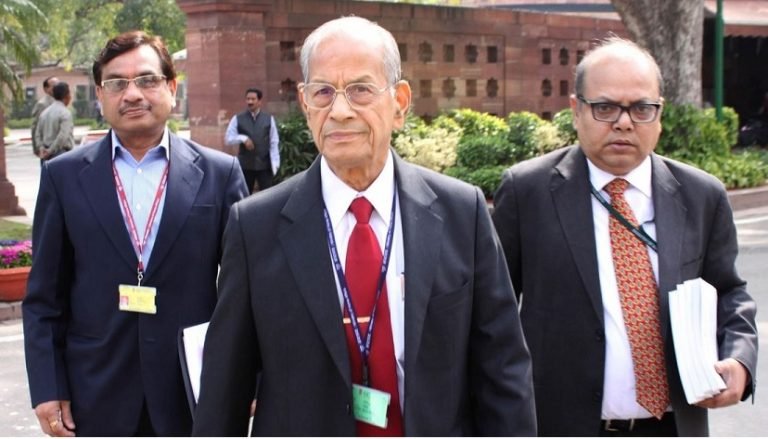
Sreedharan has even said that no private company will come forward for construction of Metro rail as it is not a profitable investment. This could also be true since the metro projects are left to be taken up in tier II cities where the traffic volumes may not be as high as in Delhi and Mumbai.
Source: BS
Metro projects are capital intensive due to various reasons eg cost of tunneling / viaduct , land cost, relocation of residents , difficulty in execution in congested area..Therefore it requires adequate viability gap funding from government.. Though lot of experience has been gained in metro rail construction and maintenance within the country , a lot of import component is required…Government should make the rule for governance / regulations and construction and maintenance should be leftover to private partners . …It is also necessary that O&M, if other than govt agency takes the full responsibility of the safety…