Home Blog Page 192

Upcoming Centrally-Heated Vande Bharat Trains Set to Serve Jammu and Kashmir Region

0
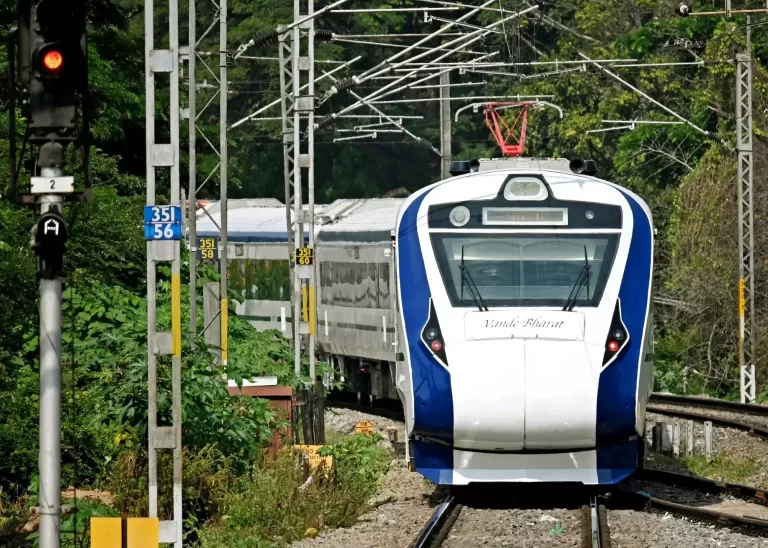
Vande Bharat Express/Representational Image
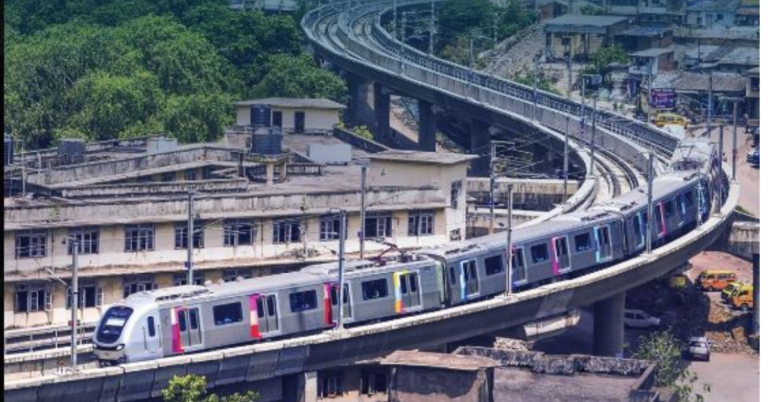
Representational Image

CHENNAI (Metro Rail News): Chennai’s Integral Coach Factory (ICF) is gearing up to launch distinctive Vande Bharat trains next year, tailored with heating amenities within compartments to suit the conditions of Jammu and Kashmir. The General Manager of ICF, B G Mallya, shared this during Independence Day celebrations. The new trains will have heating and water facilities. The design includes pipes to prevent freezing and damage.

ICF’s goal is to create various versions of Vande Bharat trains. It plans to make 3,241 coaches in about 30 types this year. This includes push-pull trains featuring LHB coaches, providing a comparable experience to Vande Bharat trains in non-AC sections.

These new trains will have great interiors and top-notch amenities, like Vande Bharat. Specially designed engines will be at both ends for better speed.

ICF will also make a sleeper version for long travel, Vande Metro for short distances, and a Gati Shakti for quick freight within Vande Bharat. Gati Shakti will help move e-commerce, goods, and refrigerated items.

Despite challenges, ICF increased the production of new Vande Bharat trains. They have already made 30 trains connecting cities across India. Last year, they made 2,702 coaches, including 12 advanced Vande Bharat trains and 2,261 LHB coaches.

Advertisement1
InnoMetro_2026

NMRC Introduces Dynamic QR Code Payment Option at Ticket Counters

0
Dr. Lokesh M., IAS, Managing Director, NMRC launching QR Payment Facility

NOIDA (Metro Rail News): In its continuous endeavor to enhance passenger convenience by implementing digital and seamless means of travel, Noida Metro extended the option of payment by Unified Payments Interface (UPI) at ticket counters across all 21 stations of Aqualine. This extended facility was launched today by Dr. Lokesh M., IAS, Managing Director, NMRC from Sector-51 Metro station of Aqua Line.

Details of the facility Inaugurated:-

The Digital India programme is a flagship programme of the Government of India with a vision to transform India into a digitally empowered society and knowledge economy, promotion of digital payments has been accorded the highest priority by the Government of India to extend digital payment services to every segment in the country. The vision is to provide digital payments facilities to all citizens in a convenient, easy, affordable, quick and secured manner.

In order to promote digital payments in line with Govt of India directions for promotion of digital payment and ensure smooth operations and facilitate the passengers of NMRC, new payment option of UPI has been enabled in the TOM interface at Ticket Counters. The BHIM (Bharat Interface for Money) UPI (Unified Payments Interface) is a unified payment method developed and promoted by NPCI (National Payment Corporation of India).

The current QR ticket purchase system has payments through either cash or credit/debit card. The new facility of extending payments of single journey tickets by means of UPI at Ticket counters will definitely add to passenger convenience and faster processing of tickets at counters, leading to less waiting time and no requirement of cash change as the exact ticket amount can be paid through UPI.

2) The payment mode now includes the following options:-

a) By Cash – Already existing

b) By Credit/Debit Card (Using POS) – Already existing

c) By UPI through Dynamic QR code- Started from 17.08.2023

3) The fare collection from cash and Credit/Debit Card (Using POS) remains the same as earlier. In the UPI mode of payment, the QR code with relevant fare details shall get displayed to the passenger on the display of TOM (at ticket counters) towards passenger side as well as to the operator as shown in the display.

image 4

4) The passenger shall scan the QR code for UPI payment through any of the service providers as suitable to the passenger.

5) After successful completion of payment and amount deduction from the passenger’s account, TOM display of the operator will show “Ticket print” and the operator shall proceed to generate the QR ticket and the transaction receipt.

Advertisement1
InnoMetro_2026

Odisha Metro: DMRC Submits DPR for First Metro Rail Project in Odisha

0
Representational image only| Copyright: Respective Authority

ODISHA (Metro Rail News): Odisha’s very first metro rail project is making progress as the Delhi Metro Rail Corporation (DMRC) recently handed in a Detailed Project Report (DPR) for its initial 26 km-long Phase. This phase will have a total of 20 stations as part of the mass transit system.

The DMRC, after performing surveys and assessments for traffic, topography, geotechnical factors, and environmental and social impacts, has completed the DPR. This report was then submitted to the State Chief Secretary.

The Bhubaneswar Metro Rail Corporation Limited (BMRCL) has been established to manage the project. It held a meeting after being established on August 3, 2023. The CEO and General Manager (Administration) have been appointed to oversee the project.
The first phase, as outlined in the DPR, will connect key locations like Biju Patnaik Airport, Sishu Bhawan, Capital Hospital, Bhubaneswar Railway Station, Ram Mandir Square, Bapujinagar, Vanivihar, Jaydev Vihar Square, Xavier Square, Acharya Vihar Square, Rail Sadan, Damana Square, Patia Square, District Centre, KIIT Square, Nandan Vihar, Raghunathpur, Phulapokhari, and Trisulia Square, Nandankanan Zooligical Park, Cuttack. The metro line aims to make travel more efficient for the people of Bhubaneswar and Cuttack.
On April 1, 2023, Chief Minister of Odisha Shri Naveen Patnaik approved the metro rail project, which will eventually connect Bhubaneswar Airport to Trishulia in Cuttack. It would subsequently be extended covering areas like Khordha, Puri, and other parts of the cities.

With the growing urbanization of Bhubaneswar and Cuttack, these cities have essentially become one urban hub. Many people travel between them for work, business, and education. This has led to crowded buses and sometimes high fares for autorickshaws and cabs. The metro project aims to provide a more convenient and affordable transportation option.

The state of Odisha has been working towards integrating urban areas, including Bhubaneswar, Cuttack, Khordha, Puri, and Jatani, into one cohesive urban center. The metro rail project is seen as a step in that direction.

Advertisement1
InnoMetro_2026

Exclusive Interview with Mr. Mukesh Gupta, Head of HR, DB RRTS Operations India Pvt. Ltd.

2
Mr. Mukesh Gupta, Head of HR, DB RRTS Operations Pvt. Ltd.

Metro Rail News conducted an exclusive interview with Mr. Mukesh Gupta, Head of HR, Deutsche Bahn RRTS Operations India Private Limited.

Mr. Mukesh Gupta holds the distinguished position of heading the Human Resource Department at Deutsche Bahn RRTS Operations India Private Limited. With over a decade of versatile experience, he has led significant achievements in talent management and organizational growth. Notably, he swiftly assembled a team of over 300 professionals within just 6 months, showcasing his remarkable ability to deploy top talent across India. His extensive background includes contributions to renowned Metro Rolling Stock companies like CRRC, Alstom, Bombardier, and Scomi in various capacities.

Mr. Gupta’s expertise extends to spearheading Green Field Project such as CRRC Factory, notably the Scomi Engineering Mumbai Monorail. His international experience is evident in his pivotal role during the transfer of TOT from Malaysia to India for Monorail Rolling Stock.

In India, his accomplishments include the successful management of Delhi Metro RS 2, 5, 7 & 11 Projects, as well as his involvement in the Queensland Metro Project, Australia.

Holding a master’s degree in HR from Jaipur National University, Mr. Gupta’s commitment to continuous learning and professional growth is evident. He has cultivated an inclusive and forward-thinking workplace culture, elevating the talent pool and fostering excellence. Beyond talent acquisition, he instills confidence, nurtures excellence, and contributes strategically to organizational development, policy formulation, and business growth. His visionary approach and transformative impact reflect his dedication to driving unparalleled success. With strengths including business strategy, talent management, and industrial relations, Mr. Mukesh Gupta is a driving force behind the remarkable achievements of Deutsche Bahn RRTS Operations.


The interview delves into Mr. Gupta’s rapid workforce assembly, training strategies, and insights on the Indian metro industry’s recruitment future. Gupta’s role, challenges, and achievements in the Delhi-Meerut RRTS project are also discussed, emphasizing community commitment and skill development.

Here are some excerpts from the interview.

Can you describe the process you followed to hire a workforce of more than 300 employees in just six months for the DB RRTS project?

It was indeed a moment filled with immense pride for me to be a part of Deutsche Bahn, one of the world’s oldest and foremost rail networks. Moreover, leading the Human Resource team for India’s pioneering Delhi-Meerut RRTS project adds a special significance, considering I am the inaugural employee of the company. This role comes with high expectations that one must live up to. 

Being the first employee also amplifies the challenges, particularly in ensuring a high-quality selection process for potential hires. This project holds unique importance, as it goes beyond merely connecting rural and urban areas. It also provides a remarkable opportunity for exceptionally talented final-year students from the region to become invaluable contributors to this prestigious venture.

Furthermore, my responsibility involves not only attracting top-tier talents from various metro and rail-related industries across the nation but also pouring confidence in them to excel within this esteemed project.

The first step in the hiring process was to identify the specific skill sets and expertise required for the DB RRTS project. We knew that this project would play a significant role in transforming lives, so we were determined to find individuals who were not only qualified but also deeply passionate about contributing to the development of their communities.

Understanding the human sentiments behind this endeavor, reached out to educational institutions and career centers in the Delhi Meerut region. We wanted to give the local youth a chance to showcase their potential and be a part of this groundbreaking initiative. The prospect of working on a project that directly impacted the lives of their fellow citizens resonated strongly with the young talent.

Throughout the recruitment process, we maintained a personal touch, recognizing that behind every resume and interview was a person with dreams, aspirations, and emotions. We took the time to understand each candidate’s background, aspirations, and personal stories, which helped us build a sense of empathy and connection with them.

In a span of merely six months, the accomplishment of establishing a workforce comprising over 300 employees, out of which more than 100 have proven their excellence in their respective domains, and successfully encouraging them to transition from the public sector, is undoubtedly a challenging feat for me.

The Delhi Meerut project became not only a means to connect people and places but also a symbol of hope, empowerment, and unity. In the end, the hiring process for the DB RRTS project wasn’t just about filling positions; it was about recognizing the human potential and ensuring that every employee was driven by a sense of purpose and commitment to their nation.

What strategies or methods did you employ to ensure proper training and placement of employees in their respective positions at the stations?

As Deutsche Bahn is one of the leaders of O&M business worldwide, In India, we initiated our market research to acquire best practices from other participants like DMRC, Hyderabad Metro & Lucknow Metro. We conducted 4 months O&M training in collaboration with Lucknow metro. This comprehensive training program comprises of classroom & OJT (On Job Training) with focus on General Rules of Railways. Based on skill sets, employees are deployed as per domain where competencies have been awarded.

In the initial six-month period, alongside recruiting seasoned professionals, I was tasked with the responsibility of selecting and preparing a group of 175 fresh graduates. These newcomers were sent to a special training at the Uttar Pradesh Metro’s Centre of Excellence and Training (CoET), situated in Lucknow. This aspect of my role became significantly more crucial as it involved carefully curating the finest candidates among our new recruits. The aim was to ensure that these individuals receive optimal and effective instruction on the latest technologies and train-oriented systems from a team of proficient experts at CoET. 

The process began with extensive market research to learn from the experiences of these reputable entities. We valued the human angle in this research, recognizing that behind every successful O&M team were dedicated individuals working tirelessly to provide efficient and safe services to the public. Their stories, challenges, and achievements served as a guiding light for our own approach.

In collaboration with Lucknow Metro, we designed a comprehensive 4-month O&M training program. This was more than just a series of classroom sessions; it was an opportunity for our employees to gain practical experience through On-the-Job Training (OJT). We understood the importance of hands-on learning and the confidence it instilled in our workforce.

Throughout the training, a focus was placed on instilling the General Rules of Railways into the minds of our employees. Beyond technical skills, we emphasized the significance of safety protocols, customer service, and teamwork. We wanted to foster a sense of responsibility and ownership in each team member, knowing that their dedication would directly impact the millions of lives that would be touched by this mega project.

To ensure a successful deployment, we carefully assessed the skill sets of our employees and matched them with the domains where they excelled. Placing people in roles where their competencies were recognized and appreciated not only optimized performance but also fostered a sense of fulfillment in their professional journey.

Through this meticulous training and placement process, we cultivated a workforce that was not just proficient in their roles but driven by a shared purpose – to create a seamless and transformative transportation experience for the citizens of Delhi Meerut. Each employee’s contribution was a testament to their commitment to the project’s success, a reflection of the human spirit powering this technological revolution.

With a strong foundation of well-trained and well-placed employees, we stood poised to embrace the challenges and triumphs that lay ahead in the era of revolution and technology. It was the people, their dedication, and their willingness to learn and grow that truly made the difference in the success of the Delhi Meerut RAPIDX project.

Can you provide details about the training programs that were implemented to equip the employees with the necessary skills and knowledge for their roles in the DB project?

Certainly! The process of training and equipping 200 train operations and maintenance staff, many of whom were freshers, for the DB project was indeed a challenging endeavour. However, we have put in place a comprehensive training program that aims to provide our employees with the best knowledge and skills for their respective roles.

Our training program comprises both technical and non-technical training modules, ensuring a well-rounded development of our staff. We understand the importance of technical expertise in operating and maintaining the trains efficiently and safely. Therefore, our technical training focuses on imparting in-depth knowledge of the train systems, operations, and maintenance procedures.

In addition to technical training, we also emphasize non-technical aspects that are crucial for delivering excellent service. Soft skills such as effective communication, customer service, teamwork, and problem-solving are incorporated into the training program. We believe that these skills are essential for creating a positive and seamless experience for the passengers.

Understanding the human angle in this process, we recognize the potential and aspirations of our employees. Our training program is designed to empower them with the confidence and competence needed to excel in their roles. It is not just about filling positions; it is about investing in the growth and development of each individual as they contribute to the success of the DB project.

We are committed to providing the best-in-class training and support to our employees, ensuring that they are well-prepared to meet the challenges and responsibilities that come with their roles. Our aim is to build a workforce that takes pride in their work and is driven by the desire to deliver exceptional service in the era of revolutionary advancements in technology.

 ­

What is your opinion on the future of the Indian metro’s industry in terms of recruitment and placement?

The future of the Indian metro’s industry in terms of recruitment and placement appears promising. With the ongoing expansion of metro networks and the development of new projects in various cities, there is a considerable demand for skilled and qualified professionals in this sector. The metro industry’s boom has opened numerous opportunities for both experienced professionals and fresh graduates to find suitable positions in this field.

The growth of the metro industry also means an increase in the need for specialized talent across various domains, such as engineering, operations, maintenance, project management, customer service, and administration. As a result, the industry is likely to attract a diverse pool of candidates with different skill sets and qualifications.

To harness this talent pool effectively, metro authorities and organizations will likely implement various human resources (HR) interventions. These could include comprehensive training programs, internships, job fairs, campus placements, and skill development initiatives. The aim is to identify and nurture the potential of fresh minds, providing them with the necessary skills and exposure to thrive in the dynamic metro environment.

Additionally, as technology advances, the metro industry may witness a shift towards automation and integrating smart systems. This could create a demand for professionals with expertise in emerging technologies such as artificial intelligence, Internet of Things (IoT), and data analytics.

However, it’s important to note that the future of any industry can be influenced by various factors, including economic conditions, government policies, technological advancements, and societal changes. While the outlook for the Indian metro industry is positive, stakeholders must also be mindful of adapting to future challenges and ensuring a sustainable and inclusive growth trajectory.

How did you manage to maintain a high level of efficiency and productivity during the recruitment process to meet the tight timeline?

“Embarking on a new venture is a journey where experience becomes a priceless guide. The task of launching a system from scratch requires immense dedication and effort, and the process of assembling a team of experts adds a unique chapter to this narrative.” 

Understanding the project’s requirements in every facet is akin to possessing a long-range perspective, which is crucial for meeting the foundational needs. Yet, it’s strong management skills that ultimately execute the essential tasks. This confluence of experience, dedication, team building, and sharp management forms the foundation upon which the success of any pioneering endeavour is built. 

Also, the best way to meet the timelines is to have a projected vision approach based on our internal workforce planning. This approach ensures that deliverables are met within the Turn Around Time (TAT). Periodic reviews with teams and management meetings also play a crucial role in ensuring efficiency and productivity. As a result, deployment has been successfully completed at various stations without any delays.

Here are a few necessary points that I would like to add, which help maintain a high level of efficiency and productivity in the recruitment process:

Clear Job Descriptions: This will help attract the right candidates and reduce the chances of having to restart the hiring process due to mismatched expectations.

Streamlined Recruitment Process: Optimize the recruitment process by identifying potential bottlenecks and minimizing unnecessary steps and paperwork. Focus on the essential stages to keep the process moving swiftly.

Dedicated Recruitment Team: Assign a specialized team to handle the recruitment process. This ensures they are solely focused on finding the right candidates, managing interviews, and completing the hiring process within the designated time frame.

Use of Technology: Leverage recruitment software, applicant tracking systems (ATS), and other technological tools to automate specific tasks and streamline communication between the recruitment team, hiring managers, and candidates.

Proactive Sourcing: Don’t solely rely on traditional job postings. Use proactive sourcing techniques like networking, employee referrals, and engaging with potential candidates on social media or professional networks to create a pool of qualified candidates even before positions become available.

Apart from the above, a collaborative approach, effective interviewing, quick decision-making, and onboarding preparedness are key points that are very important during the recruitment process. By combining these strategies and continually monitoring the recruitment progress, organizations can improve efficiency and productivity during the hiring process, enabling them to meet tight timelines and find the best candidates for the positions.

­

Advertisement1
InnoMetro_2026

Cabinet Greenlights 7 Rail Multi-Tracking Projects Spanning 2339 Kms, Worth Rs 32,500 Cr

0
Indian Railways
Representational image only

NEW DELHI (Metro Rail News): The Cabinet Committee on Economic Affairs, led by Prime Minister Shri Narendra Modi, has given the green light to seven significant projects from the Ministry of Railways. These projects, with an estimated cost of Rs. 32,500 Crore, will receive complete funding from the Central Government. The goal is to improve rail operations and lessen congestion, especially on the busiest sections of Indian Railways.

The projects will span across 35 districts in nine states: Maharashtra, Uttar Pradesh, Andhra Pradesh, Bihar, Gujarat, Jharkhand, Telangana, Odisha, and West Bengal. Together, they will extend the current Indian Railways network by 2,339 kilometers. This expansion is expected to generate employment opportunities, providing around 7.06 crore man-days of work for people in these states.
Here’s a rundown of the projects:

Name of the ProjectNature of the Project
Gorakhpur Cantt- Valmiki NagarDoubling of the Existing Line
Son Nagar-Andal Multi Tracking ProjetMulti tracking
Nergundi-Barang and Khurda Road – Vizianagaram3rd Line
Mudkhed-Medchal and Mahbubnagar-DhoneDoubling of the existing line 
Guntur-BibinagarDoubling of the existing line
Chopan-ChunarDoubling of the existing line
Samakhiali-GhandhidhamQuadrupling

These projects are vital for transporting various goods like foodgrains, coal, cement, crude oil, and more. By improving the railway network, these projects will accommodate an additional 200 MTPA (Million Tonnes Per Annum) of freight traffic. Railways are eco-friendly and efficient for transporting goods, aligning with climate goals and reducing the country’s logistics costs.
These projects resonate with the Prime Minister’s vision of a ‘New India,’ aiming to make the region self-reliant by creating more job opportunities. This development is part of the PM-Gati Shakti National Master Plan for Multi-model connectivity, promoting integrated planning for smoother movement of people, goods, and services.

Advertisement1
InnoMetro_2026

DMRC Invites E-Tenders for Mumbai Metro Line 6 Ballastless Track Work

0
Delhi Metro
Representational Image only

DELHI (Metro Rail News): Delhi Metro Rail Corporation (DMRC) Ltd. has invited e-tenders from eligible applicants for CONTRACT MT-09R for Mumbai Metro line 6.

The scope of work includes “Installation, Testing & Commissioning of Ballastless Track including Supply of Buffer Stop for Line-6 Mumbai Metro (S.S. Nagar to Vikhroli) (Ch. -822.508m to Ch. 14380.755m).”

The estimated cost for this work is around INR 96.34 Crore, which includes all applicable taxes and duties. A timeline of 24 months has been set for the completion of the work.

Bidders are required to provide a tender security deposit of INR 48.17 Lakhs.

The cost for the tender documents is INR 23,600/-, inclusive of 18% GST. Payments for the documents are accepted only through RTGS, NEFT, and IMPS.

A pre-bid meeting is scheduled for August 17, 2023, at 11:00 AM. This meeting will be held virtually using platforms like Cisco Webex for participants’ convenience.

Tender submissions will be accepted from September 5, 2023 (starting at 9:00 AM) until September 11, 2023 (ending at 3:00 PM).

Advertisement1
InnoMetro_2026

CM Siddaramaiah: Entire Purple Line of Namma Metro to Start Operations in September

1
Bengaluru metro
Representational Image

BENGALURU (Metro Rail News): Chief Minister of Karnataka, Shri Siddaramaiah, announced that the extended Purple Line of Namma Metro in Bengaluru, from Challaghatta to Kadugodi (Whitefield), will start running in September 2023. He shared this news during the Independence Day celebration at Field Marshal Sam Manekshaw Parade Ground on August 15. Siddaramaiah said that the metro train network in Bengaluru is currently 69.66 km long, serving around 6.1 lakh passengers daily.

The Kengeri-Challaghatta line expansion and the Baiyappanahalli-Krishnarajapura line will be ready by September 2023. The Nagasandra-Madavara extension and a new line between R.V. Road and Bommanahalli are likely to be operational by December 2023. By 2026, Namma Metro aims to have a network of 175.55 km in Bengaluru.

The Bengaluru Metro Rail Corporation Limited (BMRCL) is currently conducting load tests on the Baiyappanahalli-Krishnarajapura line. The BMRCL had previously set a deadline for completing the missing 2-km segment in August. This missing link has led metro passengers to rely on a feeder service to travel a distance of 5 km to reach K.R. Puram after disembarking at Baiyappanahalli. The new K.R. Pura to Whitefield metro line has seen around 27,000 passengers, with higher patronage anticipated when the entire 15.5-km metro line is operational.

Advertisement1
InnoMetro_2026

Kolhapur-Vaibhavwadi Rail Route Gains Momentum for PM Gati Shakti Inclusion

0
Indian Railways/Representational Image
Representational Image

KOLHAPUR (Metro Rail News): A significant step has been taken towards the Kolhapur-Vaibhavwadi rail route as officials suggest its inclusion in the PM Gati Shakti program. This decision was made during the 53rd National Planning Group meeting led by Sumeet Davara, the logistics secretary under the department of industry and trade promotion.

The railways has made a provision of Rs 3,411 crore for the project; however, the approval of the proposal is still pending, according to the officials. The rail route, connecting western Maharashtra with Konkan, was initially approved in 2016. However, progress has been slow since then. According to Shivnath Biyani, a member of the central railway advisory committee, this railway connection is set to improve the linkage between western Maharashtra and Konkan.

This rail route was first announced by former railway minister Suresh Prabhu in the 2016 railway budget. The detailed project report (DPR) was submitted to the railway board in May 2017. After initiating the final route survey in June 2017, the board accepted the DPR in August 2019.

When the Kolhapur-Vaibhavwadi railway line is finished, it will become cheaper and easier to transport agricultural products from western Maharashtra to the port. This will also make it more convenient to move goods from the Konkan region.

Advertisement1
InnoMetro_2026

IRCTC and DMRC Team Up for Seamless Travel Experience under ‘One India-One Ticket Initiative’

0
IRCTC AND DMRC Signs MoU to introduce One India-One Ticket Initiative
IRCTC AND DMRC Signs MoU to introduce One India-One Ticket Initiative/ Image from DMRC

NEW DELHI (Metro Rail News): IRCTC, the Indian Railway Catering and Tourism Corporation, and DMRC, the Delhi Metro Rail Corporation, have joined hands through a strategic Memorandum of Understanding (MoU) to make travel more convenient. This collaboration aims to bring QR code-based ticketing for DMRC services via the IRCTC portal, as part of “One India-One Ticket Initiative.”

This partnership allows passengers who book online tickets for railways, air travel, or buses through IRCTC to also reserve DMRC QR code-based tickets seamlessly. These DMRC tickets can be booked in sync with the Advance Reservation Period of Indian Railways. By integrating these services, passengers can now plan their entire journey in one go. The DMRC QR code-based ticket will be generated and printed on the ERS (Electronic Reservation Slip) of IRCTC, with a minimal platform fee of Rs 5/-. This collaboration aims to make travel easier, eliminating the need for long queues and saving time.

Smt. Seema Kumar, Chairman & Managing Director of IRCTC, highlighted, “The ‘One India-One Ticket Initiative’ reflects our commitment to simplifying the ticketing process and enhancing travel for passengers in Delhi. Through this MoU with DMRC, we aim to connect various modes of transportation and provide unmatched benefits to passengers.”

Dr. Vikas Kumar, the MD of DMRC, emphasized, “Partnering with IRCTC marks a significant achievement, fitting well with our goal to provide smooth transportation options for DMRC passengers. This step will not only ensure a convenient journey for travelers but also alleviate overcrowding at DMRC stations by reducing the need for physical ticketing method.”

This collaboration between IRCTC and DMRC is set to transform travel in Delhi, setting new standards for convenience, efficiency, and connectivity. It showcases the dedication of both organizations to serve passengers in an interconnected world.

Advertisement1
InnoMetro_2026

Bengaluru Metro Tests Open Web Girder Stability with Sandbag Load

0
Namma Metro Conducts load testing on Open Web Girder
Namma Metro Conducts load testing on Open Web Girder/ Image copyright : Respective Authority

BENGALURU (Metro Rail News): The Bengaluru Metro Rail Corporation Limited (BMRCL) recently conducted a load test on the Open Web Girder (OWG) above the railway track between Baiyappanahalli and Benniganahalli metro stations. To ensure structural stability, a six-coach train loaded with sandbags, simulating full passenger capacity, was stationed on the OWG for about three and a half hours.

Mr. Jitendra Jha, the Project Manager for Rolling Stock at BMRCL, shared that load testing on the OWG near Benniganahalli started on Saturday and will run until August 19. The testing process would continue for seven days. The load testing involves stationing two six-coach trains on the OWG tracks. Meeting the requirements for load testing is crucial for obtaining clearance from the Commissioner for Metro Rail Safety (CMRS). The goal is to finish all tests between K.R. Pura and Baiyappanahalli metro stations by August 28, including signalling tests being conducted concurrently.

The OWG serves as a link to the Baiyappanahalli depot and station. Erecting such a structure over a busy railway track is a first for BMRCL under Phase II. Challenges faced during Phase II included rising steel prices due to the Russia-Ukraine conflict.

Advertisement1
InnoMetro_2026