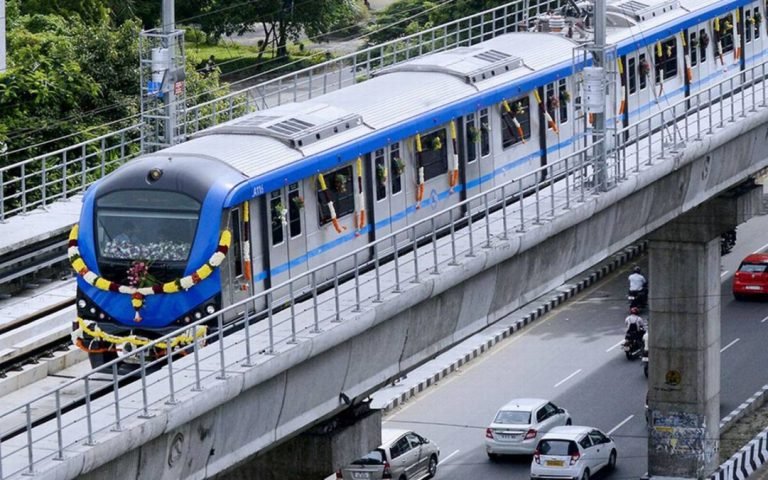
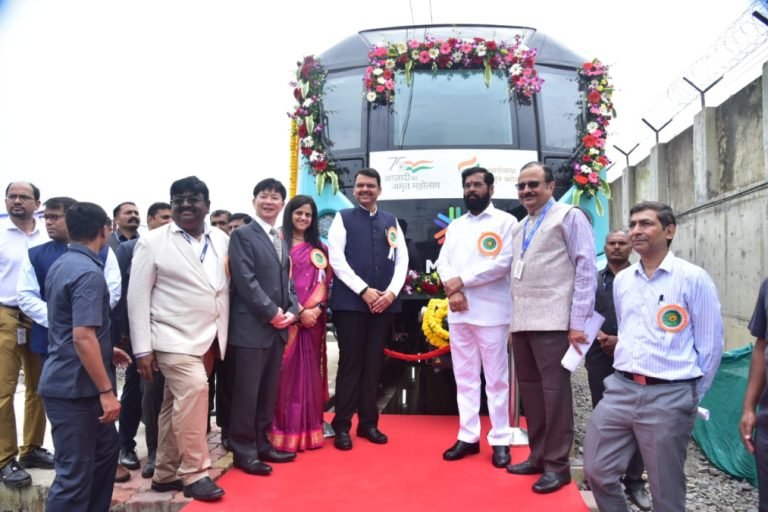
New Delhi: Prime Minister Narendra Modi has flagged-off the Delhi-Faridabad Metro Line that would allow hassle free travel for around two lakh daily commuters between the national capital and the industrial hub in Haryana.The extension of the Delhi Metro connects Badarpur to Escorts Mujesar in Faridabad.The total cost of the project from Badarpur to Escorts Mujesar is nearly Rs. 2,500 crore. Out of this, Rs. 1,557 crore was borne by the Haryana Government, the Centre contributed Rs. 537 crore, while the Delhi Metro provided Rs. 400 crore.The nine stations in this section include, Sarai, NHPC Chowk, Mewala Maharajpur, Sector 28, Badkal Mor, Old Faridabad, Neelam Chowk Ajronda, Bata Chowk and Escorts Mujesar. buy kamagra polo online https://lasernailtherapy.com/wp-content/themes/twentytwentytwo/inc/patterns/en/kamagra-polo.html no prescription
All these are elevated and located on either side of the Delhi-Mathura Road (NH-2).“The nine-station metro corridor which was 95 per cent indigenously built will provide people a safe, affordable, quick, comfortable, reliable, environment-friendly and sustainable transport facility,” a Haryana government spokesperson said.Haryana Chief Minister ML Khattar, addressing a press conference on Saturday, had thanked the Prime Minister for “gifting” the Metro service which would take the city to “another level of progress” with better connectivity with other NCR towns.He had also said that the Prime Minister would be announcing the go-ahead for connecting Gurgaon with Faridabad by Metro.
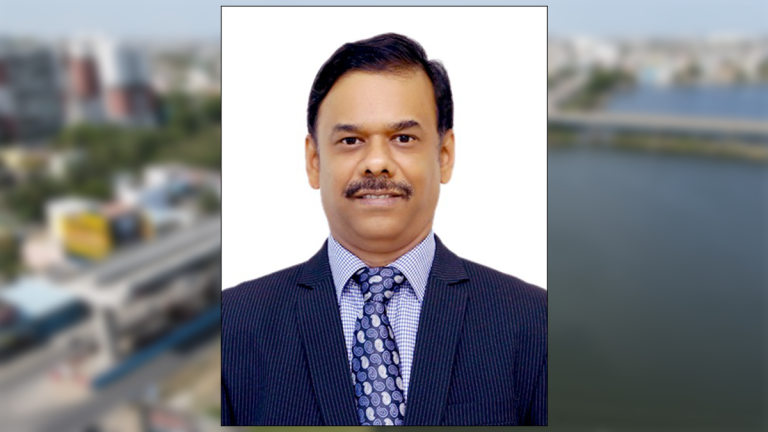
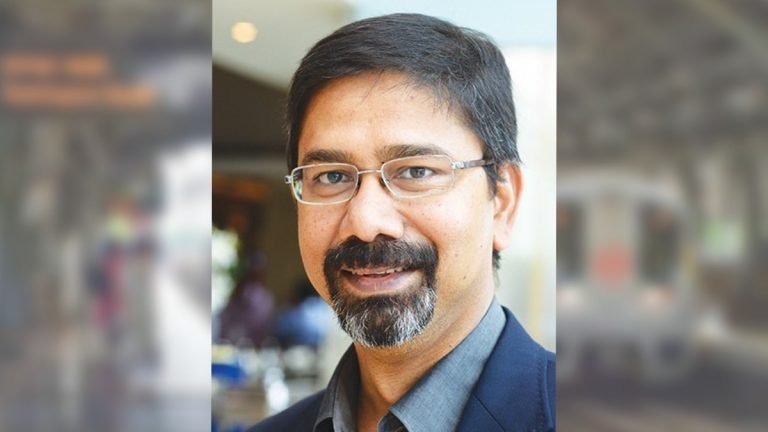
Metro Rail News conducted an email interview with Thiru M.A. Siddique, Managing Director, Chennai Metro Rail Corporation Ltd (CMRL). In the interview, Mr. Siddique talked about the recent development of the Chennai Metro Phase 2 Project.
Mr. Siddique is an IAS officer of Tamil Nadu Cadre belonging to the batch of 1995. He has served in various capacities in the Government of Tamil Nadu and the Government of India. He served as Sub-Collector, Sivakasi, Virudhunagar district from 1997-1998 and subsequently joined the Finance department as the Under Secretary to Government in 1998 and worked as Deputy Secretary in Finance Department from 1999 to 2002, acting as the Budget Officer of the State Government. He served as District Collector of Dharmapuri District between 2002 and 2004 and in Sivaganga District from 2006 to 2007. He held the post of Director of Museums for two years from 2004 and 2006 and that of Commissioner of Archives for three years between 2014 and 2017.
In the Government of India, Mr. Siddique worked as Director in the Department of Expenditure for a year in 2008-2009 and worked in two key ministries of Home and Finance for five years between 2009 and 2014. He holds a Bachelor’s degree in Technology in Electronics and Communications Engineering from the Indian Institute of Technology, Madras. M.A. Siddique has been appointed as the Managing Director of Chennai Metro Rail Limited (CMRL) on 12 June 2022. He was the Commissioner of Revenue Administration until then.
Here are the edited excerpts: –
What are the outcomes of the access audit of two new stations of Chennai Metro which has been conducted recently? How important are such audits for the metro systems and what should be the needed response mechanism?
Access Audit for all 32 Operating Metro Stations of Phase I and Phase I extension was conducted by an NGO and the reports are submitted to CMRL. The above report and checklist are prepared based on Harmonized Guidelines issued by MoHUA in the year 2016. The Phase I and Phase I extension Metro Stations were constructed based on the earlier Guidelines issued by CPWD in the year 1998. However, based on the Audit checklist, CMRL is in the process of implementing the missing amenities like Slope corrections, Dedicated parking, Handrail modifications, Corrections to Tactile floor layouts, Signages, Lowering of Ticket counters, Modifications in Physically Handicapped Toilets, etc.
MD visited the progress of the above works at two stations (ST. Thomas Mount & Arumbakkam) and the works are progressing well. All Phase II stations are being designed based on the 2016 Guidelines.
With long-gained expertise in public finance, policy-making, and public administration how are you taking the new responsibility as MD CMRL? What are your immediate priorities and plans?
Immediate priorities are:
Increasing the ridership to ensure a consistent operating profit
Take measures to provide intermodal and last mile connectivity both for seamless passenger experience and to increase ridership.
Exploring non-fare box revenue, wherein CMRL has identified huge potential on this front.
Above all, to ensure timely completion of Phase II, which is considered the largest metro project taken up at a time. Timely completion will reduce project costs and provide traffic solutions to Chennaities early.
What is the official statement regarding the development of infrastructure and systems at Chennai Metro? Is it in accordance with National Building Code 2005 for all sections?
Yes. All Metro Systems in both Phase I and Phase II Extension have been designed based on NBC 2005 and NFPA130. In Phase II, all systems are being designed based on NBC 2016 and NFPA130. All Fire and Life Safety requirements and other standards are based on NBC 2016 / NFPA130.
What is the status of Phase II works? How are you planning to achieve the deadline with works on multiple sections of the Phase? What would be strategy towards common issues generally responsible for project delays and cost overruns?
There are 60 Contract Packages in Phase II. 19 are Civil contract Packages and 41 are Track & Systems.
Status of Award of Contract:
Civil Package: 12 Civil Packages are awarded and works are in progress. For 1 Civil Package, Bid opened and is yet to be awarded. Tender for balance 6 packages are under process.
Track Package: 2 Track Packages are awarded and works are in progress. Tender for balance 3 Packages are under process.
System Package: 2 Packages are awarded. The tender balance of 34 Packages is under process.
Commissioning of Phase II is planned in Phases, starting from November 2025. Phase II will be fully operational by December 2027.
Stage
KM
ROD
Stage 1
15.5
Nov-25
Stage 2
33.0
Feb-26
Stage 3
26.0
Aug-26
Stage 4
11.7
Jan-27
Stage 5
11.0
Jun-27
Stage 6
19.9
Dec-27
CMRL is developing and implementing a TOOL called PMIS (Project Monitoring Information System) for Project Monitoring. Issues like delay in Award of contract, Delay in Land Acquisition, Permission/ NOC from other stakeholders, delay in utility diversion, traffic diversion, etc. are monitored closely and timely mitigation measures are being taken up.
How important is the OMR line which the Government is increasingly emphasizing? In what ways the proposed line shall help the commuters in road traffic during peak hours?
OMR is the IT Corridor Highway of Chennai, housing many IT hubs. Part of Corridor 3 of Phase II is planned along OMR. The traffic on this road is heavy since many people spread all over Chennai city travel to their workplaces through this road. Once the entire Phase II is operational (including the OMR line) people from any part of Chennai can travel to their works spot by Metro. Further, CMRL is planning to construct an Elevated pedestrian walkway below the Viaduct connecting the Stations along OMR which will give direct connectivity to various IT hubs. By using this facility, people can get to their work without getting on the road.
What are the Extension plans of the Chennai Metro for different phases? In what ways you are planning to address the traffic issues for densely populated Northwest greater Chennai localities?
Other than Phase II, which is under implementation, the DPR (Detailed Project Report) for the Extension of the Metro line from the Airport to Kilambakkam New Bus stand is in an advanced stage. In addition, CMRL is in the process of preparing a Detailed Feasibility Report for the following lines.
Poonamallee Bypass to Sriperumbudur
Koyambedu/ Thirumangalam to Avadi via Mogappair and Ambattur
Siruseri to Kelambakkam
Kelambakkam to Kilambakkam
The Koyambedu to Avadi line via Mogappair and Ambattur will address the traffic issues of densely populated North West Chennai.
What is the status of the merger of MRTS with CMRL which has been lying pending for a long? What are the major obstacles? In what ways the merger would help and benefit the people in the city?
The merger of MRTS with CMRL is already agreed upon in principle by Railway and CMRL. Railways want to construct one additional track (4th line) between Chennai Beach and Park before handing over MRTS to CMRL. Land acquisition for the above is in progress. The strategy for the merger of both is being worked out. Since ST. Thomas Mount Station is a common interchange Station between Metro and MRTS, MRTS line will become an integral part of the Metro System and people from all parts of Chennai will be benefitted.
As a successful and experienced technocrat what would be your message to young minds willing to join the Metro and Rail Industry? Any message for our readers?
Metro is using the best technologies in the world, for example in Phase II Civil-construction both underground and elevated. Underground tunneling below the existing corridors is challenging and needs expertise. In the case of Elevated construction, we are constructing 4 no’s spans on the balanced cantilever construction method, each spanning 100m that too with sharp curves. The work has to be executed without endangering the road traffic and two metro corridors below with utmost safety standards.
Similarly, CMRL in Phase II is using more advanced CBTC signaling technology to increase reliability and train frequency.
The trains are built to the latest standards for safety and comfort.
Therefore, the young generation of engineers who join Metro has abundant exposure and career opportunities in the metro organization.
Indian Railway has embarked on a transformational journey and is harnessing innovation to usher in a new era of sustainable mobility in India – one that offers safer, reliable, faster, punctual, and comfortable travel for the passengers, making every train journey a satisfying experience, while being environment-friendly with a lowest possible carbon footprint. Indian Railway is a key driver of India’s economic growth and development. The Government of India has focused on investing in railways to upgrade its infrastructure networks fit for operating both freight and passenger trains at higher speeds which shall play a major role in integrating and bringing different parts of our vast country closer and thus enhancing economic activities in meeting the $1 Trillion economy target.
The amalgamation of advanced technologies and empowering measures by the Government in all the areas of the railway from infrastructure to rolling stock, customer services and modernized railway stations, digitization of railway operations and predictive asset management, implementation of the landmark Dedicated Freight Corridors (DFCs) and ambitious bullet train network are all propelling the nation towards sustainable mobility, with passenger experience and economy growth at the core.
Introduction
Indian Railways is the third largest railway network in the world by size and is continuously undergoing changes. One area of importance is to improve the network capacity and utilization, faster services, and safe running of trains.
The current scenario has changed the transport paradigm with the focus shifting from infrastructure to service and from ready-made to tailored solutions. Underling the importance of evolving with technology, the Railway Minister recently said that technology is the only input that can significantly impact the future of the Railways. Further, with metro rails resuming operations in a graded manner, digital technologies help in demand management, social distancing, and providing real-time information for authorities and passengers.
For the Railways, the rapid digitalization is marked by the fourth industrial revolution — Railway 4.0. It enhances railway infrastructure, services, systems, signaling, and rolling stock while improving the operational efficiency of the assets. They are being re-imagined, designed, delivered, and operated using technology that brings stakeholders into collaborative partnerships, thus changing the face of the Railways.
Designing coaches, signaling and traffic management, freight management, train services, workforce, and customer management are some of the key areas of digitalization in the rail sector.
By embracing digitalization in all spheres of its operations — such as asset management, signaling, manufacturing, and passenger information system — the Railways is on track to improving its revenues and passenger experience
Rolling Stock
Most of the rail coaches run through traditional manufacturing processes that lead to high inventory costs with parts being produced and stored before being assembled. With digitalization, costly traditional manufacturing is being rapidly optimized and enhanced by platform-based 3D technologies.
With the rolling stock manufacturers using virtual 3D platforms and technology to incorporate subsystems, components, and assembly information, the coach designs are accurately modeled, simulated, analyzed, and improved in the virtual world, to correct the faults and inefficiencies in order to avoid costly mistakes. Additive manufacturing is evolving as a game changer in the Railways like in other sectors. The Railways recently started using a ‘Make in India’ 3D printer to design and print coach components in-house as per requirement.
The Railway Minister also recently announced the plan to redesign passenger coaches as per international standards to make them safer, comfortable, and faster. The 3D design platforms and passenger experience solutions are also revolutionizing the rail sector by incorporating integrated electronics, reconfiguring seating and standing areas, or adding styling through the cabin that reflects the local aesthetic or identity.
Signalling System
The technological advancements are enhancing the railway infrastructure capacity by converting to electrified routes with advanced signaling. This modernization of the signaling system includes the implementation of the European Train Control System (ETCS) which adheres if the speed limit of the train is compatible with the permitted speed allowed by signaling, thus improving safety and punctuality. With the plans to modernize 8,000 railway stations, the government is also leveraging the Building Information Modelling (BIM) process for designing and installing railway-signaling systems. 3D technologies help to visualize infrastructure life-cycle and solve problems by eliminating various issues because of the mistakes caused by poor communication of data.
The infrastructure 3D model technology also recognizes the oncoming train and its speed records data image and helps with 3D visualization of railway track with all assets, train driver simulations, and digital track capturing. Additionally, the new policy framework by the government has proposed to use of a public-private partnership (PPP) to unleash faster development signaling systems in the country.
Workforce Management
The staff in the Indian rail network are using various innovative technological solutions to improve efficiency, ranging from customer service to maintenance and repair work. Having a workforce management platform helps the staff to plan and schedule processes in a planner software for control over the entire workforce process such as capacity planning, daily task scheduling, real-time rescheduling, routes, employee availability, and competing time slots.
The software platforms allow the operators to see all scenarios and decision consequences in real-time and then take informed action. It also enables the train planners with a dynamic decision support tool to see all scenarios and decision consequences in real-time, to help make customer-centric decisions and improve service reliability.
Train Service Efficiency
Different trains running on a network have different priorities, speed restrictions, and stoppages. Considering these constraints, track speeds, and requirements, train schedules are being made to increase network utilization. This, when performed with network optimization, increases the number of trains that can run on the same network, thereby increasing the revenues for the Railways.
Fleet Planning
Having the right fleet of wagons, and coaches at the right place and at the right time can increase the revenue for the Railways. Reducing empty kilometers by proper planning can reduce the time and cost spent. This requires an intelligent planning platform that can incorporate all the constraints and produce the best plans based on KPIs.
Disruption handling is an essential part of an intelligent planning platform to handle unexpected disruptive events such as the non-availability of loading cranes, and late arrival of inter-modal transport units. Delaying the entire train will mean a hold-up for the other load orders and result in many unhappy customers. An intelligent planning system aids as a decision support system, one that provides an overview of all possible solutions and their influence on KPIs.
A huge part of maximizing utilization comes from reducing maintenance time. Maintenance and cleaning are critical and, in most cases, can’t be delayed. For instance, wagons that have been used to transport diesel must be thoroughly cleaned before they can be used to transport petrol. In order to clean the wagons efficiently, planners need an intelligent system that provides full visibility of which terminals, employees, and materials are available at the requested time slots. With such visibility, they will be able to manage last-minute cleaning tasks while responding to urgent order bookings that come in unexpectedly.
Customer-Centricity
The Indian rail network is continuously enhancing the passenger experience through digital technologies. Modern features such as facial recognition, emergency talk-back system, WiFi infotainment system, automatic plug-door, and step control have completely changed the passenger travel experience.
One of the steps undertaken to modernize the Railways is the use of solutions that enhance passenger experience and offer the ability to propose custom-tailored coaches depending on train routes and passenger tiering. These solutions allow a detailed exploration of the cabin, including a 360-degree view of the rail coach, and high-end visualization provides the customers with a visual experience while meeting their requirements.
The Railway Ministry recently launched a transparent reservation system wherein passengers can check their real-time reservation status. Keeping in mind the current scenario, the contactless ticket checking system by the Railways is helping passengers to check for the availability of berths to passengers.
Over the last couple of years, technology and innovation have been changing the face of the Railways as it has embraced digitalization in all spheres of its operations such as asset management, train signaling, manufacturing, passenger information system, and coach factory automation. With the Railways’ digital transformation, the industry will accelerate new railway intelligence thus enabling enhanced industry-wide knowledge and business model innovation.
MaaS enabled Train Travel
The passenger railway industry has been under increasing pressure to transform due to changing business dynamics and customer expectations. There is a need for enhancing passenger experience and ensuring profitability for railway operators worldwide. The need is to invest in next-generation rail travel where a passenger is informed at every stage of his journey in real-time to enable personalized mobility.
Mobility as a service (MaaS) is also gaining increasing traction today as the COVID-19 pandemic makes a strong case for contactless travel and minimized human touch points. Emerging IoT-based data sources will see greater uptake as they help travelers make better-informed choices about their journeys. The use of IoT will also aid in better planning and optimization of transport networks and services. It will result in a resilient and connected rail travel experience that is safe, seamless and has the traveler at the front and center of the whole transportation business. This paper identifies key drivers that facilitate a seamless travel experience with the integration of multiple rail journey elements. It will enable rail operators to offer personalized mobility services while driving operational efficiency.
A paradigm shift from physical to digital connections
Today, the primary challenges plaguing the passenger rail industry include lack of multi-modal journey planning or last mile coverage, customer safety, siloed travel platforms, and non-availability of real-time personalized and contextual information. The latter leads to long delays and queues at the stations for ticketing, commuting services, and travel inquiries. Additionally, rail operators face issues with the migration of legacy systems onto new payment systems. Overall, the absence of reliable connected infrastructure resonating between the passengers, and technology service providers, underpinned by obsolete business models is highlighting the need for change in railways.
Mobility as a Service (MaaS) is emerging as the key driver that facilitates the shift from physically connected to digitally connected services. Implementing a digital ticketing or a frictionless checkout system that supports account-based, cashless and biometric ticketing in collaboration with other partners in the travel ecosystem could prove to be the starting point for a better, safer customer experience. It will also reduce the cost of travel for rail operators and passengers alike.
MaaS also facilitates a reduction in environmental emissions, paving the way for cleaner travel. Amidst and post the COVID-19 pandemic or any other future crisis of such nature, intelligent and contactless technologies would prove a key enabler of faster and safer rail travel. Already, health checks have become a norm in public travel and transportation. Going forward, digital factsheets/ general information about crisis scenarios will be an imperative need to guide railway staff on operations. The need is to have established protocols for:
How to disinfect facilities and surfaces
Training staff to handle passengers’ concerns on safety measures
Deploying health control checkpoints to minimize the risk of infected people
Generating alerts and reminders for regular disinfection of entry/exit points, customer touchpoints, vehicles, and equipment.
Moreover, systems imbibed with surveillance mechanisms, enable safety for travelers round the clock – in crisis and otherwise. These drivers could be supported by a robust IoT ecosystem and prescriptive analytics within IoT, the two foundational technology themes driving the future of rail travel. For instance, imagine that a train gets canceled while passengers are on their way to the station. The passengers receive a simple app notification informing them of the cancellation; while also providing a ready list of alternatives to choose from to quickly get to their destination. This would be an example of pure customer delight even in a crisis. Passenger needs in the future would go beyond predictions and this is where prescriptive analytics adds value. It not only determines or describes the travel challenges but also prescribes solutions to overcome them using re-route mechanisms.
Intelligent Rail Travel: Focusing on passenger experience and safety
Travelers today are eager to choose their own way of seamless end-to-end travel; driven by one-stop solutions, making multimodal journey planning a key trend. The future of passenger rail travel will witness ecosystem play where multiple vendors will be part of the travel management system supported by aspects like customer engagement, planning and routing, booking and ticketing, reporting, partner management, and payment gateways, all integrated on a single unified customer-centric platform. Ecosystems inclusive of retailers, travel aggregators, caterers, smart technology providers, medical aid providers, and other ancillary services will help create exponential value for travelers through industrial convergence. The benefits will come by way of a reduction in delays caused due to long queues at ticketing windows, commuting services, and travel inquiries; enabling frictionless automated payments and refunds, and ensuring seamless travel with real-time updates for passengers. Coupled with prescriptive analytics to assist passengers across their journey; ecosystems will drive mass personalization, while simultaneously reducing the cost of operations and risks for rail operators.
Personalization of Services: Services on Wheels
The various facilities provided as a one-stop solution for end-to-end travel support promoting enhanced passenger experience on moving wheels (Train aboard) and passenger transportation can be illustrated as under :
Onboard Entertainment
Music & Entertainment
Personalized movies
Wifi connectivity
Retail Merchandise
Personalized retail products
Parcel delivery onboard
Food on Wheels
Food booking from nearby restaurants
Personalized onboard food booking from Pantry
Onboard Comfort & KM
Attendant Onboard
Biometric / QR Code Ticketing
App-based AC adjustments
App adjusted recliners
Query solving on the go by using phygital assistants
Smart windows
Frictionless Payments
Digital payments & Currency Exchange
Fraud Management
Robo Guides
Travel Guides / Voice-enabled Chatbots, Local Maps
Language translator alerts on events at the destination
Linked Services
Smart real-time customized parking
Book taxis, metros, ride-sharing, ride-hailing
Medical Assistance
Book wheelchairs/personalized ambulance at stations before travel
Medicine delivery from the nearest pharmacy during rail travel
Frequent health checks at customer touchpoints
Passenger Safety
The engine for seamless travel experience Some of the key customer safety trends that are currently in high demand in the passenger railways segment include deriving real-time information on rail movements and leveraging predictive maintenance and driver assistance systems. As part of predictive maintenance strategies, some of the leading rail operators use artificial intelligence (AI) to identify defects in their locomotives and cars thereby preventing any untoward incidents. AI helps in predicting when assets need maintenance with real-time asset health monitoring sensors. The advanced driver assistance systems help in preventing accidents and prescribe solutions to avoid any mishaps in real-time. Cyber security is also becoming a priority for rail operators as the cyber threat landscape expands; putting passenger data privacy at risk. Physical safety, an erstwhile challenge for rail transport, is also witnessing increasing emphasis with rail operators leveraging systems with high-tech 3D cameras, biometrics, and sensors to track the behavior of passengers moving through subway stations and eventually report any suspicious activities. Biometric ticketing inspection would help in identifying passengers thereby reducing fraud. Machine vision-based automatic inspections, leveraging high-resolution video cameras and drone-based surveillance at the stations and depots are becoming a surging trend now, enabling the safety of people and railway assets.
Key Developments
Cabin designed to avoid ear pressure, especially in tunnels: Many of us must have experienced ear pressure during air travel. Similar challenges might occur in high-speed rail, especially while passing through tunnels. The reason is, that when the train enters a tunnel at high speed, an air pressure differential occurs between the inside and outside of the car causing pain in the ears. In order to overcome such discomfort to our passengers, the complete car body will be made airtight and a positive pressure above the atmospheric pressure will be maintained inside the cars.
Noise Mitigation: Noise is an inherent part of any machinery. Engineers work day and night to solve this discomfort for the users and those who will be around the high-speed rail networks. Many such features to reduce noise will be fitted in these trains. For Example, the use of double skin aluminum alloy in the car body, air-tight floors with noise insulation, sound-absorbing side covers over the bogie portion, fairings (smooth covers) between cars, noise insulation panels for pantographs, etc.
Special Lurch Control System: All cars will be fitted with an active suspension system that will minimize lateral vibrations due to car body swaying. Besides the conventional suspension system which uses spring and the lateral damper; active suspension consists of an actuator and controls vehicle body movement. Such features will add up to increasing passengers’ comfort during the high-speed rail journey.
Ergonomically Designed Interiors: There will be three different classes on these trains namely First class, Business class, and Standard class. Seats in all classes are ergonomically designed and have ample leg space for passenger comfort. Additionally, Trains will be provided with modern passenger aircraft-like features like LED lighting, overhead baggage racks, seat leg rests operating in conjunction with seat tilting in First class and Business class, reading lamps in First class and Business class, etc. Trains will also have other facilities like power outlets for laptop/mobile charging etc. Cars will be fitted with modernized toilets for men, and women and with special consideration for wheelchair accessibility.
Passenger Interface: Cars will be fitted with an enhanced passenger information system for regular communication with passengers onboard. LCD passenger information display system will provide information in English, Hindi, Gujarati, and Marathi. Displays will show information such as train name & number, current station, next stopping station & destination station, information in emergency situations, text news, door opening side, and speed, etc. In addition to LCD displays, a Voice communication system consisting public address system, an automatic announcement system, emergency call equipment, and wired/wireless interphone (for crew) will be provided onboard. All passenger cabins (both sides of cabin end) and all toilets will be provided with an emergency call system. Passengers will be able to talk with the train crew by pushing a button in case of any emergency.
Facilities for differently able passengers: The trains will be specially equipped to handle the special needs of differently-abled passengers. Certain seats in the coach will be wheelchair friendly. Wheelchair-accessible toilets will be designed with ease of use for special needs. Cars will have braille-enabled information signage in the vestibule area, toilets, and other required places.
Multipurpose Rooms: Apart from the world-class seating arrangement in each car, one car will be provided with a multipurpose room with a folding bed, baggage rack, mirror, etc. for sick persons or child-feeding women, and many other such purposes. The multipurpose room will be large enough to accommodate wheelchair passengers.
Passenger Security: Passenger safety is given utmost importance in this project. There will be a set of cameras on the front and rear ends of the passenger cabins and on both sides of the vestibule that will record any suspicious activity onboard.
The new trains (viz; Tejas, Vande Bharat, Hamsafar, etc.) will have special smart features for enhanced passenger safety and comfort. The smart coach aims to provide world-class facilities to passengers with the help of intelligent sensor-based systems.
It is equipped with Passenger Information and Coach Computing Unit (PICCU) provided with GSM network connectivity, which reports to the remote server. PICCU will record the data of WSP, CCTV recording, Toilet odor sensors, panic switch, and other items integrated with fire detection and alarm system, air quality and choke filter sensor & energy meter.
With the use of Vande Bharat, Tejas SMART Coach, Indian Railways aims to move to predictive maintenance instead of preventive maintenance. The introduction of this modern Tejas Sleeper-type train for long-distance journeys is another paradigm shift by Indian Railways for enhancing the travel experience for the passengers.
Additional Smart Features Includes:
PA/PIS (Passenger Announcement/Passenger Information System): Two LCDs inside each coach display vital journey-related information to the passengers such as the next station, distance remaining, expected time of arrival, delay, and safety-related messages.
Digital Destination Board: A flush-type LED Digital Destination Board has been installed on each coach by splitting the displayed data into two rows. The first row displays the Train number and Coach type while the second row displays the scrolling text of the destination and intermediate station in multiple languages.
Security & Surveillance Monitoring: Six nos. of cameras are fitted in each coach which gives live recording. CCTV cameras with day-night vision capability, Facial recognition even in low light conditions, and Network Video Recorder are provided.
Automatic Plug Door: All main entrance doors are centralized and controlled by Guard. The train will not start until all doors are closed.
Fire Alarm, Detection, and Suppression System: All coaches are provided with an Automatic Fire Alarm and Detection System. The Pantry and Power Cars have automatic fire suppression systems in case detected. Emergency Talkback for medical or security emergencies.
Improved Toilet Unit: Provided with an anti-graffiti coating, Gel coated shelf, New design dustbin, Door latch activated light, and Engagement display. Toilet Occupancy Sensor – Automatically displays the toilet occupancy inside each coach, Panic Button in Lavatories – Fitted in each lavatory, in case of any emergency.
Toilet Annunciation Sensor Integration (TASI): Two nos. of Toilet Annunciation Sensor Integration are fitted in each coach which will relay dos and don’ts announcements in the lavatories, whenever it is engaged. Bio-Vacuum Toilet system provides improved hygiene conditions in the toilet due to improved flushing and also saves water per flush.
Stainless Steel Under-frame: Complete under-frame is of austenitic stainless steel (SS 201LN) which increases the life of the coach because of reduced corrosion, Air Suspension Bogies – Provided with Air Spring Suspension in bogies to improve passenger comfort and ride quality of these coaches.
Board condition monitoring system for Bearing, Wheel, to improve safety, HVAC – Air quality measurement for Air Conditioning system, water level sensor to indicate water availability on real-time basis
Textured Exterior PVC Film: Exterior is provided with textured PVC film, Improved interiors – Seats and berths having fire–resistant silicon foam, provide better comfort and safety to passengers.
The other facilities: Roller Blind on the window: Instead of curtains roller blinds are provided for easy sanitization, mobile charging points are provided for each passenger, a berth reading light is provided for each passenger, and upper berth climbing arrangements are made conveniently.
Tejas-type Sleeper coaches are manufactured at Modern Coach Factory (MCF) which will gradually replace the premium long-distance trains over the Indian Railways network.
Conclusion
Since its inception in 1853, Indian Railways, the world’s third-largest train network, has seen tremendous growth and change. Much of the credit goes to the use of technology, which has improved the systems, infrastructure, and signaling, giving the train journey new meaning.
The future of passenger rail travel in India will be providing enhanced customer services and convenience. This will be enabled by an intelligent end-to-end transport system, capable of optimizing resources, learning from pitfalls, re-routing the journey, and leading the way with predictive mechanisms.
Digital technologies will play a key role in helping rail operators ensure better communication, crowd control, as well as operational logistics. The combination of IoT, AI, predictive and prescriptive analytics, and other technologies will pave the way for connected rail wherein MaaS will help interlink various modes of transport. Leveraging a connected ecosystem will help railway companies deliver mass personalization, thereby providing a best-in-class travel experience to the customers; driven by better safety and simplified processes. This in turn will help the passenger railway companies to track their customers’ preferences and analyze the patterns of travel.
CHENNAI (Metro Rail News): The next significant interchange in the Chennai Metro Rail Ltd. (CMRL) network will be Koyambedu because it will provide much-needed integration between Phase I and Phase II developments. Additionally, there is a chance that this network could begin from Koyambedu rather than Thirumangalam for the future line that the State government has planned to connect Thirumangalam and Avadi via Ambattur.
Koyambedu station in Phase I has the highest footfall which is roughly 8,500–9,000 passengers each day. Many commuters board trains at Koyambedu from places like Maduravoyal, Nolambur, Chinmaya Nagar, and even Virugambakkam.
According to representatives of Chennai Metro Rail Ltd. (CMRL), changes have been made to the alignment and it has been finalized in Corridor 5 of the 61,841-crore Phase II project, which has three corridors: Madhavaram to SIPCOT (Corridor 3), Light House to Poonamallee (Corridor 4), and Madhavaram to Sholinganallur (Corridor 5). A CMBT station was present along the original route; however, CMRL presently intends to relocate it to Koyambedu, which is close to the current station.
“At Koyambedu, the station built in Phase I and the station coming up for Phase II will be integrated and the platform for Phase II will come up over Phase I. We plan to acquire a minimal piece of land for Phase II station at Koyambedu. The idea is to ensure those traveling in Phase I and Phase II can interchange seamlessly. We chose Koyambedu instead of CMBT because the major operations in CMBT will eventually shift to the upcoming Kilambakkam Bus Terminus,” an official stated.
A station from the Phase I project is already operational at Thirumangalam, and a second station has been planned for the Phase II project. Despite the CMRL’s desire, it may be difficult to combine the two stations because the Phase I station is subterranean and the Phase II station will be elevated.
The construction project for Phase II is gaining momentum at various significant locations throughout the city, including Adyar, Madhavaram, Greenways Road, Royapettah, Purasawalkam, Poonamallee, Porur, Light House, and Kodambakkam. The first section of the Phase II project from Poonamallee to Kodambakkam might be made public in another four years.
NASHIK (Metro Rail News): Nashik Municipal Corporation commissioner Chandrakant Pulkundwar, who visited the site of the proposed multi-modal hub at Nashik Road on 10 September, said the MahaMetro has demanded space for a Metro Neo depot at Gangapur.
“We have to finalise two locations, one for the multi-modal hub at Nashik Road and the other for the second depot of MahaMetro’s Metro Neo at Gangapur, where the coaches will be maintained,” said Pulkundwar.
The multi-modal hub is intended to serve as a common terminus for the three transportation services: the Citilinc run by the Nashik Mahanagar Parivahan Mahamandal Limited at Nashik Road, the Metro Neo being set up by Mahametro, and the semi-high-speed Nashik-Pune railway being built by Maharail.
The planned hub will be built on 16 acres, of which 6 acres will be owned by the local government. The three public transportation services’ depots and terminals will be housed in a 42-storey skyscraper that will be built at the hub and the remaining space will be used for commercial development.
“In order to ensure we are ready with the basics by the time the Centre gives a go ahead with the Metro Neo project, we are holding the meeting for senior officials of Maharail and MahaMetro on Tuesday. This will further strengthen the plans,” the officer said. In the meeting, the space, area, and land required for ambitious projects are expected to be finalized.
About the space at Nashik Road, Pulkundwar said the plans will be put forth by the officials visiting Nashik. “The meeting will be a major milestone in moving towards the realization of the projects. We are sure the projects will be completed within deadlines, that will be set with the finalisation of the detailed project reports,” he added.
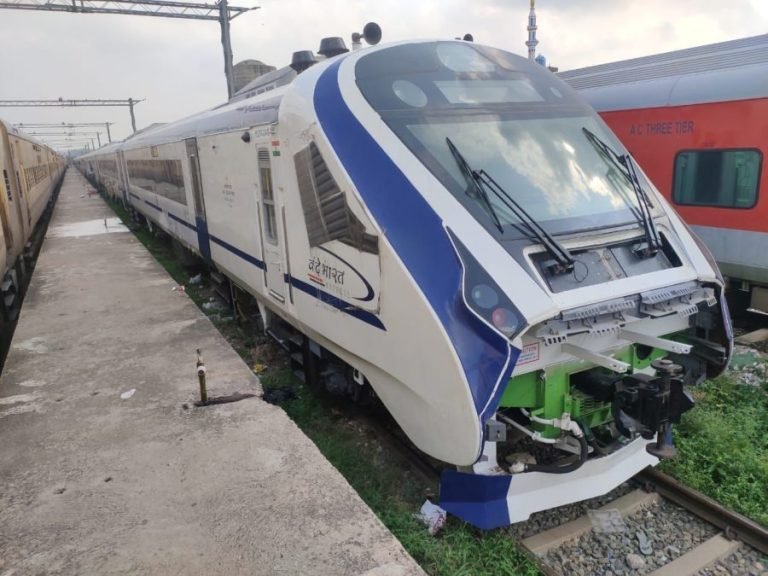
MUMBAI (Metro Rail News): India’s semi-high-speed train, the “Vande Bharat” express, broke the record of the bullet train during a test run between Ahmedabad and Mumbai. In just 52 seconds, the third Vande Bharat train reached a speed of 100 km/h. The train has finished its test run and received all necessary approvals to start operating for pay. On September 30, the train is likely to depart from Gujarat’s Gandhinagar under the leadership of Prime Minister Narendra Modi.
During the trial, the Vande Bharat train also broke the record of the bullet train. The train reached the speed from 0-100 kmph in 52 seconds as compared to the earlier version which attained the same speed in 54.6 seconds.
As per the report, the train travelled the 491 km nonstop route between Ahmedabad and Mumbai at a top speed of 130kmph in five hours and 14 minutes. According to officials, the return trip took the train five hours and four minutes. If there is any stoppage the journey between the two cities will probably take about 6 hours.
The Shatabdi and IRCTC’s Tejas Express are two of the faster train services available on this route. Shatabdi takes six hours and 15 minutes, while Tejas takes six hours and 20 minutes. The government is working on the bullet train project between Mumbai and Ahmedabad. With the introduction of bullet trains in the future, the same distance will be travelled at a speed of 320kmph in 2–3 hours.
Make-in-India Vande Bharat trains are currently run on the Varanasi-New Delhi line. Each Vande Bharat train has 16 air-conditioned coaches with 180-degree rotating seats and a capacity for 1,128 passengers. It also contains a train collision avoidance system to prevent signal passing at danger spots and risky scenarios coming out of over-speeding and train crashes in station areas. The Railways has set a target of manufacturing 75 such trains by August 2023.
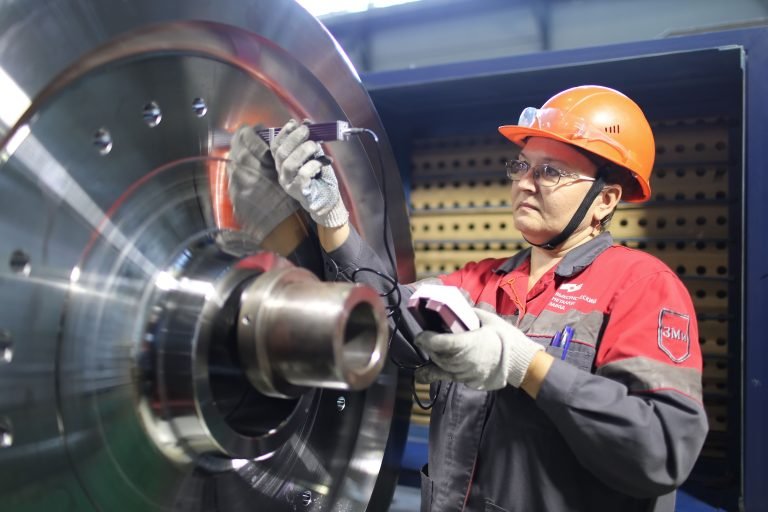
NEW DELHI (Metro Rail News): Indian Railway has floated a tender to manufacture High-speed train wheels in India to boost the Modi government’s Make-in-India drive.
Railway Minister Ashwini Vaishnaw stated that establishing a plant will guarantee the yearly purchase of at least 80,000 wheels for 600 crore rupees.
An official said the estimated cost of setting up a production unit is close to Rs 1,000 crore, and that the tender is only open to Indian companies. The ministry earlier relied on imports from Europe for these specialized wheels.
The issue came to light when national transporter recently ordered 39,000 semi-forged wheels from a Chinese manufacturer, alleging interrupted European supply chains on account of the Russia-Ukraine war.
Vaishnaw said the ministry had tried hard to ensure supply from Europe but had to end up awarding the contract to a Chinese firm. The ministry suffered a setback caused by disruption at the RINL plant in Raebareli. “As of now, RINL has sorted out a lot of its issues at the plant,” Vaishnaw said.
He said a condition in the forged-wheels tender is that the bidder must also be able to export these wheels, adding that potential markets such as Europe are currently being identified.
The minister said there is no established forged wheels player in India currently, hence the technical qualifications have been set in a way that only companies with extensive experience in manufacturing forged metals can qualify.
Vaishnaw also announced that the next step is for the ministry to develop better railway track infrastructure conducive for high-speed and semi-high-speed trains, and a tender for the same will be floated soon.
The ministry also completed testing of the light-weight Vande Bharat trains (VB-2), which are roughly 38 tonnes lighter than the first version, currently operational in the country. Vaishnaw had earlier shared a video of the VB-1 running at a speed of 180 kilometres/hour (km/h), 20 km/h higher than VB-1.
He announced that the VB-2 will come equipped with in-built air purifiers, content-on-demand, and recliner seats in both executive and non-executive classes.
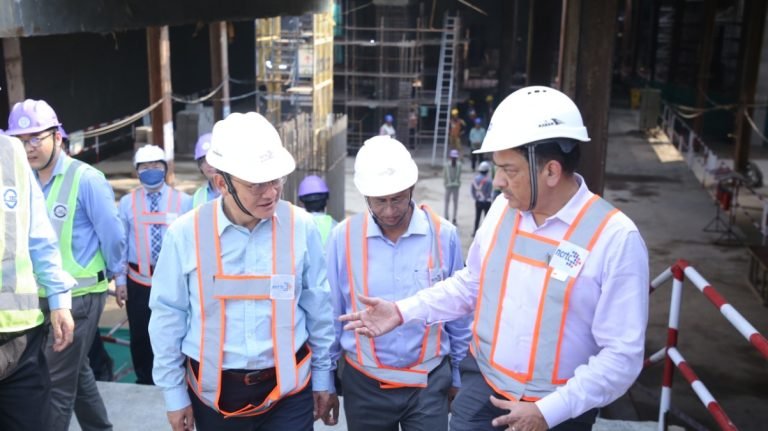
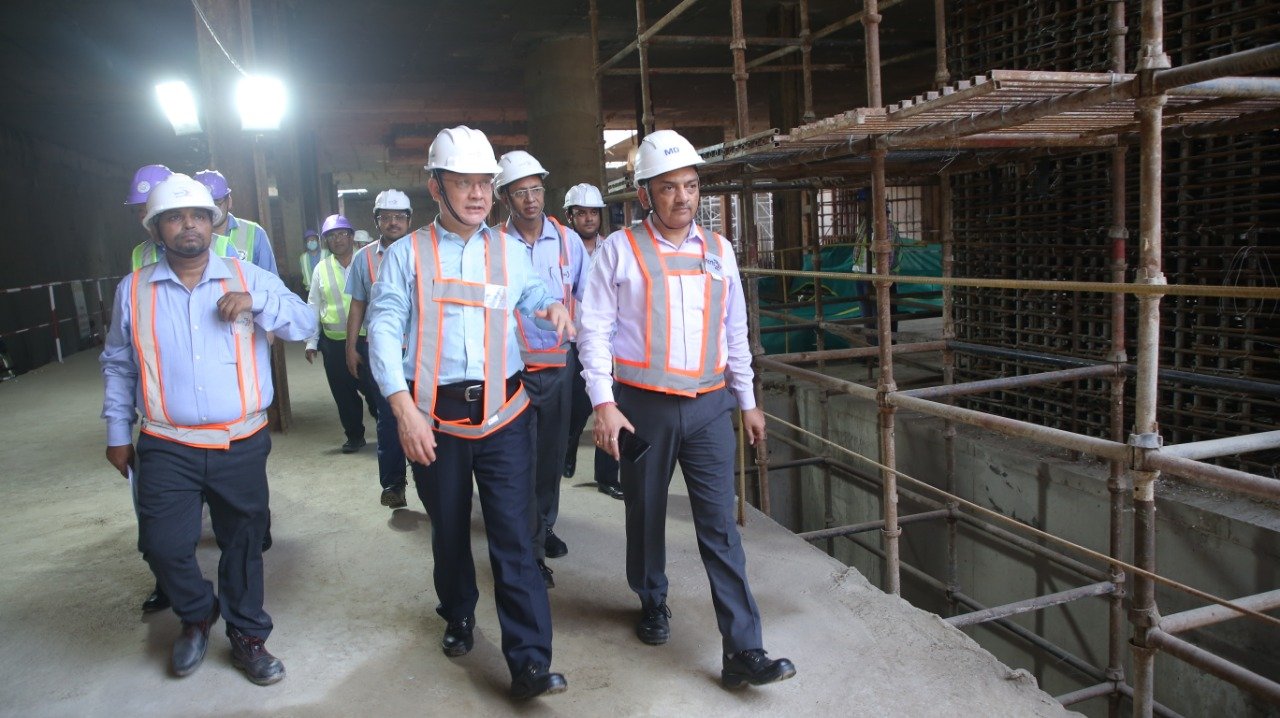
NEW DELHI (Metro Rail News): Vice President of Asian Development Bank (ADB), Mr. Shixin Chen, on his one-day visit, inaugurated ‘अपरिमित’, the Centre of Innovation established at the Duhai Depot. He along with Mr. Vinay Kumar Singh, Managing Director, NCRTC, and other senior officials of ADB also visited various construction sites of the 82-km long Delhi-Ghaziabad-MeerutRRTS corridor.
Mr. Chen appreciated various efforts being taken by NCRTC for Multi-modal-integration (MMI) while visiting Sarai Kale Khan and Anand Vihar Station. Following the core principle of MMI, these stations are designed to be seamlessly connected with other existing modes of public transport, which will create a vast network of networks, to ensure better ridership and long-term sustainability, required for these highly capital-intensive projects.
VP, ADB also saw the functioning of ‘Sudarshan’ (Tunnel Boring Machine) at Anand Vihar, where at present three TBMs are boring tunnels. This station is strategically located near the existing transport modes for ease of movement of commuters. The dignitaries acknowledged the efforts of NCRTC for overcoming all the challenges by using new-age technologies, strategic planning, and innovative methods.
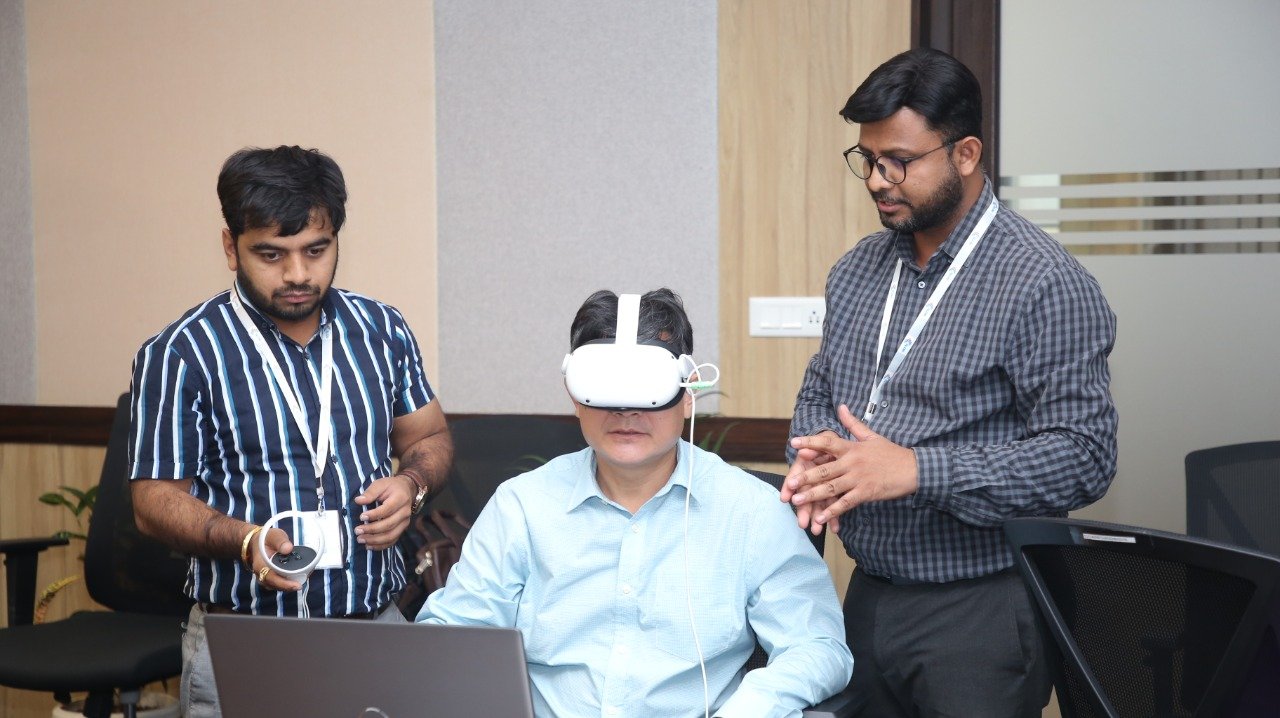
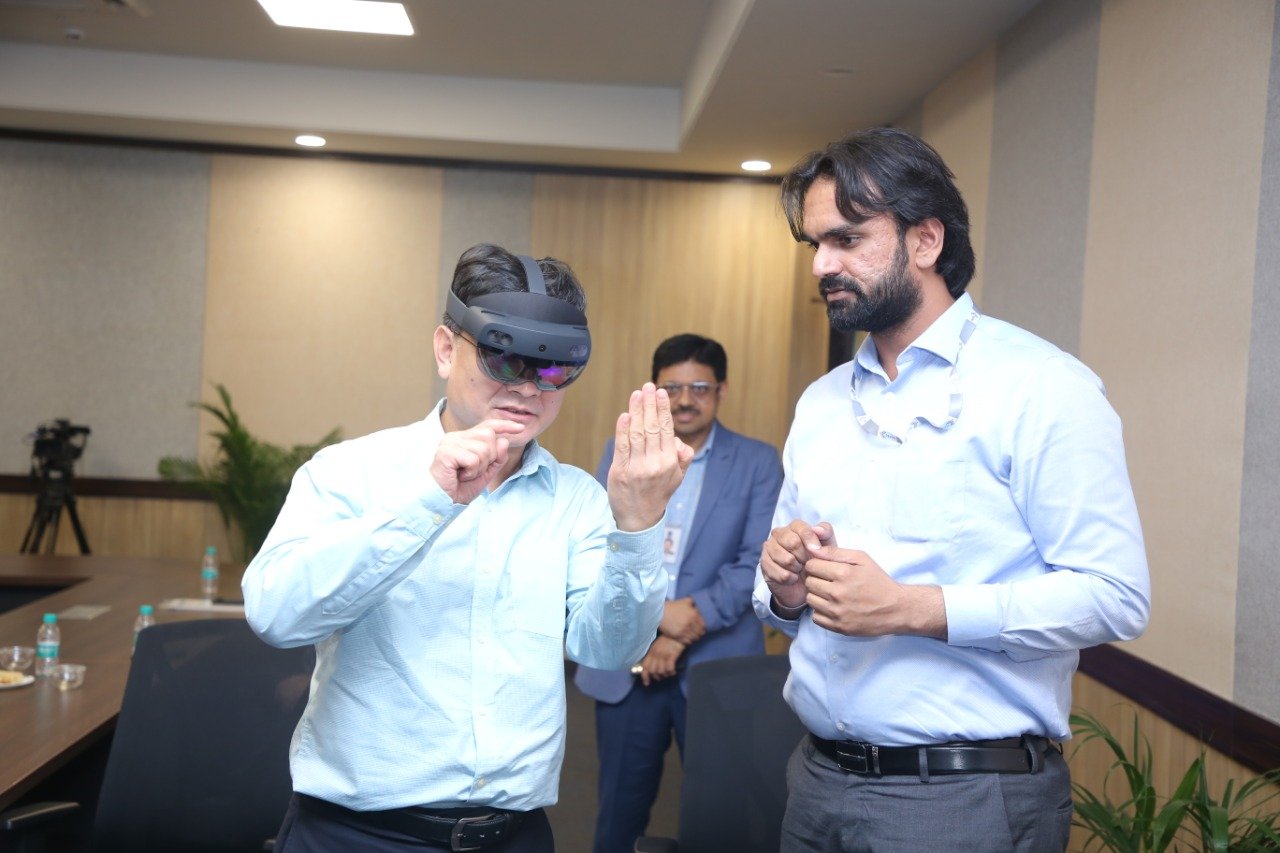
During the visit, Mr. Chen inaugurated the state-of-the-art Centre for Innovation, ‘अपरिमित’ which has been supported by grants from ADB’s Urban Climate Change Resilience Trust Fund. NCRTC is using advanced technologies like Virtual Reality, Augmented Reality, Building Information Modeling, etc. for operational efficiency as well as training purposes. The innovation center will bring in the latest technologies for the design, development, and operations of RRTS corridors.
Speaking on the occasion, Mr. Vinay Kumar Singh said, “With ADB as our trusted partner, NCRTC has not only planned and is implementing Customer-Centric Projects but continues to lead to overall capacity development in the field of Urban transport. The economic, social, and environmental impact of RRTS is going to be long-lasting, and adoption of new age technologies by NCRTC will play an important role in it.”
By harnessing innovative digital technologies, NCRTC aims to improve operative adeptness, streamline and enhance engagement with users, and make the organization more agile and responsive to the ever-changing industry dynamics. These advanced technologies will not only revolutionize the training process but will ensure that the team is technologically at par with peers globally. The partnership between NCRTC and ADB is in line with ADB’s commitment to achieving a prosperous, inclusive, resilient, and sustainable Asia and the Pacific.
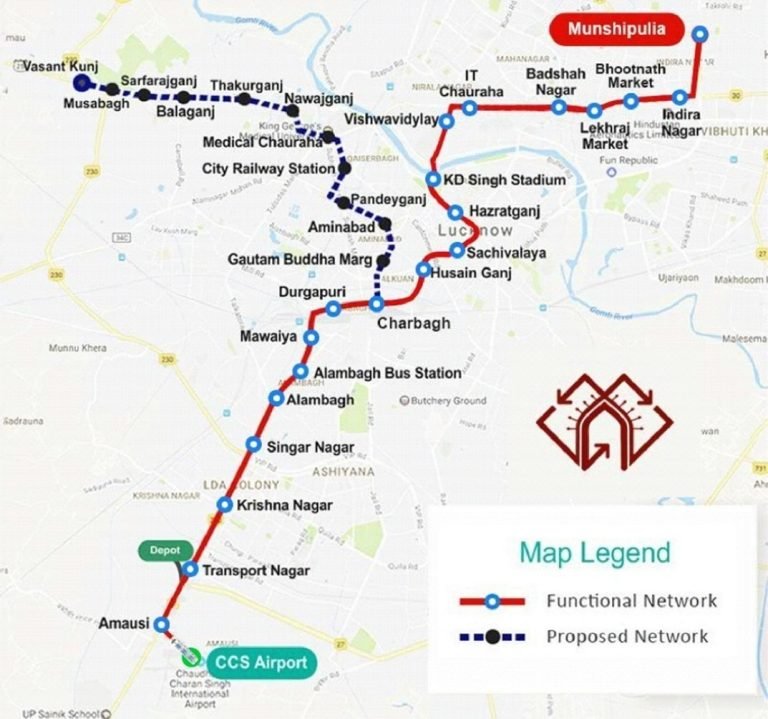
LUCKNOW (Metro Rail News):Uttar Pradesh Metro Rail Corporation Ltd’s proposed East-West Corridor from ‘Charbagh to Vasant Kunj’ part of Lucknow Metro’s second phase was submitted to the Government of Uttar Pradesh (GoUP) after updating. The total route length of the East-West Corridor from ‘Charbagh to Vasant Kunj’ will be 11.165 km of which the elevated length will be 4.286 km while the underground length will be 6.879 km. The total number of stations in this corridor will be 12 comprising 7 underground and 5 elevated stations. The estimated time of completion of this proposed corridor is 5 years.
The names of 12 Metro stations in the East-West corridor are Charbagh (underground), Gautam Budh Nagar (underground), Aminabad (underground), Pandeyganj (underground), City Railway Station (underground), Medical Chauraha (underground), Nawazganj (underground), Thakurganj (elevated), Balaganj (elevated), Sarfarazganj (elevated), Musabagh (elevated), Vasant Kunj (elevated).
The East-West Corridor of Lucknow Metro from ‘Charbagh to Vasant Kunj’ will provide connectivity to prominent places of old Lucknow like Aminabad, Chowk, etc. It will also connect other congested areas along its route and provide accessibility to the people of Lucknow. The Charbagh station will act as a junction for both the corridors of Lucknow ie. North-South Corridor & East-West Corridor.
The Depot of this corridor will be constructed at Vasant Kunj. The estimated capital cost without taxes for constructing this 11.165 km long corridor in February 2019 was Rs 3786 crores which have escalated to Rs 4264.89 crores. This change in cost is in sync with the current inflation rate as per government guidelines.
DPR has been also upgraded with a 750 DC traction system which is being followed in the Kanpur & Agra Metro project mainly due to severe OHE flashing problems occurring as a result of metallic wire in kites being faced in the Lucknow Metro project.
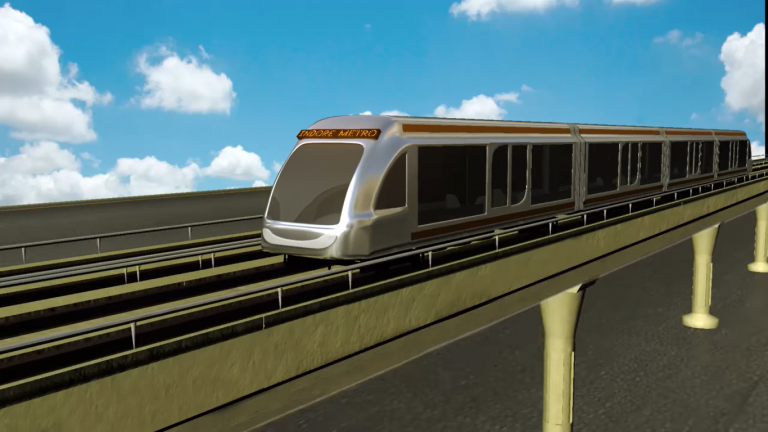
INDORE (Metro Rail News): The 5.9-kilometre metro rail corridor trial run in Indore, Madhya Pradesh, would take place by September 2023 a senior official stated.
“The progress of the Indore metro rail project is good. We are confident that we will conduct the trial run on the 5.9 high-priority corridors by September next year,” Shrivastava told reporters on 8th September.
During the meeting, it was decided that the work will be expedited, and only two out of 29 metro stations will be constructed underground as per the need, he added.
Six stations out of 29 were proposed to be built underground.
On September 14, 2019, the first phase of the metro rail project’s foundation was officially laid. An estimated cost of Rs 7,500.84 crore is being spent on the construction of the metro rail project along the 31.55 km-long track.
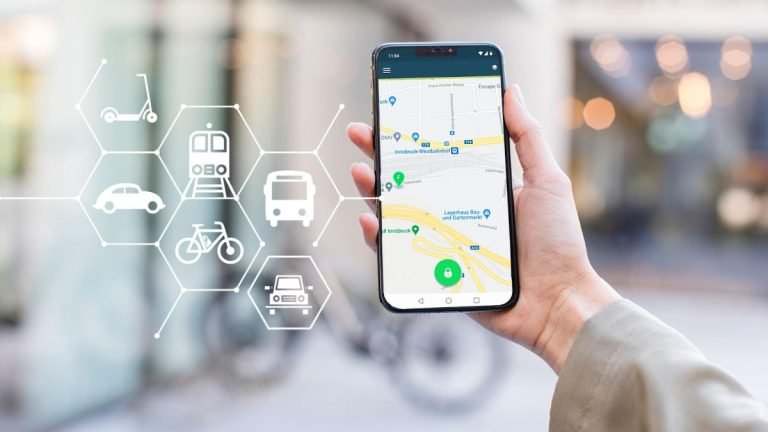
Mobility as a service (MaaS) is a relatively new concept, which holds the promise of a paradigm shift in the provision of urban mobility. The concept of MaaS is to use a single app to access and pay for various transport modes within a city or beyond, and the app will give options to allow a traveller to select the most suitable transport mode. The concept of MaaS is enabled by the current mass uptake of smartphones and social media as well as ubiquitous internet connections.
Introduction
Traditionally, a traveller needs different tickets for different transport modes and/or different operators. In recent years, public transport operators have made considerable efforts to provide a single public transport ticket to allow a traveller to use public transport services from different transport operators in the same city or region. However, recently also many new transport service provisions have entered the market, such as bicycle sharing, car sharing and ride sharing.
Usage of those new transport modes is accelerated by increasing concerns from users for sustainability and the environment. In addition, changes in lifestyles of younger generations and people who choose to live in cities rather than the traditional suburban lifestyle, which depends on private car as the main transport mode.
Modern mobility should offer a high level of flexibility and convenience. The public transport operator association has already forecasted that combining various transport modes, e.g. car-sharing, taxi, shared taxis, bicycle and bike-sharing, car-pooling, and demand-responsible transport can complement the classic fixed-lined and routed public transport.
The changes in personal mobility markets have presented great opportunities for urban mobility and new players, e.g. travel brokers, to enter the market. Travel brokers have developed smartphone-based apps to integrate available transport modes and enable seamless multi-modal travel. Such an app offers its users one-stop access to a wide range of travel services through a single app. Such an app may simply just allow users to get information on various options and use the same account to pay for the chosen service, e.g. Go Denver in the US. However, some apps are built up as a monthly subscription service when a user or a household decided their desired combination of transport and associated amount, such as UbiGo in Gothenburg, Sweden. Mobility as a Service (MaaS) often refers to the latter one.
The changes in personal mobility markets also have shifted the roles of public authorities. Public authorities are moving beyond their conventional role as infrastructure providers by enabling and promoting the mobility services of non-conventional providers. Public authorities and public transport companies are now using the services of new enterprises and new platforms in order to reduce the need for costly investments in new transport infrastructure, equipment and operation systems.
The Concept of MaaS
The monthly or yearly subscription of public transport, i.e. season ticket, is widely used in many cities and regions. Often, such season ticket offers unlimited use of various public transport services in a city or a region, e.g. commuter train, metro and bus, even though the public transport services may be provided by different operators. Daily, weekly and monthly subscription to bicycle sharing is also available. For example, Vélib in many French cities offers a monthly subscription with which a rental bicycle can be used free of charge for half an hour per day.
Some cities allow using pre-paid public transport cards to use other transport services, e.g. the public transport card, Metro Card, in Shanghai can also be used to pay for taxis. However, the monthly subscription of a combination of various transport services is not widely used yet. The revolution MaaS has brought to the personal mobility market is a monthly subscription combining various transport services. With a package of MaaS, a user can have e.g. unlimited usage of public transport, a number of taxi trips, a number of days using car rental, etc.
A such business model is inspired by the business model of the current personal communication market. In the old times, phone bills were paid based on usage. Then mobile phone companies started to offer a package including a number of calls and texts. Now in Europe, some mobile phone companies offer a package including a number of calls, texts and usage of the internet. There are subscriptions which cover local and roaming in other countries. MaaS simply takes the subscription model into the transport market.
Although current MaaS is still operated at a local level much effort is being made into turning MaaS into a global solution. MaaS Global, a company in Finland, has claimed that its App, Whim, is the first MaaS solution in the world. Currently, Whim in Helsinki offers four types of MaaS services, i.e. Light, Medium, Premium and Pay-as-you-go. All services include unlimited usage of public transport and a number of taxi rides. Medium and Premium services include 2 and 5-day rental car usage respectively. UbiGo in Gothenburg, Sweden, covers a wider range of transport modes than Whim in Helsinki. In addition to public transport, taxi and car rentals, UbiGo also offers one-stop access to car-sharing and bicycle-sharing. The subscription can be modified on a monthly basis according to personal needs at different periods of a year.
Currently, all available MaaS services target local residents, i.e. commuters, even though MaaS may offer great value also to visitors to a city. A visitor may feel difficulties understanding local public transport systems and buying tickets. Although Google Maps and other map providers offer information on public transport in most major cities worldwide, travellers, particularly business travellers often go for the easiest options, e.g. taking a taxi or renting a car, in an unfamiliar city. Taxi or car rental is not only expensive, but in some cases, they also may not be the best option, e.g. if the city is congested, has limited parking spaces or restricted access control. Thus, a traveller may find himself/herself in a stressful situation in a city even though the city has excellent public transport services.
There is a vision to enable a user to use the same app to travel in different cities worldwide and to have the same level of services as in the home city. Uber has realised the vision for taxi services. A user of Uber can use the same app to call an Uber car in anywhere in the world where Uber services are available without being worried about costs and different currency. To realise the vision of global availability for MaaS, the MaaS Alliance has been created in 2015, which is a public-private partnership, that aims to create the foundation for the mass market uptake of MaaS in Europe and beyond. Much of the current work of the MaaS Alliance is focused on openness and interoperability of data, roaming cost, billing and clearing, and business rules of different actors.
Operating MaaS: Various Conditions
Despite different business models, implementing and operating a MaaS service requires a single identity for a user, open data and open payment methods from various transport modes. If a transport operator is not willing to use a third party’s payment to buy its ticket or to not allow a third party to sell its tickets on their behalf services of the transport operators cannot be included in MaaS. In many countries, public transport tickets have been heavily regulated and no third party is allowed to sell tickets rather than the operator itself. Within such a legal framework, integrated ticketing of various modes may not be possible, thus MaaS is also not feasible.
Operating MaaS requires a single identity for a traveller to travel with different modes. This is not a new concept. In the air transport sector, paper tickets or physical tickets had disappeared for years. An air traveller uses his/her identity to access air transport services without carrying any physical tickets. Since air travel requires ID documents for security reasons, such ticketless travelling is a consequence of the nature of air travel. In recent years, railway ticketing also has been upgraded to electronic ticketing, although paper tickets are still in use.
A railway passenger can buy a railway ticket and save the QR data on a smartphone which can be inspected by train conductors. Some train companies, e.g. Thalys, an international high-speed train operator in Europe, offer its passengers to book and travel using their frequent traveller cards only. Yet most surface transport modes in cities do not require a user to carry an ID while travelling, using a single identity for traveller may be challenging. However, very often people say that ‘they often forget their public transport cards but they rarely forget their mobile phones. In another word, smartphones have become people’s new ID. Therefore, using the new ‘ID’ to travel through different transport modes in a city is feasible.
There are some basic conditions which must be met in order to develop and operate MaaS. Conditions for operating MaaS in a city may be summarised as below:
A wide range of transport modes are available in the city;
Majority of the transport operators open their data including real-time data to a third party;
The majority of the transport operators allow a third party to sell their service;
The majority of transport operators offer e-tickets or e-payment to access their services.
MaaS would only be operated in a city when the city offers different transport modes. Since public transport still is at the centre of MaaS, a city must have adequate public transport services to allow users to travel in the city easily without having to own a car. In another word, MaaS may only be operated in a place where users are willing to move away from car-dependent daily transport. That is often in a city where public transport services are already quite good and many residents do not see the essentials of owning a car.
If a MaaS provider is planning to include bicycle sharing in the service, the provider must access real-time data at each bicycle sharing station to enable its user to rent a bicycle or return a rental bicycle. Moreover, current taxi apps allow a user to track his/her reserved vehicle’s location. MaaS will have to offer the equivalent services when a MaaS subscriber chooses the taxi service. It means that the taxi company must allow MaaS to access its real-time operation data. It can be foreseen that if MaaS becomes mainstream travellers’ choice, more transport operators would be willing to share their data with MaaS developers. However, at this stage, enabling all transport operators to make their data available for MaaS developers remains challenging.
A key success factor of MaaS is to use a single account to pay for all transport services. A user of MaaS does not need to have different cards, different accounts or individual payments. Without MaaS, a user may have an Uber app and a local taxi app, even though the two apps are in the same smartphone and may use the same credit card for payment. Currently, there are huge numbers of apps for transport services available in app stores. For example, there are more than 60,000 travel apps available on Google Play. With MaaS, the user can have only one app to replace a number of transport apps. There have been increasing concerns about the negative impacts of MaaS on competition of travel app services and the provision of innovative transport modes. Since many apps are developed by Small and Medium-sized Enterprises (SMEs), MaaS may be seen as a threat to SMEs in the travel app market.
One essential condition to operating MaaS is that smartphones can be used to access various transport modes. That means that operators of those transport modes must allow various forms of e-ticket or e-payment. For example, a MaaS app can be inspected by a conductor to prove the traveller has paid for his/her journey. If a user has chosen a shared bicycle, a MaaS app should be able to release a bicycle from the parking slot. Public transport often requires tickets to go through physical barriers. MaaS may only be used when a public transport provider allows passing the physical barriers by scanning smartphones. Additional investments into infrastructure may be required. Whether or not a transport operator is willing to pay for such additional costs is a challenge for MaaS providers.
Process & Challenges
If all conditions above have been met in a city, implementation of MaaS still faces significant challenges on users’ perspectives, business model and policy support, even though MaaS has been seen by transport professionals as potentially enabling a paradigm shift toward a more sustainable urban mobility. There is no doubt that MaaS does have great potential to offer convenient and comfortable travels in a city without owning a car. MaaS can help a user plan their journeys based on the user’s calendar, thus providing the user with stress-free travel planning.
Implementation of MaaS at a local level can make even more people choose sustainable transport modes rather than using private cars. Researchers in Gothenburg have concluded that 93% of participants were satisfied with their travel and 97% wanted to continue using UbiGo.
However, if a MaaS service only targets local customers, the benefits may be limited. Firstly, decreasing car ownership levels have been observed in big cities due to changes in lifestyles, increasing concerns about sustainability and health and improved services and facilities for sustainable transport modes, e.g. widely available real-time public transport information, dedicated cycling lanes, etc. Those, who do not have private cars and travel by public transport, use shared cars and cycle to work, are often familiar with various transport options in the local areas and aware of all potential options and costs.
They are also the generation who knows how to find information through the internet. They may have installed hundreds of apps to help them plan their journeys and pay for their journey. To a certain degree, a user can today already travel only with his/ her smartphone to access many transport services. Notable examples are car-sharing and taxi apps. Therefore, making a user shift from familiar travel apps to one single app is a challenge for MaaS providers. Yet the users’ perspectives toward MaaS have not been well studied and understood.
Even when MaaS would aim at a Pan-European or global market, i.e. to provide MaaS for a user wherever the user travels MaaS may still face strong competition from existing travel apps which have already offered global services. Besides the famous Uber app, eCab, a taxi app, also offers taxi booking and payment services using one single account in 6 European countries as well as in India, Canada and Lebanon. A MaaS service will have to work with existing providers, e.g. eCab, instead of attempting to integrate individual taxi companies again. It remains unclear whether such providers are willing to integrate their platforms with MaaS. That will have to depend on the growth of the MaaS market.
As mentioned, if MaaS would become the main-stream travel app, various transport operators and service providers would be willing to share their data and services with MaaS providers. A good example is Google Transit. For many years, various government efforts have been made and research projects have been conducted in a unified public transport data format. Despite the efforts, public transport companies were still not willing to abandon their own data formats. However, when Google Transit becomes widely available, many transport operators voluntarily supply their data following the pre-defined data format Google Transit. There are two reasons to enable public transport operators to work with Google Transit. One is that they want their public transport services to be included in Google Maps and navigation services which enjoy a dominant position worldwide. The second reason is that Google Transit APIs, General Transit Feed Specification (GTFS) and GTFS Real Time, are simple and user-friendly.
MaaS providers should learn from Google Transit and develop user-friendly feed APIs to allow individual operators to join MaaS simply and easily. That would require pre-defined data formats and a quality check mechanism. MaaS currently works on open, standard-based system architecture. However, the issues of data formats and quality checks have not yet been addressed. Data quality is essential for MaaS since it will have a direct impact on customers’ experiences. Different from Google Transit, which is free of charge to users, MaaS must guarantee the quality of the information in order to build and maintain customer confidence.
There are increasing concerns about the competitiveness of the MaaS market. Currently, MaaS is still operated at a local level. When MaaS is extended to the global market, SMEs that are in the travel information and app services may face unfair competition from big players. MaaS may also be a threat to innovation in the urban mobility market, which has seen many innovative solutions in the past few years. As sharing economy may continue to play an important role in many aspects of daily life, sharing economy in the mobility market will continue to influence people’s choice of transport modes. While current MaaS does include car-sharing and ride-sharing in its services the growing new transport modes of the sharing economy will have an impact on the future MaaS market.
Role in Future Mobility
Currently, MaaS targets young customers who use smartphones for information and payment. The benefits of MaaS in the ageing society have not been studied. Contrary to current targeted customers, the authors believe that MaaS would benefit elderly travellers more than younger ones. MaaS may be a good solution to meet the travel demands of the ageing society. Current research has shown more than 60% of elderly people in the UK own smartphones. This is the first generation of elderly people who are used to smartphones and the internet. Thus they will continue to use smartphones for their travel needs. A one-stop solution to access and pay for all types of transport modes would thus be an excellent solution for elderly travellers. Research also has shown that elderly travellers conduct more long trips than younger ones. Therefore, MaaS covering home cities as well as over sea destinations would be welcome to elderly travellers who frequently travel abroad. In addition, MaaS may be seen as a travel companion that offers security and safety services at the same time. This can offer independence to elderly citizens, which is an important factor in enhancing the quality of life.
In addition to all the previously mentioned reasons for moving to MaaS, the shift to a truly integrated shared mobility ecosystem will facilitate the transition to shared automated mobility. MaaS may be only fully realised when automated vehicles are available. Although automated vehicles have many potential benefits such as enhanced safety and efficiency, improved comfort and convenience levels for travellers and improved social inclusions, there is a possibility of increasing Vehicle Km Travelled (VKT) when using automated vehicles as personal vehicles, resulting in increased congestion and energy consumption. Automated vehicles have been tested in Singapore as a Demand Responsive Transport solution. Automated MaaS (A MaaS) will offer a great alternative to personal cars and will maximise the benefits of automated vehicles.
A more connected future for rail
Mobile ticketing and payments could also be transformed by rail companies that could leverage passenger smartphones to improve the speed and convenience of frequent and recurring transactions. Rail operators are partnering with fintech companies to offer international passengers the option to pay for tickets in their own currency offering transparency on spending for both leisure and business travellers.
Such opportunities could also increase tenfold through the mobile channel where rail operators could sell to passengers in more sophisticated ways, when and wherever. Similar to airline-airport-retailer partnerships, rail companies can also embed further ancillary revenue opportunities into the journey through partnerships with retailers and other travel suppliers. After all, these services are now expected by rail travellers and this expectation will only get higher from an increasingly tech-savvy public.
Completing the end-to-end journey will be crucial to improving the rail passenger experience. Passengers need to know that they can plan seamless and frictionless train journeys using their mobile devices. Once this is possible, rail travel will become a more attractive proposition for both short and long-haul journeys. By taking a mobile-first approach to rail travel, operators can connect passengers to other transportation hubs, manage peak-time capacity in a more efficient manner and increase the opportunity for ancillary revenue.
Seamless and Frictionless Travel: Given that it is a fixed transport system, the rail industry will not replicate the success of Uber so that consumers can summon trains. But by adopting a user-centric approach and focusing on its passengers, the rail industry can unlock opportunities. The seamless ability to complete an end-to-end journey is key to improving the passenger perception of rail services. Solving the last mile conundrum will be crucial for rail operators who will seek to integrate other rail content with additional transport modes.
Conclusion
Personal urban mobility has been changed towards a smartphone, e-ticket and app-based market. There are many new urban mobility solutions available which are sustainable such as ride sharing and car sharing. Often such solutions are enabled by updates of smartphone apps and ubiquitous internet connections. With the increasing options available in the urban mobility market, there is scope to combine all available options and use a single app to access and pay for all transport modes. Mobility as a service (MaaS) is a relatively new concept, which holds the promise of providing a paradigm shift in urban mobility.
The concept of MaaS is to use a single app to access and pay for various transport modes in a city or in a wide area and the app will give options to allow a traveller to select the most suitable transport options. MaaS was initiated in Finland where public transport operators opened their data to app developers and allow e-tickets. MaaS is available as a monthly subscription or pay-as-you-go. Enabling the operation of MaaS in a city requires good public transport services, availability of various transport modes, open data and e-ticketing.
The operation of MaaS faces many challenges in users’ perspectives, policy framework and business models. When attempting the operation of MaaS on a global scale, there are concerns about the competitiveness of the mobility market which may have negative impacts on innovation and SMEs. There is a possibility that the global MaaS market may be dominated by a few big players. Therefore, an appropriate policy framework which allows the implementation of MaaS and benefits MaaS to travellers, whilst at the same time preventing unfair competition is essential.
Although the current targeted customers of MaaS are mainly the young generations who wish to adopt a sustainable lifestyle, MaaS may have great benefits for elderly travellers and play an important role to meet the travel demand of the ageing society. Moreover, MaaS may be the perfect solution when automated vehicles are available in the market. Automated MaaS (A-MaaS) will offer a great alternative to personal vehicles and its integration with public transport means which shall maximise the benefits of connected and easy travelling.
Nearly 17 lakh people will travel daily on this line once it is operational. With the commencement of this line, nearly seven lakh vehicles will go off-road. It will definitely support the environmental cause. The MMRCL on August 30, 2022, launched the much-awaited trial run of the Colaba – Bandra – SEEPZ Metro line-3 at Sariput Nagar in Aarey Colony.
Mumbai Metro Line 3: Project Details
The Colaba Bandra Seepz metro, also called Mumbai Metro Line 3, is an ongoing project being implemented by the Mumbai Metro Rail Corporation Limited (MMRCL). When completed, the 33.5-km-long Mumbai metro line 3 will be the first underground metro line in Mumbai, with 27 stations. Presently, of the 33 km underground tunnel, only 1.5km remains to be done.
As per media reports, the MMRCL aims to finish Phase 1 works of the Aqua Line from Bandra to Seepz by January 2024. Post that another 6 months are set before operations of phase 1 can start, provided the metro car shed land issue is sorted in the next three months. The reports also claim that the Aqua Line may be extended till Navy Nagar with the government appointing a consultant to do the feasibility study. The extension cost is pegged around Rs 2000 crore.
The initial deadline for the first phase- Bandra to Seepz was December 2021 and the second phase- BKC to Colaba was June 2022 for the first underground metro in Mumbai. Owing to the delay of the line, the cost of the project which was initially projected at Rs 23,000 crore has gone up to Rs 33,406 crore, excluding the cost of the Navy Nagar extension that is being explored now.
Approval of Overrun Costs
Citing cost escalation, the Maharashtra cabinet on August 10, 2022, approved an additional expenditure of Rs 10,269 crore for the Metro Line 3 project.
Clarifying the cost escalations the Deputy Chief Minister of the State Mr. Devendra Fadnavis briefed that the cost of Mumbai Metro Line 3 has increased on account of almost no construction undertaken in the last two years. The original cost of the project was Rs 23,136 crore, which has now gone up to Rs 33,405 crore (a total rise of Rs 10,269 crore). The cabinet, therefore, approved an additional expenditure of Rs 10,000 crore for Aqua Line. The state government is now going to request the Union government to contribute from its corpus for the completion of the project.
Earlier, for line 3, Rs 2,402 crore was to be spent which has now been increased to Rs 3,699 crore. The cabinet instructed the Mumbai Metropolitan Regional Development Authority (MMRDA) to transfer Rs 1,297 crore (the difference in cost) to the Mumbai Metro Rail Corporation as part of the Rs 10,269 crore funding. Metro Line 3 is funded by Japan International Cooperation Agency (JICA). A proposal to make a fresh demand to JICA to increase its loan amount has been cleared by the cabinet. JICA now will increase its contribution from Rs 13,235 crore to Rs 19,924 crore.
By 2031, some 17 lakh passengers will travel by the Aqua line every day. People will be able to travel from Colaba (in south Mumbai) to the international airport in suburban Mumbai in 50 minutes. The tunnel work of the project has been completed around 98.6 percent, while 82.6 percent of work on stations also has been done. Acquisition of 73.14 hectares of government land and another 2.56 hectares of private land too has been completed.
Construction Timeline
On October 5, 2020, the Mumbai Metro Rail accomplished tunneling from Siddhivinayak to Dadar, covering a distance of 1.10 km. This part was the most precarious since a number of residential buildings and commercial shops are located in close proximity to the site. The Aqua Line work is ongoing at Dadar, Siddhivinayak, and Sitladevi Metro stations. Around 61% of the Line, 3 work has been completed at Dadar Metro station. So far, around 87% of the tunneling work and 60% of the civil work of Line 3 have been completed.
Twin tunnels of 5.2 meters in diameter each are being dug at a depth of 20-25 meters below ground. Seventeen tunnel boring machines are being used, to construct these tunnels. A section spanning 1.2 km, from the Bandra-Kurla Complex to Dharavi stations, will pass under the bed of the Mithi river and an additional stabling line is being constructed for this section of the line.
The original deadline for Metro Line 3 was 2016 but owing to various legal disputes and environmental issues arising out of its construction, it is now expected to be completed in 2024. Full-fledged construction activities commenced on May 18, 2017, when officials notified the concerned authorities that any further delay would escalate the cost of the project by as much as Rs 4 crores per day. Line 3 will be implemented in phases and the first phase will connect Aarey Milk Colony to Mumbai airport. Works on the line is going at a fast pace with only 1.5 km of tunneling work remaining to be done. Although the line 3 completion date has not yet been decided, the complete project is envisaged to be operational by 2024.
Connectivity and Route
Line 3 shall provide commuters connectivity to other metro lines as well as the suburban railways. Under the original Line 3 plan, there was no direct connectivity to the airport and commuters would have to exit the metro station, come up to ground level, and cross a road on foot to reach Mumbai airport. However, as per the revised plan, MMRCL now has been directed to provide direct access from the Metro Line to the airport and Mumbai Central railway station.
Key Phases & Date
On February 14, 2019, the MMRCL announced its fifth tunneling milestone at the Chhatrapati Shivaji Maharaj International Airport (CSMIA) – T2 on Line 3 of the Mumbai Metro. The corridor between CSMIA-T2 station and Aarey Colony will provide access to the Versova-Andheri-Ghatkopar Metro 1 line at Marol Naka and the Swami Samarth Nagar-Jogeshwari-Kanjurmarg-Vikhroli Metro 6 line at Aarey Station. Mumbai Metro line 3 will also provide some much-needed connectivity between the business hubs of MIDC and SEEPZ, which are not currently connected by Mumbai’s local trains.
On February 21, 2019, it was announced that a sixth tunneling project had been completed at the Sahar Road metro station. Starting from September 2018, tunneling of 692 meters had been completed in this critical section of Mumbai Metro Line 3, with part of it running under the Tansa Water Pipeline. This new section on Mumbai Metro Line 3 will help connect Sahar Road to the rest of the city. The MMRCL has completed around 97% of the tunneling work in the total project as of November 2021. Of 7 underground civil packages, tunneling for six has been completed.
In March 2020, the MMRCL achieved a major milestone, when it finished the tunneling work on one of the two tunnels passing under the Mithi River. The tunnels are at a depth of 12.5 meters below the river.
Stations with Interchanges:
Churchgate – Western Line
CSMT Metro – Central Line, Harbour line, Indian Railways
Grant Road – Western Line
Mumbai Central Metro – Western Line, Indian Railways
Mahalaxmi – Western Line, Monorail
Dadar – Western Line, Central Line, Indian Railways
BKC – Metro Line 2 (under construction)
Domestic Airport – Line 7 (under construction)
Sahar Road – Line 7 (under construction)
International Airport – Line 7 (under construction)
Marol Naka – Line 1 (operational)
SEEPZ – Line 6
Line 3 Stations
Few Other Facts
JICA extends loan of Rs 2,480 crores: Japan International Cooperation Agency (JICA) in March 2020, signed an agreement with the government of India, to provide official development assistance (ODA) loan of 39,928 million Japanese Yen (approximately Rs 2,480 crores) for the Line 3 Project. The ODA loan agreement was signed between CS Mohapatra, additional secretary, Department of Economic Affairs, Ministry of Finance, and Katsuo Matsumoto, chief representative, JICA India. The Aqua Line is scheduled to be completed by 2024. Overall, JICA has extended concessional ODA loans worth over 1 trillion Japanese Yen (approximately Rs 60,000 crores) for the development of metro systems in Delhi, Bengaluru, Kolkata, Chennai, Mumbai, and Ahmedabad.
Leading PSUs and corporates vie for naming rights of stations: The Mumbai Metro Rail Corporation (MMRC), which is implementing the project, has received 87 expressions of interest (EOIs) to acquire rights to name 18 stations. In totality 28 organizations expressed their interest in naming rights, with many of them showing interest in multiple stations. These include large PSUs like LIC, Indian Oil, banking and financial institutions like SBI, Bank of Baroda, UTI, Kotak, IDFC First, HSBC, airlines like Indigo, SpiceJet, and corporates like JSW, GlaxoSmithKline, TimesGroup, Blackstone, Phoenix Mills, Piramal, Oberoi, DB Realty among others. The BKC station, being the most significant business district in the city, was the most sought-after station with 12 EOIs. Dadar and Airport Terminal 2 stations were joint second, receiving nine EOIs each, followed by Airport Terminal one and CSMT with seven EOIs each.
Cost escalation in five years: While the Metro project had been facing numerous hurdles, the state government has spent about 70% of the total expenditure on nine projects in the Mumbai Metropolitan Region (MMR), for this underground corridor. According to the economic survey of Maharashtra, the state had spent Rs 22,624.29 crores on nine ongoing Metro projects, and nearly Rs 15 crores was spent on the Mumbai Metro Line 3 project. The cost had increased by nearly Rs 10,000 crores from the original estimated amount. Consequently, the budget has been revised from Rs 23,000 crores to Rs 32,000 crores in 2021.
Environmental Clearance: The construction of Line 3 has been mired by several environmental issues, including the felling of trees and noise pollution complaints. On June 6, 2017, it was reported that over 5,000 trees were proposed to be cut in various areas of south Mumbai. The high court had earlier imposed a stay on the cutting of trees but on May 5, 2017, it vacated its stay and gave a go-ahead to the MMRCL to cut the trees, after observing that a balance needed to be established between development and environment. It is now reported that a total of 5,012 trees will be affected, of which 1,331 will be cut and the remaining 3,681 will re-planted in other parts of the city.
In March 2017, MMRC director Ashwini Bhide stated that the metro was designed in a way that would minimize the cutting down of trees and that three times more trees would be planted to make up for the loss. She further notified that if all the trees that needed to be cut were saved, it would reduce carbon dioxide in the air by 6,100 kg. However, it was informed that the metro would help cut CO2 emissions by 9.9 million kgs, by significantly reducing the number of vehicles on the road. The MMRC had signed an agreement with the Forest Development Corporation of Mumbai to plant around 9,000 trees.
The works on Line 3 also ran into trouble, when residents in parts of Churchgate, Cuffe Parade, and Mahim, complained that noise pollution norms were being flouted during the construction. The Maharashtra government, on June 4, 2018, told the Bombay High Court that it had recorded the decibel levels at three spots where construction work was underway and had sent a report to the Maharashtra Pollution Control Board (MPCB), for further action. The Bombay High Court, on July 18, 2018, said it was not inclined to allow the MMRCL to carry out construction for the Mumbai Metro 3 Line in south Mumbai’s Cuffe Parade area at night until the MPCB submitted its report on noise pollution.
Aarey Colony car-shed shifted: The Line 3 project came under fire from various quarters, for the proposed car-shed at Aarey Colony, a prime green tract in the city, the then Chief Minister Mr. Uddhav Thackeray announced shifting of the depot to Kanjurmarg. The Maharashtra CM, on November 29, 2019, ordered a stay on the construction work of the metro car shed and announced that it would set up a four-member committee, to identify an alternative land for the car shed. In December 2020, the Bombay High Court passed an interim order, staying the transfer of land at Kanjurmarg to the Mumbai Metropolitan Region Development Authority (MMRDA).
Metro Rail News conducted an email interview with Mr. Anjum Parvez, Managing Director, Bangalore Metro Rail Corporation Limited (BMRCL). In Which Mr. Parvez shared his views on the role of metros in a high-tech city like Bangalore and recent developments.
Here are edited excerpts:
What is the status of the purple line extension? Have the bottlenecks for the elevated line between Baiyappanahalli and Whitefield been sorted out?
BMRCL is putting all its efforts into commissioning this line by this year-end.
What is the work status of construction works on phase 3? It’s been more than six years since the total route length for the corridor has been planned and ascertained. Why is the delay then? What would be the expected deadline for completion of phase-3 works?
After approval of the State Government in December 2021 for study and preparation of Phase-3 DPR by M/s RITES has been completed and is under scrutiny by BMRCL. The same will be submitted for approval to the State Government and forwarded the submittal to the Government of India for its approval. Construction works will be started only after the approval of the Governments.
Please give updates on the proposed Sarjapur-Hebbal line. What is the work progress for the construction of an integrated metro station at Iblur on the outer ring road?
After the approval of the Government of Karnataka for the preparation of DPR from Sarjapur to Hebbal line of 35.14 km in the first quarter of this year, a tender was called for the preparation of DPR and the same has been recently awarded. The details for integration will be studied after the submission of DPR by the consultants.
Do you think putting the Calmelaram – Yelahanka line into the sideline, proposed almost 8-9 years back has been a righteous decision for BMRCL. What has been the reason for rejecting the economically viable section and what have been the suitable alternatives envisaged?
The reply for Q 3 is in line with the Comprehensive Mobility plan for Bangalore city for the year 2031 and covers the above areas in the proposed DPR for Sarjapur to Hebbal line.
What is the status of supply of rolling stock for metro operations. Amidst orders to Chinese CRRC Corporation Ltd. for supply of more than 200 new coaches how would you substantiate the Make in India campaign?
The Contract awarded is for manufacturing under Make in India policy with 50 % local content. Due to constraints in obtaining statutory approvals required for setting up a Metro Coach factory in 45 acres of land at Sri City, Andhra Pradesh on lease. Now the local manufacturing is done at Titagarh Wagons Limited, Kolkata, India. It is expected that the roll out of the first train set will have in the second quarter of 2023 and the remaining Train Sets will follow, at the rate of two Train Sets per month.
What in your opinion the newly proposed BSRP, Peripheral Ring Road, Hyperloop, MetroNeo, Metrolite etc. would bring changes to transport scenario in Bengaluru. Do you think it would prove to be a milestone towardthemodern transport system being developed in the country?
Every system has its own advantages. With their feasibility in the areas implemented would definitely help in bringing more people to adopt to use the public transport.
K-RIDE is the implementing agency for BSRP. Further commuter rail would be integrated with other modes of transport for seamless transfer between modes – as in European cities. What is the work plan for BMRCL in this regard. For intermodal and last mile connectivity which major new routes and line have been identified?
BMRCL work plan is to integrate the metro stations with the proposed Sub Urban Rail network stations which is in close proximity (Upto 700-800m) with the Metro Stations. Some of the plans are to construct Foot over Bridges connecting the metro stations (existing/proposed) with the Suburban with existing Metro Stations at Baiyappanahalli, Nayandahalli, Jnana Bharathi, Pattanagere, Yeshwantpur, Mantri Square, Majestic and with the proposed Metro Stations at Whitefield, K R Puram, Benniganahalli, Cantonment, Marathahalli, Doddanekundi, Kasthurinagar, Hebbal etc,.
For intermodal connectivity, all the stations of Phase 2A and 2B (Central Silk Board to Airport) are proposed to have Multimodal Integration facilities wherever multiple modes are in close proximity to each other. Further, in terms of Last mile connectivity, the feeder bus routes along Phase 2A and 2B are yet to be formulated.
BANGALORE (Metro Rail News): Blue Star Limited announced that the company has won two important new orders from Bangalore Metro Rail Corporation Ltd (BMRCL) for the upcoming Reach-6 of Bangalore Metro Rail Project Phase-II, commonly known as the Pink Line, which connects Kalena Agrahara (formerly Gottigere) to Nagawara over a distance of around 21 km.
The first order is a turnkey project for Rs 2.03 billion, that includes maintenance work for the Tunnel Ventilation System (TVS) and Environmental Control System (ECS), as well as SCADA, works for six underground stations and related tunnel sections in Reach-6 of Bangalore Metro Rail Project Phase II. The six underground stations are Vellara Junction, M G Road, Shivaji Nagar, Cantonment, Pottery Town, and Tannery Road.
The second order, worth Rs 1.87 billion, is a turnkey project for electrical and mechanical (E&M) works including hydraulics, fire safety systems, and backup power systems for five underground stations, related tunnel segments, and five elevated stations in Reach-6.
The five underground stations are Vellara Junction, M G Road, Shivaji Nagar, Cantonment, and Pottery Town. The five elevated stations are Swagath Road, J P Nagar 4th Phase, IIMB, Hulimavu, and Kalena Agrahara.
MUMBAI (Metro Rail News):Mumbai Metro line 2A phase 2 work is near completion. Work of Maladwest metro station is now 99% completed. Maha Mumbai Metro Operation Corporation Ltd. shared the update of Malad West Metro Station on its Twitter handle.
— Maha Mumbai Metro Operation Corporation Ltd (@MMMOCL_Official) September 5, 2022
Maladwest station gives connectivity to Infinity Mall, Goregaon Sports Club, MindSpace, ChincholiBunder Junction, MittalCollege, DMart.
Metro 2A line was inaugurated on April 2 by Chief Minister Uddhav Thackeray. Metro 2A will be 18 km long with 17 stations.
Metro 2A line is fully elevated, running from Dahisar west to D.N. Nagar (Andheri west). It will hugely benefit the people in the north-western suburbs.