

Zaragoza (Metro Rail News): Teltronic, a Spanish company specialised in the design and manufacture of critical communications solutions has been selected by Alstom to supply and integrate the on-board equipment, radio terminals and control centre solution that will provide Mission Critical Services MCX (MCPTT & MCData) for the Delhi to Meerut Regional Rapid Transit System (RRTS), a high-speed commuter rail currently under construction that will link these two important Indian cities via an 82 kilometres rail corridor.
This project demonstrates the validity of Teltronic’s communication solutions over MCX (critical broadband communications applications and the infrastructure that supports them) defined by the 3GPP standard; a technology that will allow the line operator a
smooth transition to FRMCS (Future Rail Mobile Communication System) in the future.
In this way, Teltronic will provide its Control Centre solution, CeCoCo, with a total of ten operator stations. In addition to being the onboard communications management platform based on 3GPP MCX and connected to a third-party MCX server, it incorporates a Geographic Information System (GIS) that allows real-time visualisation of the location of terminals and trains, and will be integrated with the Train Management System and will also allow communications with the public address and intercom systems.
As a part of the solution, Teltronic will also equip the trains with its on-board solution, consisting of an RTP-800 on-board unit in each cabin, an RCC-3000 touchscreen control console and audio accessories that will be equally integrated with the public address and intercom systems on the train, and with the TCMS (Train Control & Management System). The Teltronic onboard units will be connected to the Alstom NetBox mobile router managing the train-to-ground connectivity for all services.
Finally, Teltronic will also supply more than 600 LTE terminals, both desktops and rugged portable terminals that will be used by the line’s operations and maintenance staff.
“This project is a clear demonstration that our solutions for railway environments comply with the 3GPP standard for MCX services. Teltronic reaffirms its commitment to standards as a reference framework and after a clear target for R&D to evolve our solutions to the technologies of the future, we are proud that Alstom has selected us and that we can demonstrate that Teltronic will continue to play a key role in private communications”, explained Felipe Sanjuán, Transport Business Development director.
Teltronic to supply and integrate broadband solutions for Delhi-Meerut RRTS Corridor

Siemens launches open digital business platform ‘Siemens Xcelerator’ in India
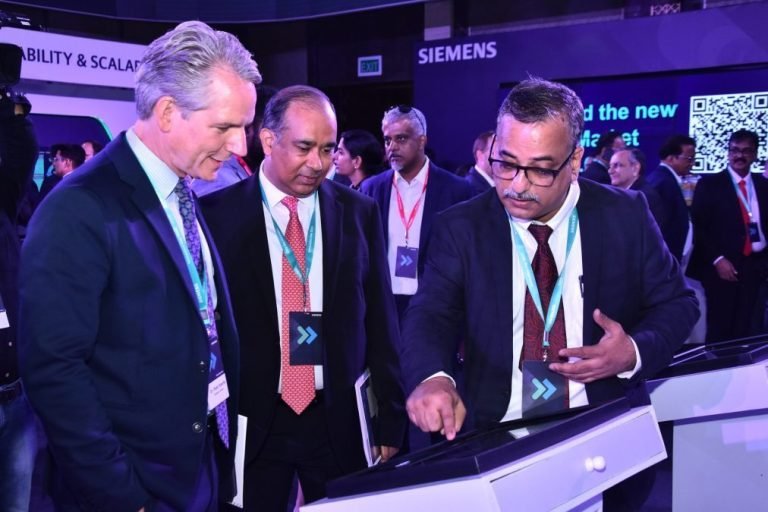
MUMBAI (Metro Rail News): Siemens announced the launch of ‘Siemens Xcelerator’ in India at its Annual Flagship event ‘Siemens India Innovation Day 2022’ in Mumbai on 14th September 2022. Siemens Xcelerator is an open and evolving digital business ecosystem that comprises a comprehensive, curated portfolio that includes digital and Internet of Things (IoT)-enabled offerings (software, hardware, and digital services) from Siemens, and certified third parties.
Siemens Xcelerator is aimed at accelerating digital transformation and value creation for customers of all sizes in the industry, buildings, grids, and mobility. The curated portfolio of software, IoT-enabled hardware, and digital services follow key design principles of interoperability, flexibility, openness, and as-a-service. Siemens Xcelerator also includes an evolving marketplace to facilitate interactions and transactions between customers, partners, and developers.

Peter Koerte, Chief Technology Officer and Strategy Officer, Siemens AG, said, “India will play a key role in the global roll-out of Siemens Xcelerator. With over 6,000 software engineers at our development centers in the country, India will be at the forefront and a key hub to further accelerate the digital transformation efforts of our customers worldwide. This is both an ambition and a reality.
With the launch of Siemens Xcelerator, I am confident that as partners, Siemens can scale up the innovation and digital transformation journey for customers in India.”
Sunil Mathur, Managing Director and Chief Executive Officer, Siemens Limited, said, “With Siemens Xcelerator, we have taken everything that a customer needs onto one platform, allowing them to accelerate their digital transformation easier, faster, and at scale. SMEs in India will be the greatest beneficiaries of this platform as it can help them to scale up, upgrade and adopt new designs and components much faster to stay competitive. Siemens Xcelerator will help to create a powerful ecosystem of partners who can jointly accelerate digital transformation tailored to specific business goals. Our aim is to help companies to increase their performance, flexibility, and sustainability.”
At Siemens India’s Annual Flagship event ‘Siemens India Innovation Day 2022’, the company showcased a wide range of the latest technologies, innovative solutions, and successful references to help organizations in India accelerate their digital transformation.
Construction of Agra metro inching toward a goal of attaining world-class metro rail system
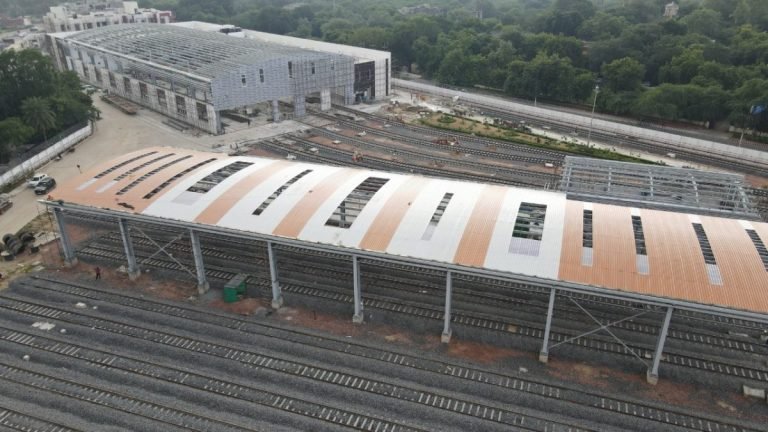
AGRA (Metro Rail News): Uttar Pradesh Metro Rail Corporation has shared the aerial view of World class Agra Metro Depot on its Twitter handle. Agra inching closer toward the goal of attaining a world-class metro rail system. World-class Agra Metro Depot is being constructed for the first corridor of Agra Metro.
The depot will be used for stabling and maintaining the metro trains inside the depot area after day-long operations.
Various structures are being made inside Agra Metro Rail Depot using the PEB Technique (Pre Engineered Building ) Technique which is a modern technique for building various civil structures and uses comparatively lesser time, and effort and is more efficient.
The progress of depot construction is going on at a rapid pace and structures like integrated workshops, auto–coach washing plants and stabling yards are being constructed in the depot for various functions.
A shed above these structures is being built and very soon the work of covering these PEB Structures will be complete. Similarly, test track work inside the depot premises is also complete and a pit wheel lathe machine has also been installed in the depot which will be used to check any malfunctions in the wheel, its alignment, etc.
The first corridor of the Agra Metro Rail Project, which runs from Taj East Gate till Sikandara is 14 km long comprising 13 stations. The work on the second corridor will also be begun very soon.
Trial run of RRTS first train will start in November from Ghaziabad

GHAZIABAD (Metro Rail News): The Regional Rapid Transit System (RRTS) project’s first train in the nation would likely start its trial run in November. The first RRTS train will be tested on the 17-kilometer priority section in Ghaziabad, and it will be the first RRTS stretch to be operational in March 2023, officials of the project executing agency, National Capital Region Transport Corporation (NCRTC), stated.
The first two trains have been delivered to the NCRTC by the Savli manufacturing facility in Gujarat, and a third train would be delivered to the Duhai depot in Ghaziabad shortly official added. A control center at the Duhai depot will oversee all train operations for the priority section.
“The work for the viaduct for the 17-km priority section is about 99% complete. Once it is over, the work for laying tracks and installation of overhead equipment will be taken up in the month of October. Thereafter, the trial run will start in November. The trial run will involve the speed test of the trains and will also include a host of other tests for the safety and operational readiness of RRTS trains. The speed test will see the trains touch the 180 kilometers per hour (kmph) mark,” said Puneet Vats, NCRTC chief public relations officer.
The six-coach RRTS trains will run at a design speed of 180kmph. According to official sources, the RRTS trains’ real operating speed will be close to 160 kmph, and their average running speed would be near 100 kmph.
In March 2025, the RRTS project’s entire 82-km phase will connect Delhi, Ghaziabad, and Meerut and would be put into service. According to sources, the NCRTC has proposed 30 trains with six coaches each in addition to 10 trains with three coaches for Meerut’s local transit module.
Official sources added that different departments of the RRTS project will conduct their tests during the trial run. Thereafter, an integrated test of all the systems will take place before the final safety clearance is given for going ahead with passenger operations.
“With the trial run phase nearing, the work for five RRTS stations on the priority stretch is also being expedited and is over 60% complete. These five stations will become fully operational when the priority section starts. Once the trial runs end, the fares will also be rolled out,” Vats added.
The total cost of the 25-station project, located in Delhi and Uttar Pradesh, is estimated at Rs. 30,274 crores.
Railway Minister Ashwini Vaishnaw inspect progress of multi-modal Sabarmati transport hub
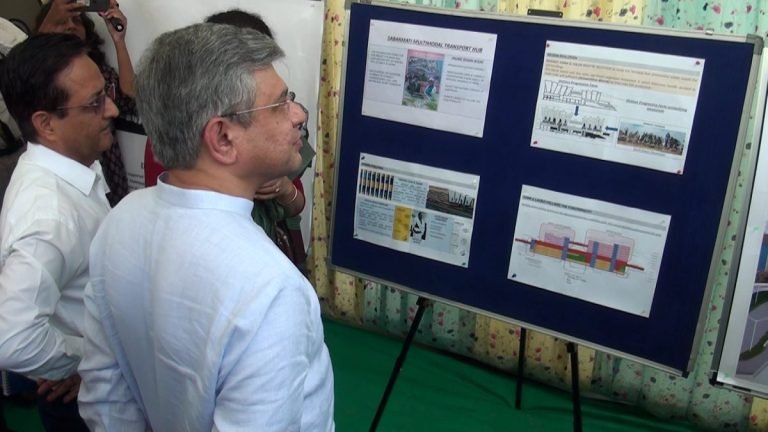
MUMBAI (Metro Rail News): Ashwini Vaishnaw, the Union Minister for Railways, visited the locations of the High-Speed Rail (HSR) stations at Sabarmati and Ahmedabad on 13th September and reviewed the development of the Mumbai-Ahmedabad High-Speed Rail Project.
Vaishnaw also went to Gandhinagar and looked over the station’s amenities. He was accompanied by senior railroad officials from Western Railway and National High-Speed Rail Corporation Limited (NHSRCL), including General Manager (In-Charge) of Western Railway Prakash Butani and the Divisional Railway Manager of Ahmedabad Division Tarun Jain.
According to Chief Public Relations Officer of Western Railway Sumit Thakur, Vaishnaw arrived at the Gujarat capital in the morning and inspected the various aspects of passenger-related amenities at the station.
He then rode in the inspection car to conduct a track inspection from Gandhinagar station to Sabarmati station. Vaishnaw also visited the One Station One Product stand at the Sabarmati station. He then arrived at the Sabarmati High-Speed Rail station construction site and review the progress. The railway minister also viewed the miniature model of the upcoming future Sabarmati HSR station. Officials from NHSRCL informed him of the numerous advances and progress made on the project. He interacted with the workers and encouraged their spirits by appreciating their efforts in the nation-building.
Vaishnaw went to the top of the Jhulta Minar in Ahmedabad and conducted a detailed inspection by going to the top of the structure.
Vaishnaw spoke with media representatives and gave them updates on the Vande Bharat Express and Bullet Train trains, Thakur stated. The rail minister revealed details regarding the Bullet Train project, saying that more than 80 kilometres of piers have been constructed. The installation of decks, viaducts, tracks, and overhead equipment is progressing.
Big Efforts for City Decongestion: Bangalore Peripheral Ring Road
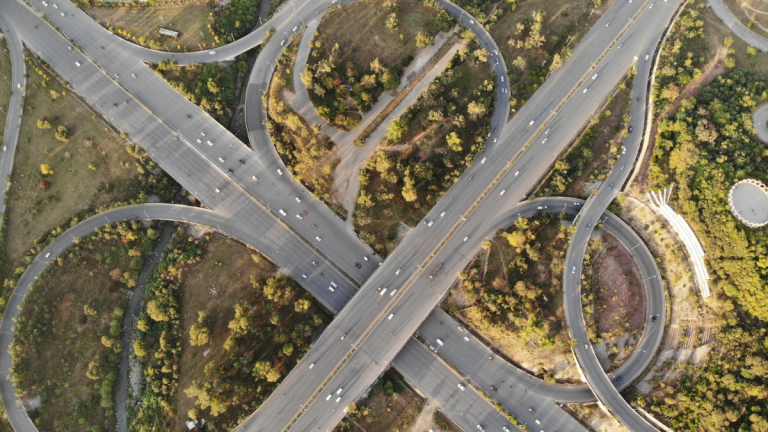
Peripheral Ring Road (PRR)
The PRR is planned as a 74 km stretch with a 100-meter-wide road. On completion, it will connect Tumakuru Road and Hosur Road via Hessaraghatta Road, Doddaballapur Road, Ballari Road, Hennur-Bagalur Road, Old Madras Road, Hoskote-Anekal Road, and Sarjapur Road. Along with NICE Road, which links Tumakuru Road and Hosur Road via the city’s northwestern, western and southwestern areas, Bengaluru will have a 116-km-long bypass on its periphery.
The proposed alignment of PRR will be located at an approximate radial distance of 17 km – 25 km from the city center and is envisaged to be a bypass to the city for the long-distance personalized vehicles (cars and cabs) and commercial vehicles (trucks and LCVs). The total land requirement for the project, which was initially estimated to be 733 hectares (1811.28 acres), was later revised to 1036.51 hectares (2561.27 acres) due to the change in length of PRR from 65.5 km to 74 km. The increase in length was due to realignment and inclusion of cloverleaf structures to integrate at Tumkur Road and Hosur Road with NICE road.
The project’s total cost is Rs 14,934 crores, out of which Rs 9,318 crore is required for land acquisition and rehabilitation purposes, while the construction cost is estimated to be around Rs 5,600 crores. The state government has already provided administrative approval for the project. When originally conceptualized 15 years ago with the aim of decongesting Bengaluru and easing traffic, the project was estimated to be Rs 3,000 crore. But due to design, rapid urbanization, and land acquisition challenges, the project could never take off despite repeated attempts.
The project is very significant to Bangalore city because it is expected to address serious traffic challenges. According to local authorities and the state government, Bengaluru needs PRR given the massive geographical expansion of the city to the current spread of 2196 sq km and explosive growth of vehicular ownership (2019 estimate – over 80 lakhs). The ring road is also expected to provide massive economic benefits. Bengaluru has been attempting to complete several large ring road projects to improve its city-region connectivity and alleviate traffic congestion. A Satellite Town Ring Road (STRR) is currently under construction.
Environmental Issues

The project has received initial environmental clearance, which was required as it involves the diversion of 7.91 hectares (19.54 acres) of forest land in the Jarakabandekaval reserve forest. Since the boundary of Bannerghatta National Park and Puttenahalli bird conservation reserve is located at a distance of 7.21 Km and 1.49 Km, respectively, additional approvals were required. The proposed PRR alignment is close to Peenya Industrial Area and Jigani-Bommasandra Industrial Area, which are notified as severely polluted and critically polluted areas by CPCB.
As per the environmental impact assessment (EIA) done for the project, 36,824 trees will have to be uprooted for the project. At Thippagondanahalli reservoir, 20 km of the proposed road will be built and 13,355 trees will come in the way of the project. More than 630 trees have been identified in the Jarakabande Kaval reserve forest area.
Environmental groups also say that there are six lakes along the proposed road alignment, and construction will result in a significant loss of habitat for small mammals like squirrels and bats and birds like the Black kite, Brahminy kite, Common buzzard, and the Indian peafowl. They argue that about 555 hectares (1,371 acres) of farmland will also be lost to the PRR.
BDA has proposed to mitigate the impact of the PRR on the environment by planting ten trees for every tree removed (a total of 3,38,380 trees to be plated). BDA has also undertaken to erect barriers on both sides of the road construction site to mitigate dust and air pollution. It has promised that no materials will be dropped from a height greater than 3 feet to minimize dust and that water will be sprinkled on the construction site at least three times a day.
It is also to note that, approximately 33,000 trees will be felled for PRR development, which has sparked concerns from environmentalists. This project will also affect forest land in Jarakabandekaval and six water bodies. The authorities have laid out a plan for planting trees in lieu of those that would be axed. However, the final Environmental Impact Assessment (EIA) report is still awaited as some details of the project have now been revised. To construct the PRR in Bangalore, land in around 67 villages will have to be acquired, spread across 8 districts. These are:
- Yeshwanthpur
- Hesaraghatta
- Yelahanka
- KR Puram
- Bidhrahalli
- Varthur
- Sarjapur
- Attibele
Land Acquisition Challenges
A major legal hurdle for the project was cleared in Nov 2021 after the Supreme Court directed the Karnataka government and the Bangalore Development Authority to acquire the land for the formation of PRR and proceed to implement the project. The SC permitted the project to go ahead in response to an affidavit filed by the Additional Chief Secretary, Government of Karnataka, Urban Development Department, Bengaluru.
Of the total land notified, government land consists of about 114.20 hectares, Kharab land consists of 43.43 hectares, and the remaining private land is 555.57 hectares. A section of land owners oppose BDA’s proposal to compensate them under the BDA Act and have demanded compensation under the Right to Fair Compensation and Transparency in Land Acquisition Act 2013. According to an estimate by BDA that was done in 2021, the land acquisition cost would shoot up by more than Rs 14,000 crores if the compensation package is fixed as per the 2013 Act. Even when the Congress-led United Progressive Alliance government passed the bill in 2013, the critics pointed out that it would increase the cost of infrastructure dramatically. While the National Democratic Alliance government attempted to dilute the law by ordinances etc, it abandoned the idea after opposition from allies and a lack of majority in the Rajya Sabha. BDA and the state government may need to come up with some innovative funding ideas to resolve the problem.
Timeline & Major Phases
- The project was mooted in 2005-06 by the then government.
- Between 2006 and 2010, the land acquisition process hit a roadblock with a number of landowners approaching Courts.
- In 2011, the High Court canceled the project due to delays. The government then revised the length of the road to 65 km and sought the Court’s permit for land acquisition.
- The project got environmental clearance in 2014, and by 2015, the Urban Development Department gave its assent to the project.
Now, with the Supreme Court giving its nod for land acquisition, the project has been brought back to life. Also, the original length of the road has been revised from 65 km to 73.5 km to enable the linking of the road with the BMICP Expressway, or the NICE Road as it is locally called. Japanese agency, Japan International Cooperation Agency (JICA), was roped in to finance this project. Initially, the project’s cost was pegged at Rs 3,000 crore, which has jumped to Rs 21,000 crore now, with land acquisition forming the bulk of this amount.
Summary
The Peripheral Ring Road (PRR) is the third Ring Road of Bangalore developed by the Bangalore Development Authority (BDA). The 73 km circular road will lead from Hosur Road and connect to Tumakaru Road and NICE Road to form a complete circle around the boundaries of Bangalore.
After being on the drawing board for several years, the Peripheral Ring Road Project (PRR) has finally received a nod from the Karnataka government. The mega project would encircle the peripheral areas of Bangalore, the city best known for its IT/ITeS hubs and new-age businesses. Once through, the development will create new connectivity points and fillip the realty landscape in Bangalore by and large.
Special Features
As per the plans, the Peripheral Ring Road will be a 73 km circular road, with eight lanes (100 meters wide) and four service lanes. It will cover areas of North and East Bangalore and Anekal. The stretch will start from NICE Road Junction at Tumkur Road, pass through Bellary Road, Old Madras Road and end at National Highway- 44 on Hosur Road. Further, it will also be integrated with the semi-circular NICE Road near BIEC and near Konappana Agrahara.
About 2,400 acres of land are expected to be acquired for the road. The project will be executed via a public-private partnership on the Design-Build Finance Operate and Transfer model. The road developer will get a concession to collect tolls for 50 years to meet the funding targets of the project and recover its costs and profits. Once completed, the road will have 17 toll plazas and two clover field junctions at Old Madras Road and Airport Road. A total of nine entry and exit points have been identified with five flyovers, four underpasses, and five Railway Overbridges (ROB).
As per the project plan, someplace in the median will be left vacant for metro projects in the future. It will also have provisions for a helipad and electronic charging stations for EVs.
The Need for the Third Ring Road
At present, Bangalore has two Ring Roads. The Inner Ring Road links Indiranagar to Koramangala, while the Outer Ring Road (ORR), which is 60 km long, links all the highways that converge into Bangalore, including five National and five State Highways. These include Mysore Road, Bannerghatta Road, Tumkur Road, Magadi Road, and Kanakpura Road, among others.
It is estimated that more than 10,000 heavy vehicles use the Outer Ring Road, which is also facing pressure from the growing real estate around it. The new Kempegowda International Airport also pushes the vehicular traffic here. Keeping in mind the traffic burden on existing roads and the increasing number of new vehicles in Bangalore (the district is witnessing a 10 percent annual vehicle growth), the Peripheral Ring Road received renewed interest from policymakers.
Latest Update
In April this year, the Bangalore Development Authority (BDA), the nodal authority tasked with the responsibility for providing civil amenities for the metropolis, floated a global tender inviting construction infrastructure firms to submit bids to develop a greenfield 8-lane, 74 km PRR through a public-private partnership (PPP) on design, build, finance, operate and transfer model (PPP-DBFOT).
It may be noted that the tenders were previously invited in March but have to be scrapped at the last moment due to technical glitches. This is the second time the tenders have been floated without any changes in the terms and conditions. Earlier, the farmer’s agitation delayed the construction as disputes relating to land acquisition reached the Courts. However, the authorities have now received a go-ahead from the Supreme Court. Global tenders were invited by BDA last year. An Israeli firm, Symba Maz, has expressed interest to invest in this project, the cost for which has now escalated to Rs 21,250 crore.
As per the tender terms, the winning concessionaire will get a 50-year lease period for collection of the toll to recover the cost and then hand over the project to the State Government. The winning concessionaire would also be required to pay upfront part of the land-acquisition cost. The BDA also notified the last date for submission of the bids as May 18 and the bid opening date was May 20. However, as per few reports in June again, BDA decided to scrap the tender process and announced that it would issue a fresh one. The decision to scrap the tender was attributed to queries from potential investors who participated in the tender process, seeking clarification on the land acquisition cost.
The government has created a Special Purpose Vehicle (SPV) called the Bengaluru PRR Development Corporation Ltd for implementing this project. Formal tenders are expected to be invited soon to finalise a developer for this road. With the Cabinet approval in place, the project seems to be moving up from the drawing board to the implementation stage. Once constructed, this road project would significantly ease the high-traffic areas and have a strong effect on the real estate market in Bangalore.
The largest metropolis of northeast to wait for Metro transportation
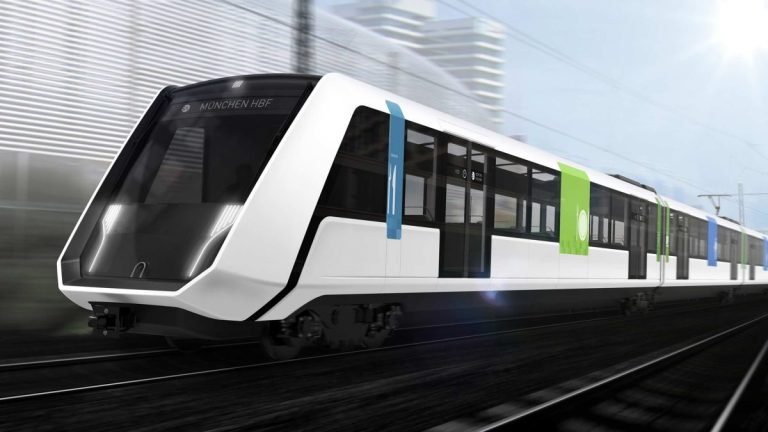
The Guwahati Metro is a rapid transit proposed for the city of Guwahati, Assam. The system plan consists of 4 corridors covering a distance of 61.42 km in phase one of the Guwahati Metro. On 11 January 2013, former Chief Minister of Assam Tarun Gogoi held discussions with officials of the Guwahati Development Department and Guwahati Metropolitan Development Authority, in which after detailed deliberations it was agreed that there was a need to urgently take up the study of introducing a metro rail and bus rapid transit system in the city to arrest the chaotic traffic condition on the streets.
The survey of the proposed project included preliminary exercises such as a study of the number of commuters in different areas of the city at different times of the day and a calculation of the estimated cost of the project. The survey conducted a track-type feasibility study at different places. Three types were considered: underground track, overground track, an elevated track. The Khanapara – Jalukbari route was proposed to have overground and elevated tracks because this route is not congested. The other two routes were to have a combination of underground and elevated tracks. The contract to make a feasibility report and prepare a detailed project report was awarded to M/S Rites in June 2014. However, it was suggested that elevated tracks will be most viable in Guwahati because they are cheaper and can boost tourism potential.
Project Details
Operational : 0 Km
Under Construction : 0 Km
Proposed: 61.4 Km
Phase 1 Routes
Line 1 : Dharapur – Narangi
Length : 22.6 km
Type: Elevated
Number of Stations: 22
Line 2 : MG Road – Khanapara
Length: 10 km
Type: Underground
Number of Stations: 10
Line 3 : Jalukbari – Khanapara
Length: 19.4 km
Type: Elevated
Number of Stations: 14
Line 4 : ISBT – Paltan Bazar
Length: 9.4 km
Type: Elevated
Number of Stations: 8
Additional potential lines being explored:
- Dharapur – Guwahati Airport
- North Guwahati – AIIMS
Summary
Guwahati Metro is a 61.40 km urban Mass Rapid Transit System (MRTS) with 4 lines and 54 stations proposed to be built in Guwahati, Assam. Guwahati Metro Phase 1 project’s Feasibility Report and Detailed Project Report (DPR) was prepared by RITES in January 2016. On February 26, 2016, this DPR and the formation of Guwahati Metro Rail Corporation Limited (GMRCL), to execute the project, were approved by Assam’s state government.
In January 2017, the new government’s state cabinet reviewed the project and suggested modifying the DPR with additional lines connecting Dharapur with Guwahati Airport and North Guwahati with AIIMS in Phase 1 itself. As of March 2020, RITES has been tasked with preparing a Comprehensive Mobility Plan (CMP) & Alternative Analysis (AA) Report for Guwahati. After the approval of these reports, Guwahati Metro’s DPR will be modified and finalized accordingly.
Latest Update
Guwahati Metropolitan Development Department (GMDA) revealed that a new Metro Rail Policy was introduced by the Centre in 2017, which asked for a rigorous assessment of new metro proposals. States were required to adopt innovative mechanisms to mobilize resources for financing metro projects. The options for availing Central assistance include Public Private Partnership (PPP) with Central assistance under the Viability Gap Funding Scheme of the Ministry of Finance; grant by the Centre, under which 10% of the project cost would be given as a lump sum central assistance; and 50:50 equity sharing model between the Central and State governments. Under all these options, private participation, however, was mandatory.
The Feasibility Report for Guwahati Mass Rapid Transport System (MRTS) was completed by the Rail India Technical and Economic Service Limited (RITES) in March 2015, for a total corridor length of 203 km in three phases and a complete DPR (Phase-I) for a total length of 62.95 km in January 2016. The State Cabinet, on February 2, 2016, approved the DPR (Phase-I) for MRTS and the State-owned Special Purpose Vehicle (SPV) namely Guwahati Metro Rail Corporation Limited, to carry forward the implementation of rail-based MRTS for Guwahati city.

DPR for Phase-I was prepared for a total length of 61.4 km. Phase-I would have 4 corridors:
Corridor-1: Dharapur– Narangi (Elevated) = 22.6 kms
Corridor-2: MG Road to Khanapara (Underground) = 10.0 kms
Corridor-3: Jalukbari to Khanapara (Elevated) = 19.4 kms
Corridor-4: ISBT to Paltan Bazar (Elevated) = 9.4 kms
The DPR was sent to the Union Ministry of Urban Development (MoUD) in May 2016. The MoUD advised the State government to resubmit the proposal along with an updated Comprehensive Mobility Plan (CMP). The State Cabinet in January 2017, suggested some changes and asked GMDA to recast the DPR (Phase-I) for Rail-based MRTS. The Government also instructed the GMDA to prepare the DPR for additional metro corridors from Dharapur to Guwahati Airport and Jalukbari to North Guwahati.
Meanwhile, the Government of India adopted the Metro Rail Policy, 2017, and advised the states to submit MRTS proposals accordingly. As per the new policy, the project DPR required Alternative Analysis (AA). In the case of Guwahati, a CMP was also required. On approval of the Government of Assam, RITES was handed over the preparation work of the CMP and AA Report for Guwahati on a nomination basis, which is for the CMP at Rs 1.25 crores (excluding taxes) and AA reports at Rs 35.00 lakhs (excluding taxes). The timeline for CMP was 4 months and the AA report was 2 months.
During the review meeting of the presentation of the inception report of the CMP, held on December 2018 under the Chairmanship of the Principal Secretary of Guwahati Development Department (GDD), RITES was enquired by the Principal Secretary of GDD about the inclusion of a traffic impact study from Assam State Capital Region Development Authority (ASCRDA) region in the present scope of CMP and was asked to submit proposal and cost implications for the study. The ASCRDA area is approximately 6,100 sq km, covering five districts namely Kamrup Metropolitan, Kamrup, Nalbari, Darrang, and Morigaon. RITES said that since the traffic study for the CMP is for the Guwahati Metro Region, the inclusion of the traffic impact study from the ASCRDA area can be done at a very reasonable rate and time.
RITES submitted the final CMP and AA report in 2018, but since then the State government has not yet decided on any further course of action on the project. It needs to be mentioned that metro projects are highly capital intensive and therefore need to be justified on several grounds. The viability of the metro has to be ascertained from all aspects. Social benefits, financial viability, growth of the city, commuting issues, and various other factors needed for easy commuting of the metro system must be taken into consideration. It has been 5 years now and the GDD Department has not done enough to start the project, which makes the metro rail in Guwahati a distant dream. However, it must be noted that if the population of Guwahati has reached 20 lakhs, it is the right time to plan for a metro system for the city. At least 5 to 6 years are required for getting the metro operational in a hilly and picturesque area like Guwahati. Nevertheless, it is beyond doubt that the ‘Gateway to North-East India’ deserves to have a metro system.
Affordability in Urban Transportation
Abstract
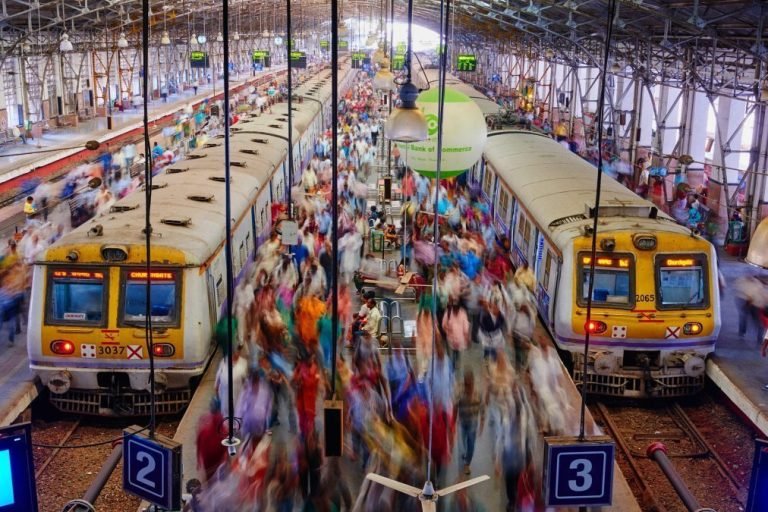
Good public transport systems are an essential part of safe, clean, and affordable transport for development. From a social perspective, public transport is often the only means of transport for the poor. Without it, they would be able to look at work opportunities only within walking distance of their homes, so public transport improves their livelihood opportunities. It also gives them greater access to education, health care, and recreation. For senior citizens, people with disabilities, and children, public transport is also their main means of mobility.
From an urban mobility perspective, public transport is far more efficient than personal motor vehicles in terms of the road space it uses up and the energy it consumes. For example, a bus carrying 40 passengers uses only 2.5 times more road space than a car carrying only 1 or 2 people. And the same bus consumes only about 3 times as much fuel as a car. Public transport is thus important for improving sustainable mobility in urban areas, and it is well considered the right approach to encourage low-carbon growth in cities.
Key elements of a sustainable public transport system
A good public transport system must be easy and convenient to use. It also must be fast, safe, clean, and affordable. Seoul, Singapore, and Hong Kong are known for their excellent transport systems. Smaller cities like Lyon in France and Curitiba in Brazil also have very good systems. More recently, León in Mexico, Pereira in Colombia, Lagos in Nigeria, and Ahmedabad, Delhi & Bangalore in India have developed good systems. Many more are in the development stages.
A key feature is that they integrate multiple technologies, such as metro rail, light rail, Bus Rapid Transit, and basic bus services. A common ticket or fare card serves all the systems, making it easy for passengers to transfer from one mode to the other. Passenger information systems enable users to know when the next service is due and to understand the routes easily, and a high frequency of service reduces the hassle of a long wait for the next bus or train.
Main barriers to sustainable public transport in developing countries
An important barrier is the historical industry structure. Many countries in Africa (Ghana, Nigeria, South Africa), Latin America (Colombia, Peru) and Asia (Philippines, Indonesia) have bus systems that are owned and operated by a large number of small operators. Meanwhile, other countries in Asia (India, China), North America (USA, Canada), and Europe (France) have a single publicly owned entity that provides all transport services. Experience shows that neither of these is the best for ensuring a good public transport system.
- Having a large number of small operators allows for low-cost services, but the quality is poor due to severe competition. Other disadvantages include dangerous driving practices, pollution, and a tendency to have too much service on profitable routes and virtually no service on non-profitable routes. Meanwhile, single publicly owned entities may offer a higher quality of service but costs tend to be high and the quantity of service is often inadequate.
- There is increasing recognition that the best industry structure falls somewhere between the two. Having a single public entity that plans the network and determines the quality of service, with a small number of private operators providing services under structured contracts, allows a balancing of public good needs with the operational efficiency of the private sector. However, the historical industry structures make it difficult to undertake reforms.
- Another barrier is the financial sustainability of mass transit systems, especially metro rail. These cost a lot to build as well as to operate, and so the operating costs are not recovered through fares. It is essential to look at additional revenue sources, beyond fares, to sustain such systems.
- The social image of public transport is another barrier. In developing country cities, as income levels go up, people like to demonstrate their enhanced income status by shifting from public modes to personal motor vehicles. The public transport system is seen as the only option for people who cannot afford their own vehicle. As a result, people tend to look down on someone who is using public transport. Getting the image of public transport right is a challenge.
Transportation Affordability: An Understanding

Affordability refers to people’s ability to purchase basic goods and services. It can be defined as the situation in which household incomes can purchase Basic Goods (housing, food, medical care, and transport), or simply that lower-income people need not worry too much about purchasing essential goods and services. Since affordability refers to a household’s ability to save money, it is particularly evident in the expenditure patterns of lower-income households, and their response to financial limitations such as reduced income or new cost burdens; for example, public transit services tend to provide affordability because they provide a fallback option to lower-income commuters when their vehicles are unavailable.
Transportation affordability means that people can purchase access to basic goods and activities (medical care, basic shopping, education, work, and socializing), which typically means that households spend less than 20% of their budgets on transport and less than 45% on transport and housing combined. This is a critical equity objective since it affects the cost burdens and opportunities available to disadvantaged people. Transportation affordability can be evaluated from several perspectives. It is affected by the number of vehicles that a household must own, the costs of owning and driving each vehicle, indirect costs such as residential parking, and the quality and costs of alternative modes such as transit ridesharing, cycling, walking, car-sharing, and taxi services.
Lower-income households tend to be particularly impacted by the costs of alternative modes since they rely on them more than households with higher incomes. Individual and community factors influence transportation affordability. People who must commute to work or school have greater transportation requirements than people who do not work or work at home. People with physical disabilities or other special needs tend to require more expensive transportation services. Many planning decisions affect transportation affordability. Modern transport planning responds well to the demands of wealthy travelers but not to the needs of the poor. Current planning supports automobile, air, and freight transport but does much less to improve affordable modes such as walking, cycling, and public transit travel, or to ensure that affordable housing is available in accessible locations. This is unfair and exacerbates economic problems since many workers find it difficult to access education and employment, and because motorized modes require costly infrastructure, impose external costs, and are resource-intensive, leading to increasing dependence on imported oil.
Affordability should be evaluated with regard to total rather than unit costs. For example, low per-gallon fuel prices provide less affordability in an automobile-dependent community where high vehicle ownership and mileage is necessary for access than high fuel prices with a more diverse transportation system and a more accessible land use pattern. In general, automobile dependency tends to increase per capita transportation costs and reduce overall transportation affordability, while smart growth can increase transportation affordability by creating more accessible land use (which reduces the amount of travel needed for basic access) and improving affordable transportation options such as public transit, ridesharing, cycling and walking. Smart Growth and TDM (Transport Demand Management) programs can help increase the prestige of affordable modes such as walking, cycling, and transit, making it more socially acceptable for residents to use them. As a result, a greater portion of household wealth is devoted to mobility in automobile-dependent communities than in communities with more balanced transportation systems.
Integration of Rural & Urban Transport System

In rural areas, the challenge is in providing connectivity to urban markets for rural produce. Public transport is not needed to meet travel needs within each village. Such connectivity to urban centers, or between one village and another, need not be run at a very high frequency – a few services a day are usually enough. The challenge, however, is to be able to do it at an affordable price. In urban areas, the challenge is that there are competing modes, like personal vehicles, which are unsustainable. In getting people to choose public transport over personal vehicles there are stringent quality parameters that need to be met. These relate to convenience and reliability, which are not as stringent for rural-urban connectivity or even for connecting one rural area to another.
Transportation Costs
Although it is possible to purchase an automobile for just a few hundred dollars, such vehicles tend to be unreliable, with high maintenance and repair costs. As a result, most lower-income motorists constantly face the risk of unaffordable vehicle repair and replacement costs. Vehicle insurance also tends to be a significant financial strain on low-income motorists. Many lower-income motorists are in higher-risk insurance categories due to age, experience, and territory rating factors, and so must pay hundreds of dollars for basic coverage. As a result, they face the choice of devoting an excessive portion of their income to vehicle insurance, driving uninsured (which is illegal in many jurisdictions), or foregoing automobile ownership.
On the other hand, low- or moderate-income household can easily and affordably satisfy their basic access needs by using a combination of walking, cycling, ridesharing, transit services, and occasional vehicle rentals. TDM strategies that improve these options, and help create multi-modal communities, can significantly increase transportation affordability.
The portion of household income devoted to transportation tends to be particularly high for lower-income households that own an automobile and low for households that do not own an automobile. These factors are generally overlooked because most statistics aggregate the two groups together, essentially hiding the excessive cost burden of vehicle ownership on poor households.
Affordability & Ways to decrease the social divide
First and foremost, if budgets for transportation are small, it is important for cities to choose a system that meets their needs. There is no point in a city choosing a high-cost system if a smaller, less expensive system could do the job. Expensive systems can be a big drain on the public budget, not only for construction costs but also for the annual operating costs.
With regard to financing, the capital costs can be supported with loans, provided there is some contribution from the promoters – typically governments. The challenge is in the operations phase when not only do the operating costs have to be met but the debt service has to be covered. Further, it is usually difficult to balance cost recovery with affordability. Public transport is often the only mode of transport available to the poor, so fares have to be low, but low fares mean that costs are not recovered.
Fortunately, several innovative methods of financing have emerged, of which the commercial exploitation of land resources owned by public transport agencies seems the most promising.
Conclusion
The world is becoming increasingly urbanized. Since 2007, more than half the world’s population has been living in cities, and that share is projected to rise to 60 percent by 2030. Cities and metropolitan areas are powerhouses of economic growth—contributing about 60 percent of global GDP. However, they also account for about 70 percent of global carbon emissions and over 60 percent of resource use. Rapid urbanization is resulting in a growing number of slum dwellers, inadequate and overburdened infrastructure and services (such as waste collection and water and sanitation systems, roads, and transport), worsening air pollution, and unplanned urban sprawl. To respond to those challenges, 150 countries have developed national urban plans, with almost half of them in the implementation phase. Ensuring that those plans are well executed will help cities grow in a more sustainable and inclusive manner. The proportion of the urban population living in slums worldwide declined by 20 percent between 2000 and 2014 (from 28 percent to 23 percent). That positive trend recently reversed course, and the proportion grew to 23.5 percent in 2018. The absolute number of people living in slums or informal settlements grew to over 1 billion, with 80 percent attributed to three regions: Eastern and South-Eastern Asia (370 million), sub-Saharan Africa (238 million), and Central and Southern Asia (227 million). An estimated 3 billion people will require adequate and affordable housing by 2030 exerting additional pressure on the existing transport systems.
Air Pollution becoming an unavoidable health hazard
Nine out of ten urban residents in 2016 were breathing polluted air—that is, air that did not meet the WHO air quality guidelines for annual mean levels of fine particulate matter (PM2.5) of 10 micrograms or less per cubic meter. More than half of those people were exposed to air pollution levels at least 2.5 times above the guideline value. Air quality worsened between 2010 and 2016 for more than 50 per cent of the world’s population. Central and Southern Asia and sub-Saharan Africa are the two regions that saw the largest increases in particulate matter concentrations.
In low- and middle-income countries, the air quality of 97 percent of cities with more than 100,000 inhabitants did not meet air quality guidelines in 2016, compared to 49 percent in high-income countries. Ambient air pollution from traffic, industry, power generation, waste burning, and residential fuel combustion, combined with household air pollution, poses a major threat to both human health and efforts to curb climate change. More than 90 percent of air-pollution-related deaths occur in low- and middle-income countries, mainly in Asia and Africa.
Need for a sustainable & affordable transport system
People everywhere depend on transport and mobility systems to not only move from point A to point B, but to access economic opportunities, healthcare, food, services, and so much more. For this reason, transport systems can either make or break the liveability and affordability of cities. Governments can learn a great deal from Chile, where in 2019, a small public transport fare increase sparked nationwide protests that eventually lead to the election of a new government. While the hike in cost was simply the spark that incited a movement against wider austerity, the reverse can also be true: increased funding and support to public transport systems can be catalysts for enhanced equality and greater investments in all public services.
In so many cities, many people are forced to travel for hours to go to work (often at low-paying jobs), because living in or close to city centers is untenable and expensive. Women are especially affected by this, only further exacerbating gender inequality and poverty. While doing more on housing is an important step, efforts can also be made to increase connectivity in metropolitan areas. Transit deserts are a growing problem globally, including in developed countries like the United States, where working-class people embark on multi-modal, complex journeys of nearly two hours each way to earn, in many cases, a barely living wage.
Cities must work together with regional and national governments to expand public transport services and ensure affordability. Train and bus services, where available, should reach more communities, not only affluent ones. Where there is little to no public transport infrastructure, cities must engage informal transport providers to guarantee that services are safe and adequate and that costs are low. Very often, governments give little attention to this mode, even though in regions like Sub-Saharan Africa, up to 80 percent of the population relies exclusively on informal transport services for their mobility needs. In South Africa for example, while overall investments in transport are already low, national budgets do not give proper attention to the needs of the poor. While 66.4 percent of riders use informal minibus taxis, the state only allocates 1 percent of subsidies and support.
In addition, where possible, cities should also support active mobility infrastructure. Walking and cycling, while a fun and healthy choice for people of means in city centers are often a dangerous reality for poor people throughout the world. Car-driven urban planning has resulted in road systems that give little attention to the needs of pedestrians and cyclists. For this reason, cities must ensure that when people walk or cycle, they are able to do so safely and comfortably. Sidewalks should not only exist but be well maintained and protected from motor vehicles. Trees and other forms of urban greenery should be planted for shade and to make trips even more pleasant, possibly even encouraging motorists to ditch their cars for a bike.
Public transport is an essential service for urban residents and a catalyst for economic growth and social inclusion. Moreover, with ever-increasing numbers of people moving to urban areas, the use of public transport is helping to mitigate air pollution and climate change. According to 2018 data from 227 cities, in 78 countries, 53 percent of urban residents had convenient access to public transport (defined as residing within 500 meters walking distance of a bus stop or a low-capacity transport system or within 1,000 meters of a railway and/ or ferry terminal). In most regions, the number of people using public transport rose by nearly 20 percent between 2001 and 2014. Sub-Saharan Africa lagged behind, with only 18 percent of its residents having convenient access to public transport. In some regions with low access, informal transport modes are widely available and, in many cases, provide reliable transport. Stronger efforts are needed to ensure that sustainable transport is available to all, particularly to vulnerable populations such as women, children, seniors, and persons with disabilities.
The Chenab Rail Bridge: An Engineering Marvel of Indian Railway
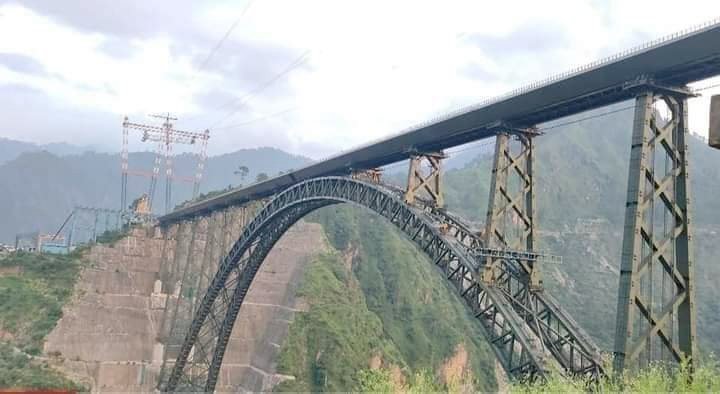
The Chenab bridge is part of the ambitious 272-km long railway line from Udhampur to Baramulla – named the ‘Udhampur-Srinagar-Baramulla Rail Link Project’ – joining Jammu with the Kashmir valley as an all-weather high-speed alternative. The 272-km long railway line will have 38 tunnels – a total length of 119 km – with the country’s longest tunnel T-49 (12.75 km), and 927 big and small bridges (total length of 13 km) part of it. The place near the Chenab bridge often witnesses hostile weather conditions, and so a sophisticated automatic signaling system installed on both sides will stop the trains from crossing the bridge if wind speeds there touch 90 kph.
For the first time ever since independence, Srinagar will be linked to the rest of India after the overarch deck on the world’s highest single-arch railway bridge over Chenab River will be launched. The world’s highest railway bridge is now being built, and when it is finished, it will be 35 meters higher than the Eiffel Tower.
Afcons is building 16 additional railway bridges for Konkan Railway Corporation Limited (KRCL) in the dangerous terrain of Jammu and Kashmir in addition to the Chenab Bridge. All the bridges are part of the Udhampur Srinagar Baramulla Rail Link (USBRL) project. Afcons recently finished the main deck slab concreting of a bridge that is even higher than the Qutub Minar as part of the 16 KRCL bridges project. In under 70 days, four levels of concreting totalling over 1,550 cum were completed. The entire event took place in Jammu and Kashmir’s steep Sangaldan at a height of more than 90 meters above the surrounding countryside.
Construction
The Chenab Rail Bridge was originally intended to be completed in December 2009. However, in September 2008, the project was halted due to fears over the bridge’s stability and safety. Work on the bridge restarted in 2010, with the plan to complete it in 2015.
The design and construction was awarded to Afcons Infrastructure, a part of the Shapoorji Pallonji Group, the third-largest construction group in India, with the help of IISc Bangalore. Major construction decisions were taken by Konkan Railway Corporation. The Defence Research and Development Organisation (DRDO) helped in the design of the bridge, making it blast-proof using special steel.
The erection scheme for the bridge is a project in itself. Two pylons (about 130 m and 100 m high) were erected on either side of the river, and two auxiliary self-propelled cable cranes (capacity of 20 tonnes each) were used to tow temporary auxiliary ropes across these pylons. The ropes were used to support the partly finished arch parts. After arch completion, the trusses will be added, finally the girder will be constructed as a horizontal sliding type platform.

The bridge, which will include a 14-metre dual carriageway and a 1.2-metre-wide central verge, will have a design speed of around 100 kilometres per hour with a lifespan of 120 years. It is said to be able to withstand earthquakes with a magnitude of up to eight and high-intensity blasts. Steel has been specifically chosen for the construction of the bridge as it will make the project more economical. The metal will also be able to resist temperatures of minus 20 degree Celsius and wind speeds of above 200 kilometre per hour.

The preparations of the rail link began in 2002 and the initial plan was to connect Kashmir’s northernmost city Baramulla to New Delhi. The project was given high priority by Atal Bihari Vajpayee government but the project suffered several delays owing to the weather conditions and contractual issues. Work on the bridge started again in July 2017 with the aim of completing the construction by the end of 2019 but due to contractual issues in 2018, it was delayed. The coronavirus pandemic also added to the delay in the construction of the project.
Design
After many deliberations, taking into account aesthetics, economy, and availability of local expertise and construction materials, the Chenab Rail Bridge was designed as a large span single arch steel bridge with approach viaducts on either side. The arch is two-ribbed, fabricated from large steel trusses. The chords of the trusses are sealed steel boxes, internally stiffened and filled with concrete to assist in controlling wind-induced forces on the bridge. Another advantage of concrete filling is that internal painting will not be required.
The number of bearings has been minimized, particularly on the approach viaduct, through the use of continuous construction. This is advantageous, as it reduces the maintenance and inspection efforts, and improves the riding quality. The viaduct piers are of concrete, while the piers near the arch are Indian construction standards such as the Indian Railway Standards (IRS), the Indian Road Congress (IRC) and the Indian Standards (IS) were found inadequate for the large spans of the Chenab Bridge.
For example, the Indian Railway Standards (IRS) are primarily intended for simply supported bridges with spans up to 100m (although these have been successfully used for higher spans up to 154m). The spans for the Chenab Rail Bridge greatly exceed this limit, and are continuous. Therefore, to assure a safe design, Indian national standards have been supplemented with International standards such as British Standards (BS), International Union of Railways (UIC), and Euro. Also, many global experts with versatile and relevant experience, have been involved in order to facilitate making the project a success.
Following are some of the design considerations taken into account:
- Limit state philosophy of design has been decided to be followed as per BS codes
- Computation of wind load effects as per wind tunnel tests
- Site specific seismic spectra developed by Indian Institute of Technology (IIT) Roorkee
- Provision of Euro code 8 for ductility detailing of very tall and hollow rectangular RCC piers
- Provision of long welded rail (LWR) over the bridges and resulting force calculation as per UIC – 774-3R guidelines
- Blast resistant design used
- Design checking for fatigue as per BS codes
- Deformation limits as per comfort criteria of UIC – 776-2R and UIC 776 -3R guidelines
- Redundancy provided in the structures, for lower level of operation during mishaps and against collapse in extreme cases of one pier failure
The quality aspect has been emphasised, as the quantum of fabrication and welding is colossal. Mostly indigenous material compliant to IS codes has been planned to be used, whereas for the design, international codes have been referred, which means the Quality Control work is still difficult.
Important Stages & Timeline
- Dec 2003: Project approved.
- Feb 2008: Contract awarded for construction.
- Jul 2017: Construction work resumed on the bridge.
- Nov 2017: The work bridge’s arch is was expected to be completed By May 2019.
- Nov 2018: The bridge under active construction.
- Dec 2018: The project envisaged to be completed by the end of 2019, but ascertained unlikely.
- Aug 2019: 80% of construction work completed on the bridge, expected to be opened in mid-2020.
- Nov 2019: 83% work completed on the bridge, expected to be opened in March 2021.
- Jan 2020: Time for opening again revised. Now expected to be opened in December 2021.
- Apr 2021: Work on both the ends of the bridge’s arch finally completed. Planned to be opened in 2022.
- Jun 2022: About 90% of construction work completed, now confirmed to make the bridge operational by December 2022.
- Aug 2022: The bridge’s remaining work on the final joint completed. The ‘Golden Joint’ of the rail bridge completed on 13 August 2022. The workers decked it with national flag to celebrate ‘Azadi ka Amrit Mahotsav’.
Latest Update
More than 75 per cent of the total 37 bridges and 97.6 per cent tunnelling work on the vital Katra-Banihal railway link stands completed. The Katra-Banihal stretch is part of the prestigious Udhampur-Srinagar-Baramulla Rail Link (USBRL) Project which has missed several deadlines in the past amid huge cost escalations since 1997, when the then Prime Minister H D Deve Gowda laid its foundation at Udhampur. In view of the importance of the USBRL project in providing seamless and hassle-free connectivity, the 272-Km-long railway line project was declared as a ‘national project’ in 2002. While the 161 km was commissioned in phases with first phase 118-km Qazigund-Baramulla section commissioned in October 2009 followed by 18-km Banihal-Qazigund in June 2013 and 25-km Udhampur-Katra in July 2014.
The intervening stretch of the Katra-Banihal section (111 km) is in progress. This is, perhaps, the most difficult new railway line project undertaken in the Indian subcontinent. This section predominantly involves tunnelling of 164 Km (97.57 km main tunnel and 66.4 km of escape tunnel), in addition to construction of 37 bridges on Chenab river and its tributary Anji Khad. At present, 160.52 Km of tunnelling (95.47 km of main tunnel and 65.05 km of escape tunnel) and 28 bridges, out of total 37 have been completed. The work on the project is going on in full swing and the Railways is hopeful about commissioning the final phase to connect Kashmir with the rest of the country next year.
Referring to the completion of the overarch deck of Chenab railway bridge in Reasi district with the laying of the ‘golden joint’ on August 13 as a milestone, the Railways informed that ‘minor’ works on the nearly 1.3 km bridge is expected to be completed by November this year. The paradigmatic bridge is located 359 m above the Chenab riverbed in Kauri village and is 30 m higher than the Eiffel Tower in Paris.
Once completed, the bridge will be able to withstand winds with speed up to 260 kmph and will have a lifespan of 120 years. The project has other firsts like the longest railway tunnel having overall length of 12.75 km situated between Sumber and Arpinchala in Sangaldan area of Ramban district which has been made through on February 15 and first cable-stayed bridge which when completed would be an engineering marvel of 21st century. In addition, a 205-Km access road has also been completed which provides connectivity to far flung and inaccessible remote areas, leading to socio-economic development of the local residents. The cumulative expenditure on Katra-Banihal section up to June is Rs 23,071 crore. The electrification work on the railway line from Banihal to Baramulla also is in progress and is likely to be completed by end of this year.
Namma Metro: Ongoing efforts for an integrated and Multi-modal transport
Abstract
The transportation system plays a vital role in a part of any country as it contributes to social and economic development. Transportation was built closely with well-organized movements and the development of humans throughout the history of the world.
Transportation played a part in the industrial, economic, social, and cultural development of all regions in every commodity produced which includes agricultural to industries at various stages of production to distribution. The transportation system includes planning, design, development, maintenance, and improvement. The increasing vehicular traffic on the urban road in the network demand effective measure of traffic control on road – networks, mixed traffic creates congestion and traffic jam in road networks.
The land use feature and transportation system are interdependent as it contributes to improving and expanding the transportation network. If the system is efficient, safe, and economical, the development of the city improves with better accessibility. Mass rapid transit system projects like metro rails are expected to improve traffic and road safety conditions (reduced vehicular traffic, traffic congestion, road accidents, etc.) and environmental conditions (air and noise pollution) in urban areas Studies have been conducted to assess the overall potential and efficiency of the metro rail in terms of easing the traffic scenario in Bengaluru city through commuter perception.
The use of metro services by the public is known to decongest urban traffic. The public can use metro services when the outermost destinations are directly accessible to metro stations. Issues with connectivity from home or destinations to access the metro can lead to the choice of modal shift. In this regard, the last mile connectivity study is undertaken to evaluate the last mile problems. Last mile connectivity is defined as the movement of public goods from a transportation area to their final destination such as home or workplace. This is usually used in telecommunications, chain management, and transportation planning describing transportation efficiency. When users have difficulty getting from their starting location to a final transportation network, the scenario is alternatively
known as the problem in the first mile. Vice versa Last mile problem refers to difficulty getting conveyance from the transportation network to the users’ destination.

Development of Transport Systems
The quest for rail-based solutions began close to 40 years ago in 1983 in Bengaluru when a Commuter Rail system was first proposed. Since then, road traffic has grown by leaps and bounds as street-based transport has remained the only option, even as
BMTC buses became inefficient, unreliable, and unpredictable due to increasing traffic congestion.
If all goes well, the bulk of Bangalore’s Public Transport commuters will be moving in trains over rail tracks rather than on roads by around 2032. Plans that have been pending for a long are finally being implemented to expand Metro and add Suburban
Rail to cover large parts of the city with a combined urban rail network totaling over 400 km.
High Traffic Congestion Reports state that the total number of motorized vehicles in the city would be well over 10 million by end of the year 2022. The number of motorized vehicles in the city was 2.64 million in 2008. This had shot up to over 8 million by 2019 at an average CAGR rate of growth of 10.32. If this trend were to continue, the city will have over 14.5 million vehicles by 2025 itself.
Bus Transportation
Bus commuters increasingly have moved to two-wheelers, cars, and other more nimble vehicles of all sizes including door-to-door taxis that can be hailed over a mobile phone. Wrestling to gain advantage on streets with vehicles jostling for space has thus reached alarming proportions. No matter how excellent the supply side of public transport may be, services can only have as much quality and punctuality as traffic conditions will allow. This aspect is overlooked when calls are being made to increase bus services multi-fold to address public transport deficiencies. At the same time, buses do have enormous reach as city road networks are vast. Hence buses have an important role to play since tracks can’t be built everywhere for trains since they require a lot of space and are far more capital intensive.
Expansion of Rail-Based Transportation
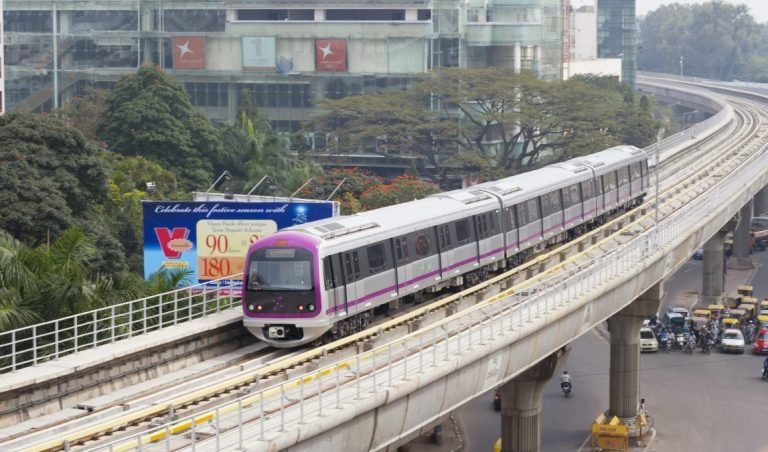
The expansion of Metro and the development of a Suburban Rail system on dedicated tracks are steps that were long overdue in the city. These steps are now being taken by the government in an attempt to shift public transport users off the streets onto exclusive track systems for faster commutes. During Phases 2 and 3, Bengaluru Metro (popularly called ‘Namma Metro) is likely to add 211.6 km to the existing 42.3 km that has been in operation since 2017 (built under Phase 1). About 14 km under Phase 2 has been commissioned in 2021. Thus, 56.1 km is currently operational. Two new lines are expected to be commissioned by 2024-25 and the Airport line is likely to get ready by 2026-27.

Rail Network Connecting Most of the Areas
Metro’s Phase-3 routes and stations have been announced and Detailed Project Reports (DPR) is under preparation. It is likely that construction may begin by 2025 with an estimated completion target of 2032. Route selections appear reasonably good
to cover most parts and activity centers. On completion, the Metro network will have eight lines. Two lines would be aligned around the circle of the Outer Ring Road. The remaining six routes are mostly radial and will have intersections with the Ring line/s (some lines will intersect at multiple points). The three North-South Metro lines will provide easy access to central CBDs as they cut through the city’s central areas. The four Suburban routes will supplement the Metro system and offer faster commutes over longer distances (thus, it will more or less be an ‘express’ mass transit system with much fewer halts than the metro). The existing East-West metro Line (Purple line) will in the future be supplemented by the Parijaata Suburban Line that deviates from the Purple line’s route when within ORR but converges outside ORR at both ends. It is hoped that the onslaught of motorization will slow down, if not halt once these extensive rail-based travel options are made available. Road expansions need to be minimized; just enough to take care of necessities to operate buses or reach public transport, particularly in peripheral areas where the secondary and tertiary road networks are in poor condition, and also to assist commuters to reach trains easily.
Major Development Plan
To ease traffic congestion and with a focus on NammaMetro, suburban rail, and Peripheral Ring Road (PRR), underlining the need for a better mass transit system, a new 35-km Metro line connecting Sarjapur to Hebbal through Agara, Koramangala, and Dairy Circle at an estimated cost of Rs 15,000 crore has been announced by the present Bommai government in Bengaluru. A detailed project report (DPR) for this line is proposed to be prepared in FY 2022-23. Of the 35km, Hebbal to Koramangala (16. 8km) will be underground, and the remaining Koramangala to Sarjapurstretch (18.6km) will be elevated. BMRCL yet, have not stated anything clearly on whether this corridor will be taken up in Phase 3A or Phase 4 and also on its deadline but mentioned that several traffic studies need to be conducted before preparing the DPR. The BMRCL also disclosed that they plan to take up this corridor in the next phase. Experts and activists have welcomed the announcement since the proposed route cuts through the city’s core areas.
Earlier, BMRCL had drawn flak for focusing on Bengaluru outskirts, allegedly due to political pressure. It may be noted that, around nine years ago, BMRCL had proposed the Carmelaram-Yelahanka line, which was to be taken up under Phase 3, but it was later put into cold storage reportedly for the controversial elevated- corridor project. Now, it has been truncated to Sarjapur-Hebbal. The KR Puram-KIA Metro corridor will cover the Hebbal-Yelahanka section, so it makes sense to have a SarjapurHebbal line. The Bommai government has also announced adding another 33km of Metro line to the existing network in 2022-23. With the addition, the NammaMetro will have an 89km network. The 58-km Outer Ring Road-Kempegowda International Airport Metro corridor will be completed by March 2025. The DPR of Namma Metro’s Phase 3 corridors —32 Km Hebbal JP Nagar and 13 Km Hosahalli-Kadabagere lines— at an estimated cost of Rs 11,250 crore soon shall be submitted to the Centre for approval. The state government has said that the Peripheral Ring Road project will be implemented at a cost of Rs 21,091 crore under the DBFOT (design, build, finance, operate, and transfer) model. The contractor will bear the cost of land acquisition and construction. The government has stated that the 148-km Bengaluru suburban railway project will be completed by 2026 at an estimated cost of Rs 15,267 crore. A skywalk shall also be constructed at a cost of Rs 45 crore at Banashankari junction to connect the Metro station with the bus stand. Similarly, Metro stations will be connected to their nearest railway stations at a cost of Rs 55 crore in White-field, KR Puram, Byappanahalli, Yeshwantpur, Jnanabharathiand Yelahanka.
Last Mile Connectivity: A Need
While Bengaluru has grown in leaps and bounds, especially in the last two decades after it became the Silicon Valley of India, the overall connectivity has miserably failed to keep pace with this growth. Though 110 adjoining villages were included in the city corporation nearly 14 years ago, the city’s public transport system continues to be patchy, forcing residents to rely on private vehicles. The city has multiple modes of public transport, including BMTC buses, Namma Metro, and suburban trains, but they function in isolation and lack integration. Hence, many commuters find them unreliable and bank on private vehicles for their daily commute. As the city has been a boomtown for the software industry and startups, the number of people with purchasing power to buy cars and two-wheelers is high. The result is severe traffic gridlocks at many junctions, due to the proliferation of private vehicles. Entry of the pandemic has only added to this tendency of using private vehicles. People are now wary of using public transport for the fear of contracting the virus.
The commencement of Namma Metro services in 2011 generated the hope that commuting from point A to B will be hassle-free, and would bring down the traffic volumes on roads, once BMRCL increased its footprint across the city. However, commuters complain that even after a decade of becoming operational most stations lack last-mile connectivity, and BMTC’s feeder buses have a poor frequency. In fact, the transport utility has cut down on feeder buses after the pandemic began. Many areas in West Bengaluru include Kengeri, Jnanabharati, and Sir M V Layout, and few areas off Magadi Road are not well connected by BMTC or any other public transport. As the BMTC has failed to ensure proper connectivity on these routes, commuters are forced to spend hours waiting for a bus.
The Railways planned to upgrade the Byappanahalli railway station to integrate with the metro and BMTC. The aim is to reduce congestion at Yeshwantpur and Krantiveera Sangolli Rayanna Railway Stations. Though work on the new terminus is almost complete, it has not been thrown open to the public. But in recent days the Railways, Bangalore Metro Rail Corporation Ltd (BMRCL), and BMTC have been working in tandem to ensure last-mile connectivity to commuters. The integration between BMRCL, BMTC, and Railways for last-mile connectivity is a big task considering the Departmental approach and approval process. Phase 1 of Metro has many lessons to be learned by all three agencies and the NHAI. This is the need of the hour for commuters considering the huge capital expenditure incurred by all three entities. Commuters are the worst affected presently. Including Common Mobility Card and seamless connectivity of Foot Over Bridges (FOBs) or Underpass between the three entities are issues that need to be resolved on a war footing. The state government should provide separate funding instead of asking each entity to contribute to integration and last-mile connectivity. To cite an example, Kengeri urgently needs FOBs between the Metro station and the TTMC as people have a lot of problems crossing the road. For this, all the corporations concerned should work together.
The daily ridership of Namma Metro’s Phase 1 was five lakh in February 2020. However, following the pandemic and the introduction of the work-from-home concept, it has dropped to 1.2 lakhs. This has forced the BMTC to reduce the number of feeder buses on the road. Now, the BMTC is operating buses based on their traffic survey. Also, there are complaints that many metro stations lack parking space, which forces people to use their own vehicles. The BMRCL had earlier tied up with rental scooter companies like Bounce and Yulu at some stations, but only a few locations have the facility now. Bengaluru citizens feel that all government stakeholders like BBMP, BMTC, BMRCL, SWR, NHAI, BDA, UDD, DULT, and RTOs need to work closely in the larger interest of the city to improve last-mile connectivity. The state government needs to fund projects as a single nodal agency to implement last-mile connectivity. BMRCL however, has stated that efforts are being made to provide facilities like bus bays at all upcoming Metro stations under Phases 2 and 3. Efforts have been also taken to coordinate with different agencies and plan to survey pedestrian and vehicular traffic at places where the stations are being set up.
Multimodal Transportation: An Expansion
The city’s transition from predominantly street-based vehicles to one that is rail-based for commutes is going to throw up several challenges. No matter how much urban rail is built, it can never match the volume of roads in a city and all rail commutes will
most certainly involve streets for the last mile and pedestrian paths for the final lap of any commute in most cases. Thus the emphasis on buses, taxis, auto-rickshaws, and parking available close to train stations would be a necessity. Arranging multi-modal transfer facilities is a formidable task as multiple agencies would be involved, but it has to be done, no matter what, to attract commuters to trains being built with huge investments. The next ten years are going to see vast changes in travel habits in the city after a long period of uncertainty and debates for solutions when commuters were largely left in the lurch.
Conclusion
Bengaluru is one of the fastest growing cities in India and expanding vastly in all directions. As a result of a larger floating population with an increasing existing population of the city, there has been an increase in vehicular population adding to extreme congestion and air pollution on the city roads. The mass rapid transit system (MRTS) has been encouraged in the city so that commuters could start using public transport more and more, instead of using private vehicles. Metro has emerged as the safe mode of transport, but still, commuters continue with unsafe modes of transport due to limited connectivity of the metro rail. The outermost destination covered by BMTC services and feeder facility has to be improved by providing more numbers to last-mile destinations for the different sectors. The last mile defines the difficulty in getting people from a transportation hub to their final destination. It may be noted that commuter preference for mass transit systems (MTS) has increased since its launch but the traffic congestion does not seem to have reduced to that extent. First and last mile connectivity to public transport forms an important part of the
travel experience on public transport. In Bengaluru, the connectivity to public transport varies across the localities, with certain areas in the city having either metro, bus, or suburban connectivity. At present, there is no formal physical integration or information integration across the modes of transport in the city. This level of integration is imperative to encourage people to use public transport.
A report from WRI in 2017 highlighted a lack of affordable transport to the metro and bus stations in Bengaluru which further highlighted that people who live beyond 5 km from the metro stations are unlikely to prefer public transport. A survey conducted by Ola Mobility Institute in 2018 showed that 70% of citizens in Bengaluru felt the need for improving first and last-mile connectivity. In another survey, 24 % of the respondents stated a lack of first and last-mile connectivity as their reason for not using public transport. The new age mobility service providers in the city have been working on solutions to address the first and last mile gap. At present, the app-based bike taxi, bike rental, cycle rental, shared cabs, and carpooling among others are the options to cover the first and last mile journey. However, not all public transit stations at present have parking facilities for app-based rental vehicles. As highlighted, the use of walking as a mode of first and last-mile connectivity is very minimal. The use of non-motorized transport such as walking and cycling can be encouraged by providing walking and cycling infrastructure as well as providing cycle parking at metro stations. Shared mobility – shared cabs, and shared autos offer effective means of covering the first and the last mile to public transport. However, the existing regulations in the state of Karnataka restrict mobility service providers from offering these services. The shared auto services work efficiently in certain areas of Bengaluru connecting the interior parts of the city with public transit stations. Further, a shuttle service or a feeder bus system with a specific route covering the distance between residential areas to public transit stations is the most desirable option to close the first and last mile gap. The innovation in the mobility space to close the first and last mile gap such as bike taxis, e-rickshaw, and e-scooters should be encouraged as they offer better first and last mile connectivity. Additionally, a multi-modal integration of all public transit modes in the city would enable service providers to build solutions to close the first and last mile gap. The city’s poor public transport utilization needs urgent attention. We need to conduct pilots in a few high-traffic corridors aimed at providing the requisite physical infrastructure, connectivity services for the above use cases, and complete information integration across different public and shared mobility modes. Such a pilot would provide huge learning for deployment at scale across the city.
Maha Metro MD Dr. Dixit feted at 4th World Record Holders’ Meet
PUNE (Metro Rail News): Maha Metro MD Dr. Brijesh Dixit was felicitated at the 4th World Record Holders’ Meet held in New Delhi for being chosen in the top 100 record holders for excellence in world stage 2022 at Siri Fort Auditorium, New Delhi on 11th Sept 2022. Dr. Dixit was presented with the Privilege Certificate of Distinct Honor and Praise.

The event in which Dr. Dixit was felicitated is one of the Biggest-ever Record Holders’ festivals – The International Records Festival, 2022’ was organized by the Asia Book of Records & India Book of Records. It was attended by about 2,500 people with delegates from 7 countries including Nepal, Bangladesh, Vietnam, Indonesia, Great Britain, United States of America, other than India participating in it. According to the Organizers, Maha Metro was short-listed as one of the finalists for the Top 100 Record Holders and invited to the Grand Event. Among the other participants were record holders in different categories. Maha Metro MD Dr. Dixit was among the chosen few invited. The theme of the event was One Blood One World’. Dr. Dixit was felicitated by Dr. Thang Van Phuc, a Member of the Council of the World Record Union, Chairman of the Vietnam Records Association, and former Deputy Minister of Vietnam home affairs. It may be recalled that Union Road Transport & Highways Minister Shri Nitin Gadkari had felicitated Dr. Dixit for prestigious Asia Book of Records and India Book of Records certification for constructing the ngest Via-duct with Highway Fly-over and Metro Rail Supported on Single Column Piers’ and Maximum Metro Stations Constructed on a Double Decker Via-Duct, in Asia. Maha Metro MD Dr. Brijesh Dixit was also conferred with the prestigiousSpecial Lifetime Achievement Award at an event held at Andheri East, Mumbai on 15th July 2022. The award was presented to him by the Indian Institution of Bridge Engineers (IIBE) for his selfless and tireless efforts in the field of infrastructure development in the country.

Maha Metro has been consistent and excellent at all levels. No surprise that it has won many accolades and awards at many levels constantly. With its track record till now, Maha Metro is certain to win many
NCRTC implement Double-Tap AFC system for the country’s first Delhi-Meerut RRTS corridor
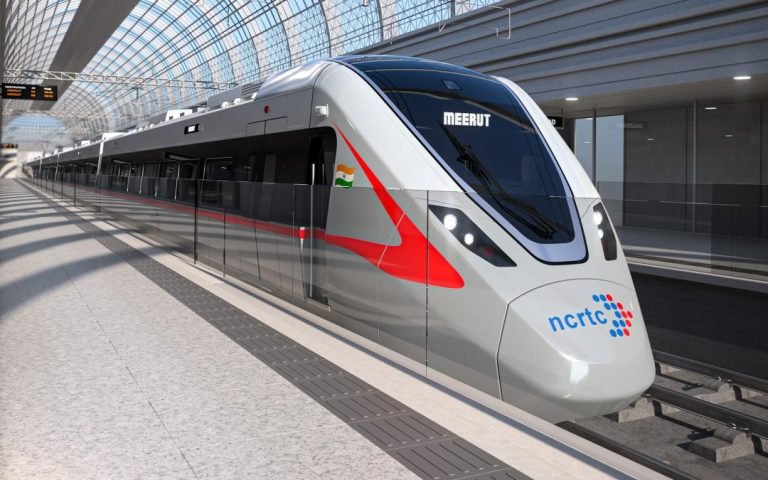
NEW DELHI (Metro Rail News): The National Capital Region Transport Corporation (NCRTC), which is operating the 82-kilometer high-speed corridor between Delhi and Meerut, has developed the notion of providing customers of the Delhi-Meerut Regional Rapid Transit System (RRTS) access to a premium class coach option.
A premium class coach will be added, which may be accessible through premium lounges at stations to encourage people who are currently traveling with their own vehicles.
According to the NCRTC, the priority section between Sahibabad and Duhai with five stations will be made operational by early next year.
The notion of a premium class coach was conceived to persuade those who are now using private automobiles to switch to RRTS without compromising comfort. The ultimate goal of minimizing traffic congestion on roadways would be furthered by the modal shift.
The report stated that the RRTS (AFC) system’s double-tap functionality would be used to regulate entry to the platform’s premium lounge. According to NCRTC, this was not only being done for the first time in the nation but also perhaps the entire world.
Gates for the AFC system would be located on the concourse and platform. Passengers could enter the paid section at the concourse and the standard class boarding areas at platform level using the concourse level gates. There would be a second row of gates at the platform for accessing the premium lounge which will allow access to premium class coaches.
If a customer chooses to board a premium class coach and purchases a ticket, using a QR code, or uses a National Common Mobility Card, the fare will be deducted in advance. However, commuters paying with e-wallets would have the option to choose between taking the regular class coach or the premium class after entering the concourse level.
SCR zone enhances trains speed to 130 kmph
VIJAYAWADA (Metro Rail News): Ministry of Railways has shared the fast-tracking Progress of South Central Railways via its Twitter handle.
South Central Railways has enhanced the maximum permissible speed of trains to 130 kmph in the majority sections of Secunderabad, Vijayawada & Guntakal Divisions. The Zone was able to reinforce the track and its infrastructure by removing bottlenecks in certain parts. After receiving the appropriate approval from RDSO/Lucknow in the year 2020, this infrastructure development, maintenance, and signaling activities were conducted regularly. The sectional speed of train services on both the Up and Down lines of these sections may be increased from 110 kmph to 130 kmph after major upgrading work was completed in these sections with effect from September 12th, 2022.
Secunderabad – Kazipet – Balharshah, Kazipet – Kondapalli sections of Secunderabad Division, Kondapalli – Vijayawada – Gudur of Vijayawada Division, and Renigunta – Guntakal – Wadi of Guntakal Division are the sections covered by this speed implementation idea. These sections cover the entire High-Density Route, Golden Quadrilateral, and Golden Diagonal routes of the SCR except for the part between Vijayawada and Duvvada on the Golden Diagonal route, where construction is currently progressing quickly to adopt enhanced speed.
The increase in the maximum permitted speed on these sections is likely to lead to an increase in the average speed of both passengers- and goods-carrying trains. The trains will run more punctually as a result of this. Importantly, the increased maximum speed will improve these vehicles’ sectional capacity.
Shri Arun Kumar Jain, General Manager In-charge, SCR has complimented all the Officials and staff of Team SCR for working relentlessly to complete all the related works in the enhancement of sectional speed to 130 Kmph. He said that the increase in sectional speed helps in reducing the running time of passenger trains considerably and paves the way for the smooth operation of train services.
Bengaluru Sub-Urban Rail Project: A new era of Advance Transport System
Bengaluru Commuter Rail is an under-construction suburban rail network for the city of Bangalore. A Commuter Rail system for the city was first proposed in 1983. Since then, several different route proposals were made but no Commuter Rail project took shape. It was finally approved in the 2019 Railway Budget. On 1 February 2020, finance minister, Nirmala Sitharaman mentioned in her budget that the project would be implemented at a cost of Rs 18,600 crores.
The Finance Ministry stated that the central government would provide 20% of the equity and facilitate external assistance for up to 60 percent of the project cost. It will be the first of its kind and unique in India as it will have metro-like facilities and rolling stock. It has the slowest design speed among all the new commuter rail projects currently being implemented in India as Nagpur broad-gauge Metro and National Capital Region Transport Corporation are building rail tracks for a design speed of 200 km/h with an operating speed of 160 km/h. The commuter rail along with Hyperloop, High-speed Airport trains, Intercity trains, Metro rail, Metro Neo, and Metrolite will provide rail based public transport to Bengaluru’s general public.
Current operation by Indian Railways
Indian Railway’s southwest railway zone operates several suburban train services from Bengaluru to Hosur, Jolarpettai, Tumakuru, Marikuppam, Bangarpet, Hindupur, Mysuru, and Hassan. Hosur and Jolarpettai are across the border in Tamil Nadu and Hindupur is in Andhra Pradesh, while Tumakuru, Bangarpet, Mysuru, and Hassan are in Karnataka.
Service to and from Hassan, Hindupur, Hosur, and Tumakuru will operate from Yesvantpur station in the city’s northern suburb, while service to Marikuppan, Bangarpet, and Jolarpettai will be to and from Bengaluru’s main city station. The zonal railway has been operating daily suburban service between Bengaluru and Mysuru. Diesel Electrical Multiple Unit (DEMU) and Mainline Electrical Unit (MEMU) cars will be used for the services on the suburban routes.
Integrated intermodal and public transport experience with last mile connectivity
Comprehensive Mobility Plan for Bengaluru provides a roadmap for an integrated public transport experience. Bengaluru Suburban Rail stations will be integrated with other modes of transport for seamless transfer between travel modes – as in European cities. Public Bus Service, Metro trains, Inter-city bus, Inter-city trains, Metrolite, Metro Neo, Hyperloop, BRTS, Peripheral Ring Road, Bus priority corridors, Airport metro, Airport Bus service, High-speed Airport Train, will be integrated with the Suburban train network.
Public Bicycle Sharing (PBS) and the Shared Micro-Mobility System initiatives have been launched to provide last-mile connectivity to suburban rail stations. K-RIDE plans to evolve all 57 stations into integrated commercial hubs (smart station hubs) where people can work, park, shop, eat, and trade. Approaches to suburban train stations will be provided from all directions.
Project Details

DPR for the project has included many rare and unique features in System.
- Many Stations will act as Integrated commercial hubs.
- Many Stations will be built as Intermodal Integration hubs where people can switch easily with other modes of transport like Metro.
- Stations will have an Automated fare collection system and Platform screen doors.
- DPR suggests that Metro Train sets (EMU) – RS 13 series, which is used in Delhi Metro and manufactured at M/s BEML, Bengaluru, is the most suitable for the Bengaluru Commuter Rail system.
Routes
Route-1: Sampige Line
Route-2: Mallige Line
Route-3: Parijaata Line
Route-4: Kanaka Line
Depots
Two depots have been planned. Jnanabharathi depot would be spread over 56.9 acres and Devanahalli depot would be on 61.2 acres. However, these are not on priority routes 2 and 4. Hence, the feasibility of a depot at Huskuru along Kanaka Line is being explored besides other options.
Route Proposals
- Routes recommended by RITES for CTTP – 2007
| Corridor | Length (km) |
| Kengeri – KSR Bengaluru | 13.0 |
| KSR Bengaluru – Whitefield | 24.0 |
| KSR Bengaluru – Baiyappanahalli Via Lottegollahalli | 23.0 |
| Lottegollahalli – Yelahanka Junction | 7.0 |
| Banaswadi – BMR Boundary | 29.0 |
| Kengeri – BMR Boundary | 9.0 |
| Yeshwanthpura Junction – BMR Boundary | 14.0 |
| BMR Boundary – Hosur | 12.0 |
| BMR Boundary – Ramanagara | 23.0 |
| BMR Boundary – Tumakuru | 50.0 |
| Total | 204.0 |
- Routes proposed by Praja in July 2010
| Route | Distance (km) |
| Yeshwanthpura Junction – Yelahanka Junction – Devanahalli – Chikkaballapura | 60 |
| Benniganahalli – Thanisandra Y elahanka Junction – Doddaballapura | 37 |
| Yeshwanthpura Junction – Benninganahalli – Anekal Road – Hosur | 66 |
| Tumakuru or Nelamangala – Yeshwanthpura Junction – Benniganahalli | 83 |
| Yelahanka Junction – Benniganahalli – Whitefield – Malur – Bangarpet | 80 |
| Yelahanka Junction – Yeshwanthpura Junction – KSR Bengaluru – Kengeri – Ramanagara | 50 |
| Total route length (km) | 376 |
- Routes studied by RITES, as per their final report of November 2012
| From | To | Distance (km) |
| KSR Bengaluru | Mandya | 92.88 |
| KSR Bengaluru | Yeshwanthpura Junction | 5.35 |
| Yeshwanthpura Junction | Tumakuru | 64.00 |
| Yeshwanthpura Junction | Yelahanka Junction | 12.45 |
| Yelahanka Junction | Baiyappanahalli | 19.23 |
| Yeshwanthpura Junction | Baiyappanahalli | 16.12 |
| Yelahanka Junction | Doddaballapura | 20.72 |
| Yelahanka Junction | Chikkaballapura | 46.05 |
| Baiyappanahalli | Hosur | 48.59 |
| KSR Bengaluru | Baiyappanahalli | 10.76 |
| Baiyappanahalli | Bangarpet Junction | 59.45 |
| Soladevanahalli | Kunigal | 45.2 |
| Total | 440.8 |
- Routes proposed by RITES & approved
| Route | Distance | Ridership(Estd, Lakhs) | Length (Km) | No. of Stations | ||
| Elevated | Surface | Elevated | Surface | |||
| KSR Bengaluru – Yelahanka Junction – Devanahalli (Sampige Line) | 41.40 | 2.82 | 18.98 | 22.42 | 8 | 7 |
| Chikkabanavara Junction – Yeshwanthpura Junction – Benniganahalli (Mallige Line) | 25.01 | 2.03 | 12.905 | 12.105 | 6 | 8 |
| Kengeri – KSR Bengaluru – Bengaluru Cantonment – Whitefield.(Parijaata Line) | 35.52 | 1.64 | 10.40 | 25.12 | 4 | 10 |
| Heelalige – Yelahanka Junction – Rajanukunte (Kanaka Line) | 46.24 | 3.34 | 13.29 | 32.95 | 4 | 15 |
| Total | 148.17 | 9.83 | 55.575 | 92.595 | 22 | 40* |
Conclusion
A Commuter rail service existed in Bengaluru as early as 1963 for HAL employees to commute from KSR Bengaluru to Vimanapura Railway station. In 1983 a formal Commuter Rail system for Bangalore had first been proposed by a team from Southern Railway under then Railway Minister C. K. Jaffer Sharief and a Member of Parliament representing Bangalore. Their recommendation had been to invest in 3 commuter rail lines and a 58-km ring railway. The package was estimated to cost Rs. 6,500 million in 1983 terms spread over a 25-year period.
Again in 1993 C. K. Jaffer Sharief Minister of Railways, India. Influenced the State of Karnataka to establish another committee looking into mass rapid transit. This committee recommended essentially the same put forward by Southern Railway in 1983 and the same circular railway. Both in 1983 and 1993 the proposal was rejected by the then Prime Minister of India.
In 2007, RITES (Rail Indian Technical and Economic Services) was commissioned by the Government of Karnataka to conduct a CTTP (Comprehensive Traffic & Transportation Plan) for the city of Bengaluru. Their report called for 10 Commuter Rail routes totaling 204.0 km. As per the report, Commuter Rail (along existing rail routes) would cost much lesser than mass rapid transit systems.
In July 2010, a proposal was made by Praja Bangalore in a ‘Call To Action report. This plan was supported & presented at the center for infrastructure, Sustainable Transportation and Urban Planning (CisTup), Indian Institute of Science (IISc), Bangalore. The proposal had suggested a 376 km network around three hubs (Yeswanthpura Junction, Benniganahalli & Yelahanka Junction) with 42 new stations. A key recommendation was to use the congested KSR Bengaluru only as a pass-through station. In November 2011, RITES conducted a feasibility study exclusively for commuter rail services in Bengaluru and submitted its final report to the Directorate of Urban Land Transport (DULT) in November 2012. The 179-page report studied all existing routes totaling 440.8 km of the rail network in & around the city & development of Commuter Rail services over three phases.
The state government approved the commuter rail system on 5 July 2013. Chief Minister Siddaramaiah approved the system in the 2013-14 state budget that he presented on 9 July 2013. The budget proposed the setting up of the Bengaluru Suburban Rail Corporation Limited, a special purpose vehicle (SPV) to implement the project estimated to cost Rs. 87.59 billion.
In the 2016-17 Railway budget, Union Railway Minister Suresh Prabhu announced a partnership with the Karnataka government for an Rs. 9000-crore Commuter Rail network for Bengaluru but did not allocate any funds. On 3 February 2016, the state government proposed a modified version of the original RITES plan. This looked to kick-start the project with an Rs. 1,000-crore investment to connect Mandya with Kengeri, Whitefield with Baiyappanahalli, and Tumakuru with Yeshwanthpu a Junction. The state government released 100 crores towards this. The state-appointed RITES again studied the feasibility of the project, and the latter’s survey deemed the project as feasible. However, Railways stated that the proposed Phase Two of the project (linking Tumakuru and Yeshwanthpura Junction) was not feasible.
In November 2018, RITES prepared a revised plan for a 161 km network that was again amended in August 2019 to reduce costs. Out of 82 stations, 29 stations were deleted, route length reduced to 148 km & costs lowered to Rs. 16,000 crores. This was finally accepted by the Government of India.
Latest Update
Prime Minister Narendra Modi on June 20 laid the foundation stone for rail and road infrastructure projects worth over Rs. 28,000 crores in Karnataka, including the Bengaluru Suburban rail project. Among the projects kicked off, the sub-urban rail project is the most costly project at a cost of over Rs. 15,700 crore. It envisages 4 corridors with a total route length of over 148 Kms. The objective is to enhance mobility and boost connectivity in Bengaluru.
The project will connect Bengaluru city with its suburbs through a Rail-based rapid transit system. Dubbed as India’s most integrated Rail project, it is likely to be completed by 2026. The network will have 57 stations in six directions of Bengaluru, which include Kengeri on the Mysore side, Chikkabanavara on the Tumkur side, Rajanakunte on the Doddaballapura side, Devanahalli on the Kolar side, and Whitefield on Bangarpet side. Further, PM Modi dedicated to the nation India’s first Air Conditioned Railway Station – Sir M Visvesvaraya Railway Station at Baiyappanahalli, which is developed on the lines of a modern airport at a total cost of around Rs 315 crore.
In the state that is home to the fourth largest technology cluster in the world, 150 ‘Technology Hubs’ have also been inaugurated that will upskill the workers in cutting-edge technology. Karnataka is the number one FDI destination and Bengaluru is the IT hub of India. The road and rail connectivity projects in Bengaluru will give a strong boost to India’s economy. It will also catalyze the vibrant automobile, agro, aerospace, textile and garment, biotech, and heavy engineering industries.
Other Important Infra Projects
The Prime Minister also laid the foundation stone of several rail and road projects. These include the redevelopment of Bengaluru Cantt. and Yesvantpur Junction railway station to be developed at a cost of around Rs 500 crore and Rs 375 crore respectively. Several rail electrification projects and railway line doubling projects that have been completed were dedicated to the nation today.
Two sections of the Bengaluru Ring Road project are to be developed at a cost of more than Rs 2,280 crore which will help reduce traffic congestion in the city. Other road projects are six laning of the Nelamangala-Tumkur section of NH-48, widening of Punjalkatte-Charmadi section of NH-73, and rehabilitation and upgradation of a section of NH-69. The cumulative cost to be incurred in these projects is about Rs 3,150 crore.
The Prime Minister dedicated the nation to 150 ‘Technology Hubs’ that have been developed by transforming the Industrial Training Institutes (ITIs) across Karnataka. This unique initiative developed at a cost of over Rs 4,600 crore is supported by many industry partners. It aims to create a skilled workforce to address Industry 4.0 manpower needs. These Technology Hubs, through their various innovative courses, will provide high-skill training in cutting-edge technology and improve opportunities for ITI graduates in employment and entrepreneurship.
The Prime Minister while laying the foundation stone of the project said that “Bengaluru is a reflection of the spirit of Ek Bharat – Shreshtha Bharat. The development of Bengaluru is the development of millions of dreams. Therefore, in the last 8 years, it has been a continuous effort of the Central Government to develop Bengaluru further”. “The Indian Railways is now trying to provide the facilities, the environment that was once available in airports and air travel. The modern railway station in Bengaluru named after Bharat Ratna Sir M. Visvesvaraya is also proof of this,” PM Modi further said in connection to India’s first Air Conditioned Railway Station which was inaugurated on the day.