

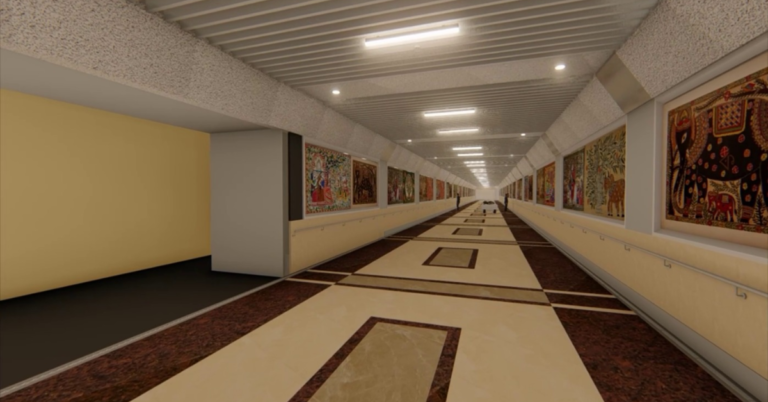
PATNA (Metro Rail News): On Tuesday, the state cabinet granted its approval to the updated cost estimate of Rs 542 crore for the construction of a world-class heritage tunnel or subway. This tunnel will link Bihar Museum with Patna Museum.
The tunnel, a technological marvel, is designed to be 1.5 kilometers long with a diameter of eight meters. It will be situated 15 to 20 meters underground and is the first of its kind in the country, according to S Siddharth, the additional chief secretary of the state cabinet secretariat department.
The tunnel will have entry and exit buildings with a G+1 structure and three-level basements. These buildings will house facilities like goods lifts, security checks, and toilets. Inside the tunnel, there will be an art gallery that showcases Bihar’s art forms, culture, heritage (including Madhubani painting), murals, and other artifacts.
Delhi Metro Rail Corporation is overseeing the construction of this tunnel, which will incorporate safety measures for emergencies. It will also facilitate combined ticketing and a seamless transition from the metro system. The tunnel will pass at a depth of 29 meters at the crossing point of the Patna metro rail tunnel.
State Cabinet Approves Rs 542 Crore for 1.5-Km Tunnel Linking Museums in Patna
DFCCIL Successfully Raises $100 Million Funding from Japan’s MUFG Bank
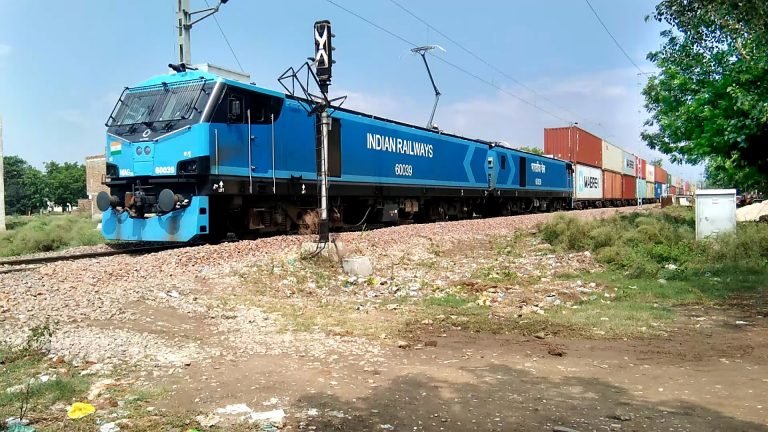
NEW DELHI (Metro Rail News): The Dedicated Freight Corridor Corporation of India Ltd (DFCCIL) has successfully raised $100 million in funding through an external commercial borrowing (ECB) loan from Japan’s MUFG Bank Ltd.
This achievement was made possible with the support of a credit enhancement guarantee provided by the Multilateral Investment Guarantee Agency (MIGA), a prominent member of the World Bank Group.
MUFG Bank’s GIFT branch played a pivotal role in facilitating this groundbreaking transaction, which stands as a remarkable milestone for DFCCIL. This event not only marks DFCCIL’s inaugural commercial financing but also represents the first-ever MIGA-covered transaction in India, making it a significant development in the country’s financial landscape.
DFCCIL holds the responsibility of constructing and managing dedicated freight railway corridors spanning across the nation. This strategic initiative aims to alleviate congestion within existing transportation networks and promote the establishment of a more efficient, reliable, and sustainable transport infrastructure system.
Shashank Joshi, Deputy CEO of MUFG India, expressed that the financing structure established through this collaboration could serve as a model for alternative financing solutions, thus playing a vital role in propelling India’s ambitious infrastructure development efforts forward.
Multilateral Investment Guarantee Agency (MIGA), a key component of the World Bank, specializes in providing political risk insurance and credit enhancement solutions for various projects. The loan acquired through this arrangement holds the potential to open up new avenues for funding large-scale infrastructure projects and other business ventures within the country, as stated by Hira Ballabh, Director of Finance at DFCCIL.
Agra Metro: TBM Shivaji launched in the Ramp Area of the Priority Corridor
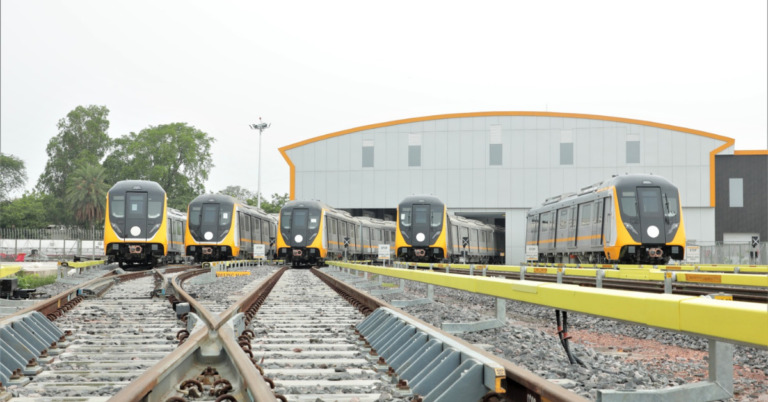
AGRA (Metro Rail News): To provide metro service to the city residents ahead of the designated time, Uttar Pradesh Metro Rail Corporation launched the third Tunnel Boring Machine (TBM) named ‘TBM Shivaji’ for tunnel construction in the ramp area of the underground section of the Agra Metro Priority Corridor. During this event, senior officials, including MD Shri Sushil Kumar and Director (Works & Infrastructure) Shri Chandrapal Singh from UPMRC were present.
Shri Sushil Kumar, MD, UPMRC
MD Shri Sushil Kumar, Managing Director of Uttar Pradesh Metro Rail Corporation, praised the Agra Metro team for this achievement and stated that Agra Metro will be a project that constructs the fastest underground section with great speed in the world. He mentioned that UP Metro has taken another step towards fulfilling the commitment to provide metro service to city residents ahead of the designated time. In order to expedite the tunnel construction work in the underground section, TBM Shivaji has been launched by UP Metro.

TBM Shivaji
Shri Sushil Kumar explained that the Agra Metro Priority Corridor comprises a total of 6 stations, including three elevated and three underground stations. All three elevated stations of the priority corridor are ready, where high-speed testing of Agra Metro trains is being conducted. Meanwhile, rapid construction work is ongoing in the underground section. In order to connect the elevated section with the underground section of the Priority Corridor, ramps are being constructed using the cut-and-cover method. In this ramp area, the tunnel will be constructed from the Taj Mahal Metro Station to the retrieval site, for which TBM Chhatrapati Shivaji has been launched.
Construction Process for Tunnel in Ramp Area
For the tunnel construction in the ramp area, TBM Shivaji will be launched first in the up-line from the launching shaft at Purani Mandi. Following this, TBM Shivaji will be retrieved from the retrieval shaft. Subsequently, TBM Shivaji will be launched in the down-line again for tunnel construction.
Pooja Ceremony for Launch of TBM Shivaji
What is the cut-and-cover Method?
In the cut-and-cover method, utility lines (water and gas pipelines, electricity and phone lines, sewer lines, etc.) are inspected first at the marked location for the ramp. If any utility is found within the marked area, it is relocated. After this process, a diaphragm wall is constructed for ramp construction. Then, using machines, the ramp is excavated according to the designated gradient. After excavation, the casting of the base slab of the ramp is done. After casting the roof slab, the construction of the cut-and-cover tunnel takes place.
Meanwhile, TBM Yamuna and Ganga are constructing the tunnel towards the Taj Mahal Metro Station from Agra Fort at a high speed. Currently, TBM Yamuna has reached near the Taj Mahal Metro Station from the Yamuna mid-shaft, and TBM Ganga is also rapidly constructing the tunnel.
It is noteworthy that in Tajnagari, a metro network of two corridors, totaling 29.4 kilometers in length, is being established with 27 stations. The construction work of the 14-kilometer-long corridor between Taj East Gate and Sikandra is progressing rapidly. This corridor will have 13 stations, including 6 elevated and 7 underground stations. For this corridor, a depot is being constructed at the PAC campus. Additionally, between Agra Cantt and Kalindi Vihar, a nearly 16-kilometer-long second corridor will be constructed, featuring 14 elevated stations. A depot will be built in the Kalindi Vihar for this corridor.
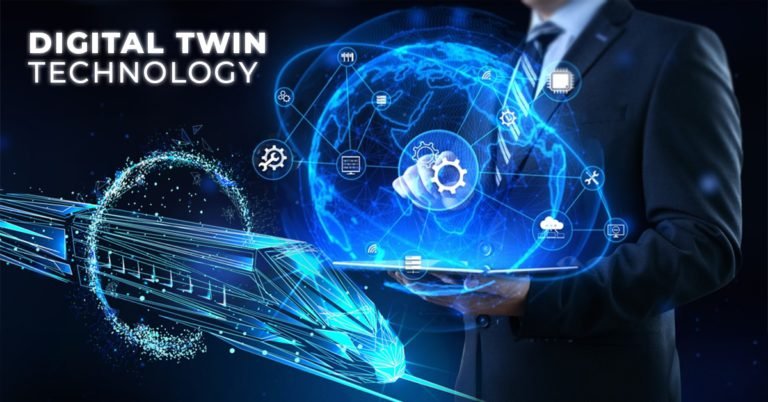
When It Comes to Sustainable and Resilient Infrastructure, Digital Twins Are the Sharpest Tools in the Shed
A quick glance at any newspaper around the world will reveal stories of drought, excessive temperatures—cold and hot—water shortages, extreme flooding, storms, fires, and all sorts of climate-related catastrophes.
As communities, businesses, and governments cope with these events, we need to acknowledge that the infrastructure that we build plays a big part in addressing our relationship with our planet. Infrastructure produces economic and social advancements in communities, but it has historically driven carbon emissions and other unwanted environmental impacts. By advancing how infrastructure is designed, built, and operated, we can aspire to meet both our economic and sustainability goals as we future-proof our physical environment from climate change.
Today, immersive technology, as a precursor to the metaverse, lets software developers create virtual, interactive worlds for any kind of purpose in any kind of setting. We can use this technology to make our infrastructure more sustainable and resilient in the real world.
Case in point, the infrastructure digital twin.
An infrastructure digital twin is a 3D digital representation of something in the physical world that is continuously updated with real-time data, making the digital twin a “live” interactive digital representation of an object or system. In interactive 3D worlds created just for entertainment, engineering-grade accuracy and the laws of physics do not have to apply. But for infrastructure, they are a requirement. Infrastructure digital twins must have millimetre precision, geospatial alignment, and support for complex, 3D engineering schemas.
Whether a water pipe buried beneath a city street or a wind turbine three miles offshore, infrastructure digital twins incorporate model data from concept through construction, such as reality data from drone surveys—including the environmental surroundings. They also gather data through devices connected to the Internet of Things (IoT), such as fixed or mobile sensors that capture detailed, engineering-rich information—including temperature fluctuations, wind speeds, and carbon emissions.
As the infrastructure engineering software company, Bentley Systems is advancing infrastructure digital twins. By pairing infrastructure digital twins with advanced visualization and simulation technology—such as Epic Games’ Unreal Engine that powers the ever-popular online interactive game, Fortnite, as well as leading platforms from NVIDIA (Omniverse) and Unity—we can leverage that data into immersive virtual experiences to analyze the harmful effects of flash flooding, monitor pollution in cities, and even manage the health of trees in an urban landscape.
Who would have thought that designing, building, and operating infrastructure in interactive digital worlds could help us track carbon emissions and conserve resources to positively impact climate change?
The key to harnessing the value for the planet related to infrastructure is a physically accurate digital twin complete with rich engineering data to model not only the built infrastructure, but also its surroundings. Imagine being able to model the real world that is affected by climate change and then generate rich metaverse experiences and simulations to find solutions. Whether it is capturing changing flood plains and ocean level rise in the natural world or analyzing the resiliency of critical infrastructure like an electrical grid, infrastructure digital twins hold the key.
A point in time view is not enough; however, by recording and modelling processes in our built and natural environments and tracking those changes over time, we can use infrastructure digital twins like a time machine to look at where we have been, where we are now, and where we are going. This is a powerful tool to assess, change, and even reverse our carbon footprint.
Infrastructure digital twins, and the immersive interactive experiences based upon them, offer up the virtual change agents and create a stage for sustainably meeting the world’s infrastructure needs.
Technology is only of value if it is usable and accessible. Digital twin technology, with the evolving metaverse, provides accessibility across any platform to match the desired experience—web, desktop, mobile, or mixed reality. These advances reach beyond the gaming community to infrastructure designers and engineers, project managers, and other stakeholders who want to visualize and model the sustainability of their project—whether they are coordinating a construction site, touring a power plant, or redesigning a bridge to be more resilient against extreme weather. Engineers can use real-time data and artificial intelligence to take us on a simulated journey into the future and see the outcomes of design decisions, methods, and material selection that affect our carbon footprint.
Combating climate change is a global effort, and any organization trying to meet sustainable development goals needs the right tools to get there. This technology can be democratized for any project size, scope, or complexity, regardless of where in the world the project is located. The economic and environmental benefits of using digital twins for infrastructure have no boundaries. Rather, the open-source nature of collaborating in the virtual world takes full advantage of talent from any location to solve pressing problems.
According to the Center for Strategic & International Studies, clean water infrastructure is considered “a critical aspect of the water agenda” set by the G7 Build Back Better World Partnership (B3W), and digital twin technology is poised to take on the challenges of water scarcity and sanitation on a global scale.
At the National Oceanic and Atmospheric Administration, National Climatic Data Center scientists use historical rainfall data from digital twins to virtually test the operation of existing stormwater systems. They can then forecast data to model the impact of a major storm event and see the impact that it would have on any present or future stormwater infrastructure designs. Water infrastructure projects mapped with digital twins are addressing outdated stormwater systems that are buckling under the stress of heavier rainfall and increased flooding caused by climate change.
Achieving a zero-emissions future could also be possible with the help of infrastructure digital twins. Scientists and engineers are working virtually using infrastructure digital twins to create a carbon-free energy experiment, with 35 countries collaborating to build the world’s largest tokamak—a magnetic fusion device intended to prove the feasibility of nuclear fusion. The International Thermonuclear Experimental Reactor (ITER) project, based in southern France, expects the experiment to generate 500 megawatts of energy to power up to 200,000 homes, if successful. The implications of this potential, unlimited source of clean energy would have an unprecedented impact on sustainable development goals.
Infrastructure digital twins continue to play an impactful role in reducing carbon emissions from road and rail projects. The United Kingdom’s high-speed rail network is a prime example of how infrastructure digital twins enabled engineers to model the carbon impact of a rail system before the construction phase, optimizing a low-carbon design and getting on track to meet the carbon requirements set forth by the United Nation’s net-zero initiative. 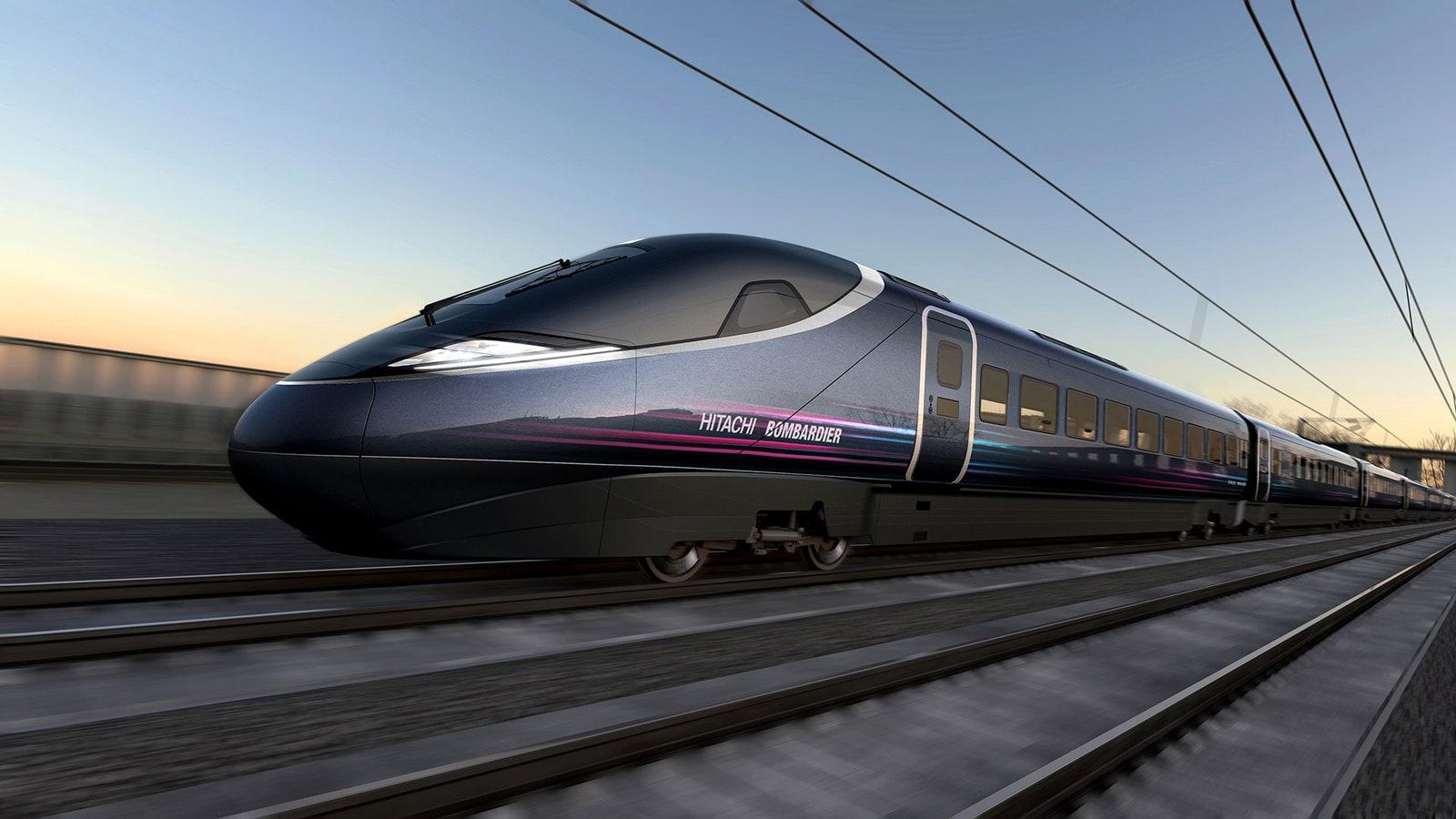
Due to the increased frequency and intensity of extreme weather events, infrastructure is under growing pressure for improved monitoring and inspection. In 2021, the New York State Department of Transportation (NYSDOT) used digital twins to assess and replace the East 138th Street bridge in New York City’s Bronx borough. Completing the project in such a congested area involved complicated structural design and coordination using a digital twin as the primary construction document. The digital twin may now be continuously updated and used as a tool for asset management and bridge inspection.
While the metaverse is evolving, some experts anticipate that it could be the next great labour platform. Right now, in the world of infrastructure, project teams and stakeholders are already meeting virtually to conduct immersive infrastructure design reviews and other critical tasks, such as on-site coordination of resources, to effectively bring those projects to completion.
Rendering of virtual worlds can be computer-intensive, driving their own carbon footprint. Being mindful of this and making efficient computing design choices should be a consideration when creating metaverse experiences.
As the needs of our world continue to grow and change in size and scope, digital twins are essential for future-proofing infrastructure and driving climate action with sustainable designs that cut carbon emissions and eliminate waste.
Infrastructure digital twins are not futuristic. As fundamental building blocks of the infrastructure metaverse, they allow groups to interact and collaborate in new ways to help solve problems today for a more sustainable and resilient tomorrow.
By Lori Hufford, Vice President, Engineering Collaboration, Bentley Systems
Parliamentary Committee Announces Termination of 16 Contracts of RLDA
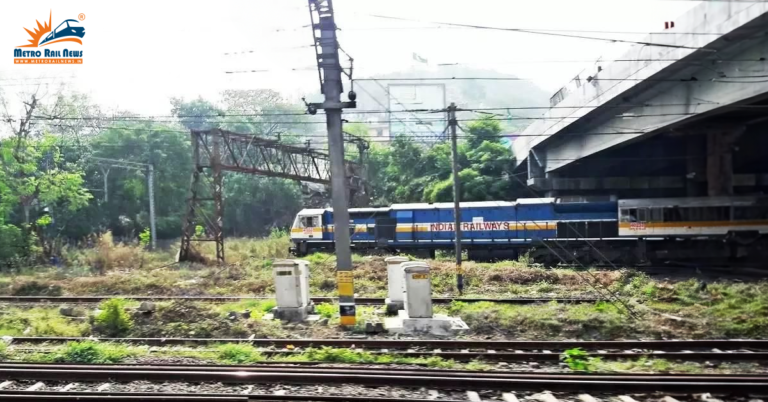
NEW DELHI (Metro Rail News): A Parliamentary Standing Committee on Railways has stated the termination of 16 contracts for commercial projects led by the Rail Land Development Authority (RLDA).
According to the report submitted by the standing committee on railways, the railway ministry informed them that the Letter of Acceptance (LoA) for 16 commercial sites had been revoked.
The Railways Ministry revealed that contracts were terminated due to developers defaulting on lease premium payments. Additionally, developers encountered problems securing project financing from financial institutions. Furthermore, the National Green Tribunal (NGT) did not give its approval on specific grounds.
The Railways Ministry noted that adjustments to RLDA regulations are being considered to tackle these challenges. Once these adjustments are implemented, developers are anticipated to overcome problems in obtaining project funding from financial institutions. The Committee emphasized the need for prompt issuance of these adjustments to prevent future cancellations.
The report also spotlighted concerns related to obtaining no objection certificates (NOC) from municipal bodies. Current guidelines dictate that Indian Railways and RLDA must collaborate with urban local bodies or other statutory authorities during plan approvals.
Boosting Rail Safety: Rs 4,198 Cr Allocated for Signalling Works, says Vaishnaw

NEW DELHI (Metro Rail News): In the financial year 2023-24, the Ministry of Railways has allocated Rs 4,198 crore to enhance signalling systems. This decision showcases the railway ministry’s dedication to upgrading these systems to improve safety and efficiency in train operations.
Shri Ashwini Vaishnaw, the Minister of Railways, Communications, and Electronic and Information Technology, shared this information in response to a question in the Lok Sabha. This allocation of funds highlights Indian Railways‘ dedication to delivering a great and safe travel experience while embracing advanced technologies.
The modernization of signalling systems has been ongoing, with Indian Railways adopting new approaches to stay up-to-date with technology. Railways has decided to implement Electronic Interlocking (EI) at all installations, which uses digital tech to improve train operations and safety. By May 31, 2023, an impressive 3108 stations have already been equipped with Electronic Interlocking.
Most stations have transitioned to Electrical/Electronic Signalling Interlocking Systems by May 31, 2023. This move from traditional to electronic systems enhances safety.
The introduction of Axle Counters for Automatic Clearance of Block Sections (BPAC) showcases Indian Railways’ push for automation. These systems allow trains to arrive without manual help, streamlining operations. As of May 31, 2023, 6397 block sections have been equipped with Axle Counters.
Vaishnaw shared that safety at Level Crossing (LC) gates has been notably strengthened by interlocking them with Signals. This important measure has been applied at 11093 Level Crossings by May 31, 2023, providing an extra safeguard for passengers and railway staff.
An impressive accomplishment is the creation of the indigenous Automatic Train Protection (ATP) system named Kavach. This innovative system helps train operators in maintaining prescribed speed limits by automatically applying brakes when needed. Kavach has been installed on 1465 route kilometers and 121 locomotives, proving its effectiveness in ensuring secure train journeys, especially in challenging weather conditions.
Moreover, a strong emphasis has been placed on standardizing signalling systems. The introduction of standard typical circuits for Electronic Interlocking (EI) systems, including Version-1 in 2019 and Version-2 in 2022, has facilitated consistent logic circuit application across the Indian Railways network.
Continuing the quest for improvement, work is underway to develop a direct driving feature in Electronic Interlocking. This advancement holds the potential to further streamline train operations and enhance the overall system efficiency.
Augmenting Rail Network, Future Urban Mobility and Climate Change
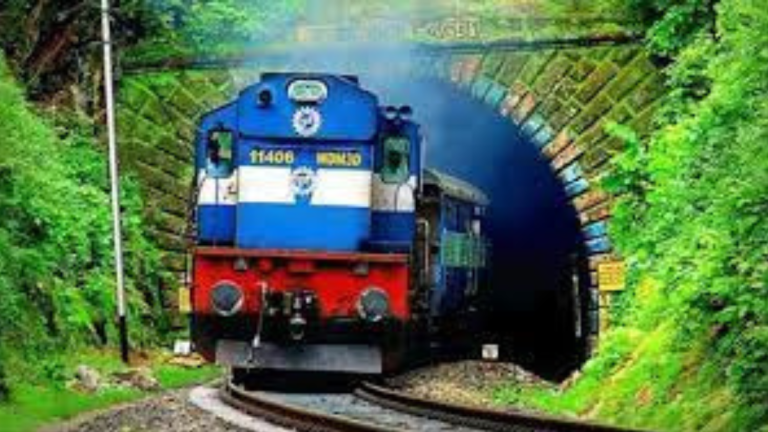
Urban Transport: An Introduction
The urban transport system is a collection of transport infrastructures and modes that facilitate passenger and freight mobility in cities. It expresses the level of accessibility in general. The three broad categories of urban mobility or transportation are collective, individual, and goods or freight transport. While passenger mobility is determined by individual decisions based on a number of variables, freight mobility is determined collaboratively by freight owners and transportation service providers. Urban locations are the most challenging environments for passenger and freight mobility. Passengers and freight movements are complementary in different conditions, but they may compete for the use of available land and transportation infrastructures outlined as:
• Collective Transport (Public Transit): The goal of communal and collective transportation is to provide public transportation in specified areas of the city. The networks are often owned and operationalised by the agency, and access is free to all as long as a fare is paid; hence, they are called as public transportation. The efficiency of public transport networks is predicated on the ability to convey huge numbers of people while obtaining economies of scale. Trams, buses, trains, subways, and ferries are examples of such modes.
• Individual Transportation: Any kind of mobility that is the result of personal choice and means, such as automobiles, walking, cycling, or motorcycling, is included. Most people walk to meet their fundamental mobility needs, but this number varies depending on the city. Individual mobility may be preferred in some cases, while in others, it may be hampered.
• Freight Transportation: Since cities are prominent centres of production and consumption, urban activities are accompanied by vital movements of goods and freight. Delivery trucks generally moving between industries, distribution centres, warehouses, and retail activities, as well as significant terminals such as ports, rail yards, distribution centres, and airports. The expansion of e-commerce has been linked to an increase in parcel home deliveries. Freight mobility within cities is often underestimated, yet it is an important aspect of the burgeoning area of urban logistics.
Rapid urbanisation in most parts of the world has increased passenger and freight mobility in cities. Mobility also involves wider distances, but evidence suggests that switching times have remained rather consistent over the last century; on average, 1 to 1.2 hours per day are spent. This means that commuting has increasingly transitioned to speedier modes of transportation, allowing for greater distances to be covered in the same period of time. Every mode of urban mobility, whether walking, driving, or taking public transportation, requires a certain level of fitness to meet mobility requirements. Various transport technologies and infrastructures have been deployed, resulting in a diverse set of urban transport systems worldwide. In developed nations, there have been four major phases of urban growth, each associated with a different type of urban mobility, with a fifth phase currently underway.
Climate Change
Climate change is one of the most pressing issues confronting humanity in the 21st century. Human activity has significantly increased global atmospheric concentrations of ‘greenhouse gases,’ such as carbon dioxide (CO2), methane (CH4), and nitrous oxide (N2O). The primary causes of these increases are human activities such as the use of fossil fuels and land use changes such as deforestation and agriculture. Greenhouse gas emissions are most likely the primary contributor to current and future climate change.
Climate change is one of the most pressing issues confronting humanity in the twenty-first century. Human activity has significantly increased global atmospheric concentrations of ‘greenhouse gases,’ such as carbon dioxide (CO2), methane (CH4), and Nitrous Oxide (N2O). The primary causes of these increases are human activities such as the use of fossil fuels and land use changes such as deforestation and agriculture. Greenhouse gas emissions are most likely the primary contributor to current and future climate change.
However, if action is taken now, the worst impacts can be avoided until the middle of the century. The effects will be very diverse in different parts of the planet. The effects are projected to be more severe in the south, especially in developing countries where topography and a lack of adaptation of resources make them more vulnerable.
Urban Transport and Climate Change
The transport sector is vital to the social and economic growth of society. Today, life is nearly impossible without access to modern transportation systems. Almost every human activity pertains to transportation, including bringing students to schools and colleges, workers to their employment and workplaces, selling to consumers, and facilitating participation in social and recreational activities, to name a few. Because it is mostly powered by fossil fuels, the industry is liable for environmental externalities such as greenhouse gas emissions.
In 2022, global energy-related CO2 emissions increased by 0.9%, or 321 Mt, hitting a new high of more than 36.8 Gt. Following two years of unusual oscillations in energy use and emissions, exacerbated in part by the Covid-19 pandemic, last year’s increase was substantially slower than six per cent return expected in 2021. Energy combustion emissions climbed by 423 Mt, but industrial process emissions declined by 102 Mt, with road transport accounting for roughly eighty per cent of overall transport emissions. It contributes to traffic congestion, noise pollution, and road accidents, in addition to greenhouse gas emissions. Rapid economic growth in the Asia-Pacific region in recent decades has resulted in increased motorisation and, as a result, increased ownership of two- and four-wheel motor vehicles, particularly in urban areas.
Cities in the Asia-Pacific generally account for approximately 75% of the region’s greenhouse gas emissions, which are expected to rise amidst growing urbanisation. Privately owned two-wheelers and four-wheelers have become the favoured mode of daily commuting in these cities in the absence of an integrated and planned transport options and in the backdrop of rising income levels. This has put a burden on urban transport infrastructure, often resulting that it cannot keep up with the increase in private vehicles.
Carbon dioxide (CO2) accounts for the majority of the greenhouse gas emissions included by the Kyoto Protocol. Transport carbon dioxide emissions have risen faster than all other industries over the last three decades and are expected to rise even faster in the future. Carbon dioxide emissions from the world’s transport industry climbed by 46% between 2010 and 2022. Over the same time period, emissions from road transport climbed by more than forty per cent in developed countries and exceeding nearly fifty per cent in developing countries.
Currently, developed countries are among the principal contributors to transport emissions. However, the proportion of emissions produced in developing countries is rapidly increasing, particularly in China, India, and Indonesia. Global CO2 emissions from the transport industry are expected to rise by 140% between 2000 and 2050, with developing nations bearing the brunt of the increase. Road travel accounts for the bulk of transport fuel emissions (76%). The most prominent source is light-duty vehicles (LDVs), which are four-wheel vehicles such as cars, sports utility vehicles (SUVs), compact passenger vans (up to 8 seats), and personal pick-up trucks. Air travel accounts for around 12% of total CO2 emissions and is constantly increasing. Various modes of transport contribute to global warming in ways other than direct CO2 emissions, such as upstream CO2 emissions from oil refineries, power needed by electric trains, and increased climatic force of aviation due to contrails and other impacts.
A rapid increase in two-wheeled vehicles is expected in developing countries, particularly China, India, Latin America, and other Asian countries. Two-wheeler fuel consumption is expected to more than double between 2000 and 2050, increasing the proportion of road vehicle fuel consumption attributed to two-wheelers from 2% to 3%.
Fact Sheet – Climate Change
- The transport industry accounts for roughly one-quarter of all greenhouse gas emissions.
- 95% of the world’s transport energy is still derived from fossil fuels.
- Transport is the leading source of energy-related emissions in 45% of countries and the second greatest source in the remaining countries.
- Transport CO2 increased in all regions except Europe, which declined by 2% between 2000 and 2019.
- The fastest growth rates were seen in developing countries, with Asia being the largest emitter in absolute terms in 2019.
- The transportation industry was responsible for 57% of global oil demand and 28% of total energy usage and consumption.
- The Global Fuel Economy Initiative (GFEI) is assisting 40 additional countries in realising the financial and CO2 benefits of better and improved vehicle fuel economy.
- The Airport Carbon Accreditation Scheme presently has 173 recognised airports throughout the world, including 26 carbon-neutral airports; 36% of air passengers now commute through an Airport Carbon Accredited airport.
- Between 2010 and 2019, international shipping emissions increased by around 0.85% on a yearly basis. In 2018, the overall GHG emissions from shipping (international, domestic, and fisheries) were close to 3% of the total global figures.
- In 2018, aviation contributed to around 12% of total CO2 emissions from transportation. Aviation emissions increased at a 2% yearly average between 2000 and 2019, relating to nearly five per cent annual growth in commercial passenger flights. Tourism-related CO2 emissions account for 22% of total emissions.
- Currently, CO2 emissions from the transportation sector account for around 30% of total CO2 emissions by humans in developed nations and approximately twenty-three per cent emissions worldwide.
- More than 60 billion tonnes of CO2 might be saved between now and 2050 if battery-electric and plug-in hybrid vehicles account for 60% of all vehicles on the road.
- The contribution of transport to total national GHG emissions ranges from up to 30% in high-income economies to less than 3% in LDCs.
Railways as an option for reduced carbon emissions: An Overview
Global transportation demand is rapidly increasing. Passenger and freight traffic will more than double by 2050 if current trends continue. Such expansion is a sign of social and economic success, but it comes at the expense of increased energy demand, CO2 emissions, and air pollutants. A higher reliance on rail could reduce such growth. Rail travel is well suited to urban needs in an increasingly urbanised world. High-speed rail can replace short-distance air travel, while conventional and freight rail can also complement and support other forms of transportation to provide efficient mobility.
The transportation sector accounts for more than half of worldwide oil demand and approximately one-quarter of total CO2 emissions from fuel combustion. As a result, changes in transport are vital and crucial for reaching global energy transitions. Despite the fact that rail is one of the most energy-efficient modes of freight and passenger transport, it is sometimes overlooked in public debate. The rail sector has the potential to deliver significant benefits to both the energy and environmental sectors. Rail can minimise carbon dioxide and local pollutant emissions by diversifying energy sources and offering more efficient mobility.
Future Rail
Future of Rail shall be determined and shaped by how it responds to both expanding transportation demands and rising pressures through competition from alternative modes of transportation. Rising incomes and populations in developing and emerging countries, where cities are expanding at an exponential rate, are expected to drive substantial demand for more efficient, faster, and cleaner transportation, yet the need for speed and flexibility favours vehicle ownership and air travel.
Enhanced income opportunities also drive freight demand growth, where rising incomes have substantially boosted demand for faster delivery of higher-value and lighter goods. The rail industry has significant competitive advantages to leverage to compete for business. However, this will necessitate greater strategic investments in rail infrastructure, increased efforts to improve commercial competitiveness and technical innovation. The future of rail explains, under a base scenario, how the railway system and its energy requirements are expected to evolve through 2050 based on announced policies, rules, and projects.
A more ambitious High Rail Scenario is built on three pillars: minimising costs per passenger-kilometre or tonne-kilometre moved, increasing revenue from rail systems, and ensuring that all modes of transport pay not only for the infrastructure they require but also for the negative impacts they produce. This scenario depicts the extent to which a large shift in passenger and freight travel to rail transport could be realised, highlighting and emphasising the environmental and economical effects as well as policy instruments that could be used.
In 2050, total energy consumption for the rail sector is expected to be approximately 42% more than in the base scenario. Nonetheless, despite the increased activity, rail transport will only account for 4% of overall transport energy consumption by 2050. In all stages, the rail system is heavily electrified, resulting in energy diversification. Rail movement also gets almost totally electrified in all major countries and regions under the base scenario. The exception is North America, where freight diesel is expected to maintain its dominance.
In the High Rail Scenario, passenger rail activity rises to 15 trillion passenger kilometres by 2050. Other modes of public transit, particularly bus travel, shall also be on the rise. This is largely due to the advancement of transport systems that allow for better integration of rail services with other modes of public transport. In the high rail situations, total transport energy consumption shall exceed 3300 Mtoe in 2050. In comparison to the base scenario, this represents a 565 Mtoe reduction in energy demand by 2050. This reduction includes 510 Mtoe of oil or nearly 10 million barrels per day.
Trends in conventional, high-speed, urban and freight rail
Conventional rail covers medium- to long-distance journeys with a top speed under 250 kph, as well as suburban train journeys. The majority of conventional rail networks exist now in North America, Europe, China, Russia, India, and Japan. These regions account for over 90% of global passenger movements on conventional rail, with India leading the way with 39%, followed by China (27%), Japan (11%), and the European Union (9%). However, conventional rail has changed little in these areas during the last few decades.
Conversely, substantial investments in high-speed rail and metros have been made. High-speed rail refers to rail services that travel vast distances between stations at speeds above 250 kph. Metro rail refers to high-frequency, high-capacity urban services that are completely segregated from traffic and are often underground or elevated, whereas light rail refers to tramways and other smaller-capacity, lower-speed urban transport systems, most often at street level.
High-speed rail is an important alternative to aviation, while urban rail is a solution for cities plagued by traffic and pollution. Growth has been especially noticeable in China, which has surpassed all other countries in terms of network length of both forms in less than a decade.
Over the last two decades, freight train activity has steadily increased. It is described as the transportation of products on specially designed goods trains. Today, rail freight movement is concentrated in China and the United States, each accounting for over one-quarter of worldwide rail freight activity, and Russia accounts for one-fifth. The bulk of total freight rail traffic consists of minerals, coal, and agricultural products.
Electrification
Today, electric trains account for three-quarters of passenger rail transport activity, up from 60% in 2000; the rail sector is the only mode of transport that is widely electrified today. Because of its dependency on electricity, the rail sector is the most energy-diversified source of transportation. Europe, Japan, and Russia have the highest percentage of electric train activity, whereas North and South America continue to rely mainly on diesel. In almost all regions, passenger rail is notably more electrified than freight rail, and regions with greater emphasis on urban rail and high-speed rail have the highest share of passenger kilometres served by electricity.
Indian Context
The railway system in India has been important to the country’s growth, carrying people and goods throughout its enormous territory, integrating markets, and connecting communities. Rail passenger travel in India has expanded over 200% since 2000, while freight traffic has increased by nearly one hundred fifty per cent; nonetheless, India’s latent demand for mobility remains enormous. For example, each Indian drives roughly three kilometres per day over privately owned road vehicles, compared to 17.5 kilometres in Europe. In fact, rail activity in India is expected to grow faster than in any other country.
Today, India’s conventional rail system has a total route length of over 68000 km, divided between passenger and freight transportation. There are metro systems in 20 Indian cities, with approximately 859 km of track in operation and an additional 980 km of track under construction in 27 cities. In the coming years, 600 kilometres of new metro lines are planned. For the time being, India lacks high-speed rail. However, in 2015, India and Japan signed a deal to build a high-speed rail line between Ahmedabad and Mumbai, which is scheduled to open in 2024. Seven additional high-speed lines are being considered. They would connect the four cities that make up the Golden Quadrilateral (Delhi, Mumbai, Kolkata, and Chennai), as well as other intermediate cities, once completed.
Efficient Mode
Rail is one of the most energy-efficient forms of freight and passenger transport; while it transports 8% of worldwide passengers and 7% of global freight, it accounts for only 2% of overall transport energy consumption. Direct CO2 emissions from rail are not expected to rise above 100 Mt CO2 after their peak in 2019. Direct CO2 emissions from diesel rail operations increased by less than 1% per year on average during the last two decades (electric rail, which accounts for over 80% of passenger train activity and half of freight movements, emits no direct CO2 emissions). To meet the Net Zero Emissions by 2050 Scenario, emissions must fall by around 6% per year, a target that necessitates electrifying diesel operations wherever possible, as well as blending biodiesel and implementing a variety of other efficiency measures.
Urban Rail Networks: Metros & Light Rail
Metro and light rail networks have much lower emissions than other motorised urban transport modes, particularly private cars. Rail emissions per passenger km are currently around one-sixth of those of air transport as measured on a ‘well-to-wheels’ (wing/wake) basis. Electric passenger rail emits significantly less pollution, especially when fuelled by renewables or nuclear energy. Some of the important considerations related to augment rail networks globally, especially high-speed rail corridors, are to support Net Zero Scenario and effectively manage climate change with a fast-transforming urban mobility landscape.
- Push and Pull policies and modal shifting: Making rail viable and easier to use necessitates not only a focus and concentration on trains and tracks but also traffic-control measures. Fiscal measures such as congestion charges and pollution taxes, which are primarily applied to automobiles and airlines and are based on transportation network use and externalities, can directly boost rail’s competitiveness. Internalising the environmental and social externalities of aviation, for example, through a tax on aviation fuels, would help level the playing field and make high-speed rail more cost-competitive for long-distance travel. Adopting ‘push’ and ‘pull’ policies, including fiscal tools, to boost rail competitiveness and induce modal change appears to be a modern-day requirement.
- Further, electrify, improve efficiency and invest in digital technologies: The cost of investing in rail infrastructure is high. High passenger or freight throughput is required for a rail construction project to be profitable. The adoption of digital technologies could improve train operations and connect rail more thoroughly with other modes of transportation, making rail more accessible, flexible, convenient, and desirable. As a result, digital technologies are vital for increasing throughput and improving operational and energy efficiency, helping to lower costs and increase revenues.
- Upgrade rolling stock, raise efficiency and enhance digital technologies: Traditional rail companies and organisations will need to modernise its rolling stock and electrify services further, beginning with the busiest routes. Energy efficiency techniques would lessen environmental implications while also improving economic viability.
- Enhance rail networks through integrated planning: Rail development funding does not have to be solely dependent on taxation. Capturing the benefits of land value can also help to offset high capital investment costs. For example, network developers may gain from higher land values by developing and undertaking high-margin residential and commercial structure and projects near railway nodes and stations. Furthermore, financial and regulatory systems should incentivise rail organisations and institutions to seek out sustainable financing options such as green bonds.
- High Passenger Throughout on Urban Rail: Policies that encourage high-density living and incorporate mobility into urban development planning can assist urban rail networks in achieving high passenger throughput. Commuting times can be reduced by using an integrated transit solution. Furthermore, land use planning and design should accommodate and account for city logistics by including strategically placed multi-modal hubs. These should connect rail and freight, as well as cycling infrastructure and zero-emission fleets. Transit-oriented development has the potential to integrate urban rail with bus networks, as well as pedestrian and cycling pathways.
- Regional Policies, cost mitigation: Regional strategies prioritise rail modernisation and expansion, as well as digitalisation and low-carbon technologies: Several recent policies and initiatives have set aside and provisioned for public funds to expand railway infrastructure, modernise fleets, and improve digital operations (including software and equipment). Meanwhile, a portion of the cash collected by fuel taxes, parking fees, road pricing, and tolls can be spent in rail infrastructure, which can stimulate a modal shift by making private vehicle use lesser appealing and desirable. Similarly, proceeds from transport taxes (such as automobile purchase and registration fees) might be utilised and allocated for train enhancements and extensions.
Conclusion
(i) Countries around the world, particularly in Europe, are planning significant investments in rail transit to make it more desirable to travellers, particularly over short-haul flights. Expansion and utilisation of rail networks will be vital for achieving emission reductions and moving towards the Net Zero Scenario. Rail is the least polluting means of passenger transport; extending it under the Net Zero Scenario will help cut overall emissions.
(ii) In the Net Zero Scenario, electric train expansion has been increasing and enhancing, particularly in the replacement of diesel-powered freight trains. The overall final energy mix of rail is now divided almost equally between diesel and electricity, with diesel use slightly greater than electricity in 2021. In the Net Zero Scenario, electricity accounts for approximately two-thirds of total final energy demand by 2030, with diesel still accounting for roughly a quarter and biodiesel accounting for the remainder, with low penetration of hydrogen. Diesel, in particular, plays a substantially larger role in freight rail, accounting for around two-thirds of total energy consumption worldwide in 2021. In the Net Zero Scenario, continued progress on freight electrification will reduce this proportion to roughly 40% by 2030.
(iii) Over one-quarter of the world’s operating metro networks began running in the past five years. The world’s operating metro systems cover over twenty-thousand Kilometers. More than one-quarter of these were put into operation in 2017-2021, and nearly eighty per cent of these new metro lines were built in Chinese cities. The picture for light rail, which has lower capacities and speeds, is similar, if less stark: 10% of operating lines were put in place in the same five years, with just under half of them in China. The resulting efficiency of urban mobility in China results in far lower per-capita transport emissions than in cities of the rich world that are not served by metro, and can help China realise its net zero CO2 emission commitments.
(iv) The most effective way to reduce flying over short and medium distances is to expand high-speed rail networks. Over 25 countries have built high-speed rail networks totalling over 45000 kilometres of track. China now has more than 60 per cent of the world’s track length, with a goal of having 38000 km operational by 2025. According to the Net Zero Scenario, high-speed rail activities need to rise to nearly sixty per cent by 2030.
(v) Hydrogen projects are on the rise, verifying and cementing the fuel position as an essential and key component in the broader energy shift. Demonstration projects in the Netherlands and Japan aim to examine the efficiency and viability of hydrogen as an alternative to diesel rail lines with poor utilisation and as a low-carbon fuel for rail in particular activities, including conventional (intercity) passenger and freight trains. Proponents of fuel cell trains claim and point to their ability and potential to travel long distances (up to 1000 km at a top speed of 140 km/h) without refilling. They also indicate the possibility of quick refilling times.
(vi) Germany just started operating 14 hydrogen trains on a 100-kilometre track in the state of Lower Saxony for passenger transportation recently. Alstom, the train manufacturer, has delivered the first of a larger order of 41 trains. Hydrogen projects have frequently been grouped and clustered among advanced economies, which have more financial means and resources to invest in innovative and breakthrough technologies. This year has also seen various rising and developing economies engage in hydrogen rail projects, most notably India’s 89-kilometre-long Sonipat-Jind link.
(vii) Night rail services can also help increase network throughput, minimising the per-passenger cost of railway operations. Renewed interest has resulted in an expansion of night rail links, suggesting that this mode of transport is gaining popularity and contending with aviation for short- and medium-distance trips. Several new night routes have opened in Europe.
Bengaluru Commuter Rail: Transforming city’s infrastructure for comfortable & convenient travel
Overview
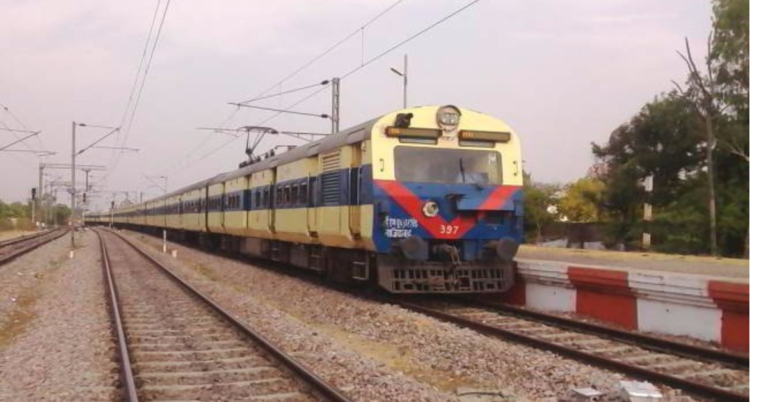
Bengaluru Suburban Railway (also known as Bengaluru Commuter Railway) is a suburban rail network currently under construction in Bengaluru. The city’s Suburban Rail system was originally proposed in 1983. Several route plans have been recommended since then, but no Suburban Rail project could be materialised and took place. It was eventually approved and included in the 2019 Railway Budget. Nirmala Sitharaman, the finance minister, stated in her budget on 1 February 2020 that the project will cost Rs 18,600 crores to implement. The central government would provide twenty per cent of the equity and facilitate and promote external funding for up to sixty per cent of the project cost.
On completion, it is expected to be the first of its kind and unique in India, with metro-like facilities and rolling stock. However, the proposed transport system is said to have the slowest design speed among all suburban rail projects presently being developed in the country. Nagpur broad-gauge metro and the National Capital Region Transport Corporation are constructing train tracks with a design speed of 200 kilometres per hour with an operational speed of 160 kilometres per hour. Suburban rail, together with the Hyperloop, High-Speed Airport Train, Intercity trains, Metro rail, Metro Neo, and Metrolite, would provide rail-based public transportation to the people of Bengaluru.
Project Development
In Bengaluru, a suburban rail service existed as early as 1963 for HAL employees to commute from KSR Bengaluru to Vimanapura Railway station. A formal Suburban Rail system for Bengaluru was first proposed in 1983 by a team from Southern Railway led by then Railway Minister C. K. Jaffer Sharief and Bengaluru Member of Parliament. Their recommendation was to invest in three suburban rail lines as well as a 58-kilometre ring railway. The package was projected to cost Rs. 6,500 million over a 25-year period in 1983. In 1993, C. K. Jaffer Sharief was appointed Minister of Railways in India. He then Influenced the State of Karnataka to constitute and set up another committee to look into mass rapid transit prospects in the city.
This group advocated essentially the same circular railway proposed by Southern Railway in 1983. The plan was rejected by India’s then-Prime Minister in both 1983 and 1993. The Government of Karnataka commissioned RITES (Rail Indian Technical and Economic Services) in 2007 to conduct a CTTP (Comprehensive Traffic and Transportation Plan) for the city of Bengaluru. Their report proposed ten Suburban Rail routes totaling 204.0 km. According to the analysis, Suburban Rail (along existing rail lines) was envisaged to cost substantially lesser compared to traditional mass rapid transit undertakings for the city.
Praja Bengaluru made a proposal in a ‘Call To Action’ report in July 2010. This design and plan were supported and presented at the Indian Institute of Science (IISc) ‘s Centre for Infrastructure, Sustainable Transportation, and Urban Planning (CisTup). The concept was for a 376-kilometre network with 42 new stations centred on three hubs (Yesvantpur Junction, Benniganahalli, and Yelahanka Junction). One significant recommendation was to use the busy KSR Bengaluru station only as a pass-through station.
RITES completed a feasibility study, especially for suburban rail services in Bengaluru, in November 2011, and their final report was submitted to the Directorate of Urban Land Transport (DULT) in November 2012. The 179-page study examined each of the existing train routes totaling 440.8 km in and around the city, as well as the development of Suburban train services across three phases. On 5 July 2013, the state government approved the suburban rail system. The proposed system was approved by Chief Minister Siddaramaiah in the 2013-14 state budget, which was presented on 9 July 2013. The budget proposed and suggested the formation of the Bengaluru Suburban Rail Corporation Limited, a special purpose vehicle (SPV) to carry out the Rs. 87.59 billion project.
The then Union Railway Minister, Mr. Suresh Prabhu declared and announced partnering with the Karnataka government for a Rs. 9000-crore Suburban Rail network for Bengaluru in the 2016-17 Railway budget; however, no funds were allocated. The state government submitted a modified version of the original RITES plan on 3 February 2016, which seemed to be intended to kick-start the project with a Rs. 1,000-crore investment connecting Mandya with Kengeri, Whitefield with Baiyappanahalli, and Tumakuru with Yeshwanthpura Junction. The state government provided 100 crore for this purpose. The state commissioned RITES to conduct another feasibility assessment on the project, and the latter’s survey determined that the project was feasible. However, Railways indicated that Phase Two of the project (which would connect Tumakuru and Yeshwanthpura Junction) was not possible.
RITES submitted a revised plan for a 161 km network in November 2018, which was modified and amended again in August 2019 to lower the cost and expenses. Twenty-nine of the 82 stations were eliminated, the route length was decreased to 148 kilometres, and the costs were reduced to Rs. 16,000 crores. The Government of India finally agreed to this and accepted the proposal.
Slow Pace
Though the project had been approved in principle by the Government of India, financial allocations and other progress had been slow for many years. The project was approved by the Prime Minister’s Office and the Cabinet Committee on Economic Affairs (chaired by the Prime Minister) on 7 October 2020. The State Government commenced budgetary support for the Suburban Rail project, with 500 crores sanctioned in the 2020-21 budget. Meanwhile, K-RIDE has begun the Suburban project by soliciting bids for land survey, hiring staffs and personnel, and other formalities. With the major thrust and momentum provided to the project, two priority lines had been proposed to be taken up first as per the Government of Karnataka’s advice. These are the Mallige Line and the Kanaka Line. The routes of the suburban rail system are named after local flowers. Prime Minister Narendra Modi laid the groundwork for the start of the project’s construction on 20 June 2022.
Project Specification & Key Features
Bengaluru Suburban Rail Project (BSRP) is a 149.348 km commuter rail network in Bangalore, Karnataka, featuring sixty-four stations. RITES prepared the feasibility report and final detailed report of the project proposing four lines/corridors. The central Government approved the project to begin construction in October 2020 at a cost of Rs. 15,767 crore. However, the foundation stone for the project’s construction work to commence was laid by Prime Minister Narendra Modi in June last year. Rail Infrastructure Development Company (Karnataka) Limited (K-RIDE) is implementing the project, which has a scheduled completion date of 2026.
- Operational: 0 km
- Under Construction: 0 km
- Approved: 149.348 km
- Elevated Routes: 45.392 km
- At-Grade Routes: 103.856 km
- Maximum Speed: 90 kmph
- Operational Speed: 35 kmph
- Track Gauge: Broad Gauge
Route Information
Corridor 1: Sampige Line
- Route: KSR Bengaluru – Yelahanka – Devanahalli
- Length: 41.478 km
- Type: Elevated (19.22 km) & At-Grade (22.278 km)
- Depot: Akkupet Depot
- Number of Stations: Fifteen (8 elevated & 7 at-grade)
- Station Names: KSR Bengaluru City (interchange), Srirampura (future), Malleswaram, Yesvantpur (interchange), Muthyal Nagar, Lottegollahalli (interchange), Kodigehalli, Judicial Layout, Yelahanka, Nitte Meenakshi, Bettahalasoor, Doddajala, Airport Trumpet, Airport Terminal, Airport KIADB, Devanahalli
- Note: A suburban rail link is proposed to Bengaluru International Airport
Corridor 2: Mallige Line
- Route: Baiyyappanahalli Terminal – Chikkabanavara
- Length: 24.866 km
- Type: Elevated (7.723 km) & At-Grade (17.143 km)
- Depot: Jalahalli Depot
- Number of Stations: Fourteen (6 elevated & 8 at-grade)
- Station Names: Chikka Banavara, Myadarahalli, Shettyhalli, Jalahalli (future), Yesvantpur (interchange), Lottegollahalli (interchange), Hebbal, Kanaka Nagar, Nagawara, Kaveri Nagar (future), Banaswadi, Seva Nagar, Kasturi Nagar, Baiyapanahalli (interchange)
Corridor 3: Parijaata Line
- Route: Kengeri – Whitefield
- Length: 35.52 km
- Type: Elevated (10.40 km) & At-Grade (25.12 km)
- Number of Stations: Fourteen (4 elevated & 10 at-grade)
- Station Names: Kengeri, RV College (future), Jnanabharati, Nayandahalli, Krishnadevaraya, Jagjeevanram Nagar, KSR Bengaluru City (interchange), Kumara Park, Bengaluru Cantt, Bengaluru East, Baiyapannahalli, Krishnarajapura, Hoodi, Whitefield
Corridor 4: Kanaka Line
- Route: Heelalige – Rajankute
- Length: 46.285 km
- Type: Elevated (8.049 km) & At-Grade (39.716 km)
- Depot: Silkboard Depot
- Number of Stations: Twenty-One (2 elevated & 19 at-grade)
- Station Names: Rajakunte, Muddana Halli, Yelahanka (interchange), Jakkur, Hegde Nagar, Thanisandra, Hennur, Horamavu, Channasandra, Benniganahalli (interchange), Kagadaspura, Doddanekundi, Marathahalli, Belandur Road, Carmelaram, Ambedkar Nagar, Hsukur, Singena Agrahara (future), Bommasandra (future), Heelalige
Depots
Two depots have been planned for being constructed. Jnanabharathi depot would extend over 56.9 acres, whereas Devanahalli depot shall cover around 61.2 acres. These, however, do not fall on priority routes 2 and 4. As a result, the viability of a depot at Huskuru along the Kanaka Line, in addition to other options, is being investigated.
Features
DPR for the project features a number of unique and one-of-a-kind characteristics in the proposed system. Many stations have been planned to serve as commercial hubs. Many other stations shall be developed as Intermodal Integration Hubs, allowing users to easily switch to other means of transportation such as Metro. Automated fare collection systems and platform screen doors shall be installed at stations. DPR recommends Metro Train Sets (EMU) – RS 13 series, which are used in Delhi Metro and manufactured by M/s BEML. The DPR also suggests Bengaluru to be most suitable for the Commuter Rail system.
Last Mile Connectivity
The Bengaluru Comprehensive Mobility Plan lays forth a road map for an integrated public transport experience. As in European cities, Bengaluru Suburban Rail stations will be connected with other forms of transportation, allowing seamless movement across different modes of transportation. Public Bus Service, Metro trains, Inter-city buses, Inter-city trains, Metrolite, Metro Neo, Hyperloop, BRTS, Peripheral Ring Road, Bus priority corridors, Airport metro, Airport Bus service, and High-speed Airport Train all have been planned to be incorporated into the suburban train network.
To provide last-mile connectivity to suburban rail stations, the Public Bicycle Sharing (PBS) and Shared Micro-Mobility System programmes have been developed. All 57 K-RIDE stations will be transformed into integrated commercial centres (smart station hubs) where people may work, park, shop, eat, and trade. Suburban train stations will be accessible from all directions. The suburban train station plan will not only focus on the development of a modern station but also on traffic circulation and road improvement, easy transition to other modes of public transportation, widening of approach roads and ramp-based multi-level access, similar to the New Delhi Railway station redevelopment model.
Latest Update
The Bengaluru Suburban Rail Project (BSRP) is being implemented in stages. On-the-ground work has already begun in several areas. The Rail Infrastructure Development Company (Karnataka) Limited (KRIDE), which is in charge of the project, recently revealed that it had received bids from three different companies to supply coaches for the venture. A total of three companies expressed their interest in responding to Request for Qualification bid and proposal to supply coaches/rolling stock for the Bengaluru Suburban Rail Project (BSRP), the organisation stated in a statement. Construcciones y Auxiliar de Escales (CAF), Bharat Heavy Electricals Limited (BHEL), and Bharat Earth Movers Limited (BEML) are the companies. This is the first stage of the two-phase tender process, in which bidders must submit an expression of interest by meeting the technical and financial qualifying criteria. Shortlisted bidders from the first list shall be eligible to participate in the second round for their proposal towards the financial bid.
On the basis of the proposal submitted in the financial bids, the lowest bidder shall be awarded the contract for supplying and maintenance of the BSRP trains as well as make available trained personnel and staff, according to the KRIDE. Earlier, the Indian Air Force (IAF) signed an MoU (Memorandum of Understanding) with KRIDE to hand over its territory at Jalahalli to BSRP. The forest department also gave its permission for the removal of nearly six hundred trees along the project’s path. The Bengaluru Suburban Rail Project, popularly known as the Bengaluru Commuter Rail Project, has been planned to include four corridors and routes.
The BSRP project is aimed towards developing a rapid rail network that connects the centre of the town to its outskirts and satellite communities. The network will also be extended to rural areas nearby. Ashwini Vaishnaw, Union Minister of Railways, described it as a ‘world-class suburban system on the lines of Mumbai suburban rail for Bengaluru with modern coaches at a lower cost.’ The BSRP will span 149.348 kilometres across four routes and shall include fifty-seven stations. The overall cost has been expected to be Rs 15,767 crore. The commuter rail will run in six directions: Devanahalli (Kolar), Kengeri (Mysuru), Rajanukunte (Doddaballapura), Chikkabanavara (Tumakuru), Whitefield (Bangarapet), and Heelalige.
- Corridor-1 (Sampige Line): KSR Bengaluru City (Majestic) to Devanahalli, with fifteen stations covering 41.40 kilometres.
- Corridor-2 (Mallige Line): Baiyappanahalli Terminal to Chikkabanavara, covering 14 stations and running across 25 kilometres. The stations in this stretch include Byappanahalli, Kasturinagar, Sevanagar, Banaswadi, Nagawara, Kanakanagar, Hebbal, Lottegollahalli, Yeshwantpur, Jalahalli, Shettihalli, Myadarahalli, and Chikkabanavara.
- Corridor-3 (Parijata Line): Kengeri to Whitefield covering 35.52 kilometres with nineteen stations.
- Corridor-4 (Kanaka Line): Heelalige to Rajankute with nineteen stations along the 46.24-km-long rail route. This stretch will have 19 stations: Rajanakunte, Muddenahalli, Yelahanka, Jakkur, Hegde Nagar, Thannisandra, Hennur, Horamavu, Channasandra, Bennigenahalli, Kaggadaspura, Marathahalli, Bellandur Road, Carmelaram, Ambedkar Nagar, Huskur, Singara Agrahara, Bommasandra and Heelalige.
The BSRP is estimated to assist around ten lakh commuters by helping to remove congestion from city roads significantly. In June last year, Prime Minister Narendra Modi laid the foundation stone of the project.
Chennai Light Rail: A Light Rail to Connect Velachery with Tambaram

Chennai Light Rail
Light Rail is a planned urban rail transit system in Chennai, along with the Chennai Metro, Chennai Suburban Railway, and MRTS. Light Rail between Tambaram and Velachery has been declared feasible by CMRL. The path for Chennai Monorail was originally planned between Vandalur and Velachery. It was later taken over for Light Rail.
Project Detail
The Chennai Metrolite project with one line is a 15.5 km light rail transit (LRT) system proposed by the Chennai Metro Rail Ltd. (CMRL) to be developed in Chennai, Tamil Nadu. Chennai’s Metrolite line, which connects Tambaram and Velachery, is planned on a route where an expensive heavy-rail metro line might be a surplus in terms of cost and technical aspects. The system has been planned to be designed and developed in conformity with the Government of India’s metrolite specifications 2019, and it will be relatively inexpensive to construct (about Rs. 100 crore/km), operate and maintain due to its smaller size and lower capacity compared to regular heavy-rail metro systems.
Metrolite trains will primarily operate at-grade (road level) in dedicated/fenced-in lanes, serving as an excellent feeder to the Chennai Metro and local MRTS (Indian Railways-owned) train system. In February 2020, Systra MVA Consulting started preparing the feasibility report for Chennai Metrolite in order to assess the project’s cost, construction period, and the various advantages.
System Specification & Key Information
– Operational: 0 km
– Under Construction: 0 km
–Approved: 0 km
–Proposed: 15.5 km
–Current Deadline: Not Finalized (Pending Approval)
–Track Gauge: Standard Gauge – 1435 mm
–Electrification: 25 kV, 50 Hz AC OHE
–Signalling: Communications-based train control (CBTC)
–Total Capacity: 300-425 passengers (3 coach train)
Route Information
Line-1: Tambaram – Velachery
–Length: 15 km
– Type: At-grade (primarily) and possibly elevated/underground for short distances
– Number of Stations: To be determined
– Station Names: To be determined
Catchment Area: Alignment Option-1: Velachery, Ram Nagar South, Maxworth Nagar, Indirapuri, Kovilambakkam, Keelkattalai, Old Pallavaram, Chromepet, Tambaram
– Alignment Option-2: Velachery, Pallikaranai, Medavakkam, Gowrivakkam, East Tambaram
Summary
Chennai Metro has a new project in the works, the city’s first Light Rail project, which will connect Velachery and Tambaram. This length is expected to be about 15 kilometres long. Unlike the Metro Phase 1 project, which covers 45 kilometres, and the Phase I extension project, which covers 9 kilometres, the light rail will most likely be built at grade (on the ground). The feasibility study, like the phase I extension projects, shall also be assigned to a private firm. The procedure is likely to take 6-8 months. The study will consider numerous route alternatives for the section. Upon that, discussions will take place to determine which approach is the best, following which the comprehensive project report will be prepared. The CMRL plans to look into various options, including one touching and incorporating Pallikaranai, Meda vakkam, Gowrivakkam, and finally, East Tambaram. The aim and idea is to run the light rail through dense residential areas and locations in the city’s southern portions and outskirts.
Linking MRTS
The idea is also to connect it to the Velachery MRTS system so that passengers who wish to switch systems and travel to places connected by the network can do so with ease. One of the key reasons for choosing Light Rail versus Metro Rail is that it would be less expensive than a traditional metro. For example, constructing one km of the elevated metro will cost roughly Rs 200-250 crore and underground would cost around Rs 500-550 crore. A light rail system, on the other hand, could be developed for Rs. 100 crores per kilometre. Unlike the metro, the light rail can also take sharp turns and curves and pass through close, squeezed and narrow areas.
The Chennai Light Rail is planned to run along two corridors:
Corridor 1
Corridor 1 connects Tambaram and Velachery via Selaiyur, Sembakkam, Gowrivakkam, Medavakkam, Pallikaranai, and Velachery.
Corridor 2
Corridor 2 includes the route from Pallavaram to Poonamallee via Pammal, Anakaputhur, Kundrathur, Mangadu, and Kumanan Chavadi on SH 113A Pallavaram-Kundrathur-Poonamallee Road. It had originally been planned to be a 54-kilometre-long Chennai Monorail route between Vandalur and Puzhal. It is scheduled to be taken over for Light Rail between Pallavaram and Poonamallee. According to the Chennai Metropolitan Development Authority’s Chennai Comprehensive Transportation Study, a light rail from Pallavaram to Koyambedu through Pammal, Kundrathur, Poonamallee, and Ambattur Industrial Estate is proposed.
According to the Chennai Comprehensive Mobility Plan, Light Rail has been planned to run along the Airport-Avadi-Redhills Corridor. The corridor connects Pallavaram to Redhills through Pammal, Anakaputhur, Kundrathur, Mangadu, Kumananchavadi, Avadi, and Redhills.
CMRL Phase II: TBM S96 Achieves Breakthrough at Madhavaram High Road
CHENNAI (Metro Rail News): Chennai Metro Rail Limited (CMRL) is expanding the city’s metro rail network under Phase II after completing Phase I and Phase I Extension Corridors.
With the increasing ridership in Corridors 1 and 2, CMRL is now venturing into an extensive infrastructure development project encompassing three additional corridors of the metro rail, totaling 116.1 km in length. This expansion initiative is being financed by various multinational funding agencies, including the Japan International Cooperation Agency (JICA), Asian Development Bank (ADB), Asian Infrastructure Investment Bank (AIIB), and New Development Bank (NDB).
The Phase II project comprises three distinct corridors:
- Corridor 3: This alignment spans a total length of 45.4 km, stretching from Madhavaram Milk Colony to Siruseri Sipcot. It traverses the north-to-south direction of Chennai and features 28 underground stations and 19 elevated stations.
- Corridor 4: Spanning 26.1 km, this corridor is an east-west alignment linking the beachfront from Light House station to the Depot at Poonamallee. It includes 9 underground stations and 18 elevated stations.
- Corridor 5: Starting at Madhavaram Milk Colony, this corridor links various residential and commercial developments of the city, passing through Koyambedu, Porur, and Alandur, and culminating at Shollinganallur. It covers a total length of 44.6 km and features 6 underground stations and 39 elevated stations.
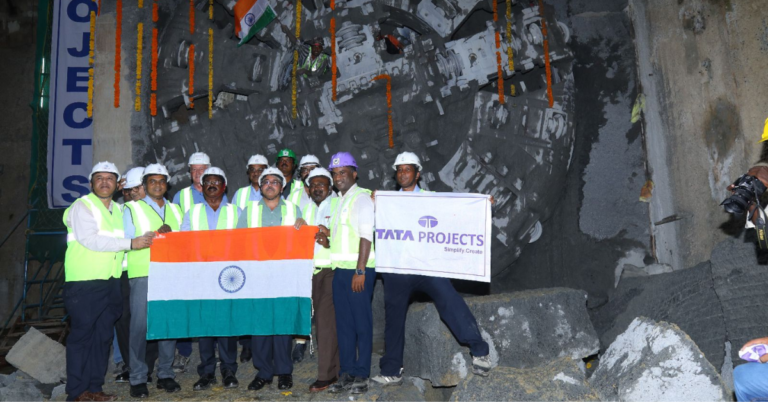
The construction of the initial 9 km underground section of Corridor 3, extending from Madhavaram Milk Colony to Kellys, is currently underway by Tata Projects Limited.
The TBM, named Nilgiri (S96), embarked on its tunnel drive on October 13, 2022, from Madhavaram Milk Colony Station to Madavaram High Road. The inauguration of this drive was graced by the Hon’ble Chief Minister of Tamil Nadu, Thiru. M.K.Stalin. Covering a tunnel length of 1.4 km, TBM Nilgiri achieved a significant breakthrough a Madhavaram High Road on August 7, 2023.


During the breakthrough event, dignitaries including Additional Chief Secretary for Special Initiatives of the Government of Tamil Nadu, Thiru. Ramesh Chand Meena, I.A.S, CMRL Directors Thiru. T. Archunan and Thiru. S. Ashok Kumar, Tata Project Vice President Thiru. Ramen Kapil, and other officials and staff from CMRL, Tata Projects, and General Consultants were in attendance. This achievement marks a crucial milestone in Chennai’s metro rail network expansion, enhancing connectivity and transportation options for the city’s residents.