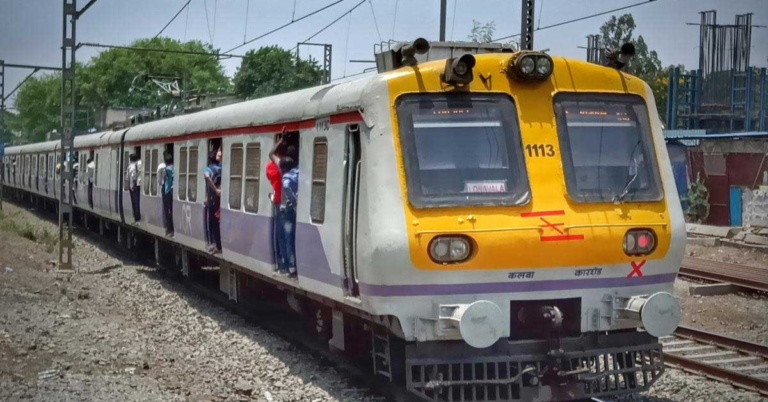
The bustling city of Bengaluru, India, is finally set to get its own suburban rail network, a project that has been in the pipeline for over three decades. The idea of a suburban rail system for Bengaluru first surfaced in 1983. Over the years, various proposals were floated, but none materialized. Announced in the 2018-19 union budget, the project received the green light from the rail board in November 2019, much to the delight of Bengaluru residents. The Bengaluru Suburban Railway (BSR) will span 149.348 kilometres, crisscrossing the city and its suburbs. The network will be divided into four corridors, connecting key residential and commercial areas. A total of 64 stations are planned, ensuring easy access for commuters across the city.
Construction is underway, with the foundation stone laid by Prime Minister Narendra Modi in June 2022. Completion is targeted for 2028, and the project is expected to ease traffic congestion and improve connectivity within Bengaluru significantly. The BSR has the potential to revolutionize commuting in Bengaluru, offering a faster, more affordable, and environmentally friendly alternative to road transport. With the BSR chugging towards fruition, Bengaluru residents can look forward to a more efficient and comfortable commuting experience. The project promises to transform the city’s transportation landscape and boost its economic growth and overall quality of life.
Project Development: An historical overview
In 1963, a suburban rail service was established in Bangalore to facilitate the commute of HAL employees from KSR Bangalore to Vimanapura Railway station. A formal proposal for a Suburban Rail system in Bangalore was first put forward in 1983 by a Southern Railway team led by then Railway Minister C. K. Jaffer Sharief and a Member of Parliament from Bangalore. The proposal included an investment in three suburban rail lines and a 58-km ring railway, estimated to cost Rs. 650 crore over a span of 25 years.
Under the influence of C. K. Jaffer Sharief, then Minister of Railways, India, the State of Karnataka set up another committee to explore mass rapid transit in 1993. This committee essentially echoed the recommendations made by Southern Railway in 1983, including the same circular railway. However, the central government rejected the proposal in 1983 and 1993 on both occasions.
In 2007, the Government of Karnataka commissioned RITES (Rail Indian Technical and Economic Services) to conduct a Comprehensive Traffic & Transportation Plan (CTTP) for Bangalore. The report proposed 10 Suburban Rail routes covering a total of 204.0 km. According to the report, the cost of Suburban Rail (along existing rail routes) would be significantly lower than that of mass rapid transit systems.
In July 2010, Praja Bangalore put forth a proposal in a report titled ‘Call To Action’. This plan was supported and showcased at the Center for Infrastructure, Sustainable Transportation and Urban Planning (CiSTUP) at the Indian Institute of Science (IISc), Bangalore. The proposal outlined a 376 km network centred around three hubs – Yesvantpur Junction, Benniganahalli, and Yelahanka Junction, with an addition of 42 new stations. A significant suggestion was utilising the crowded Bangalore City railway station as a transit point.
In November 2011, RITES undertook a feasibility study for suburban rail services in Bangalore. The final report of this study was submitted to the Directorate of Urban Land Transport (DULT) in November 2012. This comprehensive 179-page report examined all existing routes, amounting to 440.8 km of the rail network in and around the city. It also proposed the development of Suburban Rail services in three phases.
On July 5, 2013, the state government approved the suburban rail system. Chief Minister Siddaramaiah further reinforced this approval in the 2013-14 state budget presented on July 9, 2013. The budget proposed the establishment of the Bengaluru Suburban Rail Corporation Limited, a Special Purpose Vehicle (SPV), to carry out the project, estimated to cost Rs. 8,759 crore. In the Railway budget for 2016-17, Union Railway Minister Suresh Prabhu announced a collaboration with the Karnataka government for a Rs. 9,000 crore Suburban Rail network for Bangalore. However, no funds were allocated for this project.
On February 3, 2016, the state government proposed a revised version of the original plan by RITES. This revised plan aimed to initiate the project with an investment of Rs. 1,000 crore to establish connections between Mandya and Kengeri, Whitefield and Baiyappanahalli, and Tumakuru and Yeshwanthpura Junction. The state government allocated Rs. 100 crore towards this initiative. The state once again appointed RITES to assess the feasibility of the project. Their survey found the project to be feasible. However, the Railways declared that the proposed Phase Two of the project, which involved linking Tumakuru and Yeshwanthpura Junction, was not feasible.
In November 2018, RITES formulated a revised blueprint for a 161 km network. However, this plan was further modified to curtail costs in August 2019. The modifications included eliminating 29 stations out of the initial 82, reducing the route length to 148 km, and decreasing the projected costs to Rs. 16,000 crores. The central government eventually approved this revised and cost-effective proposal.
Facilities & Features
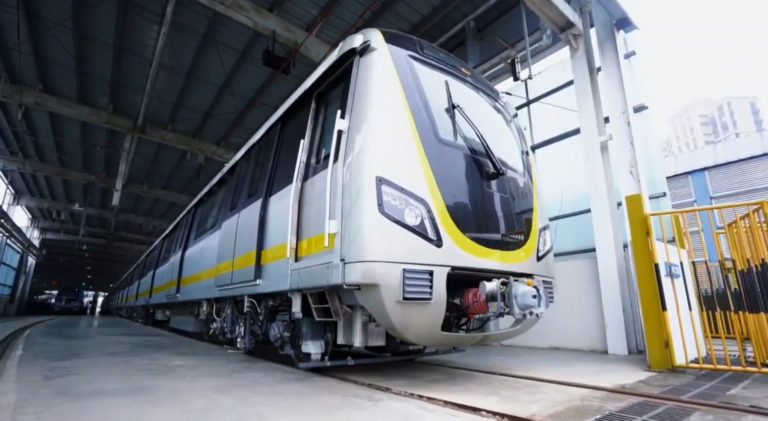
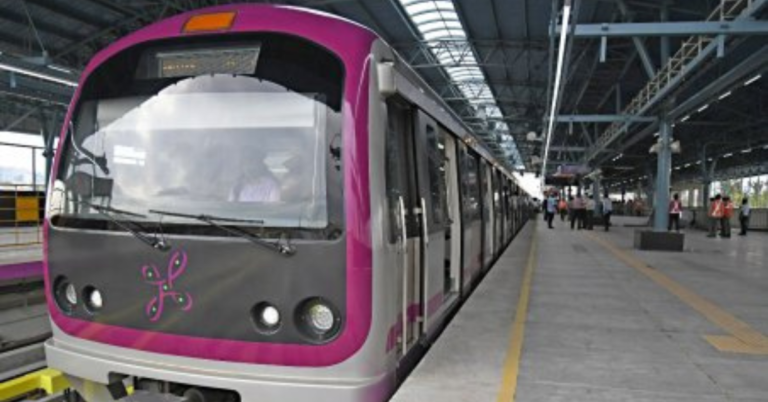
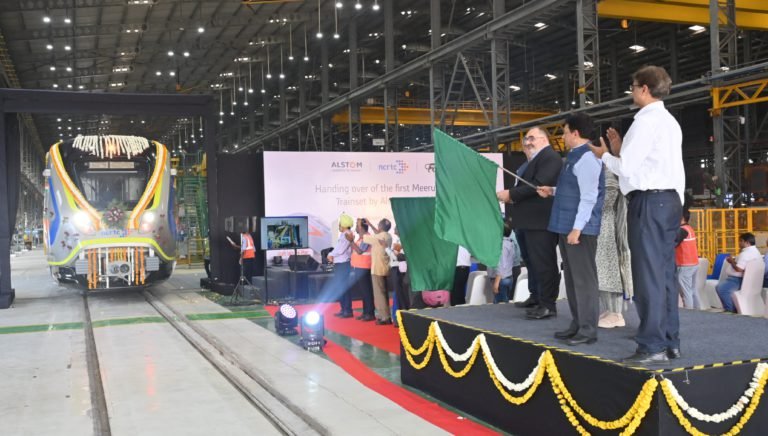
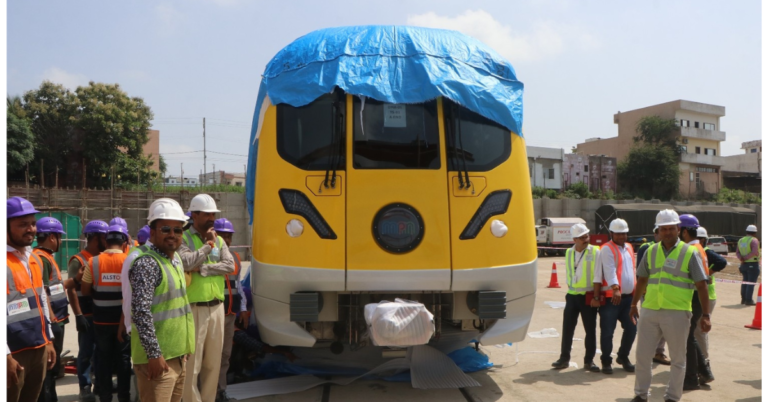
The project’s Detailed Project Report (DPR) outlines a variety of unique and exceptional facilities within the system. The plan envisions most stations as integrated commercial centres. These stations are designed to serve as intermodal integration hubs, facilitating easy transitions between different transport modes like the Metro. Features such as automated fare collection systems and platform screen doors will be standard across all stations. The DPR recommends the Metro Train sets (EMU) – RS 13 series, currently used in Delhi Metro and produced by M/s BEML, Bangalore, as the ideal fit for the Bengaluru Commuter Rail System.
The Comprehensive Mobility Plan for Bangalore lays out a unified public transport experience strategy. The Bengaluru Suburban Rail stations will be harmonised with other transport modes to enable smooth transitions between different means of travel, mirroring the efficiency seen in European cities. A wide range of transport options, including Public Bus Service, Metro trains, Inter-city buses, Inter-city trains, Metrolite, Metro Neo, Hyperloop, BRTS, Peripheral Ring Road, Bus priority corridors, Airport metro, Airport Bus service, and High-speed Airport Train will be integrated with the Suburban train network.
Initiatives such as the Public Bicycle Sharing (PBS) and the Shared Micro-Mobility System have been introduced to ensure seamless last-mile connectivity to suburban rail stations. K-RIDE envisions transforming all 57 stations into integrated commercial hubs, or smart station hubs, where individuals can work, park, shop, dine, and conduct business. Access to suburban train stations will be facilitated from all directions. The suburban train station plan will concentrate not only on the modernisation of the station itself but also on improving traffic flow, road conditions, ease of transition to other public transport, expansion of approach roads, and multi-level access based on ramps, following the model of the New Delhi Railway station redevelopment.
Funding & Construction Works
During her budget announcement on 1 February 2020, Finance Minister Nirmala Sitharaman stated that the project would be executed for Rs. 18,600 crores. The central government pledged to contribute twenty per cent of the equity and secure external assistance for up to 60 per cent of the project cost. The project is set to be the first in India to boast metro-like amenities and rolling stock. However, it has the slowest design speed among all new suburban rail projects currently underway in India, as the Nagpur broad-gauge Metro and National Capital Region Transport Corporation are constructing rail tracks for a design speed of 200 km/hr and an operating speed of 160 km/hr.
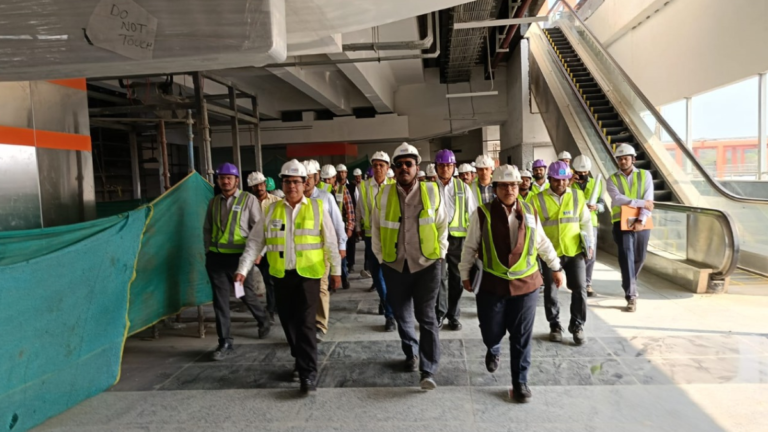
Although the Government of India has given its in-principal approval, budget allocations over the past few years have been meagre, with only nominal amounts allocated. The project received approval from the Prime Minister’s Office and the Cabinet Committee on Economic Affairs (chaired by the Prime Minister) on 7 October 2020. The state government has begun providing budgetary support for the Suburban Rail project, with Rs. 500 crore allocated in the 2020-21 budget. In the meantime, K-RIDE has initiated the Suburban project by issuing tenders for Land Surveys, staff recruitment, and more. Prime Minister Modi laid the foundation stone for the project on June 20, 2022.
In November 2021, bids were invited to construct the elevated viaduct section of Corridor 2. However, awarding the tender was delayed due to issues related to land acquisition, railway land transfer, approvals from IR, and other formalities. In the interim, a consortium comprising Egis, Louis Berger, and AECOM JV emerged as the successful bidder and was appointed General Consultants in February 2022. The tender for the construction of Corridor-2 was eventually awarded to L&T in August 2022 for an 8km stretch of elevated viaduct. Construction commenced in mid-2023 once all obstacles were overcome. The construction tender for Corridor-4 was also awarded to L&T in August 2023.
Initially, two depots were proposed at Jnanabharathi (56.9 acres) and near Devanahalli at Akkupete (61.2 acres). However, neither location was on the priority Corridors 2 and 4. As a result, the feasibility of establishing a depot at Huskuru along Corridor-4 (Kanaka Line) was explored. Subsequently, in January 2023, the plan for the depot at Jnanabharathi was scrapped, and a new depot was planned at Soladevenahalli, spanning 52.2 acres.
Circular Rail Network
The bustling city of Bangalore is set to receive a significant transportation upgrade with the proposal of a 287-km circular rail network. This ambitious project, spearheaded by South Western Railway (SWR), aims to tackle the city’s growing commuter woes by boosting local train services, alleviating network pressure and complementing existing initiatives. The new network will provide convenient and affordable train travel within the city’s peripheries, offering an alternative to congested roads.
By connecting critical towns like Nidvanda, Doddaballapur, Devanahalli, Malur, Heelalige, and Solur, the circular line will divert traffic from the existing saturated network, improving overall efficiency. The circular rail will also seamlessly integrate with ongoing projects like the Bangalore Suburban Rail and Namma Metro, creating a comprehensive and interconnected public transportation system. The Ministry of Railways has approved a crucial step forward – the Final Location Survey (FLS). This Rs 7.2-crore initiative will determine the network’s precise alignment, station locations, and infrastructure requirements, laying the groundwork for future construction. With its focus on affordability, convenience, and connectivity, the proposed circular rail network has the potential to improve Bangalore’s commuting landscape significantly. By decongesting existing roads, reducing pollution, and offering a more comprehensive range of transportation options, this ambitious project promises to enhance the city’s liveability and economic growth.
The planned rail network encircling the city of Bengaluru is set to link Nidvanda, Doddaballapur, Devanahalli, Malur, Heelalige, Solur, and Nidvanda. This initiative aims to boost Bengaluru’s rail capabilities and ease congestion in its current railway system with a forward-looking approach to future needs. The Final Location Survey (FLS), costing Rs 7.2 crore, will assess the alignment and map outstations, including yard layouts, terminal amenities, land necessities, and civil structures like bridges. The South Western Railway (SWR) asserts that the envisaged network will offer economical and comfortable train services, supplementing the city’s suburban rail and Metro rail systems.
The proposed rail network connects critical locations such as Devanahalli, Kempegowda International Airport, Heelalige, and various industrial zones and satellite towns like Doddaballapur and Hoskote. This network is designed to alleviate congestion on the existing railway system. The operation of MEMU/DEMU trains on this network will help reduce the burden on the current rail networks that manage long-distance trains. Daily commuters from satellite towns to Bengaluru stand to gain from this circular network. Trains dedicated to this network will run in both directions across the entire 287-km line. Officials from the South Western Railway, illustrating the benefits of the proposed network, explained that currently, the movement of trains from the Salem line towards the Mysuru line and vice versa has to pass through the congested Byappanahalli-Bengaluru Cantonment-Bengaluru city section. This often results in trains, including express ones, being held up due to the lack of available paths caused by severe city congestion.
Bengaluru’s transportation system is humming, but a critical bottleneck threatens to clog the flow: freight trains battling for space with passenger services. Good trains are relegated to late-night hours, wasting valuable engine and crew resources and hindering their efficient movement. A peripheral line connecting Hejjala and Heelalige is proposed to untangle this knot. This bypass would allow goods trains to navigate around the city, easing congestion on the main lines and freeing them up for bustling passenger traffic.
Within the city limits, the existing lines are already bursting at the seams during peak hours, reaching 110 per cent utilisation rates. This further highlights the need for a dedicated freight corridor to prevent disruptions and ensure a smooth flow of passengers and goods. Bengaluru’s transportation landscape is transforming. The KRIDE (Rail Infrastructure Development Company) is building a 148 km suburban rail network. In comparison, the BMRCL (Bangalore Metro Rail Corporation Limited) aims to operationalize a 175 km Namma Metro by 2025 and expand it to 314 km by 2040. The proposed Hejjala-Heelalige line dovetails perfectly with these ambitious projects, creating a robust and integrated transportation system that caters to people and cargo.
This peripheral line isn’t just about trains; it’s about boosting Bengaluru’s economic engine. Streamlining freight movement can reduce logistics costs and boost trade, improve efficiency and productivity for businesses, and create new jobs and opportunities in the logistics sector. The Hejjala-Heelalige line is a crucial step towards a more efficient and sustainable transportation future for Bengaluru. Untangling the freight traffic bottleneck paves the way for a city that thrives on passenger and cargo movement. As the KRIDE and BMRCL projects take shape, integrating this peripheral line will be a masterstroke, ensuring that Bengaluru’s transportation system keeps pace with its ambitious growth.
Summary
The Bengaluru Suburban Rail Project (BSRP), a commuter rail network spanning 149.348 km with 64 stations in Bangalore, Karnataka, has been given the green light. The project’s feasibility report and final detailed project report, which proposed four lines/corridors, have been compiled by RITES. In October 2020, the central government approved the project for construction, with an estimated budget of Rs. 15,767 crore. Prime Minister Narendra Modi laid the foundation stone on June 20, 2022.
The project is currently under the management of the Rail Infrastructure Development Company (Karnataka) Limited (K-RIDE), with a completion target set for 2028. Funding for Corridor 1 & 3 of the project will come from a Euro Rs 4,552 crore loan provided by the KfW Development Bank. The Government of India formalised this agreement in December 2023.
Project Details & Key Information
- Operational: 0 km
- Under Construction: 8.027 km
- Approved: 141.321 km
- Elevated Routes: 45.392 km | At-Grade Routes: 103.856 km
- Maximum Speed: 90 kmph
- Operational Speed: 35 kmph
- Track Gauge: Broad Gauge
Route Information
Corridor 1: Sampige Line (Route: KSR Bengaluru – Yelahanka – Devanahalli)
- Length: 41.478 km
- Type: Elevated (19.22 km) & At-Grade (22.278 km)
- Depot: Akkupet Depot
- Number of Stations: Fifteen (eight elevated & seven at-grade)
- Stations: KSR Bengaluru City (interchange), Srirampura (future), Malleswaram, Yesvantpur (interchange), Muthyal Nagar, Lottegollahalli (interchange), Kodigehalli, Judicial Layout, Yelahanka, Nitte Meenakshi, Bettahalasoor, Doddajala, Airport Trumpet, Airport Terminal, Airport KIADB, Devanahalli
(A suburban rail link is proposed to Bengaluru International Airport in this corridor)
Corridor 2: Mallige Line (Route: Baiyyappanahalli Terminal – Chikkabanavara)
- Length: 24.866 km
- Type: Elevated (7.723 km) & At-Grade (17.143 km)
- Depot: Jalahalli Depot
- Number of Stations: Fourteen (six elevated & eight at-grade)
- Stations: Chikka Banavara, Myadarahalli, Shettyhalli, Jalahalli (future), Yesvantpur (interchange), Lottegollahalli (interchange), Hebbal, Kanaka Nagar, Nagawara, Kaveri Nagar (future), Banaswadi, Seva Nagar, Kasturi Nagar, Baiyapanahalli (interchange)
Corridor 3: Parijaata Line (Route: Kengeri – Whitefield)
- Length: 35.52 km
- Type: Elevated (10.40 km) & At-Grade (25.12 km)
- Number of Stations: Fourteen (Four elevated & ten at-grade)
- Stations: Kengeri, RV College (future), Jnanabharati, Nayandahalli, Krishnadevaraya, Jagjeevanram Nagar, KSR Bengaluru City (interchange), Kumara Park, Bengaluru Cantt, Bengaluru East, Baiyapannahalli, Krishnarajapura, Hoodi, Whitefield
Corridor 4: Kanaka Line (Route: Heelalige – Rajankunte)
- Length: 46.285 km
- Type: Elevated (8.96 km) & At-Grade (37.92 km)
- Depot: Silkboard Depot
- Number of Stations: Nineteen (Four elevated & fifteen at-grade)
- Stations: Rajankunte, Muddana Halli, Yelahanka (interchange), Jakkur, Hegde Nagar, Thanisandra, Hennur, Horamavu, Channasandra, Benniganahalli (interchange), Kagadaspura, Doddanekundi, Marathahalli, Belandur Road, Carmelaram, Ambedkar Nagar, Huskur, Singena Agrahara
(5 stations will serve as interchange stations – Bangalore City (1 & 3), Yesvantapur (1 & 2), Lottegollahalli (1 & 2), Yelahanka (1 & 4) and Benniganahalli (2 & 4) (future), Bommasandra (future), Heelalige for this corridor)
Latest Update
Bengaluru’s ambitious Suburban Railway Project (BSRP) received crucial momentum in November 2023 with the signing of a tripartite agreement between the Government of Karnataka, the Indian Railways, and K-RIDE (Rail Infrastructure Development Company, Karnataka). This landmark agreement promises to streamline project implementation and pave the way for its successful completion. The agreement, spearheaded by K-RIDE, is expected to go beyond mere paperwork. It acts as a blueprint, clearly defining the responsibilities and methodologies of coordination for each party involved. This clarity ensures everyone is on the same page, minimising potential roadblocks and delays.
K-RIDE, the BSRP’s implementing agency, emphasises the critical nature of this agreement for such a large and complex project. Establishing a framework for cooperation and communication facilitates efficient decision-making, resource allocation, and overall project management. The agreement does more than assign tasks. It lays the foundation for effective collaboration between the Government of Karnataka, the Ministry of Railways, and K-RIDE. This collaboration is essential for overcoming challenges, resource optimisation and smooth decision-making. With the agreement’s help, unforeseen issues must be tackled swiftly and effectively with a unified approach, sharing expertise and resources, ensuring efficient utilisation, and minimising waste. Additionally, a clear framework for communication is expected to boost and facilitate timely decision-making and avoid delays.
The tripartite agreement is a significant step forward for the BSRP. It injects confidence and clarity, paving the way for a smoother, faster, and more successful implementation. With streamlined collaboration and defined responsibilities, Bengaluru’s residents can look forward to a seamless and efficient suburban rail network shortly. This revised version retains the original information while adding context, highlighting the agreement’s importance and impact, and emphasising its role in streamlining project execution.
K-RIDE has stated that the agreement is a prerequisite for signing loan contracts with bilateral funding institutions. This will facilitate €800 million (Rs 7,438 crore) borrowing from the KfW German Development Bank and the European Investment Bank for the BSRP. K-RIDE officials are looking forward to initiating and finalising tenders for the civil works of corridors 1 and 3, depots, and systems work shortly.
The BSRP, which covers a distance of 148.17 km, is the first suburban project in India under the National Suburban Rail Policy 2018. The project consists of four corridors or lines, each named after a popular flower in Kannada: Sampige (KSR Bengaluru-Devanahalli, 41.4 km, along with a 5-km airport link), Mallige (Benniganahalli-Chikkabanavara, 25.01 km), Parijata (Kengeri-Whitefield, 35 km), and Kanaka (Heelalige-Rajanukunte, 46.88 km).
The Mallige Line of the Bengaluru Suburban Rail Project (BSRP) is currently under construction, with its initial piers being erected at Hebbal. L&T has been identified as the most competitive bidder for the civil contract of the Kanaka Line, and K-RIDE is anticipated to award the contract shortly. Prime Minister Narendra Modi laid the foundation stone for the BSRP in June 2022, with an initial deadline of 40 months. However, the completion date has since been extended to 2028. Recently, K-RIDE signed a loan agreement for Rs 4,500 crore. The Germany-based KFW Development Bank will provide this loan. Representatives from the Department of Economic Affairs, Ministry of Finance, and the Government of Karnataka have signed the German bank agreement, per the state industries department. The BSRP, currently under development, is projected to cost around Rs 7,438 crore. Officials have stated that the BSRP will serve as an eco-friendly transportation system akin to the Bengaluru Metro. This will provide convenient and accessible transportation for the local and surrounding communities.
Discover the endless possibilities of our city’s Metro at InnoMetro, our flagship Expo and Conference. Be an active participant in shaping its future towards a more sustainable tomorrow. Stay informed and join us to take a step towards a brighter future.