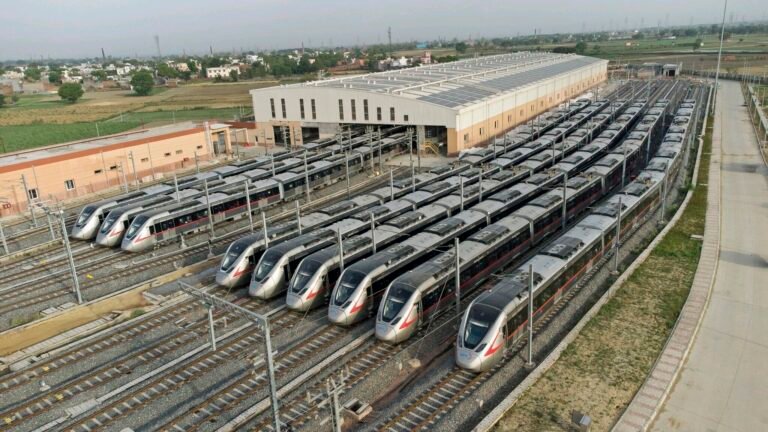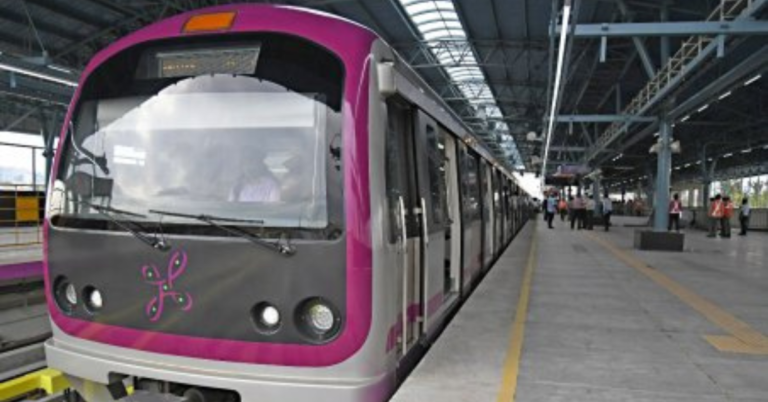
New Delhi: Prime Minister Narendra Modi has flagged-off the Delhi-Faridabad Metro Line that would allow hassle free travel for around two lakh daily commuters between the national capital and the industrial hub in Haryana.The extension of the Delhi Metro connects Badarpur to Escorts Mujesar in Faridabad.The total cost of the project from Badarpur to Escorts Mujesar is nearly Rs. 2,500 crore. Out of this, Rs. 1,557 crore was borne by the Haryana Government, the Centre contributed Rs. 537 crore, while the Delhi Metro provided Rs. 400 crore.The nine stations in this section include, Sarai, NHPC Chowk, Mewala Maharajpur, Sector 28, Badkal Mor, Old Faridabad, Neelam Chowk Ajronda, Bata Chowk and Escorts Mujesar. buy kamagra polo online https://lasernailtherapy.com/wp-content/themes/twentytwentytwo/inc/patterns/en/kamagra-polo.html no prescription
All these are elevated and located on either side of the Delhi-Mathura Road (NH-2).“The nine-station metro corridor which was 95 per cent indigenously built will provide people a safe, affordable, quick, comfortable, reliable, environment-friendly and sustainable transport facility,” a Haryana government spokesperson said.Haryana Chief Minister ML Khattar, addressing a press conference on Saturday, had thanked the Prime Minister for “gifting” the Metro service which would take the city to “another level of progress” with better connectivity with other NCR towns.He had also said that the Prime Minister would be announcing the go-ahead for connecting Gurgaon with Faridabad by Metro.
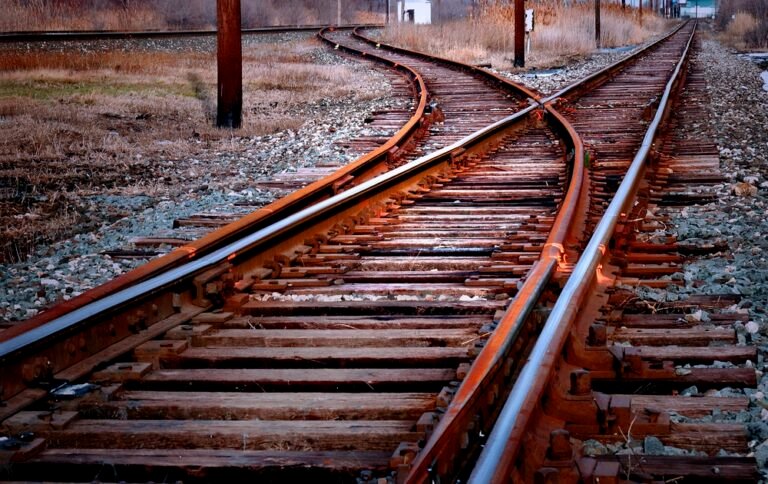
Indian Railways has approved the construction of a new fourth railway line between Tambaram and Chengalpattu in Tamil Nadu, a move aimed at improving train operations and regional connectivity in the Chennai division. The 30.02-km project will come under the administrative control of the Southern Railway (SR) zone.
The project will be implemented under Plan Head–15 (Doubling) and has been categorized as part of the ‘Energy, Mineral & Cement Corridor’ of Indian Railways. The estimated cost of the work stands at Rs 713.56 crore, which is expected to reach Rs 757.18 crore upon completion.
Presently, the Tambaram–Chengalpattu section is a three-line stretch on the Chennai Beach–Villupuram–Tiruchchirappalli–Kanyakumari main line. It plays a crucial role in handling both suburban and long-distance train services.
In a statement, Southern Railway said the line capacity utilization between Tambaram and Chengalpattu currently stands at around 87%, and is expected to rise to 136% if the project is not undertaken. The proposed fourth line, it added, will help ease congestion, extend the dedicated suburban network up to Chengalpattu and encourage a shift from road to rail – benefiting both passenger and freight movement. As reported by The Indian Express.
Building on a decade of trust, Metro Rail News is pleased to announce the Metro Rail News Awards to recognise organisations and leaders for their outstanding contributions to the rail transit industry. The awards will be presented across 30+ categories, with the ceremony scheduled for 12 December in New Delhi.
Get Recognised for Your Contribution & Innovations – Nominate Now
Rail transport is widely recognized as one of the most energy-efficient and cost-effective modes of transport. Over the past few decades, the sector has seen progressive developments in electrification, traction systems, and energy optimisation. A part of this transition has been the gradual replacement of diesel locomotives with electric traction to reduce dependence on fossil fuels. Despite this, only about one-third of the global railway network is electrified, while the majority continues to operate on diesel traction due to challenges such as high capital expenditure, operational feasibility in low-density corridors, and the technical complexities of installing overhead systems in difficult terrains.
Electrification, while an important initiative toward reducing emissions, does not on its own achieve carbon neutrality. This is because the electricity supply for railway operations in many regions is still derived from non-renewable sources such as coal, oil, and natural gas. Moreover, extending electrification across entire networks is not always economically justifiable, especially on regional, rural, or low-traffic lines where the cost-benefit ratio remains low.
To address these limitations, railways require propulsion technologies that are both operationally flexible and environmentally sustainable. Hydrogen fuel cell systems are gaining attention worldwide as a technically viable alternative in this context. Hydrogen fuel cells generate electricity through an electrochemical reaction between hydrogen and oxygen, which eliminates direct carbon emissions. The only by-product of this process is water vapor, which makes the system well-suited for decarbonising non-electrified rail corridors where conventional electrification is neither practical nor cost-effective.
The Need for Hydrogen-Powered Trains in Railways
The Indian Railways has set an ambitious target of achieving net-zero carbon emissions by 2030. In this context, hydrogen fuel cell technology can support Indian Railways in achieving its decarbonisation target while ensuring operational reliability and cost-effectiveness.. This paper examines the technical viability of integrating hydrogen fuel cell systems into existing rolling stock, while keeping the focus on their operational feasibility, energy efficiency, and lifecycle costs. The study also highlights the engineering challenges associated with such adoption, including hydrogen storage and refueling infrastructure, safety protocols, fuel cell durability under Indian operating conditions, and the compatibility of fuel cell systems with the current railway ecosystem.
The requirement for applying hydrogen fuel cell technology in Indian Railways arises from a combination of operational, environmental, and economic considerations. India has one of the largest railway networks in the world, with a significant portion still dependent on diesel traction. While electrification is progressing rapidly, hydrogen fuel cells can complement this effort by addressing specific challenges and gaps.
1. Large Dependence on Diesel Traction Despite the ongoing electrification drive, Indian Railways continues to operate a sizable fleet of diesel locomotives, especially in non-electrified and remote sections. Hydrogen fuel cell trains offer a zero-emission alternative to diesel traction without the need for complete overhead electrification infrastructure, thereby saving on long-term electrification costs.
2. Net Zero Emission Targets The Indian Railways has set the target of achieving net zero carbon emissions by 2030. Hydrogen-powered trains, producing only water vapor as a by-product, align directly with this goal by eliminating greenhouse gas emissions from non-electrified corridors.
3. Cost of Electrification vs. Green Alternatives Electrification across the entire 68,000+ km route length is capital intensive and may not always be economically viable in sparsely used or geographically challenging routes (e.g., hilly terrain or low-traffic density lines). In such cases, hydrogen fuel cell technology provides a more practical and flexible solution compared to overhead wiring investments.
4. Renewable Energy Integration India has ambitious renewable energy generation targets. Hydrogen produced through electrolysis using solar and wind power can serve as a sustainable energy carrier for railway applications. This allows Indian Railways to integrate surplus renewable energy into mobility, enhancing grid stability and energy security.
5. Reduction in Fuel Import Dependence India is heavily dependent on crude oil imports to meet its diesel demand. Hydrogen as a fuel, if indigenously produced using renewable sources, reduces reliance on imported fossil fuels and enhances energy independence.
6. Technological Modernization of Rolling Stock Hydrogen adoption promotes modernization of India’s rolling stock through hybrid propulsion systems (fuel cell + battery) and regenerative braking. This can reduce lifecycle maintenance compared to traditional diesel locomotives while improving efficiency.
7. Pilot Projects and Feasibility Indian Railways has already announced pilot projects for hydrogen fuel cell trains on heritage and regional routes. These trials will serve as a test bed for wider adoption, helping to evaluate performance, hydrogen storage, refueling infrastructure, and cost-benefit ratios under Indian operating conditions.
8. Global Alignment and Competitiveness Countries such as Germany, France, and China are already deploying hydrogen fuel cell trains. For Indian Railways, embracing this technology ensures alignment with international best practices and positions India as a potential hub for hydrogen-powered rail innovation.
In summary, the application of hydrogen fuel cell technology in Indian Railways is driven by the dual objective of decarbonization and operational efficiency. It serves as a critical alternative to full electrification, especially for remote and low-density routes, while contributing to India’s broader goals of sustainability, renewable energy utilization, and fuel import reduction.
Rising Energy Demand: It is predicted that by 2050, the global energy demand will increase by almost 18%. In this scenario, green hydrogen offers a sustainable, renewable and versatile alternative to fossil fuels. This could help industries ranging from heavy manufacturing to transport by providing a cleaner path to meet their high energy requirements while reducing emissions.
Working Principle of Hydrogen Fuel Cells in Trains
Hydrogen fuel cells operate on the principle of an electrochemical reaction that directly converts the chemical energy stored in hydrogen into electrical energy, without the intermediate step of combustion.
In railway applications, the most widely used configuration is the Proton Exchange Membrane Fuel Cell (PEMFC) due to its relatively low operating temperature, quick start-up capability, and suitability for variable power demands encountered in train operations.
The process begins with hydrogen stored onboard the train in high-pressure tanks, typically at 350–700 bar. This hydrogen is supplied to the anode side of the fuel cell stack, where it undergoes catalytic dissociation. At the anode, each hydrogen molecule (H₂) splits into two protons (H⁺) and two electrons (e⁻). The protons migrate through the polymer electrolyte membrane, which is selectively permeable to protons but impermeable to electrons.
The electrons, unable to pass through the membrane, are forced to travel through an external circuit, generating a direct current (DC) that is used to power traction motors, auxiliary systems, or be routed into an onboard energy storage system. On the cathode side, oxygen drawn from the ambient air combines with the incoming protons and electrons to form water (H₂O), which is the only by-product of the reaction.
The overall electrochemical reaction can be expressed as:
The efficiency of a fuel cell stack typically ranges between 45–60%, which is considerably higher than the thermal efficiency of internal combustion engines (~30–35%). Additionally, the waste heat generated can be partially recovered for onboard heating systems, improving overall system efficiency.
In train applications, the fuel cell system is usually integrated with a hybrid architecture, where the fuel cell provides the base load power, while batteries or supercapacitors handle peak loads such as acceleration and regenerative braking. This hybrid configuration not only enhances energy efficiency but also prolongs the operational life of the fuel cell stack by avoiding high transient stresses.
The modular nature of fuel cell stacks allows scaling of power output to match the requirements of various rolling stock categories, ranging from light commuter trains to heavier regional trains. Depending on the design, a single trainset may house multiple stacks to deliver a combined output of several hundred kilowatts, sufficient for mainline operations on non-electrified routes.
The Framework Required for Implementation of Hydrogen Fuel Cell Technology in Indian Railways
The current railway ecosystem in India does not support the adoption of hydrogen fuel cell technology. Transitioning to this system will require not only a change in propulsion methods but also the development of a parallel ecosystem. This would include hydrogen production, distribution, and storage infrastructure, along with rolling stock adaptation, regulatory frameworks, and workforce skill development, to make the initiative both technically viable and economically sustainable.
Technological Adaptation of Rolling Stock
The existing diesel-electric rolling stock in India would need modifications to accommodate hydrogen fuel cell systems. This primarily involves the replacement of diesel engines with fuel cell stacks, coupled with the integration of hydrogen storage tanks, power electronics, and compatible electric traction systems. The Integral Coach Factory (ICF), Chennai, is currently retrofitting a Diesel Electric Multiple Unit (DEMU) train to operate on hydrogen fuel cell technology. This pilot project is expected to provide insights into the technical feasibility, operational safety, and cost-effectiveness of this technology.
Hydrogen Production and Supply Chain
Since hydrogen does not occur naturally in a usable form, establishing large-scale production facilities will be necessary for its application in Indian Railways. Currently, India does not produce hydrogen on a large scale for railway applications. Instead, it is gradually building capacity in this area, beginning with pilot projects. The country’s first hydrogen-powered train is planned to operate on the Jind–Sonepat route in Haryana, and will source hydrogen from a local 1 MW Green Hydrogen Electrolysis plant. The larger production and distribution networks are yet to be established in India.
Refueling and Storage Infrastructure
Hydrogen refueling depots that are specifically designed for railway applications will be necessary across the railway network, particularly on non-electrified routes. These facilities will be required to be equipped with high-capacity storage tanks, compressors, and dispensers that are capable of meeting the operational requirements of long-distance and high-frequency train services.
Safety and Regulatory Framework
The adoption of hydrogen fuel cell technology in railways will demand safety protocols. Hydrogen’s flammability and storage under high pressure create unique challenges that can only be encountered by setting up new regulatory standards for railway operations, storage systems, refueling procedures, and accident management.
Skill Development and Workforce Training
The present railway ecosystem in India is primarily oriented toward diesel and electric locomotives. The transition to hydrogen fuel cell systems will necessitate reskilling the workforce to manage new technologies and safety requirements.
Economic and Financial Considerations
The adoption of hydrogen fuel cell technology presents multiple benefits in the long term. However, the large-scale adoption of this technology in railways will require substantial costs related to rolling stock development, infrastructure deployment, and hydrogen production. For effective adoption, government subsidies, incentives, and public–private partnerships will be essential to reduce financial risks for both Indian Railways and industry stakeholders.
Research and Pilot Projects
Research and development institutions & pilot projects will play a crucial role in the large-scale implementation of hydrogen fuel cell technology across the railway network. They will help to understand the practical challenges of deploying hydrogen fuel cells in Indian conditions. The pilot projects can help assess energy efficiency, durability of components, climatic resilience, and lifecycle costs. Currently, one such pilot project is being implemented in India
The Ongoing Efforts: India’s First Hydrogen-Powered Train to Meet the Tracks Soon
The initiative to deploy hydrogen-powered trains originated from Indian Railways’ vision to reduce carbon emissions and promote sustainability in its operations. In 2021, Indian Railways issued a tender for a pilot project to convert a Diesel Electric Multiple Unit (DEMU) rake into a hydrogen-powered train. This pilot service is planned to operate on the Jind–Sonipat section of the Northern Railway. In the same year, the Research Designs and Standards Organisation (RDSO) finalised the design for India’s first hydrogen-powered train.
The Integral Coach Factory (ICF), Chennai, was assigned the task of manufacturing the train. This involved designing and producing coaches capable of carrying passengers while accommodating key components such as hydrogen cylinders, fuel cell converters, batteries, and air reservoirs.
In February 2023, Indian Railways announced its plan to operate 35 hydrogen trains under the ‘Hydrogen for Heritage’ initiative, which aims to reduce carbon emissions and encourage environmentally sustainable practices. This was confirmed by the Union Minister of Railways, Ashwini Vaishnaw, in a written reply to the Rajya Sabha in 2023.
To support this initiative, the Ministry of Railways allocated ₹2,800 crore in the Union Budget 2023–24 for the development of hydrogen-powered trains. The estimated cost of each train is around ₹80 crore, with an additional ₹70 crore required per route for supporting ground infrastructure.
Timeline of Key Developments in India’s Hydrogen Fuel Cell Train Project
September 2022: Medha Servo Drives initiated procurement of hydrogen fuel cell modules for the DEMU retrofit pilot project. The order, placed with Ballard Power Systems, comprised eight 100 kW FCmove™-HD+ fuel cells.
October 2023: GreenH Electrolysis (a joint venture between H2B2 Electrolysis Technologies and GR Promoter Group) entered into a contract with Medha Servo Drives to establish a hydrogen production and refuelling facility at Jind, Haryana.
October 2024: GreenH Electrolysis announced the completion of a 1 MW PEM electrolyser at its manufacturing site in Jhajjar, Haryana. This unit is designated for installation at the Jind refuelling station to supply hydrogen for the pilot project. The electrolyser is designed to operate continuously, generating approximately 430 kg of hydrogen per day at a delivery pressure of 40 bar(g), and it meets ISO 14687 purity standards for fuel cell applications. The refueling facility at Jind will additionally incorporate 3,000 kg of hydrogen storage capacity, a hydrogen compressor, and two hydrogen dispensers with pre-cooler integration.
July 2025 – Testing Phase Initiated: Indian Railways commenced the testing of its first hydrogen-powered coach, developed at the Integral Coach Factory (ICF), Chennai.
There are several challenges and safety considerations associated with the project, as hydrogen is a highly flammable gas. The pilot initiative involves retrofitting two diesel-powered cars into hydrogen fuel cell-powered units. Each power car is designed to carry approximately 220 kg of hydrogen, stored in specially engineered cylinders at 350 bar pressure. The design and testing of the cylinder mounting structures and fuel cell systems are critical to ensuring safety and reliability. Hydrogen, being the lightest element, is colourless, odourless, tasteless, and highly flammable. These inherent properties make rigorous safety protocols and multiple testing phases essential during its deployment in rail operations.
To minimise risks, Indian Railways has undertaken Computational Fluid Dynamics (CFD) studies to analyse potential worst-case scenarios of hydrogen leakage and other possible failure modes. The hydrogen-powered train will incorporate multiple layers of safety features such as pressure relief valves, hydrogen leak detection systems, flame detection sensors, temperature monitoring systems, and scientifically designed ventilation arrangements. These measures aim to ensure operational safety and system reliability during deployment. An independent third-party safety audit is being conducted by Technischer Überwachungsverein Süd (TÜV-SÜD), Germany, to validate and ensure compliance with international safety standards.
Global Developments in Hydrogen-Powered Trains
Germany – Alstom Coradia iLint
Germany became the first country to deploy hydrogen-powered trains for passenger service. Alstom’s Coradia iLint, introduced in 2018, operates commercially in Lower Saxony. The train offers a range of nearly 1,000 kilometers on a single hydrogen fill which proves it suitable for regional routes without electrified tracks.
France – SNCF Hydrogen Regional Train: France is progressing with hydrogen adoption through SNCF, which has placed orders for regional multiple units that will be powered by hydrogen fuel cells. These trains are designed to replace diesel units on non-electrified lines and form part of France’s broader commitment to reduce emissions in regional mobility.
United Kingdom – HydroFLEX Project
The UK has focused on retrofitting existing rolling stock for hydrogen trials. The HydroFLEX project converted a Class 319 electric multiple unit into a hybrid hydrogen-powered train. It serves as a demonstrator for future large-scale applications.
Japan – Hybari Prototype
The Hybari prototype is Japan’s first hydrogen-powered test train. It was developed by East Japan Railway (JR East) in collaboration with Toyota and Hitachi. The prototype has an operational speed of up to 100 km/h and a range of about 140 km per hydrogen charge. While the prototype has been successful in its testing phase, JR East’s target for commercial application of the technology is still set for around 2030.
China – Hydrogen Trams in Qingdao
China has deployed hydrogen-powered trams in Qingdao since 2015, making it one of the earliest large-scale applications of hydrogen in rail transit. These trams demonstrate the feasibility of hydrogen technology in urban public transport and reflect China’s push toward cleaner mobility solutions.
World’s First Hydrogen-Powered Semi-High Speed Train
CRRC is planning to launch the world’s first hydrogen-powered semi-high-speed train. The prototype is capable of reaching the speed of 250kmph and will be ready by the end of 2025.
United States – Stadler FLIRT H2
In the United States, Stadler is developing the FLIRT H2 trainset for California. The commercial rollout of this hybrid train is expected by 2027. The project aims to provide a zero-emission alternative for regional rail corridors.
During its testing period, the FLIRT H2 made a Guinness World Record for the longest distance covered by a hydrogen-powered train without refueling.
Distance: 2,803 kilometers (1,741.7 miles).
Max. Speed: 130 km/h (79 mph).
Duration: 46 hours on a single tank at a test track in Pueblo, Colorado.
Technical Challenges and Limitations
Despite the promise, hydrogen technology faces significant challenges. At present, most hydrogen is produced from natural gas, known as “grey hydrogen,” which releases carbon dioxide in the process. Sustainable alternatives, such as “green hydrogen” produced via electrolysis powered by renewable energy, remain expensive, with current costs ranging from four to six dollars per kilogram. Storage and transport pose another challenge, as hydrogen has a low volumetric energy density and requires high-pressure tanks or liquefaction facilities.
From a financial perspective, the capital cost of a hydrogen train is 30 to 50 percent higher than a comparable diesel unit, while fuel cell stacks degrade over time, with a typical operating lifespan of 20,000 to 30,000 hours. Moreover, in high-density corridors, electrification still remains more efficient, creating competition for hydrogen adoption.
Future Outlook
Global trends suggest that the cost of green hydrogen will fall sharply in the coming decade, potentially reaching one to two dollars per kilogram by 2030 as electrolyzer technology advances and renewable energy capacity increases. Hybrid hydrogen-battery systems are also under development to optimize performance and reduce hydrogen consumption. For large-scale deployment, India will need to establish hydrogen corridors with dedicated refueling infrastructure. Policy support, public-private partnerships, and integration with renewable energy projects will be critical in this transition.
Conclusion
Hydrogen fuel cells represent a transformative opportunity for railways, providing a clean, quiet, and efficient alternative to diesel on non-electrified routes. Their technical merits include zero tailpipe emissions, long operating range, and fast refueling capabilities, though they remain constrained by high costs and infrastructure requirements. For India, hydrogen trains could serve as a bridge technology, supporting decarbonization goals while reducing reliance on imported fossil fuels. As global case studies demonstrate, the continued advancement of hydrogen technology, coupled with the scaling of green hydrogen production, has the potential to reshape rail mobility and contribute meaningfully to a carbon-neutral future.
Indian Railways, the world’s fourth-largest rail network, has long served as the backbone of India’s transport infrastructure. Beyond driving economic growth, it has been a vital force in strengthening social and cultural connectivity across the nation’s vast geographies. Over the years, Indian Railways has modernized its infrastructure and network extensively, enabling remarkable progress while also paving the way for meeting the rising expectations of passengers.
As India expands, the rising economic growth and modernization have elevated passenger expectations. The passengers now look for trains that offer speed, reliability, and advanced amenities that support both convenience and comfort. However, the conventional train services, with long travel times and limited amenities, struggle to meet these evolving needs.
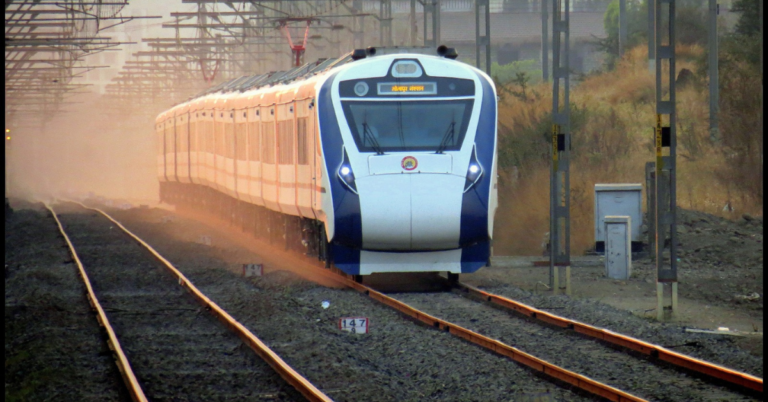
To address these growing demands and expectations, Indian Railways launched India’s first indigenous, semi-high-speed train, Vande Bharat Express, which set new benchmarks in efficiency, safety, and passenger-focused design, marking a transformative step in India’s rail. To further maximize the potential of the Vande Bharat Train Series, Indian Railways took a major step and launched the upgraded version of Vande Bharat known as Vande Bharat 2.0. Not only this, the Indian Railways is now bringing in the sleeper version of Vande Bharat. The upcoming sleeper version of Vande Bharat will not only address the growing demand for faster and more efficient long-distance travel but also reinforce Indian Railways’ ambition to bridge the gap between conventional express services and future high-speed rail networks.
Evolution of Vande Bharat Trains
The evolution of the Vande Bharat train marks a transformative journey in India’s railway history, showcasing the nation’s strides in speed, technology, and passenger-centric innovation.
Vande Bharat 1.0
The Vande Bharat Train, previously referred to as Train 18, is the nation’s first semi-high-speed train, which can run up to a maximum speed of 160 kmph and has travel classes like the Shatabdi Train but with better facilities.
The Integral Coach Factory (ICF) located in Chennai was responsible for the design and construction of the Vande Bharat Trainsets. The trains were officially commissioned in February 2019.
Vande Bharat 2.0
Building on the success of the first Vande Bharat, Indian Railways introduced the second version of Vande Bharat, which incorporates enhanced safety features and improved passenger amenities.
On 21 January 2021, Medha Servo Drives Ltd. secured a contract worth INR 2,211 crore from the railways to manufacture 44 Vande Bharat trains, each comprising 16 coaches. The first trainset of the Vande Bharat 2.0 version was flagged off by Prime Minister Shri Narendra Modi on September 30, 2022, traveling from Gandhinagar to Mumbai.
Vande Bharat 3.0
The sleeper version of the Vande Bharat train series marks a new milestone for Indian Railways, which is designed for enhanced comfort on long-distance journeys.
The Vande Bharat 3.0 model is designed with features such as automatic doors, ultra-comfortable berths, on-board WiFi & an aircraft-like design. The 16-coach rake consists of 1 First AC, 4 AC 2-tier, and 11 AC 3-tier sleeper coaches, designed to accommodate over 1,100 passengers.
Vande Bharat Sleeper Trains: A New Era of Comfort and High-Speed Mobility
Indian Railways is undergoing a paradigm shift in its pursuit of modern, high-speed, and passenger-centric mobility solutions. The Vande Bharat Sleeper trains 3.0 have been engineered for long-haul overnight journeys, combining speed, safety, and comfort with globally benchmarked design standards. The sleeper variant of the Vande Bharat series is designed to redefine overnight journeys for millions of travelers. Built under the Make in India initiative, the Vande Bharat Sleeper trains reflect India’s engineering prowess and its dedication to redefining the future of rail travel.
Vande Bharat Sleeper Trains: From Concept to Prototype
On 23 May 2023, BEML secured a ₹675-crore contract from the Integral Coach Factory (ICF), Chennai, to manufacture the first 10 Vande Bharat Sleeper trainsets.
On 1 September 2024, the Hon’ble Union Minister for Railways, Shri Ashwini Vaishnaw, flagged off India’s first Vande Bharat Sleeper trainset at BEML’s Bangalore rail complex. A team of engineers from ICF was responsible for the design of the sleeper version, while the rake was manufactured by BEML, a public sector enterprise previously known as Bharat Earth Movers Limited.
In October 2024, the Integral Coach Factory (ICF) unveiled the prototype of the Vande Bharat Sleeper rake in Chennai. ICF completed manufacturing of India’s first Vande Bharat Sleeper Train set on 17 December 2024.
Vande Bharat Sleeper Train Trial Runs and Achievements
1. Early Field Trials
The Vande Bharat Sleeper prototype completed a two-day field trial between Khajuraho and Mahoba in Uttar Pradesh on 21 and 22 December 2024. The train achieved speeds of 115 km/h on the first day and 130 km/h on the second day.
2. 28 Days Trials by RDSO
The sleeper version of the Vande Bharat train completed a comprehensive 28-day trial run conducted by the testing team from Lucknow-based Research Designs and Standards Organisation (RDSO), with trials concluding on January 15, 2025.
The trials included oscillation tests at speeds of up to 115 km/h in the Jhansi division of North Central Railway (NCR) and up to 180 km/h in the Kota division of West Central Railway (WCR).
The Brake performance trials were conducted in the Kota division at 160 km/h under various conditions, including dry and wet conditions, to assess emergency braking distances.
For the first time, coupler force trials were conducted in the Kota division at a speed of 160 km/h to assess the maximum forces experienced by the couplers during various braking and acceleration modes.
Finally, confirmatory run trials were conducted between Ahmedabad and Mumbai at 130 km/h, covering an extended distance of approximately 1,000 km to assess overall performance.
Vande Bharat Sleeper Train Successfully Reaches 180 km/h During Trials
The Vande Bharat Sleeper Train successfully achieved a top speed of 180 km/h during a series of trial runs. These trials were carried out in a fully loaded condition to evaluate performance, stability, and operational efficiency at high speeds.
Note: The Vande Bharat sleeper train prototype has completed multiple trials, including rigorous speed and safety tests, but the launch of the train was delayed after the Integral Coach Factory (ICF) identified over more than 73 design and technical issues, particularly related to safety, Although these issues have been addressed by BEML but the train is still awaiting final approval from the Commissioner of Railway Safety (CRS) before it can be commissioned for passenger service.
Specification of Vande Bharat Sleeper Train
1. Passenger Experience and Onboard Comfort
Improved Air Conditioning: The Vande Bharat Sleeper Train features an advanced air conditioning system with precise temperature control throughout all coaches, ensuring optimal comfort in any weather condition.
Oxygen Level Maintenance System: The train features an advanced oxygen level maintenance system that continuously monitors and optimizes air quality, ensuring a healthier and more comfortable journey.
Redesigned Toilets: The train features modern touch-free bio-vacuum toilets with automated water flow and high-efficiency sanitation, designed for superior hygiene and full accessibility for differently-abled passengers
New-Generation Seating & Sleeper Berths: Ergonomically designed seats and sleeper berths feature premium cushioning, offering long-distance comfort. They are equipped with adjustable reading lights, personal USB ports, and optimized luggage space for added convenience.
Onboard Wi-Fi: The train offers high-speed onboard Wi-Fi, keeping passengers connected throughout their journey
2. Facilities for Crew and Operators
Dedicated Loco Pilot Cabins: The train features ergonomically designed loco pilot cabins that reduce physical strain and fatigue during extended operating hours.
Driver Restrooms: The train provides separate, well-equipped restroom facilities for drivers, ensuring their comfort, hygiene, and convenience during long journeys.
3. Safety Systems and Performance Features
KAVACH System: The Vande Bharat Sleeper Train is equipped with the indigenous KAVACH Automatic Train Protection system, which prevents collisions by automatically controlling speed and braking.
Fire Safety & Emergency Measures: The Vande Bharat Sleeper Train features advanced fire safety measures, including automatic detection systems, smoke alarms, and extinguishers in all coaches. Additionally, the train complies with the EN 45545 HL3 fire safety standard, featuring a fire barrier wall for added protection.
Regenerative Braking System: The Vande Bharat Sleeper Train uses a regenerative braking system that recovers energy during deceleration, improving efficiency while ensuring safe braking.
₹35,000 Cr – 36,000 Cr contract + 35 years maintenance
120 train sets
BHEL-Titagarh
Rs 9,600 crore contract + 35 years maintenance
80 Trainsets
BEML
Rs 675 crore
10 Trainsets
Contract Revisions and Updates
Indian Railways has revised its ₹ 58,000 crore contract for Vande Bharat sleeper trains. Initially, the contract covered the manufacturing and supply of 200 trains with 16 coaches each. Under the new plan, each train will have 24 coaches, while the total number of trains has been reduced to 133.
Contract for 120 Vande Bharat: In March 2023, RVNL-TMH ( Kinet Railway Solutions) bagged a contract to supply & manufacture 120 Vande Bharat Sleeper Trains. However, the joint venture will now supply 80 Vande Bharat Trains instead of 120. Now, each train will have 24 coaches instead of the original 16 coaches.
Contract for 80 Vande Bharat: Bharat Heavy Electricals Ltd (BHEL) and Titagarh Wagons bagged the contract to supply 80 Vande Bharat Sleeper trains. The price for each train is set at Rs 120 crore, resulting in a total contract value of Rs 9,600 crore. Under the revised terms, the consortium will now supply 53 trains instead of 80.
Vande Bharat Sleeper Train Rollout Plan as per Revised Contracts
Manufacturer
Configuration
No. of Trainsets
Status
RVNL-TMH ( Kinet Railway Solutions)
24 Coaches
80
The JV will roll out the prototype by June 2026
BHEL-Titagarh
24 Coaches
53
The JV will roll out the prototype by June 2026
BEML
16 Coaches
10 Trains
Commissioning is delayed due to safety Issues.
Alstom & Medha to Supply Propulsion System for 50 Rakes
On 17th December 2024, Indian Railways placed a major order for propulsion electric systems for 50 rakes of the 24-car Vande Bharat Sleeper Train Sets. This order has been allocated to two prominent Indian manufacturers, with an expected delivery timeframe of 24 months.
M/s Medha will supply propulsion systems for 33 rakes
M/s Alstom will supply propulsion systems for 17 rakes
Delhi–Howrah Route to Get Vande Bharat Sleeper
Indian Railways is planning to commission the Vande Bharat Sleeper train on the Delhi–Howrah Route. The Vande Bharat Sleeper train will be the third premium train on this route after the Rajdhani Express and Duronto Express. The Delhi-Howrah Sleeper train will cover a distance of 1449 km in under 15 hours.
Conclusion
The Vande Bharat Sleeper train marks a defining milestone in India’s pursuit of modern, efficient, and passenger-centric rail travel. With its advanced features and modern design, the Vande Bharat sleeper stands as a symbol of Indian Railways’ transformation and the nation’s engineering progress. The prototype of the Vande Bharat Sleeper was designed by ICF and manufactured by BEML, which was unveiled in October 2024. The Vande Bharat Sleeper train successfully achieved a top speed of 180 km/h during extensive trial runs, demonstrating its capability to deliver high-speed, stable, and comfortable overnight travel while setting new benchmarks for long-distance rail journeys in India. Nearly ₹58,000 crore worth of contracts have been awarded to major firms for the supply and manufacturing of the Vande Bharat Sleeper train, which highlights India’s industrial prowess and reinforces its commitment to the “Make in India” initiative. Once operational, it will not only enhance overnight journeys but also pave the way for India’s future in high-speed rail travel.
INDORE (Metro Rail News): The Indore Metro project advanced as Managing Director Mr. S. Krishna Chaitanya, IAS, conducted a comprehensive inspection of the ongoing works along the priority corridor of Indore Metro.
During the visit, Managing Director Mr. S. Krishna Chaitanya reviewed construction progress with officials and contractors, emphasizing timely completion and adherence to quality standards.
The Phase 1 of Indore Metro consists of one metro corridor (Yellow Line). The Yellow Line of Indore Metro spans 33.53 km connecting Palasia – Railway Station – Rajwara – Airport – Bhawarsala – MR10 – Palasia (Ring Line).
Recently, the Asian Development Bank (ADB) also approved a $190 million loan for the Indore Metro Rail Project. To know more about this news: Click Here.
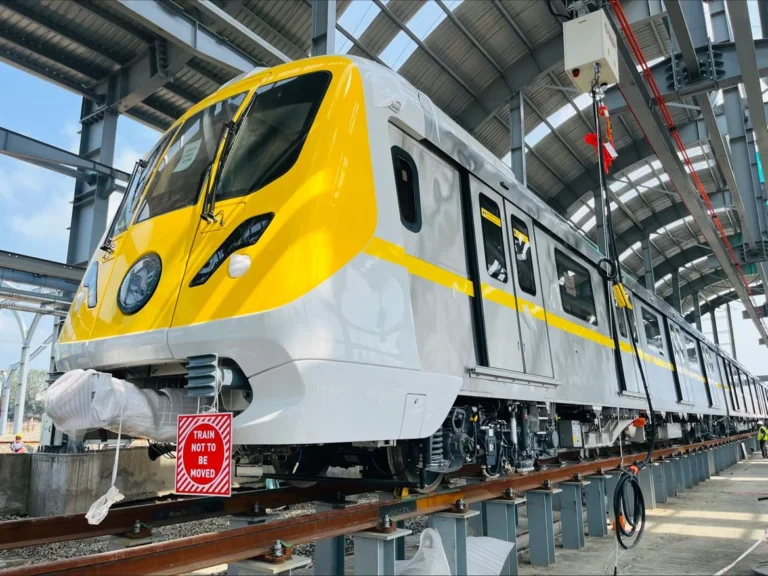
Furthermore, Madhya Pradesh Metro Rail Corporation (MPMRCL) also conducted successful trials run between SC03 Station and Malviya Nagar Chauraha Station of Yellow Line earlier in this month.
Building on a decade of trust, Metro Rail News is pleased to announce the Metro Rail News Awards to recognise organisations and leaders for their outstanding contributions to the rail transit industry. The awards will be presented across 30+ categories, with the ceremony scheduled for 12 December in New Delhi.
Get Recognised for Your Contribution & Innovations – Nominate Now
Metro Rail News conducted an exclusive interview with Shri Praveen Kumar, Managing Director, DFCCIL. In this discussion, Shri Kumar shared insights into the transformative role of Dedicated Freight Corridors (DFCs) in strengthening India’s logistics sector. He highlighted the operational performance of the corridors, their current freight-handling capacity, and the efficiency gains being achieved through dedicated infrastructure. Shri Kumar also elaborated on innovative initiatives such as “Trucks on Train,” which aim to decongest highways, reduce emissions, and enhance multimodal freight movement. This approach not only supports environmental sustainability but also contributes to improved utilisation of road infrastructure. Furthermore, he emphasised the potential of DFCs to reduce India’s logistics costs to below 10% of GDP, aligning with the national objective of building a more competitive and efficient freight ecosystem. Here are the edited excerpts:
1.You have been associated with the Dedicated Freight Corridors for over a decade. How would you describe the journey of DFCs from conceptualisation to the current stage? What are the milestones that DFCCIL has achieved under your leadership?
I have been associated with DFCCIL for over a decade. I have witnessed and contributed to the remarkable journey of Dedicated Freight Corridors (DFCs) from the visionary concept to the near completion of sophisticated freight infrastructure that is revolutionising India’s logistics landscape. The journey, marked by persistent efforts to overcome challenges related to land acquisition, complex project execution, and stringent procurement procedures, has been both demanding and rewarding.
While working for DFCCIL, I have crossed several critical milestones that underscore DFCCIL’s commitment and capability to deliver large-scale railway infrastructure projects. One of the hallmark achievements has been the commissioning of the Rewari-Dadri section, a strategic link that connects the Western and Eastern Dedicated Freight Corridors, effectively integrating these two major freight arteries into a cohesive national network.
In the past year, 37 Road Over Bridges (ROBs) were completed to ensure safe and smooth traffic flow along the corridors. A significant milestone was the breakthrough of the Kundevahal Tunnel, the last major segment of the JNPT-Vaitarna section, scheduled for completion by December 2025.
New Pirthala yard modification, the largest on the DFC network, featuring advanced interlocking and integration with key railway corridors, has set a new benchmark in freight yard modification. The Gati Shakti Cargo Terminal at Gothangam, operated by Emirates Logistics, marked a successful public-private partnership to boost freight handling. Another major step was the inauguration of the New Sanjali GCT in Gujarat, the first terminal built on private land under the Gati Shakti Policy. These developments highlight DFCCIL’s focus on expanding capacity, improving efficiency, and fostering innovation in freight logistics. Throughout my tenure, I have strived to ensure these projects not only meet but surpass safety, quality, and operational efficiency standards, recognising that the infrastructure we build today will drive India’s freight economy and industrial growth for generations. The journey of DFCs exemplifies a convergence of visionary planning, technical excellence, and meticulous execution, supported by a skilled, motivated workforce and robust stakeholder engagement.
2.You have extensive experience in railway infrastructure. What is your long-term vision for DFCCIL and its role in transforming freight movement in India?
As Managing Director of DFCCIL, with over three decades of extensive experience in railway infrastructure, my long-term vision for DFCCIL centers on transforming India’s freight transportation landscape into a world-class, efficient, and sustainable network that underpins the nation’s economic growth and global trade aspirations. Having been deeply involved in every phase of multiple mega railway infrastructure projects from conceptualization to commissioning, I understand the complex challenges and immense opportunities inherent in creating dedicated freight corridors of this scale.
I envision DFCCIL to be the pioneer in integrating cutting-edge technologies, advanced project management practices, and digital innovation to optimize operations and maintenance. Our corridors will incorporate multimodal connectivity, linking ports, industrial hubs, and consumption centers with seamless logistics solutions. This holistic infrastructure delivery will reduce logistics costs, improve supply chain reliability, and support the Make in India and Atmanirbhar Bharat initiatives.
3.Could you please reflect on the current freight carrying capacity of EDFC and WDFC, and what proportion of the nation’s railway freight movement do they currently handle?
Praveen Kumar: The Eastern Dedicated Freight Corridor (EDFC) and Western Dedicated Freight Corridor (WDFC) together span a total corridor length of 2,843 kilometers, of which 2,741 kilometers have been commissioned so far. The EDFC is fully commissioned, covering 1,337 kilometers from Ludhiana to Sonnagar, enabling seamless freight movement across this vital route. The WDFC has commissioned 1,506 kilometers from Dadri to Jawaharlal Nehru Port Trust (JNPT), with only about 102 kilometers remaining, which is scheduled for completion by December 2025.
Together, these corridors currently carry over 13% of the nation’s total railway freight while only accounting for about 4% of the total railway network. This disproportionate contribution demonstrates the immense capacity and efficiency gains achieved through the dedicated freight corridor model.
The operational performance of DFCs has also been robust. In August 2025 alone, 11,706 trains ran on the corridors, averaging 386 trains per day. From April 1 to August 31, 2025, the DFC network successfully operated 58,985 trains, demonstrating its reliability in handling high volumes of freight.
The performance metrics further reinforce this success. In August 2025, the corridors recorded a Gross Tonne Kilometre (GTKM) of 16,572 million tonne-km, while the cumulative GTKM from April to August stood at 82,950 million tonne-km. Similarly, the Net Tonne Kilometre (NTKM) performance reached 9,214 million tonne-km in August, with a cumulative 46,320 million tonne-km achieved over the five-month period.
4.How have the operational sections of the DFCs impacted freight efficiency, cost reduction, and reliability for Indian Railways so far?
The operational sections of the Dedicated Freight Corridors (DFCs) have significantly reduced logistics costs for Indian Railways and the overall economy. By providing dedicated, high-capacity, and high-speed freight routes, the DFCs have halved transit times in key corridors, allowing faster movement of goods and improved supply chain efficiency. This efficiency translates directly into lower freight charges and reduced overall logistics costs, a critical objective aligned with the National Logistics Policy’s goal to reduce logistics costs from 14-15% of GDP toward a sustainable target of below 10%.
The DFCs have also played a pivotal role in decongesting rail routes traditionally shared by freight and passenger trains. By shifting heavy freight movement to these specialized corridors, passenger train punctuality and reliability have improved significantly. The reduced congestion on existing lines further enhances Indian Railways’ overall operational efficiency.
In terms of reliability, the DFCs have enabled the provision of scheduled maintenance blocks in the Indian railway network by shifting freight traffic from Indian railway routes to these specialised freight corridors. These planned maintenance blocks ensure improved reliability of railway assets, enhancing safety in operations.
5.In terms of economic benefits, what measurable impact do you foresee DFCs will have on India’s logistics sector and industrial growth in the next 5–10 years?
The Dedicated Freight Corridors (DFCs) are set to bring profound and measurable economic benefits to India’s logistics sector and industrial growth over the next 5 to 10 years. By providing specialized, high-capacity freight routes that separate goods movement from passenger traffic, DFCs dramatically improve supply chain efficiency. This leads to significantly reduced transit times and freight costs, which are projected to lower commodity prices. Such cost savings enhance the competitiveness of Indian manufacturers and exporters, making Indian goods more attractive in global markets.
Furthermore, the corridors stimulate regional economic development, especially in previously underdeveloped areas. Integrated connectivity along the DFCs attracts investments in manufacturing clusters, logistics parks, and related industries, generating employment and fostering inclusive growth. The presence of state-of-the-art infrastructure like Gati Shakti Cargo Terminals ensures seamless multimodal transport solutions, reducing delays and enhancing cargo handling capabilities.
The DFCs also play a vital role in boosting India’s export-import capacity by connecting key port terminals more efficiently to the hinterland, thereby accelerating international trade flows.
6.What role will DFCs play in the government’s vision of reducing logistics costs to single digits as a percentage of GDP?
The Dedicated Freight Corridors (DFCs) are playing a pivotal role in achieving the government’s vision of reducing logistics costs to single digits as a percentage of GDP. Traditionally, India’s logistics costs have been around 14-15% of GDP, significantly higher than those of developed economies. DFCs will specifically help lower logistics costs to under 10% of GDP by creating a more efficient, reliable, and high-capacity freight transport ecosystem. By providing exclusive, high-speed freight routes separate from passenger traffic, DFCs drastically reduce transit times, fuel usage, and delays, directly cutting down transportation and inventory holding costs for businesses. The ability to run longer, heavier, and double-stack container trains means more goods can be moved per trip, significantly improving operational efficiency and cost-effectiveness.
DFCs also encourage a modal shift of freight from road to rail, which is not only cheaper but also reduces road congestion and wear-and-tear costs on highways. Integration with multimodal logistics parks and last-mile connectivity further streamlines cargo handling and reduces overheads. Electrification of the corridors enables energy-efficient train operations, which lowers fuel costs and emissions.
Additionally, the government initiatives like PM Gati Shakti and the National Logistics Policy complement DFCs by enhancing multimodal connectivity, enabling integrated logistics data platforms, and reducing procedural bottlenecks such as clearance delays and paperwork. Together, these efforts reduce wastage, improve supply chain transparency, and boost the competitiveness of Indian products.
7.How is DFCCIL integrating sustainability in its operations, particularly in terms of energy efficiency and emission reduction?
DFCCIL is deeply committed to integrating sustainability into every aspect of its operations, with a focus on energy efficiency and emission reduction as a core strategic priority. Central to this commitment is DFCCIL’s ambitious mission to achieve net-zero carbon emissions by 2030, aligning with India’s broader climate goals. This mission drives extensive efforts across corridor design, construction, and operations to minimise ecological footprints and advocate for railways as the most environmentally friendly freight transport mode.
Energy efficiency is being pursued through the complete electrification of the Dedicated Freight Corridors (DFC), which enables the use of electric traction that is far more efficient and cleaner compared to diesel alternatives. DFCCIL actively promotes renewable energy adoption, including solar power installations at its operation control centres at both corridors to offset energy consumption from conventional sources.
Emission reduction benefits are substantial, as DFCs enable a modal shift from road to rail, which is more energy-efficient and emits significantly fewer greenhouse gases per ton-kilometer of freight moved. By increasing freight volumes on electric corridors designed for high axle loads and double-stack containers, DFCCIL is reducing the number of trucks on roads, cutting congestion and vehicular emissions in urban and rural areas. For example, innovative service offerings such as the Trucks-on-Train (ToT) initiative on the Western Dedicated Freight Corridor (WDFC) are redefining sustainable freight transport. By shifting freight movement from road to rail, ToT significantly reduces carbon emissions—from 64 gms of CO₂ per Net Tonne Kilometre (NTKM) on road to just 28 gms on rail. Each ToT operation effectively removes nearly 45 trucks from highways, thereby alleviating road congestion and enhancing overall traffic safety. Beyond its environmental and decongestion benefits, the service also delivers substantial time savings, reducing transit duration from 24–26 hours by road to just 10–12 hours by rail.
Beyond infrastructure, DFCCIL embeds sustainability in corporate governance through rigorous environmental management systems, social responsibility engagement, and implementation of Global Reporting Initiative (GRI)-compliant sustainability practices. This includes community development, biodiversity conservation, waste management, and water stewardship along the corridors.
8. The 519 km Sonnagar–Dankuni stretch of EDFC is proposed to be developed under the PPP model. In this context, what opportunities do you see for public-private partnerships (PPPs) in the expansion and operation of DFCs?
The Sonnagar–Dankuni stretch of the Eastern Dedicated Freight Corridor (EDFC), spanning 519 kilometers, was initially proposed to be developed under the Public-Private Partnership (PPP) model. This approach aimed to leverage private sector participation for faster project delivery, innovation, and efficient operation. However, after careful consideration and evaluation of various factors, the decision has been made to shelve the PPP model for this particular stretch. The project’s development and operational responsibilities have now been shifted back under the direct purview of the Railway Board.
9. What are DFCCIL’s plans for increasing axle load capacity on the Dedicated Freight Corridors, and how will this upgrade impact freight efficiency and wagon design?
DFCCIL has increased axle load capacity on the Dedicated Freight Corridors from the initially designed 25 tonnes to 32.5 tonnes. This upgrade is a significant enhancement compared to the conventional Indian Railway network’s existing axle load of around 22.9 tonnes. The infrastructure, including track, bridges, and formation, has been constructed and strengthened to support these heavier loads at higher speeds, enabling the running of long, heavy trains efficiently.
The increase to 32.5-tonne axle loads will dramatically improve freight efficiency by allowing each wagon to carry substantially heavier loads, which reduces the number of trains required to move the same volume of cargo. Longer trains, some up to 1,500 meters in length, combined with higher axle loads, will increase throughput manifold on the corridors, accelerating goods movement and reducing congestion on other rail routes.
Wagon design will correspondingly evolve to accommodate these heavier loads, leading to more robust and durable rolling stock capable of sustaining higher stresses while maintaining safety and reliability. This demands innovations in materials, suspension systems, and braking technologies to ensure the upgraded wagons perform optimally at increased axle loads.
Ultimately, the axle load enhancement represents a leap toward world-class heavy haul freight rail operation, offering India a competitive edge through cost-effective, high-capacity, and rapid freight transportation, which supports the country’s expanding industrial and economic growth needs.
10.Beyond the Western and Eastern corridors, what is the current status of the new proposed DFCs?
Beyond the fully operational Eastern Dedicated Freight Corridor (EDFC) and the nearly completed Western Dedicated Freight Corridor (WDFC), with just 102 km of its length pending completion by December 2025, several new Dedicated Freight Corridors are in the planning and development stage. The Ministry of Railways has undertaken detailed project reports (DPRs) for three new corridors: the East-Coast Corridor (Kharagpur to Vijayawada), the East-West Corridor (Palghar-Bhusawal-Nagpur-Kharagpur-Dankuni and Rajkharsawan-Kalipahari-Andal), and the North-South Sub-corridor (Vijayawada-Nagpur-Itarsi). These DPRs are currently under examination, and these corridors are yet to receive formal sanction.
While the Eastern and Western corridors handle the bulk of current freight volumes and operational traffic—more than 400 trains running daily—the introduction of new corridors will alleviate pressure on existing routes, and drive sustained growth in rail-based logistics in the coming years.
11.How do you see the role of global funding agencies like JICA and the World Bank in the success of DFC projects?
Global funding agencies like the Japan International Cooperation Agency (JICA) and the World Bank have played a crucial role in the success of Dedicated Freight Corridor (DFC) projects in India. Their financial support has been instrumental in facilitating the construction and modernization of these high-capacity freight networks. JICA has been the primary financier for the Western Dedicated Freight Corridor (WDFC), providing concessional loans that have enabled the development of critical infrastructure spanning from Delhi to Mumbai.
Similarly, the World Bank has been a key partner in financing the Eastern Dedicated Freight Corridor (EDFC), supporting multiple phases of its development. Their involvement encompasses not just funding but also technical expertise, capacity building, and implementation oversight. The World Bank’s financial packages have helped expand India’s freight capacity while ensuring adherence to global best practices in environmental and social standards.
Beyond funding, both agencies contribute to strengthening institutional capacity within DFCCIL by promoting transparency, project management excellence, and sustainability frameworks. Their support aligns with India’s goals of fostering regional economic development, reducing greenhouse gas emissions through cleaner rail transport, and enhancing freight logistics efficiency.
12. What message would you like to convey to the readers of Metro Rail News?
I would like to emphasize the transformative impact that Dedicated Freight Corridors (DFCs) are having on India’s freight logistics sector. DFCs have significantly increased the contribution of rail freight to the country’s overall logistics ecosystem by enabling faster, safer, and more efficient transportation of goods. Innovative services like “Trucks on Train” offer seamless integration between road and rail, allowing cargo to move efficiently over long distances while retaining the flexibility of last-mile trucking. High-speed small cargo services complement freight operations, catering to time-sensitive shipments.
The introduction of double-stack container trains on the Western Dedicated Freight Corridor (WDFC) has dramatically boosted container handling capacity, while the Eastern DFC’s design accommodates heavy-haul trains with higher axle loads, enabling the transport of larger volumes with fewer trips.
DFCs act as catalysts for building integrated, multimodal logistics networks that connect industrial hubs, ports, and cargo terminals seamlessly. This integration not only optimises freight movement but also improves supply chain reliability and transparency. Ultimately, the growth of the DFC network is positioning India’s freight logistics sector to meet future economic demands with world-class infrastructure, contributing significantly to national GDP growth, regional development, and environmental sustainability.
Bhopal, the capital city of Madhya Pradesh, is recognised as the 16th largest city in India and is notable for its rich history and cultural diversity. Established by the Parmara King Bhoj during the 11th century, the city exhibits a wide range of both natural and artificial lakes. As a pivotal hub within Madhya Pradesh, Bhopal is home to numerous research and educational institutions of national significance, including the Indian Institute of Science Education and Research (IISER) and the Maulana Azad National Institute of Technology (MANIT). Additionally, the city hosts a diverse array of industries, encompassing sectors such as automobile manufacturing, textiles, pharmaceuticals, and electrical appliances. Bhopal is one of the greenest cities in India, which reflects the city’s commitment to sustainability.
Urban Growth and the Demand for Metro Transit in Bhopal
Bhopal has experienced remarkable growth over the past few decades. This growing urbanization led to some major challenges in the city that put immense pressure on the city’s existing transport infrastructure. Some of the key challenges faced by the city have been mentioned below:
Rapid Urbanisation: Bhopal has experienced a consistent and steep rise in population, growing from fewer than 100,000 residents in 1950 to over 2.5 million by 2025. This potential growth started to put strain on the city’s infrastructure, particularly the transport infrastructure. As the city continued to expand, the need for a more efficient and sustainable transport solution became urgent.
Dependence on Personal Vehicles: Bhopal has witnessed a significant surge in the number of private vehicles, particularly two-wheelers and cars. As per the data provided by the Transport Department in the MP Assembly on February 25, there are a total of 1,507,613 vehicles in Bhopal.
Vehicle
Total Number
Two-Wheelers
1,080,556
Four-Wheelers
290,272
Total Vehicles
1,507,613
This growing dependence on private modes of transport has led to increased traffic congestion, pollution, and pressure on urban infrastructure. The metro system will ease congestion and pollution by reducing dependence on private vehicles.
Traffic Congestion in Bhopal: Bhopal faces severe traffic congestion, especially during peak hours, due to the overwhelming number of private vehicles on the roads. The lack of efficient public transportation forced the citizens to rely heavily on personal vehicles. The introduction of the metro system will alleviate the traffic congestion in the city.
Bhopal Metro: From Congestion to Connectivity
May 2013: Rohit Associates Cities & Rails Pvt. Ltd. was appointed to prepare the master plan for the Bhopal Metro Project. The master plan proposed a 105 km network with 6 corridors for Bhopal Metro, out of which Lines 2 & 5 were identified for Phase 1.
December 2016: The State Government approved the Detailed Project Report (DPR) for Phase 1, covering a route length of 27.90 km.
October 2018: The Central Government approved the DPR of Phase 1 with a route of 27.90 km
January 2019: Construction work for Phase 1 of the Bhopal Metro officially commenced.
September 2019: The Chief Minister of Madhya Pradesh laid the foundation stone of the Bhopal Metro and named it Bhoj Metro, in honor of Parmar King Bhoj.
Bhopal Metro: Paving the Way for Modern Urban Transit
Overview
The Bhopal Metro, also known as Bhoj Metro, is an under-construction Mass Rapid Transit System (MRTS) for the city of Bhopal. The project is being managed and operated by Madhya Pradesh Metro Rail Co. Limited (MPMRCL). Phase 1 of the Bhopal Metro comprises two corridors, featuring a total of 28 stations. Phase 1 is projected to become operational by the year 2027.
Bhopal Metro Phase 1
Corridor
Route
Length
Total No. of Stations
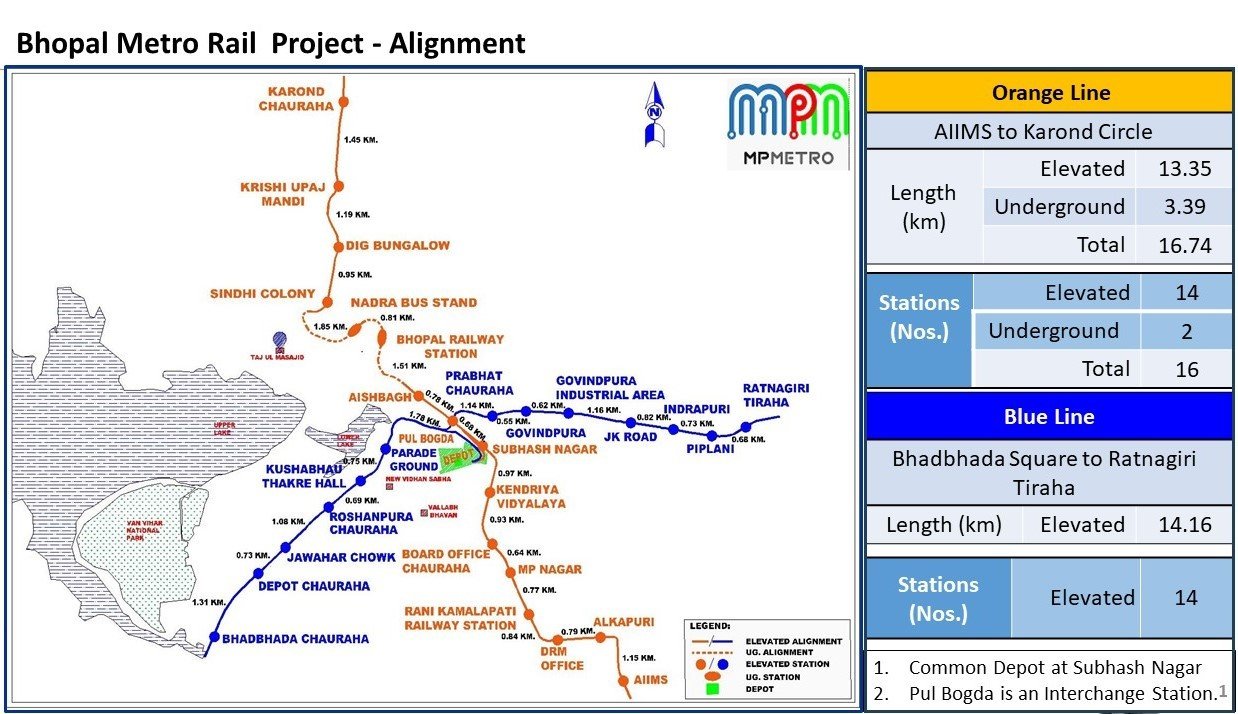
Line-2 (Orange Line)
Karond Circle – AIIMS
14.99 km
16 Stations
Line-5 (Blue Line)
Bhadbhada Square – Ratnagiri Tiraha
12.91 km
14 Stations
Funding Mechanism of Bhopal Metro
The Bhopal Metro Project is estimated to cost Rs. 6941.40 crores.
Loans from International Agencies
The project will be financed through a 400 million euro loan from the European Investment Bank (EIB) signed on December 20, 2019, and an official development assistance (ODA) loan from the Asian Development Bank (ADB).
Financial Support From the Government
In the fiscal year 2024, the Union Ministry of Housing and Urban Affairs approved Rs 882 crore for the Bhopal Metro with an increase of Rs 269 crore from last year’s budget.
Till now, the Union government has allocated Rs 2239 crore for the Bhopal metro, including this fiscal year.
Rolling Stock for the Bhopal Metro Project
In May 2022, Alstom bagged the Bhopal Metro’s rolling stock contract from MPMRCL. The contract included the supply and manufacture of 27 trainsets (81 coaches) for the Bhopal Metro Rail Project.
In March 2023, Alstom started the manufacturing of train sets in Savli, Gujarat. In September 2023, Alstom delivered the 3-coach train set for the Bhopal Metro at Subhash Nagar Depot.
Key Specification
Authorized Authority
Madhya Pradesh Metro Rail Co. Limited (MPMRCL)
Speed and Track
Top Speed: 80 kmph
Average Speed: 34 kmph
Track Gauge: Standard Gauge – 1435 mm
Electrification
750 V DC Third Rail
Signalling
Communications-Based Train Control (CBTC)
Project Cost
Rs. 6941.40 crores ( Approx)
Estimated Ridership
2.20 lakh/day (2027)
Contractor’s List
Contract
Contractor
Preparation of a Detailed project report (DPR) of Bhopal Metro
Rohit Associates Cities & Rails Pvt.Ltd
Package-01: Construction of Line-2’s 6.225 km viaduct from AIIMS to Subhash Nagar, including entry/exit viaduct to the depot.
Dilip Buildcon Ltd.
BH-04: Construction of 3.39 km underground twin tunnels and 2 underground stations at Bhopal Junction Station and Nadra Bus Stand.
KPIL – Gulermak JV
BH-07: Ballastless Track (BLT) of Standard Gauge at Elevated and Underground sections, along with Ballasted & Ballastless Track in Depot
Larsen & Toubro (L&T)
BH-IN-02: 156 Rolling Stock cars for Bhopal metros, including Signaling and Train Control and Telecommunication Systems
Alstom
BH-05: Construction of 12.91 km Blue Line’s viaduct and 13 elevated stations
Afcons Infrastructure
BH-03: Construction of elevated viaduct and 6 stations between Subhash Nagar – Aish Bagh Ramp and Sindhi Colony Ramp – Karond Circle
URC Construction (Lowest Bidders)
BH-06: Construction of Subhash Nagar Depot
KEC – SAM JV (Lowest Bidders)
BH-02: Construction of 8 elevated stations on Line-2 between AIIMS – Subhash Nagar
URC Construction (Lowest Bidders)
BH-IN-21: Detailed Design Consultant for E&M works at : IN-04 (5 elevated stations) and IN-O5 (7 underground stations) on Yellow Line
Ayesa India (Lowest Bidders)
Bhopal Metro Route Information
Operational
0 km
Under Construction
6.22 km
Approved
21.65 km
Proposed
77.13 km
Bhopal Metro Phase 1 Route
Line-2 (Orange Line): Karond Circle – AIIMS
Length: 14.99 km
Type: Elevated & Underground
Status: 6.225 km is under construction between AIIMS and Subhash Nagar
Depot: Subhash Nagar Underpass (Jinsi)
Number of Stations: 16
Station Names: Karond Square, Krishi Upaj Mandi, DIG Bungalow, Sindhi Colony, Nandra Bus Stand, Bhopal Junction, Aish Bagh Crossing, Bogda Pul (interchange), Shubhash Nagar Underpass, Kendriya Vidyalaya, DB City Mall, Sangam Cinema, Rani Kamlapati Railway Station, Habibganj Naka, Alkapuri Bus Stand, AIIMS
Recent Development on the Orange Line Tunnel Segment Casting Begins In March 2025, Kalpataru Projects International Ltd. (KPIL) – Gulermak JV started pouring concrete to cast the first batch of tunnel ring segments for the underground Package BH-04 of Orange Line. This tunnel ring segment will be utilised for constructing twin tunnels, which come under package BH-04.
2. Trial Runs In March 2025, the MPMRCL successfully conducted an inaugural trial run from the Rani Kamlapati to AIIMS stations along the Priority Corridor of the Bhopal Metro project.
Station Names: Bhadbhada Chauraha, Depot Chauraha, Jawahar Chowk, Roshanpura Chauraha, Kushabhau Thakre Hall, Parade Ground, Bogda Pul (interchange), Prabhat Chauraha, Govindpura, Govindpura Industrial Area, JK Road, Indrapuri, Piplani, and Ratnagiri Tiraha
Recent Development on Blue Line 1. Afcons Cast First Segment For Blue Line In July, Afcons initiated the casting of segments at Anna Nagar Casting Yard for Package BH-05 of Blue Line. MPMRCL awarded the Rs 1006.74 crore Package BH-05 to Afcons Infrastructure in December 2024.
Proposed Routes
Line-1 (Green Line): Bairgarh – Awadhpuri
Number of Stations: 24
Station Names: Bairagarh, Bairagarh Stadium, Hemu Kalani, Hala Pura Bus Stand, Lal Ghati Square, Idgarh Hills, Collectorate, Cambridge School MG Hospital, Curfew Wali Mata Mandir, Kamala Park, Polytechnic Square, Roshanpura Square, TT Nagar Stadium, Mata Mandir, Jain Mandir, Sharda Mandir, Nutan College, Mansarovar Complex (Habibganj Station), Khushabhau Thakrey ISBT, Anna Nagar, Carmel Convent, Piplani Gurdwara Square, Mahatma Gandhi Square, Awadhpuri
Station Names: Bhauri Bypass/NH12 Junction, Peepainer Village (Aerocity), Airport Road, Gandhinagar, Airport Tiraha, Manubhan Tekri, Lalghati Square, Idgarh Hills, Collectorate, Cambridge School MG Hospital, Curfew Wali Mata Mandir, Kamala Park, Polytechnic Square, Roshanpura Square, TT Nagar Stadium, Mata Mandir, Jain Mandir, Sharda Mandir, Nutan College, Mansarovar Complex (Habibganj Station), Habibganj Naka, 10 No. Square, Sai Board, Vasant Kunj Bus Stop.
Line-4 (Yellow Line): Ashok Garden Auto Stand – Mother Teresa School
Number of Stations: 21
Station Names: Ashok Garden Auto Stand, Krishna Campus, Railway Station, Jumerati Road, Curfew Wali Mata Mandir, Kamala Park, Polytechnic Square, Roshanpura Square, TT Nagar Stadium, Mata Mandir, MACT Square, Panchsheel Nagar Bus Stop, Ekant Park, Sahapura Lake, Bhoj University (Chunnabhatti), IIPM Sarvadham, Mansarovar School, CI Height Nayapura Bus Stop, Sanskar Marriage Garden, Bhairagarh Chichali, Mother Teresa School
Line-6 (Brown Line): Habibganj Naka – Mandideep
Number of Stations: 12
Station Names: Habibganj Naka, RRL, BU University, Bagsewania Bus Stop, Ashima The Lake City Mall, Sri Ram Colony, C21 Mall, Scope College (Bharopur), Regional 1 / NH-12, Harigangar Nagar, Regional 2, Mandideep.
Recent Developments on the Bhopal Metro Rail Project
1. Madhya Pradesh CM Inspects Bhopal Metro Project
In July 2025, Madhya Pradesh Chief Minister Mohan Yadav inspected the under-construction Bhopal Metro Project. The Chief Minister boarded a three-coach metro train and undertook a trial run from Subhash Nagar to AIIMS and from AIIMS to Rani Kamlapati Station.
The Chief Minister mentioned, “The Commissioner of Metro Rail Safety (CMRS) will soon inspect the metro works. Once the CMRS gives clearance, the priority corridor of the Bhopal Metro will be opened for public transport,”.
2. RDSO Completes Oscillation & EBD Trials for Rolling Stock
In July 2025, the Research Design and Standards Organisation completed Oscillation and Emergency Braking Distance (EBD) trials for the Bhopal Metro’s rolling stock, supplied by Alstom India. The trials were conducted within the time frame of July 9, 2025, to July 21, 2025. The trials took place between Nagar Metro Station and AIIMS Metro Station.
The Impact of the Bhopal Metro Rail Project
Connectivity to Key Landmarks
The Bhopal Metro Project will play a crucial role in strengthening the city’s connectivity by linking important destinations such as Habibganj Railway Station, ISBT, DB Mall, AIIMS, universities, and key residential clusters. The establishment of the metro system will enable residents to commute across different parts of the city with greater ease and in less time. This enhanced mobility will not only simplify daily commuting but also improve overall accessibility and convenience for the people of Bhopal.
Shifting Traffic Patterns
The rapid growth of Bhopal has led to a substantial rise in traffic congestion, mainly due to the increasing number of private vehicles on the roads. The Bhopal Metro Project will provide a fast, efficient, and reliable public transport system that will encourage people to shift from private vehicles to mass transit. By reducing the dependency on cars and two-wheelers, the metro will ease the pressure on road networks, reducing traffic congestion in the city.
Boost to Local Economies
The Bhopal Metro Project will stimulate the economic growth of the city by generating employment during its construction and operation phases. The introduction of the metro system will attract businesses and investments. In addition, metro stations are expected to become new commercial and retail hubs, and they will also influence real estate growth.
Cleaner, Greener Urban Mobility
The Bhopal Metro will promote sustainable urban mobility by providing a clean and eco-friendly alternative to conventional road transport. Reduced dependence on private vehicles will directly lower fuel consumption and cut emissions of harmful pollutants such as carbon dioxide. This transition will improve air quality and create a healthier environment for residents.
Conclusion
The Bhopal Metro is being built to improve the city’s transport system. As the city continues to expand, the metro will provide a reliable alternative to private vehicles, addressing critical challenges such as traffic congestion and rising pollution levels. The under-construction Phase 1 of the Bhopal Metro Rail Project consists of two corridors and is expected to become operational by 2027. The project is estimated to cost ₹6941.40 crores and is being financed through international loans along with funding from both the central and state governments. Once completed, it is projected to serve more than 2.20 lakh passengers daily and will improve access to major residential, commercial, and institutional hubs. The project highlights Bhopal’s focus on advancing infrastructure while ensuring sustainable growth for the future.
Indore is the largest and most populous city in Madhya Pradesh, India, serving as the state’s commercial, educational, and financial hub. It has been recognised as India’s cleanest city for seven consecutive years. Located on the Malwa plateau at an altitude of 553 meters above sea level, Indore is positioned along the banks of the Saraswati and Khan rivers. Indore is also the largest metropolitan area in Central India.The city functions as a central business zone, with more than 1,000 factories and a major industrial area (Pithampur), which is known for its automotive and pharmaceutical manufacturing sectors.
Growing Population and the Need for a Metro System in Indore
Indore’s Total Population By Year
The metro area population of Indore has shown a remarkable and consistent rise since 1950, as reflected in the graph. From a modest figure of under 200,000 residents in 1950, the population has surged past 3 million by 2025. This rapid growth, especially over the past two decades, has placed immense pressure on the city’s infrastructure, road networks, and public transport systems.
The surge in population has led to an increase in the number of private vehicles in the city, resulting in severe traffic congestion, longer commute times, and escalating air pollution. These challenges underscore the pressing need for a modern, high-capacity transit system for the city.
Indore Metro: A New Era of Urban Mobility
Overview
The Indore Metro is an under-construction Mass Rapid Transit System (MRTS) designed to serve Indore. The project is being developed by the Madhya Pradesh Metro Rail Co. Limited (MPMRCL).
Phase 1 of the Indore Metro consists of one metro corridor (Yellow Line), which spans 33.53 km, connecting Palasia – Railway Station – Rajwara – Airport – Bhawarsala – MR10 – Palasia (Ring Line).
On May 31, Prime Minister Narendra Modi inaugurated the Super Priority Corridor of Indore Metro, which is a part of Indore Metro’s Yellow Line. The super priority corridor spans 6 km, featuring 5 stations.
Stations: Gandhi Nagar, Super Corridor 6, Super Corridor 5, Super Corridor 4, Super Corridor 3
Planning and Approval
The master plan for the Indore Metro was prepared by Rohit Associates, Cities & Rails Pvt. Ltd. It envisions a 94 km network consisting of four metro lines and two spurs crisscrossing the city. For Phase 1, the Yellow Line (Line-3), designed as a ring line, was chosen for implementation.
The Detailed Project Report (DPR) for Phase 1, spanning 33.53 km, was approved by the state government in December 2016 and by the Central Government’s cabinet in October 2018.
The Chief Minister of Madhya Pradesh laid the foundation stone for the project in September 2019. Construction work began in February 2019, and the project is expected to be completed by 2027.
Key Specification
Speed and Track
Top Speed: 80 kmph
Average Speed: 34 kmph
Standard Gauge: 1435 mm
Electrification
750 V DC Third Rail
Signalling
Communication-based Train Control (CBTC)
Estimated Daily Ridership
2.50 lakh/day (2027)
Estimated Cost
Rs.7500.80 crore
Funding Mechanism of Indore Metro
The Indore Metro Rail Project will be financed partly from the Central Government and the State Government of Madhya Pradesh on an equal equity basis and partly as a loan from the Asian Development Bank (ADB) and the New Development Bank (NDB).
The total cost of the Project is estimated to be USD 1,200 million.
The NDB will finance USD 225 million, accounting for 18.8% of the total estimated cost. The Project is proposed to be co-financed with the Asian Development Bank under a parallel co-financing arrangement.
Source of Fund
Amount
New Development Bank
225 USD Million
Other Banks
250 USD Million
Counterpart Funds
725 USD Million
Rolling Stock for Indore Metro
In May 2022, Alstom secured the contract for the rolling stock of the Indore Metro from the Madhya Pradesh Metro Rail Corporation Limited (MPMRCL). The contract entails the supply and manufacturing of 25 trainsets, consisting of 75 coaches, for the Indore Metro Rail Project.
In March 2023, Alstom commenced the manufacturing of these trainsets at its facility in Savli, Gujarat. Subsequently, in August 2023, Alstom delivered a three-coach trainset for the Indore Metro.
In July 2025, Alstom delivered the 15th trainset for the Indore Metro Rail Project.
Contactor’s List
Contract
Contractor
Detailed Project Report (DPR) Preparer
Rohit Associates Cities & Rails Pvt.Ltd
General Consultant (GC)
DB Engineering & Consulting GmbH – Geodata Engineering S.p.A. – Louis Berger Group JV
IN-02A/01: Construction of 5.29 km viaduct between ISBT/MR10 Flyover – Mumtaj Bag Colony
Dilip Buildcon Ltd.
IN-04: Construction of 5.2 km viaduct and 5 elevated stations between Shaheed Bagh – Palasia Chauraha
RVNL – URCC JV
IN-05R: Construction of twin tunnels (up & down by shield TBM), cut & cover, cross-passages with/without sump, ramps, and 7 underground stations
HCC – TPL Indore Metro JV
IN-08: Ballastless Track of Standard Gauge for the underground corridor and the Gandhi Nagar Depot
Texmaco Rail – ISC Projects JV
IN-09: Electrification – 750 V DC 3rd Rail, SCADA, Power Supply, RSS, TSS & ASS
Kalpataru Power Transmission (KPTL)
BH-IN-02: 156 Rolling Stock Cars for Bhopal & Indore metros, including Signaling and Train Control and Telecommunication Systems
Alstom Transport
Indore Metro Route Details
Operational
6 km
Under Construction
25.3 km
Approved
57.18 km
Phase 1
Yellow Line (Line-3): Palasia – Railway Station – Rajwara- Airport – Bhawarsala – MR10 – Palasia (Ring Line)
Length: 33.53 km
Type: Elevated & Underground
Status: 16.217 km is under construction between Gandhi Nagar – Mumtaj Bag Colony
Depot: Super Corridor
Number of Stations: 29
Station Names: Bhawarsala Square, MR 10 Road, ISBT / MR 10 Flyover, Chandragupta Square, Hira Nagar, Bapat Square, Meghdoot Garden, Vijay Nagar Square, Radisson Square, Mumtaj Bag Colony, Bengali Square, Patrakar Colony, Palasia Square, Indore Railway Station, Rajwada Palace, Chota Ganpati, Bada Ganpati, Ramchandra Nagar Square, BSF / Kalani Nagar, Airport, Gandhi Nagar Nanod, Super Corridor 6, Super Corridor 5, Super Corridor 4, Super Corridor 3, Super Corridor 2
Recent Development on the Yellow Line Rail Vikas Nigam Ltd. and URC Construction (RVNL–URCC) Joint Venture has commenced the casting of box segments for Package IN-04. These segments will be utilized in constructing the viaduct that will link the elevated stations included in this package. In March 2024, RVNL–URCC secured Package IN-04 of the Indore Metro project from the MPMRCL at a value of Rs. 543 crore. Stations: Shaheed Bagh, Khajrana Chauraha, Bengali Chauraha, Patrakar Colony, Palasia Chauraha
Station Names: Sri Aurobindo Hospital, Bhawarsala Square, Sanwer Industrial Area, Ganesh Sham Colony, Banganga, Laxmibai Nagar Square, Mara Mata Square, Imli Bazar Chowk, Rajwada Palace, Collectorate Office, Indore Icchapur Rail Crossing, Tower Square, Bhawarkuan Square, Holkar University/IT Park, Rani Bagh, Limbodi, Ralamandal, Indore Bypass 1
Line-1B: Sri Aurobindo Hospital – Collectorate office – Regional Park (1B)
Number of Stations: 13
Station Names: Sri Aurobindo Hospital, Bhawarsala Square, Sanwer Industrial Area, Ganesh Sham Colony, Banganga, Laxmibai Nagar Square, Mara Mata Square, Imli Bazar Chowk, Rajwada Palace, Collectorate Office, Central Excise, Choithram, Regional Park
Line-2: Dewas Naka – Juni Indore – MHOW
Number of Stations: 28
Station Names: Dewas Naka, Niranjanpur Circle, Aranya Nagar, IDA Park, Vijay Nagar Square, Bhamori, Patni Pura/St Joseph Church, Malwa Mill Square, Raj Kumar Bridge, Indore Railway Station, Juni Indore, Collectorate Office, Mhow Naka, Dusshera Maidan, Annapuran Temple, Narmada Public School (Ring Road), Rajendra Nagar, Reti Mandi, IPS Academy, Shramik Colony, Indore Bypass-2, Pigdambar, Umariya, Maa Vaishanodevi Hospital, Haranyakheri / IIT Indore, Chinar Residency, MHOW
Line-4: MR9 – Indore Railway Station – Indore Bypass 4
Number of Stations: 16
Station Names: MR9, Convention Center, Lahiya Colony, Chandragupta Square, Sukliya, Nanda Nagar Main Road, Mazdoor Maidan, Rajkumar Bridge, Indore Railway Station, Chhavani, Sri Agrasen Maharaj Chowk, Navlakha Bus Station, Teen Imli, Babul Nagar, Musakhedi, Indore Bypass 4
Progress on Indore Metro Rail Project
1. MPMRCL MD conducts Trolley Trials
On August 6-7, Mr. S. Krishna Chaitanya, Managing Director of Madhya Pradesh Metro, conducted a trolley trial from SC-02 to Malviya Nagar and performed an on-site inspection at the Indore Metro Gandhi Nagar Depot and the Priority Corridor. He issued directives to ensure the timely completion of the ongoing work.
Impacts of Indore Metro
3. Streamlined Urban Mobility The Indore Metro Project is designed to strengthen urban mobility by creating direct transit linkages between major nodes such as educational institutions, healthcare facilities, employment hubs, and commercial zones. By integrating these high-demand areas into a structured mass transit network, the system will facilitate predictable and time-efficient travel across the city.
2. Mitigation of Traffic Congestion The commissioning of the Super Priority Corridor of the Indore Metro is expected to reduce vehicular load on arterial roads and intersections. The Indore metro system provides an incentive for modal shift from private vehicles to public transit by offering a high-capacity, reliable, and scheduled transport alternative, thereby contributing to more balanced traffic distribution within the urban road network.
3. Economic and Developmental Impact The Indore Metro is anticipated to generate positive economic externalities by enhancing intra-city connectivity and improving accessibility to key commercial and industrial clusters. The project will not only support employment generation during construction and operations but also facilitate transit-oriented development (TOD) along the metro corridors, that will encourage investment in real estate, retail, and service sectors.
4. Ridership Concern
Ridership level remains a major concern for the Indore Metro project despite the launch of its super-priority corridor. The 5.9 km corridor began commercial operations on June 1, 2025, and carried 26,803 passengers on its first day. However, daily ridership dropped sharply to just 680 by July 1, which indicates a decline of 97.46%. This sharp decline in ridership raises concerns about the long-term sustainability of the project.
Conclusion
The Indore Metro outlines a transformative phase in the city’s urban development, aiming to address the challenges posed by rapid population growth and traffic congestion. The under-construction Indore Metro Project, developed by MPMRCL, marks a major step in modernizing the city’s urban transport. Phase 1 consists of one metro corridor, which spans 33.53 km. Recently, Prime Minister Narendra Modi inaugurated the Super Priority Corridor of Indore Metro in May 2025. The Indore metro project aims to improve connectivity and reduce traffic congestion in the city. However, challenges like fluctuating ridership levels remain a major concern for the authorities. Addressing these issues will be essential to ensure the long-term success and transformative impact of the Indore Metro on the city’s urban mobility.
PUNE (Metro Rail News): Pune Metro Rail Project progressed as the European Investment Bank (EIB) has granted a top-up loan of 49.5 millions Euros for Pune Metro Project.
An official from the Pune Metro mentioned that this additional financing will supplement the EIB’s previous €600 million investment which covers the development of two Metro lines totalling 33.2km, 30 stations and 102 modern Metro cars for PCMC to Swargate and Vanaz to Ramwadi stretches as reported by The Indian Express.
In a parallel move, the EIB has also approved a €240 million loan for the expansion of the Nagpur Metro.
EIB Vice-President Nicola Beer said “By extending Nagpur’s Metro and further supporting Pune’s network, we are helping to deliver cleaner air, safer travel and faster connections for millions of people. These projects show how European financing can have a direct impact on people’s daily lives while supporting India’s green transition and climate goals. With more than 3.6 billion Euros committed since 2016, India remains our largest transport partner outside Europe under the EU Global Gateway strategy”.
Building on a decade of trust, Metro Rail News is pleased to announce the Metro Rail News Awards to recognise organisations and leaders for their outstanding contributions to the rail transit industry. The awards will be presented across 30+ categories, with the ceremony scheduled for 12 December in New Delhi.
Get Recognised for Your Contribution & Innovations – Nominate Now
CHENNAI (Metro Rail News): Chennai Metro Rail Project progressed as Larsen & Toubro’s TBM Vaigai achieved a successful breakthrough at Mandaveli Station of Chennai Metro Phase 2’s Corridor 3 which spans 45.8 km between Madhavaram and SIPCOT 2.
TBM Vaigai commenced the tunnelling operations in February 2024, and constructed a 775-metre-long upline tunnel between Greenways Station and Mandaveli Station of corridor 3. Two TBMs, named “Noyyal” and “Vaigai,” have been deployed to construct parallel tunnels along this stretch. The 2nd TBM Noyyal has also reached Mandaveli and is targeting a breakthrough next month.
The TBM breakthrough at Mandaveli station was witnessed by Thiru. T. Archunan, Director (Projects), CMRL, in the presence of CMRL officials Thiru. Livingstone Eliazer, CGM (PP&D), Thiru. Anto Jos Menachery (GM Underground), Thiru. C. Selvam (GM Tracks), Consultant CRE Thiru. Sanjeev Mandal, Thiru. Jayarama (Project Director-L&T), Thiru. Ahmet (Project Manager-L&T) and other officials and staff of CMRL, Consultant and L&T Ltd were present during the event.
Recently, Larsen & Toubro (L&T)’s TBM Bhavani also achieved breakthrough at RK Salai Station of Corridor 3 of Chennai Metro Phase 2. TBM Bhavani completed a 910-meter drive between Royapettah Station and RK Salai Station of Chennai Metro Phase 2’s Line 3. To know more about this news: Click Here.
Building on a decade of trust, Metro Rail News is pleased to announce the Metro Rail News Awards to recognise organisations and leaders for their outstanding contributions to the rail transit industry. The awards will be presented across 30+ categories, with the ceremony scheduled for 12 December in New Delhi.
Get Recognised for Your Contribution & Innovations – Nominate Now
Chennai (Metro Rail News): Chennai Metro advanced as Larsen & Toubro (L&T)’s TBM Bhavani achieved breakthrough at RK Salai Station of Corridor 3 of Chennai Metro Phase 2. The Line 3 of Chennai Metro Phase 2 spans 45.8 km between Madhavaram and SIPCOT 2.
This is the fifth tunnel breakthrough in 12 km Package TU-02 which connects Kellys and Taramani Road Junction stations on Line 3. TBM Bhavani completed a 910-meter drive between Royapettah Station and RK Salai Station of Chennai Metro Phase 2’s Line 3.
Image Credit: Santhosh Anbalagan
The breakthrough was witnessed by Thiru. T. Archunan, Director (Projects), CMRL, in the presence of, General Managers, CMRL Thiru. Anto Jos Menachery (Underground), Thiru. Ravichandran (Underground), Consultant Team Leader Thiru. Tony Burchell, Thiru. Jayarama (Project Director – L&T), Thiru. Ahmet (Project Manager – L&T), and other officials and staff of CMRL, L&T Ltd., and General Consultants were present during the event.
In May 2021, L&T bagged the Package TU-02 from Chennai Metro Rail Ltd. (CMRL) at Rs. 2385 crore with a 42-month deadline
The scope of work under this Package includes the construction of twin tunnels between Kellys and Taramani Road Junction. In addition, the contract also includes the construction of diaphragm walls, entry/exit structures of Chetpet Station, Royapettah Government Hospital Station, Thiruvanmiyu Station, and part diaphragm wall of Greenways Road Station, including launching and retrieval shafts at the above stations.
To get real-time updates on metro and railway tenders, join our WhatsApp
Building on a decade of trust, Metro Rail News is pleased to announce the Metro Rail News Awards to recognise organisations and leaders for their outstanding contributions to the rail transit industry. The awards will be presented across 30+ categories, with the ceremony scheduled for 12 December in New Delhi.
Get Recognised for Your Contribution & Innovations – Nominate Now
CHENNAI (Metro Rail News): Chennai Metro Rail Project progressed as ITD Cementation’s TBM Pelican achieved breakthrough at the Kodambakkam Ramp near Meenakshi College on 15 October 2025, marking the completion of the twin tunnel drive between Panagal Park Station and KodambakkamRamp near Meenakshi College under Corridor 4 of Chennai Metro Phase 2.
Image Credit: Ashish Kumar Pandey
The Line 4 of Chennai Metro Phase 2 spans 26.8km between Light House and Poonamallee Bypass and features 12 underground stations and 18 elevated stations. This development was recorded under the Package UG–2 of the Chennai Metro Rail Project, Phase 2.
TBM “PELICAN” commenced its initial drive on 1st March 2024 and transitioned into the main drive from 14th May 2024, completing a total tunnel length of 2076 m over a duration of 594 days.This is the longest tunnel to be completed in Phase 2 Project as on date for a tunnel length of 2076 m.
Image Credit: Ashish Kumar Pandey
The breakthrough was witnessed by Thiru. T. Archunan, Director (Projects), CMRL, in the presence of Thiru. R. Ranganathan, General Manager, CMRL, and Thiru. Murugamoorthy, Team Leader, General Consultant, and other officials and staff of CMRL, Contractors and General Consultants were present during the event.
In January 2022, ITD Cementation bagged Package C4-UG02 of Chennai Metro Phase 2 from Chennai Metro Rail Corporation (CMRL) at Rs 1846.86 crore.
CMRL’s Brief Scope: Construction of underground stations at Boat Club, Nandanam, Panagal Park, Kodambakkam, Kodambakkam Flyover, including underground crossover at Panagal Park Station and associated twin tunnel, cut & cover box, U section and ramp project start from chainage 5+150m to end chainage 10+0.27m (down line).
To get real-time updates on metro and railway tenders, join our WhatsApp
Building on a decade of trust, Metro Rail News is pleased to announce the Metro Rail News Awards to recognise organisations and leaders for their outstanding contributions to the rail transit industry. The awards will be presented across 30+ categories, with the ceremony scheduled for 12 December in New Delhi.
Get Recognised for Your Contribution & Innovations – Nominate Now
CHENNAI (Metro Rail News): M/s Bridge and Roof Company (India) Limited and Chennai Metro Rail Limited (CMRL) has signed a contract for the Design and Construction of 17 Entry/Exit Structures at Nehru Nagar, Kandanchavadi, Perungudi, Thoraipakkam, Mettukuppam, PTC Colony, Okkiyampet, Karapakkam, and OkkiyamThoraipakkam elevated stations in Corridor 3 of CMRL Phase II.
The agreement was executed in the presence of Thiru M.A. Siddique, I.A.S., Managing Director, CMRL. The signing ceremony saw Thiru T. Archunan, Director (Projects), CMRL, and Thiru T. Ravi, General Manager (South), Bridge & Roof Company (India) Limited, formalizing the contract. Senior officials including Thiru T. Livingstone Eliazer (CGM – PP&D), Dr. D. Jebaselwin Gladson (CGM – CP&M), and other representatives from both organizations were also present.
The project has been awarded to M/s Bridge and Roof Company (India) Limited at a value of Rs.250.47 Crore (including GST).
The project scope involves civil works, architectural finishes, and all associated development activities. Additionally, the plan envisions integration of transit-oriented property development (TOD) spaces near the station entrances to enhance commuter convenience and generate non-farebox revenue for CMRL through commercial utilization.
Building on a decade of trust, Metro Rail News is pleased to announce the Metro Rail News Awards to recognise organisations and leaders for their outstanding contributions to the rail transit industry. The awards will be presented across 30+ categories, with the ceremony scheduled for 12 December in New Delhi.
Get Recognised for Your Contribution & Innovations – Nominate Now
NAGPUR (Metro Rail News): Maharashtra Metro Rail Corporation Limited (MPMRCL) has invited bids for the Annual Maintenance Contract Of CRRC Make Metro Rolling Stock Including Intermediate Overhauling For Nagpur Metro Rail Project Phase-1.
Tender Details
Opening Date
13 Oct 2025
Closing Date
17 Nov 2025
EMD
₹ 15,20,000
Tender Id
2025_MMRCL_1228908_1
Tender No
N1-O and M-38/2025
Pre-Bid Meeting
30/10/2025
EMD
₹ 15,20,000
Contract Duration
5 Years
Contracts Scope of Work: Five-year Annual Maintenance Contract of CRRC makes Metro Rolling Stock including Intermediate Overhauling for Nagpur Metro Rail Project Phase-1 of Maha-Metro.
Phase 1 of Nagpur Metro spans 38.215 km and consists of 2 corridors. Phase I of the Nagpur Metro was developed at a cost of more than Rs 8650 crore.
Building on a decade of trust, Metro Rail News is pleased to announce the Metro Rail News Awards to recognise organisations and leaders for their outstanding contributions to the rail transit industry. The awards will be presented across 30+ categories, with the ceremony scheduled for 12 December in New Delhi.
Get Recognised for Your Contribution & Innovations – Nominate Now
The Mumbai–Ahmedabad Bullet Train project reached a key milestone last week as Afcons Infrastructure received the parts of its first tunnel boring machine (TBM). The assembling of the TBM has begun in Navi Mumbai.
The mixshield tunnel boring machine (TBM) is now under assembly at Shaft-3 of the project, located in the Sawli area of Ghansoli. This site features a specially constructed circular shaft measuring 39 meters in depth, designed to facilitate the TBM’s operations for the underground tunnel work.
This shaft will serve as the launching point for tunneling operations on the project’s 20.377 km underground section, Package C-2, which stretches from Bandra Kurla Complex Station to Shilphata Ramp.
Afcons’ tunnel boring machine (TBM), which has been supplied by Herrenknecht AG, will be the largest ever deployed TBM in India. It will feature a cutterhead with a diameter of 13.56 meters. The machine had remained in China for more than a year due to export restrictions imposed by the Chinese government, delaying its arrival for the Mumbai–Ahmedabad Bullet Train project.
From Sawli, this TBM will be commissioned to tunnel towards Vikhroli. Along with another machine, it will be used to construct a 16 km single-tube tunnel. Recently, on September 20, a 4.88 km tunnel connecting Ghansoli and Shilphata in Maharashtra was successfully completed using the New Austrian Tunnelling Method (NATM). This tunnel forms part of the planned 21 km underground section between Bandra-Kurla Complex (BKC) in Mumbai and Shilphata, while the remaining portion will be constructed using TBMs.
Building on a decade of trust, Metro Rail News is pleased to announce the Metro Rail News Awards to recognise organisations and leaders for their outstanding contributions to the rail transit industry. The awards will be presented across 30+ categories, with the ceremony scheduled for 12 December in New Delhi.
Get Recognised for Your Contribution & Innovations – Nominate Now