Home Blog Page 646

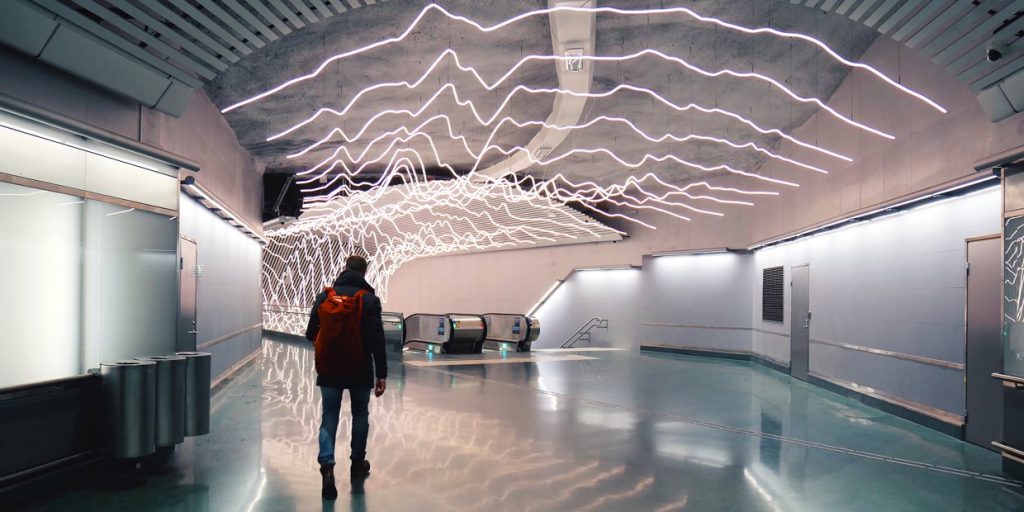
Stockholm’s Metro Line: World’s Longest Art Gallery

Re-Inventing Metro Station design

The subway system and the subway station is an environment with very high demands regarding usability, accessibility, sustainability and social inclusion. These are very strategic points in the cities which gives everyone access and connect different parts of it.

The subway metro station could easily be a claustrophobic and stressful environment for the users, located in the underground with no sense of daylight. In a physical way the subway station has to deal with the complicated situation of bringing a lot of people from street level into to the underground and into a train. The station and subway system should also be able to work for all kinds of people inhabitants of the city as well as tourists and visitors. The users also have different ages, cultural backgrounds, and different kinds of disabilities. The subway station is located underground in an environment that could be seen as hostile and unsafe, this creates extra high demands regarding sensory aspects. Some of the cities have done innovations with station design in the given the physical & financial constraints and are worth looking up to. Amalgamating art and aesthetics not only gives transit stations an identity and character but also makes it pleasant to ones eye and enhances user experience. One such example which has been applauded globally is Stockholm Metro.

Stockholm Metro Stations

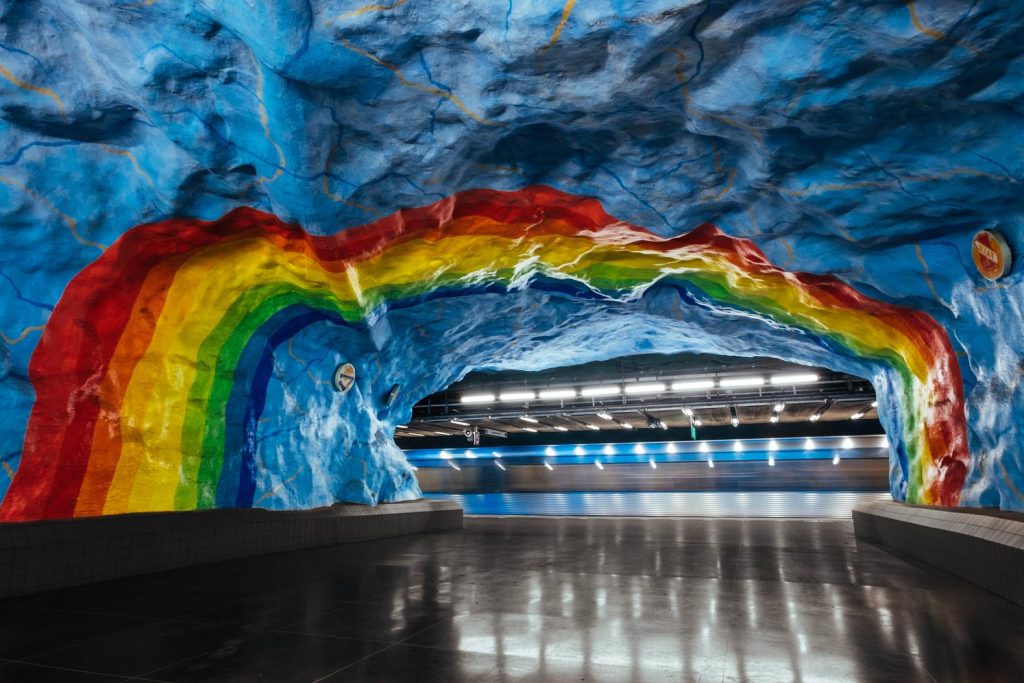
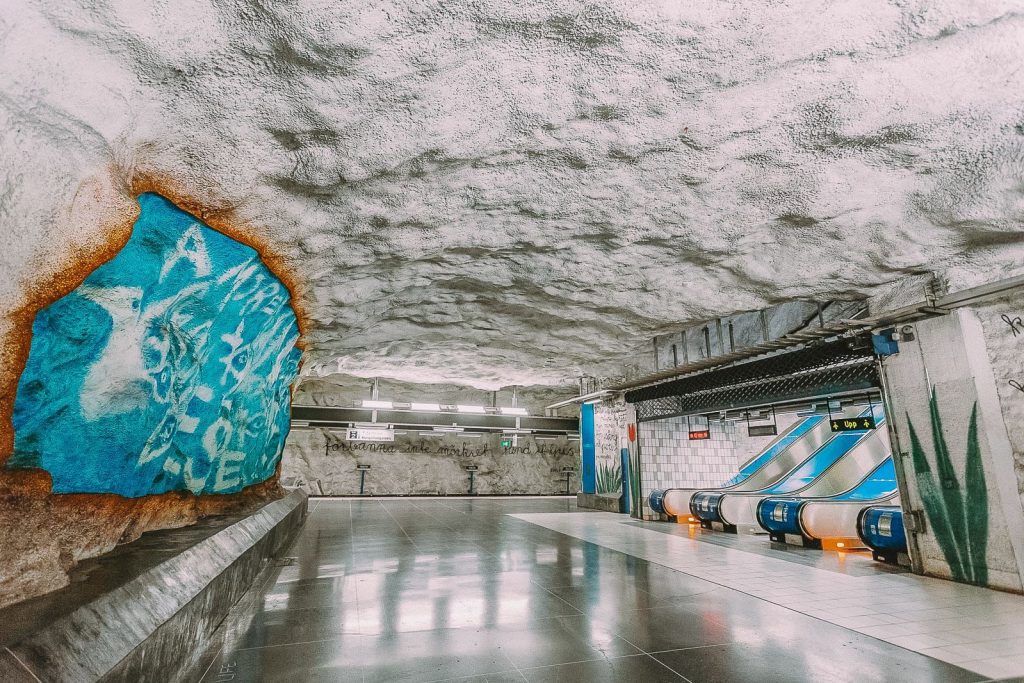
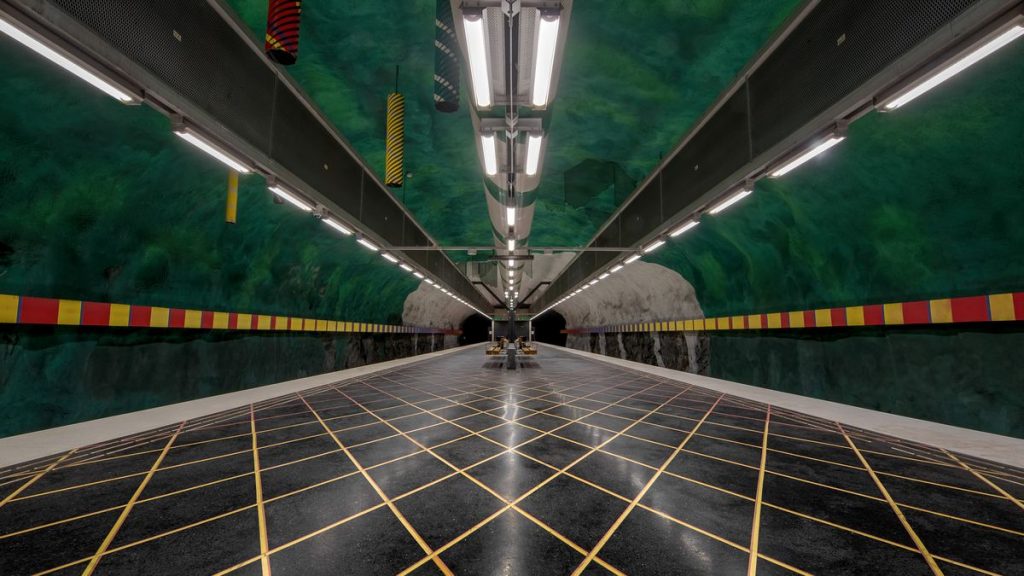
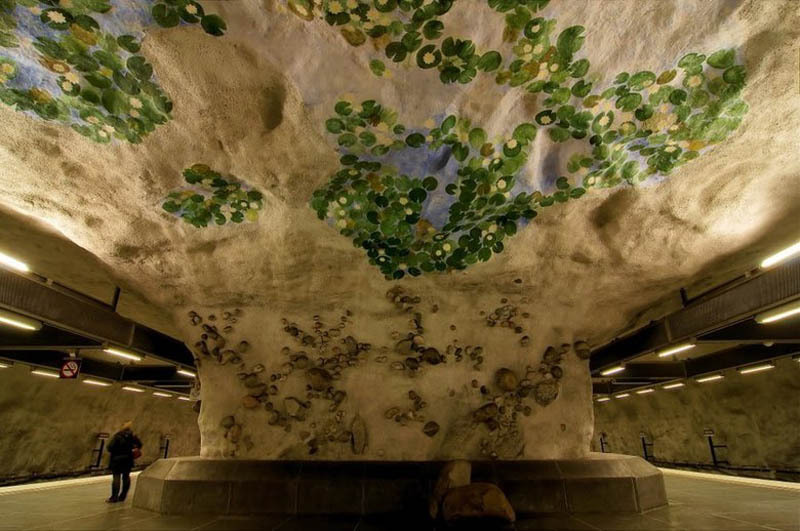
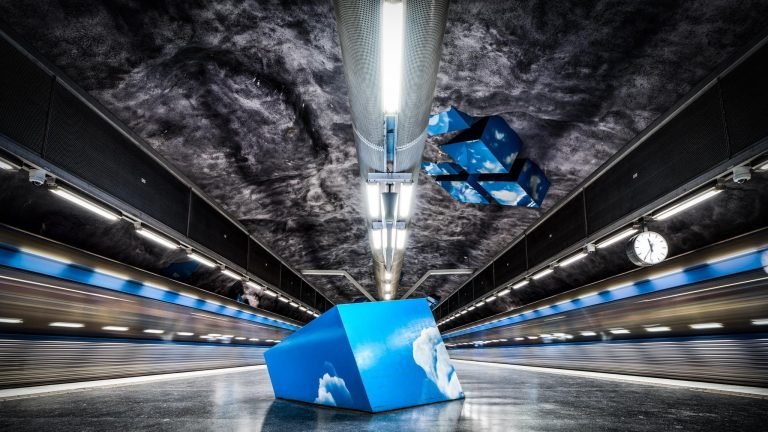
Beneath the Swedish capital lies an intricate web of underground metro lines. With more than 100 stations in the 110 km tunnel system, sometimes referred to as “the world’s longest art gallery”, have been decorated with paintings, installations, mosaics and sculptures by 150 artists since the 1950s. Every Metro station in Stockholm has now become like a destination and beholds a different experience for the commuters & tourists. Stockholm’s subway stations make the user feel like they’re in actual caves.

Even better is the motivation behind the subway art installations. The Stockholm underground art movement was fueled by the Swedish art community. They strongly believed in public art because of its accessibility to everyone, not just those who could buy art or afford to visit museums. It was this push that finally convinced lawmakers to consider more than just typical advertisements on the walls.

Approximately 47 % of the corridor tunnel & stations are hewn onto the bedrock which comprises of old crystalline and metamorphic rocks consolidated during hundreds of millions of years. While other Scandinavian cities with metro rails have just gone with a regular box like Metro stations, Stockholm with this artistic innovation has not only cut a huge cost on providing traditional finishes to the walls but have created one of the best case on how to use the given physical situation to its best in the metro construction approach. This metro service currently handles 1.1 million passengers a day, whereas its proposed expansion will provide service for an estimated daily ridership of 170,000.

Here is the list of metro stations in the order shown on the Stockholm Metro map. At a glance, the Blue Line has the most stations to visit. The Red and Green Lines would though have some gorgeous subway art!

Blue Line Red Line Green Line
Kungsträdgarden
T-Centralen
Rådhuset
Solna Centrum
Hallonbergen
Solna Strand
Tensta
Östermalmstorg
Stadion
Tekniska Högskolan
Universitetet
Mörby Centrum
Hötorget
Odenplan
Thorildsplan
Stockholm Metro Route Map

Here is a collection of pictures of some of the most magnificent Metro stations from Stockholm.

Solna Centrum Station, Stockholm
Stadion Station, Stockholm
Solna Strand Station, Stockholm
Tensta Station, Stockholm
T- Centralen Station, Stockholm
Morby Centrum Station, Stockholm
Kugastrad Garden Station, Stockholm
Tron Metro.0.0
stockholm metro subway art sweden worlds longest art gallery 28
Radhuset Station, Stockholm
Akalla Station, Stockholm
citybanan odenplan liggande 1

Japanese team visits Vadodara to study Bullet train progress

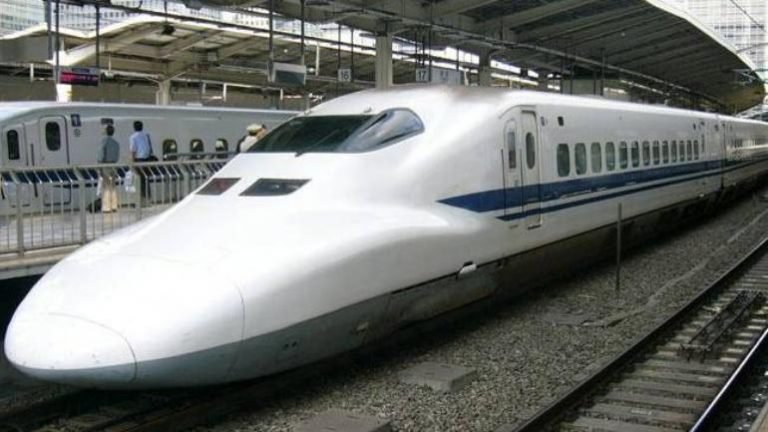
VADODARA (Metro Rail News): A high-level delegation led by Masashi Adachi, parliamentary vice minister of land, infrastructure, transport, and tourism from Japan visited the city on Saturday to check the progress of the prestigious Ahmedabad-Mumbai bullet train project.

The vice minister visited the proposed site of the High-Speed Rail Training Institute (HSRTI) located near the National Academy of Indian Railways (NAIR) and Vadodara railway station where the train’s station will be set up.

Talking to media persons, Adachi, said he was satisfied with the progress of the project. At HSRTI, he went through a presentation made by Pradeep Ahirkar, chief project manager of the National High-Speed Rail Corporation Limited, the implementing arm of the project. He also visited the site where the training tracks to train manpower for the project have been laid apart from the site of the hostel building.

At the proposed location for the station on platform number six of the existing Vadodara railway station, he reviewed the progress of works. Also, he visited the site of the bridge between platform number six and seven where the longest span of the network – 220m – would be constructed.
buy Tretinoin generic onlineandnewblo.com over the counter
He took a keen interest in understanding the launching scheme of the bridge girders.

LMRC floated tender for Kanpur Metro

LUCKNOW (Metro Rail News): The Lucknow Metro Rail Corporation (LMRC) Ltd., who has been assigned to carry out interim works for Kanpur Metro Rail Project, invites open tenders from eligible applicants.

Who fulfill qualification criteria for the work “Contract KNPCC02(R1): Construction of elevated viaduct and 9 Nos. elevated station (viz. IIT Kanpur Station, Kalyanpur Railway Station, SPM Hospital Station, Kanpur University Station, Gurudev Chauraha Station, Geeta Nagar Station, Rawatpur Railway Station, Lala Lajpat Rai Hospital Station & Motijheel Station) including special span on Priority Section of Corridor-1, Phase-I of Kanpur Metro at Kanpur, Uttar Pradesh, India.” The brief scope of the work and site information is provided in ITT Clause A1 (Volume-1) & Employer’s Requirements (Volume–3)

Important Details

Approximate cost of work: Rs. 676.00 Crores

Tender Security amount: Rs. 6.76 Crores

The completion period of the Work: 21 months

Tender documents on sale: From 28.06.2019 to 19.07.2019 (between 09:30 hrs to 17:30 hrs) on working days
Cost of Tender documents: INR 23600/-

Last date of Seeking Clarification: 22.07.2019

Pre-bid Meeting: 22.07.2019 @ 1500 Hrs

Last date of issuing addendum: 26.07.2019

Date & time of Submission of Tender: 12.08.2019 upto 15:00 Hrs.

Date & time of opening of Tender: 12.08.2019 @ 15:30 Hrs.

Authority and place for the purchase of tender documents, seeking clarifications and submission of completed tender documents.


Chief Engineer/ Contract,

Lucknow Metro Rail Corporation,

Administrative Building, Vipin Khand, Gomti Nagar, Near Dr.Bhimrao Ambedkar Samajik Parivartan Sthal, Lucknow-226010, Uttar Pradesh, India

Email: cecontractlmrc@gmail.com

Indian Railway to procure 24 bullet trainsets from Japan

NEW DELHI (Metro Rail News): Indian Railway has been planned for procurement Twenty-four bullet trainsets from Japan for the Mumbai-Ahmedabad high-speed project, Railway Minister Piyush Goyal said on 28 June 2019.

“The estimated total cost of the Mumbai-Ahmedabad high-speed rail project, including the cost of rolling stock, is ₹1,08,000 crore, out of which 81% price will be funded through the loan from the Japan International Cooperation Agency (JICA),” Goyal Said While the Replying to a question in the Rajya Sabha.

The project is targeted to be completed by 2023.

According to the Memorandum of Understanding (MoU) signed between National High Speed Rail Corporation Limited (NHSRCL) and Japanese side, in order to promote ‘Make in India’, six out of above 24 trainsets are presently planned for assembling in India, for which location is planned to be decided by the Japanese supplier.

The Mumbai-Ahmedabad bullet train will have multiple features for the convenience, comfort and safety features of the passengers.

According to NHSRCL, which is the implementation of the high-speed rail project in India, the train will have multi-purpose rooms installed in them which will cater to the requirements of feeding mothers and sick persons.

These rooms will have facilities like folding beds, baggage racks and mirrors, and Shinkansen technology is being used for this bullet train corridor project. 

NHSRCL floated a tender for the first undersea tunnel which will be part of the Mumbai-Ahmedabad corridor. The 21 Km underground corridor will be constructed from BKC to Kalyan Shilphata in Maharashtra. Bids have been invited for the undersea tunnel, the seven-kilometer stretch of which will be constructed under the sea bed.

As per the tender the construction work is supposed to be completed in 3.5 years. Japan’s Kawasaki Geological Engineering along with engineers of NHSRCL, RITES Ltd. conducted a geotechnical investigation for the tunnel last year.

Matrix COSEC ARGO bags the coveted India Design Mark Award 2019

Matrix recently bagged the prestigious India Design Mark by the India Design Council for it’s new-age access control controller – Matrix COSEC ARGO. The award is given in recognition  for excellence in product innovation and design. India Design Mark symbolizes product excellence in form, function, quality, safety, sustainability and innovation and communicates that the product is usable, durable, aesthetically appealing and socially responsible.

The India Design Council is affiliated with India’s Ministry of Commerce & Industry and is made up of eminent people in academia, design and industry organizations. India Design Mark is initiated in cooperation with Good Design Award, Japan. Through India Design Mark, the India Design Council seeks to inspire Indian manufactures to design remarkable products that enrich the lives of people in India.

On winning this prestigious award, Ganesh Jivani, MD of Matrix said “Matrix is focused on designing and manufacturing world-class cutting-edge security and telecom solutions for modern organizations. Matrix exports these products to more than 50 countries – most of them to the first-world technologically advanced nations. With 250+ R&D engineers and world-class infrastructure and equipment, Matrix is committed to indigenous R&D. This award is a validation of Matrix’s world-class innovation and design capabilities. I thank all our customers and channel partners for their trust in Matrix and congratulate the entire Matrix team for this outstanding achievement. Such recognition would encourage us to work harder towards building world-class technologies and products.”

About Matrix

Established in 1991, Matrix is a leader in Security and Telecom solutions for modern businesses and enterprises. As an innovative, technology driven and customer focused organization, the company is committed to keep pace with the revolutions in the Security and Telecom industries. With around 40% of its human resources dedicated to the development of new products, Matrix has launched cutting-edge products like Video Surveillance Systems – Video Management Software, Network Video Recorder and IP Camera, Access Control and Time-Attendance Systems as well as Telecom Solutions such as Unified Communications, IP-PBX, Universal Gateways, VoIP and GSM Gateways and Communication Endpoints. These solutions are feature-rich, reliable and conform to the international standards. Having global footprints in Asia, Europe, North America, South America and Africa through an extensive network of more than 2,500 channel partners, Matrix ensures that the products serve the needs of its customers faster and longer. Matrix has gained trust and admiration of customers representing the entire spectrum of industries. Matrix has won many international awards for its innovative products.

For further information, please contact:
394-GIDC, Makarpura, Vadodara-390010, India
Toll Free – +91 1800-258-7747
E-Mail: inquiry@matrixcomsec.com
Website: www.MatrixComSec.com

Metro Rail News June 2019 issue Published

Dear Readers,

I am happy to announce that our June 2019 edition of Metro Rail News published.

Our May issue focuses on interesting topics such as P-way, Track Machine and Welding Technology and provides cover story on Artificial Intelligence and Machine Learning for Rail.
buy neurontin generic buybloinfo.com/neurontin.html over the counter
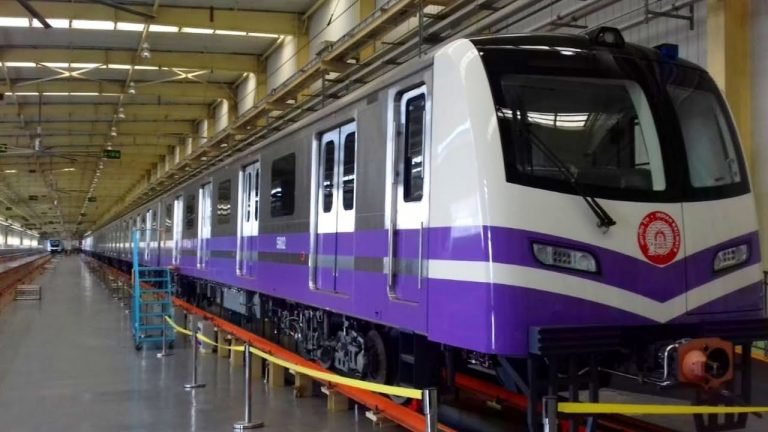
Further, Kolkata Metro is chosen as our project of the month.

Information on Railway coach factory, exclusive interviews with Mr. Keun Young Kim, Chairman WITA and AH Group, Korea along with other regular columns such as new development in metro projects, pre/post event coverages, technology updates, opinions, appointments, live tenders, industry contracts, upcoming events and current job openings are some of the other interesting topics covered in this edition.

Click here to subscribe our next issue

Rajasthan govt approves DPR for Delhi-Alwar RRTS corridor

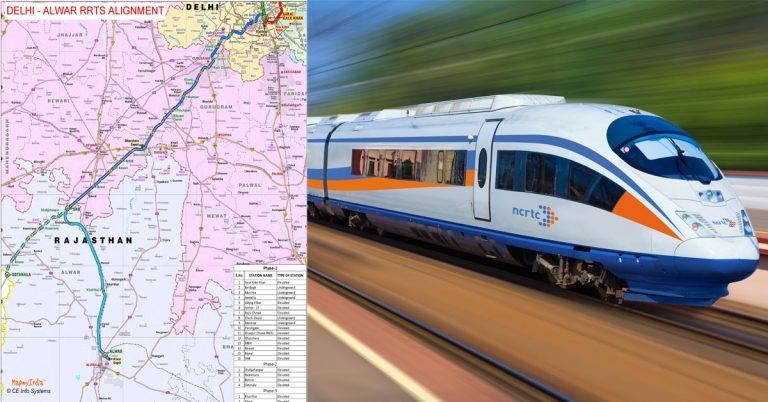
GURUGRAM (Metro Rail News): The Rajasthan government has approved the Detailed Project Report (DPR) of the Delhi-Gurugram-SNB corridor, the first phase of the Delhi-Alwar rapid rail project said an official.

The Delhi-Alwar corridor will be constructed in three phases.

“On June 29, 2019, The Rajasthan government approved the Detailed Project Report of the Delhi-Gurugram-SNB (Shahjahanpur-Neemrana-Behror Urban Complex) Regional Rapid Transit System (RRTS) corridor,” said an official of the National Capital Region Transport Corporation (NCRTC)

The Regional Rapid Transit System is the Central government project to provide faster and alternate connectivity in the National Capital Region with an aim to check rising air pollution and decongest road traffic.

According to the official, the Haryana government had already approved the corridor in February this year.

The NCRTC Board, which is the implementing agency for the project, had approved the DPR of the 106-km-long Delhi-Guruguram-SNB corridor in December 2018.

After the approval from the NCRTC Board and the Haryana government, pre-construction work such as geo-technical investigation and mapping of underground utilities are in progress.

One of the three RRTS corridors prioritised for implementation, Delhi-Gurugram-SNB corridor is also to be implemented in three stages.

The Delhi-Gurugram-SNB corridor will be elevated for about 71 km (11 stations), the remaining 35 km (5 stations) will be constructed underground, mostly in Delhi and Gurugram.

In stage I of the Delhi-Alwar RRTS corridor, the Delhi-Gurugram-SNB Urban Complex will be constructed.

In stage II, it will be extended from SNB Urban Complex to Sotanala and in stage III, it will be further extended from SNB Urban Complex to Alwar, covering a total distance of 164 km. There will be 22 stations on the corridor in three phases.

The RRTS trains will be air-conditioned and have an average speed of 100 kmph. The trains will be available at a frequency of every 5-10 minutes. There would be priority seating arrangements for people with special needs and a business class and ladies coach in every train, the detailed project report says.

Implementation of the RRTS will provide the much-needed additional public transport infrastructure to the national capital region to address issues of congestion, air pollution and catalyse balanced and sustainable regional development.

Kolkata Metro to expand trains on weekends

Kolkata (Metro Rail News): Kolkata Metro is going to expand its services on weekends and is going to increase the number of rakes travelling between North 24 Parganas district’s Noapara and Dumdum from July 1, It was said in a circular issued by the Metro Railway authority on June 27, 2019.

On Saturdays 236 metro rakes (118 pairs) will run between the two terminal stations — Dumdum and Kavi Subhash, By adding 12 more metro rakes in the current number. A total number of 124 rakes (62 pairs) will be at service on Sundays instead of 110 rakes at present, the circular said.

On weekdays three more trains will be added between the Dumdum and Noapara stations. At least seven will be added on Saturdays to manage the increasing number of commuters in the metro. Nine more trains will be added on Sundays, according to the circular.

Currently the metro services on Sunday starts from 9.50 a.m. but now it will be changed and instead of 9.50 a.m. it will start from 9 a.m.

Currently, 284 (142 pairs) rakes are at service in the Dumdum-Kavi Subhash route on weekdays.

 West Bengal chief minister Mamata Banerjee claimed that the Union Rail Ministry had not created any provision for at least three extensions of the Kolkata Metro rail in the Budget.

Mamata said that, a nominal budgetary provision has been made for ongoing works on Kolkata’s East-West Metro line forcing works to grind to a halt.

Congress opposes cutting of mangroves for the bullet train

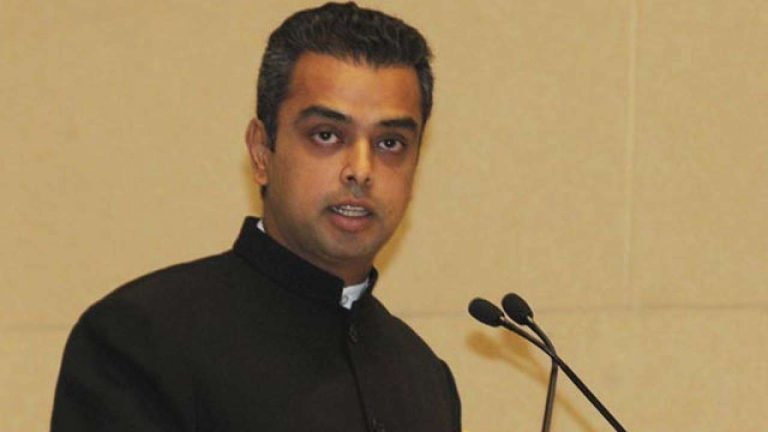
MUMBAI (Metro Rail News): On Wednesday Former Union minister and Mumbai Congress President Milind M. Deora warned that the government’s plans to chop off mangroves for the Bullet Train project could be disastrous for Mumbai’s survival.

First, there were serious questions raised on the financial viability of the project and now the state government says 54,000 mangroves will be razed for the Bullet Train route, he said in a statement.

Deora said “We are all for development, but not indiscriminate development that puts Mumbai and Mumbaikars at grave risk. Coastal Road, salt pan lands and now the Bullet Train, in all three cases, the government seems to be perilously and recklessly permitting development at the cost of the environment.

His reaction came in response to Maharashtra Transport Minister Diwakar Raote’s statement in the legislature on Tuesday (June 25) that the state could soon lose 54,000 mangroves for the upcoming Ahmedabad-Mumbai Bullet Train project.

Accusing the government of “forgetting the lessons of the 2005 deluge”, the Congress leader said it is a well-documented fact that mangroves help prevent flooding, especially in the low-lying areas, and given the impact of climate change and rising sea levels, Mumbai could get submerged in case of heavy rains like in July 2005.

Over 500 people had been killed at that time, besides losses of Rs.28 billion and Mumbai Airport remaining submerged and shut for three days together, he said.

Deora said, “I urge the Chief Minister Devendra Fadnavis to intervene immediately and find solutions so that natural buffers like mangroves and salt pan lands are protected since development cannot be at the cost of another deluge-like situation for Mumbai”.

He cited a 2014 study, ‘Mangroves For Coastal Defence’ which says that the dense roots of mangrove trees help bind and build soils, and they are an essential natural defense to flooding apart from curbing pollution levels.
buy viagra super dulox force online no prescription

Speaking in the legislature, Raote had said that around 54,000 mangroves spread over 13.36 hectares would be hit, but the government plans to plant five mangroves for each one that is cut for the Bullet Train project.

The proposed requirement of land for the project is 1,379 hectares, including 270.65 hectares in Maharashtra and the rest in Gujarat, he said.

G20: PM Modi discusses on the bullet train with Japanese PM Shinzo Abe

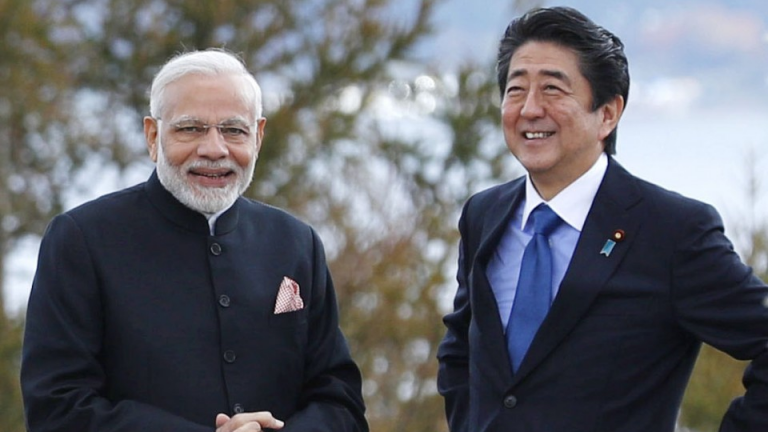
VARANASI (Metro Rail News): Prime Minister Narendra Modi started his G20 visit with wide-ranging discussions on bilateral matters – including the Mumbai-Ahmedabad bullet train project and the Varanasi convention center being built with Japanese cooperation– with ‘old friend’ Japanese PM Shinzo Abe.

Japan has granted India a soft loan of Rs 79,000 crore for India’s first bullet train modeled on Japan’s Shinkansen trains. One of the most ambitious infrastructure projects carried out with Japanese cooperation is due for 2022 launch.

The bilateral meeting also discussed other important issues of mutual concern and was described as “very constructive and detailed” between ‘old friends’ by Foreign Secretary Vijay Gokhale.

He said Japan PM Abe had specifically suggested that the G20 should take up PM Modi’s initiative on the issue of fugitive economic offenders as part of its anti-corruption measures.

He added, both PMs would meet again tomorrow for a trilateral meeting between Japan, India & US” for further discussions on the Indo-Pacific initiative that all three countries are separately pursuing and discussing together.

PM’s meeting with Abe is the first of many he will hold with top global leaders outside and inside the ambit of the summit.

Prime Minister said that at the start of the meeting, Shinzo Abe congratulated PM Modi for his stellar poll victory and said that it was ‘his turn’ to visit India and he was ‘looking forward’ to it.

Prime Minister Modi acknowledged that Abe was the first to call after his victory. “…you were the first friend of India who congratulated me, on phone. I also express my gratitude for the warm welcome you and Japan Government have accorded to us.