Home Blog Page 207

MMRDA Reaches Milestone: Completion of Over 3603 Pillars in Mumbai Metro Projects

0
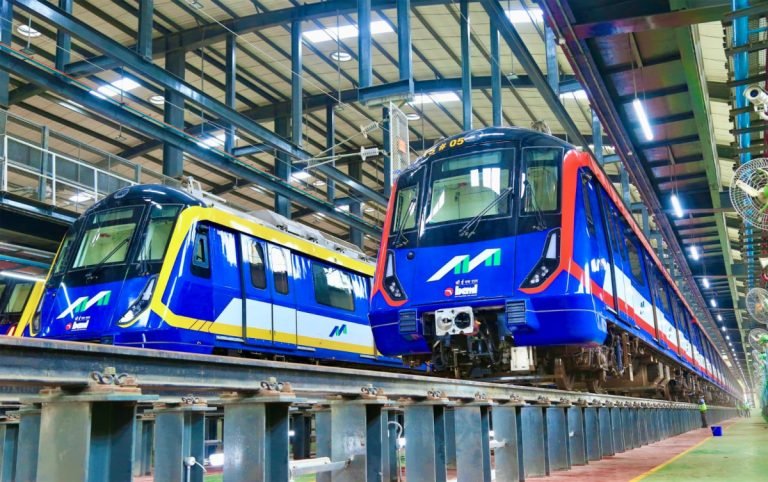
Mumbai Metro Line 6
Representational Image

MUMBAI (Metro Rail News): The Mumbai Metropolitan Region Development Authority (MMRDA) has made significant progress in constructing the metro rail lines in the Mumbai Metropolitan Region. Over 73% of the pillars, totalling 3603, have been erected out of the total 4,929 pillars for all six metro lines.

The construction of these pillars provides the foundation for supporting the extensive network of six metro lines, which span nearly 113 km in length. However, their installation has caused inconvenience to pedestrians and motorists due to road excavations.

The MMRDA acknowledges the challenges and uncertainties that come with such construction projects. To minimize traffic disruption and ensure safety, most of the work is carried out during the night.

Following is an update on the ongoing metro projects, categorized by metro lines, showcasing the progress achieved:

1. Metro Corridor 2B (DN Nagar to Mandale):

• Completion progress: Around 50.7 per cent
• Number of completed piers: 614 out of 1,109

2. Metro Line 4 & 4A (Wadala to Kasar Vadavali):

• Overall progress: 55 per cent
• Number of Completed piers for Line 4: 973 out of 1,476
• Number of Completed piers for Line 4A: 143 out of 221

3. Metro Line 5 Phase I (Thane to Bhiwandi):

• Overall completion: 78.4 per cent
• Number of completed piers: 440 out of 464

4. Metro Line 6 (Swami Samartha Nagar to Vikhroli):

• Physical progress: 70.75 per cent
• Number of Completed piers: 657 out of 769

5. Metro Line 9 (Dahisar to Mira Bhayandar):

• Overall completion: 61.28 per cent
• Number of completed piers: 776 out of 900

According to sources, around 50% of the pillars for the majority of metro rail projects have been completed. The completion of the entire metro network is anticipated to bring a significant transformation to Mumbai’s travel patterns, benefiting both daily commuters and tourists.

Dr. Sanjay Mukherjee, Metropolitan Commissioner of MMRDA, stated, “We are in the process of appointing a consultant to get permissions for Metro Line 10, which will connect Gaimukh and Shivaji Chowk (Mira Road). We have also appointed a general consultant and initiated the tendering process for civil works on Metro Line 12 (Kalyan-Taloja). Our top priority is the timely completion of the metro rail lines.”

As per the statement, the metro projects led by MMRDA are making steady progress and are expected to greatly improve transportation choices while alleviating traffic congestion in Mumbai.

Advertisement1
InnoMetro_2026

RLDA Seeks Bids for Leasing 36,458.18 Sqm of Railway Land in Dibrugarh

0
Indian Railways/Representational Image
Representational Image only

DIBRUGARH (Metro Rail News): The Rail Land Development Authority (RLDA), which is an official authority under Indian Railways, is seeking bids for the lease of 36,458.18 square meters of railway land located at Naliapool Railway Colony in Dibrugarh. The reserve price for this land is Rs 31 crores. Out of the total area of the colony, which is 50,113.54 square meters, 36,458.18 square meters will be leased out for residential and commercial development for a period of 99 years. The remaining area of 11,944.49 square meters will be utilized for the revamp of the existing railway colony in Naliapool, Dibrugarh.

The land is situated in the central part of the city within the Dibrugarh Municipal area. It has good access to the Assam Trunk Road through Durga Bari Road. An online pre-bid meeting took place on June 16, 2023, in Dibrugarh, where developers from both local and national levels participated. The meeting provided an opportunity to address their inquiries and concerns. The deadline for submitting e-bids is July 26, 2023.

Dibrugarh is an industrial city in Upper Assam, known for its vast tea gardens, and is situated 435 kilometers away from the state capital of Dispur. It acts as the headquarters of Dibrugarh district in Assam, India. The Naliapool Railway Colony in Dibrugarh is a highly desirable land parcel due to its strategic location, with great potential for residential and commercial development in the future.

The area is a hub for the thriving tea trade and other commercial activities, offering excellent connectivity to all parts of Dibrugarh. There are reliable local public transport facilities available, which provide promising opportunities for prospective developers.

Shri Ved Parkash Dudeja, Vice Chairman of RLDA,  mentioned that the proposed land parcel is ideal for commercial and residential development. It is located near the city center of Dibrugarh, making it strategically advantageous for development.

He further added that “With the region’s thriving tea industry and the introduction of new logistical developments, we strongly belief in strengthening the supply chain and unleashing the region’s untapped potential. This positive transformation will not only bring prosperity to the area but also foster the growth and evolution of new economic opportunities.”

Advertisement1
InnoMetro_2026

RRTS Alias RAPIDX Ready to Spearhead with Next Generation Technology

0
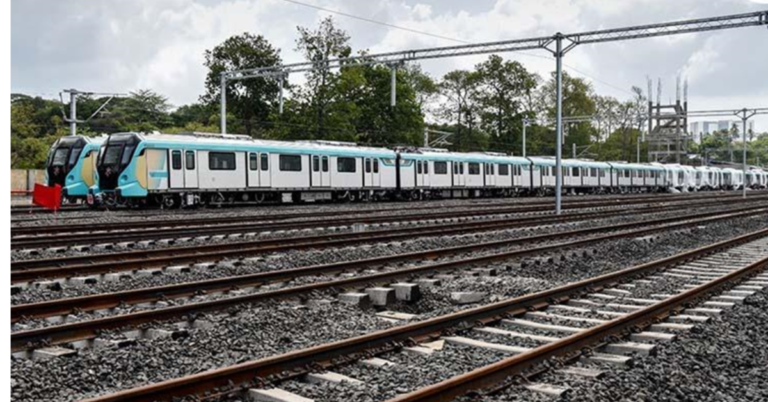
RAPIDX Train/Representational image only

Introduction

The Delhi-Ghaziabad-Meerut line will soon have a functional Regional Rapid Transport System (RRTS), which would improve connectivity in India’s capital city region. The primary goal of this effort is to promote regional connectivity in the area. The system is also expected to promote intermodal connectivity. In a mojor development, the RRTS stations will now have seamless linkages to the Delhi metro stations.

NCR & RRTS

The National Capital Region (NCR) is a multi-state area that includes the National Capital, which exists as its centre. This region, which spans over 35,000 km sq. includes the whole National Capital Territory of Delhi as well as portions of the neighbouring states of Haryana, Uttar Pradesh, and Rajasthan. To improve connectivity within the NCR, the National Capital Region Planning Board (NCRPB) has suggested connecting urban, industrial (SEZs/industrial parks), regional, and sub-regional centres via a fast rail-based Regional Rapid Transit System (RRTS). The goal of this system is to minimise commuters’ reliance on road-based mobility. The NCRPB conducted a study on the Integrated Transportation Plan for the NCR, predicting statistics through 2032, and proposed eight rail-based fast transit corridors to improve the efficiency of the NCR’s transportation system. In addition to the rail system, different arrangements have also been proposed that shall be made for infrastructure, such as road network improvements.

The eight identified RRTS corridors are:

  • Delhi – Gurgaon – Rewari – Alwar [DGRA – Project Corridor]
  • Delhi – Ghaziabad – Meerut
  • Delhi – Sonipat – Panipat
  • Delhi – Faridabad – Ballabhgarh – Palwal
  • Delhi – Bahadurgarh – Rohtak
  • Delhi – Shahadra – Baraut
  • Ghaziabad – Khurja
  • Ghaziabad – Hapur

The NCRPB has decided to implement RRTS in the following three corridors on priority:

  • Delhi – Gurgaon – Rewari – Alwar;
  • Delhi – Sonipat – Panipat; and
  • Delhi – Ghaziabad – Meerut.

The Ghaziabad Regional Rapid Transit System (RRTS) station has been designed in a manner that shall pave the way for two future routes to Khurja and Hapur. Future RRTS routes to Khurja and Hapur in western Uttar Pradesh would branch out from the main Ghaziabad station, which is being built as part of the 82-kilometer-long Delhi-Meerut RRTS project. When the RRTS project, which would feature high-speed trains on dedicated tracks, was conceptualised in 2006, the National Capital Region Transport Corporation (NCRTC), the project’s implementing agency, offered eight routes, with three routes being identified as priority corridors. Sufficient infrastructure is being built, including loop lines at the Ghaziabad station, which shall aid in the future branching out of other routes. Delhi-Meerut, Delhi-Alwar, Delhi-Panipat, Delhi-Palwal, Delhi-Khurja, Delhi-Rohtak, Delhi-Hapur, and Delhi-Baraut are among the eight initially proposed suggested corridors. The three priority corridors have been designated under Phase 1 of the RRTS project, while the five remaining routes have been determined under the Functional Plan on Transport for National Capital Region -2032.

The Ghaziabad RRTS station will serve as a key interchange point and will have interchangeable facilities with the Metro. Furthermore, it shall serve as an interchange station for additional future routes. The estimated distance between Ghaziabad and Khurja is around 77 kilometres and 34 kilometres between Ghaziabad and Hapur. Ghaziabad station, which is over 27 metres tall and one of the three prioritised corridors, would also have interchangeable facilities with the Metro. It is part of the 82-kilometre Delhi-Meerut corridor, as well as the 17-kilometre priority segment from Sahibabad to Duhai being built in Ghaziabad. Sahibabad, Ghaziabad, Guldhar, Duhai, Muradnagar, Modinagar (South), and Modinagar (North) are among the locations where RRTS stations are being developed. The priority segment had been scheduled to open in March 2023, with the complete 82-kilometre corridor opening in March 2025 at a cost of Rs. 30,274 crore.

Delhi-Meerut RRTS: Key features

  • The Delhi-Ghaziabad-Meerut RRTS corridor is India’s first RRTS corridor that has been planned to be connected with other means of transport to help ensure smooth and seamless movement of travellers. 
  • Platform screen doors will be installed at all RRTS stations to improve commuter safety. The NCRTC is also negotiating a loan worth 60% of the project’s cost. The remaining 40% will be borne by the central government, as well as the governments of Uttar Pradesh and Delhi. 
  • The civil aviation ministry has approved the use of drones for GIS mapping of the corridor for the first time in the country. The remotely piloted aircraft system will be used for data collection, mapping, and implementing the web-based information system platform.
  • With a design speed of 180 kmph, the RRTS rolling stock will be the first of its kind in India. These aerodynamic RRTS trains will be lightweight, fully air-conditioned with a stainless steel outer body. For signalling, the European Train Control System (ETCS) Level 2 of ERTMS shall be used.
  • There will be 25kV, 50 Hz AC overhead catenary electrification. According to the NCRTC, solar energy shall fulfil more than seventy per cent of the total energy requirement of the RRTS corridor, conserving fuel and minimising the air pollution while also gaining carbon credit all through the corridor’s operation.

 Construction Timeline & Background

The National Capital Region Transport Corporation (NCRTC) planned three Rapid Rail Transit stretches in 2017 to connect the far-flung edges of the National Capital Region with Delhi via a semi-high-speed rail corridor – Delhi-Meerut, Delhi-Panipat, and Delhi-Alwar. The Delhi-Meerut RRTS would run at a speed of 160 kmph through Ghaziabad. Prime Minister Narendra Modi laid the foundation stone of the project in March 2019, and the construction is presently underway in a speedy manner. During the Union Budget 2023-24, the government budgeted Rs 3,596 crore to the Delhi-Meerut RRTS route. The project is being carried out by the National Capital Area Transport Corporation (NCRTC). The full line is expected to be finished by March 2025. However, a 17-kilometre priority segment linking Sahibabad and Duhai with the ongoing works is expected to be completed by June 2023.

According to the NCTRC, the stretch towards Meerut is scheduled and expected to be opened once the priority segment in Ghaziabad opens in June 2023. The installation of the RRTS project’s last 25-kilometre viaduct between Duhai and Meerut (South) station has been completed, as per the officials. This completes the 42-kilometre RRTS stretch from Sahibabad to Meerut (South). The Duhai-Meerut (South) segment has been planned to include four stations in Ghaziabad: Muradnagar, Modinagar (North), and Modinagar (South), as well as Meerut (North) and Meerut (South).

The 82-kilometre rail route that shall connect the national capital of Delhi with Meerut via Ghaziabad. The corridor will include 25 stations (including connections to other transit systems) with two depots at Duhai and Modipuram. The NCRTC successfully conducted dynamic test runs of the regional rapid transit system for the 17-kilometre priority stretch of the route between Sahibabad and Duhai Depot in January this year. Apart from a few minor and finishing activities, the telecom and signalling development work is currently underway. The project is being constructed using cutting-edge technology and shall serve the commuters in the NCR with contemporary, air-conditioned, rapid and dependable transportation option.

The project will cost Rs 30,274 crores to complete. The Central and the state governments of Delhi and Uttar Pradesh have made contributions and provided funds to the Delhi Meerut RRTS project. The Government of India has provided 20% of the overall funding, with Delhi and Uttar Pradesh contributing 3.22% and 16.78%, respectively. In addition, the project is likely to receive nearly 1 billion USD in multilateral funding from Asian Development Bank (ADB), 500 million USD from New Development Bank (NDB), and 500 million USD from Asian Infrastructure Investment Bank (AIIB).

Timeline

  • May 2017: The project’s Detailed Project Report (DPR) was approved by the Uttar Pradesh Government.
  • Feb 2019: The project approved by the centre with a budget of Rs 30,274 crores.
  • Mar 2019: PM Narendra Modi laid the groundwork and foundation stone for the project.
  • Mar 2022: Tunnelling for the underground segment of the route in Meerut begins.
  • Jan 2023: The dynamic test runs along the corridor carried out.

Route & Stations

The Delhi-Meerut RRTS Corridor will be 82 kilometres long, featuring 17 kilometres of elevated track and 65 kilometres of ground-level track. The corridor will include twenty-four stations, sixteen of which will be elevated and eight will be underground. The RRTS corridor will run from Delhi’s Sarai Kale Khan to Meerut’s Modipuram. The trip time between the two cities is planned to be greatly reduced, with a travel time of roughly one hour.

All twenty-four stations of the RRTS corridor have been planned to be equipped with state-of-the-art facilities such as lifts, escalators, and sophisticated ticketing systems. Sarai Kale Khan, New Ashok Nagar, Anand Vihar, Sahibabad, Ghaziabad, Guldhar, Duhai, Modi Nagar South, Modi Nagar North, Meerut South, Mohiuddinpur, Partapur, Rithani, Shatabdi Nagar, Brahampuri, and Meerut North would be among the 16 elevated stations on the corridor. Mayur Vihar Phase-1, Sarai Kale Khan, New Ashok Nagar, Anand Vihar, Meerut Central, Bhaisali, Begumpul, and MES Colony shall be the eight underground stations along the corridor.

Major Advantages

The Delhi-Meerut RRTS Corridor is projected to help the residents of the National Capital Region in a variety of ways. The RRTS corridor will reduce travel time and road congestion between Delhi and Meerut by providing a rapid, safe, and comfortable option for travel. The RRTS corridor is also projected to encourage sustainable development by lowering carbon emissions and increasing public transport use. The Delhi-Meerut RRTS Corridor is slated to open in three stages. The first phase, between Sahibabad and Duhai, is scheduled to open in June 2023. The second phase, connecting Sahibabad and Shatabdi Nagar, is scheduled to open in 2025. The third and final section, connecting Sahibabad and Modipuram, is scheduled to open in 2026.

RAPIDX
Untitled design 2023 05 30T105313.789

According to recent updates from the National Capital Regional Transportation Corporation (NCRTC), the rapid rail service between Delhi and Meerut will now be known as RapidX. The 82-kilometre-long Rapid Rail Transit Services (RRTS) line is projected to reduce travel time between Delhi and Meerut. By 2025, the NCRTC hopes to open the full Delhi-Ghaziabad-Meerut corridor to the public. The 17-kilometre priority route between Sahibabad and Duhai is expected to open for public use by the end of June this year.

Regarding the name change to RapidX, the NCRTC states that the brand name RapidX is easy to read and pronounce. In addition to speed and progress, the letter X in the name signifies next-generation technology and modern mobility solution. According to NCRTC authorities, the leaf symbol in the transport system’s sign is the highlight of the brand’s dedication to decarbonisation, not only through decongesting NCR and lowering the number of vehicles on the road, but also by using green energy.

Project & Specification Details

The goal of the Delhi-Meerut RRTS (RAPIDX) is to minimise commuter reliance on road-based transit and movement while improving regional connectivity within the National Capital Region. The RRTS system will mostly operate underground within Delhi, connect to the Delhi Metro Rail system, and give locals with a speedier alternative option to reach their destination (for example, nonstop service between Sarai Kale Khan and Kashmere Gate on the Delhi-Panipat line). In other parts of the world, equivalent systems include London’s Crossrail, Paris’ RER, and Munich’s S-Bahn.

  • Operational : 0 Km
  • Under Construction : 82.15 Km
  • Approved: 209 Km
  • Proposed: 700 Km (Approx)
  • Design Speed: 180 Kmph
  • Operational Speed: 160 Kmph
  • Average Speed: 100 Kmph
  • Track Gauge: Standard Gauge (1435mm)
  • Rolling Stock: Aerodynamic (Stainless Steel/Aluminium Body)
  • Signalling: European Train Control System (ETCS) Level 2 of ERTMS
  • Traction: 1×25 KV AC Overhead Catenary (OHE)
  • Seating Arrangement: Transverse
  • Classes: Economy & Business (1 coach per train)

RAPIDX Phase 1 Lines (349 Kms)

Task group formed by the National Capital Region Planning Board (NCRPB) has prioritised the development of three routes as early bird lines:

Line-1: Delhi – Ghaziabad – Meerut RRTS

  • Length: 82.15 km
  • Type: Elevated & Underground
  • Depot: Duhai EPE and Modipuram
  • Number of Stations: Twenty-Two (22)
  • Stations: Sarai Kale Khan, New Ashok Nagar, Anand Vihar, Sahibabad, Ghaziabad, Guldhar, Duhai (EPE), Murad Nagar, Modi Nagar South, Modi Nagar North, Meerut South, Partapur, Rithani, Shatabdi Nagar, Brahmapuri, Meerut Central, Bhaisali, Begum Pul, MES Colony, Daurli, Meerut North and Modipuram

Line-2: Delhi – Gurgaon – SNB – Alwar RRTS

  • Length: 199 km
  • Main-line: Delhi – SNB – Alwar (164 km)
  • Spur Line: SNB – Sotanala (35 km)
  • Type: Elevated & Underground
  • Depot: Dharuhera, Alwar
  • Number of Stations: Twenty-Two
  • Stations (Main-Line): Sarai Kale Khan, Jor Bagh (INA), Munirka, Aerocity, Udyog Vihar, Gurgaon Sector 17, Rajiv Chowk, Kherki Daula, Manesar, Panchgaon, Bilaspur Chowk, Dharuhera Depot, MBIR, Rewari, Bawal, Shahjahanpur-Neemrana-Behrod (SNB), Khairthal, Alwar (Total 18).

Stations (Spur Line): Shahjahanpur, Neemrana, Behror, Sotanala (Total 04).

Line-3: Delhi – Sonipat – Panipat RRTS (103 km)

  • Length: 103 km
  • Type: Elevated & Underground
  • Depots: Murthal & Panipat
  • Number of Stations: Sixteen
  • Stations: Sarai Kale Khan, Indraprastha, Kashmere Gate, Burari Crossing, Mukarba Chowk, Alipur, Kundli, KMP Interchange, RGEU, Murthal, Barhi, Gannaur, Samalkha, Panipat South, Panipat North, Panipat Depot

Future Phase 2 Lines

  • Delhi – Faridabad – Ballabhgarh – Palwal (60 km)
  • Ghaziabad – Bulandshahar – Khurja (83 km)
  • Delhi – Bahadurgarh – Rohtak (70 km; Future extension planned to Hisar)
  • Ghaziabad – Hapur (57 km)
  • Delhi – Shahadra – Baghpat – Baraut (56 km)

Latest Update

RapidX, India’s first Regional Rapid Transit System (RRTS), would run trains between Delhi, Ghaziabad and Meerut. According to the latest information, train services would be available every five to ten minutes. According to reports, the 17-kilometre priority stretch of the Delhi-Ghaziabad-Meerut Corridor between Sahibabad and Duhai Depot is nearly complete, and operations are expected to commence in June.

According to the report, this air-conditioned six-coach train will have a capacity of 450 passengers. The train will initially carry six coaches, but the stations have been constructed to handle nine if necessary. One coach on this six-coach train will be an elegant and premium bogie, and the other will be for female passengers. The train will provide a dedicated train attendant in the premium coach to help travellers by assisting them with on-board facilities and ensuring their safe and secure travel. The deluxe coach shall feature a number of modern conveniences, such as comfy cushioned reclining seats, mobile and laptop charging connections, luggage racks, and magazine holders, among others.

The entire route is expected to open to the public in 2025, but the 17-kilometre priority portion from Sahibabad to Duhai will be operating soon. Commuters will be able to complete their journey in just 12 minutes with the launch of the priority segment, and travel time will be cut from three hours to 50 minutes once the full corridor is completed. According to reports, this corridor is estimated to have 8 lakh daily travellers. Additionally, it is expected to minimise carbon dioxide emissions by 2,50,000 tonnes per year.

RAPIDX Station
RAPIDX Station


Earlier this month, officials announced that the stations of India’s first regional train – RAPIDX – will be painted in the blue and beige colour spectrum of the peacock feather. The colours of the station’s outdoor facade have been an inspiration by the hues of peacock feathers, according to an official statement. The facade structure is painted in two different tones of blue and beige. The external roofs of its stations are curved on both sides to represent the train’s speed, which is one of its key attributes.

Advertisement1
InnoMetro_2026

Opportunity for Brands: NCRTC Issues Tender for Co-Branding of RAPIDX Stations

0
RAPIDX Station
RAPIDX Station

NEW DELHI (Metro Rail News): The National Capital Region Transport Corporation (NCRTC) has issued a tender seeking partners for semi-naming and co-branding rights for some stations along the RAPIDX corridor. This means that businesses will have the opportunity to add their logos or brand names as a prefix or suffix to the station names.

The current tender for semi-naming and co-branding rights includes stations like Anand Vihar, Sahibabad, Ghaziabad, Guldhar, and Duhai.

The decision to float this tender came after a successful interaction between NCRTC and the media industry, where they explored options for branding and advertising to generate additional revenue for the upcoming Delhi-Ghaziabad-Meerut RRTS Corridor.

The main objective of this move is to improve the passenger experience and convenience while also exploring non-fare revenue options to ensure the financial sustainability of the project. In addition to the semi-naming and co-branding rights, NCRTC plans to introduce audio announcements in trains, stating the approaching station along with its co-branded name. This media option of semi-naming and co-branding RAPIDX stations is an excellent opportunity for local, national, and global brands to launch impactful advertising campaigns.

According to an official statement,” The brands that partner with NCRTC will have the privilege of adding their names to the RAPIDX station names, as well as displaying their brand colors on various station elements such as walls and hoardings, including the entry and exit points.” Furthermore, NCRTC plans to introduce other innovative offerings such as media rights, food and beverage, retail spaces, office floors, virtual stores, and more in the stations.

NCRTC is actively seeking partnerships to enhance the overall experience for passengers and generate additional revenue to ensure the success of the project.

Advertisement1
InnoMetro_2026

MAHSR Project: NHSRCL Releases Tender Worth 11000 Cr. to Procure 24 Shinkansen Trainsets

0
Bullet train
Bullet train/Representational image only

NEW DELHI (Metro Rail News): The National High-Speed Rail Corporation Ltd (NHRSCL), the organization responsible for India’s first bullet train project, has announced a tender to procure 24 E5 Series Shinkansen trainsets at a cost of approximately Rs 11,000 crore. The government aims to launch the first bullet train on the Gujarat section of the Ahmedabad-Mumbai corridor by 2027.

According to funding norms by the Japan International Cooperation Agency (JICA), only Japanese companies will be allowed to participate in the procurement process. Hitachi Rail and Kawasaki Heavy Industries are among the few Japanese companies that manufacture such trainsets.

The NHRSCL spokesperson confirmed the issuance of an Invitation of Proposal (IFP) for the procurement of the trainsets. The estimated cost of the rolling stock cannot be disclosed at this stage, as the IFP has just been released.

Interested companies will need to submit their bids by the end of October. Each Shinkansen trainset will consist of 10 coaches and have a seating capacity of 690 passengers. To suit Indian conditions, such as extreme hot weather and prevalent dust, the trainsets will be modified accordingly.

The construction of the bullet train project is well underway in Gujarat, with around 349 km out of the total 508 km falling within the state. As a result, the trains can initially begin operating on this section.

Regarding the revised cost of the entire project, the NHSRCL spokesperson stated that the feasibility report estimated it to be Rs 1.08 lakh crore. However, the final cost can only be determined once all contracts are finalized, and the land acquisition process is completed. Sources, on the other hand, indicate that the current cost exceeds Rs 1.6 lakh crore.

Untitled design 2023 07 06T130735.557
Mr. Suga Yoshihide, Chairman of The Japan India Association along with Shri Rajendra Prasad, MD, NHSRCL, explored the Sabarmati Multimodal Transport Hub and the SBS launching site of the MAHSR Project in Ahmedabad district/Image by NHSRCL

In a recent visit, a high-level delegation from Japan, led by Mr. Suga Yoshihide, Chairman of The Japan India Association and former Prime Minister of Japan, along with Shri Rajendra Prasad, Managing Director, NHSRCL, explored the Sabarmati Multimodal Transport Hub and the SBS launching site of the MAHSR Project in Ahmedabad district.

Advertisement1
InnoMetro_2026

IR Station Redevelopment Program: Big Step towards passenger amenities

1
Proposed Redevelopment Model of New Delhi Railway Station
Representational image only

Station Redevelopment Program in India: An Overview

One of India’s largest infrastructure programmes is the Indian Railways Station Redevelopment Programme. Indian Railways, in initial stages, planned to renovate and redevelop more than 400 stations spanning hundreds of cities in numerous phases, with around 2,700 acres of encroachment-free land accessible for commercial development. The programme has a budget of more than INR 1 lakh crore. A detailed execution roadmap, learnings from global and comparable programmes, proper organisation and governance structure, new and appropriate capabilities, robust analysis and modelling, funding, and continuous interaction with a large number of stakeholders are required for the successful execution of a programme of this scale. 

While the programme will continue to expand and integrate innovations and feedback, a number of stations have already entered the public domain or are in the midst of redevelopment following bidding. For all interested participants and stakeholders, it is important to explain multiple aspects of the station development project and to lay out existing and possible thinking about this programme. The content discusses an introduction to the programme, learnings from other parts of the world, various modes of station development being deployed by Indian Railways, programme details of the stations available for bidding under PPP (Public Private Partnership), and learning on PPP opportunities and challenges, as well as key imperatives to make this programme a success. The following are highlights of the important elements addressed above:

  • Many railway systems across the world have redeveloped or are attempting to reconstruct and change their railway stations. Redeveloped stations contribute to revenue in addition to enhancing the passenger experience. Ancillary income can account for up to twenty per cent of overall revenues in a number of railway systems. Learnings from various models, such as Tokyo Station, Deutsche Bahn’s digital interventions for railway stations, Melbourne’s Southern Cross Station reconstruction under PPP, and the transformation journey of SNCF stations, are useful.
  • The Indian Railways is adopting a variety of approaches to attain the goal of station redevelopment. These include a modified version of the Swiss Challenge model (PPP), traditional PPP, collaboration with state governments, G2G arrangements, and collaboration with PSUs, the Ministry of Defence (MoD), the Ministry of Urban Development (MoUD), and other ministries and organisations. The modified Swiss Challenge model was chosen for the initial set of 23 stations, which include around 140 acres of commercial land and more than 3.3 million daily footfalls. IRSDC (Indian Railway Station Development Corporation Limited) is redeveloping 12 more stations using traditional public-private partnership (PPP) and engineering procurement and construction (EPC) model & techniques. 
  • PPP programmes and the issues they raise have previously been researched. Through this programme, the Indian Railways is pursuing PPP on a massive scale. It is necessary to investigate several types of PPP variations that may be applicable for Indian Railways for various types of stations. 
  • This programme requires a well-defined organisational structure, capability development, finance, an O&M (Operations and Maintenance) plan, fine-tuned revenue and cost models, policy, and the phasing of stations proposed and suggested under redevelopment.
  • Each stakeholder plays an important role in such a programme, and understanding their perspectives can aid with proper design and successful execution. The perspectives of various stakeholders in the programme, such as banks and developers, with essential characteristics of the programme and items required to prepare for a successful long-term rollout of the programme, also need to be focussed.


Introduction

Indian Railways is one of the world’s largest railway systems, and it continues to be the principal driver for the country’s socioeconomic development. As per various studies conducted, it has been found that a rail system is six times more energy efficient and four times more cost-effective than a road system. Rail construction expenses are roughly six times lesser than road construction costs for equal traffic levels. The Indian Railways accounts for around one per cent of India’s Gross National Product (GNP) and serves as the backbone of the core sector’s freight needs. It also directly employs roughly seven per cent of the total workforce in the organised sector and indirectly employs an additional 2.5 per cent.

The Indian Railways has done well in terms of both freight and passenger traffic. However, the Indian economy is undergoing numerous changes, including evolving government policies promoting renewable energy, new economic activity necessitating shorter and more responsive supply chains, and increased growth in transportation across various sectors such as aircraft, roadways, and shipping. Massive investments are now necessary to improve railway infrastructure and transform the Indian Railways into a modern transportation system and help the national transporter remain relevant in this changing landscape. Investments are needed in all areas, including capacity enhancement, de-bottlenecking, safety measures, and passenger comforts. Many of these investments and initiatives require significant capital and management expertise. Projects like the redevelopment of railway stations are peculiar and uncommon in such an environment. It provides a PPP opportunity that utilises private resources and competencies while providing good returns to railways and the development of one of their main assets—railway stations.


Plan to Redevelop Railway Stations

Redevelopment of railway stations via the PPP model is one of the most ambitious and visible programmes initiated by the Government of India and the Ministry of Railways. This has been planned to be accomplished by commercialising surplus railway land and reinvesting the profits in station refurbishment. The massive station redevelopment plan has an outlay of more than INR 1 lakh crore and provides possibilities for private sector entities, both Indian and foreign, to participate through different public-private partnership mechanisms and government agencies. Indian Railways has about 8,000 stations in total, many of which it plans to renovate to improve standards and passenger facilities. Currently, the stations are divided into seven categories based on yearly passenger traffic profits. Around 400 of them are classed as A1 and A category stations, which have substantial passenger earnings owing to their locations in metros, important tourist destinations, and pilgrimage centres and are thus prioritised for redevelopment. The Railway Board has built a database for these stations and made it public on its website.

Real estate at railway stations is a crucial asset that the railways intends to use to pay for this journey. Along with the expansion of the 400 railway stations spread throughout 100 leading cities in India, roughly 2,700 acres of valuable encroachment-free land has been planned to be provided for commercial development. In addition to the A1 and A stations, Indian Railways has a number of other important station assets. These stations are particularly important and are located on the commuter routes in metros.

It may be noted that railway stations such as Churchgate and Chanakyapuri can provide once-in-a-lifetime redevelopment opportunities. Indian Railways plans on expanding systematically on all other stations adopting appropriate models.


Salient Features of the Station Redevelopment Program

  • Encroachment-free land with clear titles
  • Hundred per cent FDI allowed
  • 45 years lease period
  • Bidding by consortium allowed
  • Transparent and objective selection process


Redevelopment to be rolled out in Multiple Phases

The Railways has plans to carry out the redevelopment and refurbishment programme for around four-hundred stations in phases, with 23 stations in the first phase, approximately 50 stations in the second phase, and the remaining stations thereafter. The Indian Railways has established the Indian Railway Stations Development Corporation Limited (IRSDC) as a specialised organisation to anchor some of the redevelopment projects using EPC or PPP methods. The IRSDC is constructing 12 stations using Public Private Partnership (PPP) and EPC concepts. The Indian Railways intends to expedite the redevelopment of 400 A1 and A category stations by involving several agencies, including all Zonal Railways. The stations will be opened for redevelopment on an ‘as is, where is’ basis.


Land Lease for Funding

As stated, the Indian Railways has planned to lease surplus railway land to private firms for commercial development for a period of up to 45 years, with the surplus fund generated used to modernise and maintain railway stations. This will have two benefits: new and modern amenities at train stations will be supplied, and world-class infrastructure will be created in the neighbourhood of these stations. Surface or basement parking, seamless accessibility for the specially-abled, swipe ticket entry machines, well-lit circulating area, clean and modern washrooms, free and paid Wi-Fi options, pharmacy, ATMs, CCTV with an integrated security system, medical facilities or standby ambulances, LED lights, ramps for the differently abled, tourist information and facilitation centre, F&B and entertainment facilities, hotels, lounges and conference facilities along with basic facilities are some of the amenities that have been envisaged. 

To guarantee timely and trouble-free programme implementation, the Railways is also making efforts such as appointing nodal officers with dedicated teams in each zone and partnering with state governments for accelerated clearances. All of these measures and initiatives are expected to encourage the corporate sector to eagerly participate in the programme.

Station Redevelopment: Global Perspective

Railways all throughout the world have begun large-scale station redevelopment programs and projects. Many stations have become icons and symbols of the city’s growth. Redeveloping a station is a difficult process that includes several essential elements. The safety and security of passengers should be focussed and needs to be prioritised in the reconstruction strategy. Additionally, seamless passenger flow, comfort, and safety can improve the entire consumer experience.

Different forms of traffic simulations may uncover possible hotspots of pedestrian congestion at stations for smooth passenger flow. Therefore, such simulations can be used to improve the customer experience by effectively arranging space, including the location of retail establishments. In terms of security, data analytics and artificial intelligence, as well as integrated security systems, can be used to make stations more secure. Additionally, digital technologies can also be deployed to improve the passenger experience. Most digital solutions currently remain confined to the travel planning and booking stages. However, there is a lot of potential for implementing digital solutions when the passenger arrives or departs from the station. Few railway systems have studied and implemented such ideas as part of their station redevelopment programme with success.

A further vital aspect is the development of long-term infrastructure. The infrastructure should be designed in accordance with green building concepts and standards, which imply that alternative energy sources such as solar should be utilised for power and heating. Green buildings can include elements such as energy-efficient lighting, waterless urinals, and the use of biodegradable materials. As previously stated, stations around the world have undergone several renovations, and a number of these components may be examined for the Indian Railways programme. Deutsche Bahn, SNCF, Tokyo, and Melbourne’s Southern Cross Station renovation programmes are among the most famous global station refurbishment and redevelopment programmes.

Tokyo Station Redevelopment

Tokyo Railway Station has become an iconic landmark and an example of how contemporary facilities may be integrated into an existing spatial structure. Underground pathways featuring a range of shopping and dining options, as well as hotels, complete and make up this transit-oriented complex. The emphasis on customer service and experience is evident throughout the station. Large signboards, various ticketing kiosks, and easy and quick access to mainline platforms are all signs of a ‘customer first’ approach and orientation. The facility also offers luxury amenities like spas, saloons, and hotels for passengers to enjoy before boarding the train, which helps in generating additional money.

Redevelopment of Southern Cross Station in Melbourne through PPP

The redevelopment of Southern Cross Railway Station is an example of a well-managed and conducted PPP arrangement. Spencer Street Station Authority entered into a public-private partnership (PPP) deal with a private consortium (City Nexus) to refurbish and run Melbourne’s Southern Cross Railway station. The consortium was in charge of creating the station, including construction. The concession period spanned for thirty years after construction was completed. After completion of the construction works, the business entity has been entitled to receive quarterly payments to compensate for the station’s construction, operation, and insurance.

SNCF’s Stations Redevelopment

After redeveloping Saint-Lazare Railway Station in 2012, SNCF, France’s national and state-owned railways company, embarked on an ambitious mission to redevelop 400+ stations, with one of the goals being to double non-fare revenue. It established a separate BU for redeveloping these stations.

Saint-Lazare is the second busiest station in Paris, with a total space of nearly 30,000 square metres. The station’s overall refurbishment and redevelopment cost was estimated at €250 million. Klépierre, a private company, spent €160 million to develop a three-story shopping centre beneath the iconic terminus. The station reopened in 2012 after undergoing renovations, and its model was deemed successful. Many stations had been planned to be renovated under a similar model by 2022. The role of public funding & finance is a key aspect of these station refurbishment journeys. Railways are widely seen as a public good that requires public investment. PPP approaches lower the amount of public investment required, but a successful national programme will still require both public and private funding.

Deutsche Bahn’s Digital Transformation

Deutsche Bahn (DB) operates a massive network of around 5400 railway stations and generates over €40 billion as yearly income & revenues. According to DB’s CEO, the digitisation of stations is one of the most significant changes in the past twenty years. One of the program’s important success criteria is robust planning for total transformation. The entire passenger trip, was considered while designing the transformation programme and ensuring that it is incorporated in the system and processes and forms part of day-to-day operations.

 DB developed three complete digital pillars: customer centricity, operational excellence, and an innovative culture.

  • Customer Centricity: The advent of a neutral multi-model platform with the integration of multiple means of mobility created a completely integrated platform for clients.
  • Operational Excellence: Several tools were introduced to attain operational excellence. These include virtual construction project planning and maintenance utilising digital services. These have significantly enhanced the efficiency of DB’s daily operations. It has had an equivalent influence on the operations of stations.
  • Innovative Culture: The establishment of d.lab for prototyping mobility services demonstrates how an enterprise of this size and scale can promote an innovative culture throughout the organisation.

 Modified Swiss Challenge Model

Recognising the necessity to move trains in parallel on a wide number of stations while also providing flexibility to private developers in station design, the Indian Railways has put in place and implemented an innovation and approach known as the ‘Modified Swiss Challenge’ model. This innovation and technique allows the private developer to be involved from the beginning to the end and allows for simultaneous project processing. This concept is intended to be designed and guided centrally by the Railway Board before being owned and implemented by different Zonal Railways. The model is new, and it necessitates efforts and investments in communication and participant onboarding. The entire procedure can be looked at as a two-stage process with major steps outlined below:

Stage 1

  1. Release of Invitation Document: The Project Information Memorandum, which includes facts and details of land availability and passenger traffic forecasts, as well as a process description and essential roles of the developers are provided.
  2. Submission: The developers submit eligibility records and documents (technical and financial) together with the technical proposal, which includes preliminary designs, BOQs, construction methods, and a phasing plan.
  3. Evaluation: Applicants are short-listed based on minimum technical and financial scores based on prior experience in related projects, funding and monetary requirements. Prior to submission, the scoring mechanism of a technical bid is usually publicised. Internal and external committees designated by Railways score and rate each candidate objectively.
  4. Project Proponent Selection: The project proponent is chosen at this stage based on the aforesaid evaluation. The proponent is needed to prepare a detailed project report (DPR).
  5. DPR creation and submission: The DPR is developed by the project proponent in discussions and collaboration with the Zonal Railways. Detailed drawings, bills of quantities, costing, estimates and quotations for station redevelopment project to be undertaken are key aspects of the DPR.

Stage 2

  1. Release of bidding document and DPR: The DPR generated by the project proponent is now published. All applicants who meet the minimal technical and financial requirements are eligible to bid for the project. This is analogous and similar in nature to an RFP.
  2. Bid Submission: Applicants submit technical and financial eligibility paperwork and documents, as well as financial bids, in response to the DPR.
  3. Evaluation of Bids: Bidders are short-listed based on minimum technical and financial thresholds. The winner is determined based on the highest project premium quoted by a qualified applicant.
  4. Project Proponent Veto: If the highest bidder outbids the project proponent, the project proponent will be offered the option to match the highest bid. If the proponent’s bid is higher than the highest bid, the project will be awarded to the proponent. The project proponent has the right of first refusal (ROFR). If the project is won by someone else, the project winner must pay DPR compensation to the proponent.
  5. Issue of LOA: LOAs are issued and handed over to the winner within a specific time period.

Learning Notes from Global Station redevelopment program

Station renovation and redevelopment is a massive undertaking and mega-scale program. While the headlines focus on 400 A1 and A category stations that are open to private developers and investors, other stations are also being focussed on redevelopment through a number of means and avenues. Even for initiatives accessible to private participation, there are multiple options available on methods and modalities. As one of the country’s and the world’s greatest transit-oriented development programmes, Indian Railways must grab and maintain the attention of all stakeholders in the programme. Other than the developers, there are several government and public sector organisations with similar interests and competencies that can collaborate on this programme. This programme may have synergies with several state governments and numerous initiatives of other central ministries.

The association of these bodies will, in reality, benefit the programme because rebuilding initiatives require the major alignment of numerous agencies, each with their own jurisdiction. Therefore Indian Railways is willing to take numerous paths towards the same goal of station redevelopment and modernisation. Some of the paths mentioned in the press include a modified Swiss Challenge PPP model through Zonal Railways, PPP through IRSDC, EPC through IRSDC, G2G, working with marquee PSUs, collaboration with the Ministry of Defence (MoD), the Ministry of Urban Development (MoUD), and other ministries and agencies, as well as collaboration with state governments.

Focusing on the redevelopment potential available to private developers, it is important to highlight key factors that will entice the government and other public bodies to collaborate with Indian Railways on this programme. This is significant as a sizeable number of stations (out of a pool of over 8,000 stations) may not have suitable financial worth for private capital but may have other intrinsic value and have thus been investigated using various models. Among the most important considerations are:


  • Railway stations in smart cities can be built in partnership with the Ministry of Urban Development (MoUD), which plans to build an integrated transportation infrastructure in smart cities. Railway stations can often serve as the focal point for such projects. Indian Railways already has an agreement in place for such a collaboration.
  • The Ministries of Coal and Defence may be interested in establishing stations in close vicinity to coal mines or towns and defence locations respectively. These stations are supposed to fulfill unique strategic and operational interests.
  • Some stations may be of high ‘signalling’ value to state governments, and they may be interested in cooperating with the Indian Railways to develop these stations. For example, newly constituted states may have large master plan improvements and developments for their capital or certain geographies.
  • Foreign governments may be interested in establishing stations that might help in strengthening bilateral relations and provide a large and meaningful opportunity to the business communities and entities in the countries they represent.
  • Foreign finance organisations, such as the World Bank and the Asian Development Bank, may be interested in station infrastructure projects because they clearly qualify as strategic public goods that are crucial for improving numerous socioeconomic indicators.

 Conclusion

Indian Railways has begun a massive transformation effort to build world-class railway stations. Railway Station Redevelopment Programme was initiated by the Government of India to redevelop 400 railway stations across India at a cost of Rs 1 lakh crore under Public Private Partnership (PPP). The programme aimed to improve passenger amenities by using and leveraging real estate available with railways to fund the construction and development. The station redevelopment project is well underway and would cost Rs 258.57 crore to be developed. Tata Consulting Engineer had been allocated the work of Project Management Services (PMS- responsible for monitoring the redevelopment works) on September 23, 2022. Under the Amrit Bharat Station scheme, the railways have decided to redevelop 1,275 railway stations in the fiscal year 2023-24. The national transporter has been allocated Rs 2.41 lakh crore over the upcoming fiscal.

Railway Station Redevelopment and Modernisation

  • The station redevelopment program and initiative of Indian Railways seeks to transform existing railway stations into city centres by increasing passenger amenities and leveraging the commercial development of land. The government has plans to redevelop 400 railway stations across India as part of the scheme, which is expected to cost more than Rs 1 trillion.
  • Currently, three railway stations have been redeveloped: Rani Kamlapati in Madhya Pradesh, Gandhinagar in Gujarat, and Sir M. Visvesvaraya Terminal in Karnataka, with several others such as Tirupati, Ayodhya, Secunderabad, and Nagpur under the processes for implementation.
  • Meanwhile, the redevelopment and renovation of Delhi, Mumbai, and Ahmedabad railway stations have been approved for nearly Rs 100 billion. Stations in Delhi and Mumbai were initially considered for development under the hybrid built-operate-transfer (PPP) system. Due to a poor response from the private sector, they are currently being undertaken on an EPC basis. In fact, for the approximately 200 stations proposed during Phase I of the project, EPC has been identified as the preferred form for execution and implementation.
  • Intelligent and green buildings, efficient energy/water conservation systems, and superior waste management systems all have been planned to be integrated with the developed stations. An elevated concourse, multi-level parking, food courts, hotels, and offices are among the proposed features.
  • The station redevelopment plan has additionally been planned to incorporate features of multimodal integration of transport systems, congestion-free passenger mobility, and commercial space monetisation around/above the stations. On similar lines, stations for high-speed rail and regional rapid transit systems are being built.

Under the Plan-Head Customer Amenities, the refurbishment, modernisation and upgradation of railway stations are being done. It is to note that the railway is spending roughly Rs. 2000 -2,500 crore every year for station redevelopment.

The Amrit Bharat Station Scheme

To modernise railway stations across India, the Union Ministry of Railways has initiated the Amrit Bharat Station Scheme. It needs to be noted that the Railway Board recently (in January 2023) decided that the works for stations identified for development/feasibility studies under previous references and orders issued by the Ministry of Railways and the Railway Board shall now be carried out under the Amrit Bharat Scheme. Indian Railways has designated a total of 1275 railway stations for redevelopment under the Amrit Bharat Station Scheme, including border areas. The ABSS will be a substantial shift in railway infrastructure, improving passenger experience and comfort. The scheme has several broad objectives, which are as follows:

  • Long-term planning and implementation of master plans for railway stations to improve facilities beyond the bare necessities, as well as the creation of roof plazas and city centres on station grounds.
  • Based on funding availability and priorities outlined, address and meet the needs of all stakeholders. The programme has been designed to allow and cater for the enhancement and replacement of existing amenities, as well as the addition of new ones.
  • It shall include stations that have undergone extensive techno-economic feasibility studies. However, because the reallocation of structures and utilities takes precedence, the roof plazas in these stations will not be built soon in the near future.
  • The scheme has been planned to be implemented in accordance with the demands and patronage of railway stations. This project shall ensure infrastructure development for over 1,000 small stations over the next few years.

 Scope of work and salient features

  • Platforms: High-level platforms would be provided for all types of railway stations under the proposal. On these platforms, drainage facilities will be enhanced, including the capping of drains with aesthetically designed theft-resistant covers.
  • Internet connectivity: Free Wi-Fi access shall be available to users at the train stations. The master plan also includes the construction of 5G towers.
  • Multi-design furniture: The furniture in the waiting rooms, platforms, retiring rooms, and offices has been proposed to be reviewed and examined. If required, the furniture shall be replaced to make it more comfortable and long-lasting.
  • Inclusivity: The railway stations will be equipped with amenities to meet the demands of Divyangjan. A sufficient number of restrooms shall be made available at all categories of Divyangjan stations. The restrooms are going to be designed and constructed in a way so that are easily reachable and visible.
  • Sustainability: Based on the availability of funds and the condition of existing assets, efforts will be made to gradually shift to sustainable and ecologically friendly alternatives.
  • Enhancing user experience: Attempts shall be made to organise different types of waiting spaces, as well as provide improved café and retail conveniences at railway station stations. To improve the experience of commuters and station users, well-planned parking locations, appropriately designed signage, enhanced lighting, the elimination of undesirable structures, and other similar attempts will be made. Elements such as better landscaping, green areas, and local art and culture will be used to further improve the user experience.

The Amrit Bharat Station Scheme envisions continual station development activities with a long-term perspective. The programme intends to improve the facilities by preparing Master Plans for railway stations and implementing them in phases. Attempts shall be made to group different grades/types of waiting halls and give good cafeteria/retail facilities as much as possible. High-level platforms (760-840 millimetres) have been proposed to be provided at all kinds of stations. Station approaches will be enhanced and improved to provide seamless access through the widening of roadways, removing unnecessary structures, appropriately designed signage, dedicated pedestrian walkways, well-planned parking places, increased lighting, and so on. Station amenities for Divyangjan shall be in accordance with Railway Board recommendations issued from time to time.

Advertisement1
InnoMetro_2026

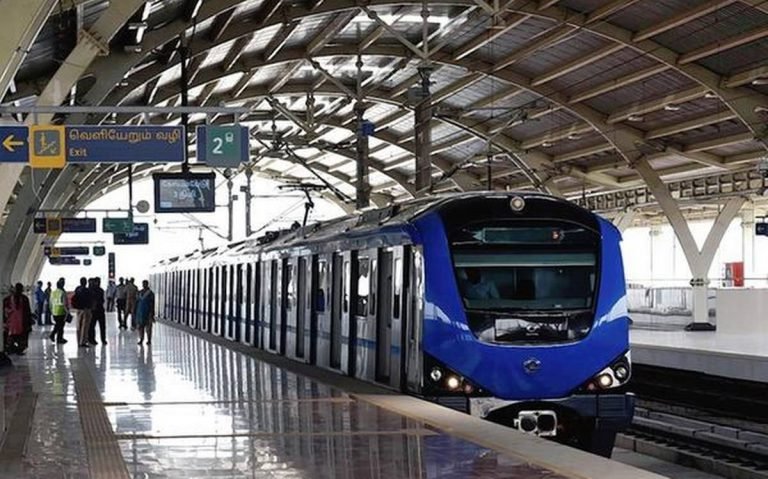
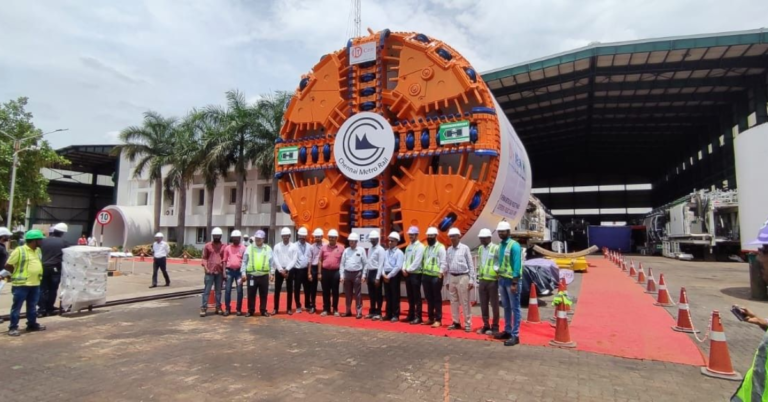
Chennai Metro Phase II Project: CMRL Starts Work on Sholinganallur-SIPCOT Stretch

0
Chennai metro/Representational image

CHENNAI (Metro Rail News): Construction of pillars along Old Mahabalipuram Road (OMR) from Sholinganallur to SIPCOT has commenced as part of the phase II project of Chennai Metro Rail. Chennai Metro Rail Limited (CMRL) aims to complete the construction and open this stretch by 2027, barring any delays in the upcoming months.

Phase II of the project involves the development of three corridors: Madhavaram to SIPCOT (corridor 3), Light House to Poonamallee (corridor 4), and Madhavaram to Sholinganallur (corridor 5). With a budget of ₹61,843 crores, the project is progressing well on certain sections, such as Poonamallee-Porur and Madhavaram-Retteri. These sections are expected to be the first ones accessible to the public by 2026.

The construction work along Old Mahabalipuram Road (OMR), which falls under corridor 3, is divided into two different contracts: Nehru Nagar-Sholinganallur and Sholinganallur-SIPCOT. Chennai Metro Rail Limited (CMRL) intends to construct the Nehru Nagar-SIPCOT portion as a fully elevated stretch consisting of 19 stations.

The construction work between Nehru Nagar and Sholinganallur has been underway for a while and is advancing steadily. However, the construction of the Sholinganallur-SIPCOT stretch began more recently. According to CMRL officials, the contractor is currently engaged in building a test pile, and after a month, the piling work will commence at full capacity.

A CMRL official stated,”We anticipate no significant obstacles on the OMR stretch, unlike the major challenges faced in areas like Alandur-Adambakkam or Porur-Power House. The initial delays were caused by design changes, which affected the contract award and work commencement. However, with land acquisition mostly completed, we expect to complete the construction within three years and launch it for public use at the earliest.”

Advertisement1
InnoMetro_2026

Jammu & Kashmir Proposes Metro Lines in Srinagar and Jammu

1
Light Rail Transit
Representational image only

JAMMU & KASHMIR (Metro Rail News): The administration of Jammu & Kashmir has put forth a proposal for two metro lines in Srinagar and Jammu cities. Lieutenant Governor Manoj Sinha mentioned that the proposal has been sent to the Ministry of Housing and Urban Affairs for consultation. These would be the first metro lines in the region and are expected to improve public transportation in both cities.

The proposal includes a 23 km line in Jammu and a 25 km line in Srinagar.

The administration has suggested a MetroLite system since a metro line similar to Delhi’s is not feasible for J&K. Sinha stated, “While there were discussions about approving a MetroNeo for Srinagar and Jammu, it seems that, for now, we are considering MetroLite as our preferred option.”

Srinagar and Jammu were two of the five cities that requested financial support from the Centre, according to a written response by the Ministry of Housing and Urban Affairs in December 2021.

As per the Ministry, Metrolite would have lower operating and maintenance costs in addition to lower construction costs, increasing the system’s viability.

MetroLite is a light urban rail transportation system with significantly lower costs and lessened capacity. Due to its lighter civil structures, lower axle loads, smaller stations, low power-rated electrical equipment, reduced operating and maintenance costs, and other factors, MetroLite and MetroNeo have lower capital costs than high-capacity metro rail. These systems can also serve as a feeder for regular metro rail.

Advertisement1
InnoMetro_2026

Pune Suburban Railway: Increasing Speed & Frequency of the Commuter Rail System

0
Suburban Rail
Representational image only

Introduction

Suburban rail is an important part of the public transport systems of a number of major Indian cities. Suburban rail is a rail service that connects a central business centre to the suburbs, a conurbation, or other sites that attract large crowds on a daily basis. The trains are referred to as suburban trains. These trains are often known as ‘local trains’ or ‘locals’. Suburban rail networks in Hyderabad, Pune, Barabanki-Lucknow, Lucknow-Kanpur, and Bengaluru share tracks with long-distance trains and do not have dedicated suburban tracks. Chennai and Mumbai’s suburban rail systems include both dedicated and shared lines with long-distance trains.

Pune Suburban Railway

Pune Suburban Railway, also known as Pune Suburban Service or Pune Local Railway, is a suburban rail system in Pune District that connects Pune to its suburbs and nearby villages. Central Railway (CR) operates it. The system has two routes: Pune Junction-Lonavala and Pune Junction-Talegaon. There are 18 trains that run between Pune Junction and Lonavala, and 5 trains run between Pune Junction and Talegaon. DEMU trains also run on the Pune Junction-Daund-Baramati line.

Pune–Daund–Baramati DEMU

This segment was electrified in 2017; however, it is still only served by DEMUs. Since March 2017, three DEMUs have begun service on the Pune-Daund line, while one DEMU has begun service on the Pune-Baramati route. On the Daund-Baramati route, two DEMUs operate. There are proposals for starting EMU services on this corridor.

Latest Update

The automatic signal system is now being installed on the Pune-Lonavala route. The speed of long-distance trains will be increased from 110 to 130 km per hour. It has also been stated that by implementing this plan, the number of journeys in suburban transport can be increased. It has also been communicated that on the Pune-Daund route, MEMU local will be operated instead of DEMU local, and the number of coaches will be increased. Railway authorities further stated that work on expanding Platform 4 at Khadki railway station will begin soon. The Central Railway has approved a Rs 29 crore project for the development of this platform, with the work expected to be finished in the next six to seven months.

The Pune railway division has finished electrification and line-doubling work along the Pune to Daund segment, allowing trains to travel at 130 kmph. The commissioner of railway safety (CRS) has permitted the trains to run between Pune and Daund at a speed of 130 kmph, up from the current speed of 110 kmph. This will benefit a large number of trains running daily from north to south and vice versa that pass through the Pune to Daund section. The CRS examined the signalling system, railway line construction engineering, and other considerations before granting permission to run the trains.

Advertisement1
InnoMetro_2026

Alstom India is all Set to Recruit 700 young Engineers Through its Flagship YEGP 2023

0
Alstom India is set to onboard 700 young engineers under its flagship Young Engineering Graduate Program of 2023

 BENGALURU (Metro Rail News): Alstom, a global leader in smart and sustainable mobility, launches its flagship Young Engineering Graduate Program (YEGP) 2023 with a target to onboard 700 young graduate engineers in India over the next two months. This is the highest-ever intake under this initiative in the country. YEGP is a key element of Alstom’s India hiring strategy since 2015, aimed at developing young engineers talent for Indian and global business needs. Out of 700 hires, 58% are women engineers in line with the company’s gender diversity focus. Further, the campus hiring has been done from 54 universities across 26 states ranging from several Northeastern states to Gujarat and from Jammu & Kashmir to Kerala in tandem with Alstom’s regional diversity promise. There is a 2x increase vis-à-vis 30 hires from the last year (2022) from the North-eastern states alone.

Commenting on the initiative, Vinod Varghese, Human Resources Director India said, “In the rapidly growing rail mobility and infrastructure industry, we are delighted to be the employer of choice by a record number of young engineering graduates this year. It highlights our commitment to building a future-ready and global workforce in India. Alstom’s rich legacy, expertise and global footprint in the rail space, commits to putting the new hires on track to gain superior industrial and engineering knowledge over the years for a globally relevant profile. It is also a matter of pride as this workforce will play a notable role for our Make In India vision, given Alstom’s products and solutions developed in India are deployed globally.”

The 14 days program focuses on providing an immersive and engaging experience to all the YEGs, while helping them get a better understanding of Alstom’s business, operations and functions through close interactions with the leadership team. The candidates are being onboarded as Graduate Engineer Trainees & Post Graduate Trainees will be enabled through structured induction, technical, functional and on the job trainings. They will be taking up roles such as, Application Engineers, Train Control Engineer, Train Design Engineer, Testing & Commissioning Engineer etc. and will be working across Alstom’s six manufacturing facilities and four engineering centers catering to domestic and international markets.

Since its inception, more than 1800 engineering graduates have been recruited under this program in partnership with leading technical/engineering colleges and universities across India. In terms of engineering disciplines, the hires come with engineering specializations in Mechanical, Electrical, Electronics, Instrumentation, Computer Science, Industrial, Mechatronics, etc.

Alstom has also retained its place as the first and only organisation in India to be certified as a Top Employer in the mobility sector consecutively for the third time this year. This is a testament to Alstom’s continued commitment towards creating a better workplace through excellent people practices. To ensure the integration and development of its young recruits, the company counts on a strong internal learning culture. Alstom India is leading globally in terms of learning hours. Through Alstom University, an online learning management system, employees can learn about various subjects for their desired roles at their own pace.

Advertisement1
InnoMetro_2026