Home Blog Page 146

Women’s Participation in Metro and Railways

0
Women’s Participation in Metro and Railways

Introduction

In the dynamic realm of metro and railway systems, where progress reverberates through bustling stations and clattering wheels, the story of women’s participation unfolds quietly. International Women’s Day prompts a crucial exploration of the gender dynamics, societal norms, and industry structures shaping women’s involvement in this traditionally male-dominated domain.

While the metro and railway sector is pivotal for urban and inter-city connectivity, it grapples with a stark gender imbalance in its workforce. In India, where women significantly contribute to the commuter base, their representation within the industry remains notably low. Deeply rooted societal stereotypes, cultural norms, and persistent safety concerns have become barriers hindering women from navigating careers in this sector. Challenges range from safety concerns during late-night shifts to a lack of facilities designed for women.

As we traverse the annals of history, the traditional image of railways as male-dominated spaces is being dismantled. A paradigm shift is evident, particularly with the emergence of all-women crews, symbolising a departure from historical gender norms within the railway workforce. The clattering wheels and bustling stations echo not only with the rhythmic beat of progress but also with the footsteps of women who have taken their place in a domain once considered exclusively for men.

This transformation is not without its challenges. Deeply entrenched societal stereotypes, cultural norms, and persistent safety concerns have erected barriers for women seeking careers within the traditionally male-dominated railway sector. The issues faced by women within the industry are manifold, ranging from safety concerns during late-night shifts to the lack of adequate facilities designed with women in mind. Stereotypes regarding gender roles continue to linger, impeding the professional growth and recognition of women within the sector.

However, amidst these challenges, stories of resilience and determination emerge. Women are actively participating in initiatives to change the narrative. From advocating for safer work environments to challenging stereotypes and discriminatory practices, they are at the forefront of ushering in a new era of gender inclusivity within railway infrastructure.

This cover story unravels the layers of women’s participation in the metro and railway sector, examining the current scenario in India and proposing a roadmap for a more inclusive future. Envisioning a future where railway tracks lead to equal opportunities, irrespective of gender, this transformative journey aims for connectivity and diversity in the metro and railway landscape.

The Current Landscape in India – Gender Disparities in Earnings

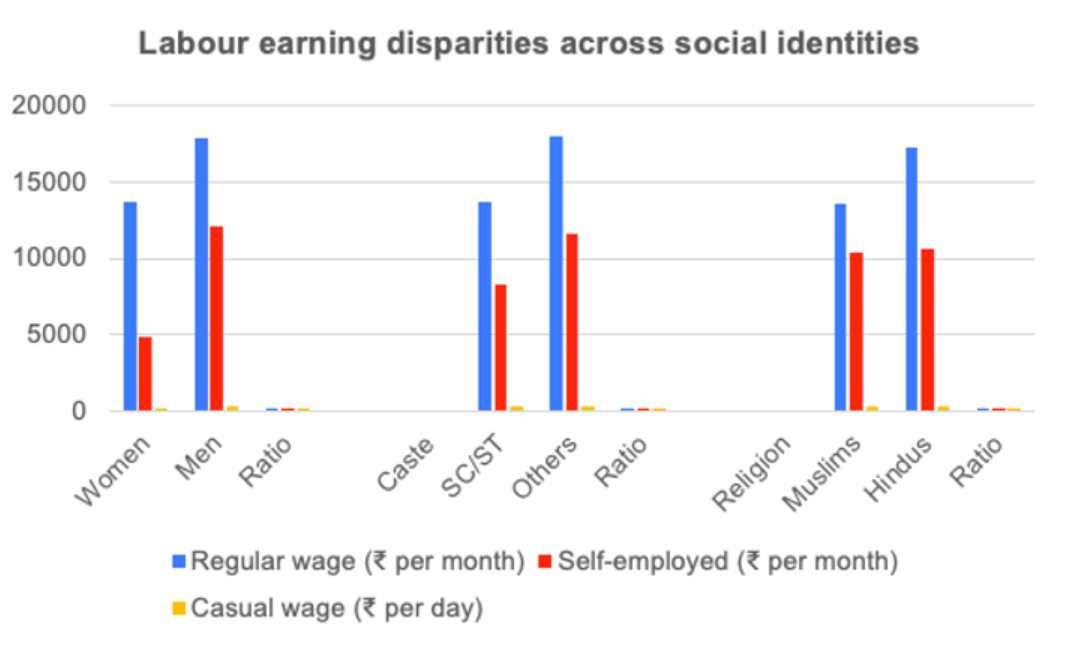
The data-driven overview from ‘The Wire’ Report highlights several aspects of gender disparity in earnings, providing a comprehensive view of the challenges faced by women in different employment categories and income levels. Despite the critical nature of the data, there are positive aspects to consider:

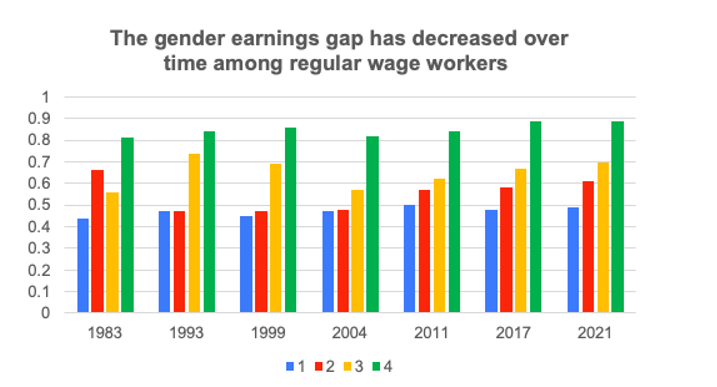
Historical Progress – The historical perspective reveals positive developments as the gender earnings gap in 2004 was highest among the poorest earners and lowest in the fourth quartile. The subsequent narrowing of this gap from 2004 to 2017 signifies positive strides.

Quartile-Specific Improvement – Noteworthy progress is evident in the narrowing of the gender earnings gap across all quartiles, particularly in the second, third, and fourth quartiles. This signals a more equitable distribution of earnings. 

Decile Analysis Insights – The decile analysis offers insights into the reduction of the gender pay gap for higher-income groups, indicating positive trends as women move up the income distribution. This suggests potential improvements in workplace conditions and opportunities for higher-educated women.

Recognition of Caste and Religion-Based Gaps – The report recognizes and acknowledges caste and religion-based earnings gaps, shedding light on multiple dimensions of inequality. This acknowledgment is crucial for developing inclusive policies that address various forms of discrimination.
PCN1lxTFpJXj36dPxnlrFkvvuZEJ1V sZceE94KfaVVpBrc3KsUoAQ0rtZeVrY A4rFb2oXO0kidZEj Mc3TvfD4PvJ1vGN61tHA6zJ EdP529BBaPvKz39Lmv4P6GuiuCR149mPr7wIVJYOXDm4w

Drivers of Change – Positive shifts are attributed to increased awareness of gender discrimination, anti-discrimination laws, and evolving social norms. The substantial rise in women’s educational attainment and the availability of regular-wage jobs further contribute to closing the gender pay gap.

Empowering the Female Workforce – The structural transformation in the female workforce, with older and less educated women making way for younger, more educated counterparts, indicates a positive trend toward empowering women in the labour market. 

Strategies for Equality – Identifying strategies to bridge the wage gap, such as reducing workplace discrimination and providing access to higher education, demonstrates a proactive approach toward fostering gender equality. 
d0uGkJqgWQFyut6GnnzdAXGyZYPLd3FRx55uwOn41sR0rNFm Woimpn3VGwEY6rD gDbJRLst7SGToGediluOquxYmtb2lrt7OAm okGXII7G8wenp0trky

Critical Analysis

Persistent Unexplained Gaps: While progress is evident, the larger “unexplained” portion of earnings for women, especially when compared to SC/ST workers or Muslim workers, highlights persistent challenges. This suggests that more nuanced efforts are required to address discrimination and bias.

Urban-Rural Disparities: The more pronounced unexplained gender disparity in rural areas compared to urban areas indicates that challenges persist in certain regions. Tailored interventions are essential to address the unique dynamics contributing to gender disparities in rural settings.

Caste and Private Sector Challenges: The larger unexplained gender earnings gaps in the private sector, in contrast to caste gaps, point to specific challenges in private industry settings. Addressing discrimination based on gender, particularly in private enterprises, is crucial for comprehensive gender equality.

While positive strides have been made, a critical examination reveals the need for targeted interventions to address remaining disparities. The nuanced understanding provided by this data emphasises the importance of ongoing efforts to create a more inclusive and equal landscape for women in India’s workforce.

Navigating Delhi Via Metro

In dissecting the current trends in women’s commuting, with a specific focus on the Delhi Metro, several nuanced reasons underline the growing preference for this mode of transportation:

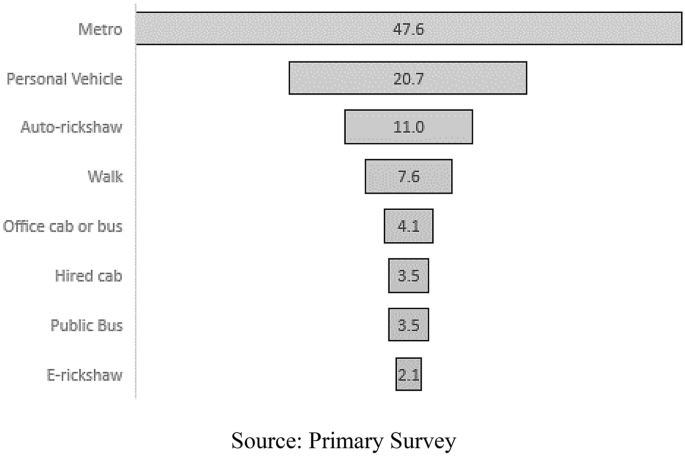
Ease of Travel –  The graph unmistakably highlights Delhi Metro’s prominence as women’s preferred commuting mode. The ease of travel is a key factor contributing to this preference. With a well-connected network, timely schedules, and efficient services, the metro system offers a convenient and hassle-free commuting experience.
P2y2xtMZnIX9omNGdEBO06Xe2GStFrhUpore7zaM5TrPbDzSWEbnL8zJUbg gWLYijKJy3

Cost-Effective and Comfortable- As commute times increase, the Delhi Metro emerges as a cost-effective solution for women. Its affordability, coupled with a commitment to safety and cleanliness, creates an environment that women find both economical and comfortable. The provision of dedicated women’s coaches further enhances the sense of security during travel.

Women-Friendly Environment – In response to the challenges of growing commute times, the Delhi Metro stands out as a provider of a safe and secure environment for women.

The commitment to a women-friendly atmosphere, including well-lit stations, surveillance systems, and security personnel, fosters a sense of security crucial for women navigating urban spaces.

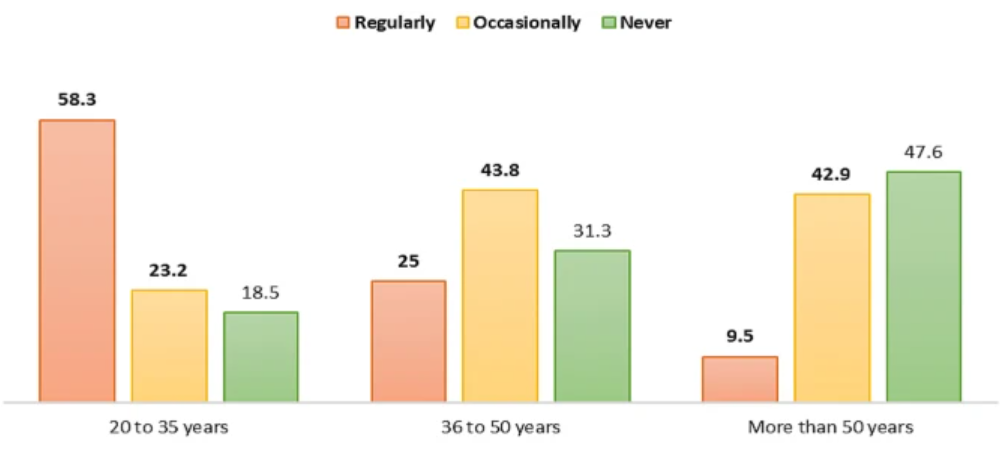
Age Dynamics – Analyzing the age dynamics, the graph reveals a higher frequency of metro usage among young women. This can be attributed to the fast-paced travel experience that suits the preferences of younger individuals. The hustle and bustle in stations, dynamic ambience, and quick turnaround times align more seamlessly with the preferences and adaptability of the youth.
tjvxmFG4

Efficiency and Connectivity – The efficiency and connectivity offered by the Delhi Metro play a pivotal role in its growing popularity among women. With multiple routes covering extensive areas, the metro system ensures connectivity, making it a time-efficient choice for women, particularly those juggling multiple responsibilities and commitments.

Environmental Considerations – Women’s preference for the metro can also be linked to environmental considerations. The eco-friendly nature of mass transit aligns with the values of a conscientious and environmentally aware demographic, contributing to the metro’s appeal among women who prioritise sustainable modes of transportation.

The increasing preference of women for the Delhi Metro can be attributed to a combination of convenience, safety, affordability, and alignment with modern lifestyles. Recognising and understanding these factors provides insights for further optimising urban transportation systems to meet the evolving needs of women commuters.

Women Crew – RRTS Project

NCRTC, the driving force behind the ambitious RRTS project in the NCR, has observed societal change and actively contributed to it. In its commitment to fostering gender equity, the organisation embarked on a two-fold mission: revolutionising inter-city commutes with the RRTS project and championing gender inclusivity.

RRTS, a rail-based high-speed transit system, is designed to be a game-changer committed to making journeys fast, reliable, safe, comfortable, efficient, and sustainable. The 82-km long Delhi-Ghaziabad-Meerut corridor is set to redefine inter-city commuting, bringing people and places closer.

Women at the Helm of Project Implementation

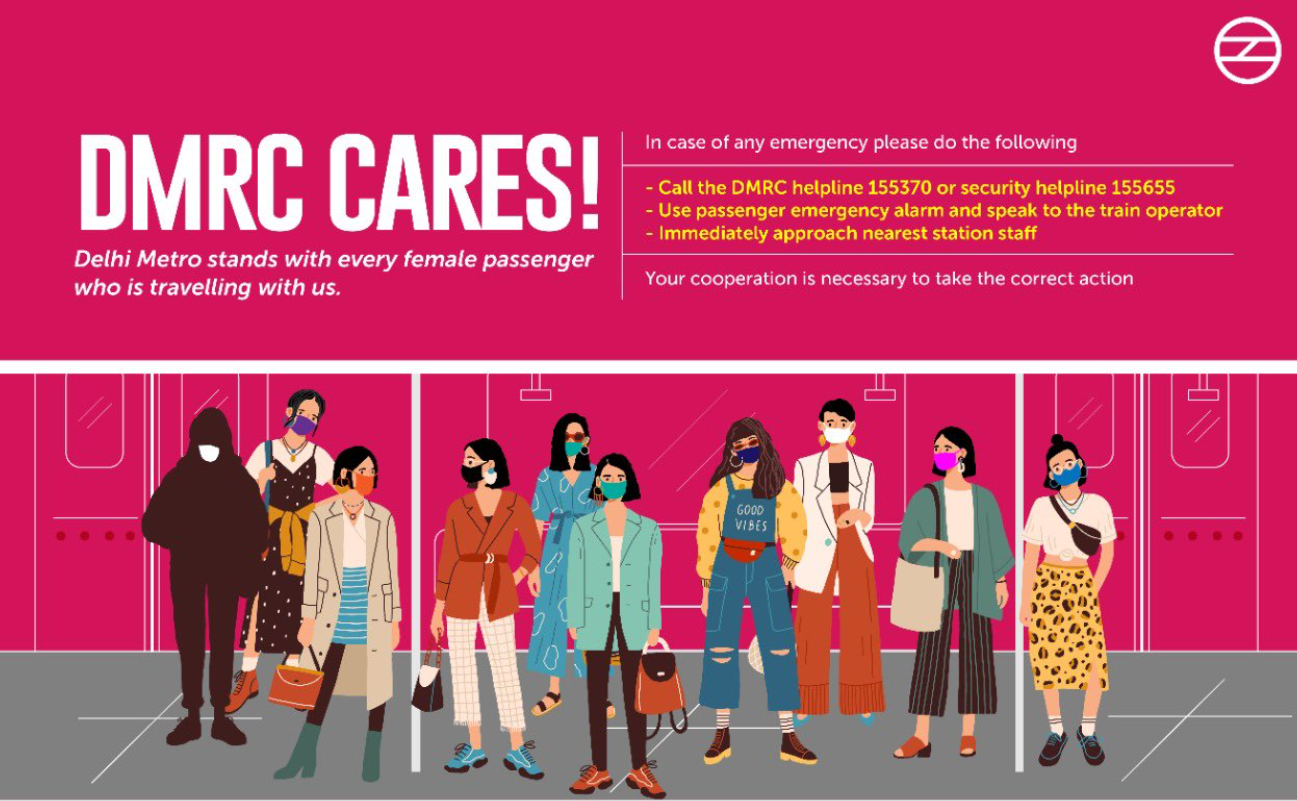
Recognizing the unique needs of women commuters, especially those in suburban areas, NCRTC positions RRTS as a boon. Families often restrict women from commuting alone due to safety concerns, limiting their access to opportunities. NCRTC aims to change this narrative, emphasising that an empowered woman contributes to the nation’s growth by becoming doctors, engineers, sportspersons, and visionary leaders. Addressing the safety concerns voiced by women, NCRTC focuses on making RRTS a gender-inclusive public transport system. Initiatives include improved connectivity, well-lit pick-up and drop areas, CCTV surveillance, security personnel deployment, dedicated women’s coaches, reserved seats, nursing rooms, and emergency buttons for distress situations.

NCRTC not only prioritises the needs of women commuters but also integrates women into its project implementation team. Women engineers are leading challenging civil construction assignments, showcasing that women are not just beneficiaries but active contributors to the project’s success.

Gems of Metro and Rail Transport 

Women are not just contributing; they are leading the charge, reshaping the narrative of women’s empowerment and participation in the transportation sector. The stories of women executive engineers in DMRC (Delhi Metro Rail Corporation) and women managers in RRTS projects serve as beacons of inspiration for young leaders, paving the way for enhanced gender equality in the economic forum.

Aprajita Nagpal 

A Manager in the Architecture team, exemplifies the pivotal role played by women in shaping the RRTS corridor. Her efforts in defining the architectural nuances, ensuring seamless station transitions, and incorporating practical yet aesthetic designs contribute significantly to the project’s identity.

Roles and Responsibilities

  • Led project planning, coordination, and execution of RRTS projects.
  • Overseeing project timelines, resource management, and strategic decision-making.
  • Inspiring and championing women empowerment within the transportation sector.
  • Advocating for inclusive work cultures and policies supporting gender equality.
  • Fostering environments where women feel empowered and valued.

Ashlesha Yadav

In the dynamic world of metro and railway systems, Women Executive Engineers play a pivotal role, contributing to the seamless functioning of institutions like DMRC (Delhi Metro Rail Corporation) and fostering women empowerment within the sector.

Roles and Responsibilities

  • Overseeing project planning, design, and execution within DMRC.
  • Ensuring the efficiency and safety of metro infrastructure.
  • Managing construction, maintenance, and safety protocols.
  • Making strategic decisions for the success of metro projects.
  • Breaking stereotypes and challenging traditional gender norms.
7iMwh4Ankf0VRYy34pm4LAYaXJR

Breaking Barriers – Women executive engineers at DMRC and women managers in RRTS projects have shattered traditional norms, assuming critical roles in the planning, design, and execution of transformative transportation initiatives. Their responsibilities encompass a spectrum of tasks, from overseeing construction and maintenance to strategic decision-making and project coordination. By excelling in roles historically dominated by men, they are not just breaking barriers but actively challenging stereotypes.

Fostering Women’s Empowerment in Metro and Railways – These women leaders are not just contributors but champions of women’s empowerment within the metro and railways sector. By actively participating in the planning and executing of major transit projects, they demonstrate that women can and should be integral to shaping the future of urban transportation. Their commitment extends beyond their roles, inspiring other women to envision and pursue careers in engineering, project management, and related fields.

Inspiration for Young Leaders – The stories of these women serve as powerful narratives for young leaders aspiring to make a mark in traditionally male-dominated sectors. Their journeys exemplify resilience, competence, and the ability to navigate challenges. By sharing their experiences and achievements, these trailblazers become mentors, providing a roadmap for the next generation of female leaders eager to contribute to the dynamic and evolving field of transportation infrastructure.

Paving the Way for Gender Equality – As women executive engineers and managers, they are not just contributing to their respective projects but actively shaping inclusive work cultures. Initiatives promoting work-life balance, mentorship programs, and policies supporting women in the workplace are integral to their leadership. By fostering environments where women feel empowered and valued, they contribute to dismantling gender barriers and creating pathways for increased gender equality within the economic realm.

The Vision for a More Inclusive Future – The roles played by these women in DMRC and RRTS projects extend beyond their accomplishments; they contribute to a broader vision for a more inclusive future. By championing gender inclusivity, they are architects of change, laying the foundation for a workforce where diversity is celebrated and opportunities are accessible to everyone, irrespective of gender.

The narratives of women executive engineers and managers in the metro and RRTS projects are narratives of empowerment, resilience, and leadership. Their journeys inspire, their contributions redefine industry norms, and their commitment paves the way for better gender equality in the economic realm. As these women continue to shape the future of urban transportation, they leave an indelible mark, urging others to follow suit and actively contribute to building a more inclusive and diverse workforce in the metro and railways sector.

Transport Infrastructure and Labor Force Participation

As we traverse the tracks of progress within transport infrastructure, the intricate interplay between gender dynamics and labour force participation becomes an essential facet of the narrative, especially concerning women in India.

In the bustling landscape of emerging economies like India, the role of transport infrastructure in shaping workforce dynamics is paramount. The accessibility and efficiency of public transport systems play a pivotal role in facilitating or hindering women’s participation in the workforce. For many, especially women, reliable and safe transportation is not just a convenience but a prerequisite for economic engagement.

Public transport, often the lifeblood of urban areas, can catalyze increased labour force participation, particularly among women. In emerging economies, where most women may not have access to private vehicles, a robust public transport system becomes an enabler, breaking down barriers to employment opportunities. As we delve into India’s context, the correlation between well-developed public transport infrastructure and higher female labour force participation becomes evident.

The importance of public transport extends beyond mere convenience; it fosters inclusivity by reducing the geographic constraints that might otherwise limit women’s access to employment centres. In urban settings, where economic hubs are often located far from residential areas, an efficient public transport system becomes a conduit for equal participation, mitigating the challenges of long commutes.

Rail Infrastructure and Gender Disparities

Examining gender disparities in the context of rail-based transit systems unravels a multifaceted narrative. While railways form the backbone of transportation networks, a critical analysis reveals disparities in their utilisation by men and women. This dichotomy is particularly pronounced in India, where socio-cultural factors intersect with transport infrastructure, influencing patterns of labour force participation.

The in-depth analysis unveils a decline in female labour force participation that correlates with intermodal variations in transport. Cultural expectations and safety concerns often dictate the choice of transportation modes, with women often opting for perceived safer alternatives. Despite being millions’ lifelines, railways can inadvertently contribute to gender disparities, especially if safety concerns and accessibility challenges persist.

Exploring this dynamic requires carefully examining the entire journey, from home to the workplace. In instances where rail stations lack adequate safety measures and well-lit environments, women might be deterred from utilising this mode of transportation, limiting their access to employment opportunities that are not easily accessible by other means. Addressing gender disparities in rail-based transit systems necessitates a comprehensive approach encompassing infrastructure improvements, enhanced safety measures, and targeted awareness campaigns.

As India aspires to bridge the gender gap in labour force participation, a holistic view of transport infrastructure becomes imperative. Enhancing public transport systems, particularly railways, should prioritise efficiency and inclusivity. Robust and safe rail infrastructure can serve as a conduit for women to actively participate in the workforce, contributing to economic growth and societal progress.

Tackling the Challenges: Fostering Inclusivity 

Embarking on a transformative journey to foster inclusivity within India’s metro and railway sector demands a meticulous examination of the challenges. As we delve into the intricacies of reshaping the narrative, addressing gender disparities, and encouraging increased participation of women, a comprehensive strategy emerges—a strategy that not only identifies barriers but actively works towards dismantling them.

A. The Way Forward

Encouraging More Job Openings

A fundamental shift in recruitment practices is imperative to pave the way for gender inclusivity. Diversifying the workforce begins by dismantling preconceived notions and reimagining job roles. Employers must actively seek to create an environment where women are accommodated and celebrated for their diverse skills and perspectives.

Initiatives to encourage more job openings for women should extend beyond mere rhetoric. Companies must establish clear guidelines that prioritise equal opportunities and fair representation in hiring. This involves scrutinising existing biases, ensuring gender-neutral job descriptions, and actively seeking out qualified female candidates.

Moreover, public and private stakeholders can collaborate to formulate policies that actively incentivise organisations to foster gender diversity. This collaborative effort would create a more inclusive workforce and contribute to the country’s economic and social advancement.

Dedicated Skill Training

Empowering women to take on varied roles within the metro and railway sector requires a concerted effort in skill development. Tailored training programs should address not only the technical aspects of the job but also the unique challenges women face in these environments.

Skill training initiatives should be strategic, focusing on immediate and long-term goals. Short-term programs can provide immediate skill enhancement, while long-term initiatives may involve partnerships with educational institutions to encourage female students to pursue careers traditionally dominated by men.

Government bodies, industry associations, and educational institutions can collaborate to design and implement comprehensive training modules. By aligning these programs with the sector’s evolving needs, women can be equipped with the skills necessary to thrive in roles ranging from engineering and operations to management and leadership.

Workshops and Educational Tours

Dispelling stereotypes and fostering interest among potential female candidates requires proactive engagement from the industry. Collaborating with educational institutions and hosting workshops can provide invaluable exposure, presenting the metro and railway sectors as attractive careers for young women.

Workshops can take various forms, from interactive sessions with industry professionals to hands-on experiences within railway facilities. Additionally, educational tours to operational sites can demystify the industry, presenting a tangible and exciting vision of its possibilities.

Industry leaders should actively engage with schools and colleges to incorporate rail and metro-related content into educational curricula. This strategic involvement can create a pipeline of enthusiastic and well-prepared women willing and well-equipped to contribute to the industry.

Addressing Safety Concerns

The foundation of a gender-inclusive workplace rests on a sense of safety and security. Addressing safety concerns involves more than just bolstering physical security; it requires a holistic approach encompassing the entire work environment.

Installing robust surveillance systems, well-lit spaces, and dedicated security personnel at stations and offices can enhance physical safety. However, this needs to be complemented by fostering a culture of zero tolerance for harassment within the organisation. Creating confidential reporting mechanisms, providing awareness training, and actively addressing reported incidents is essential to fostering a safe and supportive workplace for women.

Beyond the workplace, improving safety during commutes is equally crucial. Collaborations between transportation authorities, law enforcement, and community organisations can create safe transit corridors, assuring women that their journey to and from work will be secure.

Promoting Work-Life Balance

Achieving a balance between professional commitments and personal responsibilities is vital for retaining and nurturing female talent. Introducing policies promoting work-life balance is about attracting women and ensuring their sustained engagement and growth.

Flexibility in work hours allows women to navigate the demands of both professional and personal spheres. Policies such as telecommuting, compressed workweeks, and part-time options can accommodate varying needs and contribute to a more inclusive workplace.

Moreover, maternity and paternity leave policies should be revisited and designed to support both men and women in their caregiving roles. Establishing on-site or nearby childcare facilities can alleviate the burden of childcare responsibilities, enabling women to remain actively engaged in their professional pursuits.

Positive Impact

Initiatives that foster inclusivity within India’s metro and railway sector not only dismantle barriers but also pave the way for a transformative positive impact. This section explores the ripple effects of increased women’s participation, shedding light on the potential economic, societal, and cultural benefits of embracing gender diversity.

A. Elevating Inclusivity

Diverse Perspectives and Innovation

The integration of women into the metro and railway workforce injects diverse perspectives and ideas. Diverse teams are known to be more innovative, drawing upon a broader range of experiences and insights. As women contribute their unique viewpoints, the industry gains a competitive edge in problem-solving and strategic planning.

The inclusion of women in decision-making processes ensures that a variety of perspectives are considered. This leads to more effective problem-solving and fosters an organisational culture that values creativity and adaptability.

Gender-Inclusive Organizational Culture

The positive impact of increased women’s participation extends beyond numerical representation. It entails establishing a gender-inclusive organizational culture that recognises and values the contributions of all employees, regardless of gender.

Creating a workplace where diversity is actively embraced and inclusion is embedded in organisational policies results in a more cohesive and collaborative work environment. As women ascend to leadership roles, their impact reverberates through the entire industry, inspiring others and solidifying the sector as a beacon of gender equality.

B. Economic Growth

Enhanced Productivity

A gender-diverse workforce within the metro and railway sector brings tangible economic benefits. Studies consistently show that companies with diverse teams are more productive and financially successful. As women contribute their skills and ideas, the industry experiences a surge in productivity, efficiency, and overall performance.

The economic impact is not confined to the industry alone. A more productive metro and railway sector contributes to the nation’s economic growth, establishing it as a vital engine for progress.

Wider Skill Pool and Talent Retention

Actively encouraging women to participate in the sector broadens the talent pool available to the industry. By tapping into diverse skills, the metro and railway sectors can more effectively address complex challenges and adapt to technological advancements.

Additionally, fostering an inclusive workplace promotes talent retention. Women are more likely to remain in an industry that values and supports their contributions. As the sector becomes known for its gender-inclusive policies and opportunities, it attracts and retains top-tier talent, enhancing its competitiveness.

C. Societal Balance

Changing Societal Perceptions

The positive impact of increased women’s participation extends beyond organisational boundaries and permeates societal perceptions. As women take on diverse roles within the metro and railway sectors, stereotypes regarding gender-specific job roles are challenged and dismantled.

The sector becomes a trailblazer, showcasing that traditionally male-dominated fields can evolve into inclusive and equitable spaces. This shift in perception has broader implications for societal attitudes toward gender roles and contributes to dismantling deeply ingrained stereotypes.

Community Engagement and Development

Actively involving women in the metro and railway sectors fosters community engagement and development. Initiatives such as educational outreach programs, mentorship opportunities, and collaborations with local communities create a more informed and empowered workforce and contribute to developing the communities surrounding railway facilities. By investing in community development, the sector becomes a catalyst for positive change, aligning its growth with the socio-economic development of the regions it serves.

D. Enhancing the Positive Impact

Mentorship and Networking Programs

Establishing mentorship and networking programs can further enhance the positive impact of increased women’s participation. Pairing experienced professionals with newcomers provides invaluable guidance, support, and opportunities for skill development. Mentorship programs can extend beyond the workplace, involving industry leaders engaging with educational institutions. This inspires the next generation of women to consider careers in the sector and establishes a network that fosters continuous learning and growth.

Industry Recognition and Awards

Acknowledging and celebrating the contributions of women within the sector through industry recognition and awards can amplify the positive impact. Recognising achievements and innovations by women in various roles motivates current professionals and inspires others to strive for excellence. Establishing awards specifically highlighting contributions to gender inclusivity and diversity within the metro and railway industry creates a positive feedback loop, reinforcing the industry’s commitment to fostering an inclusive culture.

Conclusion

The challenges women face in this dynamic industry are met with resilience, innovation, and a collective commitment to change. From addressing safety concerns to promoting work-life balance, the outlined initiatives chart a course toward a future where women participate and thrive within the metro and railway workforce.

The positive impact of increased women’s participation resonates far beyond the confines of railway stations and train compartments. It reverberates through the corridors of innovation, where diverse perspectives fuel creativity and strategic thinking. The economic growth catalysed by gender diversity positions the sector as a driving force in the nation’s development.

As we envision the future, enhancing the positive impact involves continued efforts. Mentorship and networking programs, industry recognition, and awards further fortify the foundation of inclusivity. The sector becomes a beacon of positive change by celebrating achievements, fostering community engagement, and creating pathways for continuous learning.

The metamorphosis underway in India’s metro and railways is not just about tracks and stations but about forging an inclusive future. It is about creating a landscape where the clattering wheels of progress echo with the collective contributions of both men and women, where diversity is acknowledged and celebrated. The tracks of opportunity lead to enhanced connectivity and a horizon where everyone, regardless of gender, contributes to and benefits from the journey ahead. The future is not just about reaching destinations but about the transformative impact of every passenger, every employee, and every moment spent building a more inclusive, vibrant, and connected nation.
Advertisement1
InnoMetro_2026

Exploring the Mumbai Metro Line 3 with Ashwini Bhide

0
Metro Rail News Conducted an email interview with Ms Ashwini Bhide, IAS & MD of MMRCL

Ms Ashwini Bhide is an Indian Administrative Service (IAS) officer entrusted with the responsibility of Mumbai metro Line 3 as the MD of MMRCL. MMRCL looks after the Mumbai metro Line-3, a 33.5-kilometre underground corridor along Colaba-Bandra-SEEPZ. The corridor’s length is marked with 27 key stations, 26 underground and one at grade.

Metro Rail News Conducted an email interview with Ms Ashwini Bhide, IAS & MD of MMRCL. As we celebrate International Women’s Day, it’s worth highlighting that Mumbai Metro Line 3, overseen by Ms. Ashwini Bhide, a woman in a leadership role, is nearing completion. Her management of this major project shows her skills and signals progress towards gender equality in traditionally male-dominated fields. Ms Bhide’s role is a testament to the growing presence of women in important infrastructure projects. This Women’s Day, let’s celebrate her leadership and the strides made towards recognising women’s contributions in shaping India’s transportation future.  

Here are the edited excerpts: 

Please provide an update on the progress of Mumbai Metro Line 3 and any significant milestones that MMRCL is targeting.

The Mumbai Metro Line-3 spans 33.5 kilometres underground, from Colaba to Bandra to SEEPZ. It comprises 27 key stations, 26 underground and one at grade level. Project Progress Update  as of 31st January 2024 is: 

• Overall project progress – 88.5%

• Overall civil works – 98.2%

• Overall station work – 94.6%

• Overall system work – 66.7%

• Track Works – 73.7%

• Tunnelling 100% completed 

• Total 42 breakthroughs achieved out of 42.

• Depot Works – 98.6% 

What is this buzz about the extension of Metro Line 3? When will the commercial operations on Metro Line 3 be launched? 

MMRC is also working on the south extension of line 3 till Navy Nagar, which is approx. 2.5km with a station near TIFR. The work of this extension is in the DPR stage. 

The Commercial operations on Phase I from Aarey to BKC are expected to commence by May 2024.

Please share the initiatives MMRCL has undertaken under your leadership to ensure last-mile connectivity for commuters.

Lat mile Connectivity for the Metro users is being ensured through the following initiatives: 

  1. Integration: Metro-3 will integrate with other Metros, Monorails, Suburban Rail, Domestic and International Airport Terminals, and ST Bus Services. It will also be connected to six major business and employment centres, including Nariman Point, Cuffe Parade, Fort, Lower Parel, BKC, and SEEPZ/MIDC.
  2. Last-mile Connectivity: Line 3 will provide easy access to over 30 educational institutes, 13 hospitals, 14 religious places and over 30 recreational facilities across the alignment.
  3. Subways, etc. Metro-3 will also facilitate last-mile connectivity in and around the station area through subways, pedestrian walkways, bus routes, etc.  

People have been walking on the Mumbai Metro Line 7 tracks recently due to unforeseen circumstances. What are your views on this incident, and how do you plan to equip Metro Line 3 to avoid similar scenarios in the future?

Metro Line-3 is a fully underground metro corridor. All 26 U/G stations are equipped with full-length platform screen doors (PSD), which act as a barrier between the passenger waiting area and platform edge to avoid any accidental fall, mishap, and trespassing at the stations.

Can you provide information about the projected ridership numbers for the upcoming Mumbai Metro Line 3?

Once operational, Metro-3 will cater to 17 lakh passengers daily, ferrying approximately 2500 passengers at a time and 10 Lakh around the catchment area.

Metro Line 3 connects significant hubs like BKC and Churchgate. Please inform me about any new developments introduced to manage and facilitate the flow of people at such major train stations.

The initiatives undertaken are: 

  1. The proposed Churchgate station of Metro-3 is located below Jamshedji Tata Road, near the existing suburban Churchgate station, facilitating easy transit for commuters from the suburban railway line to metro line-3. 
  2. CSMT metro station will offer a convenient interchange facility via subway, connecting with the existing MCGM subway and allowing seamless transit between the suburban railway line, Metro-3, and other important locations nearby. 
  3. BKC station is one of the longest stations of Line 3 and has an interchange facility with the proposed Metro Line 2B. The station will also provide subway connectivity to its commuters, proposed from BKC Metro Station to NHSRCL Terminus at a distance of 1.3 km, passing below Vakola Nalah/Mithi River to ease commuting to major business hubs, offices, etc., within the vicinity. 
  4. Vidhan Bhavan metro station will also have subway connectivity, providing seamless transit to Vidhan Bhavan, Mantralaya, and the New Administrative Building.

Discover the endless possibilities of our city’s Metro at InnoMetro, our flagship Expo and Conference. Be an active participant in shaping its future towards a more sustainable tomorrow. Stay informed and join us to take a step towards a brighter future.

Advertisement1
InnoMetro_2026

Alstom-built Trains & CBTC System Kick in as Agra Metro Begins its Operations

0
Agra Metro Begins its Operations
Alstom-built Trains & CBTC System Kick in as Agra Metro Begins its Operations

AGRA (Metro Rail News): In a landmark moment, the historic city of Agra witnessed the commencement of metro service with the inaugural run of the world-class trains built by Alstom. These new Movia metros are equipped with an advanced Cityflo 650 signalling solution to ensure safe, reliable, and sustainable mobility for commuters. The Honourable Prime Minister of India, Shri, flagged the first train. Narendra Modi, virtually and the Honourable Chief Minister of Uttar Pradesh, Shri. Yogi Adityanath, from the Taj Mahal Metro Station.

Alstom, a global leader in smart and sustainable mobility, has designed these trains at its engineering centre in Hyderabad with the signalling solution developed at Gurgaon & Bangkok. These trains have been manufactured at Alstom’s state-of-the-art Savli (Gujarat) facility under the ‘Make in India’ and ‘Aatmanirbhar Bharat’ initiatives. Embedded with modern energy-efficient propulsion systems and regenerative braking that reduce energy consumption, this is a sustainable and eco-friendly alternative to other modes of transportation.

Honble PM Narendra Modi virtually flagged off the priority corridor of Agra Metro 1

Olivier Loison, Managing Director – Alstom India, said, “We are thrilled to witness this moment as Agra becomes the 6th city in Uttar Pradesh with an operational metro service. We strongly associate with UPMRC and are proud to have contributed to almost all metro projects in the state. The metro promises to be a game-changer for Agra as it will enhance tourism by providing a sustainable and efficient mode of transportation to visit the city’s cultural treasures, including the iconic Taj Mahal. It will also be a boon for residents as it offers improved connectivity, reduced travel time, and a modern mobility service.”

Alstom delivered the first trainset to Uttar Pradesh Metro Rail Corporation (UPMRC) in September 2021 in Kanpur, and the Kanpur revenue service was inaugurated by the Honourable Prime Minister of India, Shri. Narendra Modi, in December 2021. So far, 26 trainsets have been delivered to Agra (9) and Kanpur (17) / UMPRC. Each trainset can accommodate approximately 960 passengers in the three-car configuration. Over two million city residents are expected to benefit directly and indirectly from the Agra Metro Rail Project.

Shri Sushil Kumar, MD, UPMRC, said Uttar Pradesh Metro has the privilege of starting the Metro projects in the fastest phase, and Lucknow was started in three years, while Kanpur priority section was started in two years, two months and now the underground section constructed and started in less than two years in Agra. The fastest train commissioning was one of the biggest reasons for achieving this target. As most of the prototype testing of the train was done in Kanpur, as the Kanpur and Agra trains are the same, we were able to save almost one year in the commissioning of trains and interface with signalling; that was a huge saving, which was achieved for the first time in India. Support of the Alstom team was instrumental in the entire journey”.

Inspiration from Uttar Pradesh’s rich cultural heritage combined with best-in-class design has resulted in an attractive look for the metro fleet. Built with stainless-steel car bodies, the air-conditioned cars will have automated sliding doors, comfortable seating and standing spaces, and dedicated areas for entry of specially-abled, who use wheelchairs and modern passenger information systems, combining to provide an accessible and welcoming environment for passengers. The aerodynamic modular design of the new Movia metros will offer a host of safety, security, and environmental benefits, along with a great passenger experience. 

The trains will be equipped with Flexx metro bogies and the Mitrac propulsion system to increase energy efficiency, reduce operating costs, and ensure the new trains meet the highest environmental standards. 

Honble CM of Uttar Pradesh Shri Yogi Adityanath with other dignitaries flagging off the priority corridor of Agra Metro from the Taj Mahal Metro Station

Agra Metro is equipped with Alstom’s advanced moving block CBTC solution, Cityflo 650.  This includes a modern ATP system with continuous supervision and updates of this information through transmissions from the radio. The vehicles and infrastructure are supervised using a modern computer-based control and supervision system. It ensures maximum availability and safety by using redundant interlocking computers. Alstom’s advanced signalling system provides a high level of passenger comfort – smooth braking and acceleration.

Alstom’s scope on the Agra-Kanpur metro project includes designing and delivering 201 metro cars (67 metro trainsets) and equipping Agra’s 2 Corridors (27 stations, 30 Km) with an advanced CBTC signalling solution (Cityflo 650). 


Discover the endless possibilities of our city’s Metro at InnoMetro, our flagship Expo and Conference. Be an active participant in shaping its future towards a more sustainable tomorrow. Stay informed and join us to take a step towards a brighter future. 

Advertisement1
InnoMetro_2026

Hon’ble Prime Minister Inaugurates and Flags Off 17 Km Long Duhai to Modi Nagar North RRTS Stretch

0
Delhi-Gurgaon-Dharuhera Rapid Rail corridor
Delhi-Gurgaon-Dharuhera Rapid Rail corridor (For representational purposes only)

GHAZIABAD (Metro Rail News): Extending the services of Namo Bharat Train, the Hon’ble Prime Minister inaugurated today the additional 17 km stretch of RRTS from Duhai to Modinagar North section through video conferencing from Kolkata. 

The inauguration function held at Muradnagar RRTS station was graced by Shri Hardeep Singh Puri, Hon’ble Minister for Housing & Urban Affairs (MoHUA) and Petroleum & Natural Gas; Shri General (Dr.) Vijay Kumar Singh (Retd.), Hon’ble Union Minister of State for Civil Aviation and Road Transport & Highways; Shri Rajendra Agrawal, Member of Parliament; Shri Laxmikant Bajpai, Member of Parliament; Shri Satya Pal Singh, Member of Parliament, and other dignitaries.

With this, an additional 17 km stretch from Duhai to Modi Nagar North on the Delhi – Ghaziabad – Meerut RRTS corridor is ready for operations beyond the operational priority section. This extension encompasses three stations: Muradnagar, Modi Nagar South, and Modi Nagar North. With the inauguration of this additional 17 km section, Namo Bharat services will be seamlessly available on 34 km of the Delhi – Meerut RRTS corridor, incorporating eight stations from Sahibabad to Modinagar North. 

3 3

The foundation stone for India’s inaugural RRTS corridor, linking Delhi to Meerut, was laid by the Honorable Prime Minister in March 2019. Remarkably, within just four and a half years, the commissioning of the priority section, comprising five stations, was accomplished, setting new standards in infrastructure development. The same has been started for passenger operations by the Hon’ble Prime Minister in October 2023. 

Shri Hardeep Singh Puri, Hon’ble Minister of Housing & Urban Affairs and Petroleum & Natural Gas, stated, “The launching of an additional RRTS section from Murad Nagar to Modi Nagar North Station marks a momentous occasion. Under the esteemed leadership of the Hon’ble Prime Minister, this project embodies ‘Gati se Pragati as the work on the entire RRTS corridor continues at the war footing. Namo Bharat is New India’s vehicle of progress and empowerment. This semi-high-speed rail seamlessly connects the urban nodes across NCR with the mainstream of development. Namo Bharat heralds a tectonic shift in connecting cities seamlessly, promoting public transport usage, enhancing accessibility of markets and opportunities, and boosting economic growth. It is a game-changer towards a smarter, more connected region. Initiatives like the RRTS enable seamless transportation, facilitating work commute and enhancing quality of life. 

Shri Vinay Kumar Singh, MD, NCRTC, said, “Under the visionary leadership of the Honorable Prime Minister, India is experiencing remarkable progress in the deployment of cutting-edge urban transit systems, which are developed and manufactured within the country under the Make-in-India initiative. We express our gratitude to the Hon’ble Minister, Housing and Urban Affairs, Government of India, the Government of Uttar Pradesh, and all our stakeholders and partners who have supported the implementation of this unique project.”

4 2

The Namo Bharat train service will be started on the newly opened section (Murad Nagar to Modi Nagar North) from 6:00 am on 8th March 2024 (Friday). The train service will be available for commuters from 06:00 am to 8:00 pm for the entire section from Sahibabad to Modinagar North. The First Train in both directions will commence operations at 06:00 am, and the Last Train will depart from the terminal stations i.e. Sahibabad and Modi Nagar North, at 8:00 pm. 

For the convenience of commuters, NCRTC provides various ticketing options like Digital QR code-based Ticket through the NCRTC Mobile Application, ‘RRTS Connect’ by ‘one-tap’ or origin-destination selection, Paper QR code-based tickets, which can be generated via Ticket Vending Machines (TVMs) or bought from UPI-enabled ticket vending machines. These TVMs also recharge the National Common Mobility Card (NCMC). Apart from this, commuters can buy the RRTS commuter card. Aligned with the Government of India’s “One Nation, One Card” vision, this commuter card is a National Common Mobility Card (NCMC), which allows the usage of one card in all transit systems and anywhere card payment is feasible. 

Every Namo Bharat train has six coaches. There are 72 seats available per Standard Coach and 62 in the Premium Coach. Next to the premium coach, one coach is reserved for women. Also, a few seats are reserved for women, especially abled people and senior citizens in each coach. 

7

Aligned with the PM GatiShakti National Master Plan, the RRTS stations are being seamlessly integrated with airports, railway stations, metro stations, ISBTs, and city bus stops, creating a network of networks of public transit systems. This transformative approach to regional mobility aims to decentralise economic activity, improve access to employment, education, and healthcare, and significantly reduce traffic congestion and air pollution.

The RRTS, a state-of-the-art rail-based transit system, boasts a design speed of 180 kmph and an operation speed of 160 kmph. It is geared towards bridging distances within the National Capital Region (NCR), bringing communities and destinations closer. The Delhi-Ghaziabad-Meerut RRTS corridor, stretching 82 km, will shrink the travel time between Delhi and Meerut to less than an hour. Passing through urban hubs like Ghaziabad, Muradnagar, and Modinagar, it promises to revolutionise regional transportation.


Discover the endless possibilities of our city’s Metro at InnoMetro, our flagship Expo and Conference. Be an active participant in shaping its future towards a more sustainable tomorrow. Stay informed and join us to take a step towards a brighter future.

Advertisement1
InnoMetro_2026

Moovit appoints Nir Bezalel as the CEO

0
Moovit appoints Nir Bezalel as the CEO

Tel Aviv (Metro Rail News): Moovit, creator of the popular urban mobility app available in over 3,500 cities across 112 countries, is announcing today that Nir Bezalel will assume the role of Chief Executive Officer. Bezalel has been with the company since its inception a little over 13 years ago. He has served as the VP of R&D  & CTO and has been responsible for many strategic business initiatives. 

Nir Erez, the Co-Founder of Moovit and CEO for the last 13 years, will assume the role of  President and strategic advisor to the CEO. 

“I am excited to announce Nir Bezalel’s well-deserved appointment as CEO”, stated Nir  Erez, President of Moovit. “We have worked together side by side since the company  started. I am confident that Nir Bezalel will be a great leader for this organization and will  take it to new records. since Moovit started over 13 years ago, we have built a great  company that serves more than 1 billion people in 112 countries around the world.  Following our record-breaking year – record revenue and a surge in active users – it’s the  right time for me to shift my focus to strategy. This will pave the way for new leadership to  guide the company into its next era of growth.” 

“Moovit has made substantial progress in the last few years with 2023 being the best year  in terms of revenue and active users”, said Nir Bezalel, Moovit’s new CEO. “We have  been putting significant focus towards consumer revenues, in multiple vectors, and are  on the path to being cash flow positive this year via these as well as new innovative  approaches. Nir Erez will continue to play a pivotal role in the company’s future, and we’re  all grateful for his ongoing contributions. Together, we’ll remain focused on strengthening the organization and business units to achieve our objectives.” 

Over the last 25 years, Nir Bezalel has held several key roles in additional technology companies, including VP of R&D at Optimal Test and Director of R&D at NOVA. Nir holds a  B.Sc. in Computer Science and an MBA. 


Discover the endless possibilities of our city’s Metro at InnoMetro, our flagship Expo and Conference. Be an active participant in shaping its future towards a more sustainable tomorrow. Stay informed and join us to take a step towards a brighter future.

Advertisement1
InnoMetro_2026

Anurag Jain Appointed as the New Secretary of MoHUA

0
Anurag Jain Appointed as the New Secretary of MoHUA

NEW DELHI (Metro Rail News): According to a recent order from the Department of Personnel and Training (DoPT), Anurag Jain, Secretary of Road Transport and Highways, has been assigned the additional responsibility of serving as the Secretary of the Ministry of Housing and Urban Affairs (MoHUA). 

Manoj Joshi 

Manoj Joshi, previously serving as Secretary of the Ministry of Housing and Urban Affairs (MoHUA), has been reassigned to the Ministry of Rural Development, where he will now be Secretary within the Department of Land Resources.

Anurag Jain, IAS

Jain, an IAS officer from the 1989 Madhya Pradesh cadre, is recognised as a proactive official within the NDA government led by Prime Minister Narendra Modi.

Tenure 

According to the Department of Personnel & Training (DoPT) notification, Jain will remain as the MoHUA secretary until the appointment of a regular successor or until further notice, whichever occurs first.


Discover the endless possibilities of our city’s Metro at InnoMetro, our flagship Expo and Conference. Be an active participant in shaping its future towards a more sustainable tomorrow. Stay informed and join us to take a step towards a brighter future.

Advertisement1
InnoMetro_2026

CMRS Inspects Duhai-Modinagar Stretch of the Delhi-Ghaziabad RRTS Corridor 

0
CMRS Inspects Duhai-Modinagar Stretch of the Delhi-Ghaziabad RRTS Corridor

GHAZIABAD (Metro Rail News): The Commissioner of Railway Safety (CMRS) completed the two-day inspection of the Duhai-Modinagar stretch of the RRTS corridor yesterday. 

The Inspection 

The CMRS team conducted a statutory inspection on Monday, evaluating the line’s viaduct and standard gauge tracks, which were installed by Larsen & Toubro. On Tuesday, the team assessed passenger amenities, safety measures, and control room facilities across all three stations.

Trial Runs 

NCRTC conducted the trial run of the Namo Bharat trains on the 12.1 km stretch between Modinagar South & Meerut South on the 82 km Delhi-Meerut RRTS Corridor at the end of December last year. 

Covering stations 

On Thursday, the NCRTC announced that work on the Meerut (south) station is still pending, potentially delaying its inclusion in the upcoming section slated for opening. The NCRTC plans to concentrate on a 17km stretch, excluding the Meerut (south) station.

Completion so far

When this segment is launched, a stretch of 34.1 km along the Delhi – Meerut RRTS line, extending from Sahibabad to Modinagar North, will commence operations. It will feature seven elevated stations along the main line and one at-grade at Duhai Depot.

Delhi-Meerut RRTS 

The Rapid Rail Transit System (RRTS) is a comprehensive mass rapid transit network spanning 82.15 kilometres, linking Delhi’s Sarai Kale Khan with Ghaziabad and Meerut. The construction of the Delhi-Ghaziabad-Meerut corridor is currently in progress, with a total expenditure of nearly Rs 30,000 crore. Prime Minister Modi inaugurated the initial phase of the priority corridor, covering 17 kilometres and featuring five stations: Sahibabad, Ghaziabad, Guldhar, Duhai, and Duhai Depot.

On October 20th, Prime Minister Narendra Modi officially launched India’s first RAPIDX train, Namo Bharat, off Sahibabad Station. These trains are engineered to reach a maximum speed of 180 km/h, offering ticket prices ranging from Rs 20 to Rs 50 for standard coaches and Rs 50 to Rs 100 for premium coaches.

The RRTS initiative encompasses semi-high-speed rail corridors connecting Delhi to Meerut in Uttar Pradesh, Alwar in Rajasthan, and Panipat in Haryana.


Discover the endless possibilities of our city’s Metro at InnoMetro, our flagship Expo and Conference. Be an active participant in shaping its future towards a more sustainable tomorrow. Stay informed and join us to take a step towards a brighter future. 

Advertisement1
InnoMetro_2026

PM Modi Takes Ride in India’s First Underwater Metro in Kolkata with Students 

0
PM Modi Takes Ride in India’s First Underwater Metro in Kolkata with Students

KOLKATA (Metro Rail News):  Prime Minister Narendra Modi took a ride in India’s first underwater Metro in its inaugural drive. 

Inaugural Drive 

The PM was accompanied by the workers and engineers who had worked on the project. The students also accompanied him.

PM Wrote on his Twitter

Prime Minister wrote, “The Metro tour was a memorable one for those who worked on the project and the grateful company of these youngsters. We also travelled through the tunnel under the river Hooghly” on his Twitter handle. 

UW Drive 04

First Underwater Metro 

The East-West Metro currently covers a distance of 9.2km, extending from Sector V to Sealdah. The Kolkata Metro Rail Corporation (KMRC), responsible for the 16km corridor between Sector V and Howrah Maidan, has encountered challenges leading to the decision to limit operations to a truncated route from Esplanade to Howrah Maidan starting at the end of this year, bypassing further extension beyond Sealdah.

Underwater Metro 

UW Drive 03

The E-W metro corridor boasts India’s inaugural under-river transportation tunnel beneath the River Hooghly, spanning 520 meters in length and positioned 13 meters beneath the riverbed. Additionally, it hosts one of the most profound metro stations, Howrah, reaching a depth of 30 meters underground.


Discover the endless possibilities of our city’s Metro at InnoMetro, our flagship Expo and Conference. Be an active participant in shaping its future towards a more sustainable tomorrow. Stay informed and join us to take a step towards a brighter future. 

Advertisement1
InnoMetro_2026

PM Modi Inaugurates 6 Metro Lines, including India’s First Underwater Metro and 17 Km RRTS Stretch Virtually from Kolkata

0
PM Modi Inaugurates 6 Metro Lines, including India’s First Underwater Metro and 17 Km RRTS Stretch Virtually from Kolkata

KOLKATA (Metro Rail News): Prime Minister Narendra Modi inaugurates six metro lines and a 17 km RRTS stretch from Kolkata today. 

6 Metro Lines 

The six metro Lins inaugurated today are: 

  1. Howrah Maidan-Esplanade Stretch (Kolkata Metro) 
Howrah Maidan to esplanade
  1. Kavi Subhash-Hemanta Mukhopadhyay (Kolkata Metro) 
  1. Taratala-Majerhat (Kolkata Metro) 
  1. Ruby Hall Clinic to Ramwadi (Pune metro) 
  1. SN Junction to Tripunithura (Kochi Metro)
  1. Taj East Gate to Mankameshwar (Agra Metro)

RRTS Stretch 

PM Modi has also inaugurated the 17km Duhai to Modinagar stretch of the Delhi-Meerut RRTS corridor.  NCRTC has already announced that work on the Meerut (south) station is still pending, potentially delaying its inclusion in the upcoming section slated for opening. The NCRTC plans to concentrate on a 17km stretch, excluding the Meerut (south) station.

RRTS Ianuguration01

Other Events 

PM Modi will take the maiden ride in India’s first Underwater metro stretch in Kolkata. 


Discover the endless possibilities of our city’s Metro at InnoMetro, our flagship Expo and Conference. Be an active participant in shaping its future towards a more sustainable tomorrow. Stay informed and join us to take a step towards a brighter future.

Advertisement1
InnoMetro_2026

PM Modi to Inaugurate Agra Metro Rail Service on March 6, 2024

0
Agra Metro
Agra Metro

AGRA (Metro Rail News): Agra, renowned for the iconic Taj Mahal, is on the brink of a significant transformation with the inauguration of the Agra Metro Rail Service on March 6, 2024, by Hon’ble Prime Minister Shri Narendra Modi. This milestone event heralds the dawn of metro services in Agra, making it the 21st city in India to join the thriving Metro Rail network.

Across India, metro systems serve as vital arteries of urban transportation, with nearly 1 crore people relying on them daily, traversing a vast network of 905 kilometers spread across 20 cities. As the nation continues to prioritize public transportation infrastructure, an additional 958 kilometers of metro network is currently under construction.

The Agra Metro project has achieved remarkable progress, with approximately 6 kilometers of metro network completed each month, underscoring a commendable feat in urban transportation. Designed to serve Agra’s 26 lakh residents and approximately 60 lakh annual tourists, the two corridors spanning 29.4 kilometers will seamlessly connect major railway stations, bus depots, colleges, markets, and prominent tourist destinations.

With the inauguration of the Agra Metro Rail service, Agra becomes the sixth city in Uttar Pradesh to embrace a Metro network, joining the ranks of Noida, Greater Noida, Ghaziabad, Lucknow, and Kanpur. As the fourth most populous city in Uttar Pradesh, Agra is poised to reap the benefits of efficient and modern metro rail services, contributing to the state’s rapid development.

The expeditious implementation of metro projects by Uttar Pradesh Metro Rail Corporation (UPMRC) sets a precedent for efficiency and innovation. Notably, the Agra Metro project achieved the remarkable feat of completing a 3 km underground stretch, including a tunnel, in just 11 months. Moreover, the elevated and underground sections of the Priority Corridor were completed in 29 and 23 months, respectively, making it the fastest underground metro project in India.

Agra Metro on Track

UPMRC’s commitment to sustainability is evident in the Agra Metro project, with initiatives such as ISO certifications for environmental and safety management, extensive tree transplantation, and aforestation efforts. Leveraging cutting-edge technology, the metro project incorporates regenerative braking systems and world-class control centers for efficient operations and enhanced security.

The Agra Metro aims to be an inclusive mode of public transport, catering to the needs of all passengers. With initiatives such as women, children, and specially-abled-friendly facilities, including wheelchair assistance, braille plates, and tactile lines, the metro ensures accessibility for everyone.

Agra Metro Trainset on Track

Furthermore, the Agra Metro promises a wholesome travel experience, offering passengers unique amenities such as celebrations on wheels, food outlets, and opportunities for film-making and cultural events. These initiatives aim to enhance passenger experience and foster community engagement within the metro ecosystem.

“We are all set to serve the people of Agra with the finest Metro Rail services. The Agra Metro Rail Project is not just about connectivity; it’s a leap towards sustainable, green urban development. We are proud to contribute to the ‘Viksit Bharat’ vision of the Government of India,” said Shri Sushil kumar, Managing Director, UP Metro Rail Corporation Limited, ahead of the inauguration. 

Advertisement1
InnoMetro_2026