Home Blog Page 142

Matrix Showcases Advanced Security Solutions at InnoMetro, 2024 in New Delhi

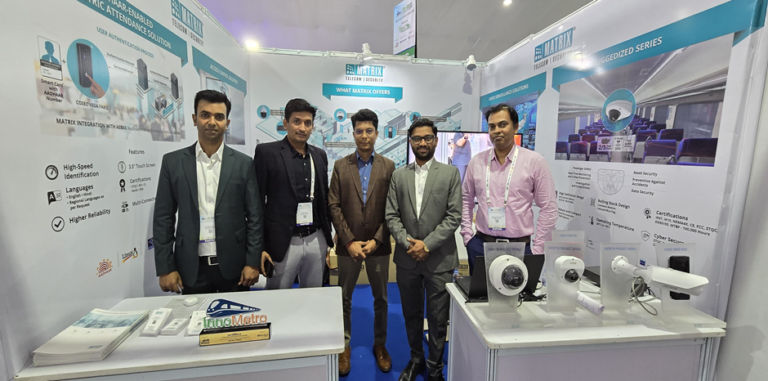
Matrix successfully demonstrated its cutting-edge security products and solutions at InnoMetro 2024, held from May 21st to 22nd at the Hotel Taj Vivanta. As a pioneering Indian company, Matrix proudly presented its RDSO 6.0-compliant network cameras, specifically
designed for Indian Railways, at Booth No. H1.17.

metro camera


During the event, Matrix highlighted its commitment to cybersecurity with network cameras certified by STQC, Delhi lab, adhering to OWASP ASVS 4.0 L2 norms. These cameras ensure the security of video data during transmission and storage, safeguarding critical passenger
information against cyber threats.


Matrix captivated attendees with its state-of-the-art IP Video Surveillance, Access Control, and Time-Attendance solutions tailored for Metro Rail Systems. A standout attraction was the newly launched Ruggedized IP Camera, compliant with EN50155 standards, designed to withstand vibrations and shocks, and ideal for transportation monitoring. This camera delivers high-quality video, exceptional low-light sensitivity, and robust performance in dynamic transit environments.

Kolkata Metro to introduce CBTC system in 2 corridors at Rs 800 crore

Kolkata (Metro Rail News): India’s first metro, Kolkata Metro is set to undergo a crucial upgrade with the implementation of the Communication-Based Train Control (CBTC) system (driverless technology) on 2 routes at Rs 800 crore to start driverless train operations. This advanced signalling system will enable metro trains to operate automatically, eliminating the need to have motormen on the train.

Kolkata Metro corridors to adopt CBTC system

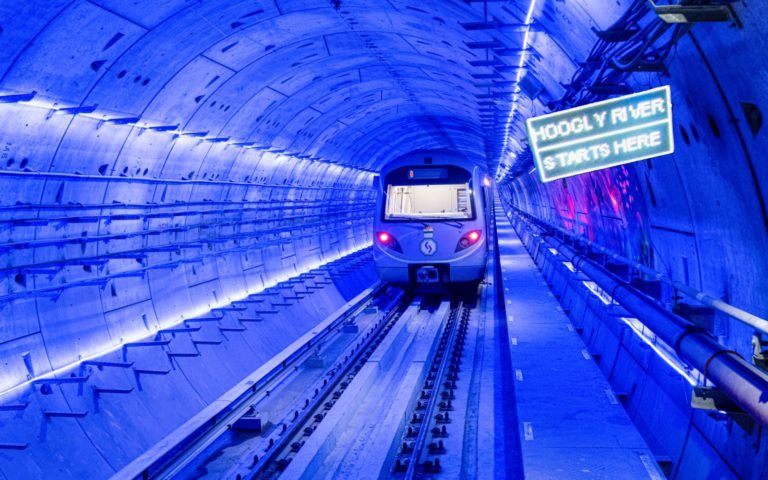
Kolkata Metro is implementing the Communication Based Train Control (CBTC) system on the Joka-Esplanade and Kavi Subhash-Biman Bandar Metro routes. According to the officials, this system is already in use on the East-West Metro corridor.

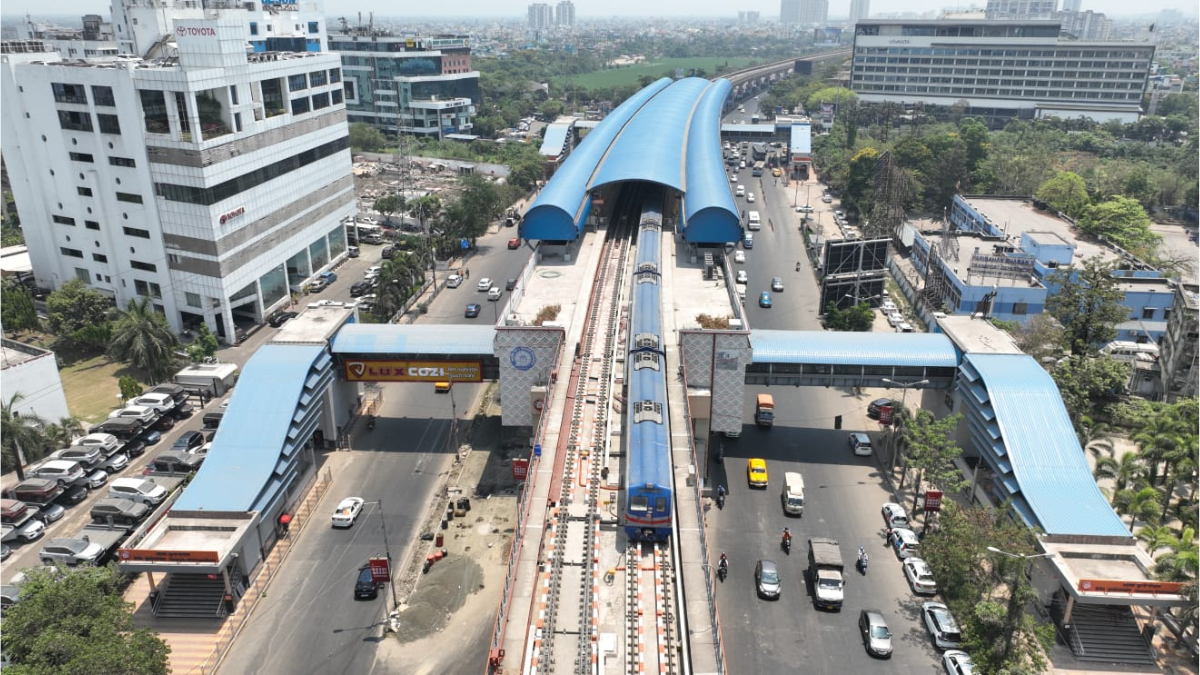
Kolkata Metro Aerial View

Role of ATO (Automatic Train Operations)

Implantation of the ATO (Automatic Train Operations) mode of the CBTC Signalling System in Kolkata Metro will limit the role of Motormen.  The motormen will primarily be responsible for closing the doors and initiating train departure from stations.

A way forward

In addition to the new corridors, the authorities are upgrading the 40-year-old North-South Metro Corridor, India’s first metro system, with the CBTC signalling system at Rs. 500 crores. Over the next five years, the entire Kolkata Metro network will be equipped with the ATO mode of the CBTC signalling system. This upgrade will enhance the commuting experience and provide the flexibility to increase train frequency as needed.

RITES to deliver 200 passenger coaches to Bangladesh Railways

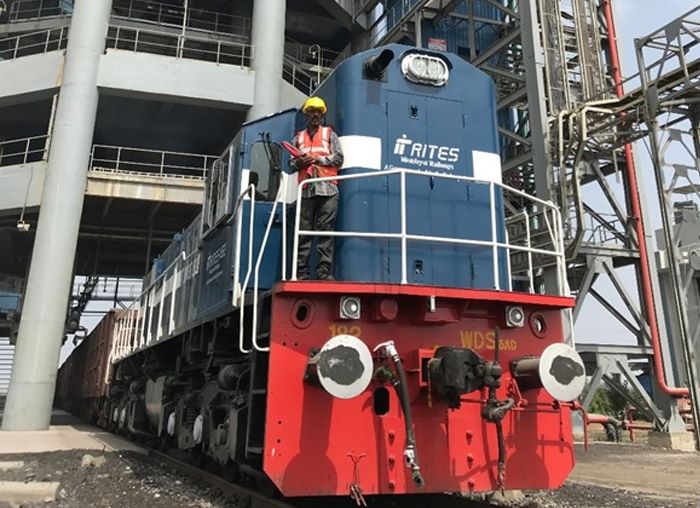
New Delhi (Metro Rail News): In a major boost to India’s “Make in India” initiative, RITES Ltd. (formerly Rail India Technical and Economic Service Limited) has inked a pact with Bangladesh Railways. Under this pact, RITES will be responsible for supplying 200 broad gauge passenger coaches to Bangladesh at Rs 915 crore.

Additionally, RITES will also provide prowess in design, spare parts support and training for the same. The contract is slated to be executed in 36 months followed by a 24-month warranty.

Funding of project

European Investment Bank will facilitate the funding of this project through a global competitive bidding process.

RITES’ collaborations with Bangladesh Railways

This contract aligns with the “Make In India” initiative of the Government of India as it encourages the export of indigenously made rolling stock. Previously RITES had delivered 120 broad gauge passenger carriages, 36 broad gauge locomotives and 10-meter gauge locomotives to Bangladesh Railways.

Previous Developments

On November 1st, 2023, Prime Ministers Narendra Modi of India and Sheikh Hasina of Bangladesh took a crucial step forward in regional connectivity by inaugurating three key infrastructure projects. The three projects were:

  • Akhaura – Agartala Cross-Border Rail Link
  • Khulna – Mongla Port Rail Line and
  • Unit – II of the Maitree Super Thermal Power Plant.

The centrepiece of the inauguration was the Akhaura-Agartala Cross-Border Rail Link. This 12.24-kilometer rail line, built with a grant of ₹392.52 crore from the Indian government, establishes the first direct and shortest rail connection between India’s northeastern state of Tripura and Bangladesh.

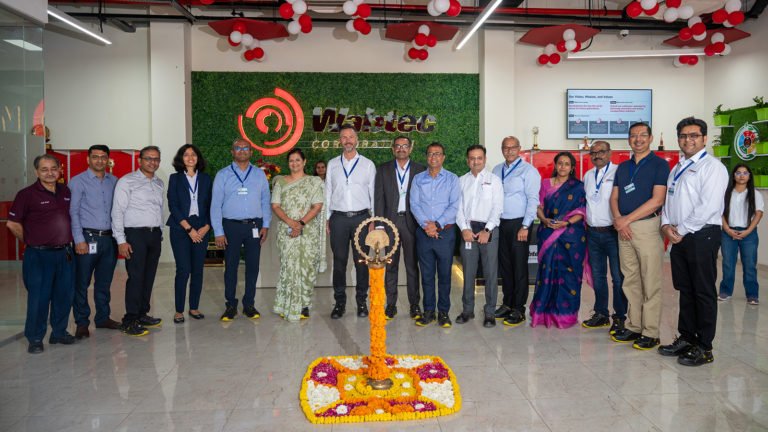
Wabtec Inaugurates New Manufacturing Campus in Rohtak India

On May 20, 2024, Wabtec Corporation (NYSE: WAB) inaugurated its new manufacturing campus in Rohtak, India. The new plant represents a $18 million (Rs. 150 crore) investment and will initially manufacture transit rail components and subsystems followed by other Wabtec product lines in the coming years.

Several Wabtec executives were on hand for the grand opening including Pascal Schweitzer, President – Transit Business, Sujatha Narayan, Senior Vice President and India Regional Leader, and Ajay Mani, Managing Director – Transit India.

“India is an important growth market for Wabtec, especially for the transit business,” said Schweitzer. “The new site will further improve Wabtec’s ability to deliver enhanced value through our diverse product offerings for both Indian and global customers.”

The factory, set on 10,000 square meters will start off producing axle-mounted disc brake systems, distributor valves, brake calipers, and actuators, as well as friction material for freight cars, metro coaches, and locomotives for Indian Railways and metros. This campus is expected to host many products in the coming months and years that serve the rail, mining, and industrial segments, a testament to Wabtec’s commitment to the Indian market and the “Make in India” initiative. 

“We intend to grow this site with plans to invest an additional $10 million (Rs. 80 crores) over the next few years,” said Narayan. “We currently employ 300 people and as the business grows, we do intend to add another 200 employees with a keen focus on diversity hires.”

Wabtec’s Transit business in India offers diverse solutions through its manufacturing sites in Hosur and Rohtak, which includes brake systems, couplers, pantographs, relays, air-conditioning systems, passenger access doors, and friction solutions. The company’s large engineering presence in Hosur and Bengaluru also provides engineering and service support for Wabtec operations around the world.

Wabtec is one of the largest rail equipment manufacturers in India, having supplied more than 600 locomotives to Indian Railways and with an installed base of subsystems in over 18,000 LHB (Linke Hofmann Busch) coaches and locomotives. The company currently employs 3,000 people in India.

About Wabtec


Wabtec Corporation (NYSE: WAB) is revolutionizing the way the world moves for future generations. The company is a leading global provider of equipment, systems, digital solutions and value-added services for the freight and transit rail industries, as well as the mining, marine and industrial markets. Wabtec has been a leader in the rail industry for over 150 years and is the worldwide leader in the decarbonization of freight rail

MAHSR Corridor: The Casting of Tunnel Lining Segments Begins in Thane

Thane (Metro Rail News): The work on the 508 km long Mumbai-Ahmedabad High-Speed Rail (MAHSR) Corridor is advancing at a rapid pace. Currently, construction is underway for a 21-kilometre tunnel between the Bandra Kurla Complex and Shilphata for the Mumbai-Ahmedabad Bullet Train Project. A total of three TBMs will carry out the construction of the 16 km section of the tunnel, while the remaining 5 kilometres will be built using the New Austrian Tunnelling Method (NATM).

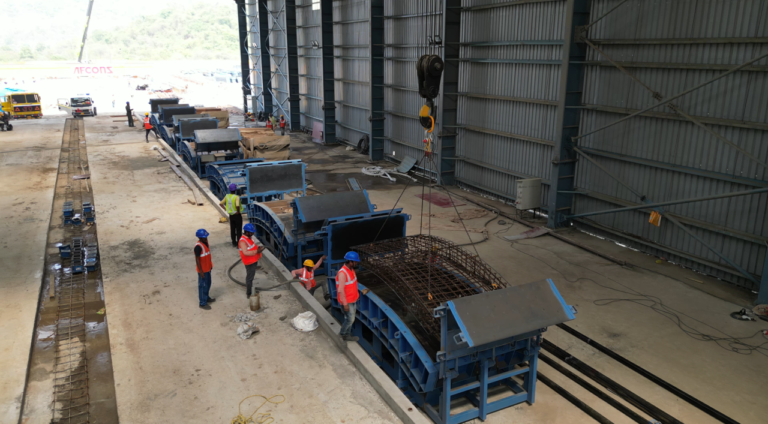
Casting yard 1

For the 16-kilometer section with TBMs, 76,940 segments will be cast to form 7,441 rings. These ring segments are specially designed for the tunnel lining, with each ring comprising nine curved segments and one key segment. Each segment is 2 meters wide and 0.5 meters thick.

Image 4 2

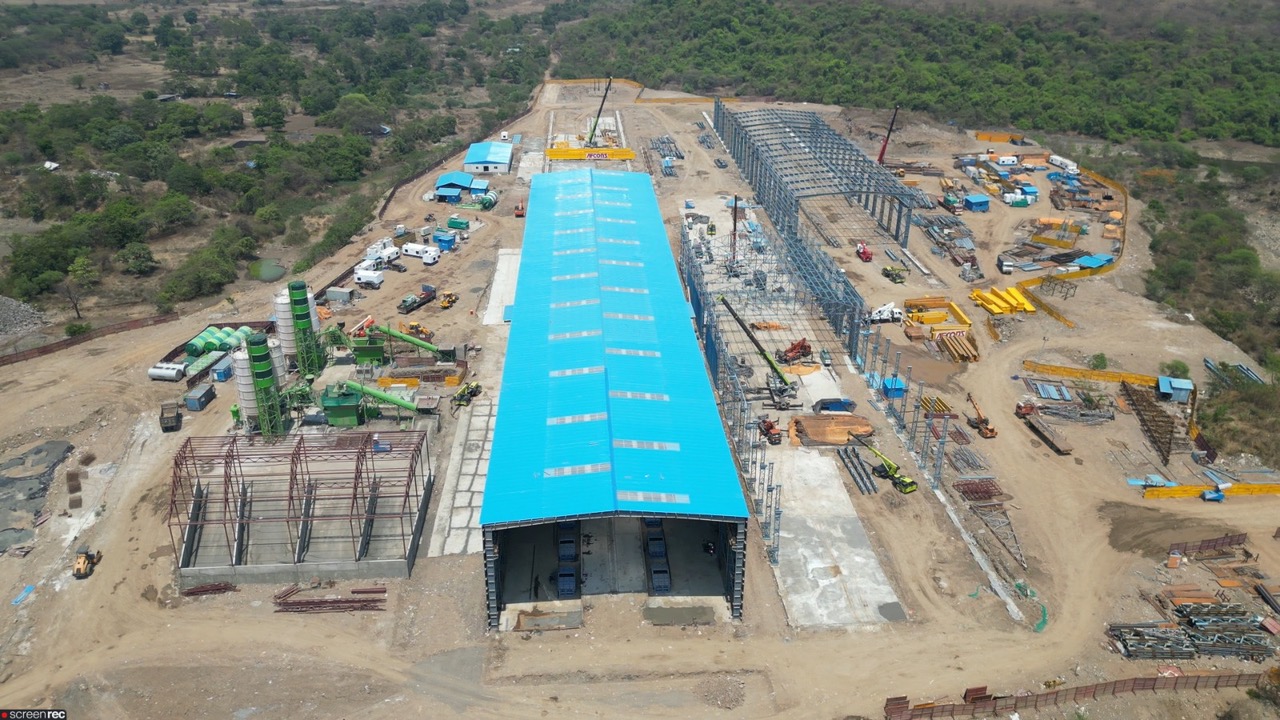
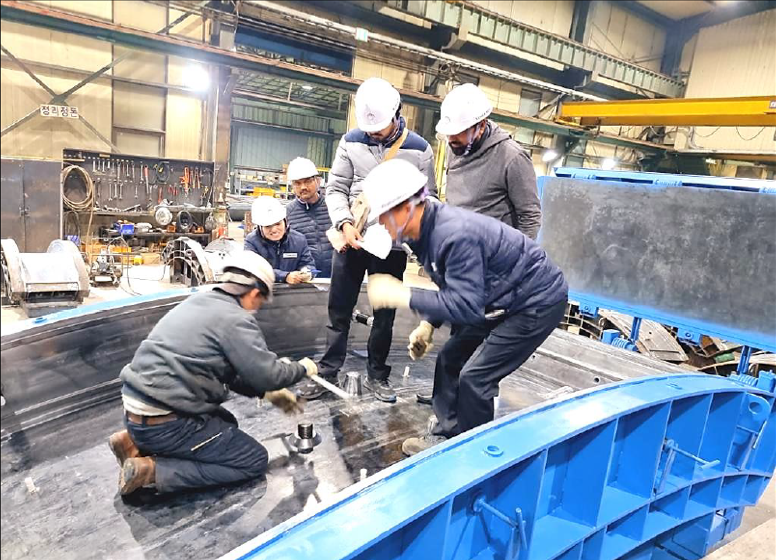
To ensure structural integrity and durability NHSRCL is utilising M70 grade concrete for this work. NHSRCL has already started setting up a casting and stacking yard, covering an area of 98,898 square meters (9.9 hectares) in Mahape, Thane district, Maharashtra. The yard will have nine sets of moulds, each with ten pieces, with four sets already being installed on-site.

The yard is equipped with cranes, gantries, and machines to automate and streamline the casting operations, ensuring quality control during the casting and stacking of the segments. The facility will also feature casting sheds, a stacking area, a batching plant, and a steam curing area.

MAHSR Corridor

The Bullet trains or High speed trains on Mumbai-Ahmedabad High Speed Rail Corridor will run at a speed of 320 Km/hr covering a distance 508 Km and 12 Stations. There will be 35 trains per day/one direction, with a frequency of 20 mins in peak hours and 30 mins in non-peak hours. 

The entire journey will take about 2 hours 7 minutes, including limited stops (at Surat, Vadodara and Ahmedabad) and all stops service will take 2 hours 58 minutes. The Operations Control Centre for the MAHSR corridor will come up at Sabarmati.

Bhubaneswar Metro: 22 Firms Submit Bid For Phulapokhari Depot’s Construction

Bhubaneswar (Metro Rail News): In April, the Delhi Metro Rail Corporation (DMRC) opened the technical bids for the civil construction work of the Phulapokhari Depot & Workshop, which is a part of the Bhubaneswar Metro Phase 1 project. A total of twenty-two firms submitted bids for this development.

route map Bhubaneswar Metro
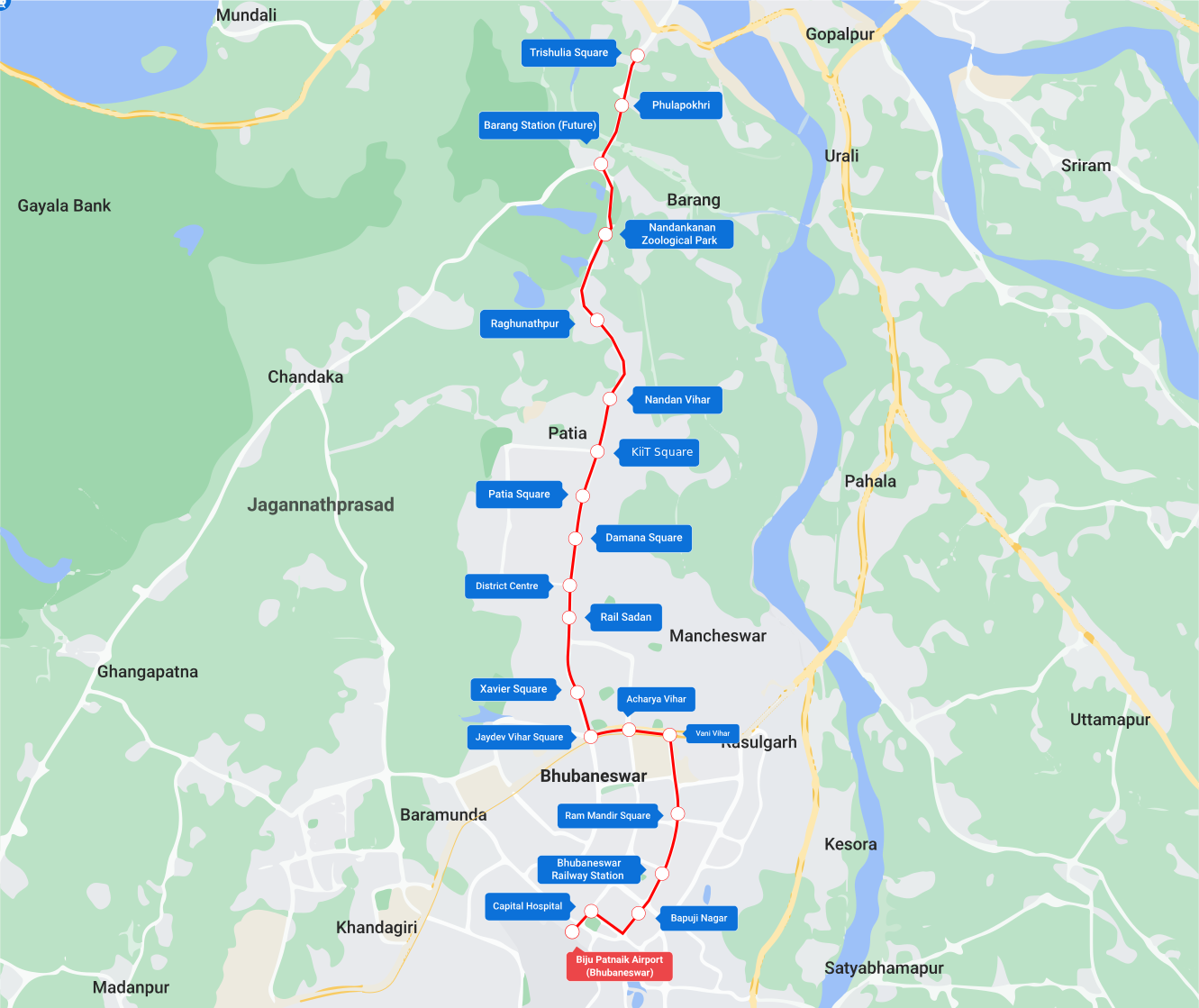
Bhubaneswar Metro Phase I Route

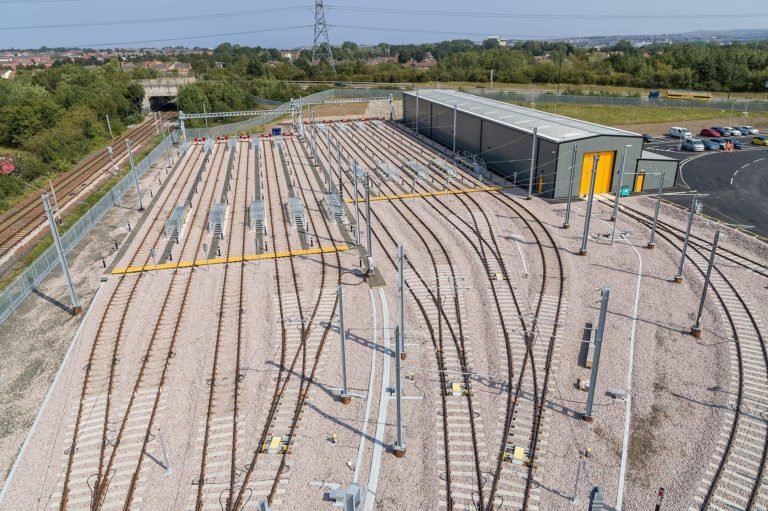
Phulapokhari Depot will be developed on a 16-hectare site in Phulapokhari as part of Package BBC-02. This facility will serve 3-coach metro trains, supporting operations for the 26 km Line-1, which spans from Trisulia Square to Biju Patnaik Airport and includes 20 elevated stations.

Bidders for Package BBC-02:

  • Ahluwalia Contracts India Ltd..
  • Amara Raja Infra Pvt. Ltd.
  • Bridge and Roof Co India Ltd.
  • Dineshchandra R. Agrawal Infracon Pvt. Ltd.
  • Diversified Energy Solutions Pvt. Ltd.
  • Himcon Engineers India Pvt. Ltd.
  • ISGEC Heavy Engineering Ltd.
  • Lisha Engineers Pvt. Ltd.
  • Metcon India Realty and Infrastructure Pvt. Ltd.
  • MIA Construction Pvt. Ltd.
  • Pragati Construction Consultants
  • PREMCO Rail Engineers Ltd.
  • Quality Buildcon Pvt. Ltd.
  • Ranjit Buildcon Ltd.
  • Shree Balaji Engicons Ltd.
  • S K Construction
  • SPD Constructions Ltd Ltd.
  • UDRA Construction Pvt. Ltd.
  • URC Construction (P) Ltd.
  • Varindera Constructions Ltd.
  • Vishal Builders
  • YFC Projects Pvt. Ltd.

Scope of work

Under this package, the contractor will undertake the design and construction of the Bhubaneswar Metro Depot Cum Workshop, OCC Buildings, including plumbing, drainage, external development works, and road works for the Bhubaneswar MRTS Phase-I Project.

In January 2024, the Delhi Metro Rail Corporation (DMRC) floated the tender for the construction work of the Phulapokhari Depot at an estimated cost of Rs. 104.74 crore with a 36-month deadline.

In January 2024, the Delhi Metro Rail Corporation (DMRC) floated the tender for the construction work of the Phulapokhari Depot at an estimated cost of Rs. 104.74 crore with a 36-month deadline.

Currently, the bids are under evaluation, which can take a couple of months to complete. Once the evaluation is completed, the financial bids of the technically qualified bidders will be opened to identify the lowest bidder..

Bhubaneswar Metro Phase I Project

Phase I of the Bhubaneswar Metro extends over 26.024 km, featuring a single corridor linking Trisulia Square to Bhubaneswar’s Biju Patnaik Airport through 20 elevated stations. Phase 1 was approved in November 2023 at an estimated cost of Rs. 5926.38 crore. Odisha CM Shri Naveen Patnaik laid the foundation stone of this project on 1 January 2024.

Successful Kavach Trial of Vande Bharat Train between Palwal and Vrindavan

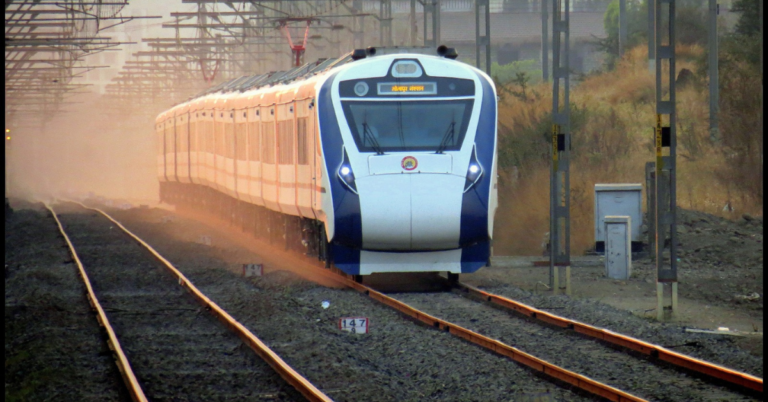
NEW DELHI (Metro Rail News): Railway Board Chairperson and CEO Jaya Verma Sinha, accompanied by senior officials from North Central and Northern Railways, inspected a Kavach trial of the Vande Bharat train between Palwal and Vrindavan on 14 May. The trial, overseen by Kush Gupta, Deputy Chief Signal and Telecommunication Engineer, showcased the effectiveness of the Kavach system in ensuring the train stopped at red signals automatically.

Jaya Vera Sinha travelled in the eight-car Vande Bharat train, which operated at speeds of up to 160 kmph, gaining first-hand experience of the Kavach system at various operational points, including red signals, loop lines, and speed restriction zones.

The trial highlighted the Kavach system’s ability to follow speed restrictions without the loco pilot’s interference. For example, the train precisely slowed down to 30 kmph to enter the loop line near Chhata station on the Palwal-Vrindavan route. Officials highlighted that Sinha was highly impressed with Kavach’s efficiency.

Detailed Inspection

Sinha boarded the Vande Bharat at 9:15 AM from Palwal station with other senior railway officials, including the General Managers of North Central and Northern Railways, the Principal Chief Signal and Telecom Engineer of the NCR Zone, the Principal Executive Director of the Railway Board, and the Divisional Railway Manager of Agra. The train reached Sholaka station at 9:38 AM, where it successfully stopped just 9 meters before a red signal at Hodal, using the Kavach system’s automatic braking.

After reaching Vrindavan at 10:45 AM, Sinha inspected the Kavach system installed at the station. The return journey started at 11:10 AM, with the train arriving back in Palwal by 12:30 PM. 

Extensive Kavach Network

All Vande Bharat trains are equipped with the Kavach system, which is designed to automatically apply brakes in emergencies. Before Sinha’s inspection, under Kush Gupta’s supervision, the Agra division conducted three successful Kavach trials at 140 kmph and 160 kmph for various trains, including mail, express, and Vande Bharat services. 

Technological Advancements

The Agra division has established an extensive Kavach network spanning an 80-kilometre stretch from Mathura (excluding the station) to Palwal. This involves placing RFID tags on tracks, installing stationary Kavach units at stations, and setting up towers and antennas along the tracks. Developed by the Research Designs and Standards Organisation (RDSO), the Kavach system ensures trains can apply brakes automatically during emergencies when drivers fail to act promptly.

High-Speed Capabilities

According to RDSO officials, the 125-km stretch between Delhi and Agra is the only section of the Indian rail network where trains can run at a maximum speed of 160 kmph. Other sections across India have a maximum speed limit of 130 kmph. This high-speed track was initially laid for India’s first semi-high-speed train, the Gatimaan Express, which was launched in April 2016.


Discover the endless possibilities of our city’s Metro at InnoMetro, our flagship Expo and Conference. Be an active participant in shaping its future towards a more sustainable tomorrow. Stay informed and join us to take a step towards a brighter future.

Namma Yatri and BMRCL to Pilot Auto-Rickshaw Services for Metro Stations

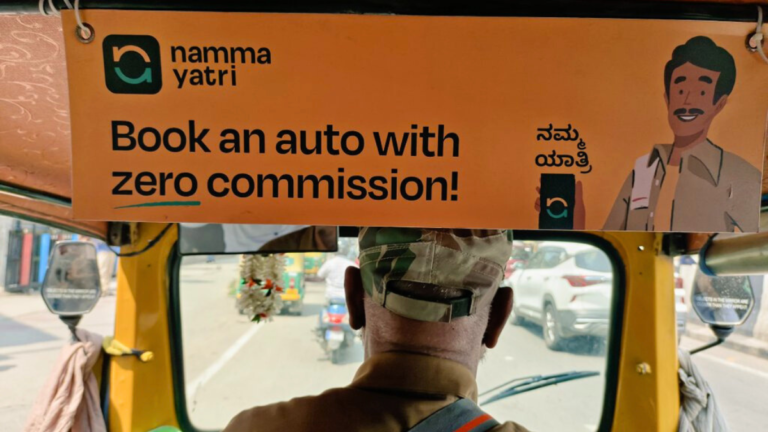
BANGALORE (Metro Rail News): India’s first open network mobility app, Namma Yatri, is set to sign a Memorandum of Understanding (MoU) with the Bengaluru Metro Rail Corporation Limited (BMRCL) to address the last-mile connectivity gap to and from metro stations in Bengaluru. The pilot project aims to streamline auto-rickshaw services for metro commuters, enhancing convenience and safety.

Namma Yatri (Moving Tech Innovations Private Limited) has proposed to BMRCL to establish kiosks and commence services on a pilot basis at the Indiranagar Metro Station by the end of May. The digital solution will enable NY drivers to select destinations from metro stations based on a ‘queue’ system. If no rides are available in the queue, requests will be directed to a normal ride-hailing mode.

BMRCL explains their collaboration with Bangalore Traffic Police and Namma Yatri. The aim is to provide a safe, affordable, and reliable last-mile connectivity option for metro commuters. The pilot project’s success at the Indiranagar Metro Station will determine the potential expansion to other metro stations.

Namma Yatri’s Perspective

According to reports, prepaid auto stands at metro stations were ineffective and contributed to the last-mile connectivity gap. The digital solution by Namma Yatri allows drivers to choose their destination as part of a queue system, offering flexibility and convenience for both drivers and passengers.

In September of the previous year, the Auto Rickshaw Drivers Union, led by Rudramurthy, launched Metro Mitra, another last-mile connectivity solution. Despite being based on meter charges and an additional Rs 10 pick-up fee, the service faced operational challenges and did not succeed. Namma Yatri emphasized that their service is distinct from Metro Mitra.

Addressing Long-Standing Connectivity Issues

Last-mile connectivity has been a persistent issue for Bengaluru metro commuters. Transport Minister Ramalinga Reddy, during the Winter Session in December 2023, shared that only 76,000 passengers use 134 metro feeder buses daily, a low number compared to the nearly 40 lakh daily metro passengers. Commuters often face harassment from auto-rickshaw drivers who charge exorbitant prices for short distances.

The pilot project at Indiranagar Metro Station will be closely monitored. Its success could pave the way for a city-wide implementation, offering commuters a reliable and efficient transportation solution.


Discover the endless possibilities of our city’s Metro at InnoMetro, our flagship Expo and Conference. Be an active participant in shaping its future towards a more sustainable tomorrow. Stay informed and join us to take a step towards a brighter future.

DMRC Advisor Daljit Singh Pushes Monsoon Prep for Patna Metro

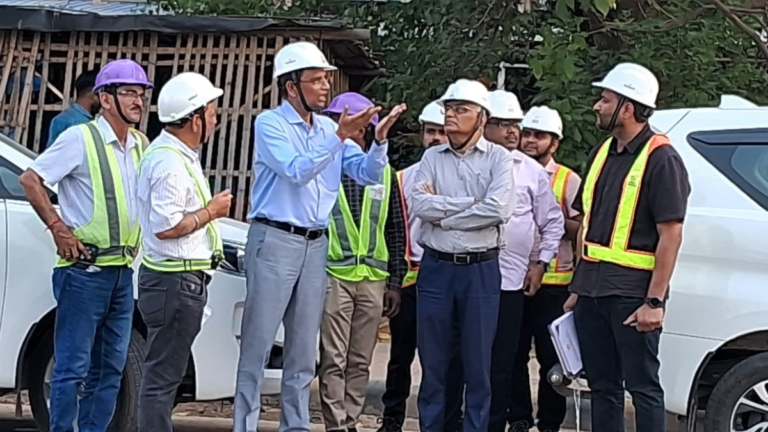
PATNA (Metro Rail News): Daljit Singh, Advisor (Special Works) for the Delhi Metro Rail Corporation (DMRC), has stressed the commitment to minimizing public inconvenience while ensuring quality and safety in metro construction works. During his inspection of the Patna Metro Rail Project, he provided key directives to expedite the construction process while maintaining high safety standards.

Singh visited various construction sites, including ISBT Depot, Saguna More, Danapur, and Patliputra. He reviewed the ongoing civil, electrical, and track-related works and assessed the progress and safety measures in place.

WhatsApp Image 2024 05 16 at 18.40.15 0cd6d114
Daljeet Singh, Advisor (Special Works) at DMRC, inspects construction sites for the Patna Metro Rail Project.

Monsoon Preparatory Measures

In anticipation of the monsoon season, Singh instructed DMRC officials to initiate preparatory measures at construction sites to prevent any disruptions. Specific directives included:

  • Completing piling and pile cap works at Patliputra Nallah/Drain area urgently.
  • Ensuring meticulous planning and 24/7 monitoring of drain diversions.
  • Repairing and maintaining drainage systems to ensure smooth water flow around construction sites.

Environmental and Safety Compliance

At the Saguna More to Danapur viaduct, Singh emphasized the importance of maintaining a clean construction site and addressing environmental concerns. He directed DMRC officials to ensure contractor compliance with these standards, particularly focusing on the functionality of drainage systems.

Untitled design 2024 05 17T104824.004
Daljeet Singh, Advisor (Special Works) at DMRC, inspects construction sites for the Patna Metro Rail Project.

ISBT Depot Site Instructions

During his visit to the ISBT Depot site, Singh outlined the following tasks to be completed before the monsoon season:

  • Peripheral drainage to prevent waterlogging inside the depot.
  • Regular monitoring of soil filling and roadwork.

Progress Updates

Daljit Singh was briefed on the progress of key infrastructure projects within the Patna Metro Rail Project, including the Admin Building, ETU & RGM Shed, Workshop Office Building, and Inspection Bay Shed. He emphasized the importance of maintaining the pace of work to meet the project’s deadline.

Untitled design 2024 05 17T103345.210
Daljeet Singh, Advisor (Special Works) at DMRC, inspects construction sites for the Patna Metro Rail Project.

His directives aim to streamline construction efforts and enhance the efficiency of metro project completion, especially in light of the upcoming monsoon season.


Discover the endless possibilities of our city’s Metro at InnoMetro, our flagship Expo and Conference. Be an active participant in shaping its future towards a more sustainable tomorrow. Stay informed and join us to take a step towards a brighter future.

Chennai Metro: Construction Commences on OMR IT Corridor

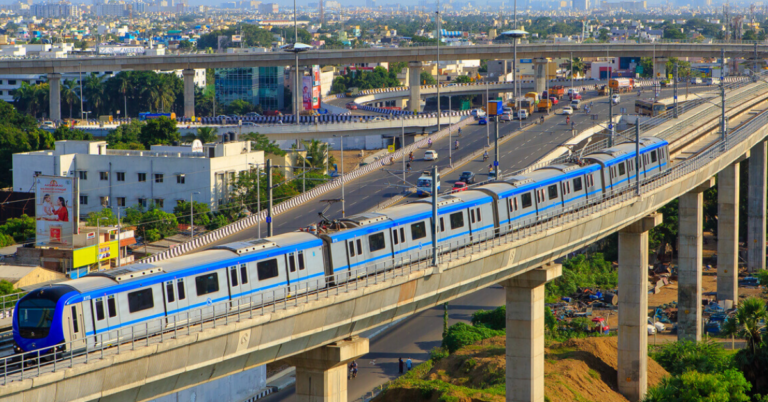
CHENNAI (Metro Rail News): Chennai’s metro expansion is underway. Construction has begun for 10 elevated metro stations along the OMR IT corridor between Taramani and Sholinganallur. This development is part of Phase 2 of the Chennai Metro Rail project, covering a 10-kilometer stretch.

Workers have begun building the pillars for these stations, which will be situated below the viaduct where the tracks will be laid. The elevated metro line is being constructed along the centre of the road at a height of 13 meters to 24 meters. 

Progress of the Project

According to a CMRL official, 191 out of the 449 pillars have been built. These pillars are essential for supporting the elevated structure that will house the metro stations and tracks.

In addition to the pillars, 65 out of the 450 ‘U’ girders required for the project have been installed. These girders will support the tracks and ensure the stability of the elevated line.

Land acquisition is currently underway to facilitate station entry and exit point construction. This process is crucial for ensuring easy access to the metro stations once they are operational.

Future Plans

The stretch from Taramani Metro to Sholinganallur Metro is expected to be ready by next year. It is part of the larger 45.4-kilometer Corridor-3, which extends from Madhavaram Milk Colony to Siruseri Sipcot.

Construction on the metro stations is anticipated to begin in June, before the start of the southwest monsoon. The CMRL official also mentioned that the casting of 136 of the 450 ‘U’ girders required for the stretch has been completed.


Discover the endless possibilities of our city’s Metro at InnoMetro, our flagship Expo and Conference. Be an active participant in shaping its future towards a more sustainable tomorrow. Stay informed and join us to take a step towards a brighter future.