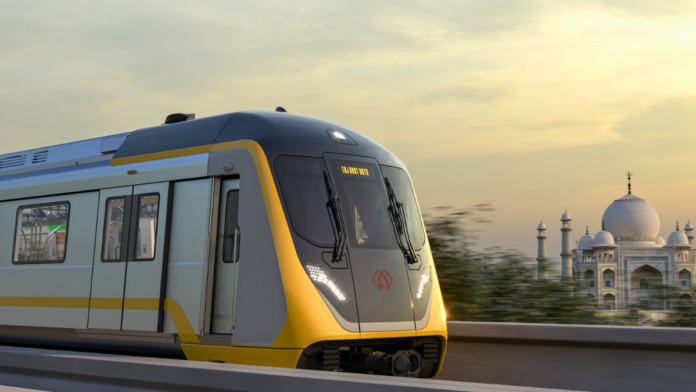
New Delhi: Prime Minister Narendra Modi has flagged-off the Delhi-Faridabad Metro Line that would allow hassle free travel for around two lakh daily commuters between the national capital and the industrial hub in Haryana.
The extension of the Delhi Metro connects Badarpur to Escorts Mujesar in Faridabad.
The total cost of the project from Badarpur to Escorts Mujesar is nearly Rs. 2,500 crore. Out of this, Rs. 1,557 crore was borne by the Haryana Government, the Centre contributed Rs. 537 crore, while the Delhi Metro provided Rs. 400 crore.
All these are elevated and located on either side of the Delhi-Mathura Road (NH-2).
“The nine-station metro corridor which was 95 per cent indigenously built will provide people a safe, affordable, quick, comfortable, reliable, environment-friendly and sustainable transport facility,” a Haryana government spokesperson said.
Haryana Chief Minister ML Khattar, addressing a press conference on Saturday, had thanked the Prime Minister for “gifting” the Metro service which would take the city to “another level of progress” with better connectivity with other NCR towns.
He had also said that the Prime Minister would be announcing the go-ahead for connecting Gurgaon with Faridabad by Metro.
Daljeet Singh, Advisor (Special Works), DMRC, inspecting construction sites of Patna Metro Rail Project.
PATNA (Metro Rail News): Daljit Singh, Advisor (Special Works) for the Delhi Metro Rail Corporation (DMRC), has stressed the commitment to minimizing public inconvenience while ensuring quality and safety in metro construction works. During his inspection of the Patna Metro Rail Project, he provided key directives to expedite the construction process while maintaining high safety standards.
Singh visited various construction sites, including ISBT Depot, Saguna More, Danapur, and Patliputra. He reviewed the ongoing civil, electrical, and track-related works and assessed the progress and safety measures in place.
Daljeet Singh, Advisor (Special Works) at DMRC, inspects construction sites for the Patna Metro Rail Project.
Monsoon Preparatory Measures
In anticipation of the monsoon season, Singh instructed DMRC officials to initiate preparatory measures at construction sites to prevent any disruptions. Specific directives included:
Completing piling and pile cap works at Patliputra Nallah/Drain area urgently.
Ensuring meticulous planning and 24/7 monitoring of drain diversions.
Repairing and maintaining drainage systems to ensure smooth water flow around construction sites.
Environmental and Safety Compliance
At the Saguna More to Danapur viaduct, Singh emphasized the importance of maintaining a clean construction site and addressing environmental concerns. He directed DMRC officials to ensure contractor compliance with these standards, particularly focusing on the functionality of drainage systems.
Daljeet Singh, Advisor (Special Works) at DMRC, inspects construction sites for the Patna Metro Rail Project.
ISBT Depot Site Instructions
During his visit to the ISBT Depot site, Singh outlined the following tasks to be completed before the monsoon season:
Peripheral drainage to prevent waterlogging inside the depot.
Regular monitoring of soil filling and roadwork.
Progress Updates
Daljit Singh was briefed on the progress of key infrastructure projects within the Patna Metro Rail Project, including the Admin Building, ETU & RGM Shed, Workshop Office Building, and Inspection Bay Shed. He emphasized the importance of maintaining the pace of work to meet the project’s deadline.
Daljeet Singh, Advisor (Special Works) at DMRC, inspects construction sites for the Patna Metro Rail Project.
His directives aim to streamline construction efforts and enhance the efficiency of metro project completion, especially in light of the upcoming monsoon season.
Discover the endless possibilities of our city’s Metro at InnoMetro, our flagship Expo and Conference. Be an active participant in shaping its future towards a more sustainable tomorrow. Stay informed and join us to take a step towards a brighter future.
CHENNAI (Metro Rail News): Chennai’s metro expansion is underway. Construction has begun for 10 elevated metro stations along the OMR IT corridor between Taramani and Sholinganallur. This development is part of Phase 2 of the Chennai Metro Rail project, covering a 10-kilometer stretch.
Workers have begun building the pillars for these stations, which will be situated below the viaduct where the tracks will be laid. The elevated metro line is being constructed along the centre of the road at a height of 13 meters to 24 meters.
Progress of the Project
According to a CMRL official, 191 out of the 449 pillars have been built. These pillars are essential for supporting the elevated structure that will house the metro stations and tracks.
In addition to the pillars, 65 out of the 450 ‘U’ girders required for the project have been installed. These girders will support the tracks and ensure the stability of the elevated line.
Land acquisition is currently underway to facilitate station entry and exit point construction. This process is crucial for ensuring easy access to the metro stations once they are operational.
Future Plans
The stretch from Taramani Metro to Sholinganallur Metro is expected to be ready by next year. It is part of the larger 45.4-kilometer Corridor-3, which extends from Madhavaram Milk Colony to Siruseri Sipcot.
Construction on the metro stations is anticipated to begin in June, before the start of the southwest monsoon. The CMRL official also mentioned that the casting of 136 of the 450 ‘U’ girders required for the stretch has been completed.
Discover the endless possibilities of our city’s Metro at InnoMetro, our flagship Expo and Conference. Be an active participant in shaping its future towards a more sustainable tomorrow. Stay informed and join us to take a step towards a brighter future.
AGRA (Metro Rail News): Afcons Infrastructure—Sam India Consortium celebrated as tunnel boring machine (TBM) S-718C, known as Shivaji, achieved a breakthrough at RBS College Station for the Agra Metro Phase 1 project. This breakthrough is crucial for the 14.25 km Line-1 connecting Sikandra to Taj East Gate.
TBM Shivaji’s recent breakthrough is its third, contributing to the overall 10th breakthrough for Agra Metro Phase 1’s 7.93 km Package AGCC-02. This package connects the RBS Ramp to the Taj Mahal Ramp. The machine is a 06.63m diameter Herrenknecht earth pressure balance (EPB) TBM, renowned for its efficiency in tunnel construction.
Prior to this, TBM Shivaji successfully completed 228m twin tunnels between the Taj Mahal Station and the Taj Mahal Ramp on Fatehabad Road, achieving breakthroughs in October and December 2023.
Current Achievement
In its third drive, which concluded earlier this month, Shivaji excavated and constructed a tunnel spanning approximately 734 meters for the down-line from RBS Ramp to RBS College Station.
Image credit: Sajan Verma
Contract and Project Details
The Uttar Pradesh Metro Rail Corporation (UPMRC) awarded the civil construction contract for the underground Package AGCC-02 to the Afcons—Sam India Consortium in March 2022. Valued at Rs. 1819.79 crore, the contract has a 48-month deadline.
Project Scope
The contracted section spans chainage 3630.000 to 11564.485 and includes the construction of twin tunnels connecting seven stations: Taj Mahal, Agra Fort, Jama Masjid, SN Medical College, Agra College, Raja Ki Mandi, and RBS College.
TBM S-718C (Shivaji)
TBM Shivaji will now be moved through RBS College’s station box and recommissioned towards Raja Ki Mandi Station. This next phase involves covering a distance of roughly 640 meters.
Discover the endless possibilities of our city’s Metro at InnoMetro, our flagship Expo and Conference. Be an active participant in shaping its future towards a more sustainable tomorrow. Stay informed and join us to take a step towards a brighter future.
Trench cutter machine in action for Jaipur metro's Pink line extension.
JAIPUR (Metro Rail News): Afcons Infrastructure has commenced underground construction work on Package UG-03 of Jaipur Metro’s new Phase 1C. This phase will extend the existing 11.98 km Pink Line (Mansaravor—Badi Chaupar) eastward by 3.41 km to Transport Nagar.
The project includes a 2.65 km underground stretch with twin tunnels passing through the old city, featuring a new station at Ramganj Chaupar. Additionally, 0.76 km will be elevated, culminating in a new station at Transport Nagar. This development marks a significant expansion of the Jaipur Metro, enhancing connectivity in the city.
Image Courtesy: Yash Chaturvedi
Over the weekend, Afcons deployed a trench cutter machine near Galta Gate to initiate trenching works for constructing the diaphragm wall (D-wall) for the tunnel boring machine (TBM) launch shaft. This crucial site on NH-248 will consist of a cut-and-cover tunnel, a TBM launch shaft, and a ramp leading to the elevated Transport Nagar Station.
Image Courtesy: Yash Chaturvedi
Contract and Scope
Jaipur Metro Rail Corporation (JMRC) awarded Afcons Infrastructure the Rs. 630.45 crore contract for Phase 1C in September 2023. The scope of Afcons’ work includes the construction of twin tunnels, the underground station at Ramganj Chaupar, a cut-and-cover tunnel box, and an underground ramp extending from Badi Chaupar Station (Ch: 10387.860) to the end of the ramp (Ch: 13040).
This expansion is expected to alleviate traffic congestion and provide a more efficient transit option for Jaipur’s residents and visitors. The project signifies a major development step in the city’s infrastructure, promising enhanced urban mobility and economic growth.
Discover the endless possibilities of our city’s Metro at InnoMetro, our flagship Expo and Conference. Be an active participant in shaping its future towards a more sustainable tomorrow. Stay informed and join us to take a step towards a brighter future.
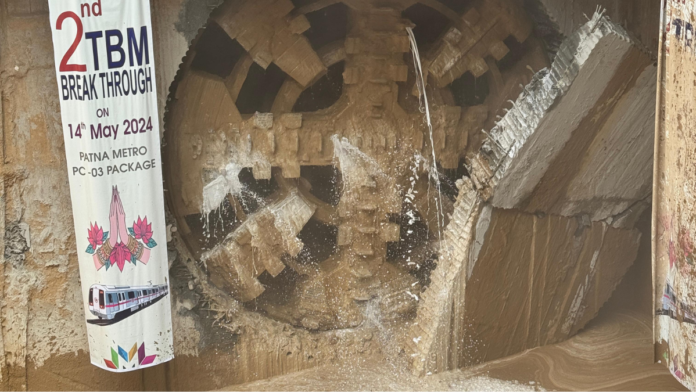
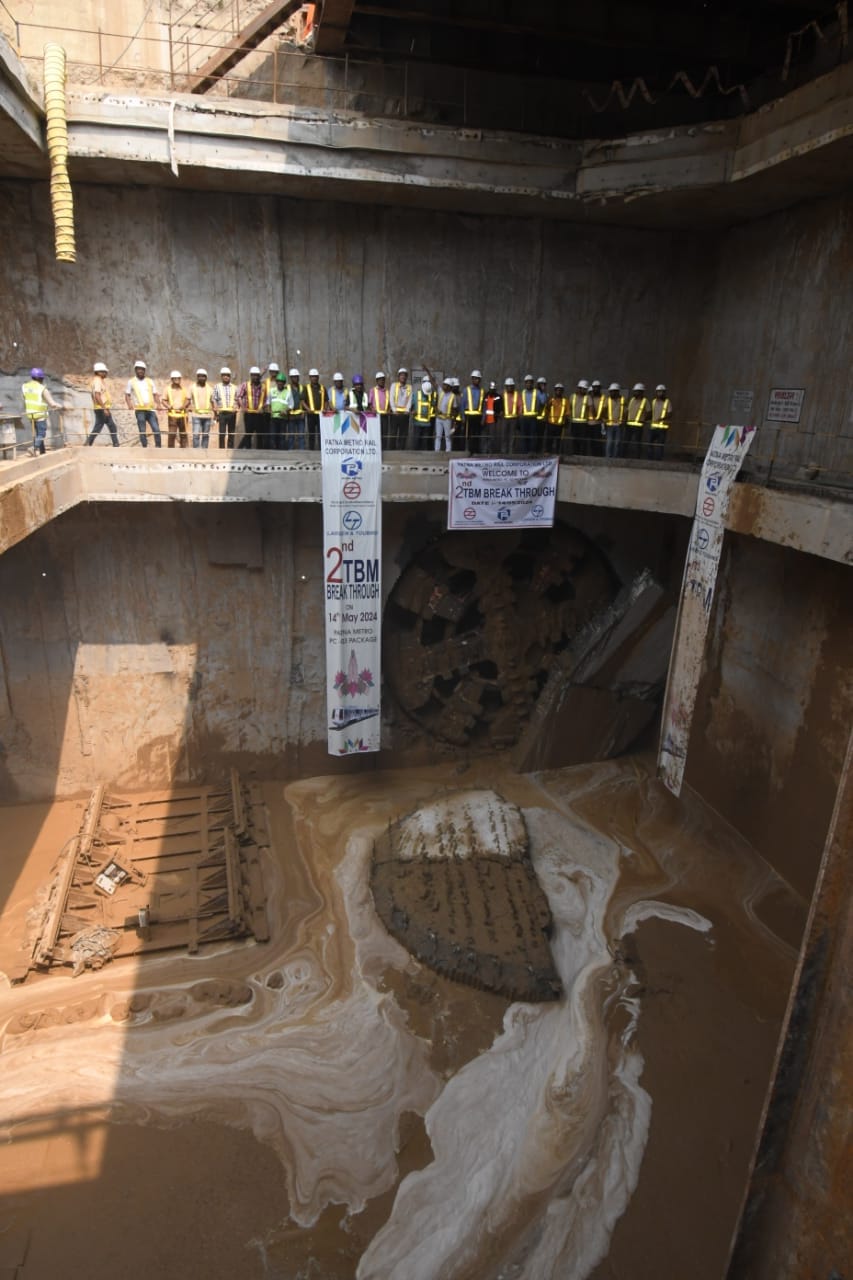
Patna Metro's TBM2 breakthrough at Patna University.
PATNA (Metro Rail News): Larsen & Toubro (L&T) celebrated its second tunnel breakthrough by TBM2 at Patna University on Tuesday for the 30.91 km Patna Metro Phase 1 project’s 8 km underground Package PC-03. This package, connecting Rajendra Nagar and Patna Junction Railway Station, marks a crucial advancement in the city’s metro infrastructure.
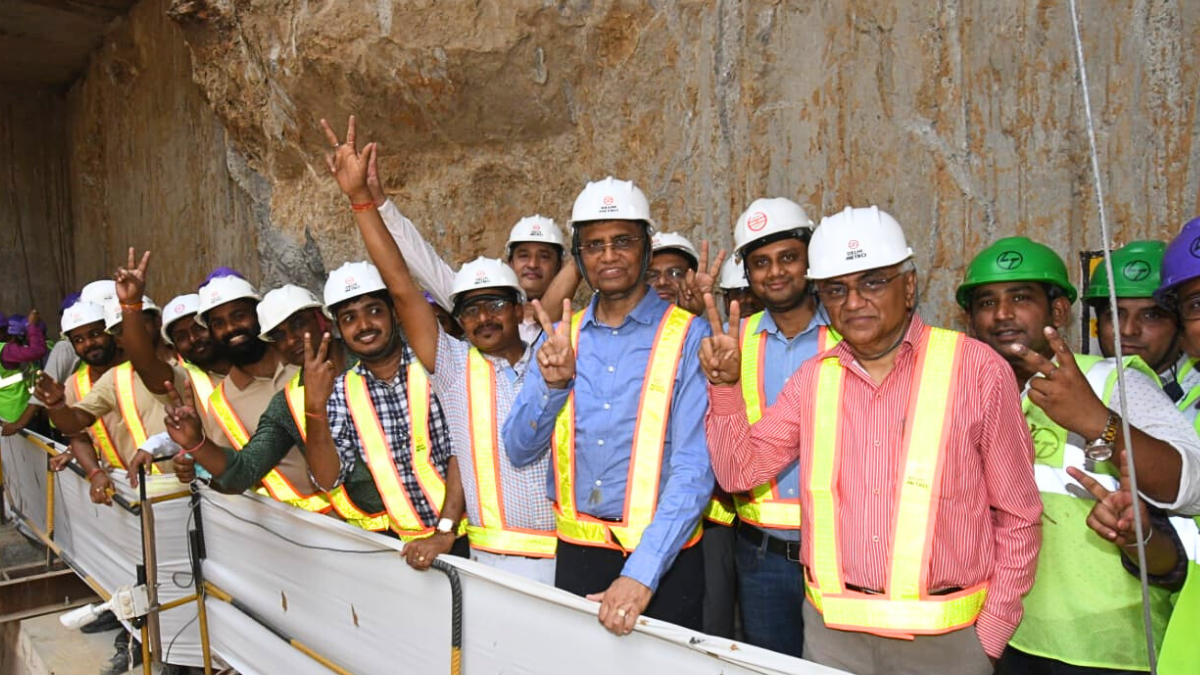
The breakthrough milestone of TBM2 was successfully achieved under the leadership and guidance of Shri Daljit Singh, Advisor (Special Works), Delhi Metro Rail Corporation (DMRC). Director (Finance) Shri Ajit Sharma was also present on this important achievement.
Officials celebrate TBM2’s first breakthrough.
Despite facing numerous obstacles along the tunnel alignment, including approximately 900 buildings and 100 bore wells, the project persevered, overcoming the challenges posed by the densely populated area.
Breakthrough on Line-2
The breakthrough on Patna Metro’s 14.05 km Line-2 (Patna Junction Railway Station – New ISBT) was achieved by TBM Buddha (DZ1091) – a 6.65m diameter Earth Pressure Balance (EPB) machine manufactured by China Railway Construction Heavy Industry Co. Ltd. (CRCHI).
TBM-02 successfully completed a crucial phase of Patna Metro Project as it achieved its 1st Tunnel breakthrough. Operating within Corridor-2 Line section between ISBT & Patna Junction, as part of Phase I construction, TBM2 has made a significant breakthrough. @OfficialDMRCpic.twitter.com/Hrue1UreTq
— Patna Metro Rail Project by DMRC (@DmrcPatna) May 14, 2024
TBM Buddha was assembled and lowered into its launch shaft at Moin-ul-Haq Station in April 2023 and commissioned in May 2023. It completed its first tunnelling assignment by constructing a 1480m section of the up-line tunnel towards Patna University.
Wide view of the Breakthrough site.
Contract and Project Detailsof Patna metro
The Delhi Metro Rail Corporation (DMRC) awarded L&T the Rs. 1989 crore contract for Patna Metro Phase 1 Package PC-03 in December 2021, with a 42-month deadline.
Package PC-03 is set to link a ramp near Rajendra Nagar to Patna Junction Railway Station through twin tunnels bored by Tunnel Boring Machines (TBMs). This package will feature six underground stations at Akashvani (formerly Dak Bungalow), Gandhi Maidan, PMCH, Patna University, Moin Ul Haq Stadium, and Rajendra Nagar.
Future Plans and Progress
This breakthrough marks the second of an estimated twelve planned for Package PC-03. TBM Mahavir (DZ1090), working on the parallel down-line tunnel, arrived at Patna University Station in March 2024. Part of its backup gantry can still be seen inside the tunnel.
Both TBMs will be dragged through Patna University’s station box and recommissioned towards PMCH Station for their second assignment, covering a distance of roughly 1.15 km.
Bidding Underway for Line 1
Bidding has been underway since December 2023 for the 16.86 km Line-1’s 8 km underground section, which will be constructed via packages PC-05 and PC-06. The original submission deadline of February 13 has been extended to May 31, and technical bids are scheduled to open on June 3.
Discover the endless possibilities of our city’s Metro at InnoMetro, our flagship Expo and Conference. Be an active participant in shaping its future towards a more sustainable tomorrow. Stay informed and join us to take a step towards a brighter future.
NEW DELHI (Metro Rail News): The Indian Railways has awarded Besco Limited a contract to manufacture and supply 1200 BOXNS wagons. The contract, worth approximately ₹485 crore (inclusive of GST), was finalised on December 28, 2023, following a successful bid on e-tender No. 2023RS19547TC.
The BOXNS wagons, which are bogie open wagons, are vital for transporting bulk commodities such as coal, iron ore, and other minerals across India’s extensive railway network. These wagons are designed according to the WD-02BOXNHL-2011 specification and the WD-05086-S-01 Design-F (U/F) index drawing, ensuring they meet the highest standards of durability and efficiency.
Delivery Schedule and Quality Assurance
The contract outlines a phased delivery schedule for the next two years. The initial tranche of 113 wagons will commence delivery on July 1, 2024, and be completed by December 31, 2024. Subsequent tranches will follow biannually until all 1,200 wagons are delivered by December 2025.
To maintain the highest quality standards, Besco Limited will appoint a third-party quality control agency of international repute selected from the standing panel of the Quality Council of India (QCI). This agency will ensure rigorous quality checks are performed at every stage of the manufacturing process. Additionally, the Research Design and Standards Organization (RDSO) will conduct inspections and issue necessary certificates, including the ‘FIT TO RUN’ certificate, before the wagons are dispatched.
Material and Cost Specifications
The contract specifies the use of high-grade materials for critical components. Stainless steel conforming to ASTM-A312 Schedule 40S Gr. TP 304 will be used for the brake, feed, and branch pipes, ensuring longevity and reliability. The total contract value includes GST at 18%, and the firm has provided a guarantee to pass on any additional set-offs/input tax credits to the purchaser.
The wagons’ pricing is subject to variation based on the escalation/de-escalation formula provided in Annexure-A of the contract. This formula accounts for changes in the wholesale price index for castings, mild steel flat, industrial worker CPI, and the transfer price of wheelsets from the Rail Wheel Factory, Bangalore.
Payment Terms and Security Deposit
Besco Limited will receive 90% of the payment upon submission of a bill supported by the RDSO inspection certificate and proof of delivery. The remaining 10% will be paid after the receiving railway authority certifies that the wagons have been received in complete and good working condition.
To secure the contract, Besco Limited has submitted a security deposit of ₹29.10 crore through bank guarantees issued by ICICI Bank, valid until 2027.
Besco Limited is responsible for procuring critical components such as CTRBs, steel items, and wheelsets from RDSO-approved sources. The executive director (QA) of RDSO will oversee the final inspection and quality control, ensuring all wagons meet Indian Railways’ stringent requirements.
Discover the endless possibilities of our city’s Metro at InnoMetro, our flagship Expo and Conference. Be an active participant in shaping its future towards a more sustainable tomorrow. Stay informed and join us to take a step towards a brighter future.
The Indian Railways has awarded a significant wagon manufacturing contract valued at Rs 817.74 crore to the joint venture of Steel Authority of India Limited (SAIL) and Rail India Technical and Economic Service (RITES). The joint venture, SAIL-RITES Bengal Wagon Industry Pvt. Ltd. (SRBWIPL), secured the tender for 2000 Bogie Open Wagons (BOXNHL) in the last week of April 2024.
Joint Venture Details
SAIL-RITES Bengal Wagon Industry Private Limited (SRBWIPL) is a Joint Venture Company (JVC) of SAIL and RITES, each holding an equal equity stake of 50%. SAIL, a Maharatna PSU, operates under the Ministry of Steel, while RITES, a Navratna PSU, is overseen by the Ministry of Railways.
SRBWIPL has received a Letter of Acceptance (LoA) from Indian Railways for the manufacturing and supply of 2000 BOXNHL Wagons. The total contract value is approximately Rs 817.74 crore, and the project is scheduled to be completed by June 30, 2026.
Contractor’s Responsibilities
The contractor, SRBWIPL, has a series of responsibilities to ensure the successful manufacturing and deployment of the wagons:
Inspection and Dispatch: Upon satisfactory inspection of the wagons, RDSO will issue a Dispatch Memo to the manufacturer authorizing their dispatch.
‘FIT TO RUN’ Certificate: The manufacturer will approach the nominated Train Examination Supervisor to obtain a ‘FIT TO RUN’ certificate.
Wagon Examination: The Train Examination Supervisor will examine the wagons and issue the necessary certificate for movement to the nearest station.
Station Master Coordination: The manufacturer will coordinate with the Station Master to draw the wagons from the siding.
Brake Power Check: The Station Master will offer the wagons to Train Examination Staff for a Brake Power check and issue the Brake Power Certificate (BPC).
Acceptance and System Integration: The Station Master will inform the Division Railway Manager (Mech) and other relevant parties of the wagons’ acceptance and integration into the system.
Notification to Owning Railway: The DRM (Mech) will notify the owning Railway and all concerned parties of the wagons’ acceptance based on the Dispatch Memo and BPC.
The SAIL-RITES contract marks the first wagon procurement tender awarded by Indian Railways for the financial year 2024-25. The interim budget for this fiscal year has earmarked Rs 41,086.09 crore for the acquisition of rolling stock, including engines, wagons, and coaches. This is an increase from the revised estimate of Rs 40,395.87 crore for the fiscal year 2023-24.
This substantial investment in rolling stock is expected to boost the efficiency and capacity of Indian Railways, particularly in transporting essential commodities like coal and iron ore.
Discover the endless possibilities of our city’s Metro at InnoMetro, our flagship Expo and Conference. Be an active participant in shaping its future towards a more sustainable tomorrow. Stay informed and join us to take a step towards a brighter future.
KERALA (Metro Rail News): Kochi Metro Rail Limited (KMRL) has announced plans to implement the Light Tram in Thiruvananthapuram and Kozhikode. This innovative transit solution, similar to traditional metro systems but more cost-effective and sustainable, marks a major shift in Kerala’s approach to urban transportation.
KMRL Managing Director Loknath Behera announced that Urban Mass Transit Company Limited (UMTC) will conduct a feasibility study on the proposed routes in both cities. The Light Tram, which has already proven successful in cities like Brisbane, Australia, can operate at road level, elevated, or underground. This versatility helps reduce both financial and logistical challenges.
Reason for Light Tram Alternative
Reports show that given Kerala’s current financial constraints, the Light Tram presents a viable alternative to conventional metro systems, which are more expensive. Traditional metro construction averages Rs 250 crore per kilometre, whereas Light Tram implementations are far more economical, making them an attractive option for Kerala’s infrastructure needs.
Extension of Light Tram
KMRL’s Light Tram ambitions extend beyond Thiruvananthapuram and Kozhikode. Plans are underway to introduce this system in Kochi, targeting areas where conventional metro infrastructure is impractical.
Swiss-based HESS Green Mobility, renowned for its Light Tram services globally, has submitted a feasibility report for the MG Road-Thevara-Marine Drive loop in Kochi. Further studies are planned for Mattancherry, Fort Kochi, and the elevated bypass at Edapally-Aroor.
A KMRL official highlighted the additional benefits of the Light Tram, including seamless boarding from ground level and eliminating the need for time-consuming platform ascents. Although navigating Kochi’s complex junctions poses challenges, advanced intelligent transport signalling systems are expected to mitigate these issues.
Despite the enthusiasm, some scepticism remains. Renowned Metroman E Sreedharan voiced concerns over the practicality of Light Trams on Kerala’s narrow roads and the potentially higher operating costs.
As KMRL continues its feasibility studies and planning, the Light Tram system promises to be a transformative step towards more sustainable and cost-effective urban transportation in Kerala.
Discover the endless possibilities of our city’s Metro at InnoMetro, our flagship Expo and Conference. Be an active participant in shaping its future towards a more sustainable tomorrow. Stay informed and join us to take a step towards a brighter future.
Educators with banner at Gurudev Chauraha Metro to Educate First-Time Voters
KANPUR (Metro Rail News): Kanpur Metro hosted a special journey on Saturday to boost voter awareness ahead of the forthcoming Lok Sabha elections. The event, conducted in collaboration with a local private school, saw educators take the lead in motivating citizens to exercise their electoral rights.
Starting from the Gurudev Chauraha metro station, a group of enthusiastic teachers boarded the metro, turning the ride into a dynamic classroom. Their audience, primarily first-time voters and daily commuters received valuable lessons on the importance of each vote. “Our vote is our true voice in democracy,” echoed through the carriages, a powerful reminder delivered by the teachers.
.
As the metro rolled towards Motijheel station, the teachers used the journey to educate and inspire. They wrote motivational messages and slogans like ‘Vote is our duty, Vote is our responsibility,’ and ‘Vote for India’ on a message board specially installed at the station for this campaign. These messages served as a visual prompt for the commuters, emphasising the weight of their choices and the impact they can have on the nation’s future.
.
In addition to voter education, the educators took a moment to engage with another aspect of culture and learning at the Bookflix book fair organized at Motijheel station. The fair provided a refreshing break and a chance to indulge in literary exploration, further enhancing the day’s educational theme.
.
The initiative was widely appreciated by participants and commuters alike, who commended Kanpur Metro for its dual focus on providing a reliable public transportation service and fostering a sense of civic duty among its riders.
Discover the endless possibilities of our city’s Metro at InnoMetro, our flagship Expo and Conference. Be an active participant in shaping its future towards a more sustainable tomorrow. Stay informed and join us to take a step towards a brighter future.
In the urban transit and smart city revolution unfolding in India, the integration of intermodal (multimodal) transport systems emerges as a fundamental component driving sustainability, economic prosperity, and enhanced quality of life This seamless blend of various modes of transportation, emerging as a intermodal system that offers a multifaceted solution to benefit not only the commuters but also aligning itself with the governmental objectives and environmental conservation efforts.
Intermodal transport systems stand out as a cornerstone of urban transit evolution, providing commuters with a blend of efficiency, affordability, and accessibility. This integration streamlines traveling experience, thus reducing the travel-time and enhancing connectivity within the cities. Furthermore, the harmonization of diverse transport modes help in the alleviation of traffic congestion, eventually fostering smoother traffic flow and curbing environmental degradation.
From a governmental standpoint, the embrace of intermodal transport systems resonates with the vision of smart city development and sustainable urban planning. By investing in these interconnected networks, governments can bolster transportation efficiency, slash carbon footprints, and catalyze economic growth through improved logistics and connectivity. This strategic investment not only bolsters the economy but also nurtures a greener, more sustainable transportation ecosystem.
Multimodal Transport
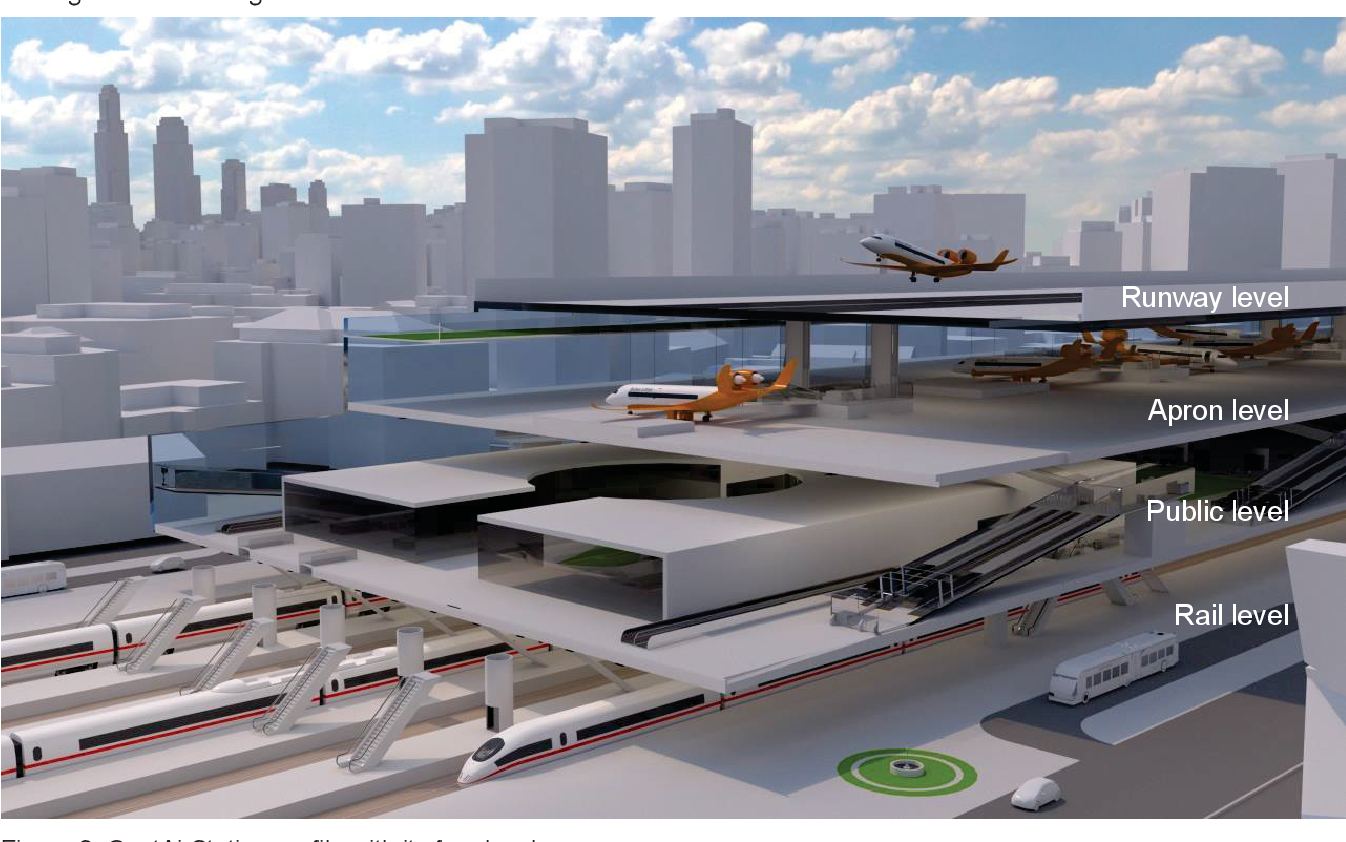
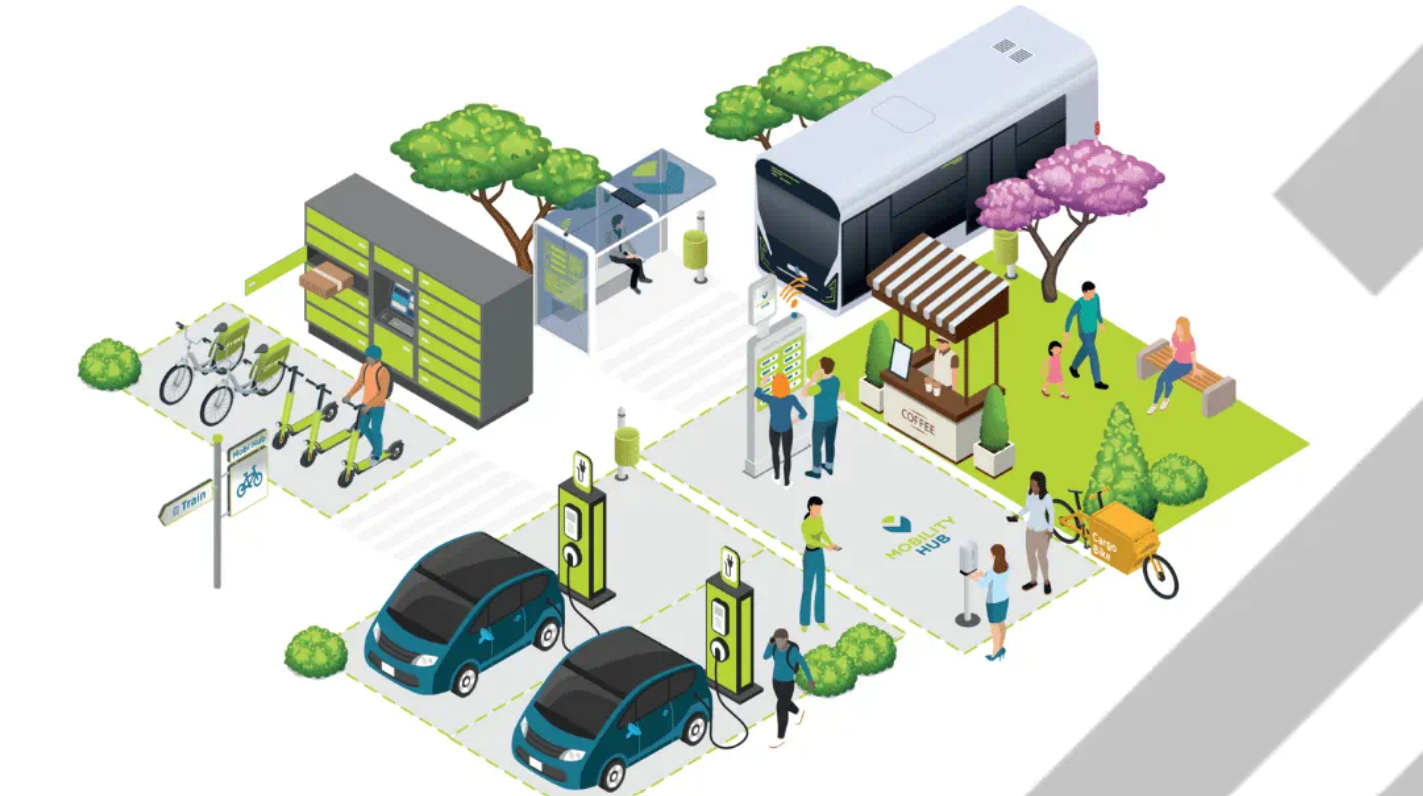
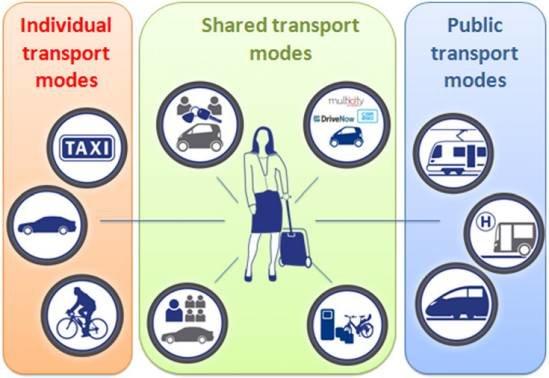
A multi-modal transport system is a sophisticated network that seamlessly connects various modes of public transportation, creating transit hubs where commuters can easily switch between different transportation modes. These transit hubs serve as junctions that enhance transportation efficiency, save time, and improve the speed of movement by facilitating smooth exchange between railways, metros, buses, autos, airplanes, and other modes of transportation. This integrated system not only offers convenience and accessibility to the commuters but also plays a crucial role in ushering the initiatives of urban development and smart cities mission. The key features of a multi-modal transport system include the provision of diverse public transport modes at centralized location, enabling commuters to transit among different modes of transportation effortlessly. By consolidating railways, metros, buses, autos, and airplanes at one place, this system simplifies the commuting experience, making it more efficient and commuter-friendly. Transit hubs within such multi-modal systems are generally equipped with essential passenger services like ticketing facilities, waiting areas, and canteens, enhancing the overall commuting experience and ensuring effective crowd management during transit.
Role in Urban Development and Smart Cities
In the context of urban development and smart cities, the adoption of multi-modal transport system offers a myriad of benefits. By promoting the integration of various transportation modes, these systems reduce the reliance on private vehicles, consequently alleviating traffic congestion and mitigating air and noise pollution. Particularly in the wake of the COVID-19 pandemic, the importance of resilient and efficient public transport systems has been underscored, emphasizing the need for reliable mass transit options that prioritize safety and cleanliness.
Driven by the global trend towards safer, cleaner, and more organized transportation, multi-modal transit solutions are gaining widespread adoption. These systems not only enhance the efficiency of public transport but also contribute to the sustainable urban development by fostering transport-oriented urban planning. As transportation serves as the lifeblood of a city, facilitating effective mobility and connectivity, the integration of roadways, railways, waterways, and airways becomes essential for seamless city functioning and growth.
As cities expand and urban sprawl increases, the demand for a cohesive network of transportation systems becomes imperative to maintain optimal city functionality. Multi-modal transport systems emerge as a vital component in addressing the challenges posed by urban growth, offering a comprehensive solution to enhance mobility for both individuals and goods. Such interconnectedness of of different transportation modalities through well-designed nodes, multi-modal transport systems play a pivotal role in ensuring efficient and sustainable urban mobility, catering to the evolving needs of modern cities and their inhabitants.
Accessibility and Mobility – Meeting the Needs
Accessibility and mobility are at the core of multi-modal transport systems, offering commuters seamless connectivity and ease of movement between distinct origins and destinations.
Accessibility refers to the ease with which people can reach a desired activities and services within a defined geographic area. It encompasses the ability to access a specific location from multiple points or to reach multiple destinations from any given point.
Multi-modal planning recognizes that mobility involves more than just the movement of vehicles; it involves the ability of individuals to traverse between different modes of transportation to reach their desired destination efficiently. In a multi-modal transport system, commuters have the flexibility to combine different transportation modes according to their needs. For instance, a person may utilize public transportation such as buses or trains for longer distances and then walk or cycle for shorter distances to reach their its destination. Similarly, a bike share user may cycle from one docking station to another and then walk to their ultimate destination.
By offering a diverse range of transportation options and integrating them seamlessly, multi-modal transport systems enhance accessibility for commuters of all backgrounds and abilities. These systems cater to the varied needs of individuals, providing convenient and efficient solutions for urban mobility challenges. Additionally, understanding the interconnectedness of different modes of transportation is crucial for planning and implementing a safe and effective multi-modal transport network.
Here are some key points to understand about accessibility and mobility within multi-modal transport systems:
Reducing Vehicle Miles Traveled (VMT)
Destination accessibility is a key factor in reducing the need for extensive vehicle travel.
Poor accessibility often leads to high VMT, especially in sprawling urban areas where destinations are spread out.
Impact of Sprawl
Sprawl refers to the unplanned expansion of residential and commercial development, resulting in dispersed communities and increased reliance on automobiles.
Poor accessibility contributes to the sprawl cycle, where auto travel dominates, and activity centers fail to synchronize, leading to inefficient urban development.
Challenges of Narrow Mobility and Accessibility Focus
A narrow focus on mobility and accessibility can exacerbate sprawl by prioritizing auto travel over other modes of transportation.
This approach fails to concentrate activity centers, resulting in scattered development patterns that are difficult to serve with efficient transit options.
Syncing Activity Uses and Urban Growth
Instead of perpetuating sprawl, multi-modal transport systems aim to sync activity uses into centers, promoting compact urban growth.
This approach minimizes the need for extensive travel and encourages the development of walkable, transit-oriented communities.
Investment Strategies
Rather than continually expanding infrastructure into outlying areas, investment in multi-modal transport systems focuses on reinforcing existing activity centers and promoting compact urban development.
This proactive approach helps agencies avoid playing catch-up and fosters sustainable urban growth.
Accessibility and mobility are essential components of multi-modal transport systems, which aim to reduce reliance on automobiles, minimize VMT, and promote compact, transit-oriented development. By prioritizing efficient transportation options and syncing activity uses into centers, these systems contribute to more sustainable and vibrant urban environments.
Case Studies – India’s Multimodal Transport Projects
The 2011 census of India speaks volumes about the necessity for an effective multi-modal transport system, with 53% of the working population relying on foot travel, 17% using public transport, and 13% opting for private vehicles. Taking this data into account the Government of India has prioritized the development of multi-modal transit systemsthat can decongest the roads of traffic and enhance the public transport infrastructure.
India’s endeavor to revamp its transportation infrastructure has witnessed the emergence of several multimodal transport projects tailored to meet the specific needs of its diverse cities and citizens. Let’s delve into some key projects that are either operational or in progress, each addressing the unique challenges faced by the respective cities.
Balewadi Multi-Modal Transit Hub, Pune
The Balewadi Multi-Modal Transit Hub project in Pune exemplifies India’s aspiration to modernize its transportation infrastructure. . Spearheaded by the Pune Smart City Development Corporation Limited (PSCDCL), this project aims to construct a multi-modal transit hub spread over 10.84 acres in Balewadi, with an estimated cost of Rs 1,251 crore. Through a public-private partnership (PPP) mode, the project seeks to seamlessly integrate various modes of transport, addressing the diverse commuting needs of Pune’s residents.
The comprehensive plan for the facility includes a bus terminus for MSRTC, a PMPML depot, and provisions for private bus parking. Moreover, it will facilitate Metro-related services along the Hinjewadi-Shivajinagar route, offering seamless connectivity across different modes of transport. Initially managed by PSCDCL, the project has now been handed over to the Pune Municipal Corporation, emphasizing collaborative efforts towards its execution.
The integration of transit-oriented development (ToD) principles into the project’s design will enhance its commercial viability and generate revenue for the civic body. Located strategically along the Katraj-Dehu Road bypass, the hub will improve access to Mumbai and Satara-Kolhapur, benefiting commuters and facilitating smoother transit between cities.
Pune’s population heavily relies on foot travel for commuting, making an efficient multi-modal transport system crucial. The proposed hub is perfectly poised to address this need by offering diverse commuting options, ensuring seamless connectivity and accessibility for Pune’s residents. By consolidating different modes of transport such as buses, trains, and potentially metro services, the hub will provide commuters with convenient and efficient travel options tailored to the city’s diverse population.
Furthermore, with direct access to the IT hub, the project will serve as a vital transportation artery for Pune’s western area, supporting the burgeoning residential and commercial developments in the region. By offering diverse commuting options and ensuring seamless connectivity, the Balewadi Multi-Modal Transit Hub represents a significant step towards enhancing Pune’s transportation infrastructure, catering to the evolving needs of its residents and ensuring a more efficient and sustainable transport network for the city’s future.
Bengaluru Airport – Multi Transit Hub
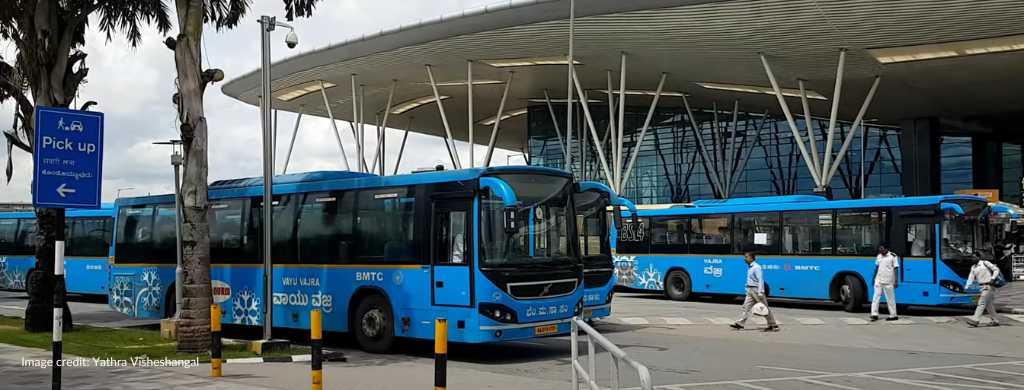
Bengaluru International Airport, also known as Kempegowda International Airport (KIA), is on the brink of becoming India’s pioneer airport with a Multi-Modal Transport Hub (MMTH), aiming to provide seamless travel integration for passengers. This groundbreaking facility is nearing completion, according to statements from Bangalore International Airport Ltd (BIAL).
The MMTH hub is designed to cater to the current and future needs of passengers and staff by consolidating various modes of transport under one roof. It will encompass private car parking, taxi services, and inter/intra-city buses operated by Bangalore Metropolitan Transport Corporation (BMTC) and Karnataka State Road Transport Corporation (KSRTC). Furthermore, the hub will be intricately connected to the Airport Terminals Metro station.
Once operational, the MMTH facility will amalgamate bus and Metro stations, private car/taxi/cab parking, a baggage sorting area, and a retail section. Unlike most airports in India, where such facilities are dispersed, Bengaluru airport’s MMTH will centralize transport modes for enhanced convenience.
With the airport serving approximately 1.05 lakh passengers daily, the MMTH will significantly enhance connectivity, with 72 percent of passengers currently relying on cars and taxis, and the remaining 28 percent utilizing buses. This integration will streamline commutation for all passengers, facilitating a seamless transition between various modes of transportation.
The MMTH hub’s advanced construction stages indicate significant progress, with the temporary parking and drop-off area already operational. Once fully operational, Bengaluru airport will join the league of renowned airports like Zurich and Heathrow, offering hassle-free travel integration. This initiative aligns with the concept of multi-modal integration, ensuring efficient connectivity between various transportation modes, further enhancing Bengaluru’s status as a dynamic and progressive city.
Greater Noida – Multi Transit Hub
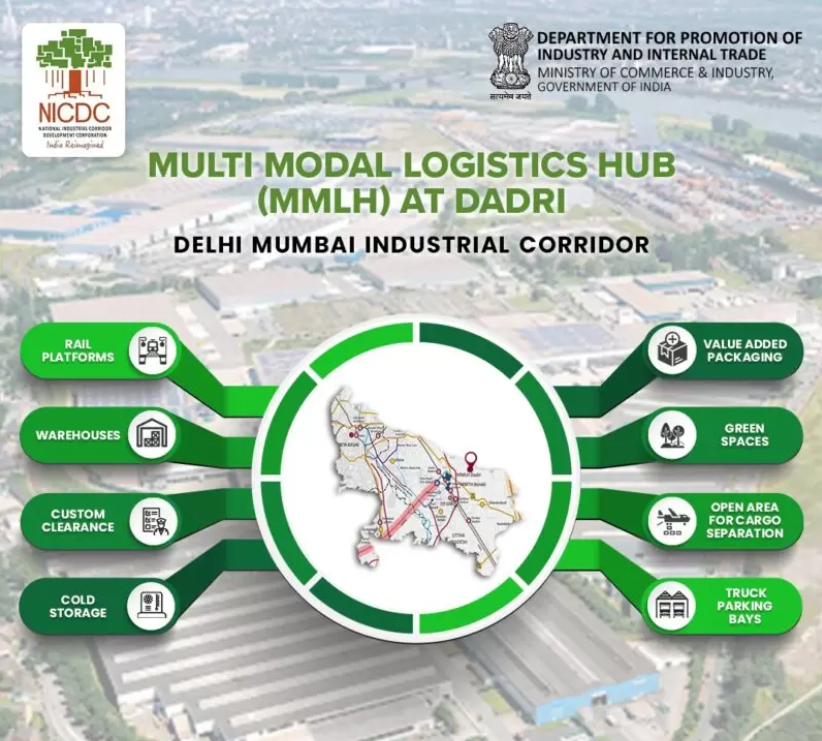
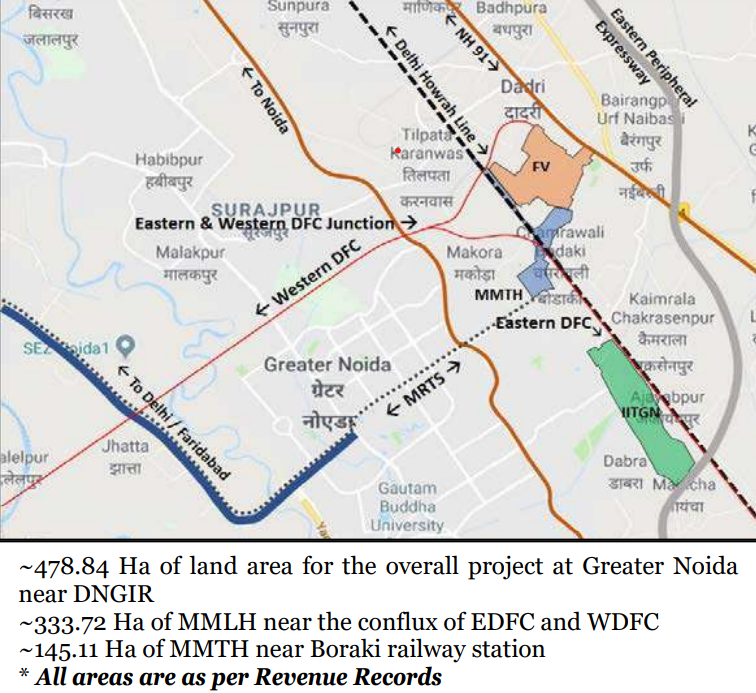
An exemplary initiative identified within the Dadri-Noida-Ghaziabad Investment Region (DNGIR) of the Delhi Mumbai Industrial Corridor (DMIC) is the “Multi Modal Transport Hub (MMTH) at Boraki in Greater Noida,” situated in the Uttar Pradesh (UP) sub-region. This transformative project aims to establish a cutting-edge railway station at Boraki, designed to serve as a pivotal transport hub. The envisioned hub will feature a state-of-the-art railway terminus complemented by an Interstate Bus Terminus (ISBT) and a Mass Rapid Transit System (MRTS) station, alongside commercial activities, capitalizing on its strategic location where various transport modes would converge.
The integrated railway hub is slated to set new benchmarks in passenger facilities, incorporating commercial and institutional amenities such as office complexes, shopping centers, and hotels. The project envisages the development of a modern and user-friendly regional railway terminal that seamlessly integrates with an MRTS, ISBT, and a Business Centre, catering to the needs of both commuters and businesses alike.
Spanning over 412.7 acres, the MMTH at Boraki and its surrounding station area development in Greater Noida aim to enhance transport connectivity for the DNGIR and the upcoming UP-Sub Region, serving as a catchment zone for the proposed transit facility. This project is envisioned to revolutionize passenger movement with provisions for rail, road, and MRTS accessibility, seamlessly integrating Inter State Bus Terminal (ISBT), Local Bus Terminal (LBT), metro, commercial, retail, hotel space, and green open spaces. With an estimated employment generation of about 1 lakh persons by 2040, these projects are poised to unlock significant growth opportunities in the surrounding areas, ultimately contributing to the decongestion of Delhi and fostering sustainable development.
Thane Multimodal Transit Hub
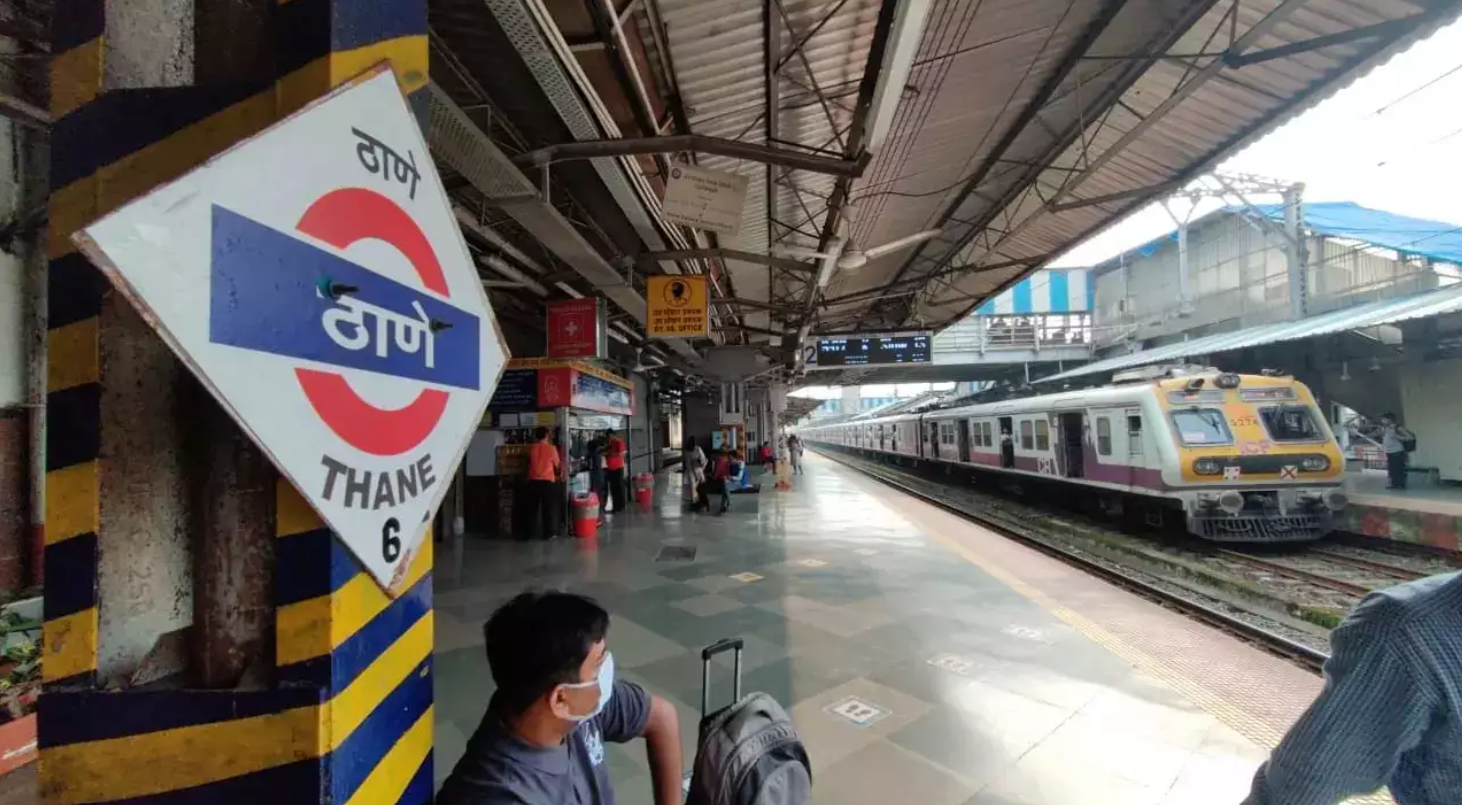
The Thane multi-modal transport hub project is a joint initiative between the Indian Railway Station Development Corporation (IRSDC) and the Thane Municipal Corporation. It aims to ease traffic congestion at Thane railway station during peak hours. The project encompasses a Station Area Traffic Improvement Scheme (SATIS) in Thane East, modeled after the successful multi-modal transit hub in Thane West. Key features include a 2.24-kilometer-long elevated road with dedicated pedestrian lanes and a basement for parking. Plans also include constructing an office building for future Indian Railways expansion. A 9000-square-meter deck area for Public Transport Management (PTM) in Thane East will host amenities such as a bus stop, food court, and public utilities.
This deck area will directly connect to the existing railway foot overbridge. The elevated bridge, spanning 2.24 kilometers, will feature multiple lanes to enhance traffic flow. Additionally, a proposed basement parking facility will accommodate two and four-wheeler vehicles. Overall, the Thane multi-modal transport hub project aims to enhance transportation infrastructure, improve commuter experience, and meet the evolving needs of Mumbai’s growing urban landscape.
The integration of different transportation modes with Thane Railway Station is set to revolutionize commuting in the area.
This initiative aims to alleviate traffic congestion, particularly around the Eastern side of Thane Railway Station.
By providing a dedicated elevated road, the project will enhance the efficiency and security of public transport.
Special attention will be given to pedestrian safety and convenience, ensuring smooth traffic flow for both pedestrians and vehicles.
With proposed parking facilities and improved infrastructure, the project will significantly enhance traffic management in the vicinity.
This holistic approach not only benefits commuters but also contributes to fuel savings and reduces pollution, making the surrounding area more environmentally sustainable.
Hyderabad Multimodal Transport System
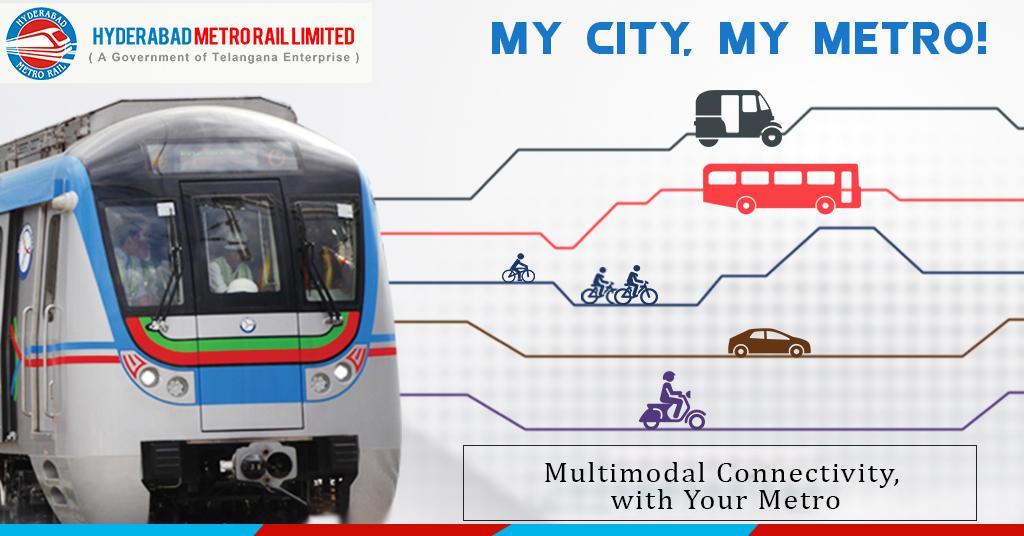
The Hyderabad Metro Rail stands as a landmark project, revolutionizing public transportation in Hyderabad. Covering a sprawling 66 km across three meticulously planned corridors, it offers a paradigm shift in the commuter experience. Seamlessly integrating with existing transportation networks, the metro facilitates multi-modal connectivity, empowering commuters to navigate the city with ease.
Strategically positioned stations such as Miyapur, MGBS, and Secunderabad East serve as vital hubs, providing convenient access to intercity, inter-state, and intra-state bus services. Furthermore, integration with key Indian Railways junctions like Secunderabad and Nampally ensures comprehensive connectivity to major railway stations.
Notably, the Hyderabad Metro Rail extends its reach to MMTS services, bridging gaps between different modes of transport at stations like Bharatnagar and Lakdi-ka-pul. This cohesive integration enables commuters to seamlessly switch between different transport systems, fostering efficient and hassle-free travel experience.
By delivering a world-class transit system, the project significantly mitigates traffic congestion, offering relief to the commuters. The introduction of multi-modal connectivity not only enhances the city’s public transport system but also propels its future development. Hyderabad’s journey towards sustainable urban mobility is propelled by the transformative impact of the Hyderabad Metro Rail, marking a pivotal moment in the city’s transportation landscape.
Sustainability of Multimodal Transport
The implementation of a multi-modal transport system, particularly intermodal transport, holds tremendous potential for fostering environmental sustainability by reducing emissions and enhancing energy efficiency. Intermodal transport seamlessly integrates various modes such as road, rail, sea, and air, playing a vital role in minimizing the environmental footprint of transportation activities.
Environmental Benefits of Intermodal Transport
Intermodal transport stands out for its ability to reduce greenhouse gas emissions, increase energy efficiency, and lower air pollution levels. By prioritizing greener modes of transport like rail and sea wherever possible, intermodal transport significantly decreases carbon emissions. For example, transporting one ton of freight through rail can reduce CO2 emissions by a substantial 83%, showcasing the environmental advantage of intermodal transport. Additionally, resource optimization in intermodal transport leads to improved fuel efficiency and reduced congestion on road networks, further contributing to environmental sustainability.
Comparison with Single-Mode Transport
In contrast to single-mode transport, intermodal transport offers a more sustainable alternative by leveraging the strengths of different transportation modes. Single-mode transport systems often lack the flexibility and efficiency that intermodal transport provides. By combining various modes based on factors like distance, cost, and time sensitivity, intermodal transport optimizes the transportation process, leading to enhanced efficiency and reduced environmental impact. This comparison underscores the importance of transitioning towards intermodal transport to achieve greater sustainability in the transportation sector.
Initiatives Promoting Sustainable Intermodal Transport
Numerous initiatives and practices are being implemented to promote sustainable intermodal transport. These include investments in infrastructure development, technology integration, and standardized processes to enhance the efficiency and environmental friendliness of intermodal transport systems. Businesses are increasingly embracing intermodal transport to reduce their carbon footprint, increase operational efficiency, and contribute to a greener future. By utilizing intermodal transport, companies can achieve cost savings, enhance shipment safety, and align their operations with environmental goals.
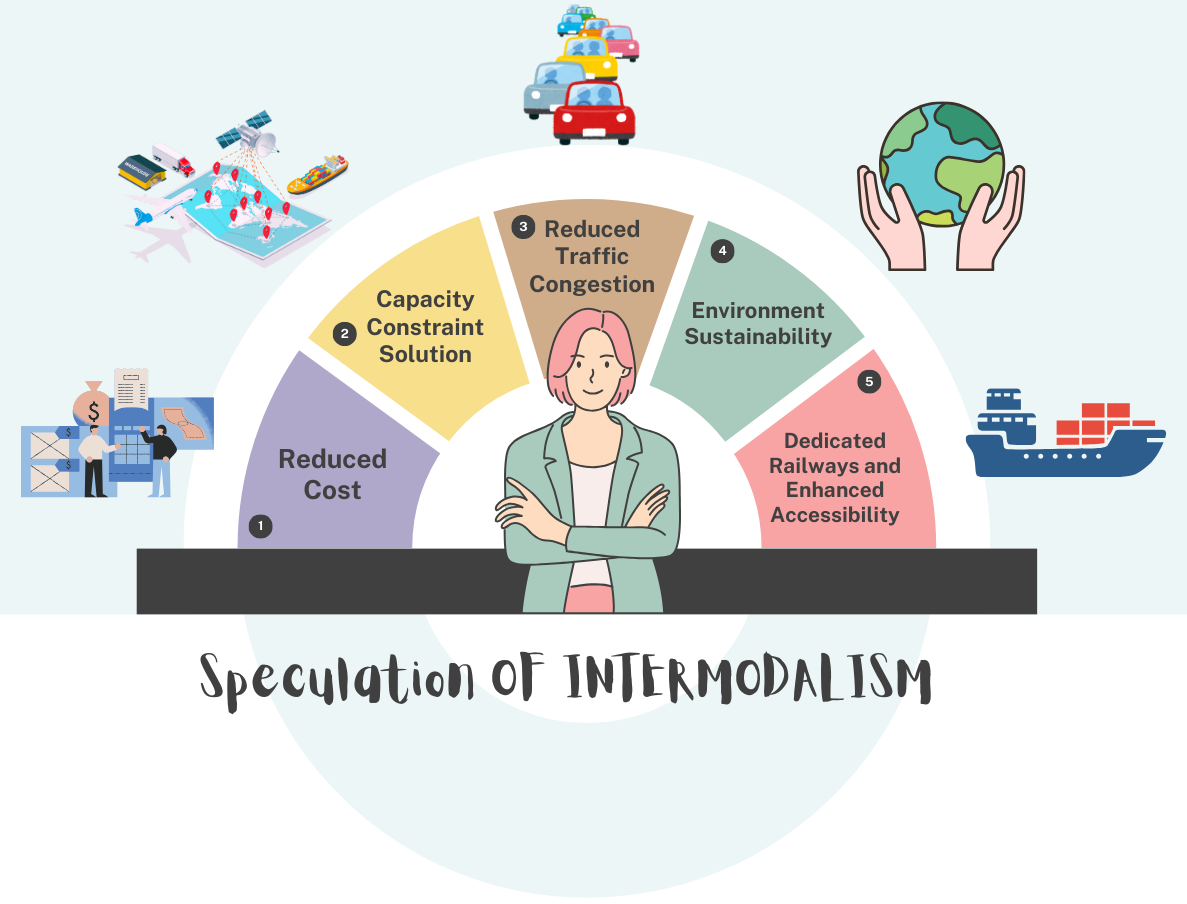
Speculating on the Environmental Impact
Lower Carbon Emissions: Multi-modal travel has the potential to significantly reduce carbon emissions by encouraging the use of more sustainable modes of transportation. According to the International Transport Forum, multi-modal transport systems could reduce CO2 emissions by up to 30% compared to single-mode systems.
Reduced Energy Consumption: By promoting the use of energy-efficient modes of transportation such as cycling and public transit, multi-modal travel can help reduce overall energy consumption. A study by the National Renewable Energy Laboratory suggests that combining public transport with walking or biking could reduce energy consumption by up to 20%.
Reduction in Congestion: Multi-modal travel can alleviate traffic congestion by encouraging the use of public transport and micro mobility options, thus reducing greenhouse gas emissions and improving air quality. According to the American Public Transportation Association, every person who switches from driving alone to public transport can reduce their carbon emissions by 4,800 lbs per year.
Increased Transport Accessibility: By providing a variety of transportation options, multi-modal systems can improve access to transportation for individuals who may not have access to private vehicles, thus promoting inclusivity and equity in transportation access.
Multi-modal transport systems offer significant environmental benefits, including reduced carbon emissions, lower energy consumption, improved air quality, and increased access to transportation for all individuals. By promoting the use of sustainable transportation modes and reducing reliance on single-mode systems, multi-modal transport systems play a crucial role in mitigating the environmental impact of transportation activities and fostering a greener future.
Why Shift to an Intermodal Transport System?
Multimodal transportation, characterized by the integration of various transportation modes, offers numerous benefits for individuals and communities alike. This section explores the rationale behind the shift towards multimodal transportation, highlighting its significance in promoting accessibility, sustainability, and efficiency in transportation systems.
Mindset and Affordability
One of the key strategies in promoting multimodal transportation involves changing the mindset of transportation system users. By articulating and implementing a steady program of interventions, cities can demonstrate the benefits of a more balanced policy package to multiple constituencies. This approach aims to highlight the advantages of multimodal transportation, such as improved accessibility, reduced congestion, and enhanced environmental sustainability.
To ensure equitable access to multimodal transportation, targeted subsidies can be directed towards specific user groups facing potential mobility constraints. Low-income communities, burdened by vehicle expenses, often find it challenging to access reliable transportation options. By offering subsidies tailored to their needs, cities can alleviate financial burdens and promote greater mobility among the vulnerable population.
Enhancing Accessibility and Inclusivity
Modal diversity plays a crucial role in ensuring access to transportation for diverse segments of the population. From children and senior citizens to individuals with disabilities or limited financial resources, multimodal systems aim to cater a wide range of transportation needs. By providing alternatives to traditional car-centric travel, multimodal transportation ensures inclusivity and accessibility for all the members of society.
Factors Influencing Mode Choice
Mode choice is influenced by various factors, including convenience, cost, travel time, and available commuter benefits. Multimodal transportation expands mode choice by offering a diverse range of options, including public transit, walking, biking, and emerging technologies like ride-sharing services. Understanding the factors behind mode choice is essential for designing an effective multimodal transportation system that meets the needs of users.
Holistic Planning Approach
Effective multimodal transportation planning requires a comprehensive and holistic approach. Planners, designers, engineers, and policymakers must collaborate to create transportation systems that prioritize safety, affordability, and environmental sustainability. By integrating strategies to promote awareness, improve safety, and enhance convenience, multimodal transportation becomes a more attractive option for users.
Community Engagement and Participation
Community participation is vital in generating innovative solutions and building support for multimodal transportation initiatives. By engaging stakeholders in the planning process, decision-makers can ensure that transportation projects reflect the needs and priorities of local communities. Encouraging advocacy for incremental improvements and targeting subsidies towards underserved communities further strengthens the inclusivity of multimodal transportation.
Investment and Partnership Strategies
Investment in transportation infrastructure is essential for supporting multimodal transportation. Diverse revenue sources and public-private partnerships play a crucial role in funding and developing transit-supportive land uses. By leveraging partnerships and innovative financing mechanisms, cities can accelerate the implementation of multimodal transportation projects and maximize their impact on mobility and accessibility.
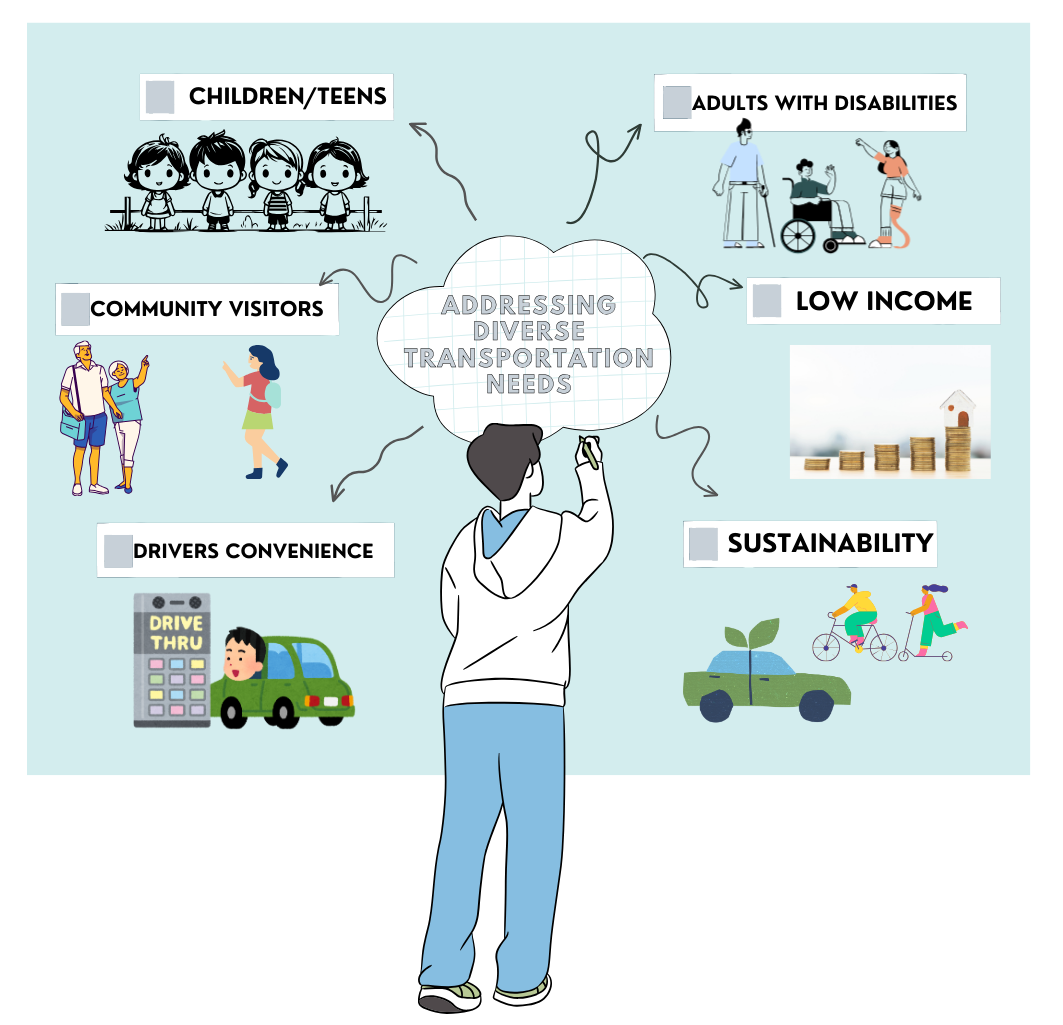
Addressing Diverse Transportation Needs
Multimodal transportation caters to a diverse range of transportation needs, including:
Children and Teenagers: Who do not possess a driver’s license and rely on alternative modes of transportation.
Seniors: Those who may not drive or should not drive because of safety concerns.
Adults with Disabilities: Who require accessible transportation options to meet their mobility needs.
Low-Income Households: Struggling with vehicle expenses and in need of affordable transportation alternatives.
Law-Abiding Drinkers and Impaired Individuals: Who require safe and reliable transportation options.
Community Visitors: Who lack access to personal vehicles or driver’s licenses.
Individuals Seeking Active Transportation: Who choose to walk or bike for enjoyment and health benefits.
Drivers Seeking Convenience: Who wish to avoid the burdens of chauffeuring and parking.
Residents Seeking Sustainability: Who desire reduced congestion, accidents, and pollution emissions.
Boosting Local Businesses
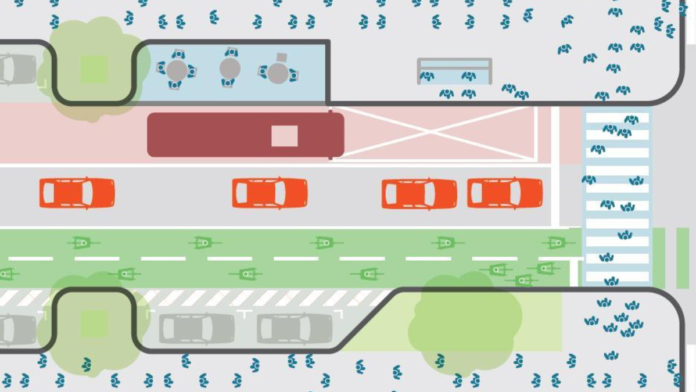
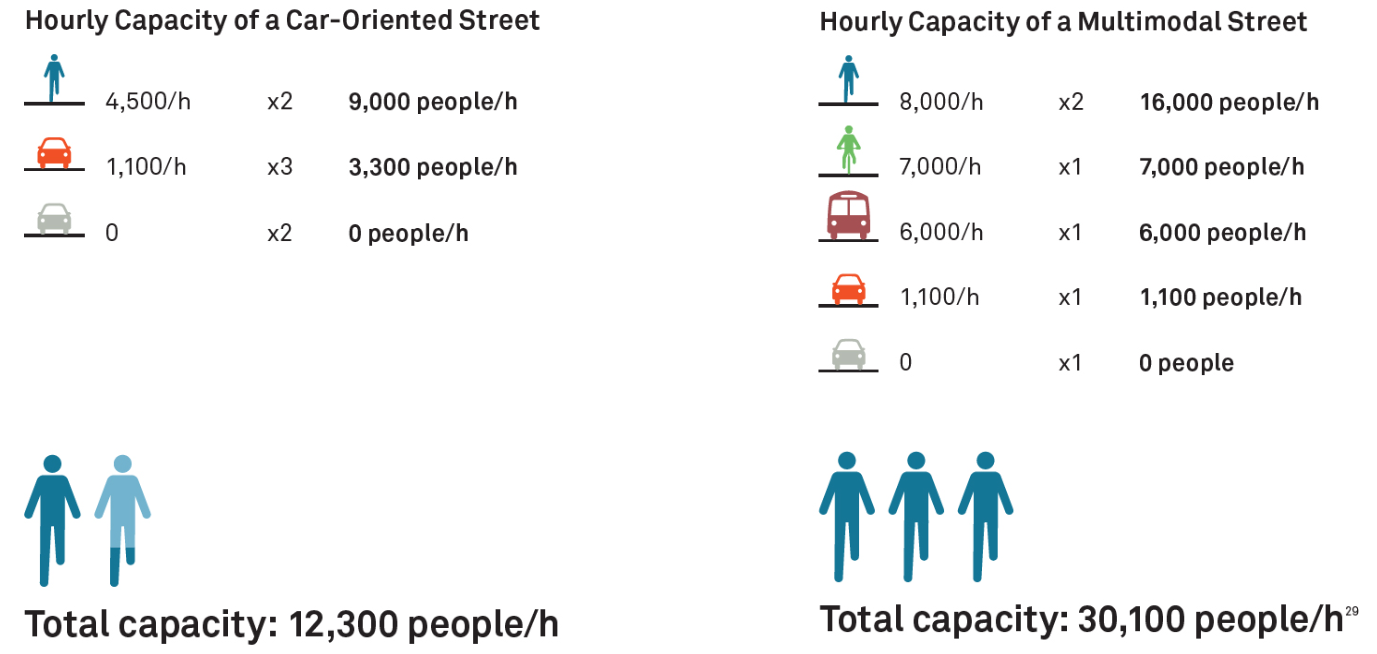
Multimodal street projects play a pivotal role in supporting local businesses by enhancing safety and encouraging diverse modes of transportation. These projects have been shown to yield positive economic outcomes, including increased retail sales and enhanced property values. By creating attractive, safe spaces for transit riders, pedestrians, and cyclists, cities can stimulate economic activity and foster vibrant commercial districts.
Research indicates that people who walk or cycle to an area tend to spend more at local retail businesses compared to those who arrive by car. This highlights the economic significance of prioritizing multimodal transportation infrastructure. By providing accessible and appealing streets for pedestrians and cyclists, cities can capitalize on higher retail spending, contributing to the growth and vitality of local businesses.
Maximizing Economic Benefits
Investing in multimodal streets not only improves transportation options but also generates economic benefits for communities. By prioritizing safety and accessibility for all road users, cities can create environments that attract both residents and visitors, driving increased foot traffic and economic activity. Ultimately, embracing multimodal transportation strategies is not only beneficial for mobility but also essential for fostering thriving, economically vibrant neighborhoods.
Conclusion
The emergence of multimodal transport hubs across India marks a pivotal shift in addressing diverse transportation needs. Projects like the Balewadi Multi-Modal Transit Hub in Pune, Bengaluru International Airport’s MMTH, and proposed hubs in Greater Noida and Thane offer comprehensive solutions for seamless integration of various transport modes, benefiting commuters, the economy, and the environment.
These hubs alleviate congestion, enhance accessibility, and improve overall commuting experiences, positively impacting productivity, reducing pollution, and enhancing quality of life. It is imperative for the government to prioritize and support such initiatives to address urbanization challenges and promote sustainable development.
Multimodal hubs offer relief for congested urban areas by providing alternative transportation modes and encouraging modal diversity. As India moves towards a future marked by urbanization, the integration of multimodal transport infrastructure is crucial for inclusive growth, sustainable development, and improved well-being.
In essence, the adoption of intermodal transport systems in India signifies a significant stride towards sustainable urban transit, economic advancement, and environmental stewardship. Through the embrace of this innovative approach, India stands poised to cultivate a more integrated, efficient, and eco-conscious transportation framework that not only benefits commuters and the government but also paves the way for a brighter, more sustainable future for the nation. By fostering collaboration between various modes of transport, India can effectively address the growing challenges of urban mobility while simultaneously advancing its economic and environmental objectives.