Home Blog Page 97

Enhancing Thane’s Transit: An In-Depth Look at the Thane Integral Ring Metro Project

1
Metro
For Representational Purpose Only

Thane at a Glance 

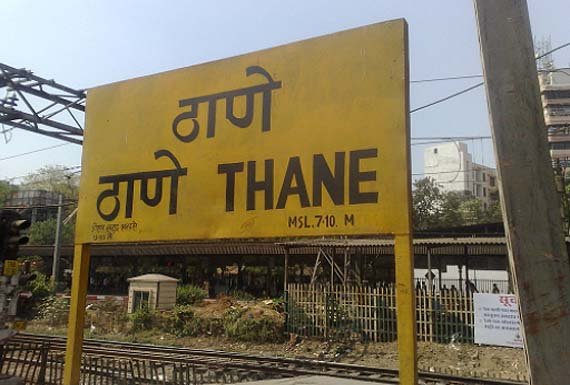
Thane is a metropolitan city in the northwestern part of Maharashtra state in India. It is an essential component of the Mumbai Metropolitan Area and a vibrant city that successfully combines modern development with historical relevance.

The city is primarily a residential suburb of Mumbai, though it also has a large industrial complex, including an industrial estate. It hosts the chemical, engineering, and textile industries.

In Asia, the first passenger train ever ran to Thane. The passenger train service between Bori Bunder (Bombay) and Thane was launched on April 16, 1853.

thane metro route 2 1

Public transport in Thane

Thane features a well-developed transportation infrastructure and serves as a major junction on the Central Line of Mumbai’s suburban railway network, handling around 654,000 passengers daily. On the other hand, the Thane Municipal Transport (TMT), under Thane Municipal Corporation, operates about 250 buses on 74 routes. However, due to the expansion of urbanisation, existing transport modes struggle to accommodate commuters, especially during peak hours. The inadequate capacity of public transport has increased reliance on private vehicles, which resulted in congested roads and increased pollution. The introduction of a metro to Thane city is expected to accommodate projected ridership of approximately 6.47 lakh passengers daily by 2029, increasing to 8.72 lakh by 2045.
thane 1 1

The Need for a Metro System in Thane City.

  1. Rising Population Trends: In 2001, Thane had a population of 8,131,849, and by the 2011 Census, Thane City had a population of 1,841,488. As of 2024, Thane’s population is estimated to be 26,129,000. To support this growing population, Thane City requires an efficient mode of transport that integrates with other transportation systems to provide seamless connectivity across the city.
  1. Increasing Traffic Congestion on Roads: Due to increasing urbanisation, Thane experiences severe traffic congestion due to a high density of vehicles on the roads. The existing road infrastructure is often inadequate to handle the growing number of commuters.
  1. Overburdened Rail System: While Thane is served by suburban rail services, these are often overcrowded, especially during peak hours. The current capacity does not meet the demands of a rapidly growing population, which results in discomfort and safety concerns for passengers.

Thane Metro Overview 

On 16 August 2024, the Union Cabinet, led by Prime Minister Shri Narendra Modi, approved the Thane Integral Ring Metro Rail Project in Maharashtra. This 29-km corridor will run along the western periphery of Thane city, featuring 22 stations. The metro route will be situated between the Ulhas River on one side and Sanjay Gandhi National Park (SGNP) on the other.

Thane Integral Ring Metro Rail Project – Financial Structure

Estimated Project Cost: ₹12,200 crore

Funding Sources: The Thane Metro will be executed with equal equity contributions from the Government of India (GOI) and the Government of Maharashtra (GoM).

Partial Funding:

  • Bilateral agencies

Additional Financing Methods:

  • Station Naming and Access Rights for corporations
  • Asset Monetisation
The state government has urged the Thane Municipal Corporation to contribute ₹5,078.04 crore towards equity and cover land acquisition expenses. Additionally, an interest-free subordinate loan of ₹969.75 crore will be provided by the state.

Project Transitions

The Thane Integral Ring Metro Rail Project has seen several changes since its inception:

  • December 2018: The foundation stone for the project was laid by the Prime Minister. Initially, it was conceived as a traditional, heavy metro line for Thane’s mass transit needs.
  • 2019: The mass transit proposal was put on hold due to financial constraints.
  • Early 2020: The project was revived with plans for a light rail transit (LRT) or metrolite system.
  • 2023: The project was again redefined and returned to the original concept of a full-scale metro line.
  • 2024: The Union Cabinet granted approval for the Thane Integral Ring Metro Rail Project. MAHA Metro has been assigned to execute the Thane Metro. 

Key Features : 

Responsible Authority Maharashtra Metro Rail Corporation Limited 
Total distance 29 km 
Total stations 22 stations 
Elevated 20 stations
Underground 2 stations 
Total cost Rs. 12,200.10 crore 
Current status Under construction  Geotechnical work begins on Waghbil road
Operational 0 km 
Approved 29 km 
Proposed 0 km 
Operational by 2029 
Electrification 25 kV, 50 Hz AC OHE
Track gauge Standard Gauge – 1435 mm
Signalling Communications-based train control (CBTC)
Expected daily ridership 
6.47 lakh in 20297.61 lakh in 20358.72 lakh in 2045

Thane Metro Phase 1

Thane Metro Route Map 1 1


Thane Metro Phase 1 project will loop around Thane city with 1 circular line.

  • Stations: 22 stations (20 elevated and 2 underground).
  • Length: 29-km
  • Station names: Raila Devi, Wagle Circle, Lokmanya Nagar Bus Depot, Shivaji Nagar, Neelkanth Terminal, Gandhi Nagar, Dr. Kashinath Ghanekar Natyagraha, Manpada, Dongripada, Vijaynagari, Waghbil, Waterfront, Patlipada, Azad Nagar Bus Stop, Manorma Nagar, Kolshet Industrial Area, Balkum Naka, Balkumpada, Rabodi, Shivaji Chowk,  Thane Junction (underground) and New Thane (underground).

Ongoing Work on Thane Metro

  • Commencement of Geotechnical Work: In early October 2024, Renuka Consultants officially began the geotechnical sub-soil investigation work at Hiranandani Estate.AD 4nXe pyP dllgPim5hTvHt2MJqlZK6OCg33hrk4JSoyYuJi7RiTHzTZuefNQ8Rl zu6UCW52Pe Kb3k2D 0Wd22NB60yeiB4rrI1NsNhHLGzbbw7r IolStUTnyU Af0zCKZXCgIMJceVIeBSx9V YG1nORr8de MQBACENNuIg?key=E5ezsHy1iC1zwIc4c1R8AIdv
AD 4nXeQgU8cn0RCbeK8jZv1 m9UxUZgrWHU5FtInBJlZne4IKjzQ9cSl5bC t iSVXvooY71I h2OgYsb5Kw0rvMu xe7XlGOTnBeUNtzIj3Gu2NM 5u NTIXA0kQlQWHQ46dIJSV hKjh9C8ghrgrSKT25ewuuFoqn watIvtJwQ?key=E5ezsHy1iC1zwIc4c1R8AIdv
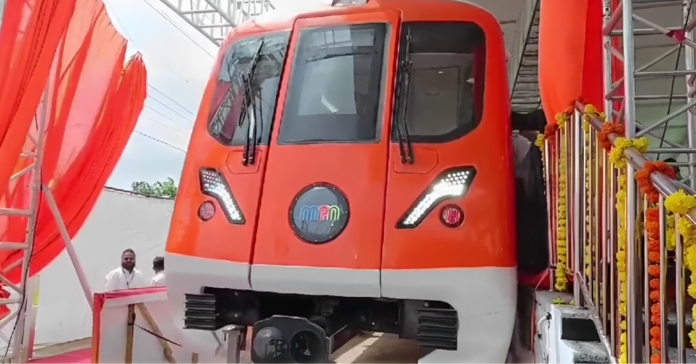
  • New Logo for Thane Metro: Maha Metro has unveiled the new logo for the Thane Metro.
AD 4nXcasmjSLwnuE RX3jQDsRR0x2Diu 2nkBTqmN2wq

Contracts for the project 

Contract Work Description Contract ValueContractor details 
DDC-01 Detailed Design Consultancy Services for 6 elevated stations:Dr. Kashinath Ghanekar NatyagrahaManpadaDongripadaVijay NagariWaghbilWaterfront Rs. 1.35 croreSTUP Consultants Pvt. Ltd 
Consul-01 Appointment of General Consultants for Thane Integral Ring Metro Project,for Thane Metro’s rapid implementation by providing support in contract management, design, safety, monitoring, and quality assurance.


Bidding under process  ( Bids were invited in October and will be closed by November)
Geo-01 Geotechnical Investigation for Thane Metro
Renuka Consultants 
S&E-01Environmental Impact Assessment (EIA) study & preparation of Environmental Management Plan (EMP)
4 bids have been submitted in October.
S&E-02 Social Impact Assessment (SIA) study and preparation of social management implementation plan, rehabilitation & resettlement (R&R Policy) Plan. 
Bidding is in progress. 

Challenges Involved in the Thane Metro Project

Financial Sustainability: The project involves funding of ₹12,200 crore, and, like other metro projects in India, achieving financial sustainability will be a challenge for Thane Metro.

Approval and Procedural Delays: Planning and design changes have been made to the Thane Metro project since it was first announced. It started out as a heavy metro, changed to a Metro Lite format, and then went back to being a conventional metro. These changes have caused delays and impacted timelines.

Land Issues: The predominantly elevated route of Thane Metro requires land acquisition, along with the rehabilitation and resettlement of affected residents and businesses. Managing these activities efficiently will be crucial, as delays in land acquisition or resettlement could extend project timelines and increase costs.

Social Acceptance: Compared to the metro, Thane City’s suburban train network provides a cheaper mode of transport.  Getting people to pick the Thane Metro will be one of the major challenges for Maha Metro.

Environmental Concerns: The metro line’s construction may have an impact on the local ecosystem, especially in the vicinity of Upwan Lake, where locals have expressed worries about environmental degradation brought on by growing urban infrastructure. Development and ecological preservation must be balanced by the implementing agencies.

Benefits Associated with Thane Metro

Integration with Mumbai Metro & Suburban Railway: Thane, a residential suburb of Mumbai, has a large portion of its population commuting daily to Mumbai for work. The Thane Metro will integrate with Mumbai Metro Line 4 (Wadala–Kasaravadavali) and Line 5 (Thane–Bhiwandi–Kalyan), as well as with Railways at Thane Junction station. This integration will facilitate smoother traffic flow, reducing strain on other modes of transport.

Reduced Traffic Congestion: Due to its integration with other transport modes, more people are likely to opt for the Thane Metro to reach their destinations, which will reduce road traffic. Initial projections indicate that Thane Metro will attract about 6.47 lakh daily commuters.

Environmental Sustainability: The shift from private vehicles to public transport will help reduce pollution in the city, supporting India’s long-term goal of achieving net-zero emissions by 2070.

Boost to Economy: As the city becomes more connected and accessible, property prices are expected to rise along the Thane Metro route. Additionally, the route will attract businesses to set up near stations due to increased commuter footfall.

Employment Generation: The construction and operations of the Thane Metro will create job opportunities for residents.

Conclusion   

 The Thane Metro project aims to address Thane’s growing transportation needs with a 29-km circular line encompassing 22 stations. Designed to relieve congestion, support rising commuter numbers, and reduce pollution, the metro is expected to serve over 6 lakh passengers daily by 2029. Integrated with Mumbai’s transit network, it will offer better connectivity for Thane residents. While challenges like funding, land acquisition, and environmental concerns remain, the metro project is projected to enhance urban mobility and provide practical benefits for daily commuters in Thane.
Advertisement1
InnoMetro_2026

The Evolution and Expansion of Kolkata Metro: A Journey Through Time

0
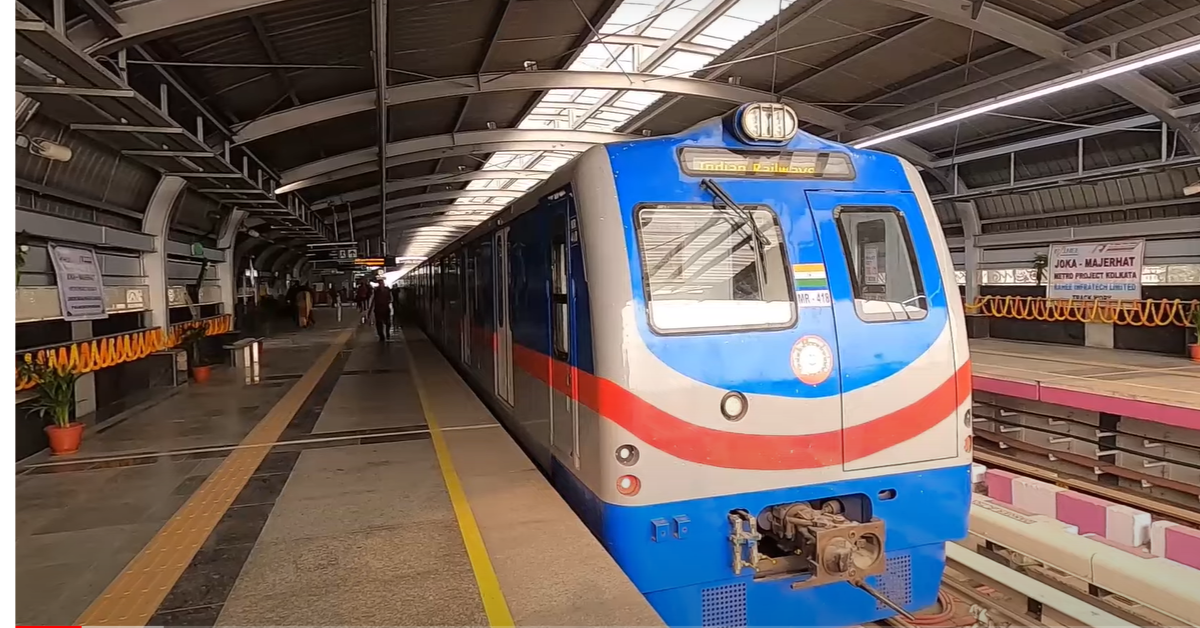
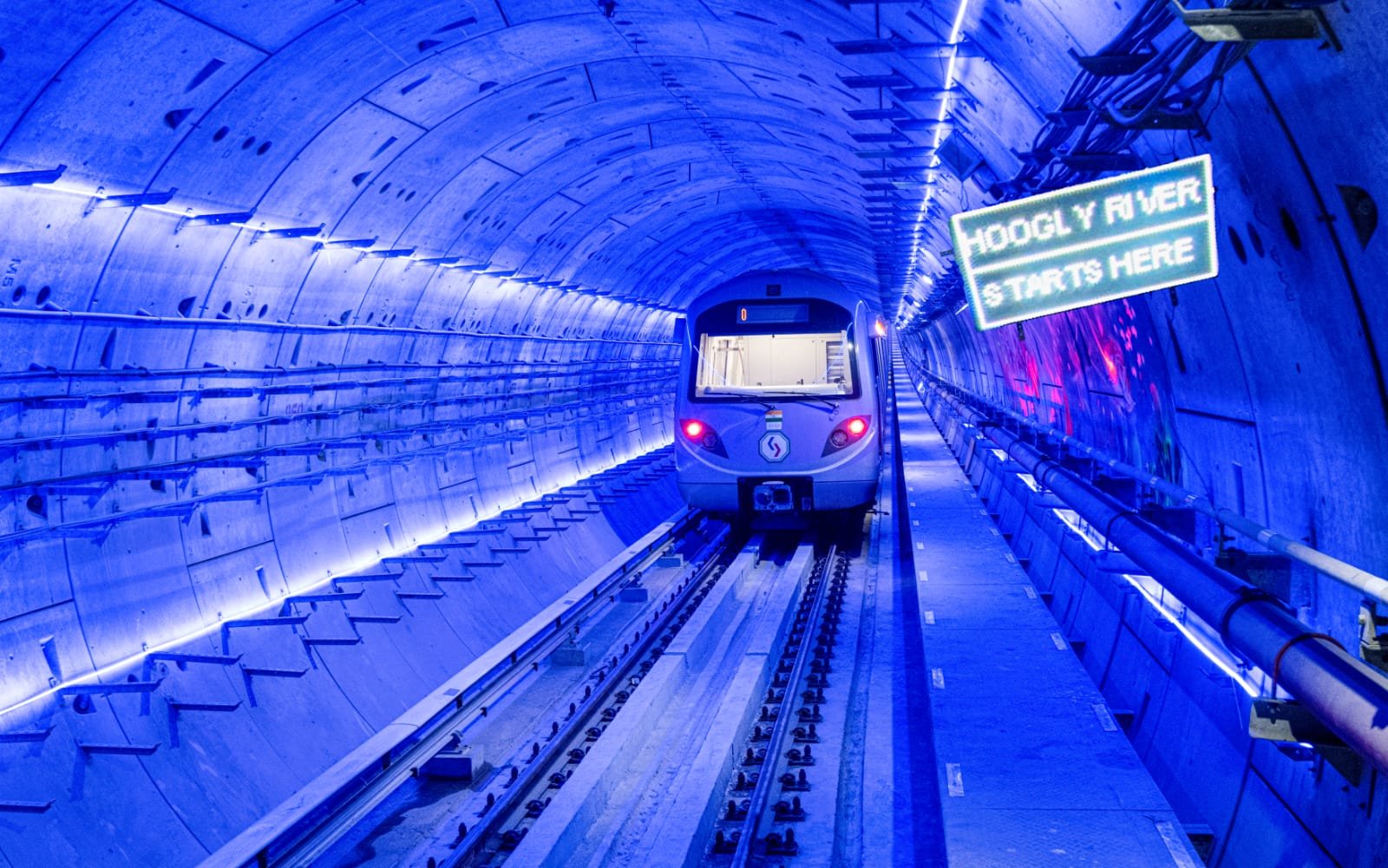
Kolkata Metro

Kolkata, the capital of West Bengal, often referred to as the “cultural capital of India” due to its diverse culture and rich artistic heritage. It is situated on the eastern bank of the Hooghly River. Kolkata ranks as one of India’s most populous cities. While Kolkata is home to several prestigious institutions like the University of Calcutta and the Indian Museum, the city has been serving as a major financial and commercial hub in eastern India. 

Kolkata served as the capital of British India from 1772 to 1911 and played a critical role in India’s colonial history. The city experienced considerable changes, particularly after the partition of Bengal in 1947, which resulted in an influx of refugees from East Bengal. 

After independence, Kolkata grappled with the urgent need for efficient urban transportation. By the late 1960s, Kolkata faced severe traffic congestion, with road infrastructure unable to accommodate its growing population. In response to these challenges, the Indian government recognised the necessity of a metro system as part of urban planning in the city, making Kolkata the first city in India to introduce metro rail services.  

KOLKATA 05

Glimpse Of Kolkata Metro History 

Early proposal: The idea of a metro system in Kolkata can be traced back to the September 1919 session of the imperial legislative council at Shimla. A committee setup by W.E. Crum proposed the idea of a metro line in Kolkata. However, this initiative was shelved due to financial constraints.

Revision of proposal: The proposal of a metro system in Kolkata was reconceived in 1949 with the idea of an underground railway for the city by the chief minister of West Bengal, Bidhan Chandra Roy. A team of French experts conducted the survey, but nothing concrete materialised. 

Formation of Metropolitan Transport Project: To conquer the urban transportation challenges, the Metropolitan Transport Project (MTP) was established in 1969. 

Planning: In 1971, a master plan was developed, which outlined the construction of five metro lines with a total length of 97.5 km (60.6 mi). However, based on traffic studies, only 3 corridors were approved for construction. The highest priority was given to the Dum Dum to Tollygunge line due to its high traffic volume. 

The three identified corridors were:

  1. Dum Dum – Tollygunge (Line 1): This line is currently operational between Dakshineswar and New Garia.
  2. Bidhannagar – Ramrajatala (Line 2): Originally planned to extend to Ramrajatala, this line is currently truncated at Howrah Maidan.
  3. Dakshineswar – Thakurpukur: This was divided into two sections — Line 1 (Noapara to Dakshineswar) and Line 3 (Joka to Esplanade).

Execution: On 29 December 1972,  Prime Minister Indira Gandhi laid the foundation stone for the metro project in Kolkata.

 Reasons Behind Kolkata Metro

Urban population growth: Kolkata experienced a significant population growth due to partition and independence of India. By the 1970s, Kolkata became one of the most densely populated cities in India, with a population exceeding 14 million in the metropolitan area. This influx in population created immense pressure on the existing transport system, which led to severe congestion and inadequate public transport options, generating the need for the metro in Kolkata.  

Inefficient road Infrastructure: With the growing population, the number of vehicles in Kolkata has increased rapidly. However, only 6.2% of Kolkata’s area comprises roads, which was significantly lower than that of other major Indian cities, which often exceed 20%. This limited      road infrastructure leads to heavy traffic congestion on roads due to its inefficiency to accommodate the growing number of vehicles.  

Overview Of Kolkata Metro 

Kolkata Metro (India’s first metro) is an urban mass rapid transit system that first began operations on October 24, 1984. As of 2024, Kolkata Metro has 4 operational corridors. The metro system in Kolkata is the second busiest and fourth longest metro network in India. Kolkata Metro has been serving the city for 40 years.  The Kolkata Metro boasts daily ridership of 700,000 passengers.

GH85MZDbYAERuFC

Interim Budget 2024 Highlights:

  • The New Garia-Airport corridor (Orange Line) received the highest allocation of ₹1,791.3 crore.
  • The Joka-Esplanade corridor was allocated ₹1,200 crore.
  • The East-West Metro project received ₹900 crore.

Key Specification of Kolkata Metro

Speed and Track 
Top Speed: 80 kmph
Average Speed: 34 kmph
Track Gauge: Broad Gauge – 1676 mm (Line-1) & Standard Gauge – 1435 mm (Line-2)
Safety and ElectrificationElectrification: 750 V DC Third Rail

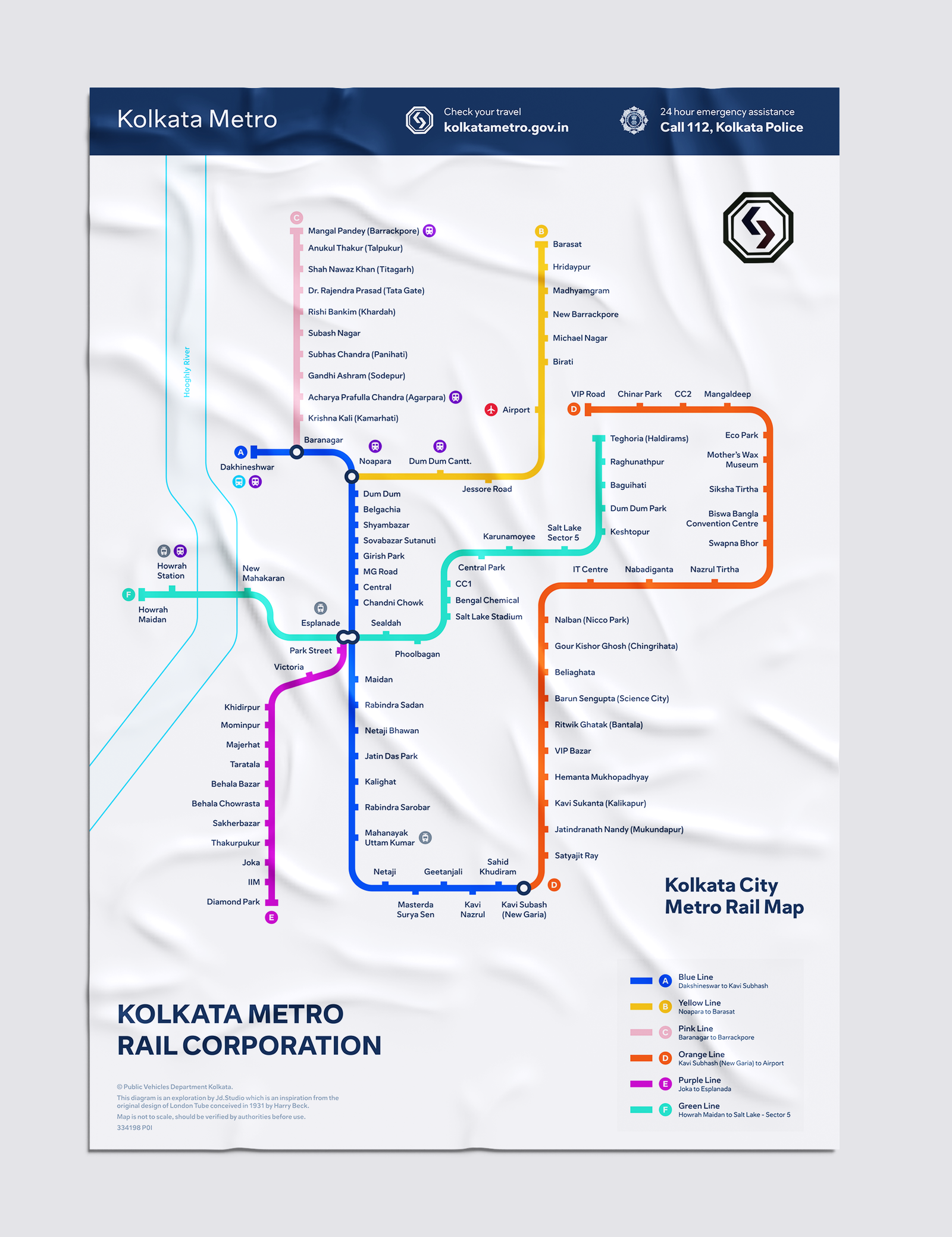
Operational Routes of Kolkata Metro 

original bfdb8d8e384f333aa34e9fe2dda29b56
Operational Network: 58.68 km Under Construction: 41.94 km Approved: 28.2 km Proposed: 15.7 km

  Blue Line (Line-1): Dakshineswar- New Garia (Kavi Subhash)

  • Length: 32.25 km
  • Depot: Noapara and New Garia
  • Number of Stations: 26
  • Station Names: Dakshineswar, Baranagar, Noapara, Dum Dum, Belgachhia, Shyambazar, Shobabazar, Shobhabazar Sutanuti, Girish Park, MG Road, Central, Chandni Chowk, Esplanade, Park Street, Maidan, Rabindra Sadan, Netaji Bhavan, Jatin Das Park, Kalighat, Rabindra Sarobar, Mahanayak Uttam Kumar, Netaji, Masteda Surya Sen, Gitanjali, Kavi Nazrul, Shahid Khudiram, Kavi Subhash (New Garia)

Timeline of Blue Line (Line 1) 

Operational Date               Section             Length 
24 October 1984Esplanade – Netaji Bhawan 3.40 km
12 November 1984Dum Dum – Belgachhia 2.15 km  
29 April 1986Netaji Bhawan – Tollygunge4.24 km
13 August 1994Belgachhia – Shyambazaar1.63 km
02 October 1994Esplanade – Chandni Chowk0.71 km
19 February 1995Shyam Bazaar – Girish Park 1.92 km
19 February 1995Chandni Chowk – Central0.60 km
27 September 1995Central – Girish Park 1.80 km
22 August 2009Tollygunge – Garia Bazar5.85 km
07 October 2010Garia Bazar – New Garia 3.0 km
10 July 2013: Dum Dum – Noapara2.09 km
21 February 2021Noapara – Dakshineswar4.11 km

Green Line (Line-2): Sector V – Sealdah and Howrah Maidan – Esplanade

  • Length: 13 km
  • Type: Elevated (5.3 km) & Underground (7.7 km)
  • Depot: Central Park in Bidhannagar (Salt Lake)
  • Number of Stations: 12
  • Station Names: Howrah Maidan, Howrah, Mahakaran, Esplanade, Sealdah, Phoolbagan, Salt Lake Stadium, Bengal Chemical, City Centre, Central Park, Karunamoyee, Salt Lake Sector V

Timeline of Green Line ( Line 2) 

Operational date                         Section Length
13 Feb 2020Sector V – Salt Lake Stadium 5.3 km
05 Oct 2020Salt Lake Stadium – Phoolbagan  1.7 km
14 July 2022Phoolbagan – Sealdah2.1 km
6 March 2024Howrah Maidan – Esplanade3.9 km

Purple Line (Line-3): Joka – Majerhat

  • Length: 7.75 km
  • Type: Elevated
  • Depot: Joka
  • Number of Stations: 7
  • Station Names: Joka, Thakurpukur, Sakherbazar, Behala Chowrasta, Behala Bazar, Taratala, and Majerhat

Timeline of Purple Line (Line 3)

Operational Date       Section  length  
30 December 2022Joka – Taratala 6.5 km
6 March 2024Taratala – Majerhat1.25 km

Orange Line (Line-6): Kavi Subhash (New Garia) – Hemanta Mukherjee (Ruby Hospital)

  • Length: 5.68 km
  • Type: Elevated
  • Depot: New Garia
  • Number of Stations: 5
  • Station Names: Kavi Subhash, Satyajit Ray, Jyotirindra Nath Nandy, Kavi Sukanta, and Hemanta Mukherjee

Timeline of Orange Line ( Line 6) 

Operational date                       Section Length 
6 March 2024Kavi Subhash – Hemanta Mukhopadhyay 5.68 km

Under Construction Lines

Green Line (Line-2) – Esplanade – Sealdah (tunnels only)

  • Length: 2 km
  • Type: Underground
  • Number of Stations: 0
  • Station Names: N/A

Purple Line (Line-3) – Majerhat to Esplanade

  • Length: 7.55 km
  • Type: Elevated (2.5 km) & Underground (5.05 km)
  • Number of Stations: 5
  • Station Names: Mominpur, Kidderpore, Victoria Memorial, Park Street and Esplanade.
Recent update: In July 2024, Larsen & Toubro commenced concrete pouring for the initial batch of tunnel ring segments for the Purple Line. Larsen & Toubro was awarded Package UG1 in June 2023. The L&T is responsible for the twin tunnels between Mominpur and Esplanade and 4 construction of 4 underground stations at Kidderpore, Victoria Memorial, Park Street and Esplanade. 

Yellow Line (Line-4) – Noapara to NSCBI Airport

  • Length: 6.87 km
  • Type: At-grade, elevated & underground
  • Number of Stations: 4
  • Station Names: Noapara, Dum Dum Cantt., Jessore Road, Biman Bandar
Recent updates: The 16 km Yellow Line connecting Neopara to Barasat, the first line to connect with the airport, witnessed significant development as the 4 km track from Dum Dum Cantonment to the NSCBI Airport was recently completed. 
On 21st October 2024, Shri P Uday Reddy inspected the 4km long track in the Maidan trolley from Dum Dum cantonment- Airport.

Orange Line (Line-6) – Hemanta Mukherjee (Ruby Hospital) to NSCBI Airport (Biman Bandar)

  • Length: 24.19 km   
  • Type: At-grade, elevated & underground
  • Depot: New Town, New Garia
  • Number of Stations: 19
  • Station Names: VIP Bazar, Ritwik Ghatak, Barun Sengupta, Beliaghata, Gour Kishore Ghosh, NICCO Park, Saltlake Sector V, Technopolis, Nazrul Tirtha (formerly Bidhan Nagar), Swapno Bhor (formerly Sub CBD-1), Biswa Bangla Convention Centre (formerly CBD-1), Kala Kshetra, Mother’s Wax Museum (formerly New Town), Eco Park (formerly Convention Center), Siksha Tirtha (formerly Sub CBD-2), City Centre II (formerly Titumir), Chinar Park (formerly Rabindra Tirtha), VIP Road/Teghoria (Haldiram), Biman Bandar (Airport).

 Proposed Lines

Green Line (Line-2) – Howrah Maidan to Satrangachi Bus Terminal

  • Length: 10 km
  • Type: Elevated
  • Status: Proposed

Green Line (Line-2) – Sector V to Teghoria

  • Length: 5.7 km
  • Type: Elevated
  • Number of Stations: 5
  • Station Names: Kestopur, Dum Dum Park, Baguiati, Raghunathpur and Teghoria (Line-6 interchange)
  • Status: Proposed

Yellow Line (Line-4) – NSCBI Airport (Biman Bandar) to Barasat

  • Length: 11.26 km
  • Type: Underground and Elevated
  • Number of Stations: 6
  • Station Names: Birati, Michael Nagar, New Barrackpore, Madhyamgram, Hridaypur and Barasat
  • Status: A 3.6 km underground section with 3 stations from NSCBI to New Barrackpore has been fast-tracked. Geotechnical & Design bids were invited in mid-January 2020.

Pink Line (Line-5) – Baranagar to Barrackpore

  • Length: 12.50 km
  • Type: At-grade & elevated
  • Number of Stations: 11
  • Station Names: Baranagar, Kamarhati, Agarpara, Panihati, Sodepur, Subhash Nagar, Khardaha, Tata Gate, Titagarh, Talpukur, Barrackpore
  • Status: This line is on hold. Its route was proposed to follow Barrackpore Trunk Road but may follow the Kalyani Expressway instead. When operational, it might function as an extension/spur of Line 1.

Initiative to Digitalised India

  • In September, the Kolkata metro introduced a mobile-based QR ticketing system on trial basis. Shri P Uday Kumar Reddy, General Manager of Metro Railways, introduced this new ticketing system at Kalighat station with other senior officials. 
  • To support this new QR ticketing system the AFC (Automatic Fare Collection) gates on Blue Line and Orange Line stations have been upgraded. 

Benefits of Kolkata Metro

1. Enhanced Connectivity: The expanded network of Kolkata Metro enhanced connectivity in the city by linking the peripheral areas of the city to the central part of the city. This extensive network allowed the residents of Kolkata to access different regions of the city more conveniently. 

2. Reduced Traffic Congestion: Kolkata city has witnessed serious issues of road congestion due to major reasons like urban infrastructure limitation, heavy rainfall and increasing vehicle numbers. By providing a means of public transportation like the metro system, the Kolkata metro has resolved major issues like urban transportation and traffic congestion on roads.   

3. Economic growth: The Kolkata Metro has majorly contributed to generating more employment rates in the city, leading to a boost in the economic growth of the city. Furthermore, the extensive network of the metro has also drawn the attention of more businesses and industries near the metro stations stimulating the local economies. 

4. Time efficiency: The metro system in Kolkata allows the residents of the city to travel to different regions of the city in less time, making the journey more convenient for them. For instance, the travel time between Esplanade and Howrah Maidan by road is approximately 20 minutes; however, one can typically cover the same distance in 5 minutes by using the Metro. 

5. Integration with other modes of transportation: The Kolkata metro has efficiently provided connectivity to the other modes of transportation. For instance, The Kolkata metro connects with Kolkata Suburban Railways at several interchange stations like Dum Dum and Sealdah. 

Challenges Encountered by Kolkata Metro 

1.  Structural Integrity Issue: In February 2024, Kolkata Metro Rail Corporation (KMRC) received a report of the CMRS inspection conducted on the Howrah Maidan – Esplanade section of the Green Line. However, a total of 50 issues were reported by CMRS, stating major challenges like cracks in tunnel segments and signage issues that require urgent attention.

2. Water ingress and subsidence: The Esplanade to Howrah Maidan section of the Kolkata metro Green Line saw major water ingress and subsidence issues. Numerous calamitous incidents like water gushing out at rates of 150 litres per minute and an encounter with a tunnel boring machine in a sand aquifer have all contributed to severe ground movement and a threat to nearby residents and properties.

3. Technical Limitations: The construction of the Kolkata Metro during the 1970s introduced several technical constraints that continue to influence its operations. The tunnel dimensions, designed during that era, required the adaptation of Indian meter-gauge shells on broad-gauge bogies for rolling stock, necessitating custom-built rakes. This customisation has not only increased manufacturing costs but also limited the choice of suppliers.

Conclusion

The journey of the Kolkata Metro reflects a legacy of determination and adaptation. From pioneering India’s first underground railway to becoming an essential mode of transport for millions, the metro system has continually evolved to address the city’s growing needs. Overcoming challenges such as dense urban construction, technical constraints, and complex management structures, Kolkata Metro stands as a symbol of the city’s resilience and progress.

The Kolkata Metro’s planned expansions aim to transform urban mobility by connecting distant areas, reducing traffic congestion, and integrating with other transportation systems. With transparent public-private partnerships, community involvement, and a focus on safety and innovation, the Kolkata Metro strives to achieve sustainable urban growth for a more efficient and connected future for the city.

Advertisement1
InnoMetro_2026

Bangalore Metro: Titagarh to Deliver 1st Train For Yellow Line by Jan 25

0
Bangalore Metro
Bangalore Metro (Representational; Image)

Bangalore (Metro Rail News): A major development has been waiting for Bangalore Metro as Titagarh Rail Systems Limited (TRSL) is going to deliver the first CBTC (Communication-Based Train Control) train set for the Yellow Line at Hebbagodi Depot by 15 January 2025.

In February 2024, China’s CRRC Corporation Ltd. delivered the first prototype train for the Yellow Line which is currently undergoing trials.

Bangalore Metro’s First Driverless Train Rolls Out in Nanjing

CRRC to Deliver First Prototype for Bangalore Metro’s Purple Line

On 10 January 2025, The CRRC is going to deliver the 6-coach DTG (Distance-to-Go) prototype train for Bangalore Metro’s Purple Line. The train is expected to reach Chennai Port by year’s end and will arrive at Peenya Depot by 10 January. 

Bangalore Metro Rolling Stock Contract 

In February 2019, China’s CRRC Corporation Ltd was awarded the Bangalore Metro rolling stock contract at Rs 1,578 crore to supply 216 coaches (36 train sets) for the Yellow and Purple Line. 

However, due to CRRC’s inability to fulfill the contract requirements, it subsequently signed an MoU with Titagarh Rail System. 

The MoU stated that CRRC will supply one prototype train for the Yellow Line and one prototype train for the Purple Line (12 Coaches in total), and Titagarh Rail System will manufacture and supply the remaining 34 train sets comprising 204 coaches. 

As per the contract,  Out of 216 coaches, 126 coaches ( 21 train sets) will be deployed on the Purple Line while 90 coaches (15 train sets) are planned to be deployed on the Yellow Line. 

Bengaluru Metro’s Yellow Line 

The Yellow Line of Bengaluru Metro Phase 2 spans 19.143 km from RV Road to Bommasandra through 16 stations. 

Advertisement1
InnoMetro_2026

India’s First Vande Bharat Sleeper Train to Undergo Loaded Simulation Trials

0
Vande Bharat Sleeper Train

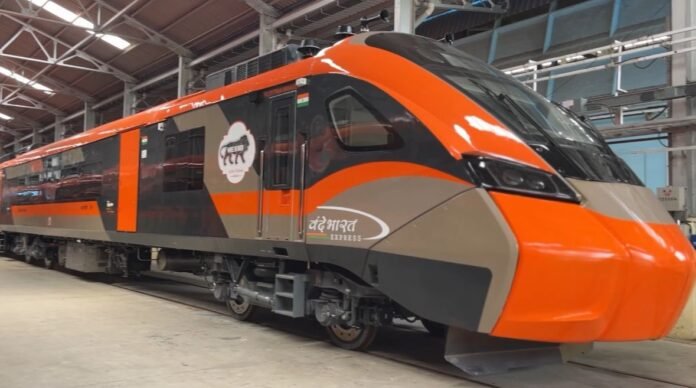
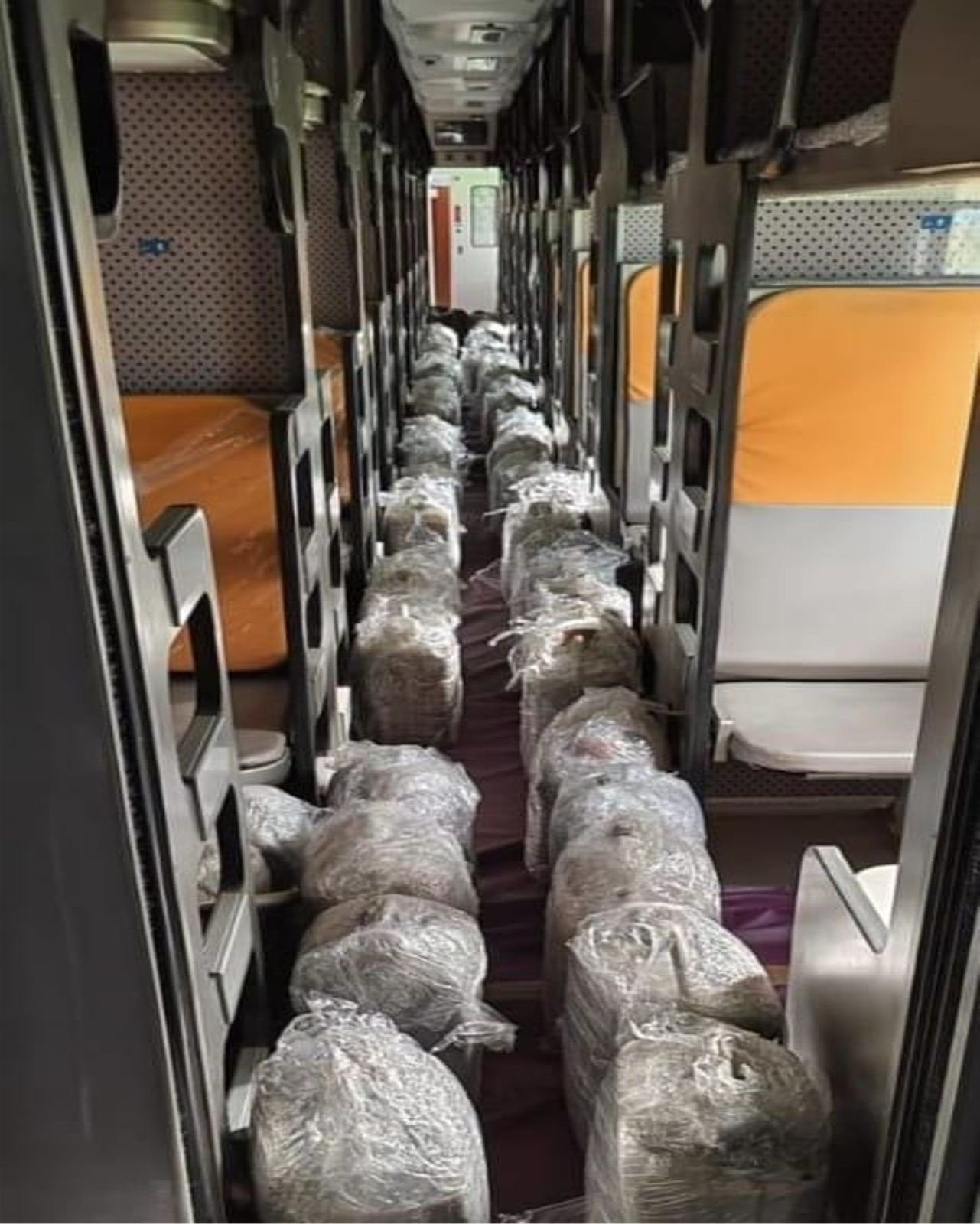
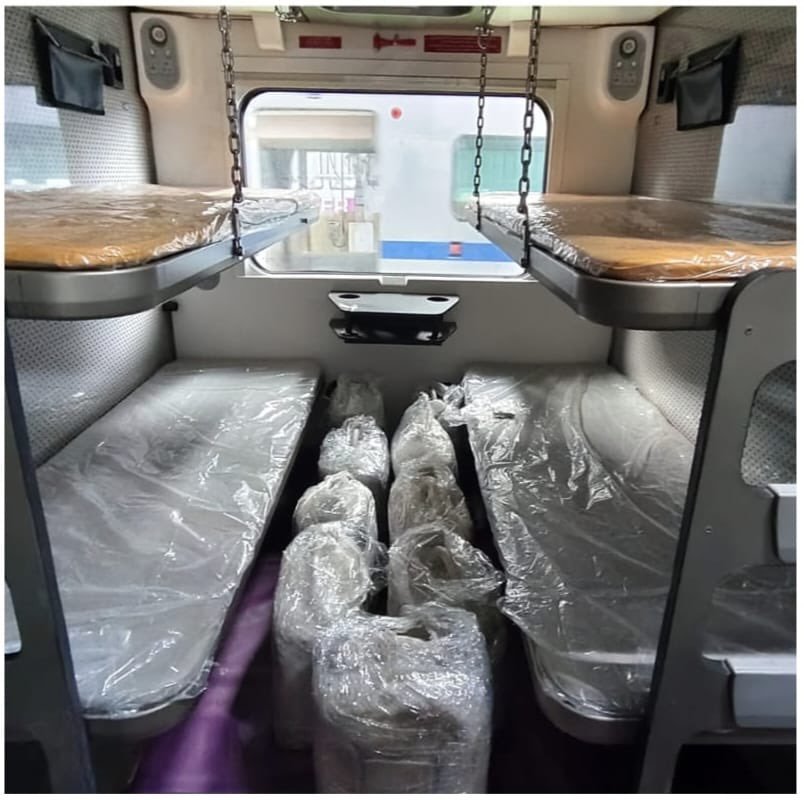
(Metro Rail News): India’s first Vande Bharat Sleeper Train is progressing towards its debut. Recently, the first sleeper variant of the Vander Bharat train was dispatched from Integral Coach Factory (ICF) Chennai for the loaded simulation trials. The trains will also undergo extensive trials comprising high-speed runs before the commercial launch of the train. 

Vande Bharat

The trains manufactured by BEML and the Integral Coach Factory (ICF) will undergo trials in Khajuraho, Madhya Pradesh. The Research Designs & Standards Organisation (RDSO) in Lucknow will be responsible for supervising the trial runs.

Vande

 As per a Senior Railway Official, the sleeper trains will undergo multiple trials with speeds reaching up to 130 km/h in the Jhansi Division and 180 km/h in the Kota Division. 

loaded trials

Aim of Load Simulation Test

These load simulation tests aim to evaluate the train’s performance and overall stability under different conditions like different loads, track types, and weather scenarios. 

About Vande Bharat Sleeper Train 

The Vande Bharat Sleeper Train is an upgraded version of the popular Vande Bharat chaircar series. It is intended to provide a comfortable travel experience and features a top speed of 160 km/h, enabling efficient connectivity for long-distance journeys.

Train Configuration & Features

The first-ever Vande Bharat Sleeper Trains is a new 16-coach variant of the Vande Bharat Chair Car series designed with a maximum speed of 160km/h and capable of accommodating 823 passengers. 

  • 11 AC 3-Tier Berths (611 berths)
  • 4 AC 2-Tier Berths (188 berths)
  • 1 First Class AC Berth (24 berths)
Advertisement1
InnoMetro_2026

Alstom, Titagarh & BEML Bid for Bhubaneswar Metro’s Rolling Stock Contract

0
Metro
For Representational Purpose Only

Bhubaneswar (Metro Rail News): A major development has been waiting for Bhubaneswar Metro as 3 firms have submitted bids for Phase 1’s rolling stock contract to supply 39 standard gauge coaches (13 train sets) under Package BRS1. 

Bidding Process of Bhubaneswar Metro’s Rolling Stock Contract

In July 2024, Delhi Metro Rail Corporation ( DMRC) invited bids for the rolling stock contract with an estimated cost of Rs. 509.68 Crores with a 3-year deadline. Furthermore, the technical bids were opened on 6 December for the contract. 

BRS1 Bidders

  • Alstom Transport India Ltd.
  • BEML Ltd.
  • Titagarh Rail Systems Ltd.

Scope of Work

The awarded contractor will be responsible for the Design, manufacture, supply, testing, commissioning and training of 13 trainsets ( 39 coaches) for the Bhubaneswar Metro Project. 

The contract is expected to be funded by domestic market borrowing and/or bilateral funding agencies. 

Contract Requirements: 

Train Design

Preliminary Design Completion: Within 18 weeks (4 months) of the contract commencement date.

Final Design Completion: Within 46 weeks (10 months) of the contract commencement date.

Delivery of Trains

Prototype Train-Set Delivery: To be delivered within 102 weeks (2 years) to the Phulapokhari Depot.

Next 4 Trains: To be delivered within 137 weeks from the contract commencement date.

Subsequent 4 Trains: To be delivered within 145 weeks from the contract commencement date.

Final 4 Trains: To be delivered within 154 weeks from the contract commencement date.

Train Specifications

The 13 train sets will operate on the Bhubaneswar Metro Blue Line spanning 26 km from Biju Patnaik Airport to Trisulia Square through 20 elevated stations.

The 13 trainsets (39 coaches) will be operated in a 3-coach configuration DMC+TC+DMC. 

  • DMC: Driver Motor Coach 
  • TC: Trailer Coach 

The new train sets for the Bhubaneswar metro will be designed with Grade of Automation-2 (GoA2) and will be able to accommodate 972 passengers. 

Aligning with the Make In India Initiative 

In this contract, DMRC has mandated adherence to the Atmanirbhar Bharat (Make in India) initiative.

Offshore Manufacturing Limit: A maximum of 9 coaches (3 trains) can be manufactured in an offshore factory outside India.

Local Manufacturing Requirement: The remaining coaches must be manufactured within India.

Contractor’s Compliance: Contractors must establish local manufacturing facilities, either independently or in collaboration with an Indian partner.

Further Details 

The bids submitted by 3 firms have now been sent for technical evaluation. After the completion of the technical evaluation, the financial bids will be opened to reveal the lowest bidder for the contract. 

Advertisement1
InnoMetro_2026

Uttarakhand Metro: Enhancing Connectivity in the Hills

3
Uttarakhand Metro

Uttarakhand, known as “ Devbhoomi”, the second fastest growing state in India is a Northern Indian state known for its rich cultural heritage and scenic views. It is bordered by Himachal Pradesh to the northwest, Tibet to the north, Nepal to the west, and Uttar Pradesh to the south and southeast, with a small part touching Haryana in the west.  Most of the northern part of the state is covered by high Himalayan peaks and glaciers. The most crucial part of Uttarakhand’s economy is agriculture.

While Dehradun serves as the state capital of Uttarakhand, Nainital is the judicial capital of Uttrakhand. However, due to a boost in tourism and rapid urbanisation in Uttarakhand specifically in the Dehradun city, the state started witnessing major issues like traffic congestion. To conquer these challenges an idea of a metro system in the state of Uttarakhand was proposed. The Uttarakhand Metro will provide a more efficient mode of transport to the locals and residents of Uttarakhand by enhancing the connectivity between the cities. The metro system will also foster the economic growth of the state by modernising the transportation infrastructure in the state. 

Overview of Uttarakhand Metro

The Uttarakhand Metro is a Mass Rapid Transit System ( MRTS) consisting of two corridors proposed to connect  Haridwar – Rishikesh – Dehradun in the state of Uttarakhand. Uttarakhand Metro Rail Corporation Limited (UKMRC), a special-purpose vehicle and venture of the Government of Uttarakhand is the authorised authority responsible for the execution of the Uttarakhand Metro Project. 

Need for Metro System in Uttarakhand

Traffic congestion: The cities of Uttarakhand have been facing major traffic congestion during tourist seasons and peak hours. Cities like Dehradun, Haridwar and Rishikesh of  Uttarakhand witnessed a significant increase in the registration of private vehicles. The situation becomes particularly critical during peak hours, with the growth of commercial activities on both sides of the road and the on-street parking of private vehicles by residents further exacerbating the problem. To address the severe traffic congestion on the road the state saw a need for a more reliable and efficient alternate mode of transportation. 

Growing population: The state has been witnessing a major increase in population due to rapid urbanisation. As per the 2011 Census, Uttarakhand had a population of approximately 10.1 million, reflecting a decadal growth rate of 18.81% compared to the 2001 Census. 

Haridwar District spans an area of 2,360 sq. km and is home to a population of 1,890,422 as per the Census 2011. In comparison, Dehradun District covers a larger area of 3,088 sq. km and has a population of 1,698,569 according to the same census data. The growing population has led to major challenges in the state, one of them being the lack of effective modes of transportation. 

Timeline:

December 2016: A Memorandum Of Understanding (MoU) was signed between the Uttarakhand state government and Delhi Metro Rail Corporation (DMRC)for the preparation of a Detailed Project Report (DPR) for the Uttarakhand Metro.

June 2020: Uttarakhand’s Unified Metropolitan Transport Authority (UMTA) gave approval for a Comprehensive Mobility Plan. This plan encompassed the 73 km Dehradun – Rishikesh – Haridwar metro project.

The Unified Metropolitan Transport Authority (UMTA) approved the 73 km metro rail corridor planned for Uttarakhand. 

Key specification 

Authorised AuthorityUttarakhand Metro Rail Corporation
Speed and track 
Top speed:  70 km/hr
Average speed: 25 km/hr
Track gauge: Standard gauge- 1,435 mm
Safety and electrification 750 V DC Third Rail Overhead Line 
Train Configuration 3 Coaches 
Estimated cost ₹40,150 crore

Routes

Operational: 0 km | Under Construction: 0 km | Proposed: 73 Km 

Phase 1 

Line-1: Haridwar – Rishikesh

  • Length: 32 km
  • Type: Elevated & At-Grade
  • Number of Stations: 10

Phase 2

Line-2: Nepali Farm – Dehradun

  • Length: 41 km
  • Type: Elevated & At-Grade

Metro Neo Projects in Uttarakhand

The Uttarakhand Metro Rail Corporation (UKMRC) is spearheading the Metro Neo Project in Uttarakhand. It aims to establish a rapid transit system in Dehradun, Haridwar, and Rishikesh.

1. Dehradun Metro Neo Project

Approval and Planning:

In its 16th meeting which was held on 4 May 2021, the board approved DPR for two First Order Transit Corridors in Dehradun.  

Proposed network: 22.424 km with 25 stations.

Implementation Model: SPV (60:40).

Uttarakhand Metro Rail Corporation (UKMRC) was directed to seek approvals from the Government of Uttarakhand (GoUK) and the Government of India (GoI).

Approval Process:

The State Government approved the DPR and forwarded it to the Ministry of Housing and Urban Affairs (MoHUA) on 12.01.2022.

On 31 August 2022, the  Net Worth Planning Group (NPG) recommended the project for approval, currently under review by MoHUA.

2. Haridwar–Rishikesh Metro Neo Project

Approval and Planning:

In its 15th meeting on 13.04.2021, the board directed to prepare the DPR for the project.

Proposed network: 34.148 km with 20 stations.

DPR prepared by UKMRC.

Benefits of Uttarakhand Metro 

Enhanced connectivity: A metro system in Uttarakhand will improve accessibility in the state by linking the major cities like Dehradun, Haridwar and Rishikesh. This will improve the connectivity in the state by allowing the residents and tourists to commute between the cities more conveniently. 

Reduced Traffic Congestion: Dehradun being an urban city has been facing major challenges regarding the increased number of vehicles and traffic congestion on the road due to the attraction of more tourists. A metro system in the cities of Uttarakhand will alleviate severe traffic congestion in the cities by providing an efficient mode of transportation. 

    Increased Economic activities: With increased connectivity, the city will attract more businesses to set up in the cities leading to more job creation and a boost in local economies.  This will increase the employment rate of the cities which will enhance the economic growth of the state. 

    Boost to Tourism: The Uttarakhand government has been aiming to promote more tourism in the state. The metro system can contribute to that as improved accessibility between the tourist destinations and reduced travel time between the cities will attract more tourists to the cities boosting the tourism and economic growth of the state.

      Challenges in Uttarakhand Metro 

      Geographical factors: The mountainous terrain of Uttarakhand presents considerable engineering challenges for constructing elevated tracks and stations. The region’s topography necessitates meticulous planning and the application of advanced engineering solutions to ensure structural stability and safety throughout the construction process.

      Ridership Concern: Out of all the existing metro systems in India, till date no single metro system has reached its expected ridership level. For instance, the Pune Metro underestimated the cost due to high expectations from the ridership level but they ultimately failed. Due to this the ridership level always remains a challenge before planning and execution of any metro system.

      Bureaucratic Delays: The DPR Report of the project has been submitted to the Central Government by DMRC but the project has been facing delays and pending approvals from the government for a year and a half. Due to these bureaucratic hurdles, the project is witnessing slow progress which is hampering the execution of the metro system in Uttarakhand.

        Funding Constraints: The successful execution of the metro system in Uttarakhand requires secure and adequate funding. However, due to pending approvals and delays the funding mechanism for the project has not been decided. A clear financial strategy is required to make the project sustainable.  

        Integration with other modes of transport: For efficient operations and maximum use of infrastructure, the integration of the metro system with existing modes of transport is critical. Without proper connectivity, the passengers may find difficulties in commuting impacting the overall performance of the metro system. 

          Conclusion

          The Uttarakhand Metro project was incorporated into a Comprehensive Mobility Plan which was approved on June 11, 2020. The project aims to address critical transportation challenges and streamline connectivity specifically in Dehradun, Haridwar and Rishikesh. Once operational, the Uttarakhand Metro project will accommodate the growing population of these cities and decongest the roads by decreasing the number of private vehicles. Additionally, the project will provide a boost to the economic and tourism industry and attract a major portion of the population to opt for the metro system.However, the project faces challenges, including complex geographical terrain, ridership concerns, bureaucratic delays, and funding constraints.Ensuring the project’s success will require proactive planning, efficient execution, and collaboration between stakeholders to overcome these challenges and deliver a reliable, sustainable transportation system to the residents of Dehradun, Haridwar and Rishikesh.

          Advertisement1
          InnoMetro_2026

          Shri Vijay Kumar Appointed as the New MD of Chittaranjan Locomotive Works

          0
          Shri Vijay Kumar, New MD of CLW

          (Metro Rail News): On December 10, 2024. Shri Vijay Kumar, a senior officer of the Indian Railways Service of Mechanical Engineering (IRSME) from the 1988 batch, has officially been appointed as the General Manager of Chittaranjan Locomotive Works (CLW).

          Career Highlights 

          Before his appointment as the General Manager of CLW, Shri Vijay Kumar was working as Principal Chief Mechanical Engineer (PCME) at North Western Railway/Jaipur. 

          In 30 years of his career, he handled various positions at Indian Railways and played crucial roles for Northern Railway, RDSO, Railway Board and Northern Western Railways. 

          He has immensely contributed during his tenure as Director/Rolling Stock/ /Delhi in National High-Speed Rail Corporation Limited (NHSRCL). 

          Academic Background 

          He pursued B.Tech in Mechanical Engineering from Punjab Engineering College /Chandigarh. 

          He has undergone training in the Advanced Management Programme from Singapore & Malaysia as well as Information Technology training at CRIS/New Delhi 

          Additionally, he attended a Workshop on Strategic Management Issues at the Indian School of Business/Hyderabad. 

          Advertisement1
          InnoMetro_2026

          Navi Mumbai Metro receives 3 ISO Certifications 

          0
          Navi Mumbai Metro
          Representational Image

          Navi Mumbai (Metro Rail News): A major milestone has been achieved as Navi Mumbai Metro has been awarded three major ISO Certifications ISO 9001, ISO 14001 and ISO 45001 in the very first years of operations. With this achievement, Navi Mumbai Metro Line became the first ever metro line in Maharashtra to have all three ISO certifications. 

          The CIDCO collaborated with Maharashtra Metro Rail Corporation Ltd (MMRC) to implement rigorous systems and protocols across all aspects of metro operations and maintenance.

          Shantanu Goel, Joint Managing Director, CIDCO received the certificates awarded by the British Standards Institution (BSI) through Maha Metro Rail Corporation. 

          Navi Mumbai Metro
          Representational image only

          Significance of  ISO Certifications 

          This reflects the CIDCO’s commitment towards maintaining the highest standards in Quality Management, Environmental Management, and Occupational Health & Safety.

          These certifications show the constant efforts of CIDCO’s to achieve global standards and enhance the commuter’s journey and experience. 

          CIDCO’S Vision for Navi Mumbai Metro

          Vijay Singhal, the  Vice Chairman and Managing Director of CIDCO mentioned  “The ISO certifications reinforce CIDCO’s commitment to providing world-class metro services while prioritizing quality, sustainability, and safety. Again, it has underscored CIDCO’s prominence in urban development and infrastructure sectors,” 

          About Navi Mumbai Metro Project

          In November 2023, the commercial operations started on the 11.1 km long Line 1 of Navi Mumbai Metro. This Line connects CBD Belapur to Pendhar via 11 stations. 

          Advertisement1
          InnoMetro_2026

          Afcons Bags Bhopal Metro’s Blue Line Package BH-05 

          0
          Bhopal metro
          Bhopal metro's model Train

          Bhopal (Metro Rail News): The Afcons Infrastructure grabbed a Rs.1006.74 crore Package BH-05 of Bhopal Metro Phase 1’s Blue Line spanning 19.915 Km from Bhadbhada Chauraha to Ratnagiri Tiraha through 14 elevated stations. 

          Bhopal Metro Map
          Bhopal Metro Map

          Bhopal Metro Package BH-05

          Madhya Pradesh Metro Rail Corporation Ltd (MPMRCL) invited bids for Package BH-05 in June 2023. 

          Technical bids were opened in October 2023 to disclose the 7 bidders for the contract.

          Furthermore, In October 2024, financial bids were opened revealing Afcon as the lowest bidder for the contract. 

          Package BH-05 is an Engineering Procurement Construction (EPC) contract, which comes with a 3-year deadline. 

          Afcons’ Scope Of Work 

          The scope of work under this package includes the construction of the entire Blue Line Viaduct, 13 stations and a ramp leading to Subhash Nagar Depot. 

          Previously, Bhopal Metro’s Blue Line was known as the Red Line. Its Bogda Pul Station will have an interchange with Bhopal Metro’s Orange Line and this station will be constructed under Package BH-03 which was awarded to URC Construction

          Stations Covered: 

          • Bhadbhada Chauraha
          •  Depot Chauraha
          • Jawahar Chowk
          • Roshanpura Chauraha 
          • Kushabhau Thakre Hall
          • Parade Ground
          • Prabhat Chauraha 
          • Govindpura
          • Govindpura Industrial Area
          •  JK Road
          • Indrapuri
          • Piplani 
          • Ratnagiri Tiraha (excluding an Elevated Passenger Interchange Metro Rail Station)

          With this contract, MPMRCL has awarded all major civil contracts planned for Bhopal Metro’s Phase 1

          Advertisement1
          InnoMetro_2026

           Insights from Dr Vikas Kumar, MD, DMRC on Delhi Metro Phase 4

          1
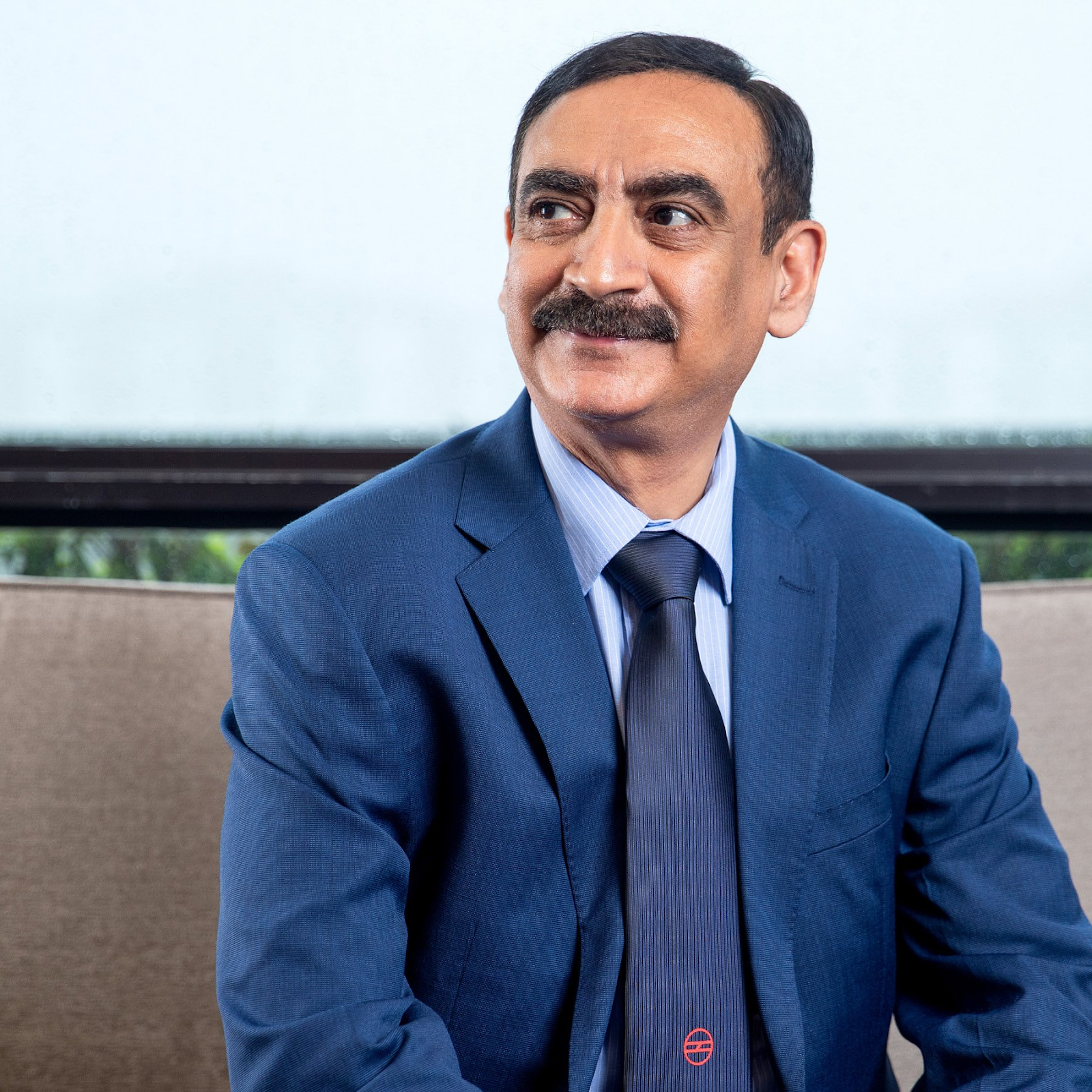
          Dr Vikas Kumar, Managing Director of Delhi Metro

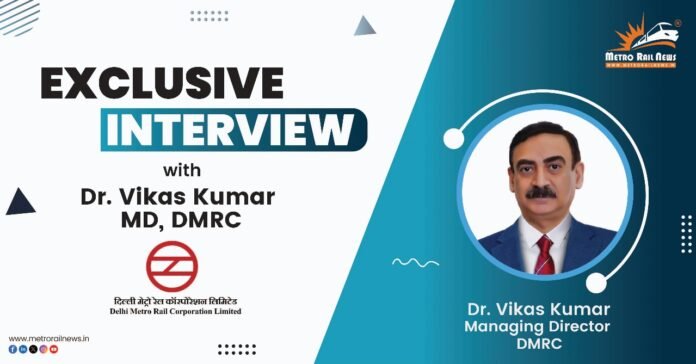
          Metro Rail News conducted an exclusive interview with Dr. Vikas Kumar, MD of Delhi Metro Rail Corporation (DMRC). The interview focused on the Delhi Metro Phase IV project. Shri Kumar discussed the project’s potential to enhance connectivity and mentioned advanced technologies like UTO and CBTC incorporated into Delhi Metro operations. During the interview, Shri Kumar highlighted DMRC’s commitment to sustainability through renewable energy, green practices, and efforts to minimize passenger disruptions. He also emphasised DMRC’s consultancy role in metro projects across India and abroad. 

          AD 4nXfvYDvPyUSFX z6TLMFSda0eKZLmoQjLvXZ3jjNngWKXxlqMPoR7FypClhRJM1 4iGaHxeSNEFG1rJ4QTwAuUJGhWN WSbOQbF5ygVyUrdQhkjZkDQYuqLobQ9a26NA9QU2yxhEzw?key=y0 woEfBOREezc7gS1fe8Vfk

          The upcoming Phase IV promises to transform Delhi’s connectivity. How will it improve travel times and accessibility across the city? Can you quantify the expected ridership increase upon completion?

          Phase IV of Delhi Metro will significantly enhance connectivity and reduce travel times across the city. Key milestones, including tunnelling breakthroughs and viaduct construction, have been achieved and the Janakpuri West-Krishna Park Extension stretch is now ready for operations. Work is in progress on the other stretches as well. We have recently received the first set of train for the ensuing phase as well.

          The primary idea behind the new phase-4 corridors is to interconnect the already operational corridors and provide passengers with more alternatives.

          While Phase IV is ambitious, what are the potential roadblocks DMRC anticipates, and how will you ensure timely and cost-effective completion?

          The pandemic was a major challenge for the project and now land acquisition and tree cutting permission are a few challenges which are yet to be resolved completely. Our approach focuses on proactive engagement with all stakeholders, meticulous planning, and deployment of advanced project management techniques to minimize risks. This way we can ensure timely and cost-effective project completion through strategic resource allocation and continuous monitoring of projects.

          With the foundation stones laid, what is the projected timeline for Phase IV completion? How is DMRC managing the budget to avoid cost overruns?

          The Phase 4 project is progressing steadily as a portion of the Janakpuri West- RK Ashram Marg corridor connecting Janakpuri West and Krishna Park Extension Metro station is now ready for operations. The Maujpur to Majlis Park Corridor will open next year in a phased manner, while the remaining structures of Janakpuri West- RK Ashram Marg and Delhi Aerocity- Tughlakabad will open in phases by the end of 2026. Additionally, two new corridors, viz; Inderlok- Indraprastha and Lajpat Nagar- Saket G Block are in pre-tendering stage.

          We stick to the budget by inviting competitive bids, keeping a close watch on expenses, and finding smart ways to use resources effectively without lowering the quality.

          What cutting-edge technologies are being incorporated into upcoming phases to enhance safety, operational efficiency, and the passenger experience? Can you share specific examples?

          Delhi Metro employs cutting-edge technologies to ensure safety, operational efficiency, and enhanced passenger experience. It includes:

          • Unattended Train Operation (UTO): Trains on the Magenta and Pink Lines are equipped with the UTO technology enabling efficient, punctual and safe operations.
          • Fail-Safe and CBTC Systems: Trains are equipped with fail-safe technology, automatically halting in case of technical issues. Communication-Based Train Control (CBTC) ensures safe and efficient operations, even during high-frequency periods.
          • Platform Screen Doors (PSDs): These prevent contact between passengers and tracks, enhancing safety at stations.
          • Internet of Things (IoT) and Big Data Integration: Internet of Things (IoT)-based predictive maintenance and the indigenously developed i-ATS (Indigenous-Automatic Train Supervision) system improves operational efficiency and reliability, aligning with the ‘Make in India’ initiative.
          • Digital Solutions: QR-based ticketing, National Common Mobility Cards (NCMC), contactless payments, and the DMRC mobile app enhance travel convenience.
          • Real-Time Project Monitoring: The STAMP (System for Tracking and Monitoring Project) system tracks project progress, ensuring timely delivery and effective resource management. 
          • AI-powered virtual assistant: DMRC recently launched Beta version of an AI-powered virtual assistant, “Chetna” on its official website. This chatbot offers the commuters immediate responses to queries related to Metro travel, such as travel routes, fare calculations, and station details.

          How is DMRC integrating sustainability and environmental considerations into its expansion plans? Are there initiatives for using renewable energy or reducing the carbon footprint?

          DMRC prioritizes sustainability in its operations and expansion. As a non-polluting system, it was the first rail-based entity globally to earn carbon credits for regenerative braking and modal shift initiatives. Regenerative braking saves up to 30% energy, while the modal shift reduces vehicular emissions. DMRC constructs green-certified buildings; plant 10 trees for every tree removed, and meets 35% of its energy needs through renewables, including 50 MWp from rooftop solar and 100 MWp from the Rewa Solar Project. Phase-IV focuses on solar energy, green buildings, rainwater harvesting, and energy-efficient practices.

          With ongoing projects, how does DMRC plan to maintain customer satisfaction and minimize disruptions during construction? Are there specific communication plans to keep passengers informed?

          DMRC is committed to minimizing commuter disruptions during Phase IV works through planned construction schedules and alternative traffic management. Regular updates through media, social platforms, and transmission of updated information through our website to ensure commuters that remain informed about changes. We maintain a customer-first approach to quickly address grievances and ensure passenger convenience during this transitional period through social media and website. Community Interaction programmes are organized in various areas near the sites to keep the residents informed about the construction plans and seeks their feedback.

          Can you discuss the funding strategy for the Phase IV project? What is the role of government support in this regard?

          DMRC projects are primarily funded through loans from Japan International Cooperation Agency (JICA) along with a blend of government contributions and DMRC’s internal accruals. Government support remains integral for this extensive project, enabling infrastructure investment while facilitating accessibility and social equity for citizens.

          Are there any plans for further expansions beyond Phase IV? If so, can you please share the details about potential new corridors or services?

          DMRC continues to evaluate expansion opportunities post-Phase IV to meet Delhi-NCR’s evolving needs. Preliminary studies are underway to identify new corridors and improve connectivity to surrounding regions. Potential areas of focus include enhancing connectivity to the periphery and extending the metro network to boost public transport accessibility.

          What initiatives has DMRC undertaken recently to streamline passenger experience?

          Delhi Metro Rail Corporation (DMRC) prioritizes passenger experience by utilizing digital platforms and mobile apps to provide real-time information/updates in order to enhance convenience. The DMRC mobile apps, like Momentum 2.0 Delhi Sarthi-सारथी app, offer features such as route planning, ticket integration, fare calculation, station information, and real-time train updates. Contactless ticketing is available via WhatsApp QR code ticketing, UPI payments at Ticket Vending Machines (TVMs) and Paper QR Tickets.

          DMRC has an effective social media presence on X (formerly called Twitter), Facebook, Instagram, and LinkedIn, with impressive follower counts and high engagement rates. These platforms are primarily used to address queries, provide timely operational updates; ensuring commuters are well-informed about any delays. 

          Would you please highlight DMRC’s role in the ongoing metro projects in India and abroad, such as the Patna Metro and Bhubaneswar Metro?

          DMRC is providing consultancy for metro projects in cities like Patna, Bhubaneswar, Mumbai, etc. We are sharing our expertise beyond India as well, with the implementation & commissioning of metro systems in Dhaka. Overall, our role encompasses providing consultancy, sharing best practices in engineering and operations, and transferring valuable learnings. 

          What message do you have for the readers of Metro Rail News and the commuters of Delhi Metro?

          I extend my heartfelt appreciation to all Delhi Metro commuters and readers for their continued trust and support. DMRC remains committed to delivering a world-class transit experience, prioritizing safety, efficiency, and sustainability. We are inspired by your patronage and remain dedicated to transforming urban mobility for a better future. 

          Advertisement1
          InnoMetro_2026