Introduction: Metro Rail News conducted an email interview with Shri Sushil Kumar, Managing Director of Uttar Pradesh Metro Rail Corporation (UPMRC), which sheds light on key developments and future prospects of metro projects in Uttar Pradesh. The interview delves into the progress and expected operational timelines of crucial undertakings such as the Kanpur Metro and Agra Metro projects. Additionally, it explores pivotal initiatives aimed at enhancing financial sustainability, boosting ridership, and improving first-mile and last-mile connectivity across various metro systems managed by UPMRC. Let’s delve into the insights provided by Shri Sushil Kumar, offering a comprehensive understanding of the transformative journey of metro infrastructure in Uttar Pradesh.
Could you provide an update on the current metro projects managed by UPMRC, particularly regarding the expected operational dates for the Kanpur and Agra Metros?
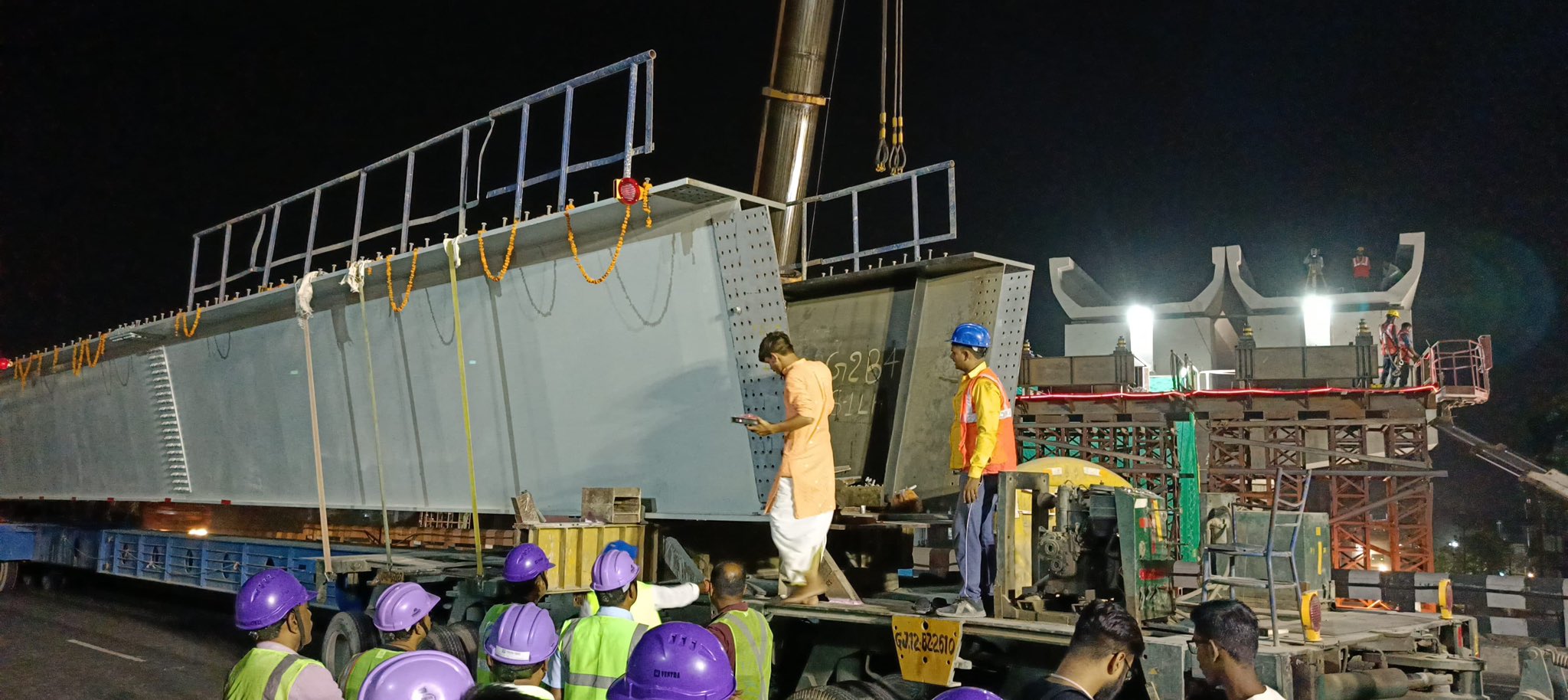
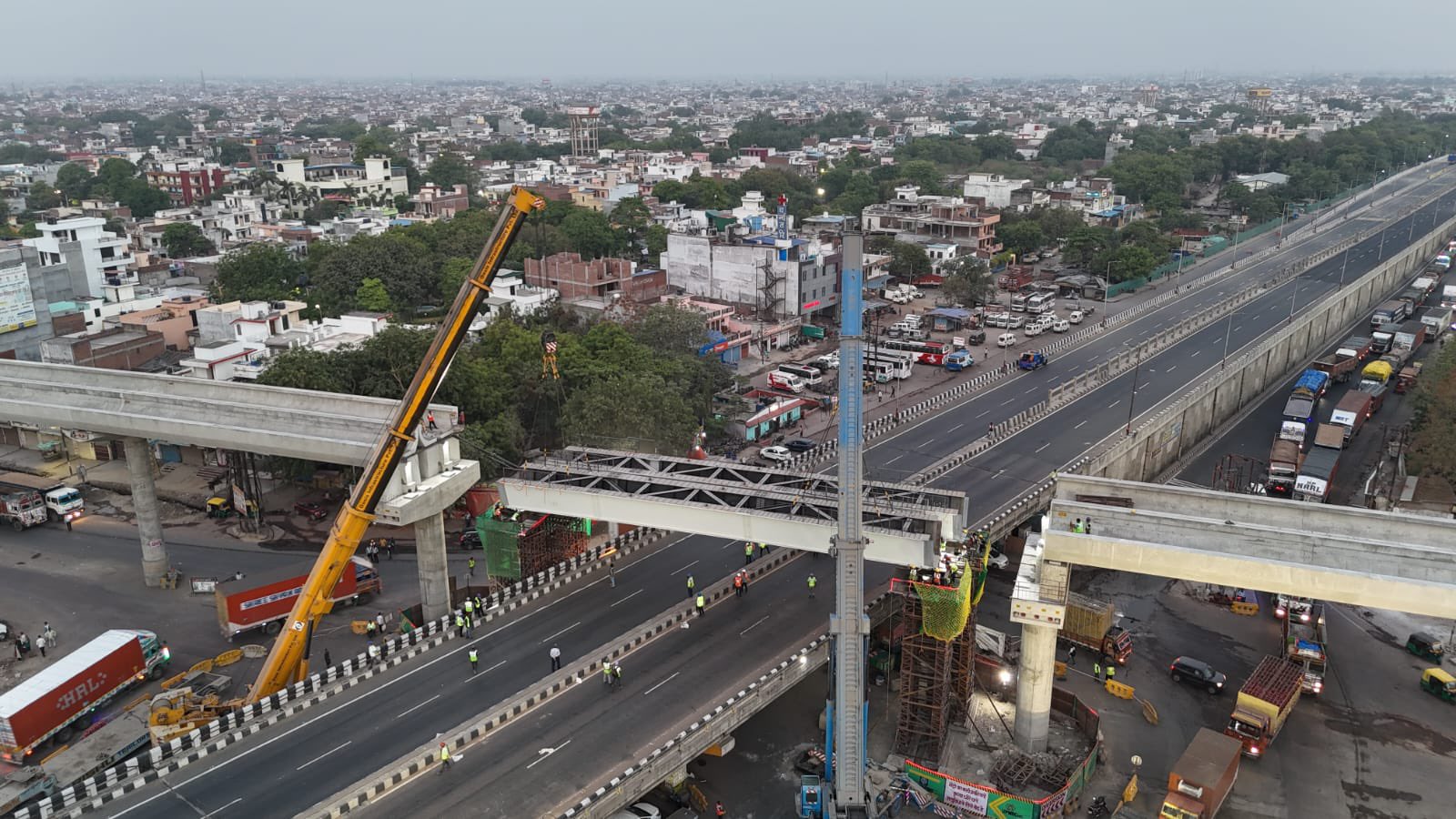
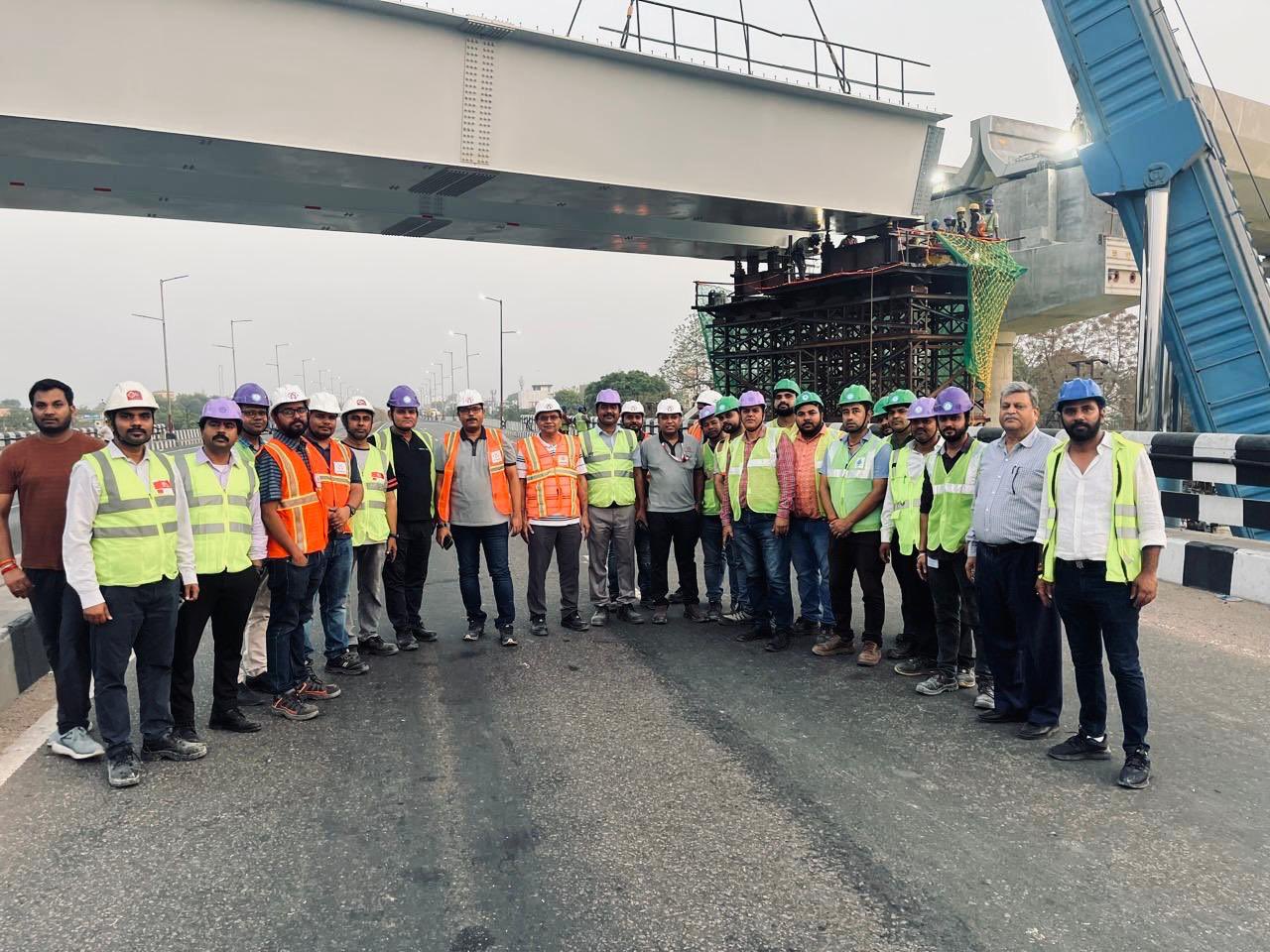
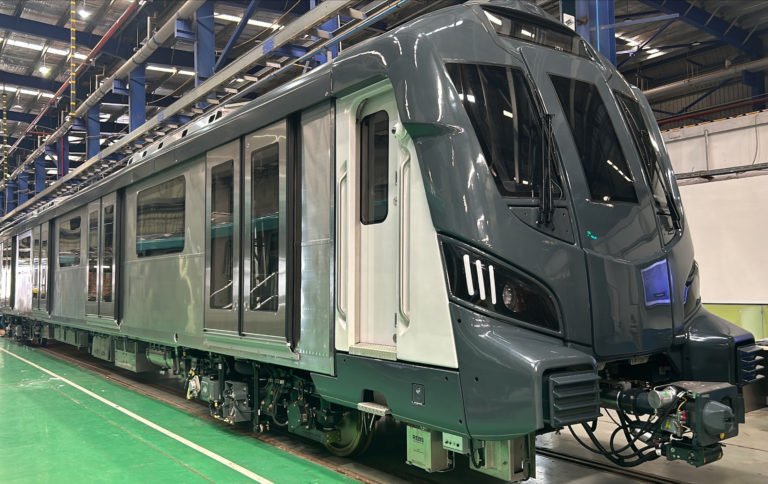
Uttar Pradesh is fast emerging as a ‘Metro’ state with a maximum number of ongoing metro projects which are operational as well as in the execution stage. Uttar Pradesh Metro Rail Corporation, after executing Lucknow, Kanpur and Agra Metro Projects is now executing the balance section of Kanpur and Agra Metro Rail Project at a fast pace.
In Uttar Pradesh, the Metro system is operational in cities where the pressure of population is increasing day by day and these cities have many densely inhabited and congested areas.
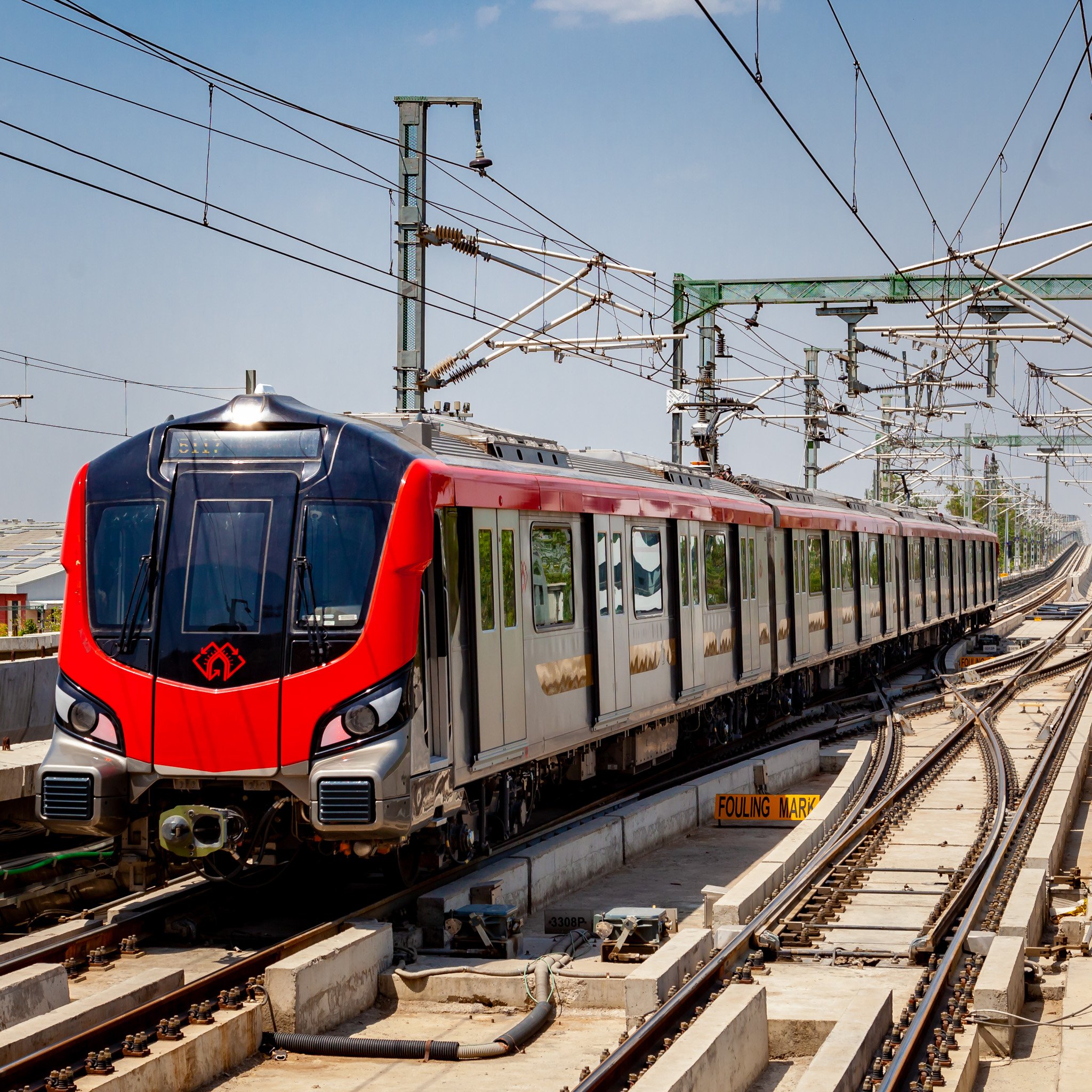
For instance, Lucknow, the capital of Uttar Pradesh is facing massive urbanization and migration due to better livelihood and career opportunities. In the present as well as proposed corridors, all major transport terminals, universities, schools, parks, market areas and medical colleges are connected through the metro.
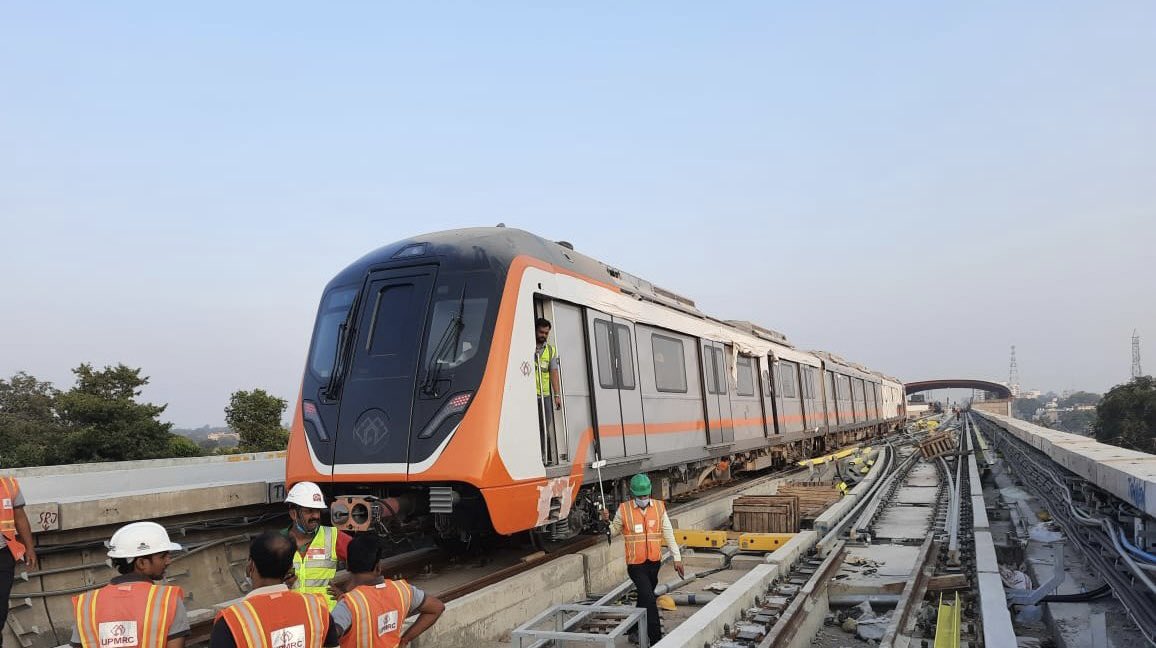
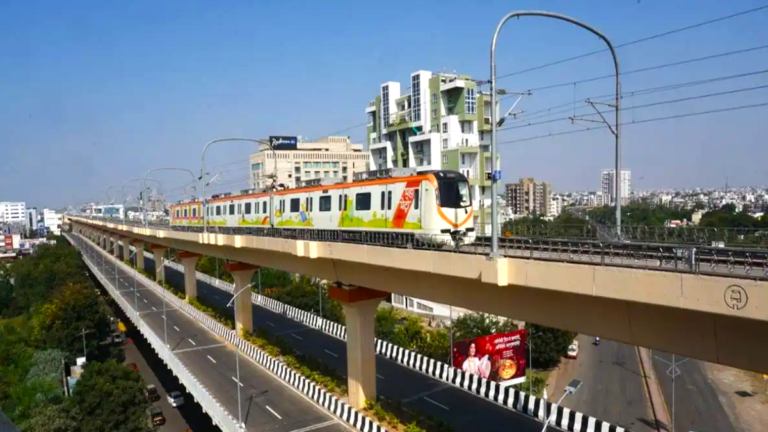
Kanpur Metro was inaugurated by the Hon’ble Prime Minister on 28th December 2021 in a record time of 2 years and 1.5 months in a 9km long priority corridor. Kanpur is a densely populated industrial city of Uttar Pradesh. With a population of over 35 lacs, the city’s metro system will benefit the residential areas, schools, hospitals, colleges, universities and businesses operating in an array of segments. Kanpur metro will decongest the areas that are witnessing traffic congestion. It will save time and money for the commuters. Kanpur features 2 metro corridors with a total length of 32.5km long. Construction in the balance section of the first corridor and second corridor Is going in full swing.
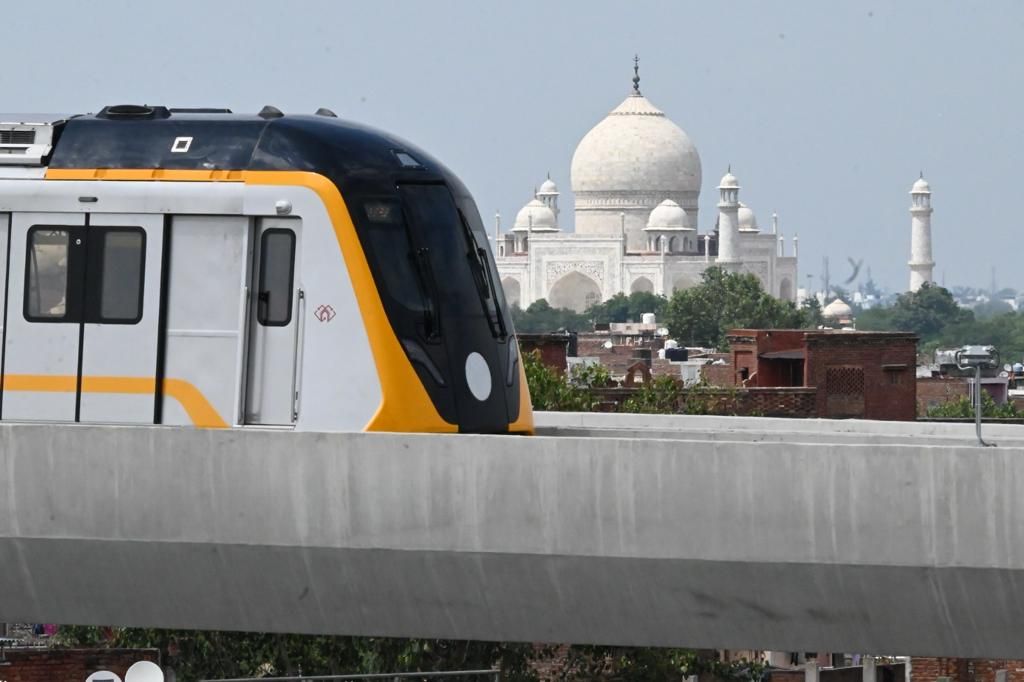
Similarly, Agra, being the fourth most populated city of Uttar Pradesh, now has a metro system which not only helps in the decongestion of traffic and reduces pollution caused by vehicles but also helps in multi-modal integration and is making urban transit hassle free. The world-class metro system in Agra was inaugurated by Hon’ble Prime Minister Shri Narendra Modi in the presence of Hon’ble Chief Minister of Uttar Pradesh, Shri Yogi Adityanath, on 6th March 2024.
The Agra Metro Project was executed in a record time and metro services were successfully inaugurated for passenger services on the 6 km long Priority Stretch. UPMRC holds the distinction of fastest construction of the Underground Stretch (3 km underground stretch including tunnel construction in just 11 months). All metro systems have been designed in such a way that they blend seamlessly with the aesthetic of the city and are an unobtrusive means of transport.
When is the construction expected to commence for the East-West corridor of the Lucknow Metro?
The East-West Corridor of the Lucknow Metro is a pivotal infrastructure project aimed at enhancing connectivity within the city. Spanning approximately 11.165 kilometres from Charbagh to Vasantkunj, this corridor holds significant promise for easing commuting woes and stimulating economic growth in the region.
The DPR has been approved by the state cabinet and has been forwarded to the central government for further assent. Once approved, we are expecting to start the work by the end of this year. It is estimated that the project will be completed within 5 years from start of construction. The estimated cost of the project is Rs 5,801 crores.
The East-West corridor of the Lucknow Metro is projected to enhance the financial sustainability of the system. Could you elaborate on this correlation and its anticipated impact, including expected ridership?
The East-West corridor of the Lucknow Metro is indeed poised to significantly enhance the financial sustainability of the entire metro system. Here’s a detailed elaboration of how:
- High Ridership Potential: The corridor traverses through densely populated areas and connects vital nodes such as major hospitals and bustling markets. This strategic alignment ensures a high demand for metro services, leading to a substantial increase in ridership. The influx of passengers translates directly into increased fare-box revenue for the Uttar Pradesh Metro Rail Corporation (UPMRC), bolstering the financial viability of the metro system.
- Connecting Charbagh to Vasant Kunj, the Lucknow Metro’s East-West Corridor will provide connectivity to prominent locations in Old Lucknow, such as Aminabad and Chowk. It will also connect other crowded areas along its route, offering convenience to the people of Lucknow. The Charbagh Metro Station will serve as a junction for both corridors, i.e., the North-South Corridor and the East-West Corridor. ‘The East-West corridor between Charbagh and Vasant Kunj will consist of a total of 12 stations, with a length of 11.165 km. There will be 5 elevated metro stations with a length of 4.286 km and 7 underground metro stations covering 6.879 km.
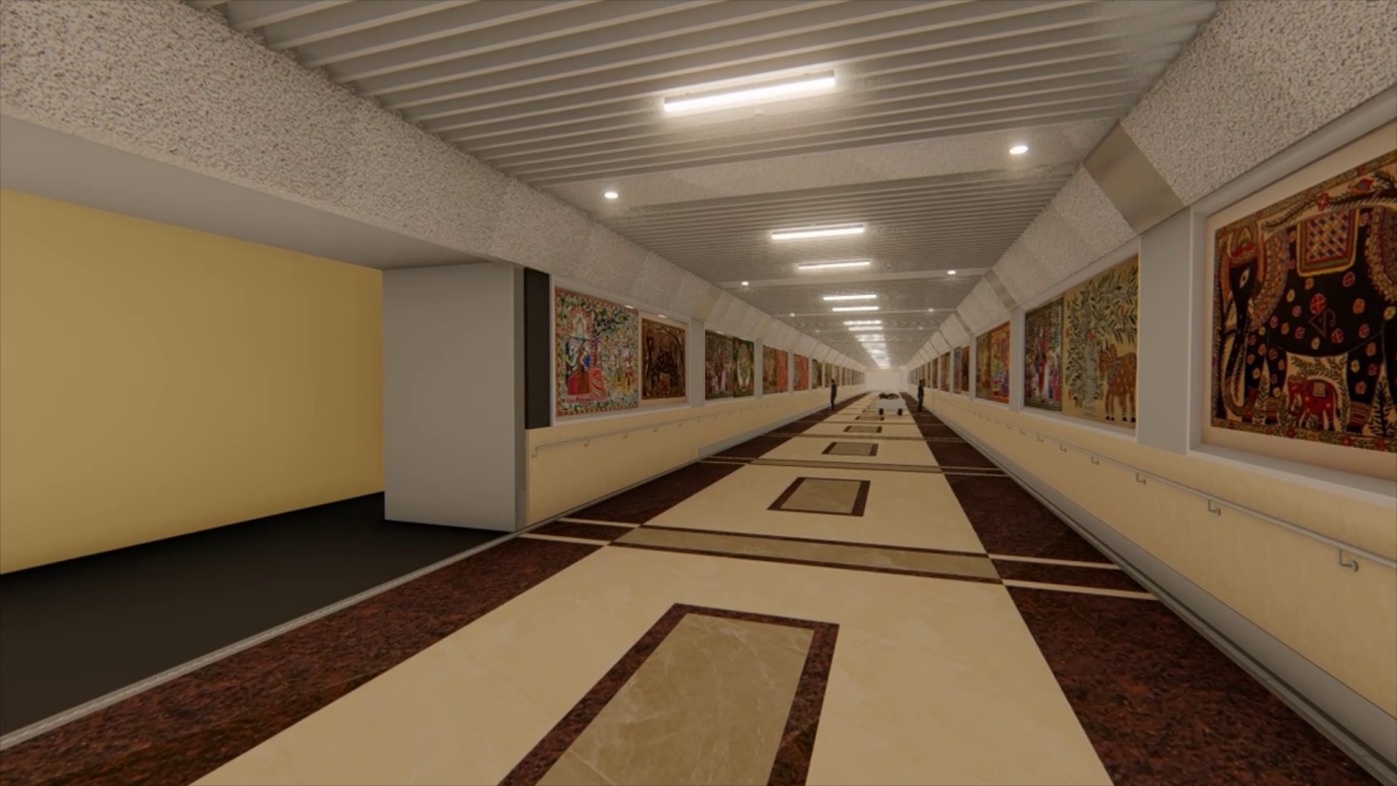
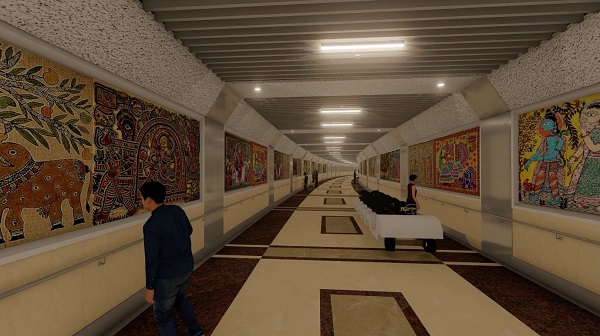
- The underground track from Charbagh to Niwaz Ganj will be 6.879 km long, encompassing a total of seven underground stations: Charbagh, Gautam Buddha Nagar, Aminabad, Pandey Ganj, City Railway Station, Medical College Intersection, and Niwaz Ganj. The stretch from Niwaz Ganj will transition to an elevated track. The elevated route from here to Vasant Kunj will be 4.286 km long, featuring elevated metro stations at Thakurganj, Balaganj, Sarfarazganj, Musa Bagh, and Vasant Kunj. A metro depot will also be established in Vasant Kunj.
- In essence, the East-West corridor not only expands the reach and accessibility of the Lucknow Metro but also creates a robust economic ecosystem around its infrastructure. By capitalizing on increased ridership, transit-oriented development opportunities, and property development ventures, the metro system becomes not just a mode of transportation but a catalyst for sustainable urban growth and the financial sustainability of the organisation.
- Due to the dense population along its route, the East-West metro corridor in Lucknow anticipates a daily ridership of 1 lakh commuters. Enhanced connectivity to vital locations and relief from congestion are key factors driving this high demand for efficient public transportation in densely populated urban areas.
Sustainability and self-sufficiency for Metro financing
A Metro in a tear-II city in India having a network of 25-35 Km needs about Rs 125-150 core per year for day-to-day operations after commissioning, and most of the Metros are able to generate that equivalent revenue from fare and non-fare box. Therefore such smaller metros are generally not in losses as in cash-in cash-out basis. However, according to norms, additional revenue is expected to meet the deprecation of assets (about 300 core per year) and loan repayment for funding Institutions. Under the Metro policy, the Government of India had an ambitious plan for the metro to be self-sufficient even for repayment of loans (about Rs.300-400 core per year), unlike most of such other Government Institutions for which provision has been made in DPR to get sufficiently large land procured (about 150 hectare) in a metro project from State Government for generating sufficient non-fare revenue mainly to repay loan component.
Uttar Pradesh is the first such state to give about 86 hectares of land to UPMRC, for which a consultant is already in place. Additionally, Uttar Pradesh is one of the first states to issue the guidelines for ToD (Transit-oriented Development) policy and the creation of the “Special Amenities Development Fund” as enabling provision for increasing non-fare box revenue. Transit-Oriented Development (TOD) Policy: The government’s approval of the Transit-Oriented Development policy unlocks a new stream of revenue for the metro system. This policy encourages mixed-use developments in close proximity to metro corridors, attracting investments in commercial and residential projects. Revenue generated from these new constructions, through taxes, fees, and other means, contributes to the financial sustainability of the metro infrastructure.
Property Development Opportunities: Better connectivity provided by the metro stimulates property development at metro stations. These developments include shops, outlets, restaurants, and food courts, catering to the needs of commuters and residents alike. Revenue generated from leasing out commercial spaces within metro stations adds to the income streams of UPMRC, further bolstering its financial position.
Given the average ridership of 20-30% for metros across India, excluding the Delhi Metro, according to an IIT-D report, what measures has UPMRC implemented to boost ridership?
UPMRC has taken up numerous initiatives which been successfully contributing to the increase in ridership of Lucknow, Kanpur and Agra.
- Public engagement: On average, an event is being planned at UPMRC stations every two days to engage existing and potential passengers. These events include book fairs, carnivals on various occasions and festivals, birthday celebrations, and opportunities to have kitty parties. These events bring potential passengers to metro stations and increase the chances of them becoming regulars. Experiencing the comfort and facilities firsthand encourages passengers to consider using the metro regularly.
- The unique ‘Customer Relation Management’ program of UPMRC is focusing on feedback and complaint redressal within 48 hours by a core Complaint cell team.
- Under the ‘Know Your Metro’ program, UPMRC is conducting workshops in various schools, offices, and institutions along the metro corridor, apprising the audience about the metro route, fare, facilities, and how to use the metro. This is immensely helping in increasing passenger influx.
- UPMRC stations are hosting vibrant and varied food outlets. More than 45 eating points are proving to be useful and attractive for passengers.
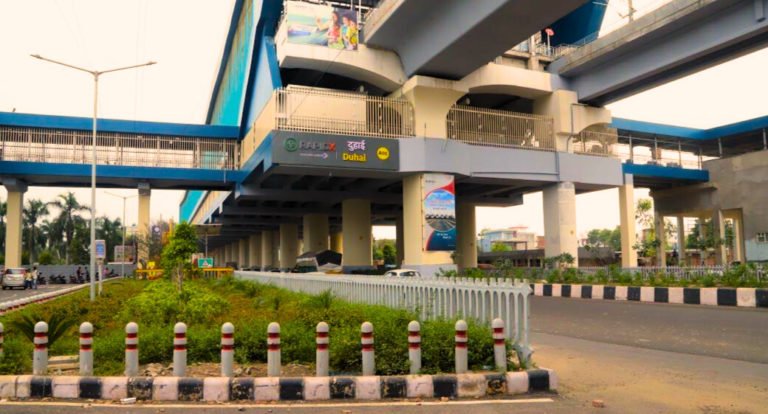
- UPMRC’s Excellent Multi-Modal Connectivity is also easing the life of passengers traveling to other cities. Direct landing through FoB at its main Bus Stand, Railway Stations like Lucknow Junction, Charbagh, and Badshahnagar, and 150-meter walking connectivity to the Airport is extending support to thousands of passengers every day.
How do you evaluate the first-mile and last-mile connectivity for various metro systems managed by UPMRC? Kindly provide an overview of the initiatives undertaken by UPMRC to address this aspect.
UPMRC has taken a holistic approach in this regard by integrating various modes of urban transportation so that first and last mile connectivity can be significantly improved in the long run. Various tie-ups and collaborations with mobility partners like Rapido, Ola and Uber is playing a vital role in enhancing smart mobility to the doorstep.
Integration with the city bus transport services in the respective cities is also changing the current scenario when it comes to providing last-mile connectivity.
In fact, Lucknow Metro recently received the National Award from the Government of India for the Best Multi-Modal Integration. For instance:
The CCS Airport is just 92 meters from the CCS Airport Metro Station, and passengers coming from the airport can conveniently take their luggage trolleys to the Airport Metro station and leave them there.
The Charbagh Railway Station is directly connected from the metro station gate through a Foot-over bridge and lifts.
The Lucknow Junction railway station is connected with the Durgapuri Metro station internally in such a way that a passenger lands directly at the platform of Lucknow Junction from the Metro station concourse through the escalator and FOB.
Similarly, Badshahnagar railway station is also within 120 mtrs from Badshahnagar Metro Station gate. Alambagh Bus Terminal, the largest bus terminal of Lucknow is just 22 mtrs from the gate of Alambagh Bus Stand metro station and is connected through a FOB.
Kanpur- The under-construction Kanpur Central Metro Station will be the game changer with direct connectivity to the city’s biggest railway station the Kanpur Central Railway Station and the bus stand.
The multi-modal integration with existing modes has been planned at all metro stations of UPMRC for efficient passenger movement. Major interchange stations have been planned with other existing bus/rail terminals, which serve as complementary feeders for the passengers from their respective origins to destinations and vice-versa. For interchange station planning, many factors, such as the nature of the station, its catchment, availability of access/dispersal modes, interchange with other public transport modes, distance from the station, trip length and destinations etc. have been considered. It provides a convenient and economical connection of various modes to make a complete journey from origin to destination.
Besides, parking provisions have also been made at almost all the metro stations in Lucknow, Kanpur, and Agra metro services. Dedicated parking provision for metro commuters is one of the key factors determining the success of the metro system. Parking provisions, along with priority for- pedestrians through foot over bridges and feeder bus services, would encourage more commuters to use the metro system. Passengers can safely park their vehicles at the nearest station, walk to the station or rely on feeder connectivity.
Right from the planning stage of any metro project, UPMRC aims at multimodal integration which enhances the usefulness and viability of the project. Multi-modal integration refers to connectivity between important transport hubs and modes of transport so that commuters can seamlessly travel within and in between cities.
With infrastructure boost in the state of Uttar Pradesh in the form of expressways and highways, inter-city connectivity has also increased and people can easily travel from one city to another in just a couple of hours. As soon as they enter the city, they may park their vehicle at the metro station parking and explore the city via the metro, which connects almost all important points. Such integrated movement will help in optimising resources and providing a premium travel experience to tourists as well as locals.
Lastly, reflecting on the year 2024 thus far and looking ahead, what milestones has UPMRC set for itself?
This is definitely the advent of a new era for Uttar Pradesh, as it is the only state of India with a maximum number of operational and under-construction metro projects. I feel extremely happy and proud that the people of Uttar Pradesh have been gifted with a ‘Green Mobility System’. I am sure with the onset of metro services in various cities people are surely going to be relieved from the daily traffic congestion and increasing carbon footprint. Along with saving time and money, this smart mobility system will ensure the safety and security of the passengers.
UPMRC got recognition of bagging both Important awards given by MoHUA, Urban Mobility India. In 2022 we won the award for Best Multi-model connectivity and in 2023 UPMRC achieved the Best Passenger Satisfaction Award.
Recently, we have been awarded with 15th CIDC Vishwakarma Award for Best Construction Project, this award is recognized by NITI Ayog.
UPMRC, with a strong conviction to provide a one-stop mobility solution, is committed towards the goal of balanced and sustainable development. We have a proven track record of providing world-class metro services to the people.
With streamlined processes, a public-centric project delivery model and customer-driven service mechanisms, UPMRC has delivered Lucknow, Kanpur and Agra metro projects before the stipulated timeframes. With overall ownership of most of the Metro Projects in the state of Uttar Pradesh, UPMRC in future will operate 100 km of the metro network. We are proud to turn these visionary projects into reality in Uttar Pradesh.