Home Blog Page 118

AI-Enabled Prognostics and Maintenance of HSR Trains: Learning from Japan

0
AI Enabled maintenance of High Speed Rails


The advancement of artificial intelligence (AI) and increased computational power has significantly impacted industrial applications. High-speed railway (HSR) systems require maximum safety, reliability, availability, and cost-effectiveness. However, traditional maintenance systems, reliant on human judgment and historical data, struggle with the complexity of HSR networks. They often fail to detect faults in real-time, resulting in unexpected downtime, decreased performance, and higher maintenance costs.

AI-Enabled Prognostics and Maintenance of HSR Trains
Image Credit to the respective authority

To address these challenges, a new framework proposes creating “cyber twins” for critical HSR subsystems and components. These digital replicas utilise AI-driven predictive health management (PHM) to enhance transparency and decision-making efficiency. By continuously monitoring real-time performance and predicting faults, cyber twins play a crucial role in maintaining HSR operational integrity.

Additionally, integrating edge computing enables real-time feature extraction and anomaly detection, further enhancing maintenance responsiveness and overall system reliability.

image 22
Image Credit to the respective authority

The Role of Artificial Intelligence in Predictive Health Management

The rapid advancement of artificial intelligence (AI) and increasing computational power has facilitated its application in predictive health management (PHM) within high-speed railway (HSR) systems. AI-enabled PHM utilises machine learning algorithms, data analytics, and IoT sensors to monitor real-time performance, detect anomalies, and predict potential faults. This proactive approach to maintenance reduces downtime and enhances overall system reliability and availability.

The Concept of “Cyber Twins”

To overcome the limitations of traditional maintenance systems, a framework proposes creating “cyber twins” of critical physical subsystems and components in HSR systems. Cyber twins are digital replicas that simulate the behaviour, performance, and characteristics of their physical counterparts. These digital models are constructed using advanced techniques such as finite element analysis, computational fluid dynamics, and system dynamics.

image 20
Image Credit to the respective authority

Benefits of Cyber Twins

Cyber twins significantly improve condition transparency and decision efficiency in HSR systems by:

  • Real-time Performance Monitoring: Continuously monitoring performance data from sensors and IoT devices to provide a comprehensive view of system behaviour.
  • Predictive Analytics: Using machine learning to analyse real-time data and predict faults, anomalies, and potential performance degradation.
  • Anomaly Detection: Identifying deviations from normal behaviour, enabling early warning systems and proactive maintenance.
  • Decision Support: Providing actionable insights and recommendations for maintenance, repairs, and component replacements.

Edge Computing for Real-Time Feature Extraction and Anomaly Detection

The system leverages edge computing to facilitate real-time feature extraction and anomaly detection. This approach processes data closer to the data source, reducing latency and improving decision-making speed. In HSR systems, edge computing enhances:

  • Real-time Data Processing: Processing data from sensors and IoT devices promptly for immediate insights.
  • Reduced Latency: Minimising delay in data processing and decision-making.
  • Improved Security: Lowering the risk of data breaches by minimising data transmission to centralised servers or the cloud.

Implementation and Integration

The proposed framework can be implemented and integrated into existing HSR systems through:

  • Sensor Integration: Incorporating IoT sensors and devices to gather real-time data.
  • Data Analytics: Developing machine learning algorithms and analytics tools for data processing.
  • Cyber Twin Development: Creating accurate digital models using advanced simulation techniques.
  • Edge Computing Deployment: Installing edge computing infrastructure for efficient real-time data processing.
  • System Integration: Integrating the framework with current maintenance systems, SCADA systems, and other relevant infrastructure.

Introduction to High-Speed Rail Systems

High-speed rail systems have transformed modern transportation by providing efficient and rapid connections between cities. These systems are crucial components of contemporary infrastructure, with substantial investments made by many countries to develop and expand their networks. 

Adoption of AI in Maintenance

image 23
Image Credit to the respective authority

Japan, a pioneer in high-speed rail technology, has recently embraced artificial intelligence (AI) for maintenance. This adoption indicates a notable shift in how they inspect and manage their trains, aiming to enhance efficiency and reliability.

Global Growth of High-Speed Rail Networks

The growth of high-speed rail networks has been remarkable, led by China in terms of network size and expansion. As these networks continue to expand, the efficient operation and maintenance of high-speed trains become increasingly critical. These trains have stringent safety, reliability, and availability requirements, where even minor disruptions can have significant impacts.

Challenges with Traditional Maintenance Approaches

Traditional preventive maintenance often relies on fixed-time windows for part replacements, irrespective of their actual condition. This approach can result in unnecessary maintenance costs, particularly as the fleet size increases.

Role of Prognostics and Health Management (PHM)

Prognostics and Health Management (PHM) technologies use advanced analytics and machine learning algorithms to predict potential faults and optimise maintenance schedules in high-speed rail systems. By continuously monitoring the condition of critical components, PHM enhances operational efficiency by:

  • Predicting Potential Faults: Using historical data and real-time analytics to forecast equipment failures before they occur, thereby minimising unexpected downtime.
  • Optimising Maintenance Schedules: Tailoring maintenance activities based on actual component health rather than fixed schedules, reducing unnecessary servicing and associated costs.
  • Improving Safety and Reliability: Enhancing the overall safety and reliability of high-speed rail operations through proactive maintenance interventions.
  • Minimising Maintenance Expenditures: By optimising maintenance schedules and focusing resources where they are most needed, PHM helps minimise operational costs while maximising system availability.

AI-enabled PHM for High-Speed Rail (HSR)

image 21
Image Credit to the respective authority

To tackle the challenges faced by high-speed rail systems, a Cyber-Physical Systems (CPS) framework integrates AI technologies into Prognostics and Health Management (PHM). This framework consists of three essential components:

  1. Cyber Twins
    Cyber twins are digital replicas of physical subsystems and components. They enhance transparency and decision-making by continuously monitoring real-time performance data and predicting potential faults. This proactive approach enables maintenance teams to address issues preemptively, minimising the risk of unexpected downtime. Additionally, cyber twins facilitate scenario simulation, allowing for the testing and optimising of maintenance strategies in a virtual environment.
image 17
Image Credit to the respective authority
  1. Edge Computing
    Edge computing optimises decision-making processes by performing real-time feature extraction and anomaly detection at the edge of the network. This method contrasts with traditional cloud-based approaches that involve analysing extensive raw data. By reducing latency and ensuring swift responses to emerging issues, edge computing enhances system reliability and minimises the likelihood of faults and failures. Critical systems benefit from timely updates and alerts, enhancing overall operational efficiency.
  2. Data-Driven Solutions
    Data-driven methods are pivotal for developing predictive maintenance models for critical subsystems. These models use historical data and domain expertise to predict potential faults and optimise maintenance schedules. Furthermore, data-driven solutions enable the identification of trends and patterns, empowering maintenance teams to proactively manage and mitigate emerging issues before they escalate.

By integrating these components, AI-enabled PHM offers a range of benefits for high-speed rail systems, including:

Applications and Benefits of AI-Enabled PHM

  • Safety Enhancement: AI-driven PHM plays a crucial role in enhancing safety within high-speed rail systems by ensuring timely fault detection. By continuously monitoring the real-time performance of critical components through cyber twins and leveraging predictive analytics, potential faults can be identified early. This proactive approach allows maintenance teams to intervene before issues escalate, thereby preventing unexpected downtime and enhancing the overall safety of high-speed train operations. Early detection also mitigates the risk of accidents, ensuring passengers travel with peace of mind.
  • Cost Reduction: Integrating AI-enabled PHM leads to cost reductions for high-speed rail operators. By shifting from traditional fixed-interval maintenance schedules to targeted maintenance based on actual component health, operators can minimise redundant costs associated with unnecessary repairs and part replacements. Predictive analytics and data-driven insights enable maintenance teams to prioritise resources effectively, optimising the allocation of manpower and materials. This maintenance approach not only reduces operational expenses but also improves the financial viability of maintaining high-speed rail networks.
  • Reliability and Availability: AI-enabled PHM provides real-time monitoring and predictive analytics to enhance the reliability and availability of high-speed rail systems. Cyber twins facilitate early detection of potential faults and anomalies by continuously assessing the health status of critical subsystems. This capability allows maintenance teams to implement preemptive measures, ensuring that high-speed trains operate reliably and efficiently without unplanned interruptions. 

Japan’s Innovative Approach: AI-Based Inspection Systems

Japan’s railways, particularly the Tokaido-Shinkansen line operated by JR Central, have pioneered adopting AI-based systems for inspecting catenaries (overhead wires and poles). This approach represents a significant departure from traditional methods, utilising advanced technology to enhance the quality, efficiency, and safety of rail maintenance.

AI-Driven Inspection System

Traditionally, rail inspections relied on visual checks during the day and diagnostic trains at night, which had limitations in accuracy and efficiency. In contrast, JR Central’s advanced system employs in-line cameras, laser scanners, and near-infrared lighting to capture high-resolution images of catenaries under any lighting conditions. This technology enables the system to detect even minor faults and anomalies accurately.

AI algorithms analyse the captured data to identify and flag potential faults promptly. This real-time capability allows maintenance teams to receive accurate information swiftly, facilitating targeted responses to emerging issues. Data is transmitted directly to maintenance centres, ensuring efficient decision-making and proactive maintenance interventions.

Expected Benefits

The deployment of this AI-driven inspection system is anticipated to yield several benefits:

  • Enhanced Quality and Efficiency: AI-powered analytics enable maintenance teams to prioritise and conduct targeted repairs, thereby reducing downtime and improving overall operational efficiency.
  • Improved Reliability and Safety: Real-time fault detection allows for proactive measures to prevent accidents and ensure the safe operation of high-speed trains, enhancing the reliability and safety of rail operations.
  • Innovative Industry Standard: This approach sets a new benchmark for integrating AI into transportation infrastructure, demonstrating its potential to transform the industry’s maintenance practices.

Deployment Timeline

Full deployment of the AI-driven inspection system is scheduled by 2027, coinciding with the introduction of mm frequency radio transmissions on the network. 

Indian Context: Mumbai–Ahmedabad High-Speed Rail (MAHSR)

image 19
Image Credit to the respective authority

India’s ambitious Mumbai–Ahmedabad High-Speed Rail (MAHSR) project aims to connect Mumbai and Ahmedabad, drawing valuable lessons from Japan’s expertise in implementing high-speed rail systems.

Key Developments and Milestones

Contract Award: India’s National High-Speed Rail Corporation Ltd. (NHSRCL) awarded Larsen & Toubro (L&T) a contract worth Rs. 15,697 crore for constructing Package C-3 of the MAHSR project. This package spans 135.45 km and includes elevated stations at Thane, Virar, and Boisar in Maharashtra.

Land Acquisition and Commencement: The project achieved a milestone with the completion of land acquisition for the entire corridor, including the undersea rail tunnel between BKC and Shilphata in Maharashtra. Excavation work has commenced for the Mumbai HSR station, laying the groundwork for critical infrastructure development.

L&T’s Role: Larsen & Toubro (L&T) plays a major role in the MAHSR project. The company is responsible for constructing 469.32 km (92.35%) of the main line from Shilphata Ramp (Mumbai outskirts) to Ahmedabad’s southern outskirts. This includes constructing main-line tracks, stations, and associated infrastructure.

Lessons Learned and Best Practices: The MAHSR project benefits from lessons learned from earlier packages (C4, C5, C6), informing and optimising the approach for Package C-3. By utilising these insights, L&T aims to streamline construction processes, minimise delays, and ensure timely completion. This strategic approach is crucial for the overall success of the MAHSR project.

Transformative Impact: By adopting best practices and leveraging international experiences, particularly from Japan, India aims to ensure the successful implementation of the MAHSR project.

Here are some examples of AI-based systems for rail maintenance in India, highlighting startups that are utilising  AI and analytics to enhance efficiency, safety, and reliability in high-speed rail operations:

  1. Apital – Communication-Based Train Control (CBTC): Apital utilises AI-powered predictive analytics to optimise train control systems. By analysing real-time data from sensors and cameras, Apital’s system detects potential faults and predicts maintenance needs, thereby reducing downtime and improving overall rail efficiency.
  2. RailState – Rail Network Transparency: RailState provides real-time visibility into rail network operations using AI-based analytics. By analysing data from sensors, cameras, and IoT devices, RailState identifies issues and predicts maintenance requirements, enabling proactive maintenance and minimising downtime.
  3. Safety4Rails – Analytics for Rail Safety: Safety4Rails enhances rail safety through AI-powered analytics. By analysing data from various sources, including sensors and cameras, Safety4Rails identifies safety risks and predicts maintenance needs, thereby reducing accidents and improving overall rail safety.
  4. RailVision Analytics—GHG Emissions Reduction for Rail: RailVision Analytics uses AI-powered analytics to reduce greenhouse gas emissions from rail operations. By analysing data from sensors and IoT devices, It identifies energy-saving opportunities and optimises rail operations for sustainability.
  5. 4AI Systems – Rail Vision Systems: 4AI Systems improves rail safety and efficiency through AI-powered computer vision. By analysing data from cameras and sensors, 4AI Systems detects issues and predicts maintenance needs, reducing downtime and enhancing overall rail efficiency.
  6. Ci4Rail – Edge Computing for Rail: Ci4Rail utilises AI-powered edge computing to improve rail operations efficiency. By analysing data from sensors, cameras, and IoT devices at the edge of the network, Ci4Rail identifies potential issues and predicts maintenance needs in real-time, minimising downtime.
  7. upBUS – Hybrid EVs for Rail Transportation: upBUS optimises hybrid electric vehicle operations in rail transportation using AI-powered analytics. UpBUS identifies opportunities to reduce energy consumption and improve operational efficiency for sustainable rail operations by analysing data from various sensors and IoT devices.
  8. Cervello—Rail Cybersecurity Solutions: Cervello enhances rail cybersecurity through AI-powered analytics. By analysing data from sensors, cameras, and IoT devices, Cervello identifies cybersecurity risks and predicts maintenance needs, thereby reducing the risk of cyber-attacks and ensuring overall rail safety.

These startups are leveraging AI and analytics to improve the efficiency, safety, and reliability of high-speed rail operations in India.

Conclusion

As India accelerates its High-Speed Rail (HSR) ambitions, adopting AI-enabled prognostics and maintenance can enhance safety, reliability, and efficiency. The country’s vision to develop a robust HSR network, connecting major cities and economic hubs is a significant step towards transforming its transportation landscape. However, to ensure the success of this endeavour, it is crucial to leverage cutting-edge technologies that can optimise maintenance operations, reduce downtime, and improve overall performance.

Lessons from Japan’s Success Story:

Japan’s experience in developing and operating HSR systems serves as an inspiring model for India. The Japanese bullet train, also known as the Shinkansen, is renowned for its exceptional safety record, punctuality, and reliability. The secret to its success lies in its rigorous maintenance regime, which is supported by advanced technologies, including AI-powered predictive analytics. By adopting similar strategies, India can ensure that its HSR network operates at optimal levels, providing passengers with a safe, comfortable, and efficient travel experience.
The Future of HSR: Smart, Data-Driven Maintenance:

The future of HSR lies not only in speed but also in smart, data-driven maintenance. As India’s HSR network expands, it is essential to adopt proactive maintenance strategies that can detect potential issues before they occur. AI-enabled prognostics and maintenance systems can play a critical role in achieving this goal, enabling rail operators to reduce downtime, improve efficiency, and enhance safety. By leveraging these technologies, India can ensure that its HSR network operates at optimal levels, providing passengers with a safe, comfortable, and efficient travel experience.

Advertisement1
InnoMetro_2026

The Global Metro System Station Architecture- An Analytical Study

1
Metro System around globe

Indian metro systems have undergone substantial development in recent years, which includes the introduction of modern stations, escalators, and advanced signalling systems. This progress is especially evident in major cities like Delhi, Mumbai, and Bengaluru. Efforts are ongoing to improve connectivity by integrating metro lines with other forms of public transport, ensuring better last-mile connectivity for commuters.

However, older metro systems continue to grapple with challenges such as overcrowding during peak hours and maintenance issues. While efforts are underway to improve efficiency, there can still be discrepancies in service reliability. Factors like unexpected delays due to operational or technical issues, along with the strain of managing high passenger volumes, contribute to occasional disruptions in service. These challenges underline the ongoing need for strategic upgrades and maintenance to ensure smoother operations and enhanced passenger experience across metro networks.

Metros represent some of the most crucial and intricate infrastructures for cities to thrive in the global competition for attracting people, talent, and business. They deliver high economic, social and environmental value through a set of unrivalled positive externalities. The benefits are incommensurable and recurrent not over years or decades, but over generations.

The network connectivity for each resident of Indian metro systems is much lower compared to international counterparts, partly due to the higher population base of Indian cities and the early stage of development of networks outside Delhi.

International cities such as London, U.S.A., Singapore and Hong Kong have already achieved considerable advancements in metro systems. They have set a benchmark in overall passenger experience, technical advancement, & modern aesthetics. They govern and fund their metro systems as a part of their integrated transport authorities for all modes enabling them to cross-subsidise public transport through non-fare revenues.

Overall, Indian metro systems have made notable progress in recent years, yet they may not yet achieve the scale, efficiency, and passenger experience seen in the most advanced metro systems of cities such as Tokyo, London, or Singapore. However, continuous investments and ongoing improvements indicate a promising trajectory for Indian metros to enhance their global competitiveness and better cater to urban populations.

A Brief Analysis of Architecture of Global Metro System Stations

While analyzing the architecture of global metro system stations, We must talk about its various aspects such as design philosophy, functional requirements, cultural influences, and technological innovations. Here’s an analytical breakdown of key considerations:

  1. Design Philosophy and Functionality:

Efficiency: Metro stations are designed for efficient passenger flow, minimizing congestion during peak hours. This often influences layout and platform design.

Accessibility: Ensuring accessibility for all passengers, including those with disabilities, influences station architecture. Wider entry and exit gates for easier access by wheelchair users and passengers with strollers or luggage. This includes elevator placement, ramp design, and signage.

Aesthetics: While functionality is key, many metro systems incorporate aesthetic elements to enrich the user experience and resonate with local culture or historical contexts.

Example:

image 5
Image Credit to Respective Authority

The Formosa Boulevard Station in Kaohsiung, Taiwan, is part of the Kaohsiung Metro system located in Sinsing District. This station is renowned for its “Dome of Light.” This impressive installation is recognised as the world’s largest public art piece crafted from individual pieces of coloured glass. Covering the ceiling and extending to the walls, the dome creates a captivating and immersive atmosphere for passengers and visitors alike, blending artistic brilliance with functional transit infrastructure.

  1. Cultural and Local Influences:

Regional Identity: Metro stations often reflect local architecture and cultural motifs. For example, Moscow’s metro stations are known for their ornate Soviet-era designs, while Stockholm’s stations often showcase modern Scandinavian design principles.

Art Integration: Many metro stations incorporate public art installations, turning stations into cultural spaces that enrich the passenger experience. 

An exceptional example is the Stockholm Metro, often referred to as the world’s longest art gallery, where more than 90 out of its 100 stations showcase a diverse array of artworks. These include sculptures, mosaics, paintings, installations, and engravings created by over 150 artists. Each station uniquely embodies its own theme and artistic expression, making every journey through the metro system an immersive cultural experience.

image 15
Image Credit to Respective Authority
  1. Technological Innovations:

Materials: Station design evolves with advancements in construction materials like glass, steel, and sustainable options. These innovations enhance structural integrity and promote environmental sustainability in metro station infrastructure.

Environmental Considerations: Some modern stations incorporate eco-friendly designs, such as natural lighting, rainwater harvesting systems, or energy-efficient HVAC systems. DMRC and other metro systems in India along with Singapore MRT already use rainwater harvesting. 

Safety and Security: Integration of advanced surveillance systems, emergency evacuation protocols, and fire safety measures are critical components of station architecture. Separate coaches for women give more weightage to women’s safety & comfort during metro rides. 

Example:

image 3
Image Credit to Respective Authority

In automation, the Dubai Metro stands out as one of the world’s longest fully automated metro networks. It utilises the Nol Card, a contactless smart card, for streamlined travel payments. The system offers real-time travel updates via smart screens and mobile apps. In terms of energy efficiency, it integrates regenerative braking systems that recycle energy back into the grid.

  1. Spatial Design and Layout:

Station Zoning: Segmenting stations into functional zones like ticketing areas, platforms, and exits enhances passenger flow and operational efficiency.

Platform design: It encompasses various considerations to ensure optimal functionality and passenger comfort. This includes determining adequate platform width to accommodate passenger flow during peak times. Seating arrangements and shelter options are crucial for enhancing passenger convenience and comfort, especially in diverse weather conditions.

Moreover, ensuring accessibility for passengers with disabilities is essential. This involves integrating facilities such as elevators, ramps, and stair lifts to provide seamless access to platforms. Benches and seating arrangements are equally important, providing resting spots for passengers while waiting for trains.

Wayfinding: Effective wayfinding combines signage, maps, technology, and design elements to guide passengers. Clear signage and intuitive design aid navigation within the station. Floor marking arrows and lines on the floor guiding foot traffic navigates passengers easily and indicate destination way areas on platforms. 

Example:

image 4
Image Credit to Respective Authority

Tokyo Metro in Japan features multilingual signage in Japanese, English, Korean, and Chinese at stations. Each station is identified with a unique number, aiding non-Japanese speakers in navigating the system. Digital information boards provide real-time updates on train arrivals and service changes.

In contrast, the Paris Metro in France and the Delhi Metro in India utilise colour-coded lines and signs. Each metro line is designated with a distinct colour, making it easy for passengers to identify and navigate between different routes.

  1. Future Trends:

Smart Stations: The integration of IoT devices is transforming metro stations, offering real-time passenger information, predictive maintenance, and advanced ticketing systems. These smart features enhance the commuter experience by providing timely updates and seamless travel. Dubai’s fully automated train network is a prime example of this technological leap. 

Internet of Things (IoT) Devices: IoT devices will enhance metro systems by monitoring and managing various aspects, including maintenance needs and passenger flow. This will improve efficiency and safety, ensuring smoother operations.

Smart Payment Systems: Contactless payment methods and mobile ticketing apps will facilitate seamless and efficient passenger entry and exit, making the commuting experience more convenient.

Adaptability: Flexibility in design to accommodate future technological advancements and changing commuter patterns will decide the future trend of metro stations. Cultural and community integration with technical advancement could be seen in community hubs opened at metro stations. 

Sustainability: Infrastructure should be designed to withstand extreme weather events, such as floods and heatwaves, ensuring reliable service despite climate change. Increasing focus on green architecture, with stations designed to minimise environmental impact and enhance energy efficiency.

Example:

image 11
Image Credit to Respective Authority

The NYC Subway has shown remarkable resilience through challenges such as natural disasters (e.g., Hurricane Sandy), economic downturns, and the COVID-19 pandemic, continuously adapting and serving the city. 24by7 service and a comprehensive network of 472 metro stations ensure constant connectivity. Many stations, such as Grand Central and Times Square-42nd Street, are architectural and historical landmarks. The system is woven into the fabric of New York City’s culture, frequently appearing in films, literature, and art.

Case Studies and Comparative Analysis: How They Handled Their Challenges

Studying specific metro systems (e.g., London Underground, Tokyo Metro, Dubai Metro) offers insights into different design approaches, challenges, and successes. Contrasting stations from different cities or regions provides a broader perspective on global trends and cultural influences in metro station architecture.

London Underground

image 1
Image Credit to Respective Authority

Design Approaches:

  • Historical Infrastructure: Opened in 1863, the London Underground is the world’s first metro system. It features a mix of deep-level tunnels and sub-surface lines.
  • Iconic Design: Known for its distinctive roundel logo and the famous Tube map designed by Harry Beck in 1931, which is a model of simplicity and clarity.
  • Passenger Information: Comprehensive signage and real-time information systems to assist passengers with navigation and updates. 

Challenges:

  • Ageing Infrastructure: Maintaining and upgrading the old infrastructure while minimizing disruptions to the service.
  • Congestion: High passenger volumes, especially during peak hours, leading to overcrowded conditions.

Successes:

  • Integration: Effective integration with other forms of public transport, including buses and regional trains, makes it a backbone of London’s public transport network.
  • Environmental Initiatives: Efforts to reduce carbon emissions and improve energy efficiency, such as regenerative braking systems on newer trains.

Tokyo Metro

image 8
Image Credit to Respective Authority

Design Approaches:

  • Efficiency: Renowned for its punctuality and high-frequency service. Stations are designed for quick passenger flow and minimal waiting times.
  • Advanced Technology: Tokyo Metro uses advanced technology for ticketing, including contactless IC cards (e.g., Suica and Pasmo), and sophisticated signalling systems.
  • Aesthetic and Functional Design: Many stations feature unique architectural designs and public art, enhancing the passenger experience.

Challenges:

  • Seismic Activity: Designing and maintaining infrastructure that can withstand frequent earthquakes. Tokyo Metro incorporates advanced engineering to ensure safety during seismic events.
  • Crowding: Like London, Tokyo faces severe overcrowding during peak hours, despite the frequent services.

Successes:

  • Reliability: Exceptional punctuality and reliability, with delays measured in seconds.
  • Passenger Comfort: Cleanliness, climate control, and well-maintained facilities contribute to a comfortable travel experience.

Dubai Metro

image 7
Image Credit to Respective Authority

Design Approaches:

  • Modern Infrastructure: Dubai Metro, which commenced operations in 2009, stands as one of the newest and most advanced metro systems globally. It features state-of-the-art design and advanced technology, setting a benchmark for modern urban transit solutions.
  • Driverless Trains: Fully automated trains, making it one of the longest automated metro networks in the world.
  • Luxurious Design: Stations and trains are designed with high-quality materials and modern aesthetics, reflecting Dubai’s emphasis on luxury and comfort.

Challenges:

  • Extreme Heat: Designing and operating a metro system in a desert climate, ensuring stations and trains are adequately air-conditioned.
  • Rapid Expansion: Meeting the demands of a rapidly growing city and adapting to increasing passenger numbers.

Successes:

  • Efficiency and Punctuality: High standards of efficiency and punctuality, similar to Tokyo Metro.
  • Sustainability: Efforts to incorporate sustainable practices, such as energy-efficient trains and solar-powered stations.

Comparative Insights

Integration and Accessibility:

  • London: Strong integration with other transport modes, although accessibility is improving slowly due to the age of the system.
  • Tokyo: Excellent integration and accessibility, with many stations offering easy transfers between lines and modes.
  • Dubai: Modern design ensures good accessibility and integration with other transport modes like buses and trams.

Technological Advancements:

  • London: Gradual upgrades to signalling and trains; pioneering use of regenerative braking.
  • Tokyo: Advanced signalling and ticketing technology; earthquake-resilient designs.
  • Dubai: Fully automated trains and modern infrastructure from the outset, with continuous upgrades.

Passenger Experience:

  • London: Historic charm combined with modern upgrades; crowded but culturally rich.
  • Tokyo: Exceptional punctuality and cleanliness; unique station designs.
  • Dubai: Luxurious and modern; designed for comfort in extreme climates.

By examining these systems, urban planners and engineers can learn valuable lessons about effective design, addressing unique challenges, and implementing successful strategies for metro systems worldwide. 

Analyzing the global metro system station architecture involves synthesizing these factors to understand how design choices impact functionality, user experience, and cultural identity within urban transit systems worldwide.

Before we compare Indian Metro Systems with some of the world’s best metro stations, we have jotted down some intersecting facts about these metro stations. You will really feel amazing reading them.

Interesting Facts About Global Metro Systems

England- London Underground

  • The world’s first metro, now the world’s oldest system, is the London Underground in England. It was opened in 1863. At 402 kilometres in length, the London Underground is also the world’s second-longest metro system.

China- Shanghai Metro

AD 4nXdO1Rz6TfSh tCWGoCMgCcE6MpvdIApBPFPgGm4AVSmK5ZrkDOaSHOnhP3C JWxxPAH6le 7E1i3sG7sMMle6KOJcuul9snht uMW3aKg2Gq9yJjfFy5Yg1JhyHPjKjSkVg74ZmVY9 hrN3axSsncKCyLJEfRoyEvgS
Image Credit to Respective Authority
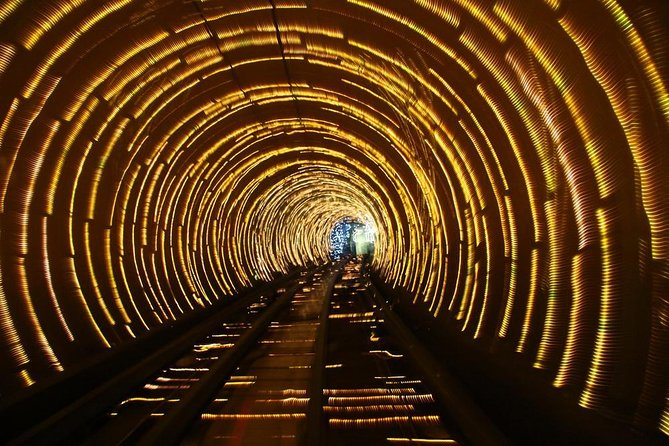
  • The world’s longest metro system is the Shanghai Metro in China at 434 kilometers long. The system also incorporates the world’s only tourist tunnel, the Bund Sightseeing Tunnel, which travels under the city’s Huangpu River between East Nanjing Road station and Pudong station. The 647-meter-long tunnel is encased in a glass capsule which houses a system of strobe lighting which throws vivid, psychedelic patterns upon the tunnel walls.

U.S.A. – New York City Subway

  • The metro system with the most number of stations in the world is the New York City Subway in the U.S.A., with four hundred and twenty-two stations. 
  • A country with the highest number of metro systems in the world is the USA with subway systems situated in thirty-two cities.
  • The Metro system with the highest number of lines or routes is the New York City Subway in the U.S.A., with twenty-four lines.

Japan- Tokyo’s Toei Subway

image 10
Image Credit to Respective Authority
  • The world’s busiest metro system, in terms of passenger numbers, is Tokyo’s Toei Subway with eight million passengers a day, or 3.16 billion a year.

Switzerland- Metro Lausanne

image
Image Credit to Respective Authority
  • The smallest city in the world to have a rapid transit metro is Lausanne in Switzerland. Lausanne is just 41.37 square kilometers in size and it’s fifteen kilometers long Metro Lausanne consists of two lines and twenty-eight stations.

Italy- Sicily- Metropolitana di Catania

image 6
Image Credit to Respective Authority
  • world’s smallest metro system is the 3.8 km long Metropolitana di Catania situated on the Italian island of Sicily which consists of just one line and six stations.

Singapore MRT

  • Singapore MRT is known for its reliability, cleanliness, safety, and integration with other transport systems, making it a model for efficient urban mass transit systems worldwide.

Russia- Moscow Metro

image 14
Image Credit to Respective Authority
image 12
Image Credit to Respective Authority
  • Known for its opulent and elaborate station designs, many Moscow Metro stations are like underground palaces adorned with mosaics, chandeliers, and marble statues.
  • Some stations, like Mayakovskaya, have been designated as cultural heritage sites due to their architectural significance.

Sweden- Stockholm Metro

image 16
Image Credit to Respective Authority
  • Often referred to as the world’s longest art gallery, the Stockholm Metro features artwork, sculptures, and installations in nearly all of its 100 stations.
  • Each station has its own unique artistic theme, ranging from abstract paintings to installations that reflect Swedish history and culture.

UAE- Dubai Metro

  • The Dubai Metro is one of the few driverless metro systems in the world, utilizing automated trains for operations.
  • Stations are equipped with advanced technology, including platform screen doors that enhance passenger safety and improve air conditioning efficiency.

Taiwan- Formosa Boulevard, Kaohsiung Metro

image 13
Image Credit to Respective Authority
  • Formosa Boulevard station in Kaohsiung is renowned for its Dome of Light, the largest glasswork in the world created by artist Narcissus Quagliata.
  • The dome covers the station’s central hall and features vibrant colours and intricate patterns.

Indian Metro Stations Vs World Leading Metro Stations

Comparing Indian metro stations with world-leading metro stations involves examining several key aspects including design, technology, functionality, aesthetics, and cultural integration. Here’s a comparative analysis:

1. Design and Station Architecture:

World-leading Metro Stations:

Moscow Metro (Russia): Known for its grand architecture, with ornate designs, chandeliers, and artwork in stations like Komsomolskaya.

Stockholm Metro (Sweden): Features modern and artistic designs with each station uniquely decorated, showcasing Scandinavian aesthetics.

Indian Metro Stations:

image 2
Image Credit to Respective Authority

Delhi Metro: Known for functional design, focusing on efficiency and passenger flow. Stations like Rajiv Chowk and Central Secretariat reflect modern architecture but with a simpler aesthetic compared to European counterparts.

DMRC Emphasizes green building practices, with several stations certified by the Indian Green Building Council (IGBC) for their sustainable design features like rainwater harvesting and solar power generation

image 9
Image Credit to Respective Authority

Kolkata Metro: India’s first metro station with a blend of colonial and modern architectural elements, with stations like Park Street showcasing historical influences. The station’s architecture includes features such as vintage-style lampposts and elegant, arched doorways that evoke a sense of nostalgia.

The Kolkata Metro successfully combines functionality with aesthetic appeal, offering a transport system that is efficient, culturally rich, and environmentally conscious. By blending colonial and modern architectural elements, it provides a unique travel experience that reflects the city’s historical legacy and contemporary aspirations.

2. Technology and Innovation:

World-leading Metro Stations:

Tokyo Metro (Japan): Pioneers in advanced technology integration, with efficient signaling systems, real-time passenger information, and precision in train operations.

Dubai Metro (UAE): Known for its driverless trains, smart card ticketing, and high-tech stations with advanced amenities.

Indian Metro Stations:

Bangalore Metro: Also known as Namma Metro, Features modern technological amenities such as smart card ticketing and automated fare collection systems, though the scale and integration may differ from global leaders.

While the Bangalore Metro may not yet match the scale of systems like the Tokyo Metro or the Dubai Metro or the London Underground, it is steadily incorporating advanced technologies and sustainable practices like rainwater harvesting to enhance the commuter experience.

Hyderabad Metro: Introduces modern technologies like automatic train operation systems (ATO), enhancing operational efficiency.

The Hyderabad Metro employs Communication-Based Train Control (CBTC), a state-of-the-art signalling system that allows for real-time communication between trains and control centres. This system optimizes train intervals and improves overall network capacity. The stations feature contemporary architectural designs with clean lines and spacious layouts, enhancing the overall commuter experience.
The Hyderabad Metro has installed solar panels at various stations to reduce its carbon footprint and promote renewable energy use. This initiative helps lower operational costs and support sustainable urban development

3. Functionality and Passenger Experience:

World-leading Metro Stations:

London Underground (UK): Emphasizes efficient passenger flow and accessibility with well-organized stations and clear wayfinding.

New York City Subway (USA): Massive network focusing on convenience with frequent service and extensive station facilities.

Indian Metro Stations:

Indian metro systems such as DMRC prioritize efficient commuter movement and accessibility, catering to large urban populations. They often feature spacious platforms and modern amenities but may face challenges such as overcrowding during peak hours.

The Rajiv Chowk or Connaught Place metro station is the second busiest station on the DMRC network with a daily ridership of around 2,50,000 people. The station uses advanced ticketing systems, including smart cards and contactless payment options, to streamline the entry and exit process and reduce queues. 

The station is designed to handle a large number of passengers, with spacious platforms and wide concourses that help manage the crowd during peak hours. Rajiv Chowk Metro Station occasionally hosts art installations and cultural displays, adding an aesthetic and cultural dimension to the commuting experience

4. Cultural Integration and Aesthetics:

World-leading Metro Stations:

Many metro systems incorporate local culture and art, enhancing the passenger experience and reflecting regional identities.

Examples include the artistic stations of Stockholm, the historical motifs of Moscow, and the contemporary designs of Singapore.

Indian Metro Stations:

Indian metro stations often integrate local art and cultural elements, reflecting regional heritage. However, the scale and prominence of cultural integration can vary compared to global leaders.

Conclusion: 

Indian metro stations have made significant strides in terms of functionality, technology adoption, and design aesthetics. They prioritize efficient urban transportation solutions tailored to local needs and infrastructure challenges. However, compared to world-leading metro systems like those in Tokyo, London, or Moscow, there is often a difference in scale, architectural grandeur, technological innovation, and cultural integration. As Indian metro systems continue to expand and evolve, there is potential for further advancements in these areas, enhancing both functionality and passenger experience on par with global standards.

Advertisement1
InnoMetro_2026

Delhi Metro Phase 4: CMRS Gears Up to Inspect Krishna Park Extension

0
Delhi Metro
Representational image only

Delhi (Metro Rail News): The Janakpuri West – Krishna Park extension of the Delhi Metro‘s Magenta Line is nearing completion. The Commissioner of Metro Railway Safety (CMRS) is expected to inspect this 2.03 km stretch on July 30.

This underground section includes a new station at Krishna Park Extension, and it will be the first section of the 85.86 km Phase 4 project to become operational.

DMRC Network Map 27 May 2024 Bilingual.b221b6aa
Image Credit: DMRC

During the one-day inspection, the CMRS team will examine the twin tunnels of this underground section along with other key components. This includes the signalling system, signage, safety features, drinking water facilities, station access, and the control room. The inspection will conclude with a speed trial run of a metro train.

The construction of this section was undertaken by HCC – VCCL JV under Package DC-06. For the tunnelling work, the JV deployed the TBM “Triveni,” which completed the tunnelling in November 2022.

Delhi Metro’s Magenta Line

Currently, the Magenta Line connects Botanical Garden in Noida with Janakpuri in West Delhi, covering a total distance of 38.235 km across 25 stations. As part of Phase 4, DMRC plans to extend the Magenta Line by approximately 28.92 km from Janakpuri West to RK Ashram Marg featuring a total of 22 stations.  

Additionally, this small section will extend the Magenta Line to about 40 km. The Magenta Line will then link the Botanical Garden to Krishna Park Extension through 26 stations.

Advertisement1
InnoMetro_2026

ICT Becomes L1 for DDC Contract of Bhubaneswar Metro 

0
Bhubaneswar Metro (The image is for representation only.)

Bhubaneswar (Metro Rail News): On 24 July DMRC declared Intercontinental Consultants and Technocrats Pvt. Ltd. (ICT) as the lowest bidder for the Detailed Designed Consultant (DDC) contract for Bhubaneswar Metro Phase I project. ICT won this contract under package BCDD-02.

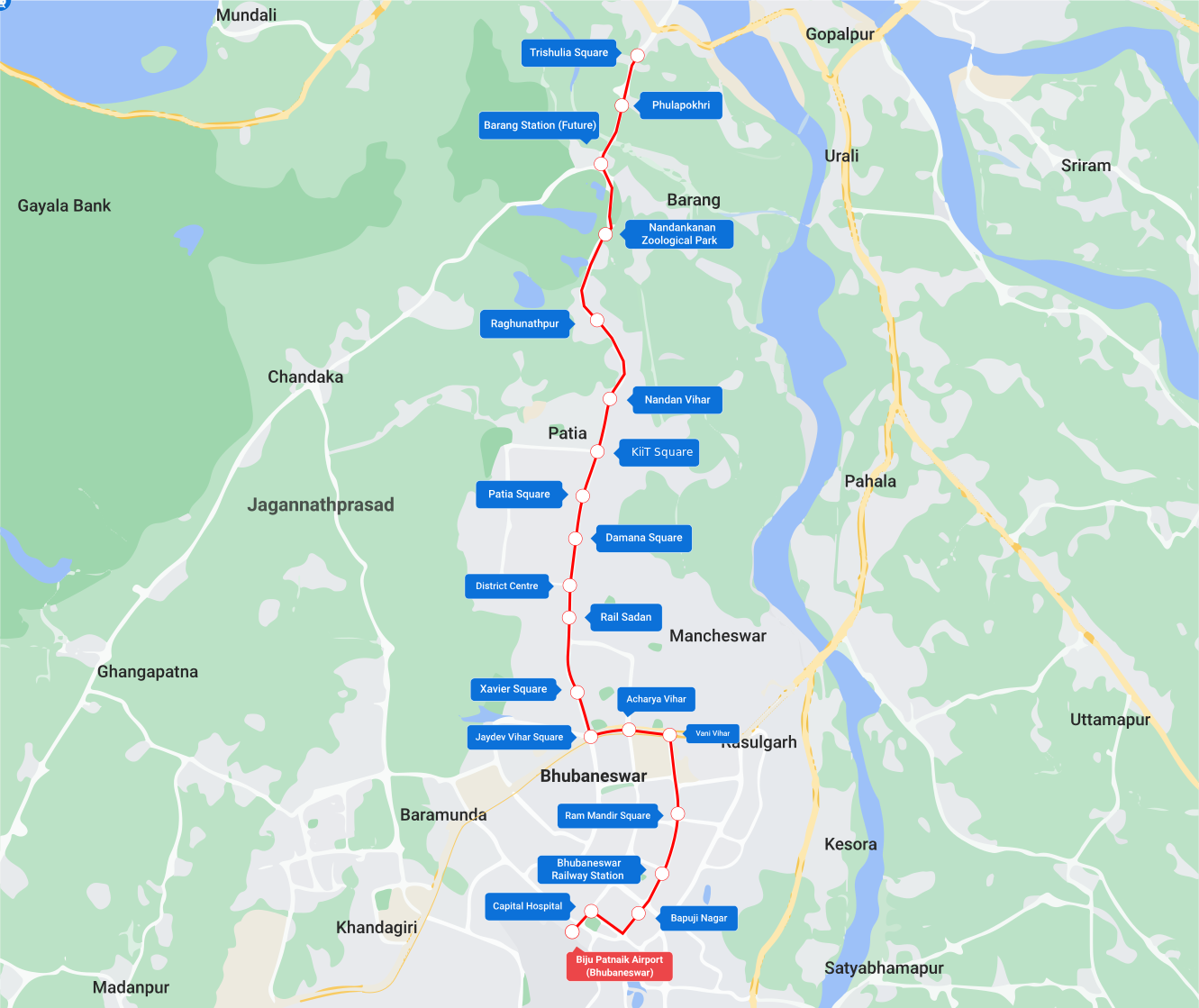
The contract for the 26.04 km Bhubaneswar Metro Line-1 (Biju Patnaik Airport – Trisulia Square) features two parts. The first part involves the Phulapokhari Depot and its Operational Control Centre (OCC), which includes architectural, electrical & mechanical (E&M), traction, and civil works.

The second part covers proof-checking the viaduct of Line-1, and the 750V DC traction & power supply works, etc.

route-map-Bhubaneswar-Metro

Bidding Process

In March 2024, the Delhi Metro Rail Corporation (DMRC) invited bids for this Detailed Design Consultant (DDC) contract. The contract has a three-year deadline and an estimated cost of Rs. 22 crore. On 22 May, DMRC opened technical bids revealing three bidders.

Bidders

Firm Bid Price
ICT13.04 Crore
STUP Consultants13.72 Crore
Ayesa India15.90 Crore

ICT’s bid of Rs. 13.04 crore was quite lower than DMRC’s estimate of Rs. 22.20 crore so it is likely that the contract would be awarded to ICT in the coming days.

Scope of work

The contract entails appointing a Detailed Design Consultant (DDC) for various architectural and building services. This includes electrical & mechanical (E&M) systems, traction works, and civil engineering for the depot and Operational Control Centre (OCC) building. The scope also covers proof-checking the substructure for the viaduct, and special spans (including superstructure and stations) from Biju Patnaik Airport to Trisulia Square Phase-I of Bhubaneswar MRTS BMRC. Additionally, it involves 750V DC traction and power supply works for the elevated stations and depot, as well as RSS works.

Bhubaneswar Metro Phase 1

The state government approved the DPR of Phase 1  on 14 November 2023 at an estimated cost of Rs. 5926.38 crore. Phase I spans 26.024 km through one corridor and 20 elevated stations.

Recent Update 

  • Recently DMRC floated a tender under Package BRS1 for the procurement of 39 coaches (13 trains) for Phase 1.
  • MIA Construction Pvt. Ltd. will carry out the construction work of Phulapokhari Depot under package BBC-02.
Advertisement1
InnoMetro_2026

Texmaco Completes Acquisition of Jindal Rail Infra at Rs. 615 Crore

0
Texmaco

Table of Contents

Mumbai (Metro Rail News): On 25 July, Texmaco Rail & Engineering announced that it had acquired a 100% stake in Jindal Rail Infrastructure Limited at an anticipated cost of Rs. 615 crore.

Texmaco announced in a statement that it has executed the agreements with Jindal Rail & Infrastructure Limited (JRIL), JITF Urban Infrastructure Services Limited, and Siddeshwari Tradex Private Limited to acquire the 100% share capital of JRIL on a fully diluted basis.

Texmaco’s Vision

This acquisition outlines the company’s ambitious vision to expand its footsteps in the rolling stock business.

The statement conveyed “Texmaco has announced a 100 per cent acquisition of JRIL in a strategic move to expand its rolling stock business. Valued at around Rs 615 crore, the acquisition is the largest in the history of India’s rolling stock industry,”

Mr. Saroj Kumar Poddar, Chairman of Texamaco, said “The Jindal Rail acquisition will exponentially boost our participation in domestic and foreign markets, catalysing the nation’s economic growth”. 

Texmaco, a company under Adventz Group, produces wagons for the bulk transport of various materials, including alumina, cement/fly ash, steel, fuels, chemicals, iron ore (gondola wagons), and automobiles.

Source: PTI

Advertisement1
InnoMetro_2026

Indian Railways Intends to Launch 50 Hydrogen Trains by 2047

0
Indian Railways Hydrogen train
Hydrogen Train/Representational image only

Mumbai (Metro Rail News): Mr Anil Kumar Khandelwal, Member (Infrastructure) of the Railway Board said that Indian Railways is planning to deploy 50 hydrogen trains by 2047 while the first is expected to start operations this year as reported by ET Infra. Mr Khandelwal also mentioned that India’s first Bullet train will be seen running on tracks by 2027.

Indian Railways Plans for Kavach IV

Indian Railways
Representational Image

Mr Khandelwal announced that the final inspection of Kavach IV has been completed, and plans are now in place to deploy it nationwide on a larger scale. He mentioned that over 1,400 kilometres of work had already been completed. Bidding is underway for an additional 3,000 kilometres on the Delhi-Mumbai and Delhi-Howrah routes, with plans to extend coverage by another 3,200 kilometres and 5,000 kilometres in the near future.

This initiative aims to enhance rail safety. Additionally, the newly established GatiShakti Directorate is playing a major role in streamlining project planning and execution. Mr. Khandelwal highlighted the surge in the number of approved projects from 7-8 annually to 70-80. He also noted that track delivery has improved, with daily averages rising from 4 kilometres to over 14 kilometres, resulting in the completion of more than 5,000 kilometres of new track last year.

Railways’ Share in Freight Transportation

Indian Railways
Indian Railways/Representational Image

Rapid expansion is critical to Indian Railways’ ambitious plan of securing a larger portion of the nation’s freight market. Over the past year, Indian Railways transported 1,600 million tonnes out of an estimated total logistics market of 5,000 million tonnes. By upgrading its infrastructure, Indian Railways aims to increase this share to 35%, or 3,000 million tonnes, by 2030-31.

Highlighting the railway’s exceptional sustainability and efficiency, Mr Vivek Lohia, Co-Chairman (Railways) of the FICCI Transport Infrastructure Committee and Managing Director of Jupiter Wagon, said that rail transport is 40% more efficient than road transport and has an 85% smaller carbon footprint. He also highlighted recent industry milestones, including a 5% increase in freight loading capacity and a 10% rise in operational efficiency over the past year, leading to over 1,600 million tonnes of freight being transported by rail.

Advertisement1
InnoMetro_2026

Wabtec Expands Locomotive Services as Gooty Maintenance Shed Starts Operations

0
Gooty-Maintenance-Shed

Table of Contents

Andhra Pradesh (Metro Rail News): Wabtec Corporation (NYSE: WAB) and Indian Railways celebrated the start of locomotive service operations at the Gooty Maintenance Shed in Andhra Pradesh, India. The shed expands Wabtec’s locomotive service capabilities in the southern part of the country and marks a new service model in India by leveraging existing Indian Railways infrastructure and staff.

“The Gooty Maintenance Shed represents a critical milestone in our partnership with Indian Railways and a commitment to excellence, delivering high availability, reliability, and setting new quality standards for locomotive service operations in India,” said Sandeep Selot, Managing Director and Vice President, Wabtec Freight Business. ”It will complement our existing locomotive maintenance operations in Roza in the north and Gandhidham in the western part of the country.”

Wabtec’s Role 

2022 03 31 Inda Win

The company is contracted to maintain an Indian Railways fleet of up to 250 Wabtec locomotives from Gooty, for the next three years. Wabtec will support Evolution Series locomotives from series 501 to 750 (4500 HP and 6000 HP) providing regular maintenance, supervision, material and warehouse management, shed control, logistics, and remote diagnostics. The fleet will be deployed for critical freight operations of commodities like coal, cement, foodgrains, fertilizers, iron ore, and containers along the South Central Railway, Central Railways and East Coastal Railways. 

“The Gooty shed represents a unique partnership where Indian Railways provides the infrastructure and manpower, while Wabtec leads the technical supervision to ensure the fleet meets the key performance metrics including availability, reliability and fuel efficiency,” said Rajneesh Sah, Senior Director, Freight Services, Wabtec. “We are focused on implementing maintenance practices that drive faster turnaround for the locomotive fleet.”

Wabtec is one of the largest rail equipment manufacturers in India, having supplied more than 600 locomotives to Indian Railways and with an installed base of subsystems in over 18,000 LHB (Linke Hofmann Busch) coaches and locomotives. The company currently employs 3,000 people in India. 

About Wabtec
Wabtec Corporation (NYSE: WAB) is revolutionizing the way the world moves for future generations. The company is a leading global provider of equipment, systems, digital solutions and value-added services for the freight and transit rail industries, as well as the mining, marine and industrial markets. Wabtec has been a leader in the rail industry for over 150 years and is the worldwide leader in the decarbonization of freight rail. 

Advertisement1
InnoMetro_2026

Tricity Metro to Feature New Extensions of 6.15 km

0
Chandigarh metro (Representational image)

Chandigarh (Metro Rail News): Amidst all the delays, the Tricity Metro Project has progressed with new extensions. The draft of the Alternative Analysis Report (AAR) which was prepared by Rail India Technical and Economic Service (RITES), suggests new extensions of 6.15 km for Tricity Metro.

Initial Plan for Tricity Metro:

6edebb2b aecc 4f27 9bce fcf25b0477b4

 Initially, the project had a length of 79.50 km. With the addition of this new extension, the Tricity Metro project will cover a total length of 85.65 km.

The new  extensions are:

  1. Zirakpur bus stand -Panchkula (3.50 km)
  2. Sukhna Lake to Sector 43 ISBT (2.50 km)

The report also features a comprehensive geotechnical analysis, identifying depot locations in Chandigarh, Mohali, and Panchkula. In response to this, the Punjab government granted 50 acres of land to facilitate the construction of a depot for the metro project.

Additionally, the AAR report recommends that a two-coach metro rail system is the most viable option for the Tricity Metro project which will connect  Chandigarh, Mohali, and Panchkula.

In the beginning, both the Metrolite and two-coach Metro were proposed but the plan of metrolite was dropped due as it would not meet peak hour demand and was expected to become saturated by 2054-2055.

The metro option is more viable than the Metrolite because during the peak hour the metrollite can accommodate about 15000 passengers while on the other hand, a metro rail features capacity to accommodate up to 100,000 passengers.

The final routes will cover major areas including Chandigarh, Mohali, Panchkula, Zirakpur, New Chandigarh, and Pinjore.

Advertisement1
InnoMetro_2026

Digital twin: Helping sustainability goals and smart rail operations within reach  

0
Digital twin
Digital twin ( A representational image)

A digital twin is an artificially generated and virtual representation of an object or system that spans its lifecycle, is updated from real-time data, and assists in decision-making through simulation, machine learning, and reasoning.

The working

A digital twin is a virtual model designed and developed to replicate a physical object and phenomenon precisely. The device under investigation, such as a wind turbine, comes equipped with different sensors relevant to vital and critical areas of functionality. These sensors generate information regarding multiple facets of a physical object’s performance, such as energy output, temperature, weather conditions, etc. This information, after that, is transmitted to a processing system and applied to the digital copy. Once such data is readily accessible, the virtual model may be used to run simulations, explore and examine issues with performance, and generate possible and conceivable modifications, all to develop valuable and significant conclusions that may be brought back to the original physical device.

Digital twins and simulations

Although both simulations and digital twins use digital models to simulate and replicate a system’s different functions and processes, a digital twin is truly a virtual world, making it far more prosperous and more explorative for study and analysis. The primary distinction between a digital twin and a simulation is one of scale: While a simulation typically examines a single process, a digital twin may perform numerous meaningful simulations to explore multiple procedures. The distinctions do not end there. For example, simulations rarely benefit from real-time data. However, digital twins are built on a two-way information flow that commences when object sensors offer and deliver relevant data to the system processor and continues when insights generated by the processor are exchanged back with the source object. Digital twins can study more issues from far more vantage points than standard simulations because they have better and constantly updated data related to a wide range of areas, combined with the added computing power of a virtual environment.

Types of digital twins

Various types of digital twins exist depending on the extent of product magnification. The primary distinction between these twins is their field of application. It is common and typical for multiple kinds of digital twins to coexist within a system or process.

  1. Component twins/Parts twins: Component twins are the fundamental unit of a digital twin, representing the minor example of a working component. Parts twins are roughly the same, except they refer to significantly fewer essential components.
  2. Asset twins: When two or more components work and function together, they generate and develop what is known as an asset. Asset twins allow for investigation of the interaction of those components, leading to the creation of a wealth of performance data that can be evaluated and transformed into meaningful insights.
  3. System or Unit Twins: The next degree of magnification involves system or unit twins, which allows us to understand better how various assets interact to build a fully functional system. System twins provide visibility into asset interactions and may identify performance improvements.
  4. Process twins: Process twins, the macro level of magnification, demonstrate how systems interact and work together to generate an entire facility for manufacturing and production.  Process twins can assist in determining the specific timing schemes that influence overall effectiveness, whether all of those systems are synchronised to run at peak efficiency, or will delays in one system will impact others.

History of Digital Twin Technology

The concept of digital twin technology was initially put forward in 1991 with the introduction and publication of David Gelernter’s Mirror Worlds. Dr. Michael Grieves (then on the faculty at the University of Michigan) is credited for introducing the notion of digital twins to manufacturing for the first time in 2002 and formally announcing the digital twin software concept. In 2010, NASA’s John Vickers coined the phrase; digital twin.’ However, the fundamental concept of using a digital twin to study and examine a physical thing can be witnessed much earlier. NASA can claim to have pioneered digital twin technology during its space exploration missions of the 1960s when each voyaging spacecraft was precisely replicated in an earthbound version that NASA personnel serving on flight crews used for study and simulation.

Advantages and benefits of digital twins

  • Better R&D: Using digital twins allows for more effective product research and creation, with a wealth of data generated concerning expected performance outcomes. This data can lead to insights that can help businesses make necessary product improvements before going into production.
  • Greater efficiency: Even after a new product goes into production, digital twins can assist in mirroring and monitoring production systems to achieve and maintain optimal efficiency throughout manufacturing.
  • Product end-of-life: Digital twins can even assist producers in determining what to do with products that have reached the end of their product lifecycle and require final processing, such as recycling or other measures. They can use digital twins to decide which product materials can be harvested and assembled.

Digital twin market and industries

While digital twins are valuable for what they provide, their utilisation is only appropriate for some manufacturers or products. Only some objects are complicated enough to need the constant and intensive flow of sensor data required by digital twins. Investing significant resources in producing a digital twin is sometimes only financially worthwhile. (It is important to note that a digital twin is an exact reproduction of a physical thing, which may need a high cost of production.)

On the other hand, many other types of projects benefit significantly from the use of digital models:

  • Buildings, bridges, and other complicated constructions and structures must adhere to rigid engineering requirements.
  • Mechanically complicated projects, Automobiles, jet turbines, and aircraft. Digital twins can help enhance efficiency in complex machinery and massive engines.
  • Electrical and power equipment. This comprises both power generation and transmission mechanisms.
  • Projects involving manufacturing. Digital twins excel in streamlining process efficiency, as seen and witnessed in industrial settings with co-functioning machine systems.

As a result, the industries that benefit the most from digital twins are those that deal with large-scale products or projects:

  • Engineering (systems)
  • Automobile manufacturing
  • Aircraft production
  • Railcar design
  • Building Construction
  • Manufacturing
  • Power utilities

Digital twin market: Poised for growth

While digital twins are currently in use across many industries, the fast-increasing digital twin industry suggests that demand for digital twins will continue to rise for some time. The global digital twins market had been projected to reach USD 73.5 billion by 2027 in 2022.

Applications

Digital twins are already widely employed in the following areas:

  • Power-generation equipment: Large engines, such as jet engines, locomotive engines, and power-generation turbines, benefit significantly from using digital twins, particularly in establishing schedules for routine maintenance.
  • Structures and their systems: Large physical structures, such as high-rise buildings or offshore drilling platforms, can benefit from digital twins, especially during the design phase. It is also helpful in the design of systems that operate within those structures, such as HVAC systems.
  • Manufacturing operations: Given that digital twins are intended to mirror a product’s entire lifecycle, it’s no surprise that they’ve become commonplace in all manufacturing stages, guiding things from design to final product and all processes.
  • Healthcare services: Patients receiving services like products can be profiled using digital twins. The same sensor-generated data system can track various health indicators and offer crucial insights.
  • Automotive industry: Cars have a wide range of complicated, co-existing systems, and digital twins are widely employed in car design to optimise vehicle performance and increase production efficiency.
  • Urban planning: Using digital twins, which can display 3D and 4D spatial data in real-time and embed augmented reality systems into constructed environments, greatly assists civil engineers and others involved in urban planning operations.

The future of digital twin

Existing operational models are undergoing substantial upheaval. In asset-intensive businesses, a digital revolution is taking place that is transforming operating patterns and necessitating an integrated physical and digital perspective of assets, equipment, facilities, and processes. Digital twins are an essential component of that readjustment. Given that larger quantities of cognitive power are constantly being deployed to their usage, the future of digital twins is almost endless. As a result, digital twins continually acquire new skills and capabilities, allowing them to generate the insights required to improve goods and processes.

Digital Twin in the Railway Sector

In railways, the digital twin includes the construction and development of a digital model that represents the actual assets and activities of the railway system. The digital twin combines data from different sources, including sensors, signalling systems, maintenance records, and historical data, to reflect railway assets’ real-time state and behaviour. The use of digital twins in the railway industry has various advantages. Here are some significant applications for digital twins in railways:

  • Asset Monitoring and Maintenance: Real-time monitoring of train components, tracks, signalling systems, and other infrastructure is possible with digital twins. Predictive maintenance algorithms can detect probable defects or breakdowns in advance by collecting and analysing sensor data. This proactive strategy aids in the optimisation of maintenance schedules, the reduction of downtime, and the enhancement of asset performance.
  • Operations and Simulation: Using digital twins enables railway operators to simulate and optimise train operations. Operators can identify bottlenecks, optimise scheduling, and increase overall system efficiency by simulating the behaviour of trains and railway infrastructure. Digital twins can simulate many scenarios, such as changes in train routes, timetables, or infrastructure upgrades, to analyse the impact on operations.
  • Safety and Security: Digital twins can improve railway safety and security. Anomalies or potential security concerns can be recognised in real-time by analysing data from various sensors and monitoring systems. Digital twins also make testing and validating railway safety protocols, emergency response plans, and training simulations easier.
  • Passenger Experience: Using digital twins can help improve the entire passenger experience. Operators can optimise seating arrangements, estimate crowd density, and provide real-time information to passengers regarding delays or disturbances by integrating data from multiple sources, such as ticketing systems, passenger flow sensors, and train schedules.
  • Infrastructure Planning and Design: Digital twins can help plan and design railway infrastructure. Engineers and planners can simulate multiple scenarios, assess capacity, optimise layouts, and analyse potential implications on existing infrastructure by generating virtual models of planned tracks, stations, and signalling systems.

The use of digital twins in the railway sector improves operating efficiency and safety, reduces maintenance costs, and improves the overall performance of the rail and train network.

Conclusion

The digital twin continues to provide benefits from design concept to operation. It improves complex design processes by stimulating layouts, configurations, operational circumstances, and risk scenarios. It establishes a living repository for engineering data to spot potential clashes, optimises resources and construction, and enables continuous handover. The platform provides visibility into the design process for all stakeholders, sets deliverable expectations, and ensures seamless handover, reducing onsite activities and improving communication between EPCs and operators or across many EPCs.

By incorporating procurement planning into the design process, digital twins help to reduce lead time and promote transparency by cross-referencing design documentation with procurement and commissioning. It connects the design, procurement, and construction phases for concurrent activity. To identify possible issues, optimise resources, eliminate rework, enhance construction deadlines and schedules, and create virtual reproductions of construction sites. Additionally, Digital Twin employs digital documentation and deliverables to expedite commissioning and ensure a smooth transition to operations. It uses engineering data in operations to improve safety, sustainability, and agility while lowering costs. Maintains EPC partnerships and operates through engineering data upkeep or equipment refinement. Thus, digital twin technology is helping make sustainability goals attainable and within reach.

Advertisement1
InnoMetro_2026

Mumbai Metro: Leena Becomes L1 for Electrification Contract of Line 7A & Line 9

0
Mumbai Metro
Representational Image

Mumbai (Metro Rail News): On 23 July, Leena Powertech Engineers Pvt. Ltd. emerged as the lowest bidder for the 25 Kv AC OHE electrification contract of Line-7A and Line 9 of the Mumbai Metro project.

Mumbai Metro’s Line 7A and Line 9

The construction is underway for both Line 7A and Line 9. Both lines will serve as the extensions of existing operational Line 7 which covers a total distance of 16.5 km from Gundavali to Dahisar East. The details of both Lines 7A and 9 are below:

Line 7A

This line will extend Line 7 in the southward direction. This extension runs 3.17 km from Gundavali to CSIA. The electrification contractor will equip this line with rigid OHE (ROCS).

Line 9:

This line is the northern extension of Line 7. Line 9 spans 11.38 km from Mira Bhayandar to Dahisar East. The electrification contractor will install flexible OHE (FOCS) on this line.

Bidding Process

In June 2023 Mumbai Metropolitan Region Development Authority (MMRDA) called for bids to carry out the electrification work on Line 7A and Line 9 under Package CA-176. 

MMRDA’s Expected Cost: 108.01 Crore

Deadline: 30 months

In December 2023, MMRDA opened technical bids and revealed 4 bidders for Package CA-176. During the technical evaluation, the bids placed by BNC Power Projects Ltd. and Texmaco Rail and Engineering Ltd. didn’t meet the terms of the tender; subsequently, their bids were disqualified.

Financial Bids 

FirmBid price
Leena 122.09 crore
Siemens185.35 crore

Scope of work

The appointed contractor under this electrification contract will be responsible for the design, manufacture, supply, installation, testing, and commissioning of various electrical systems for Metro Line 9 and Line 7A of the Mumbai Metro project.

Key responsibilities include:

  • 33 kV and 25 kV Cabling Work
    • Cabling work for efficient power transmission.
  • 25 kV Overhead Equipment (OHE) System
    • Installation of the 25 kV OHE system to power metro trains.
  • Switching Station
    • Establishing a switching station for managing electrical supply.
  • 33 kV Auxiliary Power Distribution System
    • Designing and installing the 33 kV auxiliary power system.
  • 33/0.415 kV Auxiliary Substation (ASS)
    • Setting up substations to step down voltage from 33 kV to 0.415 kV.
  • Supervisory Control and Data Acquisition (SCADA) System
    • Implementing a SCADA system to monitor and control electrical systems.

Update on Line 7A and Line 9

Line 7A: Currently, Tunneling work is under on this corridor.
Line 9: MMRDA is pursuing superstructure works to facilitate the construction of a Viaduct on corridor 9.

Advertisement1
InnoMetro_2026