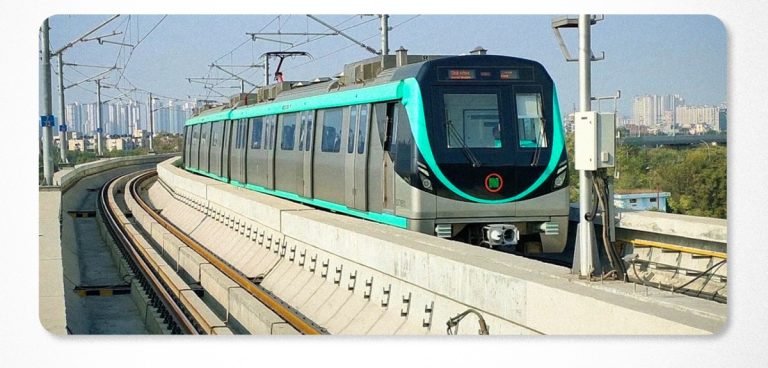
New Delhi: Prime Minister Narendra Modi has flagged-off the Delhi-Faridabad Metro Line that would allow hassle free travel for around two lakh daily commuters between the national capital and the industrial hub in Haryana.
The extension of the Delhi Metro connects Badarpur to Escorts Mujesar in Faridabad.
The total cost of the project from Badarpur to Escorts Mujesar is nearly Rs. 2,500 crore. Out of this, Rs. 1,557 crore was borne by the Haryana Government, the Centre contributed Rs. 537 crore, while the Delhi Metro provided Rs. 400 crore.
All these are elevated and located on either side of the Delhi-Mathura Road (NH-2).
“The nine-station metro corridor which was 95 per cent indigenously built will provide people a safe, affordable, quick, comfortable, reliable, environment-friendly and sustainable transport facility,” a Haryana government spokesperson said.
Haryana Chief Minister ML Khattar, addressing a press conference on Saturday, had thanked the Prime Minister for “gifting” the Metro service which would take the city to “another level of progress” with better connectivity with other NCR towns.
He had also said that the Prime Minister would be announcing the go-ahead for connecting Gurgaon with Faridabad by Metro.
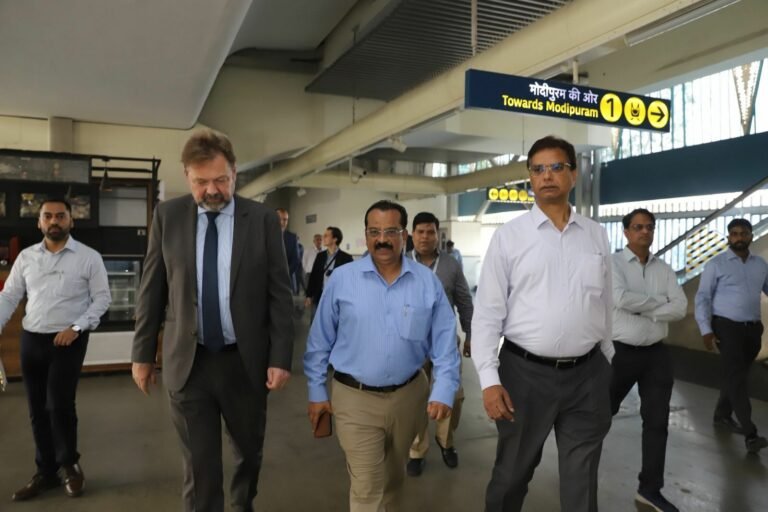
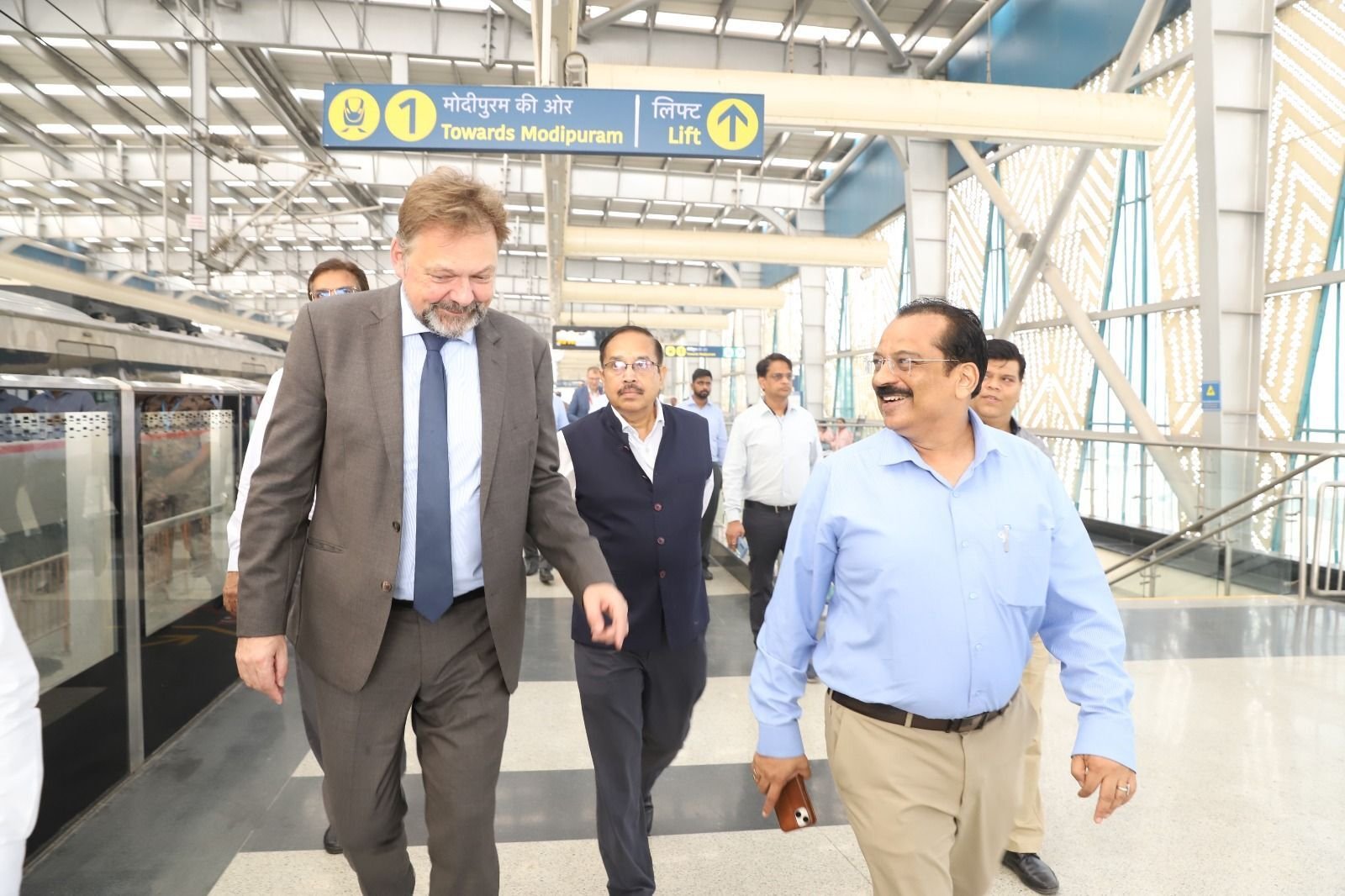
Metro Rail News: The first Regional Rapid Transit System (RRTS) corridor in India, which connects Delhi, Ghaziabad, and Meerut, was recently visited by Dr. Phillip Ackermann, the German ambassador. He experienced the high-speed Namo Bharat train visit, which was organized by NCRTC Managing Director Shri Shalabh Goel.
He noticed the system’s effectiveness, quickness, and dedication to passenger safety when travelling from Sahibabad to the Duhai Depot RRTS station. For a more streamlined and dependable regional journey, he praised the Namo Bharat train’s design, which puts commuter comfort and convenience first.
Additionally, the Ambassador praised the green projects and commuter-friendly facilities offered at RRTS stations. The NCRTC has taken many actions to guarantee that the corridor continues to be among the greenest transit options in India, supporting regional development that is sustainable.
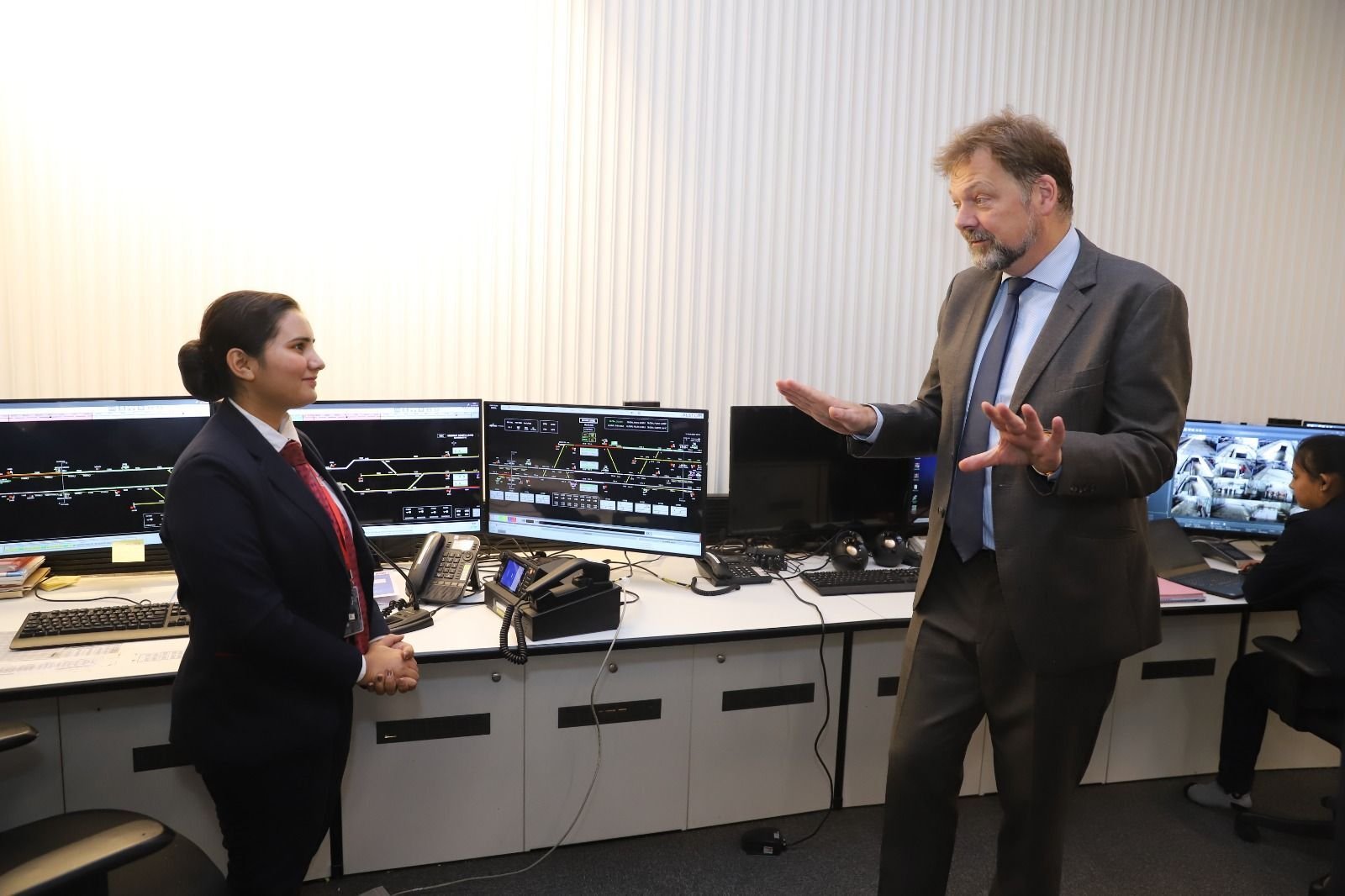
The tour of the Operations Control Center at the Duhai Depot, which showcases NCRTC’s cutting-edge technology that improves operating efficiency, was part of the visit. Dr. Ackermann had the opportunity to observe firsthand the innovative systems that underpin India’s first RRTS project of its type.
Dr. Ackermann highlighted the Indo-German partnership, highlighting the strong partnership in India’s transit modernization between NCRTC and Deutsche Bahn’s Indian affiliate, which is essential to the corridor’s smooth functioning.
The successful integration of innovation and sustainability by the RRTS project was highlighted by Dr Ackermann’s visit. In addition to improving regional connectivity and supporting green efforts for India’s rapid transportation future, his praise of Indo-German collaboration demonstrates a shared goal for progressive transit solutions.
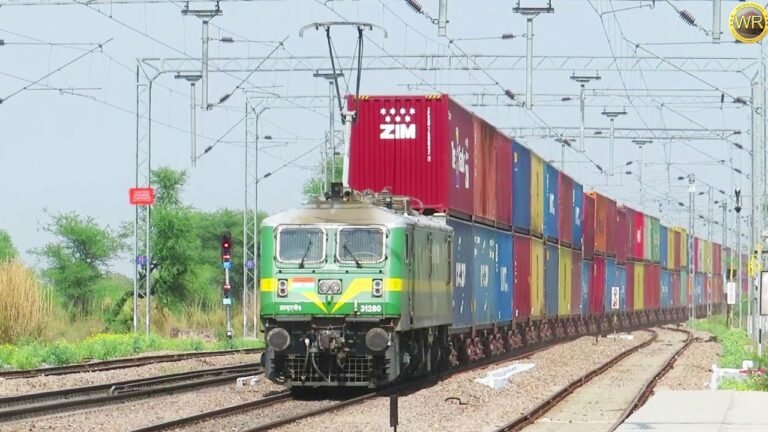
The Indian freight rail industry is a critical component of the country’s transportation infrastructure, primarily operated by Indian Railways (IR), which is the fourth-largest rail network in the world.
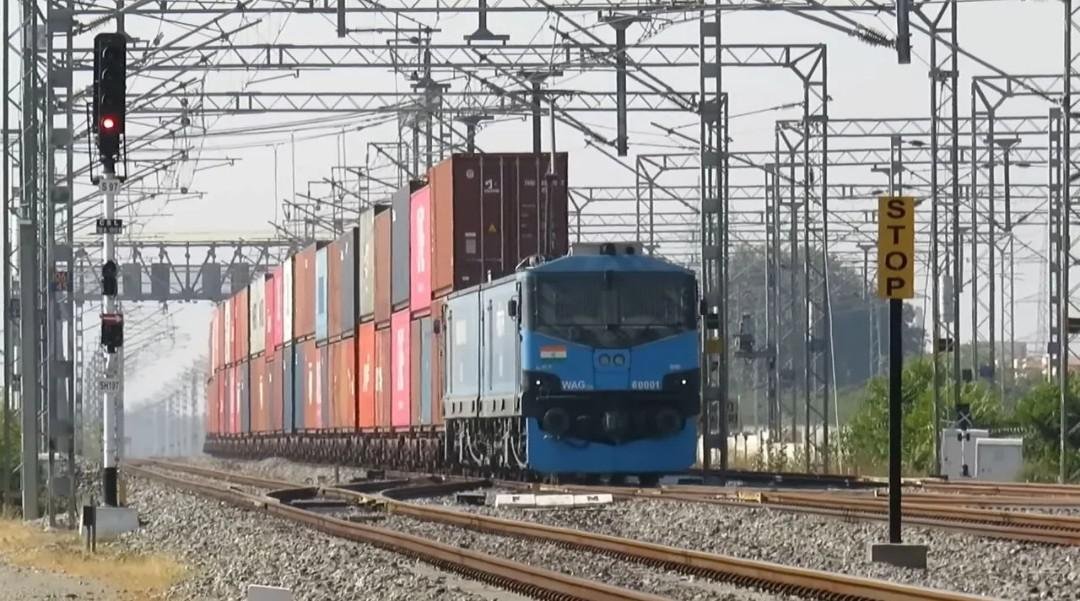
Freight Rail, commonly referred to as cargo or goods trains consists of specialised rail cars designed for the transportation of various types of cargo across intended destinations. Rail transport is the preferred mode for freight movement due to its high energy efficiency and cost-effectiveness. The Freight Rail industry plays a crucial role in India’s transportation infrastructure, serving as the backbone of the country’s logistics sector.
The industry handles a wide range of commodities, including coal, iron ore, steel, food grains, cement, petroleum products, and fertilisers. Annually, Freight Rail moves approximately 1.2 billion tonnes of goods over an extensive network spanning 68,000 kilometres.
Recent Developments and Achievements
Key advancements in the industry include the fast-tracking of two Dedicated Freight Corridors (DFC):
Western DFC: Connecting Jawaharlal Nehru Port to Dadri.
Eastern DFC: Stretching from Ludhiana to Dankuni.
As of June 2024, the Freight Rail sector reported earnings of INR 14,798.11 crore, reflecting the ongoing modernisation and expansion efforts in India’s freight rail infrastructure.
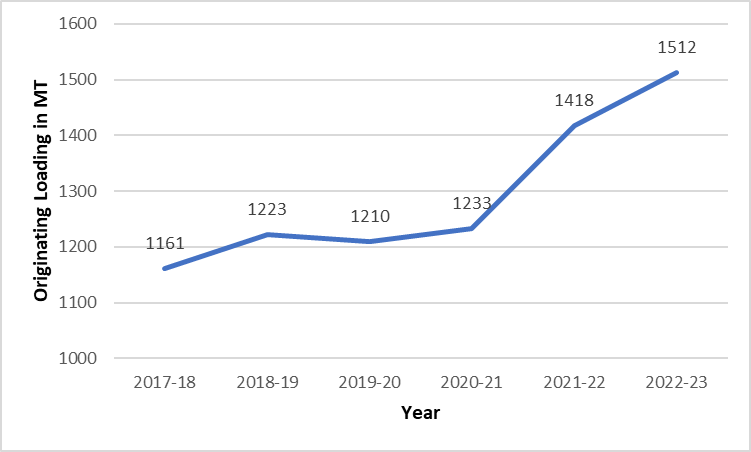
Annual Freight loading from 2017 to 2023
In 2022-23, the Indian Freight Industry recorded its best performance with a freight loading of 1512 MT. With an incremental loading of 94 MT, the industry experienced 7% growth compared to the 1418 MT achieved in 2021-22.
Key Facts About India’s Freight Rail Industry
Total Freight Trains: 9,146
Vision 2024: Aiming for 2,024 million tonnes (MT) of freight loading.
Revenue from Freight Traffic: $17.2 billion
June 2024 Freight Revenue: Indian Railways earned ₹14,798.11 crore, an increase from ₹13,316.81 crore in June 2023.
Freight Train Speed: The average speed increased to 44.36 km/h during 2021-22, up from 42.97 km/h in 2020-21, reflecting a 3.23% improvement.
National Rail Plan: Targeting an increase in the rail share of freight traffic from the current 27% to 45% by 2030.
Asset Tracking and Maintenance in the Freight Rail Industry
Asset tracking in the freight rail industry refers to the use of technology to monitor and manage the location, condition, and utilisation of rail assets such as containers, railcars, and chassis. This practice is becoming increasingly vital as the industry embraces digitisation to enhance efficiency, safety, and operational effectiveness. It involves using technologies such as GPS, RFID, and barcode scanners. Through this process, the risk of theft and loss can be mitigated.
Asset tracking software integrates all the elements of asset tracking in one interface. Rather than maintaining physical records of all the assets, the software helps to digitally store and moderate the information according to their maintenance needs.
Linking Asset Tracking with Rail Fleet
As the rail freight sector shows significant growth, the Indian Railways face a few infrastructural challenges, including outdated tracks, inadequate terminal facilities, and connectivity issues. These issues restrict rail freight operations and efficiency. It is crucial to address these challenges to enhance the capacity of the rail fleet and foster sustainable growth.
In 2024, the Indian Railways saw substantial growth in network electrification, track commissioning, automatic signalling installation, and bridge construction. In India, logistics costs account for over 13% of the GDP, making it crucial to invest in infrastructure.
The need for better freight rail infrastructure led to the development of Dedicated Freight Corridors (DFCs). The corridors separate the busy passenger routes and enable faster movement of goods. With the integration of various ministries to investigate alternative routes, an effort is being made to optimise fares and enhance infrastructure.
Key Components of Asset Tracking in Freight Rail
Radio Frequency Identification (RFID):RFID devices are small electronic devices that can store information and use radio waves to identify objects. They do not require any line of sight to scan and are known for their accuracy and efficiency. However, these devices have high up-front costs, privacy and security issues, and are easily influenced by signal interference.
IoT Technology:Asset tracking systems leverage Internet of Things (IoT) sensors and GPS technology to provide real-time data on the location and status of assets. This enables operators to monitor freight during transit, ensuring timely and efficient deliveries.
Cloud-Based Software:Data from tracking devices is transmitted to cloud-based platforms, providing centralised access to asset conditions, movements, and historical data. This ensures quick and informed decision-making.
Condition Monitoring:Advanced systems feature sensors to monitor environmental conditions such as temperature and humidity, which is critical for perishable goods. Maintaining optimal conditions helps prevent spoilage and ensures the quality of sensitive cargo.
Security Features:Tracking systems enhance security by providing alerts for unauthorised access or movement of assets. Door sensors, for instance, can notify operators of unauthorized container openings, improving safety measures.
Data Analytics:Analytical tools help identify operational inefficiencies like prolonged loading/unloading times or excessive dwell times at terminals. This data is valuable for optimising logistics, reducing delays, and enhancing overall performance.
Maintenance
Maintenance is crucial in the freight rail industry due to the high speeds, heavy loads, and complexity of railway systems. Proper maintenance ensures safety, reliability, and efficiency.
Types of Maintenance:
Preventive Maintenance: Regularly scheduled maintenance activities designed to prevent breakdowns and extend asset life. This includes inspections, servicing, and replacements based on usage patterns.
Predictive Maintenance: This involves using data from asset tracking systems to predict when maintenance should be performed based on actual conditions rather than a fixed schedule. This approach minimises downtime and reduces costs associated with over-maintenance.
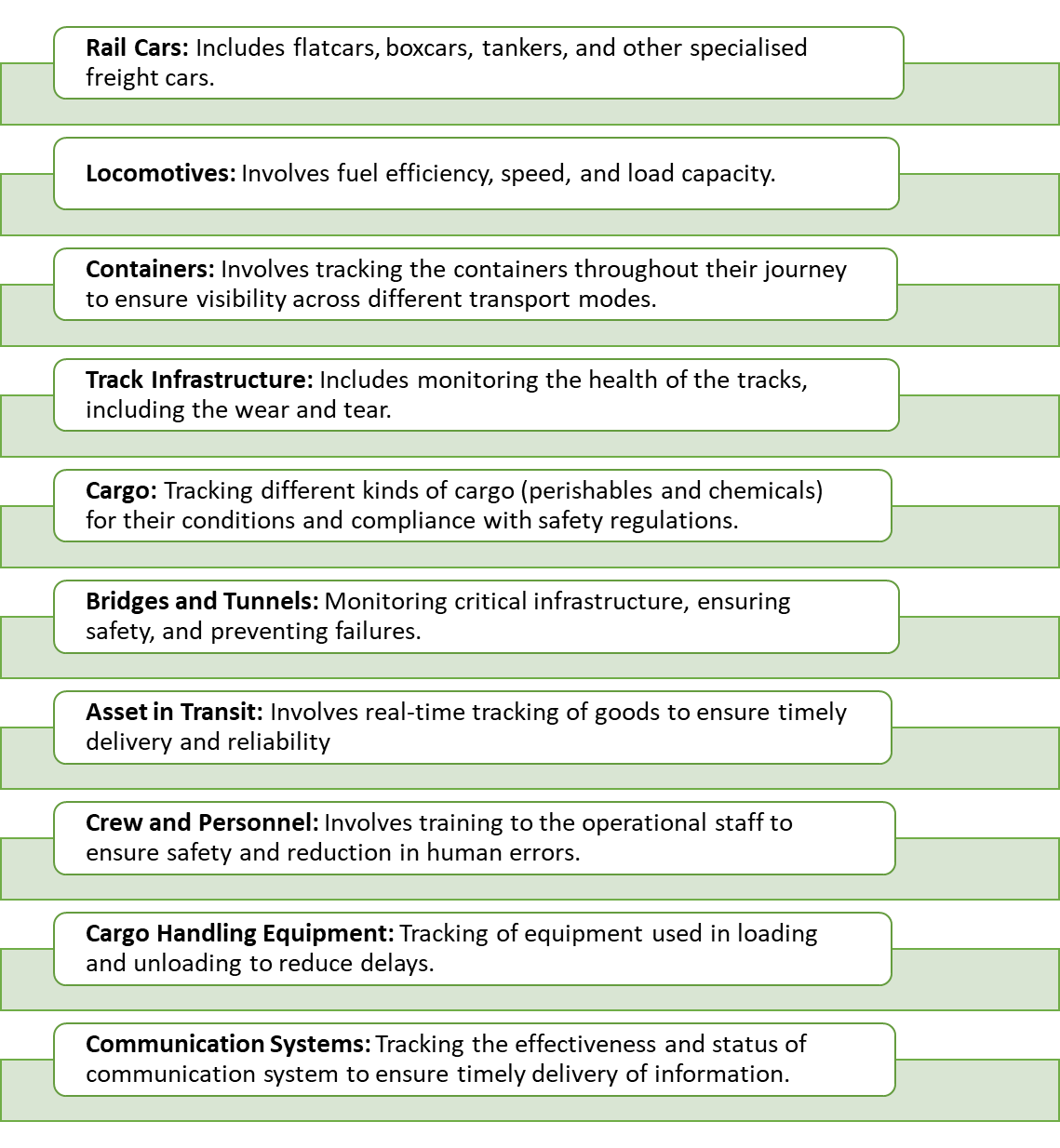
What Assets Need to be Tracked?
Role of Asset Tracking in Maintenance in the Freight Rail Industry
Real-Time Monitoring: Asset tracking systems enable continuous monitoring of rail assets, including trains, containers, and railcars. This real-time data allows operators to identify maintenance needs promptly, reducing the risk of unexpected breakdowns and ensuring that assets are always in optimal condition. For instance, GPS monitoring helps track the exact location and status of rolling stock, allowing for timely interventions when issues arise.
Predictive Maintenance: By analysing data collected from sensors on rolling stock, operators can predict when maintenance should be performed based on actual usage and performance trends rather than fixed schedules. This approach minimises downtime and helps avoid costly repairs by addressing issues before they escalate.
Improved Maintenance Scheduling: Asset tracking facilitates better planning and scheduling of maintenance activities by providing insights into asset availability and condition. This ensures that maintenance can be conducted during off-peak hours or when assets are not in use, thereby minimising disruption to operations. Setting up reminders for regular inspections and maintenance can further reduce the risk of unexpected failures.
Condition Monitoring: Sensors can monitor various conditions such as temperature, humidity, and mechanical performance. For example, refrigerated containers can have integrated sensors that alert operators if temperatures exceed safe limits, enabling immediate action to prevent spoilage of perishable goods.
Data-Driven Decision Making: The analytics capabilities of asset tracking systems allow for the identification of inefficiencies in maintenance practices. Detailed reports can highlight long loading/unloading times or frequent repairs on specific assets, providing management with actionable insights to optimize processes.
Benefits of Asset Tracking
Improved Visibility:
Enhanced tracking allows stakeholders to have complete visibility into the supply chain, helping manage expectations regarding delivery timelines. According to a study by McKinsey, companies that utilise real-time data can improve operational efficiency by up to 30%.
Lower Operational and Maintenance Costs
The asset tracking system minimises the expenses associated with asset misplacement by reducing theft, optimising maintenance schedules, and minimising downtime due to equipment failures. A report from Deloitte indicates that predictive maintenance can reduce maintenance costs by up to 25%.
Reduces Human Error
Employees can save a lot of time after scanning the details such as manufacturer, spare parts suppliers, maintenance history, and operations and maintenance methods. With the help of strong asset tracking and management systems, the employees can easily and effectively record maintenance chores, reducing the human errors that often occur due to manual documentation techniques.
Compliance and Reporting
Asset tracking helps organisations supply precise information to stakeholders and regulators when they are clear about their assets and how they are employed. An efficient asset management system helps to address the risks linked to compliance, enabling businesses to uphold a high standard of compliance. The accountability, transparency, and governance principles help businesses to build trust and confidence with investors and clients.
Challenges in Implementing Asset Tracking
Data Security
The complexity and interconnectivity of digital systems raise the risk to data security. Cyber attacks can harm sensitive data by entering through IoT, RFID, and cloud-based systems. Safeguarding and managing enormous amounts of data becomes challenging as cyber threats change, requiring regular updates.
Lack of Standardization
With no set rules and guidelines, the chances of inconsistencies in data collection, reporting, and decision-making increase. It becomes difficult to track and monitor assets effectively, resulting in inefficiencies, errors, and potential financial losses. It also makes it challenging to compare asset performance, operational costs, and maintenance practices, hindering the process of informed decision-making and proper asset utilisation.
High Upfront Costs
Upfront costs include the purchase of machinery, equipment, or technology and the hiring and training of personnel to use and maintain these assets. This financial load may hamper a business’s cash flow and profitability. The initial cost of some asset management components is higher than that of others; for example, implementing RFID is more expensive than using asset tags or barcode labels.
Skilled Personnel
Introducing new asset-tracking processes and technologies requires skilled personnel who are often resistant to change. Recruiting and training staff can be time-consuming and costly. Inadequate training or reluctance to adopt new systems may result in inefficiencies, impacting the overall success of asset tracking initiatives.
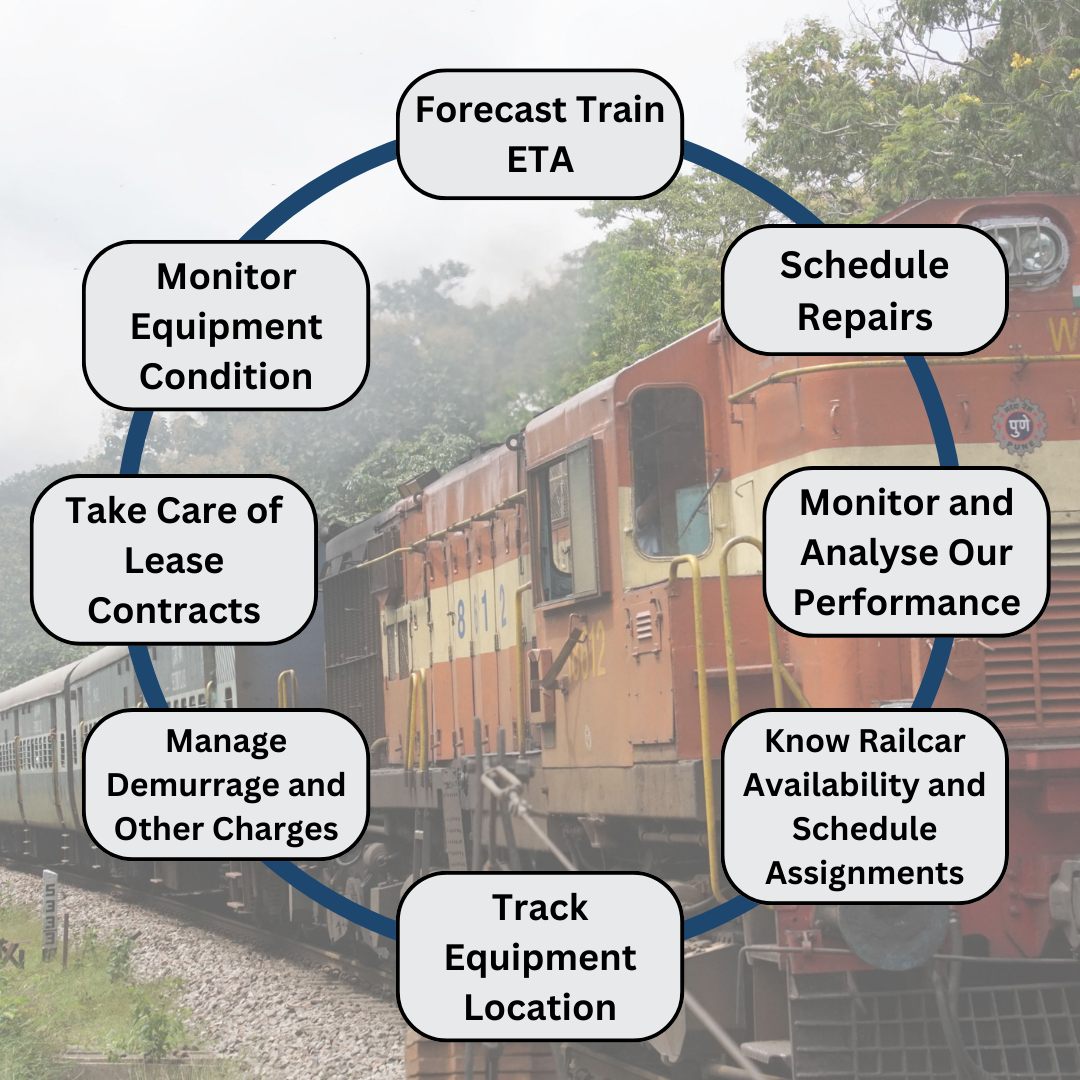
Components of Rail Fleet Management
Case Study: SALUS Asset Tracking Solution
Digital transformation is continuously helping the rail industry become efficient and productive and tackle challenges like infrastructure efficiency, energy management, and natural resource reduction. The industry utilises asset tracking to become approximately $12.6 billion by 2025.
SALUS: Serviceable Asset Location & Utilisation System
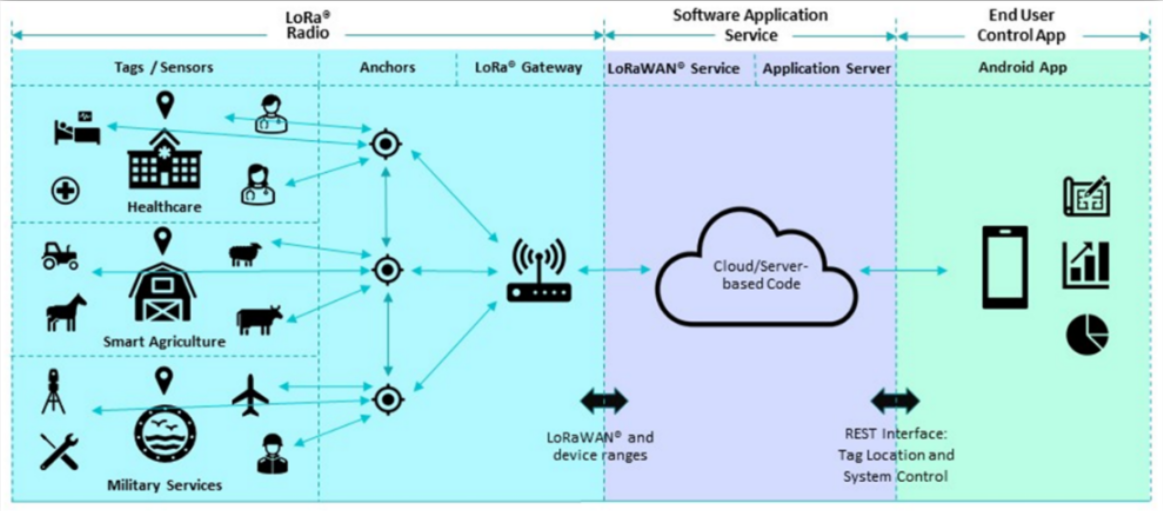
SALUS is an advanced technical solution designed to address the inefficiencies of existing asset-tracking technologies, particularly in terms of cost, power consumption, accuracy, and flexibility. It is tailored for industries struggling to track equipment, devices, and personnel across large infrastructures.
The system, known as Serviceable Asset Location & Utilisation System (SALUS), enables real-time tracking and monitoring of an asset’s location, status, and condition, both within and outside a designated network. One of its key features is the ability to transmit radio signals securely over long distances, making it ideal for extended infrastructure and remote asset-tracking applications. SALUS offers a more efficient and reliable approach to asset management over vast areas, ensuring seamless operations across the board.
Working of SALUS
SALUS operates by tracking tags within a defined radio network established through fixed positioning anchors. As each tag moves across this network, it measures its distance from each anchor. The system accurately determines the tag’s spatial location by triangulating the data from at least three anchors.
The system is designed to be energy-efficient, with tags and devices consuming minimal power, which significantly reduces maintenance and installation costs. SALUS’ durability and cost-effectiveness make it an optimal solution for long-term asset tracking, especially in large or complex infrastructures.
Efficiency Benefits for the Rail Industry
Railway operations involve managing thousands of moving parts in trains, which are heavy and energy-intensive, requiring frequent maintenance. Insufficient maintenance can reduce operational efficiency, while excessive maintenance can lead to premature wear and tear of assets.
SALUS asset tracking offers a solution that enables rail operators to make predictive maintenance decisions at the earliest signs of underperformance. By monitoring and reporting on critical tools and assets, SALUS can be tailored to meet the specific requirements of rail operators, ensuring more efficient asset management and extending asset lifespan.
Growth Projection for Rail Asset Management
The global rail asset management market is estimated to grow annually at a CAGR of around 5.36%between 2023-2030.
The global rail asset management market was valued at around USD 11.17 billion in 2022 and is projected to reach USD 16.11 billion by 2030.
The growth will be due to increased investments in the public transport infrastructure and rising international trade partnerships for large-scale rail-based corridors.
Conclusion
The Freight Rail industry is crucial to India’s logistics and transportation. It drives economic growth through its extensive network and efficient cargo-handling capabilities. Integrating advanced asset-tracking technologies like SALUS can enhance operational efficiency, reduce costs, and improve maintenance practices as the sector evolves.
While challenges such as data security and high upfront costs remain, the benefits of real-time visibility and predictive maintenance can outweigh these hurdles. With projected growth in rail asset management and ongoing infrastructure investments, the future of freight rail in India may position it as a key player in national and global trade.
Gujrat ( Metro Rail News): National High-Speed Rail Corporation Limited successfully launched another steel bridge for the Mumbai- Ahmedabad Bullet Train Project on October 22, 2024. The 60-meter-long steel bridge was launched on the Bajva-Chhayapuri chord line of the Western Railway in Vadodara, Gujarat.
Steel bridge (Bullet Train Project)
This 12.5-meter-tall, 14.7-meter-wide steel bridge, weighing 645 MT, was constructed in a workshop in Bhachau, Gujarat, and then delivered to the installation location.
About 25659 Tor-Shear Type High Strength (TTHS) bolts with C5 system coating and elastomeric bearings were used in the bridge assembly; these bolts are all intended to survive for 100 years. The temporary structure was used to erect the steel bridge at a height of 23.5 meters above the ground. Two semi-automatic jacks with a 250-ton capacity each were used to pull the bridge utilising mac-alloy bars. This location’s piers are 21 meters high.
Promoting “Make In India”
While upholding the highest standards of safety and engineering quality, the project is being carried out with great care. India is progressively using its own technological and material resources to develop infrastructure under the “Make in India” initiative, using Japanese expertise. The Bullet Train Project’s steel bridge is a prime illustration of the project.
Out of the 28 steel bridges intended for the MAHSR corridor, this is the fifth to be finished.
To enhance passenger convenience, Noida Metro Rail Corporation (NMRC) launched a Power Bank facility across all stations of the Noida Metro network. The service, available from 23rd October 2024 aims to provide commuters with an easy and efficient solution to charge their electronic devices while on the go.
The facility was officially inaugurated by Dr. Lokesh M., Managing Director of NMRC, in a ceremony held at Sector-51 Metro Station.
This facility will be provided by A3 Charge, a Delhi NCR based company that provides on-the-go charge service. Commuters can charge their phones on the move through portable power banks. This aims to provide flexible & accessible Power Bank rental services.
The A3 Charge services are available at a very reasonable subscription fee starting from Rs.50/-. The available plans are:
2 days validity with 1 swaps plan amount Rs. 50/-.
Weekly plan – 7 days validity with 5 swaps plan amount Rs. 99/-.
Monthly plan – 30 days validity with 30 swaps plan amount Rs.199/-.
Pro plan – 1 year validity with 900 swaps plan amount Rs.999 /-.
Passengers have to simply download the app, scan the QR code at the A3 charge machines, choose the plan and they are ready to use the Power Banks Services. A3 Charge along with Noida Metro has installed the 03 (Three) A3 charge machines at all 21 Metro stations of NMRC to achieve the aim of providing convenience to the general public.
Kolkata metro ( Metro Rail News): The Kolkata metro advances with new connectivity to the airport with the completion of the 4km track from Dum Dum Cantonment to the NSCBI Airport. The 16 km-long Yellow Line connecting Neopara to Barasat will be the first line to connect with the airport.
This corridor would help commuters by integrating with other metro lines:
Blue Line (New Garia – Dakshineshwar)
Green Line ( Howrah Maiden – Esplanade)
Orange Line (Ruby Hospital – New Garia on EM bypass to Airport)
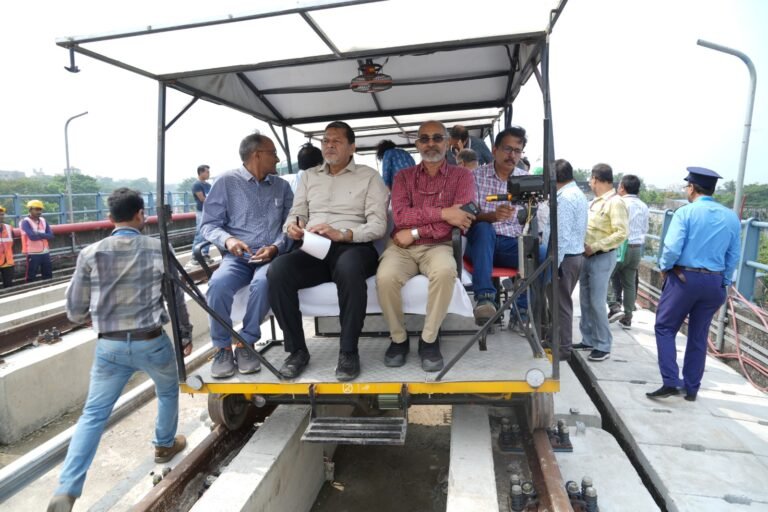
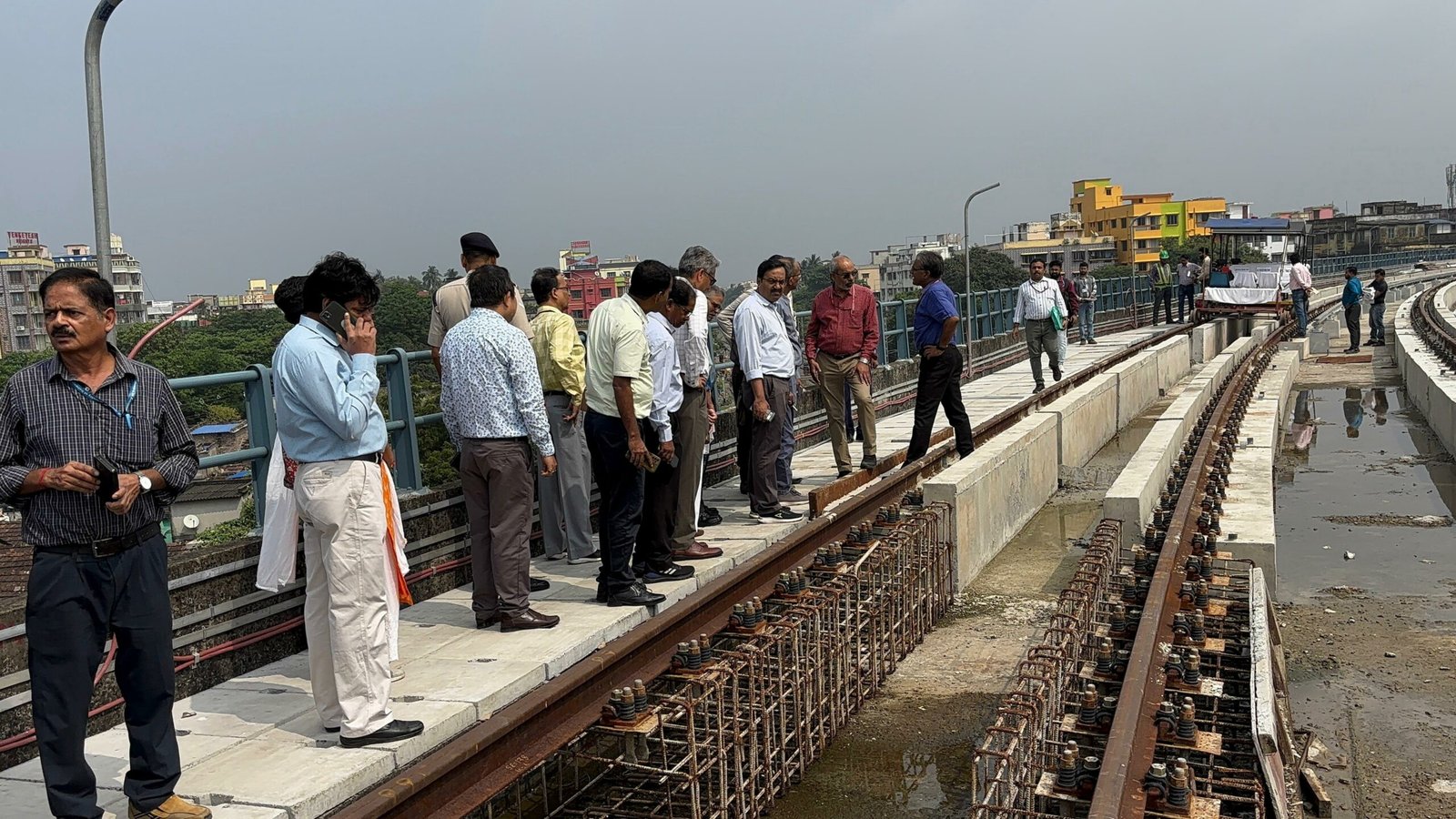
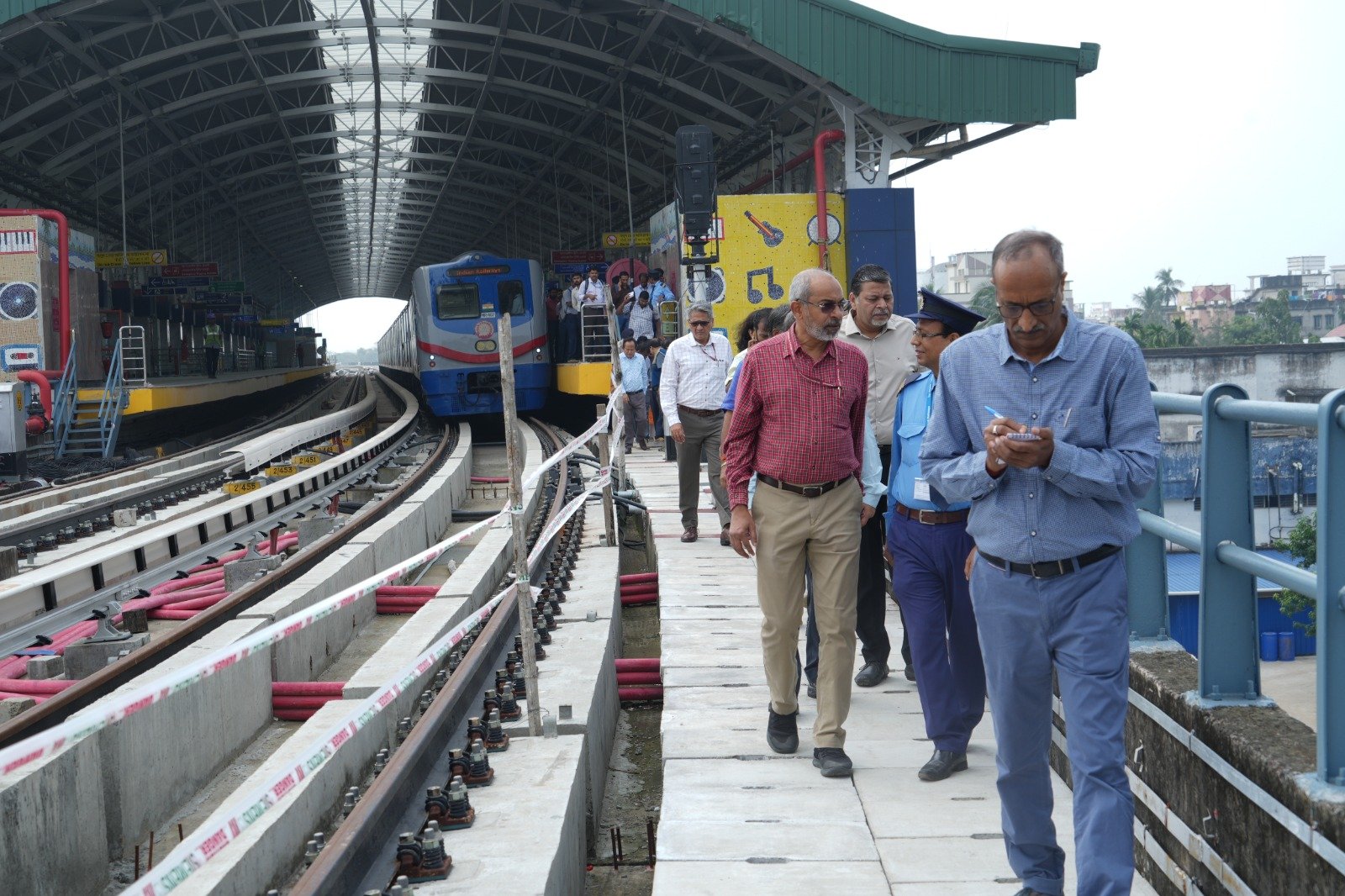
Additionally, On 21st October, Shri P Uday Kumar Reddy inspected the 4 km long track in the maiden trolly from Dum Dum Cantonment – airport. The metro station at the airport ( Jai Hind) is under construction.
The GM also examined the 3 km Noapara-Dum Dum stretch on the Yellow Line checking out the further progress on going at Jessore Road station. The official also mentioned that they have removed the biggest hurdles of roadblocks at Jessore Road leading to the airport.
Metro Railway Authority is more focused towards the 4 km long track going to the airport rather than connecting it with the orange line ( 29 km, New Garia to the airport), which consists of a lot of challenges. Especially, the Orange Line corridor’s last portion of 3.5 km from City Centre II to the airport. For instance, Afcon infrastructure with a contract of Rs.533 crore is facing a lot of challenges in building and constructing there including the construction of the Chinar Park Metro Station.
Connectivity to the airport ( Kolkata metro)
A metro official stated that the yellow line is the first line to connect to the airport. Once it is operational the commuters can travel from various ways to access the airport, interchanging at Noapara.
New Garia to the airport.
From bypass to the new Garia and switch to the Blue Line to Noapara, on the airport.
Travellers from Howrah can take the Green Line’s Howrah Maidan- Esplanade section to reach the airport via Noapara.
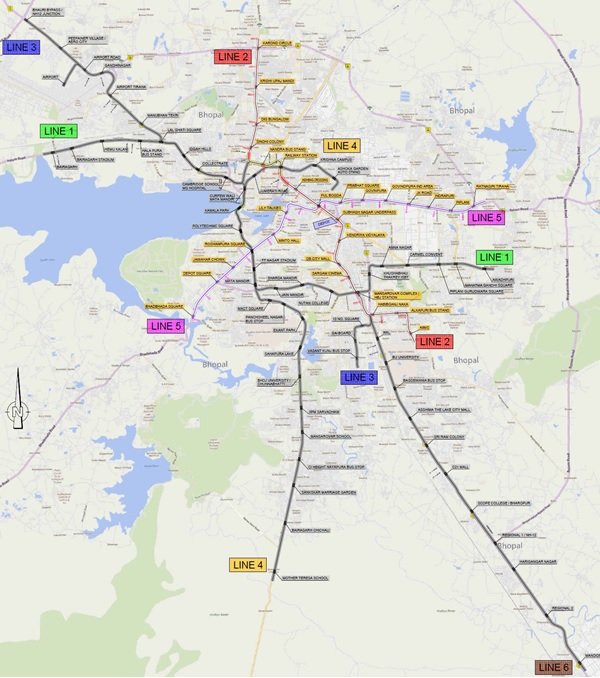
Bhopal (Metro Rail News): Bhopal Metro Project progressed as four construction firms have qualified for the civil construction contract BH-05 for Phase 1’s Blue Line spanning 12.915 km from Bhadbhada Chauraha to Ratnagiri Tiraha via 14 elevated stations.
MPMRCL invited bids for the Package BH-05 of Blue Line in June 2023 with a Rs. 1121.63 crore estimate and 3 year deadline. Furthermore, the technical bids were opened in October 2023 and recently the bid evaluation was completed to reveal the name of qualified bidders.
Qualified Bidders
Afcons Infrastructure Ltd.
Kalpataru – Gulermak JV
Larsen & Toubro Ltd. (L&T)
Tata Projects Ltd. (TPL)
Disqualified Bidders
Dineshchandra R Agrawal Infracon – YFC Projects JV
J Kumar Infraprojects Ltd. (JKIL)
Rail Vikas Nigam Ltd. (RVNL)
Scope of Work
The scope of work under the package BH-05 includes the construction of entire Blue Lines viaduct with the 13 stations between Bhadbhada Chauraha and Ratnagiri Tiraha excluding the Bogda Pul (interchange) station which is a part of package BH -03 and a ramp to Subhash Nagar Depot.
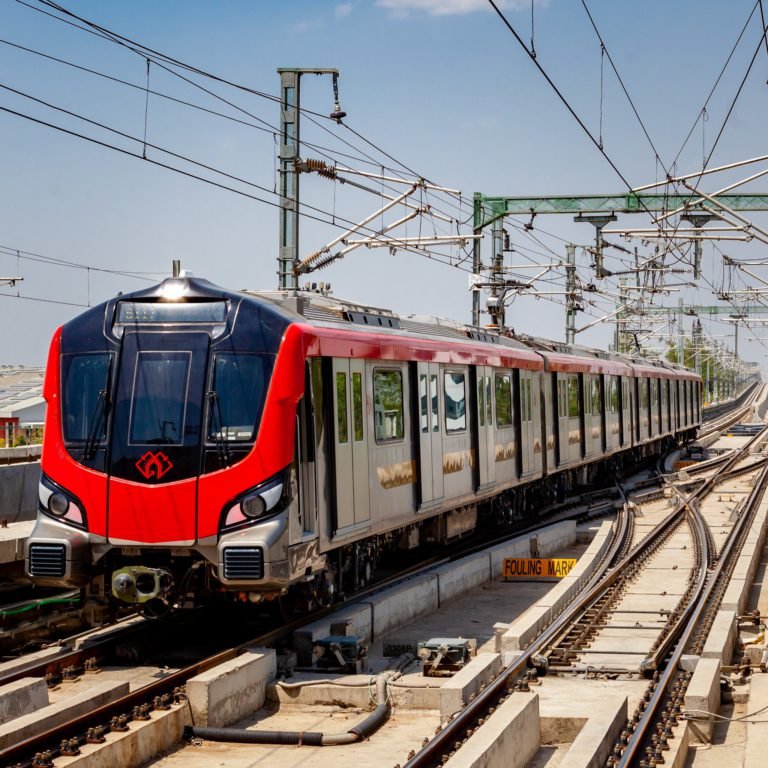
Lucknow ( Metro Rail News): The Uttar Pradesh Metro Rail Corporation (UPMRC) revealed that Epitome Geotechnical Services as the lowest bidder to do a comprehensive topographical study for the 11.165 km Lucknow Metro Line-2 (Phase 1B) project. Line 2 (Phase 1B) features 12 stations ( 5 elevated and 7 underground).
Package LKTS-01 ( Lucknow Metro)
Lucknow metro route map
Package LKTS-01 is the initial contract to develop Lucknow Metro’s east-west Line-2, which would pass through old Lucknow and connect Charbagh Railway Station and Vasant Kunj via 12 stations.
Work scope (LKTS-01)
The UPMRC describes the scope of work for Package LKTS-01, including the alignment design of the main line and depot entry-exit line for the Lucknow Metro Rail Project Phase 1B and a detailed topographical survey of the East-West Corridor (Charbagh to Vasantkunj), including the depot at Hardoi Road.
For Package LKTS-01, UPMRC invited bids at the end of July. The estimated cost was Rs. 24.32 lakh, and the completion period was three months. After the technical bids were opened at the end of August, 14 bidders were revealed. Nine firms were excluded from the contract because their proposals did not comply with the tender’s requirements. Here’s the list of bidders:
Bidders
Bid value
Epitome Geotechnical Services
Rs.12.87 Lakhs
Mapage Infrastructure
Rs.16.46 Lakhs
KK surveyors and Infratech
Rs.17.46 Lakhs
SS Solution
Rs .19.39 Lakhs
Drego Drones
Rs. 19.49 Lakhs
After a brief financial bid evaluation period, a contract would go to Epitome, as their bid of Rs. 12.87 lakh was around half of UPMRC’s estimate.
Lucknow metro’s Line 2 (Phase 1B)
Lucknow Metro Line-2 (Phase 1B) is under construction, spans 11.165km, and features 12 stations connecting Charbagh to Vasant Kunj.
The Detailed Project Report (DPR) for Phase 1B states that Line-2 will be roughly 4.286 km in length, with 5 stations (elevated) between Vasant Kunj and Thakurganj, and 6.879 km in length, with 7 stations ( underground) between Charbagh and Niwazganj.
Line 2 in progress
The UPMRC received 11 bids, earlier this month for the geotechnical contract for Line-2, and the technical bid review process is presently under progress. The final reports from both research projects will be part of the civil construction tender documents, which will help bidders make better-informed calculations and submit bids, as well as ensure that the right equipment, techniques, and technology are used throughout construction.
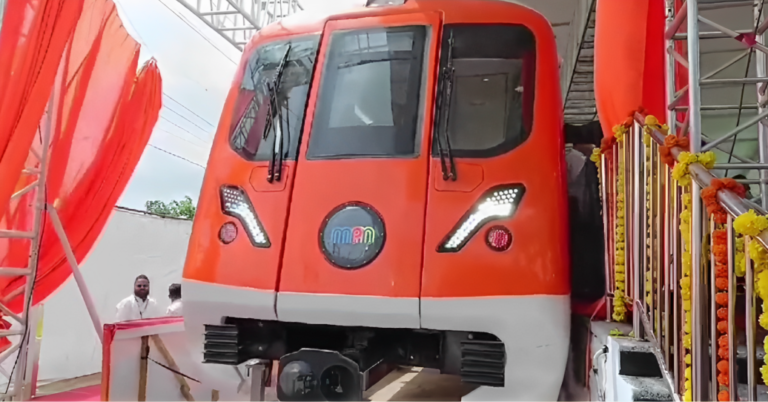
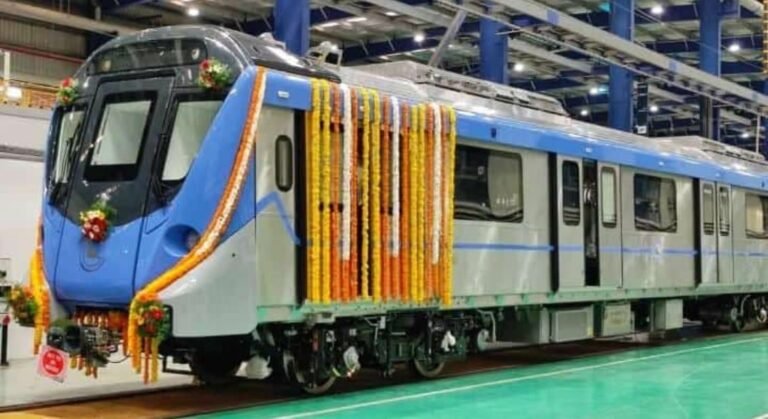
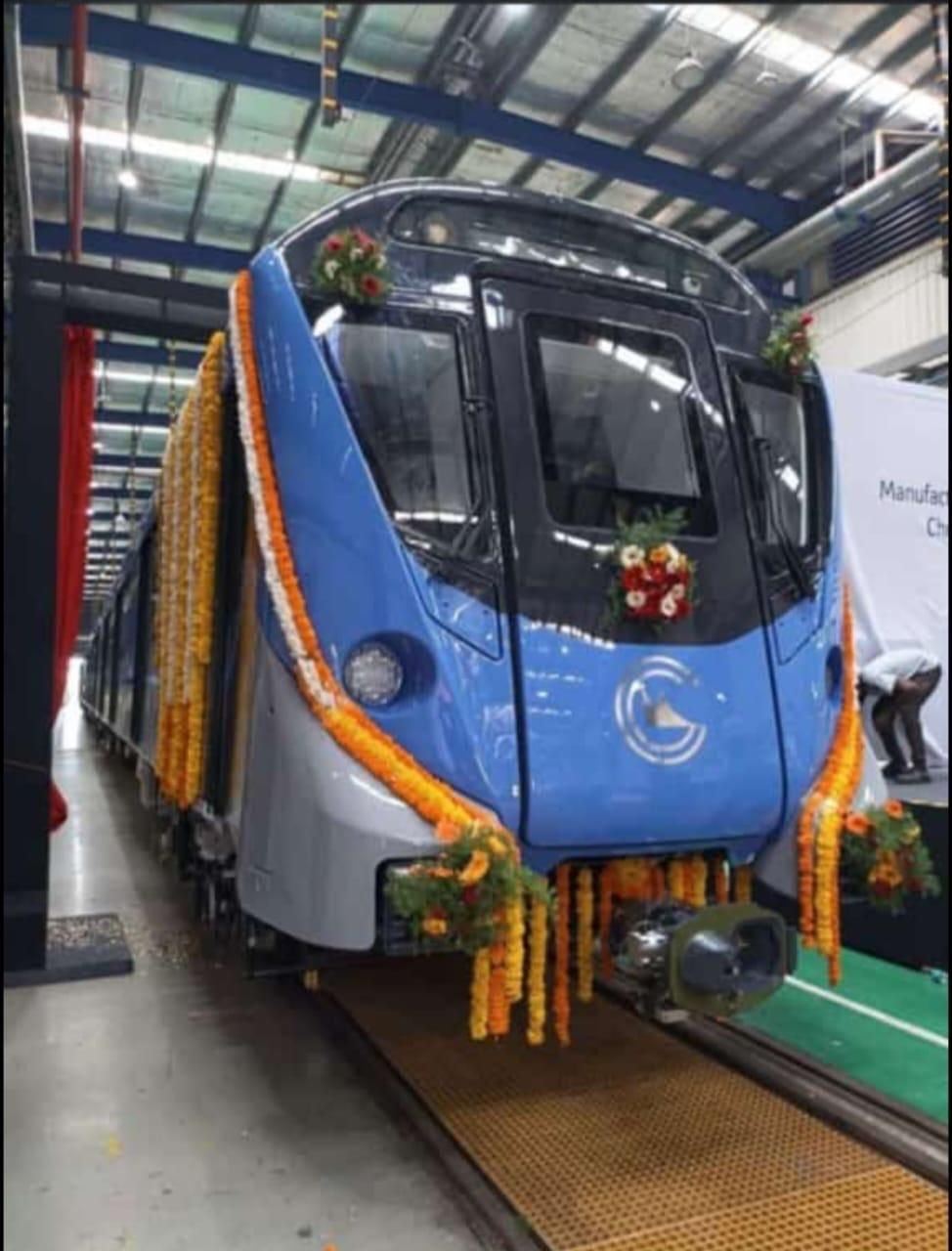
Chennai (Metro Rail News): The Chennai Metro Phase 2 project is going to witness a significant development as the first three-coach driverless train for Phase 2 is likely to have its first trial run on 26 October.
According to sources, Chief Minister MK Stalin and Union Minister of Housing and Urban Affairs Manohar Lal Khattar have been invited to flag off the trains after the commencement of successful trials.
The train set manufactured by Alstom arrived from Sri City, their Andhra Pradesh manufacturing facility and reached Poonamalle, the depot facility for Phase 2, on October 17.
Testing Procedure
According to an official statement, the 3 coaches arrived separately and each part of the train is being inspected at the Poonamalle Depot.
The train is currently stationed at Inspection Bay Line (Track) and is being tested for the functioning of circuits, brakes, ventilation, air conditioning and other systems.
For the further testing procedure, the trains will be operated at a speed of 10-15 kmph on the same track multiple times and then will be moved to the test track.
Furthermore, to enhance the passenger experience, the Chennai Metro Rail Limited (CMRL) has implemented several new features, such as new digital displays for route information and charging points in these trains.
Chennai Metro Phase 2
Chennai Metro Phase 2, spanning 116.1 km consisting of 3 corridors, was approved by the Tamil Nadu government in 2019 at an estimated cost of Rs. 69,180 crore.
Line 3 ( Purple Line )
Madhavaram station– SIPCOT 2 station
45.4 km
Total no. of Stations: 49
Line 4 ( Orange Line )
Light House station – Poonamallee Bus Depot station
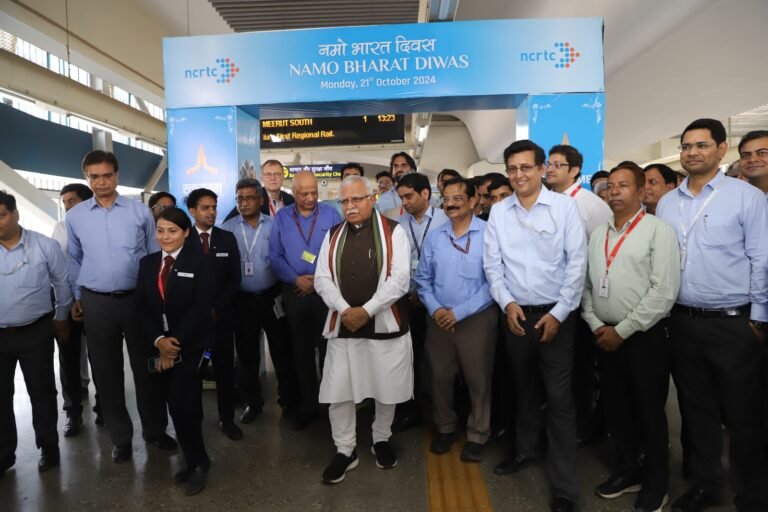
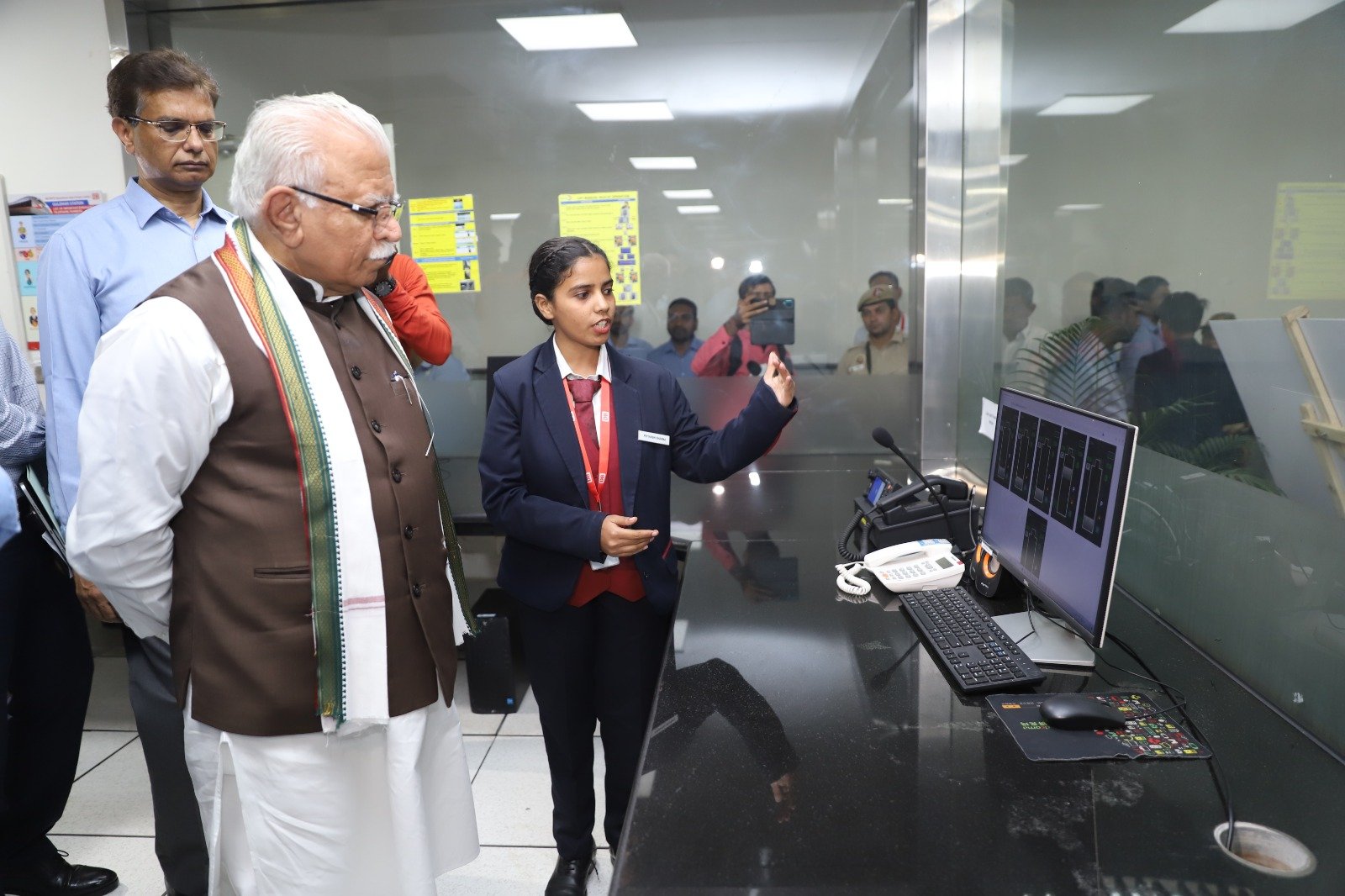
(Metro Rail News): As per the Release, Hon’ble Minister of Housing and Urban Affairs (MoHUA), Shri Manohar Lal, rides Namo Bharat Trains marking the one-year successful operations of India’s first RRTS- Namo Bharat Trains, serving over 4 million passengers. Shri Manohar Lal, took a ride on the Namo Bharat train and visited key stations along the Delhi-Ghaziabad-Meerut RRTS corridor.
Hon’ble minister boarded the Namo Bharat train from Sahibabad station in a driving cab, where he interacted with the women train operators, acknowledging their vital contributions to the operations of India’s first RRTS corridor. He also engaged with passengers, gathering first hand feedback on their experiences with the Namo Bharat service.
He expressed satisfaction with the overwhelmingly positive response from passengers, who praised the convenience, speed, and comfort of Namo Bharat trains. Many highlighted how this new mode of transportation has significantly improved their daily commute, offering a hassle-free and reliable alternative to traditional modes of transport.
Additionally, NCRTC celebrated the one-year anniversary of Namo Bharat train operations with a special visit from school students in the morning. The children enjoyed speedy and joyful rides, fulfilled with chocolates. Commuters were welcomed with festive dhol beats, chocolates, and mementos as tokens of appreciation for their continued support. The stations were adorned with entry gates for Namo Bharat Diwas, creating a festive atmosphere.
Shri Manohar Lal started his visit from Anand Vihar RRTS Station, where he was received by NCRTC MD, Shri Shalabh Goel. The Hon’ble minister received a detailed briefing on the station’s unique design and its significance within the overall RRTS network.
He was informed about the strategically designed Anand Vihar RRTS Station, constructed just one level below ground to ensure ease of access and seamless integration with multiple modes of transport, positioning it as a vital commuter hub. With its proximity to two Metro lines, a railway station, and two inter-state bus terminals (ISBTs) in Delhi and Kaushambi, Uttar Pradesh, Anand Vihar is set to become one of the region’s busiest transit hubs. The station’s multimodal connectivity facilitates smooth transitions between various modes of transportation, enhancing convenience and accessibility for daily commuters and creating a comprehensive network of networks.
The trial run of the Namo Bharat trains have recently commenced to connect New Ashok Nagar and Anand Vihar RRTS station with already operational Sahibabad station. Hon’ble Minister then proceeded to Sahibabad RRTS Station, where he saw the various passenger-centric amenities developed for the commuters. He was presented with live models demonstrations, which offered an immersive understanding of the innovative infrastructure, advanced technologies, and services being employed in the development of the RRTS.
From the very first day of Namo Bharat’s operations, passengers have benefited from the convenience of the National Common Mobility Card (NCMC), enabling seamless travel across multiple modes of transport under the Government of India’s “One Nation, One Card” initiative.
The Hon’ble Minister was apprised that since their launch on October 21, 2023, Namo Bharat trains have significantly transformed commuting across Ghaziabad, Sahibabad, and the surrounding regions, successfully serving over 40 lakhs passengers in their first year of operations. Ghaziabad RRTS Station registered the highest footfall over the past year, followed closely by Sahibabad and Modinagar North RRTS Stations.
The Minister was also apprised of several groundbreaking technologies, many being used for the first time globally, are part of the implementation of the Namo Bharat project under the ‘Make in India’ and ‘Aatmanirbhar Bharat’ initiatives. These cutting-edge developments, aligned with the Hon’ble Prime Minister’s vision, are driving the transformation of public transport infrastructure in India.
The Honourable Prime Minister of India inaugurated the first 17-kilometre Priority Section between Sahibabad and Duhai Depot on October 20, 2023, marking the historic launch of India’s first RRTS. On March 6, 2024, another 17-kilometre stretch between Duhai and Modinagar North was inaugurated, followed by the operationalization of Meerut South RRTS Station on August 18, 2024.
Currently, Namo Bharat services operate on a 42-kilometre stretch covering nine stations, including Sahibabad, Ghaziabad, Guldhar, Duhai, Duhai Depot, Muradnagar, Modi Nagar South, Modi Nagar North, and Meerut South. The corridor will soon extend to 54 kilometres with the addition of the Sahibabad to New Ashok Nagar section, which includes key stations such as Anand Vihar and New Ashok Nagar.
RRTS distinguishes itself from other modes of transport by providing high-speed connectivity between suburban areas, significantly reducing commuting times for longer distances. This system is especially effective in addressing the challenges posed by urban expansion into new regions, such as the National Capital Region (NCR). By enabling travellers to cover greater distances in a shorter time frame, RRTS enhances accessibility and convenience, making it an ideal solution for commuters navigating the growing urban landscape.
Once the entire 82-kilometer corridor is completed by June 2025, passengers will be able to travel from Delhi to Meerut in under an hour, revolutionizing regional connectivity and enhancing the overall commuter experience.
Metro Rail News: Recently, NHSRCL released information that stations of the Mumbai—Ahmedabad High-Speed Rail (MAHSR Bullet Train) project will have all the most cutting-edge facilities and information technology.
Services at stations of the bullet train project
Facilities include- ticket offices, lounges for business travellers, a nursery, waiting places, restrooms, information booths, retail stores, and more.
photo credit to NHSRCL
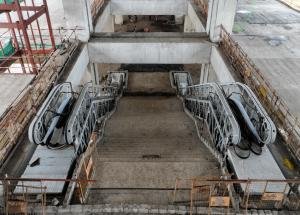
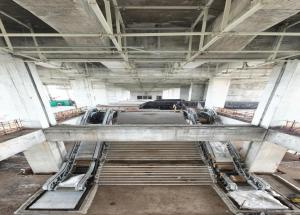
There will be 90 energy-efficient escalators constructed in total at the corridor’s 12 stations.
48 at 8 (Gujarati stations)
42 at 4 (Maharashtra stations)
Details about the escalators that will be installed at the stations of Gujrat:
Stations name
Total escalators
Directions
Sabarmati
12
8 ( from platform to concourse) 4 ( concourse to the first floor)
Ahmedabad
8
From platform to concourse
Anand
6
2 (ground to concourse)4 ( concourse to platform level)
Vadodara
4
2 (from ground to concourse )4 ( from concourse to platform level)
Bharuch
4
From ground to platform level;
Surat
6
2 (from concourse to ground level )4 (from platform to concourse)
Bilimora
4
From ground to platform level
Vapi
4
From ground to platform level
At the Anand Bullet Train station, two escalators will be installed as the first set and utilised to move people from the concourse level to the ground.
The escalators will be equipped with emergency stop buttons for quick action in the event of an emergency, a handrail finger guard safety device to prevent fingers from accidentally becoming trapped in the handrails, a dress guard (brush-style device) to prevent clothing and accessories from getting caught in the escalators, and other features to create a secure environment for passengers.