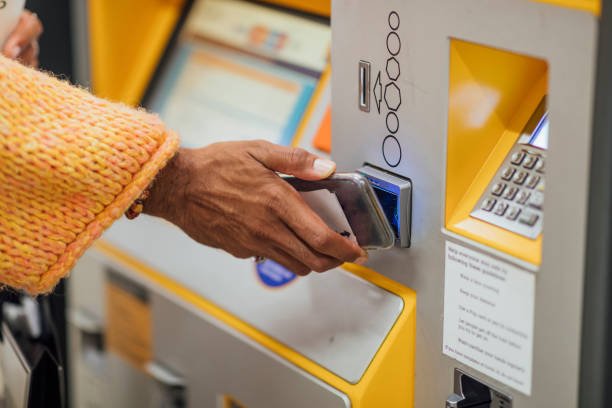
New Delhi: Prime Minister Narendra Modi has flagged-off the Delhi-Faridabad Metro Line that would allow hassle free travel for around two lakh daily commuters between the national capital and the industrial hub in Haryana.
The extension of the Delhi Metro connects Badarpur to Escorts Mujesar in Faridabad.
The total cost of the project from Badarpur to Escorts Mujesar is nearly Rs. 2,500 crore. Out of this, Rs. 1,557 crore was borne by the Haryana Government, the Centre contributed Rs. 537 crore, while the Delhi Metro provided Rs. 400 crore.
All these are elevated and located on either side of the Delhi-Mathura Road (NH-2).
“The nine-station metro corridor which was 95 per cent indigenously built will provide people a safe, affordable, quick, comfortable, reliable, environment-friendly and sustainable transport facility,” a Haryana government spokesperson said.
Haryana Chief Minister ML Khattar, addressing a press conference on Saturday, had thanked the Prime Minister for “gifting” the Metro service which would take the city to “another level of progress” with better connectivity with other NCR towns.
He had also said that the Prime Minister would be announcing the go-ahead for connecting Gurgaon with Faridabad by Metro.
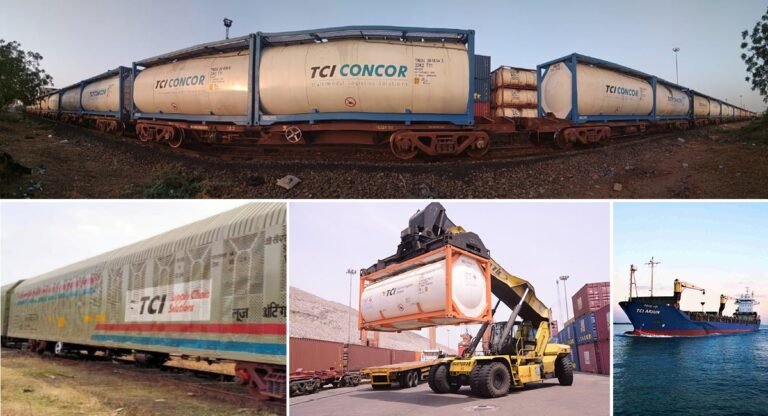
Transport Corporation of India Ltd. (TCI), a leading integrated multimodal logistics and supply chain solutions provider, announced its integration with the Open Network for Digital Commerce (ONDC). It is the first B2B logistics player in the country to go live on the network. TCI is gearing to launch its new suite of services on the network, a step to revolutionize the logistics sector with cutting-edge technology and seamless connectivity.
ONDC, a government-backed initiative, aims to democratize digital commerce by enabling an open and inclusive digital network for both buyers and sellers. By joining ONDC, TCI will offer its efficient and reliable logistics services to businesses of all sizes, ensuring a seamless end-to-end delivery experience. This integration will empower enterprises to connect, collaborate, and thrive in an increasingly digital marketplace.
“We are excited to join ONDC Network and contribute to building a more connected and accessible digital commerce ecosystem for B2B logistic services,” said Mr. Vineet Agarwal, Managing Director of Transport Corporation of India Limited. “By leveraging our vast national network of 1400 own branches and 15 Mn. Sq. Ft. warehousing space, our B2B logistics services on ONDC will not only enhance the delivery experience for businesses but also streamline supply chain operations, reduce costs, and improve market reach, especially for the MSME sector.”
In addition, Mr. Vineet Agarwal said, “It is a step towards integrating the digital supply chain platform to cost effective physical execution. TCI is rightly poised to play a significant role through this initiative”.
“TCI’s integration with ONDC marks a pivotal moment in logistics. By bringing its extensive logistics network to the ONDC Network, we’re not only expanding choices for businesses but also setting a new standard for operational efficiency and reach, especially for MSMEs,” said Mr. T Koshy, Managing Director & CEO of ONDC.
Key Features of TCI’s Services on ONDC:
● Seamless Integration: TCI’s services are designed to seamlessly integrate with the ONDC Network, offering businesses a hassle-free logistics solution that aligns with their operational needs.
● Efficient Delivery Network: Leveraging TCI’s extensive distribution network, businesses can enjoy faster and more reliable delivery services, ensuring that goods reach even the remotest destinations on time.
● Real-Time Tracking: TCI’s advanced tracking system provides real-time updates on consignments, enhancing transparency and enabling businesses to monitor their orders with ease.
● Technology-Driven Efficiency: Leveraging advanced technologies such as Artificial Intelligence (AI), Machine Learning (ML), and Robotic Process Automation (RPA), TCI’s logistics services are designed to optimize operations. These technologies enable it to enhance route planning, automate repetitive tasks, and provide real-time insights, ensuring an efficient and cost-effective logistics solution for its B2B customers.
● Cost-Effective Solutions: By utilizing TCI’s efficient logistics infrastructure, businesses can benefit from cost-effective delivery solutions, helping them optimize their supply chain and reduce operational costs.
● Customizable Services: TCI offers a range of customizable logistics services tailored to meet the specific requirements of different industries, ensuring a flexible and scalable solution for all businesses.
This integration with ONDC Network aligns with TCI’s commitment to innovation and customer-centric solutions. By enabling businesses to access logistics services on a unified platform, the company aims to enhance the overall digital commerce experience and foster growth in the B2B manufacturing sector.
TCI’s integration on ONDC was facilitated by ENS Enterprises Private Ltd, a company with expertise in digital commerce technology, connecting its clients to digital marketplaces.
About TCI Group
Transport Corporation of India (TCI) is India’s leading integrated supply chain and multimodal logistics solution provider. With a legacy spanning over 60 years, annual revenues of over Rs. 7000 Cr, the group operates an extensive network of company owned offices worldwide, has 15+ million sq. ft. of warehousing space, and a dedicated team of professionals with expertise in providing end-to-end solutions. With a strong customer-centric and technology driven approach, it serves clients in industries such as automobile, energy & renewables, retail, e-commerce, hi-tech (ICE), chemicals,
The group is dedicated to value creation for its stakeholders, following strong governance standards, giving back to the society with a commitment towards sustainability and social responsibilities.
About ONDC
Incorporated on 31st December 2021, Open Network for Digital Commerce (ONDC), a Section 8 company, is an initiative of the Department for Promotion of Industry and Internal Trade (DPIIT), Ministry of Commerce and Industry, Government of India to create a facilitative model that revolutionizes digital commerce, giving greater thrust to penetration of retail e-commerce in India. ONDC is not an application, platform, intermediary, or software but a set of specifications designed to foster open, unbundled, and interoperable Open Networks.
Bengaluru, the capital and largest city of Karnataka has a population exceeding 8 million, with a metropolitan population of around 15 million, making it the third most populous city in India and the fourth most populous urban agglomeration. On the global stage, Bengaluru ranks as the 27th largest city. It is also recognised as one of the fastest-growing major metropolises in India, rapidly expanding in both population and infrastructure.
Known as the “Silicon Valley of India,” Bengaluru has earned a reputation as the country’s leading hub for technology and innovation. The city is home to numerous large multinational technology companies and serves as a major semiconductor-centric aerospace and defence organisation. Additionally, Bengaluru houses several top-tier engineering and research institutions, along with state-own the most prominent cities in India for high-technology-based heavy manufacturing industries.
The Need for a Metro System
Urbanisation: Bengaluru Urban District has experienced massive urban growth over the past century. As per the 2011 Census, the population skyrocketed from 384,601 in 1901 to 9,621,551, with around 90.9% of the population residing in urban areas. The urbanisation rate peaked at 51.9% between 2001 and 2011, driven by continuous migration and rapid urban development. By 2025, the city’s population is projected to reach approximately 12.5 million, necessitating enhanced infrastructure.
Strain on Existing Transport Systems
Despite the presence of BMTC buses, taxis, auto-rickshaws, and a suburban train network, Bengaluru’s existing public transport infrastructure struggles to meet the rising demand due to this urban explosion. This shortfall forces more people to rely on personal vehicles, exacerbating traffic issues.
Dependence on Personal Vehicles
Due to limited public transport options, more people are relying on personal vehicles for commuting. This has contributed to significant traffic congestion, adding to the city’s transportation challenges.
Traffic Congestion in Bengaluru
In 2023, Bengaluru was ranked as the most congested city in India and the sixth most congested city globally, an improvement from its second place in 2022. The average travel time for a 10-kilometer journey in 2023 was recorded at 28 minutes and 10 seconds, slightly down from 29 minutes and 10 seconds in 2022. Despite this minor improvement, the city’s traffic remains a major concern.
Idea Of Metro In Bengaluru
1977: The State Town Planning Department recommended exploring a mass rapid transit project for Bengaluru city.
1981: A high-level committee agreed on the necessity of a metro study and commissioned a team from Southern Railway (SR) to conduct the research. The team proposed a two-corridor metro system spanning 80 km (50 mi), along with commuter rail lines and a ring railway.
1994: The government created Bengaluru Mass Rapid Transit Ltd (BMRCL to seek a public-private partnership for the metro project.
2003: The Government of Karnataka commissioned the Delhi Metro Rail Corporation (DMRC) to conduct a detailed preparation study for the metro.
2006: Bengaluru Metro Rail Corporation Ltd (BMRCL) was established to oversee the construction and operation of the metro system.
Overview
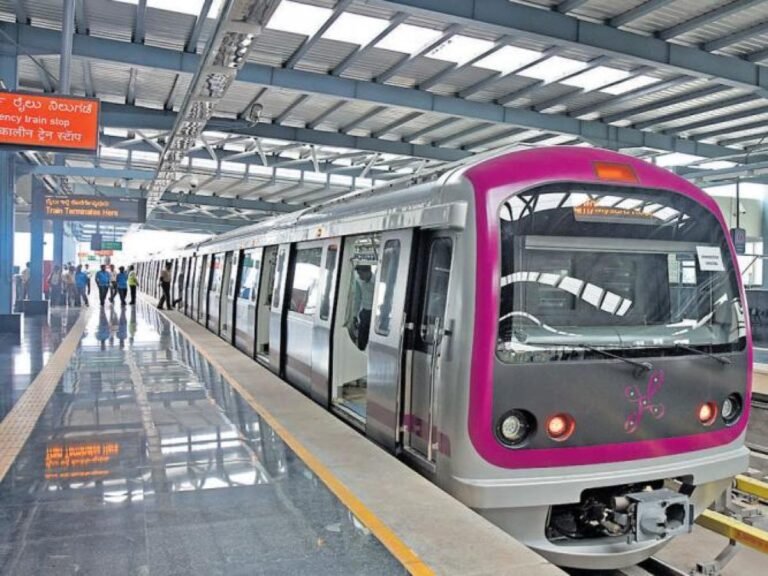
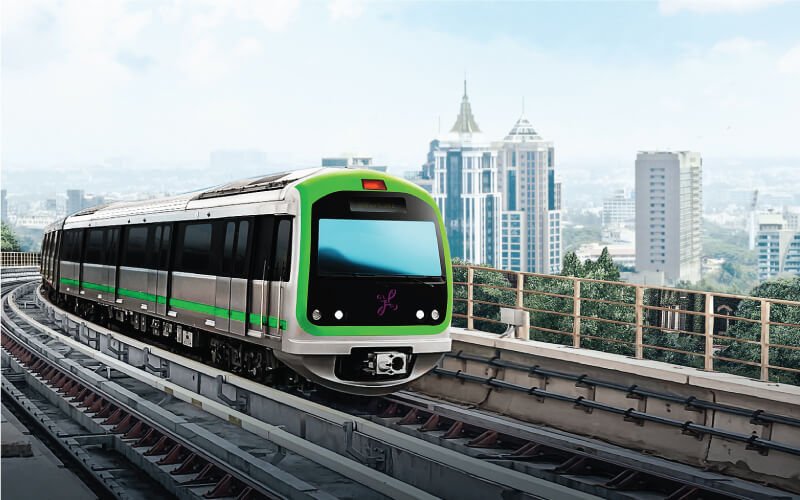
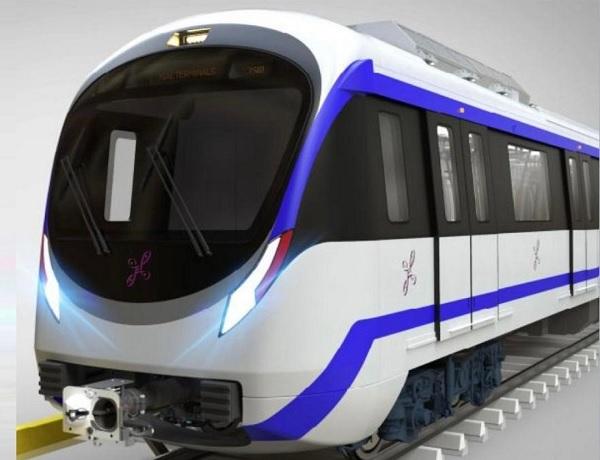
Bengaluru Metro, also known as Namma Metro, is India’s second-largest operational metro network, covering approximately 75.2 km. Phase 1, which spans 42.3 km with 41 stations, became fully operational in June 2017.
Phase 2, currently under construction, will add 73.9 km to the network, introducing new lines, including the Pink and Yellow Lines and extension of existing lines.
Phase 3 of Namma Metro was approved for construction in August 2024 and it will add two elevated routes totaling 44.65 km, primarily serving western Bengaluru.
Speed and Track
Top Speed: 80 kmph
Average Speed: 34 kmph
Track Gauge: Standard Gauge – 1435 mm
Safety and Electrification
Electrification: 750 V DC Third Rail
Signalling:
Phase 1: Urbalis 200 Automatic Train Control (ATC). Phase 2, 2A, 2B: Communications-Based Train Control (CBTC).
Rolling Stock
Phase 1: BEML– Hyundai Rotem-150 coaches.
Phase 2: BEML Limited – 318 coaches Pink Line: 96 Coaches (16 x 6) Phase 2A: 96 Coaches (16 x 6) Phase 2B: 126 Coaches (21 x 6) Phase 2 (Yellow Line & Purple Line): 204 Coaches (Titagarh Rail Systems), 12 Coaches (CRRC). 126 Coaches for Purple Line & 90 Coaches for Yellow Line
Daily Ridership
8 to 9 Lakhs/Day
Estimated Cost
Phase 1:₹14,405 crore
Phase 2,2A,2B Combined:₹ 40,000 crore
Phase 3:₹15,611 crore
Phase 1
Overview
Prime Minister Dr Manmohan Singh laid the foundation stone for the construction of Phase 1 on 24 June 2006. Phase 1 includes two lines stretching over a total distance of 42.30 kilometres (26.28 miles), with approximately 8.82 kilometres (5.48 miles) of the route being underground and around 33.48 kilometres (20.80 miles) elevated.
Funding Mechanism
Central & State Government: Rs8,487 crore (58.91%)
The Bengaluru (Namma) Metro Phase 2 project, featuring 73.921 km of new routes, received approval from the Karnataka state government in 2011 and from India’s Central Government in 2014. Phase 2 of the Bengaluru Metro (Namma Metro) involves extending both Phase 1 lines in each direction, in addition to the construction of two entirely new lines.
New Corridors in Phase 2
Line-3 – Yellow Line: RV Road – Bommasandra
Length: 19.143 km
Type: Elevated
Status: Under construction
Depot: Hebbagodi Depot (39.3 acres)
Number of Stations: 16
Station Names: Rashtreeya Vidyalaya Road (RV Road), Ragigudda, Jayadeva Hospital, BTM Layout, Central Silkboard, Bommanahalli (formerly HSR Layout), Hongasandra (formerly Oxford College), Kudlu Gate (formerly Muneshwara Nagar), Singasandra (formerly Chikkabegur), Hosa Road (formerly Basapura Road), Beratena Agrahara (formerly Hosa Road), Electronic City, Infosys Foundation Konappana Agrahara (formerly Electronic City – II), Huskur Road, Hebbagodi and Bommasandra
Current Status: Research Design and Standards Organisation (RDSO) successfully completed oscillation and Emergency Braking System (EBS) trials on the Yellow Linein September 2024.
Line-4 – Pink Line: Kalena Agaraha – Nagawara
Length: 21.386 km
Type: Elevated (7.501 km) and Underground (13.885 km)
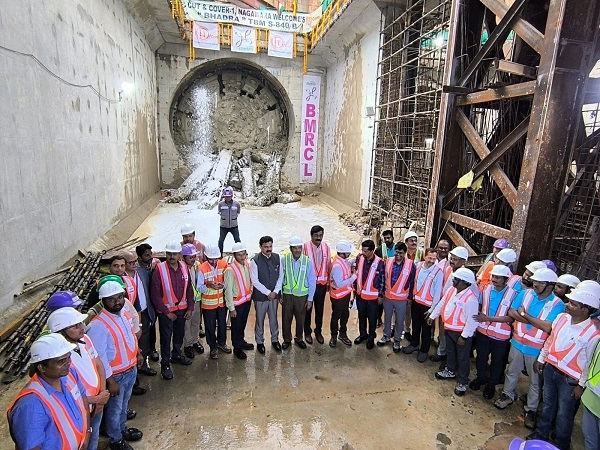
Recent update:On 31 August 2024, BEML officially commenced the production of 318 new coaches (53 trains) for Bengaluru Metro’s Phase 2 (73.92 km), Phase 2A (18.23 km), and Phase 2B (37 km) projects. This includes 96 coaches for the Pink Line. The first trainset is expected to be rolled out between June 2025 and December 2026.The breakthrough of Tunnel Boring Machine (TBM) Bhadra (S-840B) at Nagawara Station on the Pink Line on 30 October marked the 100% completion of tunneling works for Bengaluru Metro’s Phase 2 project.
Extension of Existing Corridors in Phase 2 of Bengaluru Metro
Purple Line: Mysore Road – Challaghatta
Length: 8.814 km
Type: Elevated
New Depot: Challaghatta Depot (38.9 acres, serving the entire line)
Number of Stations: 7
Station Names: Nayandahalli, Rajarajeshwari Nagar, Jnana Bharathi (formerly Bengaluru University Cross), Pattanagere, Kengeri Bus Terminal (formerly Mailasandra), Kengeri, and Challaghatta
Status: Operational
Purple Line: Baiyyappanahalli – Whitefield
Length: 15.257 km
Type: Elevated
New Depot: Kadugodi Depot in Whitefield (44.8 acres; serving the entire line)
Number of Stations: 13
Station Names: Benniganahalli, KR Pura, Singayyanapalya, Gurudacharpalya, Hoodi, Seetharamapalya, Kundalahalli, Nallurhalli, Sri Sathya Sai Hospital, Pattandur Agrahara, Kadugodi Tree Park, Hopefarm Channasandra, and Whitefield (Kadugodi)
Status: Operational
Green Line: Yelachenahalli (Puttenahalli) – Silk Institute (Anjanapura)
Length: 6.29 km
Type: Elevated
New Depot: Anjanapura Depot (8.9 acres; serving the entire line)
Number of Stations: 5
Station Names: Doddakallasandra (formerly Krishna Leela Park), Konankunte Cross (formerly Anjanapura Cross Road), Vajrahalli, Thalgattapura, and Silk Institute (formerly Anjanapura Township & Anjanapura)
Status: Operational
Green Line: Nagasandra – Madavara
Length: 3.031 km
Type: Elevated
Number of Stations: 3
Station Names: Manjunathanagar, Chikkabidarakallu (formerly Jindal), and Madavara (formerly BIEC)
Status: Operational.
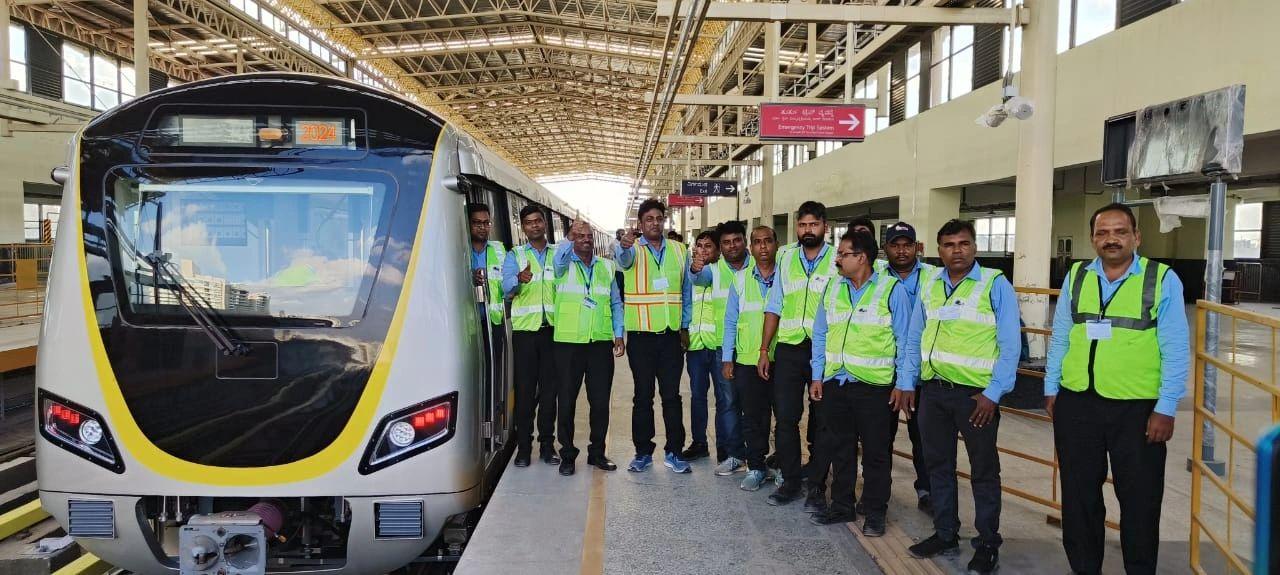
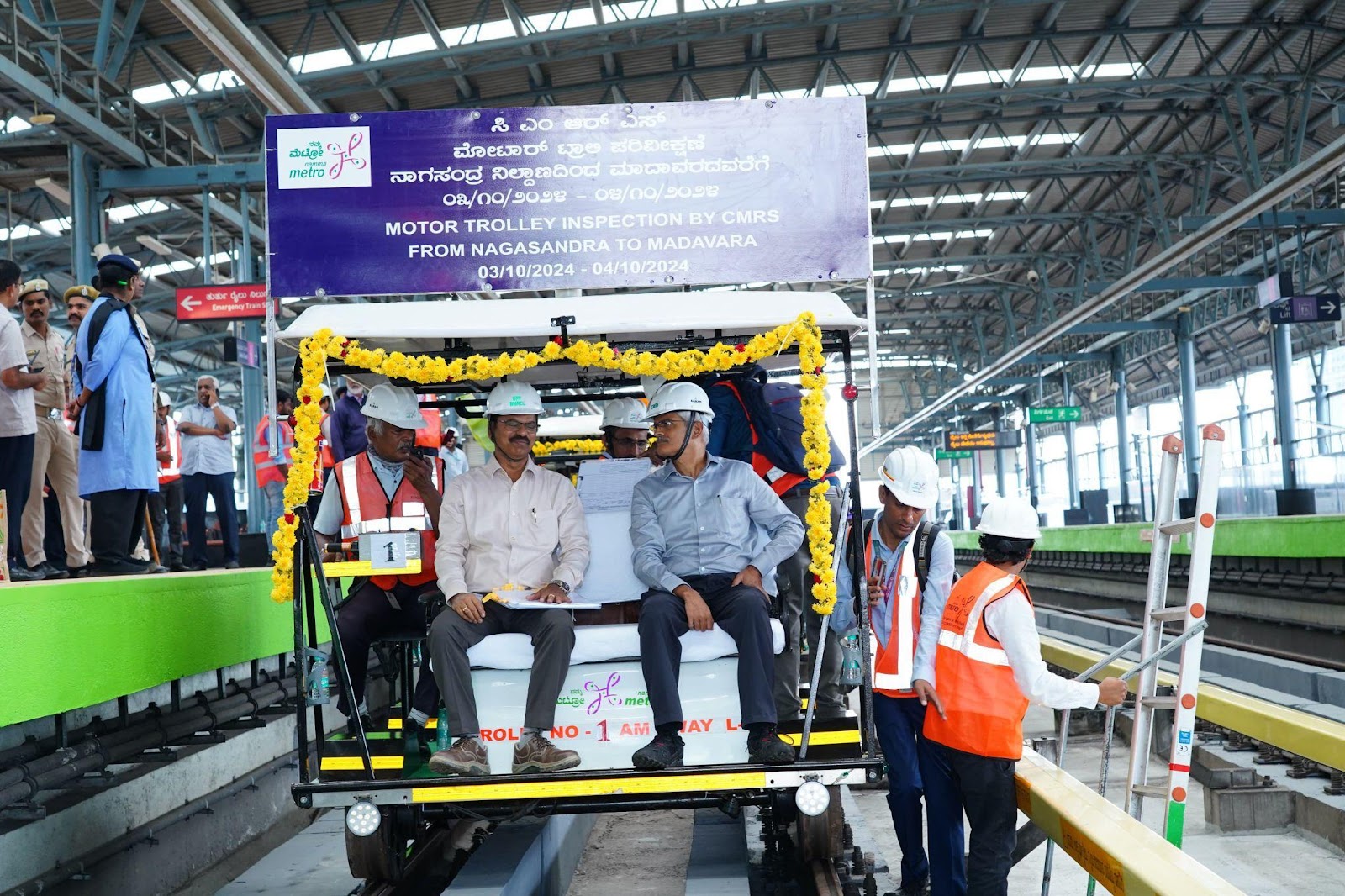
BMRCL initiated Trial runs on this section in mid-August 2024CMRS conducted an inspection in October 2024.This section became operational on 7 November 2024 after receiving approval from CMRS. However, the official inauguration of this section will be held later.
Phase 2A Overview
In September 2016, the government revealed plans for an 18 km (11 mi) corridor (Blue Line) connecting the Silk Board to K.R. Pura, which was added to the project as part of Phase 2A. BMRCL prepared a detailed project report (DPR) for the proposed line and submitted it to the state government on 28 October 2016. The State Cabinet approved Phase 2A on 1 March 2017.
Funding Mechanism of Phase 2A
Estimated Cost: ₹5,227.35 crore
Asian Development Bank (ADB): ₹1,479.46 crore
Japan International Cooperation Agency (JICA): ₹893 crore (preliminary negotiation)
Line 5 (Blue Line) stations: KR Puram (interchange with Purple Line), Mahadevpura, DRDO Sports Complex, Doddanakundi, ISRO, Marathahalli, Kodibisanahalli, Kadubeesanahalli, Bellandur, Ibbalur, Agara Lake, HSR Layout, and Silk Board (interchange with Yellow Line).
Phase 2B
Overview
In April 2021, the Central Government’s cabinet approved Phase 2B of the Bengaluru (Namma) Metro project. The Bengaluru (Namma) Metro Phase 2B project, spanning 37 km, is an under-construction “airport-link” segment of the Blue Line. This section will connect Bengaluru city to Kempegowda International Airport (KIAL) in Devanahalli and will comprise 17 stations.
Phase 2B Funding Mechanism
Estimated Cost: ₹9,616.51 crore
Asian Development Bank (ADB): ₹2,410.79 crore
Japan International Cooperation Agency (JICA): ₹1,310.74 crore
Line 5 – Blue Line: KR Puram – Kempegowda International Airport (KIAL) Terminals
Length: 37 km
Depot: Shettigere Depot (in addition to Phase 2A’s Baiyappanahalli Depot)
Status: Under construction
Number of Stations: 17
Stations: Kasturinagara, Horamavu, HRBR Layout (formerly Babusaheb Palya), Kalyan Nagar, HBR Layout, Nagawara, Veerannapalya, Kempapura, Hebbal, Kodigehalli, Jakkur Cross, Yelahanka (formerly Kogilu Cross), Bagalur Cross (formerly Bagalur/PRR Cross), Bettahalasuru, Doddajala (formerly Trumpet Junction), Airport City (formerly Sky Garden, to be built at-grade), and KIAL Terminals.
Phase 2, 2A, and 2B Lines and Sections
Phase 2 initially planned to extend four sections of the two existing lines in all directions, along with the construction of two new lines: the Yellow Line and the Pink Line.
Subsequently, the ORR-East Line was incorporated into the project as Phase 2A. Following that, the Airport Line was introduced as a continuation of the ORR-East Line and designated as Phase 2B. This line was later renamed the Blue Line.
Timeline of Phase 2 of Bengaluru Metro
Line
Section
Distance
Opening Date
Purple Line
Mysore Road – Kengeri
7.5 km
30 August 2021
Kengeri – Challaghatta
2.1 km
9 October 2023
Baiyappanahalli – Krishnarajapura
2.10km
9 October 2023
Krishnarajapura – Whitefield (Kadugodi)
13.7 km
26 March 2023
Green Line
Yelachenahalli – Silk Institute
6.3 km
14 January 2021
Nagasandra – Madavara
3.03 km
7 November 2024
Phase 3
Overview:
The Bengaluru Metro Phase 3 project is an ambitious expansion of Namma Metro in western Bengaluru. This phase will include two elevated routes covering a total distance of 44.65 km.
Development Timeline:
Feasibility Studies (2016): Pre-feasibility and techno-economic feasibility studies were conducted by RITES and Bengaluru Metro Rail Corporation Limited (BMRCL) in 2016.
Approval for DPR Preparation (2018): The Karnataka state government approved the preparation of the Detailed Project Report (DPR) in February 2018.
DPR Assignment (2020): RITES was tasked with preparing the DPR in July 2020.
Central Government Approval: In August 2024, India’s Central Government Cabinet officially approved the construction of the 44.65 km Phase 3 project with an estimated total cost of Rs. 15,611 crore.
Funding Mechanism
Government of Karnataka (Equity): Rs. 2,037 crore
GOK Subordinated Debt for Land & Rehabilitation/Resettlement (RR): Rs. 2,019 crore
GOK Subordinated Debt for Central Taxes: Rs. 489 crore
Government of India (Equity): Rs. 2,037 crore
GOI Subordinated Debt for Central Taxes: Rs. 489 crore
Station Names: Kadabagare, Kamath Layout, Byadarahalli, Herohalli, Anjana Nagar Sumanahalli Cross, Kamakshi Palya, KHB Colony and Hosahalli
Recent update: In September 2024 SECON Pvt. Ltd. has commenced geotechnical soil investigation work along Magadi Road.
Phase 3A
Overview:
Phase 3A of the Bengaluru Metro is in the proposal stage and includes a 36.59 km long new metro corridor from Sarjapur to Hebbal, consisting of 28 stations. The project aims to enhance connectivity across Bengaluru, particularly between its southeastern and northern regions.
Estimated Cost: Rs. 25,868 crore
Route Information
Sarjapur – Hebbal Metro Line
Length: 36.59 km
Type: Elevated (22.15 km) & Underground (14.44 km)
Depot: Sarjapur
Number of Stations: 28 (17 elevated & 11 underground)
In June 2024, the Detailed Project Report (DPR) for the Sarjapur – Hebbal metro line was submitted to the Karnataka state government for approval. Once approved by the state, the proposal will be forwarded to the Central Government for final clearance from its cabinet.
Contractor’s list
Larsen & Toubro
Package T1: supply and installation of ballastless tracks for Phase 2A and Phase 2B’s KR Puram – Kempapura section
Larsen & Toubro
Package T2: supply and installation of ballastless tracks for Phase 2B’s Kempapura – Airport section.
BEML
Manufacture and supply of 318 new metro coaches for the Bengaluru Metro Phase 2, Phase 2A and Phase 2B
Vossloh Cogifer Turnouts India Pvt. Ltd.
Design, Manufacture & Supply of Standard Gauge UIC 60 Turnouts for Phase 2A and 2B
Siemens – RVNL JV
EPC5-CC: Engineering, supply, erection, testing and commissioning of 33 KV distribution, 750V DC third rail traction electrification with traction substations, auxiliary substations and SCADA system for Phase-2A & Phase-2B.
SECON Pvt. Ltd.
Geotechnical soil investigation for Bengaluru Metro Phase 3’s Mysore Road Station to Kanteerava Studio Station
Manglam Consultancy Services – Hyderabad
Geotechnical soil investigation for Bengaluru metro phase 3 new corridor connecting JP Nagar 4th Phase to Mysore Road Station.
Myrtle Project and Consultancy Pvt. Ltd.
Geotechnical soil investigation for Bengaluru metro phase 3 Kanteerava Studio Station to Kempapura Station
SECON Pvt. Ltd.
Geotechnical soil investigation for Bengaluru metro phase ‘s Hosahalli Station to Kadabagere Station
Linxon
EP4-CC: complete power supply including 750V DC third rail electrification for Phase 2’s yellow and pink line.
Afcons Infrastructure
Construction of Viaduct & Stations for phase 2A from Central Silk Board to Kadubeesanahalli
Shankaranarayana Constructions
Construction of Viaduct & Stations for phase 2A from Kodibisanahalli station to K R Puram station
Benefits of Bengaluru Metro
Reduced Traffic Congestion
With an operational network spanning 73.75 kilometres, Bengaluru Metro is significantly reducing the number of vehicles on the roads. On August 14, 2024, Namma Metro set a new record by serving 9,17,365 passengers in a single day. As the metro network continues to expand, it is expected that even more commuters will choose public transportation over private vehicles, further easing traffic congestion in the city.
Environmental Impact
By reducing reliance on personal vehicles, the metro contributes to lower carbon emissions.
Economic Growth
Bengaluru Metro has stimulated local economies by improving connectivity between neighbourhoods and business districts. This enhanced accessibility is strenthening trade and commerce, driving economic growth and encouraging real estate investments. Additionally, the ongoing construction and metro operations are generating employment opportunities for city residents, further contributing to the local economy.
Concerns related to the Bengaluru Metro Project
Overcrowding
Namma Metro recently recorded a peak ridership of 9.17 lakh passengers in a single day, leading to severe overcrowding, especially on the Purple Line. This congestion is not limited to peak hours anymore; it persists throughout the day, making it difficult for commuters to board trains.
High Fares for Low-Income Users
Current fares range from ₹10 to ₹60, with a proposed increase of 15-20% to address financial sustainability. This poses a burden on low-income commuters, many of whom earn less than ₹10,000 per month. A study indicated that 65.71% of low-income respondents cited high costs as a barrier to using the metro.
Underperformance Relative to Projections
Current ridership levels are lower than anticipated. The metro accounts for only about 4% of the city’s passenger traffic, compared to a projected 18% by 2031. This discrepancy raises concerns about the revenue generation necessary for sustainability.
Debt and Operational surplus
BMRCL has been generating an operational surplus since FY 2018 but it still faces financial challenges. Although its earnings (EBITDA Margin) are expected to reach about 41% by FY2027, the debt service coverage ratio (DSCR) will likely drop below 1.0 in six out of the next 25 years. This suggests BMRCL need substantial funding to cover its debt, estimated at around ₹83.6 billion between FY2021 and FY2033.
Lack of Coordination with Other Transport Systems:
The absence of an integrated public transportation system that effectively coordinates metro services with buses and other modes hinders overall efficiency and accessibility, impacting ridership levels and the financial viability of the project.
Conclusion
Bengaluru Metro (Namma Metro) has emerged as a crucial infrastructure solution for the city’s growing urbanisation and traffic challenges. With the successful implementation of Phase 1 and ongoing expansions under Phases 2, 2A, and 2B, the metro system aims to enhance connectivity and alleviate congestion in one of India’s fastest-growing metropolises. The completion of these projects will improve public transportation, reduce dependence on personal vehicles, and provide a sustainable commuting option for millions. As the city continues to grow, Namma Metro remains a vital component of Bengaluru’s urban development.
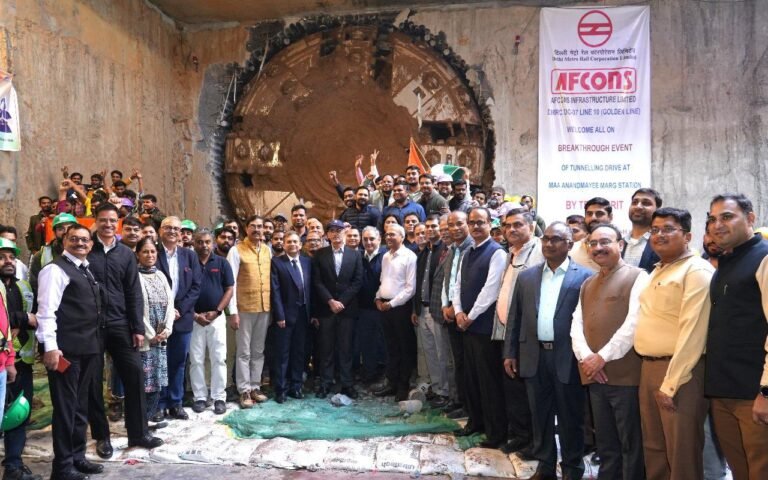
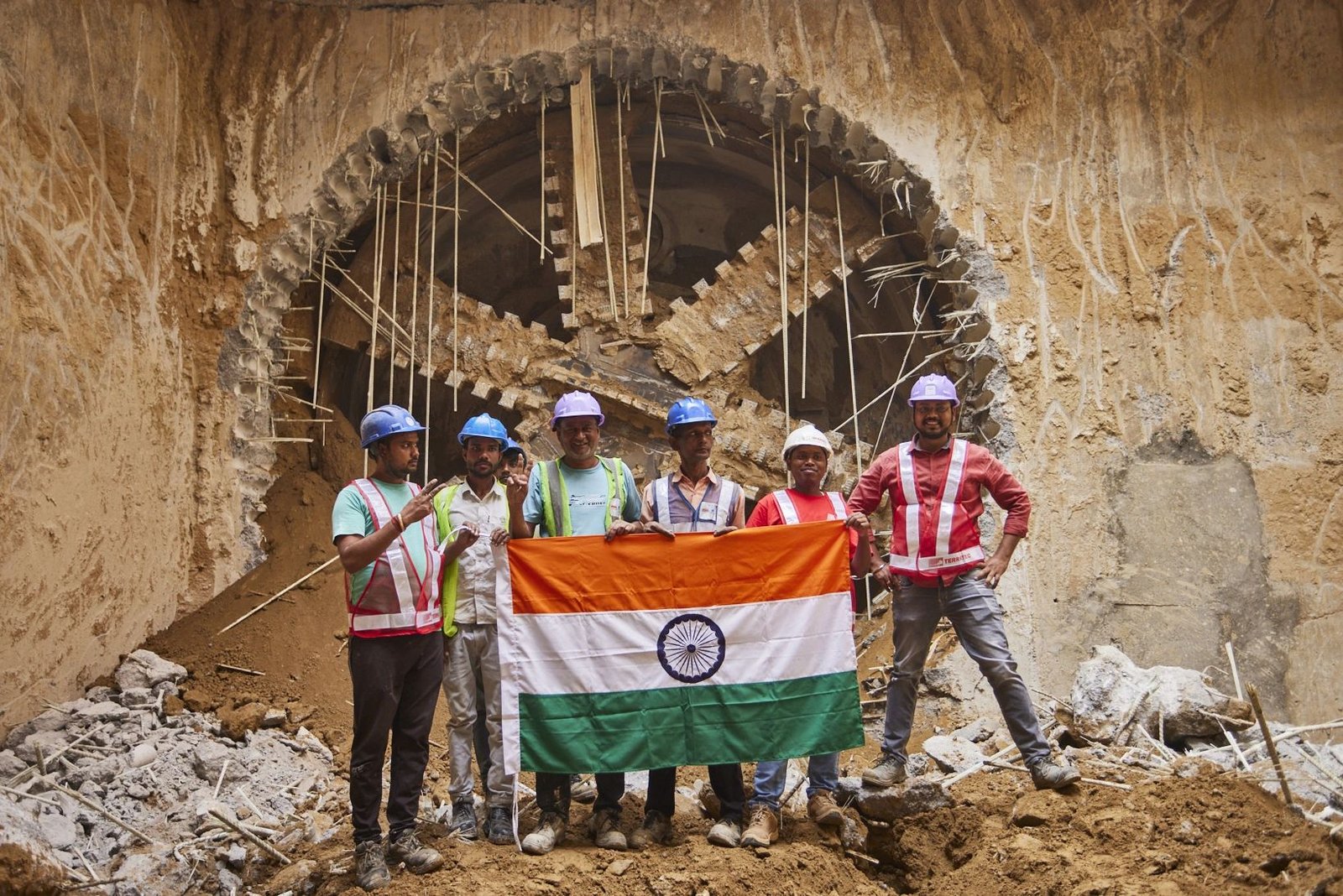
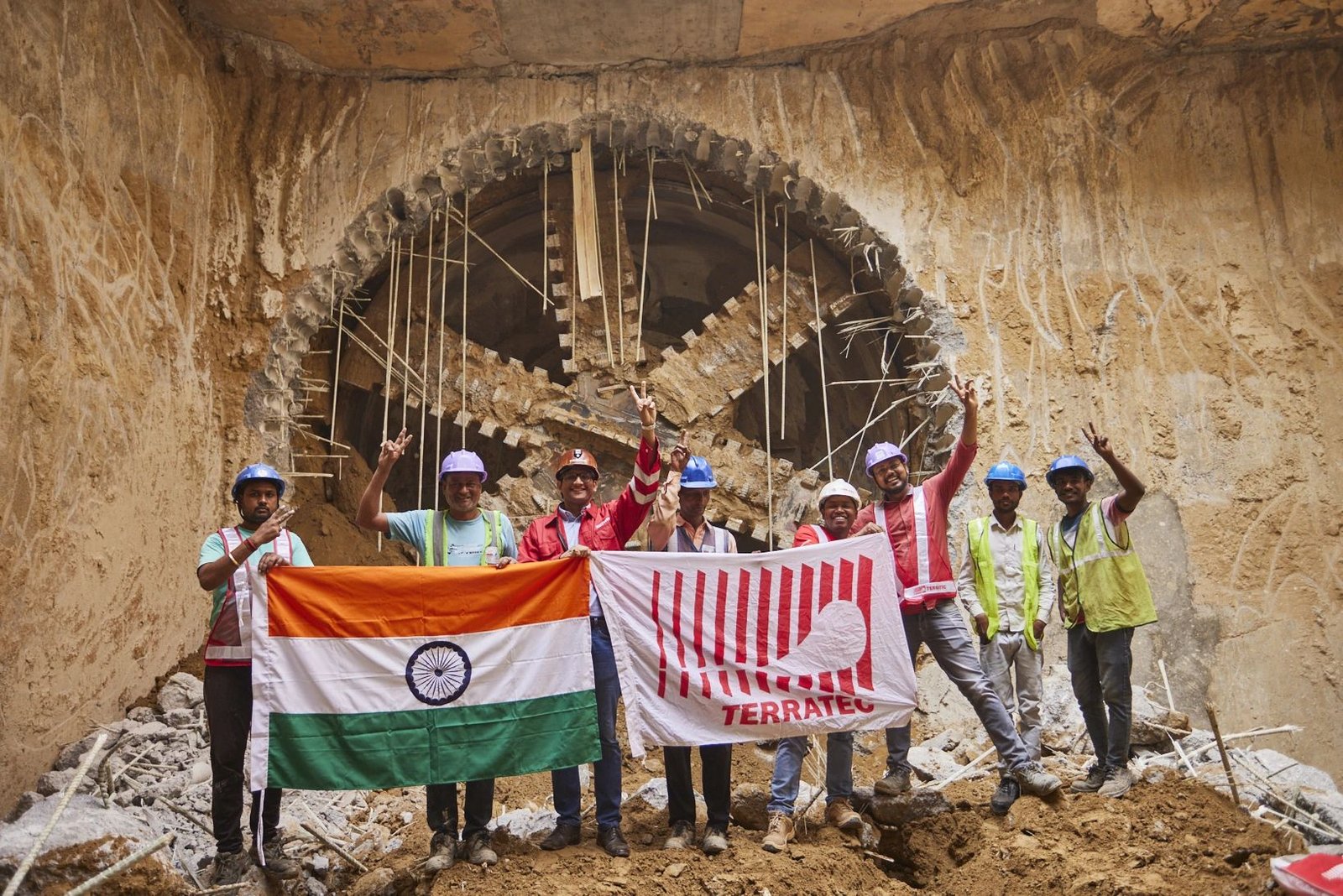
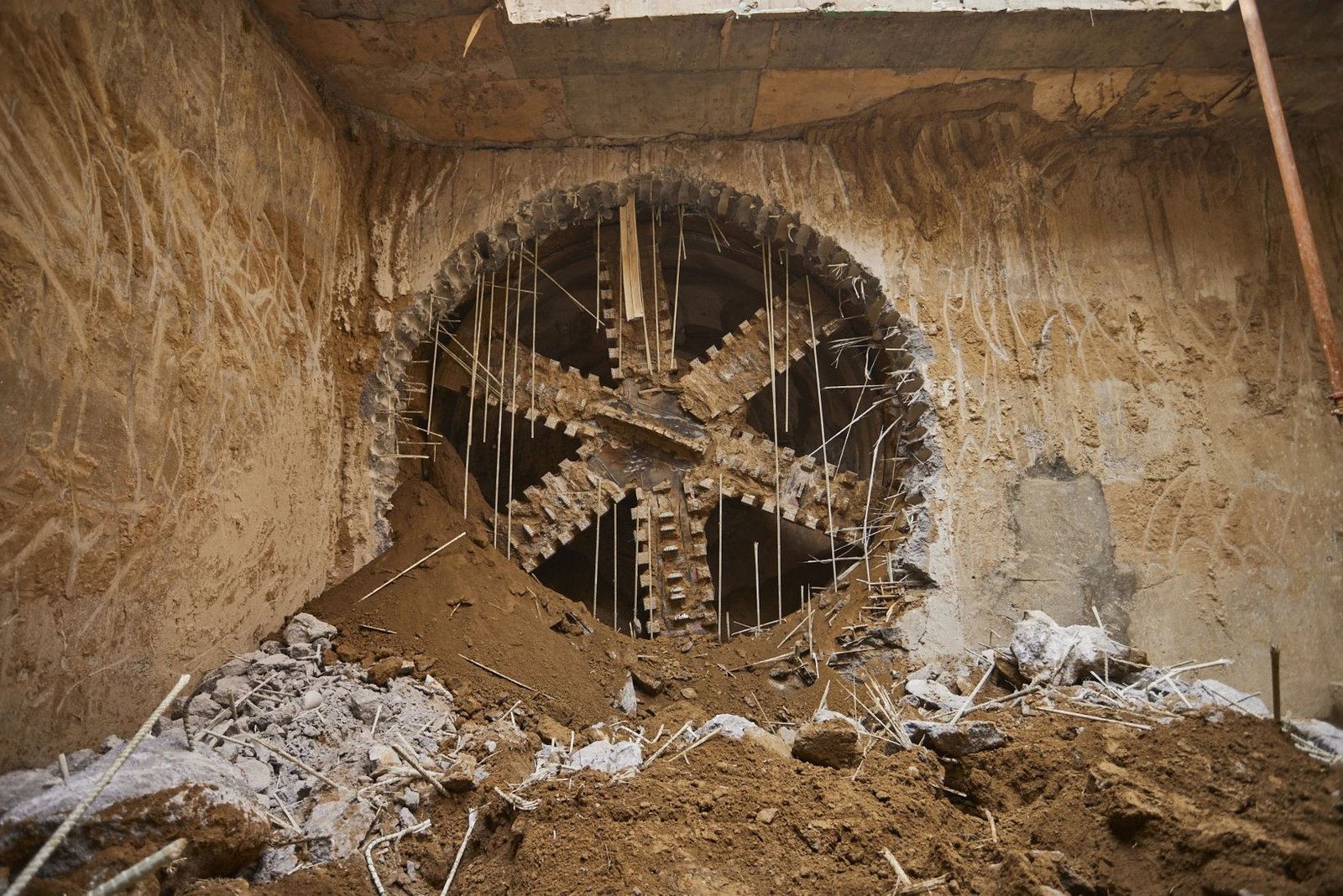
Delhi (Metro Rail News): A major milestone has been achieved for Delhi Metro’s Phase 4 as Afcon Infrastructure’s TBM Amrit (372) recorded a breakthrough at Maa Anandmayee Marg Station of Golden Line spanning 23.622 Km from Aerocity to Tugalakabad through 16 stations for Package DC-07.
This achievement marks a total of 5 breakthroughs for the Golden Line of Delhi Metro Phase 4.
TBM 372
TBM-372, nicknamed TBM Amrit, is a 105 m-long refurbished Robbins Earth Pressure Balance (EPB) machine. TBM Amrit is the first TBM deployed for the Delhi Metro Phase 4 under Package DC-07. The new tunnel has been constructed at an average depth of approximately 16 meters, with around 1,894 rings installed, each with an inner diameter of 5.8 meters. The breakthrough on the other parallel tunnel is expected in January 2025.
For its first assignment, TBM Amrit started tunnelling work from the Air Force Launch Shaft and constructed a 2.65 km and arrived at Maa Anandmayee Marg Station after 1.5 years (18 months) marking the longest tunnel drive in the entire Phase 4 of Delhi Metro.
Package DC-07
In January 2022, Afcon grabbed Package DC-07 from Delhi Metro Rail Corporation at an estimated cost of Rs. 1669.20 crore with a 42 months deadline.
Afcons’Scope of Workfor Package DC-07
Afcons Infrastructure Ltd, under Package DC-07, is responsible for the design and construction of underground twin tunnels starting from Sangam Vihar Metro Station and extending up to the existing Sarita Vihar Depot. Additionally, the contract involves the development of 3 underground metro stations at:
Maa Anandmayee Marg
Tughlakabad Railway Colony
Tughlakabad
The contractor is also responsible for the construction of the retrieval and launching shaft.
Delhi, the National Capital Territory (NCT), is a hub of economic and administrative activity, characterized by a blend of historical and modern infrastructure. The city’s economy is driven by sectors such as finance, trade, information technology, public administration, and social services. Its extensive transport network, including highways, railways, and metro systems, supports efficient mobility for the population, facilitating daily commuting across the region.
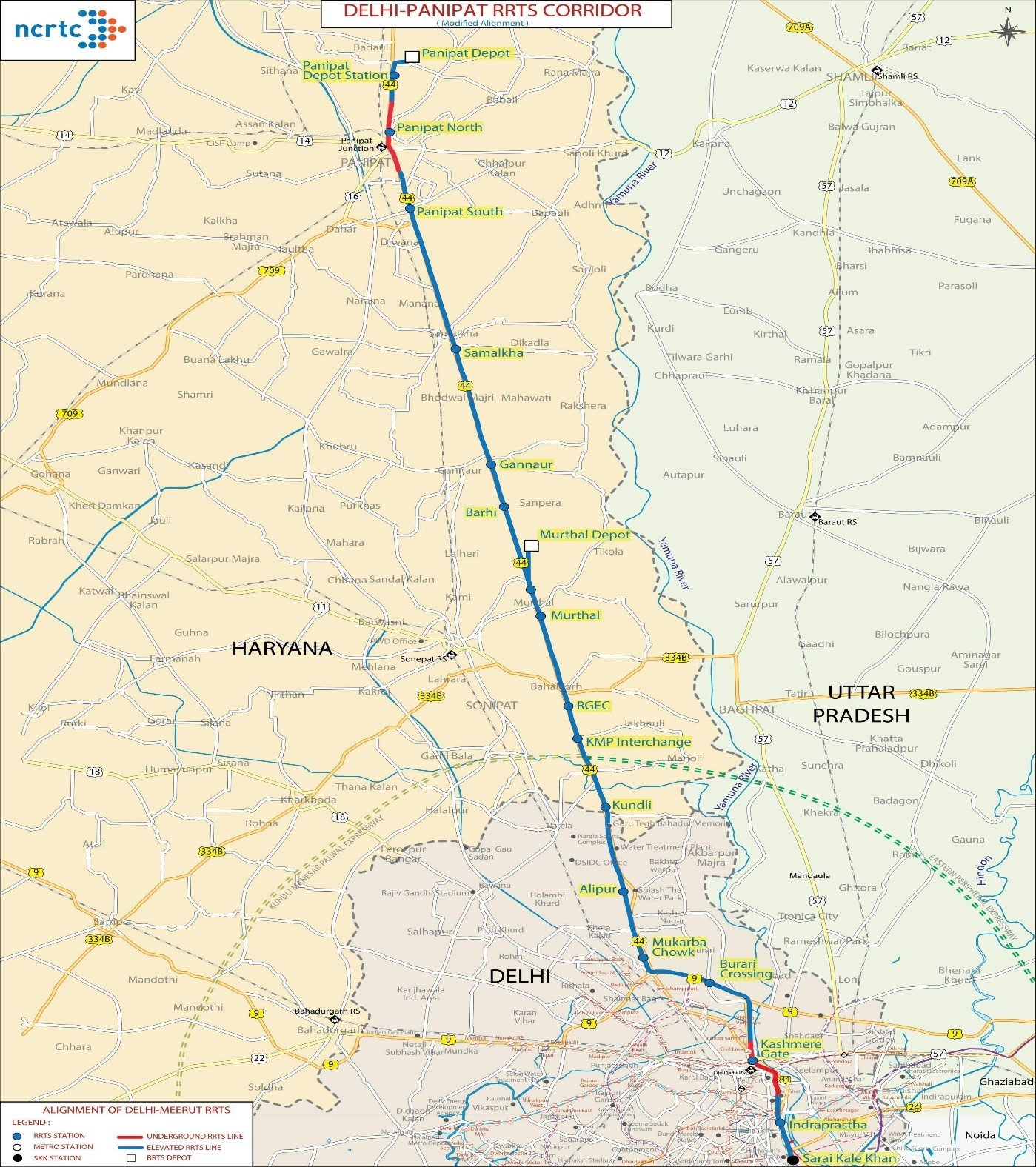
Panipat, located 95 km north of Delhi in Haryana, is a key industrial city renowned for its global prominence in textile recycling and production, earning it the title ‘City of Weavers.’ With a strong historical and industrial foundation, Panipat’s economic growth is driven by both tourism, centred on its historical landmarks and museums, and a thriving industrial sector that attracts skilled labour and business professionals. This industrial activity has contributed to the city’s rapid economic development.
RRTS Project: A Way To Connect the States
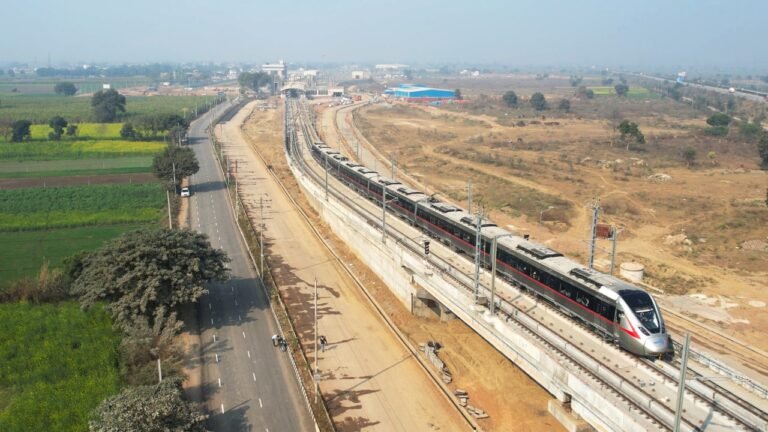
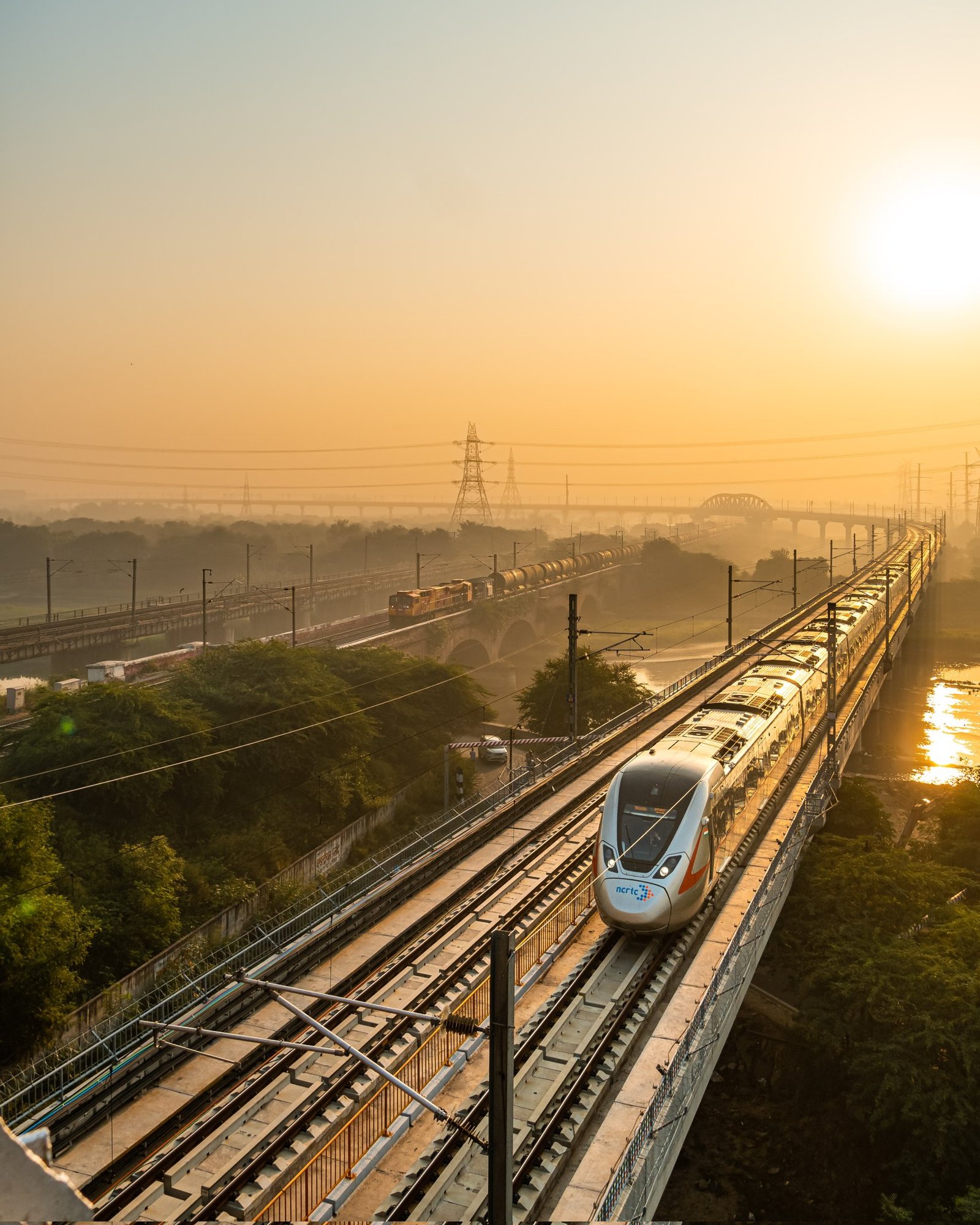
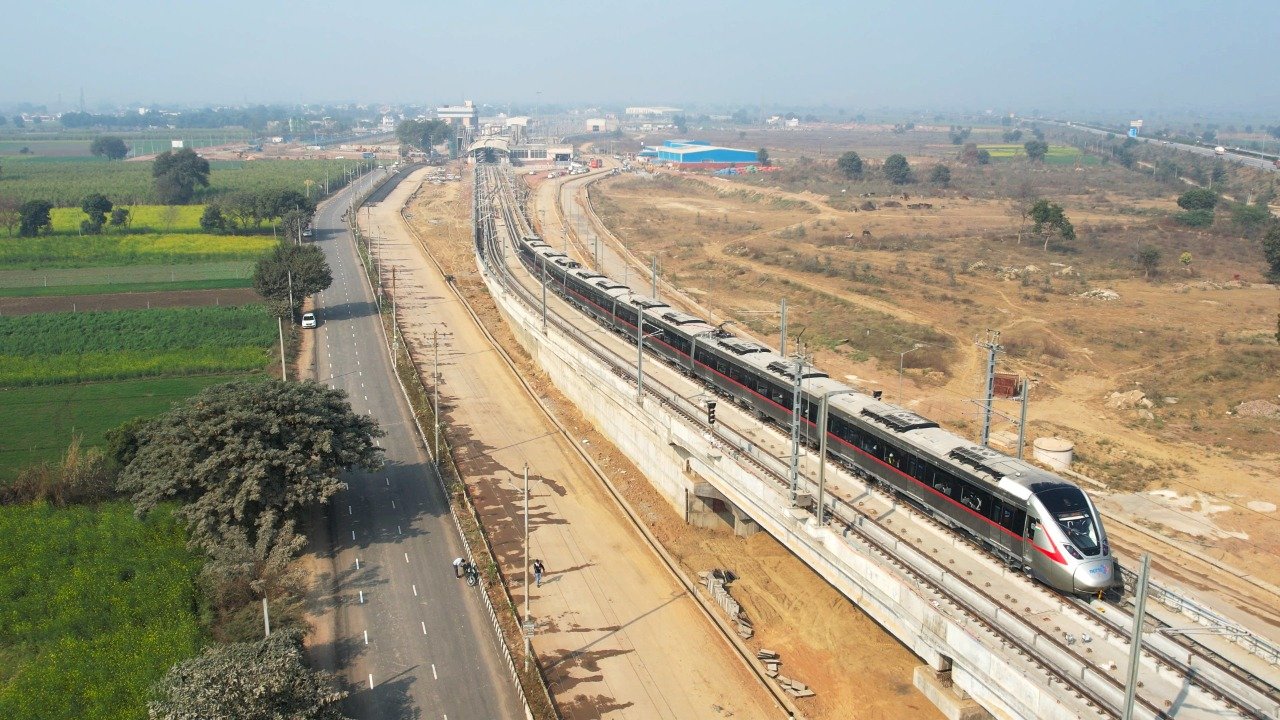
RRTS is a semi-high-speed transit system that connects multiple states through a systematic rail network. It is well-known for its better commuter service, safety, shorter travel time, high speed, and high frequency. The RRTS technology makes it possible to cover about 100 kms in around 40-45 minutes. The project offers a high-quality network while catering to the needs of the people.
Overview of Delhi-Panipat RRTS
The Delhi-Panipat RRTS project is one of the three priority corridors of India’s RRTS projects. Moving towards the northwest side of Delhi, the Delh-Panipat RRTS corridor connects Sonepat, Gannaur, and Samalkha on the route.
Line’s Total Length
103 km
Estimated Cost of the Project
Rs. 21,627 crore
Deadline
Yet to be Announced
Estimated Daily Ridership
7.79 lakh passengers/day (2031)
Fare Details
NCRTC has planned to use recent technologies, QR codes, and Near Field Communication (NFC) phones to utilise the system to utilise the Automatic Fare Collection (AFC) system. These trains will have one or more business class coaches with separate rules and fare collection criteria.
Detailed Project Report (DPR) of the Delhi-Panipat RRTS
Delhi Integrated Multi-Modal Transit Systems (DIMTS) has been awarded the workfor developing DPR for the proposed RRTS corridor by NCRPB.
The route will start from Sarai Kale Khan, connect with Kashmiri Gate ISBT, and then go north on National Highway (NH) 44, passing through the Sonipat, Gannaur, and Samalakha before arriving in Panipat.
Key Specifications of Delhi-Panipat RRTS
Speed
Design Speed: 180 km/h
Operational Speed: 160 km/h
Average Speed: 100 km/h
Track Gauge
Standard Gauge – 1435 mm
Rolling Stock
Aerodynamic, 3.2 m wide x 22 m long, stainless steel/aluminium body
Signalling
European Train Control System (ETCS) Level 2 of ERTMS
Traction
1 x 25 KV AC overhead catenary (OHE)
Seating Arrangement
Transverse
Classes
Economy and Business (1 coach per train)
Route Details of Delhi-Panipat RRTS
Status
Proposed
Operational: 0 km
Under Construction: 0 km
Proposed: 103 + 25 km
Depots
Gannaur & Panipat IOCL Terminal
Stations
17
Nizamuddin/Sarai Kale Khan, Indraprastha, Kashmere Gate, Burari Crossing, Mukarba Chowk, Alipur, Kundli, KMP Expressway Interchange, Rajeev Gandhi Education City (RGEU), Murthal, Barhi, Gannaur, Samalkha, Panipat South, Panipat North, Panipat Depot and IOCL Panipat
3 (extension to Karnal)
Gharunda, Madhuban and Karnal
Delhi-Panipat RRTS Timeline
2017
19 July
The National Highways Authority of India (NHAI) granted in-principle approval for the Delhi-Panipat RRTS corridor.
2020
13 March
The Detailed Project Report (DPR) for the corridor was approved by the NCR Transport Corporation (NCRTC) Board.
2020
March
The process to identify Station land for an extension to Karnal begins (3 more stations).
23 December
The Government of Haryana officially approved the DPR for the Delhi-Panipat RRTS corridor.
2021
18 August
The DPR was submitted to the Central Government for further approval.
2023
17 December
31 December
Delhi government expressed its willingness to grant in-principle/administrative approval for the Delhi-Panipat RRTS project, provided the Centre met its share of contribution. Delhi government releases 50 crores as initial fund for Delhi-Panipat RRTS.
2024
21 October
On the completion of Namo Bharat’s first year of operations, Minister of Housing and Urban Affairs, Manohar Lal, made a big announcement regarding the Delhi-Panipat RRTS corridor. He stated, “We still have some formalities to complete, which will be finalized within a month. Following that, the tendering process will begin, and the corridor is set to be commissioned next year.”
Inter-Connectivity of Delhi-Panipat RRTS
The Delhi-Panipat RRTS system will connect with 3 multi-modal transports.
Haryana Orbital Rail Corridor near Kundli.
The National Highway 44 (NH44) track will mostly run along NH44.
Western Peripheral Expressway interchange near Sonipat.
Benefits of Delhi-Panipat RRTS
Boost in Real Estate
The Delhi NCR region outlying the suburbs will give rise to the real estate business along the route. Property prices in these regions will raise the infrastructure development, education institutions, healthcare facilities, shopping centres, banks, and commercial hubs.
Economic Development
The opening of this RRTS corridor is expected to increase the share of public transportation by 37% to 63%. The high-speed connectivity in the regions would promote economic development, providing benefits to a huge number of people in the regions.
Job Access
By improving access to major employment hubs, healthcare facilities, and educational institutions, the RRTS will enhance opportunities for residents in both urban and rural areas along the corridor.
High-Speed Travel
The RRTS will reduce travel time between Delhi and Panipat to approximately 65 minutes, compared to current travel times that can exceed two hours by road.
Urban Planning
The RRTS aligns with broader urban planning goals for sustainable development in the NCR, promoting balanced growth across regions by connecting smaller towns like Kundli, Gannaur, and Samalkha with major urban centres.
Integration
The corridor will connect with existing transport networks, including the Delhi Metro and national highways, facilitating easy transfers and enhancing overall accessibility.
Challenges Faced by Delhi-Panipat RRTS
Delays in Approvals: The project has experienced delays in obtaining necessary approvals from various government bodies, particularly from the Delhi government regarding financial commitments.
Land Acquisition Issues: Acquiring land for station construction and other infrastructure components can be a complex process, which might involve negotiations with multiple stakeholders and potential legal disputes. Delays in land acquisition can stall project timelines.
Financial Constraints: The major roadblock for Delhi-Panipat RRTS is funding. The project’s estimated cost is around ₹21,627 crores, and securing adequate funding from both state and central governments is crucial. Any shortfall in financial commitments can lead to project delays or scaling back of planned features.
Metro Rail Policy 2017
On August 16, 2017, the Union Cabinet, chaired by Prime Minister Shri Narendra Modi, introduced Metro Rail Policy 2017. The policy was introduced to address the rising metro rail aspirations of cities in large numbers. It opened the door for private investments to meet the enormous resource demand for capital-intensive, high-capacity metro projects.
Last-Mile Connectivity
The Metro Rail Policy 2017 seeks to address the absence of last-mile connectivity. The new policy aims to ensure a five-kilometre catchment area on either side of the metro stations. It requires states to provide feeder services, non-motorized transportation infrastructure such as walking and cycling pathways, and the introduction of para-transport facilities. The plans and investments for such feeder services should be disclosed in the reports for the states proposing new metro projects.
Low-Cost Mass Transit Mode
The Metro Rail Policy 2017 demands an Alternate Analysis involving the evaluation of other mass transit options like Bus Rapid Transit System (BRTS), Light Rail Transit, Tramways, Metro Rail, and Regional Rail in terms of demand, capacity, cost, and ease of implementation to ensure that the least expensive mass transit mode is chosen for public transportation.
Requirement of Public-Private Partnership
The policy made it compulsory to include a public-private partnership (PPP) component to ensure the efficient utilisation of private resources, expertise, and entrepreneurship. This has been done to ensure central assistance in developing new metro projects. This has also opened significant opportunities for private investors in this sector.
Rigorous Assessment
The new metro rail policy proposed the introduction of third-party assessments to carry out rigorous and detailed assessments of the metro projects. It would include agencies identified by the government, such as the Institute of Urban Transport and other such Centres of Excellence.
To note the metro projects’ social, economic, and environmental gains, there is a shift from the present ‘Financial Internal Rate of Return of 8%’ to ‘Economic Internal Rate of Return of 14%’ for approving metro projects.
Mandate to Transit-Oriented Development
The new policy requires Transit Oriented Development (TOD) to promote compact and dense urban development along metro corridors. TOD reduces travel distances and enables efficient land use in urban areas. The urban mass transit projects should be viewed less as urban transport projects and more as urban transformation initiatives.
By collecting a portion of increases in asset values through the “Betterment Levy”, the policy demands the states implement creative mechanisms such as value-capture funding tools to raise funds for funding metro projects. For metro developments, states must also issue corporate bonds to facilitate low-cost debt finance.
A variety of private sector involvement options are included in the policy for O&M of metro services. These include:
Cost Plus Fee Contract
For the O&M of the system, the private operator is paid monthly or annually. Depending on the quality of the service, this can include fixed and variable components. The owner bears the operational and revenue risks.
Gross Cost Contract
The private operator is paid a fixed sum for the duration of the contract. The operator bears the O&M risk, while the owner bears the revenue risk.
Net Cost Contract
The operator collects the complete revenue generated for the services provided. The owner may agree to compensate if revenue generation is below the O&M cost.
Conclusion
The Delhi-Panipat RRTS project represents a step forward in regional connectivity and urban development. This initiative promises to enhance commuter efficiency, stimulate economic growth, and boost real estate values along its corridor by linking Delhi with Panipat through a semi-high-speed rail system.
The project aligns with the Metro Rail Policy 2017, emphasising public-private partnerships, last-mile connectivity, and transit-oriented development. Despite some delays and financial hurdles, the anticipated benefits of the RRTS in terms of reduced travel time and improved transportation infrastructure are poised to transform the region’s mobility landscape and drive sustainable growth.
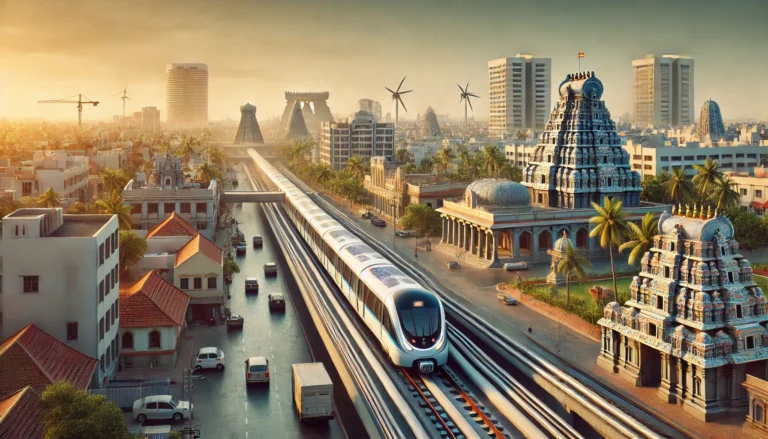
Madurai, located on the banks of the River Vaigai, is one of the oldest cities in India and holds the title of the cultural capital of Tamil Nadu. Known as “Thoonga Nagaram” or “the city that never sleeps,” Madurai is renowned for its rich cultural heritage and vibrant traditions.
From an economic standpoint, Madurai is a prominent industrial and educational hub in southern Tamil Nadu, housing key sectors such as automobile, rubber, chemical, and granite manufacturing industries. Architecturally, the city’s layout is centered around the Koodal Azhagar and Meenakshi Temples, which historically served as the geographical and ritualistic focal points of Madurai.
To address the city’s growing transportation needs and promote sustainable urban mobility, Chennai Metro Rail Corporation (CMRL) has initiated the development of the Madurai Metro system. This project is a strategic component of Madurai’s public transportation expansion, which aims to reduce traffic congestion, provide efficient transit options, and stimulate local economic growth by improving connectivity within the region.
Overview of Madurai Metro
Madurai is undergoing urbanisation, with its metro area population reaching 1,872,000 in 2024, a 2.07% increase from 2023. This steady growth is projected to place additional pressure on the city’s transportation infrastructure, likely leading to an increase in private vehicle usage and resulting in road congestion.
The proposed introduction of a metro system is expected to address these challenges by providing a high-capacity, efficient public transport alternative. This would help manage the growing population’s mobility needs and reduce reliance on private vehicles, potentially easing congestion on the city’s road network.
Madurai Metro is a proposed Mass Rapid Transit System (MRTS) that has evolved from the initial concept of the Madurai Metrolite System. The plan for a metro system in Madurai originated from a feasibility study announced by the Governor of Tamil Nadu, Banwarilal Purohit. This study also included other cities like Salem and Tiruchirappalli as part of a larger effort to enhance public transportation infrastructure across the state.
Government Initiatives
Project Announcement
The Madurai Metro project was officially announced during the 2021 budget session by former Finance Minister Palanivel Thiaga Rajan. This initiative is part of a broader plan to extend metro services to Tier II cities in Tamil Nadu.
Budget Allocation
The Tamil Nadu government allocated approximately ₹60,000 crore for metro and monorail projects throughout the state. The Madurai Metro project is estimated to cost around ₹11,368 crore approximately.
Tentative Funding Structure
The financing model for the project involves contributions from multiple sources:
Central Government: 20% of the total funding.
State Government: 20% of the total funding.
External Financial Institutions: 60% of the funding is expected to come from international financial institutions, such as the Asian Infrastructure Investment Bank (AIIB), which has shown interest in financing the project.
Project Execution
The execution of the Madurai Metro project will be managed by Chennai Metro Rail Limited (CMRL), which acts as the Project Executing Agency (PEA). CMRL is responsible for overseeing the entire process, from planning and construction to the eventual operation of the metro system in Madurai.
The Tamil Nadu government, under Chief Minister J. Jayalalithaa, announced a monorail project for Tier II cities, including Madurai, Tiruchirappalli, Tirunelveli, and Salem
2021
The Tamil Nadu government, led by Chief Minister M. K. Stalin, shifted focus to metro rail projects for Tier II cities, which led to the conceptualization of the Madurai Metro Project.
2022
Balaji Rail Road Systems (BARSYL) secured the tender to conduct a Detailed Feasibility Study Report(DFSR) for a mass rapid transit system (MRTS) in Madurai.
February 2023
CMRL invited bids for the preparation of a Detailed Project Report (DPR).
March 2023
Aarvee Associates was awarded the contract to prepare DPR.
Contractor List
Contract
Awarded
Consultant for Preparation of Feasibility Study Report
Balaji Railroad Systems (BARSYL)
Consultant for Preparation of Detailed Project Report (DPR)
Recent Update: The Detailed Project Report (DPR) for the Madurai metro rail project, submitted by the Tamil Nadu government, was noted to be incomplete, as it did not include the Comprehensive Mobility Plan (CMP) and Alternative Analysis Report (AAR). These documents are mandatory prerequisites in accordance with the standard planning process for metro rail systems. The omission of these essential reports was addressed by the Union Minister of State for Housing and Urban Affairs, Tokhan Sahu, in the Lok Sabha on 25 July 2024. The absence of the CMP and AAR may impede the approval process by the Union government for the project.
Benefits Of Madurai Metro:
Boost to Real Estate: Areas along the metro route, particularly around stations, are likely to see increased demand for residential and commercial properties. The enhanced connectivity will make these areas more attractive to investors.
Job Creation: The construction and operation of the metro system will generate employment opportunities, both directly within metro operations and indirectly through the economic activities in areas connected by the system. This includes roles in construction, maintenance, station management, ancillary services, and potential growth in commercial and residential sectors around metro stations.
Reduction in Traffic Congestion: By providing an efficient mass transit option, the Madurai metro is expected to alleviate traffic congestion on city roads, reducing the reliance on private vehicles.
Concerns Related to Madurai Metro
Missing Mandatory Approvals
The Tamil Nadu government submitted the Detailed Project Report (DPR) for the Madurai Metro project, which lacks essential components such as the Comprehensive Mobility Plan and Alternative Analysis Report. These documents are mandatory prerequisites as per the Metro Rail Policy of 2017, which has led to delays in obtaining approvals from the central government.
Financial Constraints
The estimated cost of the Madurai Metro project stands at ₹11,368 crore. Securing sufficient funding remains a critical challenge for the project. The financial structure is expected to involve contributions from state and central governments, with a 60% share of international financing.
Construction Challenges
The Madurai Metro comprises the construction of both elevated and underground sections with specific construction challenges related to sensitive areas such as Meenakshi Amman Temple. Ensuring that construction does not disrupt local communities or damage historical architecture will be a substantial challenge for the metro authorities and contractors.
Public Acceptance and Usage
The success of the metro system will also depend on public acceptance and ridership levels. Effective marketing strategies and community engagement will be necessary to encourage usage once the project is operational to ensure that projected revenue targets are met.
Conclusion
The Madurai Metro project is a key infrastructure initiative which aims to address the city’s growing transportation needs while enhancing urban mobility. With a projected cost of ₹11,368 crore, the project plans to enhance connectivity across the city through a mass rapid transit system. However, challenges remain, including the submission of incomplete mandatory reports like the Comprehensive Mobility Plan (CMP) and Alternative Analysis Report (AAR), financial constraints, and construction complexities in sensitive areas. Addressing these issues will be essential for securing necessary approvals and ensuring the project’s timely execution and operational efficiency.
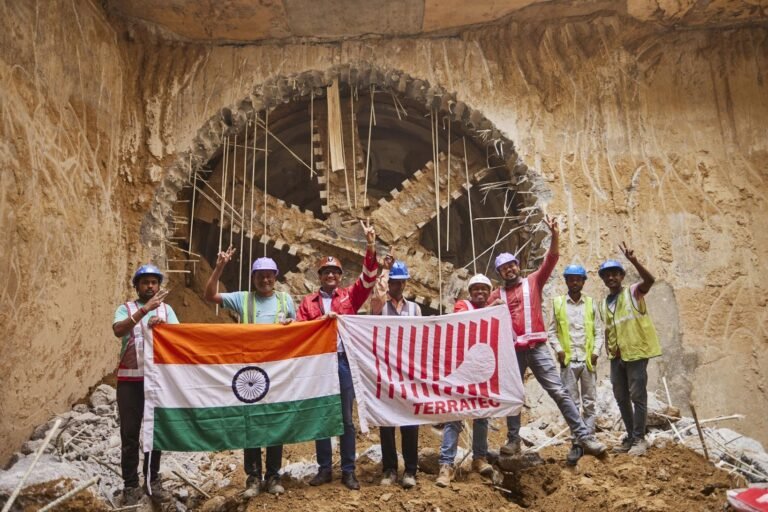
Agra ( Metro Rail News): Afcon-Sam India Consortium’s TBM S-115 recorded the final breakthrough at Agra College station of Line 1 spanning 14.25 km from Sikandra to Taj East Gate for package AGCC-02 of Agra Metro Phase 1.
S115 is a refurbished Terratec Earth Pressure Balance (EPB) machine and Afcons’ fourth TBM. This was TBM S-115’s third and final breakthrough for the Package AGCC-02. Under Package AGCC-02 TBM S-115 was first commissioned in December 2023 to construct a total of 2.2 km underground tunnel for the up-line, extending from RBS College Ramp to Agra College Interchange Station.
Current Assignment
Raja Ki Mandi Station -Agra College Station
534m
November 2024
First Assignment
RBS Ramp -RBS College Station
720m
April 2024
Second Assignment
RBS College Station – Raja Ki Mandi Station
684m
August 2024
Package AGCC-02
Afcon-Sam India Consortium bagged underground Package AGCC-02 at an estimated cost Rs.1819.79 Crore in March 2022 with a 48-month deadline.
The scope of work under this 7.93 km underground package includes the construction of twin tunnels and 7 stations at Agra Metro Line 1.
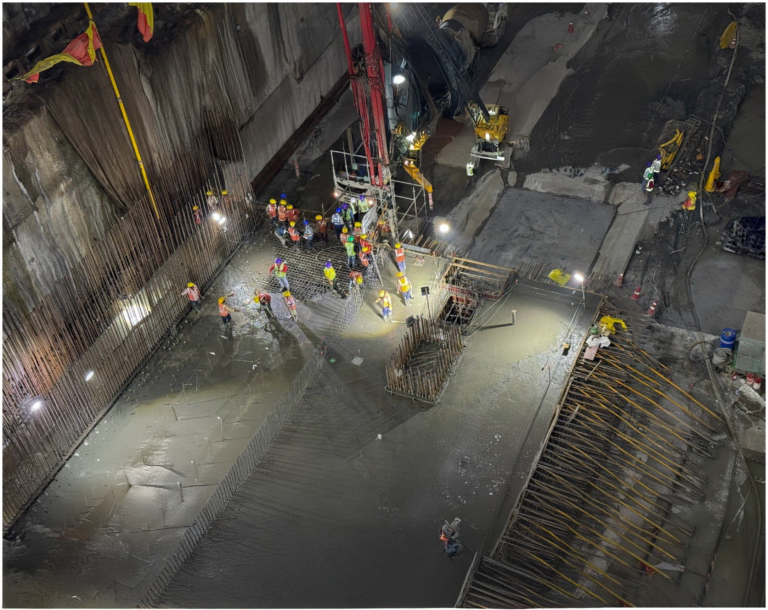
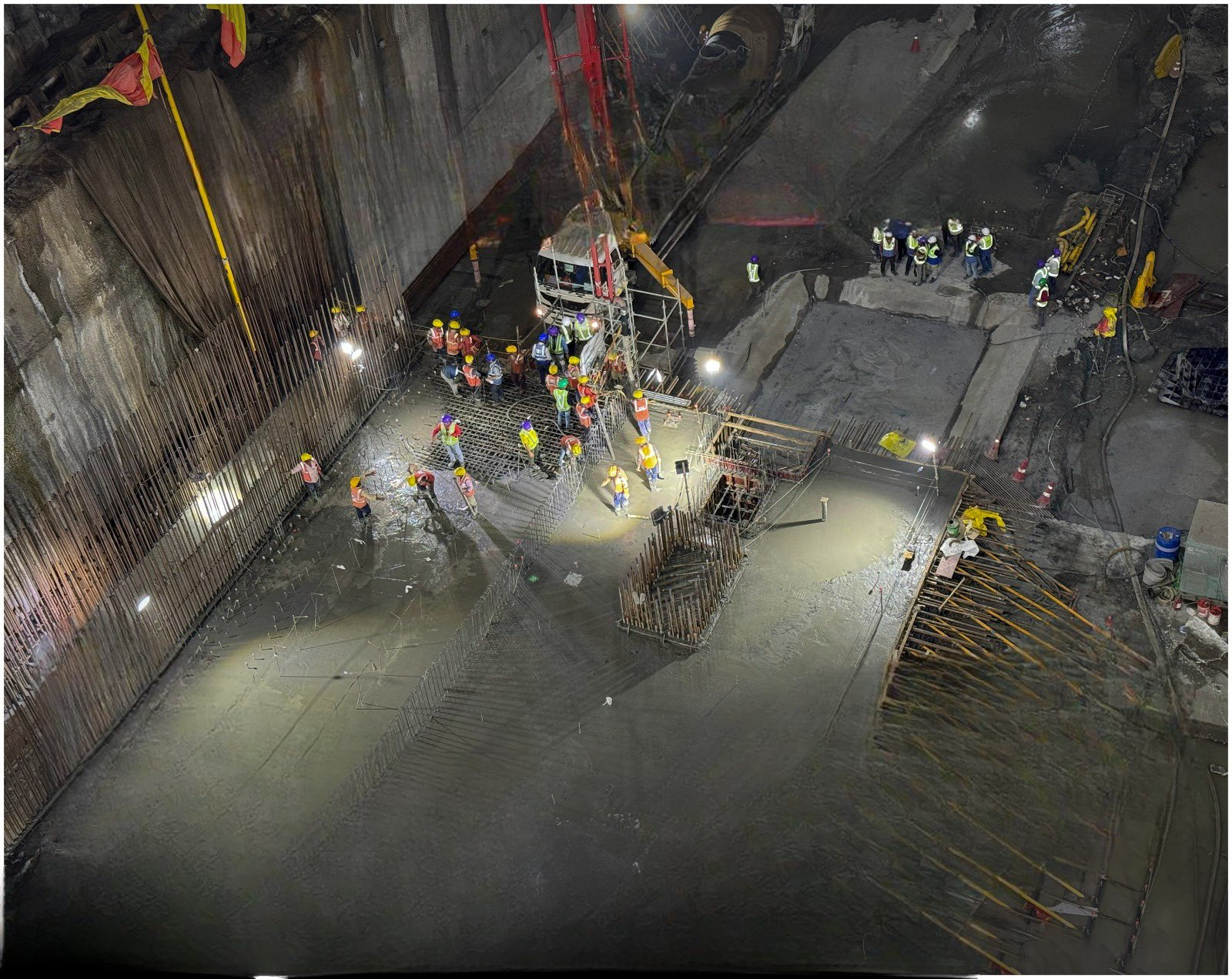
(Metro Rail News): NHSRCL announced the placement of the first base slab is completed at the Mumbai Underground Bullet Train Station of Mumbai Ahmedabad high-speed rail corridor.
Key Features of Base Slab
Depth: 32 m
Length: 30m
Width: 20m
Height: 3.5 m
Materials used in the Construction:
Steel:
681 MT of Steel: Used in the base slab to enhance tensile strength, ensuring structural integrity.
6,200 Rebar Couplers: Employed to efficiently join two sections of reinforcing steel (Rebar), facilitating durability and stability.
Concrete:
2,254 m³ of M60 Concrete: Utilised for its high strength and efficiency. Its properties reduce the need for labour-intensive processes like compaction and finishing, conserve energy, and expedite construction placement.
About Mumbai Ahmedabad Bullet Train Project
Operations: Currently under construction
Total stations: 12 (8 in Gujarat and 4 in Maharashtra)
Total length: 508 Km ( 348 Km Gujarat, 04 Km DNH & 156 Km Maharashtra )
Operational speed: 320 Km/ hr
Name of stations: Sabarmati, Ahmedabad, Anand, Vadodara, Bharuch, Surat, Bilimora, Vapi, Boisar, Virar, Thane, Mumbai
Hyderabad Metro (Metro Rail News): The Managing Director of HAML and HMR recently announced a slight change in the existing plan of 116.4 km of expansion in Hyderabad Metro phase II.
Instead, the new plan includes the expansion of 76.4 Km with 54 new stations along five corridors initially.
The phase 2 DPR, CMP, and other transit analysis reports have already been submitted to the MoHUA ( Ministry of Housing and Urban Affairs) for financial and technical evaluation.
Features of Hyderabad Metro Phase 2:
Phase 2 of the Hyderabad metro features Hyderabad’s 1st double-decker flyover and a metro viaduct of length 1.6 km.
Also, the HAML will utilise Double U Girders (Precast, Pre-tensioned U-shape structural component) in Phase 2 instead of box girders which were used in Phase 1 and delayed the construction.
Distribution of the expansion of Hyderabad Metro Phase II:
Initially the project includes 5 corridors.
Meanwhile, the other 40 km section of the project has been put on hold which will connect from Shamshabad Airport to the Skill University which is located in Fourth City.
The authority decided to prioritize five corridors due to increasing demand for urban mobility and technical feasibility. Also, the fourth city is still an untouched concept.
Finance of the project:
According to the MD of HAML, earlier they took a loan at a 10% interest rate which used to cause an interest burden of Rs 1300 crore a year and it was based on the PPP model.
They later opted for the JV model, where the available funding is at a 2% interest rate which can be repaid in 40 years, reducing the interest burden of the project.
Future aspect:
It is expected that Hyderabad Metro Phase 2 will carry 8 lakh passengers daily after completion.
With a population of 1.4 billion, India, now the most populous country in the world, has been experiencing steady population growth. As one of the largest contributors to global greenhouse gas (GHG) emissions, India’s increasing population and rising carbon emissions are interconnected challenges, reflecting the country’s complex socio-economic landscape.
2023 Emissions Data: India’s total GHG emissions were approximately 4 billion metric tons of CO₂ equivalent, with carbon dioxide accounting for around 79% of these emissions.
Transportation Sector Emissions
Sector Contribution: The transportation sector is the third-largest GHG emitter in India, following energy and agriculture, accounting for 11-14% of total GHG emissions.
Emissions Breakdown: Road transport contributes 90% of transportation emissions, while rail accounts for around 4%.
As of March 31, 2023, there were approximately 2.07 million private cars registered in Delhi, while Bengaluru surpassed this with around 2.23 million private cars, making it the city with the highest number of private vehicles in India.
Surface Transportation Emissions: In 2023, surface passenger transportation contributed approximately 147 million tonnes (MT) of carbon emissions, emphasising the need to address private vehicle emissions.
To tackle environmental challenges and strengthen environmental sustainability, the government has implemented low-carbon transportation modes, including Metro systems, Regional Rapid Transit Systems (RRTS), and High-Speed Rail networks. These projects are strategically designed to reduce carbon emissions in the country, in line with India’s commitment to achieving net-zero emissions by 2070 and the Indian Railways’ objective of becoming a net-zero carbon emitter by 2030.
Low Carbon Modes Of Transportation
Metro System: The Metro, or Mass Rapid Transit (MRT) system, is a low-carbon urban transportation solution that reduces greenhouse gas emissions and promotes sustainable urban mobility through an electrified rail network. Metro systems are designed to provide efficient, high-capacity transit within cities. Research indicates that travelling one kilometre by metro instead of road vehicles can reduce carbon emissions by approximately 32.38 grams of CO₂. For example, the Delhi Metro has reportedly reduced pollution levels by around 630,000 tons annually, earning carbon credits for these environmental benefits.
Regional Rapid Transit System (RRTS): To address the growing mobility demands in the National Capital Region (NCR), the Indian government introduced the Regional Rapid Transit System (RRTS). Currently, construction is progressing on the Delhi–Meerut RRTS corridor. The RRTS is expected to remove over 150,000 private vehicles from roads, potentially reducing CO₂ emissions by approximately 250,000 tons annually. By integrating with existing metro systems, RRTS aims to boost public transport usage in the NCR from 37% to 63%, significantly improving regional connectivity and sustainability.
High-speed Rail: High-speed rail travel can reduce carbon emissions by up to 90% compared to conventional air travel and automobiles on similar routes. For instance, a study indicated that high-speed trains can cut aviation transport on the same routes by as much as 80%. This shift is particularly impactful for short-haul flights, where electric high-speed rail can reduce emissions by 23% compared to air travel.
Initiatives by Rail Transportation Sector to Reduce Carbon Footprint
To mitigate the environmental impact of rail transportation, Indian Railways is advancing several low-carbon initiatives:
Electrification of Railways
Goal for Electrification: Indian Railways is targeting 100% electrification, which is anticipated to cut carbon emissions by approximately 15 million tonnes of CO₂ annually. As of now, about 95 of electrification has been achieved by Indian Railways. The FY24 budget has allocated ₹8,070 crore to support this transition from diesel to electric traction, which is essential for reducing reliance on fossil fuels in rail operations.
Renewable Energy Integration
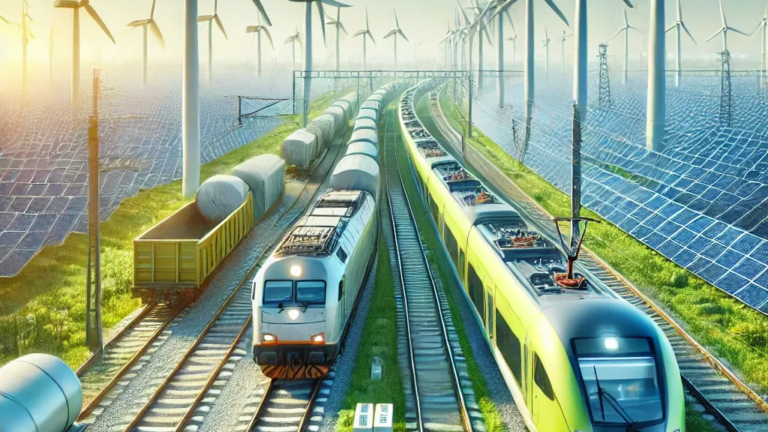
Solar and Wind Energy: Indian Railways aims to install around 30,000 MW of renewable energy by 2029-30, encompassing both traction (train operations) and non-traction (stations and buildings) requirements. As of 2023, 147 MW of solar and 103 MW of wind power capacity have already been commissioned.
The Delhi-Meerut RRTS corridor involves the installation of around 25,000 solar panels across stations and depots, which is expected to generate approximately 11 MW of electricity annually, reducing carbon dioxide emissions by an estimated 615 tonnes per year over their lifespan.
Energy Efficiency Improvements
Technological Upgrades: Adopting energy-efficient technologies, such as three-phase electric locomotives with regenerative braking systems and LED lighting in coaches and stations, is enhancing energy efficiency across the railway network. These upgrades are part of a larger strategy to drive sustainable practices within the railway system.
Afforestation and Carbon Offsetting
Indian Railways is actively implementing afforestation projects to offset carbon emissions, which is essential to achieving its target of net-zero emissions by 2030.
Impacts of Implementing Low-Carbon Transportation Modes
1. Reduction in air pollution: Implementing low-carbon transportation modes like Metro and RRTS will help reduce air pollution by providing reliable, efficient alternatives to private vehicles. This shift decreases the number of vehicles on the road, reducing traffic congestion and associated emissions, which improves air quality. For instance, the Delhi Metro Rail Corporation (DMRC) uses regenerative braking technology, reducing CO₂ emissions by approximately 47,000 tons annually—equivalent to the emissions of nearly 10,000 people in India.
2. Sustainable urban development: The implementation of a low-carbon mode of transportation can play a crucial role in the promotion of sustainable urban development by enhancing mobility, reducing environmental impacts, and fostering economic growth.
Challenges in the Implementation of Low-Carbon modes of transportation
Financial Constraints: Developing infrastructure for metro systems, RRTS, and high-speed rail requires substantial investment. For example, the Delhi Metro project has seen investments exceeding ₹60,000 crore (approximately USD 8 billion) for its phases, with ongoing expansions requiring additional funding. Similarly, the Delhi-Meerut RRTS corridor has an estimated project cost of ₹30,724 crore (around USD 3.7 billion), while the Mumbai-Ahmedabad High-Speed Rail corridor is projected at around ₹1 lakh crore (USD 12 billion). Such high costs pose challenges in implementing these projects effectively.
Land Acquisition Issues: Acquiring land for new transit corridors can be contentious and time-consuming. The process often leads to legal disputes and community pushback, delaying projects.
Cultural Resistance: Shifting public perception from private vehicle use to public transport often meets resistance. Surveys indicate that despite the benefits of metro systems, many individuals still prefer personal vehicles due to convenience and comfort.
Conclusion
India’s shift toward low-carbon transportation is an essential step in balancing rapid urbanisation with environmental responsibility. The metro systems, RRTS, high-speed rail, and comprehensive railway electrification reflect strategic choices to lower greenhouse gas emissions in the transport sector. While these systems promise substantial long-term benefits for air quality and urban resilience, challenges such as financial constraints, land acquisition, and cultural attitudes toward public transport highlight the complexity of achieving sustainable progress. By addressing these hurdles thoughtfully, India can advance toward a transportation system that balances economic growth with ecological sustainability.
Wayside Train Monitoring Systems: A Modern Approach to Rail Safety
In the initial stages of railway operations, the system relied heavily on manual and periodic inspections of trains. These inspections often failed to detect issues that could lead to accidents. Rail operators recognised the need for continuous monitoring of trains to avoid major calamities and operational disruptions, which led to the introduction of automated monitoring systems in the late 20th century.
Overview of Wayside Monitoring Train Systems (WTMS)
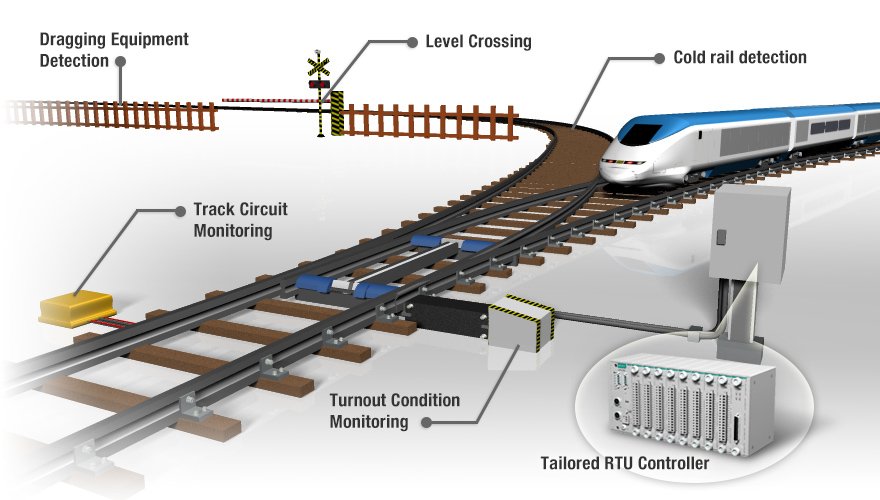
Wayside Monitoring Train Systems (WTMS) are advanced technologies employed along railway tracks to monitor the condition and performance of trains as they pass by. These systems are crucial for ensuring the safety, reliability, and efficiency of rail operations.
Historical Background
Early Development
The concept of wayside monitoring systems emerged in Europe. The initial focus was on basic monitoring techniques that could detect obvious defects in rolling stock. The concept of wayside monitoring systems in India began gaining traction in the early 2000s as part of efforts to enhance railway safety following several high-profile accidents attributed to equipment failure.
Technological Advancements
Over the past two decades, advancements in sensor technology, data analytics, and telecommunications have transformed WTMS into sophisticated systems capable of real-time monitoring and analysis. The integration of big data technologies has further enhanced the capabilities of these systems, allowing for more accurate predictions and timely interventions.
Key Components Of WTMS
Hot Box Detection System (HBD): The Hot Box Detection System is critical for preventing catastrophic incidents associated with rolling stock, such as derailments or fires. This system continuously monitors the temperature of axle bearings and wheels. Hot Box Detectors are strategically installed along railway tracks to measure temperature at both near and far axles. Utilizing high-speed pyrometers, the HBD can detect any abnormalities that may indicate a potential failure.
Wheel Impact Load Detectors (WILD): To detect wheel defects and uneven load distributions, the Wheel Impact Load Detector (WILD) was introduced. WILD monitors the condition of train wheels by utilising strain gauges mounted on the rails to measure the vertical forces exerted by each wheel as a train passes over. This system allows for the detection of irregularities in wheel performance, such as flat spots or out-of-round wheels, which can lead to increased wear on both the wheels and the tracks.
Weigh-in-Motion Systems (WIM): As an integral component of the Wayside Train Monitoring System (WTMS), Weigh-in-Motion Systems (WIM) are designed to measure the weight of trains accurately. Various sensors, such as load cells or piezoelectric devices, are embedded in the tracks to ensure compliance with weight limits. These sensors capture the dynamic loads exerted by the train wheels as they pass over, providing real-time data on the train’s weight.
Clearance Gauges: An essential component of the WTMS, the clearance gauge is specifically designed to ensure adequate space between trains and fixed structures along the railway. This system monitors the distance between trains and critical infrastructure, such as overhead lines, bridges, and tunnels. It detects any infringements that may occur when train components, such as antennas or cargo, extend beyond permissible limits.
Acoustic Monitoring System:To ensure the safe operation of trains, monitoring roller bearings is a critical element. Acoustic bearing detectors, such as the Trackside Acoustic Detection System (TADS®), are specifically engineered to identify internal defects in roller bearings before they can lead to overheating or catastrophic failures. This system employs a multiple microphone array to capture sound data from passing trains, enabling real-time monitoring and analysis of bearing conditions. By detecting anomalies in sound patterns, ABD systems can facilitate timely maintenance interventions.
Imaging System: Imaging technologies, including high-resolution cameras, are used to assess various components of passing trains. These systems record the conditions of brake pads and pantographs, facilitating predictive maintenance. Additionally, they capture UIC (International Union of Railways) numbers, enabling accurate tracking and monitoring of trains.
Optical/Laser-Based System: This system uses embedded optical lasers to monitor wheel profiles and detect wear and geometric defects. It also assesses load distribution across each wheel to ensure balanced weight distribution.
Running Behaviour Measurement System (RBMS): RBMS evaluates train performance by measuring vertical and lateral forces during operations. Utilising optical and laser-based technologies, it monitors wheel condition and geometric parameters to ensure smooth and stable train movement.
Benefits of WTMS
Early Detection of Issues: TheWTMS system enables continuous monitoring of essential parameters like axle temperatures and wheel conditions, facilitating early detection of issues.
Predictive Maintenance: By early detection of any potential issue, WTMS facilitates predictive maintenance, which reduces the overall maintenance and repair costs and extends the lifespan of railway assets.
Real-Time Monitoring: The WTMS provides real-time data on train conditions, allowing immediate action to be taken if a problem is detected. For instance, hot box detectors can alert operators to overheating axle bearings before they lead to catastrophic failures.
Lower Maintenance Costs: Early detection through WTMS reduces maintenance and repair expenses. A study by Roland Berger indicates that analysing WTMS data can lower these costs by approximately 20%.
Reduced Wear On Track: By continuous monitoring of the wheel profile and assessment of the equal distribution of weights on the wheel, the chances of wear on track are reduced, contributing to the long-term sustainability of track infrastructure.
Challenges in Implementing WTMS
High Initial Cost: Implementing WTMS requires substantial investment due to the costs of sensors, installation, and communication infrastructure. These high upfront expenses can be a financial burden, potentially deterring some railway operators from adopting WTMS.
Integration with Existing Systems: Integrating WTMS with existing railway systems and technologies can pose technical challenges, mainly if those systems are outdated or incompatible.
Data Management: WTMS generates large volumes of data through continuous monitoring, making it challenging to efficiently process and analyse critical information in real time. Effective data management systems are essential to handle this influx and support timely decision-making.
System Maintenance: WTMS equipment requires regular maintenance to ensure accurate readings. Malfunctions can lead to missed defect detections, potentially disrupting operations and increasing the risk of accidents.
Conclusion
Wayside Train Monitoring Systems (WTMS) enhance rail safety by continuously monitoring critical train components, allowing for early issue detection and reduced maintenance costs. Technologies such as hot box detection and wheel impact load monitoring enable proactive problem-solving, improving safety and operational efficiency. Despite challenges like high initial costs and data management, WTMS represents a vital advancement in the railway sector, ensuring a safer, more reliable rail network for the future.
Privatising Indian Railways: A Path to Modernisation or a New Challenge?
Introduction
Indian Railways: Backbone of India’s Transport System
Established in 1951, Indian Railways forms the backbone of India’s transportation infrastructure, connecting regions and facilitating extensive passenger and freight movement. As the fourth-largest railway network globally, Indian Railways spans over 70,000 km, operates around 21,000 trains, and serves over 23 million passengers and 3 million tonnes of freight daily across more than 7,364 stations.
However, growing demand has introduced challenges that impact passenger convenience, operational efficiency, and financial stability, prompting Indian Railways to explore modern solutions to enhance its services and infrastructure.
However, growing demand has introduced challenges that impact passenger convenience, operational efficiency, and financial stability, prompting Indian Railways to explore modern solutions to enhance its services and infrastructure. To cope with the rising demand, the government introduced the concept of Railway Privatisation.
The Need for Privatisation of Indian Railways
Financial losses: Indian Railways has been incurring losses year after year, primarily due to inefficient operations and high operational costs. The need to address these financial challenges has prompted discussions about privatisation as a potential solution.
Cross-Subsidization Issues: To keep passenger fares low, freight rates have been kept high, leading to a situation where the freight segment heavily subsidises passenger services. This unsustainable model has resulted in financial strain on the railways.
Outdated Infrastructure: Indian Railways has struggled to keep pace with modernisation in terms of infrastructure, technology, and service quality. Privatisation is seen as attracting private investment to upgrade facilities and implement modern technologies.
Public-Private Partnerships (PPP): The government has recognised the need for private investment to upgrade railway facilities and infrastructure.
Operational Efficiency: Indian Railways faces operational challenges due to rising demand. Involving private operators could address these issues, as they are likely to introduce advanced technology and improved maintenance practices, thereby enhancing operational efficiency.
Capacity Augmentation: The growing demand for passenger and freight services has underscored the need for capacity expansion. During peak seasons, around 13.3% of passengers struggle to secure confirmed reservations, leading to disappointment and unmet travel needs.
Beginning of Railway Privatisation
Initial step: In July 2020, the Ministry of Railway initiated the privatisation process by inviting Requests for Qualifications (RFQs) from private companies to operate passenger train services.
The initial step by the Ministry of Railways includes the introduction of at least 151 modern trains on 109 routes that will be managed by private sectors, which will constitute only 5% of total railway operations, leaving 95% still managed by Indian Railways. Each train will have at least 16 coaches, with a projected private investment of Rs300 billion ($3.98 billion). This initiative is the first instance of private organisations operating passenger services on the Indian Railways network.
Case Study:Japan’s railroads date back to 1872, when the first services were opened between Shinbashi (an urban center of Tokyo) and Yokohama.
After World War II ended in 1945, the railroads continued to play a key role in transportation, but their share of passengers decreased every year due to the rising use of automobiles in transportation. JNR was not able to adapt to these social changes in time, which put pressure on its management. JNR went into the red in 1964, its financial situation continued to deteriorate, and policymakers, researchers, and the public identified the management inefficiency often endemic to state-owned enterprises as the major reason for JNR’s financial decline.
In 1982, the Provisional Administrative Investigation Committee issued a report recommending privatization.
After discussions and deliberations by the Reconstruction Management Committee, the National Railway Reform Bill was submitted to the Diet for approval in 1986. In the same year, JNR was almost bankrupted with a deficit of 1.4 trillion JPY against revenues of 3.9 trillion JPY. Total debt reached 37.1 trillion JPY, including pensions and Japan Railway Construction Public Corporation debt. Japanese National Railways (JNR)privatized in 1987 is divided into six passenger companies and one freight company. In 1980, the Act on Special Measures to Promote the Management and Reconstruction of Japan’s National Railways was enacted with an aim of reducing the management efficiency and enhance operational efficiency. Later in 1982, the Provisional Administrative Investigation Committee issued a report recommending privatization as the solution. Impact of Privatisation Increased Revenue: Due to maor increase in the number of passengers the total operating revenue of the six companies increased by 1.37 times to 4.637 trillion Japanese Yen (JPY). Operational Profit: Operating profit increased by 3.19 times to over 1.065 trillion JPY. Reduction in Employment: After the privatization the total number of employees of the six JR passenger companies1 reduced by 39.8% in 2017, from approximately 180,000 before the reform in 1987 to 108,000.
Benefits of Privatisation of Railways
Improved Infrastructure:
Privatisation is expected to lead to better facilities and infrastructure, addressing current shortcomings such as poor sanitation, lack of water supply, and dirty platforms. Enhanced infrastructure can improve safety and reduce travel time for passengers.
Enhanced Maintenance:
Private operators are often associated with better maintenance practices for coaches, engines, and tracks. This can lead to a reduction in accidents and overall improvements in safety standards.
Increased Competition:
Introducing private firms into the railway sector can strengthen competition, which may result in better services and amenities for passengers. Competition can drive innovation and efficiency, potentially leading to cleaner and more punctual services.
Technology Infusion:
Privatisation can facilitate the infusion of modern technology into railway operations, improving safety features and the overall travelling experience. This could help Indian Railways evolve into a world-class network.
Concerns involved in Privatisation
Accessibility Concerns:
Privatisation may lead to neglecting less profitable routes, particularly in rural or remote areas. This could result in some regions becoming underserved or virtually inaccessible, exacerbating regional inequalities.
Fare Hikes:
Private operators are likely to prioritise profits, which could lead to increased fares for passengers. This might make rail travel less affordable for lower-income groups, contradicting the social welfare objectives of Indian Railways.
Lack of Transparency:
Private firms may not disclose their operational policies fully, leading to reduced transparency and public awareness about service standards and pricing structures.
Cross-Subsidisation Issues:
Currently, Indian Railways cross-subsidizes passenger fares through freight revenues. A shift to privatisation could disrupt this model, making it challenging for private firms to compete while maintaining affordable passenger services.
Social Welfare Concerns:
The privatisation of railways motivated by profit-making could have inflationary effects on transportation costs, impacting essential goods’ distribution and affecting economically disadvantaged sections of society
Conclusion
The privatisation of Indian Railways presents opportunities for improved infrastructure, operational efficiency, and increased competition, which may help modernise the railway system and enhance service quality. However, it also brings important concerns regarding accessibility, fare affordability, transparency, and the potential social impacts of profit-driven motives. As the government manages this transition, it is crucial to find a balance between encouraging private investment and protecting the interests of all stakeholders, ensuring that railways continue to serve as an accessible and equitable transportation option for all segments of society.
India is experiencing a steady rise in urbanisation. As of 2021, India’s urban population was approximately 477 million, accounting for about 34% of the total population of around 1.3 billion. By 2030, this figure is projected to rise to about 590 million, which would represent approximately 40.76% of the total population. This increase in urban population contributes to city congestion, leading to various transportation challenges.
The rate of infrastructure development has not matched the growing urban population, resulting in strain on transportation systems. This congestion results in increased travel times, higher emissions, and rising costs associated with traffic management and infrastructure upkeep.
Transportation Management with Rapid Urbanisation in Cities
India’s transportation sector is critical to the national GDP and supports numerous industries and sectors. Currently making up 6.7% of GDP, it is projected to grow to approximately 12% by 2026. Increasing urban populations and rising per capita income are also resulting in longer commute times, leading to substantial productivity losses due to time spent in traffic. Additionally, increased fuel consumption is contributing to environmental degradation and higher carbon emissions.
To address the limitations of transportation infrastructure, the adoption of advanced technology has become essential. In September 2017, India’s NITI Aayog partnered with the International Road Federation in Geneva to advance Intelligent Transportation System (ITS) initiatives in the country. Key areas of focus include fleet management and monitoring, electronic enforcement of traffic regulations, traffic and parking management, and promoting innovation and education in ITS.
Intelligent Transportation Systems (ITS) for Indian Cities
Intelligent Transportation Systems (ITS) refer to the integration of advanced technologies, including information and communication technologies, into transportation infrastructure and vehicles to enhance the efficiency, safety, and sustainability of transport networks. ITS encompasses a wide range of applications that improve traffic management.
ITS in Rail Transportation
Intelligent Transportation Systems (ITS) are increasingly being integrated into railway operations to enhance safety, efficiency, and sustainability.
Major components of ITS in Metro and Railways include:
Real-Time Data Collection and Analysis
Intelligent Transportation Systems (ITS) use sensors and data analytics to monitor parameters such as train speed, track conditions, and passenger flow. This real-time data supports decision-making for operational management, allowing transit operators to adjust schedules, conduct timely maintenance, and respond to changing conditions to maintain safe and reliable services.
Vehicle-to-Infrastructure (V2I) Communication
Vehicle-to-infrastructure (V2I) and Vehicle-to-Vehicle (V2V) communications allow trains to exchange information with trackside equipment and other trains. This connectivity improves safety by delivering alerts about potential hazards or operational issues, supporting timely responses to maintain safe and efficient operations.
Automatic Train Control (ATC)
Intelligent Transportation Systems (ITS) incorporate automated train control systems that optimise train movements, minimise delays, and improve scheduling efficiency. For example, the European Train Control System (ETCS). ATC systems automatically regulate train speeds and braking to prevent collisions and ensure safe operations.
Data Analytics
Intelligent Transportation Systems (ITS) generate extensive data that can be analysed to support informed decisions regarding policy, planning, and resource allocation. Real-time tracking of train locations in public transportation, for instance, allows for accurate arrival predictions, providing passengers with reliable estimates for the next metro or train.
Need for ITS in Indian Cities
Increasing Demand for Rail Services
With Indian Railways carrying over 8 billion passengers and 1.23 billion tonnes of freight annually, there is a pressing need to manage this vast volume efficiently.
Integration with Other Transport Modes
ITS supports the integration of rail services with other modes of transportation, such as buses and metros, creating a seamless travel experience for passengers.
Accident Prevention
Passenger safety remains a top priority in train operations. Intelligent Transportation System (ITS) technologies like the European Train Control System (ETCS) and Communications-Based Train Control (CBTC) enhance safety by reducing the risk of accidents linked to human error.
Reduced Emissions
By optimising train operations and reducing idle times, ITS contributes to lower fuel consumption and greenhouse gas emissions.
Efficient Resource Utilisation
Intelligent Transportation Systems (ITS) enable maximum use of existing infrastructure, reducing the need for costly expansions. By enhancing traffic management and public transportation operations, ITS allows cities to better accommodate growing demand, often deferring or minimising the need for new investments. This approach supports more sustainable urban development by maximising current resources and improving overall transit efficiency.
Challenges in Deploying ITS
Financial Factors
Deploying Intelligent Transportation Systems (ITS) requires considerable financial investment in infrastructure, equipment, and maintenance. This can be a challenge where budgets may be limited.
Infrastructure constraints
Many railway systems operate on outdated technology that may not be compatible with new ITS. Integrating these systems can be complex and costly, requiring upgrades or replacements of existing infrastructure.
Cybersecurity Risks
As ITS relies heavily on data exchange and communication networks, it is vulnerable to cyberattacks. Ensuring cybersecurity measures are in place is essential to protect sensitive information and maintain system integrity.
Contactless Travel: Redefining Convenience in Rail Transportation Systems
Introduction
Indian Railways is enhancing passenger convenience by integrating advanced technologies into its infrastructure as part of its Intelligent Transportation System (ITS) initiative. Over the years, ticketing systems in Indian Railways have undergone a paradigm shift. Initially, Indian Railways relied on traditional ticket booking methods, primarily through over-the-counter services at stations. This system often led to long wait times, limited accessibility, and constrained booking options, which negatively impacted passenger convenience.
To address these challenges, Indian Railways transitioned to digital ticketing, beginning with the launch of IRCTC’s online ticketing system on August 3, 2002, which enabled passengers to book tickets from home.
The integration of contactless payments is a step towards further improving passenger flow, especially in high-density urban stations, while supporting cashless, time-efficient transactions.
Contactless Payments
Contactless payment systems are digital transaction methods that allow users to make payments by tapping or waving a compatible card, smartphone, or wearable device near a contactless reader without requiring physical contact or the need for a PIN. These systems utilise technologies such as NFC (Near Field Communication), RFID (Radio Frequency Identification), or QR codes.
Beginning of Contactless Payments in Indian Railways & Metro Systems
The Indian Railway Catering and Tourism Corporation (IRCTC) launched the first online ticketing system for Indian Railways on August 3, 2002. This development shifted ticket booking from traditional counter methods to an online platform.
The COVID-19 pandemic expedited the implementation of contactless payment systems within Indian Railways and metro systems. The imperative necessitated this transition to minimise physical interactions and enhance passenger safety.
Key Initiatives Towards Implementing Contactless Payment Systems
Online Ticketing
The first online ticketing system for Indian Railways was launched on August 3, 2002, by the Indian Railway Catering and Tourism Corporation (IRCTC).
Smart Card
The Delhi Metro Rail Corporation (DMRC) introduced the first smart cards for rail transportation in India in 2005.
Mobile Ticketing
In 2014, the Indian Railway Catering and Tourism Corporation (IRCTC) launched its first e-ticketing Android mobile app, named “IRCTC Connect.
Pilot Project
A pilot project for contactless ticket-checking was launched at Prayagraj Junction in October 2020.
Mobile-Based QR Code Ticketing System
On November 16, 2017, Mumbai Metro introduced India’s first mobile ticketing system for the Versova-Andheri-Ghatkopar corridor, enabling commuters to purchase tickets via smartphones using “Skiip Q” technology.
National Common Mobility Card (NCMC)
The first National Common Mobility Card (NCMC) in India was launched on March 4, 2019, as an integral component of the “One Nation, One Card” initiative. The NCMC is designed for use across multiple modes of transportation, including metro services, buses, suburban railways, tolls, and parking fees.
WhatsApp Ticketing System
DMRC launched the first WhatsApp-based ticketing system on the Airport Express Line earlier in 2023. This system was later expanded to all metro lines of Delhi Metro on October 5, 2023.
Benefits of Contactless Travel
Convenience and Speed
Contactless systems enable passengers to simply tap their cards or mobile devices at entry and exit points, removing the need for ticket queues. This simplifies the boarding process and reduces wait times at stations.
Sustainability Focus
Contactless travel systems, by enhancing convenience and accessibility, encourage public transportation over personal vehicles, reducing carbon emissions.
Cost Efficiency
Implementing contactless systems helps rail operators cut costs related to cash handling and ticket production. It also reduces the need for physical ticket counters and staffing, resulting in operational savings.
Unified Payment Solutions
Contactless technology enables passengers to use a single payment method across multiple modes of transportation (e.g., trains, buses), streamlining the travel experience for those who rely on different forms of transit.
Data Insights
Contactless payment systems provide transit authorities with extensive data on passenger behaviour, including travel frequency, peak usage times, and route preferences. This information can be used to optimise service schedules, allocate resources efficiently, and make data-informed adjustments to route planning.
Challenges of Contactless Travel
Infrastructure Investment
Deploying contactless systems requires substantial investment in both technology and physical infrastructure. This involves upgrading existing ticketing platforms, installing new readers and sensors at stations, and establishing strong cybersecurity protocols to protect sensitive passenger information.
Safety & Security Concerns
Cybersecurity Threats: Contactless systems are vulnerable to cyber-attacks such as phishing, malware, and denial-of-service (DoS) attacks, which can disrupt services and compromise passenger data.
Data Privacy Concerns: These systems collect personal data, including transaction details and travel patterns. Inadequate data protection measures can expose this information to unauthorised access, posing privacy risks for passengers.
Complex Stakeholder Engagement
Implementing contactless ticketing systems involves collaboration across various stakeholders, including government agencies, technology providers, and transport operators. Effective implementation requires clear coordination and alignment among these groups, which can often be challenging and time-consuming.
Future Trends in Contactless Travel
Biometric Authentication
The plans are in place to Incorporate biometric technologies such as facial recognition and fingerprint scanning to streamline the boarding process and enhance security.
Smart Contracts and Blockchain
The introduction of smart contracts on blockchain could automate fare calculations based on factors like distance or travel time, creating a transparent, efficient system.
Expansion of Open Loop Systems
Open loop systems allow passengers to use bank cards or mobile wallets for fare payment, eliminating the need for dedicated travel cards. This simplifies access and enables seamless use across various transit networks.
Cybersecurity in Urban Transportation: Protecting Infrastructure and Passenger Data
Introduction
The rail transportation industry has undergone a technological transition over the past few decades, evolving from isolated, manually operated systems to complex, interconnected digital networks. This evolution has been propelled by advancements in automation, digitised signalling, and the integration of Internet of Things (IoT) technologies. The integration of such advanced technologies in rail infrastructure enhanced the operational efficiency and enhanced passenger services.
However, this paradigm shift has introduced a new and critical concern: cybersecurity. As rail systems become increasingly interconnected, they face heightened vulnerabilities to cyber threats that could disrupt operations, compromise safety, and endanger sensitive passenger information.
This article aims to delineate the major benefits and vulnerabilities associated with this technological evolution.
Emerging Cybersecurity Threats to Railway & Metro Systems
Traditionally viewed as safe due to their isolated nature, railway systems have become vulnerable to cyber-attacks with the shift toward networked and digital technologies. Cybercriminals can target these advanced systems by manipulating digital commands within railway & metro systems, which can lead to severe consequences, including collisions and disruptions. Threats extend across the system, affecting ticket machines, passenger information displays, and on-board passenger Wi-Fi.
As railway systems shift from custom, isolated setups to standardized, open-platform equipment that uses common commercial components, they become more vulnerable to cyber-attacks.
Key Factors That Make Railway & Metro Systems Attractive Targets For Cybercriminals Include:
Distributed Architecture: Railways & metro systems rely on a vast networked architecture, which makes it challenging to maintain consistent security protocols across all segments.
Supply Chain and Technological Diversity: The involvement of multiple suppliers and various technology types introduces variability, complicating unified cybersecurity standards.
Enhanced Connectivity: Increased digital integration heightens vulnerabilities, especially in critical systems like signalling and train control.
Modern signalling technologies like the European Rail Train Management System (ERTMS), positive train control (PTC), and cloud-based analytics enhance operational efficiency but also expose railways to new vulnerabilities. These systems incorporate sensors in components such as signals and point machines, providing interlocking systems with extensive data but also increasing potential cyber entry points.
The Internet of Things (IoT) and New Entry Points for Cyber-Attacks
The proliferation of the Internet of Things (IoT) has introduced a vast number of connected devices to railway systems, ranging from essential operational tools to non-critical “smart” devices. While these devices can improve functionality, many are low-cost and lack comprehensive security features. A basic IoT device can become an entry point for hackers, particularly when the device network shares connectivity with critical train control systems.
Compromised network separation between mission-critical systems and passenger or business networks can allow external attackers to access train control remotely.
In many cases, train-to-ground communication relies on wireless local area network (WLAN) technology, introducing vulnerabilities in critical systems like authentication, encryption, and transmission.
Types of Cyber Threats in Railways
Manipulation of Train Control Systems
Cyber attacks targeting control systems (e.g., signalling systems) can manipulate train operations by sending false commands or altering signals. This type of attack can lead to catastrophic accidents.
Denial-of-Service (DoS) Attack
Attackers may overwhelm railway networks with traffic, rendering services unavailable to legitimate users. Such attacks can disrupt ticketing systems and real-time passenger information services, leading to operational chaos.
Phishing Attack
Cybercriminals may use phishing emails to trick employees into revealing login credentials or downloading malicious software. These attacks can lead to unauthorised access to sensitive systems and data breaches.
Supply Chain Vulnerabilities
Compromises in third-party vendors supplying technology or services to railways can introduce vulnerabilities, undermining the security of critical infrastructure and leading to widespread disruptions.
Cybersecurity Solutions for Railway Protection
Real-Time Threat Monitoring and Continuous Detection: Effective cybersecurity requires real-time threat detection, monitoring for anomalies across the network, and offering immediate alerts.
Physical and Electronic Network Isolation: Ensuring separation between passenger and control networks using air-gapped designs prevents unauthorised access to control systems.
Unidirectional Security Gateways: While firewalls have traditionally served as a security barrier, the complexity of modern threats calls for stronger protection. Unidirectional gateways provide one-way data transfer.
Recent Cyber Incidents
The 2017 “NotPetya” ransomware attack disrupted Ukraine’s rail system.
In 2022, a cyberattack on Denmark’s railway system affected operations and passenger services.
Benefits of Implementing Cyber Security Measures
Benefits of Implementing Cyber Security Measures
Enhanced Safety and Reliability
Implementing cybersecurity measures helps protect critical systems such as signalling and train control, preventing the risk of accidents caused by unauthorised access or system failure.
Protection Against Financial Losses
By safeguarding against cyber threats, rail operators can mitigate costly disruptions and data breaches that could lead to significant financial losses.
Operational Efficiency
Cybersecurity solutions enable real-time monitoring and data analytics, allowing for better asset management and predictive maintenance.
Challenges in Implementation
Complexity of Rail Operations
The intricate structure of railway systems, involving components like signalling, communications, and control systems, adds challenges to implementing comprehensive cybersecurity measures.
Resource Constraints
Budgetary limitations hinder the ability to invest in advanced cybersecurity solutions.
Insufficient Awareness and Training
Cybersecurity awareness among railway personnel, especially in operational roles, is often limited. This gap can expose systems to risks.
Conclusion
Integrating Intelligent Transportation Systems (ITS) is crucial for improving the sustainability, safety, and efficiency of urban transportation in India. These systems employ advanced technologies to optimise operations and enhance the passenger experience. A critical aspect of this development is the emergence of contactless travel solutions, which enable seamless journeys through digital payments.
As transportation systems become more interconnected, the importance of robust cybersecurity measures grows. Safeguarding sensitive data and ensuring the integrity of digital platforms are essential for maintaining public trust and operational reliability.
By aligning advancements in ITS with contactless travel initiatives and prioritising cybersecurity, Indian cities can establish a comprehensive transportation ecosystem that improves the quality of life for residents and supports sustainable urban development.