

Introduction: The Need for Cost-Effective Urban Mobility in India
India’s rapid urbanisation has placed immense pressure on its urban transport systems. By 2035, over 480 million people are projected to live in cities, which highlights the demand for reliable and affordable public transport. The Metro rail systems have become the backbone of mobility, covering over 1000km of operational network in major metropolitan regions, including Delhi, Kolkata, Chennai, Bangalore, among others. However, the high capital cost and long gestation periods of metro systems make them less feasible for medium-sized cities with moderate population densities and travel demand.
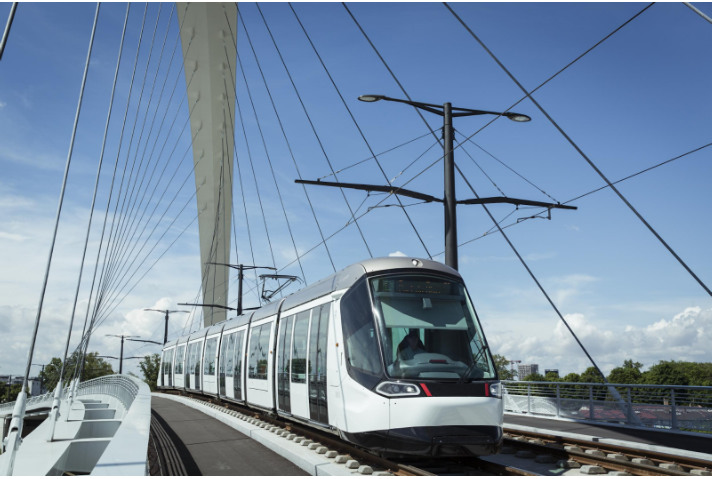
Light Rail Transit (LRT) systems, often referred to as Metro Lite in the Indian context, can be a cost-effective and scalable alternative. An LRT system typically operates on segregated or partially segregated tracks with an average capacity of 20,000 and 30,000 passengers per hour per direction (pphpd) (PHPDT). The infrastructure cost of an LRT system ranges between ₹180 crore and ₹250 crore per kilometre, which is substantially lower than conventional metro systems that can cost ₹350–800 crore per kilometre, which primarily depends on whether they are elevated or underground.
For cities that require mass transit solutions but cannot justify the financial and operational commitments of a full-fledged metro, LRT offers an intermediate mode that can balance capacity, cost, and efficiency. In addition to this, LRT systems have shorter construction timelines and lower energy consumption. LRT systems can be integrated into existing road corridors with minimal disruption. This makes them particularly suitable for Tier-2 and Tier-3 cities such as Nashik, Dehradun, and Warangal, which are currently exploring or preparing detailed project reports (DPRs) for such systems.
As India’s urban transport policy prioritises affordable and sustainable modes, LRT projects are gaining attention from both public authorities and private sector stakeholders. For investors, contractors, and technology providers, the growing interest in LRT represents a business opportunity provided that planning, funding, and execution frameworks are aligned to ensure long-term operational viability and financial sustainability.
The purpose of this paper is to present a comparative assessment of LRT systems in relation to other urban transport modes, particularly in terms of operating cost, passenger capacity, and operational speed. It also aims to evaluate the feasibility of implementing LRT in Indian cities, taking into account factors such as energy efficiency, carrying capacity, and urban adaptability. Globally, several cities have adopted LRT systems due to their relatively low noise levels, high ride comfort, and flexibility in alignment design. The ability of LRT to negotiate sharp curves and integrate with urban road networks makes it well-suited to the spatial and economic characteristics of medium-sized Indian cities.
Understanding Light Rail Transit (LRT)
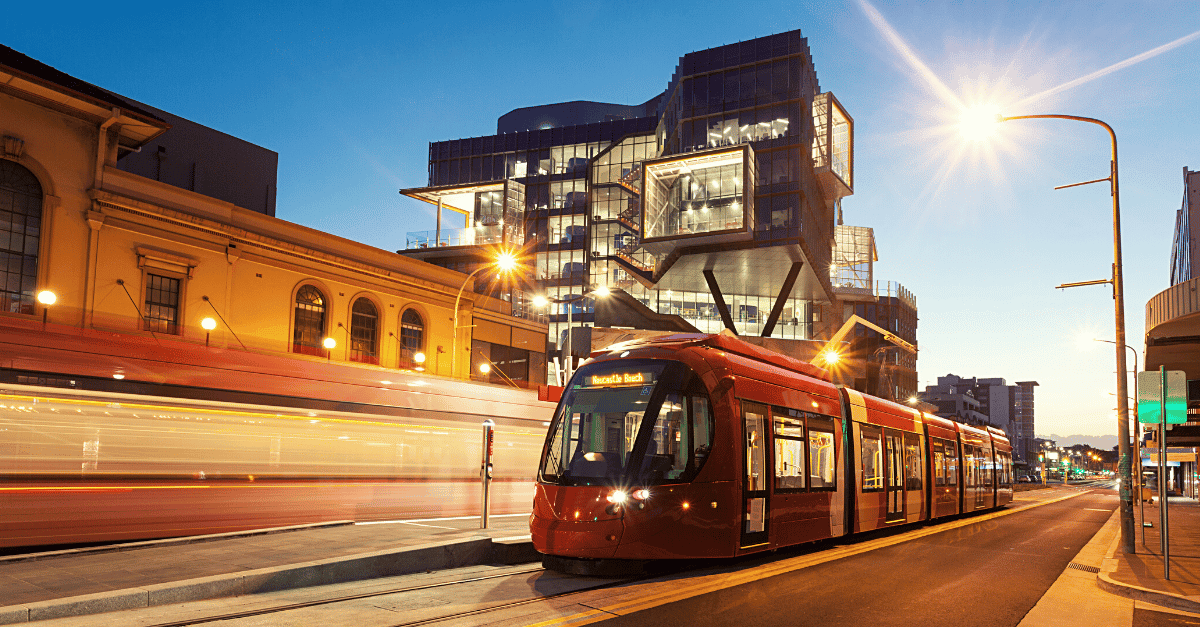
Light Rail Transit (LRT) is a modern form of electrically powered urban rail transport that is engineered to operate with medium passenger capacity and moderate construction cost. It generally functions on a dedicated or semi-exclusive right-of-way, which enables higher speeds and reliability compared to road-based systems. LRT vehicles typically use standard-gauge steel tracks, which allow interoperability and easier maintenance through existing rail supply chains.
- Traction: From a technical standpoint, an LRT system operates with electric traction power, usually drawn through overhead catenary systems at 750V DC or 1,500V DC.
- Speed: The operational speed of LRT systems generally ranges between 25–35 km/h, with maximum speeds of 60–80 km/h, depending on corridor design and signal priority.
- Capacity: The passenger carrying capacity lies in the range of 10,000 to 30,000 passengers per hour per direction (PHPDT), which positions LRT between Bus Rapid Transit Systems (BRTS) and heavy metro rail systems.
- Alignment: In LRT, trains generally consist of 2 to 4 articulated cars, and the platform lengths span from 60 to 90 metres.
Why is LRT a Viable Alternative in Tier 2 and 3 Cities?
Rapid Urban Population Growth
India’s urban population is expected to increase by 416 million by 2050, which will shift the country from a primarily rural to an urban demographic. This growth creates the need for cost-effective urban mobility solutions, particularly in Tier 2 and Tier 3 cities, which are increasingly emerging as economic hubs. Tier 2 cities have populations between 1 and 5 million (e.g., Visakhapatnam, Kochi, Raipur), while Tier 3 cities, including Nagpur, Indore, Patna, and Bhopal, range from 0.1 to 1 million residents.
Economic Significance of Tier 2 and 3 Cities
These cities play a critical role in India’s economic growth. They host a substantial fraction of registered MSMEs, accounting for 51% of the total, which contributes to employment creation and regional development. Economic activity in these cities drives improvements in infrastructure, healthcare, and technical education..
Investment Opportunities for LRT
Tier 2 and 3 cities present favorable conditions for Light Rail Transit (LRT) projects. LRT systems provide medium-capacity urban transit, improve connectivity for businesses and residents, and enable transit-oriented development (TOD), including commercial, residential, and mixed-use projects along corridors. The implementation of supportive government policies, expanding economic activity, and urban expansion offer a promising environment for cost-effective and sustainable urban transport investments.
LRT over Heavy Metro Systems
LRT differs from conventional Metro systems in several key aspects relevant to the Indian context. While metro rail systems are typically designed for high-demand corridors exceeding 30,000 PHPDT, they require fully segregated alignments, complex civil structures (tunnels, viaducts), and higher capital investments.
In contrast, LRT systems can be implemented at lower costs, and can operate both on elevated sections and at-grade alignments within existing road medians. This makes them financially viable for medium-density cities and corridors that do not justify metro-scale infrastructure.
LRT vs BRT
If we compare LRT with Bus Rapid Transit (BRT), which is based on rubber-tyred vehicles operating on dedicated lanes, LRT offers higher passenger capacity, smoother acceleration, longer service life, and lower energy consumption per passenger-kilometre. Additionally, LRT vehicles produce less noise, emit no local pollutants, and have lower maintenance costs over their operational lifecycle.
Advantages of LRT over Other Modes of Transport
The cost structure and operational efficiency of Light Rail Transit (LRT) systems make them particularly attractive for medium-sized Indian cities seeking to expand urban mobility infrastructure without incurring the high capital expenditure associated with conventional metro systems. LRT offers a balanced trade-off between capacity, speed, and investment, which enables Tier-2 and Tier 3 cities to implement high-quality public transport solutions at a sustainable financial scale.
Cost Efficiency
From a capital cost perspective, the development of an elevated or at-grade Light Rail Transit (LRT) system generally ranges between ₹180 crore and ₹250 crore per kilometre, depending on factors such as alignment, land acquisition costs, system configuration, and civil structure requirements. In comparison, elevated metro systems in India typically cost between ₹350 crore and ₹550 crore per kilometre, as seen in the case of the Namma Metro Yellow Line in Bengaluru, which averages around ₹400 crore per kilometre. The cost escalation in metro projects primarily stems from heavier civil structures, larger stations, higher design speeds, and more complex traction and signalling systems.
On the other hand, Bus Rapid Transit Systems (BRTS) are more economical at ₹40 crore to ₹70 crore per kilometre, but their capacity, comfort, and service life are comparatively lower.
Lower Operating Cost
The operating cost of an LRT system is generally lower than that of a metro due to lesser energy consumption, smaller train configurations, and simplified maintenance regimes. The absence of complex tunnel systems, advanced HVAC installations, and heavy-duty traction equipment contributes to further cost savings.
In terms of lifecycle benefits, LRT systems offer longer vehicle lifespans, typically around 30 years, and infrastructure longevity exceeding 40 years with periodic maintenance. The modular nature of LRT infrastructure allows cities to expand line capacity incrementally by adding more cars, extending platforms, or increasing service frequency as ridership grows. This scalability enables a phased approach to investment, aligning with budgetary and ridership projections.
Energy Efficiency
Energy efficiency is another major advantage of LRT. Electric traction results in lower specific energy consumption, approximately 0.08–0.10 kWh per passenger-kilometre, compared to 0.15–0.20 kWh per passenger-kilometre for metro systems. The use of regenerative braking technology further enhances efficiency by returning up to 25–30% of energy to the grid. This makes LRT systems a more environmentally sustainable option for developing cities.
Risk Factors Impacting the Planning, Implementation, and Operational Sustainability of LRT Projects in India
While Light Rail Transit (LRT) offers a cost-effective and scalable solution for urban mobility, its successful implementation in Indian cities depends on addressing several technical, financial, and institutional challenges. Understanding these risks is imperative for investors, contractors, and policymakers to ensure long-term project viability.
1. Right-of-Way (ROW) Constraints
Urban corridors in Indian cities are often densely built, with narrow streets and mixed land use, where securing a dedicated or partially segregated ROW for LRT can be challenging. It requires strategic land acquisition, relocation of utilities, and coordination with municipal authorities.
2. Funding and Financial Viability
Although LRT systems are less expensive than metro projects, the upfront capital requirement is still substantial for medium-sized cities with limited fiscal resources.
3. Ridership and Revenue Risk
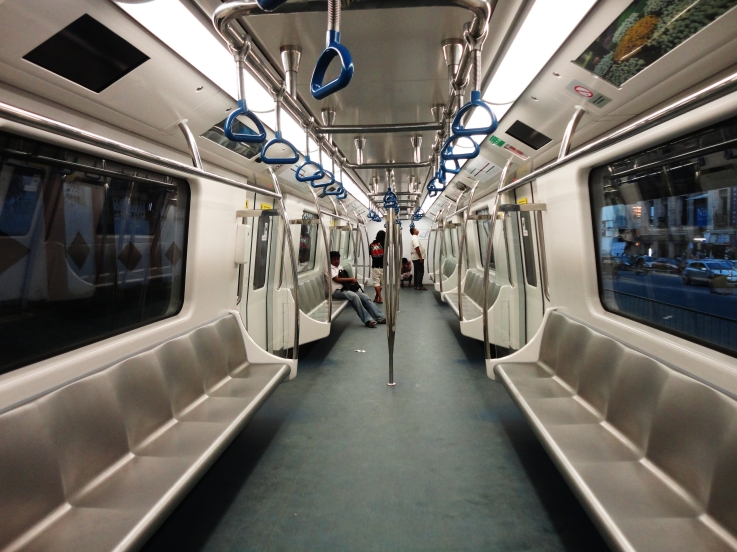
The financial and operational feasibility of LRT depends on achieving projected ridership levels. Overestimation of demand can lead to underutilised assets and revenue shortfalls, while underestimation may result in overcrowding and service inefficiency.
4. Regulatory and Institutional Coordination
LRT projects often involve multiple agencies, including urban local bodies, state transport authorities, traffic police, and utility providers. Fragmented decision-making or slow approvals can lead to project delays. Since LRT has yet to be implemented in India, it requires clear governance structures, defined roles, and a central project authority to streamline execution
Global Applications and Operational Examples of Light Rail Transit
Citadis Light Rail (North America)
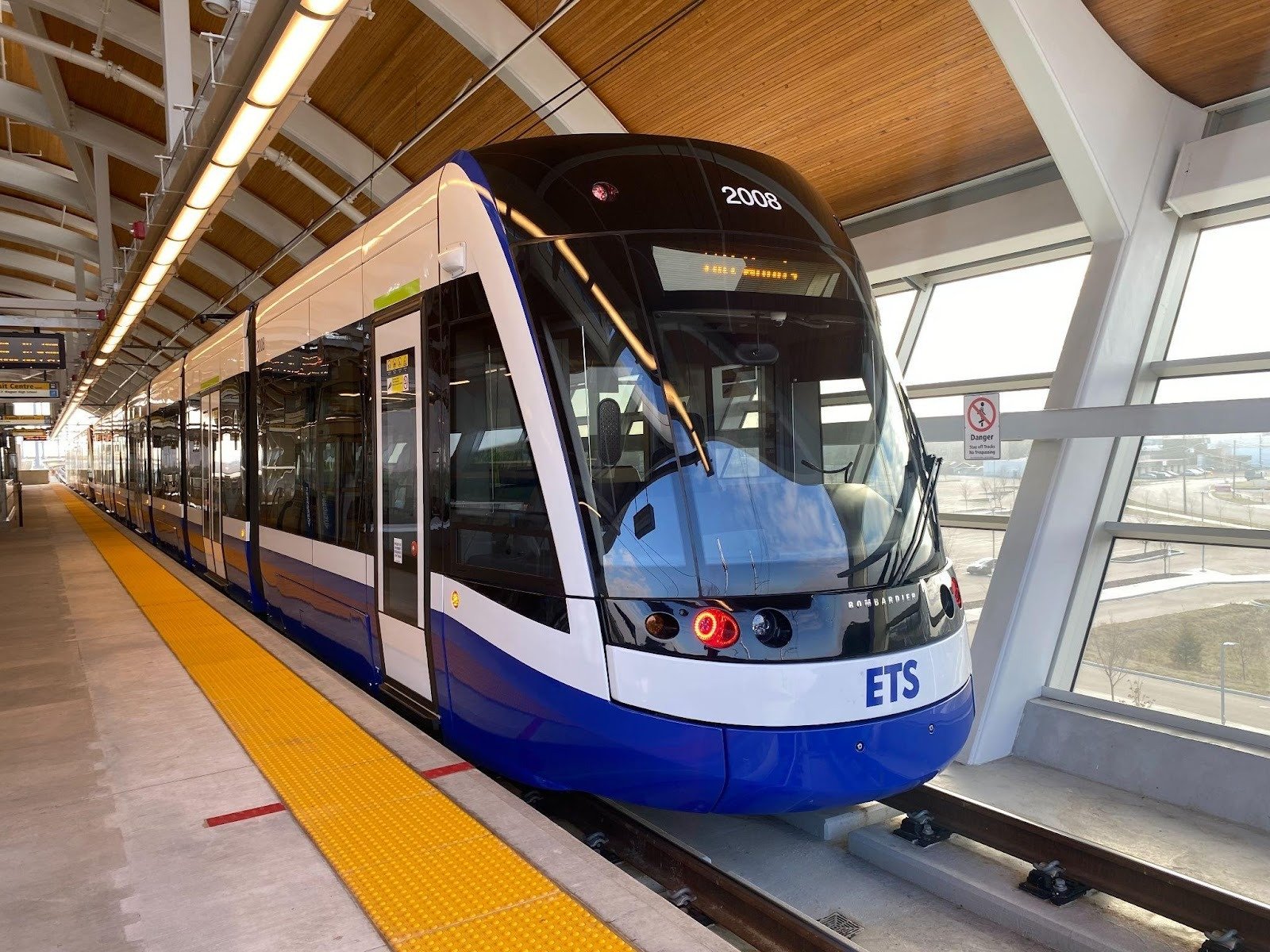
Technical details
| Specification | Details |
| Type | Articulated with LRV or Multi-articulated (Streetcar) |
| Type of bogies | 2 types (Ixege or Corege) |
| The highest passenger capacity | 310 |
| Track gauge | 1,435 mm or 1581 mm (Pennsylvania gauge) |
| Low floor ratio | 100% |
| Vehicle width | 2.65 m |
Citadis Light Rail Vehicles (LRVs) provide an efficient solution for reducing urban congestion by transporting passengers reliably across metropolitan areas of North America. Citadis light rail vehicles (LRVs) first became operational in North America on September 14, 2019.
They are suitable for operation on existing networks, as replacements for aging rolling stock, or as part of newly constructed lines or extensions. In city centers, they can operate as streetcars in mixed traffic, reaching a maximum speed of 70 km/h. On dedicated light rail tracks, they can connect suburban areas to the city at speeds up to 105 km/h.
The modular design of Citadis LRVs allows flexibility in train configuration, which enables vehicles to be coupled to form longer trains as passenger demand increases. In such configurations, the system can carry over 20,000 passengers per hour per direction (PHPDT).
Charleroi Light Rail (Belgium)
Technical details
| Specification | Details |
| Manufacturer | La Brugeoise et Nivelles (BN); electrical components and motors by ACEC |
| Dimensions | Length: 22.88 m (75 ft) • Width: 2.5 m (8 ft 2 in) |
| Passenger Capacity | Total: 192 passengers (44 seated, 148 standing) |
| Power Output | Two electric engines with a combined output of 456 kW (612 hp) |
| Maximum Speed | 65 km/h (40 mph) |
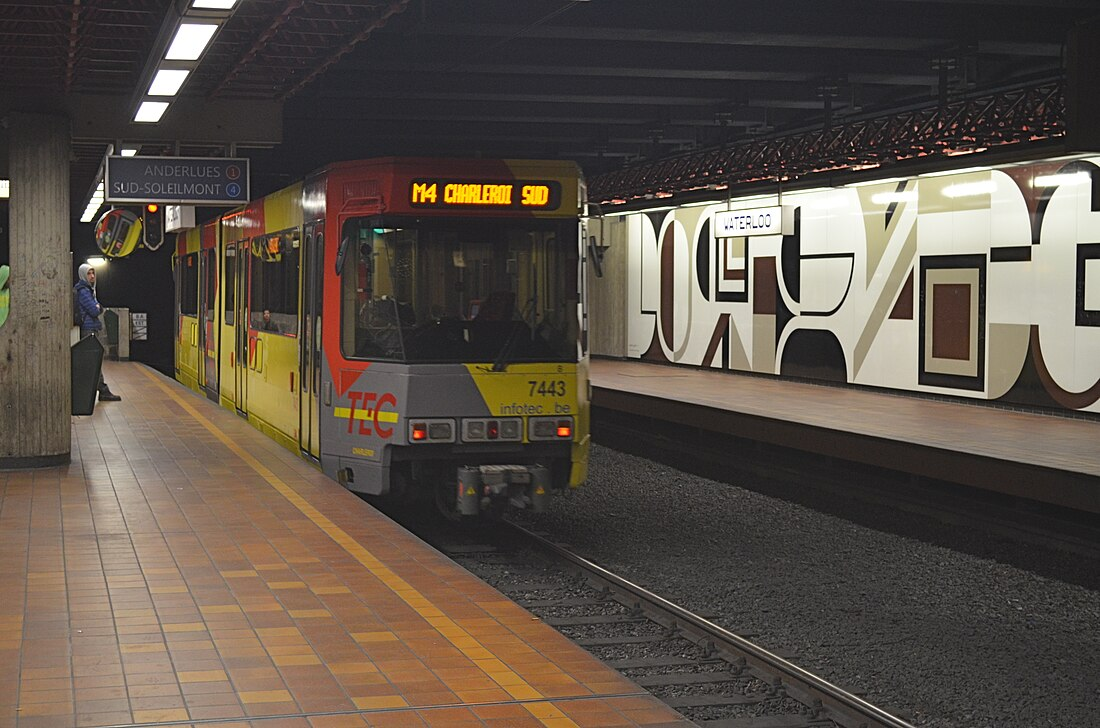
The Charleroi Light Rail, known locally as the Métro Léger de Charleroi (MLC), is a hybrid light rail and tram network in Belgium, comprising a central loop and branches to the suburbs. The system is operated by the public transport company TEC Charleroi and consists of a 33 km network with four lines. The system primarily uses a fleet of older, bi-directional, articulated trams built between 1980 and 1982. Since 2022, operator TEC has been investing in the renewal of this fleet.
Upcoming Modern Light Rail Systems
Astana Light Metro Train
Technical details
| Specification | Details |
| Manufacturer | CRRC |
| Capacity | Each four-car trainset can carry over 600 passengers |
| Maximum speed | 80 km/h (50 mph) |
| Track gauge | 1435mm |
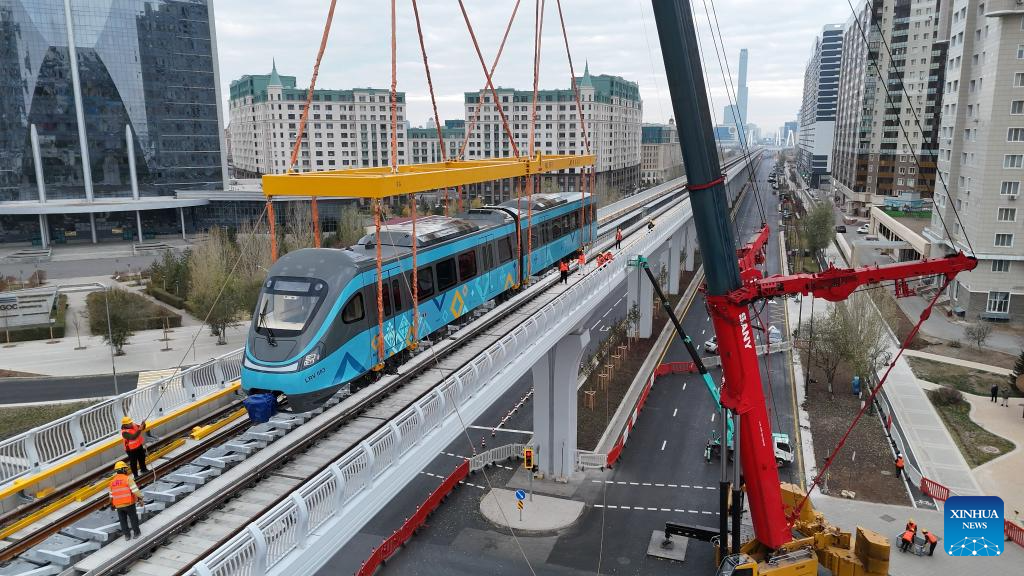
The Astana Light Metro is a driverless, elevated light rail system under construction in Astana, Kazakhstan. The project has faced delays since it was first conceived, but has recently been revived and is now scheduled to open in the first quarter of 2026. The initial line will be a 22.4-kilometer (13.9-mile) north-south route with 18 stations. It will link Nursultan Nazarbayev International Airport with the Astana Nurly Zhol railway station.
Conclusion
Light Rail Transit (LRT) offers a practical and cost-effective approach to strengthen urban mobility in India’s rapidly expanding cities. LRT stands between Bus Rapid Transit (BRT) and heavy metro systems in terms of cost, capacity, and infrastructure requirements. LRT offers a balanced solution for Tier-2 and Tier-3 cities that require efficient transit but cannot sustain the financial or operational burden of full-scale metro systems.
Globally, successful LRT models in North America, Belgium, and Central Asia show that the technology can be adapted to a variety of urban layouts, from mixed-traffic street alignments to elevated segregated corridors. However, the introduction of LRT in India will require careful planning and institutional coordination. The absence of prior LRT experience in India highlights the need for pilot projects and strong feasibility assessments.
As cities continue to grow, Light Rail Transit can play a pivotal role in bridging the gap between low-capacity road-based systems and high-cost metro infrastructure. If implemented with well-structured governance and long-term financing models, LRT systems can become a core component of India’s next phase of urban transport.