
Introduction
Indian Railways, one of the world’s largest and most diverse rail networks, has continually evolved over more than a century to meet the nation’s growing mobility and economic demands. From the early days of steam-powered locomotives that connected distant towns and facilitated trade, to the introduction of diesel engines and later electrified networks, the system has consistently adapted to emerging technologies and increasing passenger expectations.
In recent decades, India has witnessed a growing emphasis on semi-high-speed rail services, exemplified by the Vande Bharat Express, which set new standards for speed, comfort, and modern passenger amenities. These developments reflect India’s ambitions to transform its rail sector into a world-class transportation system which is capable of meeting rising passenger expectations and the demands of a rapidly urbanizing population.
Building upon this legacy of innovation, India is now entering a transformative phase in urban and regional mobility with the launch of its first high-speed rail corridor, the Mumbai–Ahmedabad High-Speed Rail (MAHSR) project. The Mumbai–Ahmedabad High-Speed Rail project is designed to drastically reduce travel time between two of India’s most important economic hubs while enhancing regional connectivity and establishing a benchmark for modern and sustainable rail infrastructure.

Historical Background of Bullet Train Project
- The Ministry of Railways (MOR), Government of India, prepared the Indian Railways Vision 2020 in December 2009, outlining plans for the modernization and expansion of passenger transport infrastructure. As part of this vision, pre-feasibility studies were initiated sequentially on seven potential routes identified for the construction of High-Speed Rail (HSR) corridors.
- Among these, an expert committee on railway modernization recommended the Mumbai–Ahmedabad corridor (approximately 500 km) as the first HSR section to be constructed in India.
- In FY 2009, a pre-feasibility study for the Mumbai–Ahmedabad line was undertaken by RITES (India), Systra (France), and other partners.
- Building upon these studies, the Governments of India and Japan issued a joint statement on May 29, 2013, agreeing to conduct a joint feasibility study on the project. Subsequently, on October 7, 2013, the Japan International Cooperation Agency (JICA) and the Ministry of Railways signed a Memorandum of Understanding (MoU) to carry out the joint feasibility study.
- The project reached a historic milestone on September 14, 2017, when Prime Minister Narendra Modi of India and Prime Minister Shinzo Abe of Japan jointly laid the foundation stone for the country’s first high-speed rail project between Mumbai and Ahmedabad.
- To implement the project, a Memorandum of Cooperation was signed between the Governments of India and Japan on December 15, 2017.
India’s First Bullet Train: The Mumbai–Ahmedabad High-Speed Rail Project
Overview
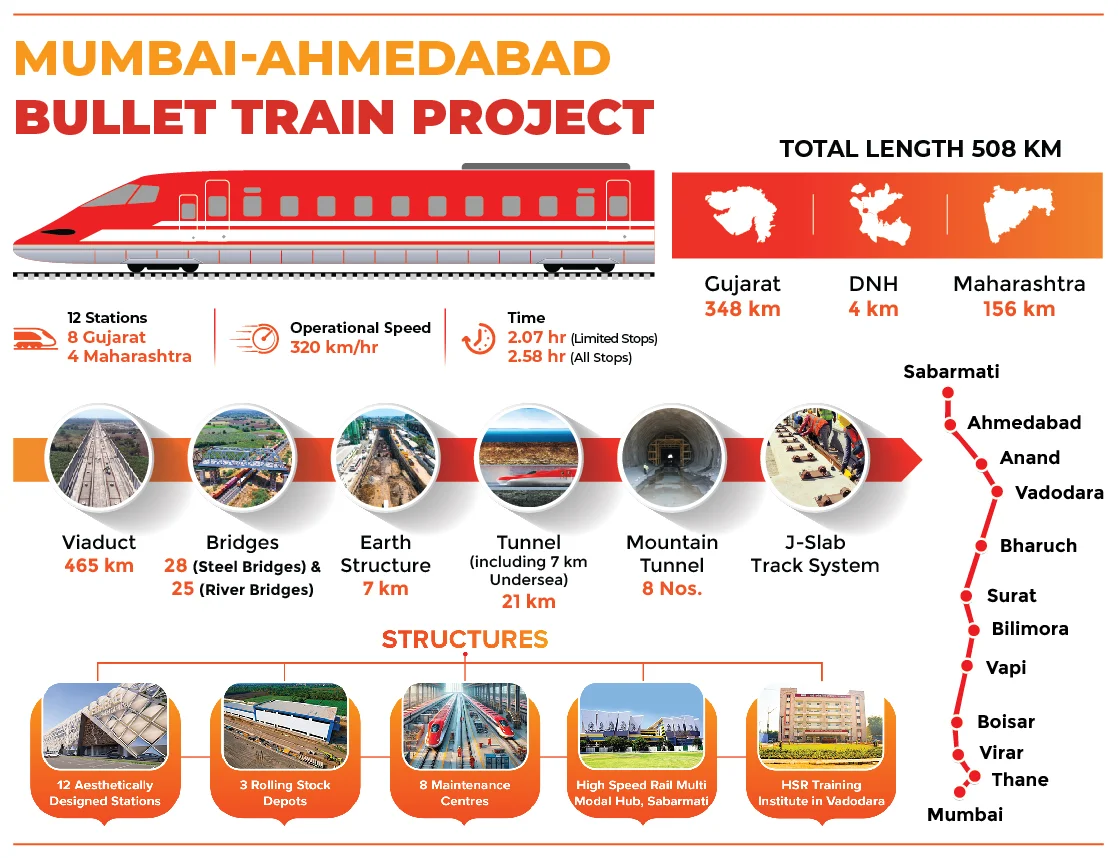
The Mumbai–Ahmedabad High-Speed Rail (MAHSR) corridor, India’s first bullet train project, is a 508.17 km long under-construction high-speed rail line designed to link Mumbai in Maharashtra with Ahmedabad in Gujarat through 12 stations.
Stations: Mumbai (Bandra Kurla Complex), Thane, Virar, Boisar, Vapi, Bilimora, Surat, Bharuch, Vadodara, Anand/Nadiad, Ahmedabad, and Sabarmati
The National High-Speed Rail Corporation Limited (NHSRCL), incorporated on 12 February 2016 under the Companies Act, 2013, is the implementing agency responsible for financing, constructing, maintaining, and managing the corridor.
Established as a Special Purpose Vehicle (SPV), NHSRCL functions as a joint venture with equity participation from the Central Government, through the Ministry of Railways, and the state governments of Gujarat and Maharashtra.
Key Specification of MAHSR Corridor
| Speed and Track | Maximum Speed: 350 kmph |
| Operational Speed: 320 kmph | |
| Average Speed: 250 kmph | |
| Standard Gauge – 1435mm | |
| Traction | 2 x 25 KV AC overhead catenary (OHE) |
| Signalling | Communication-based Train Control (CBTC) |
| Safety | Urgent Earthquake Detection and Alarm System (UrEDAS) for automatic breaking in case of an earthquake |
| Power supply | 12 Traction substations, 2 Depot substations and 16 Distribution sub stations |
Funding and Financial Structure of Bullet Train Project
The Mumbai Ahmedabad High Speed Rail Corridor project has an estimated cost of INR 1,08,000 crore (USD 17 billion) excluding taxes.
The project is being implemented with financial support through an Official Development Assistance (ODA) loan from the Japan International Cooperation Agency (JICA).
Approximately 81% of the total project cost will be financed by the Government of Japan through JICA, while the remaining cost will be borne by the Government of India.
Funding Received So far from JICA
| Tranche | Date | Loan Amount (Japanese Yen) | Approximate Amount (INR Crore) |
| Tranche 1 | September 2018 | 89.54 billion JPY | ₹5,500 crore |
| Tranche 2 | November 2018 | — | ₹9,600 crore |
| Tranche 3 | July 2022 | 100,000 million JPY | ₹6,000 crore |
| Tranche 4 | March 2023 | 300 billion JPY | ₹18,750 crore |
| Tranche 5 | December 2023 | 400 billion JPY | ₹22,627 crore |
Major Contracts Awarded for Bullet Train Project
| Contract | Contractor |
| Package C1: 1.028 km Underground Station at BKC, Mumbai | MEIL – HCC JV |
| Package C2: 20.377 km underground tunnel between BKC Station to Shilphata, Thane (3 Mega TBMs to be used) | Afcons Infrastructure |
| Package C3: 135.450 km elevated line between Shilphata, Thane and Zaroli Village (MH/GJ Border) | Larsen & Toubro |
| Package C4: 237.1 km elevated line between Zaroli Village (MH/GJ Border) and Vadodara | Larsen & Toubro |
| Package C5: 8.198 km elevated viaduct and station within Vadodara | Larsen & Toubro |
| Package C6: 87.569 km elevated viaduct between Vadodara and Ahmedabad | Larsen & Toubro |
| Package C7: 18.133 km elevated viaduct and station within Ahmedabad | IRCON – DRA JV |
| Package C8: 2.126 km viaduct, building works at Sabarmati Depot | SCC – VRS JV |
| Package P1(B): Construction of 4 PSC Bridges & 7 Steel Truss Bridges between Zaroli and Vadodara. | MG Contractors Pvt. Ltd. (MGCPL) |
| Package P1(C): Construction of 1 PSC Bridge & 4 Steel Truss Bridges between Vadodara and Ahmedabad. | MG Contractors Pvt. Ltd. (MGCPL) |
| Package T1: Design, Supply & Construction of Track & Track related works between HSR station at BKC/ Mumbai and Zaroli Village on MH/GJ border (156.855 km) | Larsen & Toubro (L&T) |
| Package T2: Design, Supply & Construction of Track and Track related works between Zaroli Village and Vadodara (237.10 km) | IRCON International |
| Package T3: Design, Supply & Construction of Track and Track related works between Vadodara and Sabarmati Depot and workshops (114.60 km) | Larsen & Toubro (L&T) |
| Package S-1: Design, Manufacture, Supply, Installation, Over all Integration, Testing Commissioning, and Comprehensive Maintenance, of Signalling & Train Control System, Telecommunication System, and Operation Control Center System | DRA Infracon – Siemens JV |
Rolling Stock for the Bullet Train Project
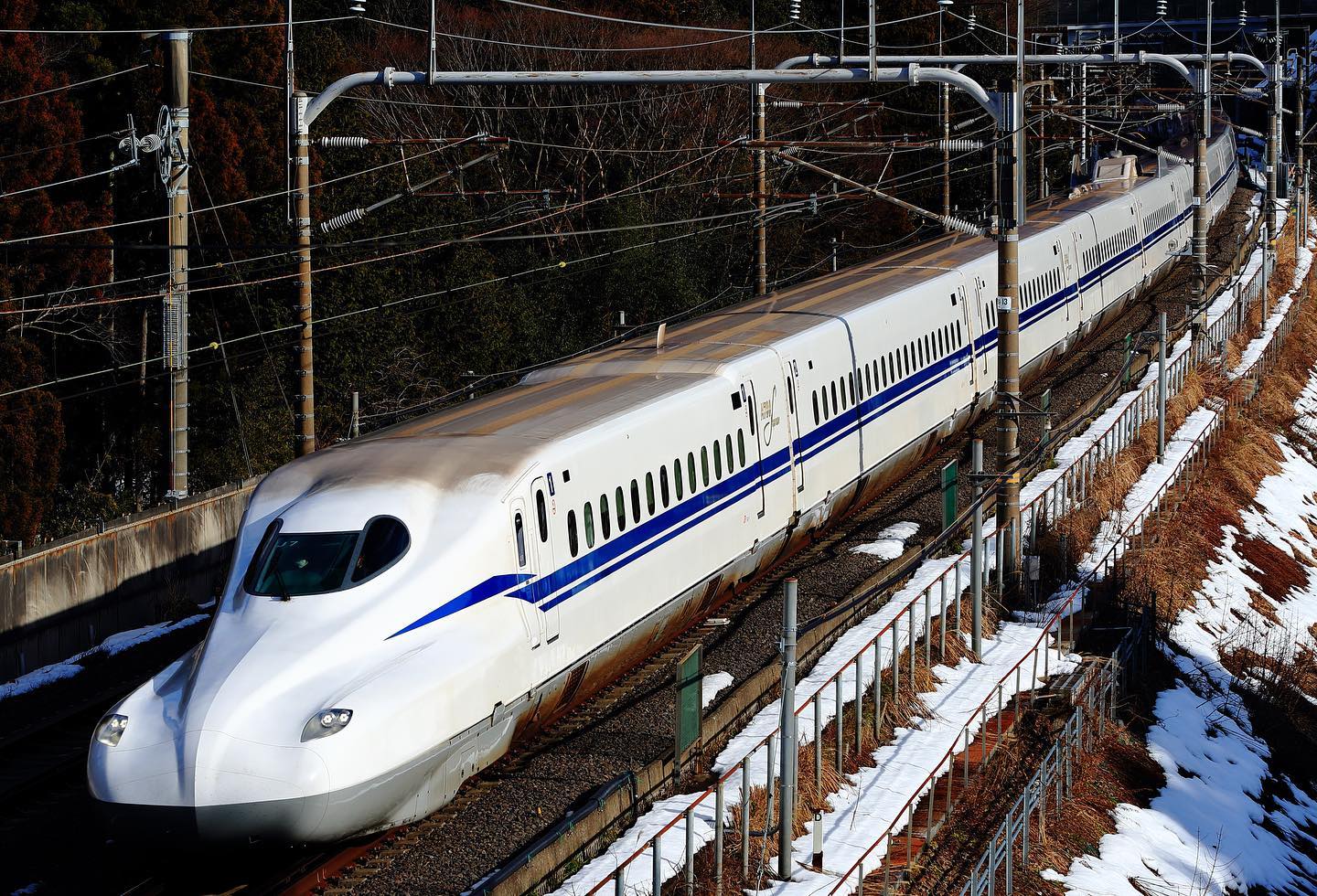
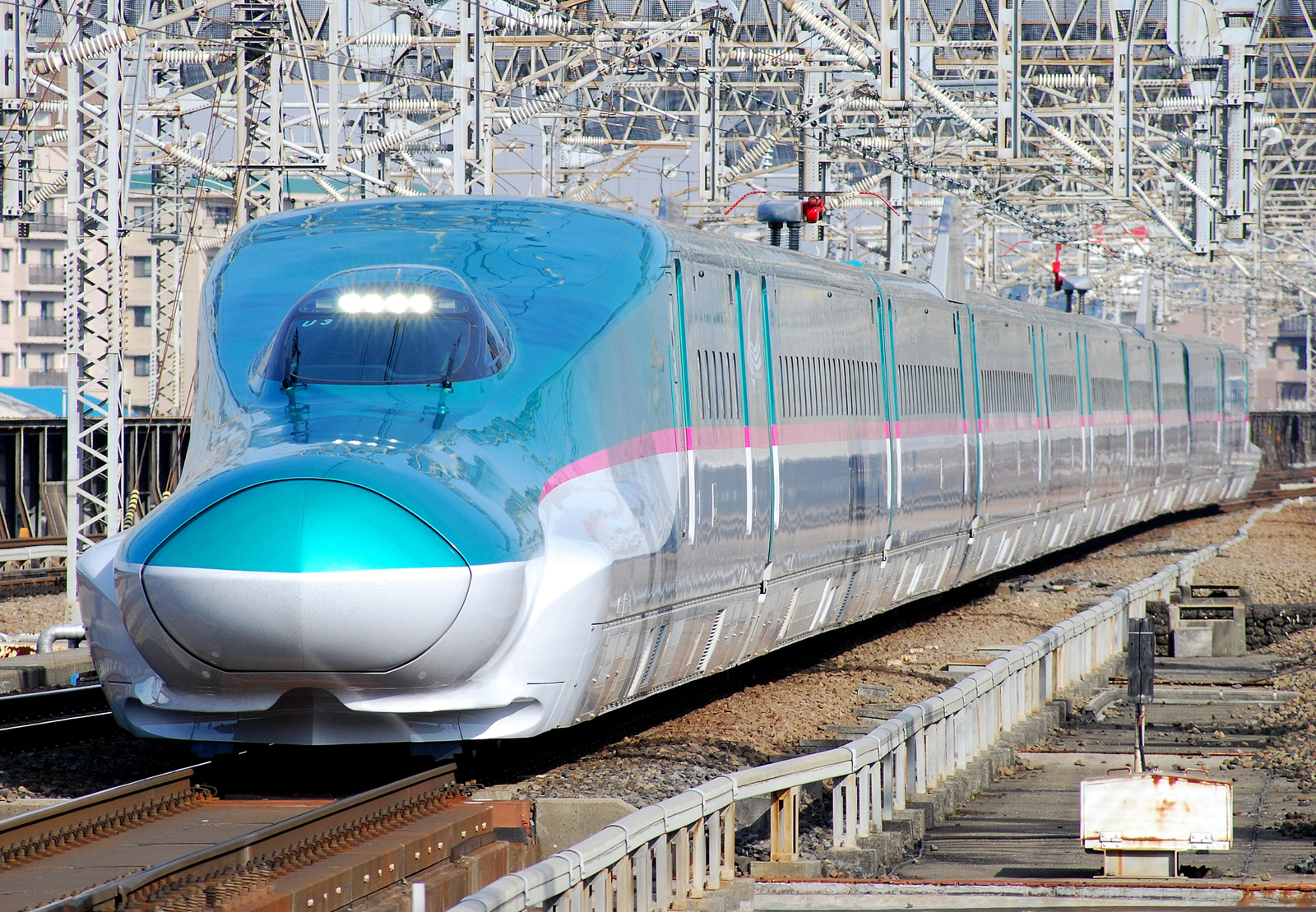
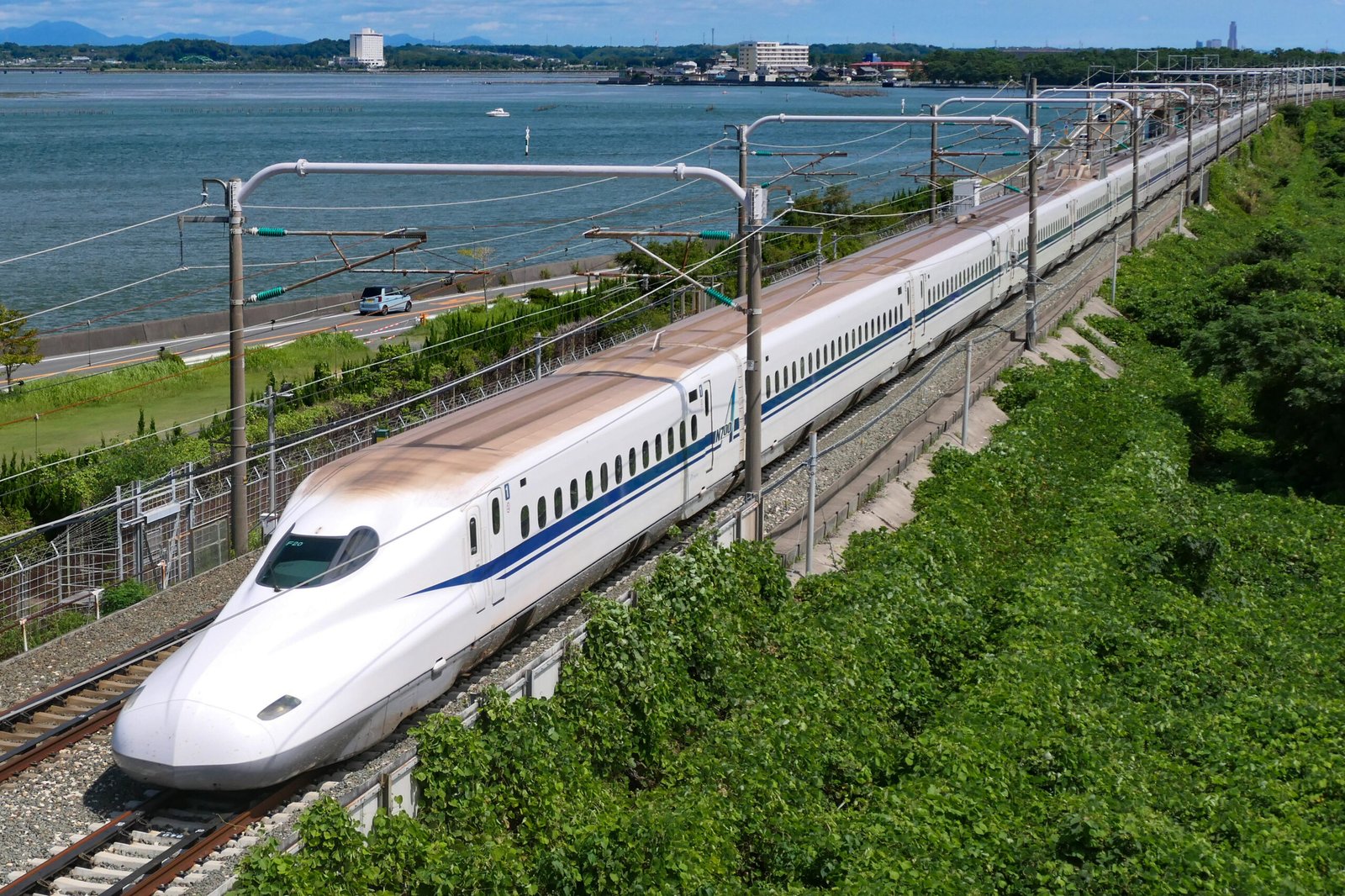
- The initial procurement plan for India’s Mumbai–Ahmedabad High-Speed Rail (MAHSR) project involved the E5 Shinkansen trainsets. However, due to subsequent project delays and technological advancements in Japan, India has now been offered the next-generation E10 Shinkansen series.
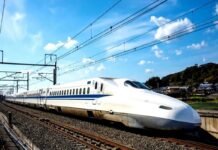
- The Japanese government has agreed to introduce the E10 Shinkansen trains for the Mumbai–Ahmedabad High-Speed Rail project. The E10 series will be launched concurrently in both Japan and India.
- Designed by East Japan Railway Company (JR East), the E10 draws inspiration from Japan’s iconic sakura, or cherry blossom, symbolizing elegance and innovation.
- In addition to safety innovations, the E10 series introduces several passenger-centric upgrades. These include expanded luggage compartments, dedicated window-side spaces for wheelchair users, and a reconfigurable seating layout that can be adapted for additional passenger capacity or increased cargo space.
Assessing the Progress of Mumbai-Ahmedabad High Speed Rail Corridor
1. India’s first Undersea Tunnel
The Mumbai–Ahmedabad High-Speed Rail (MAHSR) corridor features a 21 km long tunnel, out of which 7 km will run under the Thane Creek, making it India’s first undersea rail tunnel. The tunnel will be built using a combination of tunneling methods: 5 km through the New Austrian Tunnelling Method (NATM) and the remaining 16 km with Tunnel Boring Machines (TBMs) for faster mechanized excavation.
Completion of the 5 km NATM Section (Ghansoli–Shilphata)
The project achieved a major milestone on 20 September 2025 with the completion of the 5 km NATM-driven tunnel section between Ghansoli and Shilphata in Maharashtra. The excavation was executed simultaneously from both ends, with teams progressing from the Ghansoli side and the Shilphata side to ensure timely completion.
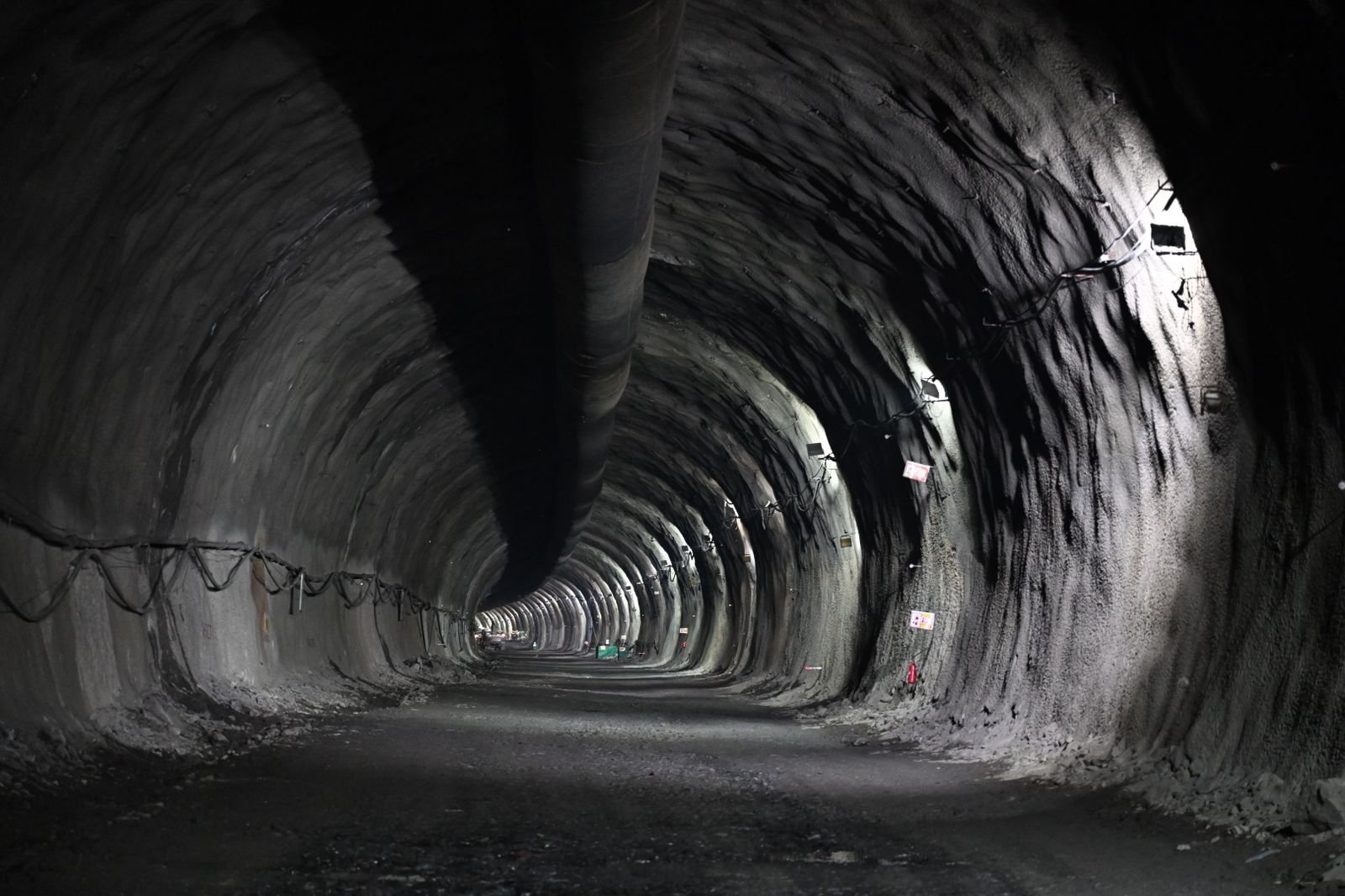
In July 2025, the first NATM tunnel breakthrough was achieved at the Sawli Shaft in Ghansoli, where a 2.7 km section was completed between BKC (Bandra-Kurla Complex) and Ghansoli. This was followed by steady progress to link the excavation fronts between Ghansoli and Shilphata.
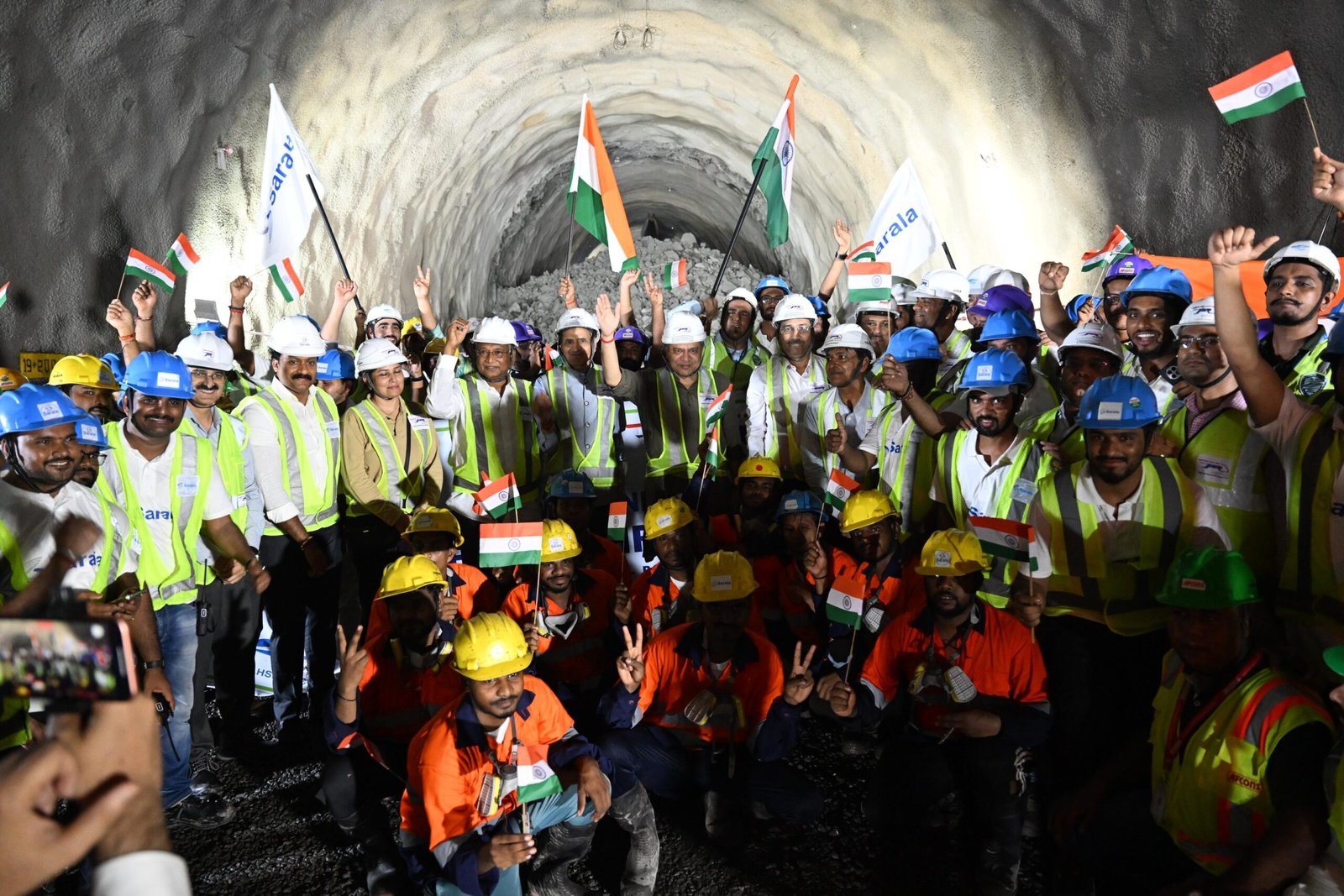
To accelerate progress, an Additional Driven Intermediate Tunnel (ADIT) was constructed. This allowed access to the underground alignment and enabled simultaneous tunneling operations towards both Ghansoli and Shilphata, thereby cutting down construction time and enhancing safety during excavation.
2. Mountain Tunnel for the Project
The MAHSR corridor features a total of 8 mountain tunnels. Seven of these tunnels are situated in the Palghar district of Maharashtra, while the remaining one is in the Valsad district of Gujarat.The tunnels will be constructed using the New Austrian Tunneling Method (NATM).
Breakthrough of First Mountain Tunnel on MAHSR Corridor
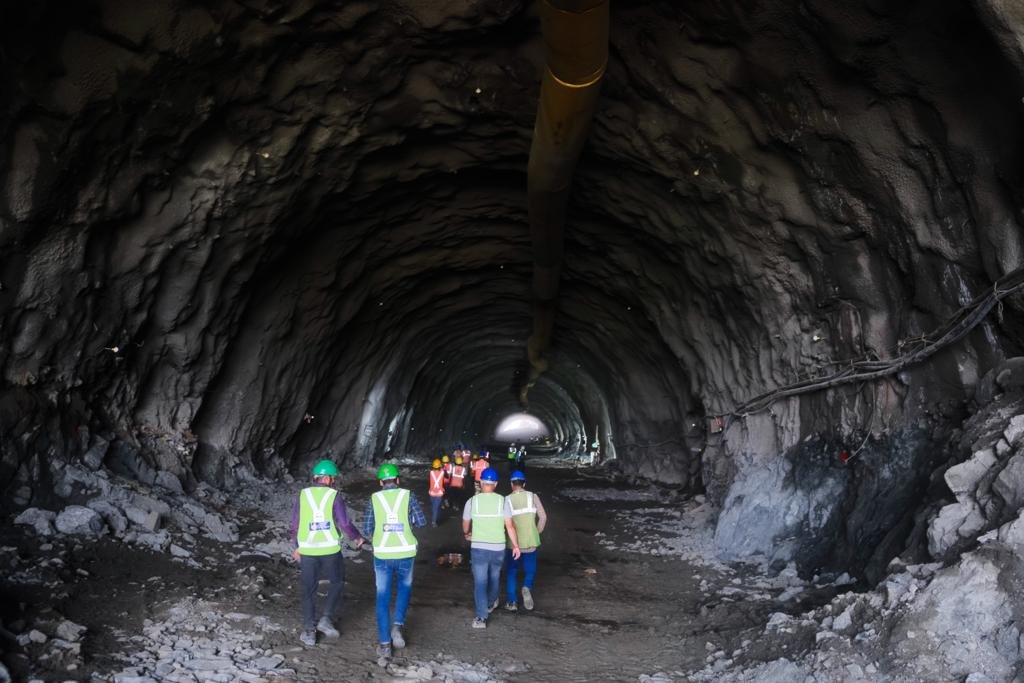
In 2023, the National High-Speed Rail Corporation Limited (NHSRCL) achieved a major milestone in the Mumbai-Ahmedabad High-Speed Rail (MAHSR) Corridor project with the breakthrough of the first mountain tunnel.The tunnel is located approximately 1 kilometer from Zaroli Village, Umbergaon Taluka, in the Valsad district of Gujarat. The tunnel was completed in a remarkable span of just 10 months.
3. Steel Bridges For the Project
A total of 28 steel bridges are planned along the Mumbai–Ahmedabad Bullet Train corridor, with 11 located in Maharashtra and 17 in Gujarat.
Completion of 9th steel bridge
In September 2025, the second 100-meter span of a 2 x 100-meter long steel bridge was successfully launched over National Highway 48 (connecting Delhi, Mumbai, and Chennai) near Nadiad in Gujarat. The first 100-meter span of this bridge had been completed earlier in April 2025. With this achievement, the ninth steel bridge was completed in Gujarat, out of the 17 planned for the state.
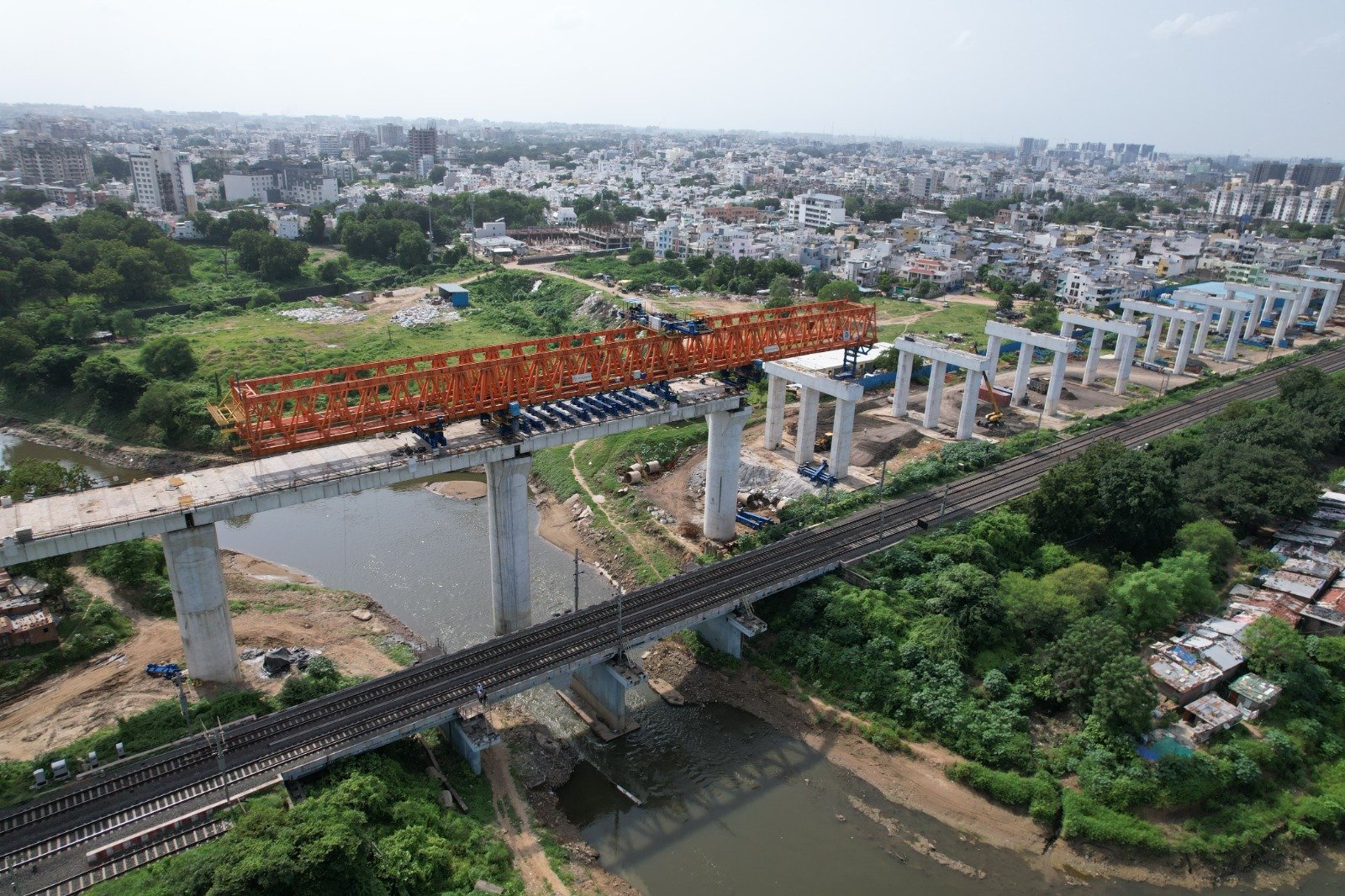
Launching of 10th Steel Bridge
In October 2025, the Mumbai–Ahmedabad Bullet Train project achieved another milestone with the successful launching of its 10th steel bridge in Ahmedabad, Gujarat. The 60-meter-long bridge, weighing 485 metric tons, was installed over a Western Railway facility (laundry) situated adjacent to existing railway tracks. Measuring 12 meters in height and 11.4 meters in width, the structure was fabricated at a dedicated workshop in Wardha, Nagpur (Maharashtra), and transported to Ahmedabad using specially designed trailers.
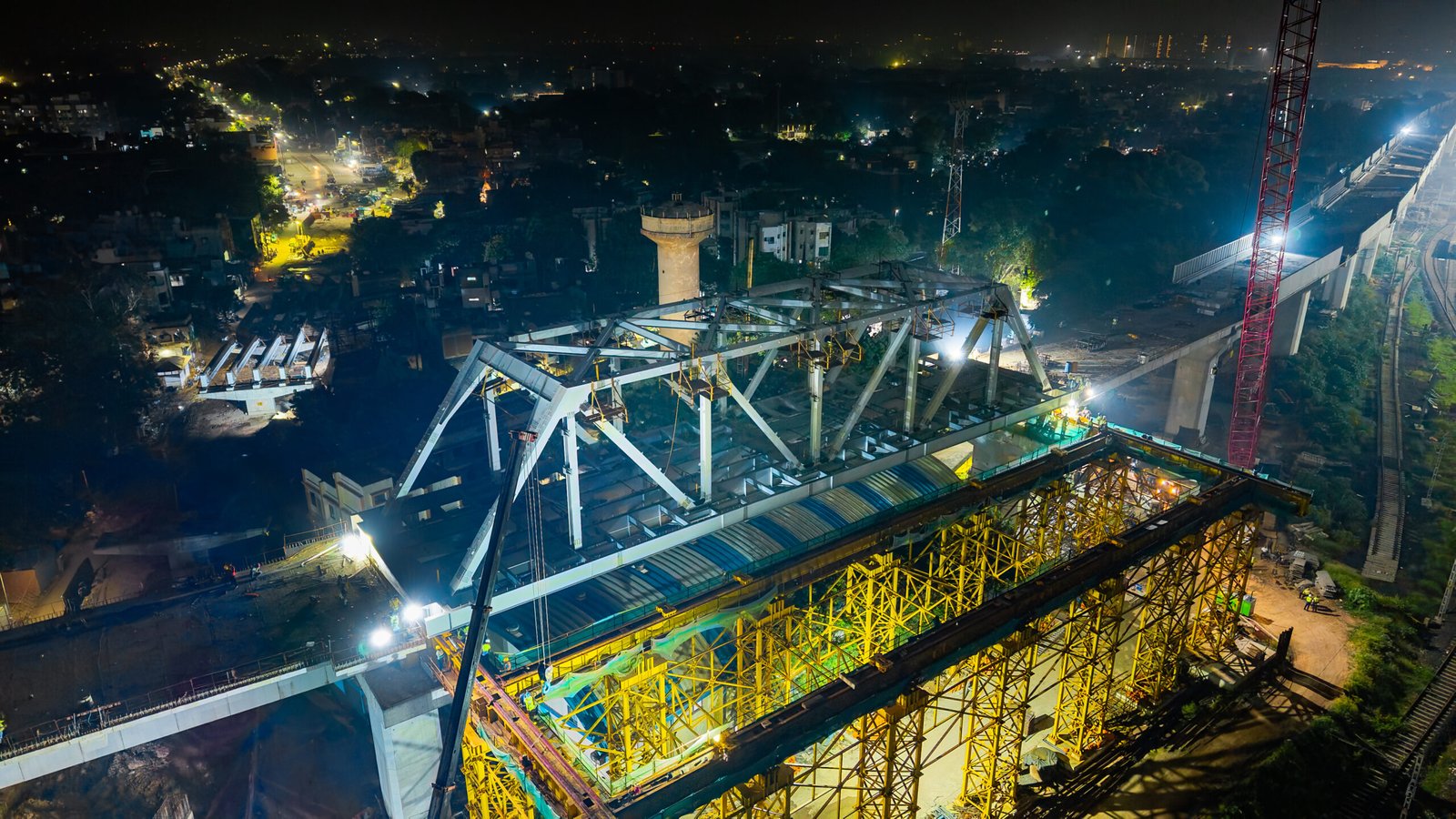
Details of the Steel Bridges Completed so far in Gujarat
| Sr. No | Location | Length of the steel bridge (in meters) | Weight of the steel bridge (in MT) |
| 1 | Across National Highway 53, Surat | 70 | 673 |
| 2 | Over Vadodara-Ahmedabad main line of Indian Railways, near Nadiad | 100 | 1486 |
| 3 | Over Delhi-Mumbai National Expressway, near Vadodara | 230 ( 130+100) | 4397 |
| 4 | Near Silvassa in Dadra & Nagar Haveli | 100 | 1646 |
| 5 | Over Western Railways, Vadodara | 60 | 645 |
| 6 | Over two DFCC Tracks and two Western Railways tracks, Surat | 100, 60 | 2040 |
| 7 | Over two DFCC tracks, near Vadodara | 70 | 674 |
| 8 | Over DFCC tracks near Bharuch | 100 | 1400 |
| 9 | Over NH-48, near Nadiad | 2 X 100 | 2884 |
| 10. | Over Railway Facility (Laundry) in Ahmedabad, Gujarat | 60 | 485 |
4. River Bridges For the Project
The Mumbai Ahmedabad Bullet Train corridor features 25 river bridges, out of which 21 are in Gujarat and 4 in Maharashtra. On 6 August 2025, The bridge on Vishwamitri River, Vadodara district, Gujarat was completed for the Mumbai-Ahmedabad Bullet Train project. This is the seventeenth river bridge completed out of the planned 21 river bridges in Gujarat for the project.
Railway Minister and Japan’s Transport Minister Reviewed the Progress of Bullet Train Project
In October 2025, Union Railway Minister Shri Ashwini Vaishnaw and Japan’s Minister of Land, Infrastructure, Transport and Tourism H.E. Hiromasa Nakano visited sites of the Mumbai–Ahmedabad Bullet Train project in Surat and Mumbai.
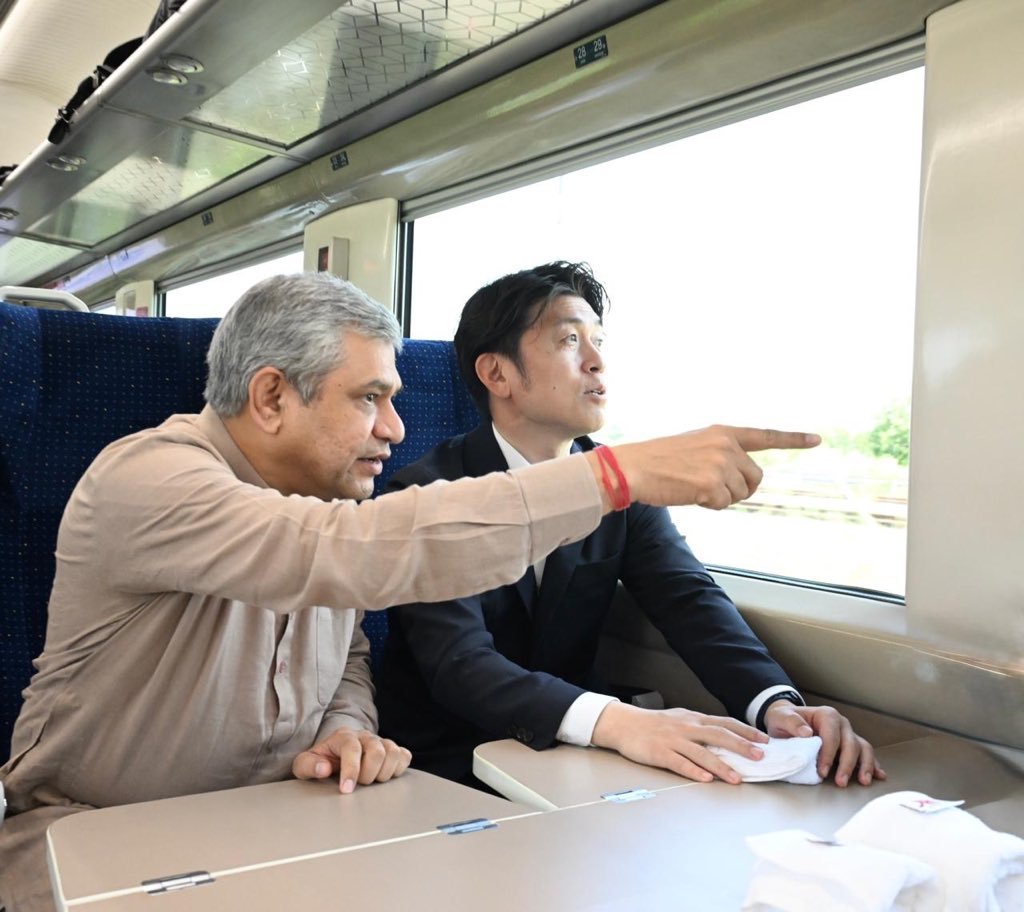
- Visit to Track Slab Laying Site at Surat: The ministers visited the Surat High-Speed Rail track construction base, where they reviewed ongoing works related to the J-slab ballastless track system being installed on the viaduct. During the visit, Railway Minister Shri Ashwini Vaishnaw also witnessed the first track turnout installation near Surat HSR station.
- Visit to BKC HSR Station at Mumbai: Following the site review in Surat, both delegations travelled to Mumbai aboard the Vande Bharat Express. The ministers reviewed the ongoing works at the Bandra Kurla Complex (BKC) High-Speed Rail Station.
Overall Status of Bullet Train Project as of 10th October 2025
| Category | Progress Status |
| Viaduct Completed | 325 km out of 508 km |
| Pier Work Completed | 400 km |
| Noise Barriers | Over 4 lakh installed along a 216 km stretch |
| Track Bed Construction | 217 track km of Reinforced Concrete (RC) track bed completed |
| Overhead Equipment (OHE) | More than 2300 masts installed, covering approximately. 57 route km of mainline viaduct |
| Station Works – Gujarat | Superstructure work at all stations is in the advanced stage |
| Station Works – Maharashtra | Work started on all three elevated stations; base slab casting at Mumbai underground station is in progress |
Impacts of Mumbai Ahmedabad High Speed Rail Corridor
Economic growth and job creation
The project is expected to integrate the economies of major commercial centres along the corridor. Research on HSR projects in other countries has shown a direct correlation between increased market access and a rise in GDP. The construction of the corridor is providing employment opportunities, while its operations will also offer long-term job prospects in areas such as train operations, maintenance, station management, passenger services, and logistics support. The high-speed rail network is anticipated to attract new investments in real estate, manufacturing, and service sectors along the alignment.
The project has also created extensive opportunities for small and medium enterprises (SMEs) through subcontracting and supply chain participation. Companies engaged in civil construction, machinery supply, precision engineering, and material logistics have benefited from consistent project-related demand.
Social and Connectivity Impact
By linking two major metropolitan regions and several Tier-II cities such as Thane, Surat, Bharuch, Vadodara, Anand, and Sabarmati, the MAHSR will improve regional mobility and promote urban development along the corridor. This will strengthen social and economic ties between urban and semi-urban regions and enhance access to employment, education, and healthcare facilities. The development of the high-speed rail stations is designed to encourage transit-oriented development (TOD). The creation of commercial, residential, and recreational zones around station precincts will lead to planned urban expansion rather than unstructured sprawl.
Skill Development
The establishment of the High-Speed Rail Training Institute (HSRTI) in Vadodara has enabled training for engineers, technicians, and operational staff in high-speed rail technology. This has created a technically skilled manpower and introduced advanced engineering practices in India’s railway ecosystem.
Long-Term Strategic Impact
The MAHSR is a strategic initiative toward modernising India’s railway network. It establishes the technical, operational, and institutional framework for future high-speed rail corridors planned under the National Rail Plan. The project also strengthens India-Japan bilateral cooperation in transport technology and infrastructure development.
Environmental Impact
The social benefits of the corridor also extend to environmental quality. As a fully electric, low-emission mode of transport, high-speed rail will contribute to cleaner air, lower greenhouse gas emissions, and a reduction in noise pollution compared to conventional diesel-based modes. Once operational, it is expected to shift a portion of passenger traffic from air and road to rail.
Conclusion
The Mumbai–Ahmedabad High-Speed Rail (MAHSR) project is a landmark in India’s railway infrastructure. The project represents India’s first attempt to establish a high-speed rail network, integrating advanced Japanese technology with domestic engineering and execution capabilities. The project has made steady progress in civil works, bridge construction, and station development, but it has also faced delays due to land acquisition issues, environmental clearances, and coordination between multiple agencies.
The long-term success of the MAHSR corridor will depend on several factors. Achieving projected ridership levels and maintaining affordable yet financially sustainable fares will also influence the project’s economic viability. In addition, continuous skill development, safety assurance, and adherence to quality standards will be essential for reliable operations. If these factors are addressed effectively, the MAHSR corridor can serve as a model for future high-speed rail projects in India.
Join the 6th edition of InnoMetro to explore how the progressions in AI are improving the railway systems, including ticketing, rolling stock, and signalling. Witness the innovation from 200+ exhibitors at India’s leading show for metro & railways which is going to held on 21-22 May 2026 at Bharat Mandapam, New Delhi
Register now: https://innometro.com/visitor-registration/