Home Blog Page 48

Bangalore Metro’s Financing & Expansion: Insights from BMRCL Finance Director

0

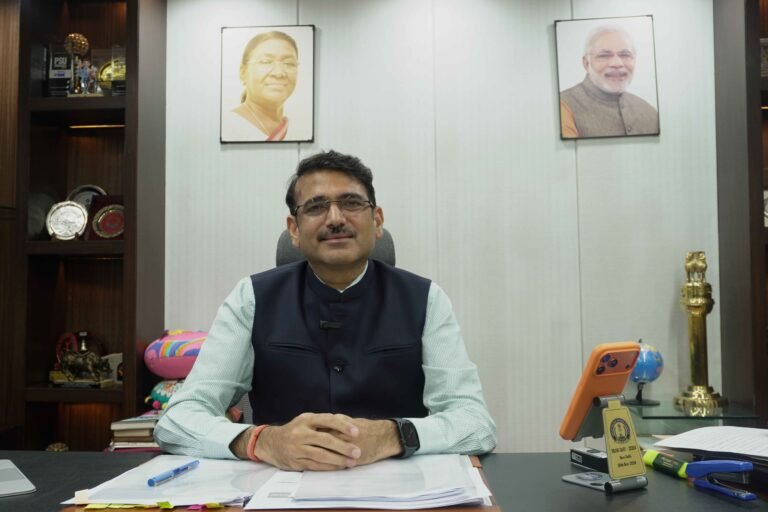
Metro Rail News had the privilege of conducting an exclusive interview with Shri S. Sivamathan, who is currently serving as the Director (Finance) and Chief Financial Officer (CFO) at Bangalore Metro Rail Corporation. During the interview, Shri Sivamathan reflected on the progress made in Phase 2 of the Bangalore Metro project. He also mentioned BMRCL’s plan to start operations on the Yellow Line by mid-August. In addition, Shri Sivamathan elaborated on BMRCL’s strategy for loan repayment and leveraging non-fare box revenue streams for additional financial support. Speaking about last-mile connectivity, Shri Sivamathan explained the initiatives being undertaken by BMRCL to make metro stations more accessible for passengers.

Here are the edited excerpts:

Could you please elaborate on your professional journey? How have your years of experience across various metro systems influenced your approach to strategic decision-making at BMRCL?

I started my career with National Fertilizers Limited, where I worked for 16 years. Since December 2005, I have been in the metro rail industry, starting with DMRC for about 11 years, followed by Maha-Metro as Director (Finance) & CFO for 5 years. I have been with BMRCL as Director (Finance) & CFO since September 2021.   

My strategic decision-making approach is deeply influenced by my experience working with Dr. E. Sreedharan Sir. His philosophy of doing your duty with a little extra effort, treating contractors as partners (whose success is the company’s success), and resolving issues by putting oneself in the shoes of both contractors and employees has shaped my mindset.

What is the current status of Bangalore Metro Phase 2? What are the crucial deadlines that BMRCL is planning to meet in the coming months, especially for the Yellow Line and Pink Line?

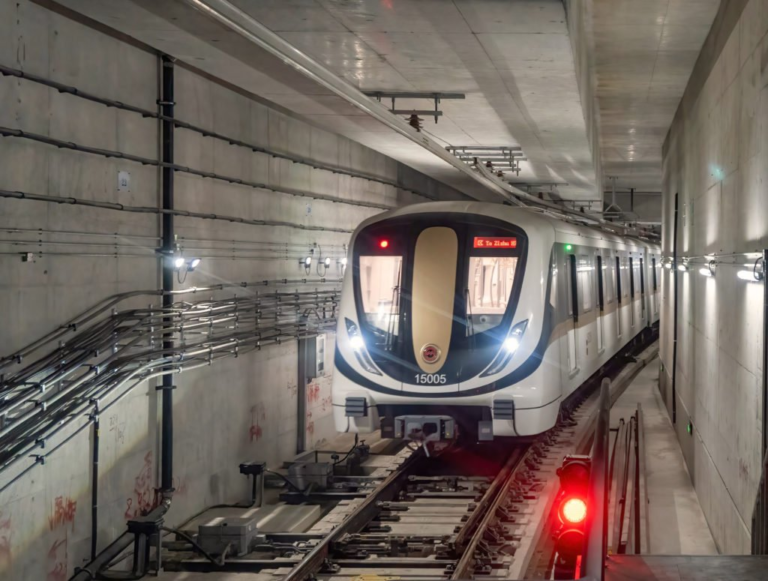
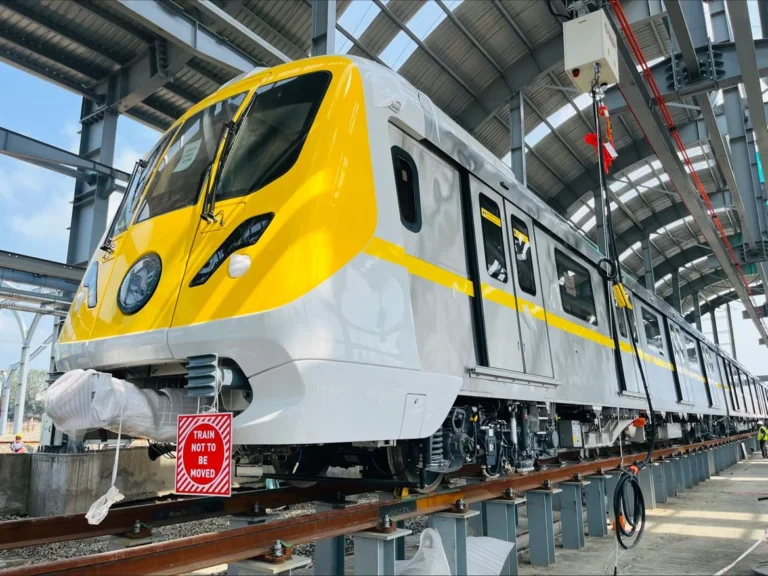
The Phase 2 project is progressing well. We are planning to commission the Yellow Line by mid-August 2025 with three train sets, and thereafter, one or two train sets will be added every month. The Pink Line of Phase 2 is slated for completion by June 2026 (for the elevated section), while the underground section is expected to be completed by December 2026. With this, the entire Phase 2 project is expected to be completed by December 2026.

Bangalore Metro Phase 2 has seen a cost escalation of around ₹14,019 crore. Could you explain the funding mechanism that has been adopted for Phase 2, Phase 2A and Phase 2B? 

The approved cost was ₹30,695.12 crore, which has now increased to ₹40,425.02 crore. This escalation is due to several factors: the addition of 258 cars in rolling stock, an increase in the project length by over 3 km, the construction of an additional station and a large depot at Challaghatta. Land costs have also gone up due to revisions in the guidance value by the Government of Karnataka (GOK), as the DPR considered the December 2010 rate.

In addition, PSGs have now been planned for the underground sections, which were not included in the approved DPR. All these changes have led to a cost increase of ₹9,929.90 crore.

As for funding, as per the sanction order, cost increases, excluding exchange rate variations and central taxes, are to be borne by the GOK. We are in discussions with all funding agencies currently supporting the Phase 2 project, and they have responded positively.

What is BMRCL’s strategy regarding debt servicing and repayment of loans taken from multilateral agencies such as JICA, ADB, and AIIB?

Debt servicing is a challenge for every metro rail company. DMRC was able to manage it on its own until about two to three years ago. For the past two years, BMRCL has been meeting its interest obligations from its revenue.

In line with the tripartite MoU signed between the Government of India, the Government of Karnataka, and BMRCL, the GOK is providing interest-free subordinate debt to repay the external loans routed through the Government of India.

Once operational, how will Phase 2 influence the ridership trends for Bangalore Metro?

Once the Phase 2A and 2B projects are completed by December 2027, BMRCL’s ridership is expected to exceed 2 million passengers per day. We are focusing on expanding our non-fare box revenue to supplement fare revenue. With the recent fare revision, I believe BMRCL will be able to meet a substantial portion of its loan repayment obligations from its books, potentially after 2027.

Connecting metro stations with nearby places is paramount for efficient accessibility. What initiatives are being adopted to facilitate first and last-mile connectivity for the passengers?

To increase metro ridership, BMRCL has undertaken several initiatives. BMTC provides last-mile connectivity at most stations. Some stations on the Yellow and Pink Lines are located near corporate offices such as Infosys and Biocon. We’ve entered into long-term semi-naming agreements with some of these companies. Once metro connectivity is operational, these companies plan to distribute NCMC cards (metro travel cards) to their employees, which is expected to boost ridership.

We are also working to provide direct connectivity from metro stations to the offices of a few corporations, which will provide seamless movement of the passengers.

Is BMRCL exploring Public-Private Partnership models for funding operations in any of its phases?

Yes, for the ongoing Phase 2, 2A, and 2B projects, we have PPP arrangements in the form of semi-naming rights for 60 years, which come bundled with several additional rights. We also have a back-ended PPP with Bangalore International Airport Limited (BIAL) for a partial funding amounting to ₹850 crore, plus the cost of two stations that are coming up at the airport in the 2B section.

With the growing focus on digital infrastructure, is BMRCL adopting any digital payment innovations for revenue collection and commuter convenience?

Yes, BMRCL is the first metro rail operator in India to adopt a WhatsApp-based ticket payment solution. Currently, more than 20% of our daily farebox revenue is collected through digital payment modes.

What message would you like to convey to the readers of the Metro Rail News?

Metro Rail News provides comprehensive coverage of Metro Rail and Indian Railways through its online platform and magazine. It not only highlights developments in the rail industry but also focuses on the ecosystem of suppliers and sub-suppliers associated with this sector.

Advertisement1
InnoMetro_2026

Central Govt. Approves 4 Railway Projects Worth Rs. 12,328 Cr

1
Railway

The Union Cabinet has approved four major railway projects with a total estimated cost of Rs. 12,328 crore. The projects encompass the construction of a new railway line, which will connect the remote region of the Rann of Kutch in Gujarat with the Harappan site Dholavira, and three multi-tracking projects which will traverse through Karnataka, Telangana, and Bihar. 

 These projects include: –

(1)  Deshalpar – Hajipir – Luna and Vayor – Lakhpat New Line

(2)  Secunderabad (Sanathnagar) – Wadi 3rd and 4th Line

(3)  Bhagalpur – Jamalpur 3rd line     

(4)  Furkating – New Tinsukia Doubling

About the New Line: The proposed new railway line is designed to enhance connectivity to the remote areas of the Kutch region. The new railway line will extend the existing railway network in Gujarat by 145 route km and 164 track km, with an estimated investment of 2,526 crore rupees. The project is expected to be completed within a timeline of three years. 

About the Multi-Tracking Projects 

Railway Line Amount Length Timeline 
Secunderabad (Sanathnagar) – Wadi 3rd and 4th LineRs. 5012 crores173 km 5 Years 
Bhagalpur – Jamalpur 3rd lineRs. 1156 crore 53 km3 Years
Furkating – New Tinsukia DoublingRs. 3634 crore194 km 4 Years

The above projects aim to facilitate seamless and expedited transportation for both passengers and cargo. These initiatives will not only enhance connectivity but also improve travel convenience while simultaneously reducing logistical costs and decreasing reliance on oil imports.


To get real-time updates on metro and railway tenders, join our WhatsApp Community: https://chat.whatsapp.com/EzkphM7r0eaGtWJXi59CLb

Building on a decade of trust, Metro Rail News is pleased to announce the Metro Rail News Awards to recognise organisations and leaders for their outstanding contributions to the rail transit industry. The awards will be presented across 30+ categories, with the ceremony scheduled for 19 September in New Delhi.

Get Recognised for Your Contribution & InnovationsNominate Now

Advertisement1
InnoMetro_2026

Ashoka Buildcon Bags ₹499 Cr Contract from North Western Railway

0
Indian Railways
Representational Image

Ashoka Buildcon Ltd. has received a Letter of Acceptance (LoA) worth ₹499.95 crore from the North Western Railway, Jaipur, for upgrading the existing electric traction system. 

Untitled design 2025 08 28T115737.720

Contract Value: ₹499.95 crore

Contract Duration: 24 Months

Contract Scope of Work: The awarded contractor will be responsible for the design, supply, erection, testing, and commissioning of a 2×25 kV traction system, replacing the current 1×25 kV network in the Jaipur Division. The contract also includes the modifications to overhead equipment, allowing trains to operate at speeds of up to 160 km/h across specified sections of the Jaipur Division. 

Recently, Servotech also secured a major contract for a 7.3 MW on-grid rooftop solar project from the North Western Railway. The contract encompasses the design, manufacturing, supply, installation, testing, and commissioning of solar plants of varying capacities across multiple sites within the Jaipur Division.

The company, in an exchange filing, said “the project carries a total value of Rs 28.84 crore and marks yet another milestone in Servotech’s journey of driving India’s clean energy transition,” as reported by Money Control. 


To get real-time updates on metro and railway tenders, join our WhatsApp Community: https://chat.whatsapp.com/EzkphM7r0eaGtWJXi59CLb

Building on a decade of trust, Metro Rail News is pleased to announce the Metro Rail News Awards to recognise organisations and leaders for their outstanding contributions to the rail transit industry. The awards will be presented across 30+ categories, with the ceremony scheduled for 19 September in New Delhi.

Get Recognised for Your Contribution & InnovationsNominate Now

Advertisement1
InnoMetro_2026

Pune Metro Line 3 : Trials Successful Between Mann Depot & Balewadi Stadium Station 

1
Pune Metro Line 3

PUNE (Metro Rail News): Pune Metropolitan Region Development Authority (PMRDA) has successfully conducted the maiden trial run from Mann Depot to Balewadi Stadium station of Pune Metro Line 3. 

The recent trials conducted by PMRDA mark a major milestone for the Pune Metro Line 3, as it has successfully extended its trials beyond Hinjewadi for the first time.

Pune Metro Line-3, also referred to as the Puneri Metro, is an elevated metro corridor which spans 23.3 km, connecting Hinjawadi and Civil Court, featuring  23 elevated stations.

The Pune Metro Line 3 is being developed through a public-private partnership (PPP) model,  a joint venture between TATA and Siemens under the designation of Pune IT City Metro Rail Ltd.

Recently, PMRDA also unveiled the first look of the Pune Metro Line 3 trainset following the successful completion of two trial runs. The second trial run on Line 3 took place on a 4 km stretch between Maan Depot and Station PMR04 at the end of July 2025, while the initial trial was conducted earlier in July between Hinjawadi and Shivajinagar. 

Also Read: PMRDA Unveils First Look of Pune Metro Line 3 Rolling Stock 


To get real-time updates on metro and railway tenders, join our WhatsApp Community: https://chat.whatsapp.com/EzkphM7r0eaGtWJXi59CLb

Building on a decade of trust, Metro Rail News is pleased to announce the Metro Rail News Awards to recognise organisations and leaders for their outstanding contributions to the rail transit industry. The awards will be presented across 30+ categories, with the ceremony scheduled for 19 September in New Delhi.

Get Recognised for Your Contribution & InnovationsNominate Now

Advertisement1
InnoMetro_2026

New Austrian Tunnelling Method: A Conventional Approach for Modern Infrastructure

0
New Austrian Tunnelling Method

Abstract

Today, a nation’s strength is often reflected in the scale and sophistication of its infrastructure. In a country like India, with its diverse and complex geological conditions, executing tunnelling projects presents critical engineering challenges. Despite these difficulties, tunnels play a crucial role in modern infrastructure development, particularly in metro systems, conventional railways, and high-speed rail projects. Tunnelling remains a vast and rapidly evolving domain within the construction industry. It is regarded as one of the most complex construction methods due to the unpredictable nature of rock masses encountered during execution. 

The New Austrian Tunnelling Method (These geological uncertainties bring a range of challenges, including wedge formations, shear zones, loose debris, underground water channels, low overburden, and heavy water ingress during tunnelling operations. The effective execution of tunnelling necessitates the adoption of precise, well-engineered methods that not only ensure construction safety but also help optimise timelines and reduce project risks.

NATM is recognised as the most effective tunnelling technique, particularly in regions with challenging geological conditions. This tunnelling method follows an observational approach, which primarily focuses on the continuous monitoring and adaptation during construction.

This paper provides an overview of the New Austrian Tunnelling Method (NATM) and outlines the construction sequences associated with this technique. In addition, it examines the role of NATM in the successful execution of complex rail infrastructure projects, illustrated through relevant case studies that highlight its practical applications and advantages in adverse geological conditions.

Introduction of the New Austrian Tunnelling Method

The New Austrian Tunnelling Method (NATM) was introduced in Austria between 1957 and 1965 as a modern approach to tunnel construction. The term “NATM” was introduced in 1962  during the Salzburg XXII Geomechanics Colloquium to distinguish it from the previous ‘Austrian Tunnelling Method. The method was shaped by the contributions of engineers Ladislaus von Rabcewicz, Leopold Müller, and Franz Pacher. 

NATM follows the principle of mobilising the strength of the surrounding rock mass to support the tunnel structure. Rather than relying solely on rigid support systems, NATM incorporates continuous monitoring and adaptive strategies which enable the ground to maintain tunnel stability under varying geological conditions.

For example, Tunnel excavation in the Himalayan region presents geological variability, as rock conditions often change every 100 meters. This makes it challenging to apply a uniform design across the entire stretch. In such situations, the New Austrian Tunnelling Method (NATM) offers a practical solution due to its observational approach. By continuously monitoring ground conditions during excavation, NATM allows for the adjustment of support systems and construction techniques in response to the specific geological context encountered at different sections.

Principles of NATM

The New Austrian Tunnelling Method (NATM) is grounded in the principles of rock mass behaviour under load and continuous performance monitoring during the construction process. Rather than prescribing a fixed set of excavation and support techniques, NATM focuses on flexibility and adaptability, which helps to tailor the support systems to the requirements of the actual site condition. NATM involves interpreting real-time data such as ground convergence, divergence, and rock stability to make informed decisions about the type and extent of support required. The method prioritises the interaction between the surrounding ground and the installed support, which is paramount to ensure and optimise structural safety and material usage.

Primarily, NATM follows 7 principles, which are mentioned below:

  1. Utilisation of the Rock Mass’s Natural Load-Bearing Capacity: NATM  uses the natural strength of the surrounding rock mass as a fundamental element of tunnel support. Rather than relying entirely on rigid structural systems, the method allows the ground to act as a self-supporting structure. The application of primary support, which includes shotcrete, rock bolts, and wire mesh, is designed to stabilise the rock mass in a way that enables it to carry its own load effectively, which minimises the need for heavy, pre-designed reinforcements.
  2. Shotcrete Application for Initial Support:
AD 4nXdquRbx22dhC2hs5BUwl 6JjhskZ0wA0fGYc66op2uJfTTTo1drSIGJcOHcig iooEPgvUS0lSP Fbz5ReOcnx 6izSRsK1zCbEMZtPktshnSD0OPRXJ4M9Y0QQbR 7Pp1gR2wzaYfYH7r fqnV KE?key=NgbCchsIOK1alGRfkXB16Q

To minimise loosening and excessive deformation of the surrounding rock, a thin layer of shotcrete is applied immediately after each excavation advance. This early application of shotcrete helps to stabilise the exposed rock surface, controls displacement, and preserves the integrity of the surrounding ground. It acts as a flexible support layer that conforms to the rock surface and enables the ground to contribute to the overall stability of the tunnel.

  1. Monitoring and Instrumentation: 
AD 4nXdwt0DJR 5 M0mHXwtxZVN701TyfzqbB ib EaBpFdLvcrjm6f6QbiuIHYJsb8Jgj068Zj1WvBhoNaqYg1t1R1GDaR8fszoP8KVoUZWzkmKgV IaoCxPPqiZYmNE HyjE 0eyYlVhGkW IgucX0g?key=NgbCchsIOK1alGRfkXB16Q

Accurate measurement of deformation is a fundamental aspect of NATM. The method relies on continuous monitoring to assess ground behaviour and the effectiveness of the support systems. For the fine assessment of the ground behaviour, a range of sophisticated instrumentation is installed within the tunnel lining, the surrounding ground, and boreholes. These instruments measure parameters such as displacement, stress, and convergence, and provide real-time data that guides necessary adjustments to the excavation and support strategy.

  1. Flexible Support Systems
AD 4nXfm6L7D2Q1aiU2UytLjil5qfaMIwWl5TgyGcYkxO XhG2K2YwwDwnZyaarCv3Ic66tEivMEp2uGfaabLYCtjeI8 Qc9jS0ahsNQ u1jiZf99vzUJVj9tCwwT d9uFzpaqHoCIh2K DBze8oib0dqOs?key=NgbCchsIOK1alGRfkXB16Q

NATM employs a flexible support approach, where the primary lining (arch and walls) is intentionally kept thin to respond effectively to the current ground conditions. Instead of relying on a thick concrete lining for stability, the method employs an active support system which is composed of rock bolts, wire mesh, and steel ribs. This combination provides sufficient reinforcement, which reduces the deformation of the surrounding rock mass. 

  1. Closure of the Invert to form a Load-Bearing Ring
AD 4nXfCyLwfxZ3uTBIYVJwiFGxH3ZANtDLC1tjs7 zQfNITl0TQ H2hGUACYOwplVXMeu uOML3osKkNuYTIAbzwu0Mma6 eUIbrtFKrlipDryjl8gI7J3h cKvuXmiuvsx79PHiVhy0Yv6bbs 0qcy QQ?key=NgbCchsIOK1alGRfkXB16Q

It is imperative to achieve the closure of the invert, which is also referred to as the bottom portion of the tunnel. By connecting the tunnel arch with the invert, a complete load-bearing ring is formed, which enhances overall structural stability and evenly distributes ground pressure. Leaving the invert open, even temporarily, can lead to uncontrolled deformation or ground settlement.

  1. Contractual Flexibility and Adaptability: 

One of the essential requirements for implementing NATM effectively is a contractual framework that allows flexibility. Since NATM relies on real-time monitoring and observational data, modifications to support systems or construction methods may be necessary as ground conditions change. Such adaptive decision-making is only feasible when the contract provisions permit variations in design, scope, and construction techniques without causing delays or disputes. Therefore, contractual arrangements must be structured to accommodate the dynamic nature of NATM-based tunnelling.

  1. Rock Mass Classification as a Basis for Support Design: In NATM, the classification of the rock mass plays a key role in identifying appropriate support measures. Various standardised rock classification systems, such as RMR (Rock Mass Rating) or Q-system, are used to assess the quality and behaviour of the ground. Taking reference from these classifications, the tunnel alignment is divided into distinct rock classes, each associated with predefined support strategies. These guidelines help engineers select suitable reinforcement elements, such as shotcrete thickness, rock bolt spacing, and the use of steel ribs, tailored to the geotechnical conditions encountered. 

Sequence of NATM

The New Austrian Tunnelling Method (NATM) follows a systematic sequence for installing the initial support system, which relies on the real-time data derived from the monitoring of the ground profile. 

  1. Profile Marking
AD 4nXdY6QYhOZ2SX1ueFZmY7kgN rhTEfodC4qD6 dS8wOCLO1fx6gZi273s0PMtqrKJIgmoRfRIHgO5vEFxqh4m5A bmaEuVd7iLlTMvwYf3suKhFYpsZPqWfebyBYxd3EJ5h Ckncj gAVhUoLUT0vhw?key=NgbCchsIOK1alGRfkXB16Q

Profile marking helps to achieve the designed tunnel profile. This is a crucial element in the NATM or sequential excavation method. The primary objective of profile marking is to identify the minimum excavation boundary on the tunnel face, which ensures that the excavation remains within the planned limits. Profile marking also helps to prevent overbreaks, minimises material loss, and ensures structural stability.

  1. Face Drilling
AD 4nXdxqc8 QuovrmmVt1S3dHI7AYvByR1VxodvcEDRAquWzjs 7JNss01t8Xj8UdjPJbyPtRoXwA zlZ onSpEmUJ27bswSKnqKa4xWXoX5g VGQ 4dtVesD8HmzWqbhvbamUXiMzCUB8IIMHUsRcwkzM?key=NgbCchsIOK1alGRfkXB16Q

Following the profile marking, the face drilling technique is used. This process involves drilling holes in a specific pattern on the tunnel face to facilitate controlled blasting or mechanical excavation. The primary objective of this process is to create uniform fragmentation of the rock, minimise overbreak, and maintain ground stability. Some of the common patterns of face drilling include V-cut, wedge cut, or fan cut arrangements. 

  1. Charging and blasting
AD 4nXen oaJIHU4y3v9CtHazESJG45w3YeyfOM PAM2SuaJRoIjQyCg3QQXg2onsespL3WHdC7WpEDTzHs60XMs6WlASgdyjaPyaf3M H 5HXtTVTE62vdHzfwr7C9eoV64rv2VpH0hfsMa3MnyHKIBtXQ?key=NgbCchsIOK1alGRfkXB16Q

Charging and blasting is the process of placing and initiating explosives within drilled holes to fragment the rock for excavation. In the NATM process, charging is typically carried out manually. The explosives are inserted into the drilled holes in a specific sequence to ensure controlled blasting, minimise overbreak, and maintain the integrity of the surrounding rock.

Defuming: 

This process is carried out after the blasting is completed. Defuming is used to expel the harmful gases that are released during the blasting phase. Due to their lower density, these gases typically accumulate along the crown (topmost portion) of the tunnel. To manage this, a dedicated ventilation system is installed, typically comprising ventilation ducts positioned along the tunnel crown and jet fans to facilitate airflow. The system is designed to continuously supply fresh air while extracting hazardous fumes and dust particles generated by the blast.

  1. Mucking
AD 4nXcLOmkxieQW05q7SD2aZmv

 The debris generated after blasting is referred to as muck. The process of collecting and removing this material from the tunnel is known as mucking. The vehicles to facilitate this process are based on the available working space within the tunnel. Once mucking is completed, thorough checks are performed to identify the cracks or loose material. 

  1.  Geological Mapping: This process involves examining the exposed tunnel face to assess the type of rock and the number and orientation of joints, fractures, and discontinuities. This process is repeated after each excavation cycle. During this process, the geologist prepares a face log, documenting key geological features, rock mass classification, and any variations from the expected ground conditions, which help the geologists to evaluate whether the originally designed support system is adequate for the encountered conditions. Further excavation is carried out based on the data acquired from the inspection of the tunnel face.
  1. Face Sealing Shortcrete
AD 4nXdbpVbra8SezUE LgLelkMUTwqSy7ZkhFecj4TLVQ45pSB f17VgkqAsOJebvJzpzpOjL YRNfYBkYMhaFKQoTCtG 6NxK8FhTCMJh6aW

The process of applying a thin layer of mortar on the excavated area of the tunnel is called face sealing concrete. This layer is imperative to prevent the loose material from falling. Depending on the geological conditions and stability of the exposed surface, a minimum of 30 mm to a maximum of 50 mm thickness of sealing shotcrete is typically applied.

  1. Installation of 3D Monitoring Targets: 
AD 4nXct3YfVDXlcwoKHO2107CKklVePuacxVbfrX33hdtmNpJ8A4TgVZBMsjqv0ZWMoLZlNEd9tUwkLQQeJ5oT8VgRgXWENiR3tzTf1fpyR koefnoyjgUxCFa4ufo2hiSL4Zwt1ut3ohekwralOWX wB0?key=NgbCchsIOK1alGRfkXB16Q

As the excavation moves forward, it is necessary to assess the performance of the tunnel support syste,m which enables engineers to determine whether the installed support is adequate for the prevailing ground conditions. In this process, on the different parts of the tunnel, including crown, sidewalls, and invert, after each excavation cycle. Following the installation, the readings are collected at regular intervals to detect any movement or deformation in the tunnel lining. The collected data is analysed to identify convergence, divergence, or any structural shifts which allow timely interventions if the observed deformations exceed acceptable thresholds.

  1. Installation of Lattice Girder
AD 4nXfwetFIWtdKAHAhOB5q67L1cry706R9rWwQCXapJrMPjpqs6Xv 6TA4B1Lch secn4jK0sI75S3Os Jv2eEjAEifXIB4 veXNEMrHu7Q1ZRja7uwWDqadZdLgfAj7bP9YIygU0rbprkAHbuzqWT1to?key=NgbCchsIOK1alGRfkXB16Q

Following the application of a sealing shotcrete layer, the process of erecting the lattice girder is initiated. With the help of a total station, which is a modern surveying instrument, the marking is done of designated positions for placing the lattice girder in accordance with the tunnel design profile. Lattice girders serve as part of the initial support system in NATM. They help maintain the shape of the tunnel cross-section. Following this process, the lattice girders are connected with the existing support system by embedding them within additional layers of shotcrete.

  1. Shotcreting: Shotcreting involves spraying concrete onto the tunnel surface using compressed air through a high-pressure nozzle.  This technique provides immediate ground support and surface stabilisation.

There are two primary types of shotcrete used in tunnelling:

  1. Sealing Shotcrete: This is applied immediately after excavation, and this is a thin layer that prevents loose rock or soil from falling.
  2. Main (Structural) Shotcrete: This is applied after the installation of initial support elements such as lattice girders; this thicker layer is designed to absorb and distribute the loads imposed by the surrounding ground. The thickness of it depends on the rock composition.
  3.  Application of Rock Bolting:
AD 4nXcArHab

 In NATM, Rock Bolting acts as an initial support system. This process is used to strengthen the rock mass and integrate it with the applied shotcrete lining. Rock bolts are installed through the shotcrete and into the surrounding rock. The primary purpose of rock bolting is to “stitch” the rock mass and the shotcrete lining together. This integration helps control displacement and discontinuities, and improves the overall load-bearing capacity of the tunnel cross-section.

NATM vs TBM: A Comparative Analysis

CriteriaTunnel Boring Machine (TBM)New Austrian Tunnelling Method (NATM)
DefinitionThis is mechanized method which employs a specialised machine to excavate circular tunnels in a continuous manner.NATM is a conventional method which relies on the observational approach, using sequential excavation and ground support installation.
Best Suited ForLong tunnels with uniform geology; high-volume, high-speed excavation.Tunnels in heterogeneous or complex geological conditions; short to medium lengths.
Excavation MethodContinuous, full-face mechanical excavation.Sequential excavation.
Tunnel ShapeGenerally circular due to the shape of TBM cutterheads.Flexible; can be adapted to various shapes as required by design.
Speed of ExcavationHigh, especially in homogeneous and stable ground.Moderate to low; slower due to multiple phases and monitoring.
Initial SupportPre-installed lining segments as the TBM advances.Shotcrete, rock bolts, wire mesh, lattice girders are applied progressively based on ground response.
Monitoring and FlexibilityLimited real-time adaptability once tunnelling starts.High adaptability; support is adjusted based on ground behavior observed during excavation.
Cost ImplicationsHigh capital cost due to machinery and logistics; cost-effective for long tunnels.Lower initial cost; better suited for shorter tunnels or tunnels with variable geology.
Manpower RequirementLower manual intervention; more automation.Higher manpower needed for sequential excavation and support.
Construction SpaceRequires large launching and retrieval shafts.Can be executed in constrained spaces with limited access.

The Application of NATM in India’s Major Rail Infrastructure Projects: 

  1. Udhampur-Srinagar-Baramulla Rail Link
AD 4nXeKWFdvYKSc u ajn10yUaB9L8u9iK8Te1NyMntRYaXefMika9cTKWp2TiZblrBF01 c7PWGc3xk1mDjd0UzKnyycyr 7Wd74ohTYUpVbasrIhJUX54UQiVmBKzoNYJ7QGpx4stIc3EmISE HQOdO8?key=NgbCchsIOK1alGRfkXB16Q

The 290 km-long USBRL project stands as one of the engineering marvels in the history of indian railway infrastructure. The project connects the valley of Kashmir with the rest of the country via a broad-gauge railway line which traverses through the Himalayas. The project faced several critical challenges due to the varying geology of the region. 

The project includes India’s longest tunnel, T49, between Sumber and Arpinchala station of the Katra-Banihal section of the USBRL project. T49 has a length of about 12.75km. The construction of this tunnel was carried   out using the NATM. The region has primarily sedimentary rock composition, which poses challenges in the tunnel construction. However, the NATM empowered the engineers to proceed with excavation. Apart from T49, the other tunnels in the project are constructed using the same method. Recently, the inauguration of the Chenab Bridge, which is also the world’s highest railway bridge, marked the official completion of the project. 

  1. Mumbai-Ahmedabad High Speed Rail Corridor:
AD 4nXdNHyBQFj6kPb4sJRbuqJv7aCPbRleK45Tw8pBn445H

India’s first high-speed rail corridor between Mumbai and Ahmedabad has witnessed steady progress in recent months. The project spans 508 km via 12 stations. In addition, the project integrates advanced tunnelling techniques across challenging terrain.

The corridor includes approximately 21 km of tunnelling, of which 16 km will be constructed using Tunnel Boring Machines (TBMs), while around 5 km will be executed using the New Austrian Tunnelling Method(NATM). One of the key milestones achieved so far is the excavation of a 394-meter-long, Additionally Driven Intermediate Tunnel (ADIT) at Ghansoli, which will provide access for NATM-based tunnelling activities.

This 26-meter-deep inclined ADIT enables simultaneous excavation in both directions, facilitating the construction of an approximately 3.3 km tunnel using NATM. The tunnel alignment includes a 7 km stretch passing beneath the Thane Creek’s intertidal zone, making it the first undersea tunnel of its kind in India for a high-speed rail system.

Conclusion

The New Austrian Tunnelling Method (NATM) has established itself as a reliable and adaptable tunnelling technique, particularly suitable for projects which involves complex or variable geological conditions. Its observational and flexible approach allows for real-time adjustments to support systems based on ground behaviour, which is especially valuable in regions with heterogeneous rock formations. The method’s systematic integration of monitoring, lightweight initial supports, and phased construction enables safe and efficient tunnel execution. As demonstrated in projects such as the USBRL and the Mumbai–Ahmedabad High-Speed Rail Corridor, NATM remains a practical solution in scenarios where mechanised methods like TBM may be limited by geological constraints.

Advertisement1
InnoMetro_2026

Mumbai Metro Line 4 Trials to Begin Soon 

0
Mumbai Metro
Representational Image

MUMBAI (Metro Rail News): The Mumbai Metro project progressed as the first trial train coaches for Line 4 have been successfully lifted and positioned on the tracks near Anand Nagar in Thane. As per the officials, the trials for Line 4 are expected to begin in September. 

Line 4 of Mumbai Metro is an under-construction line that spans 32.32 km between Wadala and  Kasarvadavali, featuring 30 stations. Line 4A of the Mumbai Metro is the extension of Line 4, which spans 2.7 km from Kasarvadavali to Gaimukh through 2 stations.

Alstom Transport is supplying the rolling stock for the Mumbai Metro Line 4 under Package CA-234 of the Mumbai Metro. The train coach, which will be used for the trials, is not the final train; it only matches the final specifications for the trains that will be used on this line.

Initially, the Mumbai Metropolitan Region Development Authority (MMRDA) awarded Larsen & Toubro ( L&T) the contract. Under this contract, L&T was responsible for supplying 5 major systems for Mumbai Metro Line 4, but L&T has partnered with Alstom Transport for the rolling stock and signalling solution. 

MMRDA’s Brief Scope: Design, Manufacture, Supply, Installation, Integration, Testing and Commissioning of Rolling Stock, Communication Based Signaling & Train Control, Telecommunication, Platform Screen Doors Systems, and Depot Machinery & Plant including 15 Years of Comprehensive Maintenance After 2 Years of Defect Liability Maintenance Period of Line 4 and Extension Corridor (4A) [Wadala – Kasarvadavali – Gaimukh] of Mumbai Metro Rail Project of MMRDA.

 “Early in the morning on Monday, Yellow Line train coaches were picked up and set on girders with heavy cranes near Anand Nagar in Thane,” an official associated with the project said as reported by The Indian Express. 


To get real-time updates on metro and railway tenders, join our WhatsApp Community: https://chat.whatsapp.com/EzkphM7r0eaGtWJXi59CLb

Building on a decade of trust, Metro Rail News is pleased to announce the Metro Rail News Awards to recognise organisations and leaders for their outstanding contributions to the rail transit industry. The awards will be presented across 30+ categories, with the ceremony scheduled for 19 September in New Delhi.

Get Recognised for Your Contribution & InnovationsNominate Now

Advertisement1
InnoMetro_2026

RDSO Safety Trials Completed for Rolling Stock of Chennai Metro Phase 2  

0
Chennai metro
Chennai metro

CHENNAI (Metro Rail News): Chennai Metro Project progressed as ​Chennai Metro Rail Limited has completed the Research Designs and Standards Organisation (RDSO) safety certification trials of the Rolling Stock of Phase 2. The trials were conducted between the  Poonamallee Bypass Metro Station and Porur Junction Metro Station. 

The safety certification trials were conducted by a team of officials from the external independent agency, Research Designs and Standards Organisation (RDSO) of the Ministry of Railways, Government of India. 

The trials commenced on August 16, 2025, to assess the passenger ride comfort at various speeds, reaching the design maximum of 90 km/h. The evaluation included a comprehensive examination of the traction system’s performance as well as extensive testing of braking performance across different operational modes. 

In May 2025, Alstom Transport India received a Letter of Acceptance (LoA) for the rolling stock Contract ARE04A of Chennai Metro Phase 2. CMRL plans to run 96 coaches as part of this rolling stock agreement. To know more about this new: Click Here

The Chennai Metro Phase 2 spans 118.9 km and comprises three new corridors. The Tamil Nadu government approved Phase 2 in 2019 at an estimated cost of Rs. 69,180 crore.

CorridorRoute Elevated Underground Total Length 
Corridor 3Madhavaram – SIPCOT 219.10 km 26.70 km 45.80 km
Corridor 4Light House – Poonamallee Bus Depot16 km 10.10 km 26.10 km 
Corridor 5Madhavaram – Sholinganallur41.20 km 5.80 km 47 km 

To get real-time updates on metro and railway tenders, join our WhatsApp Community: https://chat.whatsapp.com/EzkphM7r0eaGtWJXi59CLb

Building on a decade of trust, Metro Rail News is pleased to announce the Metro Rail News Awards to recognise organisations and leaders for their outstanding contributions to the rail transit industry. The awards will be presented across 30+ categories, with the ceremony scheduled for 19 September in New Delhi.

Get Recognised for Your Contribution & InnovationsNominate Now

Advertisement1
InnoMetro_2026

Mumbai Metro: Alstom to Supply Rolling Stock & Signalling Solution for Line 4 

0
Mumbai Metro Line 4

MUMBAI (Metro Rail News): Alstom Transport, a global leader in rolling stock manufacturing, has received a major order for the Mumbai Metro Project. Alstom Transport will supply 39 driverless trainsets and a CBTC Signalling solution, along with 5 years of maintenance services for Mumbai Metro Line 4 under Package CA-234. The Mumbai Metro Line 4 spans 35.3 km between Wadala and Kasarvadavali through 32 stations.

Initially, the Mumbai Metropolitan Region Development Authority (MMRDA) awarded Larsen & Toubro ( L&T) the Package CA-234 of Mumbai Metro Line 4. Under this contract, L&T was responsible for supplying 5 major systems for Mumbai Metro Line 4, but L&T has partnered with Alstom Transport for the rolling stock and signalling solution. 

  •  Supplying rolling stock (39 trains (234 coaches) consisting of 6 coaches)
  •  CBTC signaling & train control (S&T)
  • Telecommunication System 
  • Platform screen doors (PSDs)
  • Depot machinery & plant (M&P) for Mogharpada Depot.

MMRDA’s Brief Scope: Design, Manufacture, Supply, Installation, Integration, Testing and Commissioning of Rolling Stock, Communication Based Signaling & Train Control, Telecommunication, Platform Screen Doors Systems, and Depot Machinery & Plant including 15 Years of Comprehensive Maintenance After 2 Years of Defect Liability Maintenance Period of Line 4 and Extension Corridor (4A) [Wadala – Kasarvadavali – Gaimukh] of Mumbai Metro Rail Project of MMRDA.

As per the tender’s schedule, Alstom will deliver the 39 trainsets according to the timeline mentioned below: 

Batch No.Number of TrainsDelivery Timeline (Weeks from Contract Signing)Delivery Timeline (Years & Months)
1st Batch1 Prototype TrainWeek 521 Year
2nd Batch9 TrainsWeek 701 Year 4 Months
3rd Batch10 TrainsWeek 881 Year 8 Months
4th Batch10 TrainsWeek 1042 Years
5th Batch9 TrainsWeek 1122 Years 2 Months

Speaking on the occasion, Ling Fang, Region President, APAC, Alstom said, “We are honoured to be chosen for the prestigious Mumbai Metro Line 4 project, further strengthening our long-standing association with the city of Mumbai. Alstom-built trains and signalling solutions are already serving on other Mumbai Metro lines. This ambitious new project presents more opportunities for us to provide best-in-class solutions to the commuters and contribute to elevating the financial capital’s infrastructure”.


To get real-time updates on metro and railway tenders, join our WhatsApp Community: https://chat.whatsapp.com/EzkphM7r0eaGtWJXi59CLb

Building on a decade of trust, Metro Rail News is pleased to announce the Metro Rail News Awards to recognise organisations and leaders for their outstanding contributions to the rail transit industry. The awards will be presented across 30+ categories, with the ceremony scheduled for 19 September in New Delhi.

Get Recognised for Your Contribution & Innovations – Nominate Now

Advertisement1
InnoMetro_2026

Green Metro: Towards Decarbonised Transit Systems

0

Abstract

The world is transitioning toward a future that is quite promising if seen from afar; however, the road is long. Climate change and global warming are the terms that have become the most well-known in the past few years due to their drastic impact on the world, and they are hovering over the future that is envisioned for the generations to come. The countries around the world are striving to boost their economies by upgrading their infrastructure; however, this process has also expedited the growth of urbanisation. With increased urbanisation, the cities are expanding in every aspect to meet the demands of the increasing number of people. The cities consume a substantial amount of energy to meet the industrial, transportational, commercial and residential demands, which results in an increase in greenhouse gases GHG, as most of the energy comes from fossil fuels. 

Climate change is triggered by an elevation in greenhouse gas concentrations in the environment, which include carbon dioxide, methane (CH4), and nitrous oxide (N2O). Carbon dioxide (CO2) constitutes 74% of total greenhouse gas emissions. About 92% of  CO2 is emitted by the burning of fossil fuels. The cities around the world consume about 70% energy, which accounts for 75% GHG emissions.

The transport sector, a major subsector of the energy domain, is responsible for a substantial share of global energy consumption and greenhouse gas emissions. It plays a vital role in sustaining urban functionality; however, it is also contributing to GHG emissions. There is an urgent need to decarbonise urban environments by implementing sustainable mobility solutions that reduce dependence on private vehicles and promote the use of efficient public transport systems. 

Metro rail networks, in particular, have the potential to address the mobility demands of rapidly growing urban populations. Additionally, by integrating renewable energy sources into their operations, such as solar power, metro systems can contribute to lowering greenhouse gas emissions.

This paper primarily addresses the escalating concern of rising global temperatures due to greenhouse gas (GHG) emissions, with a specific focus on the emerging role of metro systems as a key solution for urban decarbonisation.


Global Emission Trends: An OverviewAD 4nXcscrQW2QrC zlpPl8K7AoLCQFTlcYjruZ f0kk1TATfyQxVM kOWaqP9aLjDmpMnBXEVtHowxOl5dZ2dtwdPYdp5 ycbym6m09GK7DHbPc1yauedv4PEDxZYkDkyY49yFKtuGwW1NxFQDT73SovzE?key=yhYNDyRkQe5SW1bnRO vYg

According to the latest data from the World Resources Institute, greenhouse gas (GHG) emissions originate from five primary economic sectors: Energy, Agriculture, Industrial Processes, Waste, and Land Use, Land-Use Change, and Forestry (LULUCF).Among these, the energy sector is the largest contributor, encompassing emissions from:

  • Electricity and heat production – 29.7% of total global emissions
  • Transportation – 13.7%, with road transportation alone accounting for 12.2%.
  • Manufacturing and construction – 12.7%
  • Buildings – 6.6%

CO2 Emissions Per Capita

AD 4nXfPTgpc5 grhZBilfApG23t0ooetKdCatzhQ4Fk nk6 UEOPJGFvJuWddQTqzmOSxsKJz2EnaV76k82Ko xzc3docR8vGONOKGZdq7TEJygm1628L2jGTmCn4ZvFylnANvoDYkFeZOV9VlY6RDAhvA?key=yhYNDyRkQe5SW1bnRO vYg

Global Urbanisation: A Concern for Sustainable Mobility

A report by the United Nations states that the world population is projected to reach 9.8 billion in 2050 and 11.2 billion in 2100. The situation gets more concerning because, as per the projections, by 2050 the one-third population of the world will reside in the cities, which accounts for 3.26 billion people. If we talk about India, then India’s towns and cities are projected to be home to 600 million people, accounting for approximately 40% of the country’s total population by 2036, as per a report by the World Bank Group. 

The IPCC Sixth Assessment Report highlights a shift in global demographics, citing that between 2015 and 2020, the world’s urban population expanded by nearly 400 million people, with the vast majority, over 90% of this growth, occurring in emerging and developing economies (EMDEs). 

The statistics mentioned above show that in the coming years the urbanisation will expand at an even greater pace. However, much of the existing urban mobility infrastructure is not adequately equipped to keep pace with this rapid growth. As cities continue to expand, the increased influx of population will place considerable pressure on transport systems, potentially leading to congestion, reduced quality of life, and increased environmental impact if sustainable measures are not implemented.

This growth will also lead to higher energy consumption to power the megacities. Currently, as per the report of the Energy Institute on world energy, fossil fuels accounted for 82% of global energy production, while the share of renewable energy sources remained at 15% in 2023, a level still insufficient to mitigate the impacts of global warming. It is imperative to make cities more self-sustaining by transitioning existing infrastructure into green infrastructure and by promoting the widespread adoption of renewable energy sources across all sectors to reduce dependence on fossil fuels. 

To ensure a sustainable urban future, it is imperative to accelerate investments in green infrastructure and clean energy systems before the transition to a low-carbon world becomes even more challenging and costly.

The Need to Decarbonise Transit Systems 

The increasing pace of urbanisation will have a significant impact on the transport sector. The growing population in cities will fuel the demand for efficient transport modes, which can lead to an increase in private vehicles if public transport fails to meet the demand of commuters.

AD 4nXf3tQ s2up5qmvQIwrCF3 oOiN3r12STlPNyVkZ1r5YpQ0Jb 36tvKSG2T0BGWnz9cwT0 4JYvpkhe ghkghkh8 KxVEAVg0d0pMoKSCx6n4IMatSJcmHR8ycZwFbiyVfFvqlFtJnSwMVZ1xfiaJ w?key=yhYNDyRkQe5SW1bnRO vYg

The Increase in GHG Emissions

As per the statistics released by the IEA in 2022, global CO₂ emissions from the transport sector increased by over 250 million tonnes (Mt), reaching nearly 8 gigatonnes (Gt) CO₂, which represents a 3% rise compared to 2021. However, aligning with the Net Zero Emissions (NZE) by 2050 Scenario would require transport-related emissions to decline by approximately 25% which accounts for 6 Gt CO₂ by 2030, despite the expected increase in global transport demand. According to the Ministry of Environment, Forest and Climate Change (MoEFCC, 2021), the transport sector in India is responsible for nearly 12.1% of energy-related CO₂ emissions and contributes 9.7% to the nation’s overall greenhouse gas emissions, which makes it a key area for targeted climate action.

AD 4nXcYos 8CFqsvER4UoIkSGvtT8Qa6Nl6SmiUEB5EwZ PC nVM1u53fBWxy6JgNNkQFGBcLhLcoKFjacY7SCenUHBpybnCoMxfngBHQMEgpm5ljjrOhXSzfM7RXb6Hk9 9IxMSYti9KvQre4jGCvLYg4?key=yhYNDyRkQe5SW1bnRO vYg

CO2 emissions in Gt by mode 

Transport Sector’s Reliance on Fossil Fuels

According to the most recent data, the transport sector accounts for approximately 23% of global energy-related CO₂ emissions. Despite growing efforts toward electrification and sustainable mobility, the sector remains heavily reliant on oil, which fulfils nearly 92% of its total energy demand. 

AD 4nXdT5DwjpBzfTINBtuf5Apjw7fKT2TQQY2kglnVDS44VMPk2X4liTC3Jbc9adPe qImnXCTWj3gGXzIOthRSgSu 2 GLC iy8DCV iHGJ9cUyJ led9obShYGdwNDmc1V6qbp 9kPqWTwrrm9nv298?key=yhYNDyRkQe5SW1bnRO vYg

Rail Transit: An Efficient Approach for Reducing Carbon Footprint in Urban Areas

In 2022, the transport sector contributed nearly 8 gigatonnes of CO₂ emissions, making up over one-third of total emissions. While the sector remains a major emitter, rail transport stands out as a low-carbon alternative. Although it currently handles around 7% of global passenger traffic and 6% of freight movement (in tonne-kilometres), rail is responsible for only about 1% of transport-related emissions. 

AD 4nXc4z3 1p21xs3lLvELEmD8jdZrBl3vtNxAqTTiiMIRaOAiv2kj6OCyuoSC7sqBn9rFm39eqPIWiK hkWQMeSlKdDSH0sw4jLZ1X599xrcMWcRMpfa1HIpACXGKuW2l py8uQySnnzaUc7ZXJ6IljG8?key=yhYNDyRkQe5SW1bnRO vYg

CO2 emissions in MT from the rail transport sector in the Net Zero Scenario, 2010-2030.

Metro Systems: A Sustainable Urban Mobility Solution

AD 4nXdVcDa4SZENP19blEkri5cH fxD03Rft5HG1fvw49 wzJwjrGZZCtwzy4K70PzpQ37ZyajrVUkPc55ooFTZ1a9xQehk5 yLuf26qfgoCr aC2EC5Kr4xNxa2K9vHaScWSbTGL56XQX3VOTkVRSsDg?key=yhYNDyRkQe5SW1bnRO vYg

The metro systems have emerged as an alternative for effectively addressing the transportation needs in urban areas, as well as reducing the carbon footprint. 

1. Meeting Urban Transportation Demand

India’s urban population is projected to reach 600 million by 2036, which will account for around 40% of the total population. This rapid urbanisation has increased the demand for reliable and efficient public transport. Metro systems, with their fixed-route, high-capacity infrastructure, are well-positioned to relieve pressure on overcrowded roads and buses, particularly in Tier-1 cities like Delhi, Mumbai, Bengaluru, and now expanding into Tier-2 cities like Nagpur, Kochi, and Indore.

2. High Passenger Carrying Capacity

One of the key advantages of metro systems over traditional road transport is their superior passenger-carrying capacity. A typical six-coach metro train can carry over 2,000 passengers per trip, making it far more efficient than a fleet of buses or cars covering the same distance. This helps reduce congestion on roads and optimises land use in dense cities like Delhi and Mumbai. 

3. Speed and Efficiency

Metro systems operate on grade-separated tracks, which eliminate delays due to traffic congestion. Average speeds range from 32–40 km/h. This enables faster travel times and greater reliability in comparison to surface transport systems. The high frequency of services further contributes to shorter waiting times.

4. Safety Standards

Metro systems are designed with advanced safety features, including platform screen doors, surveillance systems, and real-time monitoring. Additionally, segregated tracks and controlled access zones contribute to a safe commuting environment, which minimises the risks associated with mixed-traffic road conditions.

5. Contribution to Emissions Reduction

Road transport is a major contributor to climate and air quality concerns, accounting for approximately 17% of global energy-related CO₂ emissions and around 10% of total greenhouse gas (GHG) emissions. In addition to its climate impact, road transport is responsible for up to 90% of urban air pollution. By encouraging a shift from private vehicles to public transport, metro systems help reduce fuel consumption and lower greenhouse gas (GHG) emissions. Electrified metro networks, particularly those powered by renewable energy sources, play a crucial role in creating low-carbon urban transit systems. According to the International Association of Public Transport (UITP):

  • A fully occupied metro emits up to 75% less CO₂ per passenger-km than cars.
  • The Nagpur Metro and Pune Metro are designed as green metro systems, sourcing up to 65% of their power from solar energy.

The Growth of the Metro Sector 

  1. India’s Metro Rail Expansion:
Parameter2013–14 / Pre-20142025 / Post-2014Change
Operational Metro Network248 km1,013 km765 km+
Cities with Metro (Operational/Under Construction)~5 cities23 cities18 cities+
Global Ranking (by network size)3rd globally
Approved Metro Projects34 projects (992 km)
Daily Ridership28 lakhOver 1.12 crore~4x increase
Monthly Commissioning Rate0.68 km/month6 km/month~9x faster
Annual Metro Budget₹5,798 crore₹34,807 crore~6x increase
  1. Global Market Trends and Investments in Metro Rail

The metro rail sector has seen steady expansion over the past few years. Between 2020 and 2024, global investments in metro infrastructure amounted to over $500 billion, which reflects consistent public and private sector interest in improving urban mobility.

According to recent estimates, the global metro rail infrastructure market was valued at approximately USD 43.98 billion in 2023, with projections indicating a rise to USD 81.04 billion by 2033. This corresponds to a Compound Annual Growth Rate (CAGR) of around 6.30% over the ten-year period. In 2023, the Asia-Pacific region accounted for the largest share of the global metro rail infrastructure market, representing approximately 53.31% of total market revenue.

AD 4nXf5mc5ObaiSuPmy0BEixrnGQUeTChHdiVTR5URhKrDvH29vZxdgIfjG9wtzCrDKkVubzLDdxtji3us9Pljl7JcS3e96PxETOqjhCGYb6MDwN0oRpEDw6fx9PIb7L17pO2RJIymIzc0AmNpTAcND4g?key=yhYNDyRkQe5SW1bnRO vYg

Limitations and Constraints in Metro System Expansion in Future 

EV Growth A Challenge to Metro Expansion

India aims to have 80 million EVs by 2030, targeting 30% of private cars, 70% of commercial vehicles, 40% of buses, and 80% of two- and three-wheelers, with full domestic production under the ‘Make in India’ initiative. Globally, the EV market is projected to grow from USD 255.54 billion in 2023 to USD 2,108.80 billion by 2033. As EV adoption becomes more widespread, particularly in middle-income and high-income urban households, there may be a gradual shift away from public transit, especially in areas where metro connectivity is limited or less efficient. This could flatten projected ridership growth for metro systems, impacting their financial viability and cost recovery.

High Capital Costs vs. Shifting Investment Trends

One of the major constraints in metro expansion is the high capital cost associated with construction, land acquisition, and advanced signalling systems. Metro projects typically require long-term investment and have longer gestation periods.

At the same time, the cost of electric vehicles (EVs) is expected to decline steadily due to advancements in battery technology, increased domestic manufacturing, and supportive government policies. The Indian EV battery market is projected to grow from USD 16.77 billion in 2023 to USD 27.70 billion by 2028.

As EVs become more affordable and accessible, private and institutional investment may increasingly shift toward EV infrastructure, which offers quicker returns and lower capital risks compared to metro systems.

This divergence in investment appeal may undermine financial support for new metro corridors, particularly in Tier-2 and Tier-3 cities, where the cost-benefit ratio of metro infrastructure is already under scrutiny.

Increasing Energy Demand & the Need for Green Infrastructure

India is expected to witness the highest growth in energy demand globally, with projections estimating a rise to 15,820 TWh by 2040. While the country targets net-zero emissions by 2070 and aims to source 50% of electricity from renewables by 2030, this transition introduces challenges for metro rail expansion.

However, metro systems are fully electrified, and they rely heavily on a stable and high-capacity power supply. As energy demand surges across sectors, particularly in industry, residential, and electric mobility, competition for clean and reliable electricity will intensify. This may:

  • Delay metro expansion in areas where grid upgrades lag behind demand.
  • Increase operational costs due to variable electricity pricing.
  • Divert policy and investment focus toward grid-scale renewable projects, limiting metro-specific energy infrastructure.

To support India’s broader energy transition, there is a growing need to develop and invest in green infrastructure within the metro sector. It is imperative to reduce metros’ reliance on external grid-based energy as national electricity demand intensifies. One practical approach is the integration of solar photovoltaic (PV) systems across metro infrastructure such as depot rooftops, stations, and parking areas, to partially meet operational energy requirements.

This not only improves energy self-sufficiency but also contributes to lowering the carbon footprint of metro operations. However, scalability, land availability, and cost of storage solutions remain technical and financial constraints that must be addressed for effective implementation.

Initiatives Towards Green Energy for Metro Systems

  1. Delhi Metro’s Progress in Solar Energy Utilisation

Delhi Metro has continued to expand its solar energy infrastructure as part of its broader sustainability initiatives. On 18 January 2025, the Union Minister for Housing and Urban Affairs, Shri Manohar Lal Khattar, inaugurated the country’s first vertical bi-facial solar plant at Okhla Vihar Metro StationAD 4nXfFGmrFtqMbldUwzXqfQnFsS3v1sv94KUBo0nXbOVOe8lwKcvfJKWCSk3bpOr ycI6AKje28R3jdpa8Ihy4dc5Jbq7D9cZyQSy4ky1 spxQKZFAMdrmFrSyowaJpfiz8PZ2CyvZo8Sgkyp7Urhnv0?key=yhYNDyRkQe5SW1bnRO vYg

According to DMRC Managing Director Vikas Kumar, the network has now exceeded 50 MW of rooftop solar capacity and is targeting 60 MW upon the completion of Phase IV.

With the recent installation at Khyber Pass Depot, the total rooftop solar capacity currently stands at 51 MW, distributed across:

  • 93 metro stations
  • 15 depots

Renewable Energy Share :

  • 35% of DMRC’s total electricity consumption is currently met through renewable sources:
    • 32% from the Rewa Solar Plant in Madhya Pradesh (via open access model).
    • 4% from rooftop solar plants installed across stations and depots.
    • 1% from a waste-to-energy plant in Ghazipur.
  1. Nagpur Metro’s Steps for Green Energy

Nagpur Metro has adopted several green infrastructure measures. Although the original plan envisioned full solar power operation, this objective is still pending approval from the Maharashtra State Electricity Distribution Company Limited (MSEDCL). Presently, 20% of the system’s energy requirements are met through solar power, with a target to scale this to 50% in the coming years.

  1. Pune Metro’s Integration of Solar Plants at Stations

As part of its sustainable energy strategy, Pune Metro has implemented solar power systems across 10 stations and two depots along Lines 1 and 2. These installations collectively generate approximately 15,557 kilowatt-hours (kWh) of electricity per day. The solar energy produced is utilised to meet a portion of the metro system’s operational energy requirements, thereby reducing dependency on conventional grid electricity.

Conclusion

Metro systems today serve a greater purpose than just easing urban traffic; they are emerging as critical pillars of climate action in cities. As urbanisation accelerates, greenhouse gas emissions are expected to rise, with the transport sector playing a decisive role in facilitating a sustainable future. Metro networks offer a viable solution by supporting infrastructure expansion while promoting low-emission mobility. Through the integration of renewable energy and a modal shift from private vehicles to public transport, metros can substantially lower urban carbon footprints. However, realising this potential will require overcoming challenges such as high capital investment, competition from electric vehicles, and increasing energy demands. These issues can be effectively addressed with supportive policy frameworks, technological innovation, and long-term investment in green infrastructure. Metro systems can play a major role in building decarbonised, inclusive, and climate-resilient cities, both in India and globally.

Advertisement1
InnoMetro_2026

Systra MVA Consulting Begins Preparing DPR for Kochi Metro Phase 3 

0

KOCHI (Metro Rail News): Kochi Metro Rail Project progressed as Systra MVA Consulting India Pvt Ltd has commenced the preparation of the Detailed Project Report (DPR) for Kochi Metro Phase 3. 

The awarded contractor will be responsible for submitting the DPR of Kochi Metro Phase 3, which is prepared for Rs 1.03 crore to Kochi Metro Rail Ltd (KMRL) in six months.

Kochi Metro Phase 3 involves the 14 km northern extension of the already operational Line 1 of Kochi Metro, which spans 27.96 km, connecting Aluva to Tripunithura. This northern extension is planned to pass through Cochin International Airport (COK) at Nedumbassery. 

KMRL Managing Director Loknath Behera said, “The initial work towards realisation of the long-standing demand of extending the Metro to Angamaly via Kochi airport has now begun. The Central and state governments have already approved the DPR study for Metro third phase, which will ensure world-class travel facilities to the people of this region and the growth of this region,” as reported by The New Indian Express. 

“Extensive field investigation, surveys, engineering studies, etc., will be carried out as part of the DPR. The cost of the DPR study will be met from the Central Financial Assistance Scheme of the Union Ministry of Housing and Urban Development,” Behera added.

In January 2025, KMRL floated the tender for this consultancy contract with a 180-day deadline and RITES (Rail India Technical and Economic Service) was declared as the lowest bidder for the contract. However, the tender submitted was cancelled due to budget overruns, leading to re-tendering. 


To get real-time updates on metro and railway tenders, join our WhatsApp Community: https://chat.whatsapp.com/EzkphM7r0eaGtWJXi59CLb

Building on a decade of trust, Metro Rail News is pleased to announce the Metro Rail News Awards to recognise organisations and leaders for their outstanding contributions to the rail transit industry. The awards will be presented across 30+ categories, with the ceremony scheduled for 19 September in New Delhi.

Get Recognised for Your Contribution & InnovationsNominate Now

Advertisement1
InnoMetro_2026