Home Blog Page 44

BHEL Bags KAVACH Contract From South Western Railway

0
Railway

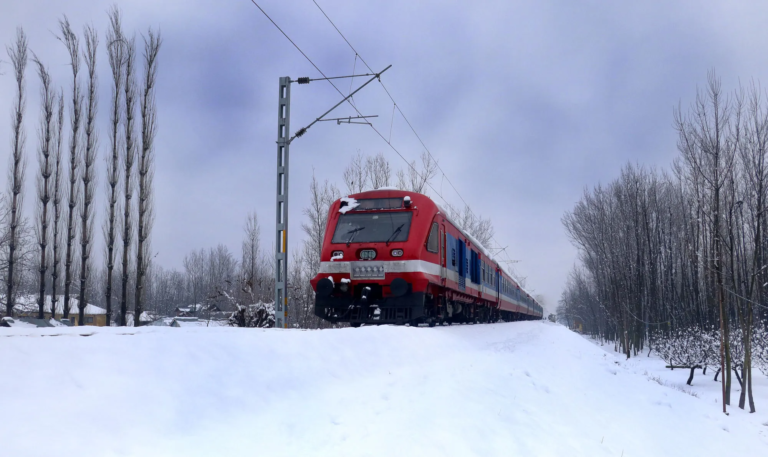
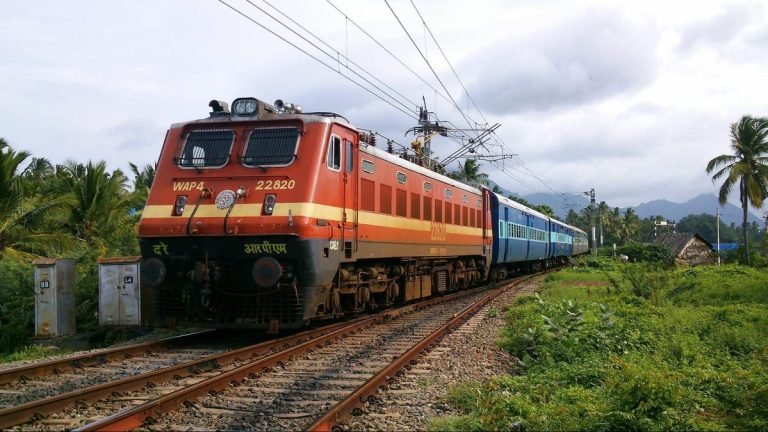
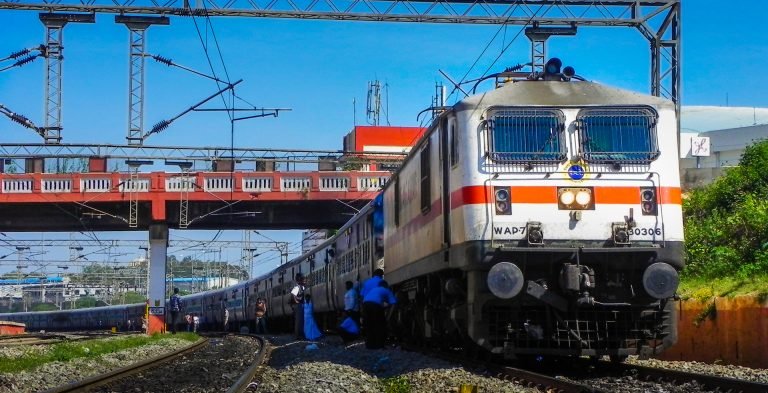
Bharat Heavy Electricals (BHEL) has secured an order to supply and install KAVACH equipment, an automatic train protection system, from South Western Railway.

Contract Value: Rs 22.87 crore

Contract Duration: 18 months

The contracts scope of work includes the design, development, supply, installation, trial and commissioning of on-board KAVACH equipment in locomotives and trackside KAVACH equipment at station/LC/IB/ABS locations, along with associated works in South Western Railway,”

The Kavach equipment for the contract will be manufactured at BHEL’s Bengaluru plant. 


To get real-time updates on metro and railway tenders, join our WhatsApp 

Community:https://chat.whatsapp.com/GP8MIGQ7fP6Eapgbm3d8og?mode=ems_copy_c

Building on a decade of trust, Metro Rail News is pleased to announce the Metro Rail News Awards to recognise organisations and leaders for their outstanding contributions to the rail transit industry. The awards will be presented across 30+ categories, with the ceremony scheduled for 19 September in New Delhi.

Get Recognised for Your Contribution & Innovations – Nominate Now

Advertisement1
InnoMetro_2026

Building Sustainable, Connected Metro Systems for Maharashtra: Insights from Shri Shravan Hardikar, MD, Maha Metro

0

Metro Rail News had the privilege of conducting an exclusive interview with Shri Shravan Hardikar, IAS, Managing Director of Maharashtra Metro Rail Corporation Limited. In the conversation, Shri Hardikar shared updates on the Pune, Nagpur, and Thane Metro projects and outlined initiatives undertaken by Maha Metro to ensure long-term financial sustainability, including non-fare revenue generation through station naming rights, commercial leasing, and advertising. He also highlighted multimodal integration through feeder buses, shared autos, and e-scooters, along with enhanced last-mile connectivity solutions. Furthermore, he emphasised sustainability measures such as solar energy adoption, rainwater harvesting, and large-scale tree transplantation. Here are the edited excerpts.

Could you please reflect on your journey as the managing director of Maharashtra Metro Rail Corporation? What are some of the milestones that have been achieved under your leadership? 

I have had the privilege of working on both Pune and Nagpur —first as Commissioner for Nagpur, PCMC and then as the managing director of Maha Metro. Both these metro projects were launched during my tenure as commissioner, and I was fortunate to be closely involved in the initial construction phases. This early experience has helped me carry forward the work with better insight and focus on the future growth of both Pune and Nagpur Metro.

For the Nagpur Metro Project:

The Nagpur Metro project consists of two phases: Phase I, 40.2km, is fully operational, and Phase II is presently under construction.

Nagpur Metro has recently crossed a project milestone of 10 cr ridership.

Project Approval and funding for Phase II, costing ₹6,708 crores, is funded, and it is under construction, and major civil and system contracts having been awarded, and the project is expected to be completed by 2029.

For the Pune Metro Project:

Pune Metro is 33.2 km is completely operational, and its ridership has already crossed 2lakhs commuters per day.

The N-S and W-E sections have already been sanctioned by the Government of India, and the work is in full swing towards the Northern extension towards the Bhakti-Shakti section, and the physical work on the southern extension, i.e Swargate to Katra, will begin soon, for which tender work has been awarded. And last year’s Ganpati festival, Maha Metro achieved a daily average ridership of 1.85 commuters for the 10 days with the distinction of 24 hours running with no breaks for the last day, i.e Anant Chaturdashi.  Pune Metro holds the unique distinction of being the most digitally ticketing-friendly friendly with 75 per cent of ticketing revenues coming from digital ticketing. 

For the Thane Metro Project:

The Thane Metro got sanctioned by the GoI in 2024, and the foundation stone of the Thane Integral Ring Metro Project was laid on 05.10.2024

All the Preliminary works, namely Utility Mapping (GPR), UAV Survey, GT investigation, Topographic Survey and Alignment Design work has been completed and the work will commence soon and it is ambitious 29 km project – 26 km elevated and 3km underground connecting major residential and commercial area of thane, line 4 and 5 of Mumbai metro.

Could you provide an update on the current status of the Pune, Nagpur, and Thane Metro, including the progress of Phase 1 extensions and the routes under Phase 2?

    Pune Metro Phase I, comprising the PCMC–Swargate and Vanaz–Ramwadi corridors, spans 33.2 km, including 27.2 km elevated and 6 km underground through stations like Shivaji Nagar, District Court, Kasba Peth, Mandai, and Swargate, and is now fully operational.

    Phase I extensions comprise the Vanaz–Chandani Chowk extension, which is 1.12 km long and features 2 stations. The Ramwadi–Wagholi/Vitthalwadi extension is 11.63 km long with 11 stations. Together, these two extensions form a 12.75 km elevated route with 13 stations. These routes are natural western and eastern extensions of Phase I. These routes are natural western and eastern extensions of Phase I.

    These extensions were approved by the Government of India on 25 June 2025 at a cost of ₹3,626 crores.The work is going on in full swing towards the Northern extension towards the Bhakti-Shakti section, and the physical work on the southern extension, i.e Swargate to Katra, will begin soon, for which tender work has been awarded.

    ●       The Phase II comprises:

    1. Khadakwasla – Swargate – Hadapsar – Kharadi

    ○       Length: 25.518 km (elevated) with 22 stations.

    ○       Total length (with extensions): 31.64 km, 28 stations.

    ○       Status: Advanced stage of approval.

    ○       Estimated cost: ₹9,897.19 crores.

    1. Hadapsar – Loni Kalbhor

    ○       Length: 11.352 km

    ○       Stations: 10

    1. Hadapsar – Saswad Road

    ○       Length: 5.573 km

    ○       Stations: 4

    ○       Combined: 16.92 km, 14 stations.

    ○       Status: Advanced stage of approval.

    ○       Estimated cost: ₹5,704.40 crores.

    For Nagpur Metro:

    Phase I of the Nagpur Metro spans a total length of 40.02 kilometres, comprising two main corridors—the Orange Line (North-South) and the Aqua Line (East-West). With 38 fully functional stations, the system has transformed daily commuting in the city.

    Phase II is now underway and will add 43.8 kilometres of metro line and 32 new stations, thereby broadening the network to serve Nagpur’s expanding metropolitan region.

    This phase has been sanctioned at a cost of ₹6,708 crores, jointly funded by the central and state governments, along with assistance from international lending agencies. Proposed to be commissioned from the year 2026-27 in a phased manner, and the overall completion target is the year 2028-29.

    The work is going on in full swing for phase II.

    For Thane Metro

    Thane Metro Phase 1 has 22 stations (20 elevated and 2 underground) and a total length of 29 km (26 km elevated and 3 km underground). The cost of the project is ₹12,200.10 crores. Overall completion target: FY 2029-30.

    The alignment of Thane Ring Metro has been prepared in such a way that it aligns with the proposed/existing DP roads, which are planned & maintained by Thane Municipal Corporation.

    The Thane Integral Ring Metro project facilitates the integration with: (1) Proposed suburban Kopri Railway Station (IR Broad Guage line) at New Thane Metro Station, (2) Mumbai Metro Line-4 at Raila Devi (3) TMT Bus Stands at Wagle Circle & Lokmanya Nagar (4) Mumbai Metro Line-4 at Dongripada (5) Mumbai Metro Line-5 at Balkum Naka (6) Thane Railway Station & CIDCO Bus Stand at Thane IR Broad Guage Station. This gives feasibility to the proposed metro project for future extensions/expansions for prominent areas.

    Thane city is well connected to Greater Mumbai, Kalyan, Vasai Virar and Bhiwandi. The important highways viz. Mumbai- Agra Road (NH-3), Mumbai-Pune-Bangalore Road (NH-4), Eastern Express Highway and Ghodbunder Road (an important link between Eastern Express Highway, NH-3 and NH-8) pass through Thane. Therefore, the Thane Integral Ring Metro can serve as the primary foundation for future expansion in the aforementioned regions.

    How is Maha Metro ensuring integration with other public transport modes in Pune, such as PMPML buses, shared autos, and railway services, to provide a multimodal travel experience for commuters?

    Maha Metro is consistently working to improve first and last-mile connectivity to make the overall travel experience smoother and more efficient for commuters.

    Currently, an integrated PMPML feeder bus service is operational at 12 metro stations, covering 20 routes. This initiative has already benefited approximately 84 lakh passengers in Pune.

    In addition to buses, shared auto-rickshaw services are currently available at Vanaz, PCMC, Swargate, Ramwadi, and Pune Railway Station metro stations.

    E-scooter services are also operational at Anand Nagar Metro Station, and plans are underway to expand this facility to more stations in the near future.

    Looking ahead, Pune Metro has proposed the introduction of an E-Auto service, which is expected to cover around 27 metro stations and provide connectivity to 395 destinations within a 4 km one-way range.

    The proposed fare for this service will range between ₹10 to ₹30, offering an affordable and eco-friendly option for last-mile travel. Additionally, Pune Metro is working on a proposal to introduce the Pink E-Rickshaw Initiative, supported by the Government of Maharashtra, which will further enhance mobility options, especially for women commuters.

    Pune metro stations such as Pune Railway Station, Shivajinagar Station and Khadki Station are in close proximity to Indian railway stations and are seamlessly connected at the stations for commuters and with Maharashtra State Road Transport Corp (MSRTC) at Swargate and Shivaji Nagar.

    Also, private bus feeder service from MNCs like Barclays to Ramwadi metro station has been implemented.

    Similarly, in Nagpur, Seamless last-mile access via shuttle buses, e-rickshaws, and bike-sharing to schools, Colleges, Municipal Corporation Apali Bus, Shared Auto Rikshaw, E-Rickshaw, etc. have also been implemented in Nagpur Metro, and the same model will also be replicated at Thane Metro Project.

    Achieving long-term financial sustainability is crucial for any metro project. What non-fare revenue streams is Maha-Metro currently exploring or implementing to reduce dependency on passenger fares?

     To ensure long-term financial sustainability, Maha Metro has actively begun leasing out small and medium-sized spaces on stations across its network to generate lease income.

    Semi-naming rights for metro stations have also been introduced as a revenue-generating initiative. So far, 10 metro stations have been assigned semi-names—these include Kalyani Nagar, Phugewadi, Ruby Hall Clinic, Nal Stop, PCMC, Sant Tukaram Nagar, Ramwadi, Yerwada, and Pune Railway Station.

    Train wrapping is another non-fare revenue stream currently, with the tender process underway. 

    Advertising rights on station pillars, external premises, and other designated areas have already been awarded, helping to create a steady flow of commercial income.

    Maha Metro is planning a commercial complex under the Public-Private Partnership (PPP) model as part of its vision for financial sustainability.

    In FY 2024–25, Nagpur Metro earned approximately ₹31 crores through non-fare revenue, while Pune Metro generated ₹19.8 crores, reinforcing the potential of such initiatives in supporting urban transit systems.

    In Ngapur, Development of a commercial project on land admeasuring 16,189.90 Sqm at Mz. Dhantoli and 2,899.00 Sqm at Mz. Somalwada, Nagpur have been implemented.

    Few proposed projects which are under the planning stage, and tenders shall be invited soon, are as follows:

    Development of a commercial project on land admeasuring 7200 Sqm near Kasturchand Park Nagpur, 3,00,000 Sq.ft. at the airspace above, Zero Mile Metro Station, Nagpur. Approx. 25 Acres near Eco Park Metro Station of Phase II of NMRP, Nagpur and 4200 Sqm at Mz. Ajni.

    Pune Metro recorded a rise in ridership in July, crossing 59 lakh passengers. However, this is still below the projections outlined in the final DPR (2015). What factors do you attribute to the recent growth, and what are your expectations for daily ridership in the coming months?

    Since the opening of District Court to Swargate, Pune Metro has witnessed a steady rise in ridership. In July 2025 alone, a total of 59,69,529 commuters travelled by Metro, with the average daily ridership reaching approx. 2 lakh.

    Although current ridership figures are still below the projections outlined in the Detailed Project Report (DPR), Maha Metro is actively implementing several measures to bridge this gap and boost usage. These include strengthening last-mile connectivity through feeder buses, share-autos, e-scooters, and shared bicycles, as well as increasing the number of entry and exit points at stations to improve accessibility.

    Pune Metro will soon will probably reduce headway during peak hours 7 minutes, to bring it down to 5 minutes. The service hours have been extended up to 11:00 PM, and on special occasions or during major events, services are further extended to meet public demand.

    In addition, a strong push is being made toward digital ticketing options to reduce queues and streamline the travel experience. Initiatives such as the Maha Metro Card, WhatsApp ticketing, and the Pune Metro mobile app are being promoted to encourage cashless, convenient, and faster access to the Metro.

    Nagpur Metro has completed 10 crore ridership since it started commercial operations in March 2019 with limited services in the morning and evening hours. After the Completion of Phase 2, which connects to the satellite town, the ridership is expected to rise to over 2lakh riders per day

    Recently, Maha Metro & PKC joined hands for a pilot study to boost ridership and improve last-mile connectivity. Could you elaborate on this initiative?

    As part of our commitment to improving urban mobility and understanding commuter needs, Maha Metro undertook a pilot study in collaboration with the Pune Knowledge Cluster (PKC), Centre for Environment Education (CEE), and Save Pune Traffic Movement (SPTM). The aim was to gain deeper insights into passenger behaviour, transportation needs, and expectations from Maha Metro.

    This initiative is helping us better understand how commuters travel, what challenges they face, and what improvements they seek in public transport. The ultimate goal is to enable seamless travel, encourage a shift from personal vehicles to public transport, and create a more commuter-friendly Metro experience.

    The pilot study was conducted in the Kothrud area, and based on its success, we plan to replicate similar studies in other parts of the city to inform future planning and service enhancements. 

    What steps is Maha Metro taking to ensure that the Pune & Nagpur Metro remains accessible and affordable for all sections of society?

    Maha Metro’s fare structure is determined by the Government of Maharashtra and is kept affordable compared to other modes of transport. Our strategy has always been to maintain low fares by focusing on increasing non-fare revenue sources and reducing O & M expenditure.

    To reduce overall expenditure on operations and maintenance (O&M), we have strategically outsourced O&M activities, helping us bring down administrative and operational costs. As a result of these measures, Maha Metro has not increased its fares since its inception, making it a cost-effective and commuter-friendly option for the public.

    What is your long-term vision for the Pune, Nagpur, and Thane Metro system by, say, 2030 or 2035, in terms of network length, ridership, and its role in Pune’s urban landscape?

    Pune Metro was the nodal agency for preparing the Comprehensive Mobility Plan (CMP) for the Pune Metropolitan Region (PMR).

    As part of this initiative, Pune Metro has conducted extensive consultations with key stakeholders of the city to assess and understand the city’s long-term public transport needs over the next 20 to 30 years.

    The Pune Metropolitan Region is projected to require a Metro network of approximately 175–200 km to adequately meet future demand with an expansion of city bus services, which serve as the backbone of public transport in any urban area. PMR needs 6,000 buses, whereas currently operates around 1,800 buses.

    There are two ring roads at various stages of implementation.

    The Pune Metropolitan Region boasts a diverse economic base, led by a well-established automobile industry, IT, ITES, BioTech, Pharma and is rapidly transforming through initiatives such as the Smart City Mission, development of a multimodal transport hub, and a planned greenfield international airport, all contributing to Pune’s emergence as a future-ready urban centre.

    For Thane metro, the Approved CMP prepared in 2018 for Thane city comprises the Thane Metro Phase II, to be implemented in 2037, connecting the East part of Thane city, i.e. Kalwa, Mumbra, Shilphata, etc.

    Another proposal for the Thane Metro extension is to connect Thane Junction with Thane HSR station. Preliminary correspondence with the NHSRCL and the Railways Ministry is underway.

    In terms of sustainability, what initiatives is Maha Metro undertaking to ensure the Metro is an eco-friendly mode of transport, and what are your goals for reducing the city’s carbon footprint?

    Pune Metro has solar panels installed at 14 stations and 2 depots. Pune Metro has generated 12.2689 MWh of solar energy, resulting in a cost saving of ₹4.75 crore from February 2022 to May 2025.

    Similarly, Nagpur Metro Rail Project (NMRP) has installed & commissioned 4.5 MWp rooftop Solar PV systems across its 24 Metro stations, 2 depot buildings & track boundary walls. In addition to 4.5 MWp commissioned solar PV systems, 5.5 MWp rooftop solar PV plants are being installed at the remaining 13 Nagpur Metro stations, depot buildings & other suitable locations of NMRP.

    Out of the 5.5 MWp, 1.5 MWp solar PV capacity has been installed at Mihan & Hingna depots and is expected to be commissioned within a few weeks. For NMRP, Cumulative renewable energy generation at the end of FY 2024-25 stands at 177.56 Lakh units and corresponding savings of Rs. 1130.81 lakhs achieved in the operational cost.

    Till FY 2024-25, the solar energy generation of 177.56 Lakh units led to sa aving in CO2 emission of 16335 Tonnes. It is planned to meet 50% of the total energy requirements of Maha Metro through solar energy.

    Maha Metro also features bio-digesters that enable 100% wastewater recycling, ensuring zero discharge to the municipal sewerage system from all stations.

    The recycled water is stored separately and reused for flushing, horticulture, and other purposes through a ‘double plumbing’ system integrated into the station and building infrastructure.

    Rainwater harvesting provisions are made at all station rooftops, viaducts, and depot building rooftops, allowing for 100% rainwater harvesting.

    The collected water is directed into the ground, facilitating groundwater recharge. This system is fully sustainable, completely eco-friendly, and contributes significantly to total water conservation.

    As an ISO 14001-certified organization, NMRP adheres to the framework and principles established under this standard to ensure responsible environmental management and continuous improvement in environmental performance.

    Pune Metro has successfully transplants a total of 2,267 large trees using the Arboriculture-based Root Ball Technique and a total of 17,986 new trees were planted to make the city greener.

    Pune Metro stations have been awarded IGBC Platinum Ratings—the highest rating given by the Indian Green Building Council—underscoring their dedication to environmentally conscious infrastructure. 22 stations of Nagpur Metro and 7 Pune Metro stations have been awarded the IGBC Platinum Rating

    How is the Pune Metro project contributing to the overall urban development and economic growth of Pune, particularly in areas along the metro corridors?

    As per the Government of Maharashtra’s policy, the Transit-Oriented Development (TOD) zone limit in Pune has been extended to 500 metres along metro stations.

    Areas such as Shivaji Nagar and PCMC have already seen a surge in new commercial and residential projects, following the launch of metro stations. The government’s provision of higher Floor Space Index (FSI) in TOD zones has further incentivized developers, paving the way for more compact, accessible, and transit-friendly neighbourhoods.

    The concept of Transit Oriented Development was approved for the Nagpur Metro Rail Project at the DPR Stage. Transit Oriented Development (TOD) is densifying the population along the Metro Rail Corridor by way of providing additional FSI for Development. The additional FSI has provided at a Premium of up to 40% of the Annual Schedule of Rates of the Land (Circle Rate). The Premium so collected shall be will be distributed between Maha Metro and other ULBs (NIT/NMC/MADC) in the following manner –- 50% of the Premium so collected shall be reserved for Maha Metro as a part of Non-Fare box revenue. This Premium accrued will help Maha-Metro in Operations and Maintenance and for repayment of Loans availed from various funding agencies.

    – 50% of the Premium so collected by Planning Authorities/ ULB’s, shall be used for up-gradation of existing infrastructure within the TOD Corridor.

    Maha-Metro Nagpur at suitable locations are planning Joint Development/Commercial Development Projects with Private Developers and City Authorities.

    Additionally, Maha-Metro has also planned for the development of multi-model hubs near mega commercial projects so as to provide first and last mile connectivity in a better way. For example, Maha-Metro has planned for a multi-model hub near Kamptee Bus Terminal, and further discussions are underway for the development of a commercial project on Kamptee Bus Station Land in Nagpur.

    What is your message to the citizens of Pune and the readers of Metro Rail News?

    Pune Metro is more than just a mode of transport—it is a step towards building a cleaner, smarter, and more connected city. We are committed to providing safe, affordable, and sustainable mobility solutions while constantly innovating through digital ticketing, first and last-mile connectivity, and eco-friendly infrastructure. With growing ridership, extensive planning for future corridors, and initiatives like tree transplantation, rainwater harvesting, solar energy, and zero-discharge wastewater systems, we are laying the foundation for a green and inclusive urban future.

    We urge citizens to adopt public transport, reduce dependence on personal vehicles, and become active partners in transforming Pune into a model transit-oriented city. Together, let us ride towards progress—efficiently, responsibly, and sustainably.

    Advertisement1
    InnoMetro_2026

    5G Railways: Revolutionising Connectivity, Safety, and Operations in India’s Rail Network

    0
    5G Railways

    Abstract

    The pace of infrastructure growth in developing countries like India has been high in recent years. To complement this expansion, digital technologies have emerged as a cornerstone to support multiple sectors such as railways and banking. In India, the expansion of railway infrastructure aims to meet the nation’s increasing transport and logistics demands. However, managing the world’s fourth-largest railway network and the third-largest metro system poses challenges for operators. In this situation, rail operators must consistently maintain stringent benchmarks for safety, speed, reliability, and passenger comfort, even as network density and service expectations increase. To meet these demands, the sector is progressively adopting intelligent technologies such as automation, artificial intelligence (AI), and machine learning (ML), which collectively streamline the efficiency, safety, and responsiveness of train operations. However, implementing these systems requires advanced communication networks to minimise latency and enhance end-to-end data exchange between devices. 

    The deployment of 5G technology provides rail operators with the means to upgrade their communication infrastructure to meet current and future operational requirements. Its higher data transmission rates, increased capacity for simultaneous connections, low latency, and improved reliability facilitate the integration of advanced applications such as real-time signalling, continuous train monitoring, and large-scale IoT sensor networks. These functions support safety management, operational efficiency, and resource optimisation within railway systems. The metro systems have been quite ahead in the process of implementing modern communication systems across the infrastructure as compared to indian railways, which primarily operates on legacy infrastructure. The transition from legacy platforms, including GSM-R, to the Future Railway Mobile Communication System (FRMCS) will require operators to develop migration plans that ensure compatibility with existing assets while allowing for the adoption of 5G-based services. 

    This paper examines the role of 5G technology in enhancing the operational efficiency of railway systems and improving passenger services. It also analyses the technical and infrastructural challenges associated with integrating 5G into existing legacy communication and control systems.

    Chronology of Communication Systems Adopted by Indian Railways

    Indian Railways is one of the oldest railway systems in the world. It has evolved in every aspect over time to meet the nation’s demand for effective, reliable rail operations. Similarly, telecommunication infrastructure has progressed through various generations of technology from basic telegraph systems to advanced digital communications like GSM-R and LTE-R.

    1. Telegraphy (Mid-19th Century): Telegraphy was introduced shortly after the establishment of Indian Railways. It used Morse code over wired lines and served as the primary means of communication for transmitting train orders and facilitating communication between stations. This system supported basic train dispatching and operational coordination.
    image 7
    1. Analog Telephony (Early 20th Century): During the early 20th century, analog telephony formed the backbone of railway communication systems in India. Communication was facilitated through physical lines that transmitted voice signals between control centres and train crews. While basic by today’s standards, this technology served as a reliable means of operational coordination at the time.
    2. Global System for Mobile Communications-Railway: GSM-R is based on standard GSM cellular technology, and it has been modified to meet the specific operational needs of railways. It uses both Frequency Division Multiple Access (FDMA) and Time Division Multiple Access (TDMA) techniques for radio communication. The system operates in the 900 MHz frequency band, with uplink frequencies ranging from 890–915 MHz and downlink frequencies from 935–960 MHz. GSM-R serves as the successor to Very High Frequency (VHF) systems. It facilitates voice and data transmission between train crews, control centres, and stations. Additionally, it supports data transmission for various applications, including train control systems such as the European Train Control System (ETCS).
    3. Long Term Evolution (LTE): Indian Railways is adopting LTE as a potential successor to GSM-R. LTE-R is a dedicated next-generation communication system designed for railway operations. IR had been allotted a 5 MHz spectrum in the 700 MHz band for the implementation of LTE services across its routes. It has been engineered for high-speed wireless transmission of both voice and data. It facilitates communication within trains, between trains and ground systems, and among trains themselves. In addition to operational functions, LTE-R can support a range of services, including passenger information systems, CCTV monitoring, traffic management, and ticketing, all on a unified network. The system is fully compatible with modern train control technologies such as the European Train Control System (ETCS) and maintains interoperability with legacy communication networks like GSM and UMTS. In 2024, the Government of India approved a project for the implementation of a Long-Term Evolution (LTE)-based Mobile Train Radio Communication system across 34,803 route kilometres of the Indian Railways network.
    1. Future Railway Mobile Communication System: The Future Railway Mobile Communication System (FRMCS) is a next-generation telecommunication system. It was developed by the International Union of Railways (UIC), in collaboration with various stakeholders from the rail sector. It is intended to succeed GSM-R and LTE. FRMCS is based on 5G technology and it provides reliable, low-latency, mission-critical communications for both routine operations and emergency situations. This technology is currently in the planning stage in India since the implementation of it will require a comprehensive migration plan and substantial capital.

    Operational and Communication Demands Requiring 5G in Railways

    image 8

    The railway sector in India is experiencing high passenger volume, expanding freight requirements, and the need for higher operational efficiency.  Traditional railway systems, designed decades ago, are reaching their structural and technological limits. Today, rail networks are denser, trains are faster, and expectations for safety, punctuality, and passenger experience are far higher than in the past. In addition, urbanisation has intensified congestion on metropolitan rail corridors, while national freight corridors are striving to move larger volumes at higher speeds. In this context, conventional signalling, communication, and maintenance methods still rely on legacy GSM-R systems, which are not sufficient to manage the complexity of modern operations. Below are some of the critical demands of the railway sector that can be addressed by the adoption of 5G. 

    Additionally, the government policies and infrastructure growth are creating huge space in the areas of automation and energy efficiency. Projects such as India’s Dedicated Freight Corridors, Mumbai-Ahmedabad High-Speed Rail Corridor, and the rapid expansion of metro networks highlight a paradigm shift toward modernisation of rail infrastructure. However, if India wants to achieve the operational standards of global rail systems such as those in Japan, China, or parts of Europe, it will need to initiate the full-scale adoption of digital technologies. 5G technology is not simply an improvement over existing systems. It acts as a foundational platform that can support the future of autonomous trains, smart stations, and fully integrated rail mobility networks.

    Key requirements that can be addressed through the adoption of 5G include:

    • Real-time information exchange: Both rail operators and passengers require faster, more reliable communication systems to enable immediate data transmission and informed decision-making. The high-speed transmission of data empowers the rail operators to control train movements, including speed, stopping, and routing.
    • Emergency response: Limited communication capabilities can delay the ability of rail operators to respond effectively during emergencies, which increases the risk of operational and safety complications. The use of 5G-enabled networks can support faster data transmission and more reliable connectivity, which can enable faster coordination and response actions.
    • Operational efficiency: The rail systems in India operate under immense pressure. To manage rising demand, operators traditionally need to either increase train frequency or invest in infrastructure expansion, both of which involve high costs and extended implementation timelines. By supporting advanced signalling technologies like Communication-Based Train Control (CBTC), 5G enables more precise train localisation, reduces headways, and increases line capacity without requiring physical expansion.
    • Resource allocation: Continuous data collected from various assets such as rolling stock, station systems, and Automatic Fare Collection (AFC) units enables rail operators to analyse traffic patterns and optimise resource allocation. Additionally, this data stream supports AI-based energy management models that regulate traction power usage, control regenerative braking systems, and monitor station-level energy consumption. Implementing such data-driven strategies contributes to reduced operational costs and improved system efficiency.
    • Predictive Maintenance: Indirectly, the 5G network helps in predictive maintenance. The implementation of 5G networks facilitates the large-scale deployment of IoT sensors across rolling stock, track infrastructure, and auxiliary systems. These sensors operate simultaneously and transmit continuous health data to centralised monitoring platforms. AI-based diagnostic models can analyse this data to detect early signs of component degradation or faults, allowing maintenance teams to take corrective action before issues escalate into failures. This approach reduces unplanned downtime and improves asset availability.

    Enabling Smart Railways: 5G Infrastructure and Integration Framework

    Indian Railways is operating on legacy systems. On the other hand, implementing 5G in railways requires a combination of advanced network infrastructure, dedicated hardware, and integration with existing railway systems. 

    1. Radio Access and Trackside Equipment: . Radio Access Network (RAN): The RAN is the most critical component of any mobile network. In the context of railways, it consists of base stations, which are known in 5G as gNodeBs. These base stations are strategically installed along the tracks. These high-capacity stations send and receive data to and from moving trains and nearby infrastructure for continuous communication. These stations are supported by small cells for dense areas and tunnels. 
    • Massive MIMO Antennas and Beamforming
    • Massive MIMO (Multiple Input, Multiple Output): Radio Access Network (RAN) in 5G systems is often paired with Massive MIMO (Multiple Input, Multiple Output). These are equipped with antenna elements that transmit and receive multiple data streams simultaneously.
    • Beamforming: This advanced signal-processing technique focuses the wireless signal directly toward the train, instead of broadcasting it in all directions. This helps maintain a high-speed, stable connection even when trains move at 300–500 km/h.
    • Trackside Towers and Masts: To make the communication effective, antennas and base stations need to be elevated above ground level by using trackside towers and poles. This ensures a clear line of sight between the base station and the moving train. This reduces interference and maintains signal strength.
    1. 5G Core Network (5GC): The 5G Core Network (5GC) acts as the backbone in 5G systems. 5GC handles the secure authentication and authorisation of users and devices accessing the network. It controls how data flows through the network. It connects the trackside base stations (gNodeBs) to various services and manages all critical functions, including authentication, mobility, and policy control.
    • Ultra-Reliable Low-Latency Communication (URLLC): The 5GC enables extremely reliable and low-delay communication, which is essential for applications like automatic train operation (ATO), emergency braking, and real-time signalling.
    • Network Slicing: The 5G Core allows the creation of multiple virtual networks (slices) over a shared physical network. Each slice can be dedicated to a specific use case:
    • One for railway operations
    • One for passenger internet and infotainment
    • One for IoT-based asset monitoring
    image 6
    • Multi-access Edge Computing (MEC): To facilitate real-time decision-making and minimise response time, MEC servers are deployed near the railway tracks or stations. These nodes process data locally instead of sending it to a faraway cloud. Primarily, they help to identify faults instantly. MEC facilitates low latency and quick data handling, which is crucial for high-speed rail projects like MAHSR.
    • Fiber-Optic Transport Network: All elements, including gNodeBs, MEC nodes, and centralised control systems, are interconnected through a fiber-optic. 
    1. 5G Routers and High-Gain Antennas: In order to transmit the data, trains are equipped with roof-mounted high-gain antennas and ruggedised 5G routers to ensure continuous connectivity with the Radio Access Network (RAN). 
    2. IoT Gateways and Data Collection: IoT gateways are installed inside train coaches to collect and transmit real-time data from various subsystems, including:
    • Braking systems
    • HVAC (Heating, Ventilation, and Air Conditioning)
    • Wheel and axle sensors

    The data collected from the sensors is transmitted at a very low latency rate in 5G systems, which minimises the response time in the case of an emergency. 

    1. Spectrum Allocation for Dedicated Rail Operations: Indian Railways currently operates a hybrid communication ecosystem, which includes GSM-R for voice communication, Optical Fiber Cable (OFC) and IP/MPLS networks for data, and is in the early stages of adopting LTE-R. To meet future demands related to operational efficiency, safety, and automation, a transition to LTE-R and eventually 5G-R is essential. Presently, Indian Railways has access to a 5 MHz paired frequency spectrum in the 700 MHz band. However, this allocation may not be sufficient for fully realising the capabilities of LTE-R and 5G-R, particularly for high-throughput, low-latency applications. Additional spectrum will likely be required to enable parallel operation during migration and to support advanced features such as real-time train control, video surveillance, and Internet of Things (IoT) integration.
    2. Cyber Security Measures: As Indian Railways transitions to faster, digitally integrated systems like LTE-R and 5G-R, cybersecurity becomes a critical area of concern. These advanced networks carry sensitive data streams related to signalling, operations, ticketing, and monitoring systems. It becomes imperative to implement cybersecurity frameworks to ensure operational safety and data integrity. 

    The Roadblock in Implementing Future Railway Mobile Communication Systems (FRMCS) in India

    Spectrum Allocation and Regulatory Hurdles: The 700 MHz frequency band is recognised as optimal for the deployment of LTE-R and 5G-based railway communication systems due to its wide coverage and strong signal penetration characteristics.

    Indian Railways has been allotted 5 MHz (paired) Spectrum in the 700 MHz band (703-748 MHz Uplink & 758-803 MHz Downlink, also specified as Band 28 in 3GPP/ETSI standards) for implementing LTE services. However, it is not fully sufficient for supporting high-bandwidth applications such as real-time video surveillance, train control, and future 5G-based mission-critical communication systems. For facilitating network redundancy, parallel operation during migration, and long-term capacity, Indian Railways requires additional spectrum, ideally another 5 MHz within the same band. The allocation of further spectrum has become a subject of contention between the Department of Telecommunications (DoT) and the Telecom Regulatory Authority of India (TRAI). While Indian Railways has requested additional spectrum to modernise and secure its telecommunication infrastructure, DoT has conveyed to TRAI that further allocation will only be considered once the existing 5 MHz spectrum is fully deployed and utilised.

    Pricing Dispute Over Railway Spectrum Allocation: A critical point of contention between the Department of Telecommunications (DoT) and the Telecom Regulatory Authority of India (TRAI) is the pricing model for assigning additional spectrum to Indian Railways. DoT advocates for using the Auction Determined Price (ADP), which reflects market prices discovered during the 5G spectrum auctions, while TRAI suggests using a formula-based approach that would be comparatively less costly.

    During the 5G auctions, the ADP for the 700 MHz band was set at ₹3,927 crore per MHz for commercial use. If this rate is applied, acquiring an additional 5 MHz would impose a substantial financial burden on Indian Railways. Moreover, Indian Railways has not yet paid any charges for the 5 MHz of spectrum already allotted in the 700 MHz band, further complicating the issue. As per the DoT, this model will be implemented on the already allotted spectrum. 

    Cybersecurity Vulnerabilities: 5G’s high speed, low latency, and increased device connectivity can also be exploited for complex cyberattacks thats why a comprehensive cybersecurity model is necessary to protect signalling information, avoid unauthorised access, and secure railway networks based on IoT. As Indian Railways transitions to communication systems like LTE-R and 5G-R, the integration of railway-specific applications such as Automatic Train Protection systems (Kavach), Communication-Based Train Control (CBTC), and digital ticketing systems should be complemented with security measures. As Indian Railways and metro systems move towards 5G-enabled communication infrastructure, they become vulnerable to more sophisticated cyber threats. Some of the common attacks include:

    • Distributed Denial of Service (DDoS) Attacks: The higher bandwidth of 5G can be exploited to launch high-volume DDoS attacks, which can overwhelm network infrastructure and disrupt mission-critical services.
    • Exploitation of Core Network Vulnerabilities: The adoption of technologies like Software-Defined Networking (SDN) and Network Function Virtualisation (NFV) improves flexibility but also increases the attack surface.
    • Signalling Spoofing: This could be the most dangerous attack among others, as hackers can manipulate signalling protocols to inject false commands into the system. In rail operations, such spoofing can lead to false instructions for train movement, which could potentially cause train collisions.

    Migration from Legacy Systems: The transition from GSM-R to FRMCS (Future Railway Mobile Communication System), which is based on 5G, will include a prolonged period of dual operation. This coexistence necessitates that railways formalise a detailed migration plan for each stage of the transition.

    • Technical Gaps: Various technical challenges will arise in the migration to FRMCS, including:
    • Coexistence and Interference: The simultaneous operation of FRMCS and GSM-R raises concerns about potential interference.
    • Deployment Model Selection: Identifying the most suitable deployment model for the 5G core network will be imperative.
    • Infrastructure Requirements: Implementing FRMCS will necessitate the upgrade of existing infrastructure and the deployment of new equipment capable of supporting 5G-based communication. To maintain operational consistency, the infrastructure will need to support both GSM-R and FRMCS during a transition period. This dual-operation approach allows gradual migration without disrupting services. The sequence may involve:
    • Workforce Requirements: A skilled workforce which is familiar with both legacy GSM-R systems and the new FRMCS technology is essential.
    • Cost Implications: The shift to FRMCS will involve high capital expenditure as it will require investment not only for infrastructure upgrades and rolling stock retrofitting but also for maintaining two systems in parallel during the migration phase. 

    Conclusion

    The indian rail transport industry is experiencing a paradigm shift toward modernisation. To improve its operations, the rail transport industry is leveraging automation and modern safety systems, which are backed by advanced communication systems. The rollout of 5G in railways is expected to enable high-speed operations by allowing data to be transmitted with low latency, which is essential for real-time control and monitoring. While the technology is still evolving in India, its future use can improve operational efficiency and help reduce costs for both metro and rail operators.

    However, adopting 5G comes with several technical and operational challenges. These include the high cost of upgrading existing infrastructure, addressing compatibility issues, and developing a detailed migration plan to move from legacy systems to 5G-based systems without disrupting current operations. Additionally, as systems become more digital and connected, the risk of cyber threats increases. For example, interference with signalling systems or unauthorised access to control commands could affect train movement and safety. As a result, implementing strong cybersecurity measures will be essential to protect critical railway infrastructure as it transitions to 5G. As India explores the use of 5G in railways, the focus should remain on realistic planning, gradual implementation, and building secure systems that can support both current needs and future growth.

    Advertisement1
    InnoMetro_2026

    AI-Powered Surveillance Systems in Rail Network: A Paradigm Shift in Public Transport Security

    0
    AI-Powered Surveillance Systems in Rail Network

    Introduction 

    Over the past decade, metro and railway networks have expanded rapidly to meet the growing demand for urban mobility, particularly in countries like India. As cities continue to grow and passenger volumes increase, these transportation systems have become increasingly complex and vulnerable to security risks.  

    This expansion has underscored the need for the urgent implementation of advanced surveillance solutions to ensure passenger safety and protect critical infrastructure. Traditional security methods are no longer sufficient to handle the scale of modern rail operations. In response to these challenges, technologies such as Artificial Intelligence (AI) and the Internet of Things (IoT) are being integrated into the rail network. 

    These intelligent systems not only enhance security and operational efficiency but also contribute to the development of smarter and more responsive public transportation networks.  

    Why are Advanced Security Systems Essential in Rail Networks? 

    The metro and railway network serve millions of passengers daily, but the growing volume of commuters also elevates security challenges. Conventional surveillance systems are primarily dependent on CCTV cameras and human monitoring, which struggle to meet the demands of these vast and complex environments.

    To overcome these limitations, the integration of Artificial Intelligence (AI) presents a transformative solution that enables real-time monitoring, intelligent threat detection, and more proactive security management across the rail network.

    image 1

    Existing Security Challenges in Rail Networks  

    The metro and railway network play a vital role in rail transportation, but they also face increasing safety and operational challenges. These vulnerabilities emphasise the urgent need for modern, AI-driven surveillance systems that can provide more effective and scalable security solutions.

    1. High Passenger Density: High passenger density in metro and railway stations is a persistent challenge, especially during peak hours, festivals, public events, or emergencies, when the sudden influx of commuters often overwhelms infrastructure. Such overcrowding not only causes operational delays but also increases safety risks, including stampedes, crowd crushes, and medical emergencies.
    • The tragic overcrowding incident at New Delhi Railway Station in February 2025, which claimed 18 lives, highlighted the devastating consequences of unregulated passenger surges and inadequate crowd management. 
    image 4
    1. Infrastructure Vulnerabilities: Metro and railway systems rely on a range of critical infrastructure, such as platforms, tracks, tunnels, elevators, escalators, and signaling equipment. These components have the potential to pose serious risks due to mechanical failures, aging infrastructure, and human errors. Such incidents can lead to service disruptions, operational breakdowns, and threats to passenger safety. 
    • For example, in May 2024, during regular operations at Delhi Metro’s Kashmere Gate station, a technical glitch caused an escalator to suddenly reverse direction, which led to chaos and resulted in injuries to multiple passengers. The incident outlines the urgent need for proactive monitoring and timely intervention to prevent such failures.
    Esclator at Kashmiri Gate Metro Station
    1. Crime and Security Threats: Metro and urban rail networks are increasingly vulnerable to crime and security threats such as theft, harassment, vandalism, and even acts of terrorism. High passenger density, complex station layouts often make it difficult for security personnel to monitor all areas effectively.

    Hence, the traditional surveillance methods fall short during these situations, making it hard for security personnel to detect incidents in time. AI-powered surveillance systems offer a practical solution by providing real-time crowd monitoring, automated alerts, and early detection of dangerous conditions, which enables more effective crowd control and improved passenger safety.

    What Is an AI-Powered Surveillance System?

    AI-powered surveillance leverages advanced artificial intelligence technologies to automate the monitoring, interpretation, and response to data collected through video feeds, sensors, and other surveillance tools. It enhances traditional security systems by enabling faster decision-making, proactive threat detection, and smarter incident management.

    Key Features of AI-Powered Surveillance:

    • Computer Vision: Computer vision enables AI systems to interpret and analyse visual content, such as images and videos, in real-time. This capability allows for the automated detection of suspicious activity, object recognition, and the monitoring of crowd behaviour with minimal human intervention.
    • Machine Learning: Machine learning enables AI-powered surveillance systems in rail networks to detect hidden patterns in video and sensor data. By learning from past incidents, it can predict unusual behaviour or security threats without requiring explicit programming.
    • Behavioral Analytics: AI analyses behaviour in real time to detect anomalies. It can identify irregular movements, unauthorized access, and sudden crowd surges which allows early intervention before situations escalate.
    • Automatic Number Plate Recognition (ANPR): This feature enables the system to capture and process vehicle number plates for identification and tracking. It is particularly useful for monitoring entry and exit points, enforcing restricted access, and supporting incident investigations.

    Real-World Implementations of AI-Powered Surveillance in Rail Networks

    1. India – Bangalore Metro Rail Corporation (BMRCL)
    • In May 2025, Bangalore Metro Rail Corporation Limited (BMRCL) announced the deployment of an advanced AI-powered CCTV surveillance system at six metro stations between Byappanahalli and MG Road of the Purple Line. The key feature of the deployment is the incorporation of Automatic Number Plate Recognition (ANPR) technology, which captures and analyses vehicle number plates in front of metro stations.
    image
    1. India – Delhi Metro Rail Corporation (DMRC)
    • The Delhi Metro Rail Corporation (DMRC) is planning to deploy an advanced AI-powered CCTV surveillance system to enhance safety and streamline operations under Phase IV of the Delhi Metro Rail Project. 
    • Additionally, DMRC is also planning to install smart cameras with facial recognition at seven stations of the Airport Express Line. DMRC principal executive director, corporate communications, Anuj Daya, mentioned, “A tender has been floated for the design, supply, and commissioning of such cameras at the entry/exit points of the identified stations.”
    image 2
    1. Indian Railways 
    • The Railway Board plans to install AI-powered CCTV Cameras on every locomotive and at key yards to address the rising number of rail accidents across the country.
    • In a press briefing at Prayagraj Railway Junction, Railway Board Chairperson and CEO Jaya Verma Sinha said, “We are installing CCTV cameras with AI technology on every locomotive and at all significant yards,”. 
    1. Hong Kong- Mass Transit Railway System ( MRTS)
    • Hong Kong’s Mass Transit Railway, or MTR, uses AI to forecast congestion levels and move more trains proactively into that area. AI algorithms analyze live data from cameras and sensors to forecast crowd density and prevent platform overcrowding by automatically adjusting train frequency.

     Benefits of AI-Powered Surveillance in Rail Networks

    Enhanced Passenger Safety

    AI-driven surveillance systems enable real-time monitoring of passengers’ activity, ensuring rapid detection of potential threats. Integrated tools like facial recognition and ANPR empowers security personnel to respond rapidly, which reduces the risk of crime, harassment or terrorism. 

    Improved Emergency Management 

    The AI-powered surveillance systems delivers real-time location tracking and updates during the situations like stampedes, medical emergencies and crowd surges.This facilitates quicker decision-making and enables dynamic crowd redirection during emergencies. 

    Reduced Human Error

    AI surveillance provides continuous 24/7 monitoring with high accuracy. It detects potential threats early, which reduces the risk of errors and supports seamless operation. 

    Data-Driven Insights for Future Planning

    AI collects and analyses massive volumes of data on passenger behaviour, peak hours, and traffic patterns. These insights help rail authorities design better station layouts, improve scheduling, and anticipate future infrastructure needs. 

    Challenges in Deploying AI-Powered Surveillance 

    High Initial Cost

    One of the major challenges in implementing an AI-powered surveillance system in rail networks is the high initial investment. The costs include purchasing advanced surveillance equipment, upgrading infrastructure, and integrating AI software. These requirements make it difficult to deploy AI-powered surveillance systems on a large scale.

    Data Management Complexity: 

    AI surveillance systems generate vast amounts of video footage and sensor data. Handling this data in real time requires strong infrastructure and cybersecurity, making data management a crucial challenge in the implementation of an AI-powered surveillance system. 

    Integration with Existing Infrastructure

    Many railway systems operate with outdated control rooms and analog surveillance networks. Integrating AI technologies into such legacy setups requires extensive upgrades or replacement, which is technically complex and financially draining. These challenges often slow down the implementation of AI surveillance systems and reduce the overall efficiency.

    Cybersecurity Threat

     AI-powered surveillance systems are vulnerable to hacking, data breaches, and system manipulation. A compromised surveillance system could expose sensitive data or disrupt security responses, making cybersecurity a top priority and ongoing challenge in deployment and operation.

    Conclusion

    The adoption of an AI-powered surveillance system represents a pivotal advancement in strengthening rail network security and operational resilience. As urban centres continue to grow and passenger volumes surge, conventional surveillance methods struggle to meet the demands of today’s complex transit systems. AI technologies offer a smarter, more responsive alternative that enables real-time monitoring, early threat detection, and faster emergency intervention. These systems not only improve passenger safety but also support predictive maintenance and data-driven decision-making for long-term planning. The Bangalore Metro’s deployment of AI-driven CCTV Cameras illustrates how Indian rail networks are beginning to embrace this shift. However, challenges such as high initial investment, cybersecurity concerns, and integration with outdated infrastructure remain key barriers. Despite these obstacles, the long-term advantages, ranging from reduced human error and data-driven insights for future Planning, highlight the AI’s potential to revolutionise public transport and build safer, smarter rail systems for the future.

    Advertisement1
    InnoMetro_2026

    DMRC & Alstom Sign Agreement for Train Maintenance Contract of Delhi Metro

    0
    DMRC & Alstom Sign Agreement for Train Maintenance Contract of Delhi Metro

    DELHI (Metro Rail News): Alstom, a global leader in smart and sustainable mobility, has signed an agreement with Delhi Metro Rail Corporation (DMRC) for the 10-year train maintenance contract of the Delhi Metro Rail Project. 

    • Contract Value: €42.09mn. (Rs. 422 Crores) 
    • Contract Duration: 3650 Days (10 years)

    The contract includes the comprehensive annual maintenance of Bombardier-made metro trains, associated machines and plants, as well as housekeeping services for both the trains and the Badli Depot. of Delhi Metro 

    DMRC Brief Scope: Ten-Year Comprehensive Annual Maintenance Contract of Bombardier Make Metro Trains, Machines and Plants and Housekeeping of Trains and Badli Depot.

    Commenting on this milestone, Olivier Loison, Managing Director – Alstom India, said, “We are honoured to be entrusted by DMRC with this critical maintenance mandate. With India’s urban transit networks rapidly growing and modernizing, safeguarding the reliability and longevity of essential assets such as metro trains is more important than ever. We take pride in our long-standing partnership with DMRC to uphold the highest standards in one of the country’s most advanced metro systems. This project also reinforces our commitment to delivering efficient and sustainable mobility solutions for millions of passengers every day.”

    Alstom has also signed a maintenance contract for onboard signalling equipment installed in all 103 trains of Lines 1& 2. The scope for signalling services includes failure diagnosis, technical support and spare provision for Onboard ATC & Under frame ATC equipment. Additionally, Alstom will supply and install data logger cards for better diagnosis. 

    Also Read: Alstom Receives LoA for Train Maintenance Contract of Delhi Metro


    To get real-time updates on metro and railway tenders, join our WhatsApp 

    Community:https://chat.whatsapp.com/GP8MIGQ7fP6Eapgbm3d8og?mode=ems_copy_c

    Building on a decade of trust, Metro Rail News is pleased to announce the Metro Rail News Awards to recognise organisations and leaders for their outstanding contributions to the rail transit industry. The awards will be presented across 30+ categories, with the ceremony scheduled for 19 September in New Delhi.

    Get Recognised for Your Contribution & Innovations – Nominate Now

    Advertisement1
    InnoMetro_2026

    Navi Mumbai Metro: Accelerating Urban Mobility with Smart Infrastructure

    2

    Introduction

    Navi Mumbai is a major planned satellite city located on the mainland adjacent to Mumbai, in the Konkan division of Maharashtra, India. Formerly known as New Bombay until 1995, the city was developed in the early 1970s to ease the growing population and infrastructure burden on Mumbai. It was designed and developed by the City and Industrial Development Corporation of Maharashtra (CIDCO), with contributions from renowned architects and urban planners such as Charles Correa, Pravina Mehta, and Shirish Patel. 

    Navi Mumbai lies in the Thane district and forms part of the Mumbai Metropolitan Region (MMR). Over the years, it has grown into a major hub for business and education, hosting numerous multinational corporations, IT and industrial parks (including the Millennium Business Park), and several prominent educational institutions. The city is also known for its emphasis on cleanliness and sustainability. It consistently ranks among the cleanest cities in India, securing third place in the Swachh Survekshan survey in both 2022 and 2023, and is currently ranked 5th nationally for clean air.

    Why a Metro Was Essential for Navi Mumbai’s Growth? 

    The Navi Mumbai Metro was conceptualised to address the challenges of urban growth, connectivity, and traffic congestion in Navi Mumbai, a rapidly expanding satellite city designed to decongest Mumbai. The key reasons behind establishing the metro system include:

    1. Alleviating Traffic Congestion: Navi Mumbai, despite being a planned city, experienced traffic congestion due to its role as a transit hub for Mumbai and its own growing population and infrastructure development. Over the years, this expansion led to a surge in private vehicle registrations, further straining road capacity.

    2. Rapid Urbanisation: Rapid urbanisation in Navi Mumbai has been a driving force behind the need for the metro system. As the city expanded rapidly with a growing population, increased housing, and booming commercial zones, the demand for efficient public transport became urgent. As of 2025, Navi Mumbai boasts a population of approximately 1.63 million and holds the 6th position in the Ease of Living Index. 

    The metro system was envisioned as a fast, efficient, and eco-friendly alternative to road transport. By providing high-capacity public transit, it reduces the reliance on private vehicles, thus easing congestion in the city. As of 24th June 2024, a total of 43,08,147 passenger journeys have been recorded since the commencement of the Navi Mumbai Metro, which highlights the shift from private vehicles to public transit in the city. 

    Navi Mumbai: From Satellite Town to Smart City

    Overview 

    • Navi Mumbai Metro is an urban Mass Rapid Transit System (MRTS) with 1 operational line and several proposed lines in Navi Mumbai. City and Industrial Development Corporation (CIDCO) is the agency in charge of the Navi Mumbai Metro project. The operational Line 1 of Navi Mumbai Metro spans 11.1 km between CBD Belapur – Pendhar through 11 stations. 

    Intervention by Maha Metro

    • In February 2021, CIDCO entered into an agreement with Maha Metro for completing the balance work of Navi Mumbai Metro Line 1. Maha Metro was responsible for the Operation and Maintenance of Navi Mumbai Metro Line-1 for 10 years, starting from its Commercial Operation Date on 17th November 2023. 
    In June 2024, Konkan Railway Corporation Limited (KRCL) took over the operations and maintenance responsibilities of Navi Mumbai Line 1. 
    Navi Mumbai Metro

    Key Specification 

    Speed and Track Top Speed: 80 kmph
    Average Speed: 34 kmph
    Standard Gauge: 1435 mm
    Electrification 25 kV, 50 Hz AC OHE
    SignallingCab Signalling/Distance to Go
    Rolling Stock24 coaches (8 train-sets x 3) supplied by CRRC
    Estimated Daily Ridership1 lakh/day (2027)

    Contractor’s List 

    ContractContractor / Status
    GC: General Consultant of Navi Mumbai MetroLouis Berger – Balaji Railroad System JV
    Rolling Stock contract for 24 coaches (8 trains of 3 cars)CRRC Zhuzhou Locomotive Co., Ltd
    Signalling, Telecommunications, Automatic Fare Collection (AFC)Ansaldo STS
    Civil Package CA-1: Construction of 4.91 km viaduct from Khargar Sector 14 – PendharNCC Ltd.
    Civil Package CA-2: Construction of 4.34 km viaduct from Belapur to Khargar Sector 14J Kumar Infraprojects
    Civil Package CA-12: Construction of 6 stations at CBD Belapur, Sector 7, CIDCO Science Park, Utsav Chowk, Sector 11 & Sector 14San José Constructora – Mahavir Roads – Supreme Infra JV
    Civil Package CA-13: Construction of 5 stations at Central Park, Pethpada, Sector 34 Kharghar, Panchanand & PendharSan José Constructora – Mahavir Roads – Supreme Infra JV
    NM-Geo: Geotechnical Investigation for Navi Mumbai Metro Line-2 and Line-3Zed Geotech Pvt. Ltd.

    Navi Mumbai Metro’s Operational Route 

    Overview 

    Currently, Line 1 of the Navi Mumbai Metro Rail Project is operational. The operational Line 1 of Navi Mumbai Metro spans 11.1 km between CBD Belapur and Pendhar through 11 stations. Construction work on Navi Mumbai Metro’s Line-1 started in November 2011. The Commercial Operation of Navi Mumbai Metro Line-1 started on 17 November 2023 for the public of Navi Mumbai. 

    Route Details 

    Line-1: CBD Belapur – Pendhar

    • Length: 11.10 km
    • Estimated Cost: Rs. 3063.63 cr
    • Type: Elevated
    • Depot: Taloja
    • Number of Stations: 11
    • Station Names: Belapur Terminal, RBI Colony (erst. Sector 7), Belpada (erst. CIDCO Science Park), Utsav Chowk, Kendriya Vihar (erst. Sector 11), Khargar Village (erst. Sector 14), Central Park, Pethpada, Amandoot (erst. Sector 34), Panchanand and Pendhar

    Navi Mumbai Metro’s Proposed Route 

    The Navi Mumbai Metro is set for expansion with proposed Lines 2, 3, and 4, which are all extensions of the existing operational Line 1. In June 2019, CIDCO gave an in-principle approval to entrust DMRC with implementing the city’s Line-2 and Line-3. 

    Navi Mumbai Metro Future Network

    Line Route Cost Length Stations 
    Line 2(Extension of Line 1) Taloje MIDC – KhandeshwarRs. 2820.20 cr7.12 km6
    Line 3(Extension of Line 1) Taloje MIDC – PendharRs. 1750.14 cr3.87 km3
    Line 4 (Extension of Line 1) Khandeshwar – Navi Mumbai International Airport (NMIA)Rs. 1270.17 cr4.17 km  –
    Navi Mumbai Metro d

    Progress on Navi Mumbai Metro Rail Project

    • CIDCO Launches QR Ticketing System for Line 1 

    In a major advancement towards integrated urban mobility, the CIDCO launched a QR-based paper ticketing system for Navi Mumbai Metro Line-1 on 22 June 2025, which went live on 24 June. This move aims to enhance commuter convenience, improve fare management, and support the transition to a more efficient, technology-driven transit network.

    Impacts of Navi Mumbai Metro

    1. Enhanced Connectivity

    • With one operational corridor and more under development, the Navi Mumbai Metro has improved urban connectivity across the city.  
    • By linking key residential areas, business districts, and major transport hubs, the metro system ensures seamless and time-saving commutes for residents. 

    2. Reduced Traffic Congestion

    • The Navi Mumbai Metro has played a major role in easing traffic congestion across the city. By providing a reliable and efficient public transportation option, the metro has encouraged many commuters to shift from private vehicles to public transit.

    3. Economic Growth

    • The Navi Mumbai project has boosted the city’s economic growth. It has increased real estate demand in areas such as Taloja, Kharghar, and CBD Belapur, while also enhancing connectivity for businesses, educational institutions, and residents.
    •  Additionally, the establishment of the metro system has created numerous job opportunities in the city, further contributing to economic development.

    4. Delay in Project

    • The Navi Mumbai Metro project has faced repeated delays due to multiple factors. Initially proposed in 2011, the project has missed several deadlines due to administrative hurdles, land acquisition issues, and contractor changes.
    •  Though CIDCO approved DMRC to implement Lines 2 and 3 in June 2019, there is still no clear update on the start of construction for the proposed future lines. 

    Conclusion 

    The Navi Mumbai Metro represents a transformative leap in the city’s journey from a planned satellite city to a modern smart city. While its development has faced several delays and challenges, the successful launch and operation of Line 1 mark a milestone in Navi Mumbai’s public transport infrastructure. Line 1 of the Navi Mumbai Metro Rail Project has improved mobility, reduced traffic congestion, and boosted economic activity in key areas like Kharghar and CBD Belapur. The proposed future network of Navi Mumbai aims to extend connectivity to key areas like Taloje MIDC and the Navi Mumbai International Airport. With continued expansion and efficient operation, the Navi Mumbai Metro is set to become the backbone of the city’s sustainable urban mobility and future growth.

    Advertisement1
    InnoMetro_2026

    Lucknow Metro: Transforming Urban Mobility in the Cultural Heart of Uttar Pradesh

    0
    Image for representation.

    Introduction 

    Lucknow, the capital and largest city of the Indian state of Uttar Pradesh, serves as the administrative headquarters of both the Lucknow district and division. Strategically located near the centre of the state on the northwestern bank of the Gomti River, the city stands at an elevation of approximately 123 meters above sea level. Renowned for its rich cultural heritage, Lucknow has long been recognised as a vibrant centre of North Indian culture, music, poetry, and fine arts. 

    The city continues to play a vital role in governance, education, commerce, pharmaceuticals, aerospace, technology, design and tourism. During the 18th and 19th centuries, it flourished under the rule of the Nawabs, evolving into a hub of sophistication and artistic expression. The city’s identity is deeply influenced by a synthesis of Mughal, Persian, and British elements. 

    Hazrat Ganj metro station

    Solving Urban Challenges: Why Lucknow Needed a Metro System

    With a population of approximately 2.8 million as per the 2011 Census, Lucknow stands among the most populous cities in India. The city’s rapid urbanisation and economic expansion increased the pressure on its urban infrastructure, especially its transportation network.

    • One of the most critical challenges Lucknow faced was the lack of an efficient public transportation system. The inadequate commuter transportation system in Lucknow was overwhelmed by an upsurge of private automobiles. Motorised two-wheelers and cars make up nearly 90% of all registered vehicles in the city. This overwhelming dependence on personal transport led to traffic congestion, longer commutes, and increased air pollution in the city
    • Recognising the urgent need for a modern, reliable, and eco-friendly transit solution, the introduction of a Metro Rail System was seen as the most viable option to meet the mobility needs of the growing urban population.

    To bring this vision to life, the Lucknow Development Authority (LDA) entrusted the Delhi Metro Rail Corporation (DMRC) with the task of preparing a Detailed Project Report (DPR) for the implementation of a Mass Rapid Transit System (MRTS) in Lucknow. 

    Lucknow Mtero 1

    Lucknow Metro: A Step Toward Sustainable Transit

    Overview 

    Lucknow Metro is an urban Mass Rapid Transit System (MRTS) serving Lucknow, the capital city of Uttar Pradesh. The project is being implemented, executed and operated by the Uttar Pradesh Metro Rail Corporation Limited (UPMRCL).

    The project’s Phase 1 comprises two Corridors, covering a total length of 33.976 km. Currently the Line 1 of Lucknow Metro is operational while Line 2 is in under implementation stage. 

    Corridor Route Elevated Underground  Total LengthCurrent Status 
    North–South CorridorCCS Airport- Munshi Pulia19.438 km3.440 km22.878 kmOpertaional 
    East–West CorridorLucknow Railway Station– Vasant Kunj4.548 km6.550 km11.098 kmUnder-Implementation 
    Total 23.986 km9.990 km33.976 km
    Lucknow Metro Route Map Tentative.svg

    Key Specification

    Speed and Track Top Speed: 80 kmph
    Average Speed: 34 kmph
    Standard Gauge: 1435 mm
    Electrification 25 kV, 50 Hz AC OHE
    SignallingCommunication-based Train Control (CBTC)
    Rolling Stock80 coaches (20 trains of 4 cars) supplied by Alstom

    Contractor’s List 

    ContractContractor / Status
    Package LKGC-01: Lucknow Metro General Consultant (GC)Ayesa – KRNA-Aarvee – Geodata JV
    Package LKDD-01: Lucknow Metro’s Detailed Design Consultant (DDC)SYSTRA MVA Consulting (India)
    Package LKCC-01: Construction of viaduct and 8 elevated sections between Transport Nagar – Charbagh section, including extension to AmausiLarsen & Toubro (L&T)
    Package LKCC-05: Construction of 2 km elevated & underground section between Amausi – CCS AirportSam (India) Builtwell Pvt. Ltd.
    Package LKCC-06: Construction of 3.44 km twin tunnels and 3 underground stations between Charbagh – KD Singh Babu StadiumTata – Gülermak JV
    Package LKCC-07: Construction of 8.63 km viaduct and 8 elevated stations between KD Singh Babu – MunshipuliaLarsen & Toubro (L&T)
    Package LKRS-01: 80 Coaches (Rolling Stock) & Signalling SystemAlstom Transport India
    Package LKT-05: Ballastless TracksKalindee Rail Nirman
    Package LKTS-01: Detailed Topographical Survey of East-West Corridor (Charbagh to Vasant Kunj) including Depot at Hardoi RoadEpitome Geotechnical Services
    Package LKGS-01: Detailed Geo-Technical Survey of East-West Corridor (Charbagh to Vasant Kunj) including Depot at Hardoi Road for LucknowArun Soil Lab Pvt. Ltd.

    Lucknow Metro’s Operational Route 

    Currently, Phase 1A of Lucknow Metro, which comprises one corridor, is operational.  The North-South Corridor (Line 1) of Lucknow Metro spans 22.878 km between CCS Airport and Munshi Pulia. On September 27, 2014. The Construction on Line 1’s  8.5 km elevated ‘Priority Corridor’, connecting Transport Nagar to Charbagh (Lucknow Railway Station), commenced. 

    Timeline of Line 1 

    Line Route Length Operational Date 
    Line 1Transport Nagar – Charbagh 8.5 km5 September 2017
    Line 1Transport Nagar – Chaudhary Charan Singh International Airport 2.67 km8 March 2019
    Line 1 Charbagh – Munshipulia 12.6 km• 8 March 2019

    Route Details 

    Line-1: CCS Airport – Munshi Pulia 

    • Length: 22.878 km
    • Type: Elevated (19.438 km with 19 stations) and Underground (4 km with 4 stations)
    • Depot: Transport Nagar
    • Number of Stations: 23
    • Station Names: CCS Airport (underground), Amausi, Transport Nagar, Krishna Nagar, Singar Nagar, Alambagh, Alambagh Bus Station, Mawaiya, Durgapuri, Charbagh Railway Station, Hussain Ganj (underground), Sachivalaya (underground), Hazrat Ganj (underground), K.D. Singh Stadium, Vishwavidyalaya, IT Chauraha, Badshahbagh, Badshah Nagar, Lekhraj Market, Ramsagar Mishra Nagar, Indira Nagar & Munshi Pulia

    Lucknow Metro’s Under-Implementation Route 

    The under-implementation route of Lucknow Metro includes the East-West Corridor (Line 2), which spans 11.165 km from Charbagh to Vasantkunj. Out of 11.165 km the 4.286 km is elevated tracks while the remaining 6.879 km is situated underground. 

    The Uttar Pradesh Government approved the project in March 2024. The East-West Corridor of Lucknow is expected to be completed within five years. 

    Route Details 

    Line-2: Lucknow Railway Station (Charbagh) – Vasant Kunj

    • Length: 11.098 km
    • Estimated Daily Ridership: 60,000/day
    • Elevated: 4.548 km with 5 stations (GB Marg – Thakurganj)
    • Underground: 6.55 km with 7 stations (Thakurganj – Vasant Kunj)
    • Number of Stations: 12
    • Station Names: Gautam Buddha Marg, Aminabad, Pandeyganj, City Railway Station, Medical College Chauraha, Nawazganj, Thakurganj, Balaganj, Sarfrazganj, Musabagh, Vasant Kunj
    Recent Update on Line 2
    In May 2025, the Public Investment Board (PIB) approved the Lucknow Metro’s East-West Corridor at Rs. 5801 Crores under Phase 1B. 

    Lucknow Metro’s Proposed Route 

    In 2017, the DMRC collaborated with the UPMRCL to develop a comprehensive master plan for the Lucknow Metro. This plan included six new routes totalling approximately 74 km. These proposed extensions and new lines have been mentioned below under Phase 2 and Phase 3.

    Phase 2: The Proposed Phase 2, designed by DMRC & UPMRCL, includes 3 corridors and involves the construction of 1 new line and 2 line extensions. 

    Line Route Length 
    Extension of Line 1Munshi Pulia – Jankipuram6.450km 
    Extension of Line 2Charbagh – SGPGI (Sanjay Gandhi Postgraduate Institute of Medical Sciences)8.85 km 
    New Line 3 IIM Lucknow – Rajajipuram17.16 km 

    Phase 3: The proposed Phase 3, designed by DMRC & UPMRCL, includes the construction of 1 new line (Line-4) with 3 sections. 

    Route Length 
    Indiranagar – CG City South3.48 km 
    Airport – Atal Bihari Vajpayee Ekana Cricket Stadium16.470 km 
    Secretariat – CG City South9.246 km 

    Note:  The routes and lengths outlined in the plan are subject to revision and may be modified before construction begins.

    Lucknow Metro

    Impacts of Lucknow Metro

    1. Enhanced Connectivity: With one operational corridor and another under implementation, the Lucknow Metro has improved urban connectivity across the city. By linking major residential, commercial, and transport hubs, it offers a fast, reliable alternative to road travel.

    2. Reduced Traffic Congestion: The Lucknow Metro Rail Project has played a vital role in easing traffic congestion in the city. The establishment of a metro system has encouraged commuters to switch from private vehicles, which has reduced the number of private vehicles on the roads, leading to smoother traffic flow. 

    3. Economic Growth: The Lucknow Metro has contributed to economic growth by improving urban connectivity, generating employment, and spurring real estate development. Enhanced accessibility has supported local businesses and attracted investment in commercial infrastructure. The project created thousands of jobs during its construction phase and continues to support employment through operations and maintenance. 

    4. Energy Efficiency and Sustainability:  The Lucknow Metro has enhanced its energy efficiency, resulting in annual savings of approximately ₹50 million and a notable reduction in harmful carbon emissions. 

    • By utilising a 1.32-megawatt (MW) solar power infrastructure, the system has generated nearly 8 million units of electricity since 2017. This renewable energy initiative has helped prevent the emission of around 8,000 tonnes of carbon dioxide (CO₂), underscoring the metro’s commitment to sustainable urban transport and environmental responsibility.

    5. Multi-Modal Integration: The Lucknow Metro is a well-planned rapid transit system that ensures smooth connectivity through multi-modal integration. It links efficiently with city buses, autos, and e-rickshaws, offering seamless last-mile connectivity. 

    • Lucknow Metro was honoured with the National ‘Award of Excellence’ as the ‘Metro Rail with the Best Multi-Modal Integration’ at the Urban Mobility India (UMI) Conference 2022, conferred by the Ministry of Housing and Urban Affairs, Government of India.

    6. Ridership Level: The ridership level of Lucknow Metro has shown steady growth since its inception. This consistent rise in passenger numbers has been one of the prime reasons behind the approvals of the second corridor, which further aims at enhancing connectivity and easing urban transportation in the city.

    Conclusion 

    The Lucknow Metro stands as a transformative solution to the urban transport challenges faced by the capital city of Uttar Pradesh. Addressing issues such as traffic congestion and inadequate public transportation, the Metro system has introduced a sustainable, efficient, and modern mode of transit in the city. The North–South Corridor of the Lucknow Metro Rail Project is already operational, while the East–West Corridor is currently under implementation stages, which will further improve the connectivity in the city. The project has created numerous jobs, boosted local businesses, and encouraged more people to shift from personal vehicles to public transport. Overall, the Lucknow Metro is a much-needed step toward better urban transport and will continue to benefit the city as more routes will be added in the future.

    Advertisement1
    InnoMetro_2026

    Delhi Metro Simplifies Ticketing with BHIM Vega Integration 

    0
    Delhi Metro Simplifies Ticketing with BHIM Vega Integration 

    In a significant step towards digital convenience and cashless commuting, Delhi Metro  launched ‘DMRC Pay powered by BHIM’, a native UPI payment experience within the Delhi Metro Sarthi app, in partnership with NPCI BHIM Services Limited (NBSL) on 11 September. 

    This feature allows commuters to make swift and secure ticket purchases with a single click, eliminating the need for external payment gateways. DMRC’s integration with BHIM Vega allows commuters to register UPI IDs, link bank accounts or RuPay cards, and make seamless payments within the DMRC app. 

    G0kNUEVaAAAj7Fm

    This makes DMRC the first public sector entity to implement next-gen UPI solutions, enhancing convenience for millions of commuters.

    On the integration, Mr. Vikas Kumar, Managing Director, DMRC, stated “Delhi Metro has consistently been at the forefront of digital innovation. With the launch of ‘DMRC Pay powered by BHIM’, we are further simplifying daily ticketing for our passengers. One-click, in-app UPI payments will not only save time but also streamline the entire experience. This also reflects our focus on offering a unified digital mobility solution.” 

    Ms. Lalitha Nataraj, Managing Director and CEO, NBSL said, “At BHIM, our focus has always been on building simple, secure, and inclusive digital payment experiences. This collaboration with DMRC is a step forward in bringing UPI’s convenience directly into the daily lives of millions of commuters. By enabling in-app, one-click payments through BHIM Vega, we’re proud to support public transport systems in becoming faster, smarter, and more digitally empowered.” 

    BHIM Vega is NPCI BHIM Services Ltd’s advanced merchant plugin provided through acquiring banks. It enables one-click, in-app UPI payments without redirection ensuring faster checkouts, lower cart abandonment, and a secure, NPCI-certified payment experience. 

    Mr. Anubrata Biswas, MD and CEO of Airtel Payments Bank added, “At the Bank, we shall continue to solidify our presence in mobility solutions by building accessible and reliable digital payment solutions. Our partnership with DMRC has focused on simplifying fare payments, and the integration of Airtel Payments Bank’s NCMC card recharge facility on the DMRC’s Momentum app is a significant step in that direction.

    These enhancements are part of a broader effort to provide a single digital platform for all public transport-related needs across the NCR.

    Advertisement1
    InnoMetro_2026

    NHSRCL & L&T Signs Agreement for Package T-1 of Bullet Train project

    0
    NHSRCL & L&T Signs Agreement for Package T-1 of Bullet Train project

    National High-Speed Rail Corporation Ltd. (NHSRCL) and Larsen & Toubro (L&T) signed an agreement for the track work package T-1 of the Mumbai-Ahmedabad Bullet Train project on 11 September. 

    Package T-1 represents the third and final track installation package of the 508.17 km corridor, which will connect 12 stations between Mumbai and Ahmedabad.

    NHSRCL issued tenders for this contract in October 2024, with a completion period of 2,157 days (approximately 5.9 years).The technical bids were opened on 30 April 2025, announcing that 3 firms have submitted bids for the contract.Technical evaluation of the submitted bids took place on 3 July 2025.One bidder was disqualified during the technical evaluation.

    Subsequently, the financial bids were opened on 4 July 2025, and the evaluation was carried out on 13 August 2025. At this stage, one more firm was rejected, leaving Larsen & Toubro (L&T) as the lowest bidder. On the same day, NHSRCL awarded the Letter of Acceptance (LoA) to L&T for the contract.

    Financial Bid Values 

    FirmBids
    Larsen & Toubro₹ 4467.7 Cr 
    DRA Infracon – DMRC JV₹ 4698 Cr 

    Brief Scope: Design, Supply and Construction of Track Works including Testing and Commissioning on Design-Build Lump Sum Price basis for Double Line High Speed Railway between Mumbai Stn. at Bandra-Kurla complex (MAHSR Km. -0.255) and Zaroli Village (Km . 156.600)


    To get real-time updates on metro and railway tenders, join our WhatsApp 

    Community:https://chat.whatsapp.com/GP8MIGQ7fP6Eapgbm3d8og?mode=ems_copy_c

    Building on a decade of trust, Metro Rail News is pleased to announce the Metro Rail News Awards to recognise organisations and leaders for their outstanding contributions to the rail transit industry. The awards will be presented across 30+ categories, with the ceremony scheduled for 19 September in New Delhi.

    Get Recognised for Your Contribution & Innovations – Nominate Now

    Advertisement1
    InnoMetro_2026

    Colossus Infra Projects to Provide Train Operation for Pune Metro 

    0
    Pune Metro

    PUNE (Metro Rail News): Colossus Infra Projects has received a letter of Acceptance (LoA) from Maha-Metro ( Maharashtra Metro Rail Corporation Limited) for Providing Train Operation and Station Control Services for Pune Metro Rail Project .

    Screenshot 2025 09 12 115919

    Maha-Metro invited bids for this contract with a 365 days deadline. Technical bids were opened on 6 Nov 2024 announcing that 2 firms have submitted bids for the contract. Technical evaluation of the submitted bids took place on 6 Nov 2024. In the technical evaluation round one firm’s bid got rejected. 

    Financial bids were opened on 7 November 2024 while financial evaluation took place on 8 September 2025 revealing that Colossus Infra Projects is the lowest bidder for the contract. On 9 Sep 2025,  Colossus Infra Projects received the LoA from Maha-Metro for the contract.  

    Contract Amount: ₹ 13.1 Cr 

    Contract Duration: 365 Days

    Brief Scope of Work: Providing Train Operation and Station Control Services for Pune Metro Rail Project for a period of 1 Year.


    To get real-time updates on metro and railway tenders, join our WhatsApp 

    Community:https://chat.whatsapp.com/GP8MIGQ7fP6Eapgbm3d8og?mode=ems_copy_c

    Building on a decade of trust, Metro Rail News is pleased to announce the Metro Rail News Awards to recognise organisations and leaders for their outstanding contributions to the rail transit industry. The awards will be presented across 30+ categories, with the ceremony scheduled for 19 September in New Delhi.

    Get Recognised for Your Contribution & Innovations – Nominate Now

    Advertisement1
    InnoMetro_2026