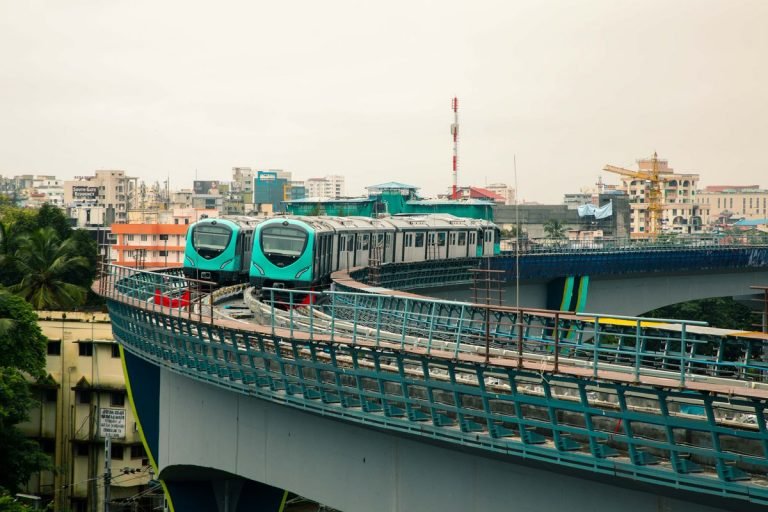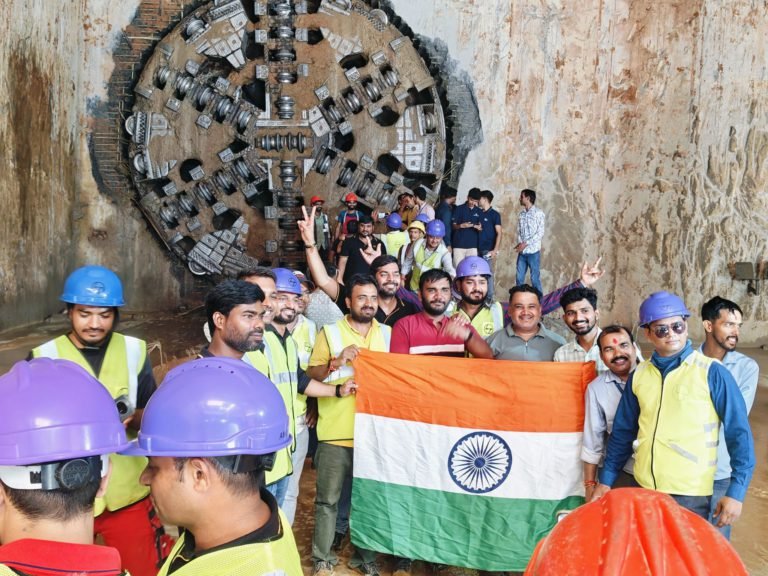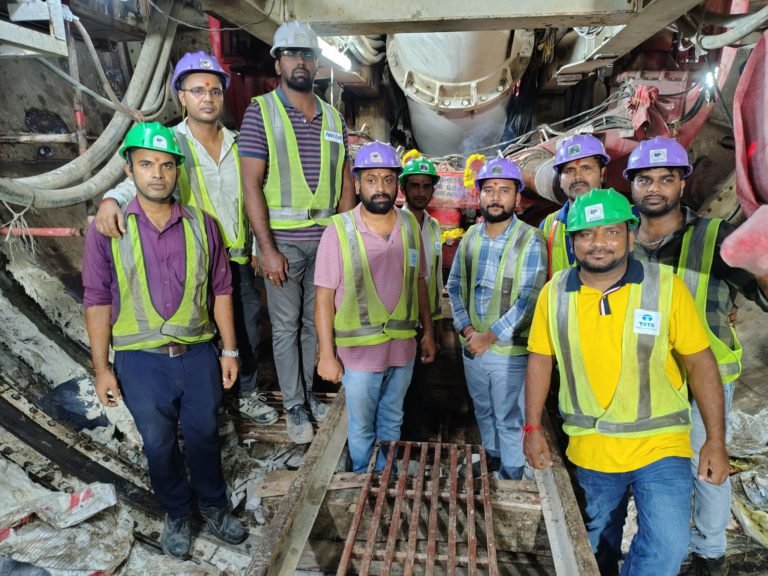
New Delhi: Prime Minister Narendra Modi has flagged-off the Delhi-Faridabad Metro Line that would allow hassle free travel for around two lakh daily commuters between the national capital and the industrial hub in Haryana.
The extension of the Delhi Metro connects Badarpur to Escorts Mujesar in Faridabad.
The total cost of the project from Badarpur to Escorts Mujesar is nearly Rs. 2,500 crore. Out of this, Rs. 1,557 crore was borne by the Haryana Government, the Centre contributed Rs. 537 crore, while the Delhi Metro provided Rs. 400 crore.
All these are elevated and located on either side of the Delhi-Mathura Road (NH-2).
“The nine-station metro corridor which was 95 per cent indigenously built will provide people a safe, affordable, quick, comfortable, reliable, environment-friendly and sustainable transport facility,” a Haryana government spokesperson said.
Haryana Chief Minister ML Khattar, addressing a press conference on Saturday, had thanked the Prime Minister for “gifting” the Metro service which would take the city to “another level of progress” with better connectivity with other NCR towns.
He had also said that the Prime Minister would be announcing the go-ahead for connecting Gurgaon with Faridabad by Metro.
Bhubaneswar Metro (The image is for representation only.)
Bhubaneswar (Metro Rail News): Last week on June 7, Delhi Metro Rail Corporation declared MIA Construction Pvt. Ltd. as the lowest bidder for the civil construction work of Phulapkhari Depot & Workshop of Bhubaneswar Metro Phase 1 project.
Phulapokhar depot will be constructed under Package BBC-02 on a 16-hectare plot in Phulapokhari. This depot will accommodate three coach trains to maintain Bhubaneswar Metro’s 26 km Line-1.
The Contract BBC-02 entails Civil Works for Construction of Bhubaneswar Metro Depot Cum Workshop, OCC Buildings including Plumbing, Drainage, External Development Works etc. and Road Works of Bhubaneswar MRTS Phase-I Project.
Contract BBC-02 involves civil works for the Bhubaneswar Metro Depot cum Workshop, including the construction of OCC (Operations Control Centre) buildings. The scope covers a broad range of tasks, such as plumbing, drainage systems, and various external development activities. Additionally, the contract includes the development of road infrastructure, which is part of the Bhubaneswar MRTS (Mass Rapid Transit System) Phase-I Project.
In January 2024, Delhi Metro Rail Corporation floated the tender for the civil work of Phulapokhari Depot, estimating the cost at Rs. 104.74 crore and providing a 36-month (3-year) deadline for completion of work.
In early April, DMRC opened technical bids for Package BBC-02, revealing 22 bidders. However, 12 of these bidders were disqualified due to non-compliance with the tender’s conditions.
Firm
Bid
MIA Construction Pvt. Ltd.
79.75 Crore
Amara Raja Infra Pvt. Ltd.
88.71 Crore
Quality Buildcon Pvt. Ltd.
88.71 Crore
Himcon Engineers India Pvt. Ltd.
91.25 Crore
Lisha Engineers Pvt. Ltd.
94.07 Crore
Ranjit Buildcon Ltd.
98.31 Crore
SPD Constructions Pvt. Ltd.
99.37 Crore
Shree Balaji Engicons Ltd.
100.66 Crore
Dineshchandra R.Agrawal Infracon Pvt. Ltd.
127.54 Crore
URC Construction (P) Ltd.
145.35 Crore
With a bid of Rs. 79.75 crore, M I A Construction presented a substantially lower bid than DMRC’s estimated Rs. 104.74 crore, indicating that the contract will likely be awarded in the coming weeks without an extensive financial bid evaluation period. Currently, construction is underway for a precast boundary wall around the depot’s premises under Package BBC-01.
Bhubaneswar Metro Phase 1
The state government of Odisha approved the Detailed Project Report (DPR) of Phase 1 on November 14, 2023, at an estimated cost of Rs. 5926.38 crore. As per the DPR (prepared by DMRC), phase 1 will feature 1 corridor, connecting Trisulia Square with Biju Patnaik Airport through 20 elevated stations. Odisha CM Shri Naveen Patnaik laid the project’s foundation stone on January 1, 2024.
The evolution of bogies and wheelsets over the past decades has been marked by notable progress, driven by a combination of several key factors. Bogies and wheelsets have transformed over time, getting better and stronger. They help trains run smoothly and safely on the tracks, making sure everyone gets where they need to go. The advancements are admirable and we should take a closer examination to distinguish their efficacy and potential for further improvement.
One crucial aspect of this transformation has been the pursuit of lightweight design and the integration of best materials. They’ve changed a lot over the years, becoming lighter and stronger. This helps trains move faster and more efficiently. In response to the critical need for improved energy efficiency and reduced operational burdens, the exploration and adoption of materials such as high-tensile steel and carbon fiber reinforced plastics (CFRP) have been instrumental. By adopting these materials for bogie frames, weight is reduced by 40-50% substantially. However, while these endeavours represent commendable progress, there remains room for crucial evaluation regarding the durability and cost-effectiveness of these lightweight solutions.
The introduction of computational simulation and advanced assessment methodologies has shown a new era of design suitability. These sophisticated tools have enabled the use of lightweight materials without compromising structural strength. Nevertheless, a careful inspection is required to ensure that the promises of these methodologies transform into visible benefits without sacrificing safety or reliability.
The era of digitalisation has penetrated every aspect of train engineering in the hope of efficient and optimized functioning. The rise of digital twins, virtual tests and data-driven maintenance, all boosted by machine learning and artificial intelligence, marks a big change in how things are done. Yet, as we embrace these technological marvels, we need to carefully examine whether these ideas actually work in real life and if there are any problems we might not see at first. Otherwise, we might get caught up in new ideas without really getting any benefits from them.
Steps towards automation and manufacturing have posed both opportunities and challenges. The integration of highly automated robotic lines into production processes holds promise for streamlining operations and enhancing productivity. But making sure the welding works and everything is easy to reach in these automatic systems is really tricky. We have to be really vigilant and check everything closely to avoid unexpected problems.
Looking ahead, the trajectory of the Train Bogies market appears promising, with a great emphasis on sustainability and technological integration. However, as we follow this journey of progress, it is important to maintain an observant stance, critically evaluating each step to ensure that innovation aligns harmoniously with practicality and efficacy. The upcoming decade holds immense potential for growth, followed by ambitious initiatives like the Indian government’s plans for rail corridor expansion. Yet, it is only through a judicious blend of positivity and critical inspection that we can navigate this path and figure out how to make the most of new train technology.
Historical Glance – Evolution Over the Years
The journey of rail carriages is as fascinating as it is extensive. From the humble beginnings of basic designs lacking even fundamental amenities to the introduction of ultra-modern air-conditioned coaches, the trajectory of development reflects a constant pursuit of passenger comfort and safety. Rail travel has undergone a remarkable transformation, evolving from a basic and uncomfortable experience to a mode of transportation characterized by comfort and efficiency, all thanks to the evolution and historical development of bogies and trainsets.
Dating back to the early days of rail travel in India, many rail systems emerged, serving both commoners and royalty alike. While ordinary coaches served the masses, luxurious salons decorated with lavish furnishings served the elite, highlighting the clear difference in travel experiences.. However, as rail networks expanded and technology progressed, a gradual refinement in design and construction became evident.
The transition from timber to steel for underframes not only improved durability but also prolonged the lifespan of coaches, offering a sneak peek into the continuous pursuit of innovation within the industry. A firm commitment to safety and passenger comfort has remained at the forefront of industry priorities. The inclusion of stainless steel in coach construction, known for its resilience and impact-absorbing properties, aligns with the pursuit of safety standards.
The introduction of bogie carriages in the early 20th century promised a new era of mobility characterized by improved stability and comfort. Yet, challenges persisted, with safety concerns due to inadequate braking systems and old lighting arrangements. However, innovations such as the vacuum brake and gas lighting represented enhanced passenger safety and convenience. The post-war era proved to bring an upgrade with the adoption of all-metal lightweight carriages, a fusion of technology, and design ingenuity. The establishment of the Integral Coach Factory (ICF) in Perambur marked a turning point, facilitating the mass production of modern coaches designed to meet the evolving needs of passengers.
Today, as we reflect on rail history, the legacy of innovation and progress is evident. The Regional Rail Museum in Perambur stands as proof of this journey, showcasing a treasure collection of coaches that witnessed the evolution of rail travel.
India – Tracing the Bogie Journey
The train bogie plays a vital role in ensuring smooth and safe train operations. Positioned beneath the train, it attaches the wheels to the railway vehicles securily. Equipped with suspension and brake systems, the bogie ensures flexibility and comfort throughout the journey. It not only maintains the train’s quality but also guides it along the track, offering a multifaceted approach during operation. Crafted to fit the train’s structure and engine, it has proved to be a cost-effective transportation solution.
India’s railway journey initiated in 1832 when the first proposals for railways were made in Madras, setting the stage for a new era of transportation. The inaugural train journey in India, from Red Hills to Chintadripet Bridge in Madras in 1837, was powered by the innovative efforts of visionaries like Sir Arthur Cotton and William Avery.
The evolution of locomotive standards in India took a significant leap forward in 1924 with the formation of the Locomotive Standards Committee. This committee, tasked with updating and standardizing locomotive designs, recommended the adoption of Indian Railway Standards (IRS) classes, which included six broad gauge classes: XA (Branch line passenger-4-6-2), XB (Light passenger 4-6-2), XC (Heavy passenger 4-6-2), XD (Light Goods 2-8-2), XE (Heavy Goods 2-8-2), and XT (Light Tank 0-4-2 T). These standards not only transformed locomotive design but also paved the way for greater efficiency and performance across India’s railways.
Trivial Facts -Some key findings and developments over the years:
The first three decades of the 19th century saw intensive manufacturing activity in railway workshops and local units.
By 1880, the Indian railways owned 6,600 carriages, and by 1951, the number had gone up to 20,767 (excluding Pakistan).
A third-class coach with a timber body cost Rs.1.25 lakhs in 1950.
HAL produced 150 coaches a year during the Second World War when coach building was not easy.
The introduction of Stainless steel coaches post-Second World War to absorb shocks of collisions and derailments, reduced rail accidents by one-fifth from 1960-61 to 2000-01.
Tests have shown that austenitic stainless steel (S30103 and S30153) absorbs 2.5 times more energy during deformation than carbon and aluminium.
The Integral Coach Factory (ICF) in Perambur was established in 1952, and in one year, it came out with over 1,000 drawings required to guide manufacturers on machinery and technicalities.
Innovative Design and Material Advancements
Newer, lighter materials like strong steel and special plastic have made train frames much lighter by about half! This means trains can use less energy and be more eco-friendly.
Harnessing the Power of Digitalization
Exploring the powers of digital twins, virtual data, and condition-based maintenance, added by machine learning and AI, not only accelerates time-to-market functioning but also regulates system availability and presents sustainable operations. Let’s understand this concept with the help of an example: imagine a company that makes cars. Instead of building physical prototypes of each car model, they use computers to create virtual versions. They also use special tests on these virtual cars to make sure they’re safe and meet regulations before they even build them. Plus, they use smart technology to keep the cars running smoothly, predicting when they might need repairs. This helps them get new cars to customers faster, ensures they work well, and it’s better for the planet too.
Automation and Manufacturing Progression
When we incorporate the powers of digital data along with the ‘Internet of Things’, we can make all the operations run in automatic mode as long as the conditions of machine learning are fulfilled. The use of robotics in manufacturing operations greatly reduces production time, leading to an increased production rate in a given time. This benefits not only the company but also meets the growing demands of present times. We especially need faster technology for repair systems, because it’s a machine, running non-stop, so we need quicker solutions so as to not halt its running progress.
Incorporation of Cutting-edge Technologies
The use of better technologies will no doubt help in the efficient functioning of any project. In this segment, we are talking about bogies and trainsets. With more and more development we would need our bogies to be as fast as possible, lightweight, able to withstand heavy loads, and more. Similarly in the trainsets, we would need the inclusion of facilities needed by an individual. So, when designing such models, we need good technologies to achieve smoother integration of upgrades.
Regional and Segment-specific Growth Dynamics
Population is growing and we also need better projects to replace the old segments, owing to sustainability. Indian government’s ambitious initiatives to develop new rail corridors and expand the existing track network by 40,000 km before 2030. It is thought to propel substantial demand for bogies and trainsets.
Global Outlook: Sustainability and Technological Integration
On a global scale, the concerted emphasis on environmentally sustainable solutions coupled with the continued integration of advanced technologies like AI and machine learning are set to steer the upward trajectory of growth in the Train Bogies market.
WHY? – Need to Upgrade Bogies and Trainsets
With changing times, we’ll need to upgrade all our models, in this case, bogies and trainsets. The demand in the present scenario is for safety, speed, and efficiency. In the global market, the train bogie sector is set out for growth, as the demand for safety in railway transportation increases. With a rising preference for public transit, particularly in recent times, this trend is expected to continue. Government regulations worldwide, emphasizing on passenger and cargo safety, will further fuel market expansion. Train bogies stand out for their energy efficiency and cost-effectiveness, making them a preferred choice in rail transport.
Types of Bogies
The design of bogies sets rail vehicles apart from their road counterparts. Initially, railway vehicles relied on fixed axles, but the introduction of the bogie, initially termed the “swiveling bolster,” revolutionized rail travel. A bogie, typically a short two or three-axle unit, is mounted beneath the vehicle frame, granting it a degree of freedom to move.
As locomotive technology evolved, movement power units predominantly adopted bogie designs, offering flexibility for passing curves seamlessly while maintaining radial flexibility through suspension mechanisms. However, smaller locomotives, shunters, and historic vehicles often retained fixed wheelsets. This showcases the diversity within the railway industry.
Each type of rail vehicle – locomotives, railcars, passenger coaches, freight wagons, underground, and suburban vehicles – features specific bogie designs tailored to meet specific requirements. These designs prioritize factors such as speed, comfort, load capacity, axle load, derailment safety, and smooth operation. The collection of bogie designs reflects the industry’s commitment to diverse performance across various operational contexts.
A notable feature of bogies is their ability to spin within the bogie frame mounted beneath the main frame of the vehicle. This pivotal movement is advantageous for several reasons:
It enables the bogie to move in curves with greater ease, allowing rail vehicles to follow tighter curves, which was not possible with rigid wheelsets. Consequently, longer vehicles can be designed, limited only by the loading gauge profile in curves.
Bogies absorb and control vertical and diagonal impacts on the track, reducing the forces transferred to the main frame by half. This mechanism contributes to smoother rides and minimizes wear and tear on railway tracks.
Bogies distribute axle loads more evenly compared to individual axles, further reducing track wear and enhancing operational efficiency.
The innovative design of bogies represents a breakthrough in modern rail transportation, offering versatility, stability, and efficiency. As rail technology continues to evolve, bogie designs will undoubtedly play a pivotal role in shaping the future of rail travel, fostering a safer, more comfortable, and sustainable transportation ecosystem.
Two Axle Bogie
Two-axle bogies, characterized by a front and rear axle arrangement, are ideal for lighter vehicles like small trains, cars, and light trucks. Their design prioritizes motility and ride quality, making them key components of various transportation systems.
The hallmark of two-axle bogies lies in their ability to allow wheels and axles to move independently, enhancing steering responsiveness and overall driving experience. This independent movement translates into smoother cornering and better handling, crucial factors for vehicles navigating urban settings.
The versatility of two-axle bogies extends to commercial trains for passengers and metro systems, where they find applications in lighter rail vehicles such as commuter trains and tramcars. Their compact size and flexible performance make them well-suited for urban transit networks, facilitating efficient and comfortable travel for commuters
Three-Axle Bogies
On the other hand, three-axle bogies, featuring a front axle and two rear axles, are the workhorses of heavier vehicles such as freight trains,longer trains, trucks and light semi-trailers. Their strong design and structural complexity cater to the demanding requirements of heavy-duty transportation applications.
One of the primary advantages of three-axle bogies is their superior stability and load-bearing capacity. The additional axle enables these bogies to distribute weight more evenly, reducing strain on individual components and ensuring optimal performance under heavy loads. Moreover, three-axle bogies exhibit improved steering characteristics, thanks to their sophisticated design and engineering. This translates into improved handling and control, crucial for safely navigating challenging terrain conditions and tight spaces.
Three-axle bogies play a vital role in commercial trains for passengers and metro systems, particularly in locomotives (engines) and freight cars. Their robust construction and load-bearing capabilities make them essential for hauling heavy cargo and ensuring the smooth, reliable operation of rail services.
While two-axle bogies excel in agility and ride comfort for lighter vehicles, three-axle bogies offer unparalleled stability, load-bearing capacity, and steering precision for heavier applications. Together, these bogie arrangements transformed the base of transportation systems worldwide, contributing to efficient and sustainable mobility across transport industries.
Types of Trainsets – Commercial and Passenger Settings
Trainsets are commonly used in urban transit systems, commuter rail services, and high-speed rail networks, where they offer advantages such as faster acceleration, shorter dwell times at stations, and increased energy efficiency compared to traditional train design. Additionally, trainsets are often designed to be modular, allowing for easier expansion or modification of the fleet to meet changing operational requirements.
Key factors to consider for trainset development in commercial trains:
Comfortable seating arrangements designed for long-distance travel.
Optimal design for optimal support and relaxation during the journey.
Well-equipped toilet modules with modern facilities for passenger convenience.
Spacious interiors with ample legroom and storage space for luggage.
Advanced air-conditioning systems for climate control and passenger comfort.
On-board electronics for entertainment and communication purposes.
Efficient passenger access products for seamless boarding and deboarding.
Sunlight-readable displays for public information and advertising, enhancing the overall travel experience.
ICF Coaches to LHB Coaches
Indian Railways is swiftly upgrading its train fleet by replacing traditional Integral Coach Factory (ICF) coaches with modern and more advanced Linke Hofmann Busch (LHB) coaches. According to the Ministry of Railways, a remarkable total of 23,000 conventional ICF coaches have been effectively replaced by LHB coaches since 2015.
These LHB coaches have several advanced features, including an anti-climbing arrangement, secondary air suspension, corrosion-resistant shell, and improvised ride quality, ensuring safer and more comfortable journeys for passengers. The decision to discontinue the manufacturing of ICF coaches from FY 2018-19 onwards remark the national transporter’s commitment to technological growth and passenger satisfaction.
Notably, the LHB coaches have seen a significant increase in production in recent years. In the last financial year alone, the national transporter manufactured an impressive 4,175 LHB coaches (until January 31, 2023). Of these, 1,221 coaches were produced at Rail Coach Factory (RCF), 1,891 at Integral Coach Factory (ICF), and 1,063 at Modern Coach Factory (MCF). This represents a remarkable 45 percent increase in LHB coach production compared to the previous financial year.
The production trend reflects the steady growth in the adoption of LHB coaches by Indian Railways. With 4,429 coaches manufactured in FY 2018-19, followed by 6,277 coaches in FY 2019-20, 4,323 coaches in FY 2020-21, and 6,291 coaches in FY 2021-22, the upward trajectory marks the railways’ relentless efforts towards modernization and enhancement of passenger amenities.
Vande Bharat
This is a flagship semi-high-speed trainset introduced by Indian Railways. It operates between major cities like Delhi and Varanasi, offering modern beneficiaries and a comfortable travel experience.
Features
High Speed – In 2022, the second-generation trains set a new speed record, accelerating to 100 km/h (62 mph) in just 52 seconds, compared to the previous version’s 54 seconds. Additionally, these trains reached a speed of 160 km/h (99 mph) in 140 seconds, 5 seconds faster than their predecessors.
Light–weighing 392 tonnes compared to 430 tonnes, and features larger 32-inch television screens and onboard Wi-Fi.
The air conditioning system on the VB2 trains uses 15% less energy than the first generation, and they come equipped with automatic plug doors, emergency communication units, and accessible toilets.
Bigger driver’s cabin and seats that can be reclined smoothly with a push-back arrangement.
For safety, the VB2 trains are fitted with Kavach signaling technology, Fibre Reinforced Polymer (FRP) seats, and various emergency features including emergency windows, disaster lights, fire survival cables, and ventilation for up to three hours in case of power failure.
The Kavach system activates the train braking system automatically if the driver fails to control the train according to the speed, thereby preventing collisions between two locomotives equipped with a functional Kavach system.
Centralized Coach Monitoring System for electricity and climate control.
Furthermore, the VB2 trains are equipped with a bacteria-free air conditioning system and enhanced flood protection for electrical equipment, ensuring reliability during monsoons up to 65 cm (26 in).
On 24 September 2023, 9 new Vande Bharat Express trains were introduced with upgraded features based on passenger feedback, including improvements in seats, toilets, and an advanced aerosol-based fire detection and suppression system.
Humsafar Express
Indian Railways, under the leadership of Suresh Prabhu, has invested Rs 20 lakh per coach to upgrade the Humsafar Express, intending to elevate passenger comfort. The revamped features include baby seats in toilets, comfortable side berth seats, reading lights, and USB charging points. One significant improvement is the redesigned side lower berth, addressing a long-standing complaint of passengers. A detachable board has been introduced to prevent backaches and enhance comfort during travel.
The interiors of the new Humsafar Express have been renovated, with changes in curtain design and lighter, fire-resistant curtains. USB charging points and reading lights have been installed next to each berth, while upper berth climbing arrangements have been made more convenient with added handles. In a family-friendly move, baby seats have been added in the toilets, aiding parents in changing diapers. Additionally, a sensor-based men’s urinal has been introduced, along with a two-step floor design for water containment.
The exterior features a reflective destination board and 3D numbering for easy identification, along with anti-graffiti coating. The train’s flooring has been upgraded with vinyl coating for easier cleaning. Despite these enhancements, ticket prices remain unchanged, a gesture appreciated by passengers. The Humsafar Express, with its improved amenities, aims to generate more revenue while providing better facilities to passengers, contributing to a more comfortable and enjoyable journey.
Tejas Express
The two versions of Tejas trains, one operating between Chhatrapati Shivaji Terminus (CSMT), Mumbai, and Karmali, are manufactured at Rail Coach Factory, Kapurthala, while the other running between Chennai Egmore and Madurai, are manufactured at Integral Coach Factory, Chennai. Designed for a maximum speed of 200 km/h (120 mph), the Tejas Express operates at an average speed of 65 km/h (40 mph) due to track and safety constraints.
Each Tejas Express comprises 14 non-executive chair cars, accommodating up to 72 passengers in a 3+2 configuration, and two executive chair cars with a seating capacity of 56 passengers each. The executive chair cars feature adjustable headrests, arm support, and leg support, while the non-executive chairs offer comfortable seating height.
The coaches are equipped with bio-vacuum toilets, water level indicators, tap sensors, hand dryers, integrated braille displays, LED TVs for each passenger with phone sockets, local cuisine, celebrity chef menu, WiFi, tea & coffee vending machines, magazines, snack tables, CCTV cameras, and fire & smoke detection and suppression system.
Fares for the Tejas Express are typically 20% to 30% higher than those of Shatabdi trains. The coaches feature redesigned seats with eco-leather, soap dispensers, touchless water taps, odor-control systems, occupancy indicators, and centrally controlled doors. Other amenities include large windows, electric outlets, overhead racks on chair car rakes, underneath storage on sleeper car rakes, automatic doors, smoke alarms, and sensor-based water taps.
Gatimaan Express
India’s inaugural semi-high-speed train, Gatimaan Express, capable of reaching speeds up to 160 km/h, operates between H. Nizamuddin and Agra Cantt. stations. The train is inaugurated by Railway Minister Shri Suresh Prabhakar Prabu, marking a significant milestone in India’s rail transportation.
Gatimaan Express introduces several enhancements to the passenger experience. On-board catering, managed by IRCTC, includes the deployment of train hostesses and offers a variety of cuisines. Additionally, passengers can enjoy complimentary entertainment via MyFreeTv.in without an internet connection through onboard WiFi.
The train features new LHB coaches from Rail Coach Factory, Kapurthala, equipped with bio-toilets, balanced draft gear couplers, soap dispensers, auto-genitors, and free microburst systems for improved hygiene. The coaches’ interiors boast scenic pastings and aesthetic upgrades, while the exteriors sport a fresh color scheme. The flooring receives a marathon Shine treatment for cleanliness.
Regulatory Measures and Sustainability
Implementing any project of such motive and vastness will need timely regulatory invasions to check on the operational progress. So many factors are being included, and with so many bigger organizations on board, the promise to present a great project is a critical task. Even the public has high hopes and is in alignment with the government’s initiative. Thus presenting regular reports and keeping records can help officials keep track of measures that are being opted critically.
The Government of India, in alignment with its Nationally Determined Contributions (NDCs), has committed to reducing emissions intensity by 33%, with a particular focus on the transport sector. Indian Railways’ use of renewable energy sources in its energy mix is expanding. They are improving energy efficiency in both diesel and electric friction systems to reduce greenhouse gas emissions. The implementation of the Perform, Achieve, and Trade (PAT) Scheme in the railway sector, the introduction of a 5% blend of biofuels in traction diesel fuel, and the improvement of water use efficiency by 20% by 2030 are among the other measures being undertaken. Initiatives such as increasing carbon sink through extensive tree plantation, waste management, pollution control measures, and adoption of green practices in infrastructure development contribute significantly to environmental sustainability. Active participation in the Swachh Bharat Mission and working towards achieving a “Net Zero” status by 2030 through complete electrification of railway tracks further underscore Indian Railways’ commitment to sustainable development and mitigating climate change. Through these concerted efforts, Indian Railways is not only contributing to mitigating climate change but also spearheading sustainable development in the transport sector.
Conclusion
The evolution of bogies and trainsets over the years has been remarkable, driven by a commitment to safety, reliability, energy efficiency, speed, aesthetics, and cargo management. From the early proposals for railways in the 19th century to the introduction of high-speed trains and advanced bogie technologies, the journey has been marked by continuous innovation and adaptation. The concept of upgrading is essential to keep pace with evolving needs and technological advancements. Different types of bogies have been developed to cater to diverse requirements, whether for cargo movement or passenger journeys, spanning long distances or short commutes. These variations offer flexibility and customization options, ensuring optimal performance and comfort for various travel purposes. Additionally, the introduction of different trainsets provides passengers with a range of choices based on preferences, offering enhanced amenities and services to meet varying needs.
Sustainability has emerged as a crucial consideration in the development of bogies and trainsets. Efforts to enhance energy efficiency, reduce emissions, and incorporate eco-friendly materials highlight a collective shift towards green initiatives. By embracing sustainable practices and technologies, the rail industry is not only improving its environmental footprint but also contributing to broader sustainability goals. The ongoing advancements in bogies and trainsets underscore a commitment to innovation, safety, comfort, and sustainability. As the industry continues to evolve, embracing new technologies and practices, it remains poised to meet the growing demands of modern transportation while minimizing its environmental impact.
Rail Vikas Nigam Limited (RVNL), has invited bids under single stage two system for the work of “Construction of PEB sheds, structures, buildings, overhead tank with water supply arrangement, drainage, road, track works.
Image Credit (representational): CLW.
Rail Vikas Nigam Limited (RVNL), a central public sector enterprise under the Ministry of Railways, has secured a contract worth ₹390 crore from the Eastern Railway.
This contract highlights a crucial step forward in developing railway infrastructure in India. Under this contract, RVNL will be responsible for building the Sitarampur bypass line. This new line falls under the Asansol division of the Eastern Railway.
The project holds great importance for streamlining railway operations in the region. The construction of the Sitarampur bypass line is expected to improve traffic flow and enhance overall efficiency.
The total project cost is ₹3,90,97,35,276.55, including GST. RVNL has received a Letter of Acceptance from the Eastern Railway, officially authorising them to commence construction. The project is expected to be completed within 24 months.
This contract award highlights the Indian government’s ongoing efforts to expand the country’s railway network. The completion of the Sitarampur bypass line will contribute to a more robust and efficient railway system, benefiting both passengers and freight movement across the region.
Introduction: Metro Rail News conducted an email interview with Shri Sushil Kumar, Managing Director of Uttar Pradesh Metro Rail Corporation (UPMRC), which sheds light on key developments and future prospects of metro projects in Uttar Pradesh. The interview delves into the progress and expected operational timelines of crucial undertakings such as the Kanpur Metro and Agra Metro projects. Additionally, it explores pivotal initiatives aimed at enhancing financial sustainability, boosting ridership, and improving first-mile and last-mile connectivity across various metro systems managed by UPMRC. Let’s delve into the insights provided by Shri Sushil Kumar, offering a comprehensive understanding of the transformative journey of metro infrastructure in Uttar Pradesh.
Could you provide an update on the current metro projects managed by UPMRC, particularly regarding the expected operational dates for the Kanpur and Agra Metros?
Uttar Pradesh is fast emerging as a ‘Metro’ state with a maximum number of ongoing metro projects which are operational as well as in the execution stage. Uttar Pradesh Metro Rail Corporation, after executing Lucknow, Kanpur and Agra Metro Projects is now executing the balance section of Kanpur and Agra Metro Rail Project at a fast pace.
In Uttar Pradesh, the Metro system is operational in cities where the pressure of population is increasing day by day and these cities have many densely inhabited and congested areas.
Lucknow Metro
For instance, Lucknow, the capital of Uttar Pradesh is facing massive urbanization and migration due to better livelihood and career opportunities. In the present as well as proposed corridors, all major transport terminals, universities, schools, parks, market areas and medical colleges are connected through the metro.
Kanpur Metro
Kanpur Metro was inaugurated by the Hon’ble Prime Minister on 28th December 2021 in a record time of 2 years and 1.5 months in a 9km long priority corridor. Kanpur is a densely populated industrial city of Uttar Pradesh. With a population of over 35 lacs, the city’s metro system will benefit the residential areas, schools, hospitals, colleges, universities and businesses operating in an array of segments. Kanpur metro will decongest the areas that are witnessing traffic congestion. It will save time and money for the commuters. Kanpur features 2 metro corridors with a total length of 32.5km long. Construction in the balance section of the first corridor and second corridor Is going in full swing.
Agra Metro
Similarly, Agra, being the fourth most populated city of Uttar Pradesh, now has a metro system which not only helps in the decongestion of traffic and reduces pollution caused by vehicles but also helps in multi-modal integration and is making urban transit hassle free. The world-class metro system in Agra was inaugurated by Hon’ble Prime Minister Shri Narendra Modi in the presence of Hon’ble Chief Minister of Uttar Pradesh, Shri Yogi Adityanath, on 6th March 2024.
The Agra Metro Project was executed in a record time and metro services were successfully inaugurated for passenger services on the 6 km long Priority Stretch. UPMRC holds the distinction of fastest construction of the Underground Stretch (3 km underground stretch including tunnel construction in just 11 months).All metro systems have been designed in such a way that they blend seamlessly with the aesthetic of the city and are an unobtrusive means of transport.
When is the construction expected to commence for the East-West corridor of the Lucknow Metro?
The East-West Corridor of the Lucknow Metro is a pivotal infrastructure project aimed at enhancing connectivity within the city. Spanning approximately 11.165 kilometres from Charbagh to Vasantkunj, this corridor holds significant promise for easing commuting woes and stimulating economic growth in the region.
The DPR has been approved by the state cabinet and has been forwarded to the central government for further assent. Once approved, we are expecting to start the work by the end of this year. It is estimated that the project will be completed within 5 years from start of construction. The estimated cost of the project is Rs 5,801 crores.
The East-West corridor of the Lucknow Metro is projected to enhance the financial sustainability of the system. Could you elaborate on this correlation and its anticipated impact, including expected ridership?
The East-West corridor of the Lucknow Metro is indeed poised to significantly enhance the financial sustainability of the entire metro system. Here’s a detailed elaboration of how:
High Ridership Potential: The corridor traverses through densely populated areas and connects vital nodes such as major hospitals and bustling markets. This strategic alignment ensures a high demand for metro services, leading to a substantial increase in ridership. The influx of passengers translates directly into increased fare-box revenue for the Uttar Pradesh Metro Rail Corporation (UPMRC), bolstering the financial viability of the metro system.
Connecting Charbagh to Vasant Kunj, the Lucknow Metro’s East-West Corridor will provide connectivity to prominent locations in Old Lucknow, such as Aminabad and Chowk. It will also connect other crowded areas along its route, offering convenience to the people of Lucknow. The Charbagh Metro Station will serve as a junction for both corridors, i.e., the North-South Corridor and the East-West Corridor. ‘The East-West corridor between Charbagh and Vasant Kunj will consist of a total of 12 stations, with a length of 11.165 km. There will be 5 elevated metro stations with a length of 4.286 km and 7 underground metro stations covering 6.879 km.
The underground track from Charbagh to Niwaz Ganj will be 6.879 km long, encompassing a total of seven underground stations: Charbagh, Gautam Buddha Nagar, Aminabad, Pandey Ganj, City Railway Station, Medical College Intersection, and Niwaz Ganj. The stretch from Niwaz Ganj will transition to an elevated track. The elevated route from here to Vasant Kunj will be 4.286 km long, featuring elevated metro stations at Thakurganj, Balaganj, Sarfarazganj, Musa Bagh, and Vasant Kunj. A metro depot will also be established in Vasant Kunj.
In essence, the East-West corridor not only expands the reach and accessibility of the Lucknow Metro but also creates a robust economic ecosystem around its infrastructure. By capitalizing on increased ridership, transit-oriented development opportunities, and property development ventures, the metro system becomes not just a mode of transportation but a catalyst for sustainable urban growth and the financial sustainability of the organisation.
Due to the dense population along its route, the East-West metro corridor in Lucknow anticipates a daily ridership of 1 lakh commuters. Enhanced connectivity to vital locations and relief from congestion are key factors driving this high demand for efficient public transportation in densely populated urban areas.
Sustainability and self-sufficiency for Metro financing
A Metro in a tear-II city in India having a network of 25-35 Km needs about Rs 125-150 core per year for day-to-day operations after commissioning, and most of the Metros are able to generate that equivalent revenue from fare and non-fare box. Therefore such smaller metros are generally not in losses as in cash-in cash-out basis. However, according to norms, additional revenue is expected to meet the deprecation of assets (about 300 core per year) and loan repayment for funding Institutions. Under the Metro policy, the Government of India had an ambitious plan for the metro to be self-sufficient even for repayment of loans (about Rs.300-400 core per year), unlike most of such other Government Institutions for which provision has been made in DPR to get sufficiently large land procured (about 150 hectare) in a metro project from State Government for generating sufficient non-fare revenue mainly to repay loan component.
Uttar Pradesh is the first such state to give about 86 hectares of land to UPMRC, for which a consultant is already in place. Additionally, Uttar Pradesh is one of the first states to issue the guidelines for ToD (Transit-oriented Development) policy and the creation of the “Special Amenities Development Fund” as enabling provision for increasing non-fare box revenue. Transit-Oriented Development (TOD) Policy: The government’s approval of the Transit-Oriented Development policy unlocks a new stream of revenue for the metro system. This policy encourages mixed-use developments in close proximity to metro corridors, attracting investments in commercial and residential projects. Revenue generated from these new constructions, through taxes, fees, and other means, contributes to the financial sustainability of the metro infrastructure.
Property Development Opportunities: Better connectivity provided by the metro stimulates property development at metro stations. These developments include shops, outlets, restaurants, and food courts, catering to the needs of commuters and residents alike. Revenue generated from leasing out commercial spaces within metro stations adds to the income streams of UPMRC, further bolstering its financial position.
Given the average ridership of 20-30% for metros across India, excluding the Delhi Metro, according to an IIT-D report, what measures has UPMRC implemented to boost ridership?
UPMRC has taken up numerous initiatives which been successfully contributing to the increase in ridership of Lucknow, Kanpur and Agra.
Public engagement: On average, an event is being planned at UPMRC stations every two days to engage existing and potential passengers. These events include book fairs, carnivals on various occasions and festivals, birthday celebrations, and opportunities to have kitty parties. These events bring potential passengers to metro stations and increase the chances of them becoming regulars. Experiencing the comfort and facilities firsthand encourages passengers to consider using the metro regularly.
The unique ‘Customer Relation Management’ program of UPMRC is focusing on feedback and complaint redressal within 48 hours by a core Complaint cell team.
Under the ‘Know Your Metro’ program, UPMRC is conducting workshops in various schools, offices, and institutions along the metro corridor, apprising the audience about the metro route, fare, facilities, and how to use the metro. This is immensely helping in increasing passenger influx.
UPMRC stations are hosting vibrant and varied food outlets. More than 45 eating points are proving to be useful and attractive for passengers.
UPMRC’s Excellent Multi-Modal Connectivity is also easing the life of passengers traveling to other cities. Direct landing through FoB at its main Bus Stand, Railway Stations like Lucknow Junction, Charbagh, and Badshahnagar, and 150-meter walking connectivity to the Airport is extending support to thousands of passengers every day.
How do you evaluate the first-mile and last-mile connectivity for various metro systems managed by UPMRC? Kindly provide an overview of the initiatives undertaken by UPMRC to address this aspect.
UPMRC has taken a holistic approach in this regard by integrating various modes of urban transportation so that first and last mile connectivity can be significantly improved in the long run. Various tie-ups and collaborations with mobility partners like Rapido, Ola and Uber is playing a vital role in enhancing smart mobility to the doorstep.
Integration with the city bus transport services in the respective cities is also changing the current scenario when it comes to providing last-mile connectivity.
In fact, Lucknow Metro recently received the National Award from the Government of India for the Best Multi-Modal Integration. For instance:
The CCS Airport is just 92 meters from the CCS Airport Metro Station, and passengers coming from the airport can conveniently take their luggage trolleys to the Airport Metro station and leave them there.
The Charbagh Railway Station is directly connected from the metro station gate through a Foot-over bridge and lifts.
The Lucknow Junction railway station is connected with the Durgapuri Metro station internally in such a way that a passenger lands directly at the platform of Lucknow Junction from the Metro station concourse through the escalator and FOB.
Similarly, Badshahnagar railway station is also within 120 mtrs from Badshahnagar Metro Station gate. Alambagh Bus Terminal, the largest bus terminal of Lucknow is just 22 mtrs from the gate of Alambagh Bus Stand metro station and is connected through a FOB.
Kanpur- The under-construction Kanpur Central Metro Station will be the game changer with direct connectivity to the city’s biggest railway station the Kanpur Central Railway Station and the bus stand.
The multi-modal integration with existing modes has been planned at all metro stations of UPMRC for efficient passenger movement. Major interchange stations have been planned with other existing bus/rail terminals, which serve as complementary feeders for the passengers from their respective origins to destinations and vice-versa. For interchange station planning, many factors, such as the nature of the station, its catchment, availability of access/dispersal modes, interchange with other public transport modes, distance from the station, trip length and destinations etc. have been considered. It provides a convenient and economical connection of various modes to make a complete journey from origin to destination.
Besides, parking provisions have also been made at almost all the metro stations in Lucknow, Kanpur, and Agra metro services. Dedicated parking provision for metro commuters is one of the key factors determining the success of the metro system. Parking provisions, along with priority for- pedestrians through foot over bridges and feeder bus services, would encourage more commuters to use the metro system. Passengers can safely park their vehicles at the nearest station, walk to the station or rely on feeder connectivity.
Right from the planning stage of any metro project, UPMRC aims at multimodal integration which enhances the usefulness and viability of the project. Multi-modal integration refers to connectivity between important transport hubs and modes of transport so that commuters can seamlessly travel within and in between cities.
With infrastructure boost in the state of Uttar Pradesh in the form of expressways and highways, inter-city connectivity has also increased and people can easily travel from one city to another in just a couple of hours. As soon as they enter the city, they may park their vehicle at the metro station parking and explore the city via the metro, which connects almost all important points. Such integrated movement will help in optimising resources and providing a premium travel experience to tourists as well as locals.
Lastly, reflecting on the year 2024 thus far and looking ahead, what milestones has UPMRC set for itself?
This is definitely the advent of a new era for Uttar Pradesh, as it is the only state of India with a maximum number of operational and under-construction metro projects. I feel extremely happy and proud that the people of Uttar Pradesh have been gifted with a ‘Green Mobility System’. I am sure with the onset of metro services in various cities people are surely going to be relieved from the daily traffic congestion and increasing carbon footprint. Along with saving time and money, this smart mobility system will ensure the safety and security of the passengers.
UPMRC got recognition of bagging both Important awards given by MoHUA, Urban Mobility India. In 2022 we won the award for Best Multi-model connectivity and in 2023 UPMRC achieved the Best Passenger Satisfaction Award.
Recently, we have been awarded with 15th CIDC Vishwakarma Award for Best Construction Project, this award is recognized by NITI Ayog.
UPMRC, with a strong conviction to provide a one-stop mobility solution, is committed towards the goal of balanced and sustainable development. We have a proven track record of providing world-class metro services to the people.
With streamlined processes, a public-centric project delivery model and customer-driven service mechanisms, UPMRC has delivered Lucknow, Kanpur and Agra metro projects before the stipulated timeframes. With overall ownership of most of the Metro Projects in the state of Uttar Pradesh, UPMRC in future will operate 100 km of the metro network. We are proud to turn these visionary projects into reality in Uttar Pradesh.
New Delhi (Metro Rail News): Plasser India, a subsidiary of Plasser & Theurer group from Austria, renowned globally for designing and manufacturing state-of-the-art machines for track maintenance, track laying, and track renewal has signed a Memorandum of Understanding (MoU) with Gati Shakti Vishwavidyalaya (GSV) in Vadodara, India’s first university specializing in the transportation and logistics sectors.
The MoU was officially signed by Prof. Manoj Choudhary (Vice-Chancellor – Gati Shakti Vishwavidyalaya) and Mr. Siegfried Fink (Managing Director – Plasser India) in the presence of the Sh. Ashwini Vaishnaw (Hon. Minister of Railways, Communications, Electronics & Information Technology), senior officials of Railway Board, GSV and Plasser India.
As per the MoU, Plasser India and the GSV, a central university under the administrative control of the Ministry of Railways, Government of India, will collaborate in the fields of research, teaching, and training of students to deepen their understanding of the scientific, technological, and management topics pertaining to the rail sector. Both entities will work together to support the development of the academic curriculum as well as the executive programs relevant to the rail infrastructure sector. Additionally, they will explore potential synergies for joint research, partnerships with international institutes and internship and placement opportunities for the students of GSV.
This pioneering industry-academic partnership is set to drive innovation, promote cutting-edge research, and elevate the skill set of the future workforce, ensuring sustained growth and development within the rail sector.
About Plasser India
Plasser India has been partnering with Indian Railways for nearly six decades, consistently delivering comprehensive solutions for all track maintenance activities while promoting innovation, eco-friendliness, and cost efficiency in India’s rail infrastructure. In 2019, Plasser India established a state-of-the-art manufacturing plant in Karjan, Gujarat, underscoring its 100% commitment to the Make-in-India initiative and its dedication to also serving global markets. Today, Plasser India employs approximately 1,400 people and boasts a proven track record of having successfully supplied over 1,500 track maintenance machines to Indian Railways and other customers.
About Gati Shakti Vishwavidyalaya (GSV)
GSV is India’s first and only central university in the transportation and logistics sectors which offers a unique value proposition in applied and multidisciplinary education, executive training, skilling and research through experiential learning and academia-industry interface to build top quality manpower. It is funded by the Ministry of Railways.
New Delhi (Metro Rail News): Air India, Delhi Metro Rail Corporation (DMRC) and Delhi International Airport Ltd have formed a strategic partnership to provide check-in facilities at the two metro stations of DMRC. This will enable international passengers to drop off their luggage at the New Delhi metro station and Shivaji Stadium metro station, ultimately eliminating the need to carry baggage while travellers explore the city.
To implement this facility, DMRC and DIAL have jointly developed an advanced automated system that efficiently loads baggage onto aircraft during this time.
This facility is currently available only for domestic travellers but will now be extended to international travellers. Passengers coming from other countries can avail of this service at New Delhi and Shivaji Stadium metro stations from 7 a.m. to 9 p.m according to the statement released by Air India
The metro rail boasts a frequency of 10 minutes, and it roughly takes 19 minutes to reach the departure level at Terminal 3 of Delhi Airport. It also mentioned that check-in for domestic flights can be completed between 12 hours and 2 hours before departure, while check-in for international flights can be done between 4 hours and 2 hours prior to departure.
“This initiative not only provides a cost-effective option for travellers coming from distant locations but also helps control congestion at the airport, leading to a better experience for all our customers. This initiative will significantly enhance the convenience of our customers”, stated Rajesh Dogra, Chief Customer Experience Officer at Air India.
Metro Rail News Conducted an email interview with Mr Anil Kumar Saini, Managing Director of Rolling Stock & Components (RSC) at Alstom India to explore the intricacies of Agra Metro along with featuring it in the Project of the Month, giving our readers a deeper dive into it.
In the interview, Mr Anil Kumar Saini highlights Alstom’s momentous role in the Agra Metro Project, which includes the delivery of metro cars and advanced signaling solutions. He discusses challenges faced during the project, such as COVID-19 disruptions. He sheds light on Alstom’s unwavering commitment to safety and reliability through innovative technologies like Cityflo 650 CBTC. With a proven track record of successful deliveries and a robust presence in India, Alstom aims to advance accessible, sustainable mobility while prioritizing carbon neutrality.
1. Can you please give our readers an overview of Alstom’s involvement in the Agra Metro Project?
Alstom’s scope for the Agra-Kanpur metro project includes designing and delivering 201 metro cars (67 metro trainsets) and equipping Agra’s 2 Corridors (27 stations, 30 Km) with an advanced Communications-Based Train Control (CBTC) signalling solution (Cityflo 650). The trains have been designed at Alstom’s engineering centre in Hyderabad with signalling solution developed at Gurgaon and are being manufactured at our world-class manufacturing facility in Savli (Gujarat) under the ‘Make in India’ and ‘Aatmanirbhar Bharat’ initiatives. Over two million residents of the city are expected to benefit directly and indirectly from the Agra Metro Rail Project.
Alstom’s long-standing partnership with UPMRC has been instrumental in shaping the metro landscape across the state, with our involvement in nearly all major metro projects.
2. What were some of the unique challenges encountered during the implementation of the Agra Metro Project, and how did Alstom address them?
One of the key challenges that we faced was the disruption caused by the COVID-19 pandemic. The supply chain was impacted, which made it difficult to source the materials required for production. Our team ensured consistent engagement with the suppliers and provided protocol-compliant support to assist in keeping the supply chain lines running. This helped us in delivering the first metro trains for Kanpur Metro in record time. As most of the prototype testing of the train was done in Kanpur (as the Kanpur and Agra trains are the same), we were able to ensure speedy delivery for the Agra metro project as well.
3. Can you shed light on innovative features or technologies incorporated into the metro trains supplied for the Agra Metro Project? How does Alstom ensure the safety and reliability of the rolling stock that it supplies?
Agra Metro is equipped with Alstom’s advanced moving block Communications-Based Train Control (CBTC) solution, Cityflo 650, to ensure safe, reliable, and sustainable mobility for commuters. This includes an ATP setup with continuous data supervision and updates via radio transmissions. The vehicles and infrastructure are supervised using a modern computer-based control and supervision system. It ensures maximum availability and safety by using redundant interlocking computers. Alstom’s advanced signalling system provides a high level of passenger comfort smooth braking and acceleration.
4. How does Alstom deal with any potential technical issues or breakdowns that may arise with the metro trains post-delivery, and what measures are in place to minimize such disruptions in service?
While the maintenance is done by the UPMRC team, Alstom has deployed a technical support team at the depot to address any breakdowns as a part of the defect liability obligations. This will help in minimising the downtime. However, the reliability of our system has been very good, which has resulted in zero disruptions so far.
5. Can you share any insights into the future of metro rail projects in India and Alstom’s role in supporting them? What are Alstom’s future plans for contributing to the development of metro rail infrastructure in India beyond the Agra Metro Project?
India’s growing population would increase the demand for public transport by several folds to keep up with the transportation needs of the people. The Government’s continuous commitment to enhancing urban mobility and reducing traffic congestion has led to the expansion of metro networks across multiple cities. The progress of metro rail projects in India has been quite promising and we are likely to witness an expansion of urban metro networks in Tier II and Tier III cities. Our commitment is to make sustainable mobility at scale real in India, and there is no better way than making rail more accessible to people and businesses alike.
As more cities are looking to decongest their roads with metro solutions, our expertise will help citizens adopt safe and sustainable mass mobility solutions. We remain committed to supporting our partners in ongoing projects while actively seeking opportunities for collaboration and innovation in India’s evolving transportation sector.
Alstom India has a history of successfully delivering world-class metro trains for major cities, including Delhi, Mumbai, Chennai, Bhopal-Indore, Pune, Lucknow, and Kochi in India and internationally for Sydney, Queensland, and Montreal. With our extensive footprint in India – 6 manufacturing facilities, 5 engineering centres across the country, and over 12000 employees across sites, we remain committed to supporting India’s transition to more innovative, sustainable, and accessible mobility systems.
6. How does Alstom prioritise sustainability and environmental considerations in its metro rail projects?
Alstom is committed to supporting carbon neutrality in transport by building innovative, sustainable mobility solutions with a lower carbon footprint while actively contributing to the public debates on sustainable development policies.
Alstom has developed its eco-design approach that incorporates environmental considerations during the design phase of its products, services, and buildings, with the primary goal of limiting the lifetime environmental impact. This approach involves analysing the product lifecycle from design to recycling to predict its effects on the environment at each stage. Today, Alstom’s solutions are designed to integrate environmental targets (energy, use of renewable resources, noise, emission levels etc.), and achievements are monitored throughout the development process.
Kanpur (Metro Rail News): On 31 May 2024, the Kanpur Metro Phase 1 project reached a major milestone with the successful launch of two 30-meter-long steel composite box girders over the Naubasta Flyover in corridor 1 extending 23.785 km from Kanpur to Naubasta.
As part of Package KNPCC-07, the steel girders were installed 6 meters above the flyover’s deck, which comprises national highways 19 & 27 (NH-19 & NH-27). This crucial placement is strategically located between Kidwai Nagar and Vasant Vihar stations.
To construct the 5.27 km viaduct for this section, the Kalpataru Projects International Ltd (KPIL) has successfully launched 25 and 28-meter-long U-girders so far. However, the flyover’s substantial width necessitated the use of longer and more durable steel girders. In the next few days, four additional shorter steel girders will be deployed and linked at both ends to form two continuous 45-meter-long steel spans.
In June 2022, the Uttar Pradesh Metro Rail Corporation (UPMRC) awarded the KNPCC-07 civil contract, valued at Rs. 514.61 crore, to KPIL. This includes the construction of five elevated stations at Baradevi, Kidwai Nagar, Vasant Vihar, Baudh Nagar, and Naubasta.
Kanpur Metro Phase 1
The 32.385 km Kanpur Metro Phase 1 received approval from the Central Government’s Cabinet in February 2019. Prime Minister Narendra Modi laid the project’s foundation stone on March 8, 2019. Presently, the priority section of Kanpur Metro Phase 1 is operational, extending 8.7 km between IIT Kanpur and Moti Jheel. The remaining portion of Phase 1 is likely to be completed by December 2024.
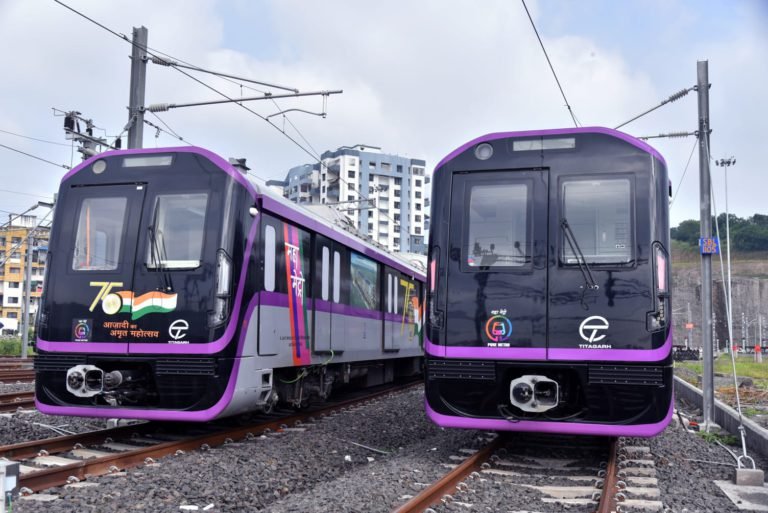
Pune (Metro Rail News): Alstom has successfully delivered the first Metropolis metro train for the Pune Metro Line 3, from its world-class manufacturing facility in Sricity (Andhra Pradesh). These 100% Made-in-India manufactured trains have an operation speed of 85km/h and will deployed on Line 3 which connects Hinjewadi’s IT hub with Shivajinagar’s central business district, in the second largest city in Maharashtra.
Commenting at the handover ceremony, Olivier Loison, Managing Director – Alstom India said, “We are thrilled to be contributing to this prestigious project by Tata Group. We are confident that our locally manufactured technologically advanced Metropolis metro trains will play a key role in enhancing the quality of life of the citizens and the overall development of the city. At Alstom, we focus on developing sustainable products and solutions that stand the test of time by operating efficiently for decades to come.”
Pune Metro Line 3
The Pune Metro Line 3 is a 23 Km elevated Metro rail project connecting the IT hub of Hinjawadi to the Central business district of Shivajinagar. The work has been jointly undertaken by Tata Group and PMRDA based on the Public Private Partnership (PPP). Tata Group has established Pune IT City Metro Rail Limited as a special purpose vehicle (SPV) company to build this corridor with 23 stations.
In 2021, a joint venture between Alstom India, TRIL Urban Transport Private Limited (a Tata Group Company) and Siemens Project Ventures GmbH (a subsidiary of Siemens Financial Services) under Public Private Partnership Route (PPP) was awarded the contract by Pune Metropolitan Region Development Authority to provide the rolling stock, electrical and mechanical system works for this elevated metro line. The Project would be developed & operated on a Design, build, finance, operate & transfer (DBFOT) basis.
As a part of this contract, Alstom is manufacturing 22 Metropolis trainsets of three cars each that can carry 1,000 passengers per train.
About Metropolis Metros
Alstom’s modern metro trains are serving the different needs of customers worldwide for over 60 years. Designed to fit new and existing infrastructure, Metropolis metro trains can be adapted to multiple capacity needs. With flexible configurations from 2-to-9 cars, small to large gauge profiles, different voltage systems, and individual interior designs, Alstom’s metros can be operated manually or driverless. Metropolis metros feature low noise levels, high recyclability, and optimised energy efficiency to minimise environmental impact. Over 35,000 metro cars have been ordered or are in operation in more than 70 cities in 40 countries.
Nagpur (Metro Rail News): On Thursday, Maharashtra Metro Rail Corporation Ltd. (Maha-Metro) declared that Rahee Infratech Ltd. has emerged as the lowest bidder for Package T-01, which involves the supply and installation of ballasted tracks for the Nagpur Metro Phase 2 project.
Nagpur Metro’s Phase II Map
Package T-01 entails the track work within the 1.746 km at-grade section of Nagpur Metro Orange Line’s 18.7 km Reach 1A, which links Khapri to Butibori MIDC ESR. This section features two metro stations: Eco Park Station and Metro City Station.
Maha-Metro had called for bids for this contract in March 2024, with an estimated cost of Rs. 7.96 crore and a deadline of 150 days. In April, the technical bids were opened, revealing two bidders: Rahee Infratech and NMC Industries.
Rahee Infratech submitted a bid of Rs. 9.42 crore, which was 18.34% higher than MahaMetro’s estimate of Rs. 7.96 crore. Although the difference of Rs. 1.46 crore may seem relatively small, it does not align perfectly with the anticipated contract value. Negotiations will be necessary to reach a mutually beneficial agreement.
Scope of work
The scope of work includes the design, supply, installation, testing, and commissioning of the ballasted track in the at-grade section of Reach 1A of NMRP Phase-2. This encompasses the supply of 1080 Grade HH Rails, track fastenings, 1 in 9 R300 ballasted turnout, and various other miscellaneous works.
Nagpur Metro Phase 2
Prime Minister Narendra Modi laid the foundation stone of the 43.8 km Nagpur Metro Phase 2 project on December 11, 2022. In April 2023, the Maharashtra government’s cabinet approved the project, affirming a revised estimated cost of 6708 crore.
The project’s objective is to extend the two existing corridors constructed in Phase 1 to Kanhan in the northern direction, Butibori MIDC in the southern direction, Transport Nagar (Kapsi) in the eastern direction, and Hingna in the western direction. It features a 1.2 km at-grade section with 2 stations and 42.6 km elevated sections with 30 stations.