




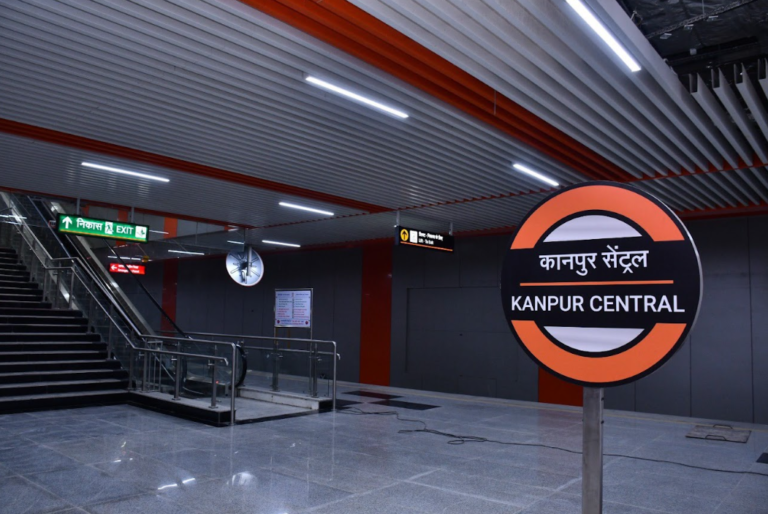
Metro Rail News held an exclusive interaction with Shri Sushil Kumar, Managing Director, UPMRC, to discuss the progress of the Kanpur Metro Project. During the interaction, Shri Kumar highlighted the shift in commuter behaviour since the start of metro operations, with a growing preference for the metro over private modes of transport. He outlined UPMRC’s approach to non-fare revenue generation, noting that current levels are nearly 95% higher than those seen in other Tier-II city metro systems.
He also discussed ridership trends, pointing out that passenger numbers have improved following the extension of operations up to Kanpur Central. Shri Kumar stated that ridership is expected to increase multi-fold once both corridors become fully operational. He concluded by underlining the role of metro systems in improving urban mobility.
Below are the edited excerpts:
Question 1. Could you walk us through your distinguished professional Journey spanning over 30 years? How does your experience and expertise support your responsibilities in your current role?
Get the Daily Metro & Rail Brief
Join 125,000+ metro and rail professionals. Project updates, new tenders and contract awards from across India, in your inbox every day.
My journey with Uttar Pradesh Metro Rail Corporation has been a very fruitful and enriching experience for me. Needless to say, in every ongoing as well as operational project, there are many challenges which we face on a day-to-day basis and overcome successfully.
I am a graduate from IIT Roorkee & a postgraduate from IIT Delhi. Previously, I have served in the Ministry of Railways as Director/Power and was a member of different committees in the fields of Energy Conservation and Energy Planning under the Railway Ministry. Before that, I served as Additional General Manager for Delhi Metro Rail Corporation and set up state of the art maintenance facilities for maintenance and overhauling of trains.
I hold expertise in project management, design specification, technical support, operations and maintenance in Indian Railways and urban transit & metros for Rolling Stock/Trains, Signalling, Traction Power System, and Telecommunication, including operations. I have also worked as Chief Electrical Inspector General to the Government of India, besides working as National Project Director for the UNDP project for Energy Conservation.
Before taking the responsibilities of Managing Director in UPMRC, I served as a Director (Operations) and was responsible for day-to-day Operation & Maintenance activities. I was also bestowed with the “National Award for Outstanding Service” from the Ministry of Railways and the Outstanding Performance Award for DMRC.
My aim is to urge more and more people to opt for metro services as it is a cost-effective and environmentally friendly means of transport.
We adhere to our motto of ‘Transporting Happiness’ where we aim to transport not just passengers, but also their comfort and happiness. Over the past one year, we have engaged in almost 200 events and passenger engagement activities at Lucknow, Kanpur and Agra Metro Projects in the past year and we have witnessed an increase in ridership and passenger engagement at all our stations.
Question 2. What is the latest progress on both corridors of the Kanpur Metro Project? What major milestones are expected to be achieved in the near future?
Answer: The Kanpur Metro Rail Project is progressing steadily across both its proposed corridors and is entering an important phase of network expansion. The project is designed to serve a city of nearly 40 lakh population through two metro corridors. Corridor-1 runs from IIT Kanpur to Naubasta with a total length of 23.78 km, while Corridor-2 connects Chandra Shekhar Azad Agricultural University (CSA) to Barra-8 over a length of 8.60 km.
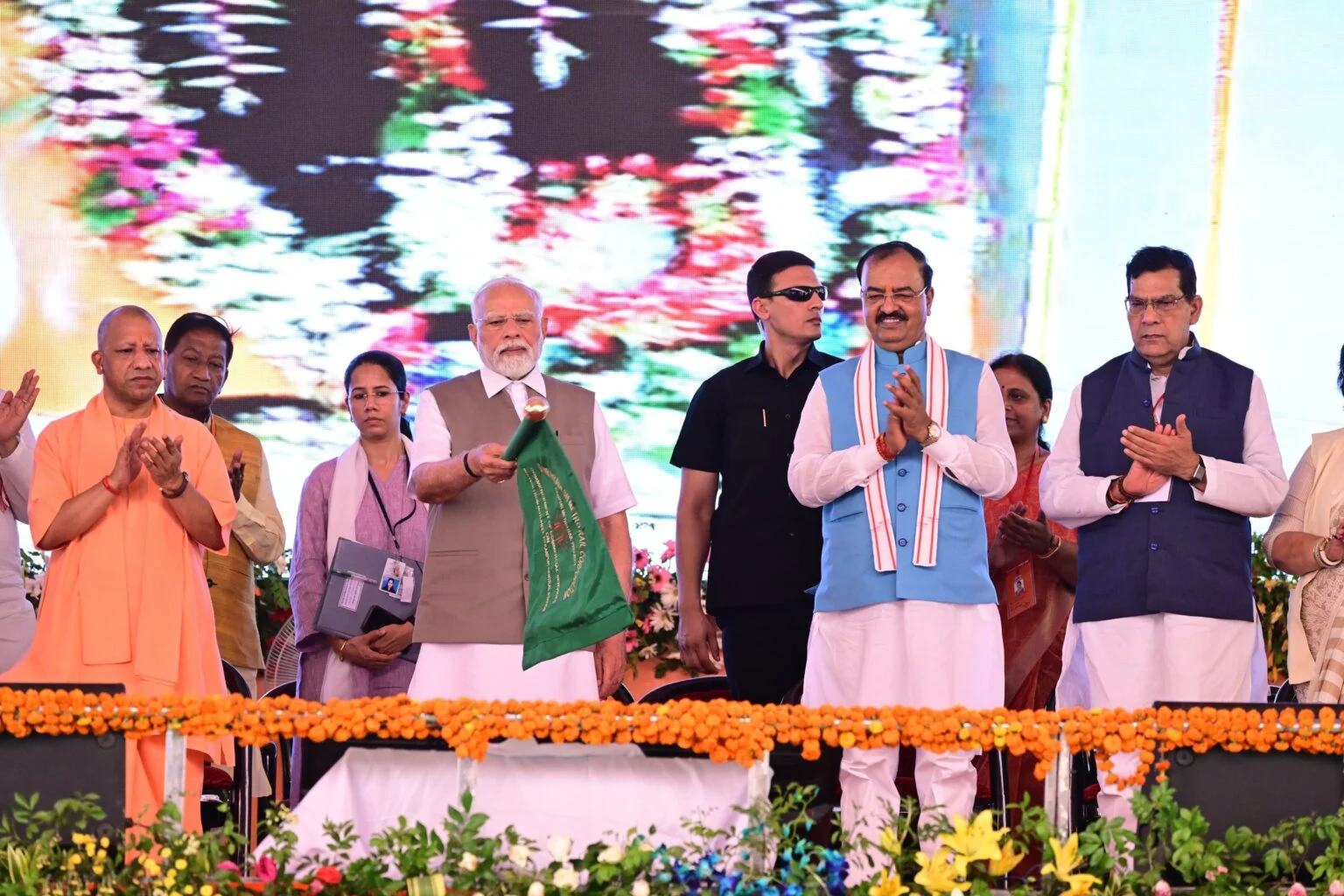
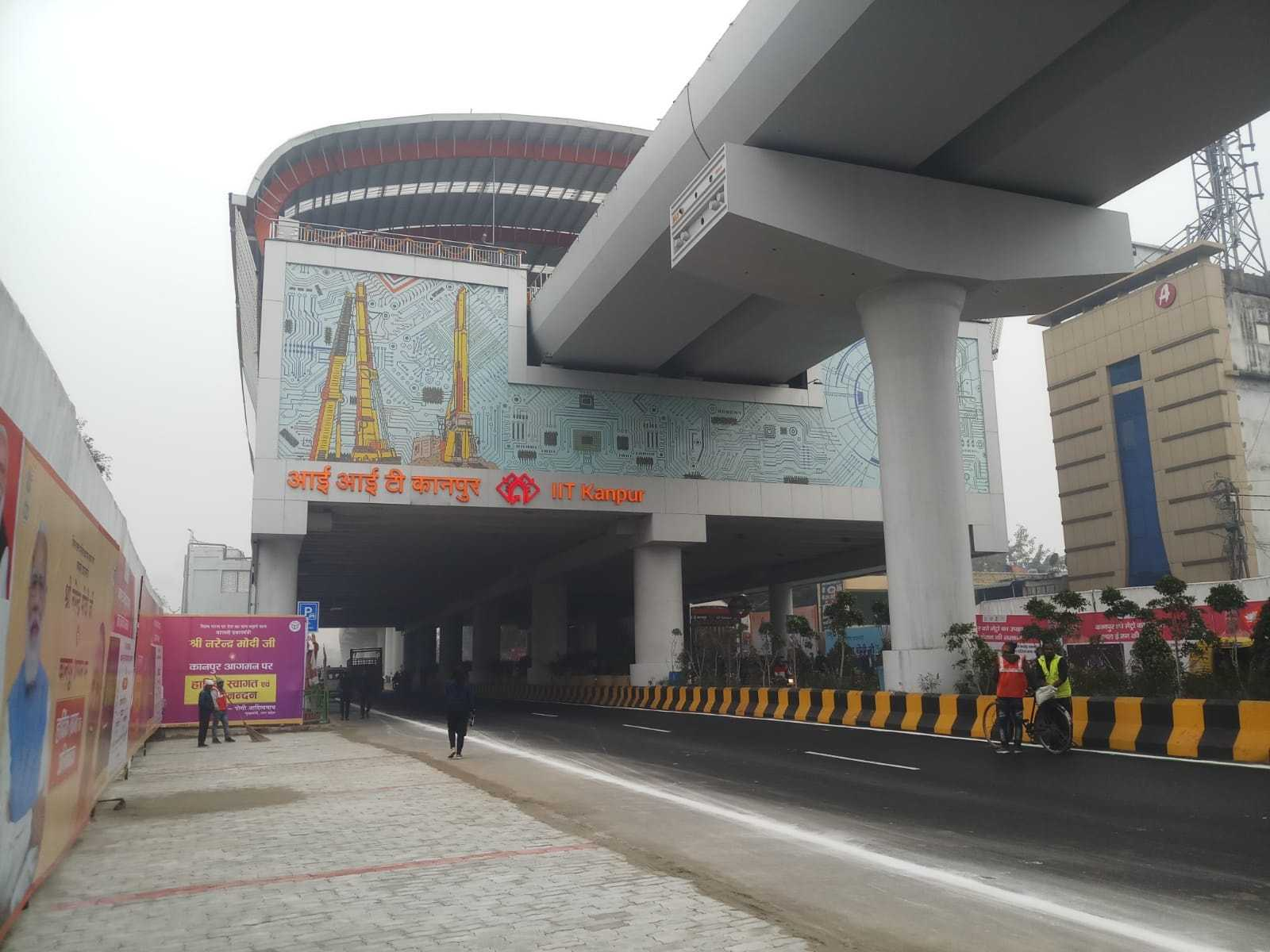
At present, passenger services are operational on a 16 km section of Corridor-1, between IIT Kanpur and Kanpur Central. Metro services on this corridor were inaugurated in a phased manner. In the first phase, the Hon’ble Prime Minister inaugurated metro operations from IIT Kanpur to Motijheel on 28 December 2021. This 9 km priority section was completed and commissioned in a record time of just about 2 years and 1.5 months, making it one of the fastest metro project executions in the country. In the second phase, on 30 May 2025, passenger services were extended from Motijheel to Kanpur Central, again flagged off by the Hon’ble Prime Minister. With this extension, metro operations on Corridor-1 expanded to a total operational length of 16 km, covering 14 stations.
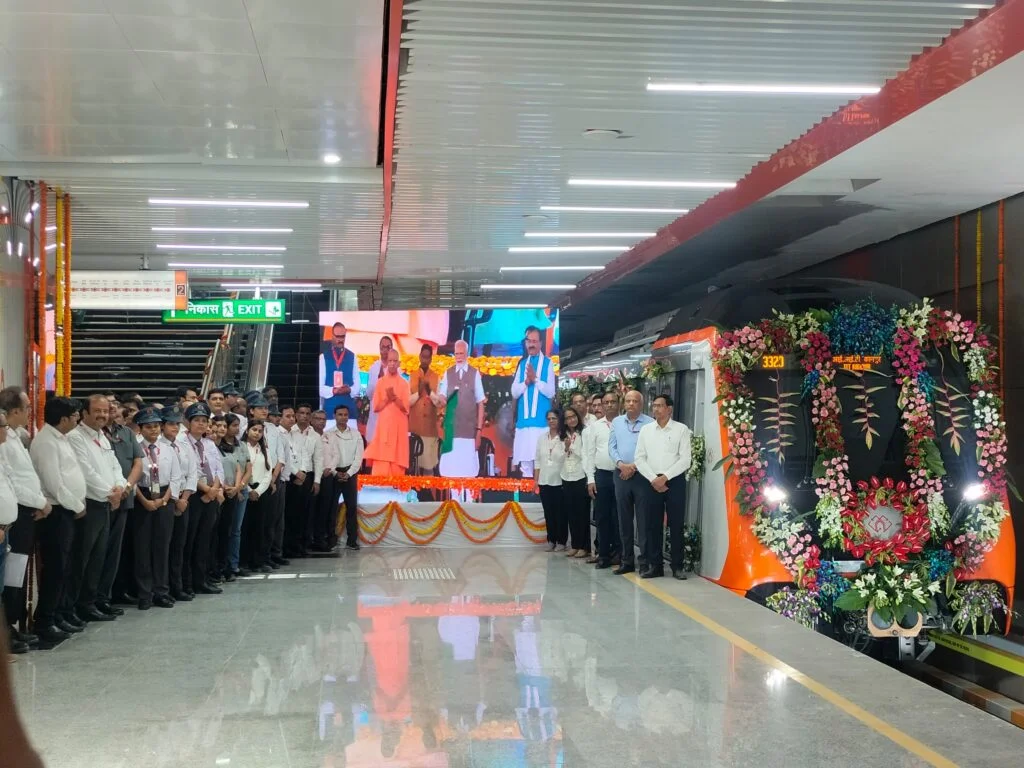
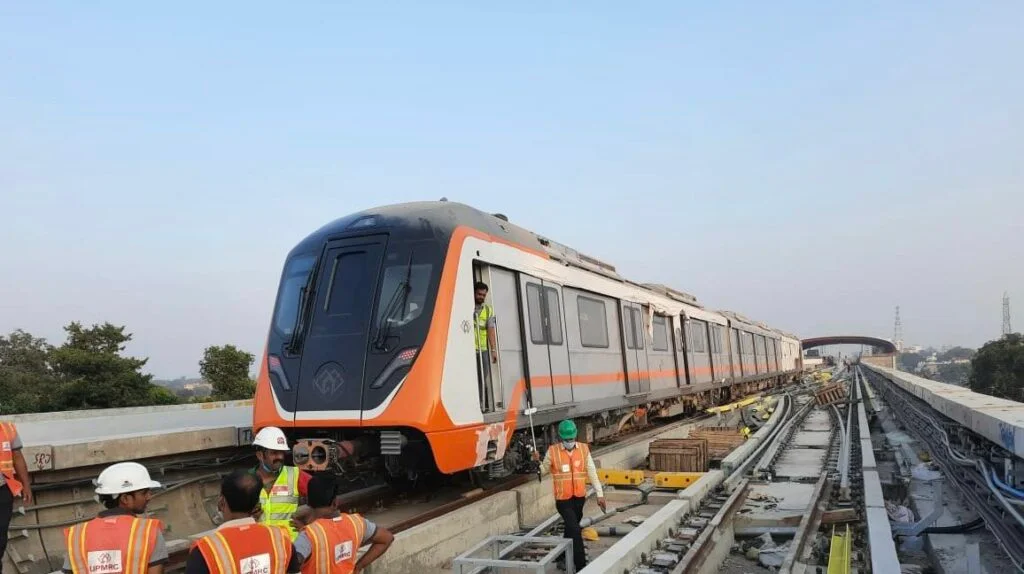
Construction work on the remaining balance section of Corridor-1, stretching about 8 km from Kanpur Central to Naubasta, is now in an advanced stage, and preparations for passenger service extension are moving rapidly toward completion. Once this section becomes operational, seven new stations – Jhakarkati, Transport Nagar, Baradevi, Kidwai Nagar, Vasant Vihar, Bauddh Nagar, and Naubasta will be added to the existing network. This will increase the total number of stations on Corridor-1 from the current 14 to 21. Test runs on this section are expected to begin around January 2026.
Work on Corridor-2, which runs from CSA to Barra-8 over a length of 8.60 km, is also advancing well. Tunnelling for the underground portion of approximately 4.10 km is expected to be completed within the next two months. For the elevated sections of this corridor, piling work is nearly complete, with about 98% progress already achieved. With construction and system works moving ahead as planned, it is expected that commercial metro services on Corridor-2 will commence by the end of next year.
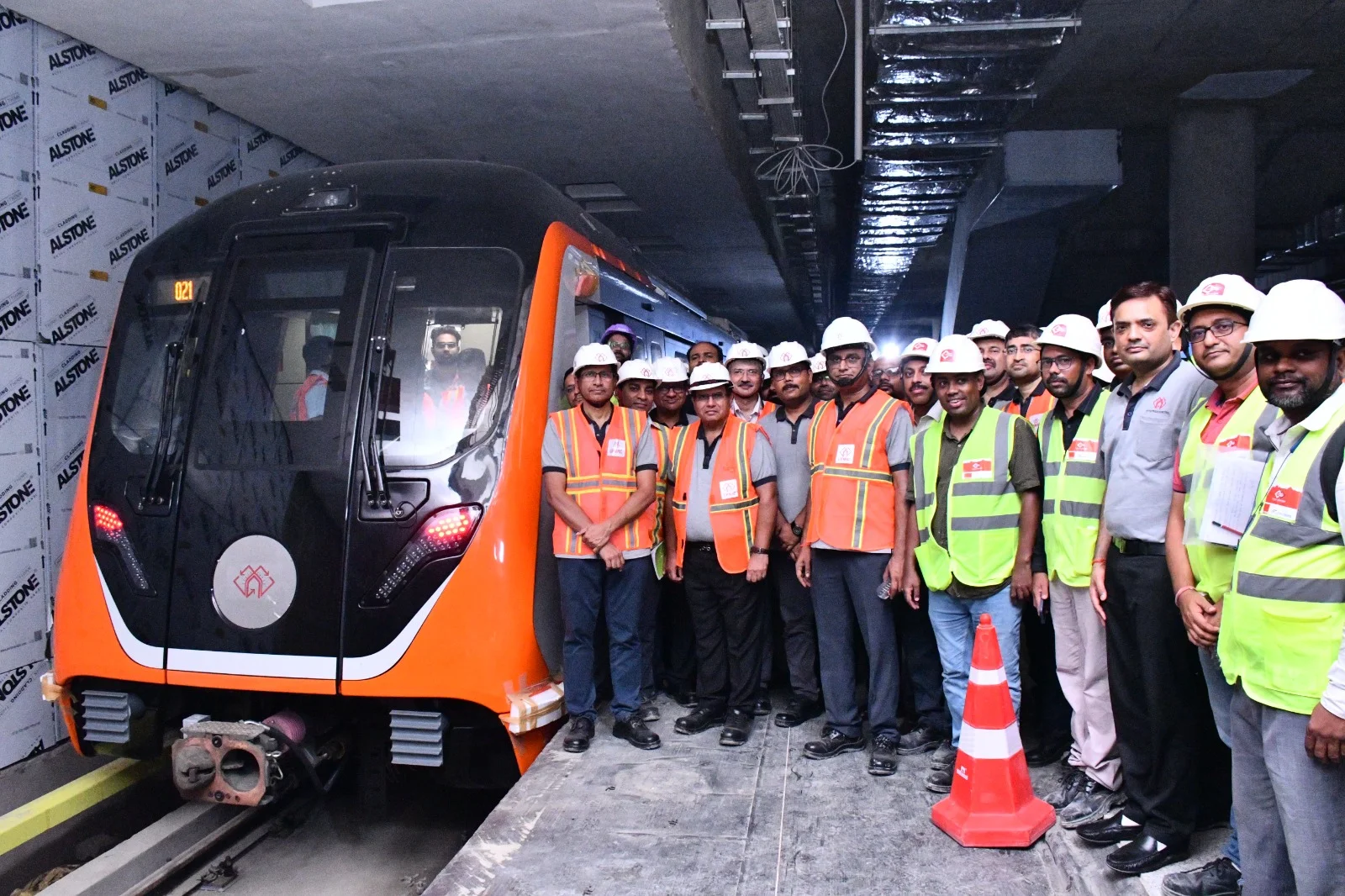
Overall, the Kanpur Metro Project has already achieved major milestones with the successful commissioning of a substantial part of Corridor-1 and is now poised for further expansion. In the near future, key milestones include the commencement of test runs on the Kanpur Central–Naubasta section, the addition of seven new stations to Corridor-1, completion of tunnelling and structural works on Corridor-2, and the start of revenue operations on the second corridor. Together, these developments will significantly enhance metro connectivity across Kanpur and mark an important step toward a comprehensive metro rail network for the city.
Question 3. As Kanpur Metro completes nearly four years of operations, what measurable impact has the system had on reducing traffic congestion and improving urban mobility in the city?
Answer: As Kanpur Metro approaches nearly four years of commercial operations, it has begun to demonstrate a clear and measurable impact on urban mobility, even as the network continues to expand. One of the most visible effects has been the reduction of pressure on road traffic along operational corridors such as IIT–Kanpur Central. A significant share of daily commuters has shifted from private vehicles like two-wheelers and cars, as well as intermediate public transport such as autos and e-rickshaws, to the metro. This shift has helped ease congestion on parallel arterial roads, particularly during peak office and institutional travel hours, and has reduced dependence on road-based travel for students, office-goers, and other daily commuters in dense parts of the city.
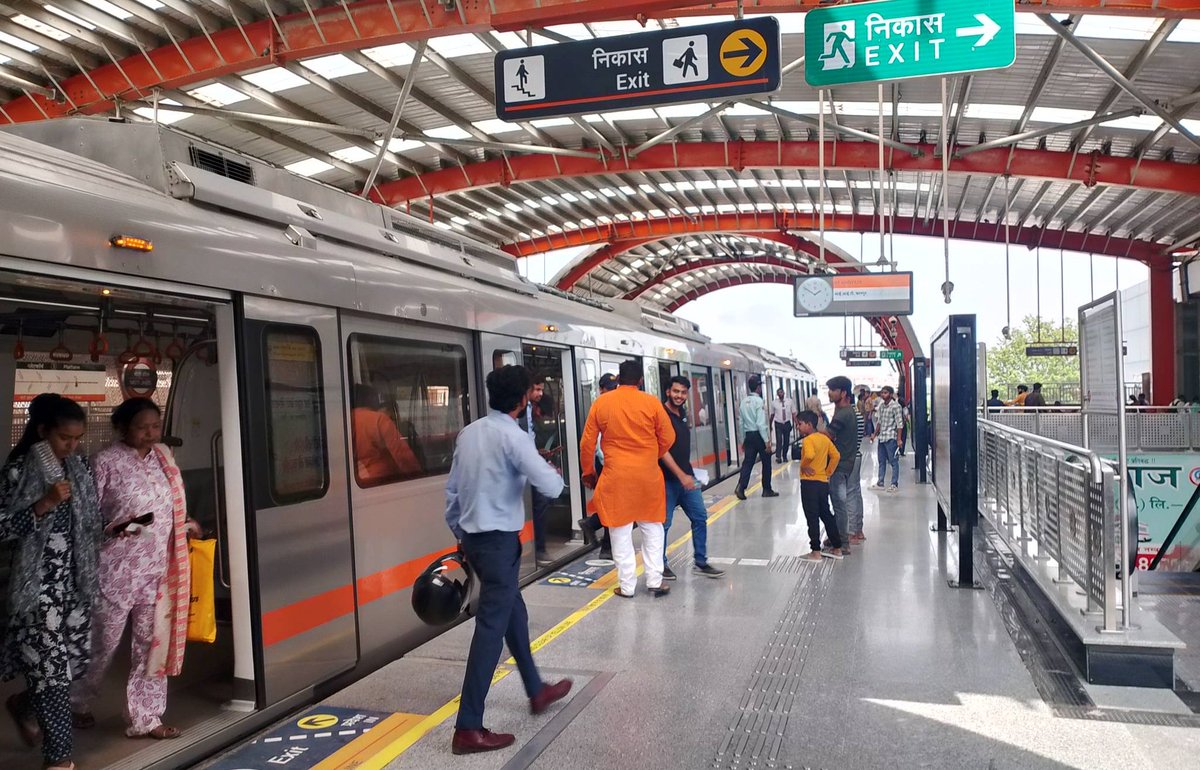
Another major contribution of the metro has been the improvement in travel time reliability. Kanpur Metro offers predictable and faster end-to-end travel times that are not affected by road congestion. Commuters using metro corridors commonly experience substantial time savings compared to peak-hour road travel. For instance, a journey from IIT Kanpur to Kanpur Central can take up to 1 hour and 15 minutes by road during congested periods, whereas the same trip by metro takes approximately 27 minutes. This consistency and reliability have enhanced daily productivity and commuting comfort, which are important indicators of improved urban mobility.
The system has also encouraged a noticeable modal shift toward public transport, particularly among office commuters and students, especially in areas around IIT Kanpur and central Kanpur. Improved integration with feeder services, e-rickshaws, and pedestrian access has strengthened last-mile connectivity, making metro travel a more convenient and preferred option for many residents. As a result, public transport usage has become more attractive compared to private vehicle travel along metro corridors.
In addition to mobility benefits, Kanpur Metro has generated environmental and congestion-related co-benefits. The reduction in vehicle kilometres travelled on metro corridors has contributed to lower vehicular emissions, reduced fuel consumption, and decreased noise pollution. When combined with the metro’s own energy-efficient operations, these factors support a cleaner and more sustainable urban transport system for the city.
Kanpur Metro has also emerged as a strong backbone of the city’s public transport network. It functions as a high-capacity transit spine that complements buses and intermediate public transport, improving connectivity between residential neighbourhoods, educational institutions, commercial hubs, and major transit nodes. This enhanced connectivity has reduced the need for multiple road-based transfers and made urban travel more seamless.
Although the metro is still in a phased expansion stage, its existing operations have already laid a solid foundation for long-term congestion reduction. Reduced dependence on private vehicles along metro corridors and better passenger dispersal during peak hours are already evident. As additional sections become operational, the cumulative impact on citywide congestion relief and overall mobility efficiency is expected to grow significantly.
Overall, in its first four years of operations, Kanpur Metro has improved travel time certainty and comfort, reduced congestion pressure on key road corridors, encouraged a shift toward sustainable public transport, and established a strong base for long-term traffic decongestion and enhanced urban mobility. With continued network expansion, these benefits are likely to scale up further, positioning Kanpur Metro as a key driver of a more efficient, inclusive, and sustainable transport system for the city.
Question 4. Could you provide an overview of the financial performance of the Kanpur Metro Project so far?
Answer: The financial performance of the Kanpur Metro Project reflects a balanced and progressively improving trajectory, closely aligned with its phased commissioning strategy and expanding operational footprint. The project is being implemented by the Uttar Pradesh Metro Rail Corporation (UPMRC), which operates as a 50:50 joint venture between the Government of India and the Government of Uttar Pradesh. Its funding structure follows an approved mix of equity contributions from both governments and long-term loans from multilateral funding agencies.
Metro is often seen as a capital-intensive project, but I want to give a picture of the funding pattern, which would certainly clarify some doubts. Let me clarify that in metro operations UPMRC is in operational profit. This means we are able to earn more from our farebox and non-farebox revenue sources than the operational cost. The second question that arises is how much money we need to build metro infrastructure. In simple words, it is costly, no doubt, but the concept here is the same as buying a house on EMI.
The policy of the government is very unique. In other countries, when it comes to construction, governments pay for it directly. Here, the money comes through loans. If we want to build a 25-30 km metro, then the cost is around ₹10,000 crore over a five-year timeline. We get 50% from foreign funding institutions as loans. The rest of the money is given by the state government and the central government in almost equal contribution. In this scenario, we require ₹2,500 crore from the state government over a span of five years. Annually, the state government has to spend only ₹500 crore.
In most states, where the annual state budget is between ₹6-8 lakh crore, the government has to give a mere ₹500 crore. This is not a big figure.
Capital expenditure for the Kanpur Metro Project has remained within the sanctioned project cost, supported by strong project management practices, centralized procurement, and the use of standardized designs across UP Metro projects, all of which have helped control costs and improve efficiency.
Since the commencement of passenger services, operational revenue performance has shown steady improvement. Farebox revenue has grown consistently in line with the gradual expansion of the network, increasing ridership, and rising public acceptance of metro services. In parallel, non-fare revenue streams such as station retail spaces, advertising within trains and stations, and property development rights are being actively developed.
Kanpur Metro has also benefited from a strong focus on operating cost efficiency. This has been achieved through the adoption of energy-efficient systems and technologies, centralized maintenance practices, and lean staffing models. As a result, UPMRC’s metro systems, including Kanpur Metro, record among the lowest energy consumption per kilometre when compared to other metro systems in India, which directly contributes to reduced operating expenses and improved financial performance.
Further financial gains have been realized through energy and sustainability-linked savings. Significant operational savings have been achieved through reduced overall energy consumption, the use of regenerative braking, and solar power generation. Since inception, UP Metro systems have reduced energy usage by approximately 39%, translating into substantial annual cost savings.
Given that Kanpur Metro is still under phased development, its financial performance is being evaluated with a long-term perspective rather than short-term profitability. Ridership and revenue have already risen significantly following the extension of the metro route from Motijheel to Kanpur Central. Once the entire network becomes operational, ridership and associated revenues are expected to increase manifold.
Strong governance and financial controls further underpin the project’s financial health. UPMRC follows robust financial oversight mechanisms, conducts regular audits, and maintains transparent reporting systems. These practices ensure financial discipline, accountability, and optimal utilization of public funds.
The most important and progressive aspect of this policy is that, for the first time, UPMRC is adopting and modifying the Singapore model. As the metro enters the real estate business, a practice followed in many countries, the revenue generated from such developments can be used to fund metro construction and future expansion.
Question 5. What strategies is UPMRC adopting to ensure the long-term financial sustainability of Kanpur Metro? How are you working to strengthen non-farebox revenue streams?
UPMRC is pursuing a multi-pronged, long-term strategy to ensure the financial sustainability of the Kanpur Metro, with a strong focus on cost efficiency, sustained ridership growth, and diversification of revenue beyond fares. This approach is aligned with national and global best practices and is designed to balance affordable commuter services with long-term financial resilience.
Cost-efficient operations form a core pillar of this strategy. UPMRC has adopted advanced energy-efficient technologies such as regenerative braking, VVVF drives, LED lighting, and optimized HVAC systems to reduce operating expenses. Extensive use of solar power has further lowered dependence on grid electricity and insulated operations from energy price volatility. In addition, standardized designs, shared depots, and centralized procurement across UP Metro projects enable economies of scale, while lean staffing models supported by automation and digital systems ensure that recurring costs remain firmly under control.
Ridership-led revenue growth is another key focus area. The phased expansion of the Kanpur Metro network is improving citywide connectivity and attracting higher daily ridership. This is supported by commuter-friendly fare structures, smart cards, QR-based ticketing, and digital payment systems that make metro travel convenient and accessible. Continuous improvements in last-mile connectivity further enhance the attractiveness of metro services, supporting steady and sustainable growth in farebox revenue.
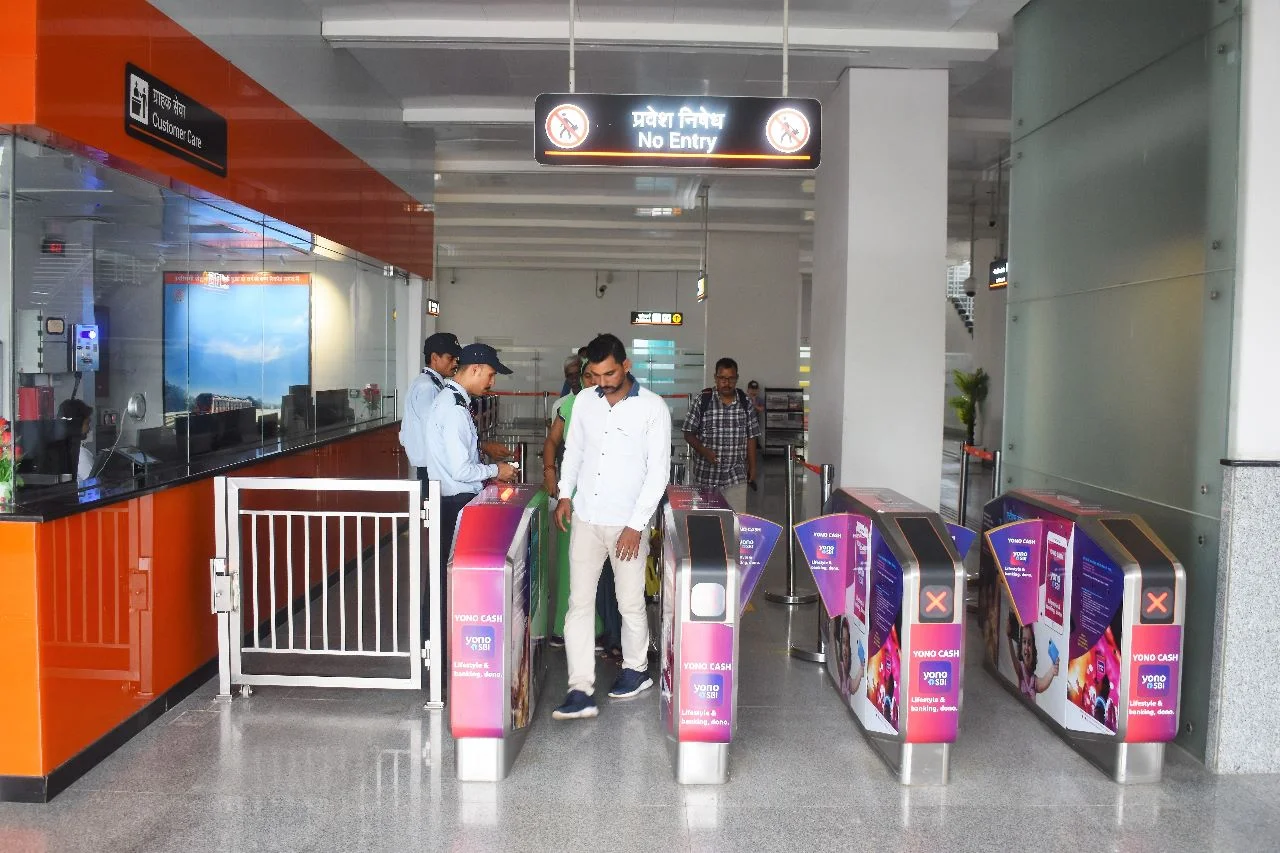
A major strength of UPMRC’s financial model lies in its strong performance in non-farebox revenue generation. As per the Key Performance Index released by I-Metro, UPMRC’s non-farebox revenue ratio is nearly 95% higher than that of other Tier-II city metro systems, reflecting high levels of financial self-sufficiency and managerial efficiency. Advertising and branding through station premises, train interiors, and digital assets have become important revenue contributors, while station-level commercial development, such as shops, kiosks, food outlets, and service centers has been implemented through transparent and competitive processes. Currently, about 20 shops are operational across Kanpur Metro stations, and additional kiosk facilities have been introduced to further expand revenue opportunities. Semi-naming and co-branding contracts for prominent metro stations in Kanpur have also added to the revenue pool. Together, fare and non-fare revenues enable UPMRC to comfortably meet its operational and maintenance expenses, reducing reliance on external financial support.
In the long term, UPMRC aims to evolve the Kanpur Metro from a fare-dependent system into a balanced and financially resilient urban transport enterprise. By tightly controlling operating costs, expanding ridership in line with network growth, and ensuring that non-farebox revenue and TOD-based development become significant and stable contributors to overall income, this integrated approach ensures that Kanpur Metro remains financially sustainable, service-oriented, and future-ready while continuing to deliver affordable and reliable public transport to the city.
Question 6. Once the entire network becomes operational, how do you anticipate ridership patterns to evolve? What initiatives are being implemented to encourage wider public adoption of the metro?
Answer: Once the entire Kanpur Metro network becomes fully operational across both corridors, ridership is expected to grow substantially and in a sustainable manner, driven by expanded network coverage, improved connectivity, and a range of targeted, passenger-centric initiatives. At present, ridership on the operational IIT Kanpur to Kanpur Central section of Corridor-1 is around 25k-30k passengers per day. With network completion, this figure is expected to increase multi-fold, with growth spread across the entire day rather than being limited mainly to peak hours. Full network connectivity will link major residential areas, commercial centres, educational institutions, industrial zones, and key transit interchanges, making the metro a natural and convenient choice for daily travel across the city.
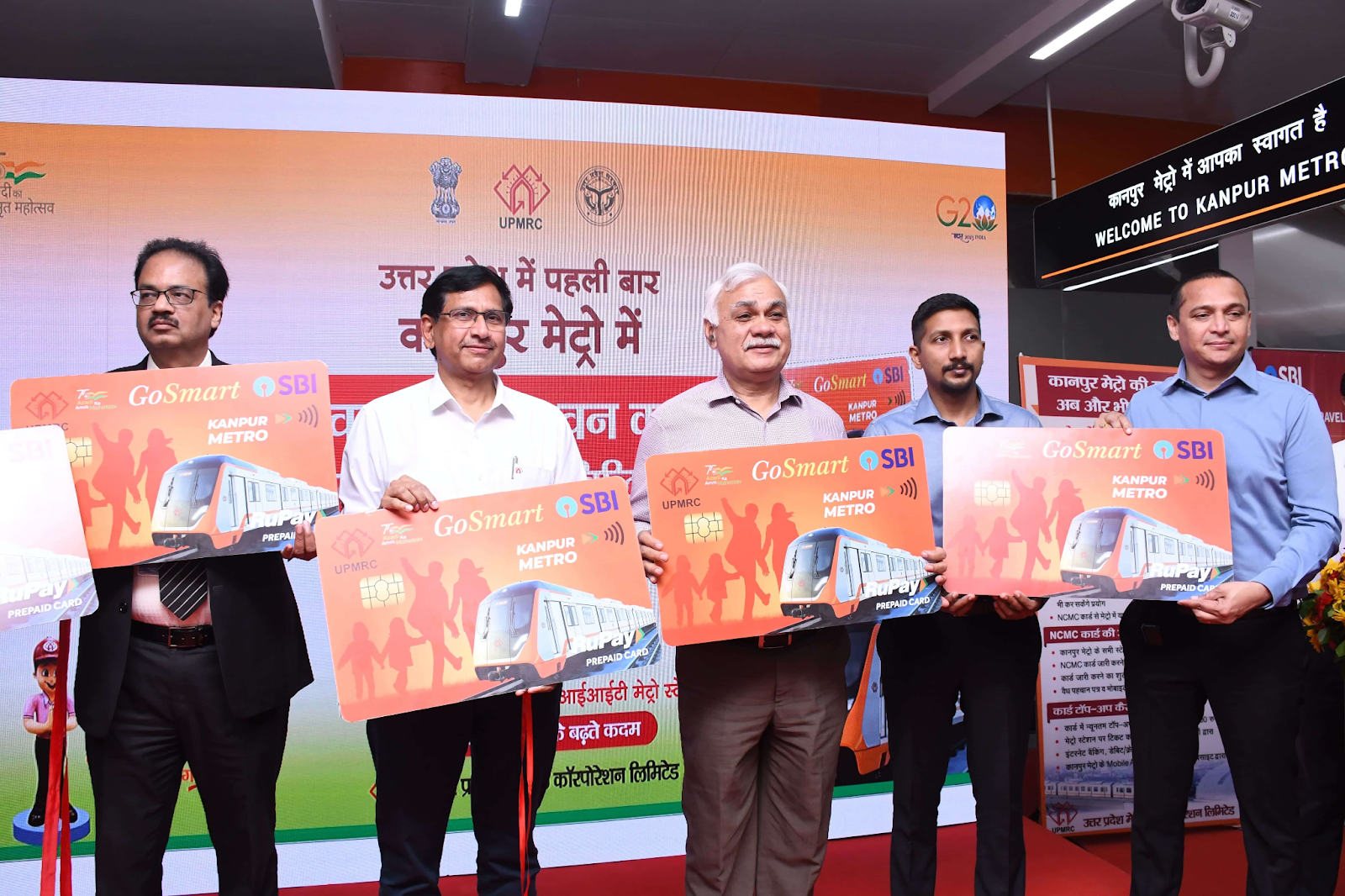
To encourage wider public adoption, UPMRC is focusing on affordable fare options. The fare structure remains highly competitive compared to private and intermediate transport modes. For example, the current fare from IIT Kanpur to Kanpur Central, covering 14 stations over a distance of about 16 km, is only ₹40, making it a very economical travel option. The use of NCMC GO smart cards offers an additional 10% discount on each journey, while periodic promotional offers and commuter-friendly schemes are designed to encourage regular and repeat usage.
Improved last-mile connectivity forms another important pillar of ridership growth. Coordination with city bus services, shared mobility providers, and e-rickshaws is being strengthened, and park-and-ride facilities are being planned at selected stations to attract users who currently rely on private vehicles. Passenger comfort and service reliability are also being emphasized through high standards of cleanliness, safety, and security, air-conditioned trains and stations, predictable and on-time services, and real-time passenger information systems that enhance the overall travel experience.
Public awareness and outreach campaigns play a key role in shaping travel behaviour. These initiatives highlight the time savings, cost efficiency, and environmental benefits of metro travel, while targeted engagement with educational institutions, offices, and residential communities helps promote regular metro usage. A seamless digital experience further supports ridership growth, with mobile applications offering journey planning, ticketing and recharge options, and service updates, along with future integration into broader urban mobility platforms as they evolve.
Question 7. What steps is UPMRC taking to strengthen last-mile connectivity around Kanpur Metro stations?
Answer: UPMRC is placing strong emphasis on seamless last-mile connectivity to ensure that Kanpur Metro is convenient, accessible, and attractive for daily commuters. A key focus area is the integration of the metro system with feeder and city transport services. UPMRC is coordinating closely with city bus operators to align routes and stopping points with metro stations, enabling smoother transfers for passengers. Designated feeder service areas and shared mobility zones are being developed near stations to facilitate easy interchange, while the organised use of e-rickshaws and auto-rickshaws as station-linked last-mile options is being encouraged to provide reliable connectivity to surrounding neighbourhoods.
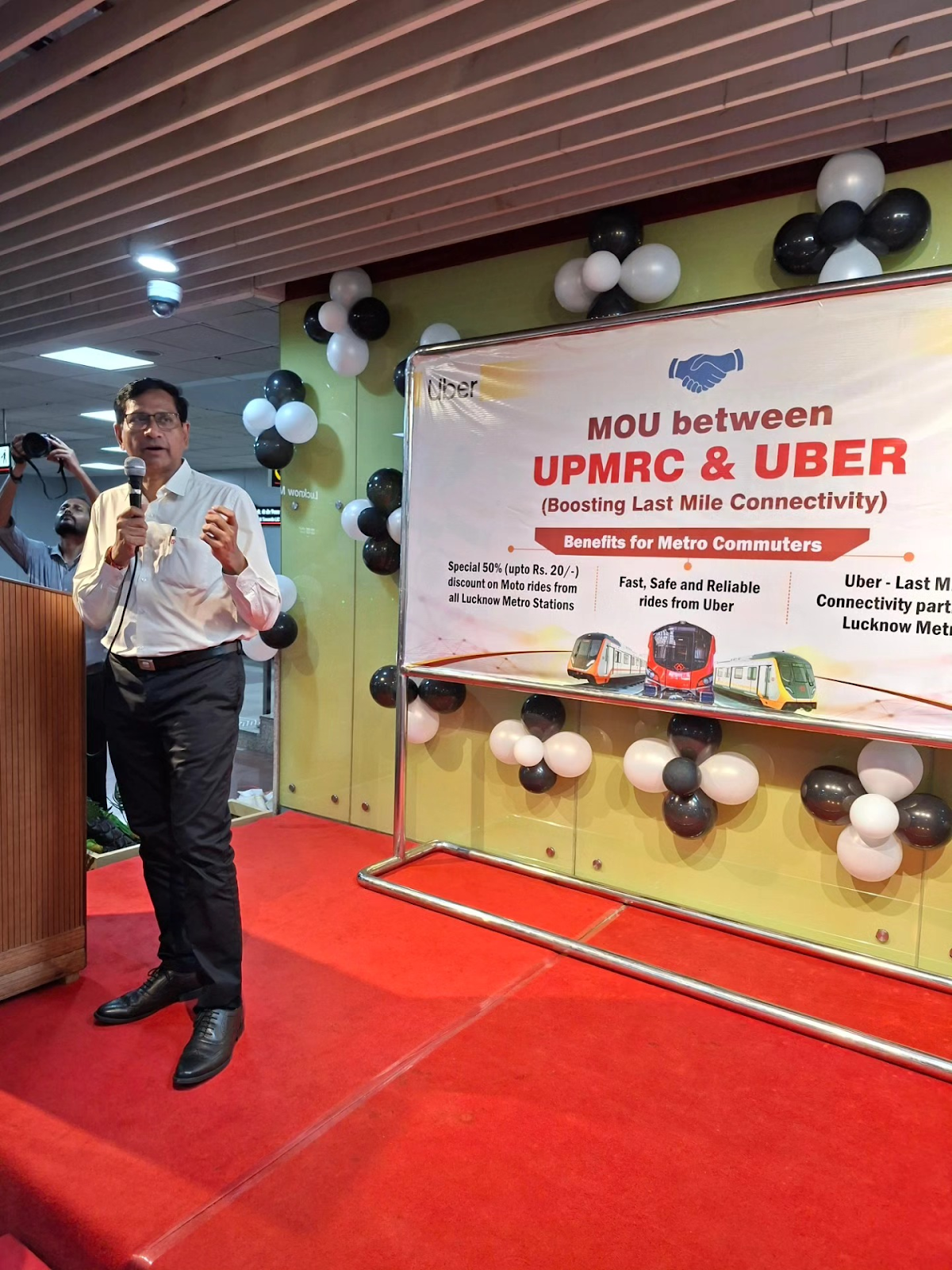
MoUs have been signed with various aggregators to provide last- and first-mile connectivity. Aggregators such as Uber, Rapido and Ajivika E-Mobility are providing last-mile connectivity. Lucknow Metro has also tied up with Lucknow City Transport Service Limited (LCTSL) to rationalise city bus routes to strengthen last- and first-mile connectivity. Many other MoUs with mobility partner aggregators are under process.
Park-and-ride facilities are another important element of this strategy. Designated parking areas for two-wheelers and cars have been developed at metro stations, particularly to cater to commuters traveling from peripheral and suburban areas. By providing structured parking, these facilities help reduce roadside congestion near stations and encourage commuters to shift to metro travel for longer trips into the city.
UPMRC is also working closely with local civic authorities on station-area planning and improvements. This includes coordination on road reorganisation, traffic management measures, and the removal of encroachments around station precincts to ensure smooth pedestrian and vehicular movement.
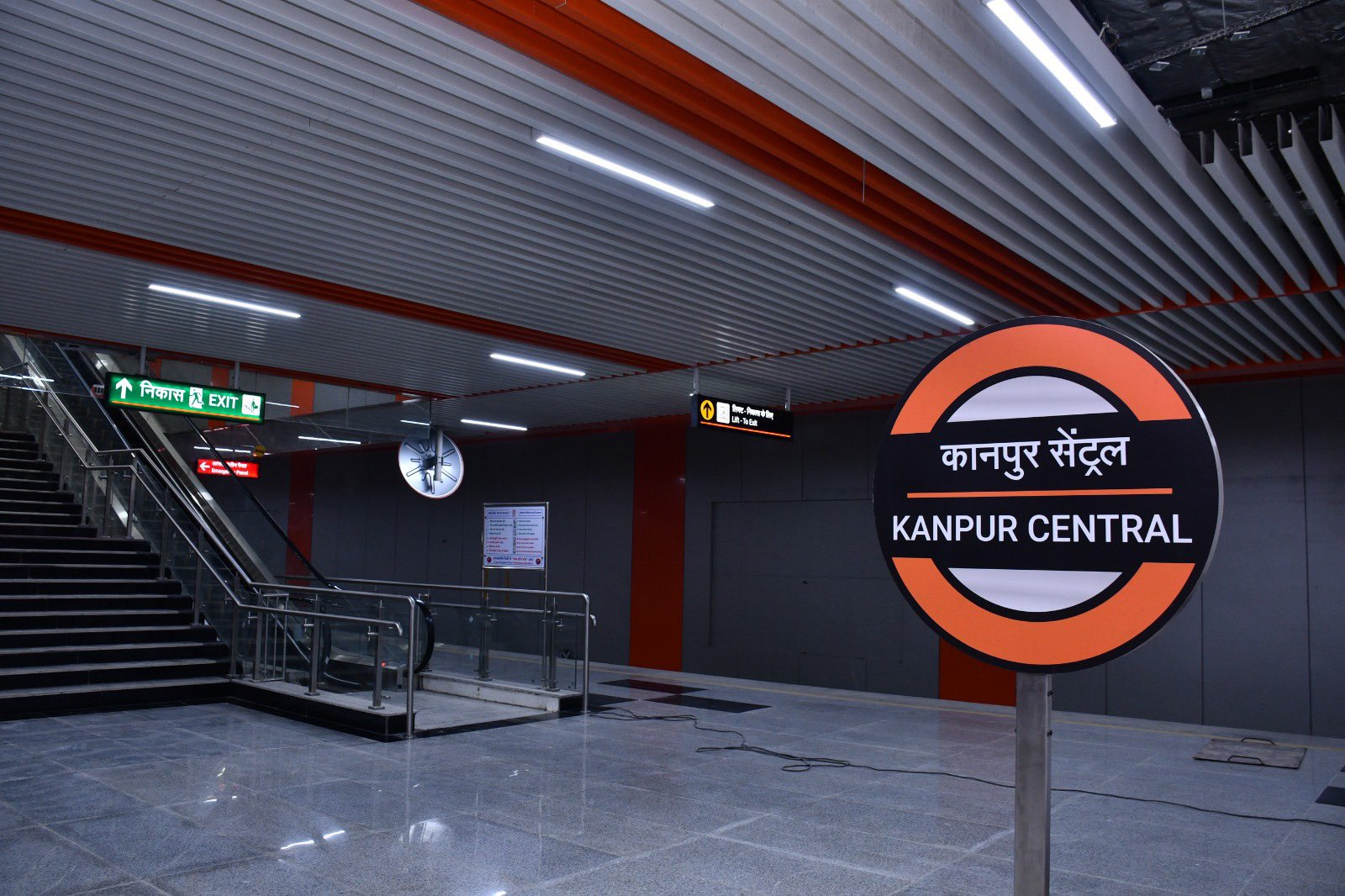
Clear passenger information and effective wayfinding systems further support seamless last-mile connectivity. Stations are equipped with clear signage guiding passengers to exits, feeder services, and nearby landmarks. Digital platforms and mobile applications are also being used to provide real-time information on routes, connectivity options, and journey planning, helping passengers make informed travel decisions.
Question 8. Could you explain the sustainability initiatives implemented in the Kanpur Metro system?
Answer: Kanpur Metro has embedded sustainability into both its system design and day-to-day operations, with a strong emphasis on energy efficiency, renewable energy adoption, and the reduction of environmental impact. From the planning stage itself, the project has adopted best-available technologies to minimize energy consumption across stations and rolling stock. Regenerative braking systems have been installed in metro trains as well as in elevators, enabling the recovery and reuse of braking energy. All stations are equipped with LED lighting, while energy-efficient HVAC systems use CO₂ sensor-based controls to optimize ventilation based on occupancy. Escalators are designed with crawling or sleep modes and reduced-speed operation during periods of low passenger load. These systems are further supported by Building Management Systems and timer-controlled lighting, along with real-time monitoring of all major electrical load points to ensure optimal energy use.
Beyond technology adoption, Kanpur Metro has strengthened sustainability through smart operational practices. Equipment room temperature settings have been optimised and maintained at 27–28°C instead of the conventional 24°C, significantly reducing cooling loads without compromising performance. Chiller operations are rationalised based on ambient weather conditions, and energy consumption patterns are continuously monitored and fine-tuned to identify further efficiency gains.
Renewable energy integration forms another cornerstone of the sustainability strategy. Rooftop solar power plants have been commissioned at metro depots and stations to reduce dependence on conventional grid electricity. At present, UPMRC has an installed solar capacity of 4.41 MW, with an additional 5 MW under implementation across the Kanpur, Lucknow, and Agra metro systems, further strengthening the shift toward clean energy.
Green building and design standards have also been rigorously applied across the network. Kanpur Metro stations comply with the Indian Green Building Council (IGBC) Platinum standards, which represent the highest level of green certification. Notably, UPMRC is the first metro network in India where all stations across the network have achieved IGBC Platinum ratings, setting a national benchmark for sustainable urban transport infrastructure.
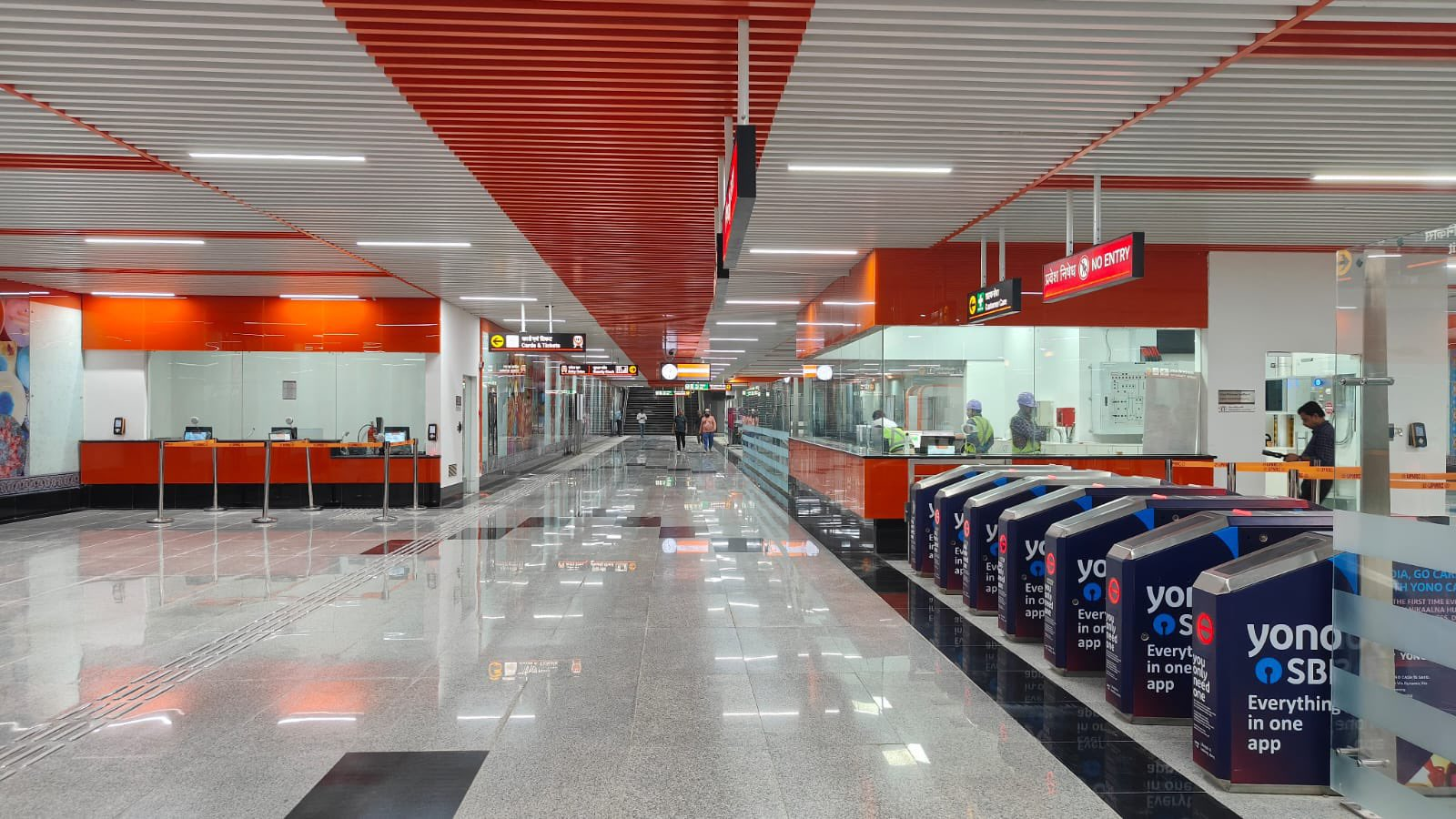
These initiatives have delivered measurable environmental benefits. Since its inception, UP Metro systems, including Kanpur Metro, have achieved an overall reduction of approximately 39% in energy consumption. This translates into savings of nearly 70 lakh electricity units annually, amounting to about ₹5 crore per year, while also significantly reducing carbon emissions and contributing to a cleaner urban environment.
The sustained focus on sustainability has earned national recognition. Kanpur Metro received the National Energy Conservation Award 2025 (Certificate of Merit) for the IIT Kanpur Metro Station, underscoring the effectiveness of its energy management practices.
In summary, Kanpur Metro’s sustainability strategy integrates advanced technologies, smart operational practices, renewable energy, and green building standards to deliver a clean, efficient, and environmentally responsible urban transport system that supports long-term sustainable development.
Question 9. Could you outline the key technological systems being used in Kanpur Metro for improving operational efficiency and system reliability?
Answer: Kanpur Metro has deployed a comprehensive suite of advanced and proven technologies to ensure high levels of operational efficiency, safety, and system reliability, fully aligned with international metro standards. At the core of its operations is a Communication-Based Train Control (CBTC) signalling system, which enables precise train movements, shorter headways, and a high degree of operational safety and reliability. This system allows continuous, real-time monitoring of train location, speed, and performance from the Operation Control Centre, ensuring smooth and tightly controlled train operations across the network.
The rolling stock used on the Kanpur Metro is based on modern, energy-efficient technology. Metro coaches are equipped with regenerative braking systems and advanced propulsion and braking controls that reduce energy consumption while maintaining high performance. Onboard diagnostic systems continuously monitor equipment health, enabling early fault detection and predictive maintenance, which in turn improves reliability and reduces service disruptions.
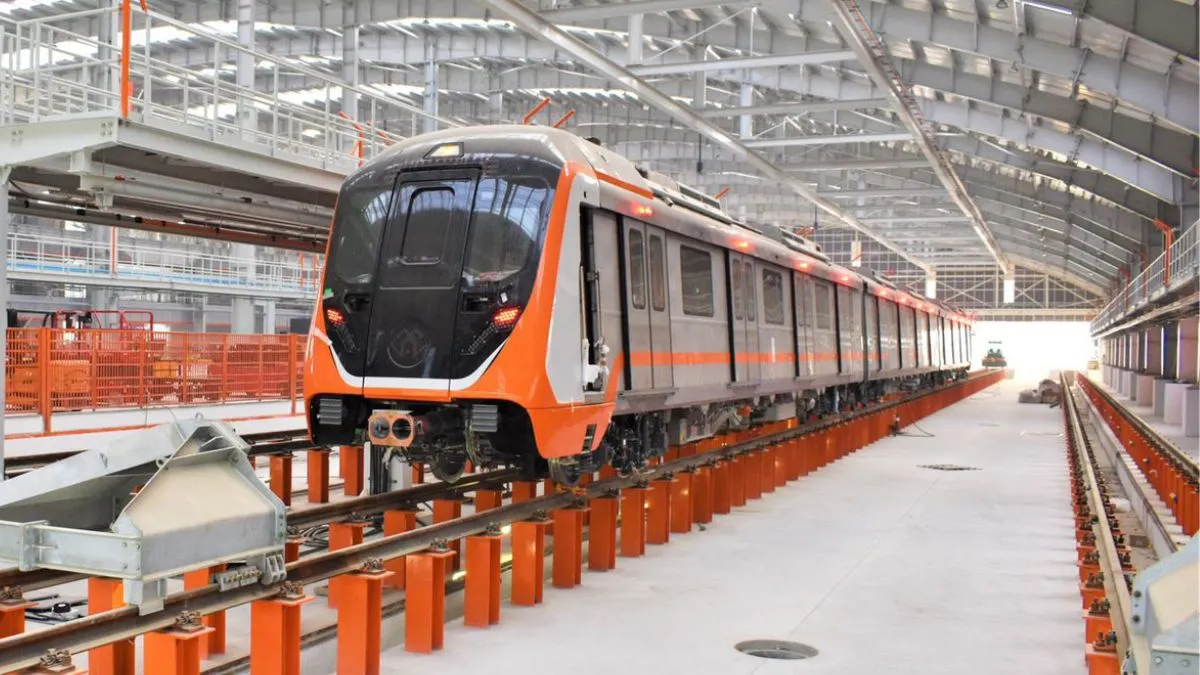
All operations are centrally managed through a state-of-the-art Operations Control Centre (OCC). The OCC integrates and supervises train operations, power supply, signalling, telecommunications, station systems, and passenger information services. This centralized control enables quick decision-making, efficient incident response, and continuous service optimization, ensuring high punctuality and operational resilience.
Power supply and energy management are supported by Supervisory Control and Data Acquisition (SCADA) systems, which provide real-time monitoring and control of both traction and auxiliary power systems. In addition, energy monitoring systems track consumption at all major load points, helping operators identify efficiency improvements and optimize energy use across the network.
Station infrastructure is managed through a centralized Building Management System (BMS), which controls lighting, HVAC systems, escalators, and lifts. The use of BMS and timer-based controls ensures that energy consumption is optimized without compromising passenger comfort, particularly during off-peak hours.
A robust telecommunications network underpins all metro operations. An optical fiber-based communication backbone connects stations, depots, and the OCC, supporting train radio communication, public address and passenger information systems, and extensive CCTV and security networks. This integrated communication framework ensures seamless coordination and reliable information flow throughout the system.
Safety and security are reinforced through comprehensive CCTV surveillance with centralized monitoring, along with advanced fire detection and suppression systems, platform safety installations, and emergency communication facilities. These safety systems are fully integrated with the OCC, enabling rapid response and coordinated action during any emergency situation.
Kanpur Metro also employs intelligent escalators fitted with VVVF drives and sleep or crawling modes. These features enhance equipment reliability, reduce mechanical wear and tear, and significantly lower energy consumption during periods of low passenger usage.
Passenger convenience is further enhanced through a modern digital ticketing and fare collection system. The Automated Fare Collection (AFC) system supports smart cards, QR-code-based tickets, and multiple digital payment platforms, reducing queuing time, improving passenger throughput, and generating valuable travel data for service planning and improvement.
By integrating these advanced technologies, Kanpur Metro delivers high service reliability and punctuality, optimised energy use with lower operating costs, and enhanced passenger safety, comfort, and access to information. At the same time, the system remains scalable and future-ready, capable of supporting network expansion and increasing ridership, thereby ensuring that Kanpur Metro operates as a modern, efficient, and dependable urban transit system.
Question 10. What message would you like to convey to the readers of Metro Rail News?
Answer: Kanpur Metro is more than just a transport project it represents a new shift in urban mobility in Tier-II cities of India. The experience so far clearly shows that with the right planning, strong governance, use of modern technology, and a focus on sustainability, metro systems can be delivered efficiently, operated cost-effectively, and made financially resilient even beyond metropolitan cities.
Through phased implementation, energy-efficient operations, strong non-farebox revenue models, and Transit-Oriented Development, UPMRC is demonstrating that metro rail can be a catalyst for cleaner mobility, planned urban growth, and economic opportunity. Kanpur Metro, along with Lucknow and Agra Metro systems, reflects how public transport can be inclusive, reliable, and environmentally responsible while remaining financially disciplined.
To the readers of Metro Rail News, the message is clear: the future of urban transport in India lies in integrated, sustainable, and commuter-centric systems. Metro rail projects, when aligned with smart city planning and long-term financial strategies, have the potential to transform cities, improve the quality of life, and set new benchmarks for infrastructure development. Kanpur Metro is a step in that direction, and its journey has only just begun.