





Introduction
Railway telecom infrastructure forms the backbone of modern railway operations, as it enables critical functions such as train signaling, communication between stations, network monitoring, and emergency response systems. The rail networks are becoming complex due to the high demand from the passenger & freight segments and the evolution of technology. These situations present challenges in managing telecom assets efficiently. Traditional methods of asset management, which rely on manual surveys and disconnected databases, often fall short in providing accurate, real-time information over vast railway corridors.
Geographic Information Systems (GIS) are used in metro railways for asset management, operational monitoring, and passenger information by creating digital maps of the network. This includes tracking train movements, managing maintenance of infrastructure, and optimising routes. GIS integrates spatial data with asset information, which enables railway operators to visualise, analyse, and monitor telecom infrastructure across extensive networks.
The adoption of GIS in rail telecom is not limited to asset mapping alone. It facilitates route optimisation, predictive maintenance, fault detection, and rapid response during emergencies. Additionally, GIS can be integrated with other digital tools, such as IoT sensors, SCADA systems, and enterprise resource planning software, which forms a cohesive digital ecosystem for efficient telecom management. As rail networks expand and modernise, GIS offers a scalable, data-driven approach to ensure reliability, safety, and cost-effectiveness in managing telecom infrastructure.
This article examines the role of GIS in railway telecom systems, and focuses on its applications, benefits, challenges, and future prospects. By providing a structured overview, the article aims to demonstrate how GIS can improve operational efficiency and decision-making across rail telecom networks.
Get the Daily Metro & Rail Brief
Join 125,000+ metro and rail professionals. Project updates, new tenders and contract awards from across India, in your inbox every day.
Overview of Rail Telecom Infrastructure
Railway telecom infrastructure consists of a wide range of systems that support safe and efficient train operations. These systems enable communication between trains, stations, control centres, maintenance teams, and security personnel. The infrastructure extends across long railway corridors and operate reliably under diverse environmental and operational conditions.
1. Optical Fiber Communication (OFC) Network

The OFC network is the primary medium for long-distance, high-speed data transmission across railway routes. The optical fiber cables run along the track and connect stations, signal cabins, and operational hubs. The network carries data for signaling, train control, monitoring systems, and administrative communication.

2. Radio Communication Systems
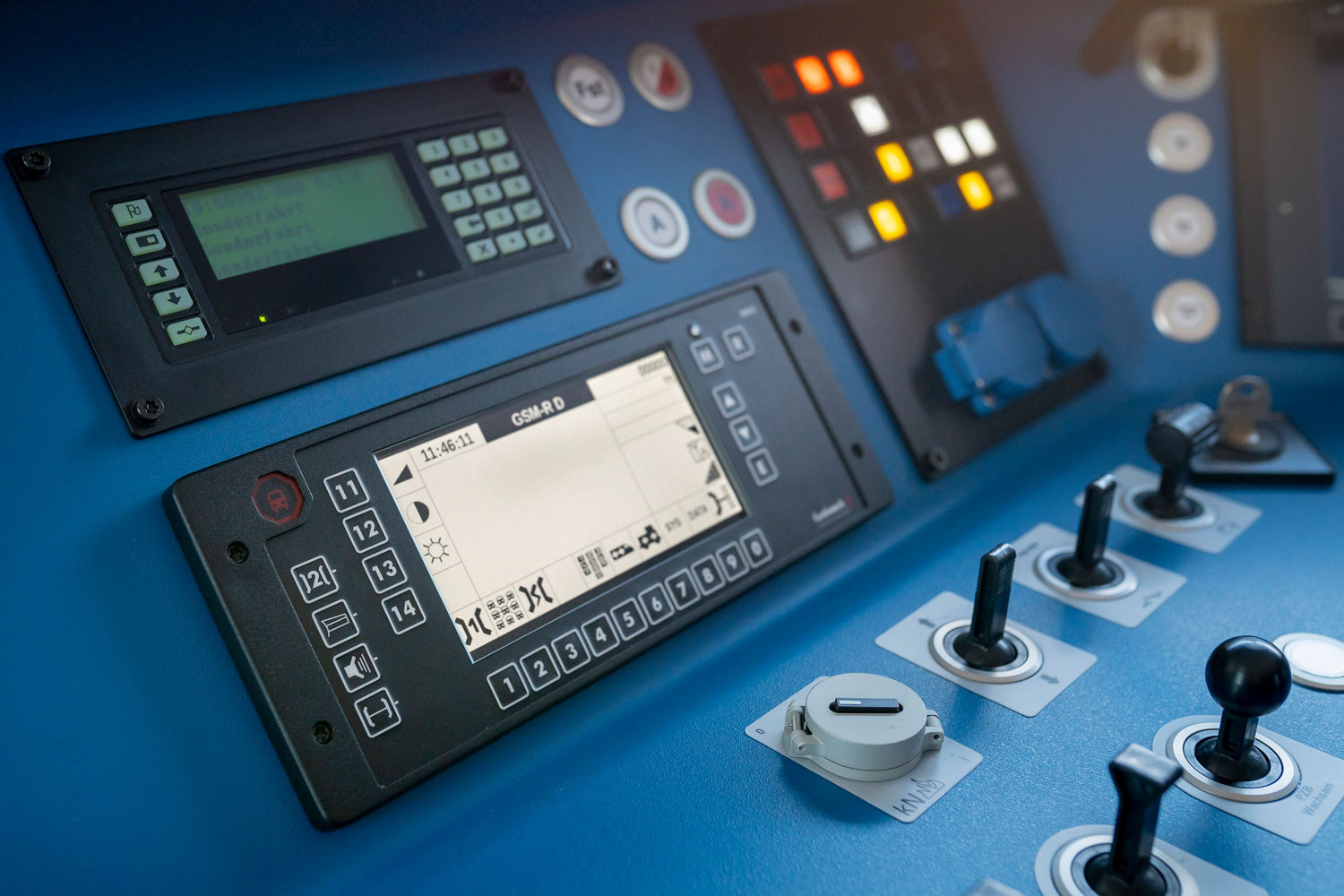
Railways use radio systems such as GSM-R, LTE-based networks, and VHF/UHF channels for real-time communication between locomotive pilots and control centres. These systems support operational messages, safety alerts, and coordination during disruptions.
3. Communication Towers and Microwave Links
Communication towers provide radio coverage along the railway corridor. Microwave links offer point-to-point connectivity in regions where laying fiber is difficult. These assets ensure network redundancy and continuous connectivity.
4. Train Control and Signaling Communication
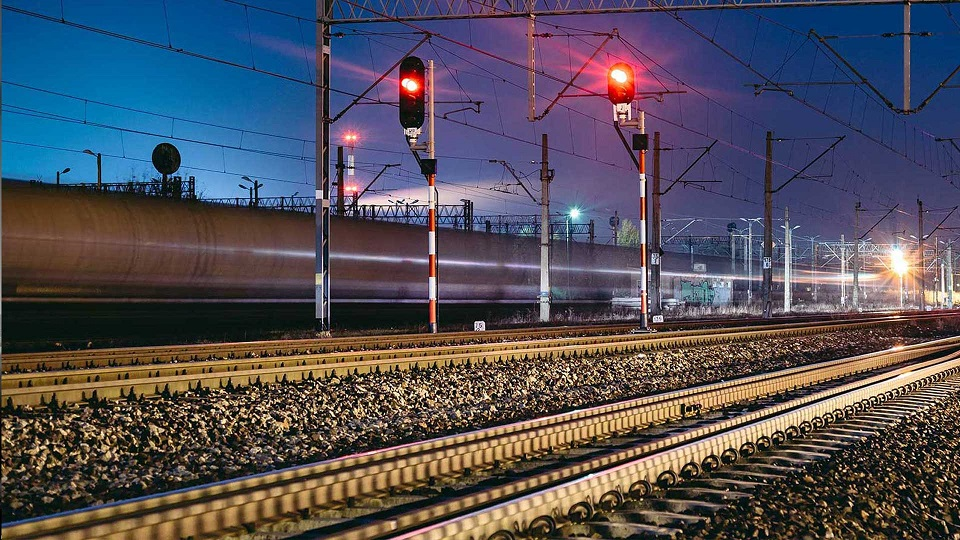
Telecom infrastructure supports advanced signaling systems such as Automatic Train Protection (ATP), Electronic Interlocking, Centralised Traffic Control (CTC), and wayside equipment. Reliable communication is essential for transmitting signal aspects, control commands, and safety-critical data.
5. Public Announcement and Passenger Information Systems

Passenger information displays, public announcement systems, and station communication networks depend on telecom networks. These systems support operational updates, emergency alerts, and routine passenger information.
Managing such a wide-ranging infrastructure presents practical challenges. Telecom assets are geographically dispersed, often installed in remote or difficult terrain. In this situation, tacking their condition, connectivity, and maintenance requirements using manual or traditional methods can lead to delays, data gaps, and operational inefficiencies. As rail networks expand and modernise, the need for accurate mapping, real-time monitoring, and integrated asset management becomes increasingly important.
Introduction to GIS in Railways

Geographic Information Systems (GIS) provide a structured framework for collecting, storing, analysing, and visualising spatial data. In the railway sector, GIS is used to map assets, track infrastructure, and operational elements across the network with geographic accuracy. For telecom systems, GIS enables operators to link asset information with location-based data, which forms a unified view of all components distributed along the railway corridor.
GIS works by integrating multiple data layers such as track alignment, fiber routes, towers, signaling equipment, terrain conditions, and land-use characteristics into a digital map. This allows railway teams to understand the exact position, condition, and interdependencies of telecom assets. Unlike conventional mapping or manual records, GIS provides dynamic and interactive visualisation which makes it easier to identify gaps, and monitor network performance.
The use of GIS in railways supports operational needs. It helps in planning new telecom routes, assessing feasibility, optimising alignments, and avoiding physical obstacles. For maintenance teams, GIS offers real-time insights into asset status, fault locations, and accessibility, which reduces response time during failures. It also supports long-term decision-making through data analysis, asset lifecycle assessment, and predictive planning.
By providing accurate spatial data and enabling integration with other digital platforms, GIS strengthens overall telecom infrastructure management. As rail networks continue to adopt digital and automated systems, GIS provides the foundational geospatial layer required for effective monitoring and management.
Applications of GIS in Rail Telecom Infrastructure
- Asset Mapping and Inventory Management
GIS begins its contribution through accurate asset mapping and inventory management. Every telecom component such as optical fiber cables, splice enclosures, manholes, towers, radio units, base stations, and power interfaces is recorded with precise geographic coordinates and associated technical attributes. By consolidating these elements into a unified geospatial system, railway operators obtain a dependable and continuously updated view of the network. This supports accurate lifecycle tracking and reduces inconsistencies that occur in manual or decentralised asset records.
- Route Planning and Network Design

In telecom route planning and network design, GIS helps engineers assess terrain conditions, land-use patterns, utility corridors, and right-of-way constraints to identify feasible alignments for fiber routes and tower locations. Engineers can visualise proposed layouts against real-world spatial layers, which enables them to detect obstacles early, estimate construction requirements, and avoid design conflicts. This spatial modelling helps in better planning accuracy and reduces redesign efforts during project execution.
- Maintenance and Condition Monitoring
For maintenance and condition monitoring, GIS integrates inspection data, repair histories, and sensor information into a spatial framework. Maintenance teams can analyse geographic trends in fault occurrence, identify sections that require preventive work, and understand how environmental factors contribute to degradation. This help in improving maintenance strategies from reactive to planned and predictive approaches.
- Fault Detection and Restoration Support
GIS is also valuable during fault detection and restoration. When a fiber break or radio failure occurs, alarm data can be linked to exact map locations, it shows the affected asset and its surrounding conditions. In this situation, railway operators are able to determine the nearest access points, estimate travel time, and identify dependencies such as adjacent signaling systems. This reduces overall restoration time and supports better coordination between field teams and the Network Operations Centre.
- Integration with SCADA & IoT-based Systems

The integration of GIS with SCADA and IoT platforms increases visibility and coordination across telecom operations. The real time data from sensors, power systems and transmission equipment can be directly displayed on GIS dashboards. This approach enables operators to monitor status continuously.
- Support for Network Expansion and Modernisation
GIS also supports the expansion & modernisation of the telecom network. It can analyse the existing capacity, identify connectivity gaps and model upgrade requirements. When railways plan the transition to new technologies such as LTE-R-based communication or higher capacity optical systems, GIS helps evaluate spatial compatibility, infrastructure readiness, and the impact of proposed expansions
- Field Operations Support
Field operations benefit from mobile GIS applications that allow teams to view maps, update asset details, upload field photos, and complete inspection forms in real time. These updates synchronise with the central database. It ensures that the asset inventory remains accurate and this eliminates the need for manual data entry. This improves traceability, enhances record quality, and simplifies the supervision of field activities.
- Security, Access Control, and Data Governance

Security and data governance form another important application of GIS in rail telecom infrastructure. GIS platforms incorporate access controls, user authentication, activity logs, and standardised data models to ensure that sensitive telecom information is protected and consistently maintained. Proper governance ensures that all spatial and asset data remain accurate, updated, and compliant with internal and regulatory requirements. To ensure the reliability of the system, it is imperative to conduct regular audits, verify data integrity, and maintain clear protocols for data entry, validation, and updates.
Overall, GIS strengthens every stage of the telecom asset lifecycle from planning and installation to monitoring, maintenance, reporting, and risk management. Its ability to combine spatial accuracy with technical asset data offers railways a comprehensive tool that improves operational reliability, reduces downtime, and supports long-term modernisation of telecom infrastructure.
Case Studies and Global Examples
Several railway systems worldwide have adopted GIS to improve operational reliability.
London’s Crossrail (Elizabeth Line), United Kingdom

The London Crossrail Project, now operating as the Elizabeth Line, is one of the largest railway infrastructure projects undertaken in the United Kingdom. GIS played a central role throughout the project lifecycle. It has supported planning, design, construction, and later maintenance activities.
During the planning phase, GIS was used to analyse multiple spatial layers such as existing utilities, land use patterns, geological conditions, and transport demand to determine the most feasible alignment. This helped planners evaluate alternatives, assess risks, and identify areas requiring engineering adjustments. Once the line became operational, GIS continued to assist in managing assets across the network.
Paulo Metro Expansion, Brazil
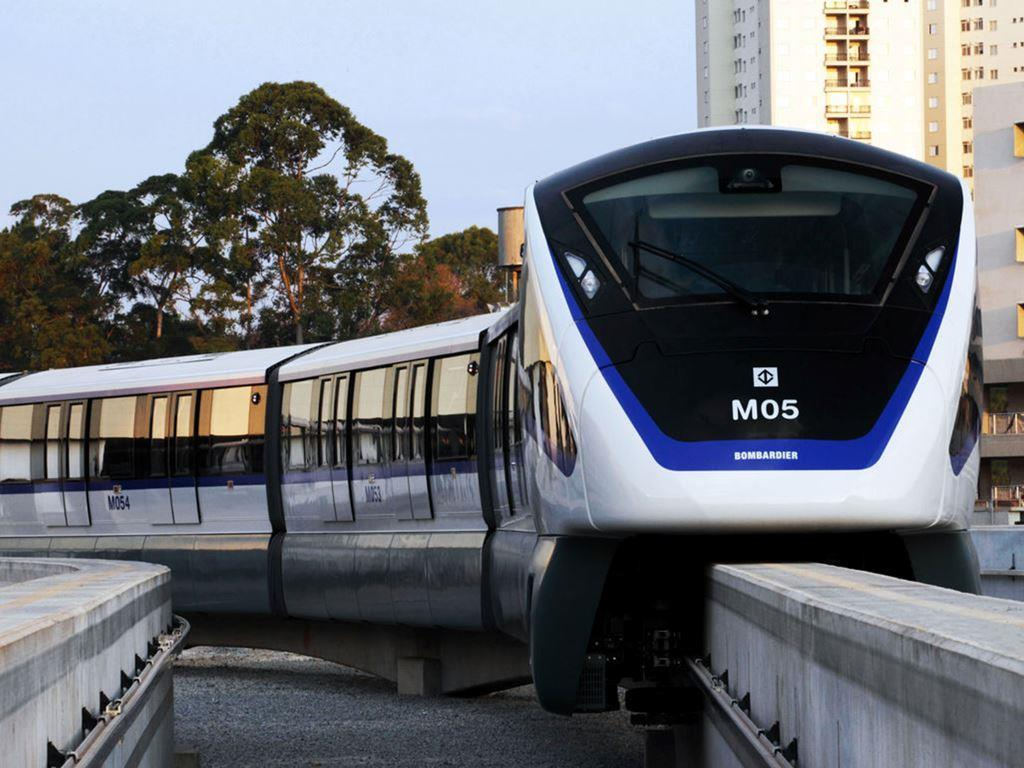
The São Paulo Metro Expansion in Brazil is another project, among others that used GIS. The project involved adding new metro lines, extending existing ones, and building new stations to reduce pressure on the road network and provide more reliable public transport options.
Planners used GIS to study population density, travel patterns, existing transport services, and available land to determine where new lines should be built. The technology helped identify suitable routes by analysing how different alignments would impact the surrounding areas, construction feasibility, and long-term demand. GIS also supported the selection of station locations by assessing accessibility, nearby residential and commercial zones, and expected ridership.
Once the new sections became operational, GIS continued to assist in managing assets such as tracks, stations, ventilation systems, and communication equipment. This improved maintenance planning and helped to ensure smoother operations across the expanded network.
Similarly, Japan Railways relies on GIS for real-time condition monitoring, which improves response times during disruptions and supports long-term capacity planning.
Roadblocks and Implementation Considerations
Legacy Systems and Data Consolidation

One of the major obstacles in adopting GIS for rail telecom infrastructure is the presence of legacy systems and fragmented data records. Many networks have telecom assets that were installed over long periods, which are often documented in inconsistent formats or, in some cases, not documented at all. In this situation, consolidating these records into a structured GIS platform requires detailed surveys, verification, and standardisation. In the absence of an accurate baseline, core GIS functions such as asset mapping, fault analysis, and planning become less effective.
Data Accuracy and Updating

The usefulness of a GIS system depends on how current and accurate the information is. Telecom networks undergo constant changes through upgrades, repairs, and new installations. If these changes are not updated regularly in the GIS database, the information becomes unreliable. In this case, it becomes imperative to maintain accuracy, which requires a clear data governance framework, defined roles for updates, and effective coordination between field engineers and central teams to ensure that all the changes are captured.
Technical and Financial Requirements

Implementing GIS at the largest rail network in India requires substantial investments in hardware, software licences, servers, and secure data storage. Rail telecom information is sensitive and must be protected through strong access controls, cybersecurity measures, and compliance with organisational data standards. Integrating GIS with existing telecom management systems, signalling platforms, and monitoring tools can also be complex.
Need for a Phased and Structured Deployment
Due to these challenges, GIS implementation must be carried out in a phased and planned manner. This includes setting priorities to ensure interdepartmental coordination, defining data standards, and monitoring progress at each stage.
GIS as a Growing Requirement in Rail Telecom Operations
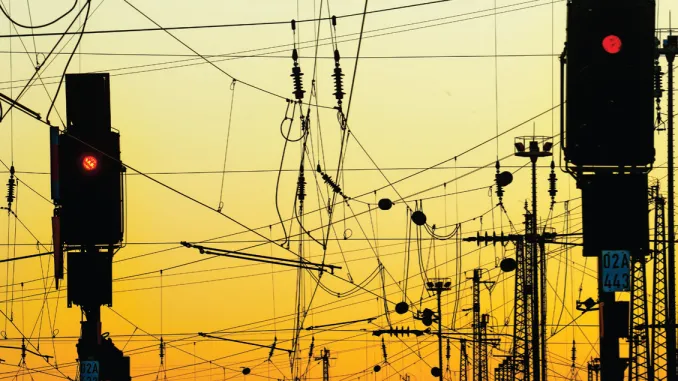
In the coming years, the role of GIS in rail telecom infrastructure is expected to expand as railway systems adopt more digital technologies and require better control over their communication networks. Indian Railways is introducing planning to deploy advanced telecom systems such as LTE-R, 5G-based communication networks, and IP-based signalling. These systems depend on accurate location data for planning, deployment, and maintenance. GIS will provide the spatial foundation needed to map fiber routes, radio equipment, cable ducts, towers, and control systems in a structured and accessible manner.
As telecom assets start generating more operational data through sensors and automated diagnostics, GIS will help combine this information with precise geospatial mapping. Digital twin systems, which create virtual models of physical telecom networks, also rely heavily on GIS to maintain accurate spatial representations of assets.
GIS will also become more important during network expansion. As railways add new corridors, stations, and signalling equipment, GIS will help assess route feasibility, identify conflicts with existing infrastructure, and manage interactions with utilities and urban structures.
Conclusion
Tooday, GIS has become an essential tool for managing the growing complexity of rail telecom infrastructure. GIS supports accurate planning, efficient maintenance by providing a structured spatial view of assets such as fiber networks, communication towers, signalling equipment, and control systems. It allows railway organisations to consolidate scattered asset information, monitor network performance in real time, and make informed decisions based on reliable data.
The GIS also strengthens operational coordination by linking field activities and system monitoring onto a single platform. As digital communication systems and advanced signalling frameworks continue to expand across railway networks, the need for precise and up-to-date geospatial data will become increasingly important. Although implementation requires careful planning, proper data governance, and investment in skills and infrastructure, the long-term benefits are crucial.
In the coming years GIS will continue to play a central role in improving reliability, supporting expansion, and maintaining the safety and efficiency of rail telecom systems.
Join the 6th edition of InnoMetro to explore how the progressions in AI are improving the railway systems, including ticketing, rolling stock, and signalling. Witness the innovation from 200+ exhibitors at India’s leading show for metro & railways which is going to held on 21-22 May 2026 at Bharat Mandapam, New Delhi
Register now: https://innometro.com/visitor-registration/