



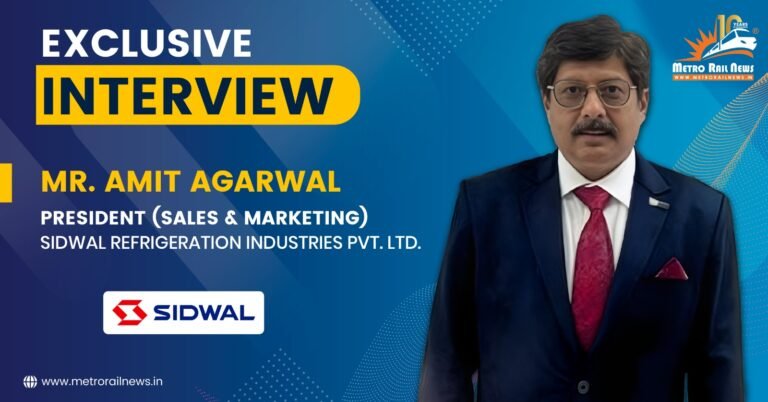
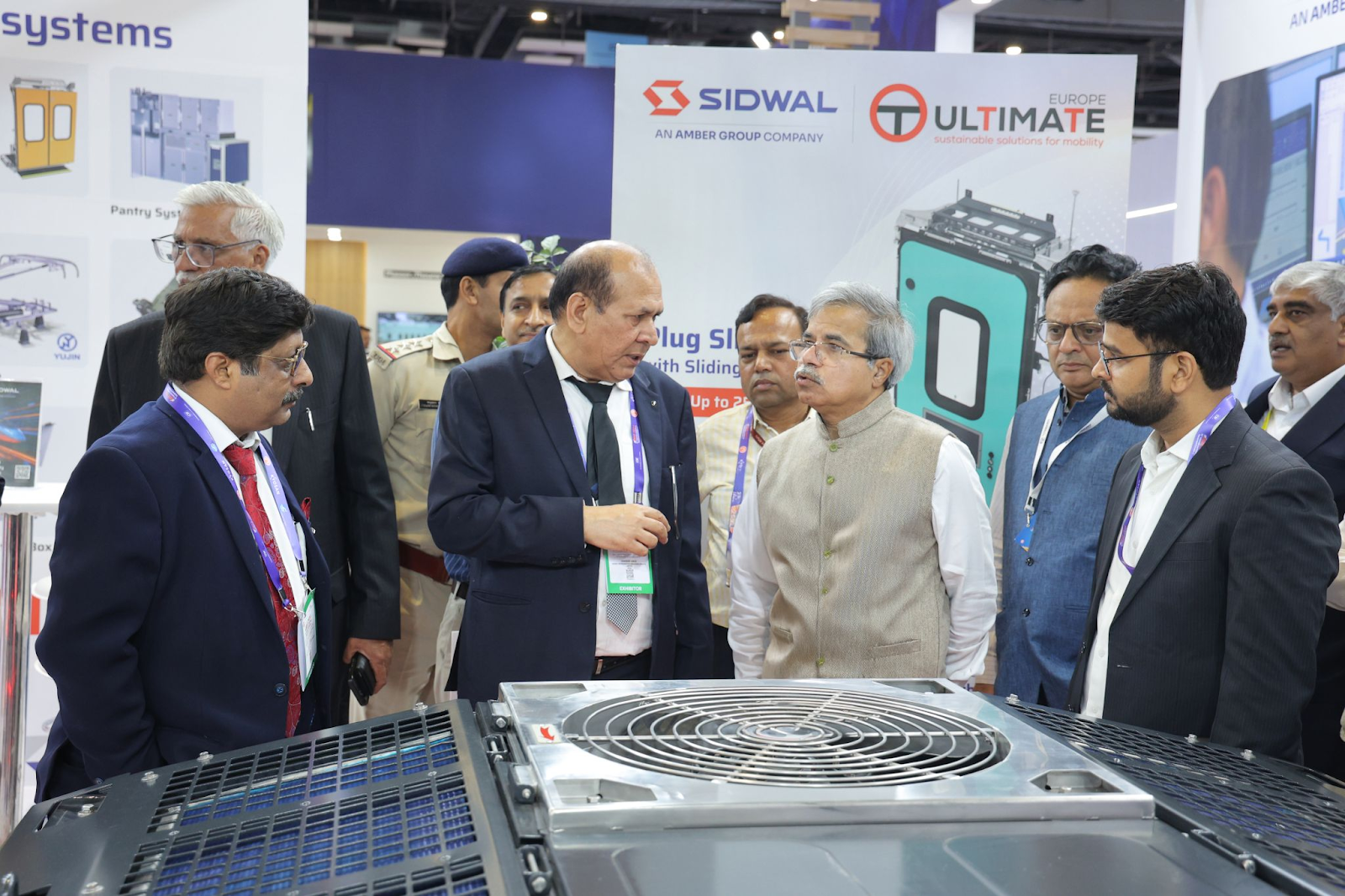
Metro Rail News visited the Sidwal stall,a subsidiary of Amber Group, to conduct an exclusive interview with Mr Amit Agarwal, President (Sales & Marketing), Sidwal. During the interaction, Mr. Agarwal highlighted Sidwal’s expanding footprint in India’s rail transport sector through its HVAC solutions, gangways, and door systems. He also spoke about Sidwal’s collaborations with leading global companies aimed at meeting the evolving needs of the Indian railway market. Furthermore, Mr. Agarwal shed light on some of Sidwal’s major orders that underscore the company’s leadership in HVAC systems and other critical rail components. Below are the edited excerpts from the interview:
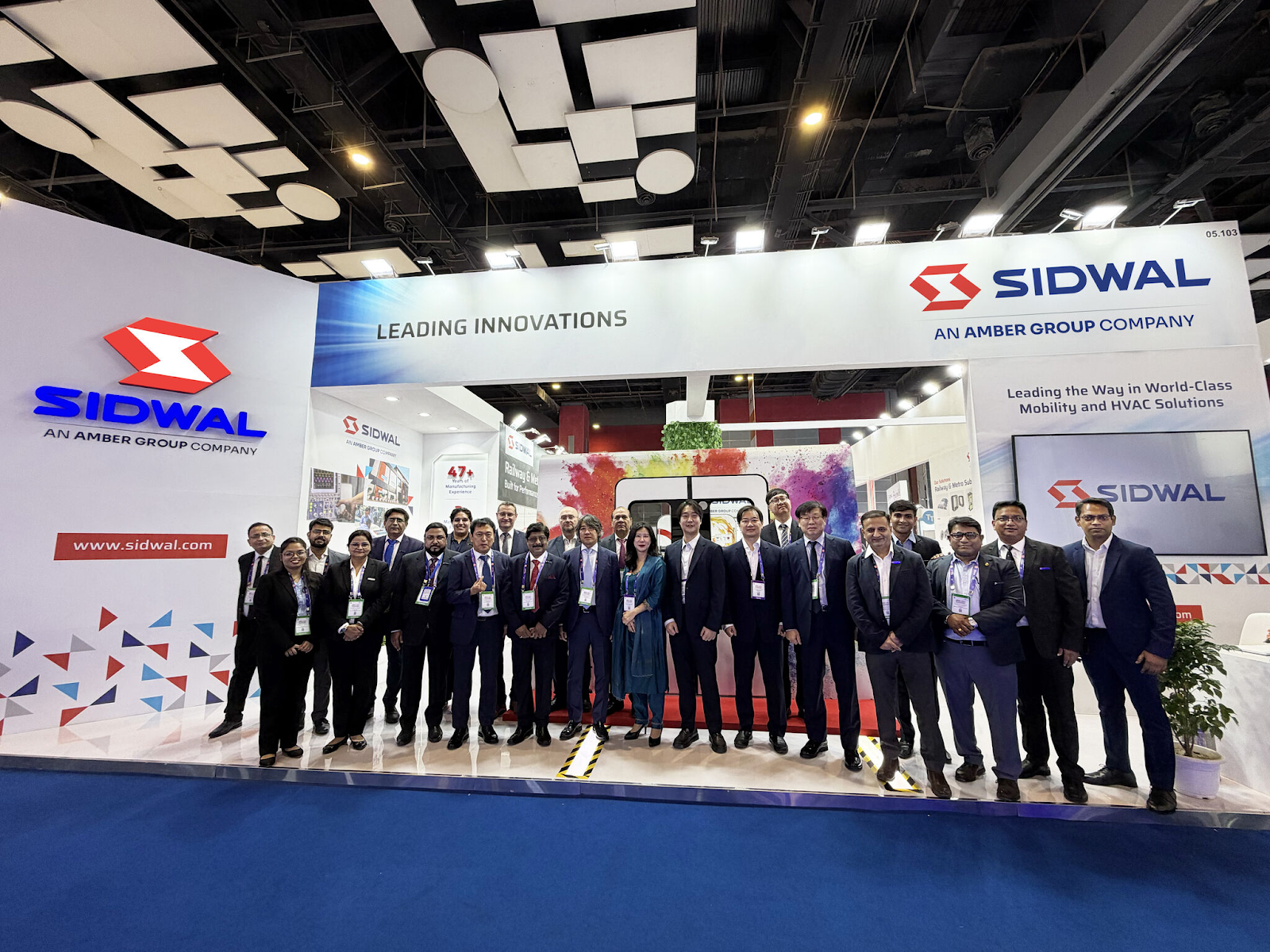
We are here at the Sidwal stall at IREE 2025. How does it feel to be part of this platform? Sidwal, a subsidiary of the Amber Group, features a legacy of over 3 decades in the Metro & Rail industry. Could you share insights into your professional journey with Sidwal and elaborate on your role as President (Sales & Marketing)?
Thank you, Metro Rail News team, for visiting our stall and taking this opportunity to interact with us at IREE 2025. As for my role, I am currently serving as the President (Sales and Marketing), Sidwal. I joined the company five years ago, and since then, we have witnessed substantial growth across our product lines. Today, Sidwal holds over 85% market share in HVAC systems for metro projects in India.
Speaking about Sidwal, as you know, the company has been widely recognised for its expertise in HVAC systems for the rail and metro sector. However, this year, our theme is “Beyond HVAC.” We are expanding our portfolio and showcasing our journey into new product segments.
The weekly brief metro & rail professionals read.
We have entered into a Transfer of Technology (ToT) agreement with Ultimate Europe for the manufacturing of Doors and Gangways, and production for localization of systems has already begun. We have secured contracts for the localisation and manufacturing of these products, which positions Sidwal to compete with leading global players in this domain.
Additionally, we have formed a Joint Venture (JV) with Yujin Machinery, a South Korea-based company. Through this collaboration, we have set up a new facility to manufacture couplers, brakes, driving gears, and pantographs, further broadening our product range.
2. Sidwal has established itself as a trusted partner in the Metro and Railway domains. Could you walk us through the key products and solutions the company offers for these sectors?
In the metro sector, we’ve achieved success across various projects in collaboration with leading rolling stock manufacturers. One of our accomplishments is the HVAC system development for the Delhi Metro’s RS17 project (Phase 4) and for the Chennai Metro, partnering with Alstom. We have also developed HVAC for the 5RSDM Bengaluru project with M/s. BEML. We are also developing HVAC for Surat Metro project with Titagarh Rail Systems. Our products are now being used across almost all major metro projects in the country. A recent highlight includes our work on the Mumbai Metro Line 4, also in association with Alstom.
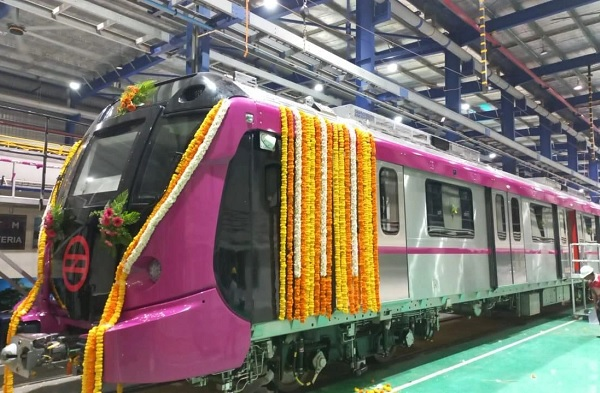
It’s been a very rewarding journey. Our products have been validated, accepted, and highly appreciated not only by rolling stock manufacturers but also by metro corporations themselves.
Moving beyond HVAC, we have now introduced new product lines for Gangways and Doors. We have already started supplying Gangways for the Chennai Metro project with Alstom and are currently participating in tenders for Mumbai Metro Line 5 and Line 6 with Titagarh Rail Systems for HVAC, Gangways and Doors.
3. What differentiates Sidwal from other stakeholders in the mobility ecosystem? How is the company evolving in every aspect to meet the demands of the rail sector?
Sidwal is an Indian company with strong backward integration, which gives us a distinct advantage. For instance, when we manufacture our HVAC systems, nearly every component, starting from the steel used to fabricate the units to the heat exchangers and controllers, is produced in-house.
This level of integration ensures better quality control, efficiency, and reliability across our products. Unlike many multinational companies that rely heavily on imported components, Sidwal has established a complete, localized production ecosystem.
We operate as a one-stop solution for HVAC systems. At the same time, we source key components from reputed suppliers in the industry to maintain global standards of performance and safety.
This combination of local manufacturing and global quality helps us stay ahead, competitive, and aligned with the evolving needs of the rail and metro sectors.
4. Could you share details about Sidwal’s ongoing projects or recent orders in the Metro and Railway sectors?
In the metro segment, our recent order book has been quite strong and continues to grow steadily. We have secured multiple major projects with leading rolling stock manufacturers.
We are working for Delhi Metro RS17and Chennai Metro projects with Alstom. We are also executing the 5RSDM Bengaluru project with BEML and Surat Metro with Titagarh Rail Systems, . In addition, we are supplying HVAC systems for the 4RSDM Bengaluru project with CRRC. We are also executing Kolkata Metro with Medha and MRS -1 with BEML
Overall, we are proud to be associated with nearly all major ongoing metro projects in the country. The growing order book reflects the trust our partners place in Sidwal’s products and showcases the strong momentum and consistent growth of our HVAC business line.
5. Sustainability has become a major focus across the rail sector. What steps has Sidwal taken within its manufacturing operations to reduce its carbon impact and support a greener future?
Environmental Sustainability and carbon footprint reduction are key focus areas for Sidwal not only during the manufacturing of components, but we take significant efforts during design of HVAC units & other sub-systems to not only reduce their life cycle carbon footprint (by reducing their energy consumption, reduction of environmentally hazardous gases, etc.), but also ensure that their end of life footprint is minimal (by using recyclable materials). We have greatly improved the Coefficient of Performance (COP) of our HVAC systems. A higher COP means lower power consumption for the same output. Through all these measures, Sidwal aims to deliver high-quality, energy- efficient products that align with the broader goal of a greener and more sustainable rail ecosystem.
6. Could you tell us about Sidwal’s joint venture with Yujin Korea? What products or technologies are being developed through this collaboration?
Sidwal has entered a joint venture with Yujin Machinery of South Korea, forming a new entity that is currently in the erection and commissioning phase. This partnership is an important milestone in our journey toward product diversification and technological advancement.
The joint venture will focus on the manufacturing of critical rail components, including driving gears, couplers, pantographs, and brakes for a wide range of rolling stock. We already have a confirmed order book for couplers, and our next goal is to secure developmental orders from Indian Railways. Since these are safety-critical components, it takes time to complete the validation and approval process.
Our journey with this venture has started well, and we are confident that in the near future, it will enable Sidwal to capture a big share of the market in these product segments.
7. How has the technology transfer partnership with Ultimate Europe enhanced Sidwal’s capabilities in manufacturing doors and gangways for the rolling stock sector?
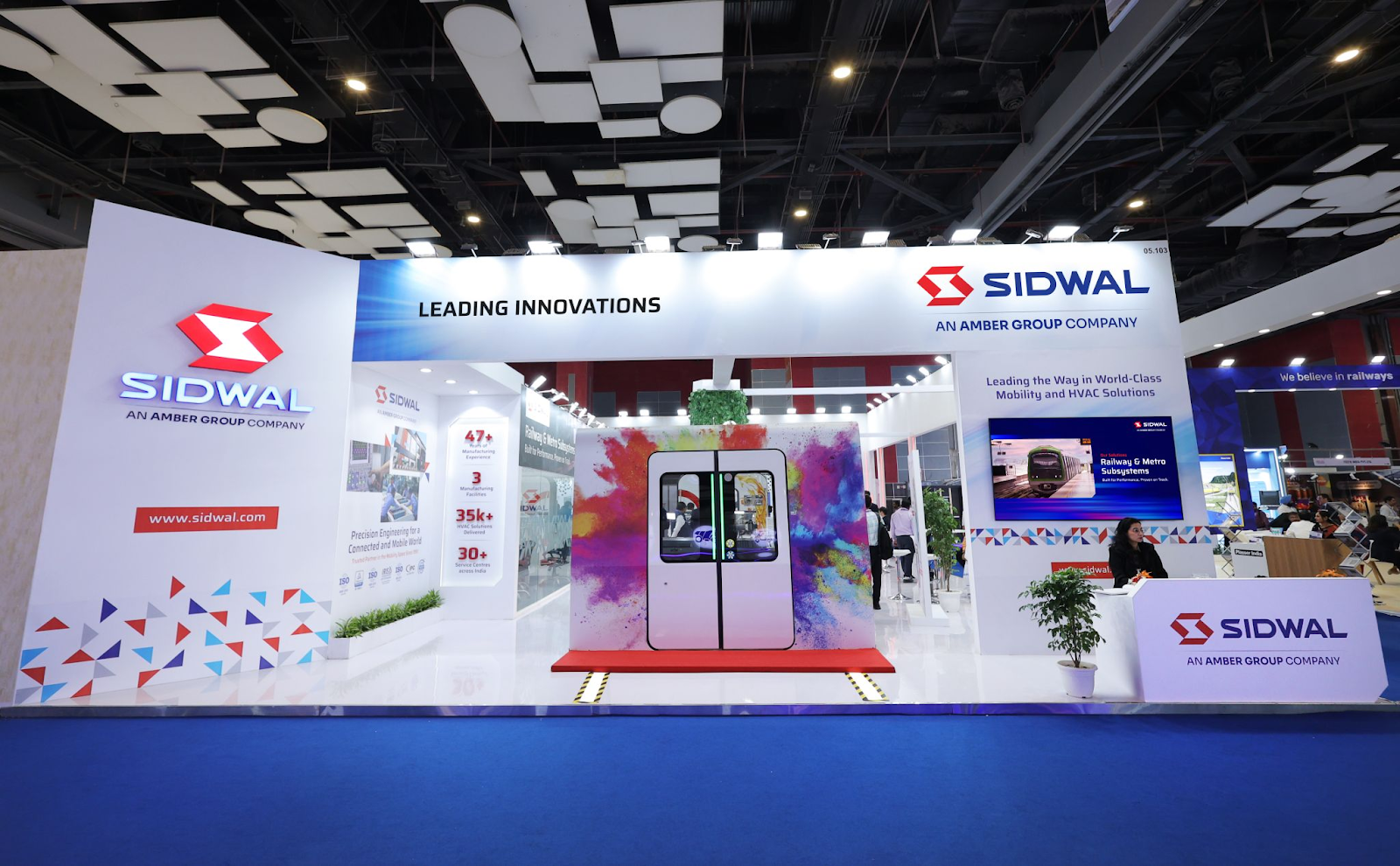
Sidwal entered into a Technology Transfer (ToT) partnership with Ultimate Europe Transportation Equipment GmbH around two years ago for the manufacturing of doors and gangways. This collaboration has strengthened our technological capabilities and opened up new opportunities in the rolling stock segment.
Through this partnership, we have secured several major orders, including Doors for 80 Vande Bharat trainsets from Titagarh Rail Systems, which cover both external passenger doors and internal doors.
Additionally, we have received order for Gangway from Kinet Railway Solution Limited, which we are now in the process of indigenizing and localizing in India under Ultimate’s design framework.
We have also obtained an order for passenger access doors from Kinet Railway Solutions for 60 Vande Bharat trainsets, which is 50% of the total quantity
Overall, our order book for Doors and Gangways is quite substantial. The journey so far has been very exciting, and we see immense potential in this segment in the years ahead.
8. What is Sidwal’s long-term strategic vision, and how does the company plan to expand its footprint in international rail markets?
In the rail industry, quality can never be compromised. To stay competitive, we must stay ahead of time and consistently deliver products that meet the highest standards of Quality, Cost, and Delivery (QCD). With new projects now requiring up to 35 years of maintenance life, manufacturers must ensure long-term reliability, durability, and lifecycle cost efficiency.
At Sidwal, we place strong emphasis on maintaining world- class quality standards. Sustaining in this highly competitive industry is possible only when quality is at the core, and that remains our top priority.
In terms of our global vision, we plan to manufacture Yujin joint venture products not only for the Indian market but also for exports to South Korea and other international markets. This will help build a strong export ecosystem from India.
Furthermore, we are also aiming to expand our HVAC product line globally, beginning with the APAC region, which has similar operating conditions to India. In the next phase, we plan to extend our reach to other international markets, which will position Sidwal as a global player in rail component manufacturing.
9. What key message would you like to share with the Metro & Railway industry and Metro Rail News readers?
The Indian railway and metro industry is witnessing a major growth phase. All the projects coming up in India are attracting attention from global companies and subsystem suppliers. The kind of growth we are seeing in India right now is unmatched anywhere else in the world.
Around 200 Vande Bharat trains are currently under execution, and a large ecosystem needs to be developed to support them. Many companies still do not have the capacity to manufacture the required products for these trains.
We also have a recent tender for MRVC trains, which is almost equal in scale to the Vande Bharat program, which highlights the momentum in India’s rail industry.. In my view, every subsystem supplier will have a fair share of opportunities in this growing market. As long as companies maintain quality, ensure technical sustainability, and deliver reliable products, they will continue to grow and contribute meaningfully to India’s rail sector.
Discover how AI is bringing the next phase of sustainable urban rail mobility for Viksit Bharat at InnoMetro 2026, India’s prime exhibition and conference for metro & railways which is going to be held on 21-22 May 2026 at Bharat Mandapam, New Delhi.
Register now: https://innometro.com/visitor-registration/