




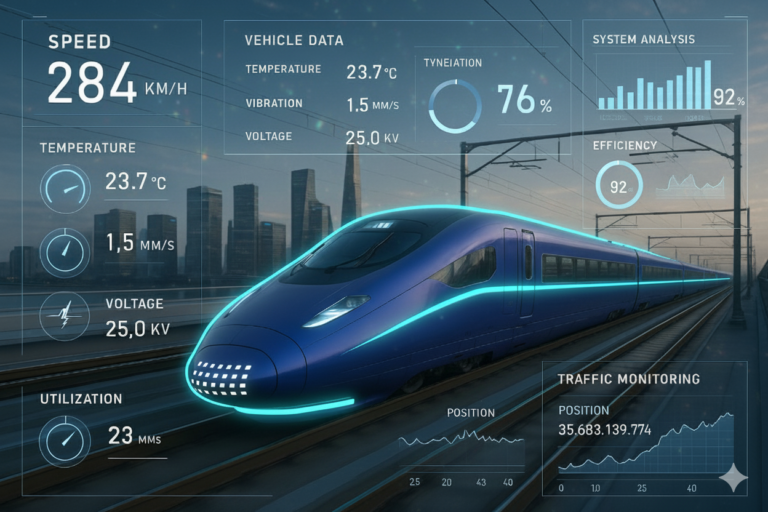
The railway sector is getting reliant on digital mechanisms and data driven technologies for the betterment of railway safety and operations. The digital twin is one of the technologies that can enable efficient rail management. In simple terms, a digital twin is a dynamic digital model that mirrors the condition and behaviour of real-world railway assets such as locomotives, tracks, bridges, stations, and signalling systems. It continuously receives data from sensors and connected devices, which allows operators to visualise performance in real time and simulate operational scenarios.
In the context of railways, digital twins are being deployed to improve asset lifecycle management, predictive maintenance, and infrastructure planning. By integrating inputs from IoT devices and advanced analytics platforms, these models help engineers monitor structural health, detect anomalies, and plan maintenance before failures occur.
Globally, rail operators such as Deutsche Bahn, SNCF, and Network Rail have incorporated digital twin platforms into their operations to optimise infrastructure management and network reliability. In India, similar adoption is underway as part of Indian Railways’ digital modernisation initiatives. DMRC and NCRTC have also started using Building Information Modelling (BIM) and digital twin frameworks for construction, maintenance, and operational analysis.
As the scale and complexity of rail networks continue to grow, the use of digital twins offers a unified, comprehensive view of interconnected assets, which empowers rail operators with faster decision-making and better coordination across departments. This technology is gradually becoming a core component of smart railway ecosystems.
Get the Daily Metro & Rail Brief
Join 125,000+ metro and rail professionals. Project updates, new tenders and contract awards from across India, in your inbox every day.
This paper studies the application of digital twin technology in the context of metro systems and other rail-based networks. The focus of this study is to examine how digital twins are being implemented across different operational layers from asset design and construction to maintenance and real-time operations. It will also explore the underlying technologies that enable these systems, including IoT-based sensing, cloud computing, and data analytics, along with their integration into existing railway infrastructure. Furthermore, the paper highlights global and Indian case studies that demonstrate the practical benefits of digital twins in improving efficiency, safety, and asset reliability, while also identifying key challenges in large-scale deployment and system interoperability.
Core Technology and Architecture for Digital Twins
The implementation of a digital twin in railways relies on the integration of hardware, software, and data analytics systems that together create a virtual representation of physical assets. Data acquisition is the creation of the foundation of this system.

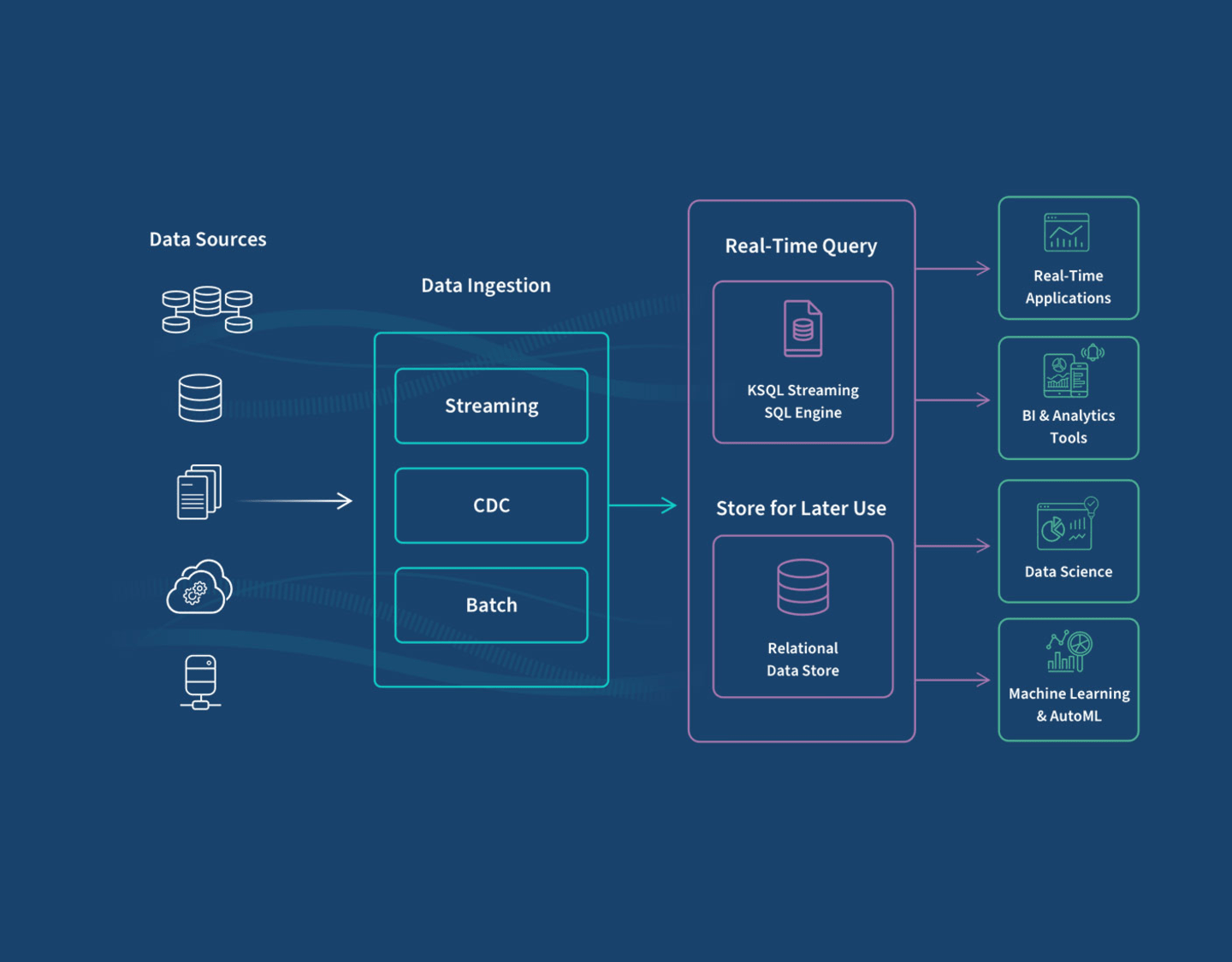
The architecture of a digital twin in railway systems is built upon the integration of multiple digital technologies, including Building Information Modelling (BIM), the Internet of Things (IoT), Geographic Information Systems (GIS), and data analytics platforms. Together, these technologies create a unified framework that connects the physical and digital environments of railway infrastructure and operations.
1. Building Information Modelling (BIM):
BIM provides the foundational layer by offering a detailed 3D representation of railway assets such as stations, tunnels, bridges, and rolling stock. It captures the geometric, spatial, and functional attributes of each asset, which enables visualisation and documentation throughout the project lifecycle. When extended to higher dimensions (4D to 7D), BIM incorporates elements such as construction sequencing, cost estimation, asset performance, and sustainability indicators.
2. Internet of Things (IoT):
The IoT layer enables real-time data acquisition from sensors installed across assets. The continuous flow of data from field devices to central systems provides a live operational picture of railway infrastructure. IoT connectivity, often supported by wireless communication protocols like LTE, 5G, or LoRaWAN.
3. Geographic Information System (GIS):
GIS integrates spatial data into the digital twin environment, which empowers operators to visualise assets within their geographical context. It supports corridor-level mapping of tracks, stations, and depots while accounting for terrain, land use, and environmental constraints. The combination of BIM and GIS provides both micro- and macro-level visibility.
4. Data Analytics and Cloud Integration:
The analytics layer processes and interprets the data collected through IoT systems. Using artificial intelligence (AI) and machine learning (ML) algorithms, the system identifies patterns, predicts failures, and optimises operational decisions. Cloud computing platforms host these analytics tool
In the context of railway projects, digital twins are also used during the construction phase. The engineering teams utilise BIM-based models that evolve into operational digital twins once the assets are commissioned.
For example, the National Capital Region Transport Corporation has adopted an advanced approach by utilising most of the 7 dimensions of Building Information Modelling (BIM) for the Delhi – Meerut Regional Rapid Transit System (RRTS) project. Through the integration of BIM with a Geographic Information System (GIS) platform, NCRTC has successfully developed a digital twin of the RRTS corridor.
Applications of Digital Twin Technology in Railway Systems
Digital twin technology in the railway sector functions as a virtual representation of physical assets. It enables continuous synchronisation between real-time operational data and the digital environment.
In metro and mainline rail systems, digital twins are being applied across several operational domains:
- Asset Management and Maintenance
Digital twins enable predictive and condition-based maintenance by continuously analysing asset health parameters such as vibration, temperature, and wear rates. This helps in predicting component failures and scheduling maintenance activities proactively. - Infrastructure Monitoring
The railway structural components, like bridges, tunnels, and elevated viaducts, can be digitally replicated to monitor stress, fatigue, and deformation. The embedded sensors on these structures support early detection of anomalies. - Operations Optimisation
The integration of operational data, including train movements, energy consumption, and passenger flows, allows operators to simulate different scenarios and optimise timetables, headways, and energy use. In dense networks such as urban metro systems, this contributes to improved punctuality and efficient energy utilisation. - Design and Construction Management
During the planning and construction phase, digital twins facilitate clash detection, sequencing of construction activities, and monitoring of progress against schedule baselines. - Passenger Flow and Station Management
The operators can monitor passenger movement at stations by combining sensor-based data collected from Automatic Fare Collection (AFC) systems with digital station models. This integration helps implement crowd control measures effectively and supports the adjustment of platform management strategies to ensure smooth passenger flow and operational efficiency.
Global and Indian Case Studies of Digital Twin Implementation in Railways
The adoption of digital twin technology in the railway sector has gained momentum across the world. There are many prominent rail operators in the world that are utilising this technology enhance the reliability, efficiency, and safety of rail operations
1. Crossrail Project, United Kingdom
With a £14.8 billion (about US $21 billion) budget, Crossrail is currently the biggest engineering project in Europe, and it is also one of the most prominent global examples of digital twin application.
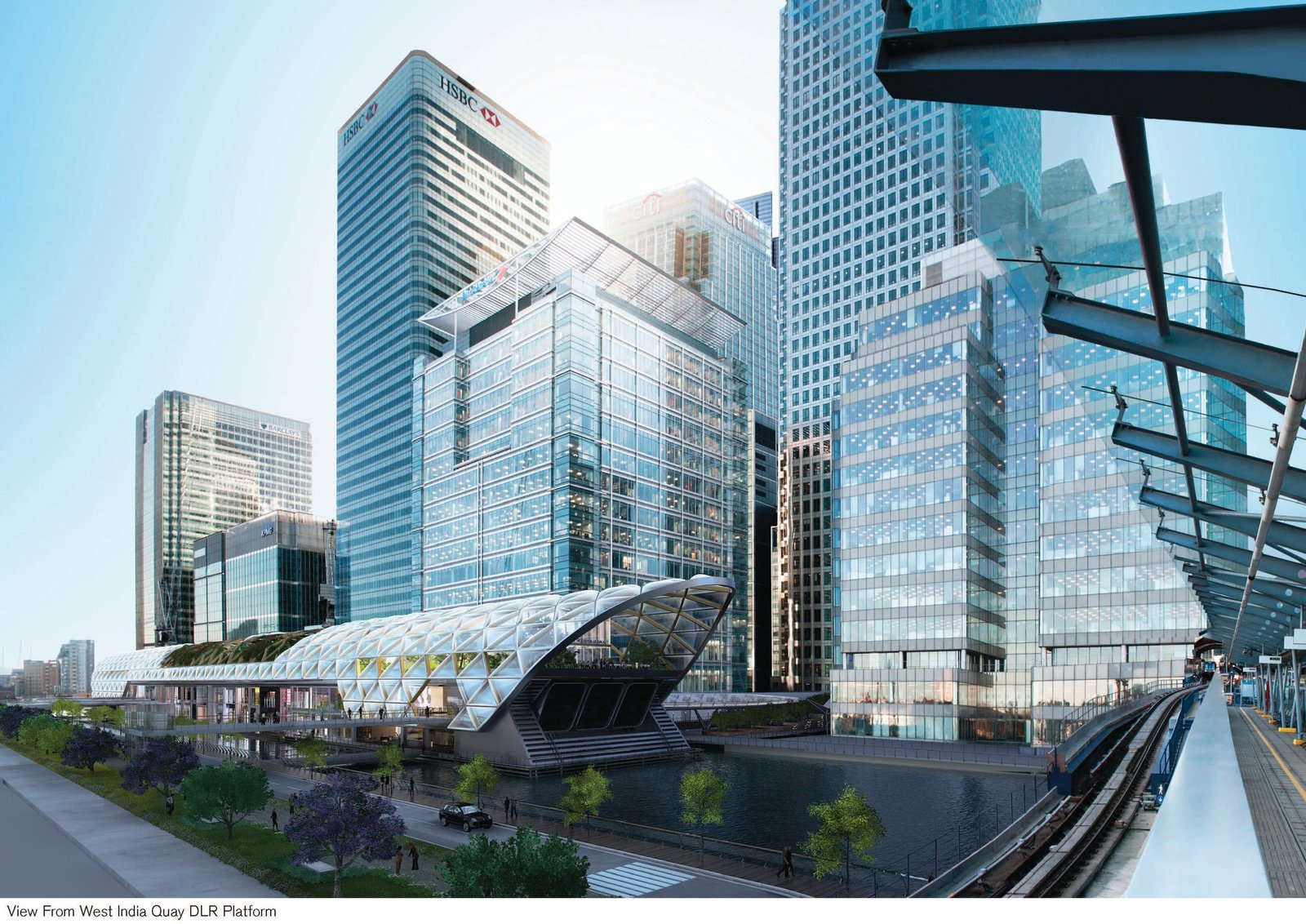
The project utilised advanced BIM-based digital twin models to coordinate design, construction, and maintenance activities across a complex underground network. The Crossrail model actually consists of more than 250,000 little models joined together in a database and linked to another database containing all the data and documentation about all of the railway’s assets, from 1-watt LED lightbulbs to the giant fans that extract smoke in the event of a fire as well as detailed descriptions of all the work that’s going on
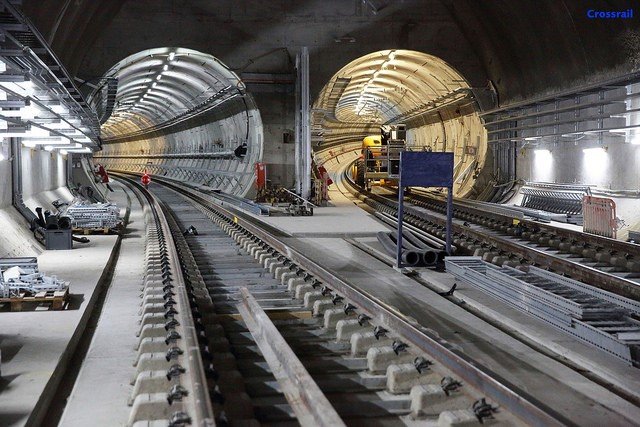
It integrated real-time data from thousands of assets into a unified model for improving coordination between contractors and enabled efficient asset handover to Transport for London (TfL). The digital twin also continues to support predictive maintenance of tunnel ventilation, track systems, and electrical infrastructure.
SNCF, France
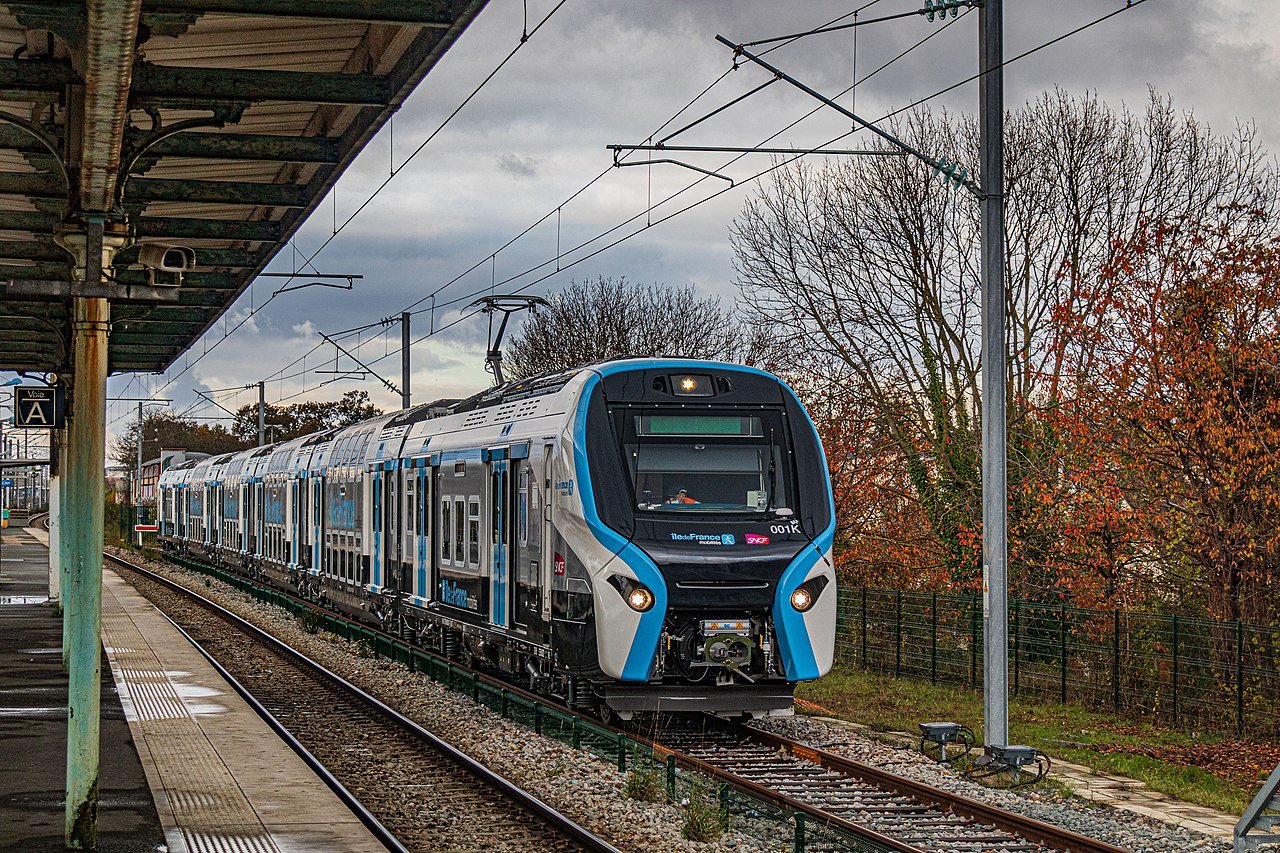
SNCF, the national railway operator of France, has collaborated with Akila, a digital twin and AI platform provider, to implement a real-time simulation and analytics system at the Monte-Carlo train station in Monaco. This setup enables real-time monitoring, operational optimisation, and simulation of passenger flow, environmental conditions, and energy performance, supporting data-driven management of station assets and passenger experience.
Digital Twin Implementation in NCRTC’s Delhi–Meerut RRTS Corridor

The National Capital Region Transport Corporation (NCRTC) initiated a Proof of Concept (POC) to establish a comprehensive Level 4 Digital Twin ecosystem for the Sahibabad-Anand Vihar section of the Delhi–Meerut Regional Rapid Transit System (RRTS). This initiative integrates Building Information Modelling (BIM), Internet of Things (IoT), Operational Technology (OT), Artificial Intelligence (AI), and data analytics into a unified digital environment designed to enhance operational efficiency, asset reliability, and passenger safety.
Assets Covered under the RRTS Digital Twin Framework
- Track Infrastructure
- Overhead Electrification (OHE)
- Rolling Stock
- Station Facilities
- Civil Structures
- Signaling and Telecommunications
The pilot focuses on two critical nodes, Sahibabad Elevated Station and Anand Vihar Underground Station, along with the connecting viaduct and tunnel section. The objective is to develop a real-time, data-driven digital twin capable of supporting predictive maintenance, optimising station operations, and improving commuter experience through AI-based decision-making.
The project’s target is to achieve Level 4 maturity on the digital twin scale, where predictive and prescriptive analytics guide maintenance and operations, and Level 5 readiness, which allows eventual self-learning and autonomous decision-making. The solution is being developed at NCRTC’s Aparimit Lab at Duhai Depot, with final deployment planned on MeitY-approved cloud infrastructure.
Challenges and Implementation Barriers
While digital twin technology offers advantages in improving operational efficiency, predictive maintenance, and asset reliability, its large-scale implementation in railway systems presents technical and other challenges. These challenges stem from the complexity of integrating multiple subsystems and managing diverse data sources.
1. Data Integration and Standardization
Railway infrastructure involves heterogeneous systems, rolling stock, signaling, OHE, and civil works, where each asset generates data in different formats. The consolidation of this information into a unified digital environment requires extensive data mapping, standardisation, and interoperability. Inconsistent data models can hinder the accuracy of simulations and predictive insights.
2. Legacy Systems
Many operational systems in Indian Railways and metro networks were not originally designed for real-time data exchange. Integrating legacy systems with modern IoT and BIM platforms demands complex interface development and cybersecurity validation.
3. High Initial Cost and Resource Requirements
The development of a fully functional digital twin ecosystem involves investment in sensors, edge devices, cloud storage, analytics platforms, and high-performance computing infrastructure.
4. Skill Gaps and Organizational Readiness
Digital twin implementation requires expertise in data engineering, AI/ML, BIM modeling, and cloud computing. These skills are still developing within the traditional railway workforce. To bridge this skill gap, it is imperative to initiate upskilling and capacity-building programs.
5. Cybersecurity and Data Governance
As digital twins rely on extensive data exchange between field sensors, control systems, and cloud platforms, in this case, ensuring cybersecurity becomes critical. Data breaches, unauthorised access, or system disruptions could impact both safety and service reliability.
Conclusion
Digital twin technology is becoming an important tool for improving railway operations and maintenance. It allows operators to create a digital version of physical assets such as tracks, trains, and stations, helping them monitor conditions in real time and make decisions that are completely data based. This approach supports predictive maintenance, reduces failures, and improves overall service reliability.
Global rail operators like Deutsche Bahn, SNCF, and Network Rail have shown how digital twins can improve infrastructure management and network efficiency. In India, agencies such as DMRC and NCRTC are also adopting this technology. The Delhi–Meerut RRTS corridor is a practical example where a digital twin integrates BIM, GIS, IoT, and analytics to support daily operations, maintenance, and passenger management.
However, some challenges remain. Integrating data from different systems, ensuring interoperability, and maintaining cybersecurity are major issues. There is also a need for skilled personnel and standardised procedures to manage and use digital twin platforms effectively.
The proper planning, investment, and training in digital twin technology can play a key role in making Indian railways more efficient, reliable, and sustainable.
Join the 6th edition of InnoMetro to explore how the progressions in AI are improving the railway systems, including ticketing, rolling stock, and signalling. Witness the innovation from 200+ exhibitors at India’s leading show for metro & railways which is going to held on 21-22 May 2026 at Bharat Mandapam, New Delhi
Register now: https://innometro.com/visitor-registration/